
Free visual inspection and a written scope of work before any mitigation begins - photos, moisture readings, and drying logs go in your claim file
The scope we write is the scope we bill. Anything new gets shown to you, in writing, before we touch it.
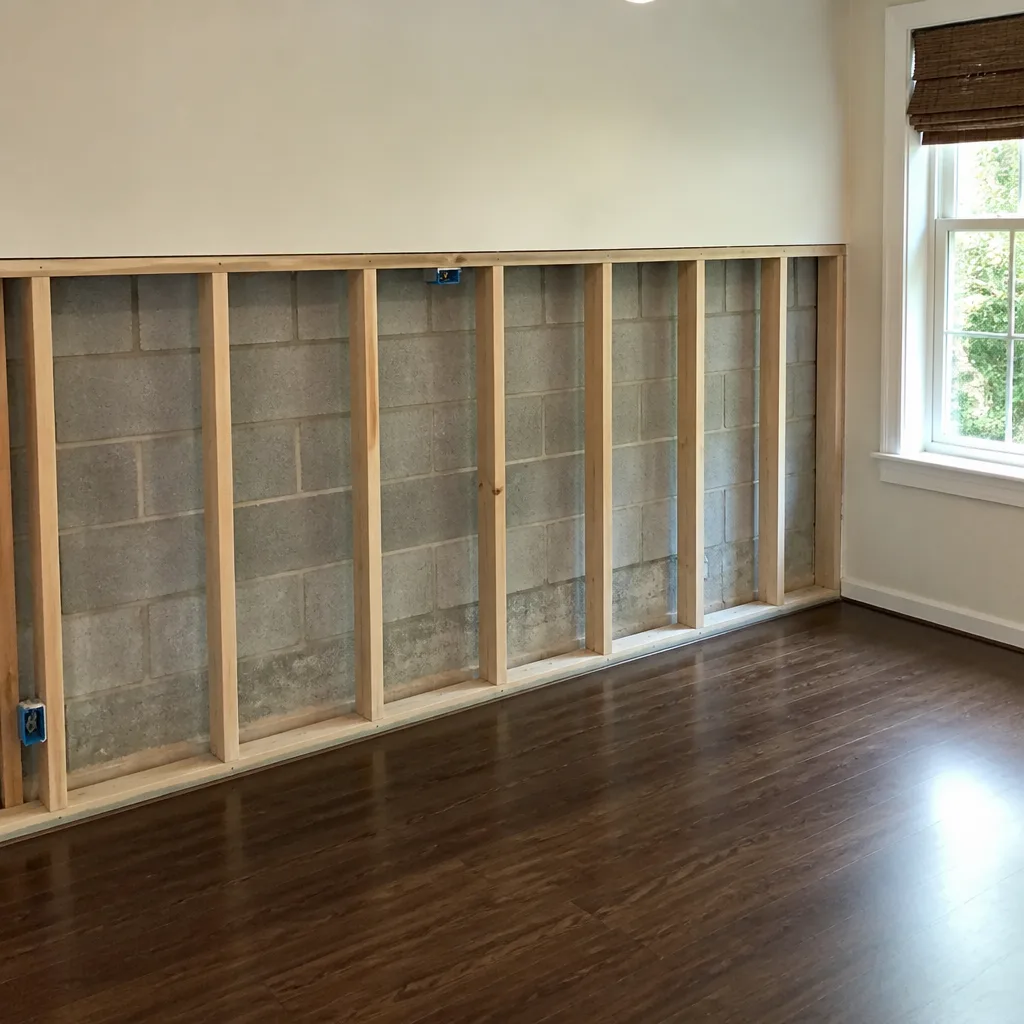

 Before
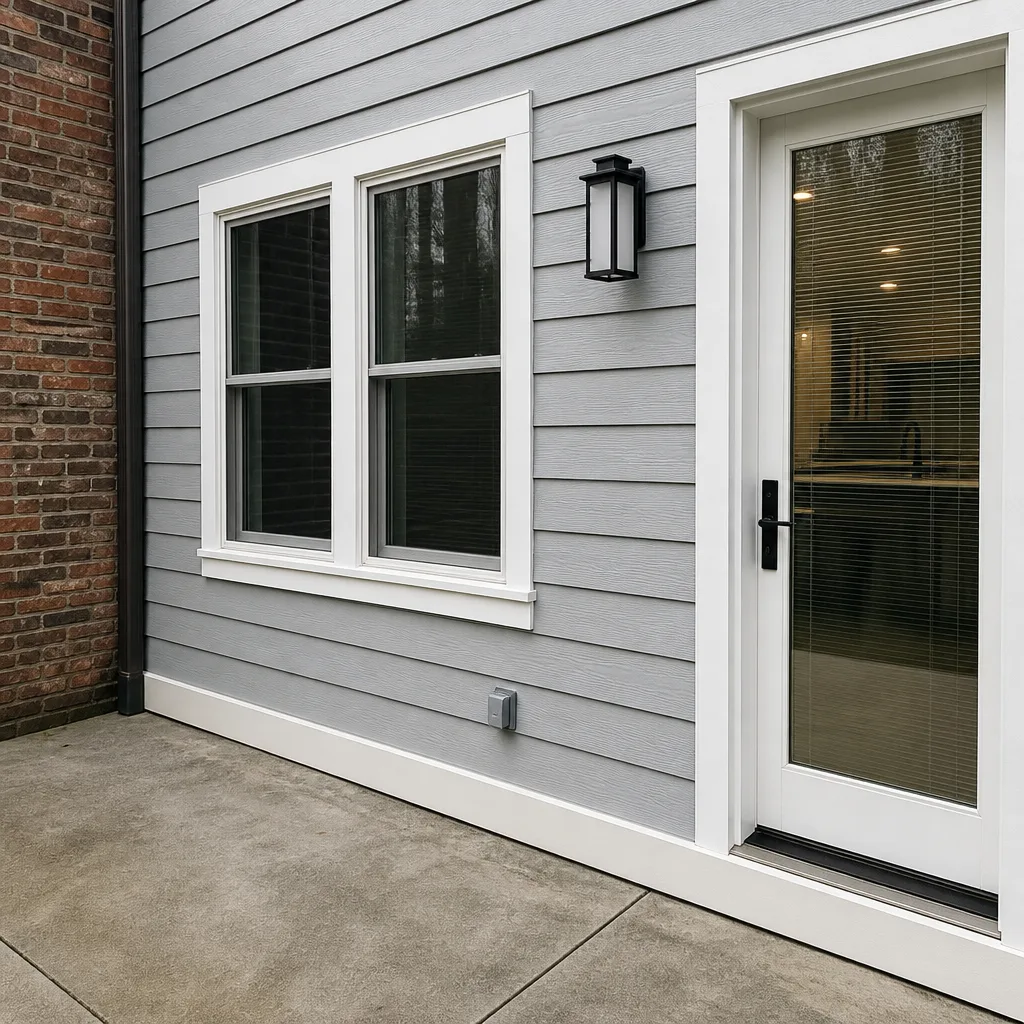 After
After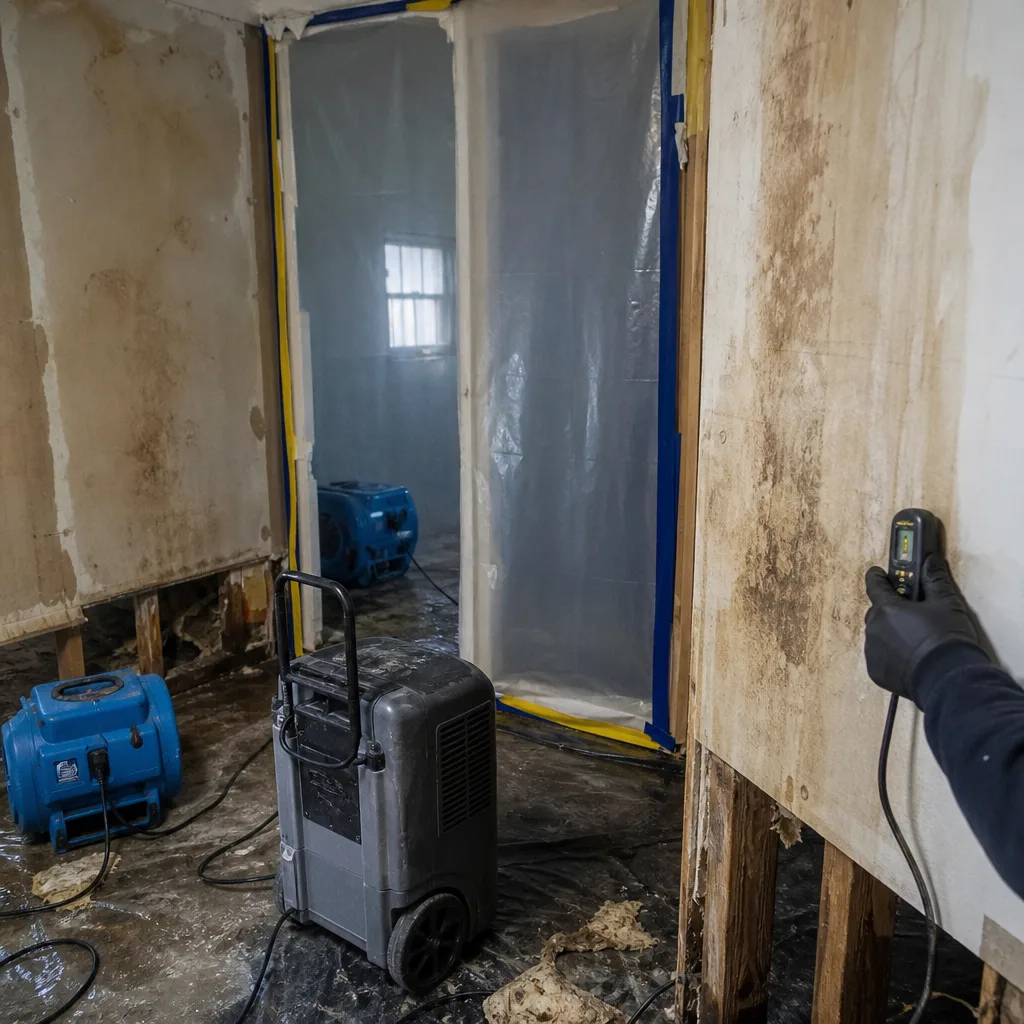 Before
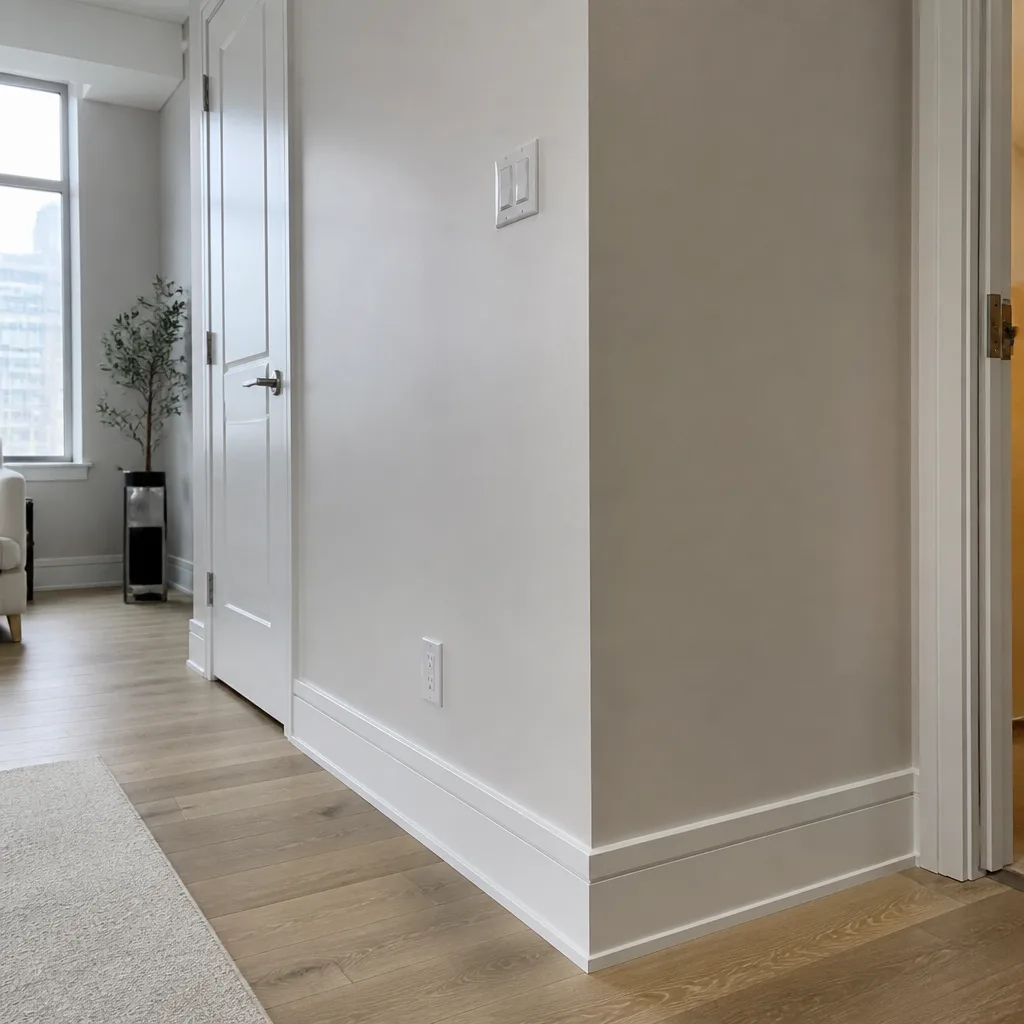 After
After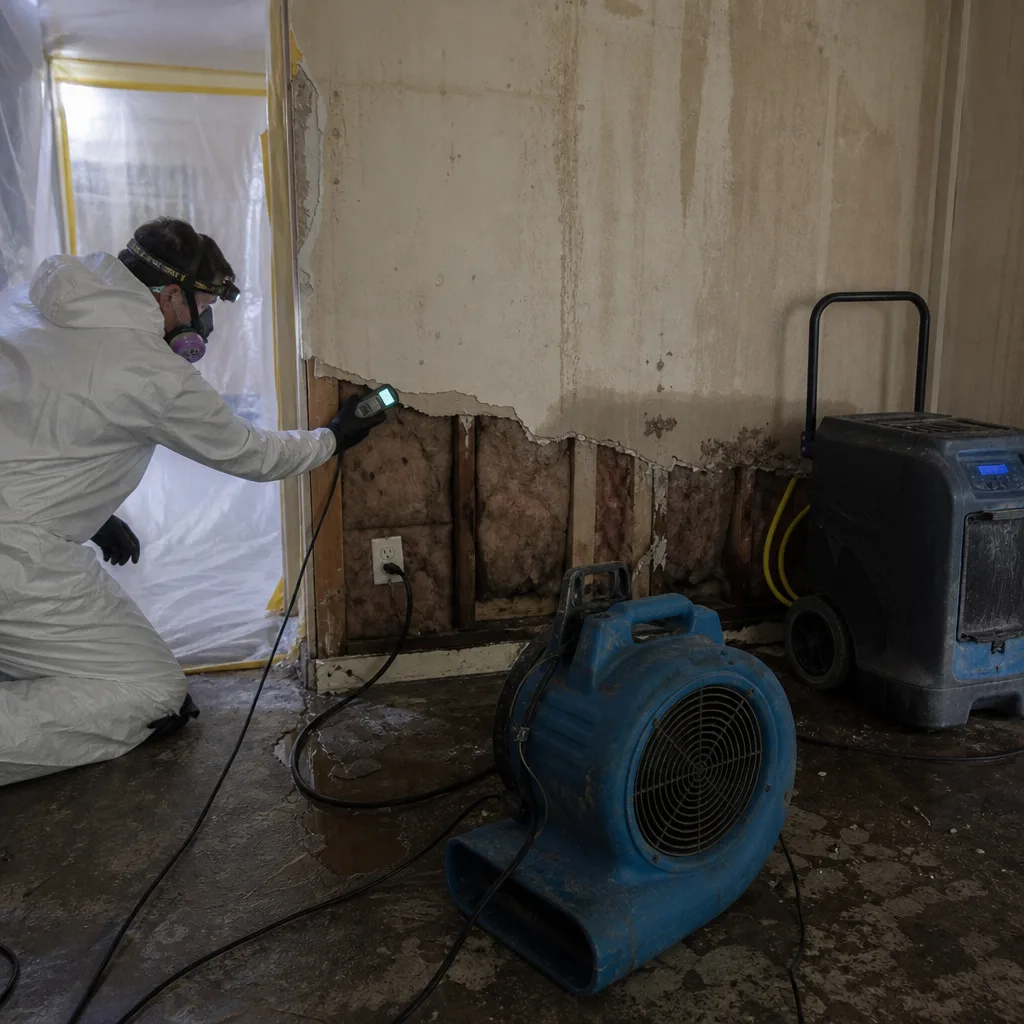 Before
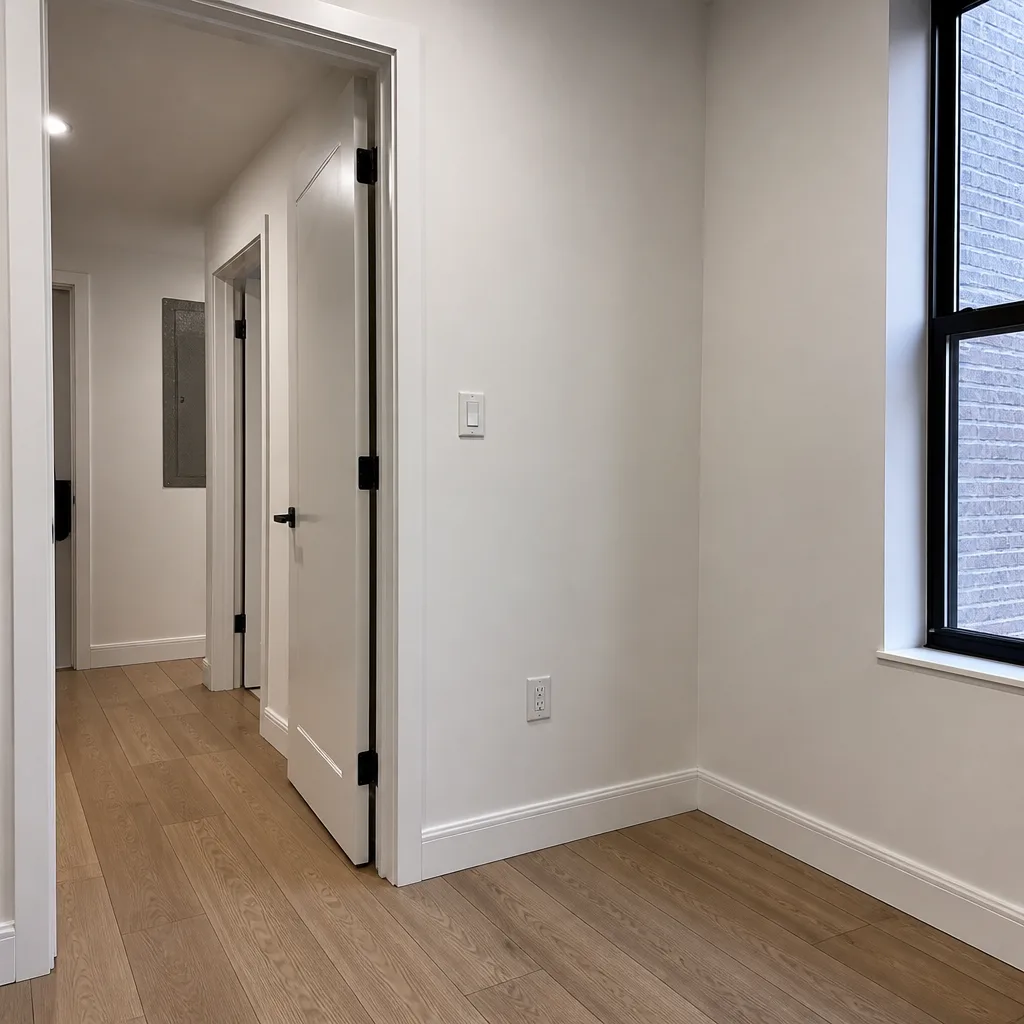 After
After24/7 Emergency Storm & Disaster Restoration in Williamsburg
Storm and disaster restoration in Williamsburg starts the moment water breaches a roofline, a sewer backs up, or wind tears open an envelope. We answer live at 2 a.m. with a dispatcher, not a recording, and a certified crew is typically on-site within 45 minutes of your call to (518) 663-6491. The first hour after storm damage is the cheapest hour to respond. Water moves fast through lathe-and-plaster, concrete slab, and brick party walls, and once it reaches the cavities between floors, extraction stops being a cleanup and becomes a structural drying project. Our crews arrive with thermal imaging and moisture mapping gear already staged on the truck, so we start pulling water in the same visit. We serve all of Williamsburg, from the Northside waterfront to the BQE-adjacent loft blocks, with free visual inspections and direct insurance billing. The sooner you call, the less got damaged, and the less it costs to fix.
Understanding Storm & Disaster Restoration Severity in Williamsburg Properties
Storm water damage falls into three categories, and Williamsburg’s building stock makes severity assessment different from what a standard residential chart would suggest. Category 1 water is clean, coming directly from a broken supply line or a rain-driven leak through unsealed flashing. Category 2 is contaminated, carrying dirt, roof debris, or boiler-room residue. Category 3 is unsanitary: sewer backup, East River floodwater, or ground-level storm surge that pushes through below-grade entry points. In a wood-frame house in an inland ZIP code, Category 2 water in a ceiling cavity might dry with standard equipment in three or four days. In a converted loft on North 5th Street, that same water migrates laterally through unreinforced brick party walls and saturates lathe-and-plaster before it ever shows as a stain on the finished surface. That means our crews have to read moisture maps across wall cavities, not just across visible wet drywall. Misclassifying the water, or mapping only the visible stain, leaves saturated masonry and rubble-stone foundations wet behind the cosmetic repair. That is how mold gets a head start. Our crews classify the water, map the migration, and document everything. The severity conversation in Williamsburg is not just about what the water is. It is about where the water went, and what material is holding it.
Why Williamsburg Property Owners Choose Floodline Restoration Co.
- 45-minute response commitment. We dispatch from a metro office that keeps a crew rotation staged for Williamsburg. When you call, someone is already moving.
- 24/7 live answer, every day. No automated phone tree. A real dispatcher answers at any hour, including holidays and during active Nor’easter events.
- IICRC-certified crews trained to WRT and ASD standards. That means water damage restoration and applied structural drying protocols, not just wet-vac work.
- Free visual inspection. A uniformed, background-checked technician walks the loss, photographs it, and gives you a straight read on scope before any work is approved.
- Direct insurance billing. We handle adjuster communication, provide moisture logs and photographic documentation, and bill your carrier directly. You are not the messenger.
- One team from first extraction to final rebuild. Same certified crew that pulls water in the first hour runs the drying logs, and the same company rebuilds the sheetrock. No mid-job handoff to an unfamiliar subcontractor.
Our Storm & Disaster Restoration Process
Inspection & Assessment
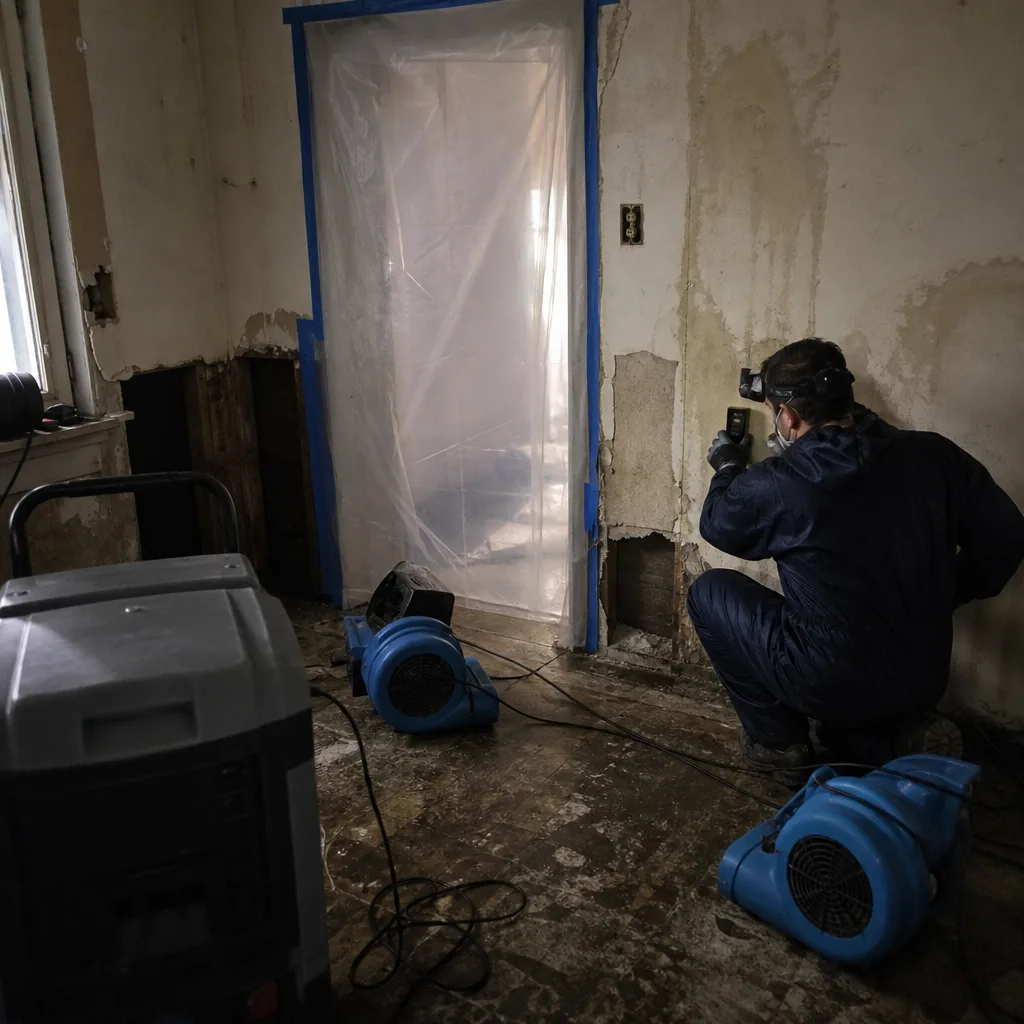
We photograph the full loss, classify the water, and build a moisture map across walls, ceilings, and subfloors using thermal imaging and penetrating moisture meters. In Williamsburg loft buildings, we specifically check adjacent units and party walls for lateral migration. You get a written scope and a firm price before we start.
Extraction & Stabilization
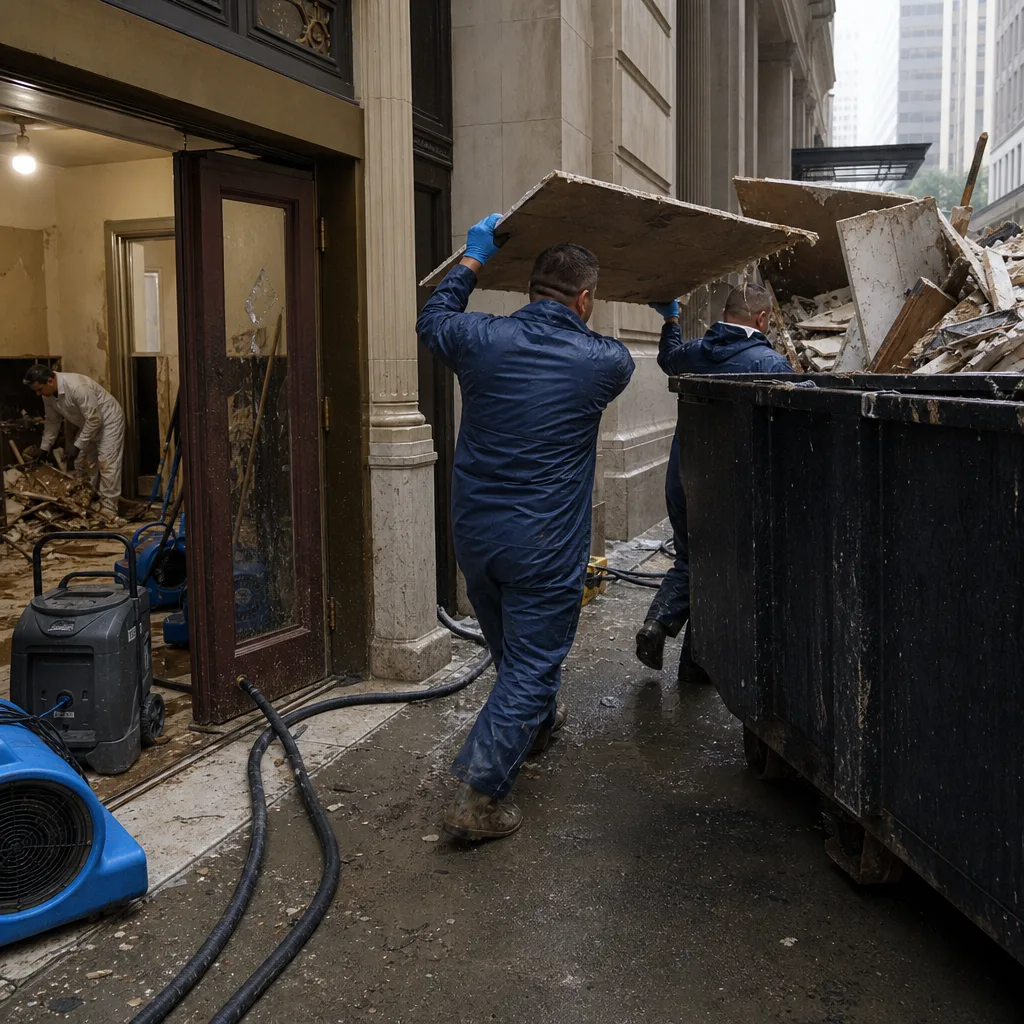
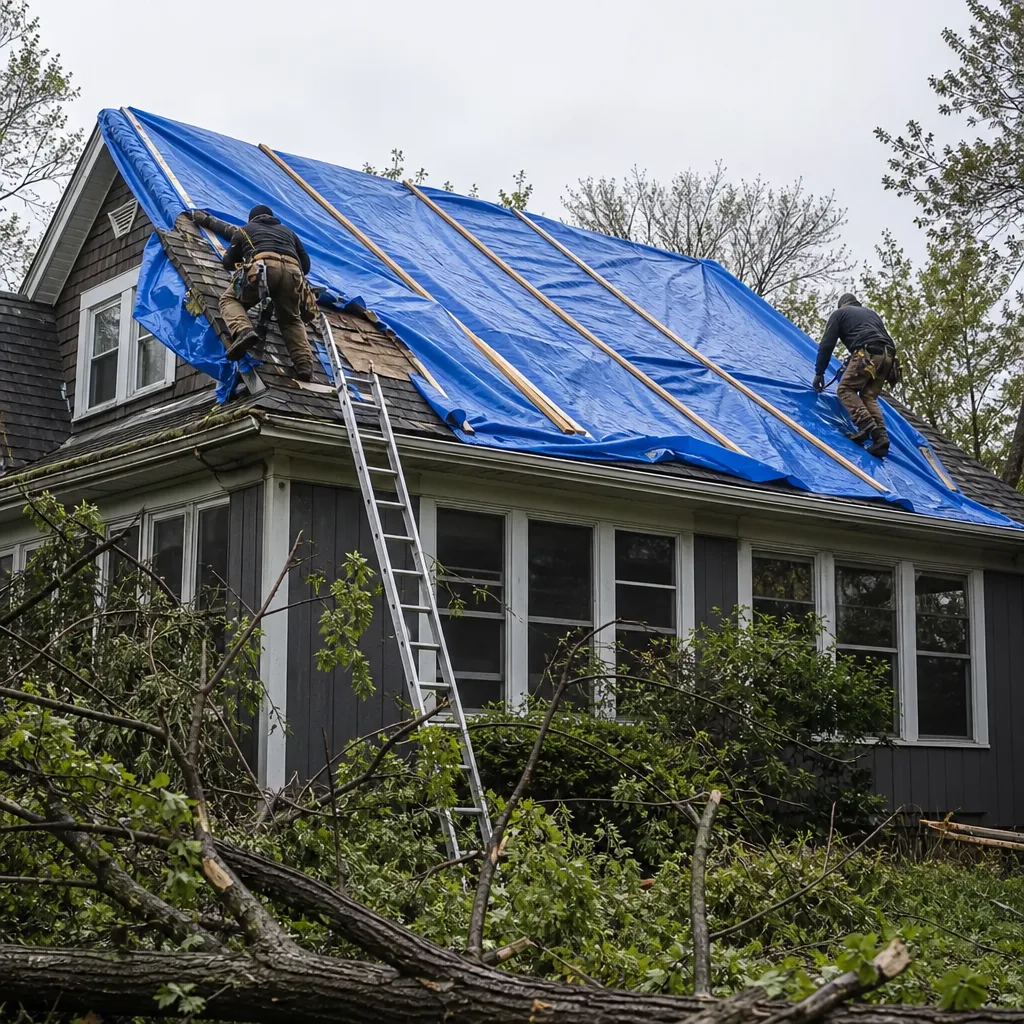
Standing water comes out first. Truck-mounted and portable extractors pull water from floors, wall cavities, and below-grade spaces. We board up broken windows and doors, tarp roofs, and stop active water entry before drying begins.
Drying & Dehumidification
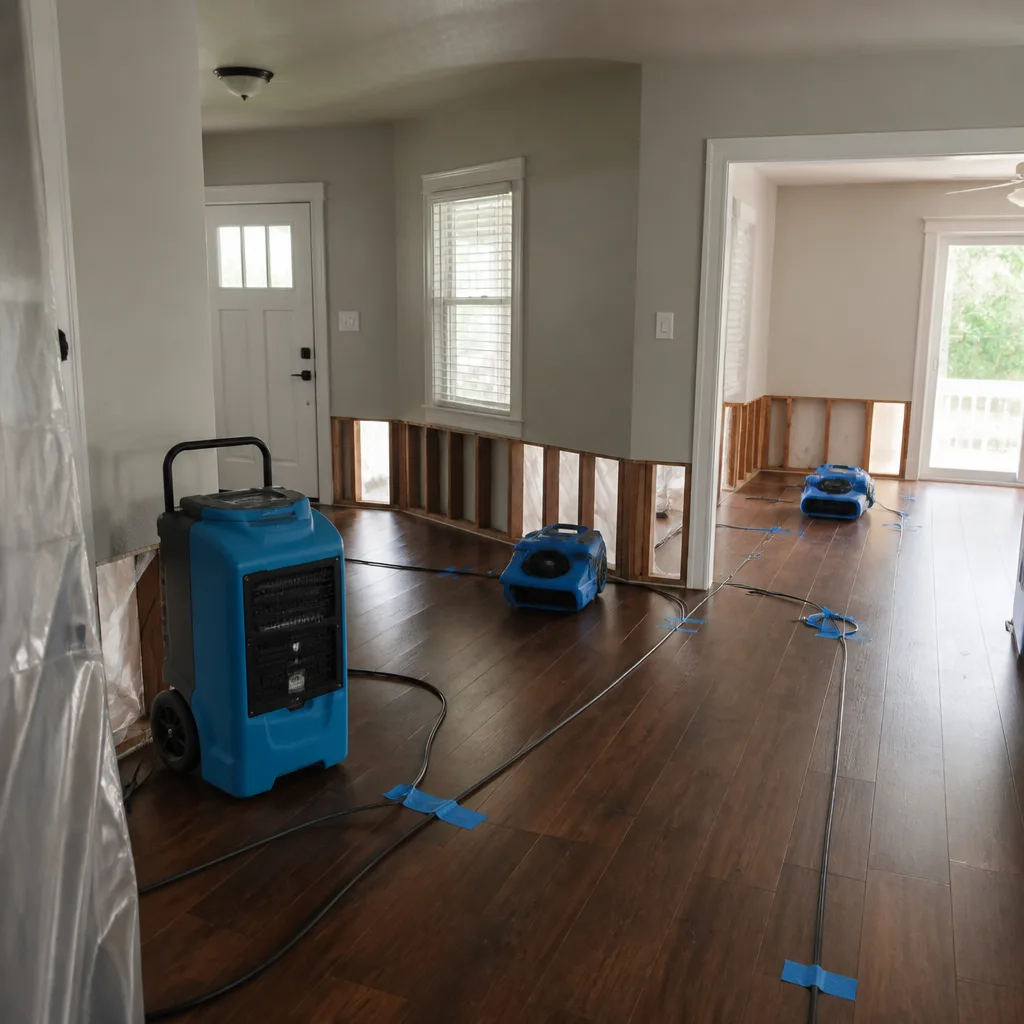
We set Dri-Eaz dehumidifiers and XPOWER air movers on a calculated layout, not a guess. Daily readings are logged on a chart that shows the structure hitting dry standard. Lathe-and-plaster and brick party walls take longer than drywall, and the chart proves the job is done.
Cleaning & Sanitization
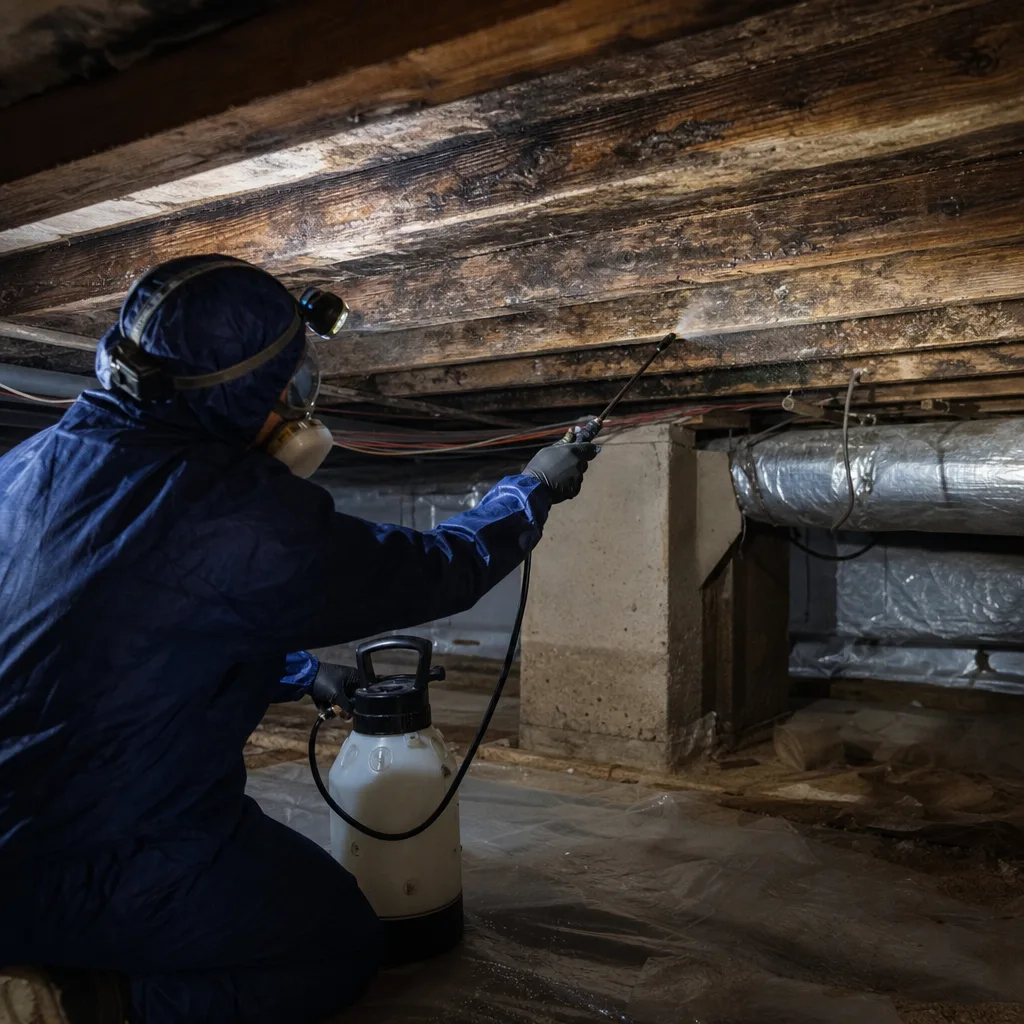
Category 3 water means contaminated materials get removed, not saved. Surfaces that can be kept are cleaned with professional-grade antimicrobials. HEPA air scrubbers run during removal to capture spores and particulate before they travel through neighboring units.
Specialty Treatment for Storm Damage
Rubble-stone foundations with no waterproofing membrane get structural drying and, where needed, moisture barrier treatments. Brick party walls with lateral water migration are opened from the affected side, dried through the cavity, and tested before closing.
Repairs & Restoration
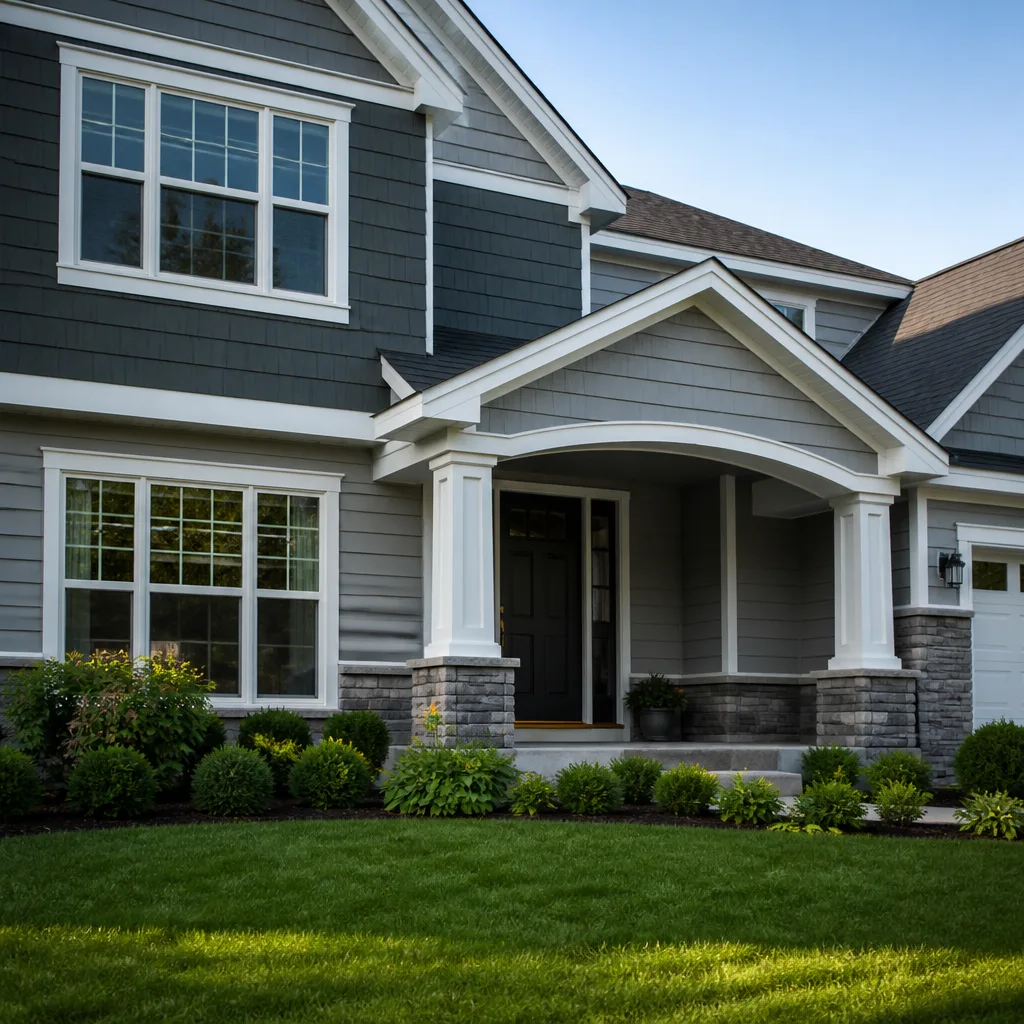
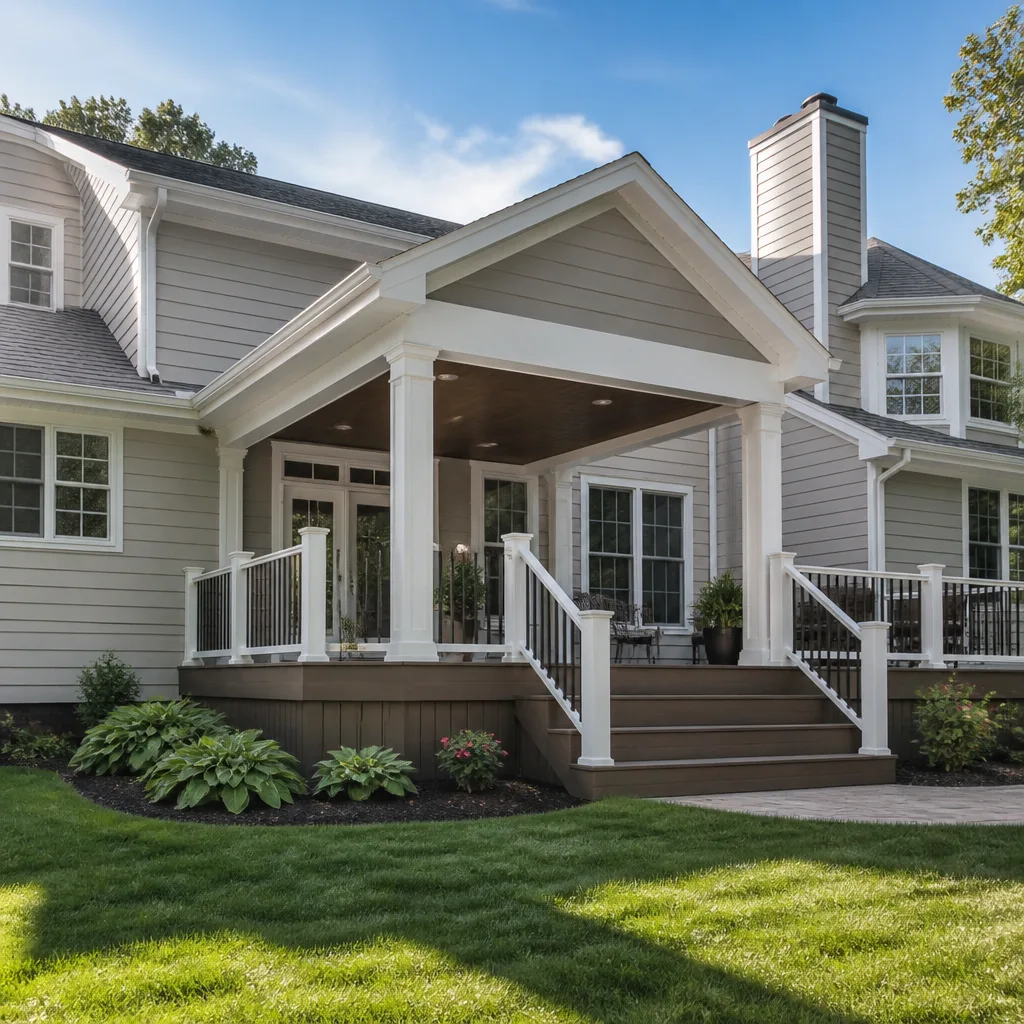
The same Floodline crew that pulled the water handles the rebuild: drywall, trim, paint, flooring, and finish work. Storm damage in Williamsburg is rebuilt to the building’s original configuration, with the 90-Day Done Right Promise behind it.
Need Emergency Storm & Disaster Restoration in Williamsburg Now?
Crews minutes away, answering live 24 hours a day. The sooner we start, the less it costs.
Working With Your Insurance Company
We have handled storm claims in Williamsburg long enough to know that adjusters respond to documentation, not persuasion. The process starts in the first hour. We photograph every affected room before we move anything, log moisture readings from the day we arrive until the day the structure hits dry standard, and write a line-item scope that matches industry estimating software. Your adjuster gets the file directly from us, not through a game of telephone with you as the middleman. When a converted loft on North 3rd Street has water traveling through a brick party wall from an adjacent unit, the liability picture gets complicated fast. We document the migration path so your carrier understands exactly whose wall is whose, and what is covered. Curt Bowman and the rest of our team have handled enough of these to know which details matter. You get the benefit of that experience without having to manage it.
What We Provide Your Insurer
- Thorough documentation of the loss
- Photos of all damage, room by room
- Moisture readings and drying logs
- A detailed, line-item scope of work
- Direct coordination with your carrier
Built for Williamsburg’s Loss Calendar
Williamsburg’s storm season is not a single season. It is a year-round rotation of failure modes, and our dispatch board tracks it. January and February bring deep freezes that burst supply lines in pre-war tenements with exposed risers and no insulation between the brick and the plumbing. The thaw that follows sends meltwater down rubble-stone foundations and into basements that were never waterproofed. Late spring and summer thunderstorm patterns hammer flash flood events through East River storm drains, overwhelming city sewers and driving Category 3 water up into below-grade parking garages on the Northside waterfront. August and September bring the Nor’easter and tropical-storm tail events that push storm surge over bulkheads and into low-lying blocks along Kent Avenue and Wythe Avenue. October through November is wind season: old roof membranes, cracked parapets, and aging window flashing let wind-driven rain into loft buildings. In Williamsburg, those buildings went up before flashing tape and modern waterproofing existed. The water finds the gap. Our crews know the gap is coming before the storm does, and we keep equipment staged accordingly.
Storm & Disaster Restoration Across Williamsburg’s Neighborhoods
Response time in Williamsburg depends on what we are driving into, and we plan routes by block. The Northside waterfront, from roughly North 3rd Street to North 9th Street, runs us into luxury high-rises with below-grade parking that floods during storm surge. Those jobs typically need Category 3 water removal, full pack-out, and structural drying under concrete slab. The converted loft corridor along North 1st through North 7th Streets, between Wythe and the East River, produces the party-wall migration losses that rarely show a direct leak source. A unit on the fourth floor of a converted warehouse takes on ceiling damage from water that entered three floors below. Southside Williamsburg, around Broadway and the bridge-side blocks, has older brick tenements with rubble-stone foundations, cast-iron waste lines, and lathe-and-plaster walls that wick water fast and release it slow. Along Bedford Avenue and the side streets, those buildings share walls, which means one unit’s roof leak becomes three units’ mold risk if it is not opened early. Our crews know the building types per block because we have worked them. That means we arrive knowing where the water is probably hiding, not just where it is showing.
Specialized Storm & Disaster Restoration Services We Offer in Williamsburg
Flood Damage Restoration
Floodwater in Williamsburg is rarely simple. Storm surge from the East River pushes into low-lying blocks, and city sewer systems back up under load, forcing Category 3 water into basements, garages, and garden-level units. Our crews handle full pack-out of contaminated contents, disposal of saturated materials that cannot be saved, structural drying of masonry and slab, and antimicrobial treatment. In converted lofts with concrete floors and unreinforced masonry walls, the floodwater does not leave a neat puddle. It finds the path of least resistance into wall cavities and under millwork.
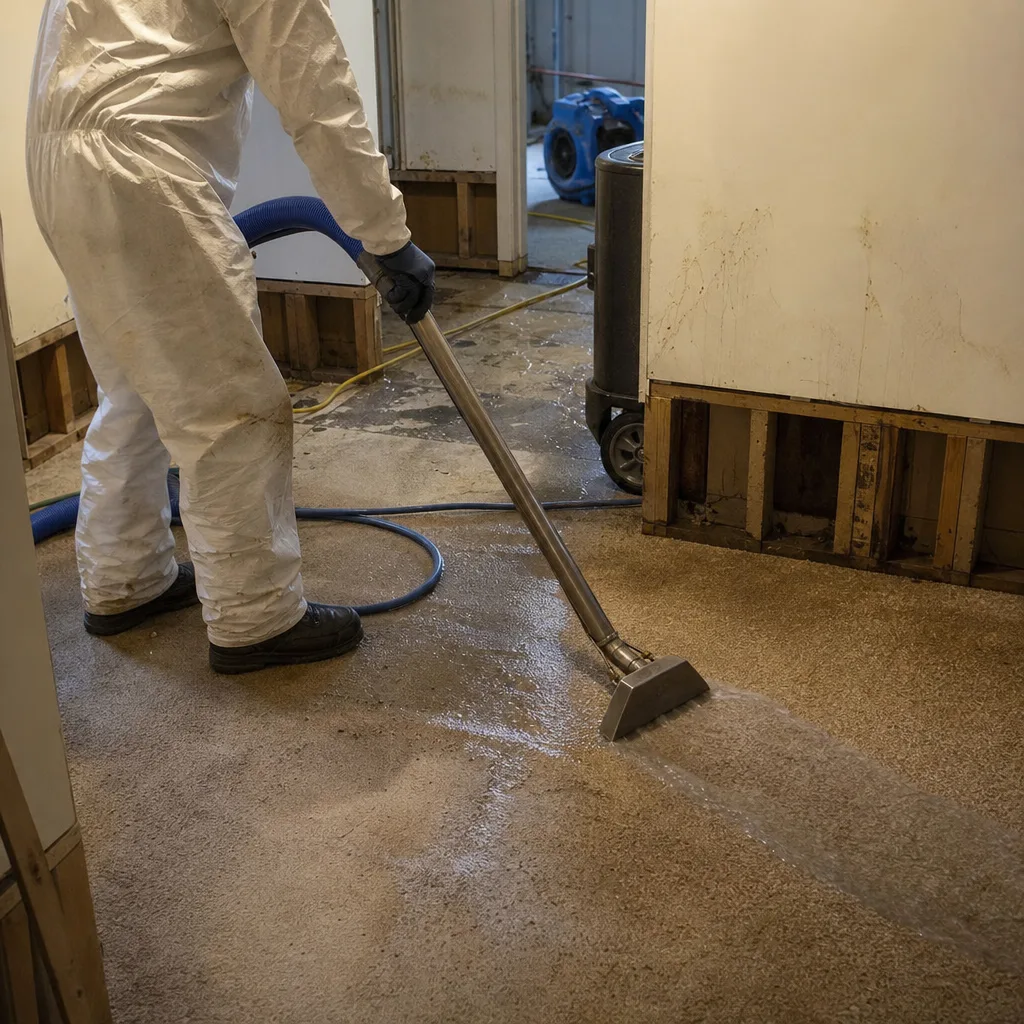
Storm Damage Cleanup
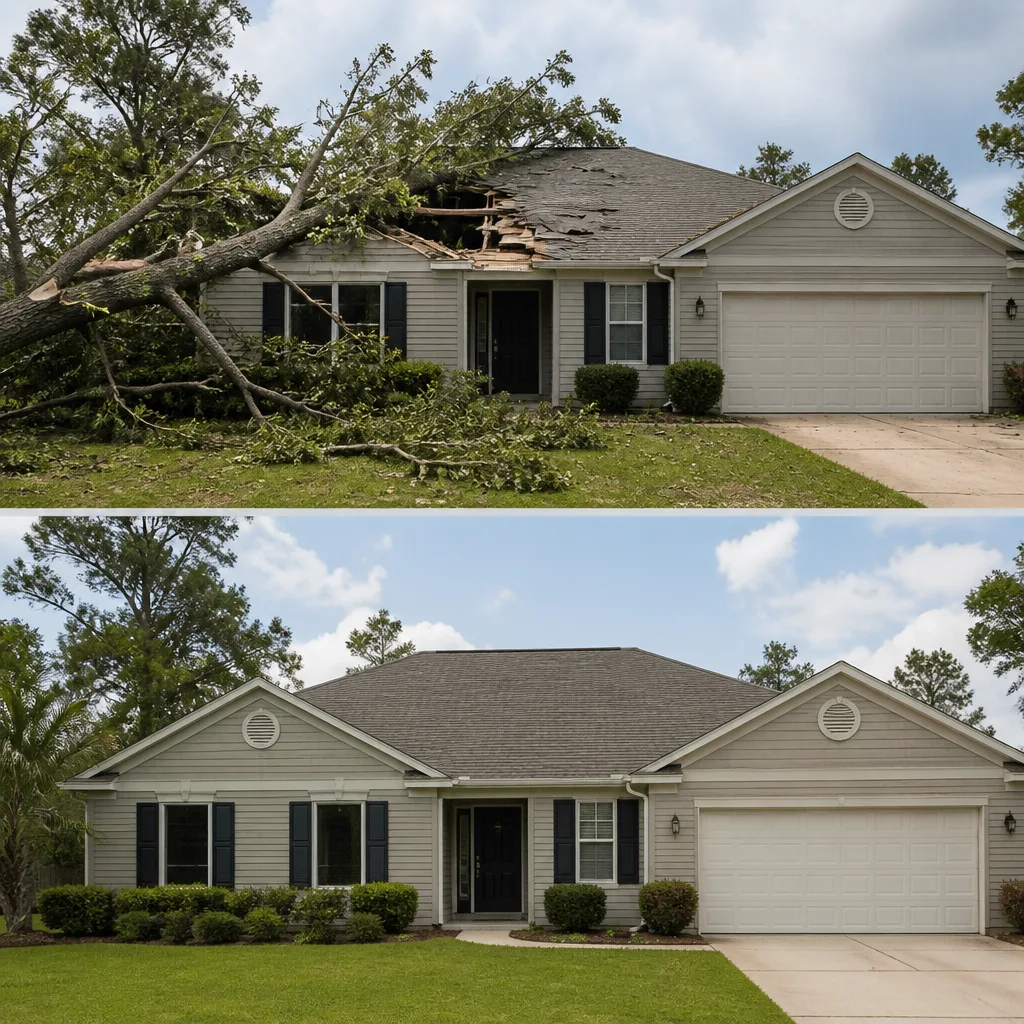
After the wind dies down, the damage remains: downed tree limbs on a roofline, torn shingles over a tenement attic, shattered skylights in a converted factory building. We clear debris, stabilize the openings, and extract whatever water got in before the opening was sealed. In Williamsburg’s mix of rowhouses and lofts, the cleanup step cannot be separated from the drying step. You cannot dry a structure with a tarped-over hole where the flashing used to be.
Emergency Board-Up
Broken windows and breached doors leave a building open to weather, theft, and further damage. We board up openings with plywood cut to fit, secure entry points, and tarp exposed sections of roof. In Williamsburg, where a building’s front door might be forty feet from the sidewalk, an unsecured opening is a liability risk within hours. Board-up is not a temporary patch. It is the first layer of stabilization that keeps the loss from spreading overnight.
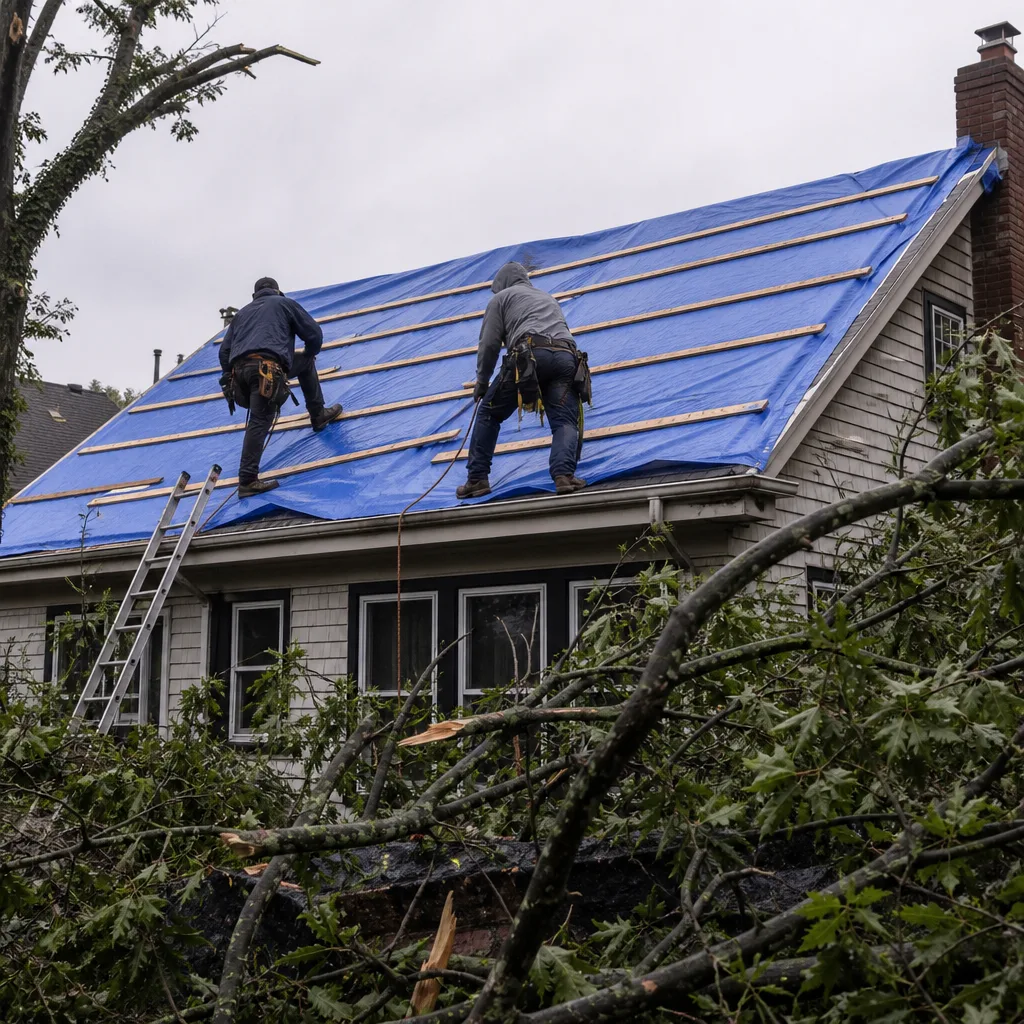
Roof Tarping
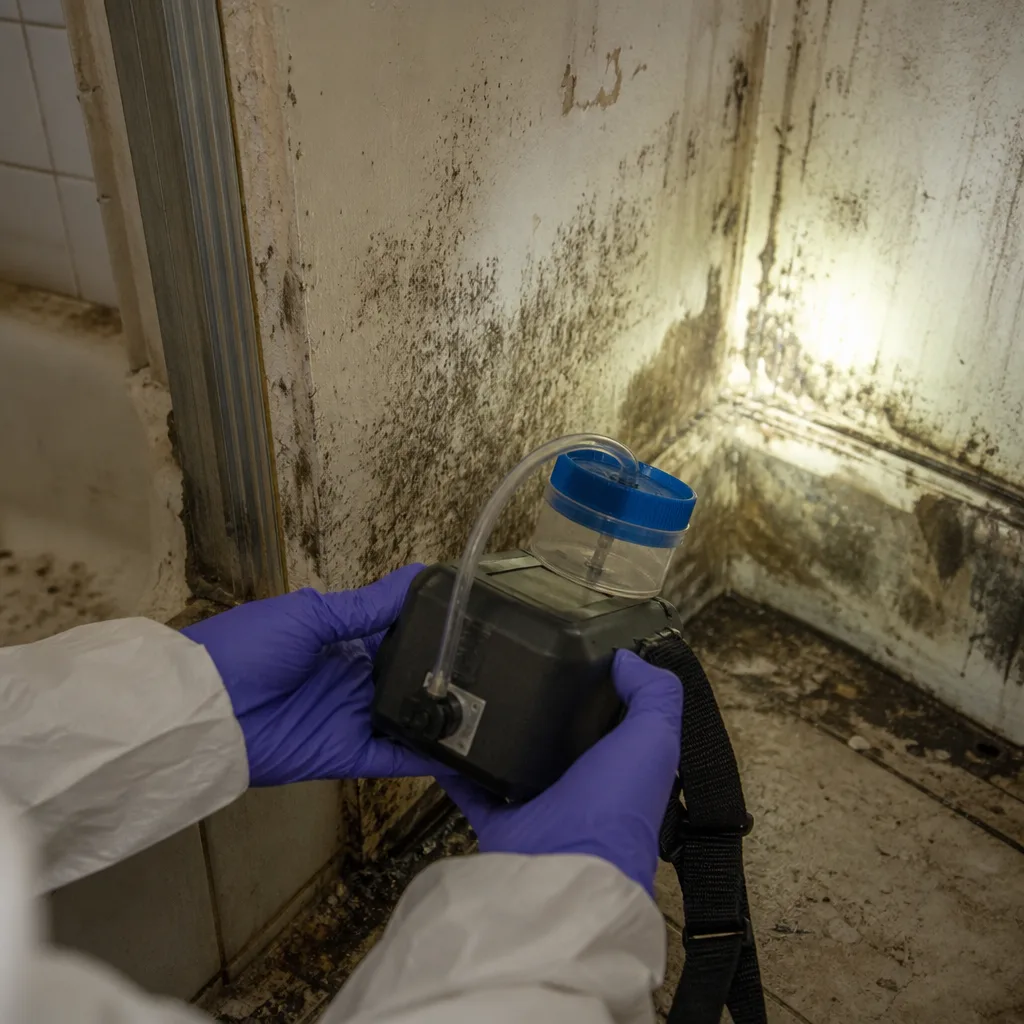
Wind-driven rain through a torn membrane or failed flashing is one of the most common Williamsburg storm losses. We tarp affected sections to stop active water entry, then photograph the area thoroughly so your carrier can see the full scope of roof damage. In older tenements with built-up tar roofs, water often travels horizontally before it drips through, which means the ceiling stain can be fifteen feet from the actual breach. Tarping the breach stops the intake. Moisture mapping finds the rest.
What happens when you call
- 1
A real person answersNo phone trees - you reach a local pro.
- 2
You get an upfront price rangeHonest numbers before anyone is dispatched.
- 3
A background-checked tech heads outLicensed & insured, dispatched right away.
- 4
You approve before work beginsNothing starts until you say go.
Storm & Disaster Restoration Costs in Williamsburg, NY
Storm and disaster restoration in Williamsburg runs a wide range because the housing stock runs a wide range. A simple flood damage restoration in a small first-floor bathroom might run $2,800 to $4,500, including extraction, drying, and drywall repair. A converted loft with lateral water migration through a brick party wall typically lands between $8,000 and $22,000, because opening and drying masonry cavities costs real money. Emergency board-up and roof tarping usually runs $600 to $1,500 on arrival, depending on how many openings need securing. Category 3 floodwater cleanup in a below-grade garage or basement commonly runs $5,000 to $18,000, driven by pack-out, disposal, and decontamination. What moves the number is material saturation, access, and contamination class. A firm scope comes from a free visual inspection, where we walk the loss with you, photograph everything, and price the work before anything gets torn out. Call (518) 663-6491 and we will give you the straight read. The estimate is free.
We Also Serve Cities Near Williamsburg
Floodline Restoration Co. serves property owners across Brooklyn and Lower Manhattan. If your property is along the East River corridor or just across the bridge, we cover Storm & Disaster Restoration in Financial District, Lower Manhattan, Washington Square, and Brooklyn Heights. Same live dispatch, same certified crews, same 90-Day Done Right Promise.
Williamsburg Storm & Disaster Restoration Questions, Answered
Why does water damage in Williamsburg brick tenements take longer to dry than in newer buildings?
Brick tenements with lathe-and-plaster walls and rubble-stone foundations hold moisture in dense materials that release it slowly. Modern drywall dries in days. Plaster over brick can hold water for weeks if the cavity is not opened. That is why our crews use penetrating moisture meters on masonry, not just on wall surfaces, and why we run daily drying logs until the structure, not just the surface, hits dry standard.
How do you handle floodwater that has migrated laterally through a party wall from an adjacent loft unit?
We identify the migration path using thermal imaging and moisture mapping, then open the affected side of the wall from your unit. We set containment to prevent cross-contamination, dry the cavity through the brick, apply antimicrobial treatment to the affected surfaces, and document the full path for your carrier. That documentation matters because the source unit and the damaged unit often have different insurance policies.
What is the 48-hour rule for storm-related water damage in Williamsburg?
Mold can begin to grow within 48 hours of water intrusion, especially in warm weather. In Williamsburg’s older buildings with organic materials like plaster, wood lath, and paper-backed insulation, the clock starts the moment water enters. The faster extraction and drying start, the less material needs removal. Call (518) 663-6491 and we can typically have extraction running within hours, not days.
Can you dry out a Williamsburg converted loft that took on Category 3 floodwater from the East River?
You can dry the structure, but not everything in it. Category 3 water is unsanitary. Porous materials like drywall, insulation, carpet, and upholstered furniture soaked in Category 3 water are typically removed and disposed of, not dried. Non-porous structural surfaces can be cleaned, treated, and dried. In a converted loft, that often means opening the lower wall cavities and treating the concrete slab itself before rebuilding.
Why do FEMA flood-zone changes affect storm restoration scope in Williamsburg’s waterfront?
Williamsburg’s waterfront was reclassified into zones with higher flood risk after Hurricane Sandy. That matters for restoration because below-grade spaces in those zones are now considered flood-prone, which changes what materials and construction methods are approved for rebuilding. Our crews factor those requirements into the scope, so you do not rebuild something your carrier will not re-insure.
How fast can you actually get to a Williamsburg property after a storm?
In most cases, we have a crew on-site within 45 minutes of your call. We stage crews in the metro area specifically to cover Williamsburg, including during active weather events when call volume spikes. A live dispatcher answers at any hour and starts the dispatch immediately.
Will my insurance cover storm damage in Williamsburg?
Most standard policies cover sudden and accidental storm damage, including wind-driven rain, roof breaches, and falling debris. Flood damage from rising water, including East River storm surge and sewer backup, typically requires a separate flood policy or an endorsement. We photograph everything from the first hour and provide documentation your adjuster can act on. Call us and we will work directly with your carrier.
What should I do in the first 30 minutes after storm water enters my Williamsburg property?
Protect yourself first: shut off power if water is near electrical outlets or panels, and do not walk through standing water from sewer backup. Then call (518) 663-6491. We will dispatch a crew immediately. If it is safe, move valuable items to higher ground and photograph the damage. Do not start pulling materials yourself. Moisture migration in Williamsburg buildings follows paths you cannot see without thermal imaging.
Serving Williamsburg, NY - Our Local Coverage Area
We’re based in the Williamsburg area and know this community well. Use the map below to see our service coverage - if you’re nearby, we can almost certainly help.
Storm & Disaster Restoration in Williamsburg, Done Right
When water gets into a Williamsburg building, the cost of waiting is not linear. It compounds. A roof tarp today is a $900 fix. The same opening left open through a week of rain becomes a $12,000 mold remediation and a rebuild. The line the water left is where we start. Our Storm & Disaster Restoration in Williamsburg crews have worked the converted lofts, the brick tenements, and the waterfront buildings long enough to know where the water is going before it gets there. We keep the job whole, from first extraction to finished rebuild, and we stand behind it in writing with the 90-Day Done Right Promise. If it is not done right, we make it right. No arguing. Call (518) 663-6491 for a free estimate, or to get a crew moving right now. A person answers. Always.
Written by Curt Bowman, Owner at Floodline Restoration Co., serving Williamsburg since 2010.