
Free visual inspection and a written scope of work before any mitigation begins - photos, moisture readings, and drying logs go in your claim file
The scope we write is the scope we bill. Anything new gets shown to you, in writing, before we touch it.
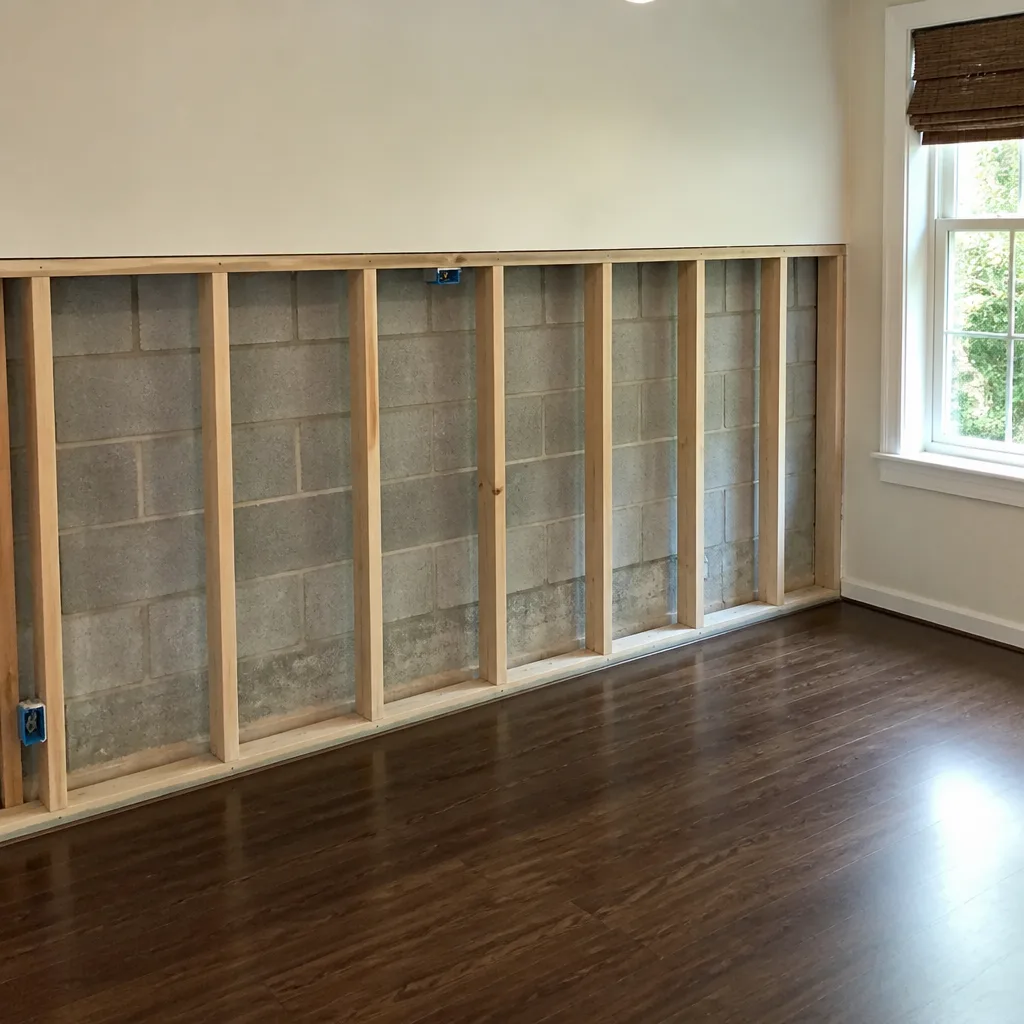
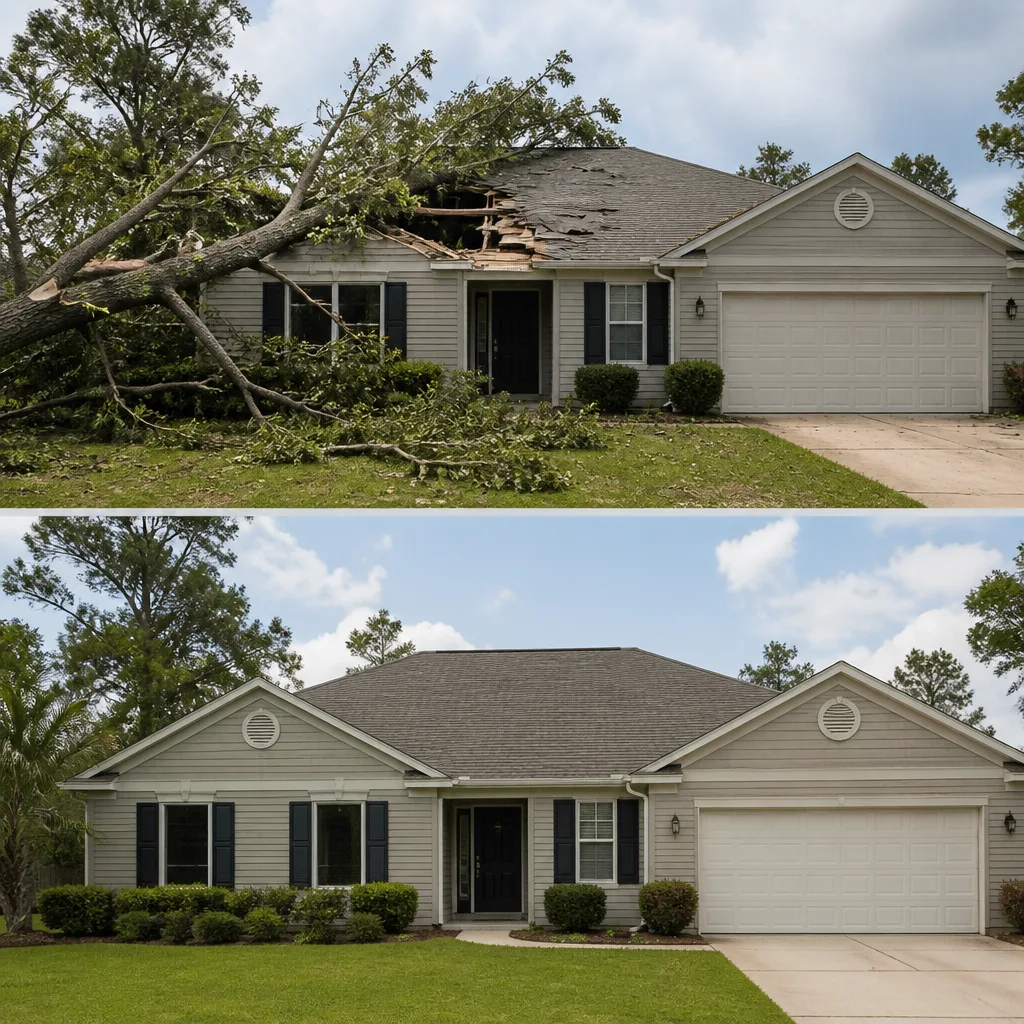

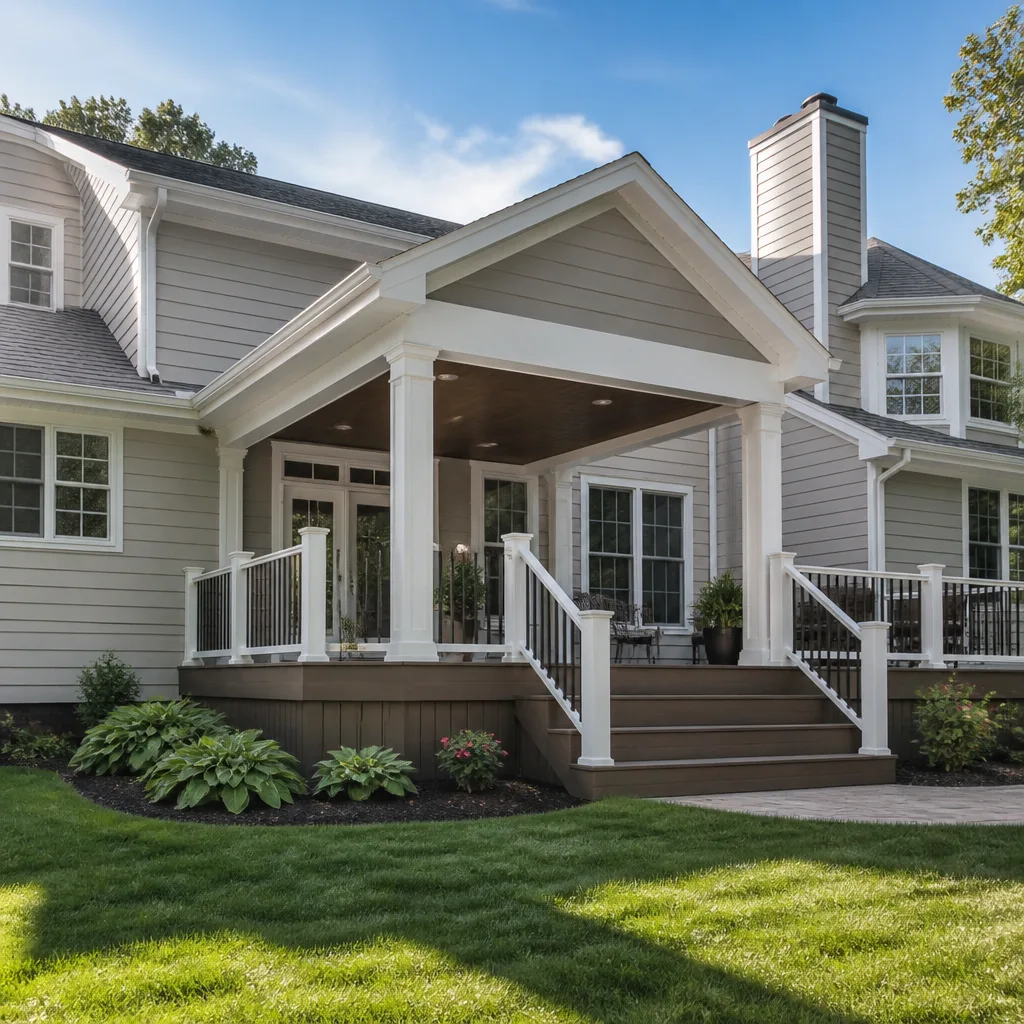
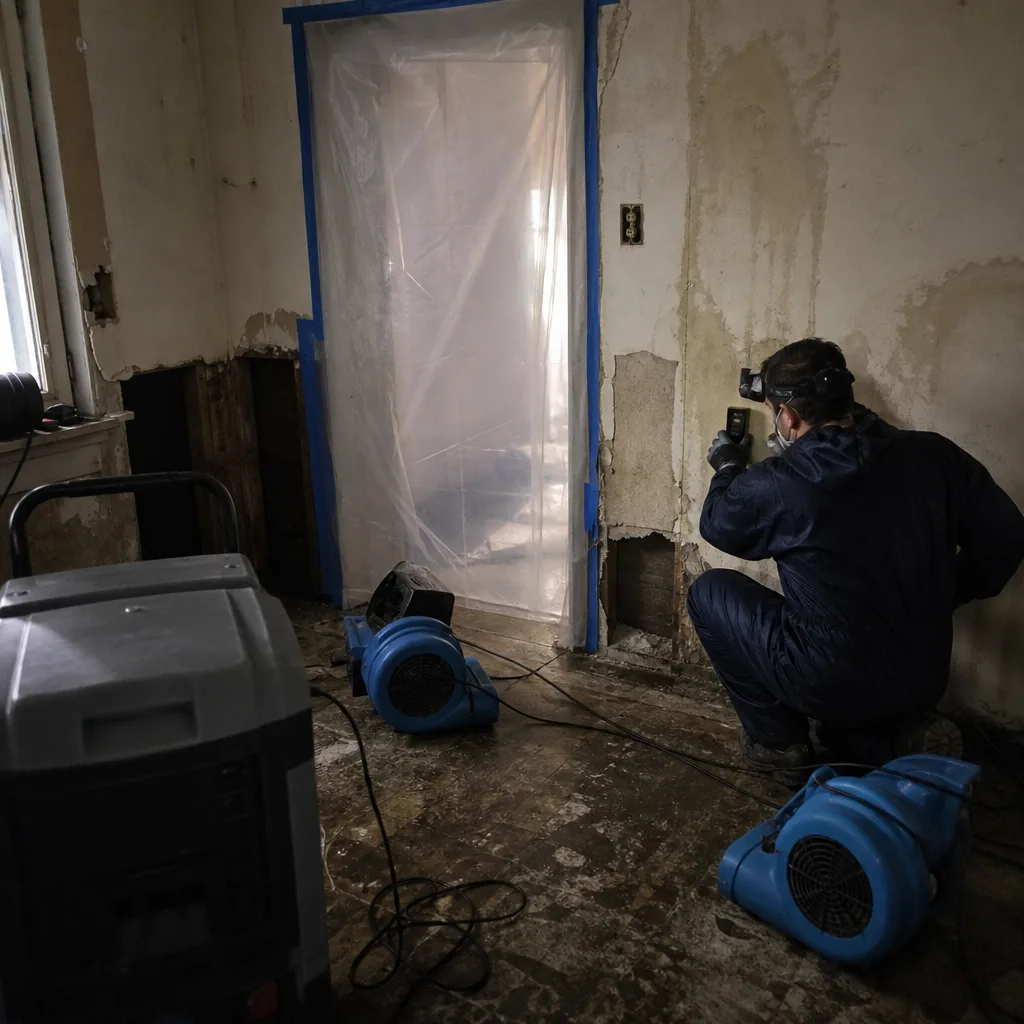 Before
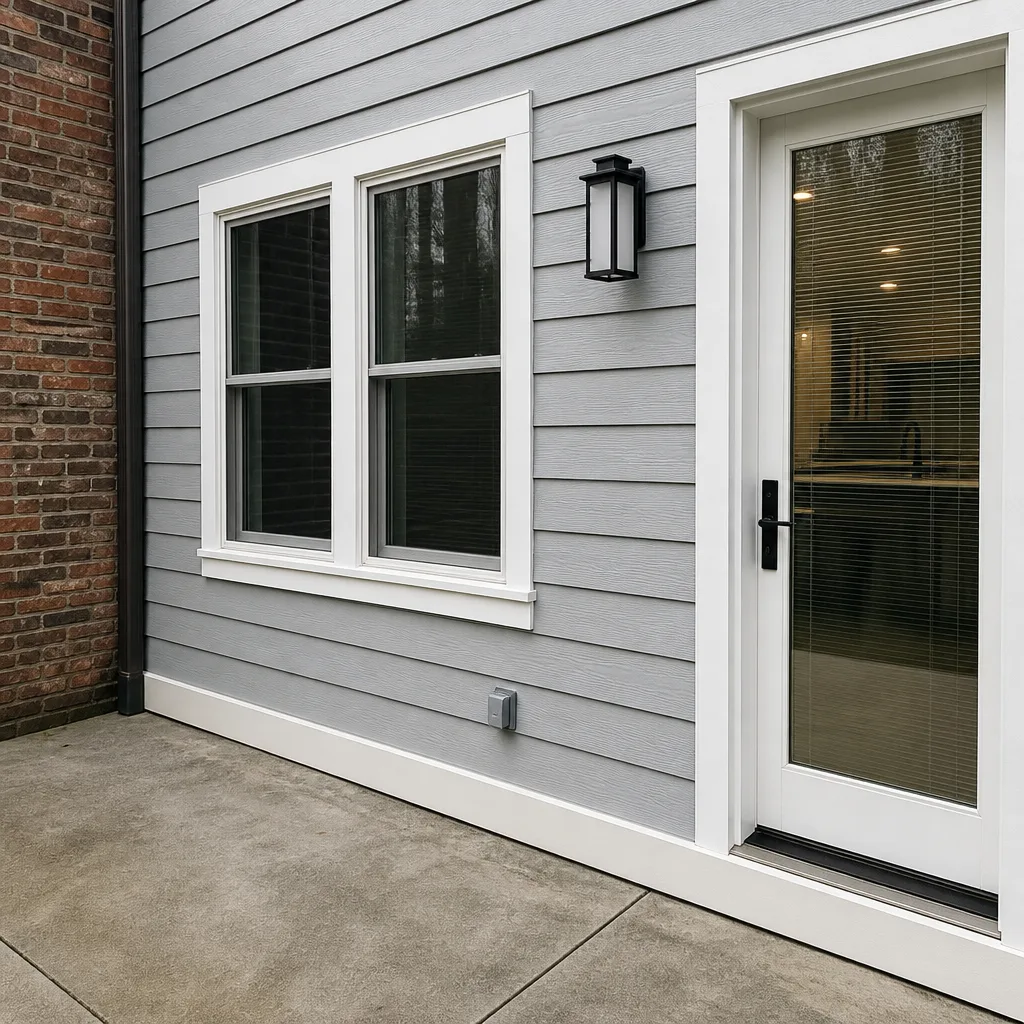 After
After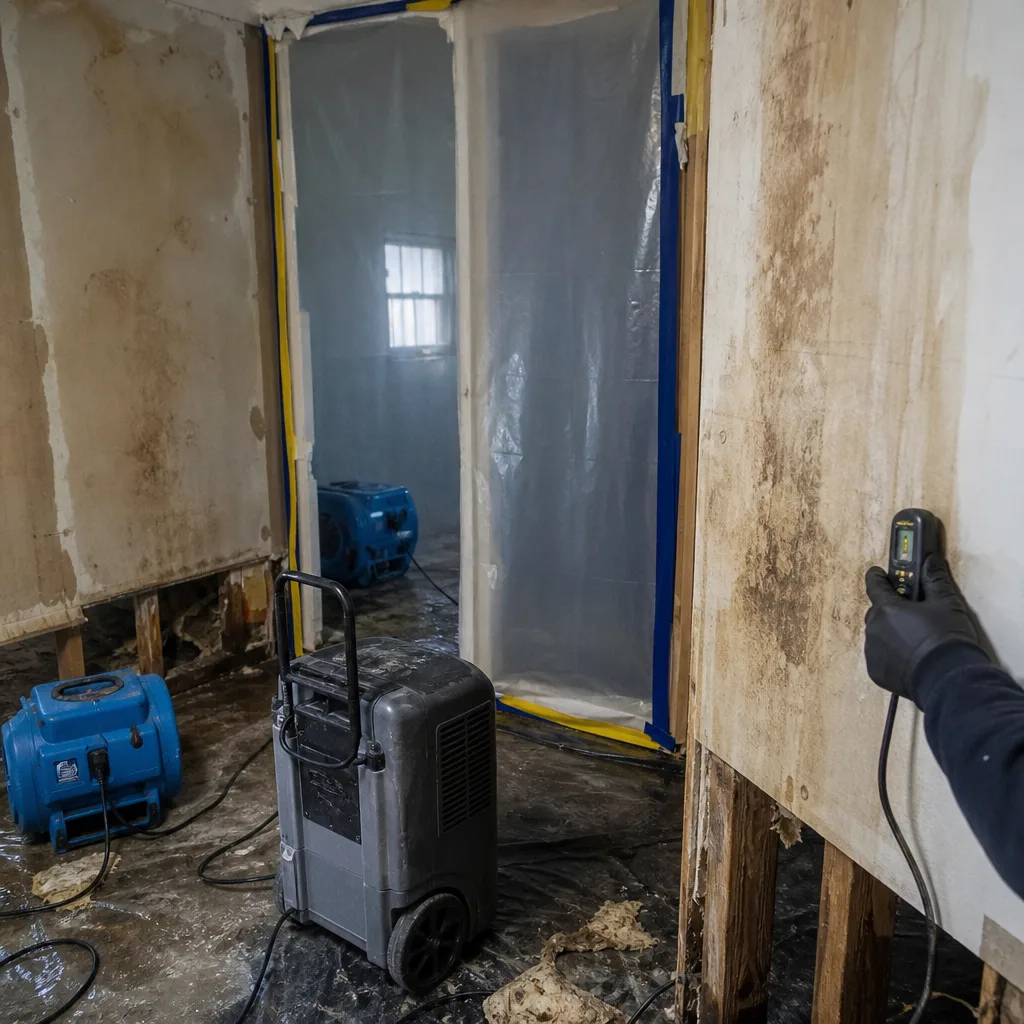 Before
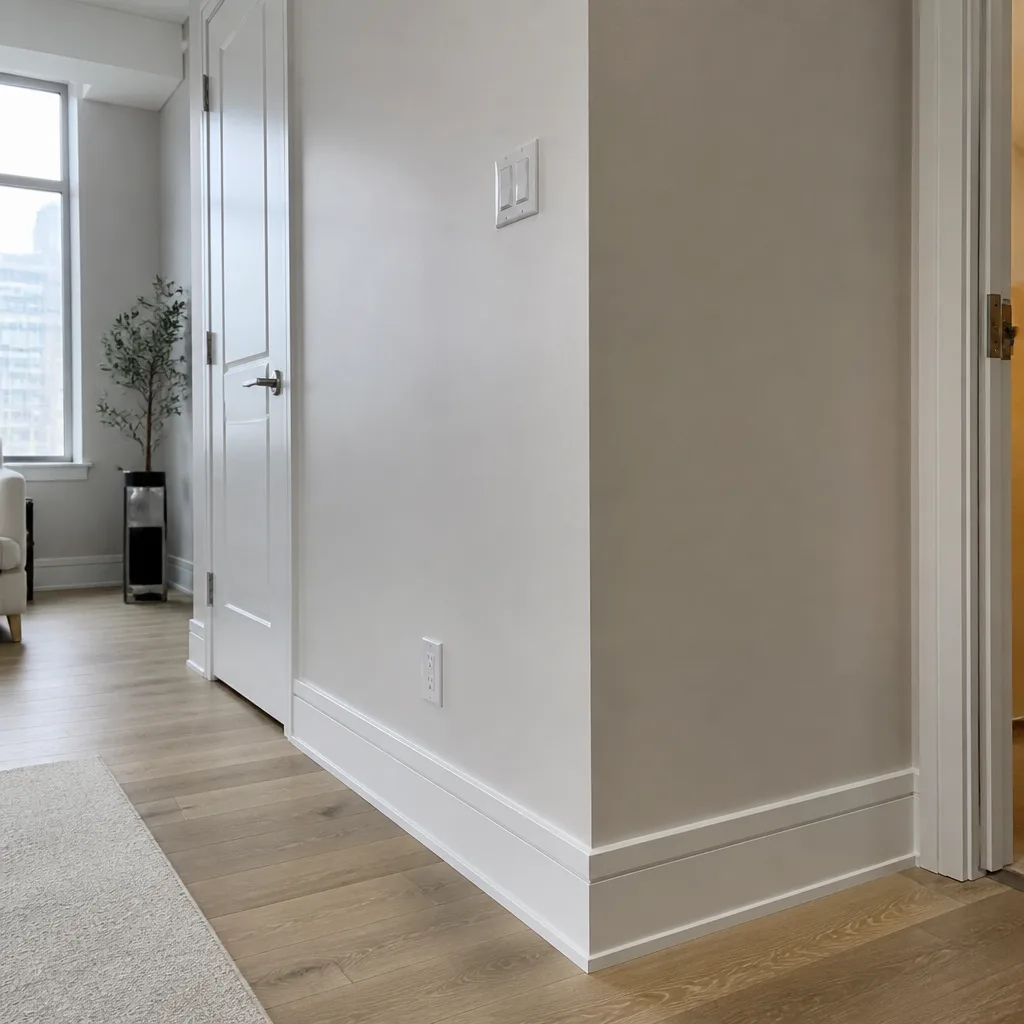 After
After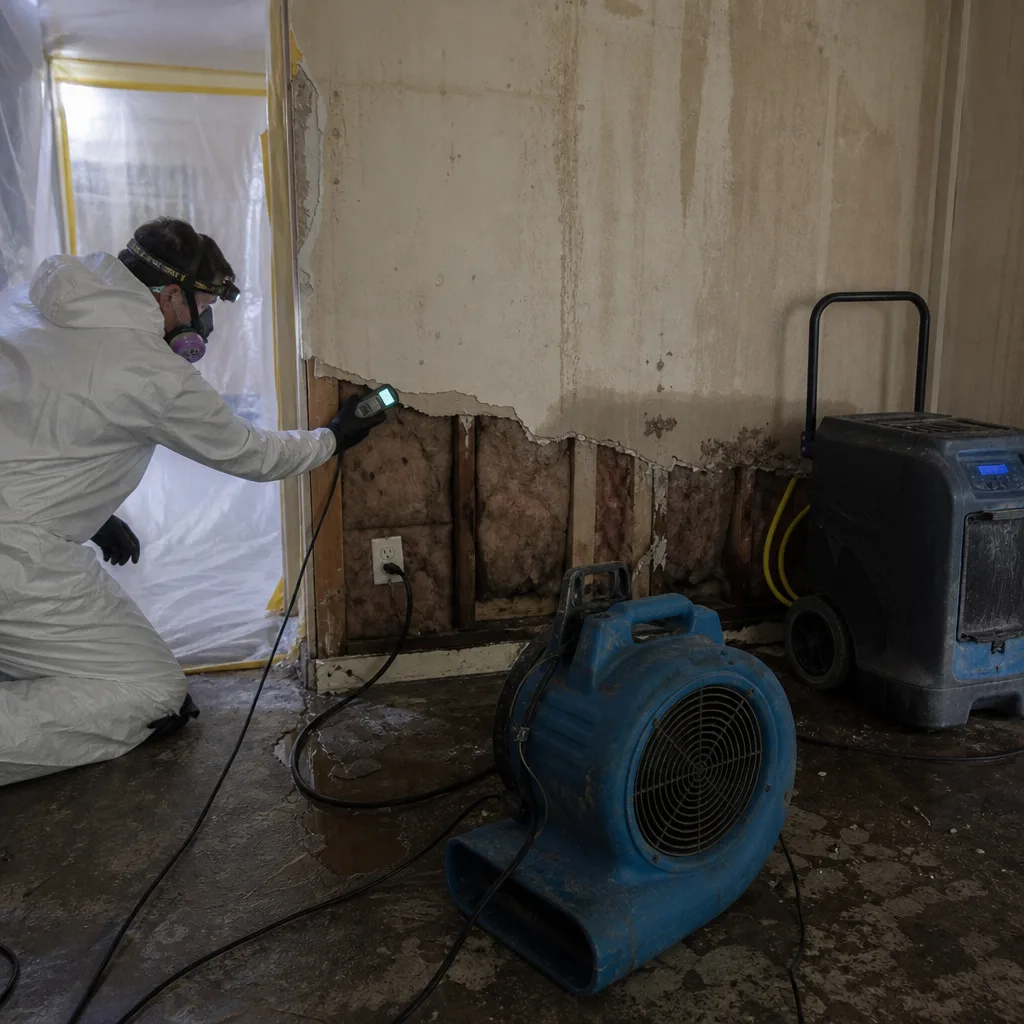 Before
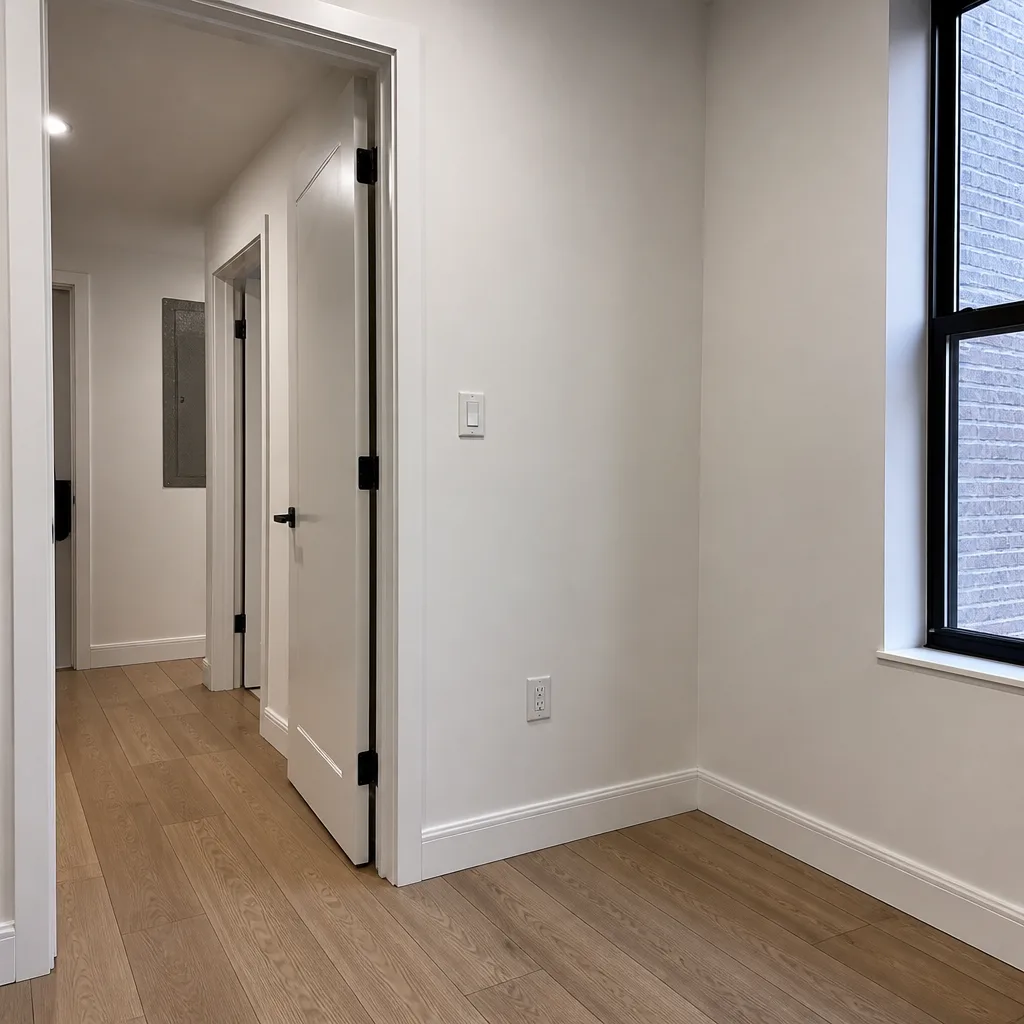 After
After24/7 Emergency Storm & Disaster Restoration in Financial District
Storm damage in Financial District moves fast. Saltwater from harbor surge corrodes structural steel within 48 hours, and wind-driven rain finds every failed seal in a pre-war facade. Our crews answer live at (518) 663-6491 around the clock and dispatch into Financial District within 45 minutes. The first hour after water enters a FiDi high-rise determines whether you’re cleaning a lobby or replacing switchgear. We arrive with Dri-Eaz meters and thermal imaging, document everything for your carrier, and start extraction the same visit. A live dispatcher picks up at 2 a.m. Not a recording. When the Hudson pushes over the Battery, you need someone who already knows which buildings on Pine Street and Water Street have FEMA-compliant mechanical elevation and which still keep boilers below grade. That’s what we do.
Understanding Storm & Disaster Restoration Severity in Financial District Properties
Financial District storm losses split into two categories, and they are not equal. Fresh rainwater from a window failure is Category 1 water, straightforward to extract and dry. Harbor surge that floods a basement vault on Exchange Place is Category 3, heavily contaminated with salt, sewage, fuel residue, and whatever else Upper New York Bay carried in. That water demands containment, antimicrobial treatment, and chloride-specific drying protocols. The building stock here compounds the problem. Most FiDi towers date from the 1910s through the 1940s, terra-cotta and plaster assemblies behind landmarked facades. Standard residential drying methods trap chlorides in those assemblies and accelerate corrosion behind walls where you cannot see it. Moisture mapping tells us where the water migrated, and daily readings log the dry standard until it’s met. That log goes to your insurer and stays in your hands. If the building completed post-Sandy mechanical elevation, a basement flood may be a cleanup. If not, the same flood is an infrastructure event. We verify that before we scope anything.
Why Financial District Property Owners Choose Floodline Restoration Co.
- 45-minute response commitment: when surge water is moving through a sub-grade space, we are in a truck inside ten minutes of your call and on site inside 45.
- A real person answers, 24/7: no callbacks, no answering service, no “leave a message.” A live dispatcher picks up at 2 a.m. and stays on the line until a crew is rolling toward Financial District.
- IICRC-certified crews: our water techs hold WRT and ASD certifications, our mold and fire technicians hold AMRT and FSRT. Background-checked, uniformed, and trained to RIA and IFA standards.
- Free visual inspection: we document the loss, read the moisture map, and hand you a written scope before any work begins. No charge, no obligation.
- Direct insurance billing: we bill your carrier directly and coordinate with the adjuster from the first hour. You never play messenger between us and the insurance company.
- One crew, start to finish: the same team that extracts on day one dries, treats, and rebuilds. No mid-job handoff to a subcontractor you never met.
Our Storm & Disaster Restoration Process
Inspection & Assessment
We arrive with thermal imaging and Dri-Eaz moisture meters, map where the water went inside walls and sub-floor cavities, and determine whether this is a Category 1, 2, or 3 loss. In Financial District, that includes verifying whether the building completed post-Sandy mechanical elevation, because the answer changes the entire scope.
Extraction & Stabilization
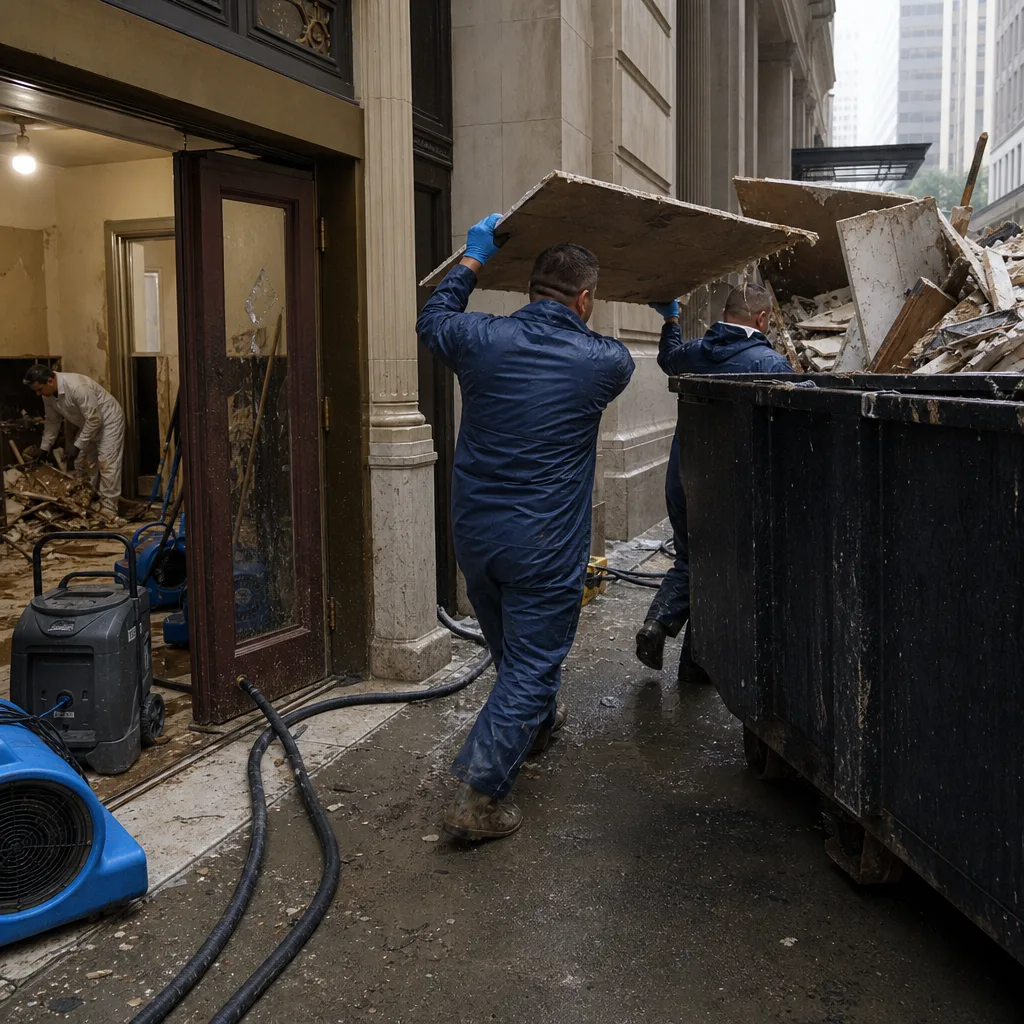
We remove standing water using truck-mounted and portable extraction units, then stabilize the structure. That includes emergency board-up for blown windows, roof tarping for wind-damaged mechanical screens, and flood cuts where saturated drywall must come out. We source the temporary materials, we secure the opening, and we photograph every step for your carrier.
Drying & Dehumidification
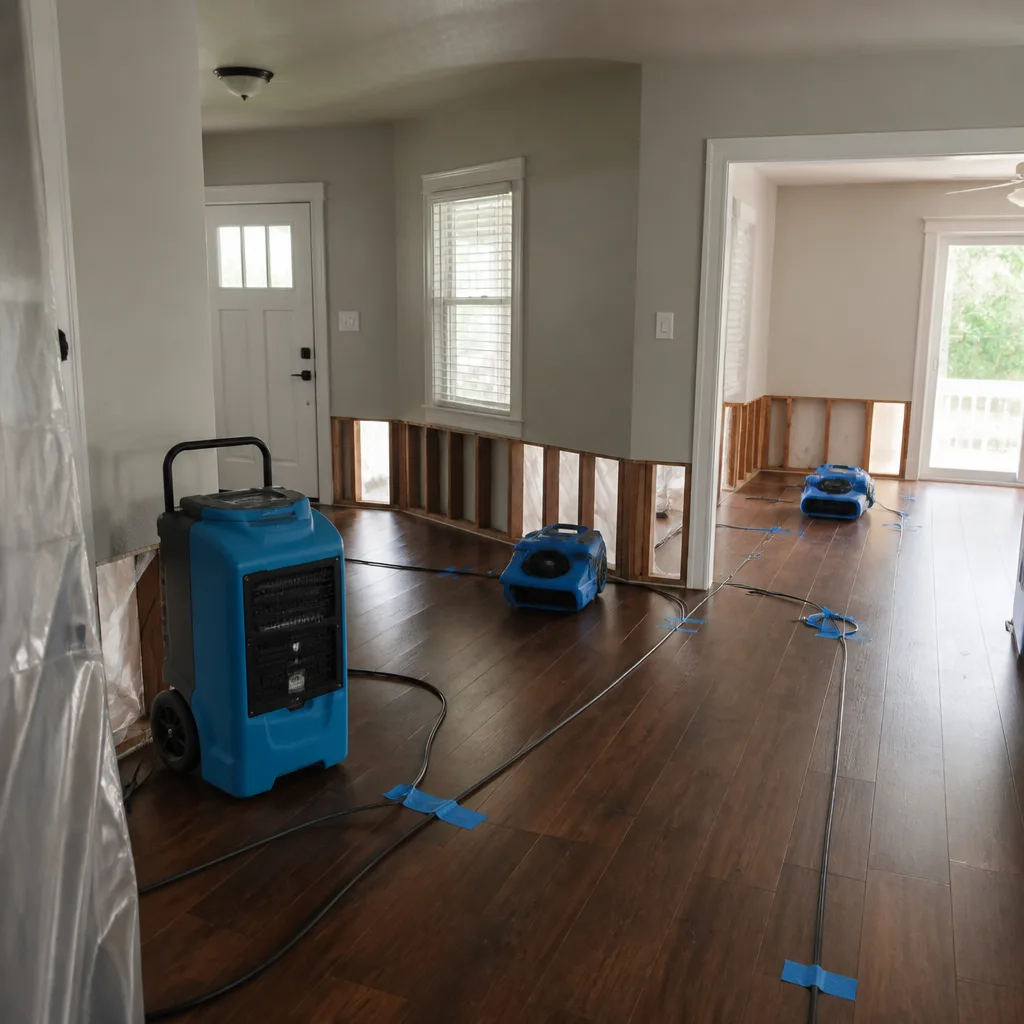
Phoenix and B-Air dehumidifiers paired with XPOWER air movers run continuously, with daily hygrometer readings recorded until the space reaches the dry standard. For saltwater losses in terra-cotta assemblies, we use aggressive drying and chloride testing so corrosion does not get a head start behind the walls.
Cleaning & Sanitization
HEPA air scrubbers and antimicrobial treatments address contamination from Category 2 and 3 water, plus any mold spores already active. We clean salvageable content, remove unsalvageable materials, and document the difference with photos.
Specialty Storm Treatment
Saltwater exposure demands specific remediation: corrosion inhibition on structural steel, electrical assessment for any system that got wet, and removal of materials that trap chlorides. In landmarked FiDi buildings, we coordinate with the Landmarks Preservation Commission on any repair that touches protected finishes.
Repairs & Restoration
We rebuild what the storm took out: drywall, flooring, millwork, electrical, plumbing, and door systems. Wind-rated door replacements are scoped, permitted, and installed by our own crew. When we hand you the moisture log and the written scope from day one, the job is done. 90-Day Done Right Promise stands behind it in writing.
Need Emergency Storm & Disaster Restoration in Financial District Now?
Crews minutes away, answering live 24 hours a day. The sooner we start, the less it costs.
Working With Your Insurance Company
Storm claims in Financial District are complicated by building age, landmark status, and the difference between wind-driven rain and flood surge, which your standard policy may not cover. We have handled enough FiDi losses to know how carriers process each. From the first hour, we photograph every surface, log moisture readings, and write a line-item scope that an adjuster can approve without a fight. We communicate with your adjuster directly, provide the drying logs and containment documentation, and bill your carrier. You stay out of the back-and-forth. If a claim is disputed, our documentation is built to hold up.
What We Provide Your Insurer
- Thorough documentation of the loss
- Photos of all damage, room by room
- Moisture readings and drying logs
- A detailed, line-item scope of work
- Direct coordination with your carrier
Built for Financial District’s Loss Calendar
Financial District does not get a quiet storm season. January deep freezes burst supply lines in older mechanical risers, sending water down through converted-loft floors on Water Street. Spring thaw and heavy rains push into sub-grade vaults and basement mechanical spaces along Pearl Street and Stone Street. Summer thunderstorms hit fast, and the district’s heat-island effect means sudden, violent downpours overwhelm rooftop drains on pre-war towers. Then comes hurricane season, when nor’easters and tropical systems push harbor surge up over the Battery and down side streets. October 2012 is still the reference point: 9 to 14 feet of seawater through streets, basements drowned, elevator pits full. Buildings that elevated mechanical systems after Sandy fare better. Buildings that did not need a restoration contractor who knows to check before quoting. We check. It is step one on every storm call in Financial District.
Storm & Disaster Restoration Across Financial District’s Neighborhoods
Response routes matter when streets are flooded and traffic is locked. We run crews into the Financial District from the Brooklyn-Battery Tunnel approach, up West Street, and across Wall Street, which means we reach buildings near the New York Stock Exchange and Federal Hall faster than companies staging from Midtown. Stone Street’s low brick canyon floods early in a surge event, and those restaurant basements flood first. The converted towers along Pine Street and Cedar Street carry deep basement vaults, many still housing electrical infrastructure. Water Street and Front Street sit closest to the East River, and their sub-grade garages take surge and wind-driven rain together. Around the World Trade Center campus, new construction sits above high water tables, but the surrounding pre-war blocks on Liberty and Cortlandt Streets are lower and wetter. Each block has its own failure pattern. We know them because we have worked them.
Specialized Storm & Disaster Restoration Services We Offer in Financial District
Storm Damage Cleanup
Blown windows, wind-driven rain intrusion, roof membrane failures, and facade leaks are the bread-and-butter of Financial District storm losses. We remove wet materials, dry the structure, treat for contamination, and rebuild. Landmarked facades require coordination with the Landmarks Preservation Commission, and we handle that paperwork. Our Storm & Disaster Restoration team has worked inside protected pre-war towers from Pine Street to Maiden Lane.
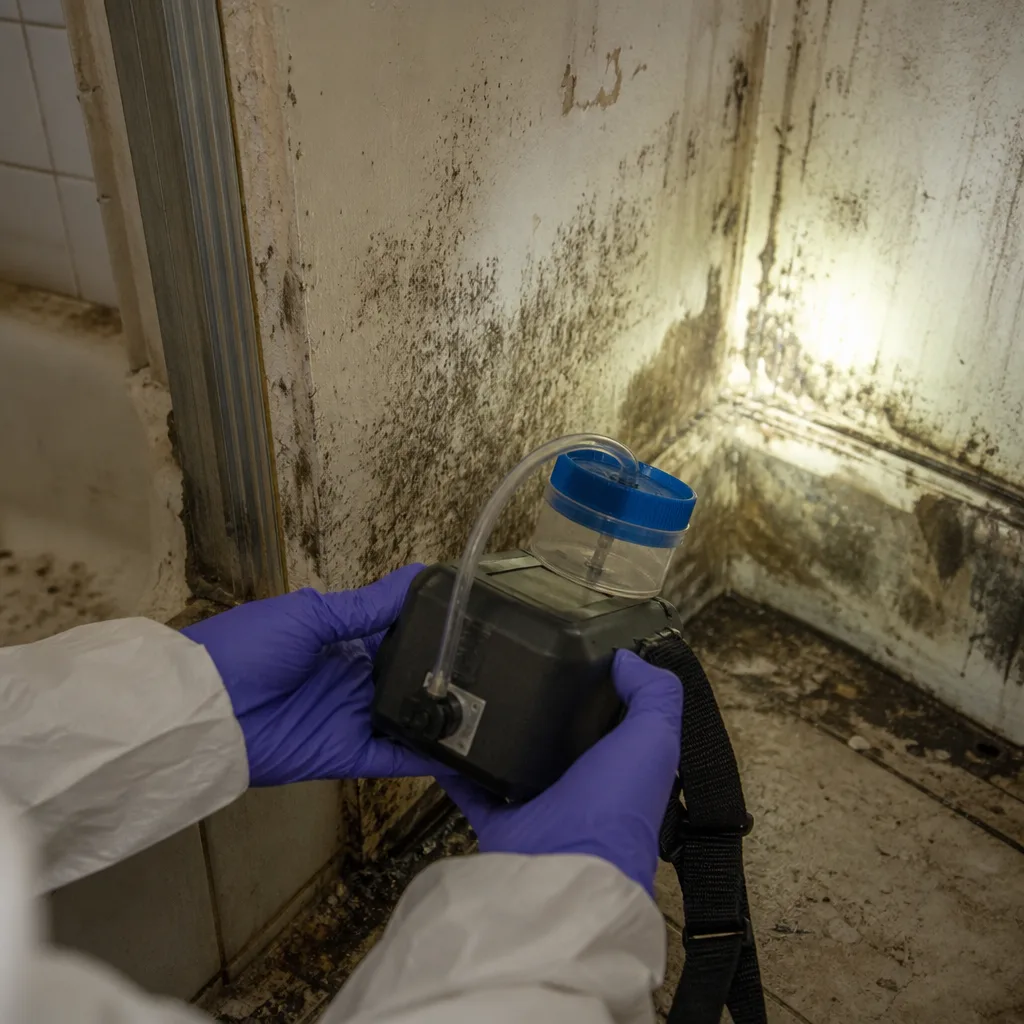
Flood Damage Restoration
When harbor surge or torrential rain floods a FiDi basement, the first question is whether the building moved its mechanical systems above grade after Sandy. If it did, this is a cleanup. If it did not, the scope expands to electrical panels, switchgear, and possibly structural steel. We verify that before we quote. Saltwater extraction, chloride testing, antimicrobial treatment, and structural drying follow. We log every reading and hand you the dry standard in writing.
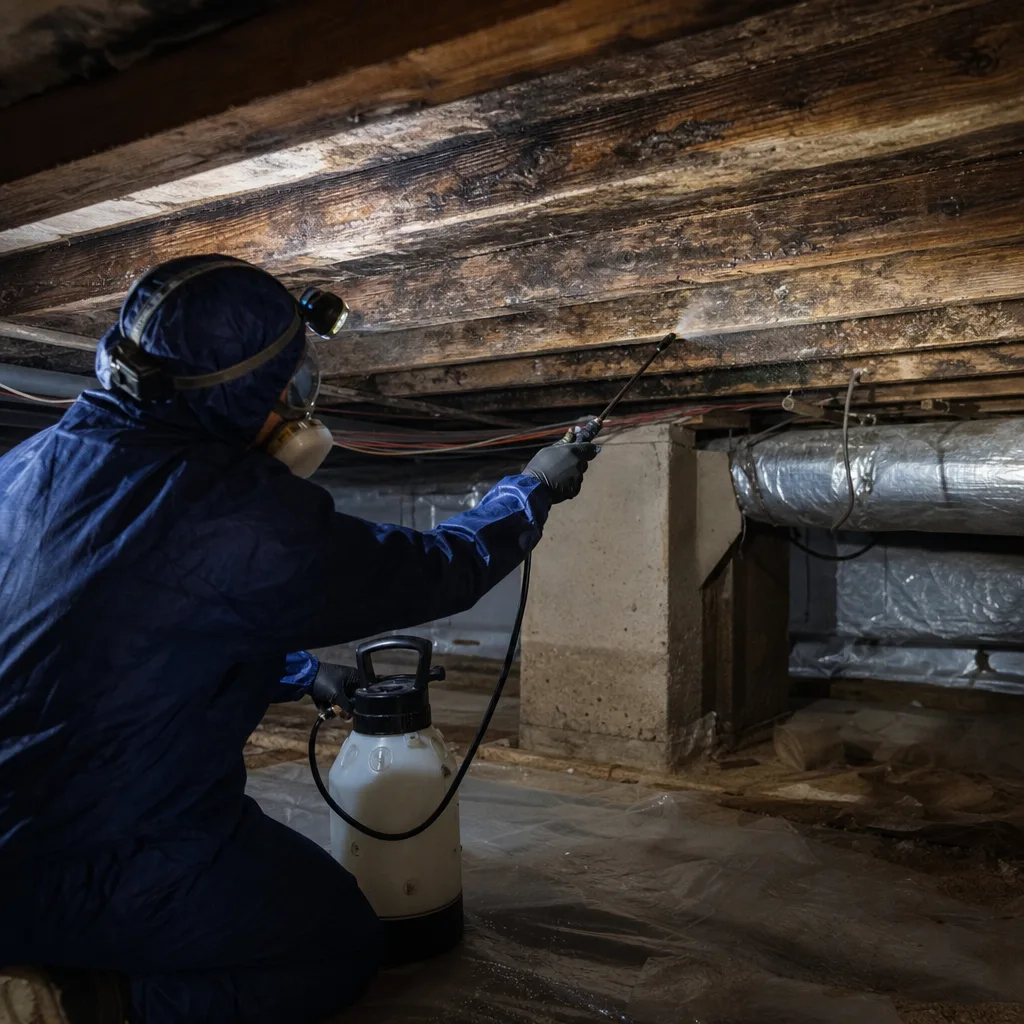
Emergency Board-Up
A shattered window on the 20th floor of a Wall Street tower is a liability and a hazard. We respond with plywood, fasteners, and the equipment to secure any opening, at any height. Board-up protects the interior from follow-on rain, keeps unauthorized entry out, and satisfies your insurer’s mitigation requirements. We photograph the securing process and document it for your claim.
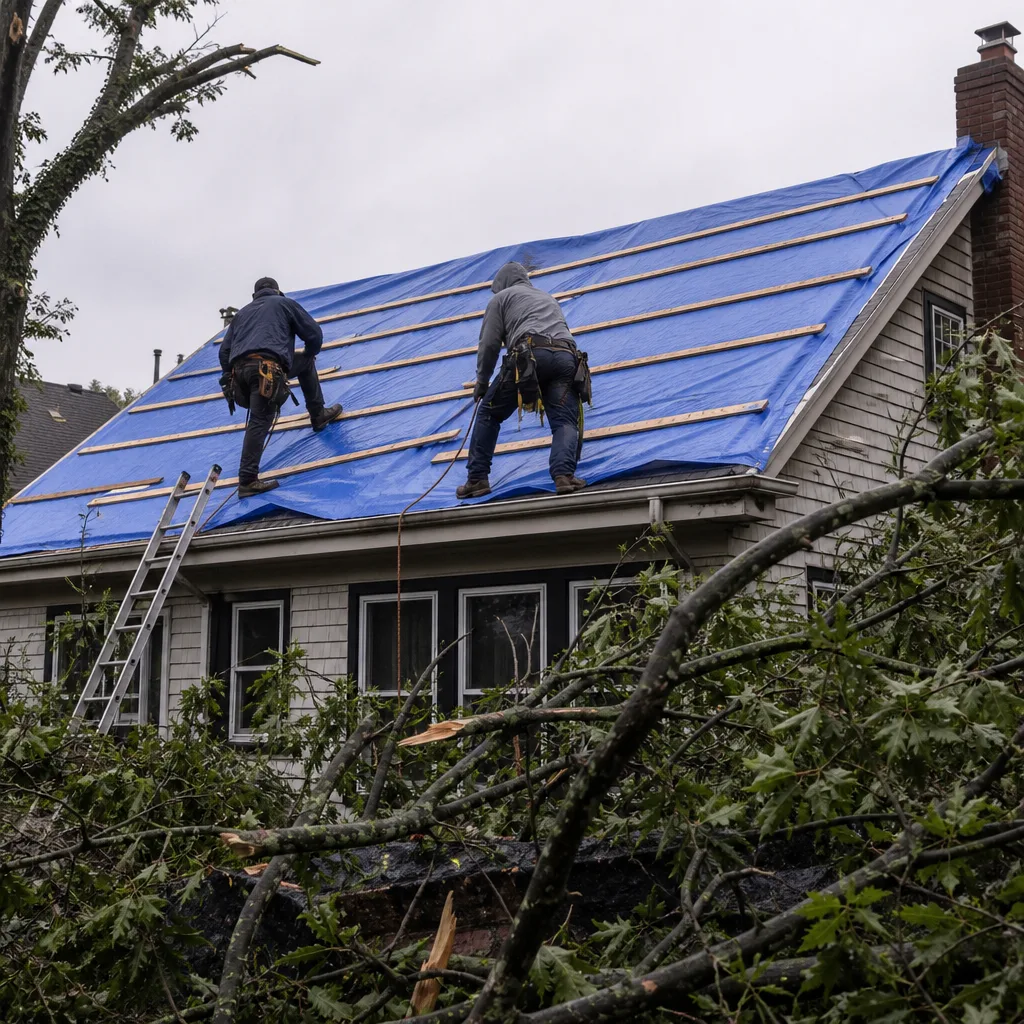
Roof Tarping
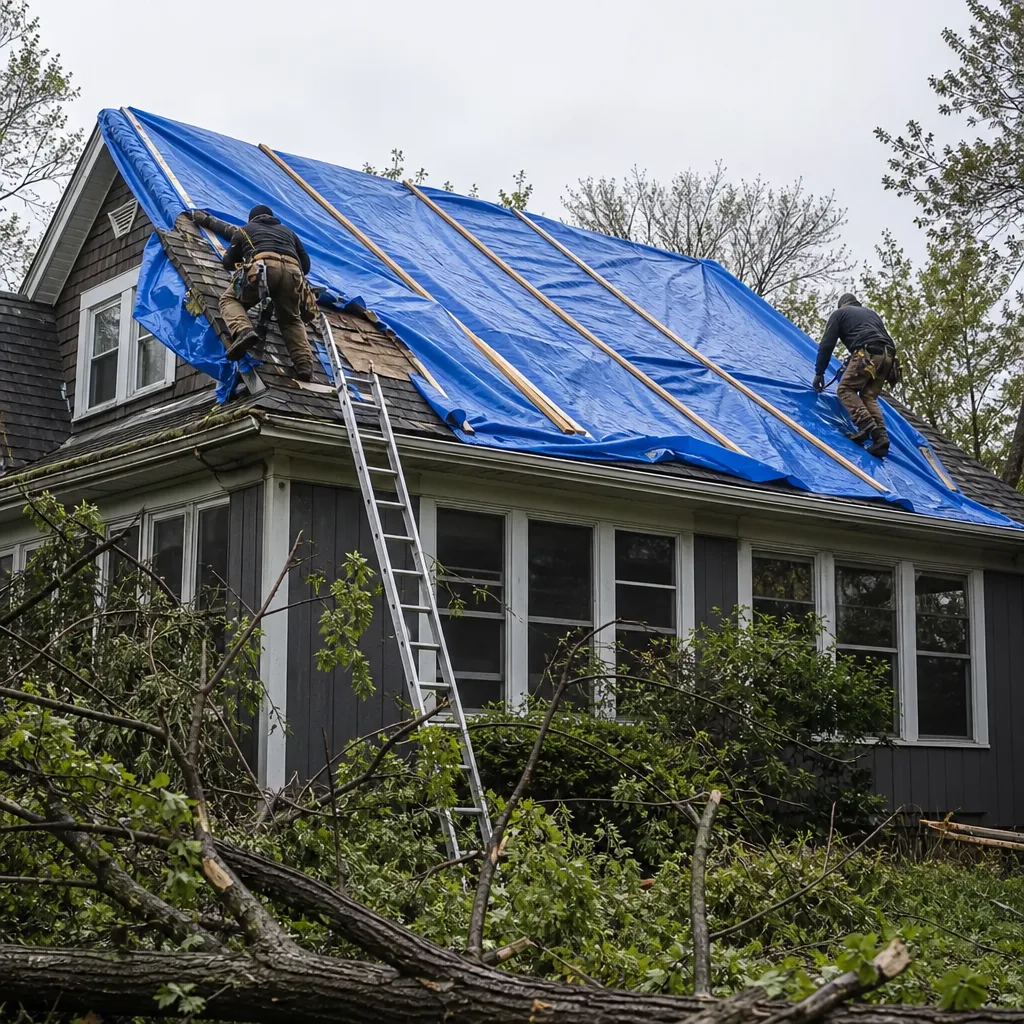
Wind damage to rooftop mechanical screens, skylights, or roof membranes sends water into the floors below fast. We deploy roof tarps on commercial and residential roofs throughout Financial District, including the converted towers along Broadway and Exchange Place. Temporary waterproofing stops the active leak so drying and repair can proceed without compounding damage.
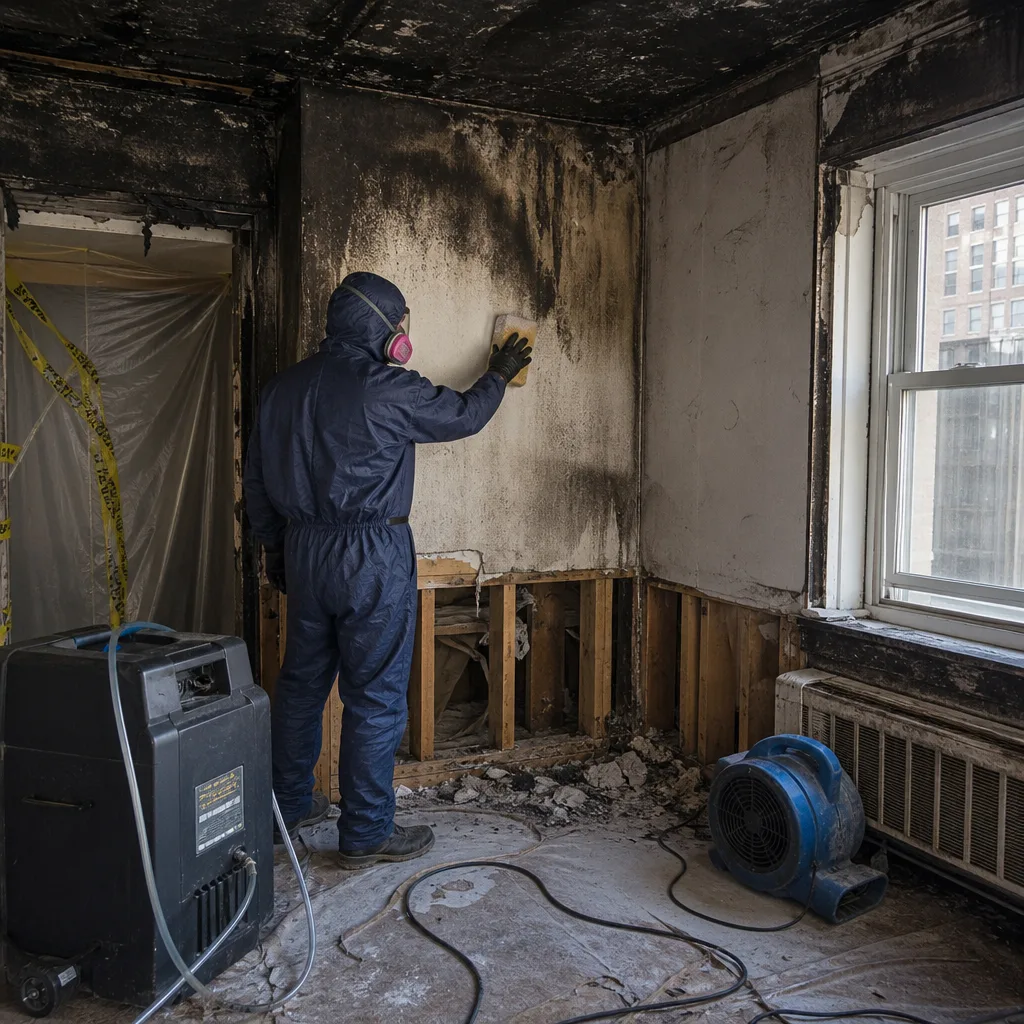
Debris Removal
Storm events leave facades torn, glass in the street, and building materials scattered on roofs. We clear debris, assess what hit the building, and document the impact. Full-service Financial District storm response means securing the site before more damage accumulates.
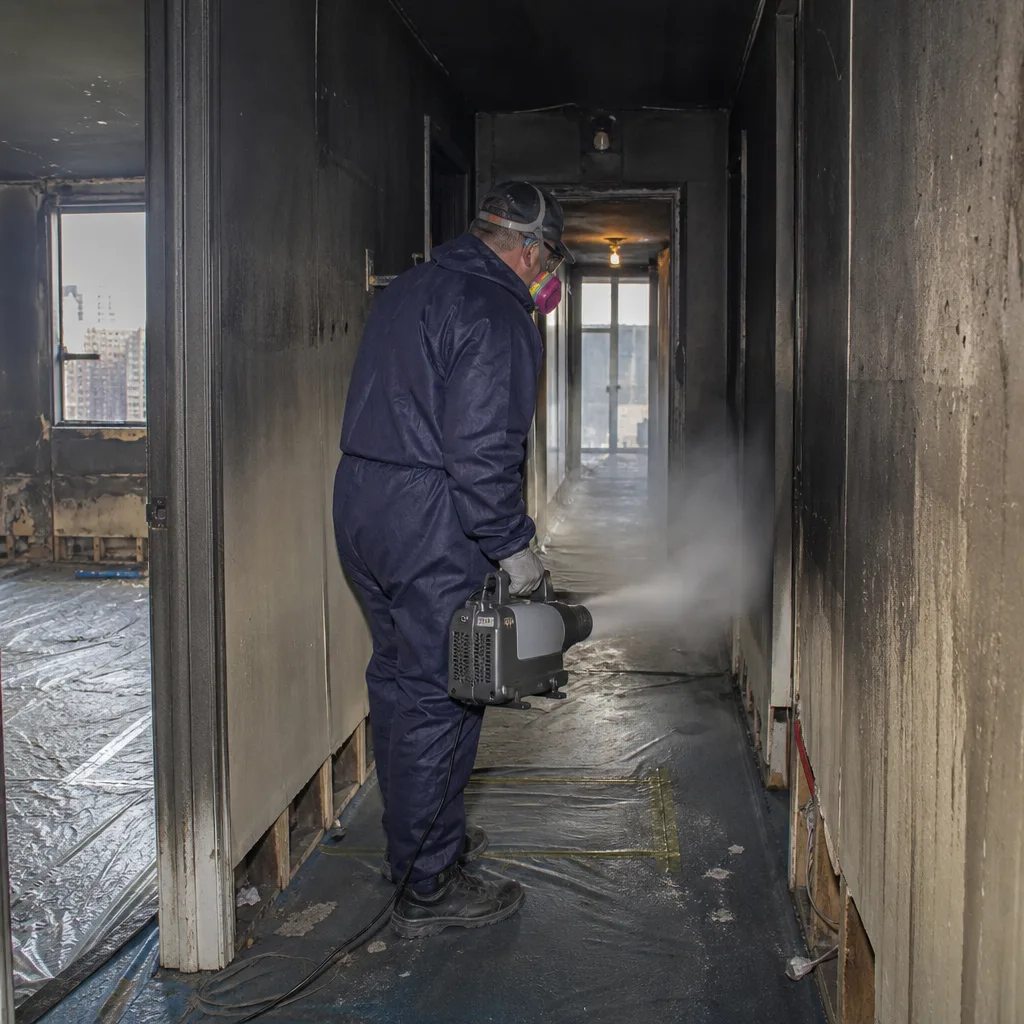
What happens when you call
- 1
A real person answersNo phone trees - you reach a local pro.
- 2
You get an upfront price rangeHonest numbers before anyone is dispatched.
- 3
A background-checked tech heads outLicensed & insured, dispatched right away.
- 4
You approve before work beginsNothing starts until you say go.
Storm & Disaster Restoration Costs in Financial District, NY
Storm damage restoration in Financial District runs a wide range because the building stock does too. A Category 1 water cleanup from a failed window seal typically costs $1,200 to $3,500. A Category 3 saltwater flood in a basement mechanical room runs $8,000 to $30,000 or more, depending on whether electrical infrastructure got wet and whether structural steel needs corrosion inhibition. Emergency board-up for a blown window runs $400 to $1,200, and roof tarping starts around $1,000 and scales with roof access and wind conditions. What moves the price in FiDi specifically: landmark requirements, post-Sandy mechanical elevation status, elevator pit involvement, and saltwater chloride damage. We give you a free visual inspection and a written scope before any work starts. The number is fixed. No surprises on the bill. Call (518) 663-6491 for an exact quote, with the standing offers applied: $50 off any repair over $250, and a 5% senior and veteran discount, always.
We Also Serve Cities Near Financial District
Our storm restoration crews cover Financial District and the surrounding borough neighborhoods: Lower Manhattan, Washington Square, Brooklyn Heights, and Williamsburg. Same 45-minute response commitment, same live dispatcher, same written scope before work begins.
Financial District Storm & Disaster Restoration Questions, Answered
How do I know if my Financial District high-rise basement flood is a Category 1, 2, or 3 water loss?
Category 1 is clean water, typically from a broken supply line or wind-driven rain with no ground contact. Category 2 is contaminated, like sump overflow or roof drain discharge. Category 3 is grossly contaminated, and in Financial District that means harbor surge, which carries salt, sewage, fuel residue, and marine organisms into your sub-grade space. Category 3 demands containment, antimicrobial treatment, and chloride-specific drying. We identify the category during the free inspection and document it for your carrier. Call (518) 663-6491 if you’re unsure.
Why is saltwater from storm surge treated differently than a pipe burst in my FiDi condo?
Saltwater is chemically aggressive. It corrodes structural steel and electrical contacts within 48 hours, and it leaves chloride deposits behind that standard freshwater drying never removes. In a pre-war terra-cotta and plaster assembly, trapped chlorides accelerate corrosion behind walls for years. Our storm restoration process includes corrosion inhibition and chloride testing because Financial District’s saltwater losses are a different failure mode than a freshwater pipe burst. Treat them the same, and the building suffers silently.
Does my landmarked Financial District building need special approval for storm damage repairs like door replacement or window boarding?
Yes, often. The Landmarks Preservation Commission has jurisdiction over protected facades and exterior features in much of the Financial District. Emergency board-up and temporary waterproofing can proceed immediately because they are mitigation, not alteration. Permanent repairs, especially door replacements with different materials or wind ratings, may require an LPC permit. We handle that paperwork and coordinate with the commission so your restoration does not get shut down mid-project.
What should I do if my pre-war FiDi basement still has mechanical equipment after a hurricane warning?
Shut power to the sub-grade space if you can do so safely from a dry location, move what you can, and do not enter standing water. The real risk is that a post-Sandy building with elevated mechanical equipment needs a simple cleanup, while a building that never elevated faces catastrophic electrical failure. Our intake step on every Financial District storm call includes verifying whether the building completed FEMA-compliant mechanical elevation. If you are not sure, we check before we quote.
How quickly can mold start after storm water enters my Financial District apartment?
Mold colonization can begin within 24 to 48 hours on wet drywall, carpet, and organic materials, especially in the warm, humid conditions that follow a summer storm in FiDi. Saltwater and sewage-laced water accelerate the process. That’s why we dispatch inside 45 minutes and start extraction the same visit. The faster the water leaves, the less mold remediation you need later.
How fast can someone actually get to my Financial District building?
We commit to 45 minutes from your call to arrival in Financial District. Our dispatch works from the New York City office with crews staged for FiDi response routes via West Street, the Brooklyn-Battery Tunnel approach, and Water Street. A live person answers (518) 663-6491 at 2 a.m., not a recording.
Will my insurance cover storm surge flooding in Financial District?
Standard homeowners and condo policies usually do not cover flood surge. Wind damage, wind-driven rain, and building-system failures are typically covered. Flood coverage through FEMA’s National Flood Insurance Program or a private carrier may apply if you are in a designated flood zone, which much of the Financial District is. We document everything from the first hour and bill your carrier directly, so you are never playing messenger whether the claim is covered or disputed.
Do I really need full restoration or just a cleaning?
That depends on the water category, where the water went, and what got wet. A Category 1 loss in a converted condo with no sub-grade exposure may be a drying and cleaning job. A Category 3 saltwater loss in a basement with electrical equipment is a full restoration. Our free visual inspection with moisture mapping gives you a written scope so you know exactly what is needed, no more and no less. If it’s a cleaning, we’ll tell you. If it’s a restoration, we’ll show you why, with the readings in hand.
Serving Financial District, NY - Our Local Coverage Area
We’re based in the Financial District area and know this community well. Use the map below to see our service coverage - if you’re nearby, we can almost certainly help.
Storm & Disaster Restoration in Financial District: What You Should Know Before the Next Storm
The Financial District sits at the tip of Manhattan, near sea level, where the Hudson River meets Upper New York Bay. That geography made Sandy’s 2012 flood a defining event for this neighborhood. Many high-rise buildings responded by relocating boilers, switchgear, and elevator machines from basements to upper mechanical floors. That retrofit changed how restoration must be scoped. A contractor who does not verify a building’s post-2012 mechanical configuration will either over-scope a simple flood loss or, worse, under-scope a catastrophic basement electrical failure. We have seen both. During a nor’easter that pushed harbor surge through the streets, our crew responded to a converted 1920s tower on Pine Street where a failed basement door allowed Category 3 seawater to flood the elevator pit and corrode structural steel within 48 hours. We ran moisture mapping with Dri-Eaz meters, set containment and air movers, and coordinated with the building’s post-Sandy elevated mechanical room to confirm the scope of work before beginning saltwater extraction and antimicrobial treatment. That verification step is not optional in FiDi. It is the difference between a three-day cleanup and a three-month structural repair, and it is exactly the kind of information a generic storm restoration page never gives you. The line the water left is where we start. We stand behind the work with the 90-Day Done Right Promise, in writing, no arguing. Led by Curt Bowman, Floodline Restoration Co. has built its name on a square deal: no surprises on the bill, a live person on the phone, and a crew that finishes what it starts.
If storm water is inside your FiDi building right now, call (518) 663-6491. Free visual inspection. Written scope before work begins. A certified crew on the way.
Written by Curt Bowman, Owner at Floodline Restoration Co., serving Financial District storm and disaster restoration.