
Free visual inspection and a written scope of work before any mitigation begins - photos, moisture readings, and drying logs go in your claim file
The scope we write is the scope we bill. Anything new gets shown to you, in writing, before we touch it.
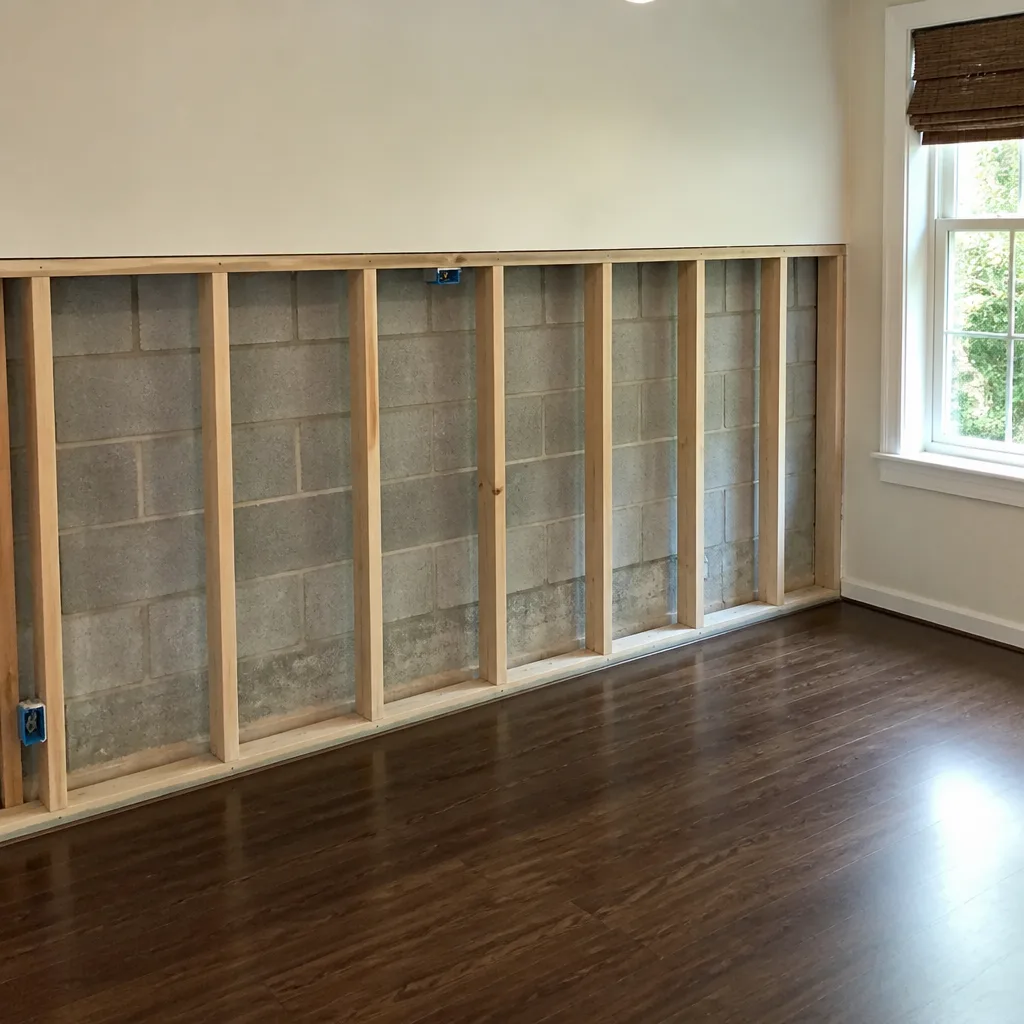
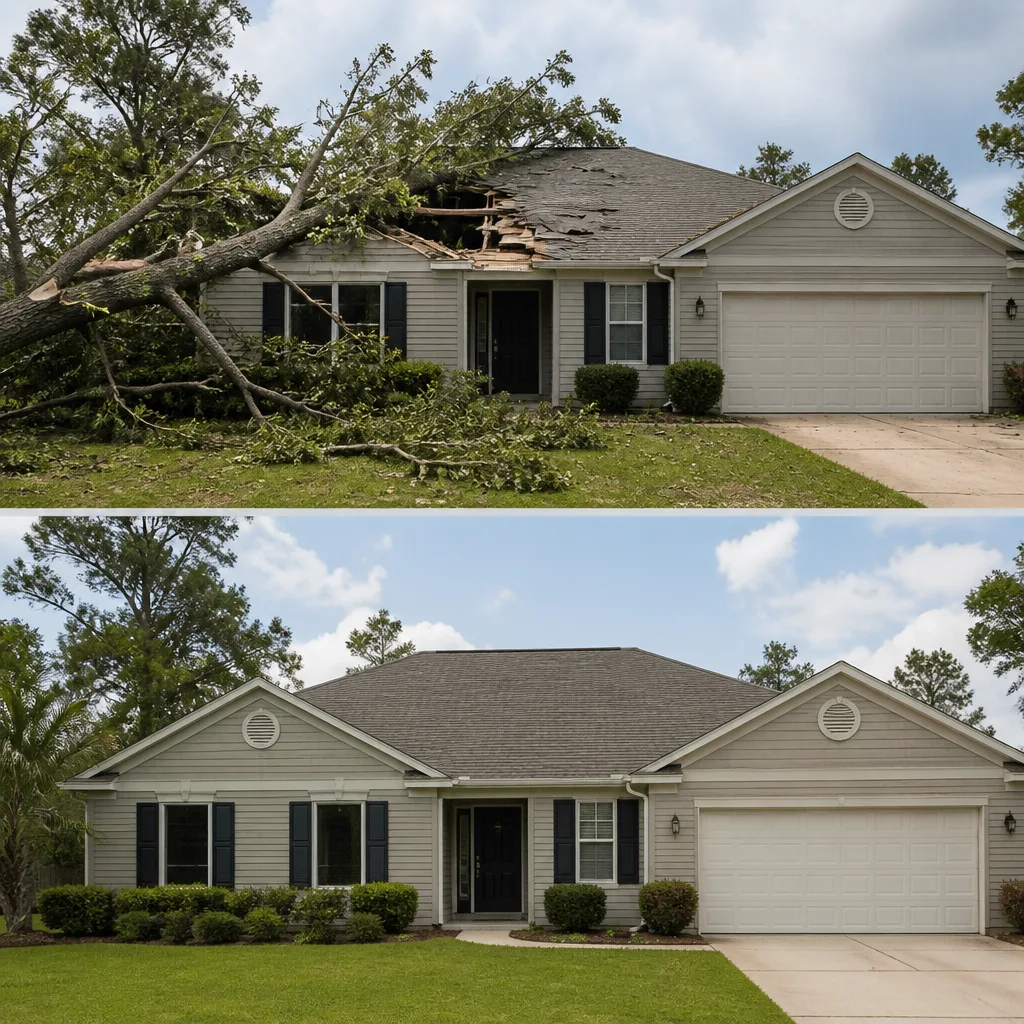


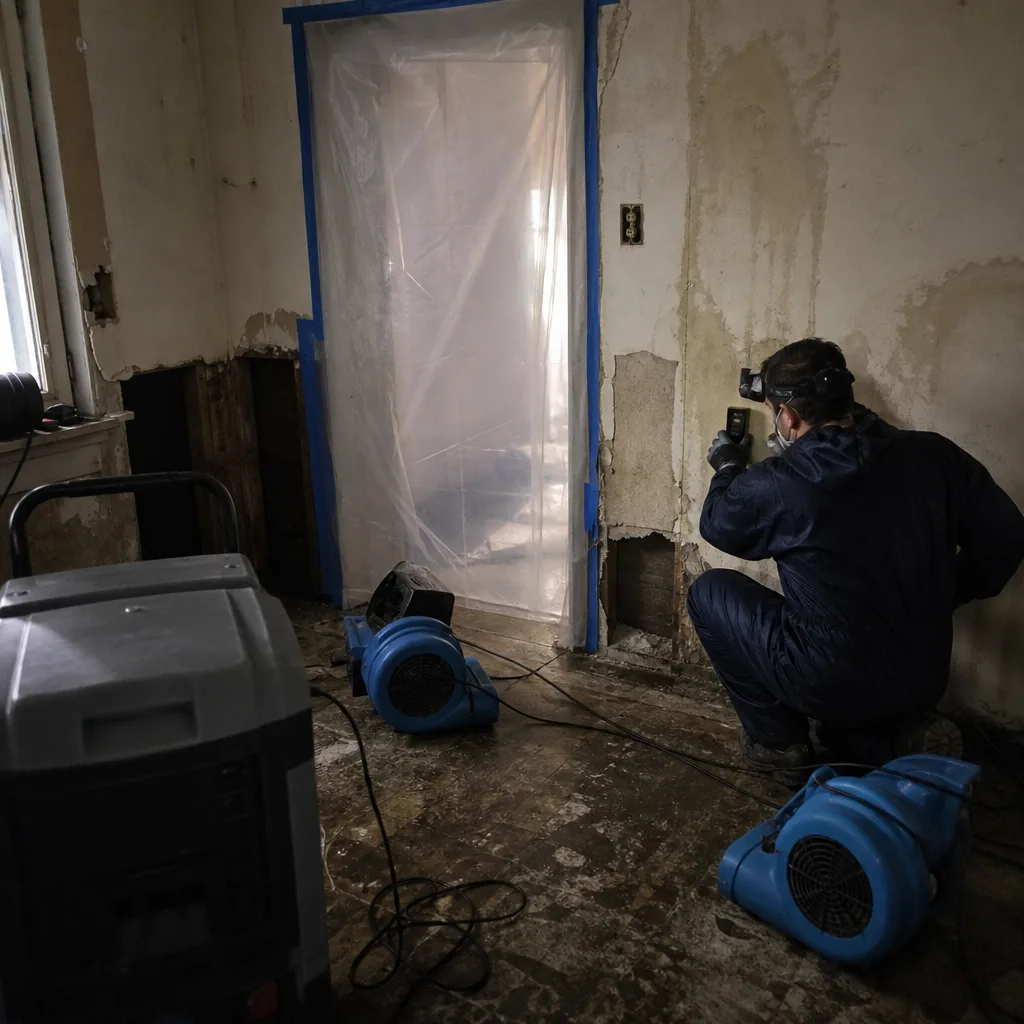 Before
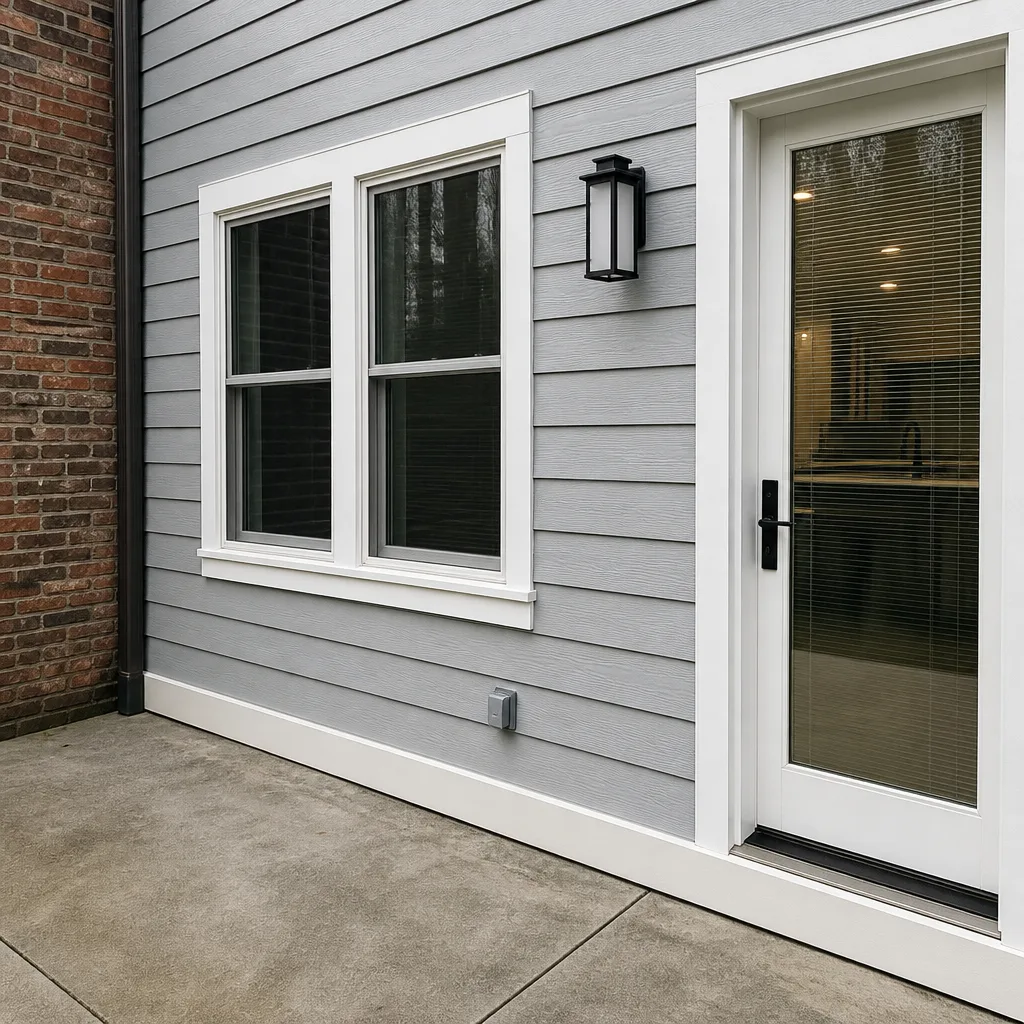 After
After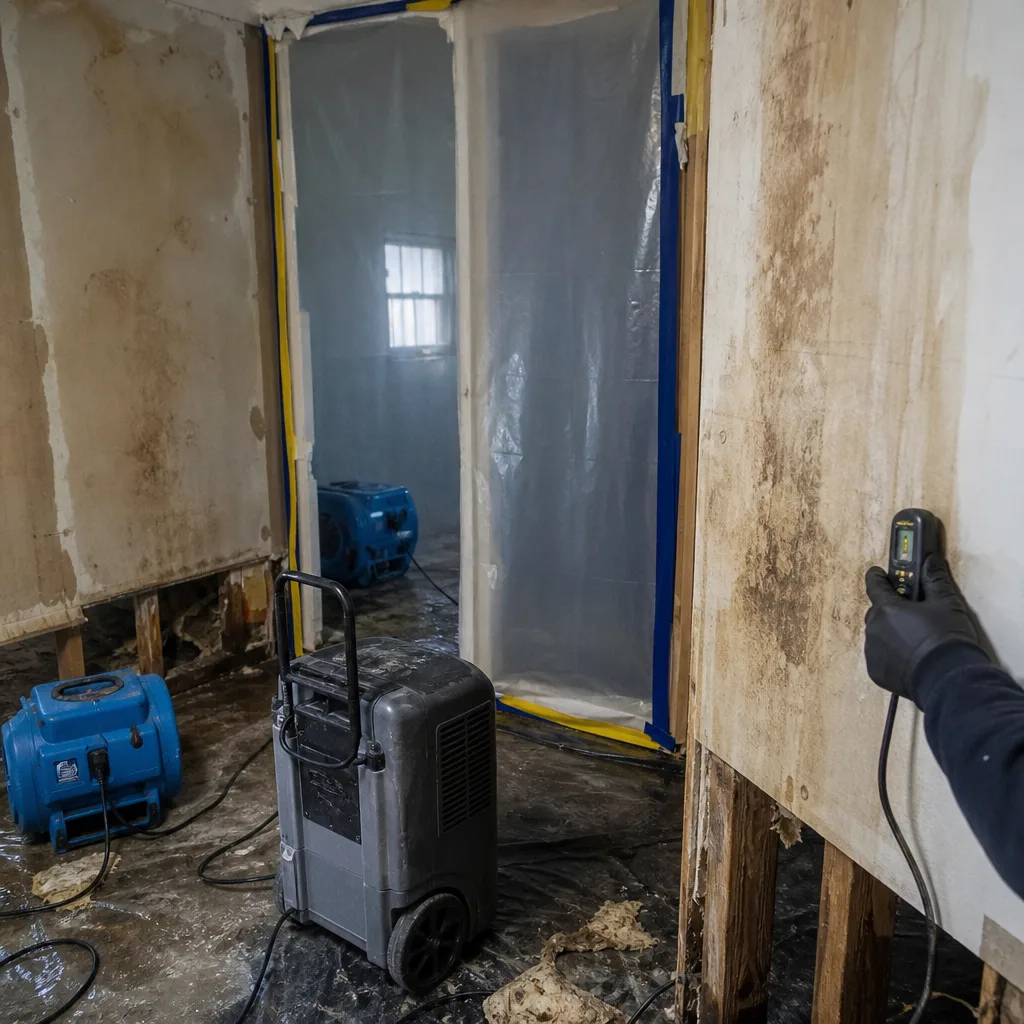 Before
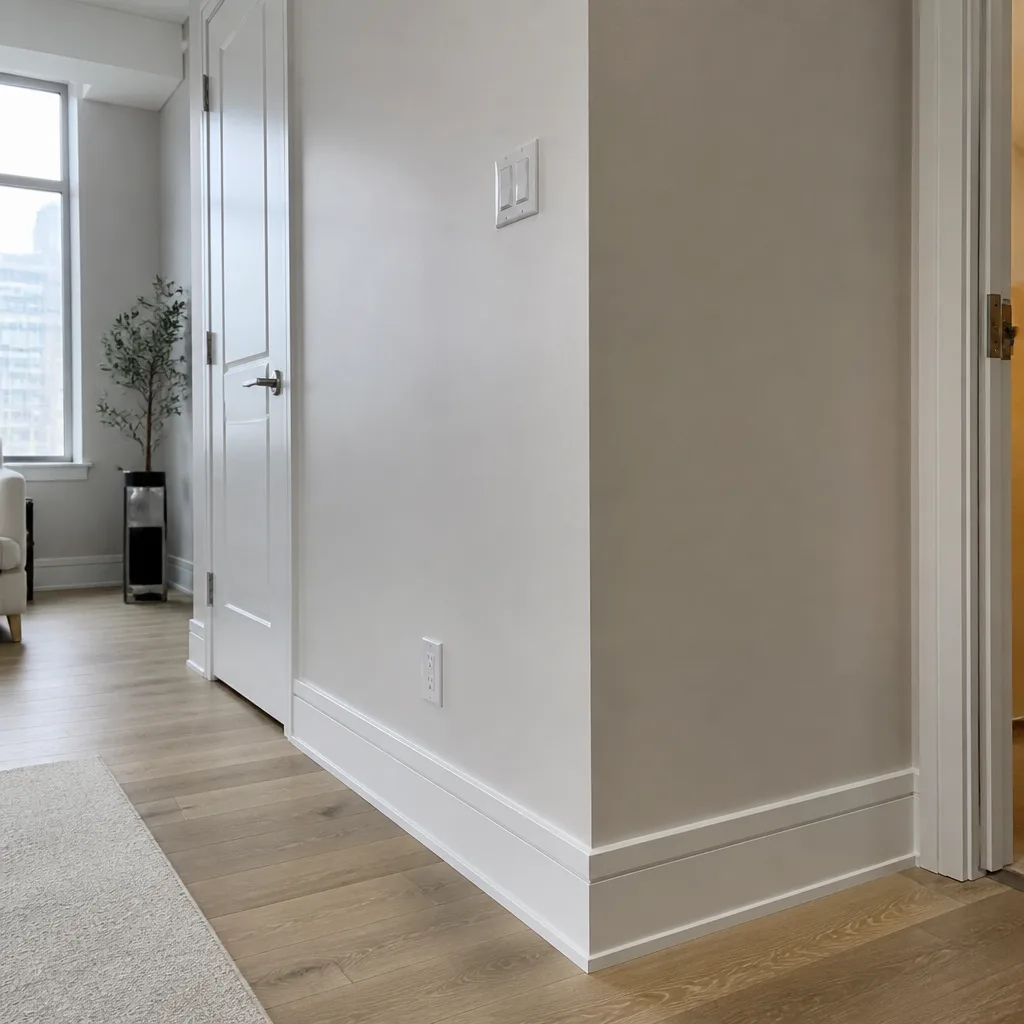 After
After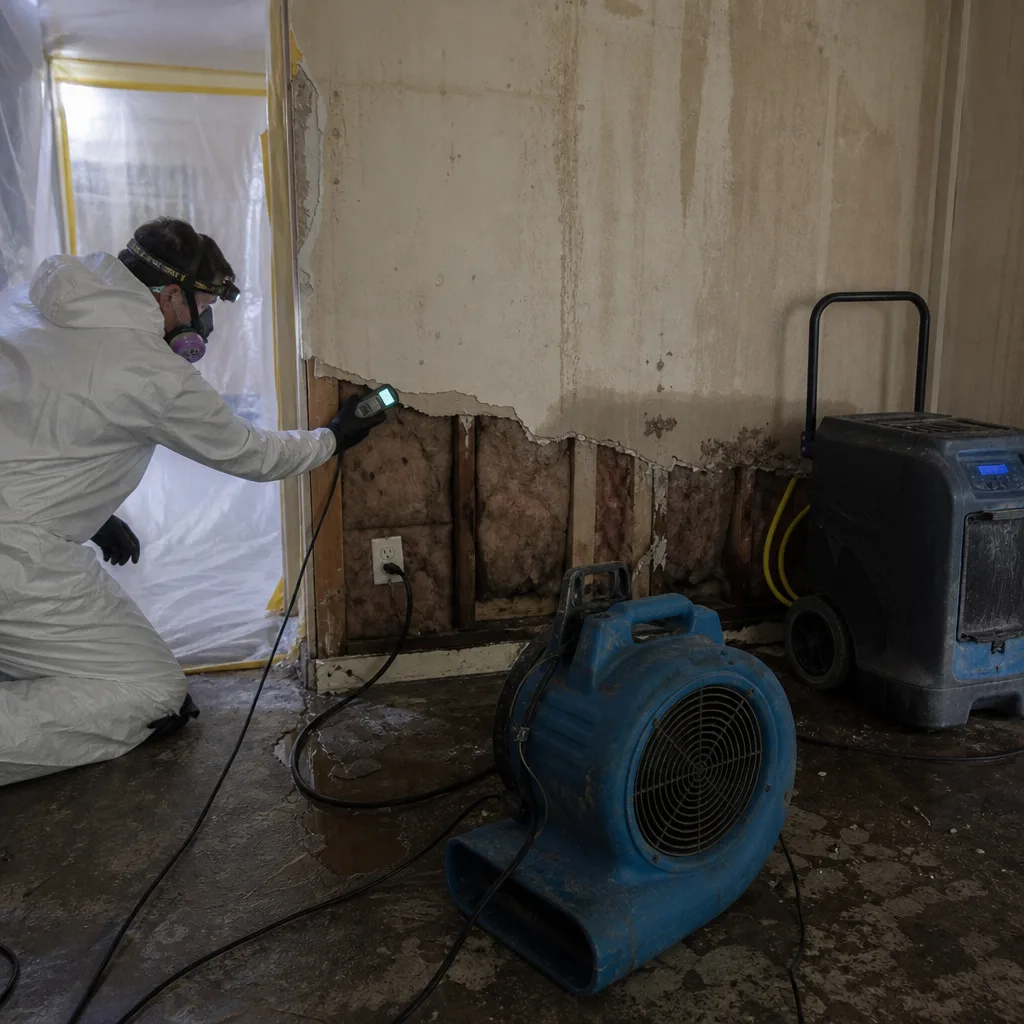 Before
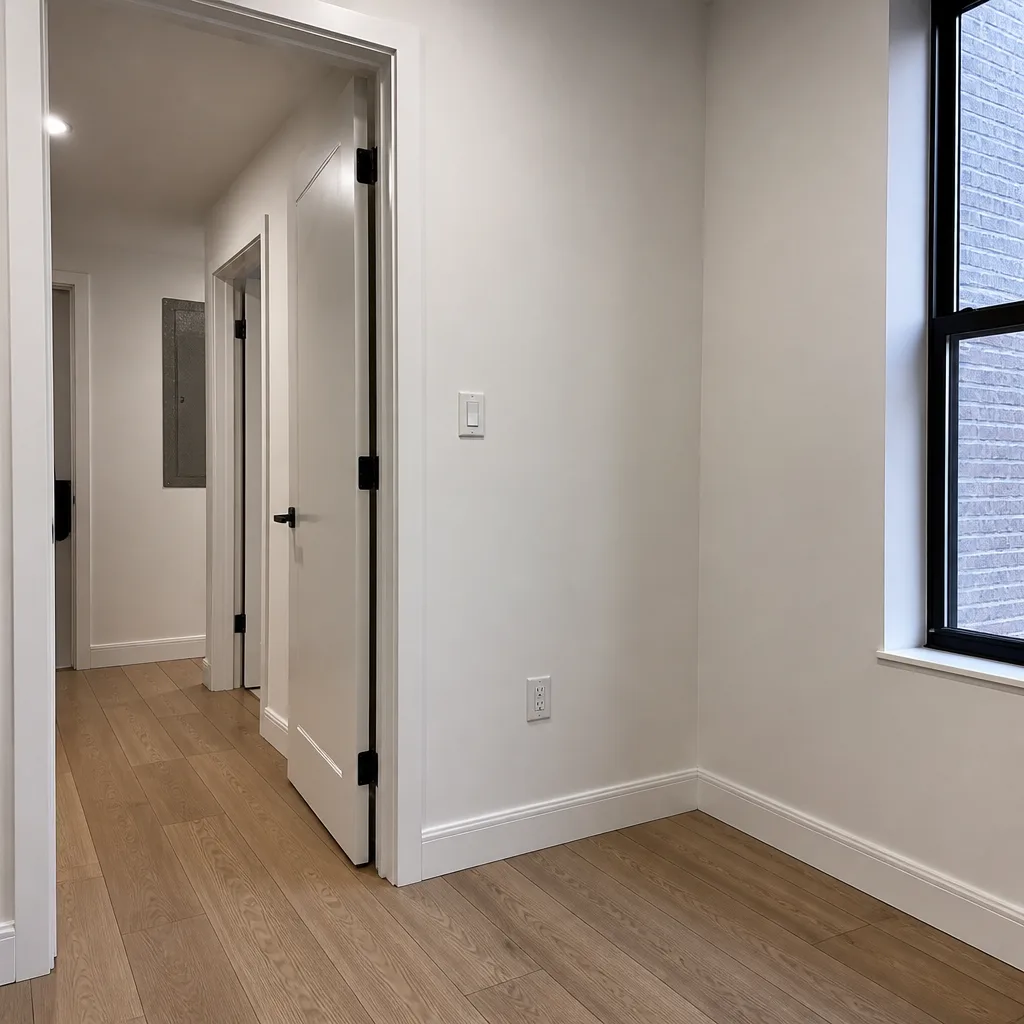 After
After24/7 Emergency Storm & Disaster Restoration in Brooklyn Heights
Storm damage in Brooklyn Heights doesn’t wait for business hours, and neither do we. Floodline Restoration Co. answers live at (518) 663-6491 at any hour, with a certified crew dispatched into Brooklyn Heights the moment you call. The first hour after wind-driven rain breaches a brownstone facade or a nor’easter tears roofing off a garden-level extension matters more than most homeowners realize: water moves through horsehair plaster and old-growth flooring fast, and every hour it sits means deeper extraction, longer drying, and more invasive repairs. We arrive with a free visual assessment, thermal imaging, and the equipment to stop the spread before mold has its 48-hour window. Storm & Disaster Restoration in a landmarked district demands speed and precision. Call now, and a live dispatcher puts a Brooklyn Heights crew in motion.
Understanding Storm & Disaster Restoration Severity in Brooklyn Heights Properties
Storm damage in Brooklyn Heights rarely matches what a standard restoration playbook expects. We classify water by category: Category 1 is clean water from a supply line or roof leak; Category 2 carries contaminants from washing machine overflow or sump failure; Category 3 is grossly contaminated, the kind that comes up through a garden-level drain after heavy rain backs the sewer. In Brooklyn Heights, Category 1 roof leaks routinely degrade into Category 2 or worse because original horsehair plaster acts like a sponge, holding moisture against lath for weeks. Smoke and soot from electrical fires behave differently too: wet soot from burned plaster and old varnish is acidic and etches surfaces within hours, while dry soot from clean-burning modern materials settles into every crack in 19th-century millwork. We moisture-map every affected room with hygrometers and thermal imaging, then run structural drying to the IICRC S500 standard, logging readings daily until the dry standard is met. In pre-war construction, that standard takes longer, and skipping it means hidden mold behind baseboards and under wide-plank floors.
Why Brooklyn Heights Property Owners Choose Floodline Restoration Co.
- 45-minute response commitment: Our Brooklyn Heights crews stage from the New York City office and are typically on-site within 45 minutes of your call, faster for garden-level emergencies.
- 24/7 live answer: A real person picks up at two in the morning. No automated system, no callback queue, no answering service that takes a message and hopes for the best.
- IICRC-certified crews: Our technicians carry WRT (Water Restoration Technician), FSRT (Fire & Smoke Restoration Technician), and AMRT (Applied Microbial Remediation Technician) certifications, trained to RIA and IFA standards as well.
- Free visual inspection: We walk the entire loss with you and a moisture meter before any work begins, so you see what we see and understand the scope.
- Direct insurance billing: We document everything, bill your carrier directly, and coordinate with your adjuster so you’re not the messenger between us.
- One team from extraction to rebuild: The same background-checked, uniformed crew that handles day-one extraction handles daily drying readings and reconstruction. No mid-job handoff to a crew you’ve never met.
Our Storm & Disaster Restoration Process
Inspection & Assessment
The crew lead walks the property with a thermal camera and moisture meter, documenting every affected surface and identifying what can be dried versus what must be removed. In Brooklyn Heights, this includes checking for water behind brownstone facade elements and inside original plaster walls.
Extraction & Stabilization
We remove standing water with truck-mounted and portable extraction units, then stabilize the structure. Emergency board-up and roof tarping happen here, using LPC-compliant materials wherever exterior surfaces are involved.
Drying & Dehumidification
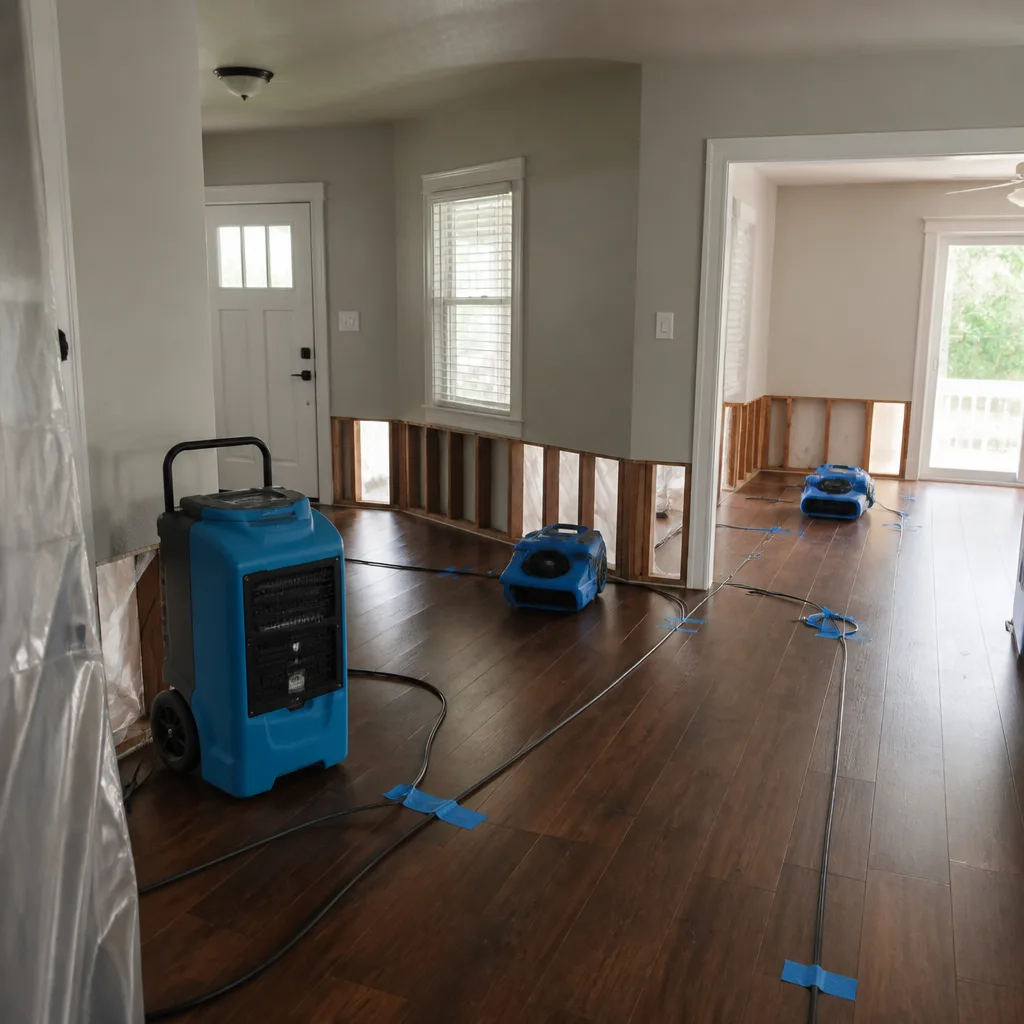
Professional-grade Dri-Eaz, Phoenix, and XPOWER air movers and dehumidifiers run continuously, positioned to reach cavities behind plaster and under flooring. We log moisture readings daily and adjust equipment placement until the dry standard is confirmed.
Cleaning & Sanitization
All affected surfaces get cleaned and treated with appropriate antimicrobials. HEPA air scrubbers run to capture airborne particulates during demolition and drying, which matters in older homes where dust carries lead and silica.
Historic Material Treatment
Where horsehair plaster, wide-plank flooring, or original millwork can be saved, we dry in place rather than demo. This step is specific to Brooklyn Heights: these materials are not replaceable from a supply-house catalog, and saving them preserves both value and Landmarks compliance.
Repairs & Restoration
We rebuild what needs rebuilding, from plaster repair to full reconstruction, working with LPC-approved materials where facades, windows, or exterior elements are involved. The same crew that did the drying does the finish work.
Need Emergency Storm & Disaster Restoration in Brooklyn Heights Now?
Crews minutes away, answering live 24 hours a day. The sooner we start, the less it costs.
Working With Your Insurance Company
Storm damage claims in Brooklyn Heights come with a wrinkle: Landmarks Preservation Commission requirements often add cost and time to repairs that adjusters familiar with modern subdivisions don’t automatically write into estimates. We handle that by documenting everything from the first hour, with photos that show not just damage but material context, the kind that explains why your claim requires period-appropriate brownstone patch rather than a cement skim coat. Our estimates follow industry-standard line-item formats and we communicate directly with your adjuster, scheduled calls or on-site walkthroughs included. Curt Bowman and the team at Floodline Restoration Co. have spent years helping Brooklyn Heights homeowners get fair settlements on landmarked property claims, and we put that experience in your file from day one.
What We Provide Your Insurer
- Thorough documentation of the loss
- Photos of all damage, room by room
- Moisture readings and drying logs
- A detailed, line-item scope of work
- Direct coordination with your carrier
Built for Brooklyn Heights’s Loss Calendar
Brooklyn Heights gets hit from all sides, and the season tells us what we’ll find. January deep freezes burst supply lines in garden-level kitchens and unheated rear extensions, sending water through 150-year-old joists before anyone notices. Spring thaw and heavy rains saturate the ground around the bluff, and basement and garden-level units on streets like Henry and Hicks take on water through foundation cracks and floor drains. Summer thunderstorms roll off the harbor with punishing downbursts that overwhelm the neighborhood’s aging combined sewer system, backing Category 3 water into below-grade spaces. Nor’easters between October and March drive wind-blown rain horizontally into brick and brownstone facades, and that’s when we see the most emergency board-up work, spalled stone, and water behind plaster on the harbor-facing blocks. The elevated bluff protected Brooklyn Heights from Sandy’s surge flooding, but the salt-air exposure and high water table never went away, and every season brings its own version of the same storm.
Storm & Disaster Restoration Across Brooklyn Heights’s Neighborhoods
The brownstone canyons of Willow Street and Columbia Heights present one set of challenges: narrow stoops, shared party walls, and facades that the LPC watches block by block. Water that gets behind a facade on these streets migrates through rubble-stone party walls into the house next door, which means we often set containment in two homes for one leak. Down on Montague Street and the commercial corridors, storm losses hit storefronts and the apartments above them, where old flat roofs and parapet walls channel water down through multiple units before anyone finds the source. The garden-level units off Hicks Street and Joralemon Street are the worst for flood damage: they sit below grade, behind retaining walls that hold water against foundations during every heavy rain. Sidney Place and the smaller mid-block alleys have clearance issues that make equipment staging a puzzle, with areaways too narrow for standard cart and no alley access at all. We know these blocks individually, and the crew that’s worked a disaster on Columbia Heights isn’t guessing when they hit Willow Street next week.
Specialized Storm & Disaster Restoration Services We Offer in Brooklyn Heights
Storm Damage Cleanup
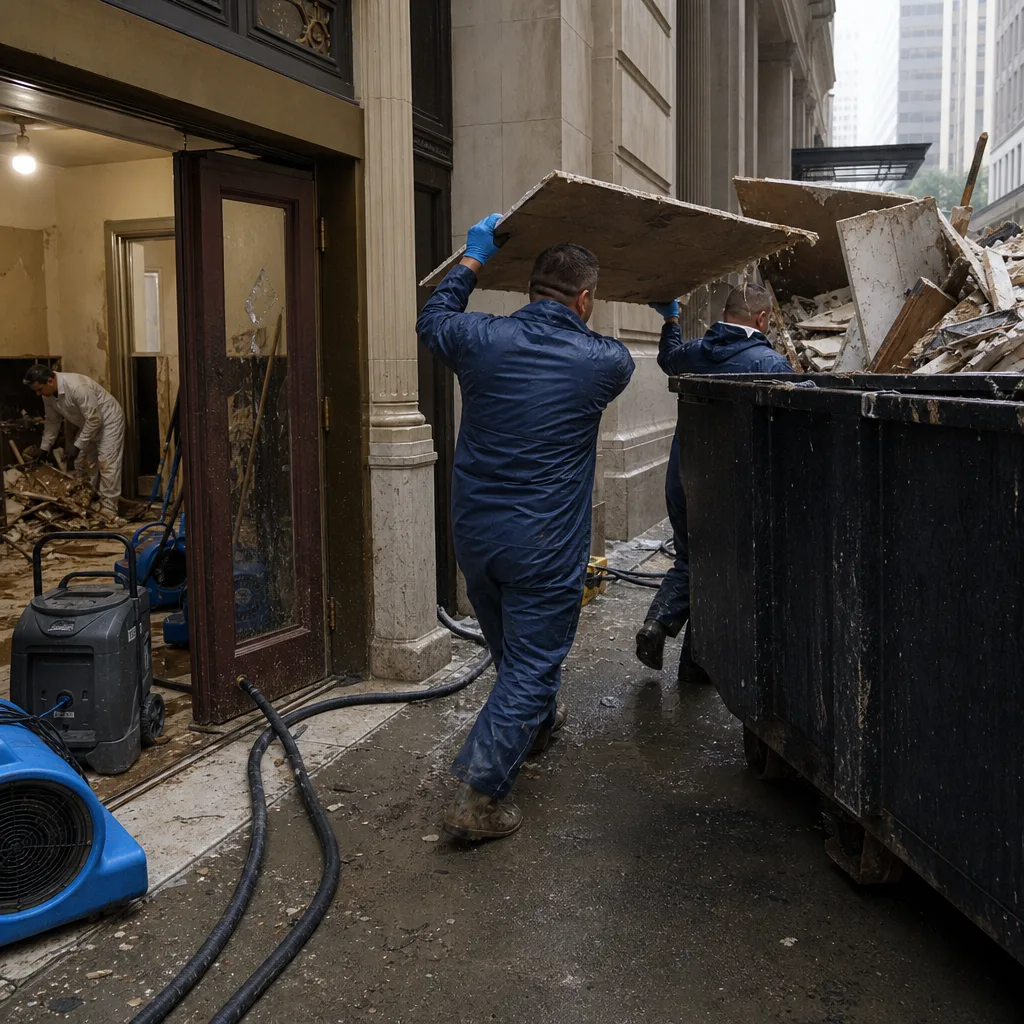
After wind tears through a Brooklyn Heights block, the damage is rarely just structural. Broken glass from transom windows, slate shingles blown off roofs, and tree debris from the Promenade all end up in courtyards, areaways, and behind iron railings. We clear, sort, and document everything, separating storm debris from materials your insurance will want photographed before disposal.
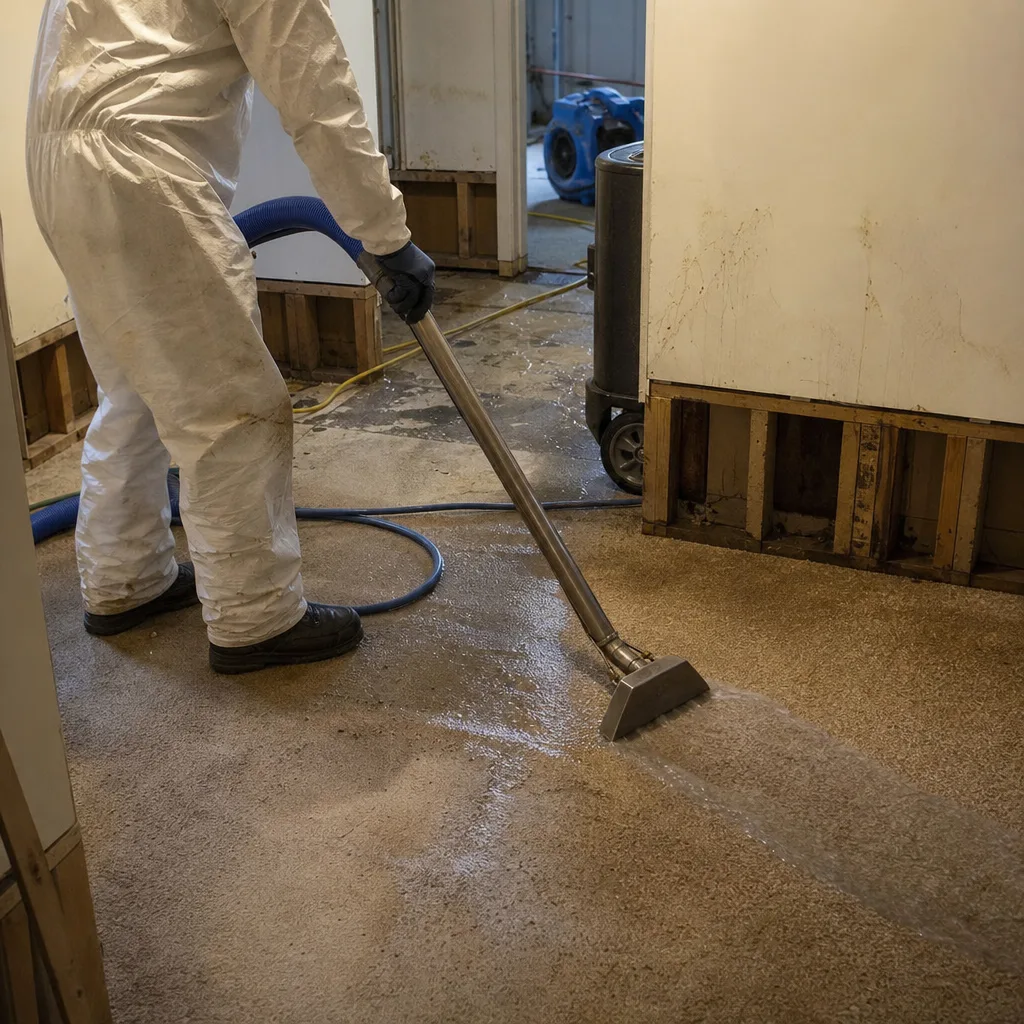
Flood Damage Restoration
Garden-level flooding in Brooklyn Heights is a perennial problem, but the fix is not just pumping water out. The high water table means water returns if you don’t address drainage and foundation moisture. We extract, dry, and then assess the entry points, recommending and installing drainage improvements where the cause is recurring, not a one-time storm event.
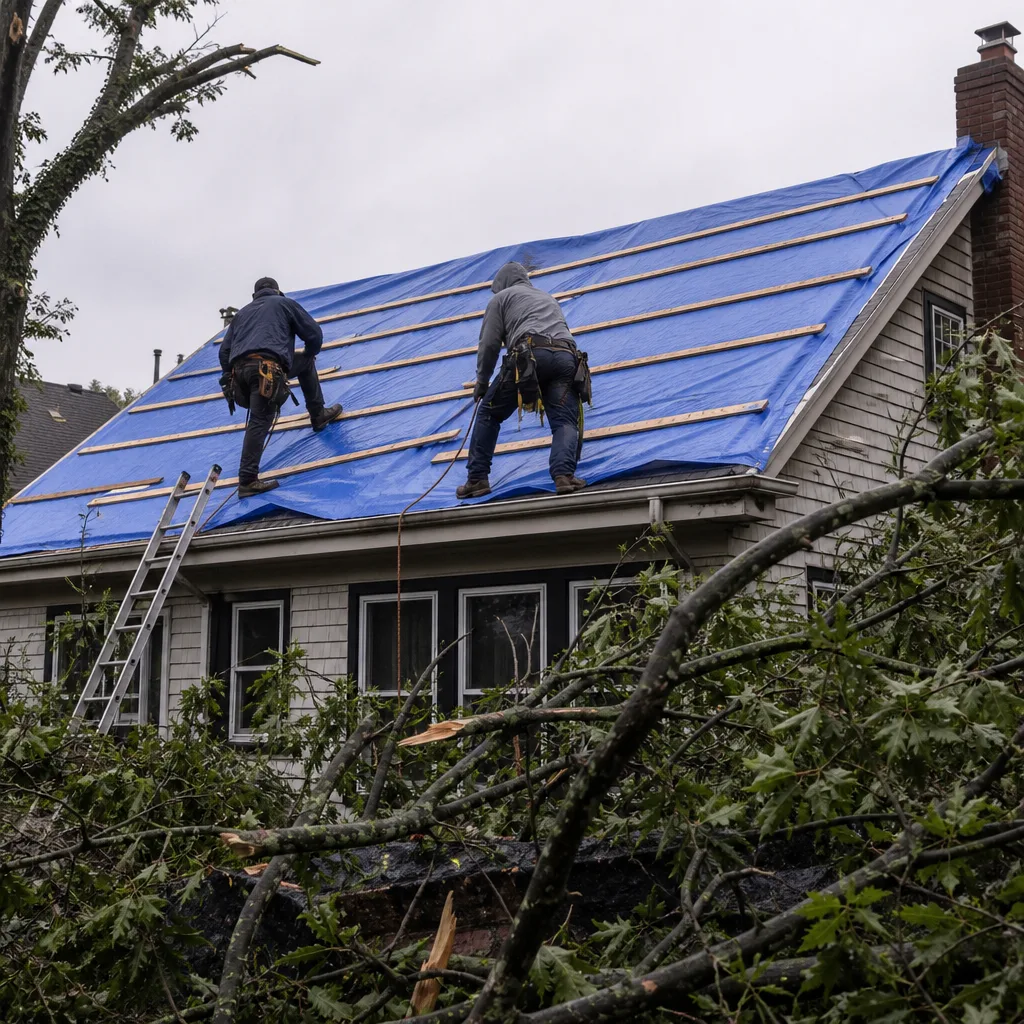
Emergency Board-Up
When a nor’easter blows out a parlor-floor window on an 1850s brownstone, the board-up itself becomes a Landmarks issue. The LPC requires that emergency exterior work use materials and fasteners that don’t further damage historic fabric, and we carry approved plywood and proper anchoring methods, so your emergency repair doesn’t become a violation that stops the real restoration before it starts.
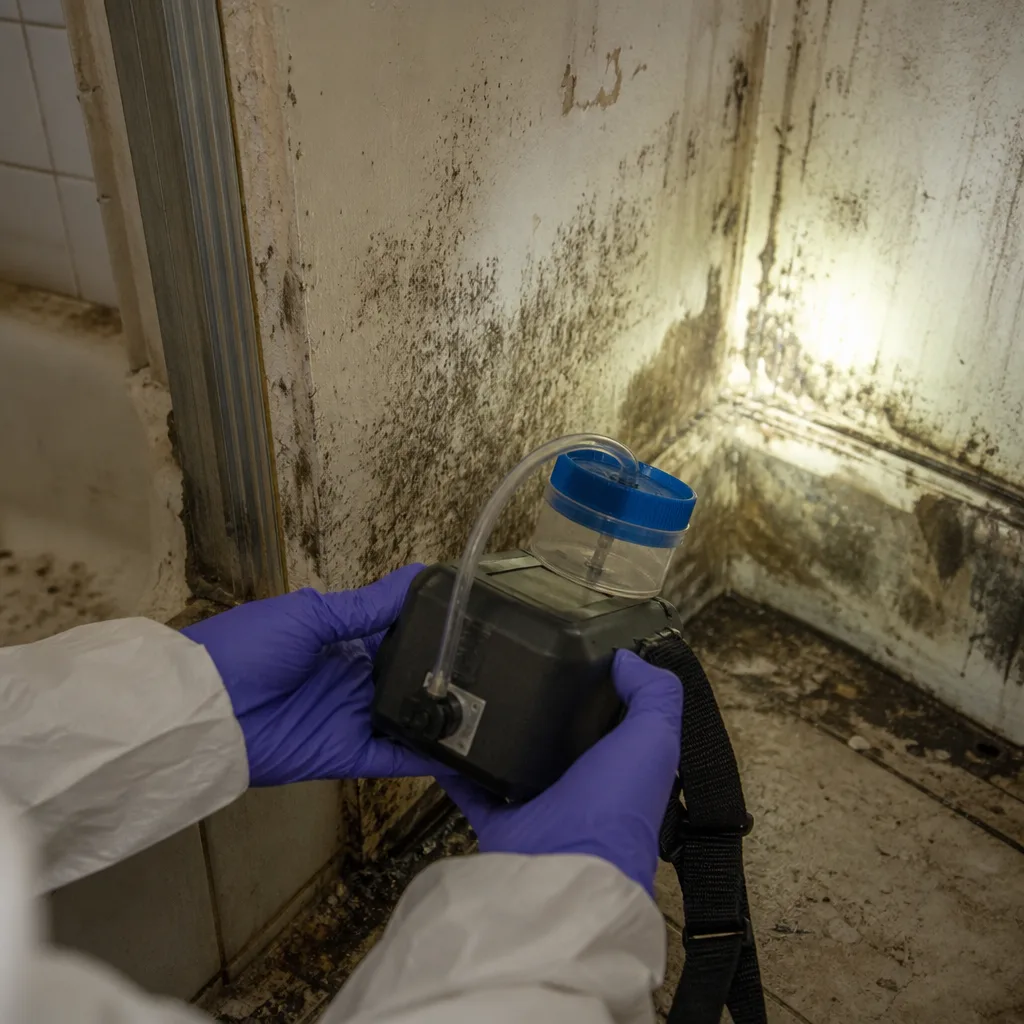
Roof Tarping
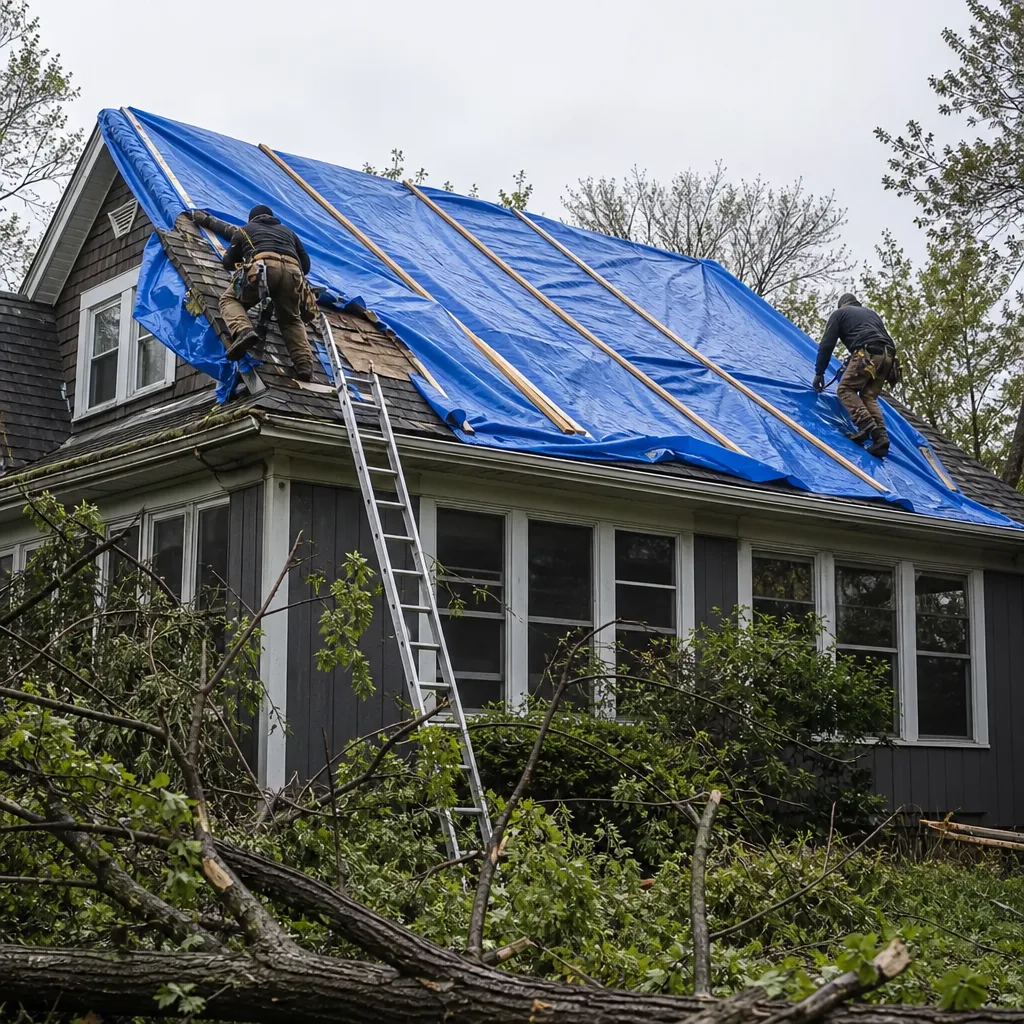
Brooklyn Heights roofs are a patchwork of original slate, aging rubber membrane, and decades of repairs, and when wind or a falling limb opens one up, water follows fast. We tarp quickly and securely, using weighted anchoring rather than nails into historic cornices wherever possible, and we know which blocks have scaffold and ladder access issues before we arrive.
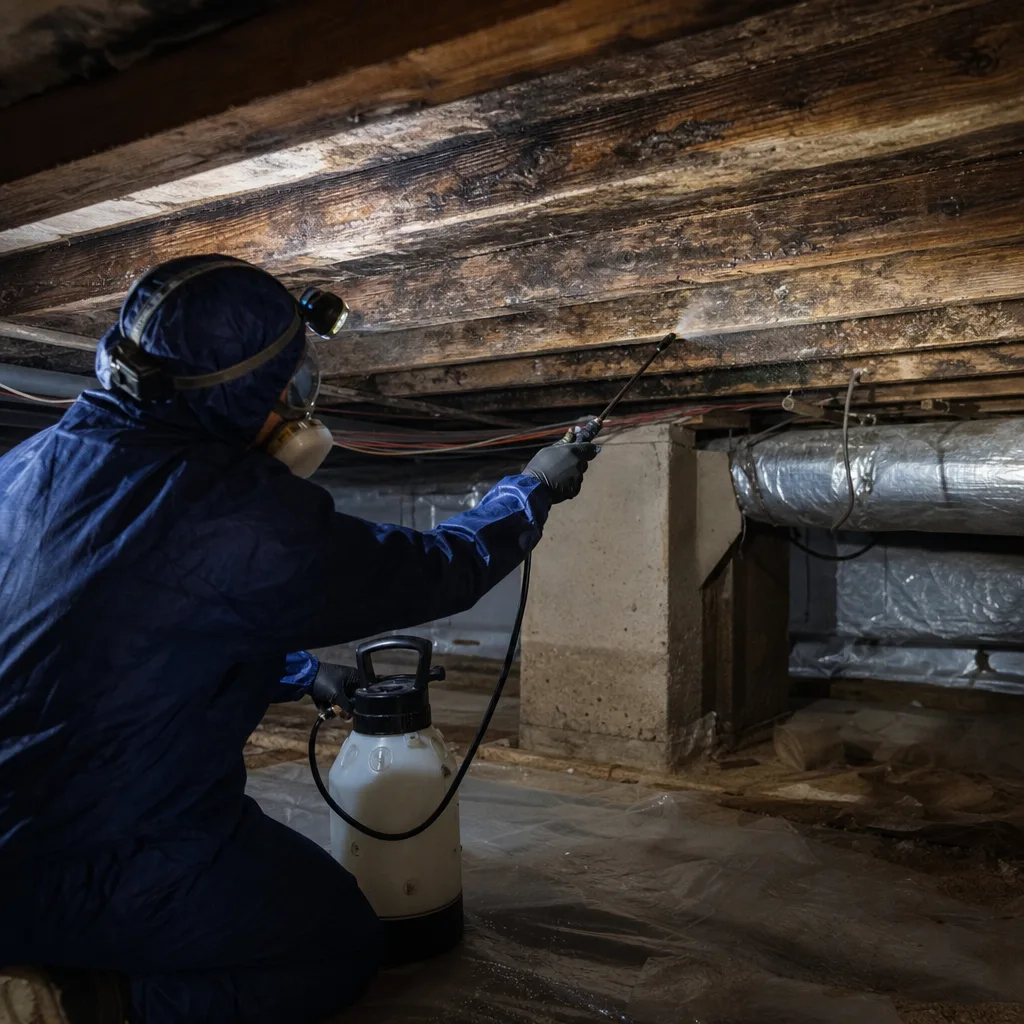
Debris Removal
Storm debris in a landmarked district is not just trash: it’s evidence for your claim and sometimes material that the LPC wants preserved. We sort carefully, photograph everything in place, and flag any architectural fragments that should be set aside for restoration rather than hauled to the landfill.
What happens when you call
- 1
A real person answersNo phone trees - you reach a local pro.
- 2
You get an upfront price rangeHonest numbers before anyone is dispatched.
- 3
A background-checked tech heads outLicensed & insured, dispatched right away.
- 4
You approve before work beginsNothing starts until you say go.
Storm & Disaster Restoration Costs in Brooklyn Heights, NY
Storm restoration pricing in Brooklyn Heights runs higher than the borough average, and the reasons are structural. Emergency board-up on a landmarked brownstone typically runs $450-$900, reflecting LPC-compliant materials and the labor of working on fragile facades. Roof tarping runs $600-$1,200 depending on roof accessibility and square footage. Water extraction and drying for a garden-level flood starts around $2,500-$5,500 and climbs with square footage and how long the water sat. Full storm damage cleanup, including debris removal, sanitization, and structural drying, commonly lands between $4,000 and $12,000. What moves the price most is the age of the building and what’s behind the walls: drying horsehair plaster in place costs more than replacing drywall, but it preserves the home. Most storm losses are covered by insurance, and we bill your carrier directly, which means your out-of-pocket is usually just the deductible. The free inspection gives you a firm written scope before any work starts, so there are no surprises on the bill. Call (518) 663-6491 and we’ll walk the loss with you.
We Also Serve Cities Near Brooklyn Heights
Our storm and disaster restoration crews cover Brooklyn Heights and the surrounding areas, including Financial District, Lower Manhattan, Washington Square, and Williamsburg. If your building sits on the edge of the district or you own property nearby, the same live dispatch and certified crews are available.
Serving Brooklyn Heights, NY - Our Local Coverage Area
We’re based in the Brooklyn Heights area and know this community well. Use the map below to see our service coverage - if you’re nearby, we can almost certainly help.
Brooklyn Heights Storm & Disaster Restoration Questions, Answered
Does Brooklyn Heights’ Landmarks Preservation Commission really delay emergency board-up after a storm?
No, the LPC does not delay emergency board-up. Emergency work to secure a building is permitted immediately. What matters is that the materials and methods don’t damage historic fabric, because non-approved plywood nailed into a brownstone facade can draw a violation and a stop-work order once the emergency is over, and then your real restoration stalls. We carry LPC-compliant board-up materials for exactly this reason.
My brownstone basement takes on water after every heavy rain, not just from storms. Is that a flood restoration job?
Yes, and it’s one we handle regularly in Brooklyn Heights. Recurring water intrusion in garden-level and basement units is often caused by the high water table and poor site drainage, not just storm events. We extract and dry the space, then identify the entry points and recommend drainage corrections so you’re not calling us after every downpour.
How do you dry original horsehair plaster after a roof leak in an 1830s rowhouse?
We dry it in place wherever possible. The process involves injecting air behind lath and using low-grain refrigerant dehumidifiers to pull moisture from the plaster’s core without further damaging the keys that hold it to the wall. Replacement should be a last resort in a landmarked building because matching the material and finish costs far more than drying.
Can you bring drying equipment into a townhouse with a narrow areaway and no alley access?
Yes. We use compact equipment and manual carry techniques specifically for Brooklyn Heights. After a nor’easter drove water into a garden-level entry on Sidney Place, our crew hand-carried every Phoenix air mover and Dri-Eaz dehumidifier down the narrow brownstone areaway because no truck could stage within two blocks of the building.
After a storm, my brownstone facade is spalling and water got behind the stone. Do I need an LPC-approved mason?
Yes, for any permanent masonry repair on a landmarked facade, you need work that meets LPC standards, typically using period-appropriate brownstone or an approved substitute. Floodline Restoration Co. coordinates with LPC-approved masons and manages the interior water damage simultaneously, so the two tracks of work don’t conflict or stall each other.
How fast can you actually get to Brooklyn Heights after I call?
Our crews stage from the New York City office and typically reach Brooklyn Heights within 45 minutes of your call. During major storms when demand spikes, response may extend, but you will always speak to a live dispatcher who can tell you exactly when a crew will arrive, and we prioritize active water intrusion over less urgent calls.
Will insurance cover storm damage to my Brooklyn Heights home?
Most standard homeowners policies cover wind, rain, and storm-related water damage, with exclusions for flood and gradual seepage. If your loss is from a storm event, documentation from the first hour matters. We photograph everything, log moisture readings, and communicate directly with your adjuster, including explaining Landmarks-related costs that standard adjusters often miss.
What should I do in the first 30 minutes after storm damage?
Shut off the electricity if water is near outlets, move valuables out of the water path, and call us at (518) 663-6491. Do not enter rooms with standing water and any electrical source. Take photos with your phone if you can do so safely, then let our crew document everything professionally. The faster extraction starts, the less damage spreads into plaster, flooring, and neighboring rooms.
Written by Curt Bowman, Owner at Floodline Restoration Co., serving Brooklyn Heights with storm and disaster restoration, water damage repair, and full reconstruction.