
Free visual inspection and a written scope of work before any mitigation begins - photos, moisture readings, and drying logs go in your claim file
The scope we write is the scope we bill. Anything new gets shown to you, in writing, before we touch it.
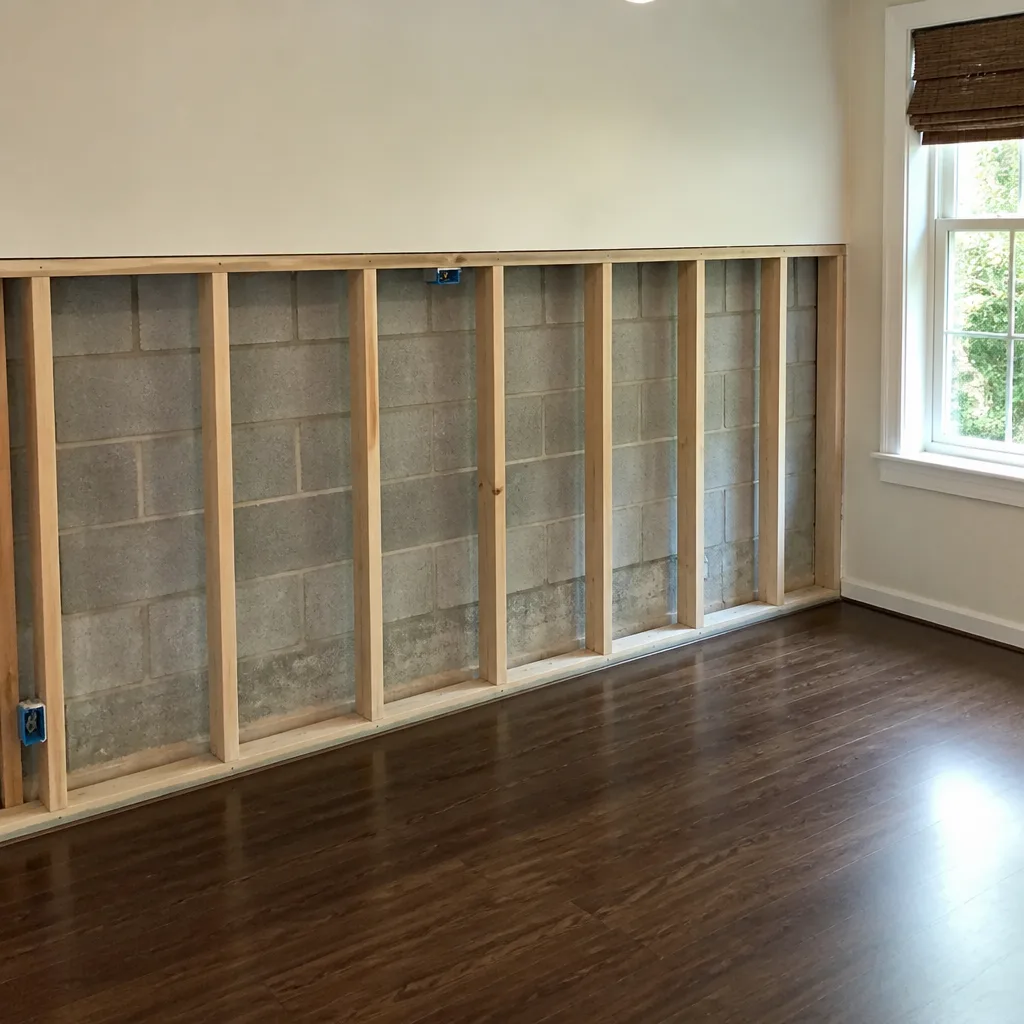
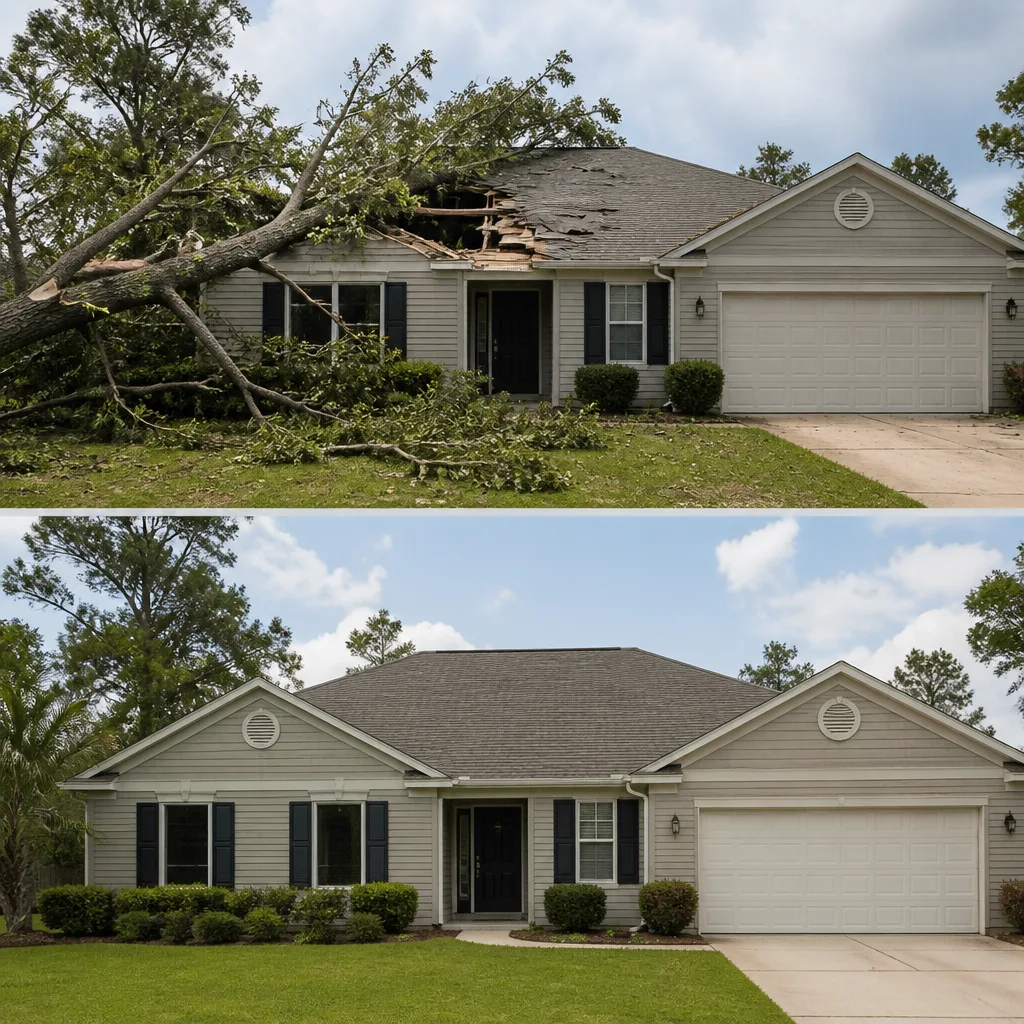
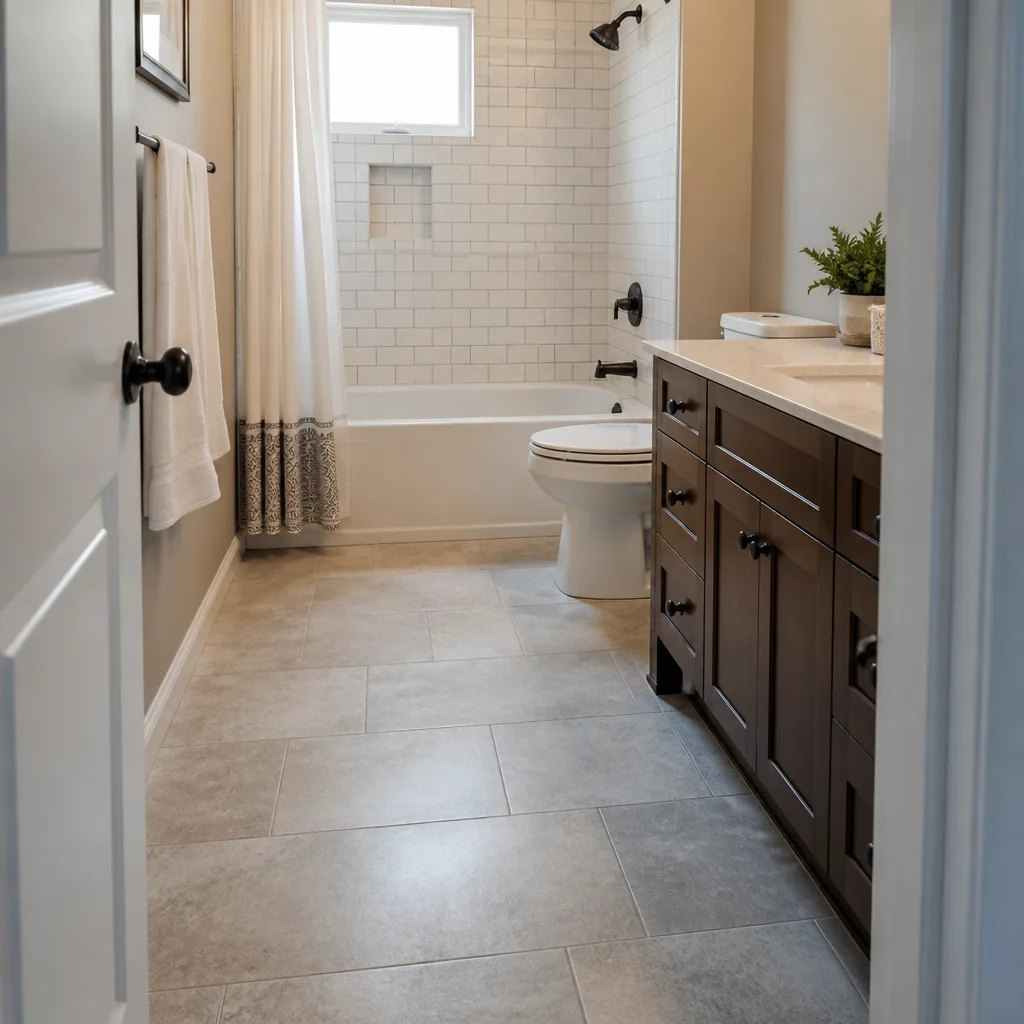
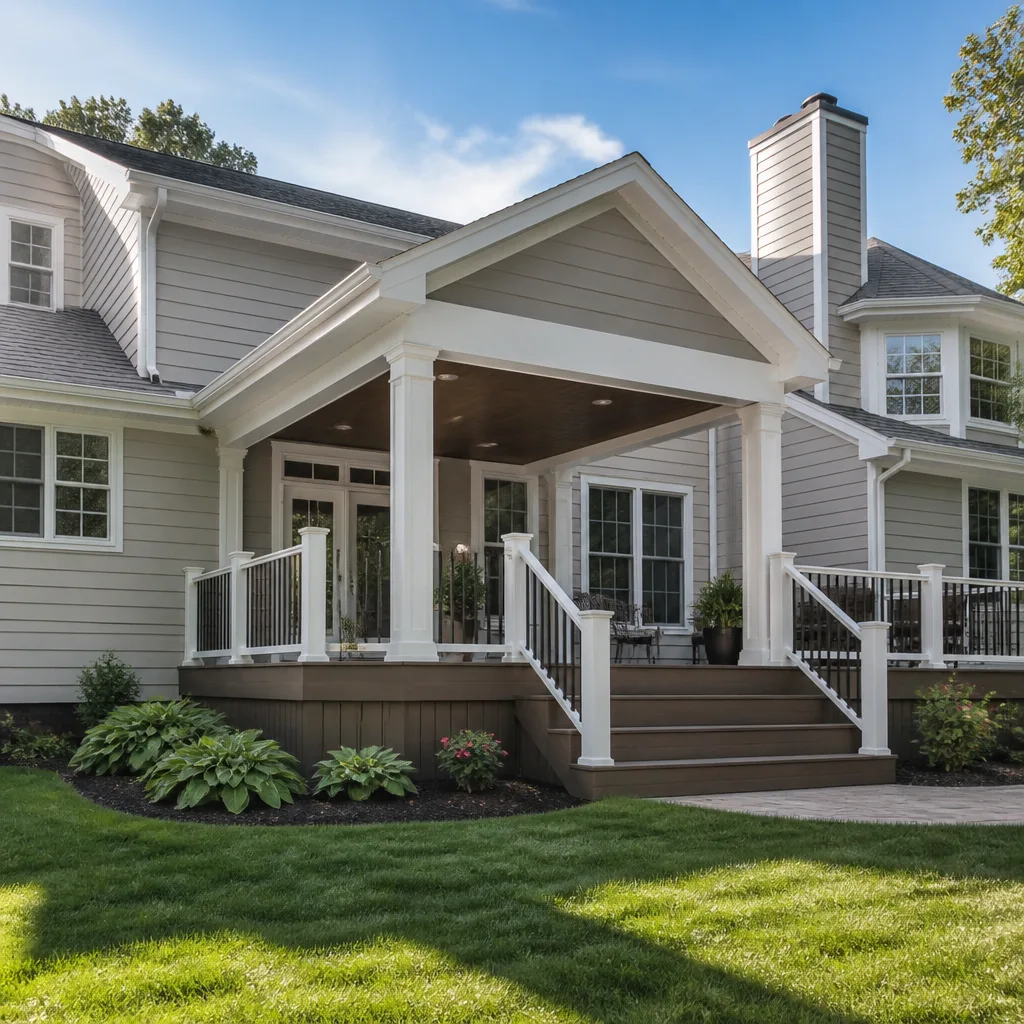
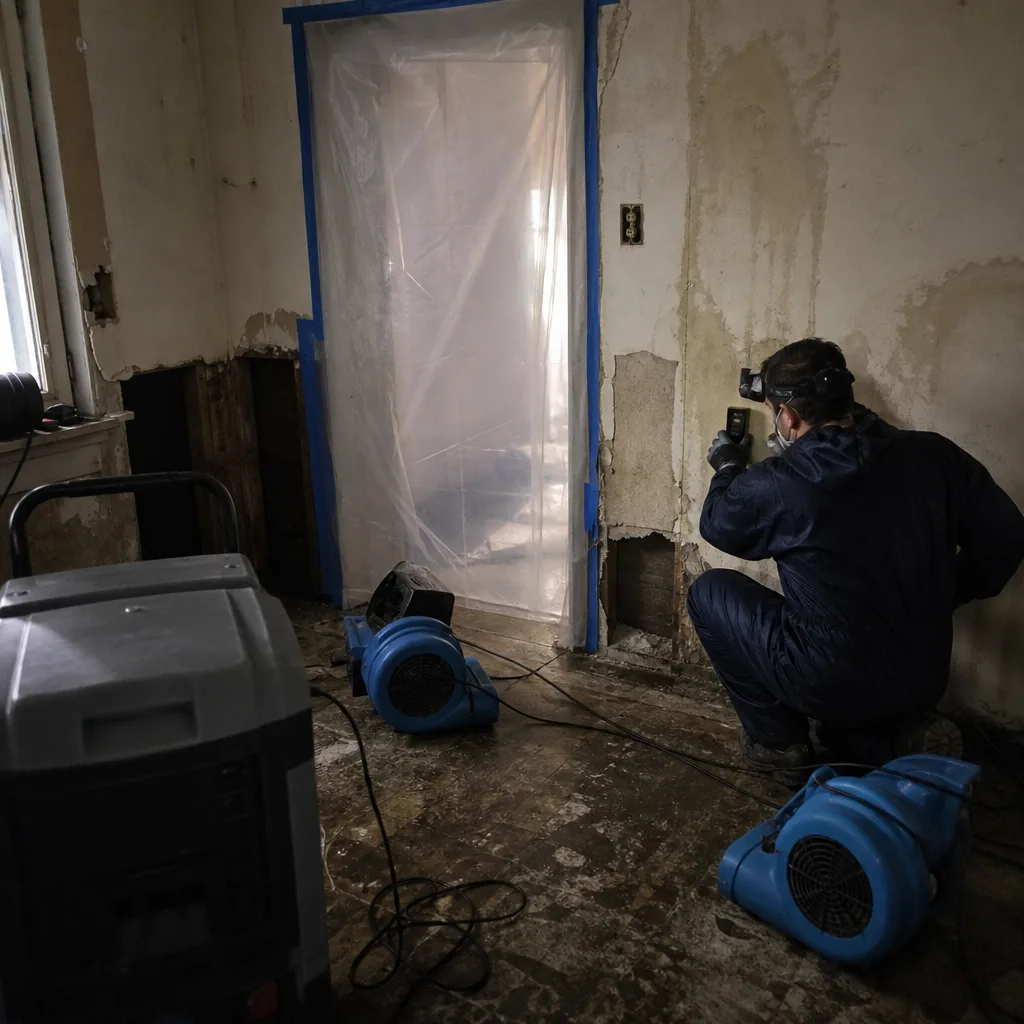 Before
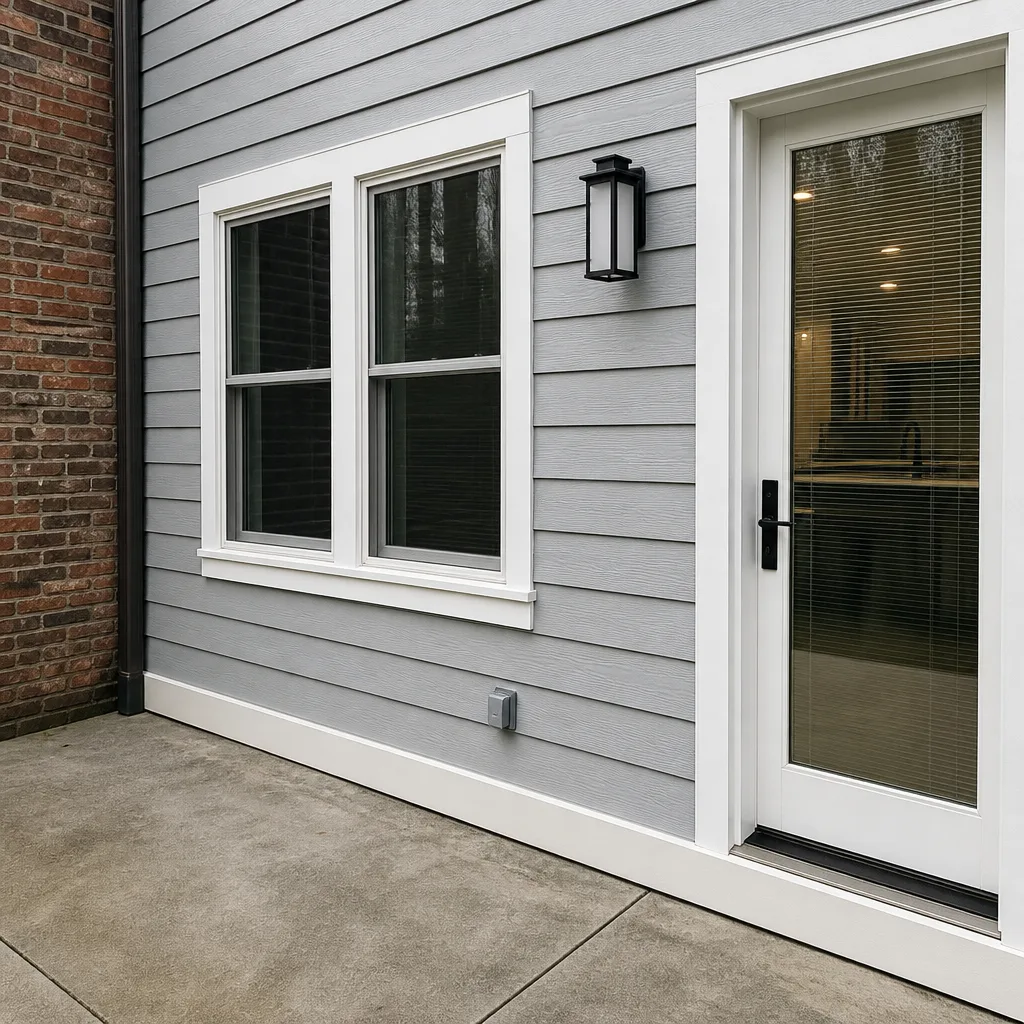 After
After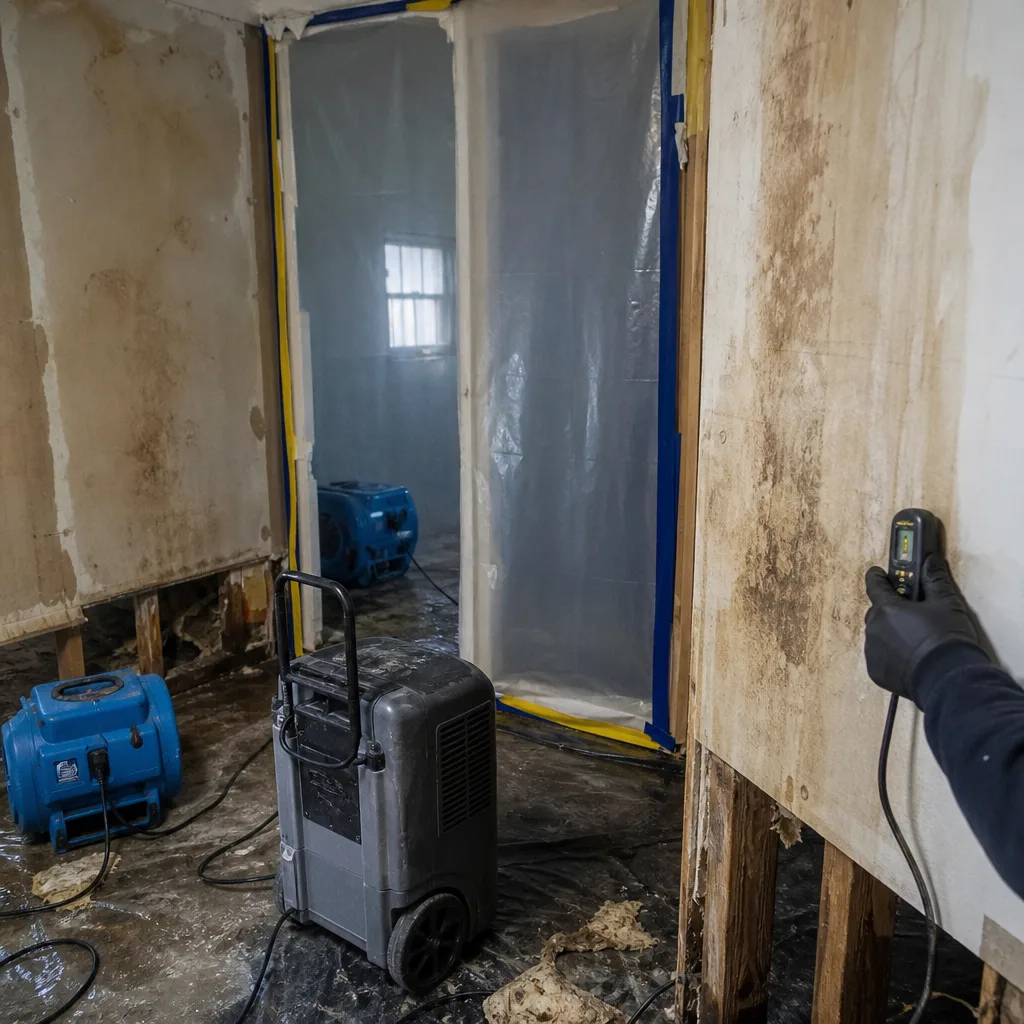 Before
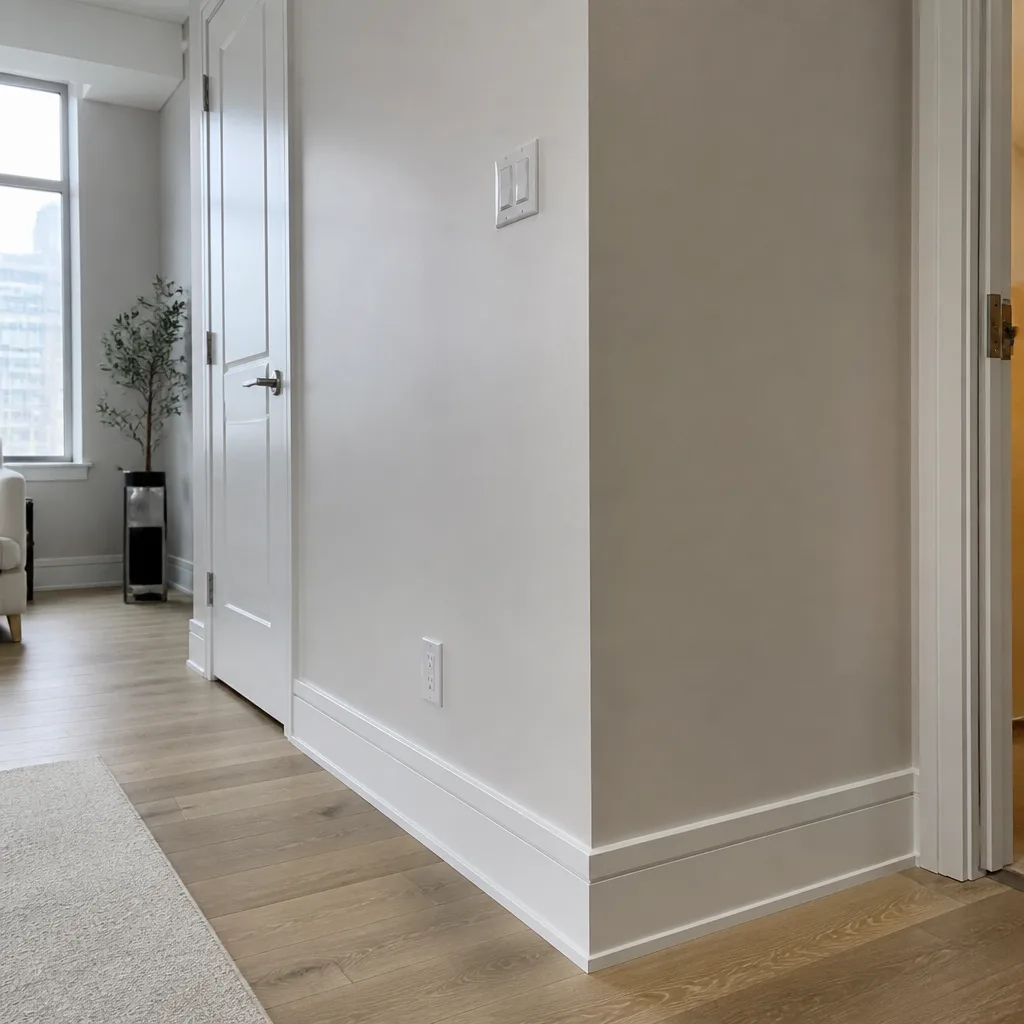 After
After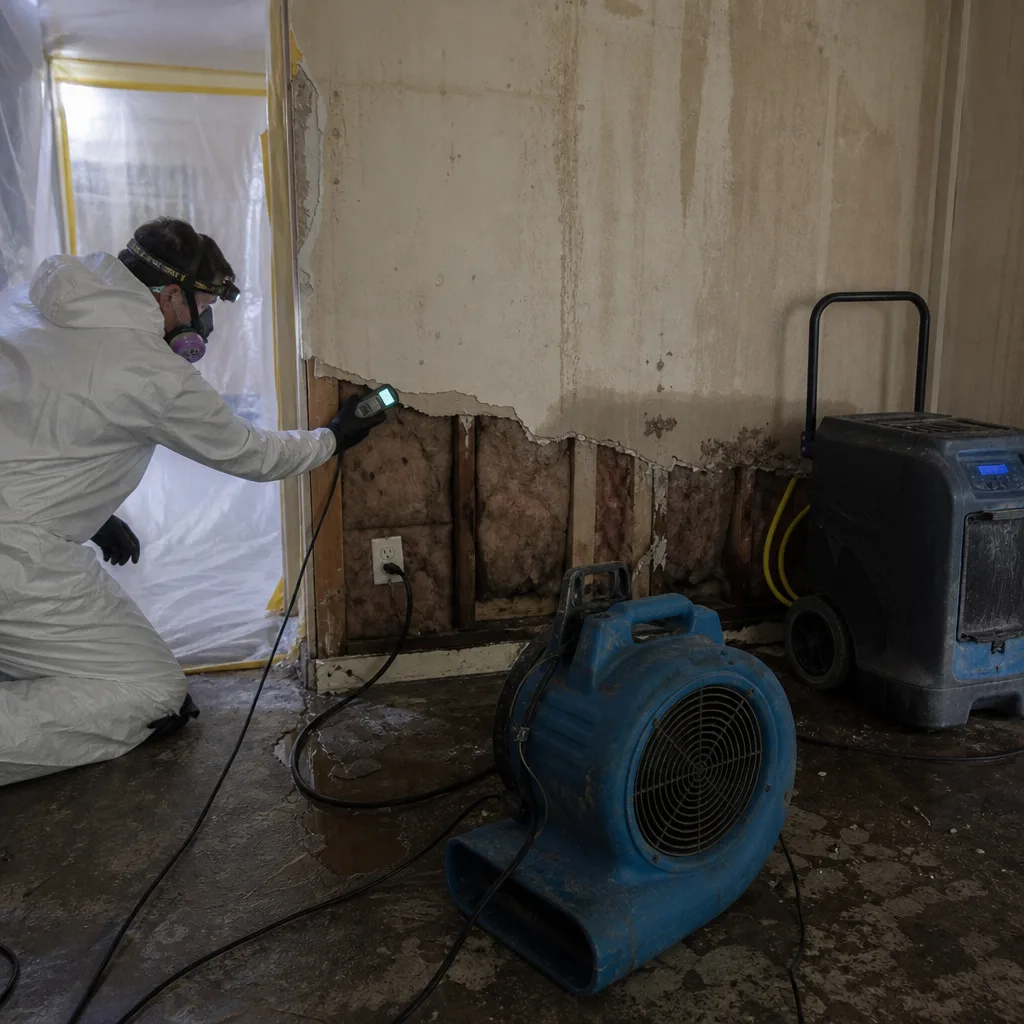 Before
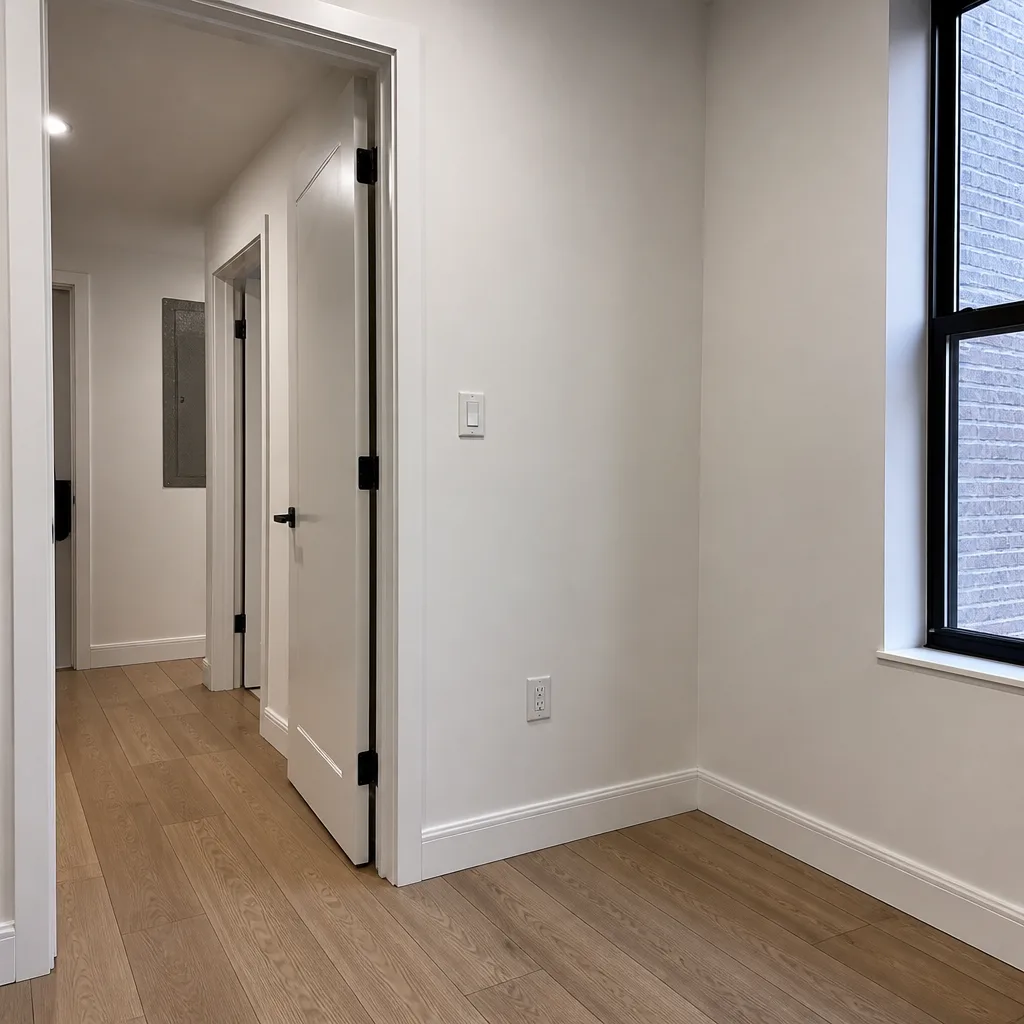 After
After24/7 Emergency Storm & Disaster Restoration in Washington Square
Storm and disaster restoration in Washington Square has one variable that forces everything else to fall in line: the Greenwich Village Historic District. A nor’easter that rips brownstone coping off a Washington Square North rowhouse is not a simple repair. It is a landmark compliance file, a procurement order for historically matched material, and an insurance claim that needs documentation from the first hour. Our crews are dispatched from the New York City office to Washington Square around the clock. When you call (518) 663-6491 at two in the morning, a live dispatcher answers. A crew reaches the block, sets up containment, and gets extraction and stabilization running that same visit. Waiting even 24 hours on an 1830s townhouse invites water deeper into timber joists and party walls that have been wicking moisture for nearly two centuries. The first hour is not a sales pitch. It is the difference between a cleanup and a rebuild.
Understanding Storm & Disaster Restoration Severity in Washington Square Properties
Washington Square’s building stock changes the mechanics of every storm loss. The Federal and Greek Revival rowhouses along Washington Square North and the surrounding blocks were built from the 1820s through the 1840s. Their load-bearing walls are unreinforced brick. Their joists are old-growth timber, not modern kiln-dried lumber. Neither material dries the way a gypsum wall in a 1990s high-rise dries. Water in these structures does not sit politely on the surface. It wicks laterally through the lime-based mortar, travels up through the slab, and moves invisibly behind the original plaster. Category 2 water, which carries significant contamination from a washing machine overflow or a drainage backup, becomes Category 3, or grossly contaminated, far faster in a below-grade garden apartment with no modern vapor barrier. Storm losses here are rarely single-room events. We run moisture mapping on every job, plus daily readings logged until the dry standard is met, because the interstitial spaces in a 180-year-old party wall hold water in ways a non-thermal imaging camera simply cannot see.
Why Washington Square Property Owners Choose Floodline Restoration Co.
- 45-minute response commitment across Washington Square. Our dispatch board routes crews down Fifth Avenue and into the Village the moment the call comes in. No voice trees, no callbacks.
- 24/7 live answer, every day of the year. A real person picks up at 2 a.m. That is not a slogan. It is the way Floodline Restoration Co. has worked since Curt Bowman founded it in 2010.
- IICRC-certified crews trained to WRT, FSRT, and AMRT standards. Every technician who enters a Washington Square home is background-checked, uniformed, and certified to the standards the work demands.
- Free visual inspection before any work begins. We walk the loss with you, document what we see, and hand you a written scope of work before equipment comes off the truck.
- Direct insurance billing. You deal with your day. We deal with your adjuster, from the first moisture log to the final line item.
- One crew from extraction to rebuild. The same team that sets up air movers on day one handles drying, content pack-out, and the finish work. No mid-job handoff, no inherited strangers.
Our Storm & Disaster Restoration Process
Inspection & Assessment
We arrive, walk the entire affected area, and document everything with photos. We use thermal imaging and penetrating moisture meters to find water behind original plaster and inside party walls before demolition ever begins.
Extraction & Stabilization
Standing water comes out first. We run truck-mounted and portable extraction units down stairwells and through garden-level entrances. Where a storm has opened the roof or blown out windows, we set emergency board-up and roof tarping immediately.
Drying & Dehumidification
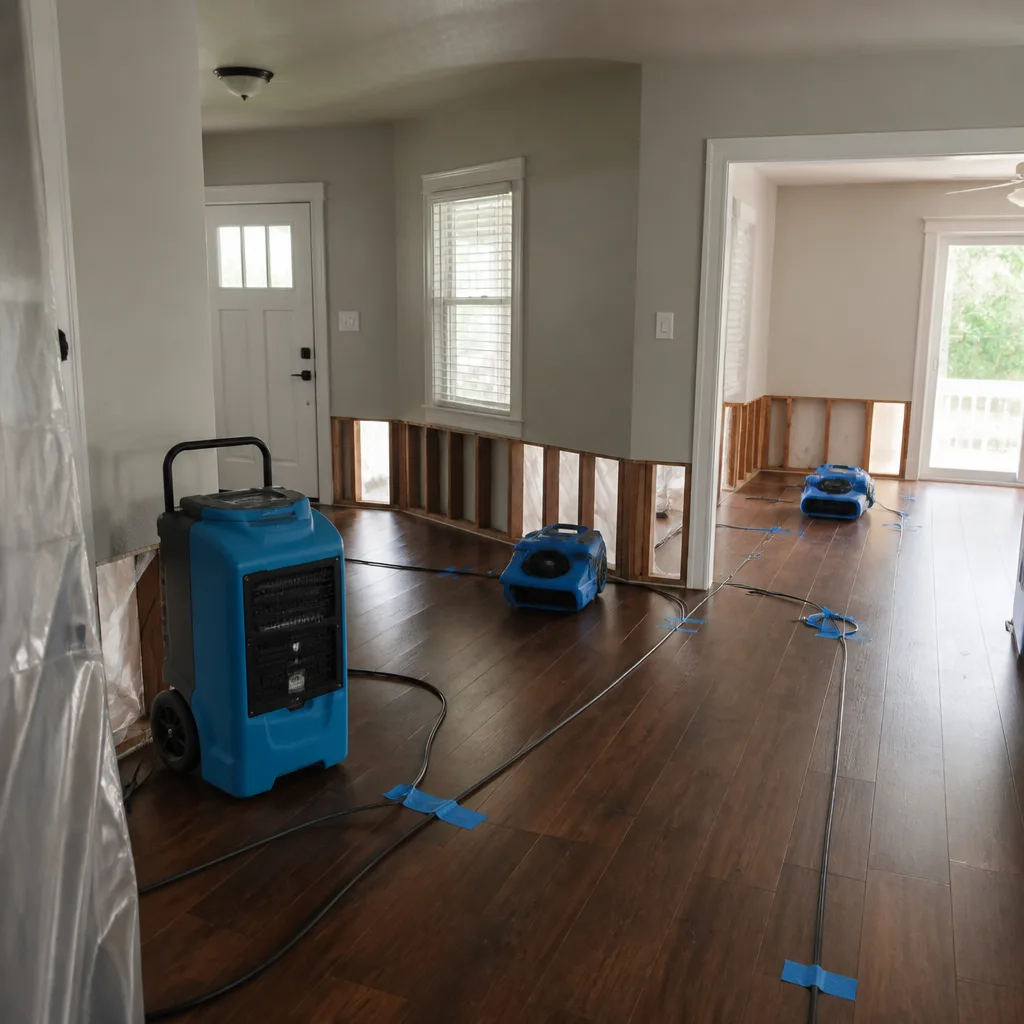
Dri-Eaz and Phoenix air movers plus low-grain refrigerants go in on a calculated layout, not a guess. Daily moisture readings are logged and shared with the homeowner and carrier. In Washington Square’s older stock, this phase runs longer than in modern construction, and we would rather be honest about that than set a false deadline.
Cleaning & Sanitization
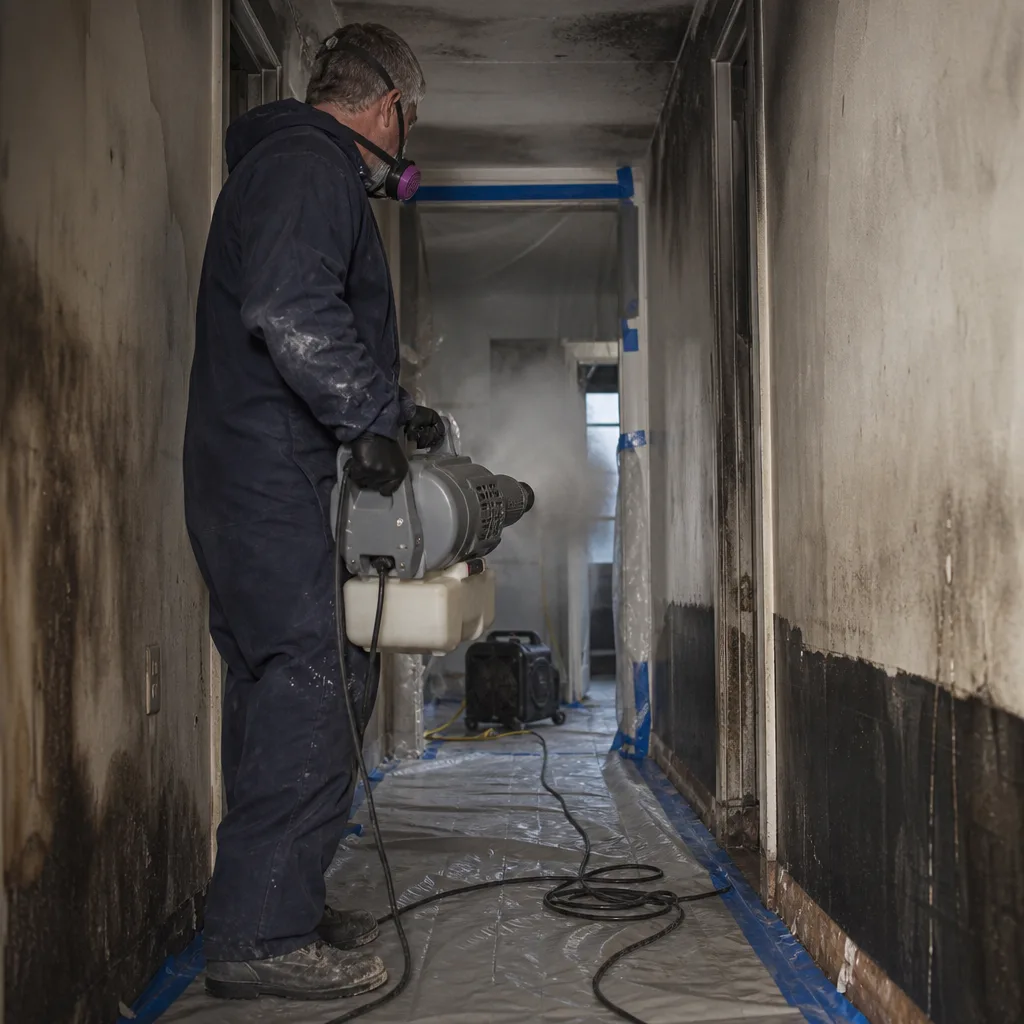
Contaminated water means contaminated surfaces. We use HEPA air scrubbers to control airborne particulate and apply appropriate antimicrobial treatments to hard surfaces and any salvageable masonry or timber.
Storm-Specific Stabilization
This is where Washington Square differs from every other service area. We evaluate for LPC-required materials, identify compromised party-wall conditions, and stabilize with non-invasive techniques that keep the drying claim moving while permitting and sourcing run separately.
Repairs & Restoration
Once the moisture map reads dry, we rebuild. That means matching millwork profiles, restoring original flooring where possible, and ensuring every exterior surface meets the landmark standard before the claim closes.
Need Emergency Storm & Disaster Restoration in Washington Square Now?
Crews minutes away, answering live 24 hours a day. The sooner we start, the less it costs.
Working With Your Insurance Company
Storm and disaster claims in Washington Square are rarely simple. A single burst pipe that wicks through a party wall into an adjacent landmark property produces three insurance carriers, two owners, and one shared masonry wall that nobody wants to touch without permission. We handle the documentation from the first hour so you never become the messenger between your carrier and the contractor. Every photo is date-stamped and room-tagged. Every moisture reading is logged with the time and the serial number of the meter. Our estimates use industry-standard line items that adjusters recognize, and we speak to your adjuster directly and factually. When the carrier asks whether the drying is complete or whether that brownstone actually needed replacement, we have the file to answer. That is how Storm & Disaster Restoration claims should work, and how we have handled them for over 42 years of combined local experience.
What We Provide Your Insurer
- Thorough documentation of the loss
- Photos of all damage, room by room
- Moisture readings and drying logs
- A detailed, line-item scope of work
- Direct coordination with your carrier
Built for Washington Square’s Loss Calendar
Washington Square does not have a storm season. It has a storm calendar with four different failure modes. January and February bring deep freezes that burst supply lines in century-old plumbing chases, and the water that comes out is clean at first, then Category 2 by the time it has run through plaster dust, old insulation, and century-old dust. Spring arrives with thaw and rain, and the garden apartments and below-grade units around the Square’s southern blocks see seepage through foundations that have not been waterproofed since the Works Progress Administration was new. Summer brings the thunderstorms that overwhelm Manhattan’s combined sewer infrastructure, backing sewage into basement units and producing Category 3 conditions fast. Autumn and winter bring the nor’easters, the storms that drive rain sideways into the porous brick facades of the 1830s row houses and leave hidden water behind the plaster. For a homeowner in Washington Square, each season has a signature. We plan for all four because we have worked all four.
Storm & Disaster Restoration Across Washington Square’s Neighborhoods
The blocks immediately around Washington Square Park are the oldest and most regulated. Washington Square North, with The Row built between 1832 and 1833, presents the tightest landmark review, and any exterior work there moves at the speed of the LPC, not the speed of the storm. Washington Mews, the private gated street on the north side, has its own access constraints, which means equipment staging and extraction hoses have to be routed carefully through narrow cobblestoned lanes. The NYU campus buildings adjoining the Square introduce mixed-use spaces where a storm loss in a residential unit sits directly above or below university space, complicating containment and security. Along MacDougal Street and Sullivan Street, the townhouse basements that have been converted to apartments or commercial use carry the combined-sewer backup risk during heavy rain, and we have responded to sewage surcharges there that started as a simple thunderstorm. Each of these blocks shares the same underlying construction: attached brick townhouses with unreinforced party walls, original timber joists, and plaster that predates indoor plumbing as we know it.
Specialized Storm & Disaster Restoration Services We Offer in Washington Square
Storm Damage Cleanup
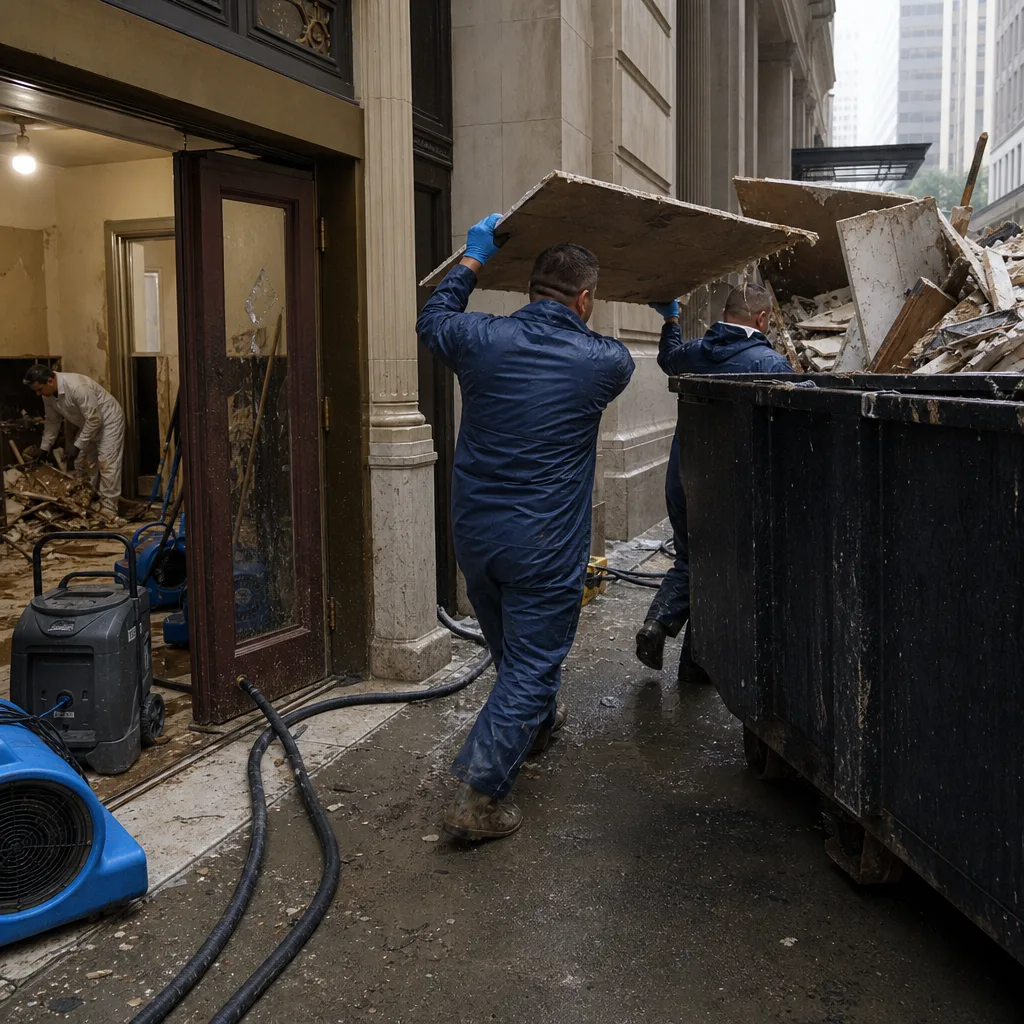
Once the storm passes, the real damage has already started moving. We extract pooled water, remove waterlogged drywall and insulation, and set up drying systems on the same visit. In Washington Square’s rowhouses, storm damage cleanup often means working around original plaster that we would rather dry in place than tear out.
Flood Damage Restoration
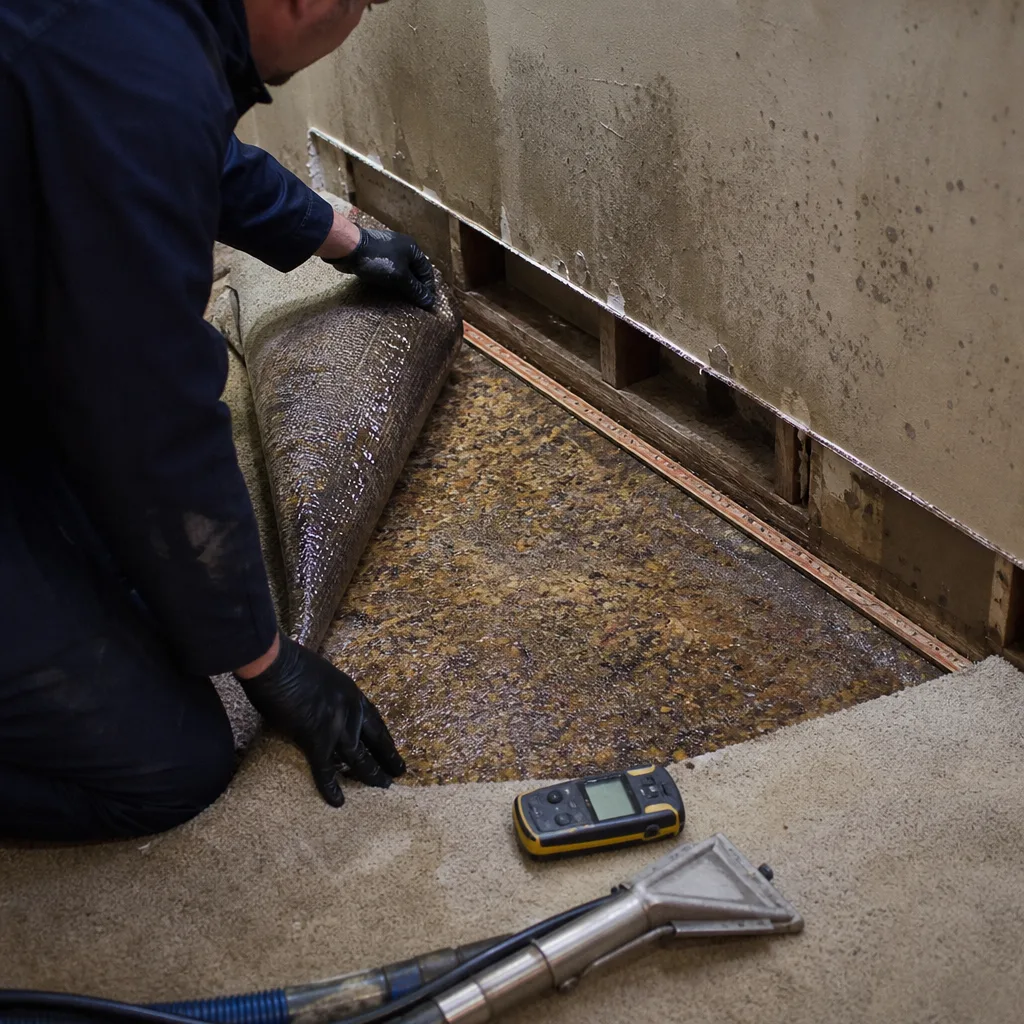
Floodwater in Washington Square is rarely clean. Basement and garden-level units take in water that has traveled through the street, the sewer, or both. We treat it by category, set containment, and run the appropriate drying and sanitization protocol. The goal is a dry, safe structure, not a quick cosmetic fix.
Emergency Board-Up
A blown-out window on MacDougal Street at night is an open invitation to the weather and worse. We board up with plywood cut to fit the opening, secured cleanly enough to satisfy a landmark-sensitive block association, and we document every board for the insurance file.
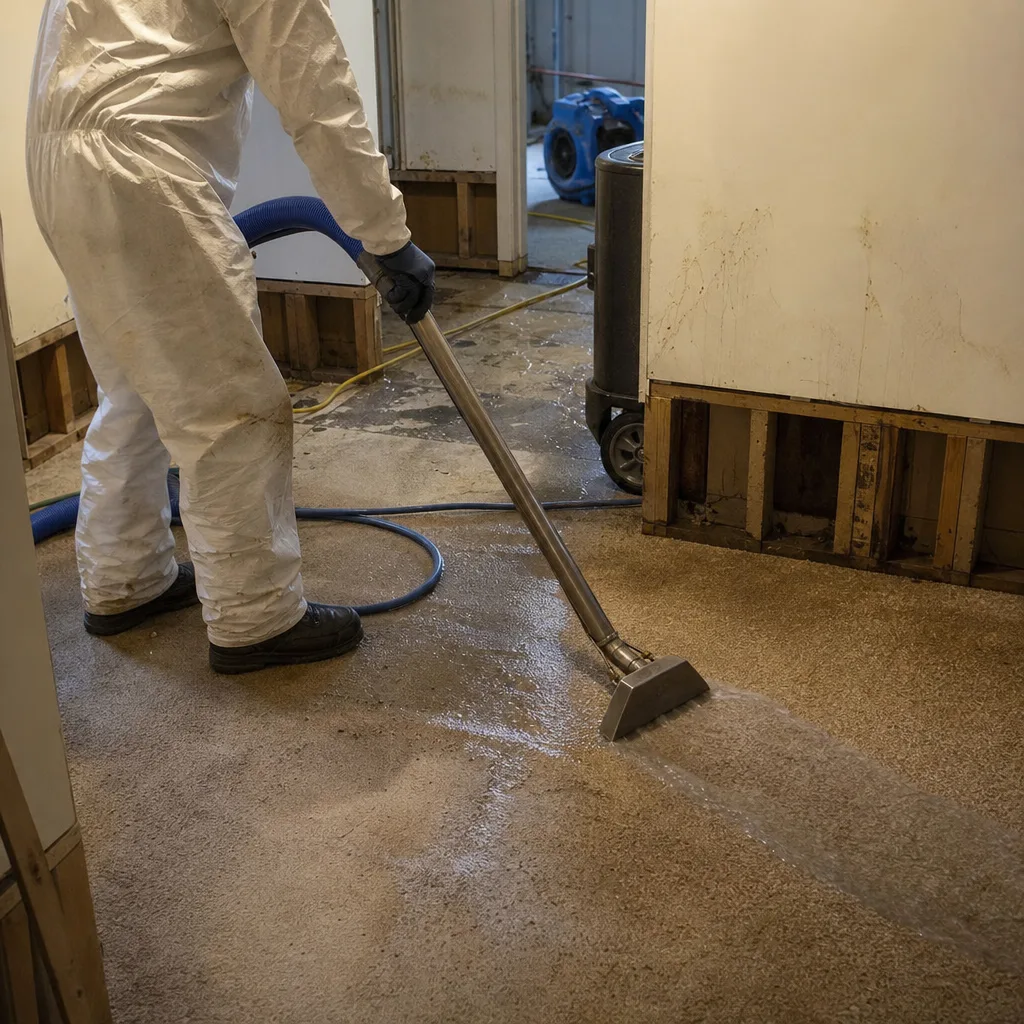
Roof Tarping
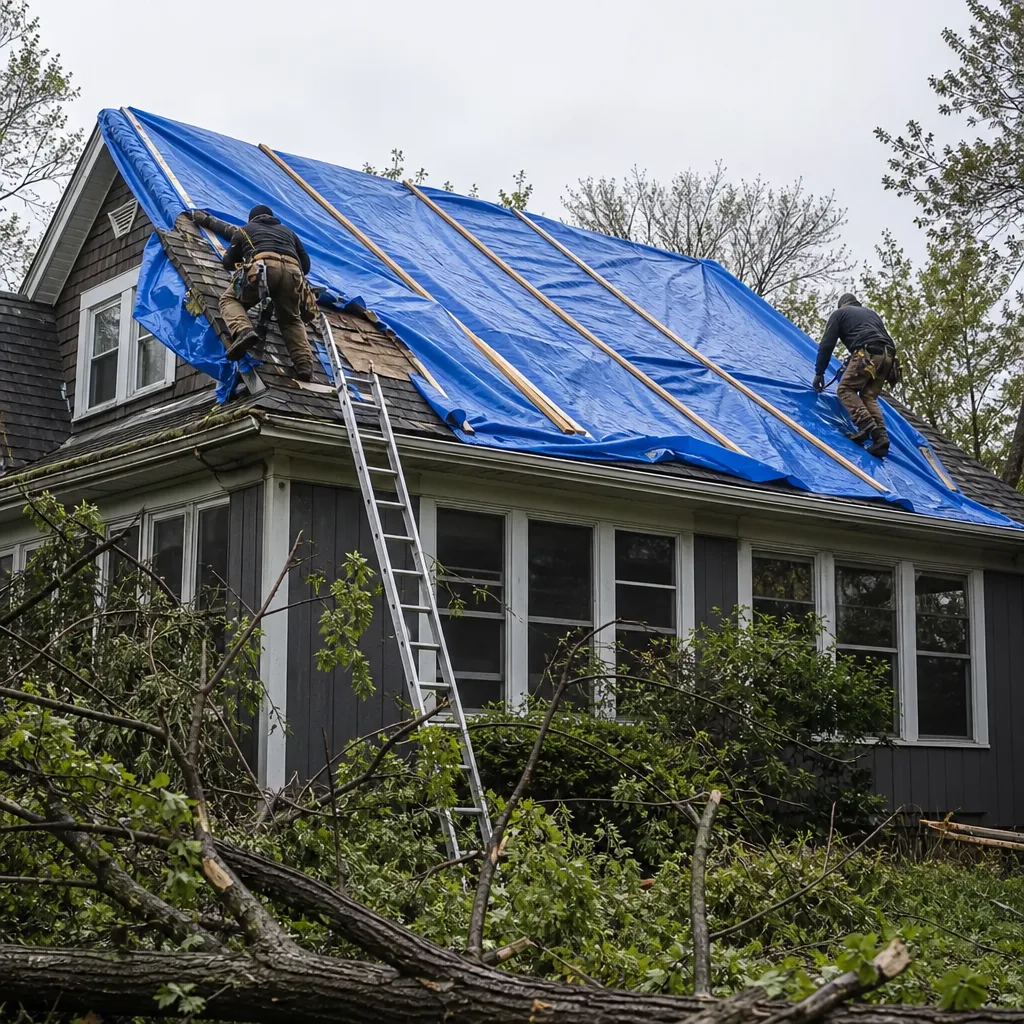
When a nor’easter lifts a section of roofing off a Washington Square townhouse, the interior damage is only beginning. We tarp the roof same-visit, seal the edges against wind, and photograph the temporary covering so the claim shows a stabilized structure from hour one.
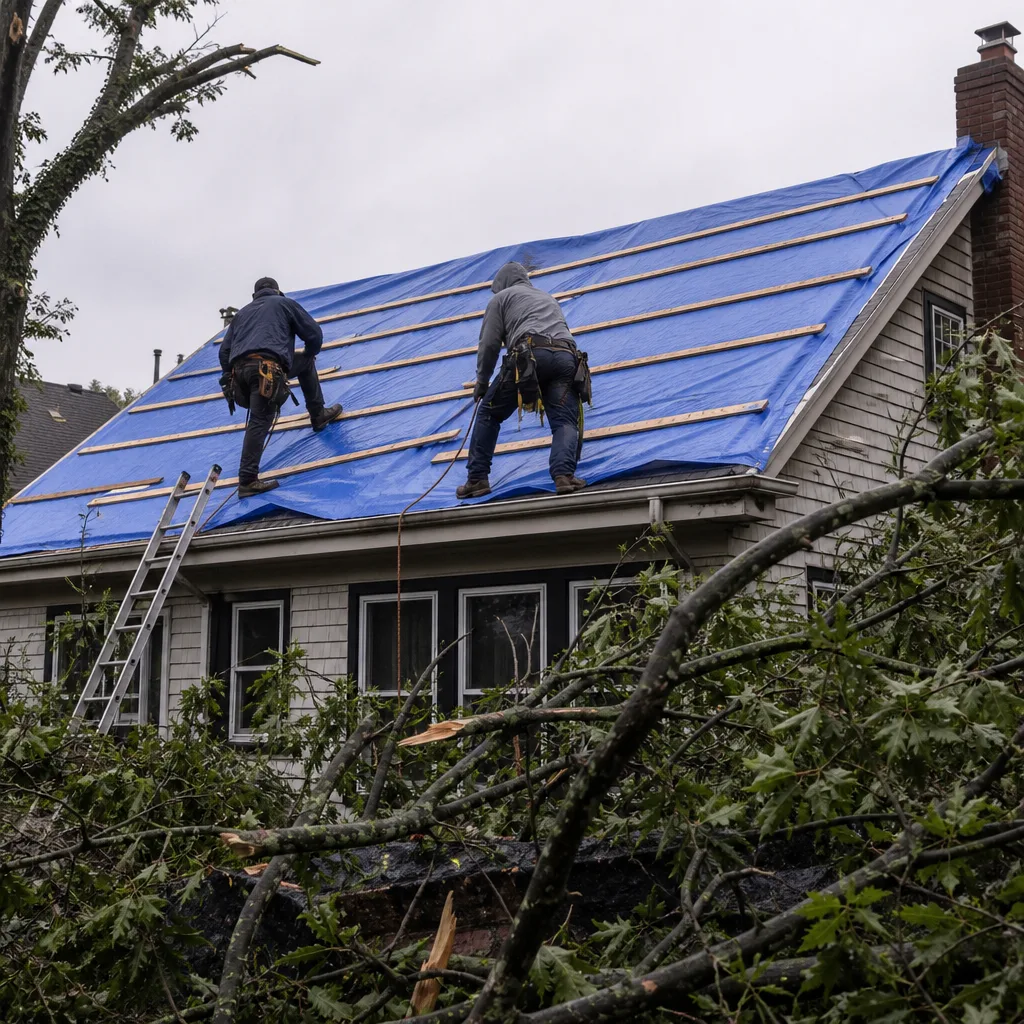
Debris Removal
Storm debris in the Village is not just tree limbs. It is broken brownstone, crumbling brick, saturated insulation, and waterlogged furniture. We remove and document it all, separating what the insurance carrier needs to see from what can go straight to disposal.
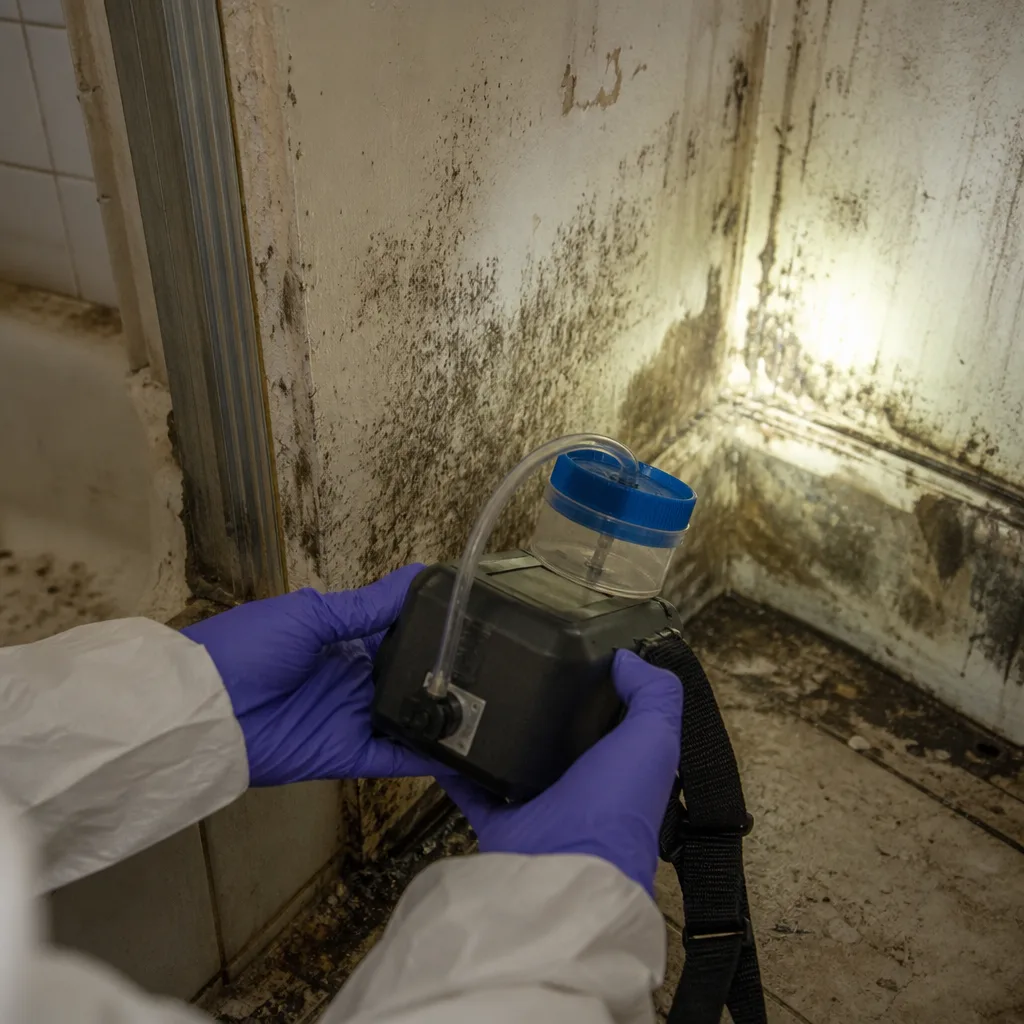
What happens when you call
- 1
A real person answersNo phone trees - you reach a local pro.
- 2
You get an upfront price rangeHonest numbers before anyone is dispatched.
- 3
A background-checked tech heads outLicensed & insured, dispatched right away.
- 4
You approve before work beginsNothing starts until you say go.
Storm & Disaster Restoration Costs in Washington Square, NY
Storm and disaster restoration pricing in Washington Square runs higher than in most of New York City, and the landmark district is the reason. A straightforward Category 1 water extraction and drying job in a modern apartment might run $3,200 to $5,800. A flood damage restoration in an 1830s rowhouse basement with party-wall migration and Category 2 or 3 water typically runs $9,000 to $25,000 depending on the number of affected units and whether plaster and millwork survive. Emergency board-up on a Village townhouse generally costs $450 to $900 for materials and labor, while roof tarping runs $600 to $1,200 depending on roof height and access. Debris removal can add another $800 to $2,500 on a heavy storm loss. The variables that move those numbers are the LPC material requirements, the hidden spread inside shared walls, and how quickly drying starts. We give a free visual inspection and a written scope before any work begins, so the number you hear is the number you get. Call (518) 663-6491 and we will walk it with you.
We Also Serve Cities Near Washington Square
Our crews run the same route every day through Financial District, Lower Manhattan, Brooklyn Heights, and Williamsburg. Same live dispatch, same certified crews, same 90-Day Done Right Promise in writing.
Washington Square Storm & Disaster Restoration Questions, Answered
How do LPC requirements affect emergency storm or flood restoration in Washington Square?
The Landmarks Preservation Commission controls any exterior work on designated properties in the Greenwich Village Historic District, including Washington Square. Emergency stabilization like board-up and tarping can proceed immediately, but any exterior masonry, brownstone, or millwork replacement must receive LPC review and use historically matched materials. We handle the paperwork and the procurement while interior drying runs in parallel, so the claim does not stall.
Why does water from a Washington Square pipe burst often spread to neighboring townhouses?
The rowhouses in Washington Square share unreinforced brick party walls. These walls extend through multiple properties with no fire stops or waterproofing. A pipe burst in one unit can wick water horizontally through the lime-based mortar into the adjacent townhouse within hours. We routinely set containment and moisture mapping across two or three units for what started as a single-apartment loss. Call (518) 663-6491 and we will assess the full spread, not just the visible room.
What’s the difference between Category 2 and Category 3 water in a Washington Square basement flood?
Category 2 water contains significant contamination, typically from a washing machine overflow, a drainage backup, or a rain event that has picked up soil and debris. Category 3 water is grossly contaminated and includes sewage, street runoff, and any water that has mixed with human or animal waste. In Washington Square’s older basements, a Category 2 event can become Category 3 within 48 hours because the porous brick and aged concrete trap bacteria and moisture. We treat each category with different protocols, and for a garden apartment it is a real difference in scope and cost.
Can you dry out a 1830s brick rowhouse’s walls after a nor’easter without removing the plaster?
Often yes, if we start early. Original plaster with lime-based construction can be dried in place using controlled air movement and low-grain dehumidifiers, especially if the plaster is still bonded to the lath and the water has not saturated the entire wall cavity. We use thermal imaging and penetrating meters to determine whether drying is viable or whether selective removal is safer. Starting within the first 24 hours is the single biggest factor in saving the plaster.
How do you handle pack-out and contents restoration in a landmark Washington Square townhouse?
We inventory, photograph, and pack every item we move, with special handling for the antiques, period furniture, and art that fill Village townhouses. Contents restoration happens off-site where needed, with the same documentation standard as the structural work. When the rebuild is done, we put it back where it came from. It is a slower, more careful process, and we think that is the only way to do it in a house this old.
How fast can a crew actually reach Washington Square?
Our response commitment for Washington Square is 45 minutes. We dispatch from a planning office that knows the Village blocks, not from a regional call center. For a Category 3 sewage backup or a storm-opened roof, that speed is what keeps a bad situation from becoming a gut renovation. Call (518) 663-6491 any hour.
Will my insurance cover storm damage restoration in a landmark district?
Most homeowner policies cover the restoration work itself, including the additional cost of LPC-required materials when the loss is covered. What matters is documentation. We generate the moisture logs, the photo files, and the line-item scope that your carrier needs to approve historically matched materials and the longer drying times older construction requires. We deal with the adjuster directly, every day if needed.
What should I do in the first 30 minutes after a storm or flood in Washington Square?
Shut off the source if you can do it safely, document everything with your phone, and call (518) 663-6491. Do not run electrical appliances in any wet area. Do not try to pull waterlogged plaster down yourself. In an 1830s townhouse, the first 30 minutes is when clean water is still clean, the plaster is still salvageable, and the drying can start before the party wall picks up the load. We will be there when we say.
Serving Washington Square, NY - Our Local Coverage Area
We’re based in the Washington Square area and know this community well. Use the map below to see our service coverage - if you’re nearby, we can almost certainly help.
Get Storm & Disaster Restoration in Washington Square Started Today
Storm and disaster damage in Washington Square does not improve with a wait-and-see approach. Water moves through these old buildings faster than anyone expects, and the landmark rules only make delays more expensive. Call (518) 663-6491 and you will speak with a live dispatcher who can send a certified crew your way now. Free visual inspection, written scope before work starts, and the 90-Day Done Right Promise in writing. If it is not done right, we make it right. Done right and backed in writing.
Written by Curt Bowman, Owner at Floodline Restoration Co., serving Washington Square and the surrounding New York City area.