
Free visual inspection and a written scope of work before any mitigation begins - photos, moisture readings, and drying logs go in your claim file
The scope we write is the scope we bill. Anything new gets shown to you, in writing, before we touch it.
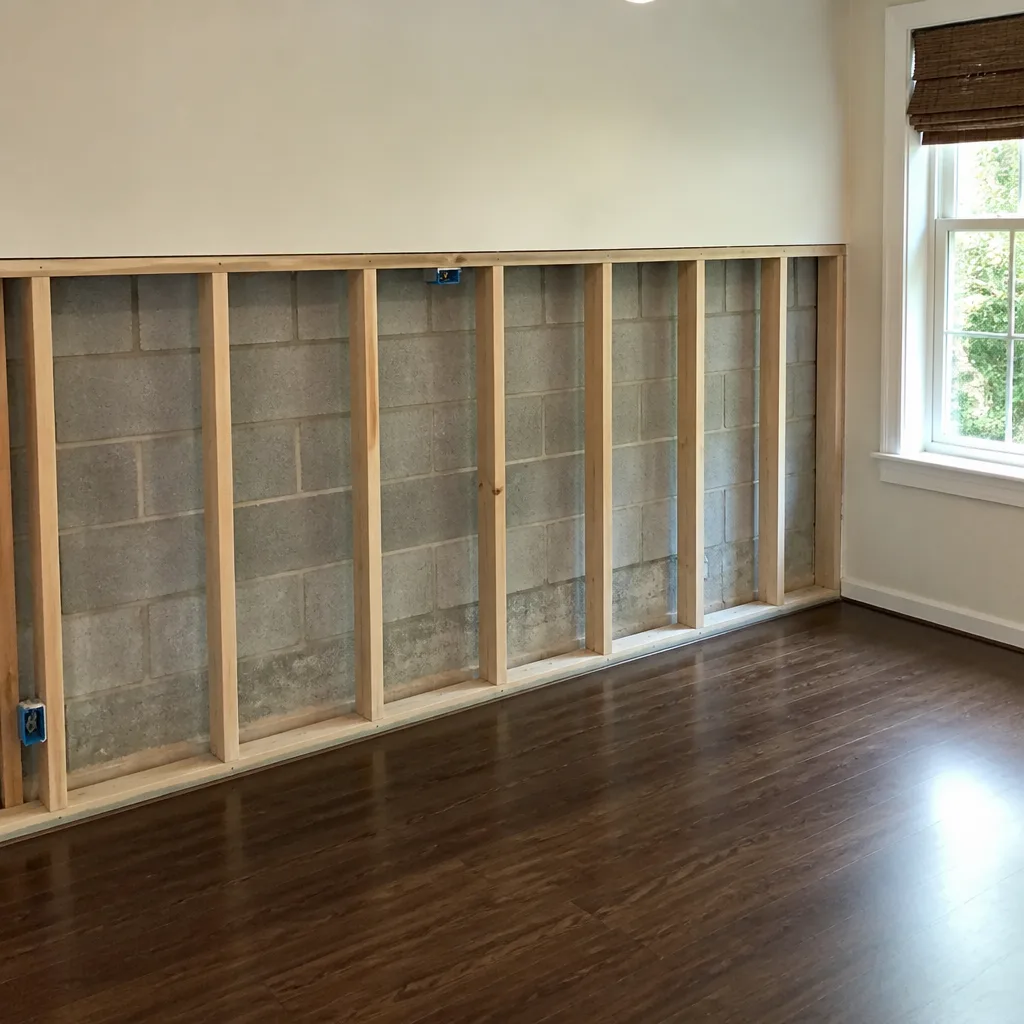
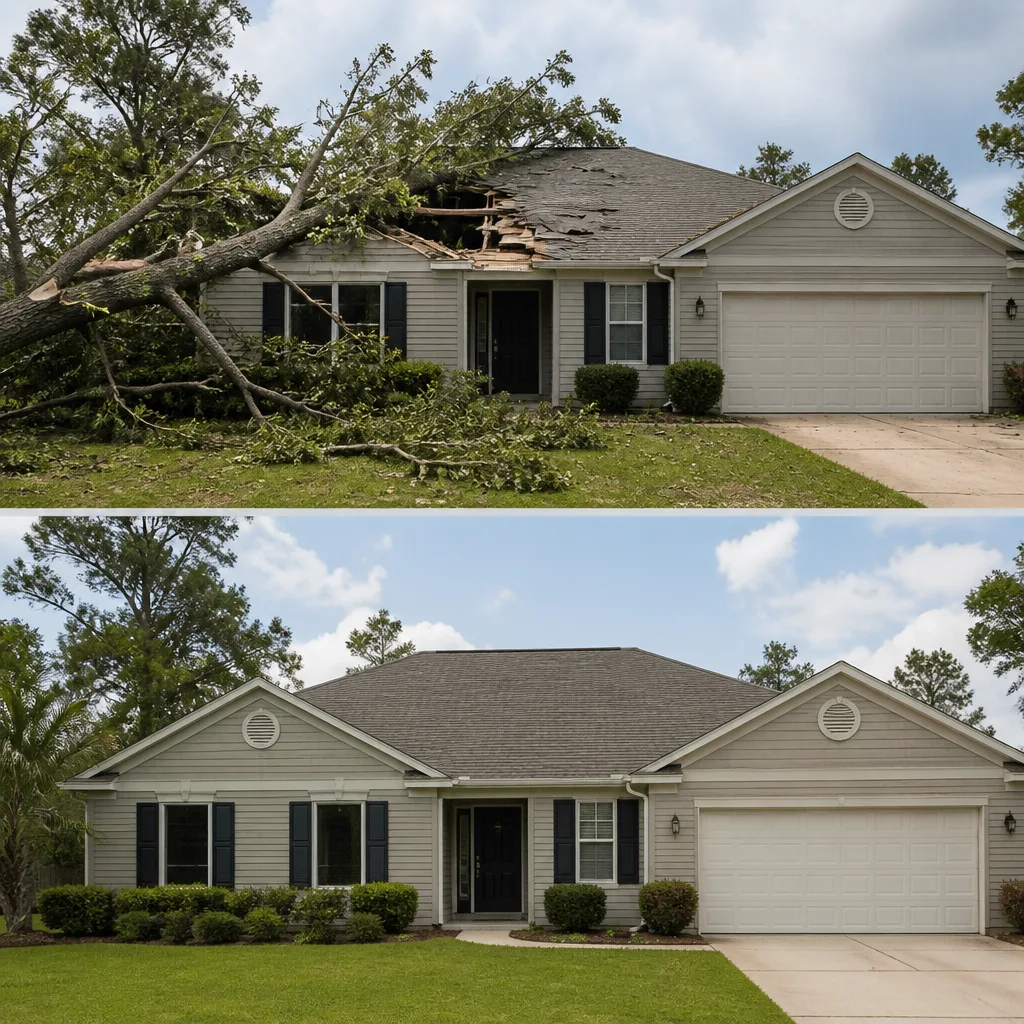
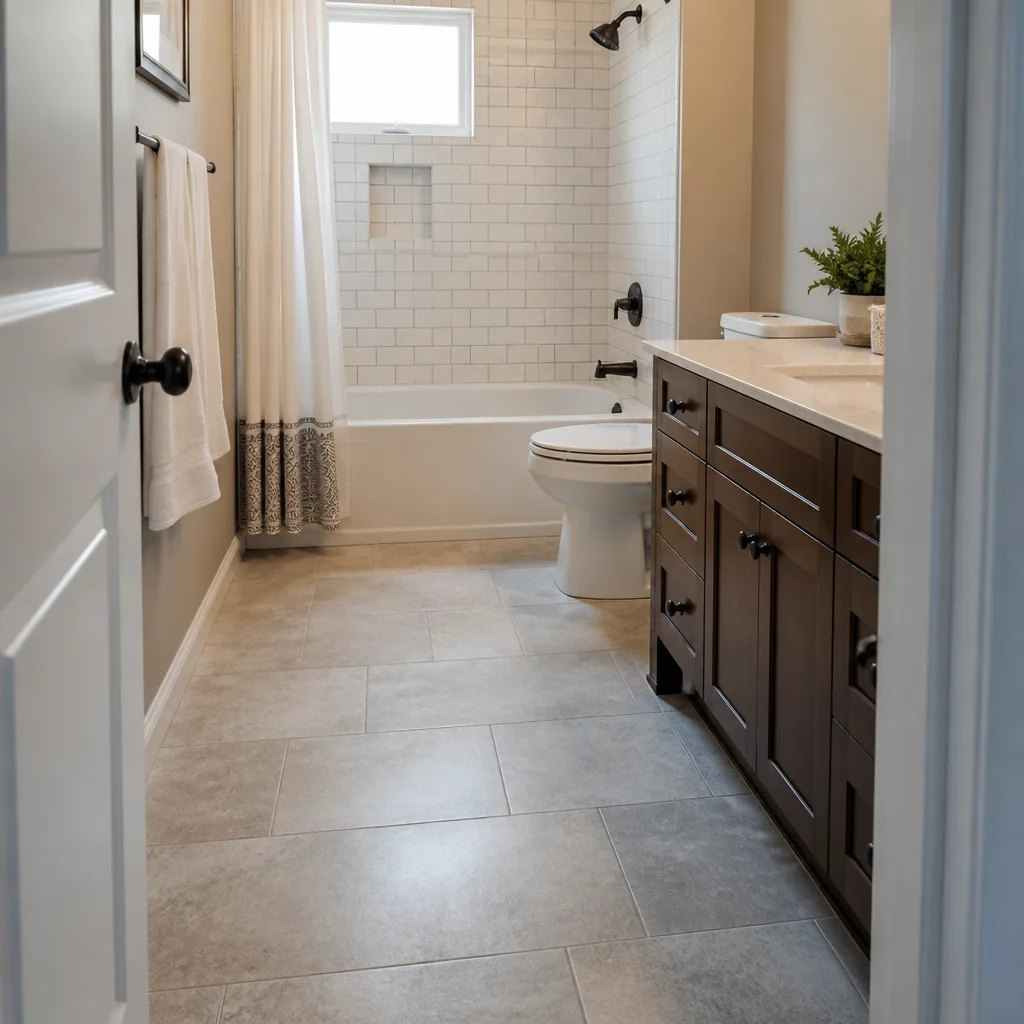
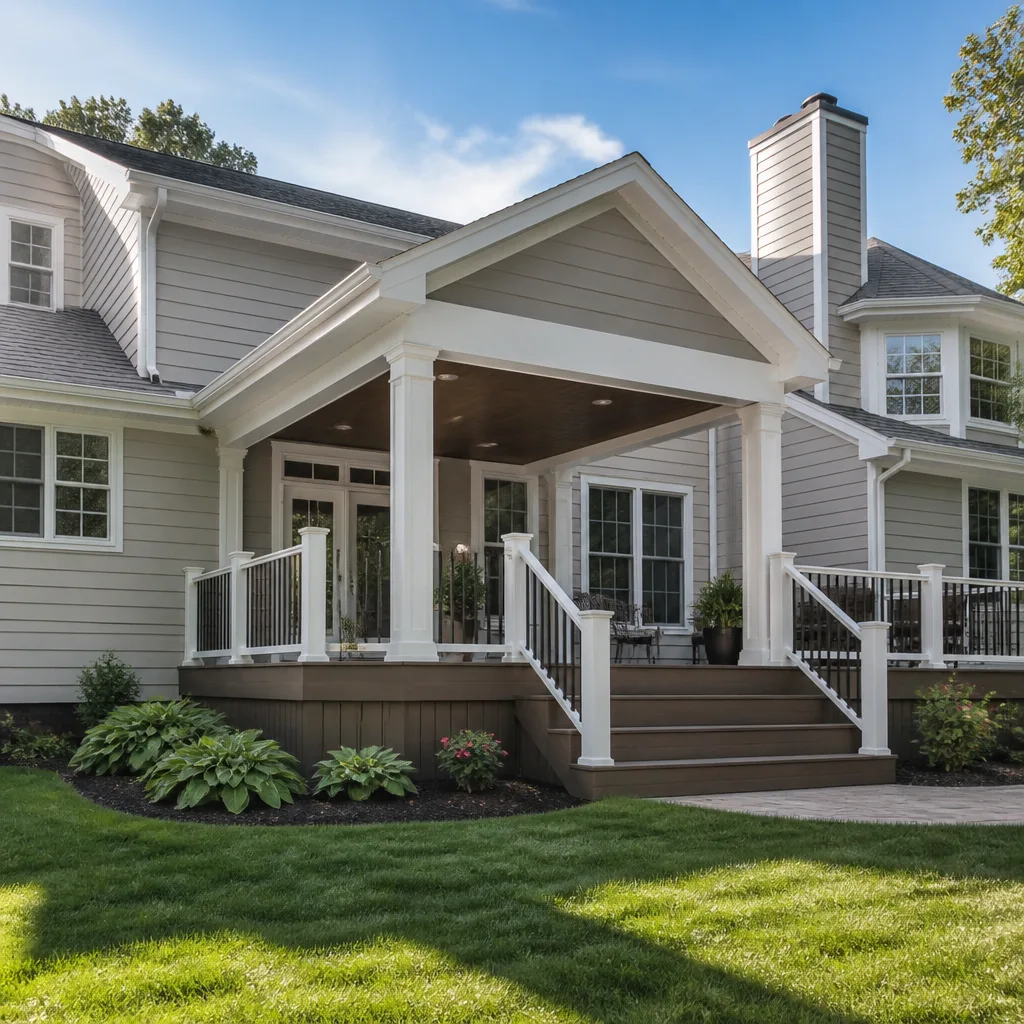
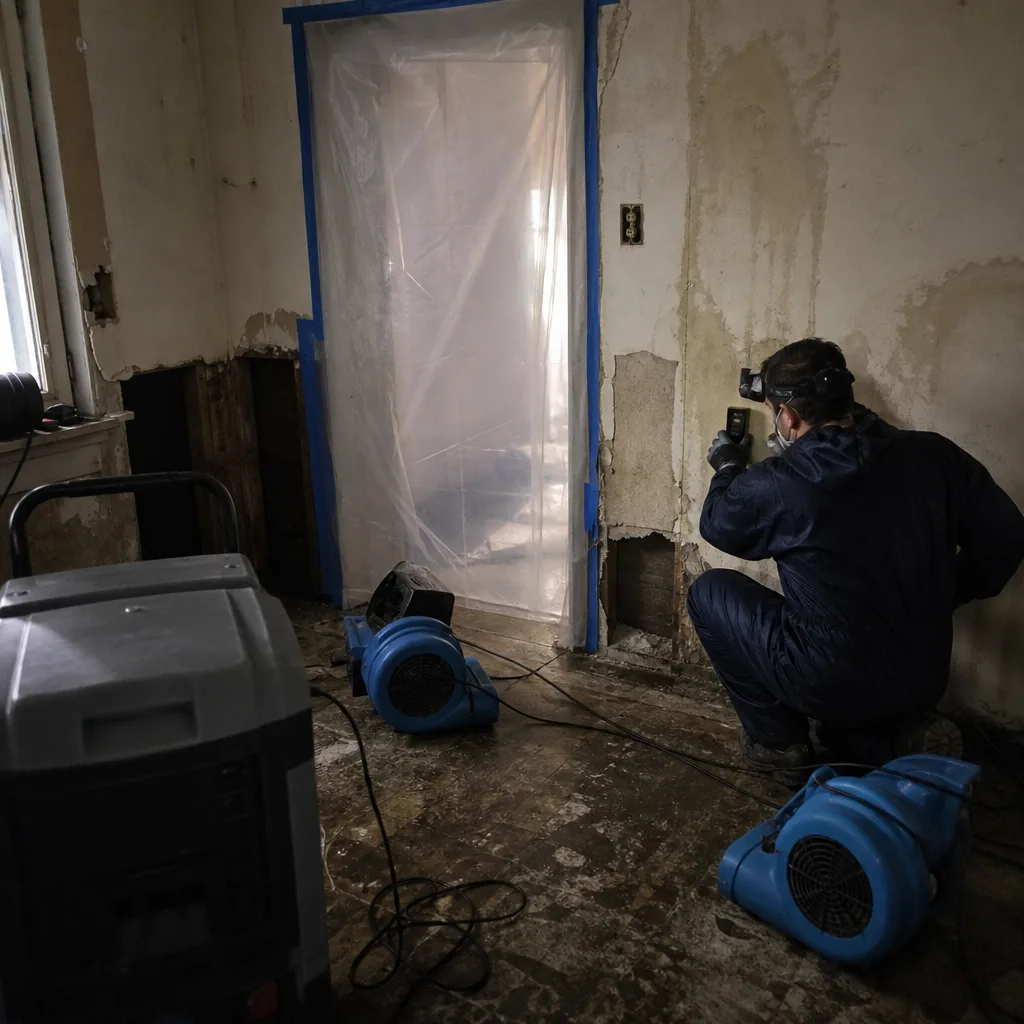 Before
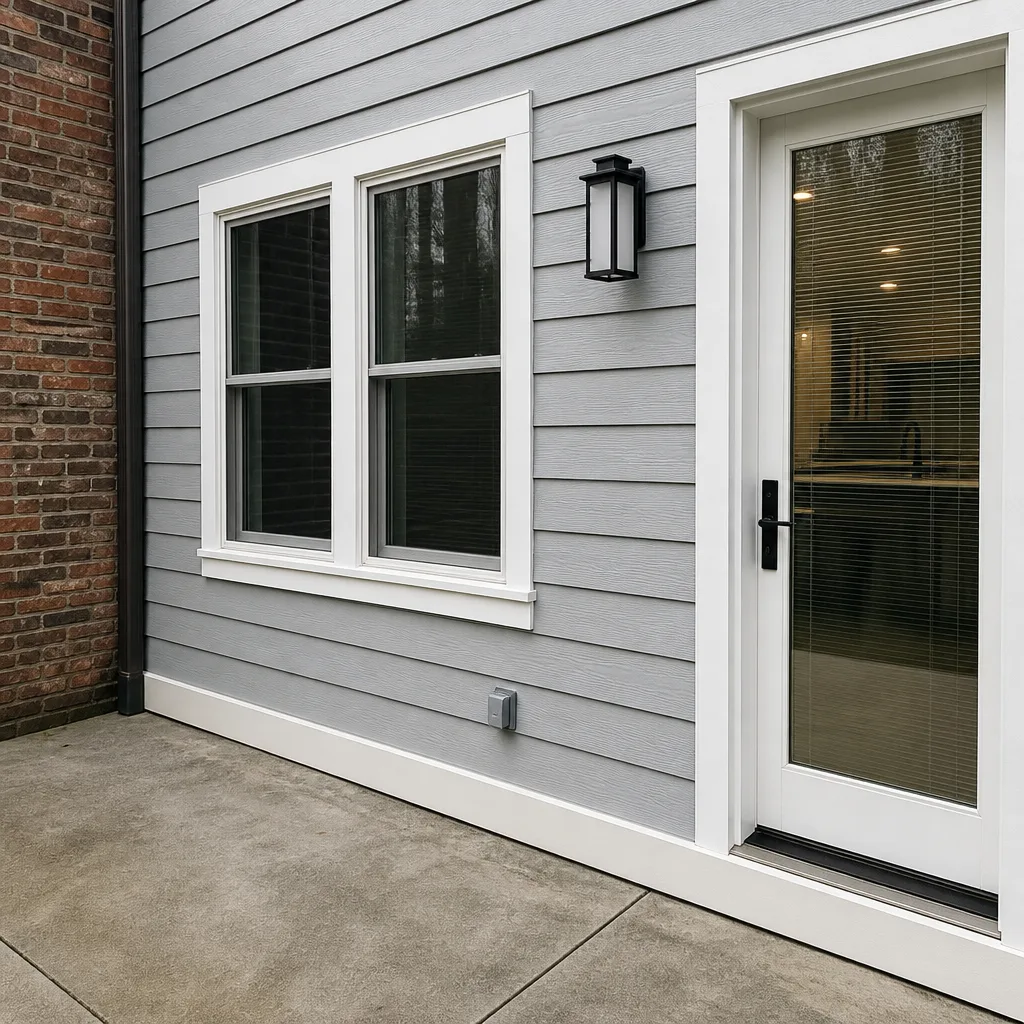 After
After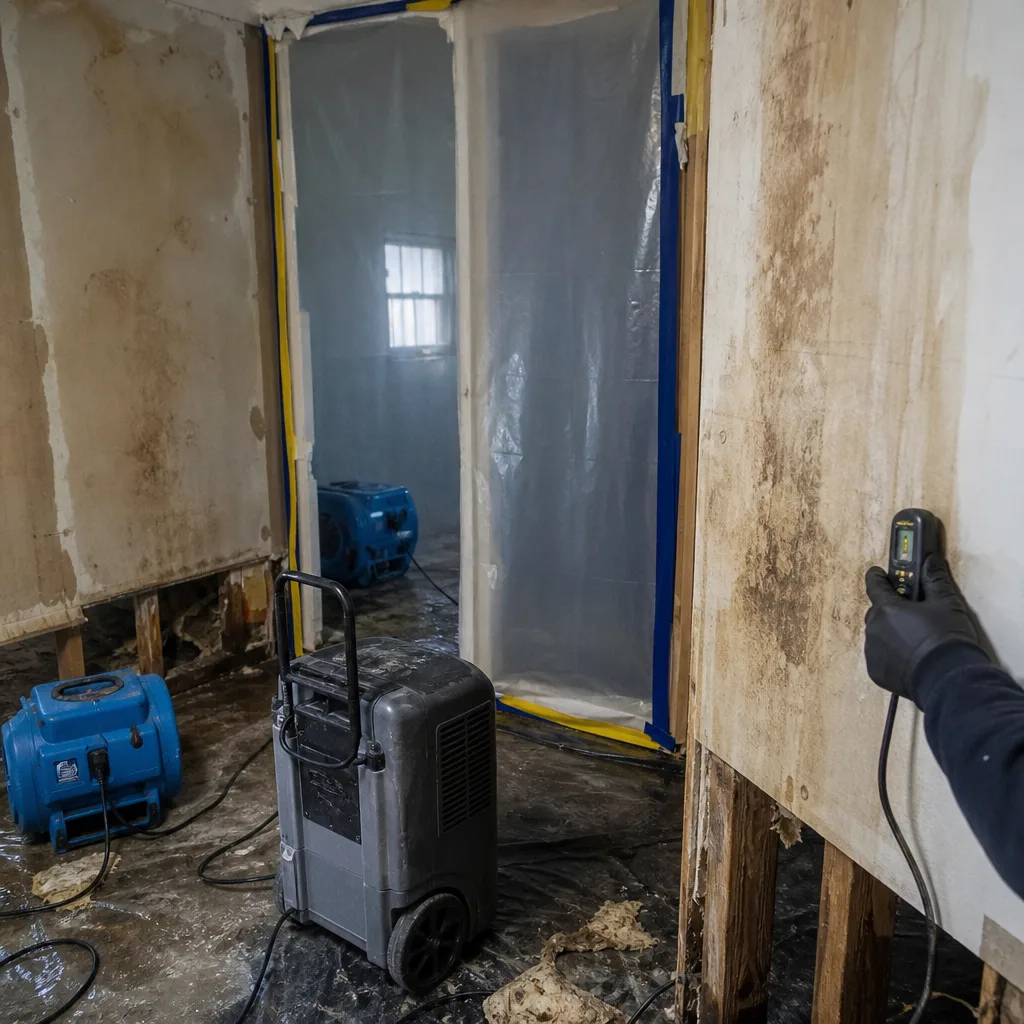 Before
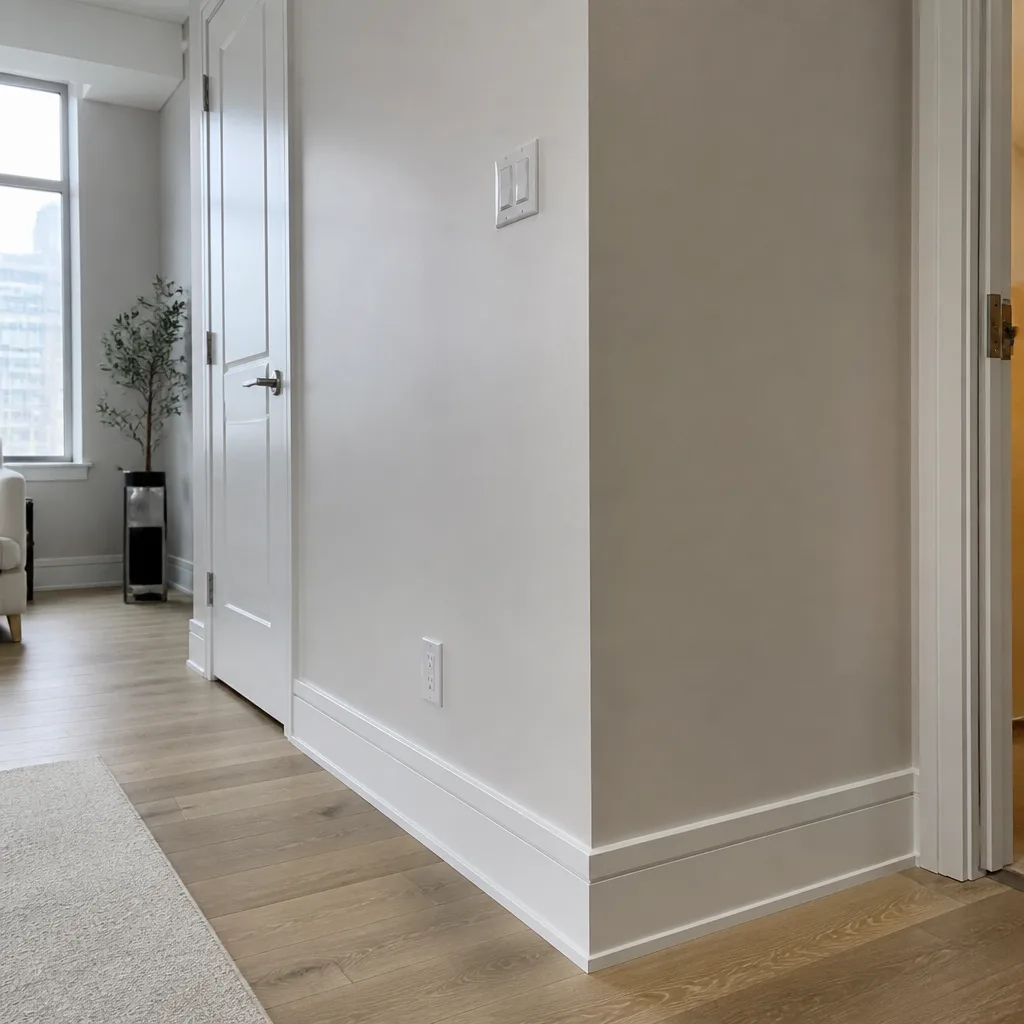 After
After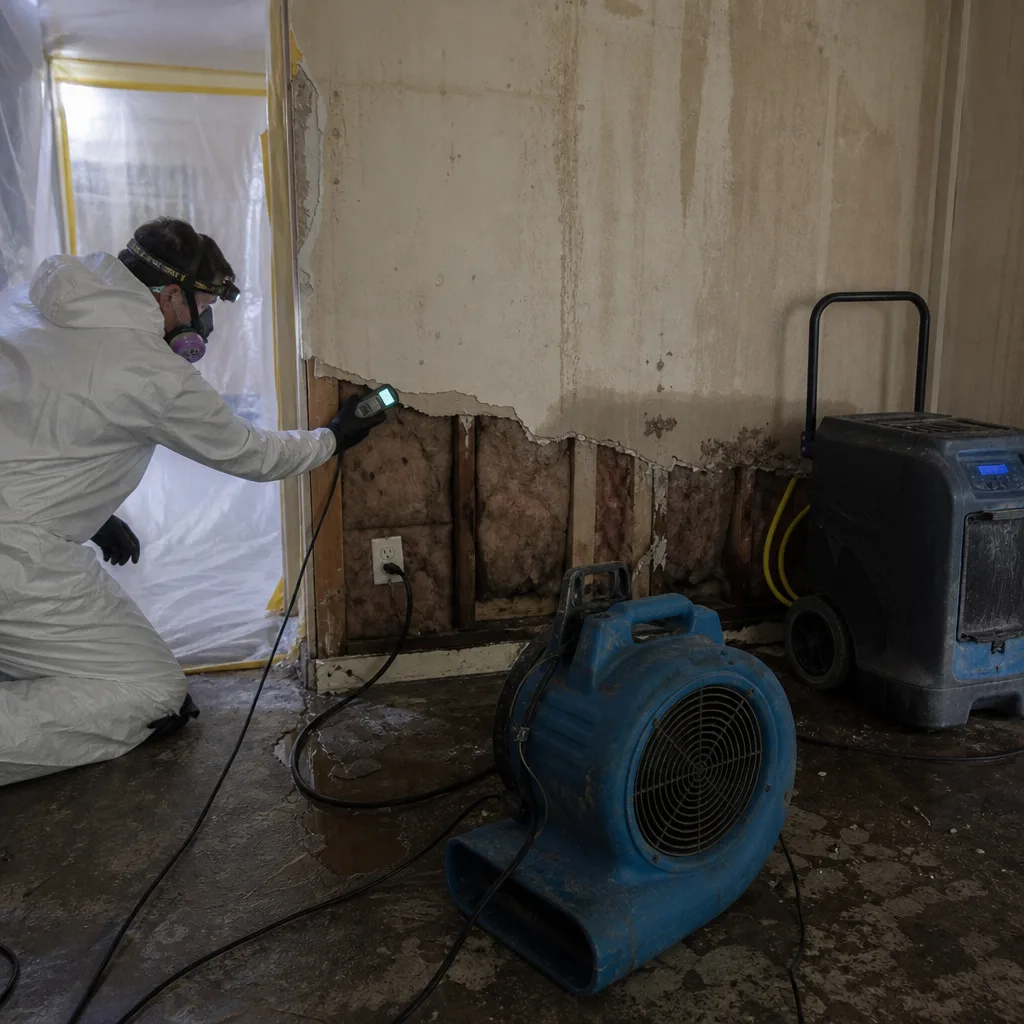 Before
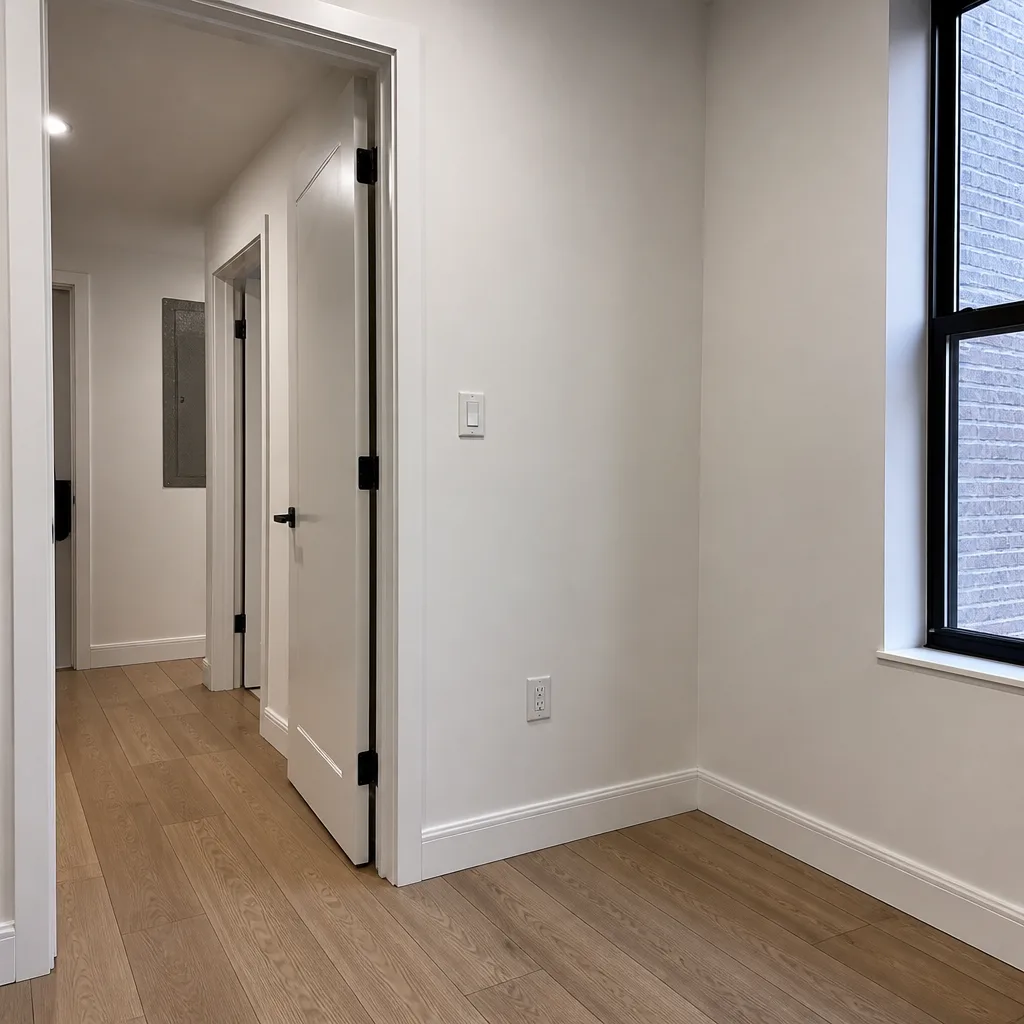 After
After24/7 Emergency Storm & Disaster Restoration in Flatbush
Storm damage hits Flatbush hard because this neighborhood is full of 1895 to 1925 wood-frame Victorians with steep rooflines, original plaster walls, and basements that flood when the combined sewer surcharges. When a nor’easter tears off flashing or a tree limb punctures a slate roof on Albemarle Road, the first hour decides whether you’re drying plaster or replacing it. Floodline Restoration Co. answers live at (518) 663-6491 around the clock, every day. A real dispatcher picks up, not a recording. We dispatch crews already working in Flatbush’s service area to your door, run a free visual inspection, and start extraction or board-up the same visit. The water you can see is never the whole story. The water you can’t see, behind the ornate crown molding in Ditmas Park or wicking up through a century-old lath-and-plaster ceiling, keeps moving for days after the storm passes. Flatbush homes don’t forgive delay. We start moving the moment you call.
Understanding Storm & Disaster Restoration Severity in Flatbush Properties
Not all storm water is the same, and Flatbush’s housing stock turns that fact into a daily reality. Category 1 water comes from a broken supply line or wind-driven rain through a damaged roof. It’s clean when it enters. Category 2 carries detergents, soil, or biological matter and shows up when basement seepage pulls surface runoff through old foundation drains. Category 3, black water, happens when the combined sewer on Flatbush, Church, or Nostrand Avenue surcharges during heavy rainfall and pushes sewage backward into cellar apartments and crawl spaces. That’s a common event here, not an edge case.
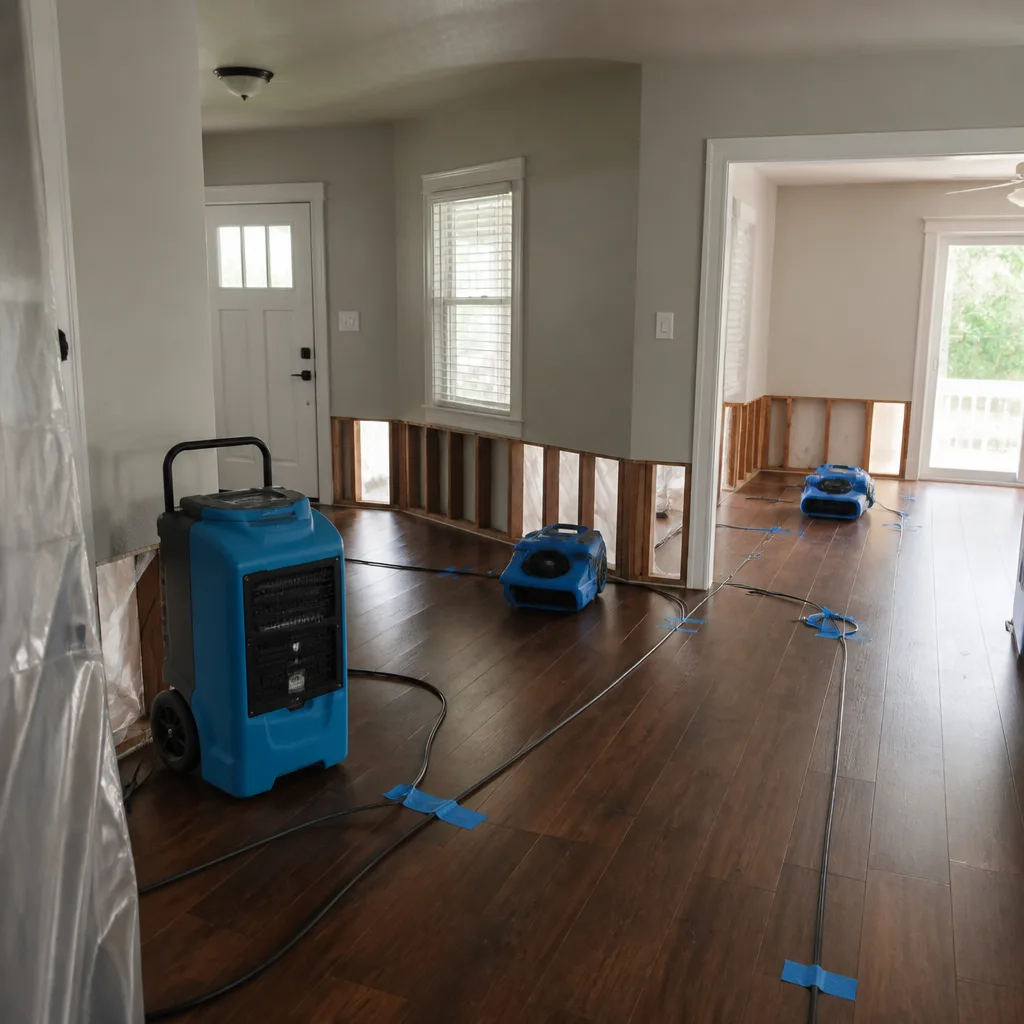
On a 1905 Victorian in Beverley Square, wind damage that cracks a slate tile and lets water track behind original plaster-and-lath creates a different problem than the same leak would on a 1940s brick apartment building farther east. Plaster hides moisture. Moisture mapping with thermal imaging and in-wall probes tells us where the water actually is, not just where the stain showed. Structural drying in these homes means pulling air through wall cavities with XPOWER air movers and Phoenix dehumidifiers, logging daily readings until the dry standard is met, not until the surface feels dry. If we stop early, the wood framing rots quietly and the plaster starts to blister six months later. We dry to the standard or we don’t call it dry.
Why Flatbush Property Owners Choose Floodline Restoration Co.
- 45-minute response commitment to Flatbush addresses. Our dispatch board shows crews by neighborhood, not by zip code radius. When you call from Ditmas Park or Prospect Park South, we know who’s closest and we send them now.
- Live answer, 24/7. A human being picks up at 2 a.m. because storms don’t check business hours. You talk to a dispatcher who knows Flatbush streets, not an automated phone tree.
- IICRC-certified crews, trained to RIA and IFA standards. Our technicians hold WRT and FSRT certifications, and the lead techs run AMRT for microbial situations. Every tech is background-checked, uniformed, and accountable to Curt Bowman, who founded this company in 2010.
- Free visual inspection. We don’t charge to look. We walk the damage with you, explain what we see, and put the scope in writing before any work starts.
- Direct insurance billing. We bill your carrier directly and coordinate with the adjuster ourselves. You don’t carry paperwork back and forth between Floodline and your insurance company.
- One team from extraction to rebuild. The same crew that reads the moisture map on day one handles daily readings, hands the log to you and your carrier, and rebuilds what needs rebuilding. No mid-job handoff, no inherited crew, no excuses.
Our Storm & Disaster Restoration Process
Inspection & Assessment
We arrive, walk the property, and map the damage with thermal imaging and moisture meters. On Flatbush Victorians, this includes checking the basement against DOB records before we scope anything. Unpermitted dwelling units change the insurance picture and the work plan.
Extraction & Stabilization
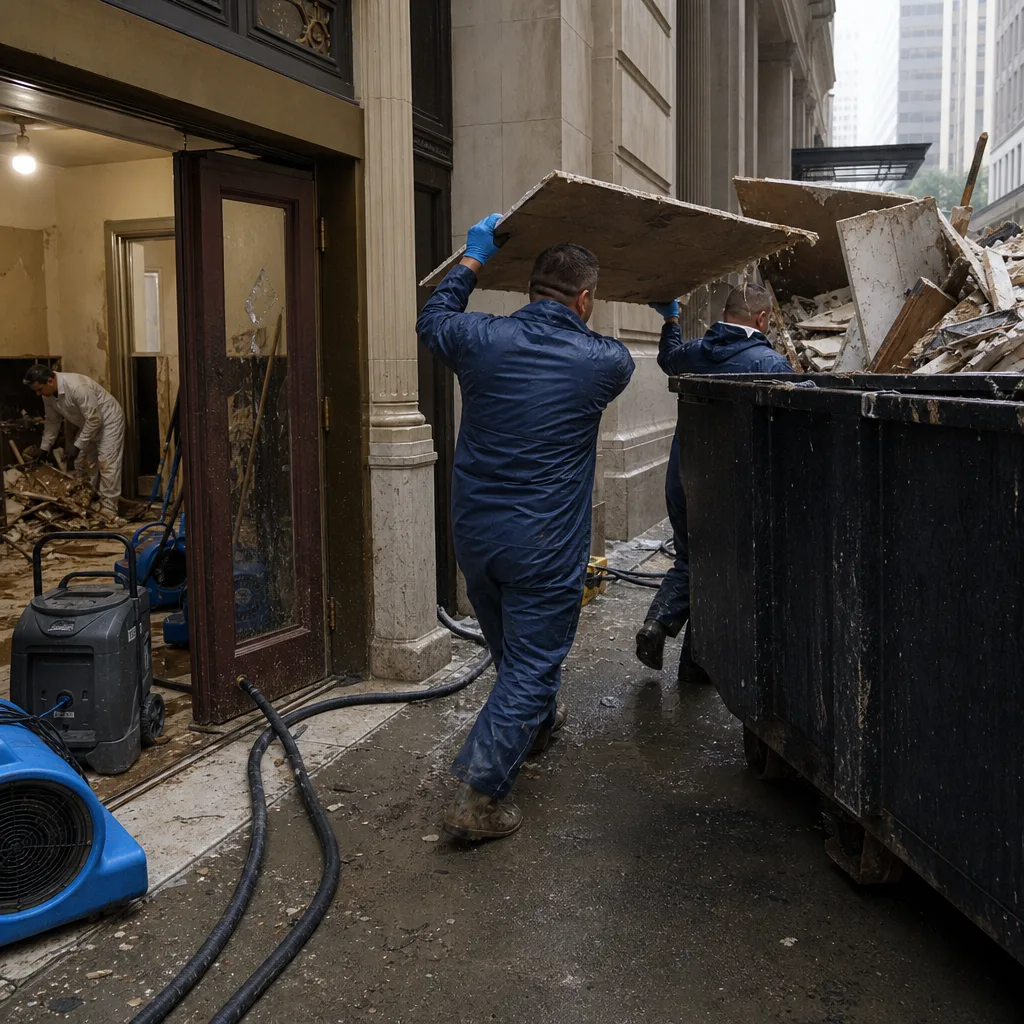
Water comes out first. Dri-Eaz and XPOWER extraction units pull standing water from basements, crawl spaces, and wall cavities. If the storm breach is open to the weather, we board up with plywood and tarp the roof the same visit so no more water gets in.
Drying & Dehumidification
Phoenix dehumidifiers and Dri-Eaz air movers run continuously, with daily moisture readings logged. In plaster-and-lath homes, we often use Injectidry systems to dry inside wall cavities without cutting holes in the original wall surfaces.
Cleaning & Sanitization
HEPA air scrubbers run during demolition and cleaning. If the sewer surcharged into a basement apartment, we treat it as Category 3 from the start: containment, antimicrobial application, and a written sanitation log.
Storm-Specific Specialty Treatment
Wind damage means structural checks. We assess door frames for wind-load resistance, inspect roof decking under tarped areas, and recommend hurricane-rated reinforcement where the Victorian framing allows it. Debris removal and site clearance happen before it becomes a liability.
Repairs & Restoration
We rebuild to match. Plaster gets restored as plaster, millwork gets milled to match the original profiles, and period doors get reinforcement hardware where flat plywood doors once stood. The 90-Day Done Right Promise is in your hands, in writing, before we pack up.
Need Emergency Storm & Disaster Restoration in Flatbush Now?
Crews minutes away, answering live 24 hours a day. The sooner we start, the less it costs.
Working With Your Insurance Company
Storm and disaster claims in Flatbush carry a peculiar risk: the carrier will dispute what they can’t see, and half of what matters in these homes is hidden behind original plaster or inside a basement that doesn’t appear on any DOB record. We document from the first hour. Our techs photograph every room, take moisture readings before and after drying, and produce a line-item scope of work that matches what adjusters expect, nothing padded, nothing vague. We talk to the carrier directly, so you’re not playing messenger between Floodline and the insurance company. When the adjuster visits, we’re there to walk them through the damage and our readings. That’s a square deal, and no surprises on the bill.
What We Provide Your Insurer
- Thorough documentation of the loss
- Photos of all damage, room by room
- Moisture readings and drying logs
- A detailed, line-item scope of work
- Direct coordination with your carrier
Built for Flatbush’s Loss Calendar
Flatbush’s storm losses follow a pattern, and experienced restoration crews plan around it. January and February bring the deep freezes and nor’easters. The north-facing rooflines on Ditmas Park Victorians catch ice dams, which push meltwater backward under the slate and behind the original plaster crown molding. We’ve pulled ice dams off Marlborough Road and Rugby Road more times than any crew should have to count. March and April bring thaw and spring rain, when ancient foundation drains fill up and basement seepage starts in the century-old houses and the 1920s brick rows alike. June through September, thunderstorm supercells hammer the neighborhood with wind, dropping tree limbs on the attached frame rowhouses along Flatbush Avenue and Foster Avenue. October and November, the remains of hurricane season push heavy rain against the combined sewers, which surcharge into basement apartments and cellars. Add in the aging pre-war infrastructure that underlies every block, and the calendar writes itself. We schedule for it. We staff for it. When the call comes from a Victorian on Beverly Road with a half-collapsed bow window, we know what that repair involves before we get there.
Storm & Disaster Restoration Across Flatbush’s Neighborhoods
Ditmas Park and Victorian Flatbush run west of Coney Island Avenue and east of Ocean Avenue, and they’re where the restoration work gets complicated fast. Large detached wood-frame houses from the 1895 to 1925 era, steep slate and asphalt rooflines, original millwork, plaster-and-lath throughout. Wind damage here means matching period profiles, not slapping a plywood patch over the hole. When a nor’easter tears a gutter off a house on Marlborough Road, we’re not just rehanging the gutter. We’re checking whether the ice dam behind the fascia has been tracking water into the top-floor ceiling for a week.
Prospect Park South, just north of Beverly Road, carries the same Victorian housing stock with even more ornate detailing. Beverley Square and Caton Park houses sit on wider lots with mature trees, which means wind-blown limb damage every summer storm season. East of Flatbush Avenue, the housing shifts to brick attached rowhouses and 1920s apartment buildings along Nostrand, Church, and Foster. The basements there flood differently: faster, from sewer surcharge more than foundation seepage. West of Coney Island Avenue toward Windsor Terrace and Prospect Park, the rowhouses are tighter, with shared walls and shared drainage, meaning one blocked city main backs up a whole row. We route crews along Flatbush Avenue, Ocean Parkway, and Coney Island Avenue because those are the arteries, and every restoration job in this neighborhood is less than ten minutes off one of them.
Specialized Storm & Disaster Restoration Services We Offer in Flatbush
Storm Damage Cleanup
Wind-toppled trees, broken glass, soaked plaster, and scattered debris. We clean it up, board it up, and start drying. In Flatbush’s Victorian homes, this means working around period millwork from the first hour, not hiding behind a tarp and calling it done.
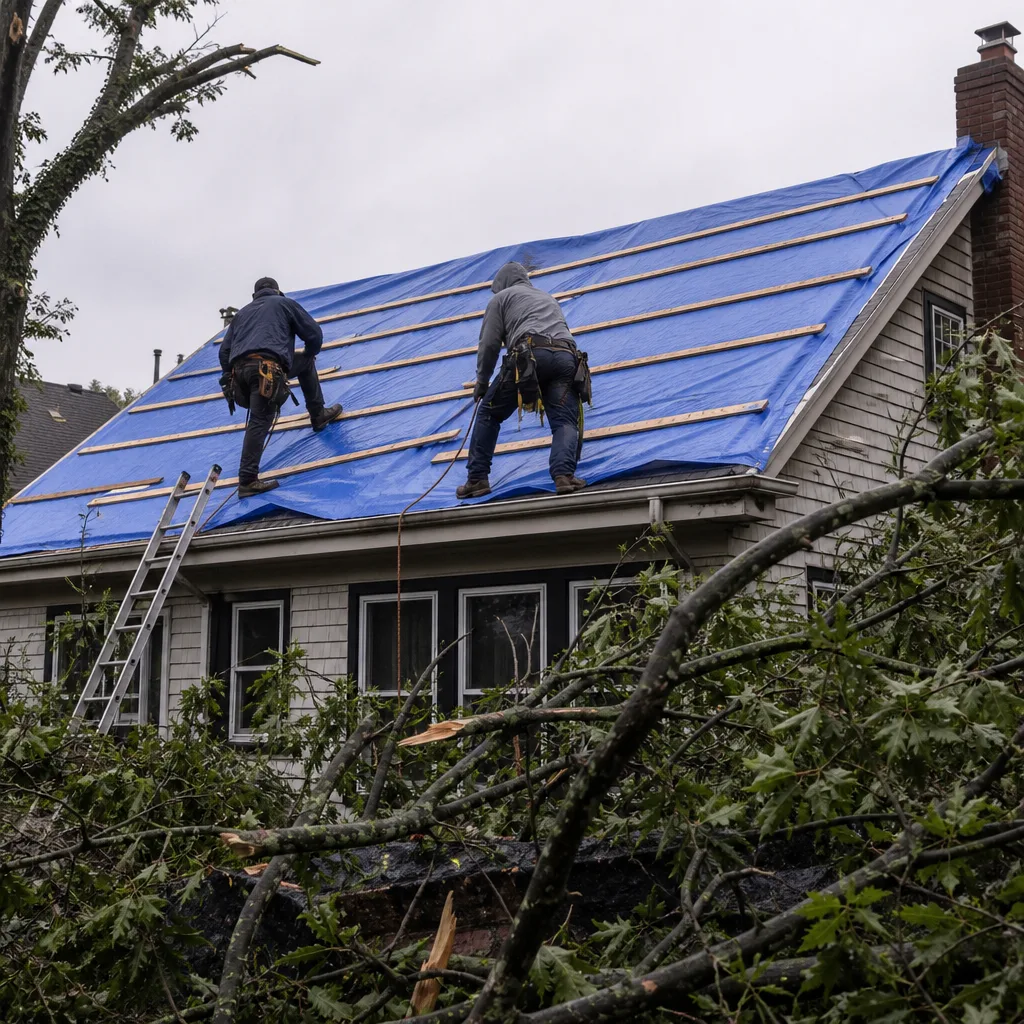
Flood Damage Restoration
When the combined sewer backs up into a cellar apartment on Nostrand Avenue or heavy rain swamps a finished basement in a rowhouse on Rugby Road, we treat the water for what it is: Category 3 until proven otherwise. Extraction, containment, sanitation, drying, and a written log for your carrier.
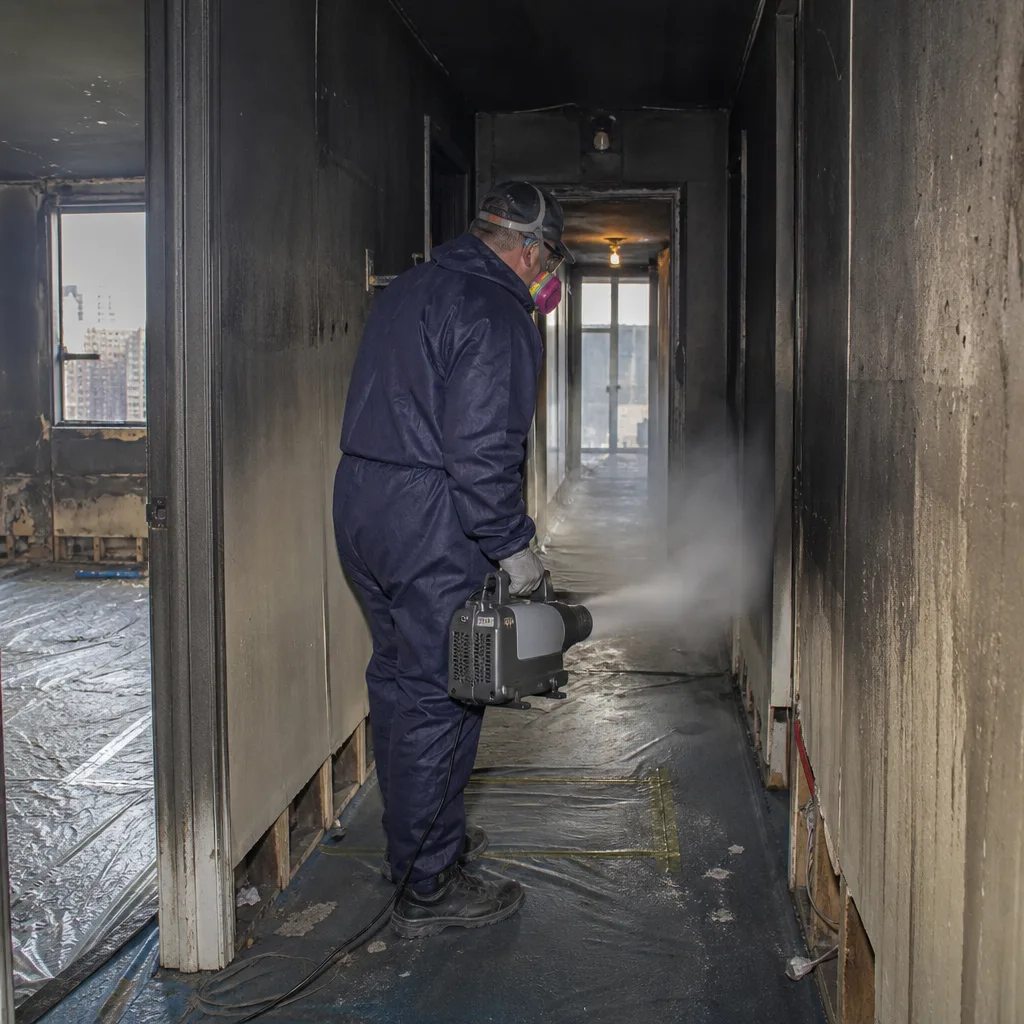
Emergency Board-Up
A broken window or missing door on a 1900 frame house on Albemarle Road can’t wait until Monday. We board up with plywood, seal the opening against further weather, and secure the property against intrusion. This is the bridge between the storm and the rebuild.
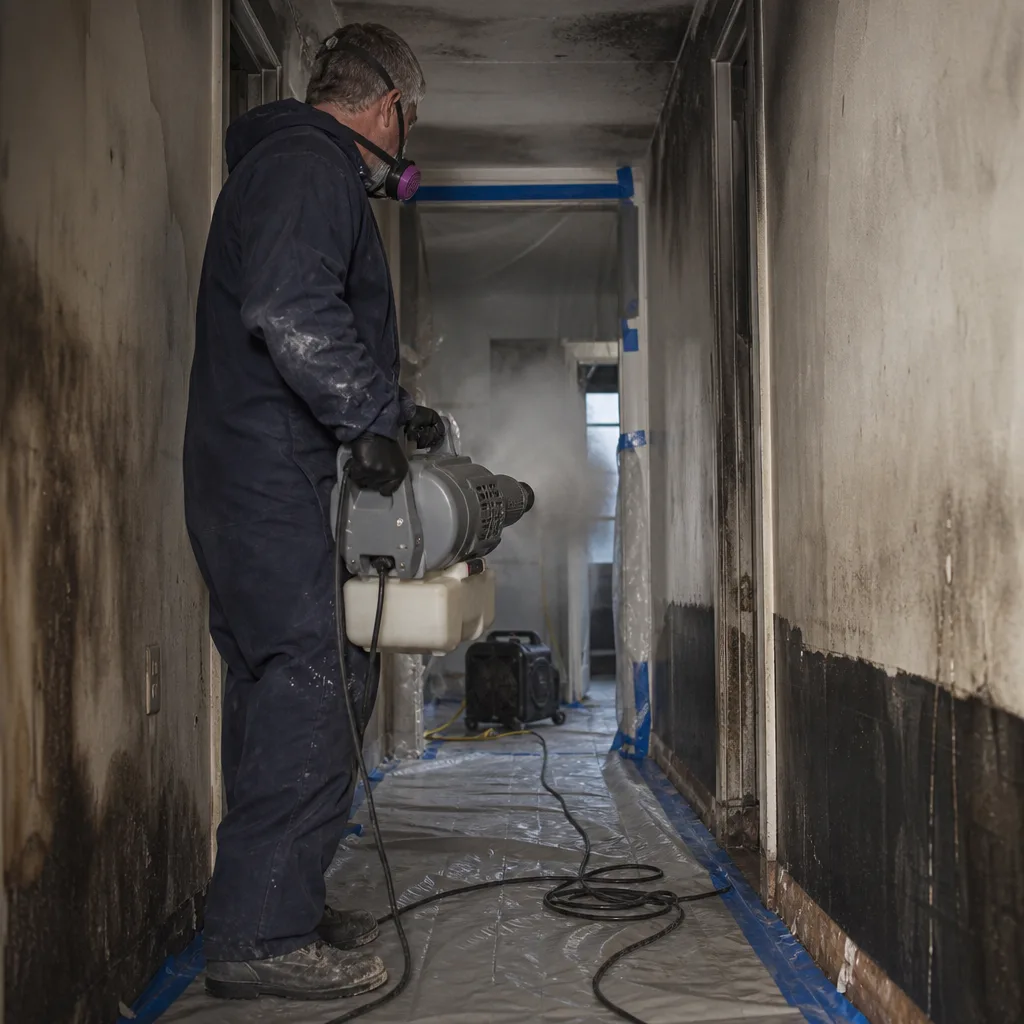
Roof Tarping
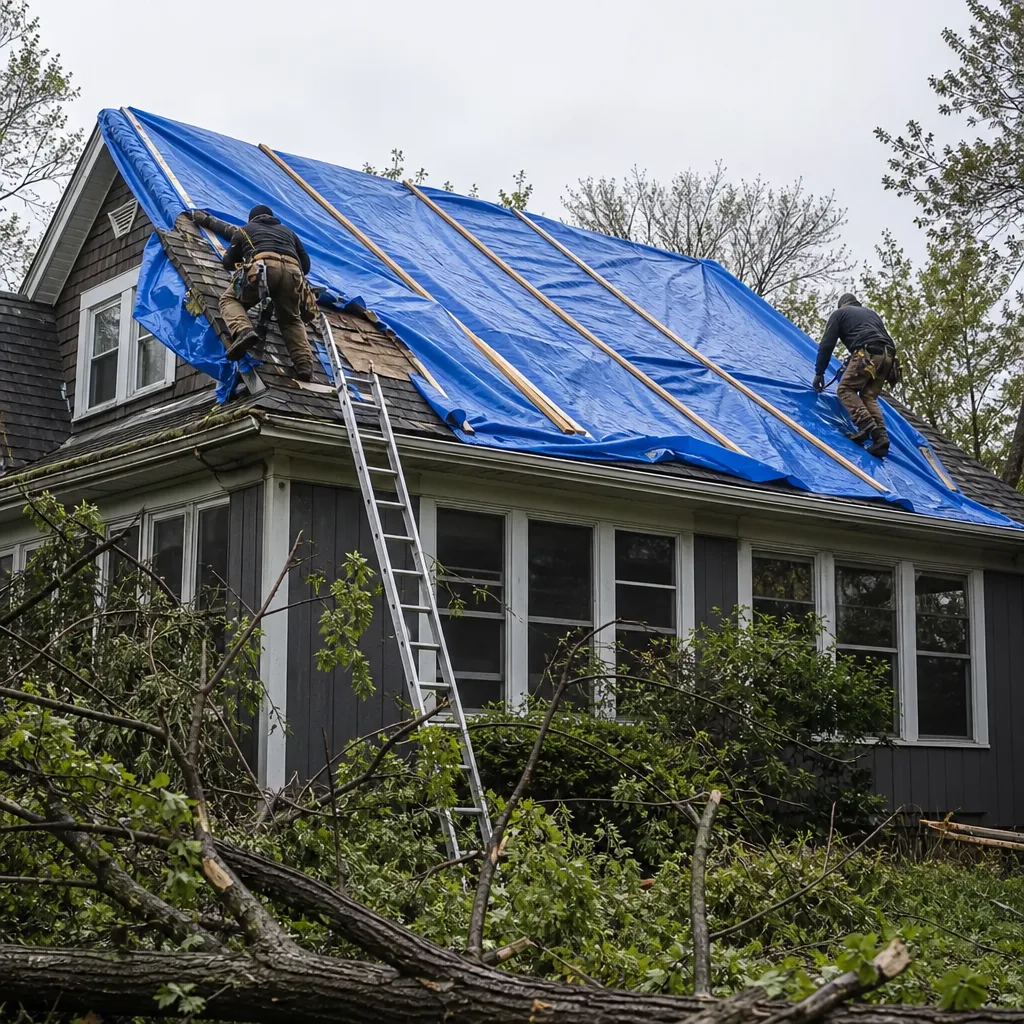
Slate and period shingle roofs on Flatbush Victorians don’t patch with a generic tarp. We anchor tarps to hold through the next storm, then work with your roofer or our reconstruction team on the permanent repair. The goal is no more water getting in, period.
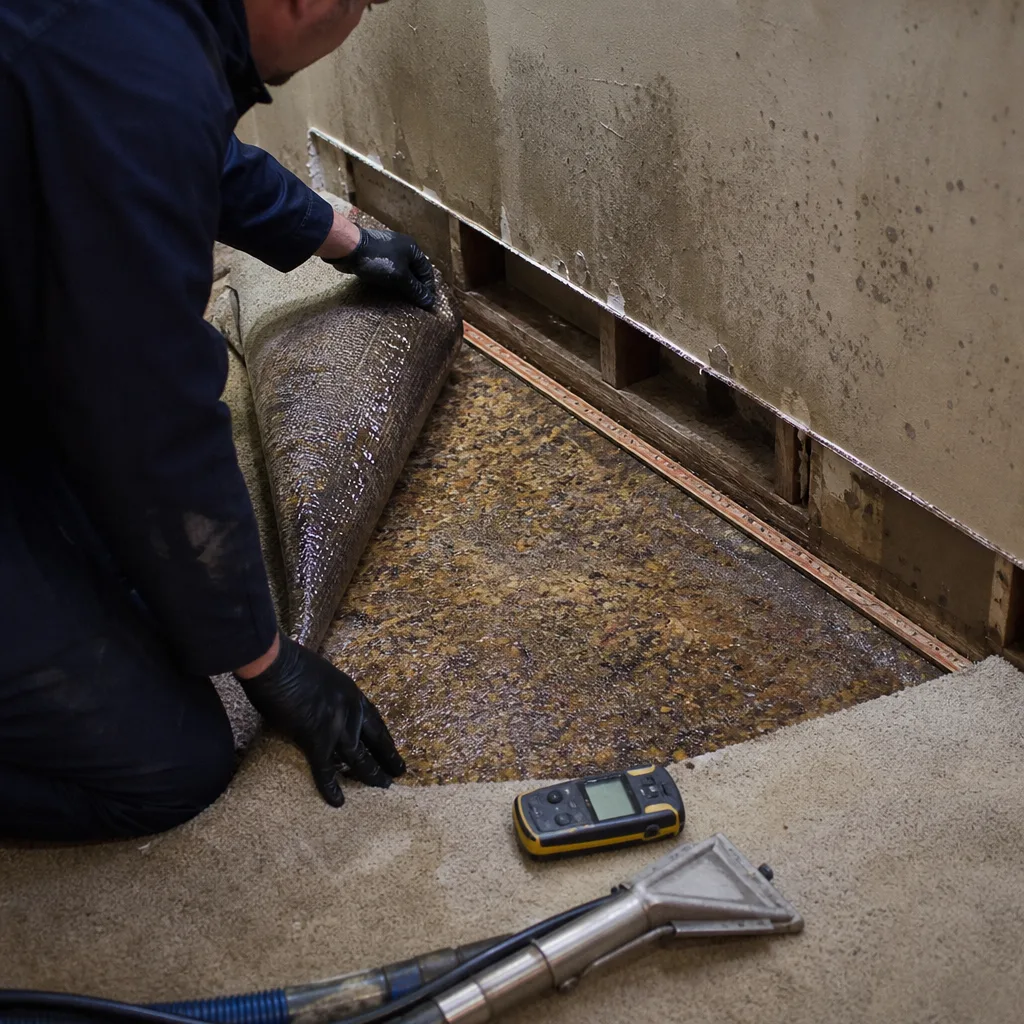
Debris Removal
Tree limbs, shingles, downed gutters, broken sash weights. We clear the site safely and haul the debris. In a neighborhood with tight setbacks and narrow driveways, this means hand-carrying what the equipment can’t reach.
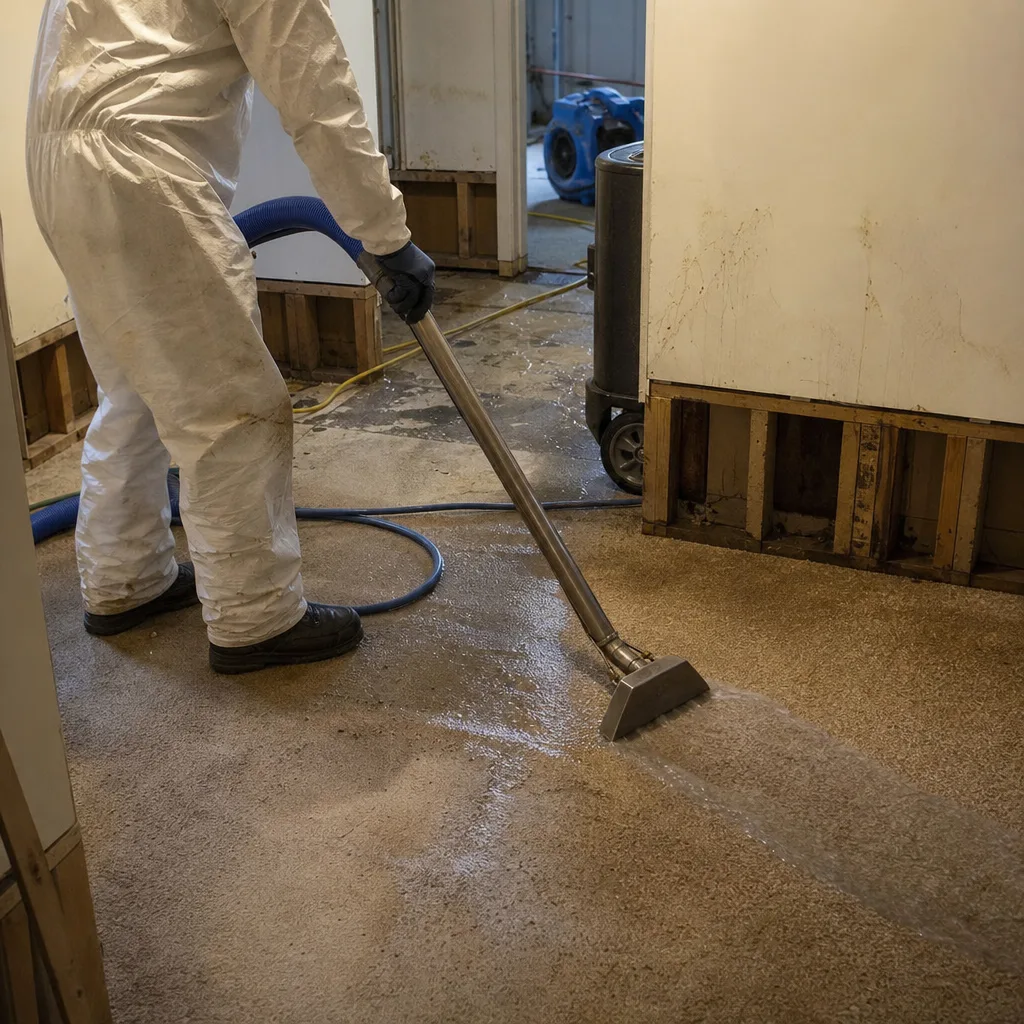
Wind Damage Repair
Flatbush’s hottest restoration topic is wind-rated door and window reinforcement. The original doorframes on a 1905 Victorian weren’t built for modern wind loads. We install impact-rated hardware where the framing allows, recommend window film or laminated glass for the most exposed openings, and repair storm-torn siding and flashing properly, not cosmetically.
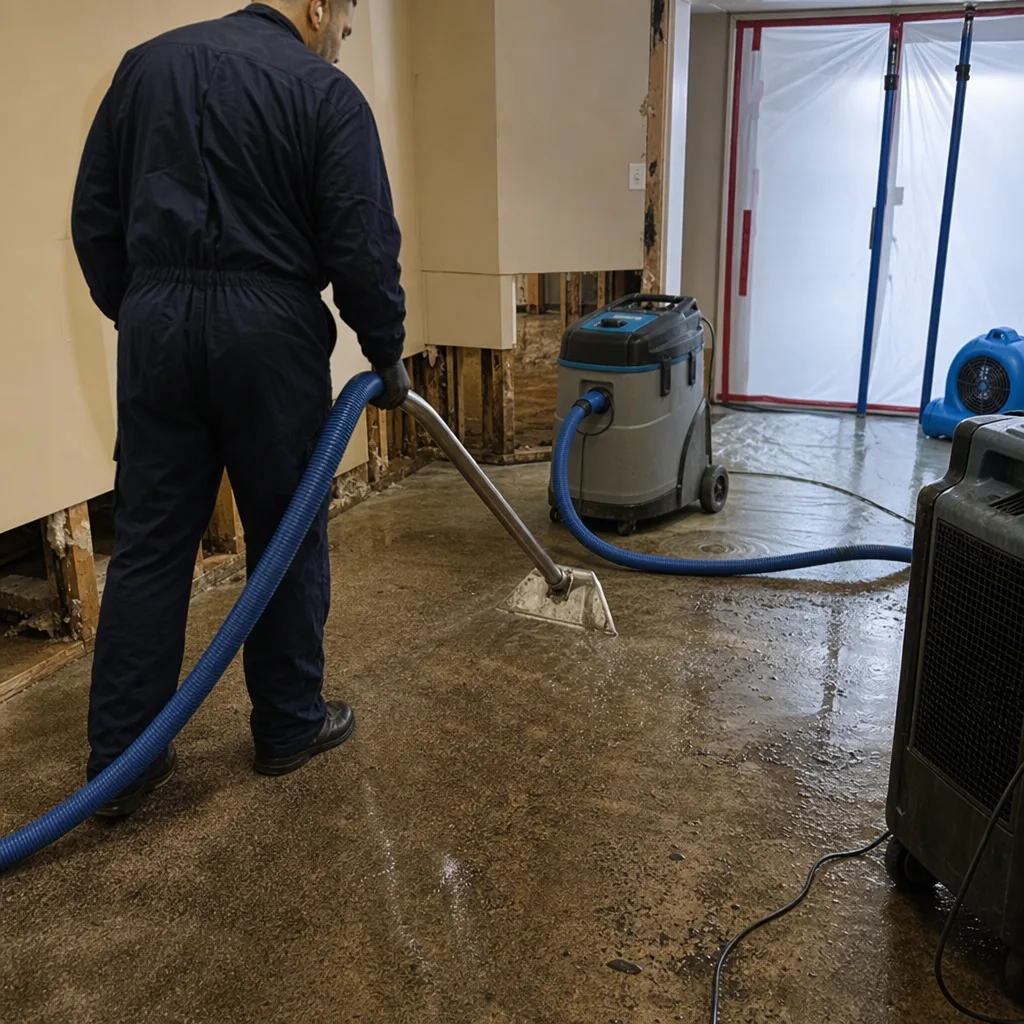
What happens when you call
- 1
A real person answersNo phone trees - you reach a local pro.
- 2
You get an upfront price rangeHonest numbers before anyone is dispatched.
- 3
A background-checked tech heads outLicensed & insured, dispatched right away.
- 4
You approve before work beginsNothing starts until you say go.
Storm & Disaster Restoration Costs in Flatbush, NY
Flatbush restoration pricing is shaped by the housing stock, and the housing stock here is specific. A straightforward emergency board-up on a broken window runs $250 to $450. Roof tarping on a typical Victorian roofline lands between $450 and $900, depending on pitch and access. Full flood damage extraction and drying in a finished basement apartment, which is common east of Flatbush Avenue, runs $2,800 to $6,500 including equipment, daily readings, and sanitation. Wind damage repair with plaster restoration and millwork matching on a Ditmas Park Victorian typically ranges from $4,000 to $12,000, with lead and asbestos abatement compliance folded into that number. What moves the price: how long the water sat before we arrived, whether the sewer surcharge brought Category 3 water into living space, and whether the original plaster and millwork can be saved or must be replicated. Most storm losses are covered by homeowners insurance, minus your deductible. We provide a free visual inspection and a written scope before any work starts, so you know the number before a dollar is spent.
We Also Serve Cities Near Flatbush
We work throughout Brooklyn and Lower Manhattan. Our crews serve Financial District, Lower Manhattan, Washington Square, and Brooklyn Heights, which means a storm event that hits the whole metro area doesn’t stretch our Flatbush response thin. If you’re on the edge of Flatbush in one of these adjacent areas, call us, we’ll route the nearest available certified crew to you.
Serving Flatbush, NY - Our Local Coverage Area
We’re based in the Flatbush area and know this community well. Use the map below to see our service coverage - if you’re nearby, we can almost certainly help.
Flatbush Storm & Disaster Restoration Questions, Answered
Do Flatbush storm restoration jobs require lead paint abatement if I only have wind damage repair?
Yes, in almost every case. Flatbush housing stock, particularly the 1895 to 1925 wood-frame homes in Ditmas Park and Beverley Square, is functionally guaranteed to contain lead paint under later layers. Any repair that disturbs painted surfaces, which means cutting, sanding, scraping, or demolition, triggers the EPA’s Renovation, Repair, and Painting (RRP) Rule. A properly certified contractor handles the containment, cleanup, and clearance testing as part of the job, not as an add-on surprise. Call (518) 663-6491 and we’ll tell you what your specific repair triggers before we submit a scope.
What should I do if a sewer backup floods my basement apartment during a heavy rainstorm in Flatbush?
Get out of the water immediately, shut off electricity to the affected area at the breaker if it’s safe to reach, and call us at (518) 663-6491. Combined sewer surcharge water is Category 3, black water, carrying sewage and pathogens. Don’t wade in it, don’t run box fans on it, don’t try to vacuum it with a shop vac. We arrive, set containment, extract, sanitize, and dry the space while logging every reading for your insurance carrier.
How do wind-rated door upgrades help my Flatbush Victorian before hurricane season?
The original doors on a 1905 Victorian were built to keep weather out under normal conditions, not to resist the wind loads a modern nor’easter or hurricane remnant puts on them. Impact-rated doors, reinforced frames, and upgraded hardware keep the wind from breaching the envelope, which is when the real damage starts. A door that fails in a storm becomes a pressure differential that lifts roofs, blows out windows, and lets the rain in everywhere. We assess your existing door frames, recommend reinforcement where the period framing allows it, and handle the install as part of a full restoration scope.
Can you dry out plaster walls after water intrusion without removing the original molding?
Usually yes. We use Injectidry wall-cavity drying systems and controlled air movement with Dri-Eaz and Phoenix equipment to dry behind plaster-and-lath without cutting holes in the face of the wall. The original crown molding, picture rails, and baseboards can stay in place while the cavity dries to standard. If the plaster itself is delaminating, that’s a different conversation, and we’ll show you exactly where the failure is before anyone touches a saw.
What should I do if a tree limb damages my roof during a wind storm in Flatbush?
First, check for downed power lines and stay clear of them. Then call us at (518) 663-6491. We’ll tarp the damaged section the same visit to stop water from getting in, clear the immediate debris hazard, and document everything for your carrier. The permanent repair, whether it’s a few slate tiles, a section of decking, or a full rafter replacement, gets scoped in writing after the emergency is stabilized.
How fast can someone actually get to my Flatbush address?
Our standard commitment is 45 minutes from the time you call. We keep crews stationed and routed through the neighborhood’s main arteries, Flatbush Avenue, Ocean Parkway, and Coney Island Avenue. During major storm events when every block is calling, response times can stretch, but our dispatchers are honest with you about what to expect, and they’re talking to you live, not playing a recording.
Will my insurance cover storm damage to my Flatbush home?
Most standard homeowners policies cover wind-driven storm damage, falling objects like tree limbs, and water damage that results from a covered peril like a storm breach. Water from sewer backup is usually a separate endorsement. Unpermitted basement dwelling units complicate coverage, which is why we check DOB records before we scope anything in Flatbush. We bill your carrier directly and coordinate with the adjuster so you’re not handling the paperwork alone. Call (518) 663-6491 and we’ll walk your specific policy before the adjuster does.
What should I do in the first 30 minutes after a storm damages my Flatbush property?
Shut off the water or electricity if it’s safe, depending on what failed. Document visible damage with your phone from safe positions. Move valuables out of wet areas if you can do so without entering standing water. Then call Floodline Restoration Co. at (518) 663-6491. The first 30 minutes don’t need to be perfect, they need to be fast. The faster we get water out and the building stabilized, the less your restoration costs.
Written by Curt Bowman, Owner at Floodline Restoration Co., serving Flatbush since our founding in 2010.