
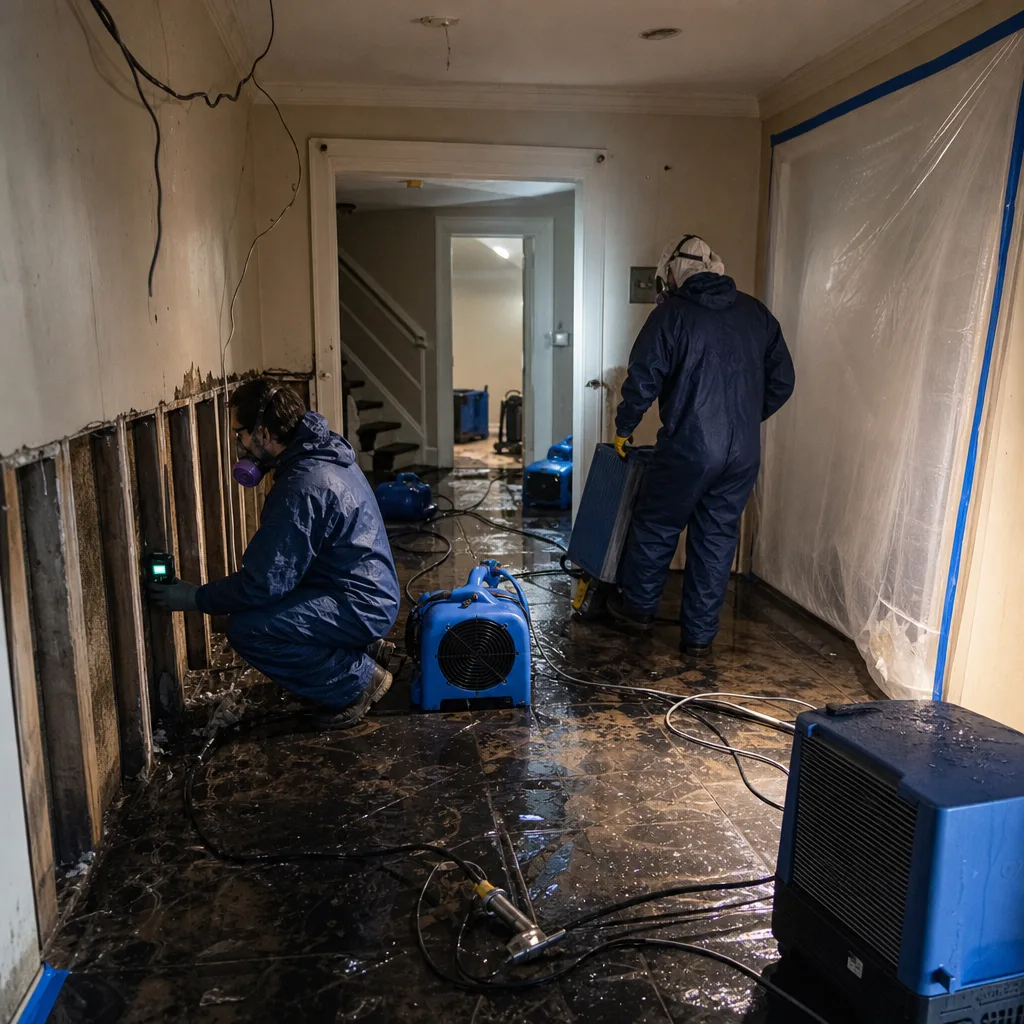
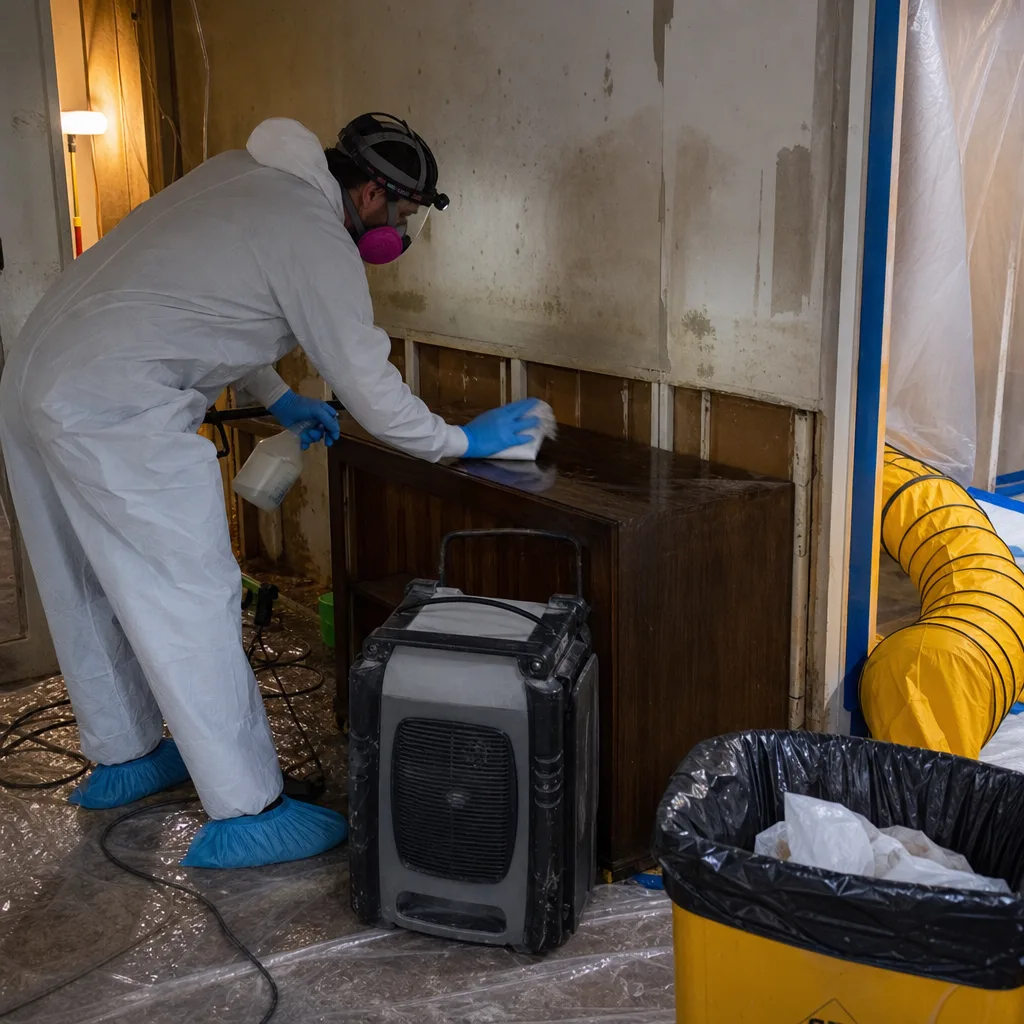
Free visual inspection and a written scope of work before any mitigation begins - photos, moisture readings, and drying logs go in your claim file
The scope we write is the scope we bill. Anything new gets shown to you, in writing, before we touch it.
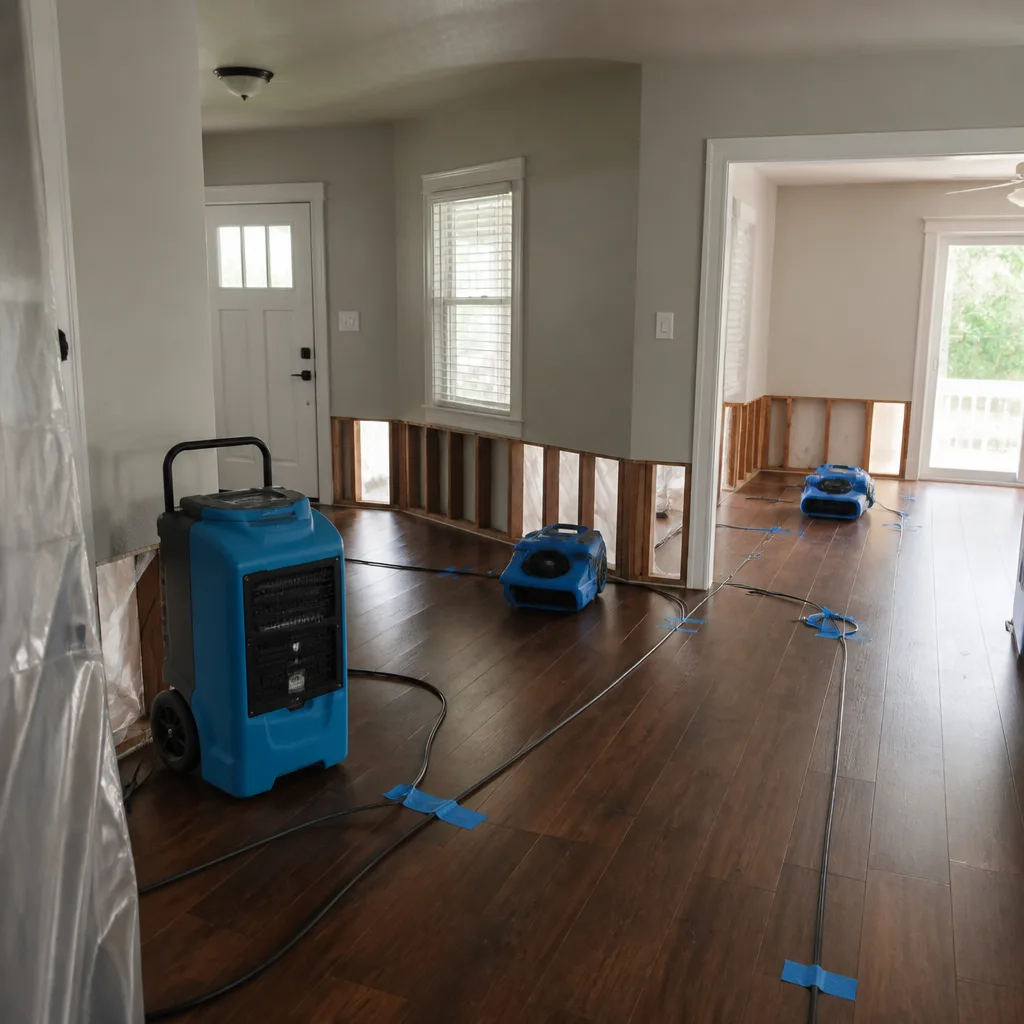
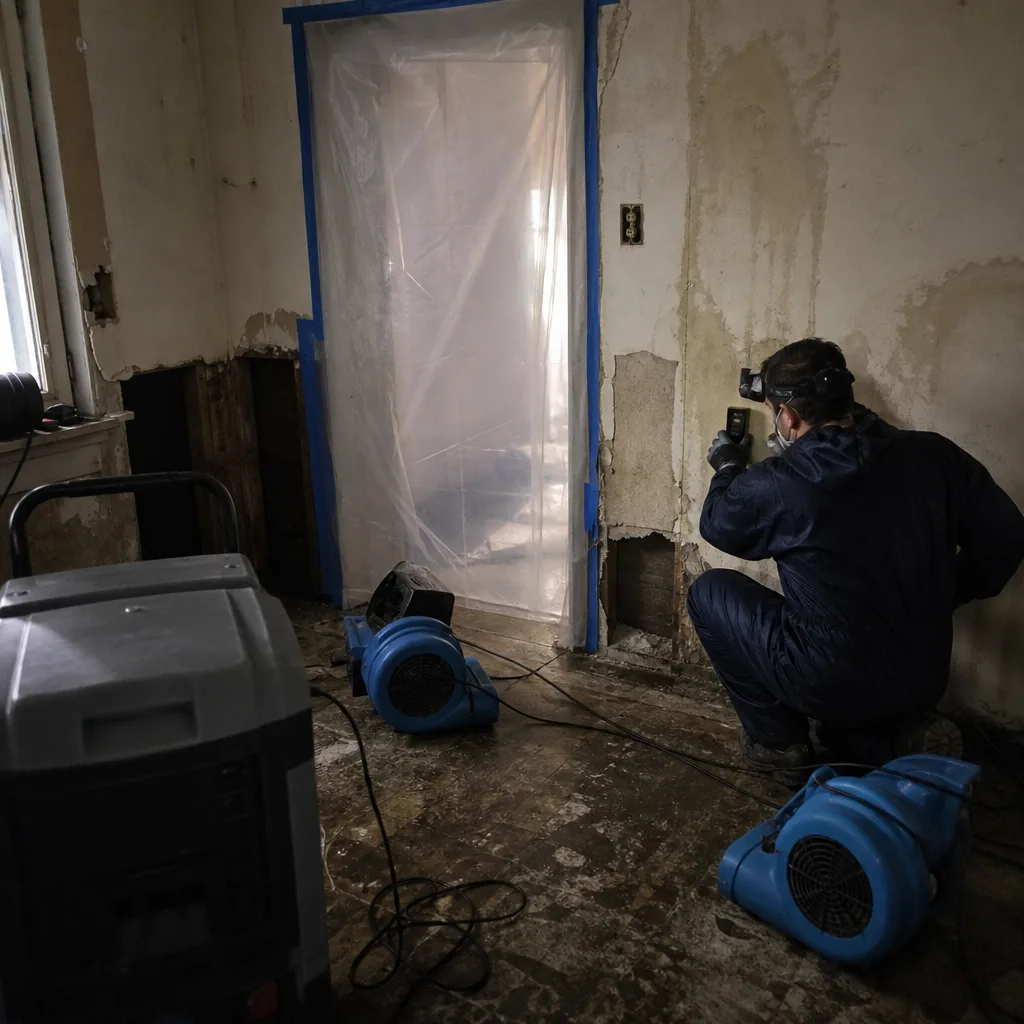 Before
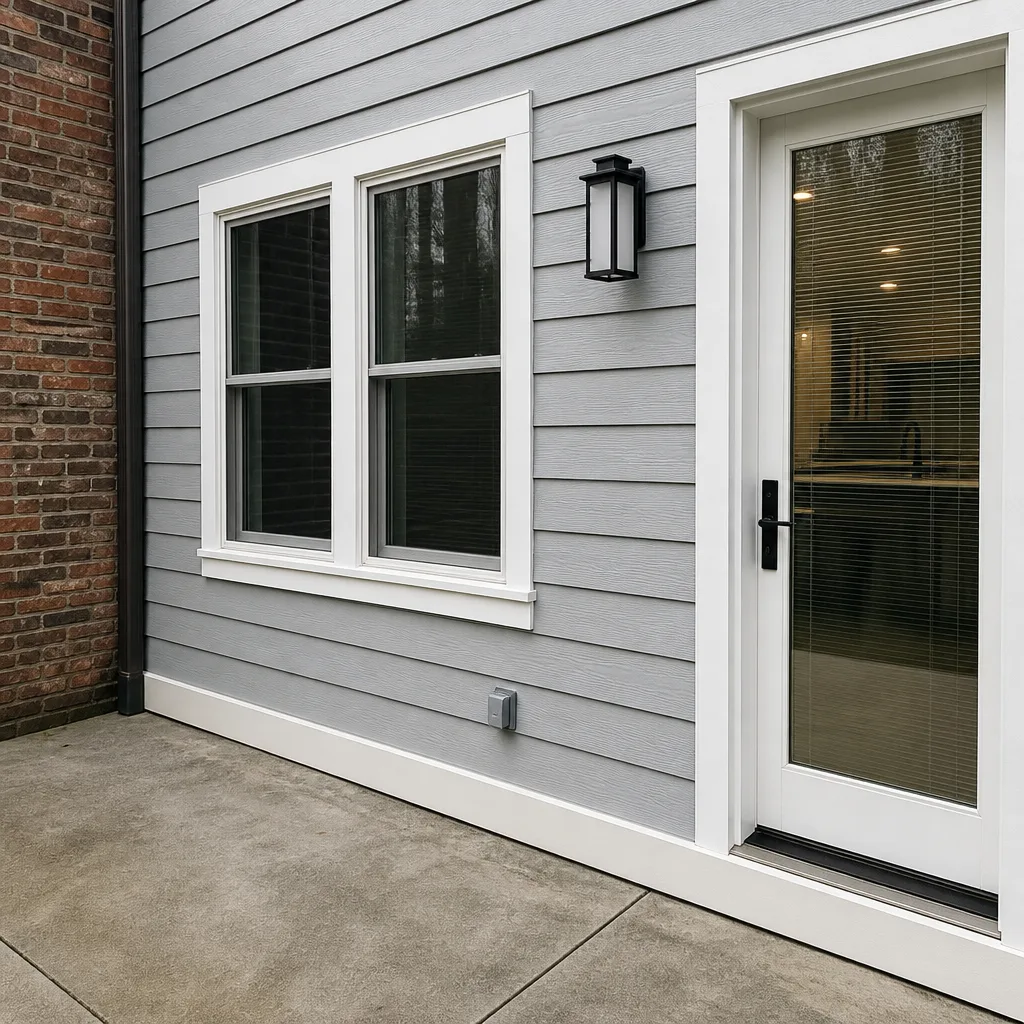 After
After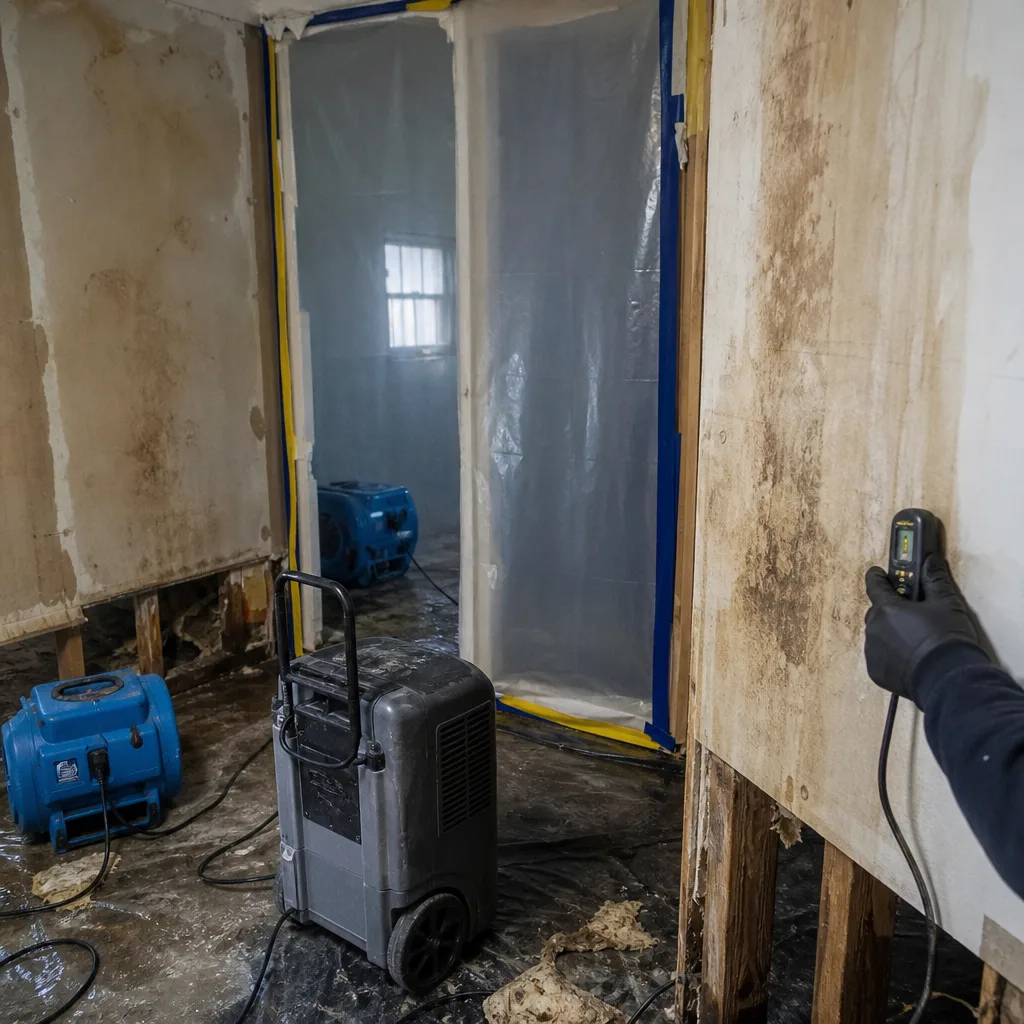 Before
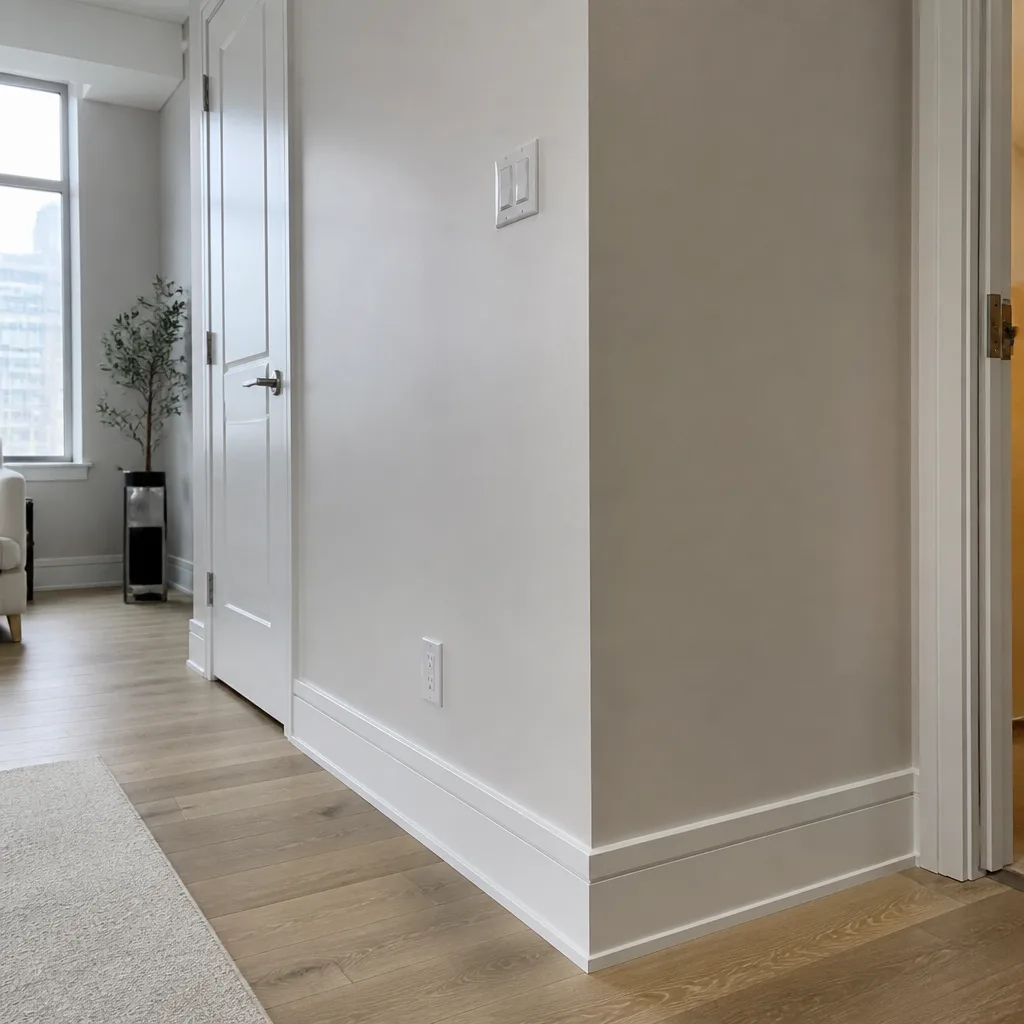 After
After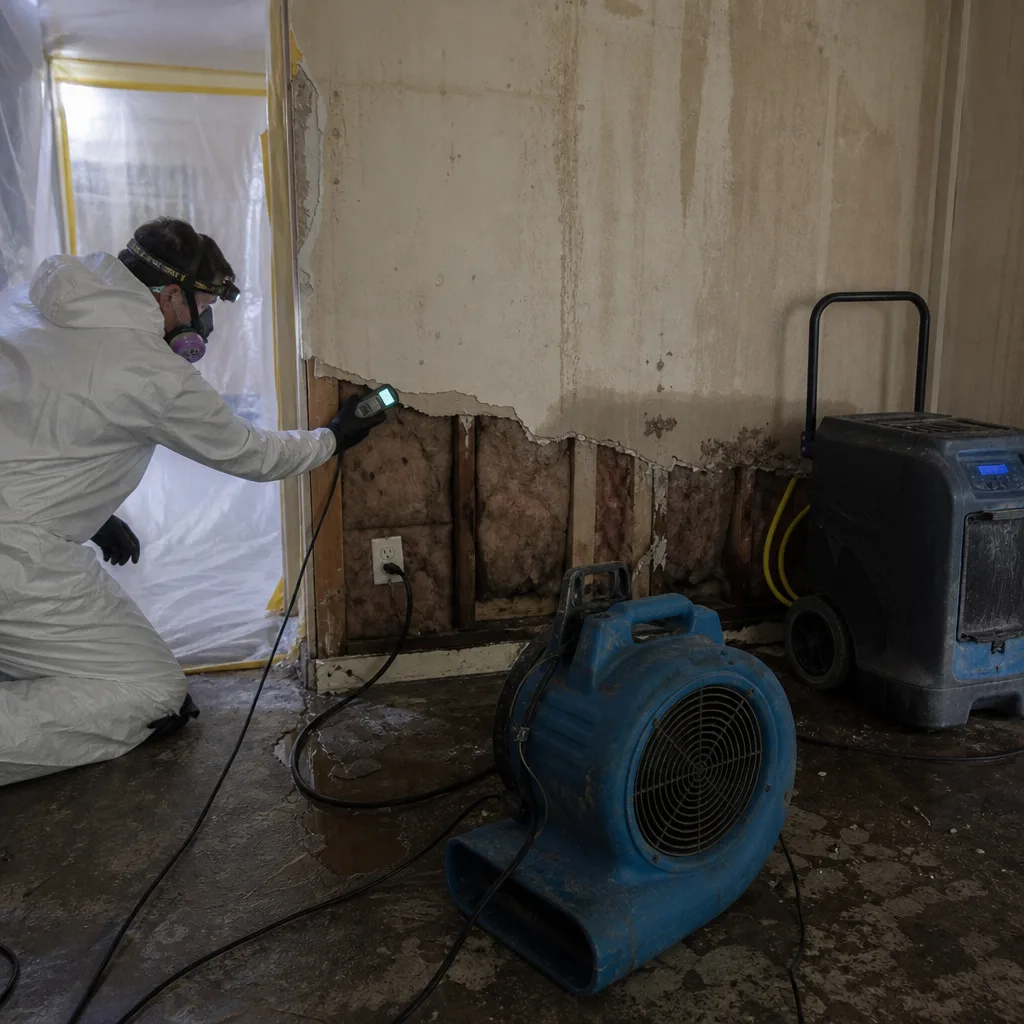 Before
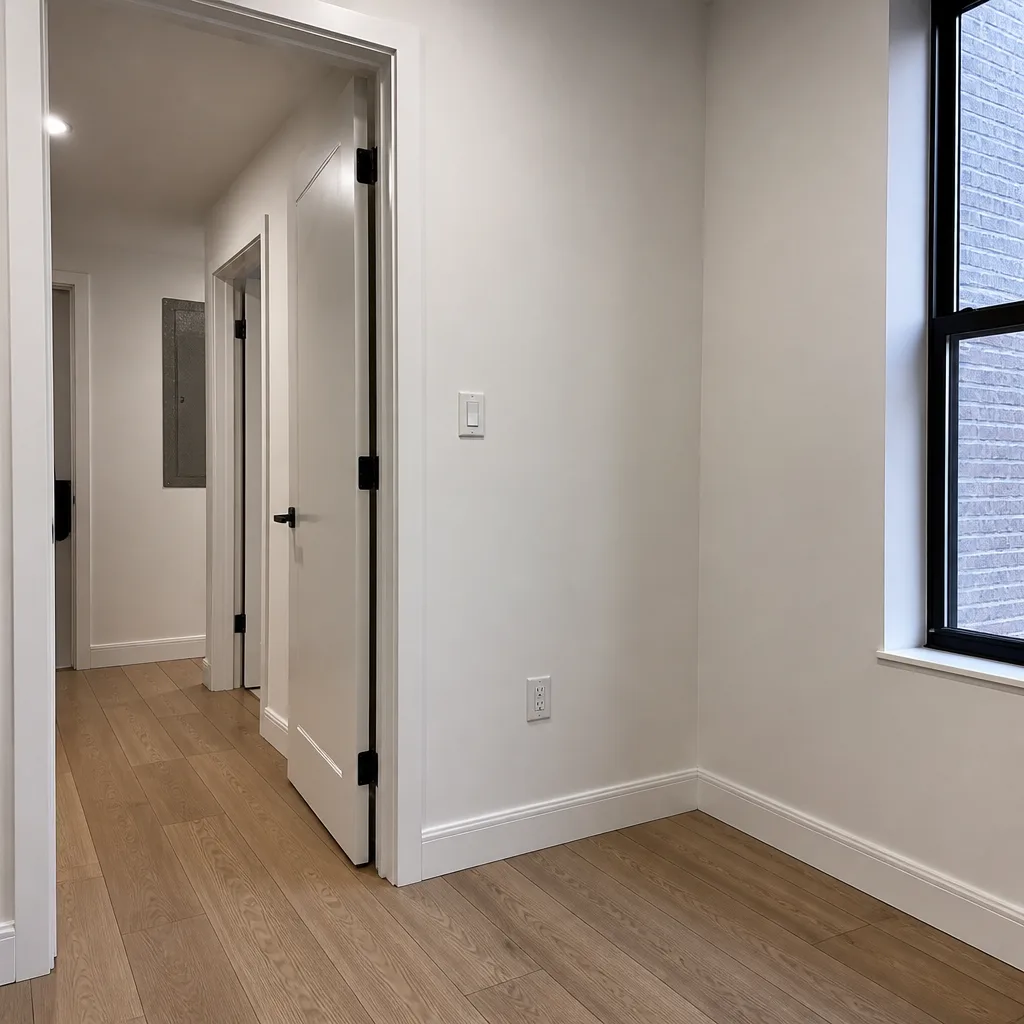 After
After24/7 Emergency Biohazard & Crime Scene Cleanup in Brooklyn Heights
Biohazard and crime scene cleanup in Brooklyn Heights typically costs between $1,800 and $6,500 depending on the size of the affected area, the materials involved, and how long biological matter has been in contact with surfaces. We answer the phone live at (518) 663-6491 around the clock, and a crew can reach most Brooklyn Heights addresses within the hour. The first call is free, and so is the visual inspection. What matters most in those first hours is containment: blood, bodily fluids, and decomposition byproducts soak into horsehair plaster and wide-plank flooring fast, and once they cross into the subfloor, the job changes from a cleanup to a structural restoration.
We’re Floodline Restoration Co., and our Biohazard & Crime Scene Cleanup crews serve Brooklyn Heights with the same people from first response to final patch-and-paint. No mid-job handoff to a subcontractor you’ve never met.
Understanding Biohazard & Crime Scene Cleanup Severity in Brooklyn Heights Properties
Biohazard work is classified by the type and saturation level of the biological material, and Brooklyn Heights’s housing stock makes severity assessment more complicated than in newer construction. Blood and bodily fluids fall under Category 3 water contamination the moment they leave the body. Urine, feces, and decomposition fluids are Category 3 as well, meaning the affected porous materials, drywall, plaster, flooring, insulation, must be removed and disposed of as regulated medical waste, not cleaned in place.
What changes the severity math in Brooklyn Heights specifically is the age of the buildings. A 1840s brownstone on Hicks Street or Pierrepont Street has horsehair plaster over lath, not gypsum board. That plaster is thicker and more absorbent, and it wicks fluids vertically along the lath strips. A pool of blood that sits for four hours on a 21st-century subfloor in Williamsburg might be contained by the vinyl underlayment. The same volume in a garden-level Brooklyn Heights unit can travel through 140-year-old floorboards into the joist bays, and from there into the party wall shared with the neighboring row house. That’s the difference between a $2,000 cleanup and a $12,000 restoration, and it’s why we moisture-map every job instead of guessing.
Odor from unattended death is the second severity marker. Decomposition gases penetrate porous stone and plaster, and in Brooklyn Heights’s tightly packed rowhouses, those gases can migrate through shared wall cavities into adjacent units. Containment has to account for that, not just the room where the event happened.
Why Brooklyn Heights Property Owners Choose Floodline Restoration Co.
- 45-minute response commitment to Brooklyn Heights addresses. Call (518) 663-6491 and a live dispatcher confirms a crew’s ETA right then. Not a callback. Not a recording.
- A real person answers at 2 a.m. We run a dispatch board, not a sales desk. Someone picks up the phone every hour of every day.
- IICRC-certified technicians trained to AMRT and FSRT standards. Applied Microbial Remediation and Fire & Smoke Restoration certifications mean the crew knows how to contain biological contaminants, not just scrub surfaces.
- Free visual inspection with a written scope before work starts. You approve the line items. No surprises on the back end.
- Direct insurance billing. We document everything from the first hour, send the claim package to your carrier, and deal with the adjuster so you don’t have to.
- One team from containment to reconstruction. The same uniformed, background-checked crew that sets up containment also handles the plaster patching and the oak floor board replacement. That matters in a historic district.
Our Biohazard & Crime Scene Cleanup Process
Inspection & Assessment
We walk the affected area with you or your property manager, identify all contaminated materials, and establish the containment boundary. In Brooklyn Heights brownstones, this includes checking adjacent rooms and the floor below for fluid migration through old-growth timber and hollow plaster walls.
Containment & Engineering Controls
We seal the work area with 6-mil poly sheeting and run HEPA-filtered negative air machines to keep airborne particles from spreading through shared walls and hallways. For multi-unit brownstones, we often set up a secondary containment vestibule at the unit door.
Removal & Disposal
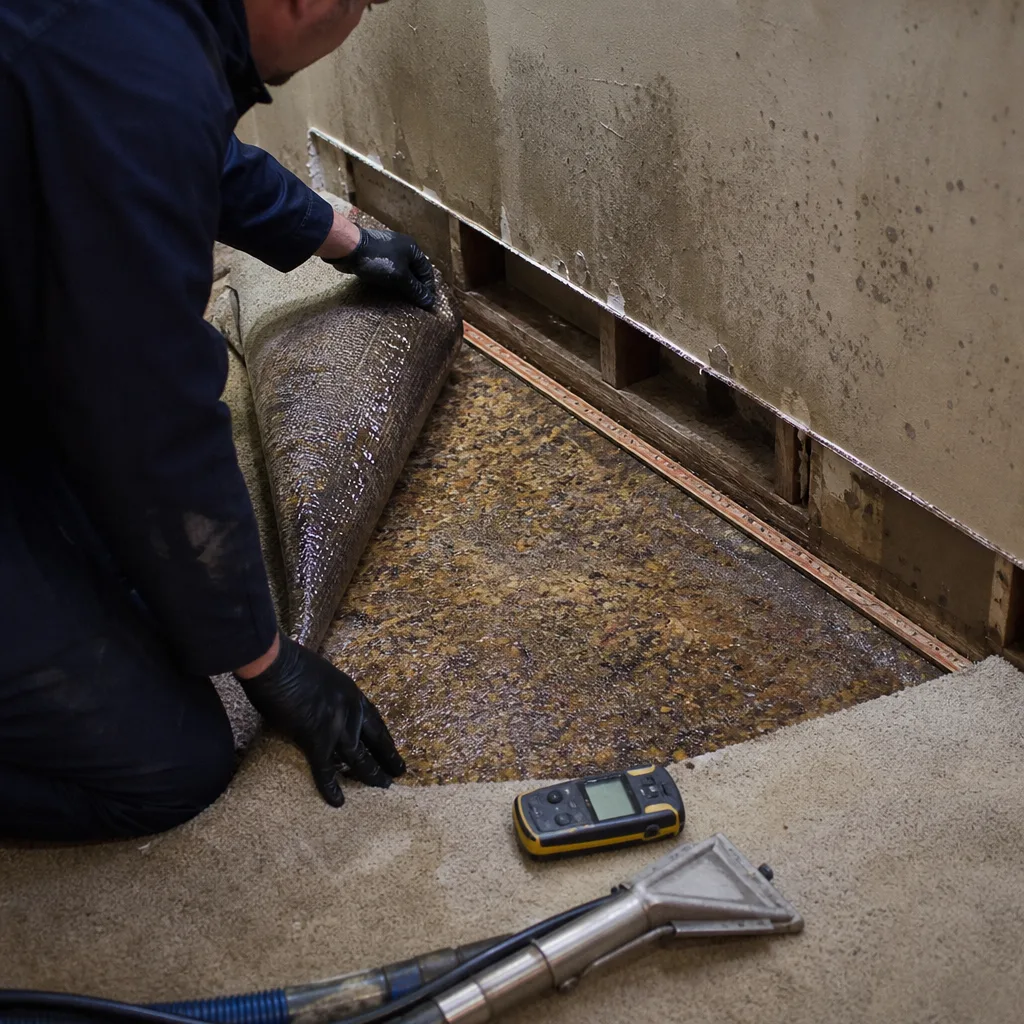
Porous contaminated materials, carpet, pad, plaster sections, floorboards, are cut out, bagged as regulated medical waste, and disposed of through a licensed biohazard waste hauler. We photograph every layer before and during removal for your claim file and any LPC documentation.
Cleaning & Antimicrobial Treatment
Non-porous surfaces and remaining structure get a hospital-grade disinfectant rated for bloodborne pathogens, followed by an antimicrobial treatment appropriate for the material. Dri-Eaz and Phoenix equipment runs continuously during this phase to pull humidity down and stabilize the space.
Drying & Dehumidification
We set up Phoenix air movers and Dri-Eaz dehumidifiers with daily moisture readings logged until every surface hits the dry standard. In garden-level units, this phase runs longer because salt-air humidity and below-grade airflow slow evaporation, and we don’t rush it.
Reconstruction & Final Clearance
We rebuild what we removed, matching historic materials where required, and run a final ATP surface swab or clearance test. You get the logs, the photos, and the written scope. The job isn’t done until the 90-Day Done Right Promise covers every square inch.
Need Emergency Biohazard & Crime Scene Cleanup in Brooklyn Heights Now?
Crews minutes away, answering live 24 hours a day. The sooner we start, the less it costs.
Working With Your Insurance Company
Most biohazard and crime scene cleanup claims in Brooklyn Heights are covered under homeowner’s or commercial property policies, usually under the peril of vandalism, sudden accidental discharge, or as a covered consequence of an insured event. Unattended death cleanup is often covered when the death itself resulted from a covered cause. Hoarding cleanup is the gray area, and we’ll tell you that honestly before you file. What helps every claim is documentation from the first hour: photos of the scene intact, moisture readings that show how far contamination spread, and a line-item scope that uses the same estimating language your adjuster uses. We coordinate with your carrier directly and provide everything they ask for.
What We Provide Your Insurer
- Thorough documentation of the loss
- Photos of all damage, room by room
- Moisture readings and drying logs
- A detailed, line-item scope of work
- Direct coordination with your carrier
Built for Brooklyn Heights’s Loss Calendar
Biohazard and crime scene work in Brooklyn Heights doesn’t follow one clean seasonal pattern the way water damage does, but there are rhythms. Deep winter, January through early March, brings the highest volume of frozen supply line bursts in the neighborhood’s aging cast iron and galvanized plumbing, and a burst pipe in an unoccupied garden-level unit can go unnoticed for days. That’s when we get calls that start as water damage and become trauma or contamination scenes once fluids have saturated bedding, carpets, and personal belongings. Early spring, when the water table under the bluff rises with snowmelt and heavy rains, garden-level units along Willow Street and Columbia Heights see sewage backups from overtaxed combined storm-water lines, and Category 3 black water brings the same biohazard protocols as a crime scene. Summer brings humidity that makes decomposition odor complaints worse and faster. A unit that sits closed for two weeks in August develops a smell problem that neighbors notice through party walls within days. Nor’easter season, October through November, piles storm stress onto old roofs and parapet walls. The point is simple: Brooklyn Heights properties are old enough and close enough to the harbor that small failures turn into biohazard events faster than in newer construction, and we plan our response around that reality.
Biohazard & Crime Scene Cleanup Across Brooklyn Heights’s Neighborhoods
Brooklyn Heights isn’t one uniform grid. The blocks between the Promenade and Court Street, around Montague, Pierrepont, and Remsen Streets, are mostly mid-1800s brownstones with deep front stoops and narrow service alleys. Access matters on those streets: our crews often carry containment equipment up three flights of stoop stairs, and we plan our staging around double-parked traffic on one-way streets. North of Atlantic Avenue near the BQE, the building stock shifts toward converted factory lofts and smaller prewar apartment buildings, where shared hallways and vertical plumbing stacks mean contamination in one unit affects the one below it. The garden-level units throughout the neighborhood, especially along Willow Street, Hicks Street, and Henry Street, are the most common call source for sewage backups and unattended death scenes because they sit at or below grade, with limited ventilation and direct contact with rising groundwater. Along the Promenade and Columbia Heights, where apartments face the harbor, open windows during drying bring salt air through the unit, and we adjust our equipment placement to keep that moisture out of the drying equation. We know these blocks. We’ve worked them for years.
Specialized Biohazard & Crime Scene Cleanup Services We Offer in Brooklyn Heights
Trauma & Unattended Death Cleanup
This is the call most people never expect to make, and we handle it with the seriousness it deserves. In a Brooklyn Heights brownstone, an unattended death means decomposition fluids have had time to saturate flooring and wick into plaster walls, and the odor has likely moved through the building. We remove affected materials, treat the structure, run dehumidification until the dry standard is met, and coordinate odor neutralization so the unit, and the neighboring units, are habitable again.
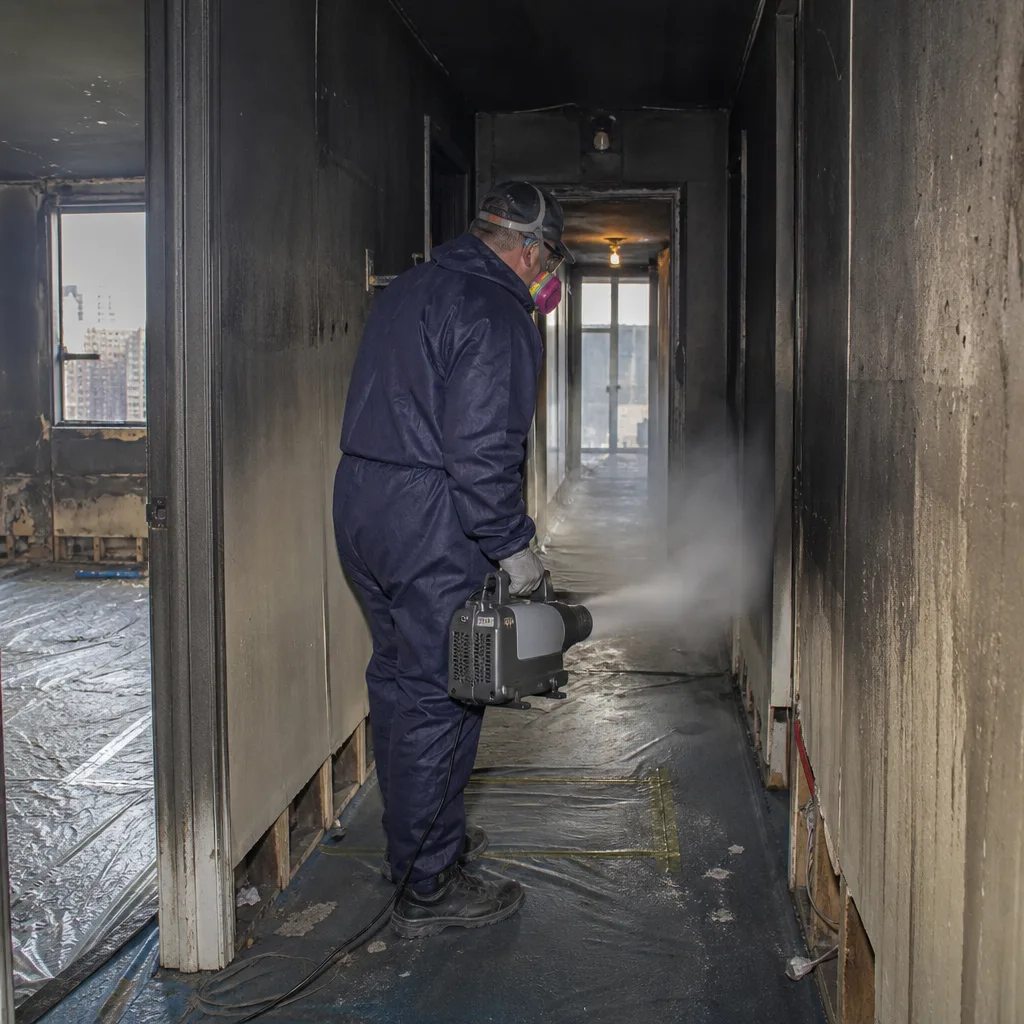
Blood & Bodily Fluid Cleanup
Blood spills are treated as infectious waste under OSHA’s bloodborne pathogen standard. That means PPE, containment, Regulated Medical Waste disposal, and surface disinfection with EPA-registered hospital-grade products. In older Brooklyn Heights units, the real challenge is often what’s underneath: blood that seeps through 150-year-old floorboards into the joist bays below has to be accessed, not just wiped off the top.
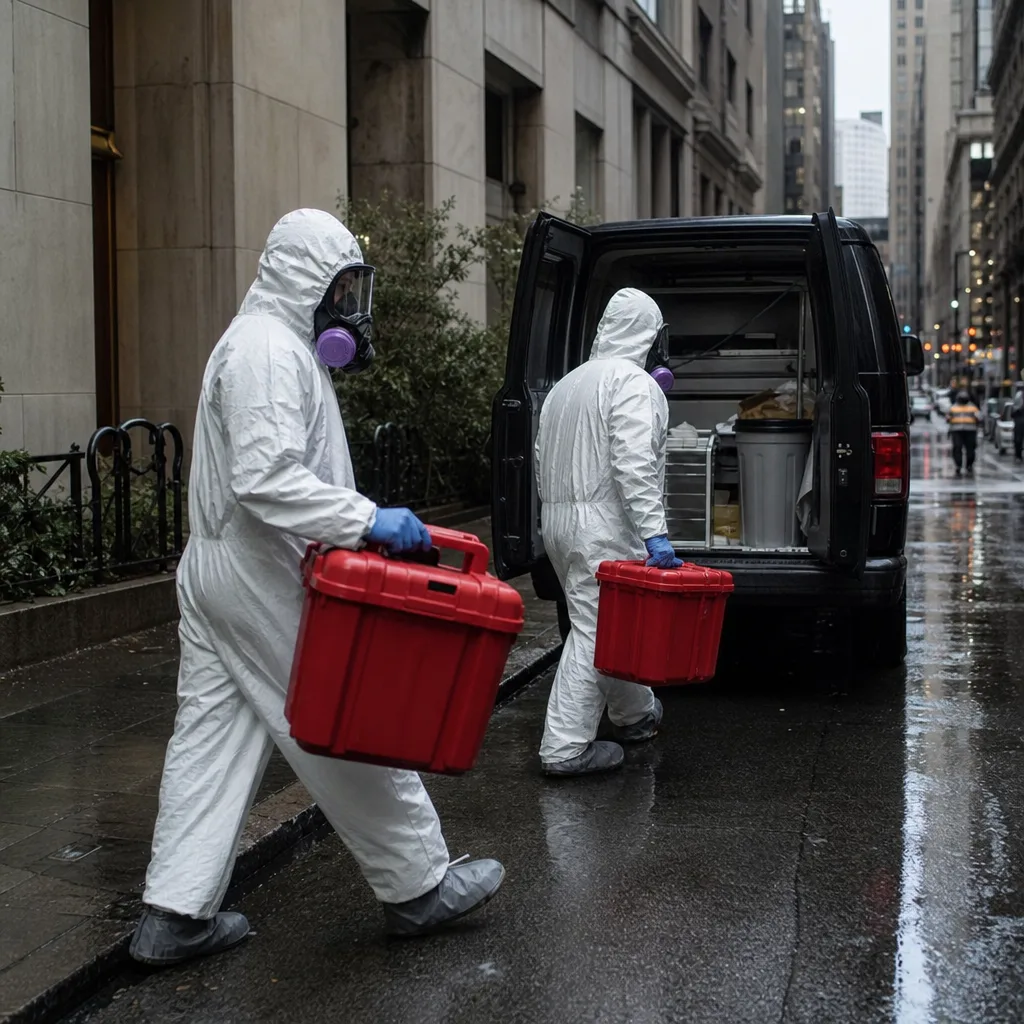
Infectious Disease Disinfection
When a tenant or family member has been diagnosed with a serious communicable illness, owners need a documented disinfection protocol, not a spray-and-wipe. We use EPA-registered disinfectants with contact times appropriate for the pathogen involved, run air scrubbers during the process, and provide a clearance report you can share with new tenants or a property manager. In a multi-unit brownstone, we also address shared surfaces: stair rails, door hardware, intercom buttons, and the vestibule.
Hoarding Cleanup
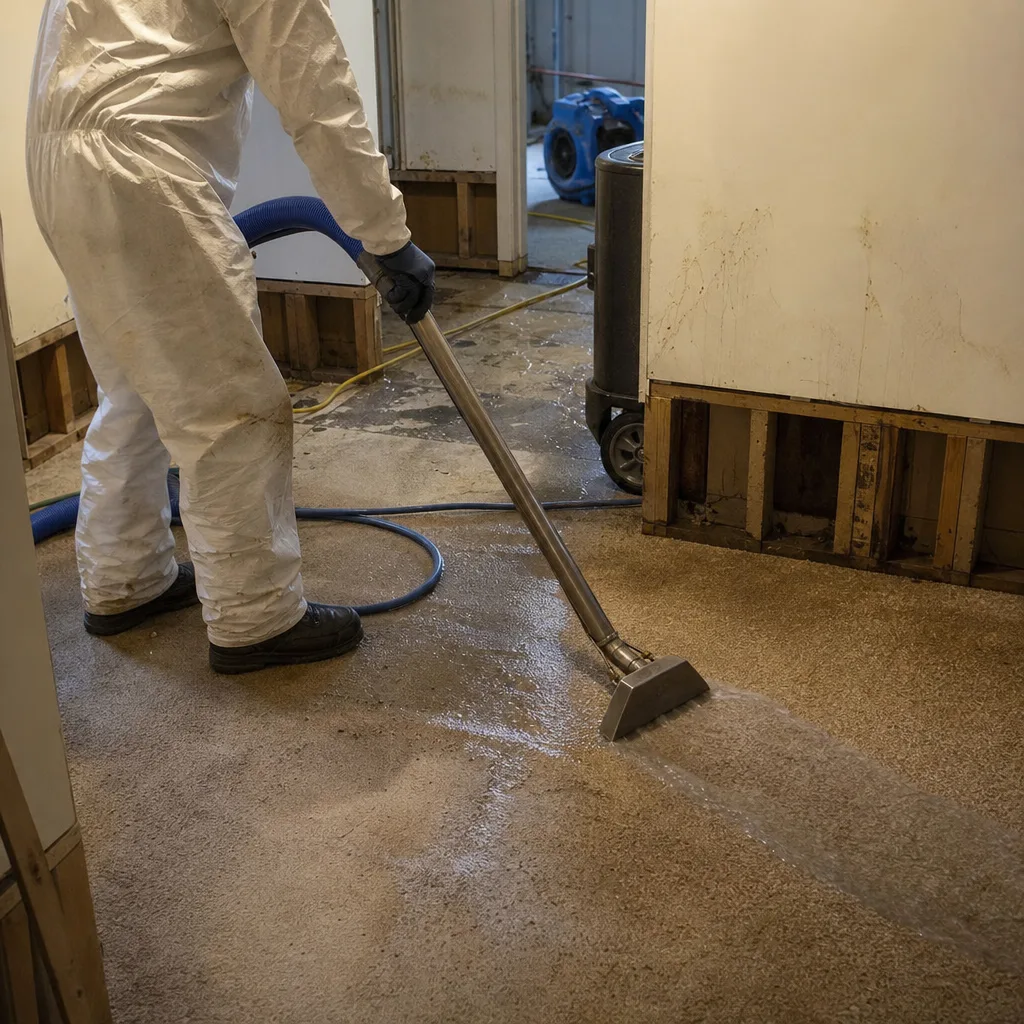
Hoarding situations in Brooklyn Heights are physically tight spaces: narrow hallways, steep stairs, and rooms that have accumulated decades of material. We work with compassion and without judgment, sorting salvageable items from debris, removing biological hazards like rodent droppings and mold, and restoring the unit to a safe condition. The same crew handles disposal and the structural work, which keeps the process moving faster than splitting it across vendors.
Crime Scene Cleanup
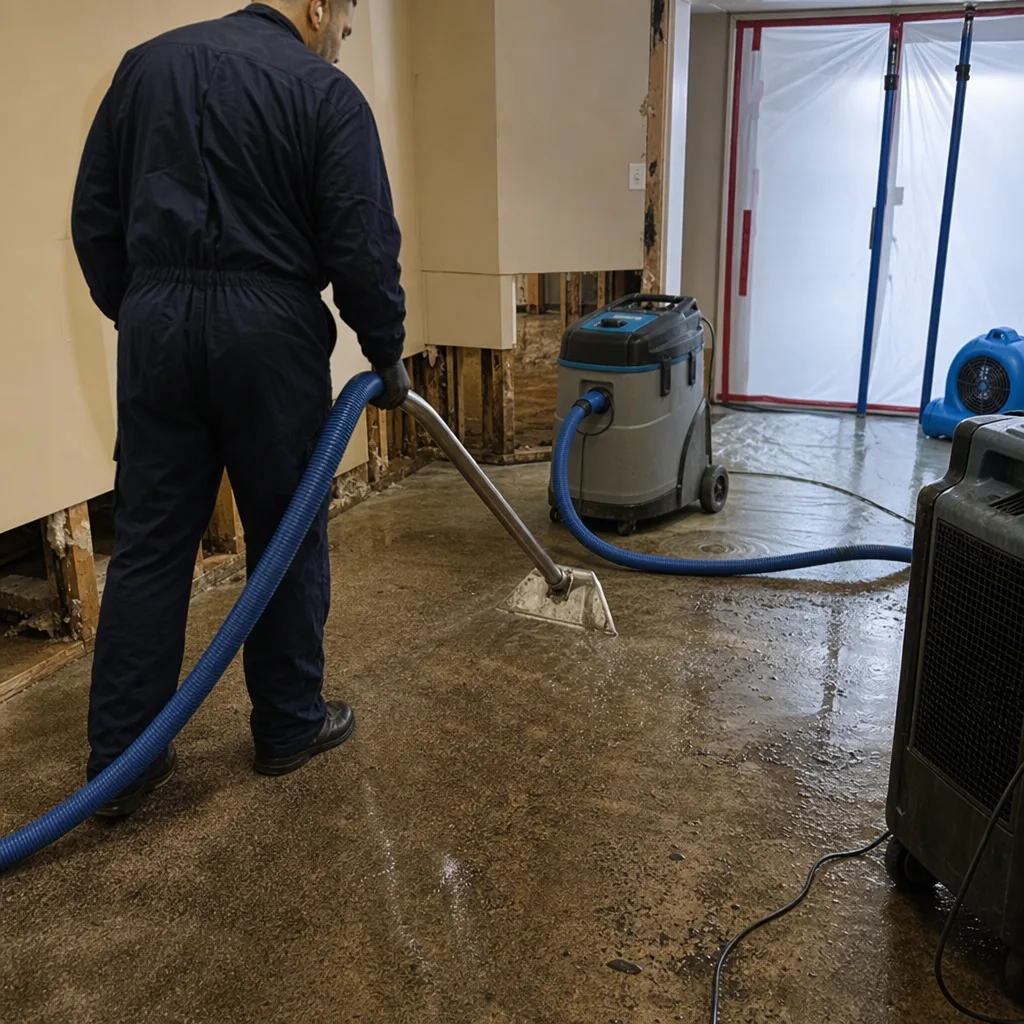
After the police have released the scene, our crew steps in. We document everything, remove contaminated materials, and follow the same containment and disposal protocols whether the scene is a single apartment on Clark Street or a commercial space on Montague Street. We’ll also coordinate with your insurer on the claim.
What happens when you call
- 1
A real person answersNo phone trees - you reach a local pro.
- 2
You get an upfront price rangeHonest numbers before anyone is dispatched.
- 3
A background-checked tech heads outLicensed & insured, dispatched right away.
- 4
You approve before work beginsNothing starts until you say go.
Biohazard & Crime Scene Cleanup Costs in Brooklyn Heights, NY
A straightforward blood cleanup confined to a single room in a Brooklyn Heights apartment runs $1,800 to $3,200. An unattended death scene with several days of decomposition in a brownstone, requiring floor removal, plaster cutting, and multi-day dehumidification, typically lands between $4,000 and $6,500. Hoarding cleanup across a one-bedroom garden-level unit starts around $2,500 and can exceed $8,000 when structural damage and pest remediation are involved. Infectious disease disinfection of a full apartment runs $1,200 to $2,800 depending on square footage and the number of shared surfaces.
What moves the price: how long biological material sat, whether fluids reached the subfloor or joist bays, the presence of odor migration into adjacent units, and whether historic materials require LPC-reviewed replacement. Insurance covers most of these scenarios, and we bill your carrier directly for covered portions. The free visual inspection gives you a written scope with real numbers before you approve anything. Call (518) 663-6491 and we’ll come look.
We Also Serve Cities Near Brooklyn Heights
Our crews regularly respond to calls in the Financial District, Lower Manhattan, and Washington Square, where prewar buildings share many of the same construction characteristics. We also cover Williamsburg, where the mix of converted lofts and new construction creates its own set of biohazard challenges.
Serving Brooklyn Heights, NY - Our Local Coverage Area
We’re based in the Brooklyn Heights area and know this community well. Use the map below to see our service coverage - if you’re nearby, we can almost certainly help.
Brooklyn Heights Biohazard & Crime Scene Cleanup Questions, Answered
How does Brooklyn Heights’ historic district status affect biohazard cleanup and restoration after a trauma scene?
Brooklyn Heights is New York City’s first designated historic district, established in 1965, which means any restoration work that alters original materials, horsehair plaster, wide-plank flooring, or historic trim, falls under Landmarks Preservation Commission oversight. If a trauma scene requires cutting out contaminated plaster or pulling up 180-year-old floorboards, the replacement materials and methods need LPC approval, and unapproved modern substitutes can trigger a stop-work order. We document the original materials before removal and coordinate the restoration path so you’re not left with a violation or a patch that doesn’t match the building. Call (518) 663-6491 and we’ll explain what applies to your specific unit.
Can you dry out a garden-level brownstone after a sewage backup without ruining the 19th-century wide-plank floors?
We can, but it requires a slower, more deliberate approach than drying a modern apartment. Wide-plank old-growth pine and oak floors expand and cup when saturated, and aggressive heat drying causes splintering and permanent warping. We use Dri-Eaz dehumidifiers and controlled airflow with daily moisture readings, and we dry in place whenever the wood is salvageable. When boards have absorbed Category 3 water from sewage, they can’t be salvaged, and we remove them carefully, document each piece for the LPC if required, and source replacement boards from architectural salvage to match the grain and width. Estimates are free, so call us for a real assessment.
Do you use antimicrobial treatments that are safe for historic horsehair plaster walls during a biohazard cleanup?
Yes. Horsehair plaster is lime-based and alkaline, which actually helps inhibit some microbial growth, but the hair fibers themselves can harbor bacteria. We use EPA-registered antimicrobials that penetrate the plaster surface without degrading it, and we avoid bleach or harsh oxidizers that would break down the lime matrix. In cases where the plaster has absorbed fluids, we cut out the affected section back to solid material, then rebuild with LPC-compatible lime plaster rather than gypsum board. Call us at (518) 663-6491 and we’ll walk you through what your walls can tolerate.
What containment methods do you use in a Brooklyn Heights brownstone to prevent cross-contamination during a crime scene cleanup?
In a Brooklyn Heights rowhouse, containment has to account for shared party walls, common stair halls, and the fact that units are often stacked tight. We seal the work area with 6-mil poly sheeting, run HEPA-filtered negative air machines to keep airborne particles from escaping, and set up a zippered containment vestibule at the unit door for entry and exit. When contamination has reached a shared wall cavity, we extend containment into the neighboring unit if access allows, and we air-scrub the common stairwell before removing the barrier. Every setup is job-specific.
How quickly can you respond to an unattended death in a Brooklyn Heights apartment, and what happens to the odor?
We can usually have a crew at a Brooklyn Heights address within 45 minutes of your call, 24 hours a day. Odor from decomposition is addressed in three stages: first, we remove all saturated materials, the source of the smell is the contaminated material itself. Second, we run HEPA air scrubbers and occasionally hydroxyl generators to break down airborne odor molecules. Third, we treat remaining porous surfaces with odor-neutralizing agents that penetrate plaster and wood. Most odor is gone within 24 to 48 hours of material removal. Call (518) 663-6491 and we’ll start the clock now.
Will my insurance cover biohazard or crime scene cleanup in Brooklyn Heights?
In most homeowner’s policies, crime scene and trauma cleanup is covered under the same peril that caused the damage, vandalism, theft, or a covered death. Unattended death cleanup is often covered as a sudden and accidental loss, but every policy has different language. We provide the documentation your adjuster needs, line-item scope, photos, moisture logs, and we’ll communicate with them directly so you don’t spend hours on hold. Bring us your policy number and we’ll help you sort out what’s covered before any work is approved.
Do I really need full remediation, or can my super just clean the affected area?
If blood, bodily fluids, or decomposition byproducts have saturated anything porous, drywall, plaster, flooring, carpet, a surface wipe isn’t enough. Biological contamination that isn’t fully removed will keep producing odor and can support microbial growth inside walls and under floors for months. A super with a mop and bleach also isn’t following OSHA bloodborne pathogen standards for disposal, which creates liability for the building owner. The free visual inspection tells you definitively what needs removal and what can be cleaned. Call us and know for sure.
What should I do in the first 30 minutes after discovering a biohazard situation in Brooklyn Heights?
Don’t touch or move anything, and keep others out of the room. If there’s a law enforcement matter, follow their instructions first. Then call us at (518) 663-6491. Close the door to the affected area if possible, put a towel under the door gap to slow odor spread, and open a window only if doing so doesn’t blow contaminated air toward neighboring units. Don’t turn on central air or heat, which circulates airborne particles through the building. We’ll arrive, assess, and contain the scene properly.
Our crew responded to an unattended death in a garden-level unit on Willow Street, where the pre-Civil War brownstone’s original wide-plank flooring had absorbed fluids for days. We set up containment and used a Dri-Eaz dehumidifier with moisture mapping to show the category 3 water extent, then pulled the affected boards and subfloor for pack-out after antimicrobial treatment, coordinating with the LPC to document the historic fabric before removal. That’s what working in Brooklyn Heights requires: knowing the building as well as the biology.
Call Floodline Restoration Co. at (518) 663-6491 for a free visual inspection and a written scope. We answer live, around the clock, and we’ll be there when we say. The 90-Day Done Right Promise, our Keystone Standard, is in writing on every job we do. Done right, and backed in writing.
Written by Curt Bowman, Owner at Floodline Restoration Co., serving Brooklyn Heights and the surrounding area since 2010.