
Free visual inspection and a written scope of work before any mitigation begins - photos, moisture readings, and drying logs go in your claim file
The scope we write is the scope we bill. Anything new gets shown to you, in writing, before we touch it.

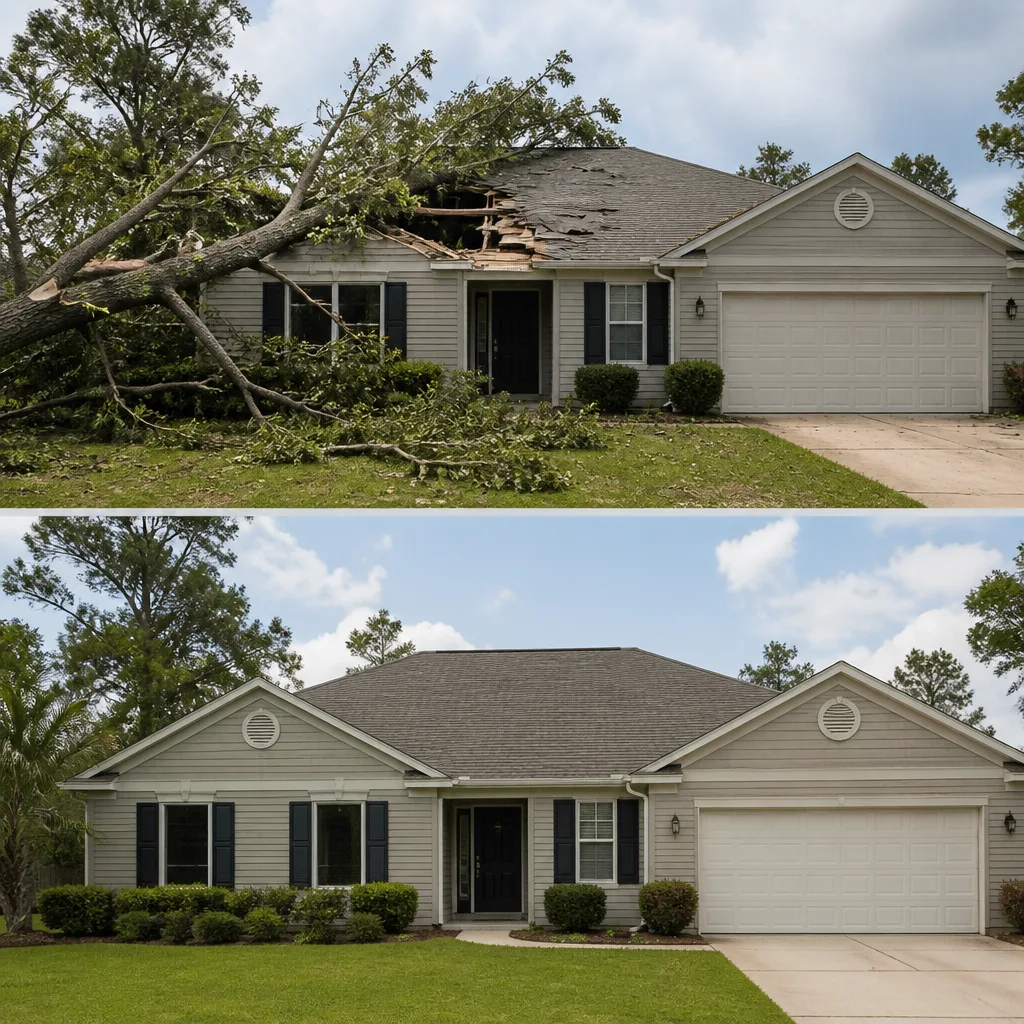


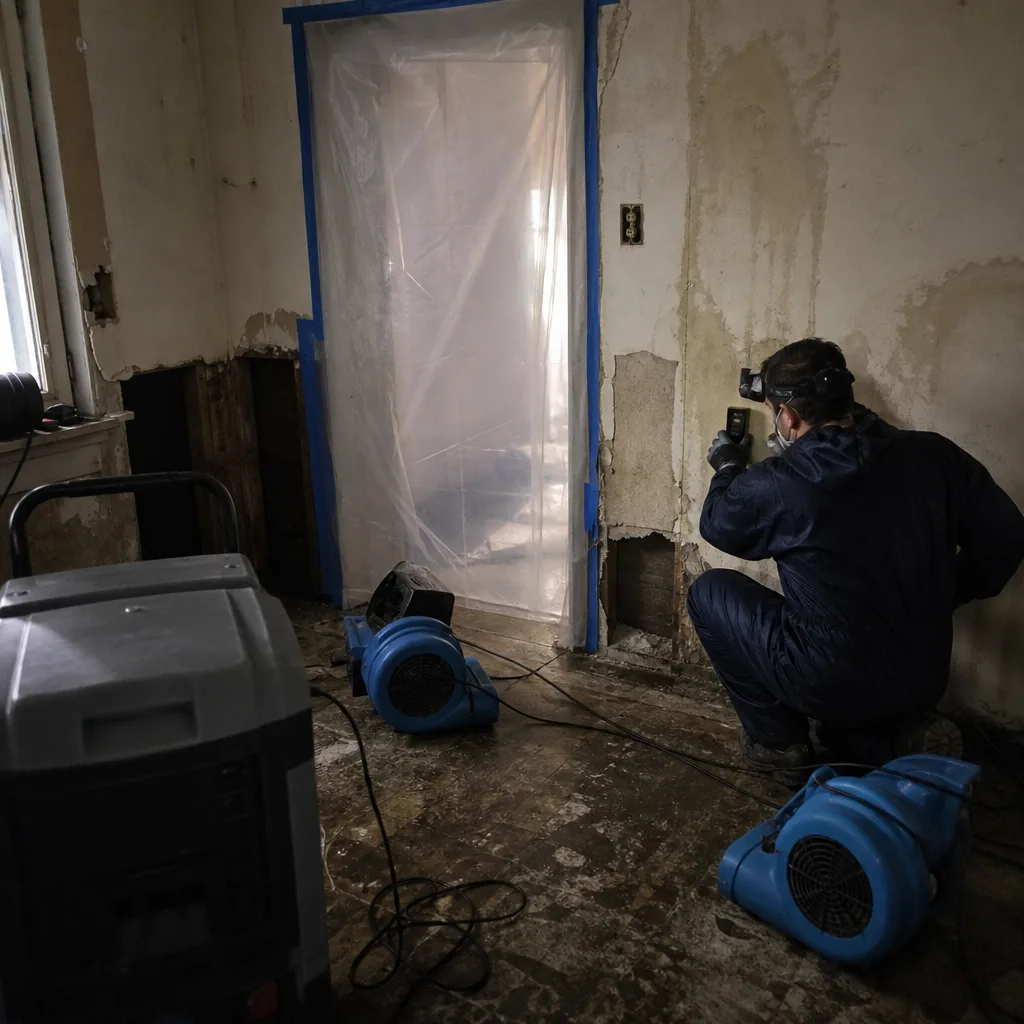 Before
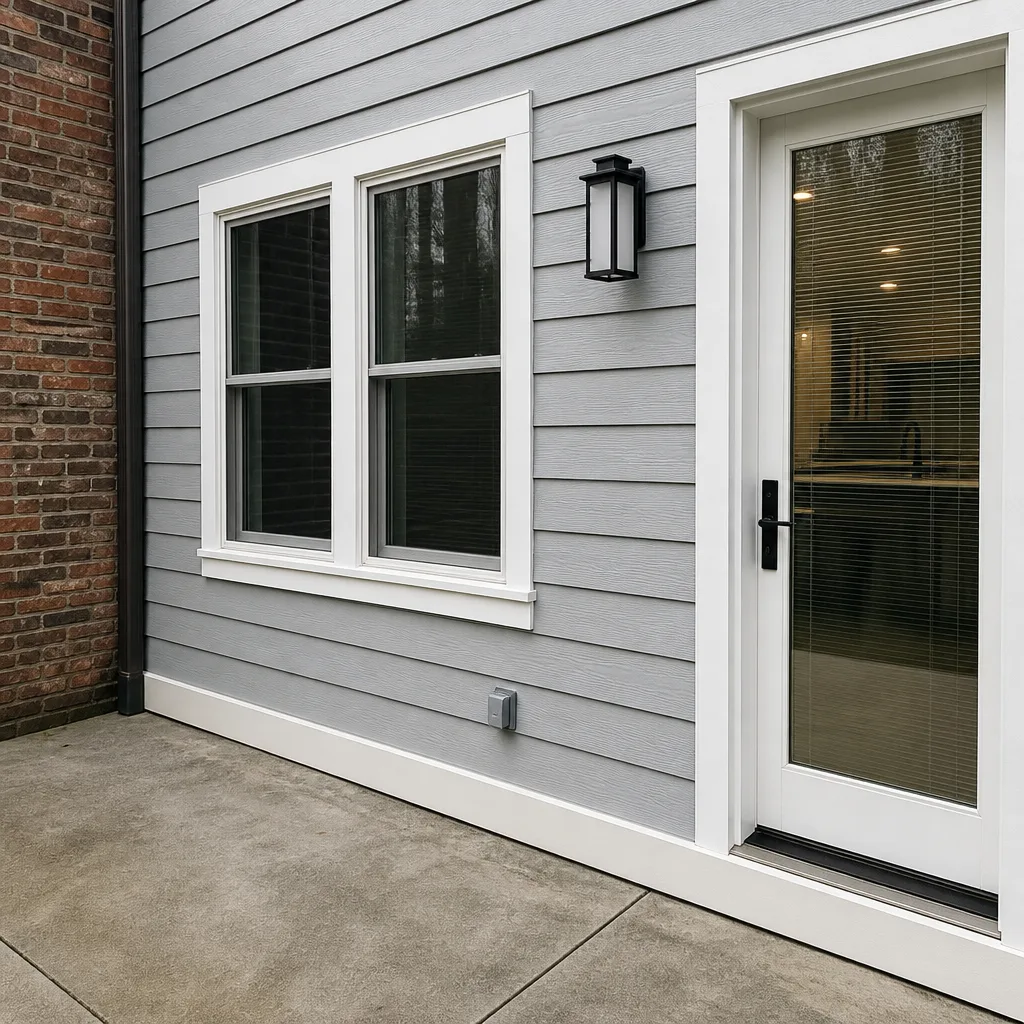 After
After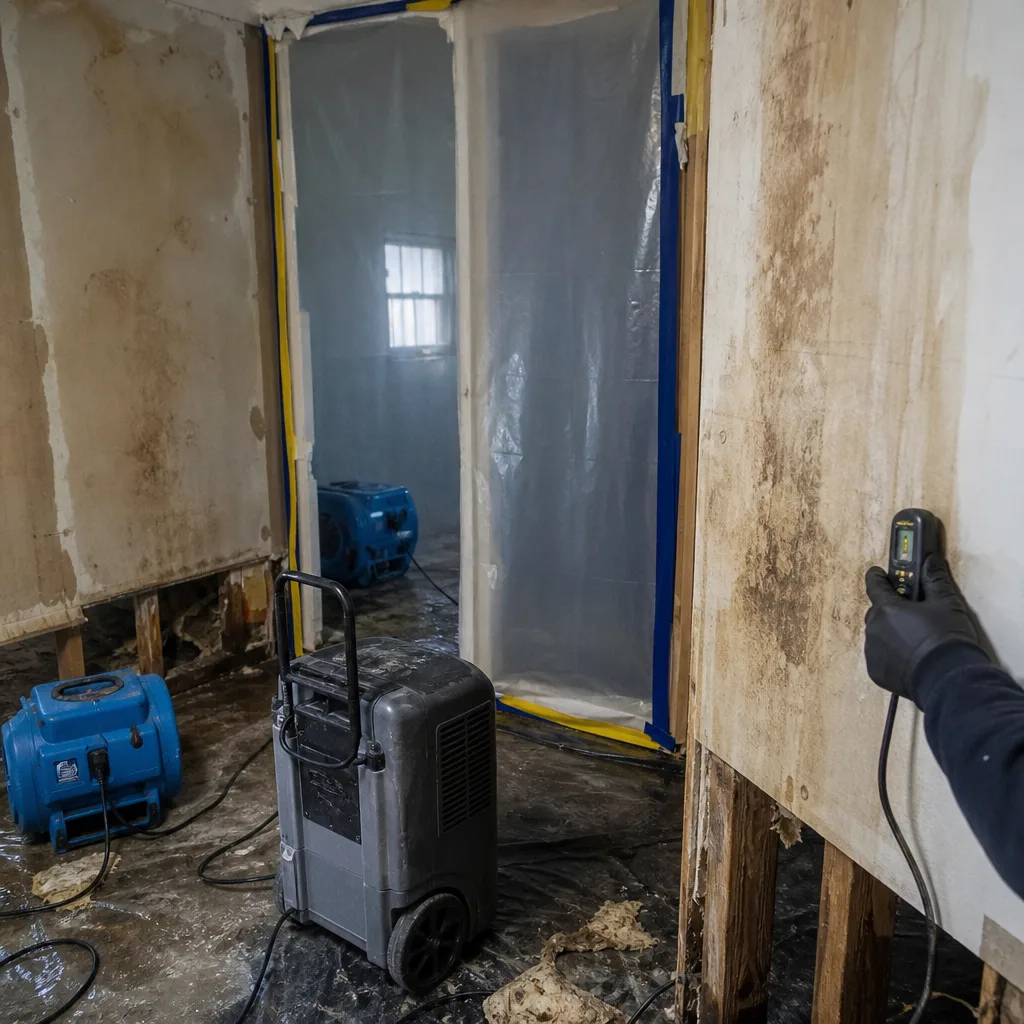 Before
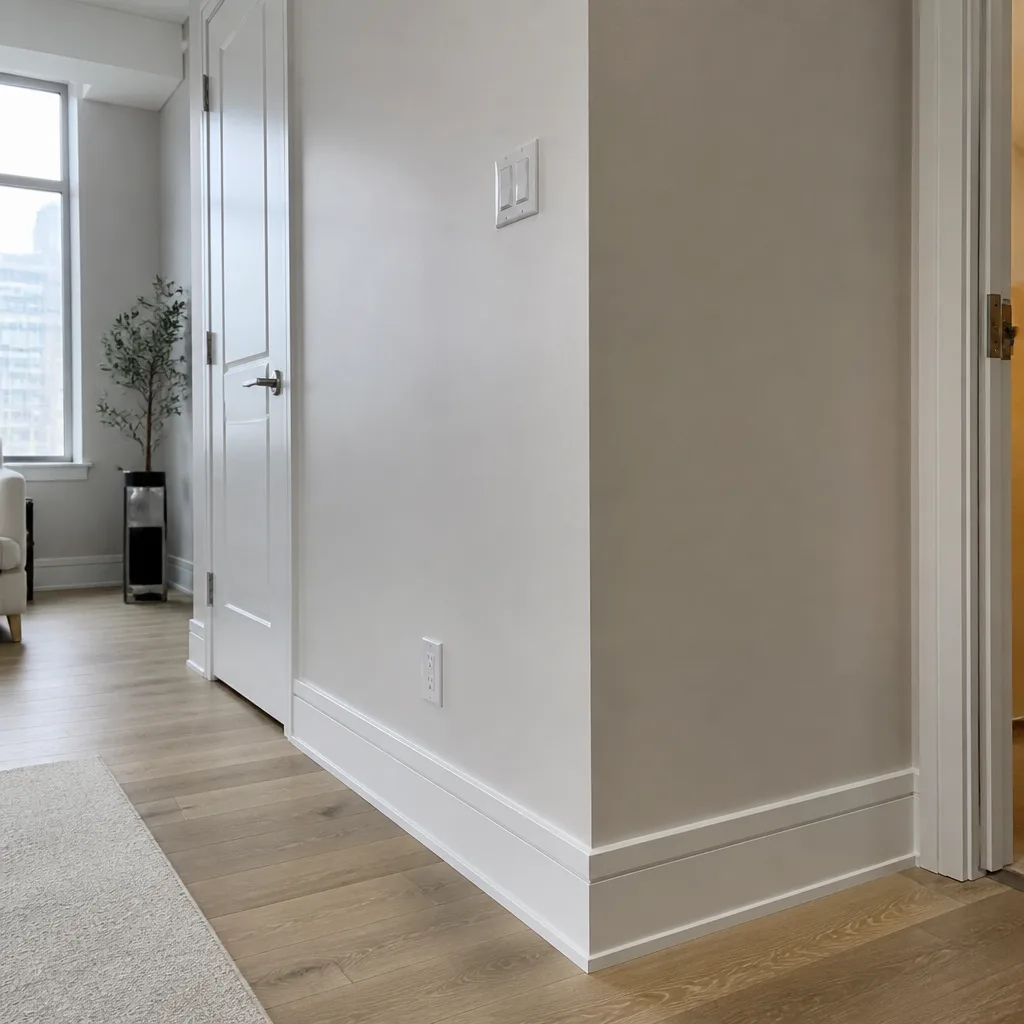 After
After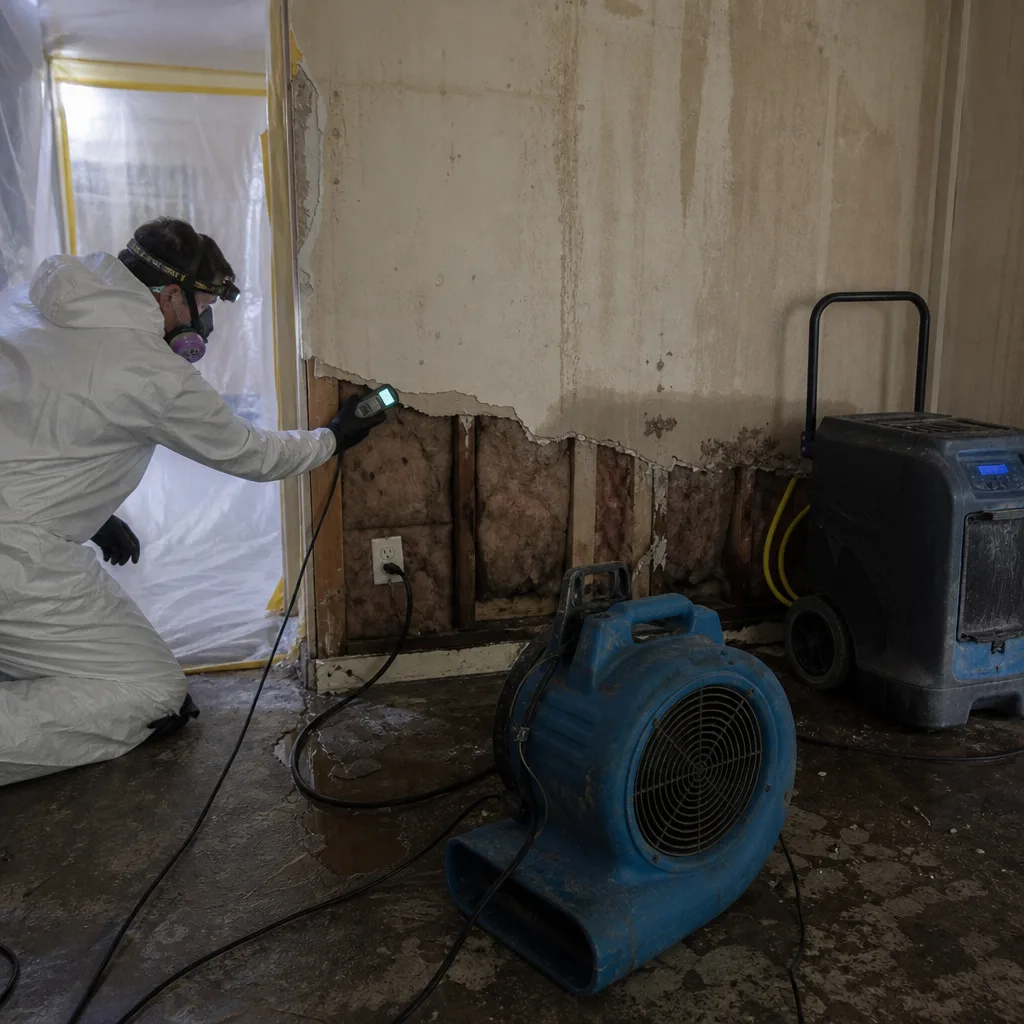 Before
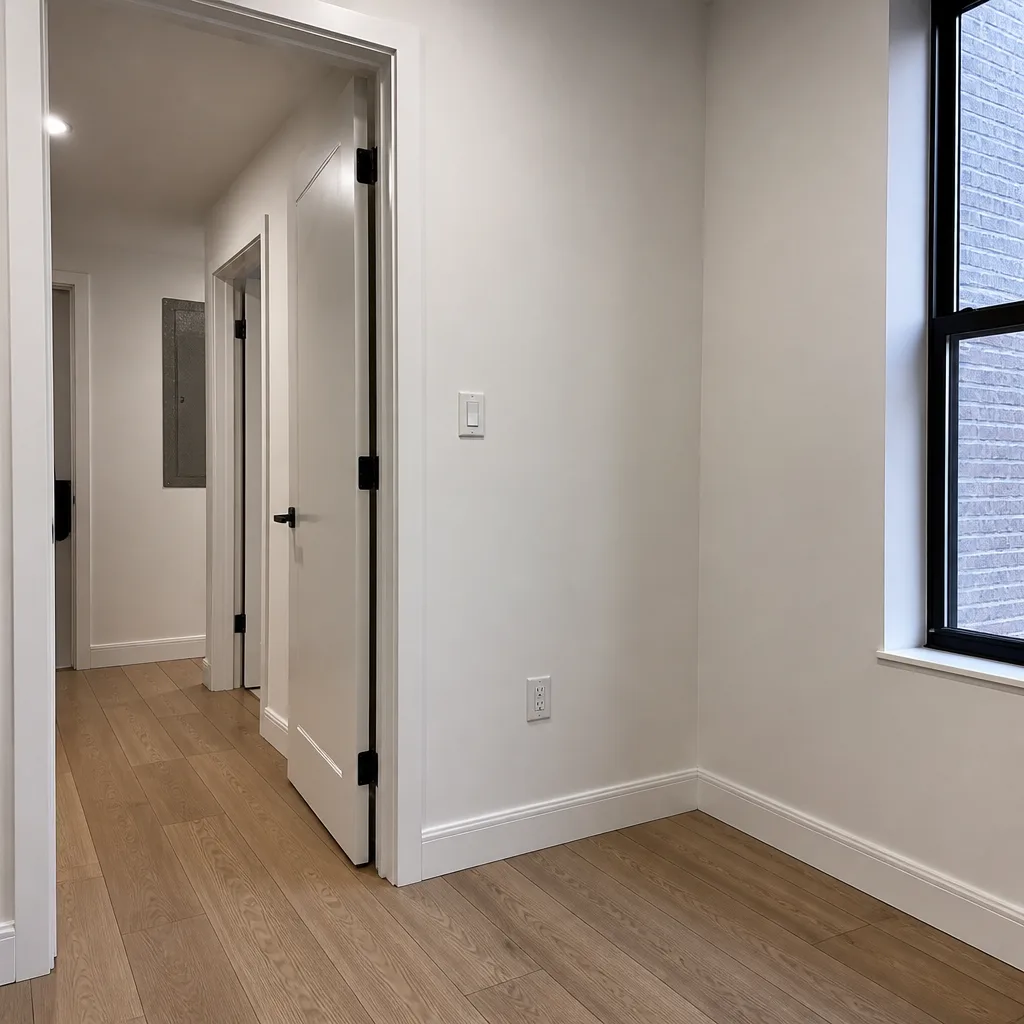 After
After24/7 Emergency Storm & Disaster Restoration in Bedford-Stuyvesant
Storm damage in Bedford-Stuyvesant moves fast, and so do we. When a nor’easter pushes water through a brownstone facade or a summer downpour backs the combined sewer into an English basement, the first hour decides how much of the original plaster, millwork, and framing can be saved. Our crews are on call around the clock, answering live at (518) 663-6491 and dispatching into Bedford-Stuyvesant within 45 minutes. The visual inspection is free, and we start mitigation the same visit so a single event does not become a multi-building repair.
Understanding Storm & Disaster Restoration Severity in Bedford-Stuyvesant Properties
Bedford-Stuyvesant’s attached rowhouses were framed before modern waterproofing and fire separation existed. That changes how severity is judged. A Category 1 leak from a broken supply line becomes Category 2 or 3 water once it passes through a 1910 horsehair-plaster party wall, picking up decades of dust, soot, and latent contamination. Storm-driven water pushing through a deteriorated lime-mortar joint on a Queen Anne facade can travel horizontally through balloon-frame joist bays into the adjoining building before it ever shows as a ceiling stain. We moisture-map every affected room with thermal imaging and pin-type meters, then run structural drying with Dri-Eaz and Phoenix air movers sized to the room, not to a one-size template. In pre-1915 brownstones, the risk is not just the water you can see. It is the water already wicking through original wood lath behind intact-looking plaster, or the Category 3 backflow that entered one basement and is now rising through a shared wall chase into the parlor floor next door.
Why Bedford-Stuyvesant Property Owners Choose Floodline Restoration Co.
- 45-minute response commitment. A live dispatcher confirms the address, mobilizes the nearest crew, and the truck is rolling toward Bedford-Stuyvesant within the hour, not the next morning.
- A real person answers at 2 a.m. Not a recording, not a call-back message. Floodline Restoration Co. has live phone dispatch 24 hours a day, 7 days a week.
- IICRC-certified crews trained to WRT, FSRT, and AMRT standards. Our technicians carry the certifications that matter for water, fire, and mold restoration, not a general handyman card.
- Free visual inspection with a written scope. You see the exact line items and the extent of damage before work begins. No surprise change orders after the crew is inside.
- Direct insurance billing. We document, photograph, and bill your carrier directly. You never play messenger between Floodline and the adjuster.
- One team from extraction to reconstruction. The same certified crew that reads the moisture map on day one handles daily readings, hands the log to you and your carrier, and rebuilds what needs rebuilding.
Our Storm & Disaster Restoration Process
Inspection & Assessment
We walk every affected floor, map moisture behind plaster with thermal imaging, and identify which party walls, joist bays, and pipe chases are carrying water. In a Bed-Stuy rowhouse, that often means inspecting the adjacent building’s side of the shared wall as well. You get a written, line-item scope before any demolition starts.
Extraction & Stabilization
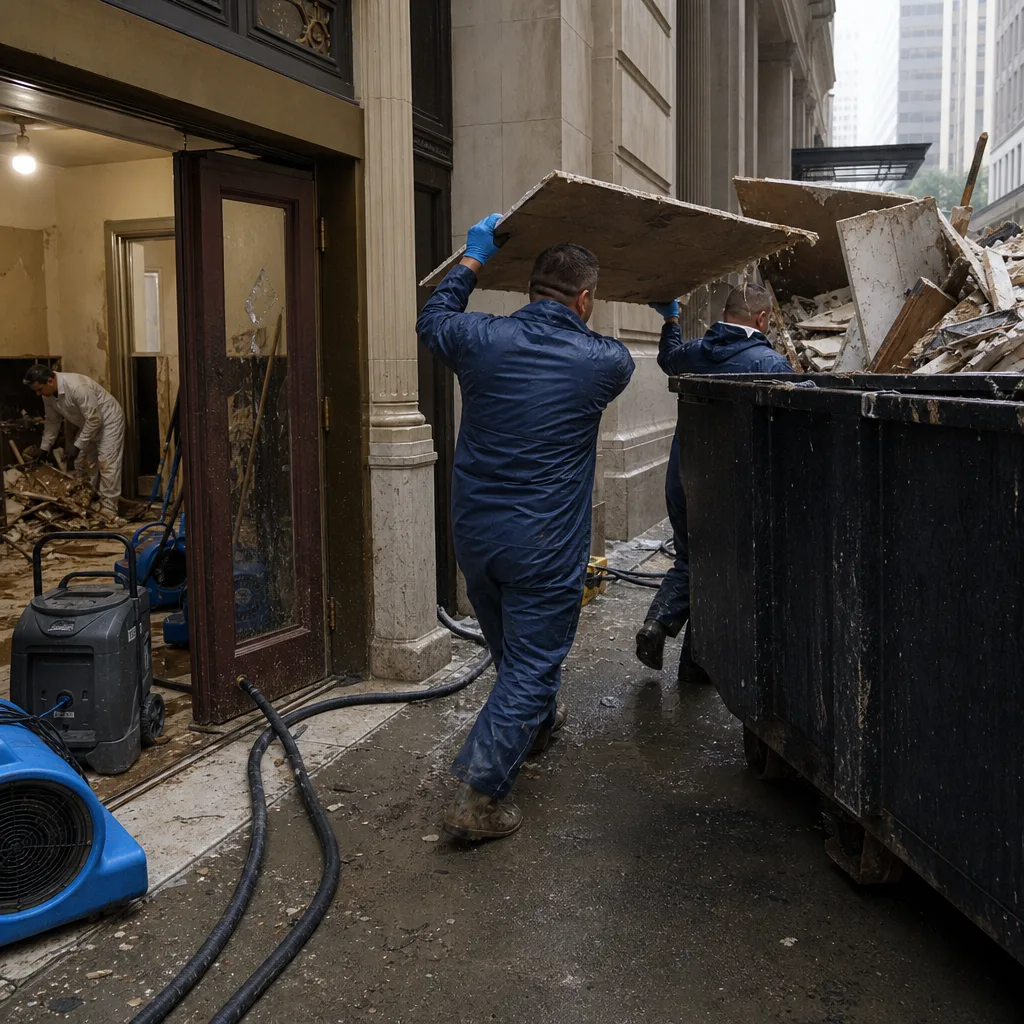
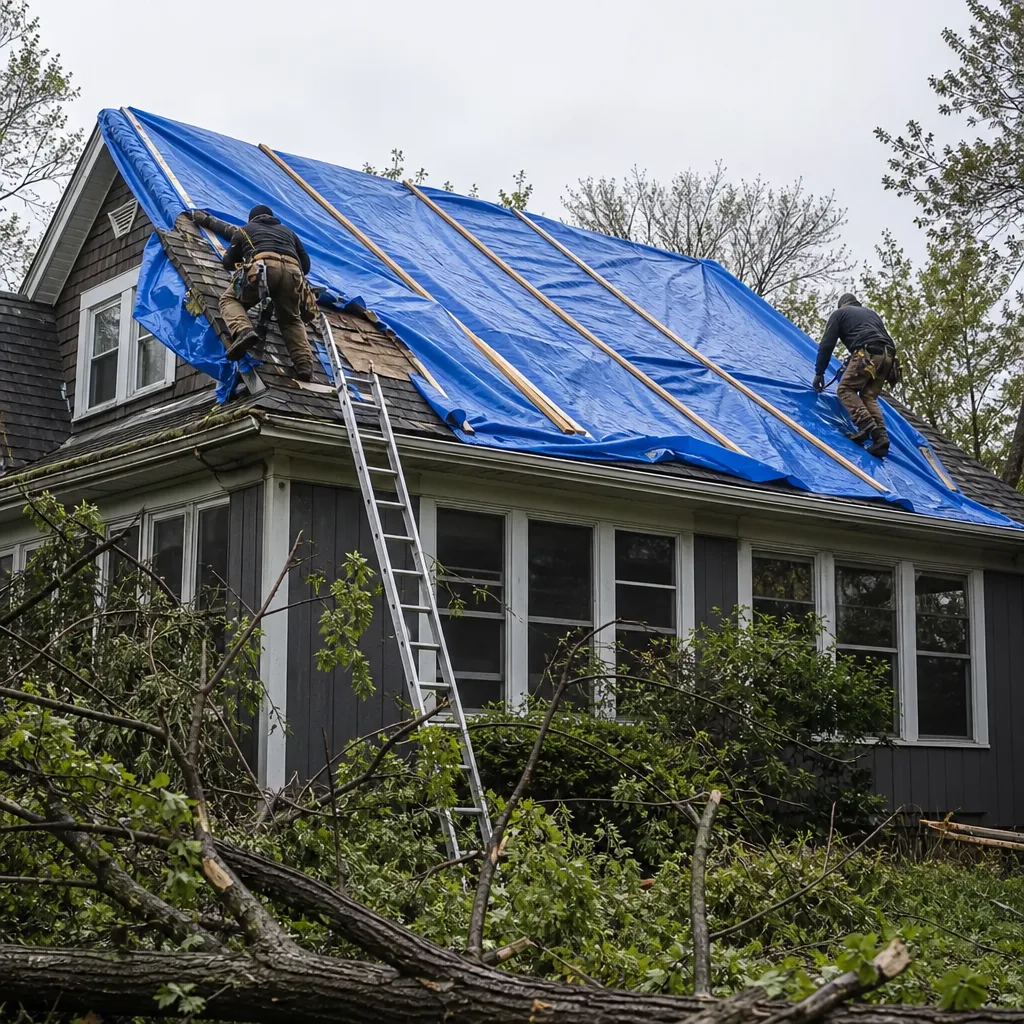
Standing water comes out with truck-mounted extraction units and submersible pumps. We stabilize open areas with emergency board-up and roof tarping so no more weather gets in. For English basements hit by sewer backflow, containment goes up before extraction to keep contaminated aerosols out of the living space.
Drying & Dehumidification
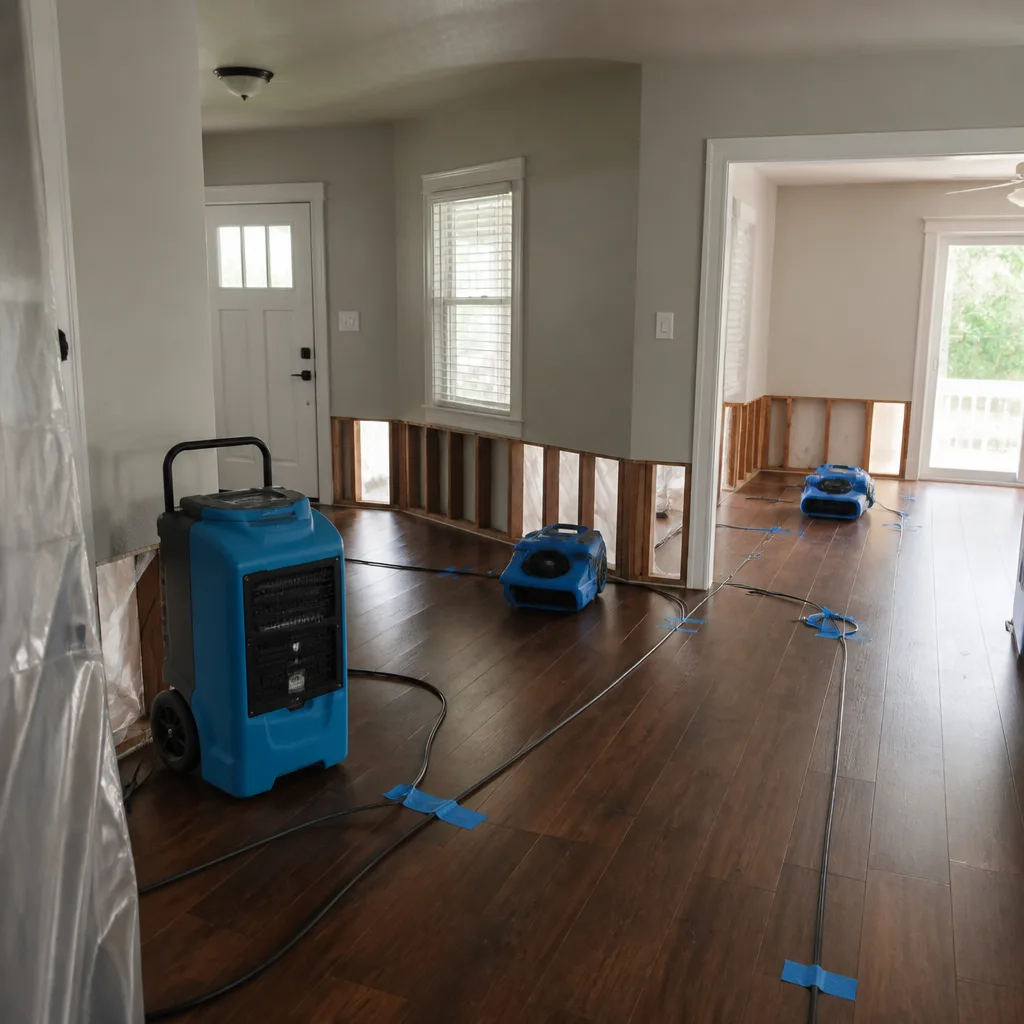
Air movement and desiccant dehumidification are sized to the actual cubic footage and the materials involved. Dri-Eaz and Phoenix air movers run inside contained zones, while Injectidry drying mats pull water from saturated plaster walls and hardwood floors. Daily hygrometer readings are logged until the dry standard is met and verified.
Cleaning & Sanitization
Contaminated surfaces get HEPA vacuuming and antimicrobial treatment appropriate to the water category. Original tin ceilings, plaster cornices, and salvaged millwork are cleaned in place where possible, never ripped out as a shortcut.
Storm-Specific Treatment
For storm and disaster events, this phase includes wind damage assessment, temporary shoring if needed, and documentation of facade failures, roof breaches, and water migration paths. We photograph everything before, during, and after mitigation, room by room, for your carrier.
Repairs & Restoration
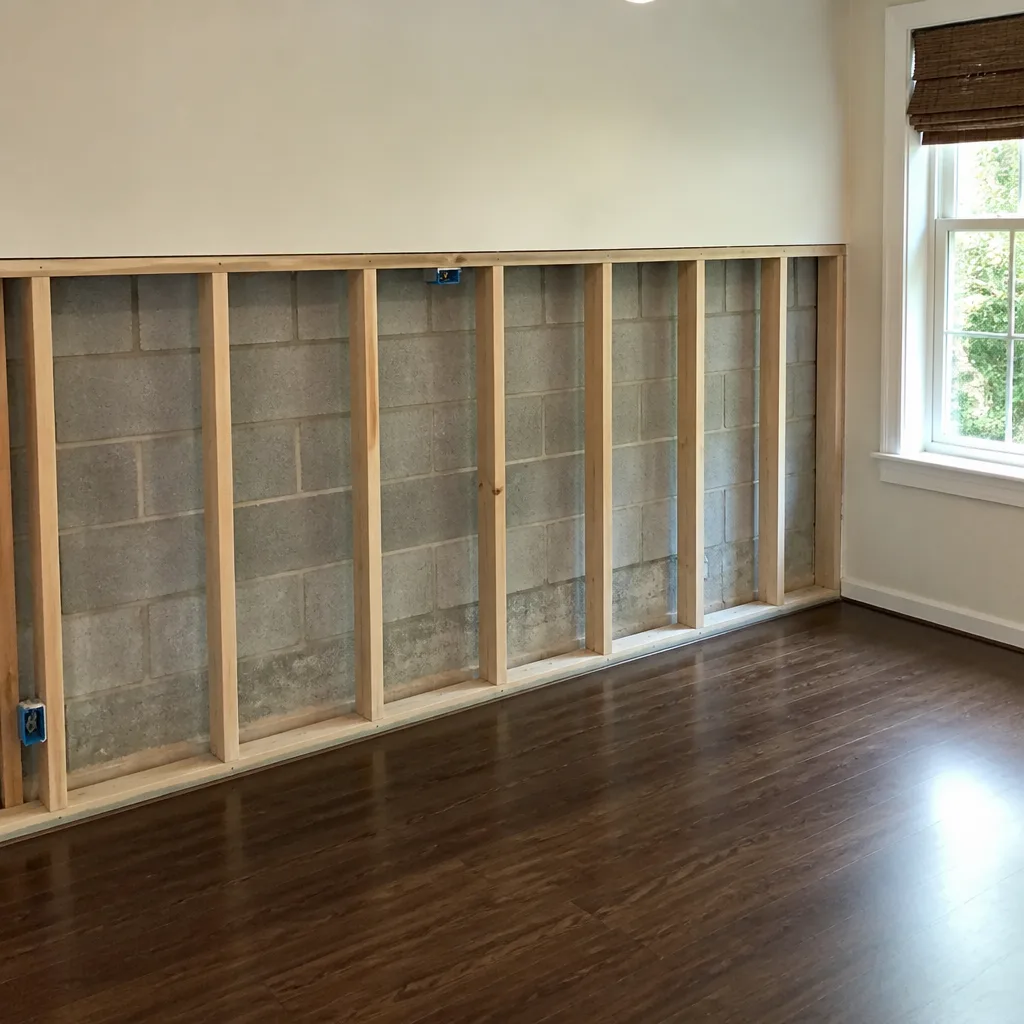
The same crew rebuilds damaged sections with materials matched to the pre-loss condition of your rowhouse. That means in-kind plaster over wood lath, salvaged millwork, and historically appropriate roof systems, not modern drywall slapped over a 1905 wall. Everything is backed by the 90-Day Done Right Promise in writing.
Need Emergency Storm & Disaster Restoration in Bedford-Stuyvesant Now?
Crews minutes away, answering live 24 hours a day. The sooner we start, the less it costs.
Working With Your Insurance Company
Insurance claims in Bedford-Stuyvesant are rarely simple. When one storm water event affects two or three units in an attached row, the adjusters from different carriers arrive with different scopes and different opinions about who owes what. Our job is to make the documentation so clear that those arguments settle themselves. We photograph every room from the first hour, log moisture readings daily, and estimate the work in the exact line-item format carriers expect. Then we coordinate directly with your adjuster, providing the backup they need to approve the full scope. You receive a copy of everything, and you never get left holding a bill while two insurers debate a shared party wall.
What We Provide Your Insurer
- Thorough documentation of the loss
- Photos of all damage, room by room
- Moisture readings and drying logs
- A detailed, line-item scope of work
- Direct coordination with your carrier
Built for Bedford-Stuyvesant’s Loss Calendar
Bed-Stuy’s storm losses follow a pattern that anyone who has lived here twenty years recognizes. January and February bring the deep freeze that splits original cast-iron supply lines behind the kitchen wall, and the water runs down through three floors before anyone notices a pressure drop. March’s thaw sends meltwater against unreinforced masonry facades, finding every rotted lintel and open mortar joint in the brownstone. Summer thunderstorms overload the combined sewer, and the backflow valve in an English basement lets go at 3 a.m. October and November bring nor’easters that peel sections of built-up tar from flat rowhouse roofs and send water through three ceilings at once. The freeze-thaw cycles that cross 32°F repeatedly each winter are the hardest on porous sandstone and old lime mortar. Each cycle widens a crack by a millimeter or two, and by the time a storm arrives, the path for water is already open. Floodline Restoration’s Storm & Disaster Restoration team has seen every one of these events on Bed-Stuy blocks, and the calendar above tells us what to expect before the call comes in.
Storm & Disaster Restoration Across Bedford-Stuyvesant’s Neighborhoods
The blocks east of Nostrand Avenue between Fulton and Atlantic run heavy with Romanesque Revival rowhouses from the 1890s, and their original built-up tar roofs are now thirty and forty years past any reasonable service life. A wind event on those blocks means roof tarping first, then a full moisture survey of the top-floor plaster. Over along Gates Avenue and the side streets running north from it, the housing stock trends a decade older, with more original cast-iron drain lines and more English basements below grade. Those are the backflow calls in a summer storm. Down toward Fulton Street and the commercial corridors, mixed-use buildings with storefronts at grade present a different challenge: storm water from a failed roof membrane can chase through original pipe chases into the retail space while the apartments above stay dry, leaving two tenants and one frustrated owner. Around Herbert Von King Park and the blocks west of Marcus Garvey Boulevard, the brownstone facades face more open exposure to prevailing winds, and parapet failures are the common storm casualty. The point is not that one block is safer than another. It is that every block has a specific way water, wind, and age combine, and you need a crew that knows the difference.
Specialized Storm & Disaster Restoration Services We Offer in Bedford-Stuyvesant
Flood Damage Restoration
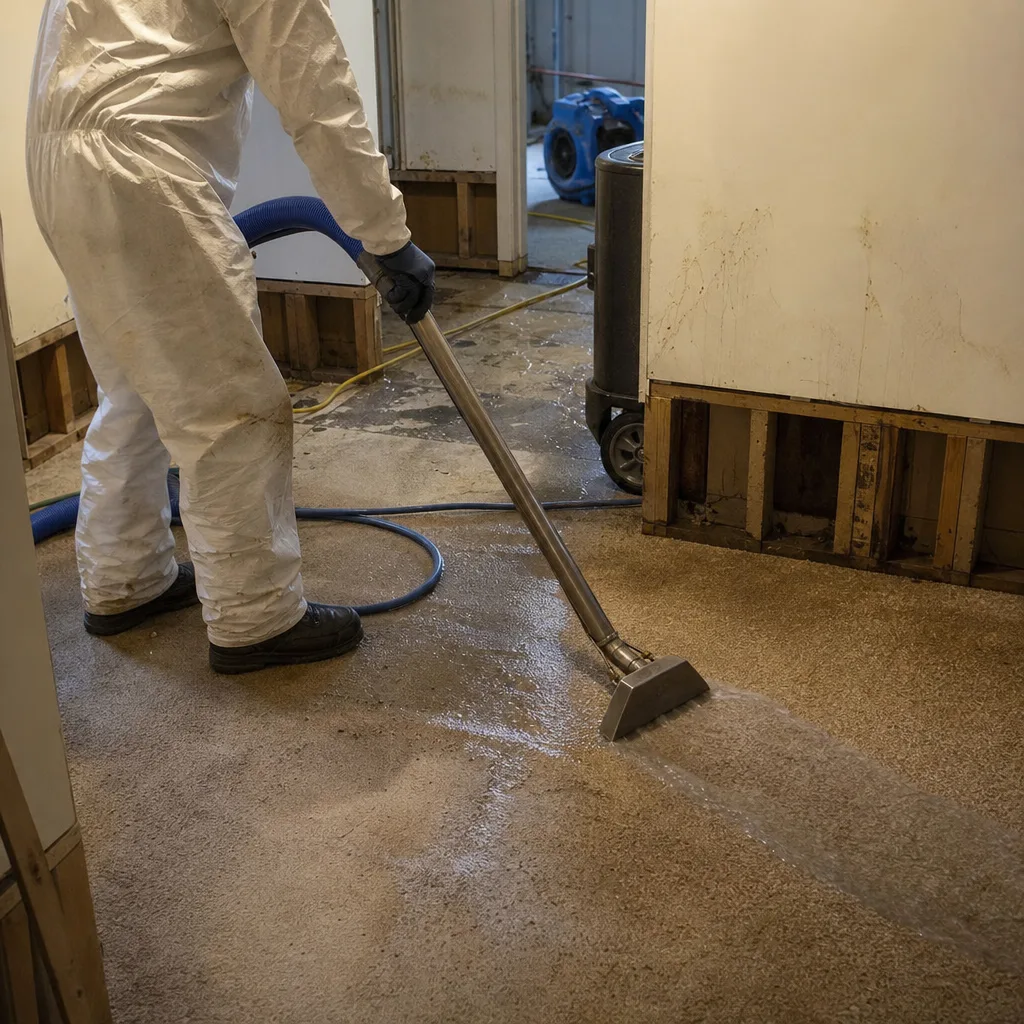
A flooded English basement in Bed-Stuy is rarely a one-unit problem. When the combined sewer backs up through a floor drain, the contaminated water fills the original slab-on-grade space, then wicks up through the horsehair plaster walls shared with the neighboring building. We extract within the hour, set containment, and run structural drying with Injectidry mats against the party walls while the dry standard is tracked daily. The scope covers the full migration path, not just the square footage of the visible puddle.
Storm Damage Cleanup
After a nor’easter or summer microburst, the damage on a Bed-Stuy block is scattered: downed limbs against a Queen Anne cornice, a section of slate pulled from a recessed roof, water streaming through an opened masonry joint above a parlor window. We clean up the debris, document the storm-specific damage for your carrier, and stabilize the building envelope before secondary damage sets in.
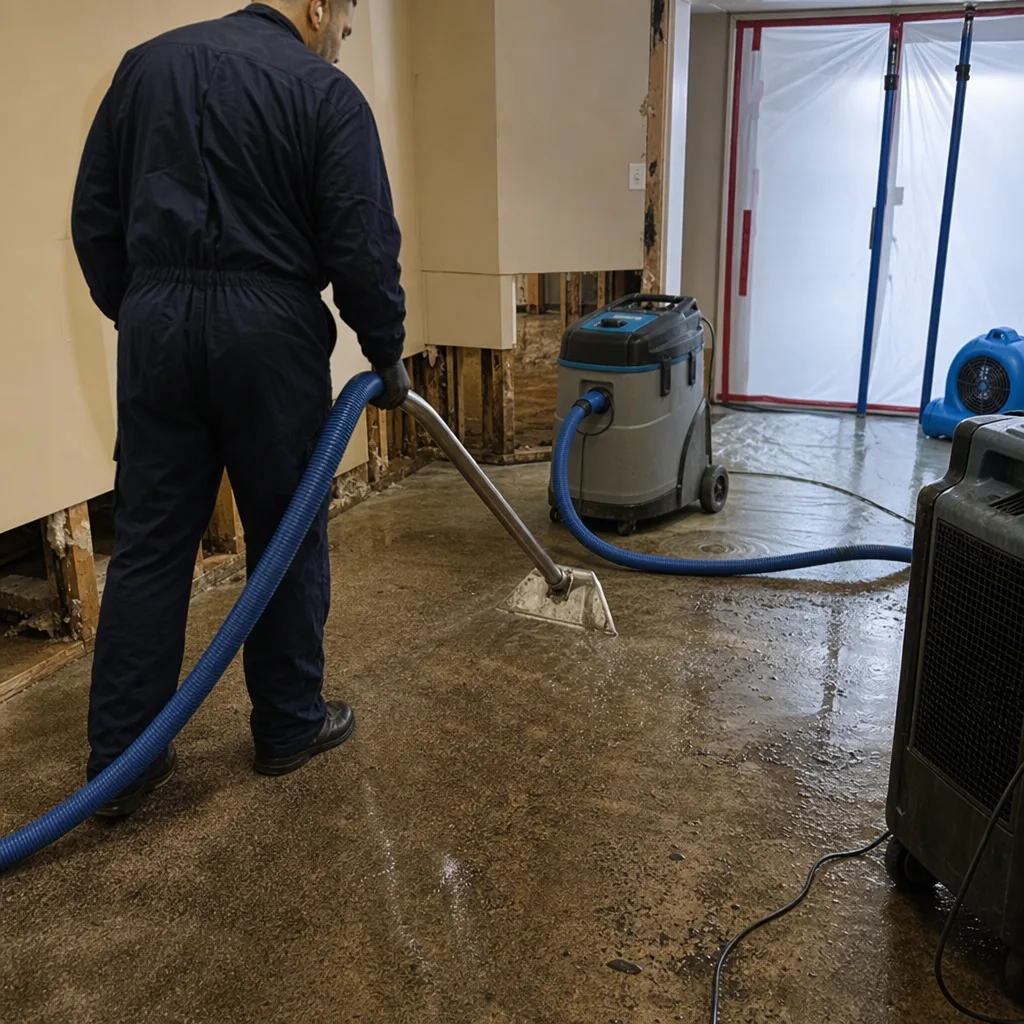
Emergency Board-Up
When wind-driven debris knocks out a parlor window or a storm tears a roof hatch open, the building is exposed. We board up the opening the same visit, using weather-sealed plywood and fastening methods that do not damage original millwork or masonry. The goal is not a patch that holds until Monday. It is a secure envelope that prevents looting, animals, and more weather from getting in.
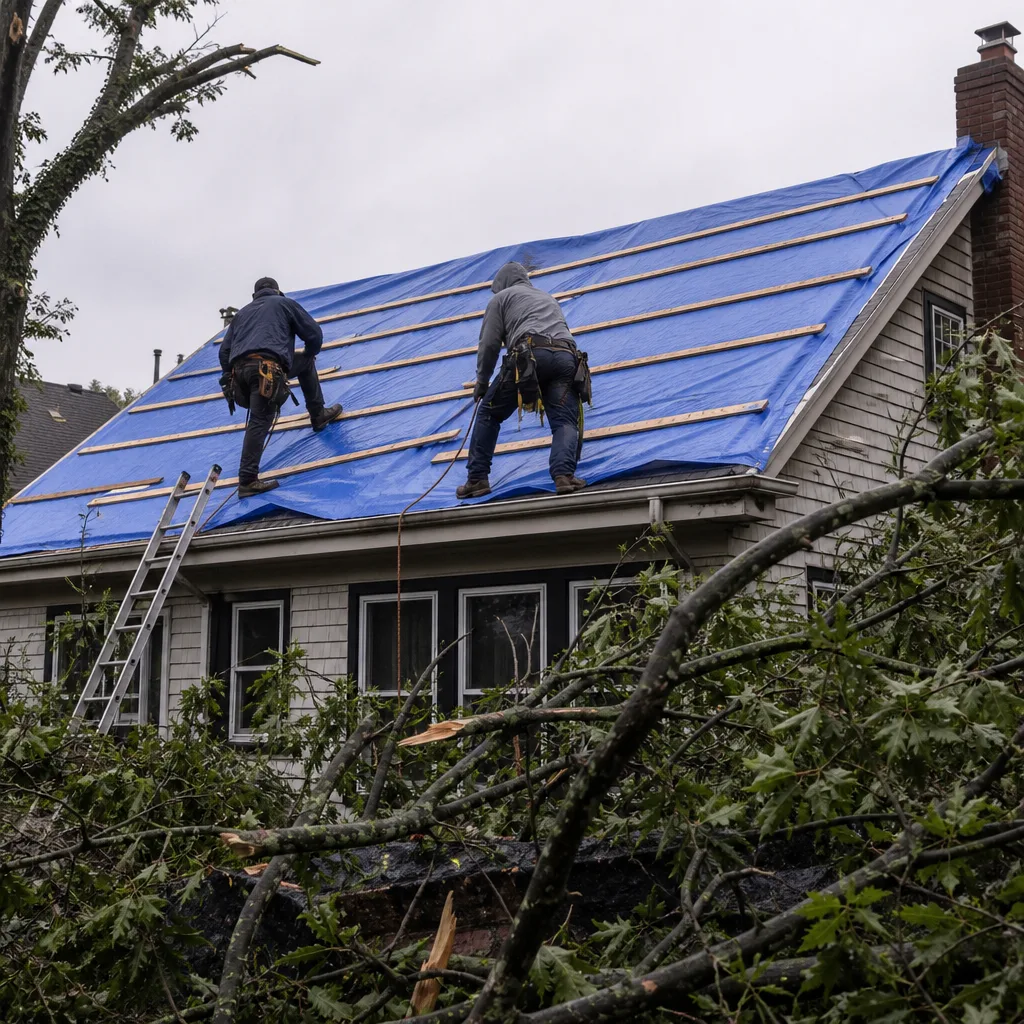
Roof Tarping
Bed-Stuy’s flat and low-slope rowhouse roofs are the first thing a storm finds. We tarp breached sections with heavy-gauge materials anchored to prevent lift, then schedule a full inspection of the built-up tar or slate system underneath. The tarp buys time. The real repair is scoped and scheduled properly, in writing, with your carrier on the same page.
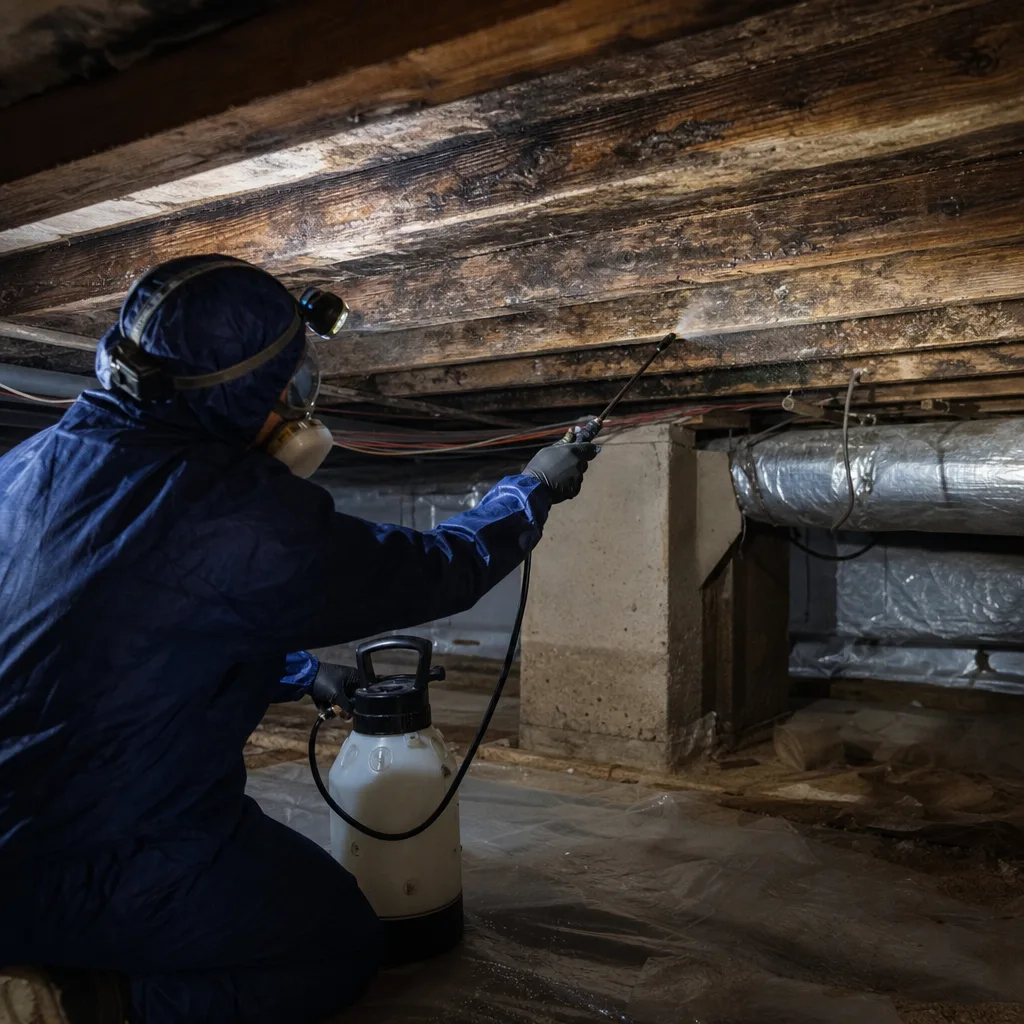
Debris Removal
Storm debris on Bed-Stuy sidewalks and areaways is a liability and a tripping hazard, and it also traps moisture against the foundation. Our crews clear fallen limbs, broken glass, saturated drywall, and wind-scattered materials from the property, documenting everything for the claim as we go.
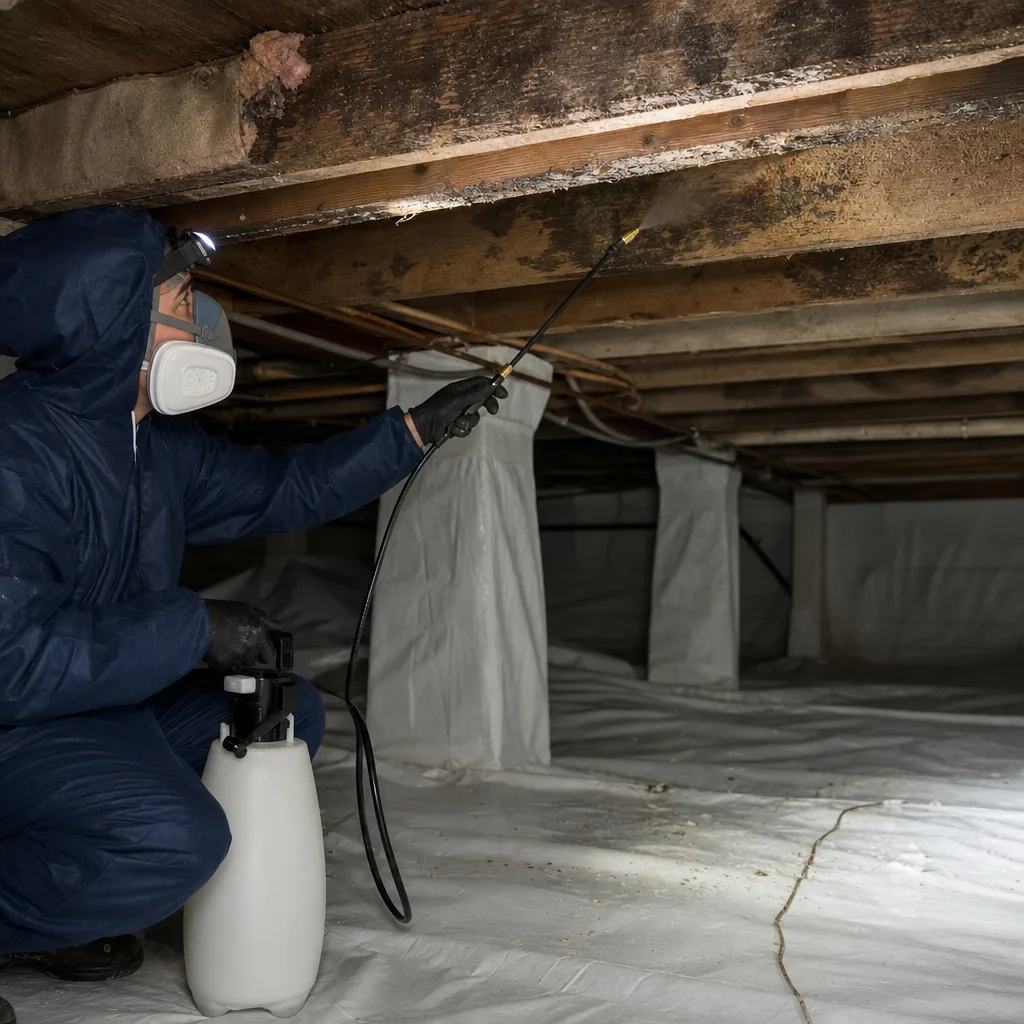
What happens when you call
- 1
A real person answersNo phone trees - you reach a local pro.
- 2
You get an upfront price rangeHonest numbers before anyone is dispatched.
- 3
A background-checked tech heads outLicensed & insured, dispatched right away.
- 4
You approve before work beginsNothing starts until you say go.
Storm & Disaster Restoration Costs in Bedford-Stuyvesant, NY
In Bedford-Stuyvesant, the price of storm restoration depends on the water category, the number of affected floors, and whether shared party walls are involved. A straightforward Category 1 kitchen leak with extraction and targeted drying on one floor typically runs $2,800 to $5,500. A Category 3 backflow event in an English basement with containment, full extraction, and structural drying of two adjoining party walls usually lands between $6,000 and $14,000. Roof tarping after a storm runs $450 to $1,200 as a stabilization measure, with the full roof repair scoped separately. Emergency board-up for a broken parlor window or door is $350 to $900. What moves the price most in this neighborhood is the age of the building: original horsehair plaster retains far more water than drywall, old balloon framing requires more access points to dry correctly, and in-kind restoration of tin ceilings or plaster cornices costs more than replacement with modern materials. Call (518) 663-6491 for a free visual inspection and a firm written scope. The estimate is free, and there is no obligation to proceed.
We Also Serve Cities Near Bedford-Stuyvesant
Floodline Restoration Co. runs the same certified crews and the same written-scope process into the surrounding New York City neighborhoods. If your storm call comes from Financial District, Lower Manhattan, Washington Square, or Brooklyn Heights, the phone answer is still live, the inspection is still free, and the 90-Day Done Right Promise still applies.
Serving Bedford-Stuyvesant, NY - Our Local Coverage Area
We’re based in the Bedford-Stuyvesant area and know this community well. Use the map below to see our service coverage - if you’re nearby, we can almost certainly help.
Bedford-Stuyvesant Storm & Disaster Restoration Questions, Answered
How do you handle water extraction when a pipe burst in one Bed-Stuy rowhouse has saturated the shared party wall into the next building?
We treat it as a two-property event from the first inspection. The burst pipe is Category 1 at its source, but the water that has passed through a 1910 horsehair-plaster party wall is reclassified based on what it picked up along the way. We map moisture on both sides of the wall, set containment in both units if needed, and run structural drying across the shared assembly until both sides reach dry standard. The documentation covers both addresses and both carriers so no one is left arguing about who pays for the party wall. Call (518) 663-6491 and we will coordinate access on both sides.
Can you restore original tin ceilings and plaster cornices after a storm-driven roof leak in an 1880s row house, or will they just be replaced with drywall?
We restore them in kind. Tin ceilings can be cleaned, de-scaled, and re-patinated. Plaster cornices and moldings are repaired with lime-based plaster matched to the original mix, not covered over or ripped out. The owner sets the standard for the finish, and the work is scoped and priced accordingly. If an insurance carrier suggests replacement with modern materials, we provide the documentation and the in-kind estimate to support your claim for like-for-like restoration.
How fast do we need to start mitigation after a storm floods our English basement in Bed-Stuy?
Within hours, not days. In an English basement below grade, Category 3 water from a sewer surcharge is already wicking through original plaster walls and into adjacent framing by the time the storm passes. The longer it sits, the deeper the contaminated water moves into the building materials, and the more demolition is required to reach dry, sound structure. Call (518) 663-6491 the moment the water shows up. Extraction starts the same visit.
A neighbor’s contained kitchen fire migrated through the party wall into our building. Who handles restoration between the two properties?
One restoration contractor should handle both properties. Pre-1915 Bed-Stuy rowhouses share unreinforced masonry party walls with no modern fire-rated separation, and smoke and heat move through original balloon-frame joist bays and pipe chases across the property line. We document both sides of the shared wall, scope the work for each address separately, and bill each carrier for its respective portion. One team, two scopes, no finger-pointing between neighbors.
Do you use a category system for flood water, and does the category change how you restore original plaster in a Bed-Stuy brownstone?
Yes, we use the IICRC water category system. Category 1 is clean water from a supply line. Category 2 contains significant contamination. Category 3 is grossly contaminated water from sewer backflow, street flooding, or a long-stagnant leak. The category determines the level of containment, the antimicrobial treatment, and whether the original plaster must be removed or can be dried in place. In an old brownstone, we make every effort to keep original plaster and wood lath; the category tells us when that is not safe to do.
How long does structural drying take in an attached Bed-Stuy rowhouse?
Three to five days is typical for a single-floor event with proper equipment. A party-wall saturation or a multi-floor Category 3 flood can run seven to ten days. The dry standard is a moisture-content reading that matches the building’s pre-loss baseline, not a number on a timer. We hand you the daily log so you and your adjuster can see the curve coming down.
Will insurance cover storm damage restoration on a Bed-Stuy brownstone?
Most standard homeowner and landlord policies cover sudden and accidental storm damage, including wind-driven water intrusion and backflow from a sewer surcharge if the appropriate endorsement is in place. The challenge is proving the scope. Our photo documentation, moisture maps, and line-item estimates are built to make adjuster approval straightforward. We bill the carrier directly and coordinate the claim from the first day.
What should we do in the first 30 minutes after storm water enters our Bed-Stuy rowhouse?
Turn off the electricity to the affected area if you can do so safely. Move valuables and furniture off wet floors. Do not enter standing water in a basement; it may be energized or contaminated. Then call (518) 663-6491. The live dispatcher will walk you through the next steps while the crew is already rolling toward Bedford-Stuyvesant. Do not use a shop vac on Category 3 water and do not open walls to investigate; leave that to us.
One more thing about storm damage in Bedford-Stuyvesant that most contractors will not tell you. The biggest claim we walk into is not the flash flood. It is the slow leak that has been running behind intact-looking horsehair plaster for weeks or months, working its way through original wood lath and into the balloon-framed joists. The plaster looks fine. The paint is not even bubbling. But behind it, the framing is losing structural integrity every day the moisture sits. That is why we never skip moisture mapping, and why we never trust a wall that looks dry. In a pre-1915 rowhouse, the water is usually where you cannot see it.
For a free visual inspection and a written scope from Storm & Disaster Restoration in Bedford-Stuyvesant crews who know these buildings, call (518) 663-6491 anytime. A live person answers.
Written by Curt Bowman, Owner at Floodline Restoration Co., serving Bedford-Stuyvesant with certified storm and disaster restoration crews.