
Free visual inspection and a written scope of work before any mitigation begins - photos, moisture readings, and drying logs go in your claim file
The scope we write is the scope we bill. Anything new gets shown to you, in writing, before we touch it.
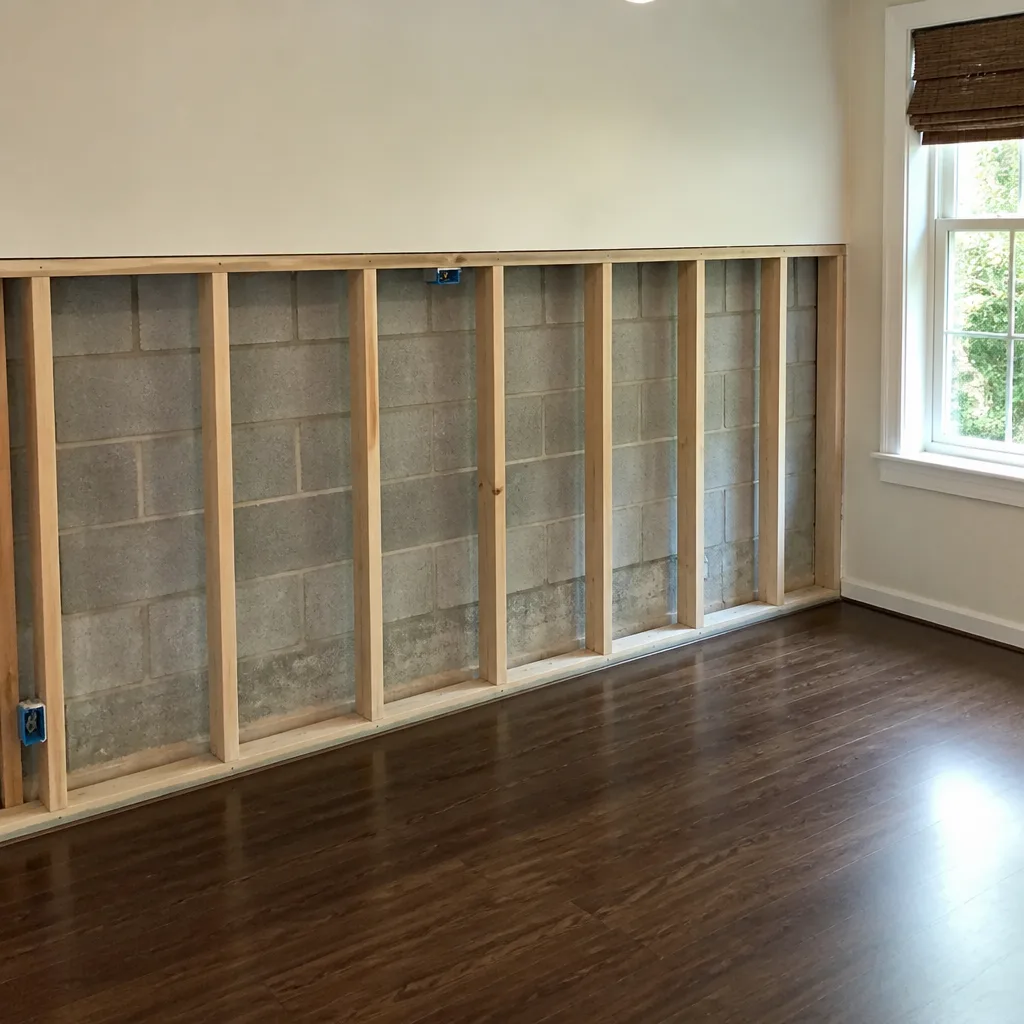
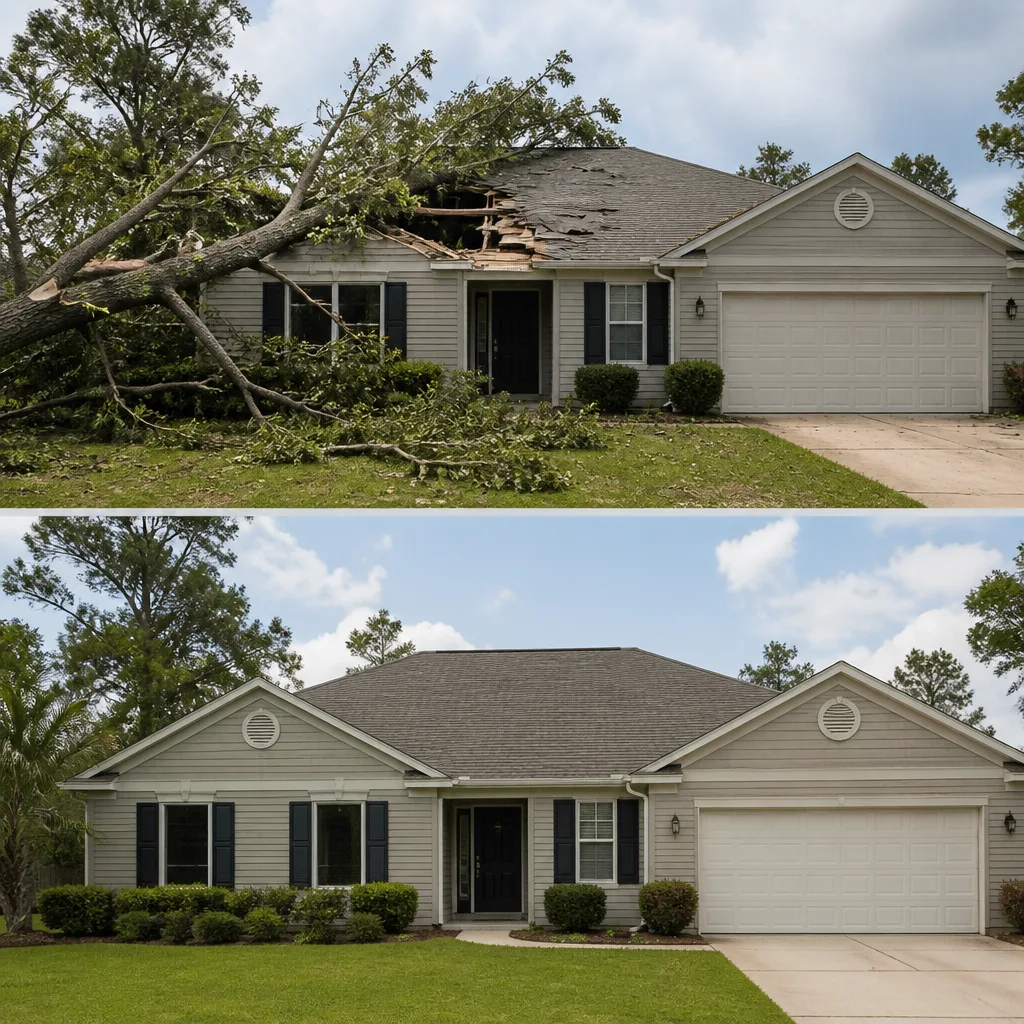
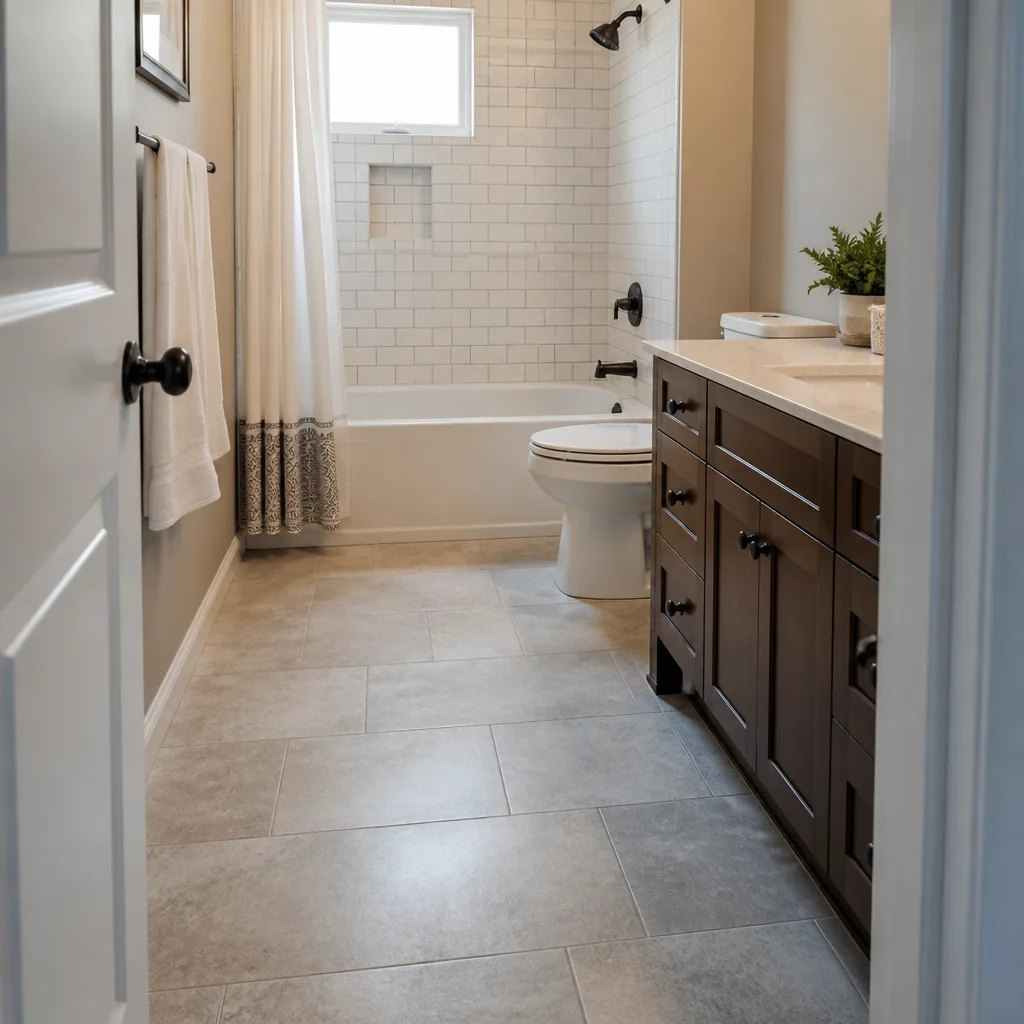
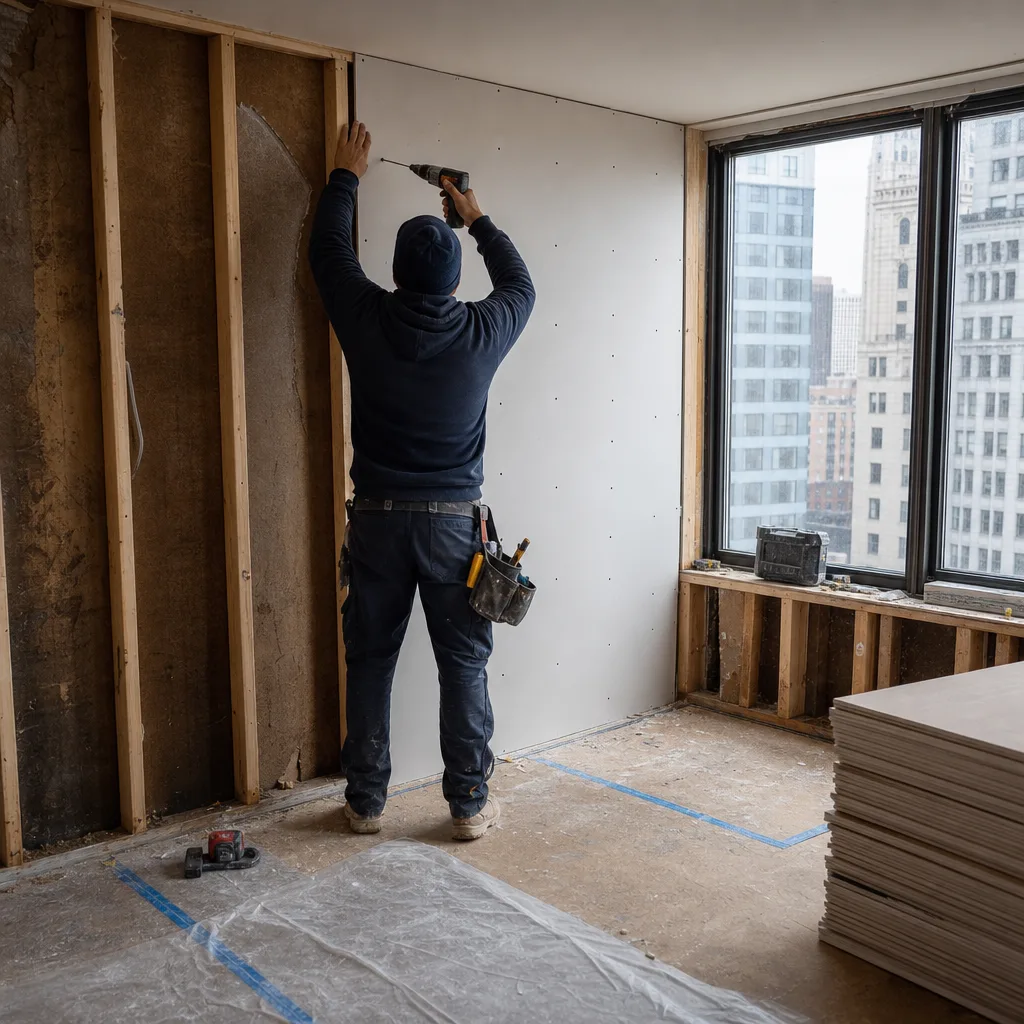
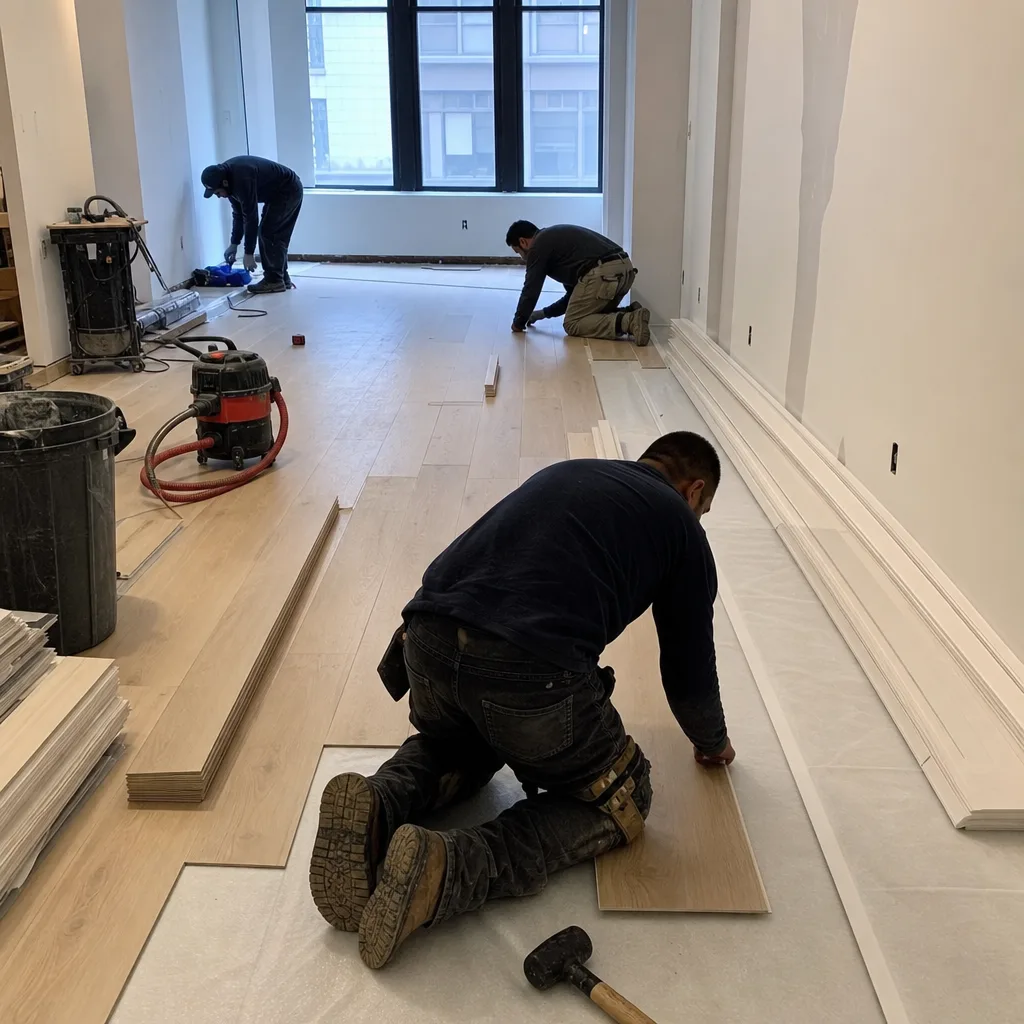
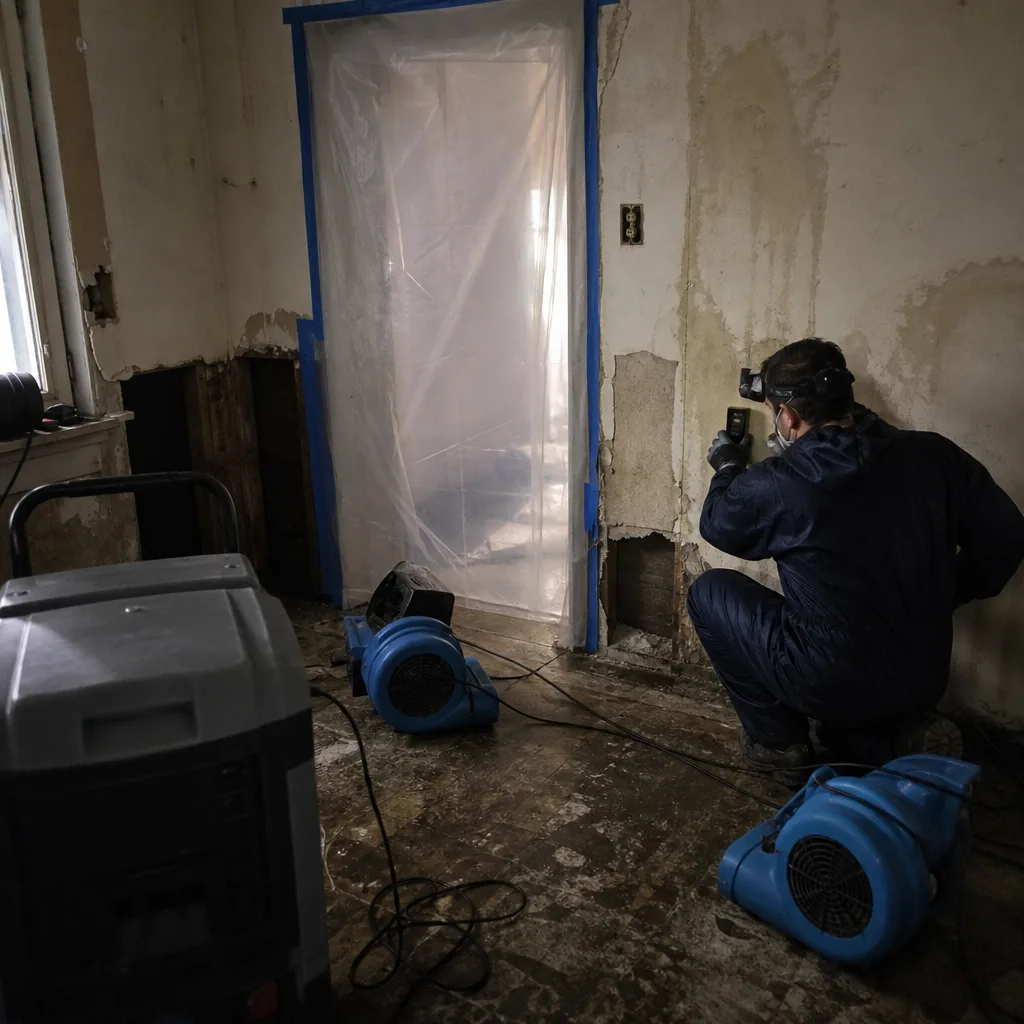 Before
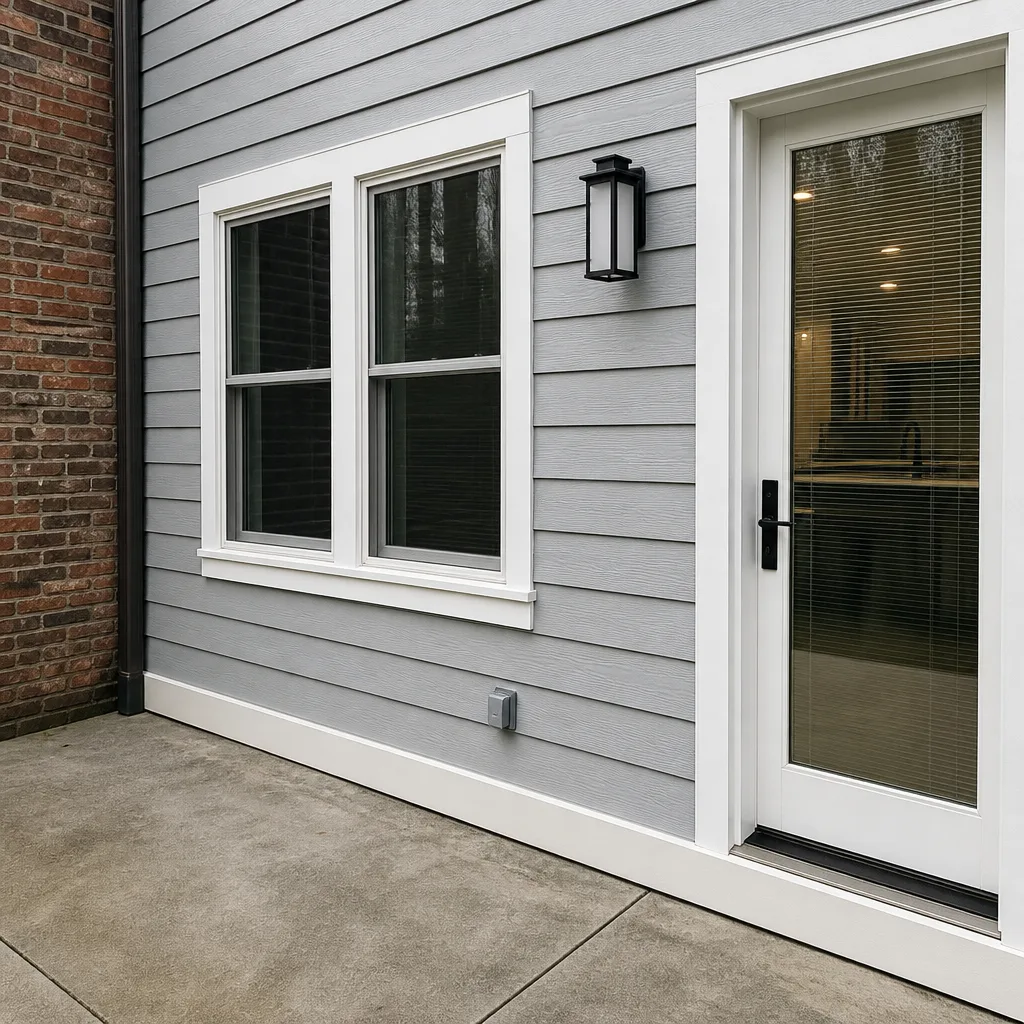 After
After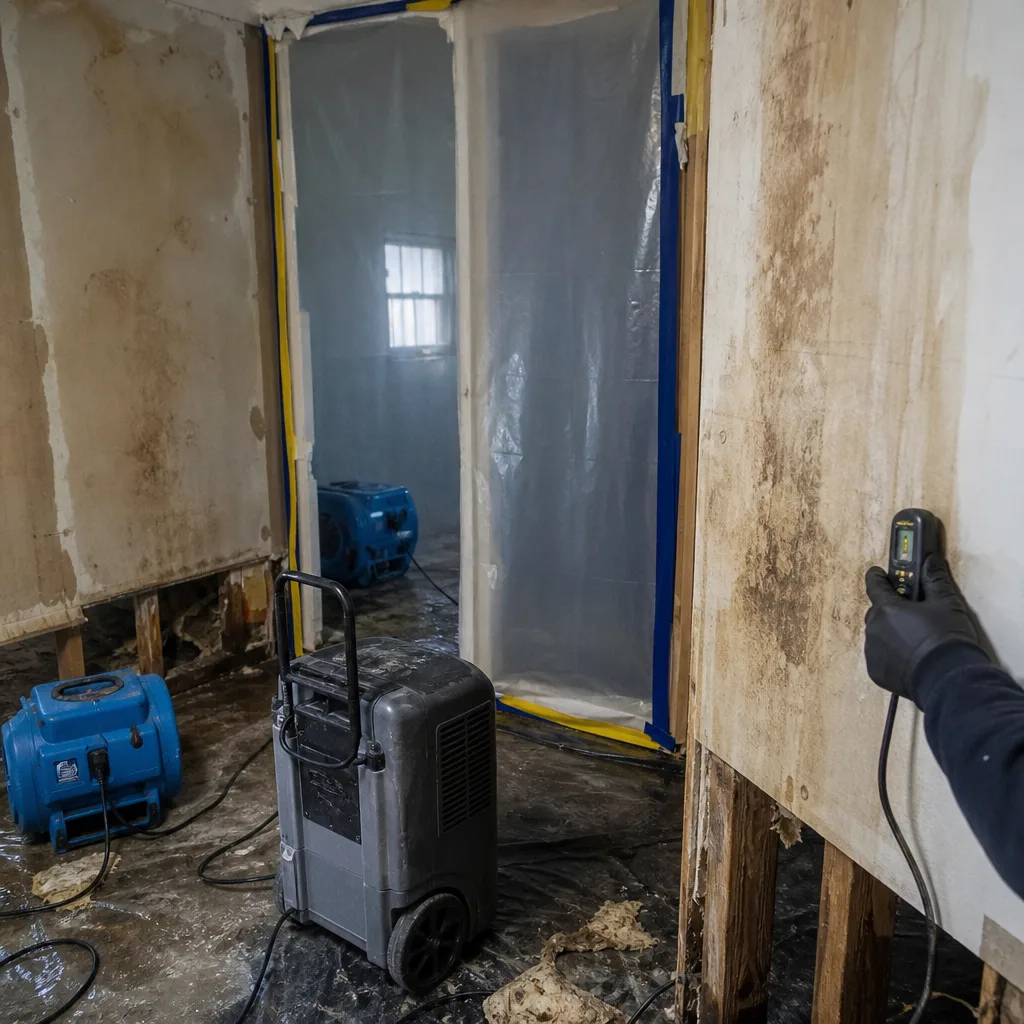 Before
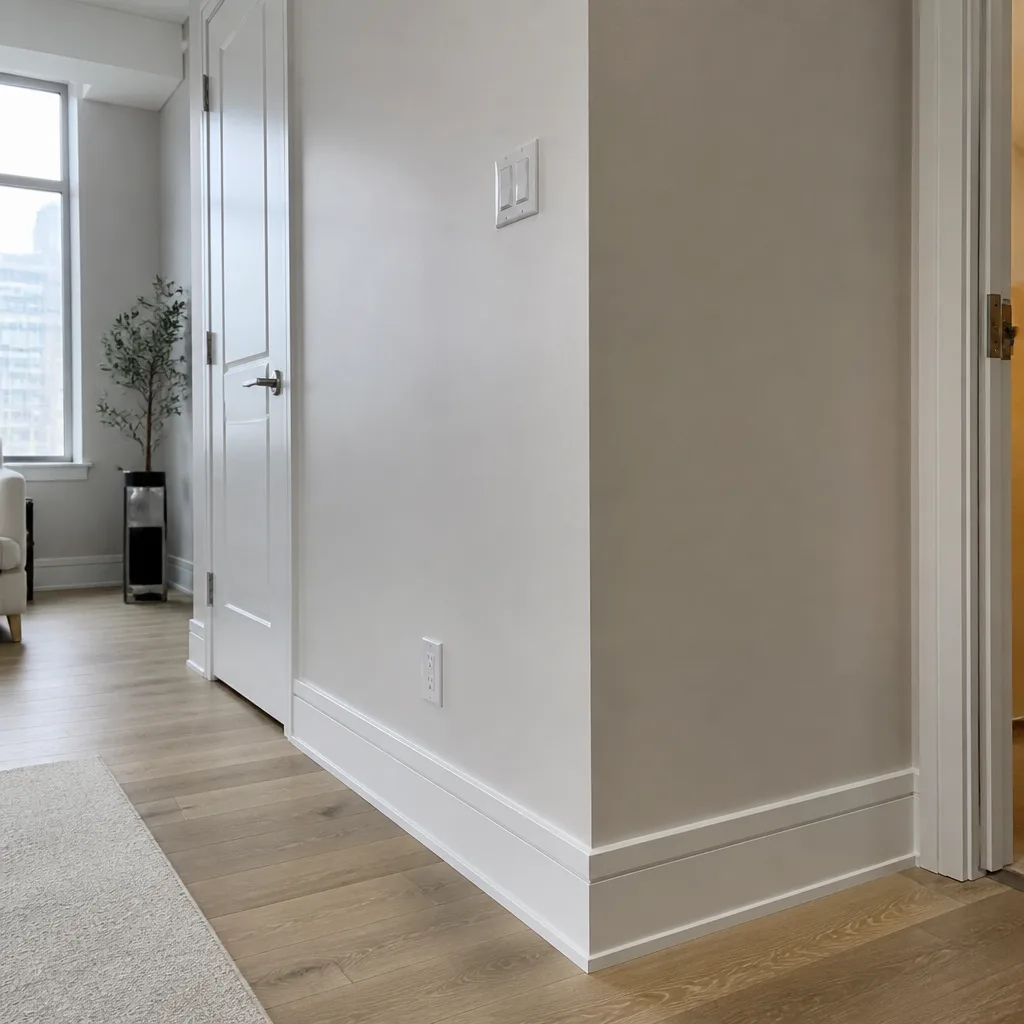 After
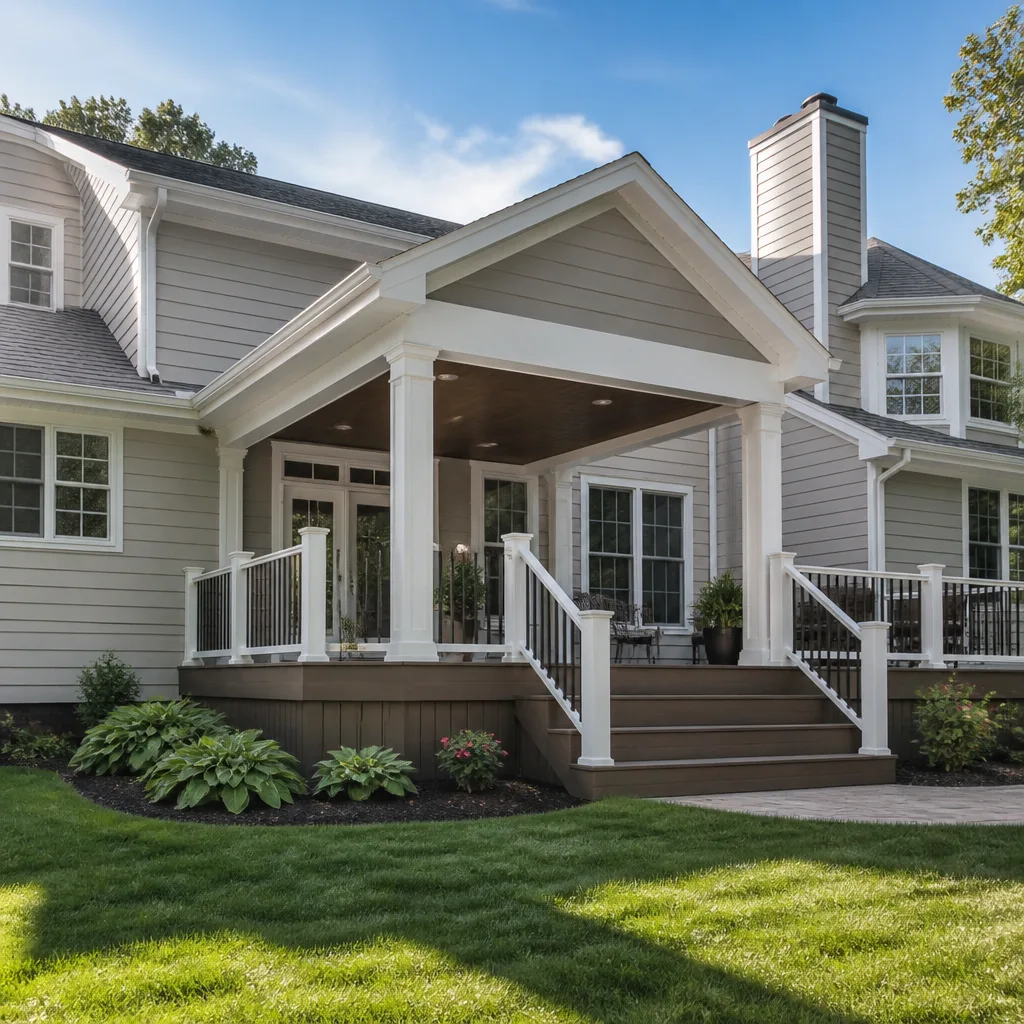
After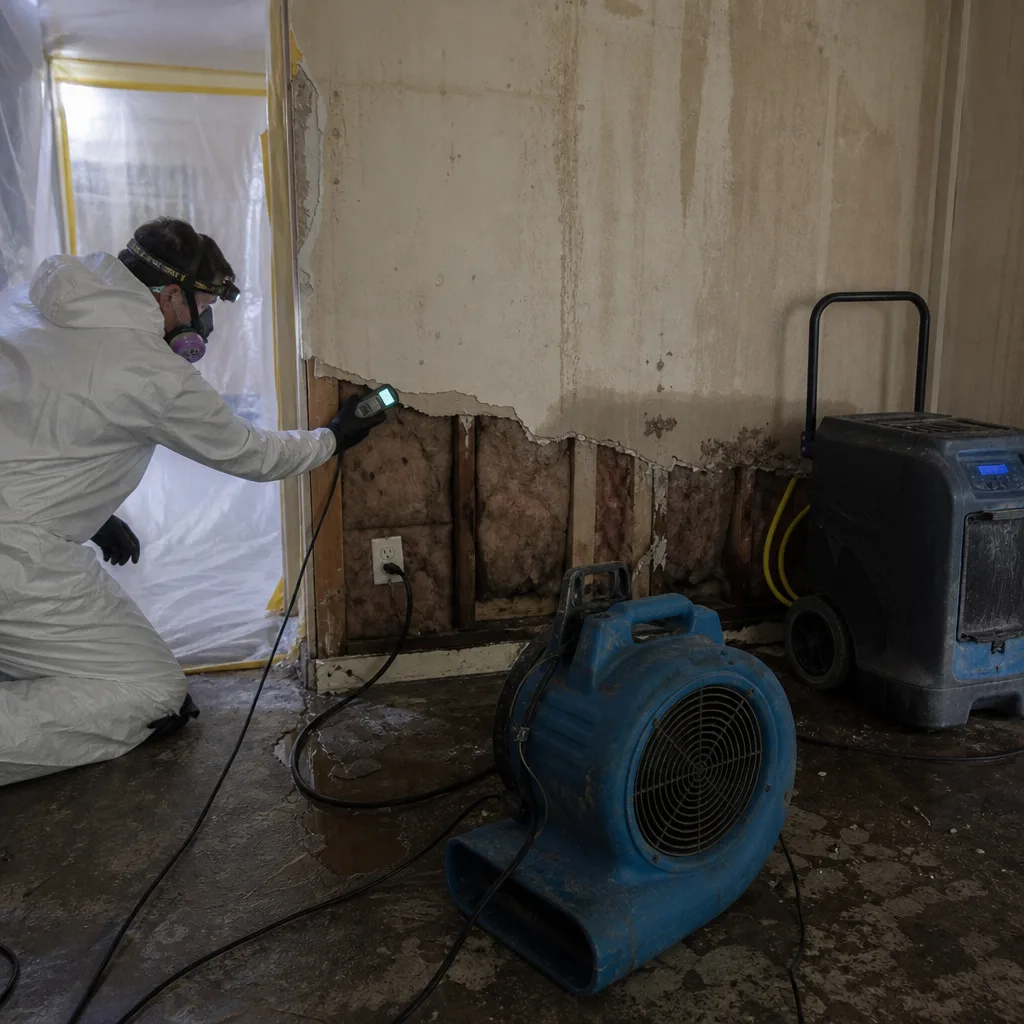 Before
 After
After24/7 Emergency Reconstruction & Cleanup in Lower Manhattan
When storm surge, fire, or a burst riser tears through a Lower Manhattan building, the first call should reach a live person. Ours does, every hour of every day. Call (518) 663-6491 and a dispatcher answers, not a recording. We’ll have a certified crew rolling toward your address in the Financial District, Battery Park City, Tribeca, or anywhere else below Canal Street, usually within 45 minutes. The first hours after saltwater intrusion or smoke migration decide how much of the building can be saved. Our Reconstruction & Cleanup team starts with a free visual inspection, sets containment if needed, and gives you a straight answer about what comes next. No pressure, just a plan and a written scope before any work begins.
Understanding Reconstruction & Cleanup Severity in Lower Manhattan Properties
Lower Manhattan’s building stock does not dry out the way suburban houses do. A 19th-century Tribeca cast-iron loft with timber post-and-beam framing soaks up Category 3 water and holds it for weeks unless we get aggressive with containment and structural drying. A 1980s Battery Park City tower built on Hudson River landfill fights chronic water intrusion from below-grade waterproofing failures, not just a single event. When we arrive, the first thing we establish is water category: Category 1 from a clean supply line, Category 2 with significant contamination, or Category 3, which includes saltwater surge, sewage, and harbor water. Category 3 changes everything: it requires full porous-material removal, antimicrobial treatment, and a moisture map that tells us exactly where hidden pockets remain. We use thermal imaging and hygrometers to track moisture through layers, because in a converted Financial District office floor with a mechanical room below the flood elevation, what looks dry on Monday can be blooming mold by Thursday. This is why our technicians, certified to IICRC standards with RIA and IFA training, do not hand off a Lower Manhattan job until the drying log says the structure has met the dry standard.
Why Lower Manhattan Property Owners Choose Floodline Restoration Co.
- 45-minute response commitment. We dispatch crews from our New York City office the moment you call (518) 663-6491. In Lower Manhattan, distance is short and our trucks are staged nearby.
- A live person answers, 24/7. Two in the morning, nor’easter blowing, water rising. You reach a dispatcher who can send a crew, not a voicemail that says we’ll call back.
- IICRC-certified crews, WRT and FSRT trained. Our technicians hold Water Damage Restoration and Fire & Smoke Restoration certifications, plus AMRT for mold remediation. Background-checked and uniformed, every one of them.
- Free visual inspection. Before you sign anything, we look. We tell you what needs doing and what can wait. A square deal, no surprises on the bill.
- Direct insurance billing. We bill your carrier directly and speak with your adjuster. You do not play messenger between Floodline and the insurance company.
- One team from extraction to reconstruction. The crew that reads the moisture map on day one is the crew that rebuilds your walls on day eleven. No mid-job handoff, no inherited crew that never saw the original damage.
Our Reconstruction & Cleanup Process
Inspection & Assessment
We walk the entire affected area, not just the visible patch. Thermal imaging finds water hiding behind baseboards, inside wall cavities, under flooring. We identify category of water, extent of smoke migration or mold growth, and what needs to come out versus what can be saved. You get a clear, written explanation before any work starts.
Extraction & Stabilization
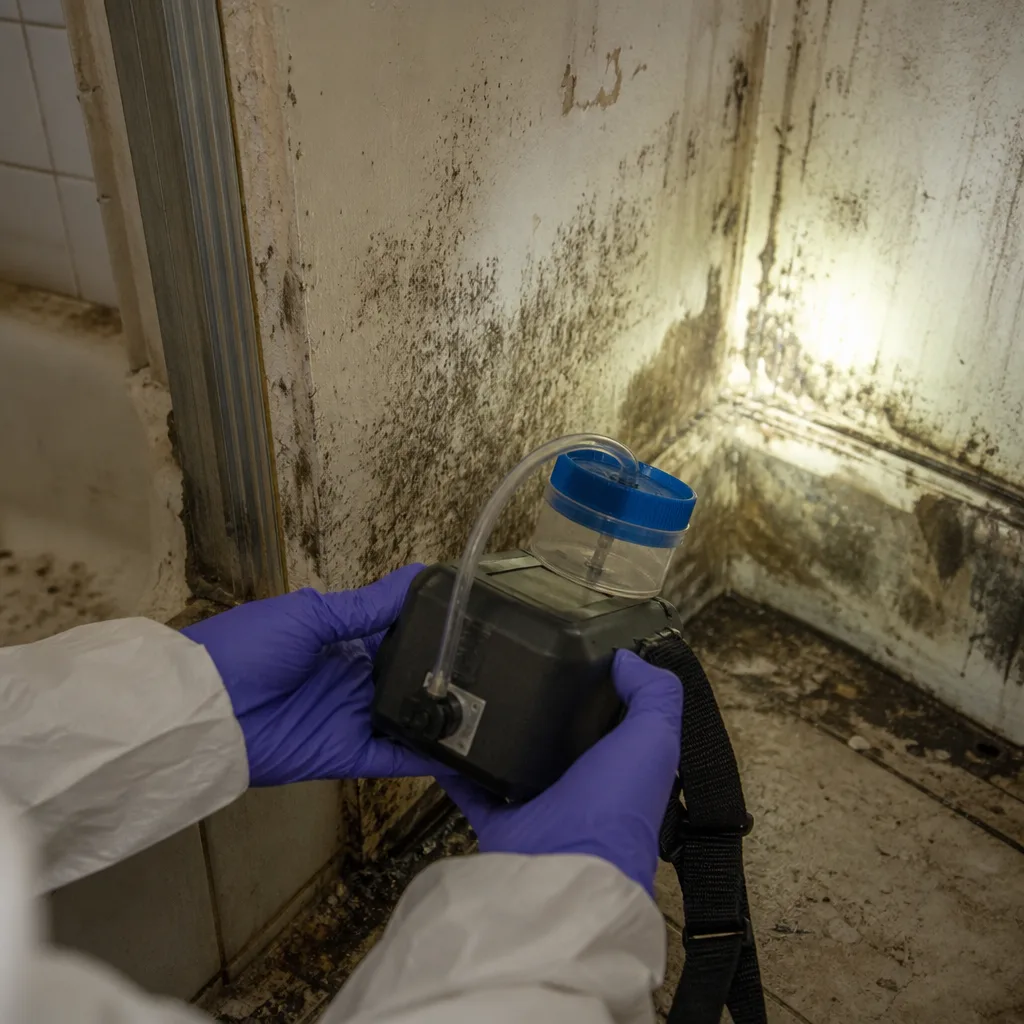
For water damage, we pull standing water with truck-mounted and portable extraction units. For fire, we board up and stabilize openings. For mold, we set containment with negative air pressure. This step stops the bleeding and prevents further spread through your Lower Manhattan building.
Drying & Dehumidification
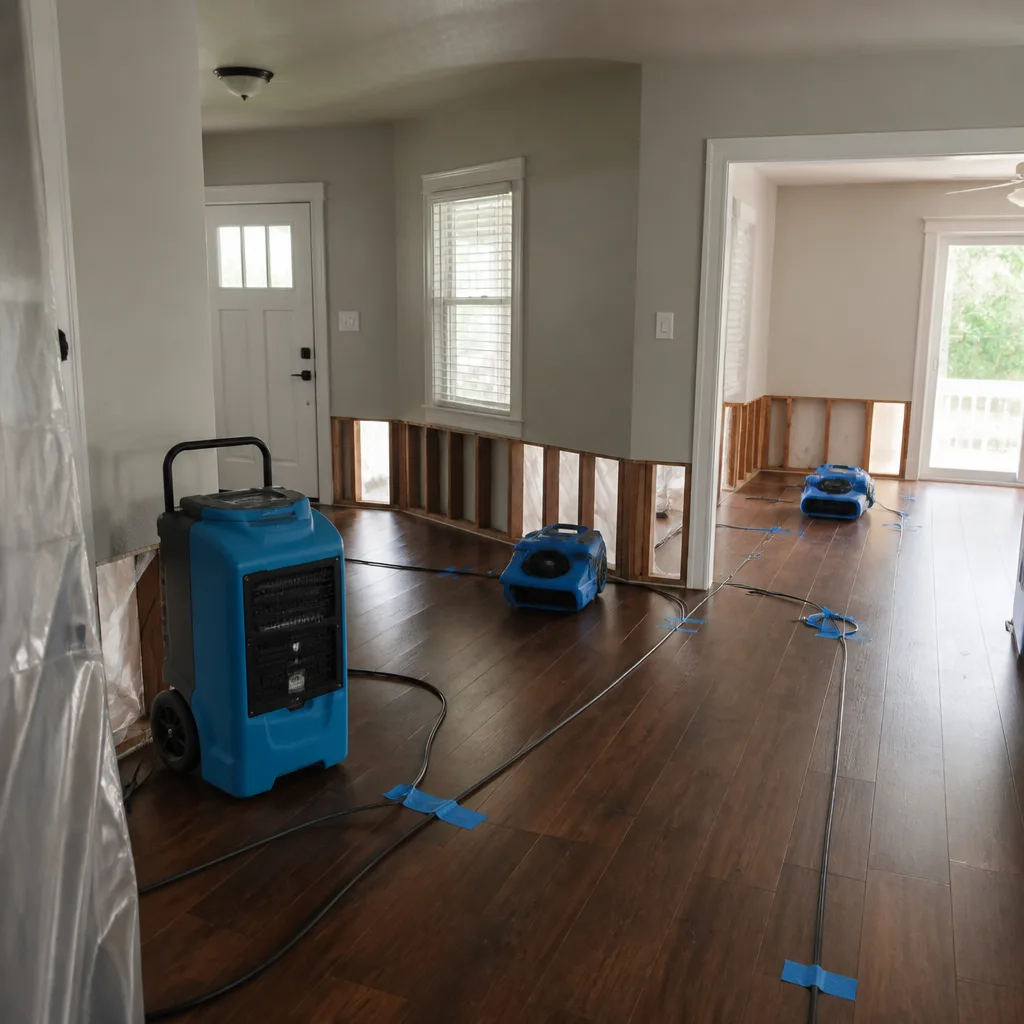
We place Dri-Eaz dehumidifiers, Phoenix air movers, and XPOWER equipment in a calculated layout, not tossed around randomly. Daily moisture readings are logged and shared with you and your insurer. The goal is the dry standard, confirmed by numbers, not feelings.
Cleaning & Sanitization
HEPA air scrubbers run while we remove soot, clean surfaces, and apply antimicrobial treatments where Category 2 or 3 water was present. Contents that can be saved get packed out, cleaned, and stored. What cannot be saved gets documented and disposed of properly.
Specialty Treatment
In Lower Manhattan, this often means saltwater corrosion mitigation on metal components, post-Sandy code compliance relocation of mechanical systems, and garage door hardware treatments for coastal exposure. We identify what needs galvanized or stainless replacement and what can be salvaged with proper treatment.
Repairs & Restoration
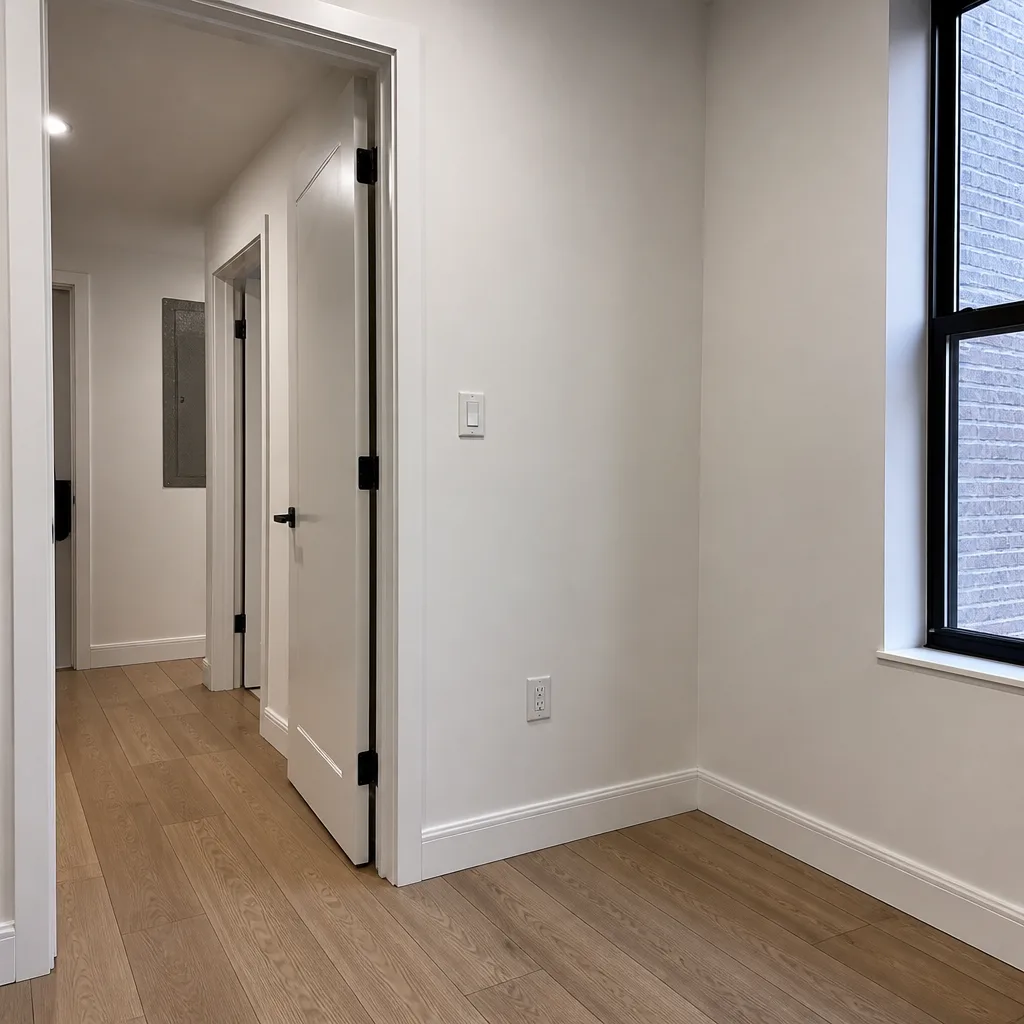
Drywall, flooring, cabinetry, paint. We rebuild to pre-loss condition, using mold-resistant materials in below-grade spaces. The same crew that extracted on day one finishes the trim on the last day. You get a written scope, a final walk-through, and our 90-Day Done Right Promise standing behind the work.
Need Emergency Reconstruction & Cleanup in Lower Manhattan Now?
Crews minutes away, answering live 24 hours a day. The sooner we start, the less it costs.
Working With Your Insurance Company
Insurance claims in Lower Manhattan come with a particular knot: many buildings sit in FEMA Zone AE, which means flood claims and wind claims can intersect, and carriers want precise documentation of both. We have handled hundreds of these. From the first hour, we photograph every room, every water line, every piece of damaged contents. We take moisture readings, log daily drying progress, and write a line-item scope of work that your adjuster can validate without a fight. We talk to the adjuster directly, provide the documentation they ask for, and bill your carrier for covered work. If the claim involves both flood and wind damage, we separate the scope so the carrier can process each correctly. You are never left translating between a restoration company and an insurance desk.
What We Provide Your Insurer
- Thorough documentation of the loss
- Photos of all damage, room by room
- Moisture readings and drying logs
- A detailed, line-item scope of work
- Direct coordination with your carrier
Built for Lower Manhattan’s Loss Calendar
Lower Manhattan’s reconstruction and cleanup work follows the water. January and February bring deep freezes that burst supply lines in pre-war buildings along Broadway and Water Street, sending water cascading down through tenant spaces. Spring thaw turns riverfront basements into seepage zones, especially in Battery Park City buildings where sub-grade drainage fails quietly. Summer thunderstorms dump flash volumes on flat roofs and overworked storm drains, and when the water has nowhere to go, it finds the path of least resistance into mechanical rooms and sub-levels. Then comes hurricane season: nor’easters and tropical systems funnel storm surge through New York Harbor straight at the tip of Manhattan, as Sandy proved in 2012. Every category of water, every type of wind-driven rain, and every season of the year has a distinct fingerprint here. We plan our equipment staging and crew scheduling around this calendar, because we have done it for over a decade in this city.
Reconstruction & Cleanup Across Lower Manhattan’s Neighborhoods
Lower Manhattan is small in square miles but enormous in building variety, and each corner has its own loss pattern. In Battery Park City, we see the same failure repeatedly: waterproofing membranes on buildings constructed over Hudson River landfill crack and let groundwater in, and below-grade parking garages become saltwater basins during surge events. Response routes in and out are straightforward along West Street, which helps our crews reach these towers fast. In Tribeca, the old cast-iron loft buildings with timber framing absorb water endlessly, and drying requires patience plus aggressive equipment placement. The cobblestone streets slow our trucks but the work itself is unforgiving. Around the Financial District, office-to-residential conversions hide mechanical rooms at or below the flood elevation, and a single storm event can drown HVAC, switchgear, and elevator equipment simultaneously. South Street Seaport and the blocks near the East River catch wind-driven rain that penetrates aging curtain-wall systems, leaving interior finishes saturated even when the street never flooded. Our crews know these blocks because we have worked them all.
Specialized Reconstruction & Cleanup Services We Offer in Lower Manhattan
Full-Service Reconstruction
When flood or fire damage in Lower Manhattan goes past cleaning and into structural repair, we handle the entire rebuild. That means framing, drywall, painting, trim, flooring, and finish work, all done by the same team that extracted and dried. In flood-zone buildings, we coordinate with DOB requirements for relocating mechanical systems above Base Flood Elevation, which is a code dynamic specific to this area. No handoff, no arguing between a mitigation company and a separate contractor.
Drywall & Flooring Repair
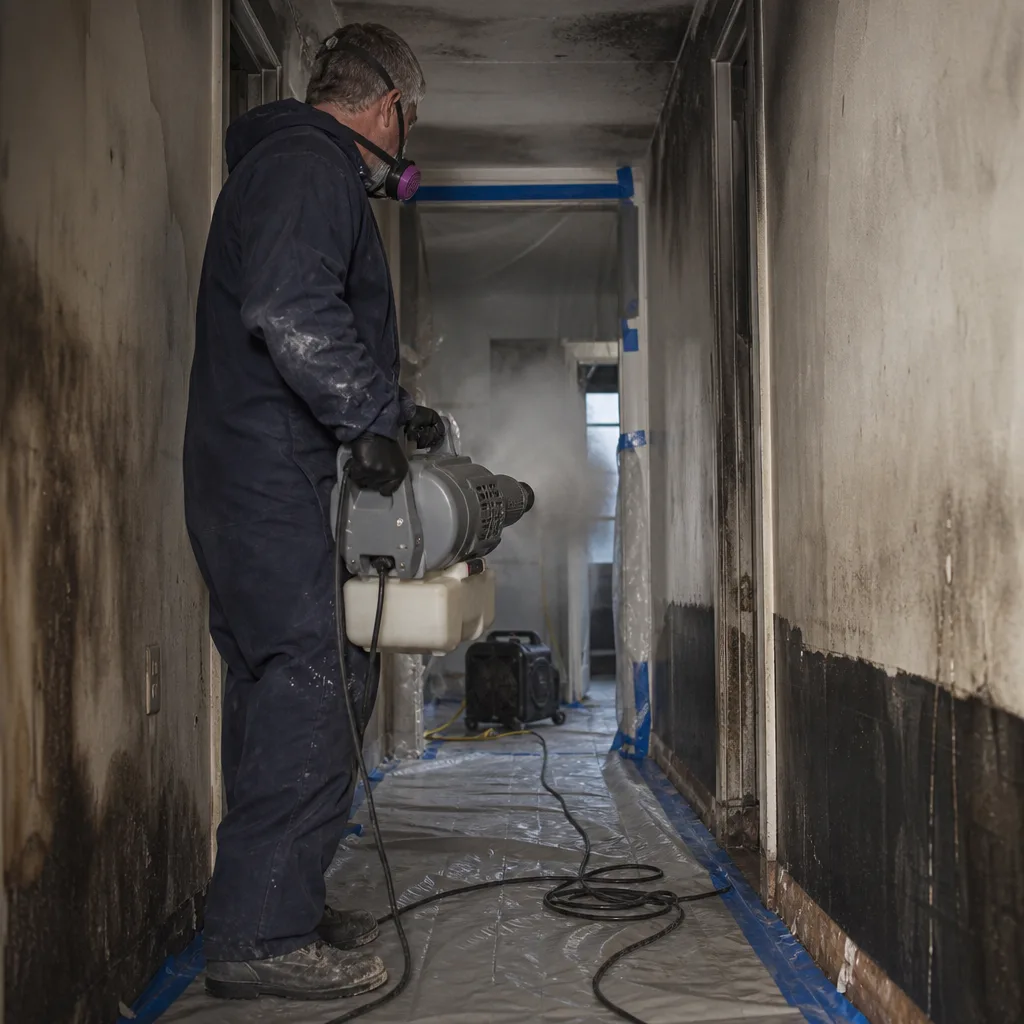
Saltwater-saturated drywall in Lower Manhattan cannot be saved: once the gypsum core dissolves and the paper facing becomes a mold food source, it must come out and be replaced. We cut walls back to dry, undamaged material, treat the framing, and install mold-resistant drywall in below-grade spaces. Flooring follows the same logic. Hardwood in a Battery Park City apartment that sat in saltwater for two days is usually lost; engineered flooring may or may not survive depending on the moisture readings. We show you the numbers before we make the call.
Contents Restoration & Pack-Out
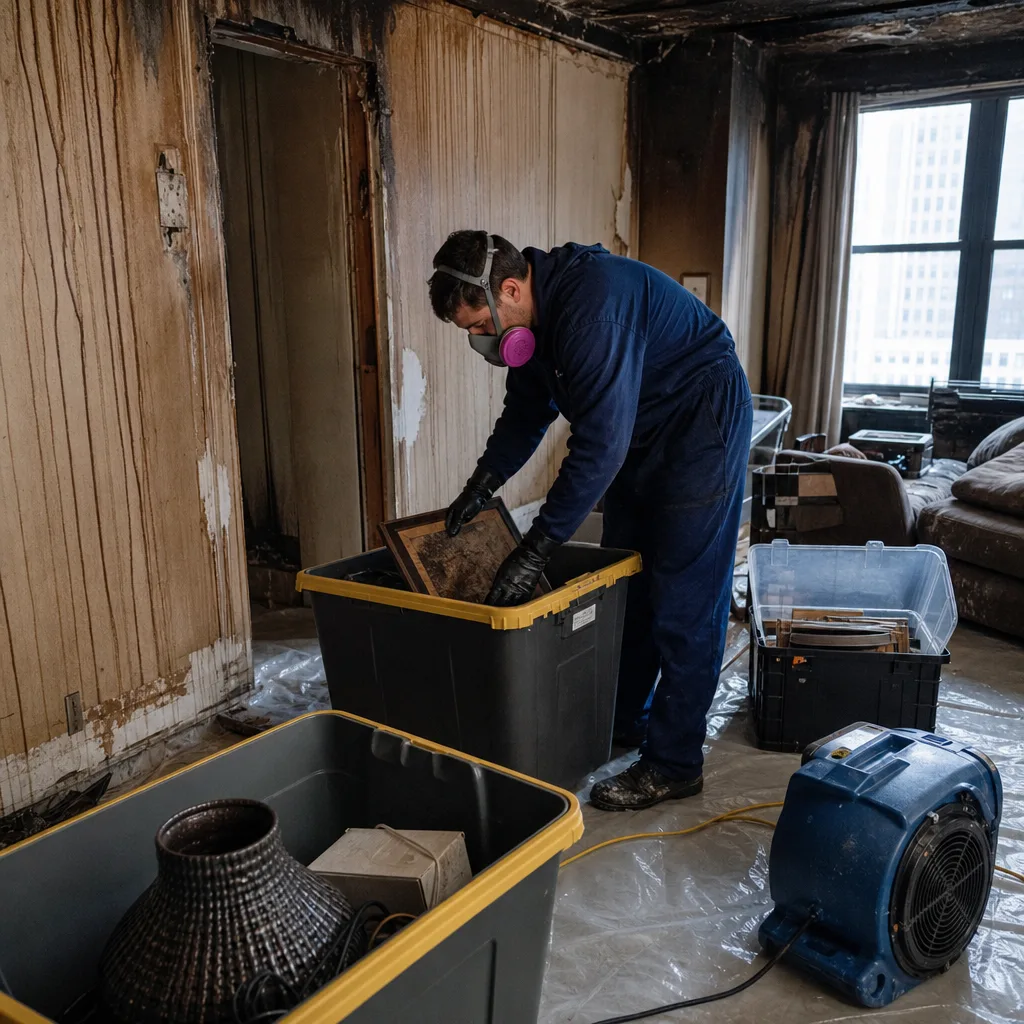
When a Lower Manhattan apartment floods or a fire migrates smoke through every room, the contents often need to leave before the building can be dried. We pack out, inventory, clean, and store your belongings, then return them once the space is rebuilt. Every item gets documented with photos for your insurance claim. We use professional-grade Dri-Eaz and Phoenix equipment in our cleaning process, and we track every box so nothing disappears into the system.
Carpet & Upholstery Cleaning
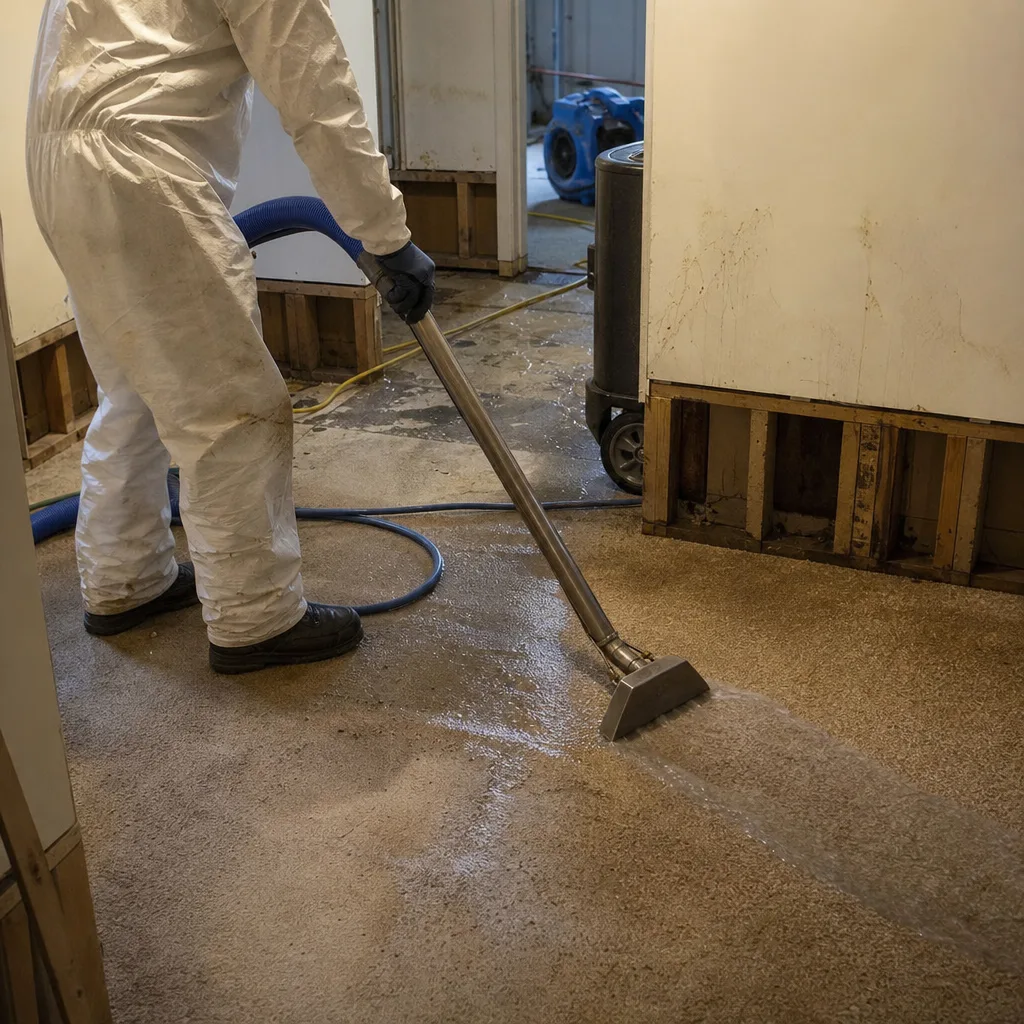
After water extraction and drying, carpets and upholstered furniture face a second problem: salt residue from surge water. Salt draws moisture from the air and keeps fabrics damp long after the visible water is gone. We run hot-water extraction and specialty cleaning on salvageable materials, then we check moisture levels in the padding underneath. In many Lower Manhattan cases, the carpet itself dies but the subfloor can be saved if we act fast.
Post-Construction Cleanup
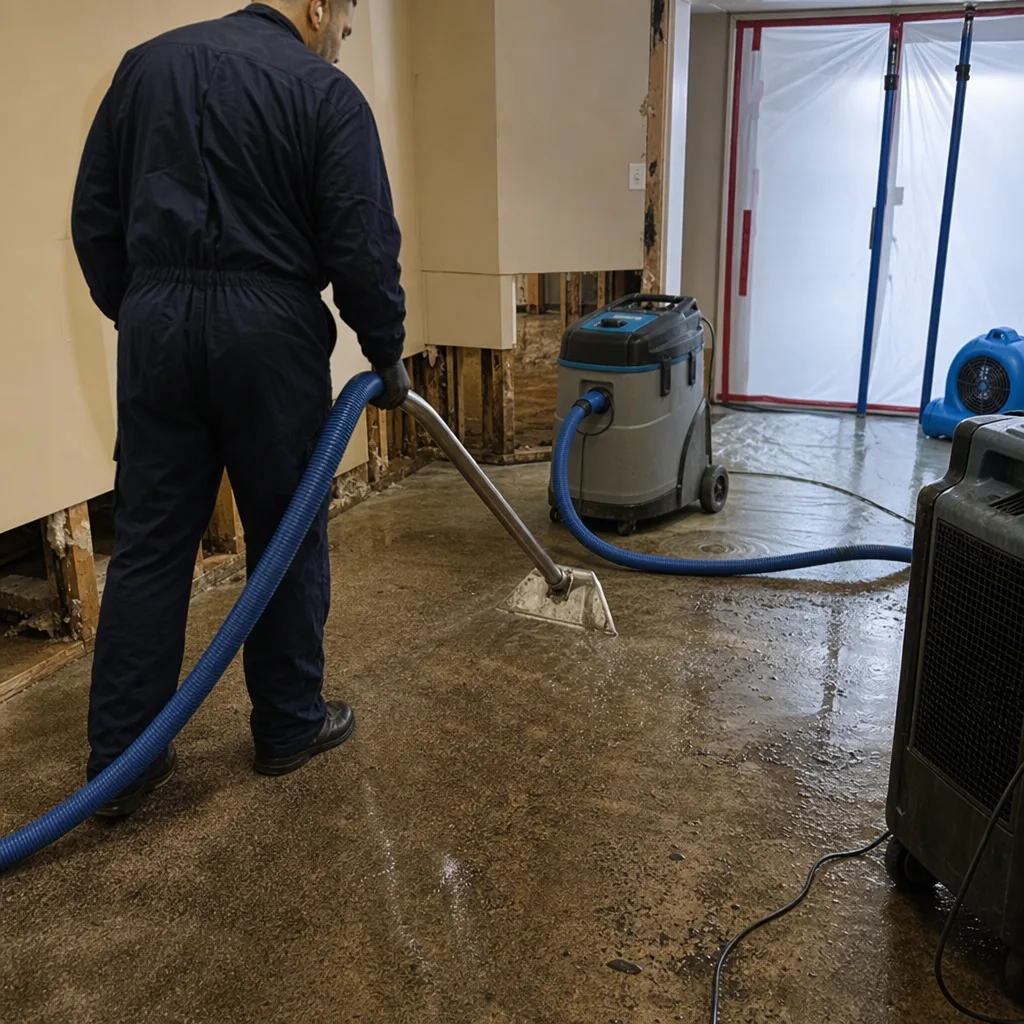
Reconstruction leaves dust, debris, and fine particles that settle into every surface of a Lower Manhattan apartment. We handle the full cleanup after the rebuild: HEPA vacuuming, hard-surface cleaning, duct and vent clearing, and final detail work so the space is move-in ready. This is the last step before your keys come back, and we treat it like the first step of your renewed life in the building.
What happens when you call
- 1
A real person answersNo phone trees - you reach a local pro.
- 2
You get an upfront price rangeHonest numbers before anyone is dispatched.
- 3
A background-checked tech heads outLicensed & insured, dispatched right away.
- 4
You approve before work beginsNothing starts until you say go.
Reconstruction & Cleanup Costs in Lower Manhattan, NY
Let us be straight about money. In Lower Manhattan, small-scale drywall and flooring repair after a Category 1 water event typically runs $2,000 to $6,000. Full apartment reconstruction after saltwater surge or a significant fire in a Financial District or Battery Park City building commonly lands between $9,000 and $35,000, depending on square footage, finish level, and whether code-compliant mechanical relocation is required. Contents pack-out and restoration adds another $1,500 to $8,000 depending on volume and condition. The variables that move the price: building age, water category, whether asbestos abatement is triggered in older buildings, and whether your building’s co-op or condo board imposes contractor insurance requirements. The fastest way to a firm number is our free visual inspection. We write a scope, you approve it in writing, and the price does not move without your signature. Call (518) 663-6491 and we’ll come look. Estimates are free.
We Also Serve Cities Near Lower Manhattan
Our Lower Manhattan crews regularly cross the bridges for work in Financial District, Washington Square, Brooklyn Heights, and Williamsburg. Same live dispatch, same certified technicians, same 90-Day Done Right Promise. If you live just outside the immediate area, call us and we’ll tell you honestly whether we can reach you fast enough to make a difference.
Lower Manhattan Reconstruction & Cleanup Questions, Answered
How does the saltwater surge in Lower Manhattan affect how you handle drywall after a flood?
Saltwater-saturated drywall in Lower Manhattan is almost always removed and replaced, because salt draws moisture and leaves behind corrosive residue that keeps feeding mold and efflorescence long after basic extraction. We cut walls back to dry material, treat the framing with anti-microbial, and install mold-resistant drywall in below-grade spaces. Leave saltwater drywall in place and you will be chasing the same problem for years. Call (518) 663-6491 if you are not sure what you are looking at.
Do we need to relocate our boiler or electrical panel if our Financial District building floods?
If your building sits in FEMA Zone AE and the flood reached mechanical or electrical systems, post-Sandy NYC Building Code likely requires relocation above Base Flood Elevation rather than in-kind replacement. That means a flood cleanup can escalate into a DOB-permitted vertical relocation project. Our team coordinates this work directly, and we document everything for your insurance claim. We can tell you during the free inspection whether you will trigger this requirement.
Can we save our garage doors and opener hardware after saltwater exposure in Battery Park City?
Sometimes. Galvanized springs, stainless fasteners, and nylon rollers often survive saltwater exposure if we clean and lubricate them within days. But hardware that has already been corroding for years from salt air is likely to fail soon regardless. We inspect the full assembly and give you a straight answer on what to replace now versus what will last another season. The same applies to mechanical room doors that rusted through and jammed during the flood.
How do you document the restoration for a Lower Manhattan insurance claim that involves both flood and wind damage?
We separate the scope into flood-caused damage and wind-caused damage from the first day, with separate photo logs, separate moisture maps, and separate line-item scopes. This lets your carrier process each portion under the correct policy coverage, which matters enormously in Zone AE properties where flood and wind claims come with different deductibles and limits. We also coordinate directly with your adjuster so you do not have to translate.
Why do converted office lofts in Tribeca take longer to dry out than newer towers?
Old cast-iron and timber-frame buildings in Tribeca absorb water deep into wood and masonry, and they do not have modern cavity walls that drain efficiently. The timber post-and-beam structure holds moisture like a sponge, and the unreinforced brick wicks it upward for weeks. We run longer drying cycles, use more aggressive equipment placement with Dri-Eaz dehumidifiers and Phoenix air movers, and take daily moisture readings until the dry standard is confirmed, not estimated.
How fast can a crew actually reach my Lower Manhattan building?
We commit to a 45-minute response time for emergency calls in Lower Manhattan. Our trucks stage from our New York City office and our dispatchers know the efficient routes through the Financial District, Battery Park City, and Tribeca. For flooding, that 45 minutes often decides whether floors and drywall can be saved. Call (518) 663-6491 and we will give you a real arrival window.
Does my Lower Manhattan co-op or condo board require anything special from a restoration contractor?
Most Lower Manhattan co-ops and condos require restoration contractors to carry specified insurance minimums, provide COI certificates, and sometimes get board approval before work begins. Many also now require that flood restoration comply with post-Sandy FEMA and DOB rules for flood-zone buildings. We are familiar with these requirements and can provide the documentation your board or management company asks for. If your neighbor’s contractor got flagged for missing insurance, that will not be us.
What should I do in the first 30 minutes after water or fire damage in my Lower Manhattan apartment?
Three things, and in this order. First, if it is safe, shut off the water source or call your building super to do it. Second, move valuable documents and electronics out of the affected area if you can do so without putting yourself at risk. Third, call (518) 663-6491 and get a live dispatcher on the line. Do not use household fans to dry things out. Do not open walls. Do not run your HVAC if you suspect smoke or contaminated water is involved. Let us assess before anything else happens.
Serving Lower Manhattan, NY - Our Local Coverage Area
We’re based in the Lower Manhattan area and know this community well. Use the map below to see our service coverage - if you’re nearby, we can almost certainly help.
The Coastal Reality of Lower Manhattan Reconstruction
Here is what a generic cleanup page will not tell you: Lower Manhattan sits on a narrow peninsula with the Hudson River on one side, the East River on the other, and New York Harbor at the tip. Salt air attacks metal hardware year-round. Garage door springs, hinges, rollers, fasteners, and opener chains in waterfront buildings corrode in three to five years, not the twenty-plus you would see inland. When a nor’easter pushes surge water through a Battery Park City tower’s failed waterproofing membrane, the salt in that water accelerates corrosion on every piece of exposed metal it touches, even after the visible water is gone. We treat this reality directly. After one nor’easter pushed Category 3 water through a Battery Park City tower’s failed waterproofing membrane, our crew set up containment and ran structural drying with XPOWER air movers and Dri-Eaz dehumidifiers while our techs moisture-mapped the affected drywall. We then rebuilt the lower-level walls with mold-resistant drywall and relocated the building’s electrical switchgear above the BFE per post-Sandy code, restoring pre-loss condition with full insurance claim documentation. That is the difference: we do not just dry and patch. We understand that in Lower Manhattan, the ocean is always part of the equation, and we build the fix accordingly. Floodline Restoration Co. has been doing this work since 2010, led by Curt Bowman, and we stand behind every job with the 90-Day Done Right Promise, in writing, no arguments.
Written by Curt Bowman, Owner at Floodline Restoration Co., serving Lower Manhattan and the surrounding boroughs with full-cycle restoration since 2010.