
Free visual inspection and a written scope of work before any mitigation begins - photos, moisture readings, and drying logs go in your claim file
The scope we write is the scope we bill. Anything new gets shown to you, in writing, before we touch it.
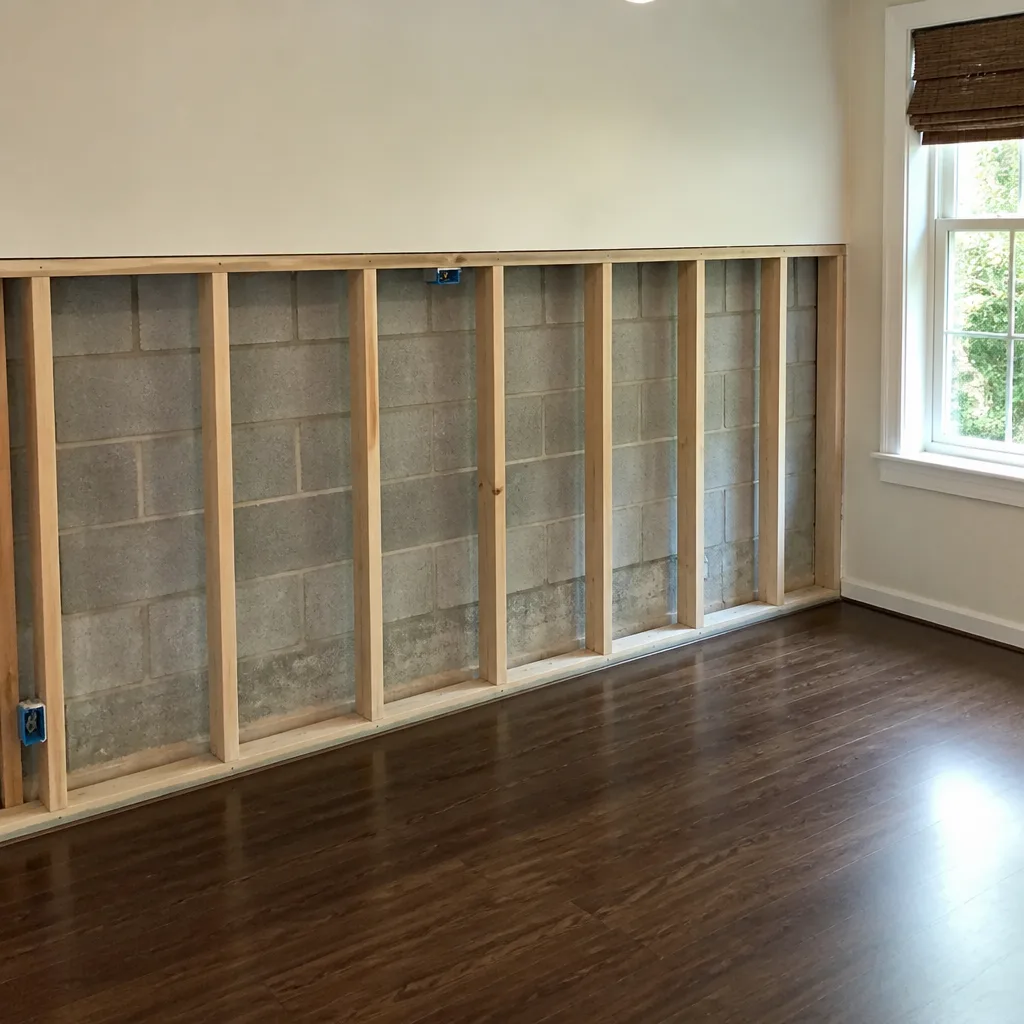
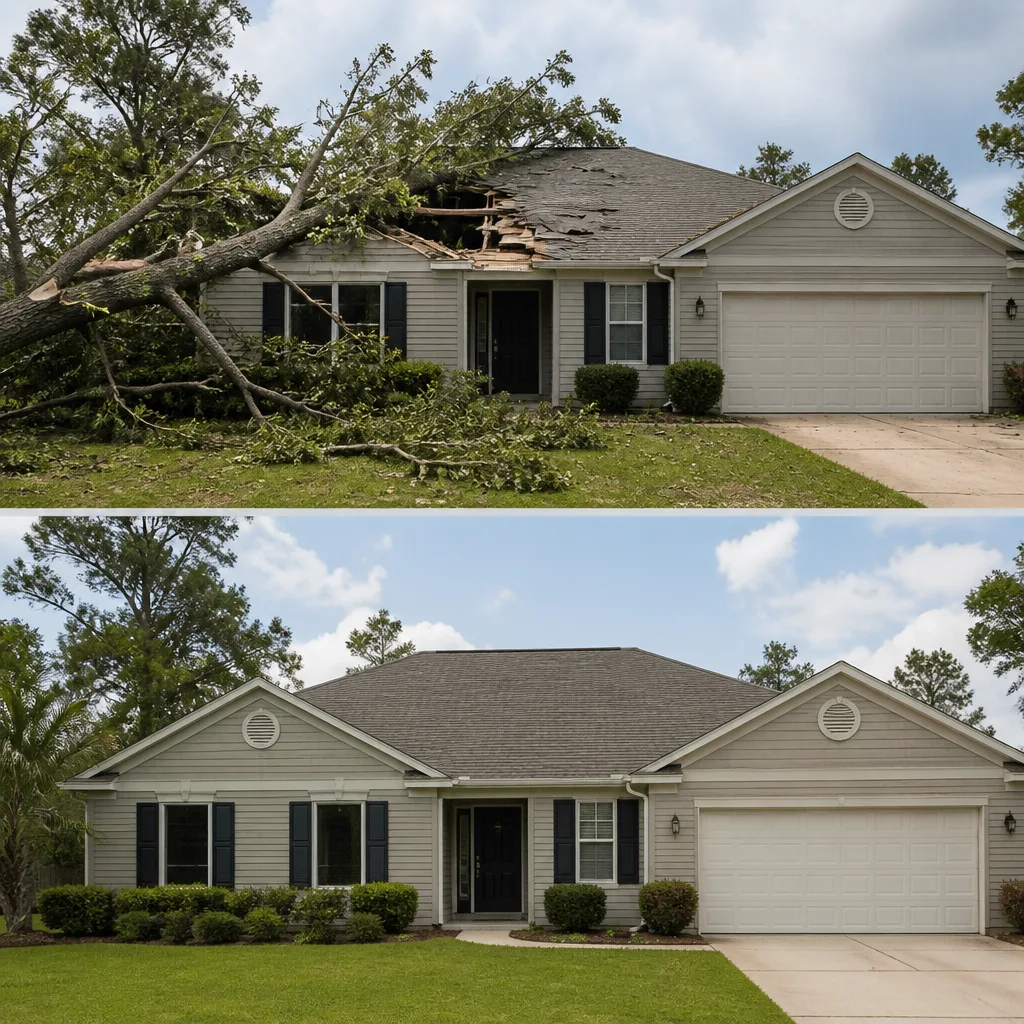
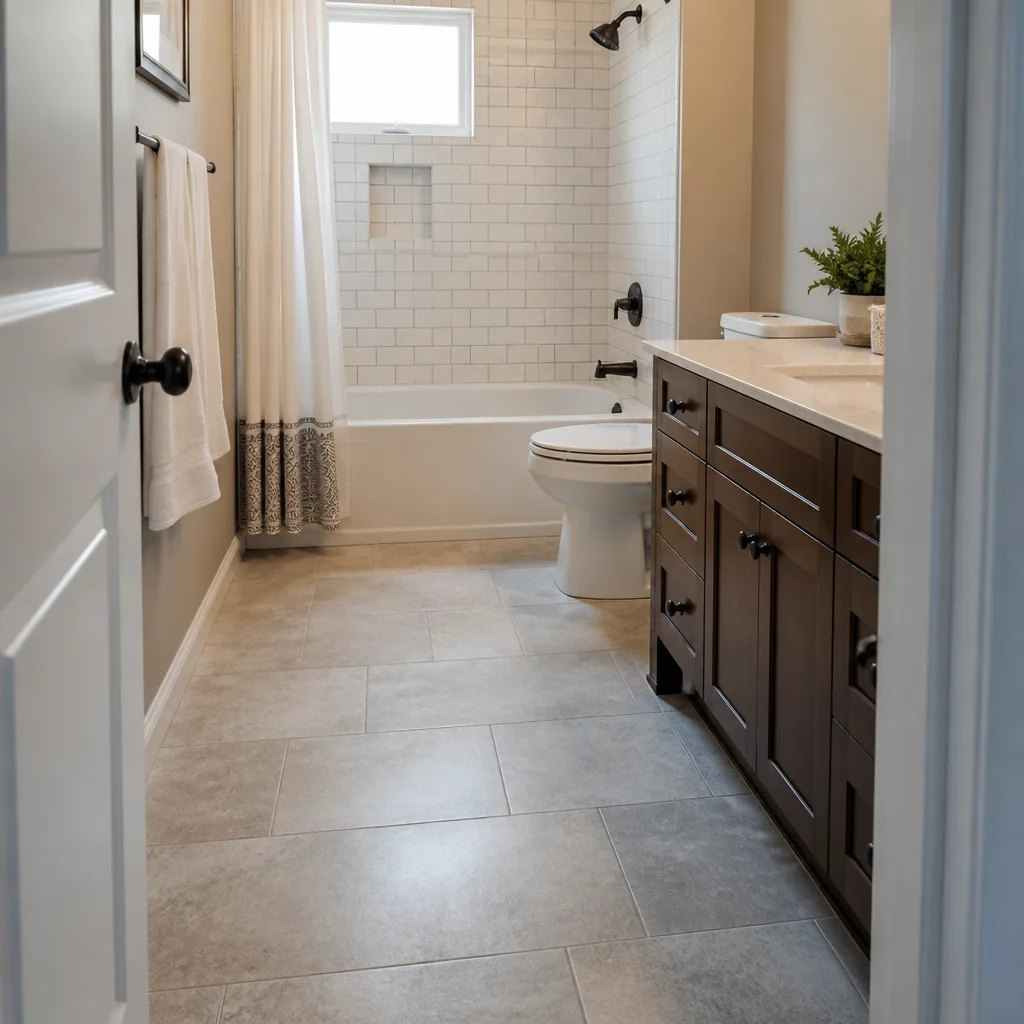
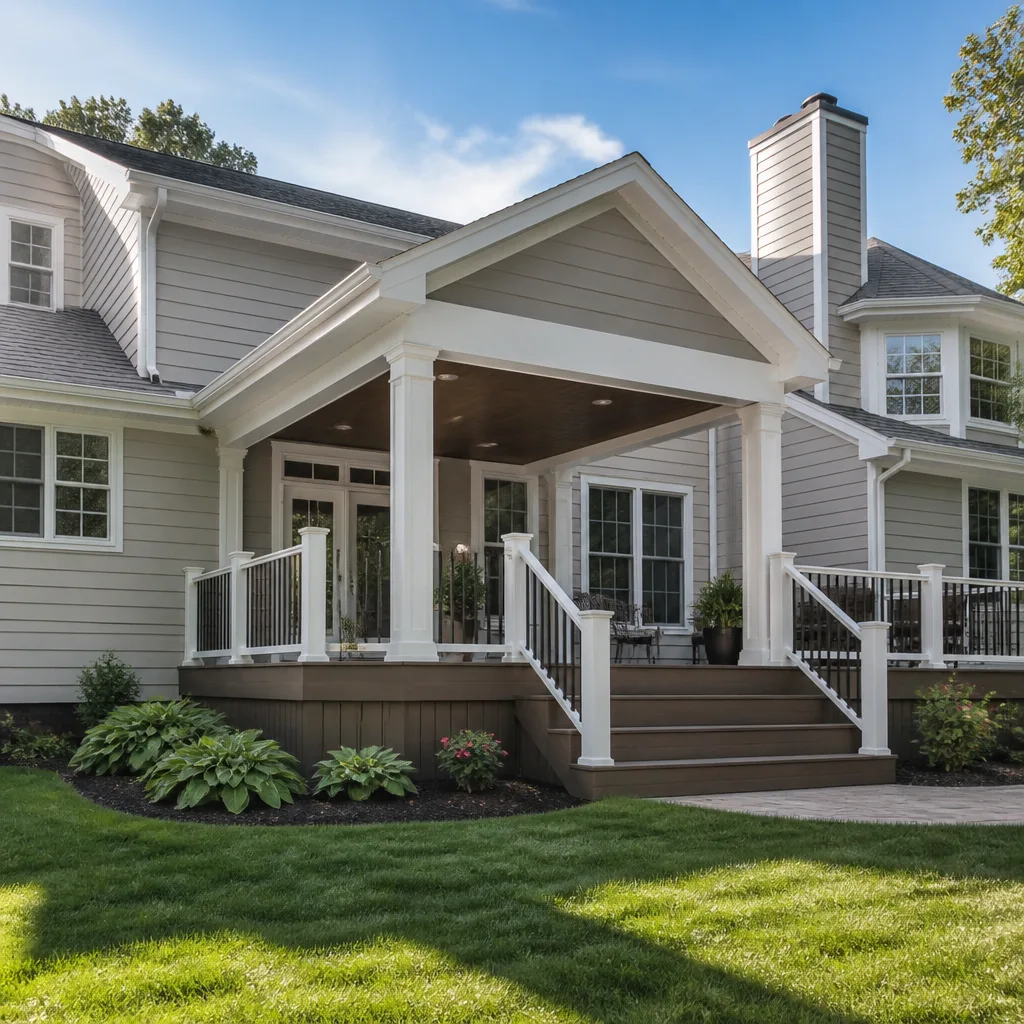
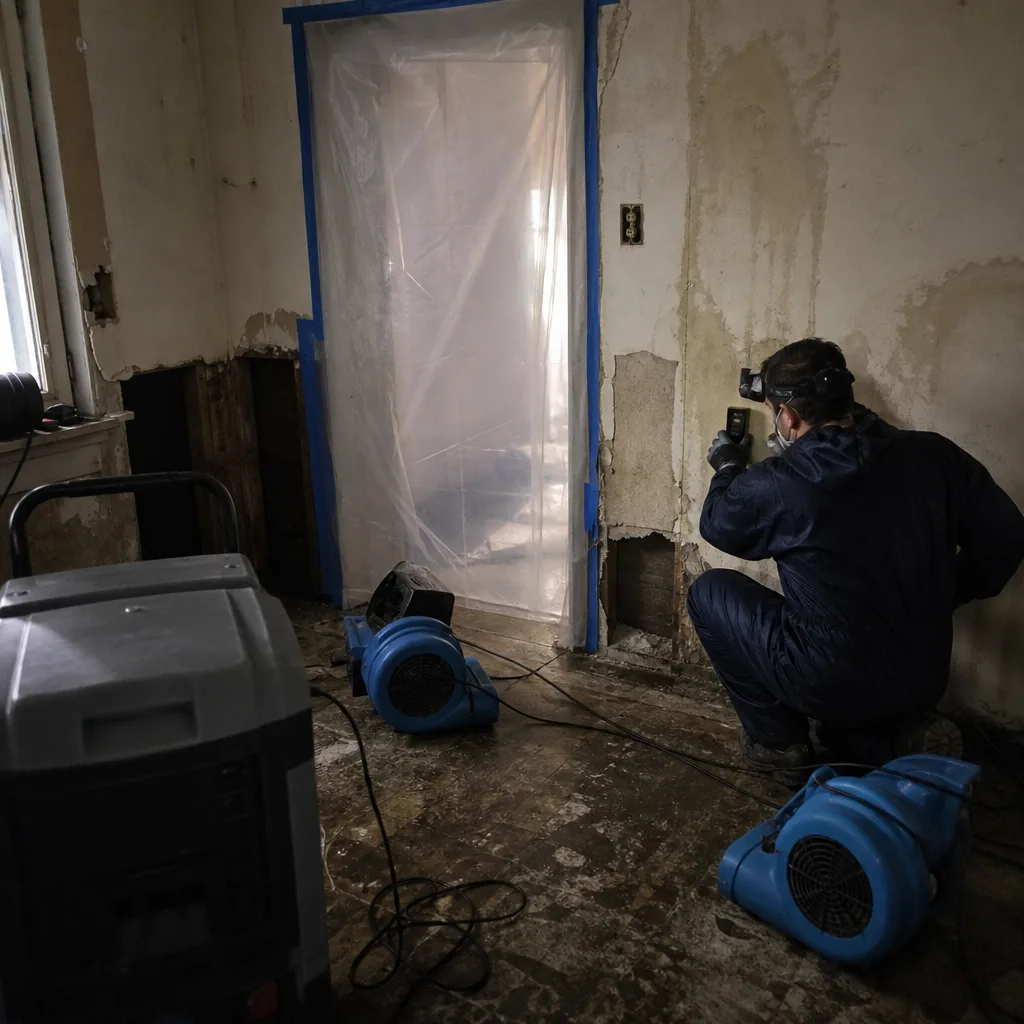 Before
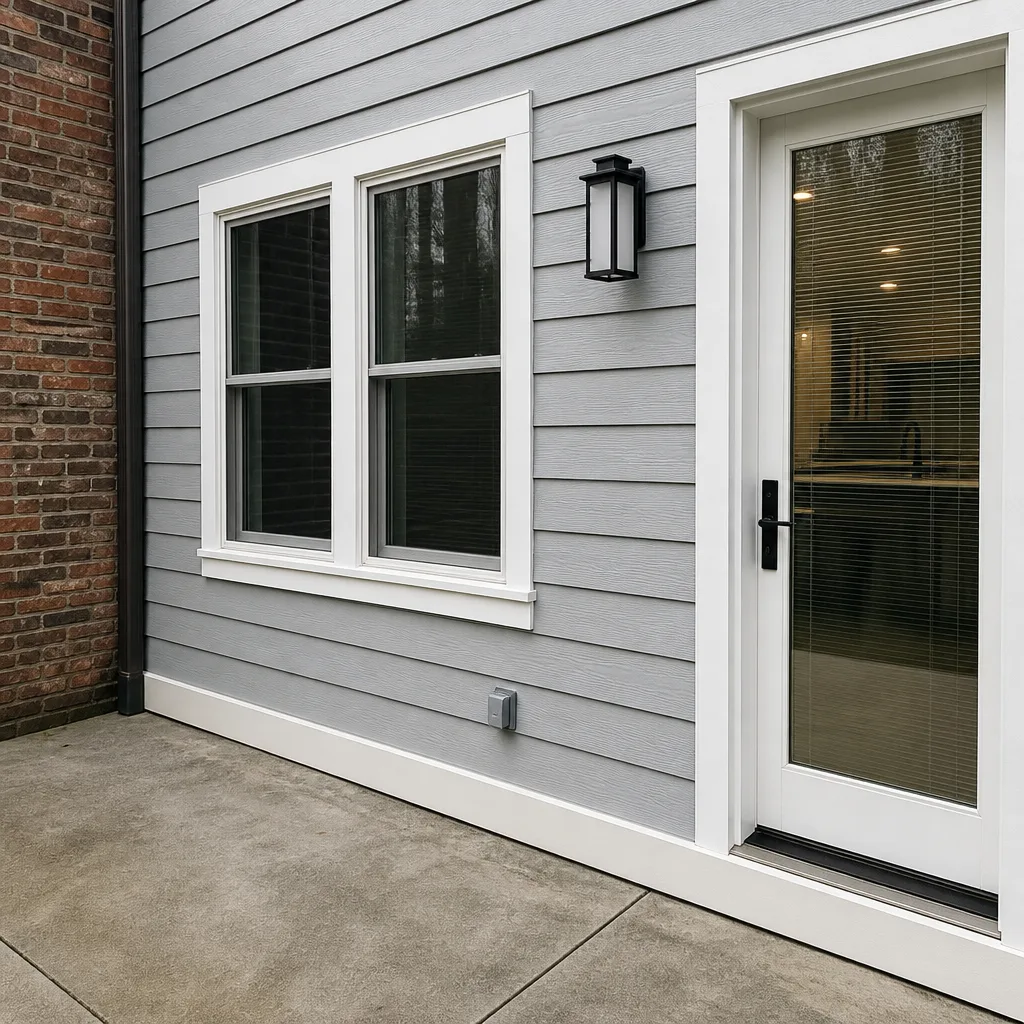 After
After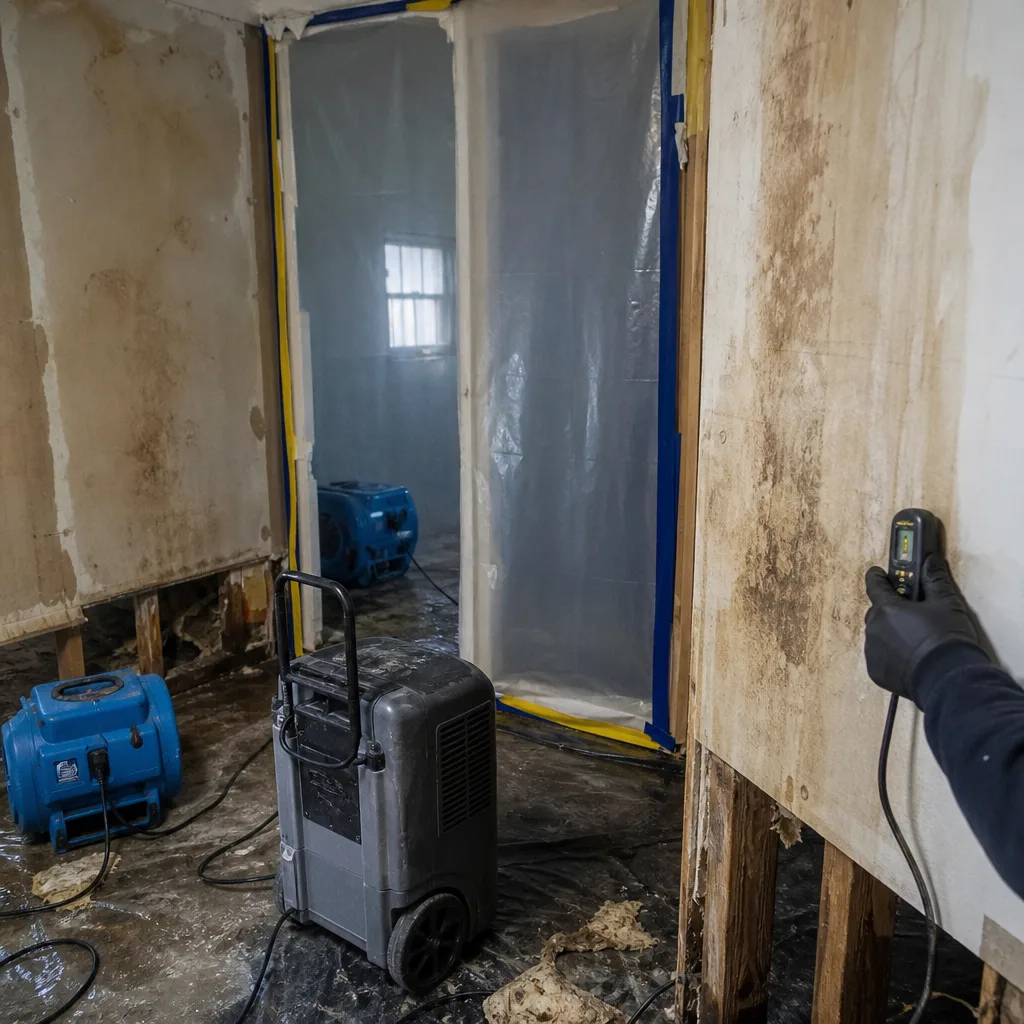 Before
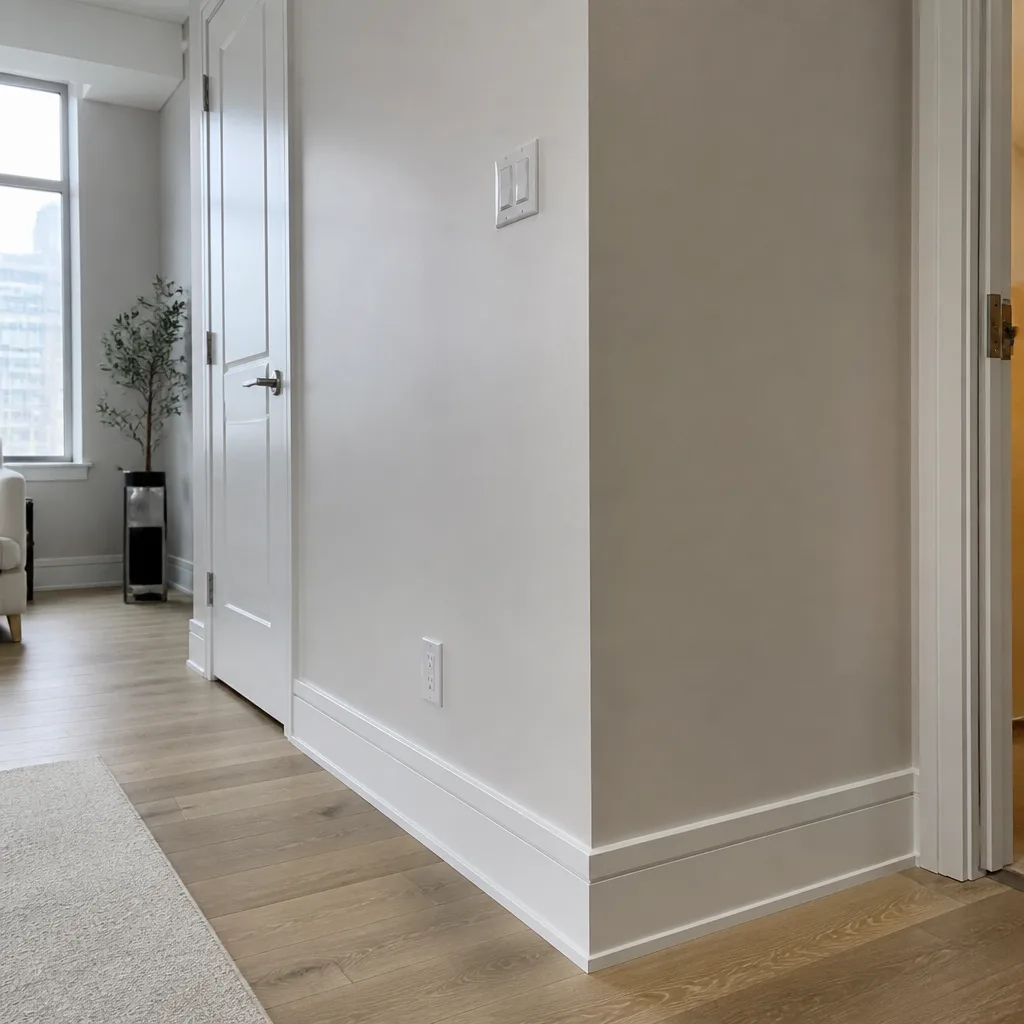 After
After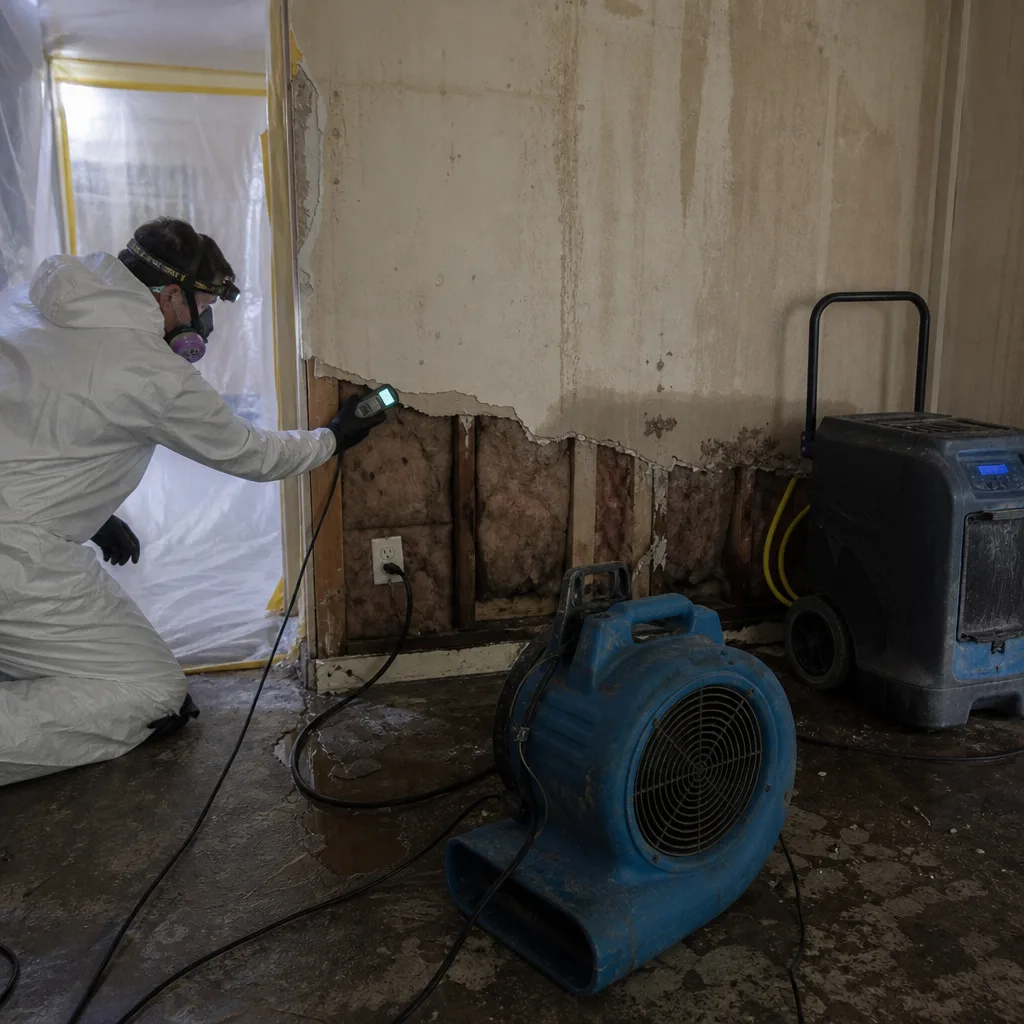 Before
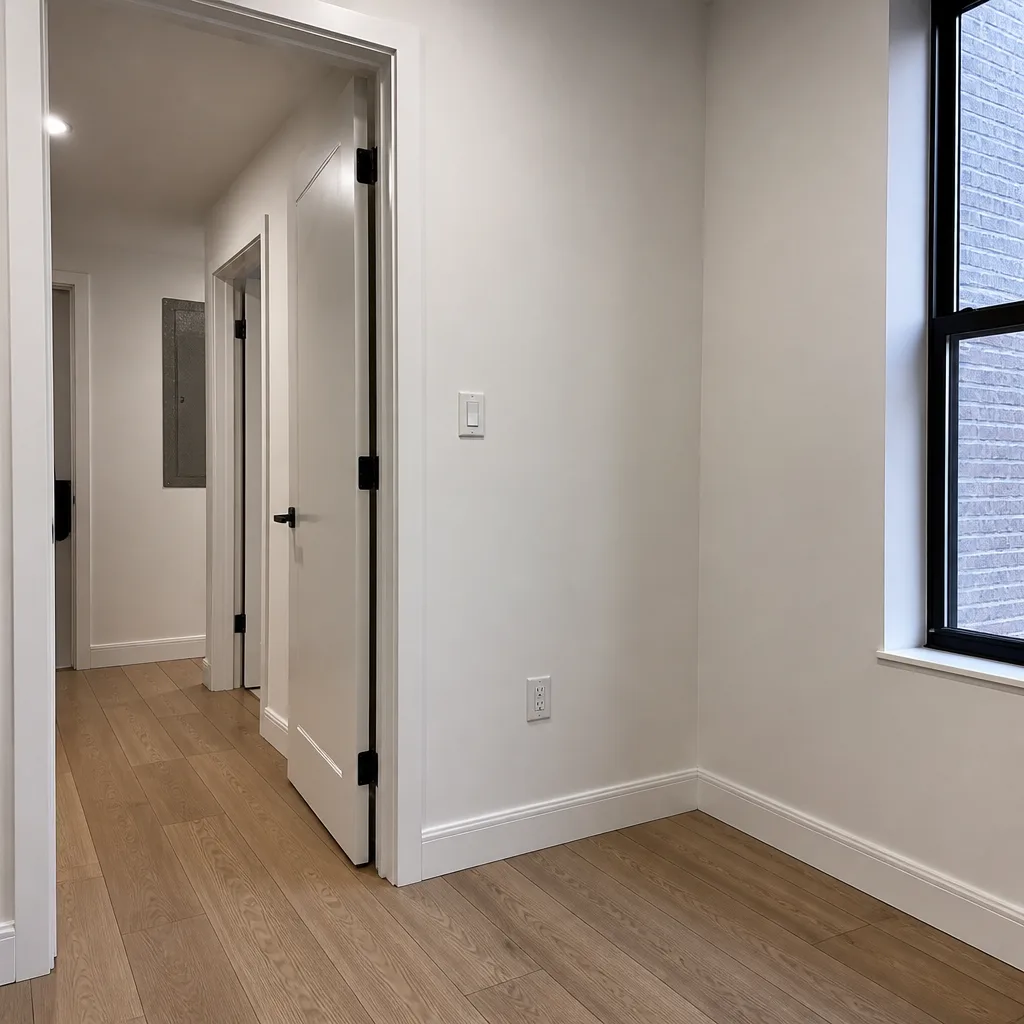 After
After24/7 Emergency Commercial Restoration in Lower Manhattan
Commercial water, fire, or storm damage in Lower Manhattan needs the same thing every time: a crew that answers the phone at 2 a.m. and gets extraction running before the water migrates into the next floor. Floodline Restoration Co. answers live around the clock. Call (518) 663-6491 and a real dispatcher picks up, not an answering service. We pull crews from inside the Lower Manhattan area and get to most addresses within 45 minutes. The first hour matters. In a Zone AE building, water that reaches a below-grade mechanical room is already corroding switchgear and wicking into the building’s original framing. A free visual inspection tells us exactly what you’re up against before any invoice is written.
Understanding Commercial Restoration Severity in Lower Manhattan Properties
Not all water damage in Lower Manhattan is the same. Category 1 water comes from a clean supply line, a broken sprinkler head, or a burst riser. Category 2 carries detergents or mild contaminants. Category 3, the kind that comes up through a flooded Financial District basement or a Battery Park City sub-grade garage after storm surge, contains sewage, saltwater, and whatever the harbor pushed in. That changes everything. Saltwater rests in masonry and timber differently than freshwater. It holds moisture longer, accelerates corrosion on steel studs and electrical components, and shortens the mold window from days to hours. A 19th-century Tribeca cast-iron building with unreinforced brick absorbs water aggressively and releases it slowly, which is why moisture mapping matters more than guesswork. We use thermal imaging and hygrometers to read what’s trapped behind walls and under slab. We don’t stop reading until the dry standard is met, not just the surface.
Why Lower Manhattan Property Owners Choose Floodline Restoration Co.
- 45-minute response commitment: Crews stage inside Lower Manhattan, so we’re not coming in from an outer borough when your building is taking on water.
- 24/7 live answer: A real person picks up at 2 a.m. and dispatches. You’ll never explain the emergency twice to a recording.
- IICRC-certified crews: Our technicians hold WRT, FSRT, and AMRT certifications through the IICRC, backed by RIA and IFA training.
- Free visual inspection: We walk the loss with you, explain what’s restorable and what’s not, and put it in writing before any work starts.
- Direct insurance billing: We deal with your carrier’s adjuster, send the photos, the moisture logs, and the scope. You don’t play messenger.
- One team from extraction to reconstruction: The same certified crew that pulls the water rebuilds the walls. No mid-job handoff, no inherited subcontractors.
Our Commercial Restoration Process
Inspection & Assessment
We arrive, walk the affected area, and document everything with photos. For Lower Manhattan’s older stock, that means checking cast-iron framing, sub-grade mechanical rooms, and curtain-wall penetrations, then mapping where moisture has traveled.
Extraction & Stabilization
We remove standing water using truck-mounted and portable extraction units. In a Battery Park City basement holding storm surge, we’re simultaneously checking for salt contamination that changes the entire remediation protocol.
Drying & Dehumidification
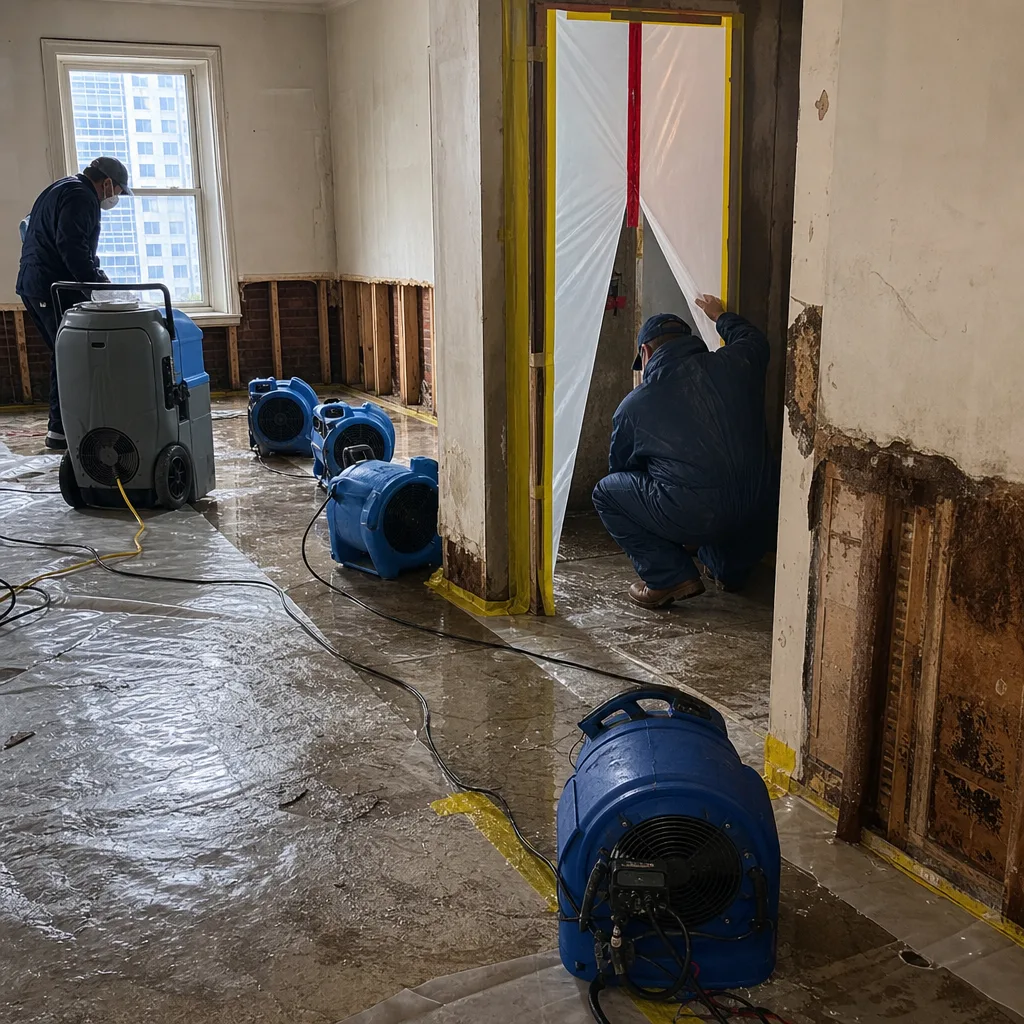
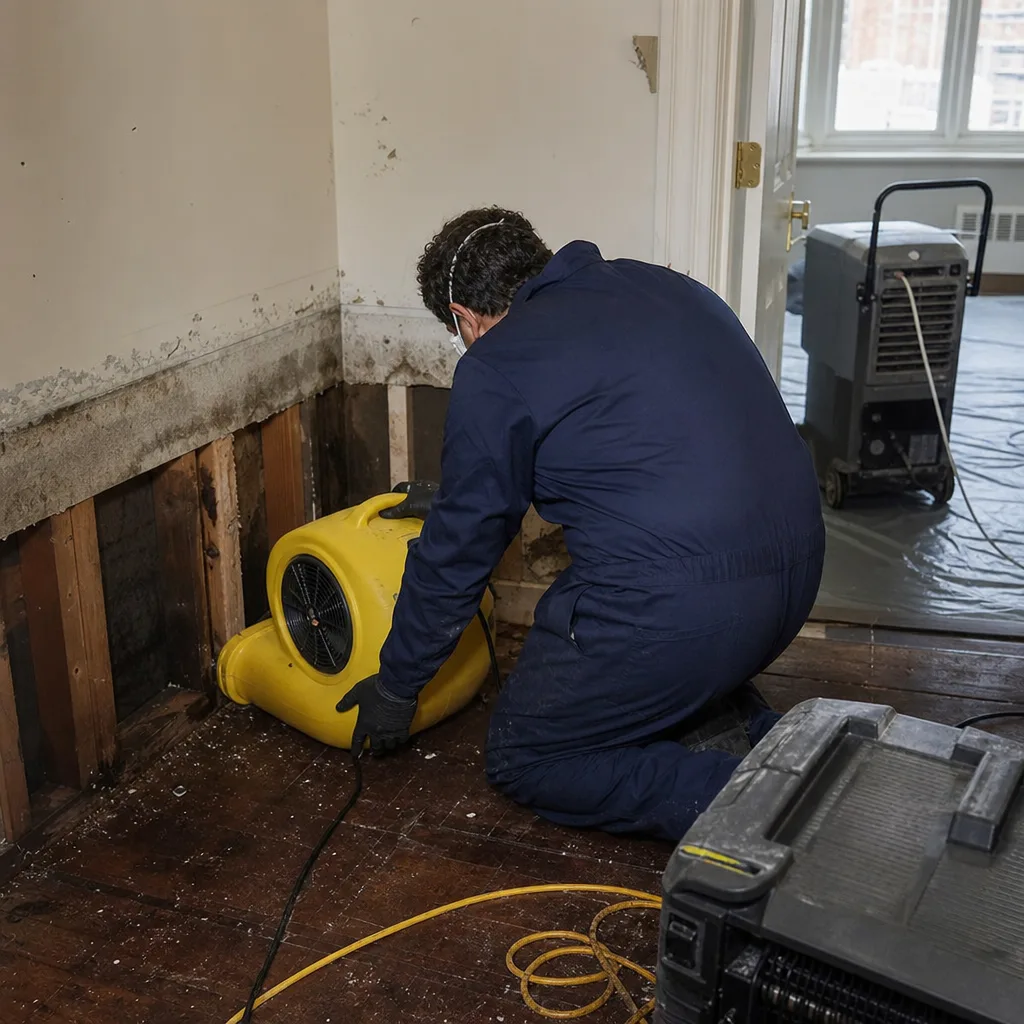
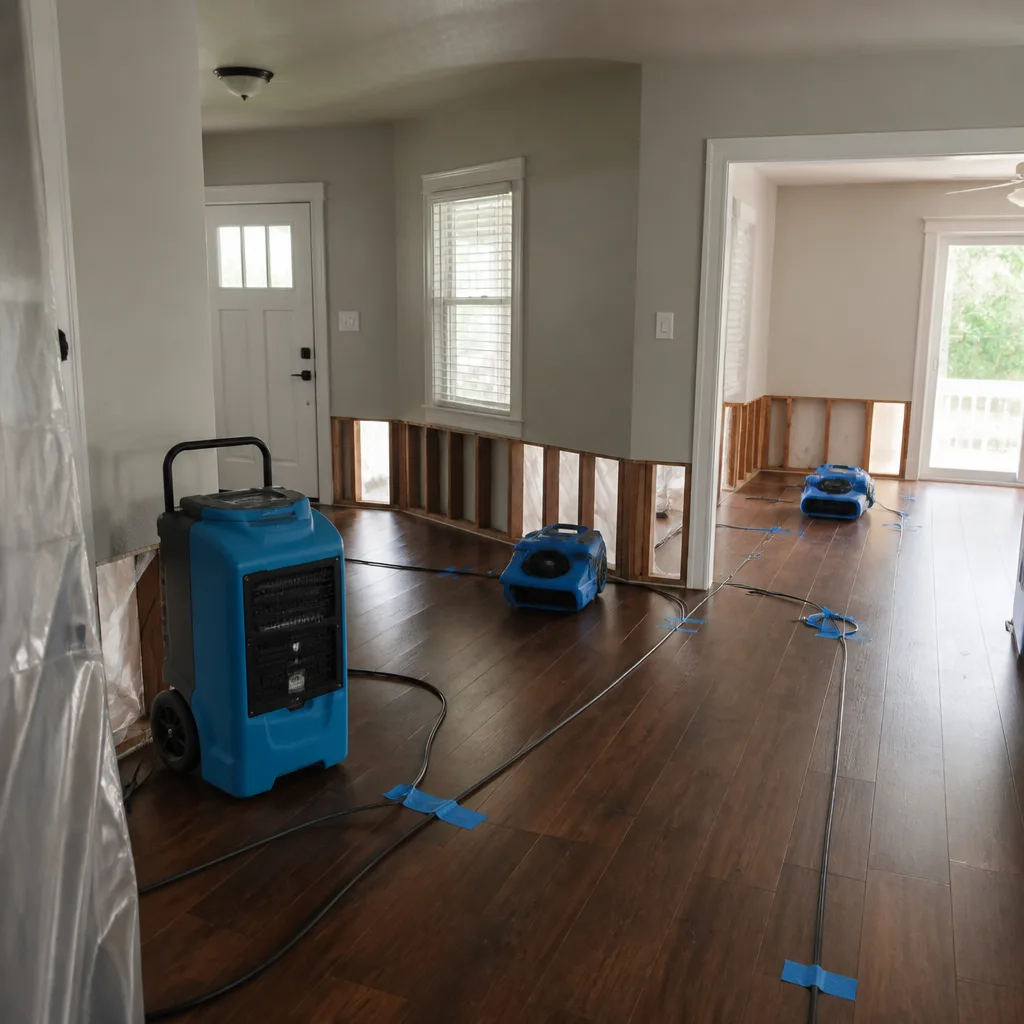
Professional-grade Dri-Eaz and Phoenix dehumidifiers and air movers go in, positioned per the moisture map, not scattered at random. Daily readings are logged and shared with you and your carrier until the dry standard is hit.
Cleaning & Sanitization
HEPA air scrubbers run to control aerosols. We clean Category 2 and 3 losses with appropriate antimicrobials and dispose of contaminated materials per IICRC standards and New York City waste regulations.
Specialty Treatment
For Lower Manhattan specifically, this stage addresses salt residue on structural steel, corrosion on electrical components, and moisture trapped behind unreinforced brick or curtain-wall systems. We use Injectidry panels where substrate drying is required.
Repairs & Restoration
We rebuild to the scope in writing, including any DOB-permitted work required by post-Sandy code amendments. You get a moisture log and the 90-Day Done Right Promise in writing at handover.
Need Emergency Commercial Restoration in Lower Manhattan Now?
Crews minutes away, answering live 24 hours a day. The sooner we start, the less it costs.
Working With Your Insurance Company
We’ve sat across from adjusters on hundreds of Lower Manhattan commercial losses, and the claims that settle cleanly all share one thing: documentation from the first hour. We photograph every affected area before demolition begins. We log moisture readings daily and hand that log to your adjuster. We write a line-item scope using the same estimating software carriers use, so there’s no translation gap between us and them. We speak directly with the adjuster, answer their questions, and keep the file moving. You pay nothing out of pocket when your policy covers the loss, and we bill the carrier directly. If a dispute comes up, our documentation is already in their file.
What We Provide Your Insurer
- Thorough documentation of the loss
- Photos of all damage, room by room
- Moisture readings and drying logs
- A detailed, line-item scope of work
- Direct coordination with your carrier
Built for Lower Manhattan’s Loss Calendar
Lower Manhattan gets hit on a schedule. January and February bring deep freezes that split supply lines in pre-war office buildings and converted lofts. The thaw that follows sends water into basements through foundation cracks that have been there since the building went up. Spring brings the first heavy rains against aging curtain-wall systems along Water Street and Broadway, where wind-driven rain finds every failed seal. Summer thunderstorms overwhelm aging storm drains in minutes, and in the Financial District, that water finds the nearest stairwell or elevator pit. Nor’easters and tropical remnants push harbor water into Battery Park City’s sub-grade parking and mechanical spaces. This is Commercial Restoration work that follows a local pattern, and we staff crews against it year-round.
Commercial Restoration Across Lower Manhattan’s Neighborhoods
Response routes in Lower Manhattan look nothing like the rest of the country. Our crews work Financial District office towers where basement mechanical rooms sit below the 100-year flood elevation, and a single failed sump pump puts a building’s entire HVAC and elevator system at risk. In Tribeca, we’re often inside cast-iron lofts where the original timber framing has been absorbing groundwater for a century, and moisture mapping behind unreinforced brick is the only way to find what’s actually wet. Battery Park City buildings, many of them built on Hudson River landfill, carry chronic water intrusion through sub-grade garages and waterproofing membranes that have outlived their service life. Along Water Street and the corridors around Washington Square, wind-driven rain against mid-century curtain walls creates slow, recurring losses that never show up as one dramatic event. Each neighborhood has a distinct failure pattern, and we dispatch for it differently.
Specialized Commercial Restoration Services We Offer in Lower Manhattan
Office & Retail Restoration
A flooded FiDi law office can’t wait two weeks for drying. We restore offices and retail spaces with an eye toward reopening, not just dryout. That means cleaning non-porous surfaces where possible, containing demolition where required, and getting air scrubbers running before tenants or customers come back.
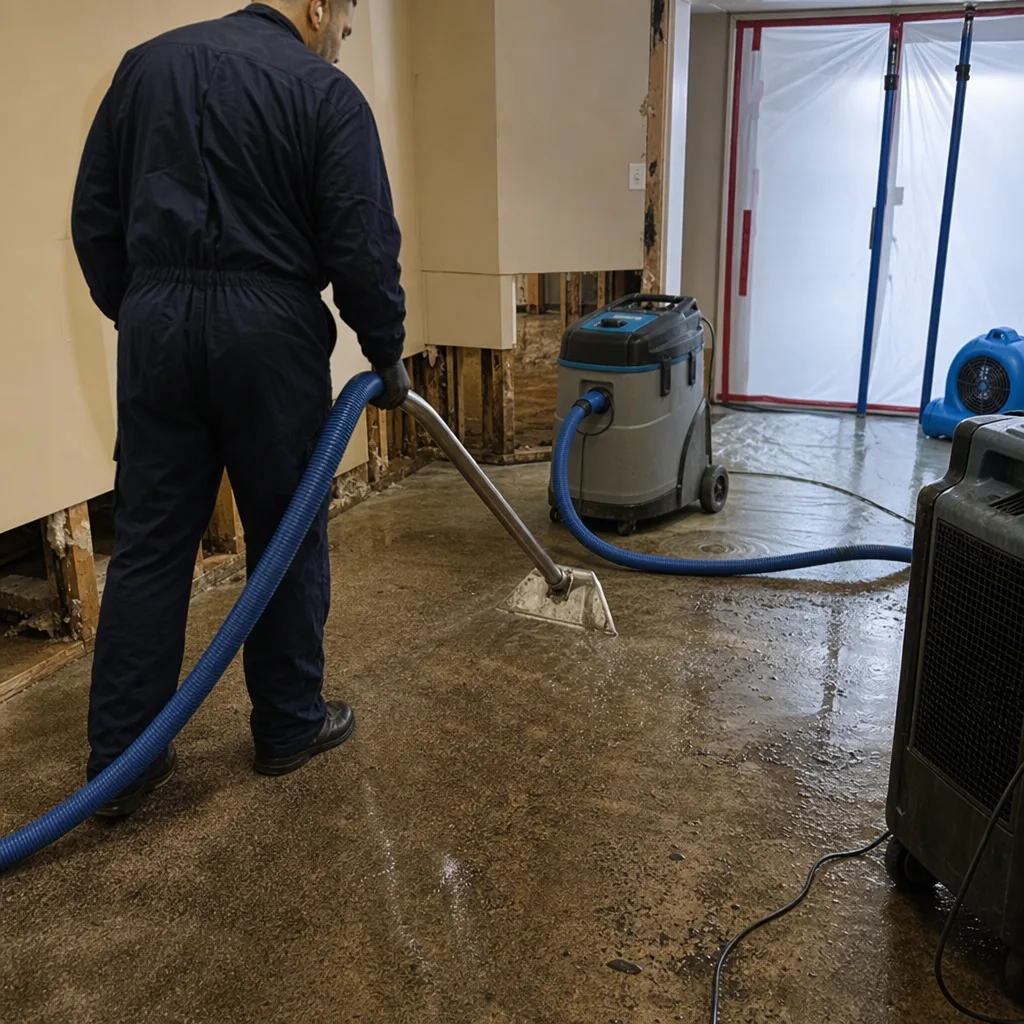
Multi-Unit & HOA Restoration
Board-governed buildings in Battery Park City and Tribeca need restoration work that survives scrutiny. We document every step, provide the moisture log to the board and property manager, and coordinate with the building’s own insurance carrier. For BuildingLink-managed condos, we work directly with management to schedule access and keep residents informed.
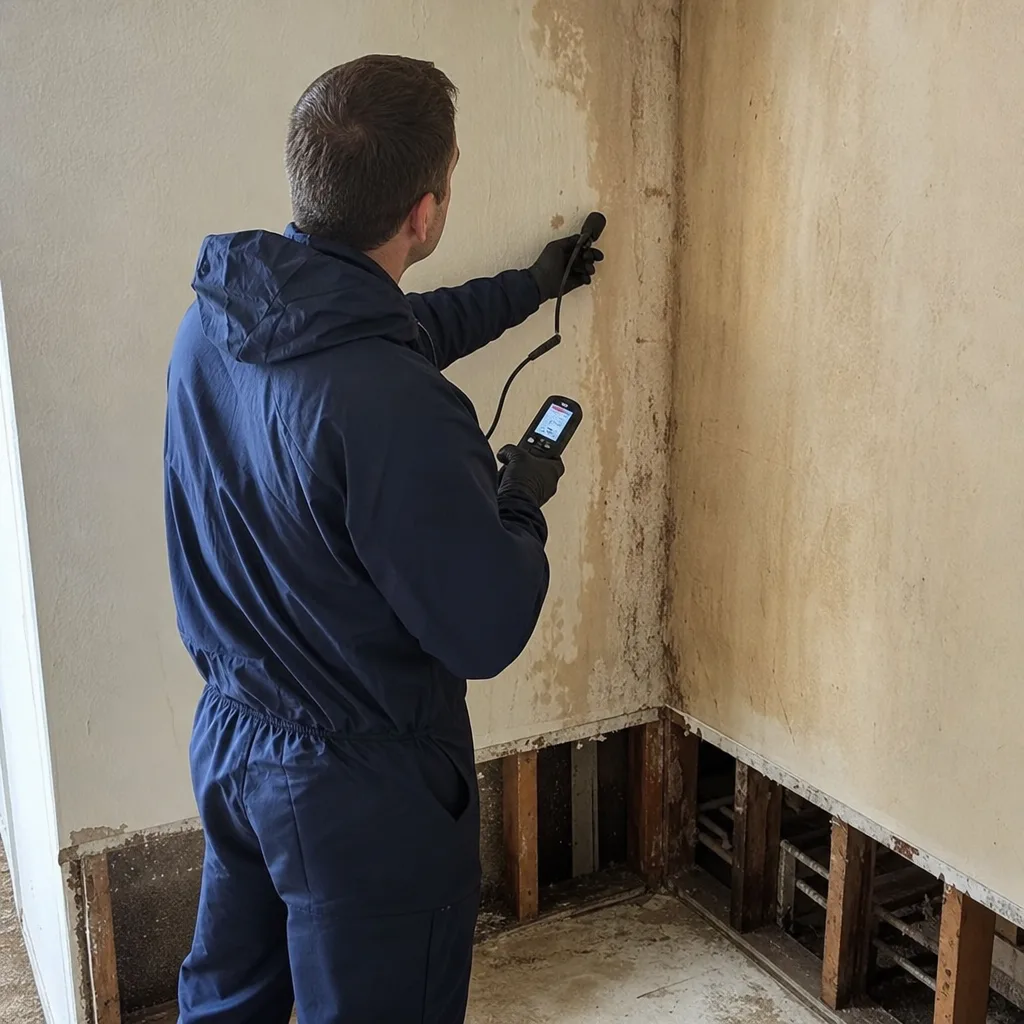
Industrial Facility Cleanup
Below-grade industrial spaces in Lower Manhattan face unique contamination risks, especially after saltwater intrusion or sewage backup. We handle Category 3 cleanups with full containment, proper PPE, and disposal documentation that satisfies DOB and DEP requirements.
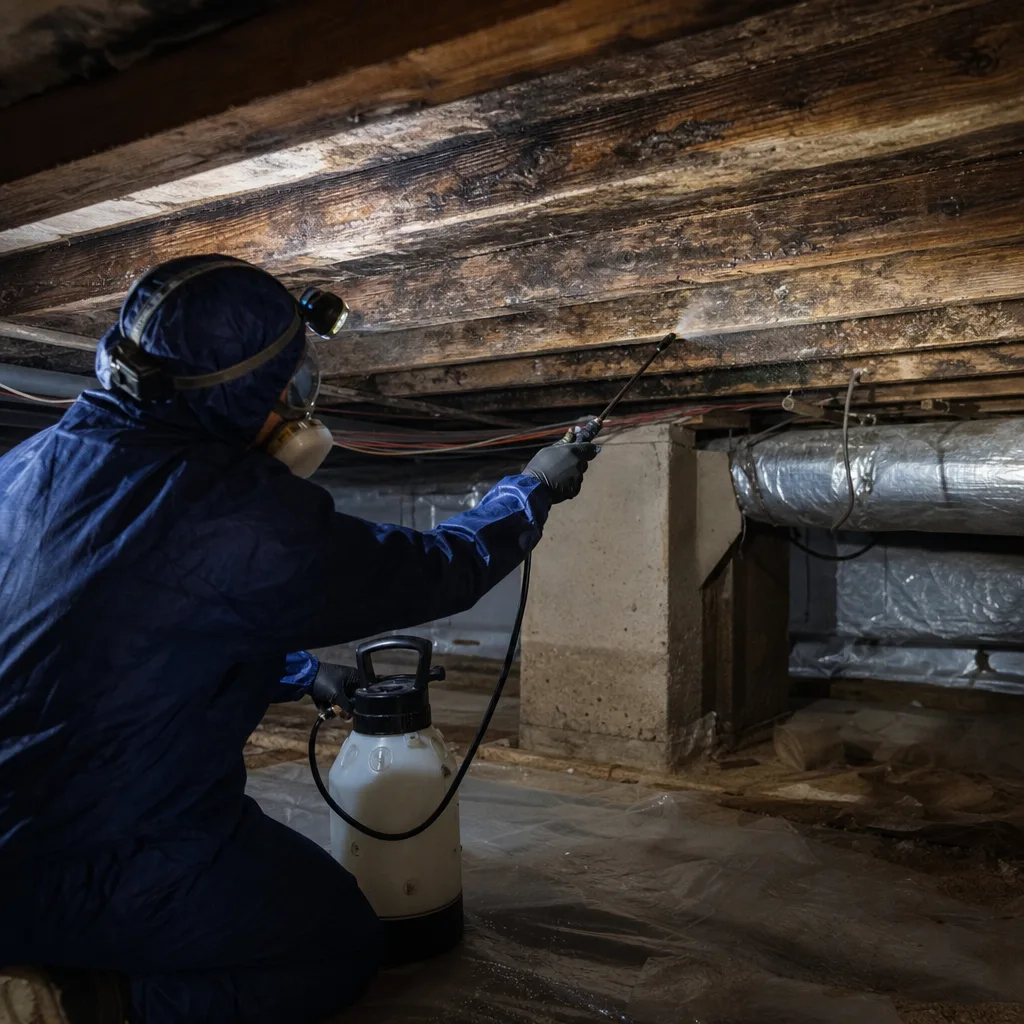
Large-Loss Response
A nor’easter that floods fifteen floors of one building is a different job than a single-tenant water heater leak. We keep certified crews and professional equipment staged for multi-floor, multi-unit incidents. Our dispatchers coordinate with building management and carriers from the first hour, and we write scopes that cover every affected unit, not just the visible damage.
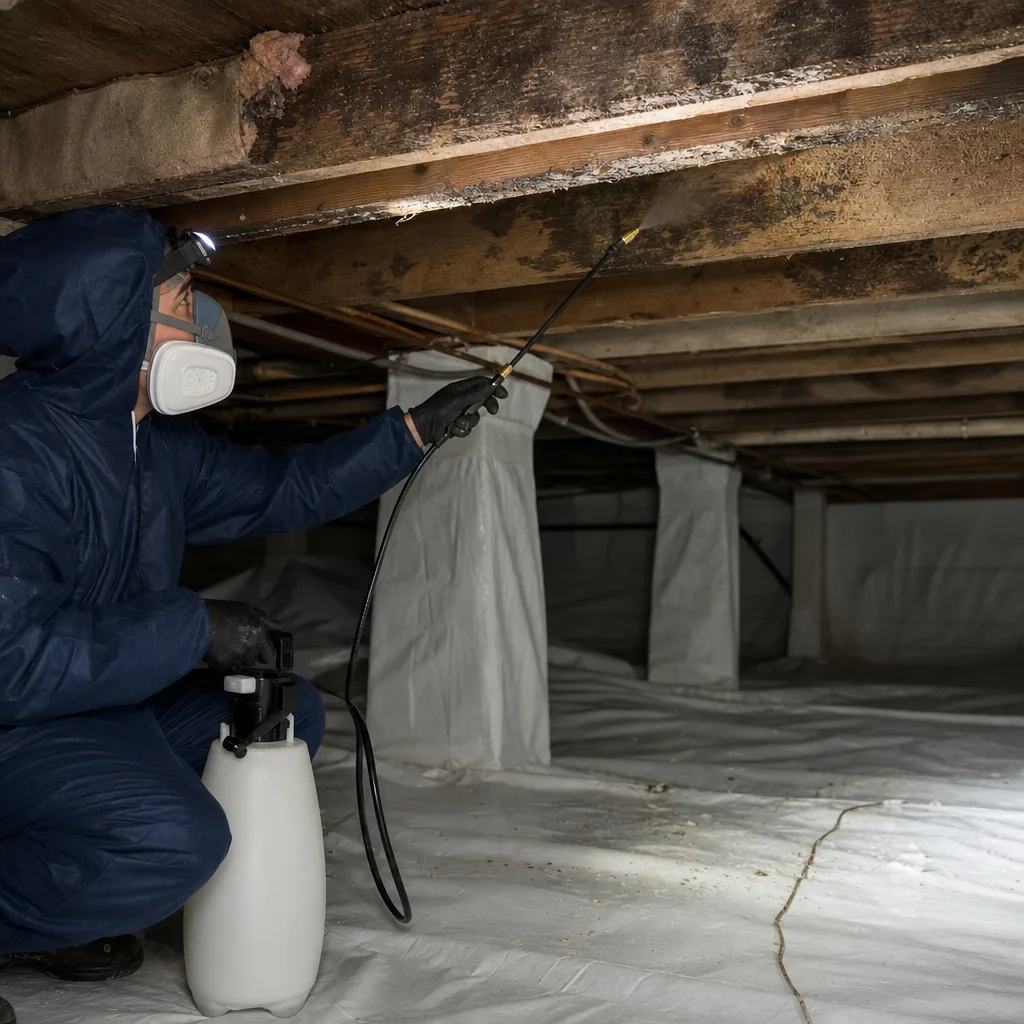
Business Interruption Minimization
Every day a Lower Manhattan business is closed costs real money. Our job starts with getting you back open, not just getting you dry. We sequence work to protect revenue-generating areas first, use rapid-drying systems in occupancy paths, and communicate realistic timelines in writing so you can make decisions with your carrier. In Zone AE buildings where post-Sandy code amendments require vertical relocation of boilers or switchgear, we flag that early so nobody is surprised by a permitting delay.
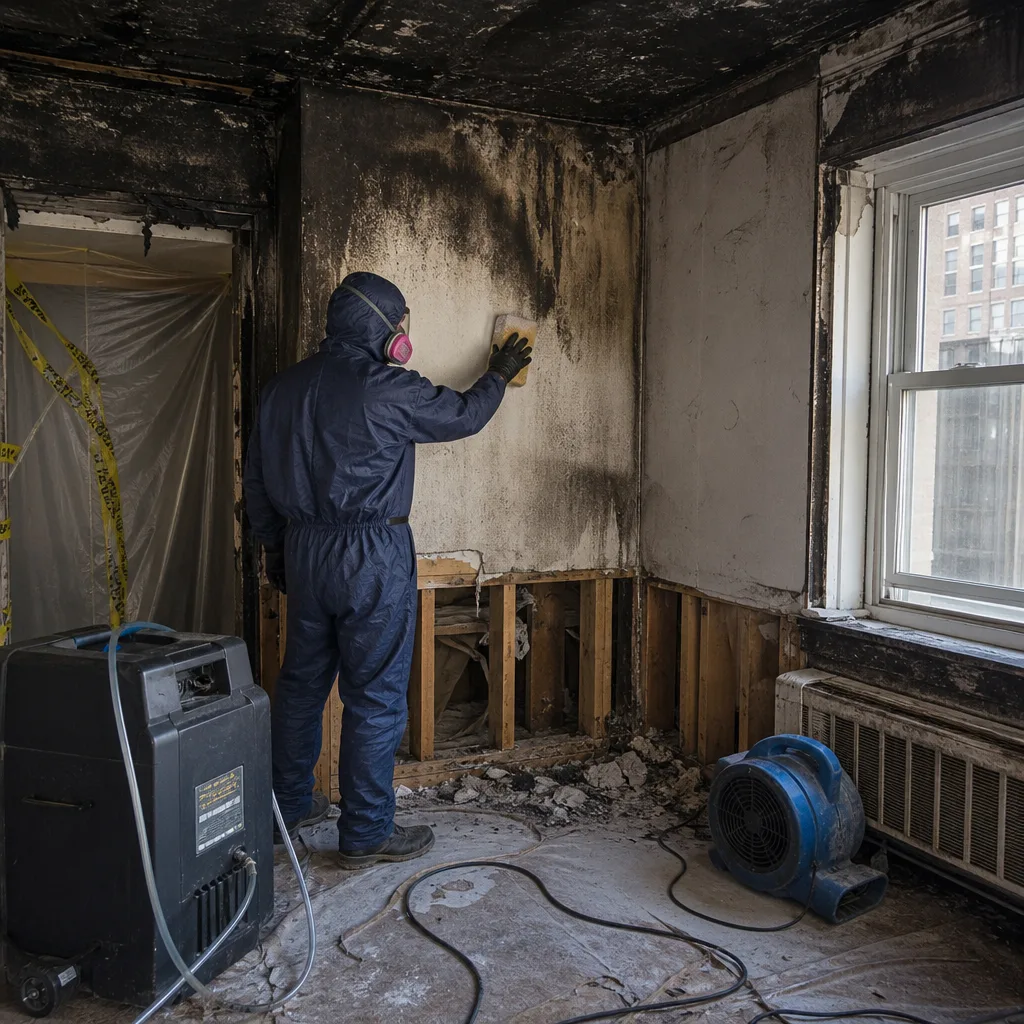
What happens when you call
- 1
A real person answersNo phone trees - you reach a local pro.
- 2
You get an upfront price rangeHonest numbers before anyone is dispatched.
- 3
A background-checked tech heads outLicensed & insured, dispatched right away.
- 4
You approve before work beginsNothing starts until you say go.
Commercial Restoration Costs in Lower Manhattan, NY
Lower Manhattan restoration work runs higher than the boroughs for a simple reason: the buildings are older, denser, and more heavily regulated. A small Category 1 water loss in a Battery Park City office suite, drying in place, typically runs $2,800 to $6,500. A Category 3 sewage backup in a Financial District basement, with full containment and disposal, lands between $8,000 and $22,000. Storm surge remediation with saltwater protocols, especially where electrical or steel structural elements are involved, commonly falls between $30,000 and $120,000. Large-loss events across multiple floors start around $150,000 and scale with square footage and required DOB permits. Anything structural in a Zone AE building gets priced after a visual inspection and written scope, because BFE compliance changes the entire equation. The free inspection is how you get from a vague fear to a firm number.
We Also Serve Cities Near Lower Manhattan
Our crews serve Lower Manhattan and the surrounding commercial corridors daily. That includes the Financial District, Washington Square, Brooklyn Heights, and Williamsburg. If your building sits along the harbor or just across the bridge, we’re already familiar with the buildings, the building codes, and the loss patterns.
Lower Manhattan Commercial Restoration Questions, Answered
My commercial suite in a Zone AE building flooded; how does BFE affect my restoration?
Base Flood Elevation (BFE) is the height your building’s critical systems must sit above to meet FEMA and post-Sandy NYC code. If your boiler, switchgear, or elevator equipment flooded and now needs replacement, the city may require relocation above the BFE rather than in-kind replacement. That’s not a cleanup issue; it’s a DOB-permitted structural issue. We identify this during the initial assessment and build it into your written scope.
Do I need different protocols for saltwater intrusion in Battery Park City?
Yes. Saltwater holds moisture longer, accelerates corrosion on steel studs, lally columns, and electrical panels, and shortens the mold timeline significantly. Freshwater drying protocols leave salt-trapped moisture behind. We use salt-specific cleaning, corrosion inhibitors on exposed steel, and moisture mapping that tracks what’s hidden behind masonry, not just what’s on the surface.
We had a Category 3 sewage backup in our Financial District basement-can we dry in place?
Generally no. Category 3 water contains sewage and pathogens. Porous materials like drywall, carpet, and insulation that absorbed it must be removed and properly disposed of. Non-porous surfaces can be cleaned and sanitized. We contain the area first, run HEPA air scrubbers, and document disposal for your carrier and DEP compliance.
How fast can you start large-loss response after a nor’easter hits Lower Manhattan?
We answer live 24 hours a day. During a storm event, dispatchers are already staging crews and equipment before the tide peaks. For most Lower Manhattan addresses, first crew arrival happens within 45 minutes of your call. Extraction typically starts on the same visit.
Our BuildingLink-managed condo in Battery Park City has chronic water intrusion through the sub-grade garage. Can restoration solve it permanently?
Chronic intrusion through a foundation or waterproofing membrane is a building envelope problem, not a drying problem. Restoration cleans up the current loss. Permanent correction requires structural and waterproofing work, which we can scope and complete as part of the full-cycle rebuild. We’ll document the recurring moisture pattern for your board and carrier so the underlying failure is addressed, not just the symptom.
Will my insurance cover commercial restoration in a flood zone?
Standard commercial property policies typically exclude flood unless a separate flood policy is in place. Storm surge is classified as flood. Sewage backup, burst pipes, sprinkler failures, and wind-driven rain usually fall under the base policy. We document the source of the water from hour one so your carrier sees exactly what happened, not just what got wet.
How long does commercial drying take in Lower Manhattan’s older buildings?
Three to five days for a Category 1 loss with proper equipment and daily moisture readings. Saltwater in masonry or timber framing extends that. Cast-iron and unreinforced brick release moisture slowly, and we keep equipment running until the dry standard is met, not until the surface feels dry. We hand you the moisture log either way.
What should I do in the first 30 minutes after water damage in my Lower Manhattan commercial space?
Call us. Turn off electricity at the breaker if you can do so safely from a dry location. Do not wade into standing water, especially if it’s come up through a drain or the harbor. Do not turn on HVAC systems; they’ll spread contamination. Take photos of the standing water. Then call (518) 663-6491 and let our crew take over.
Serving Lower Manhattan, NY - Our Local Coverage Area
We’re based in the Lower Manhattan area and know this community well. Use the map below to see our service coverage - if you’re nearby, we can almost certainly help.
Done Right - And Backed in Writing
Lower Manhattan’s buildings are unlike anywhere else we work. The flood zone maps, the saltwater exposure, the cast-iron framing, the curtain walls, the DOB code amendments that came after Sandy. All of it demands a restoration contractor who knows the territory, not one reading a playbook for the first time. Floodline Restoration Co. has run full-cycle restoration across Lower Manhattan from the first day the water showed up. We’re the team that starts at the floodline and doesn’t hand anything off. Call (518) 663-6491 for a free visual inspection and a written scope. The 90-Day Done Right Promise comes with it. That’s the Keystone Standard, and we don’t argue about it. We just stand behind it.
Written by Curt Bowman, Owner at Floodline Restoration Co., serving Lower Manhattan commercial properties with full-cycle restoration since our first call in the borough.