
Free visual inspection and a written scope of work before any mitigation begins - photos, moisture readings, and drying logs go in your claim file
The scope we write is the scope we bill. Anything new gets shown to you, in writing, before we touch it.
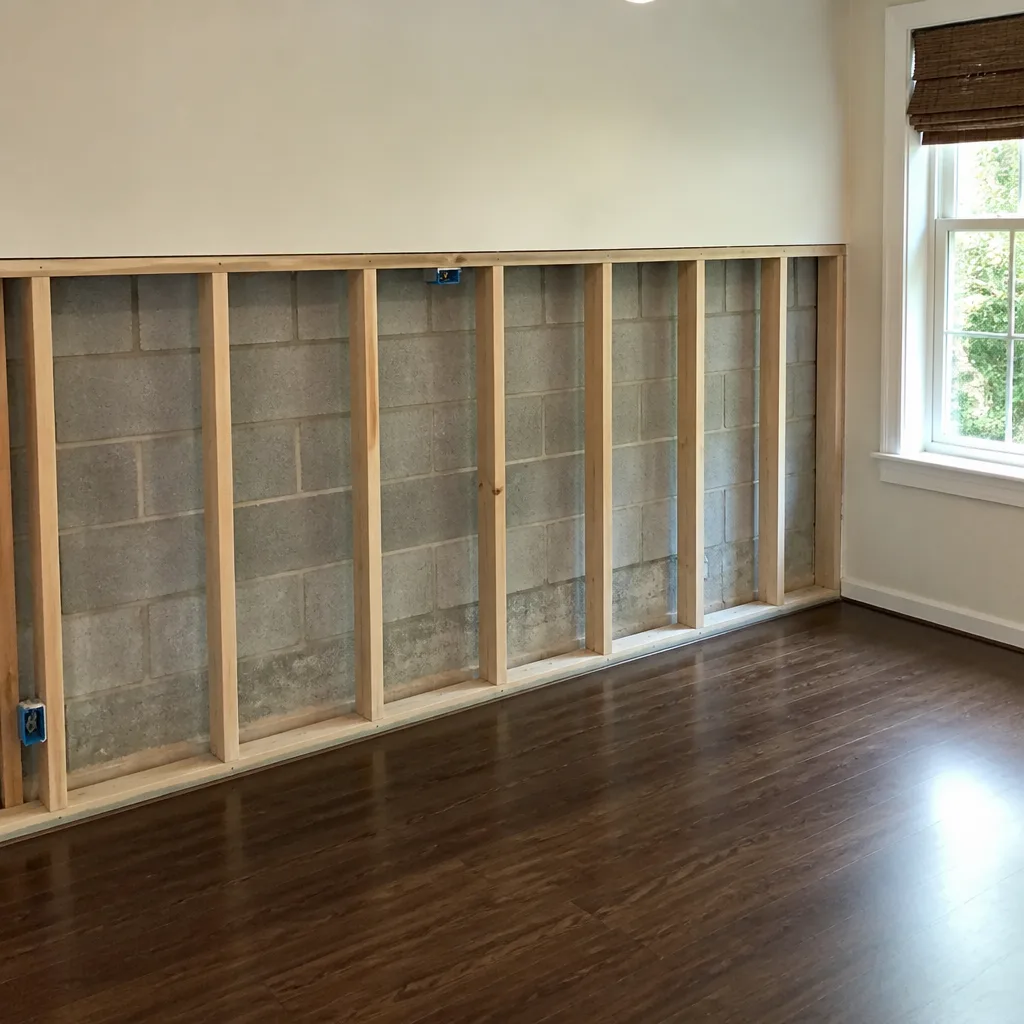
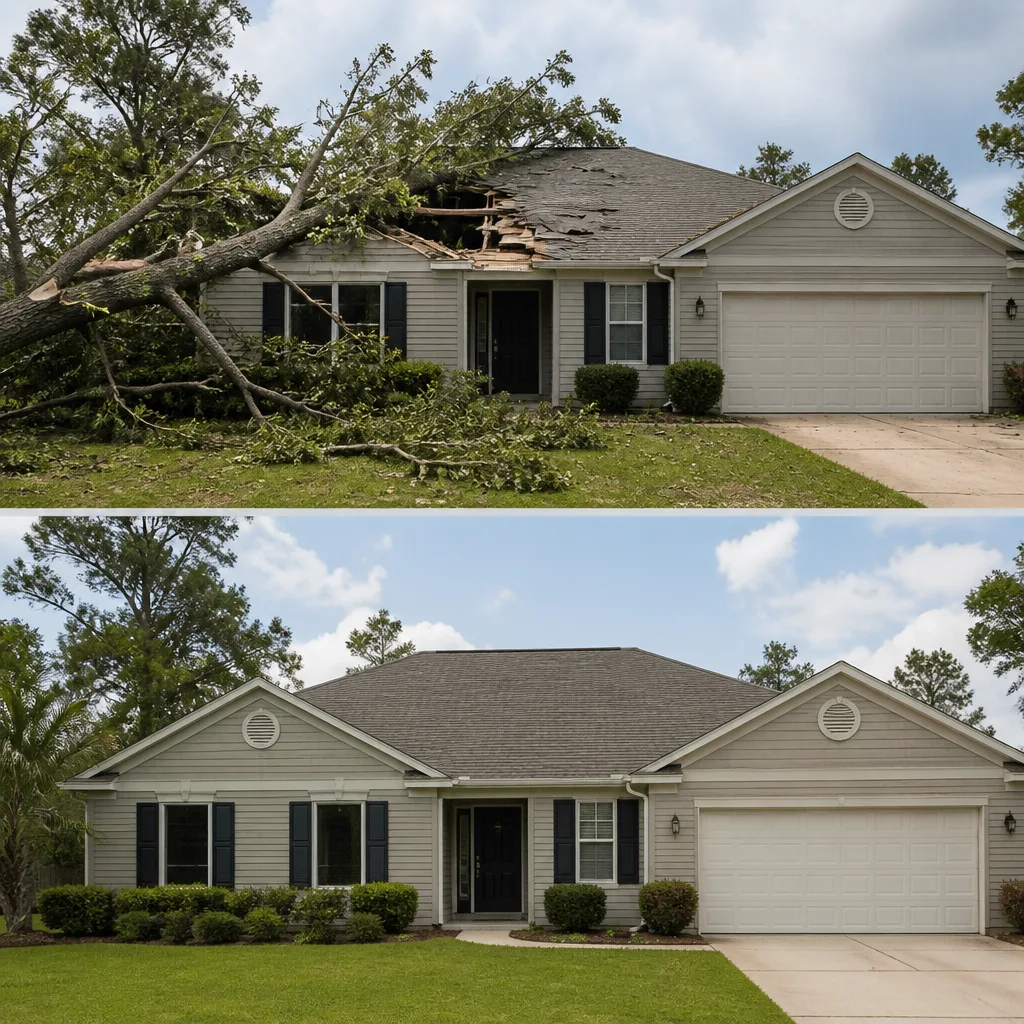
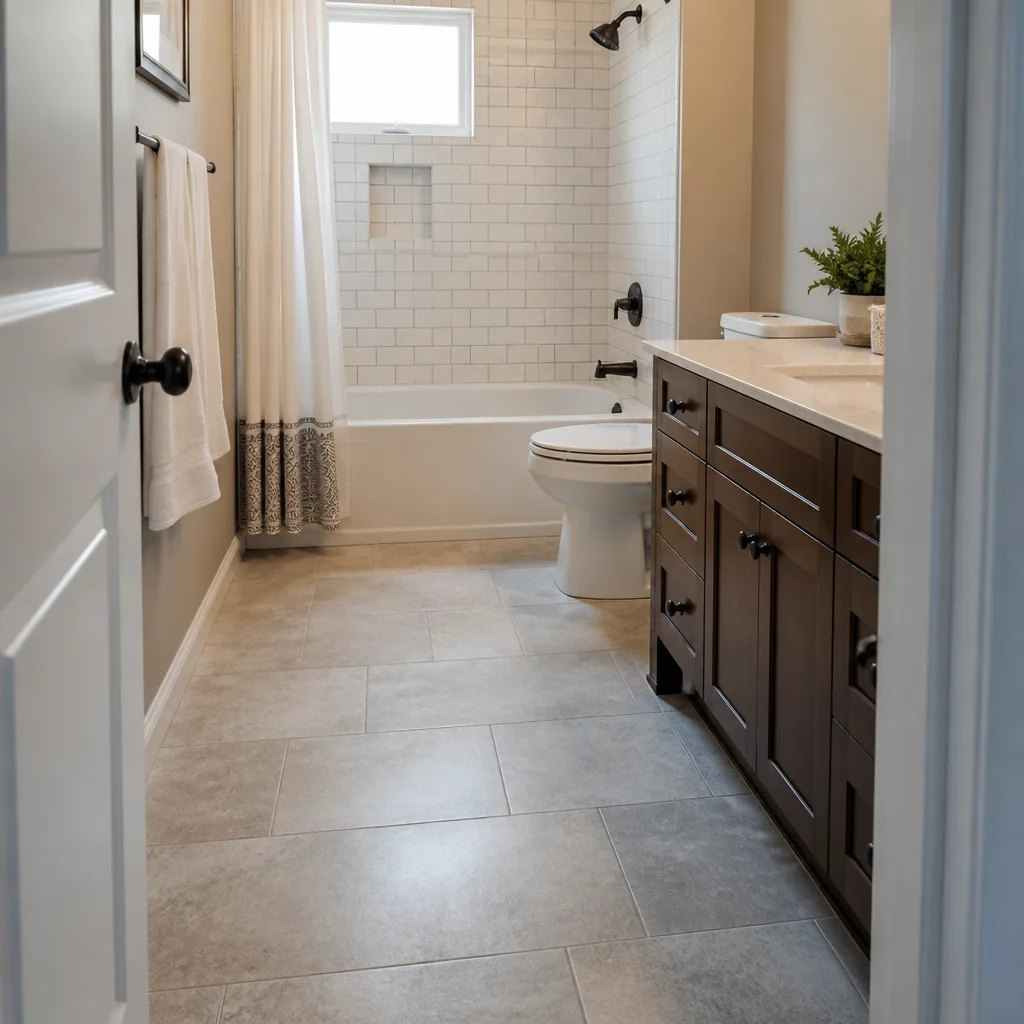
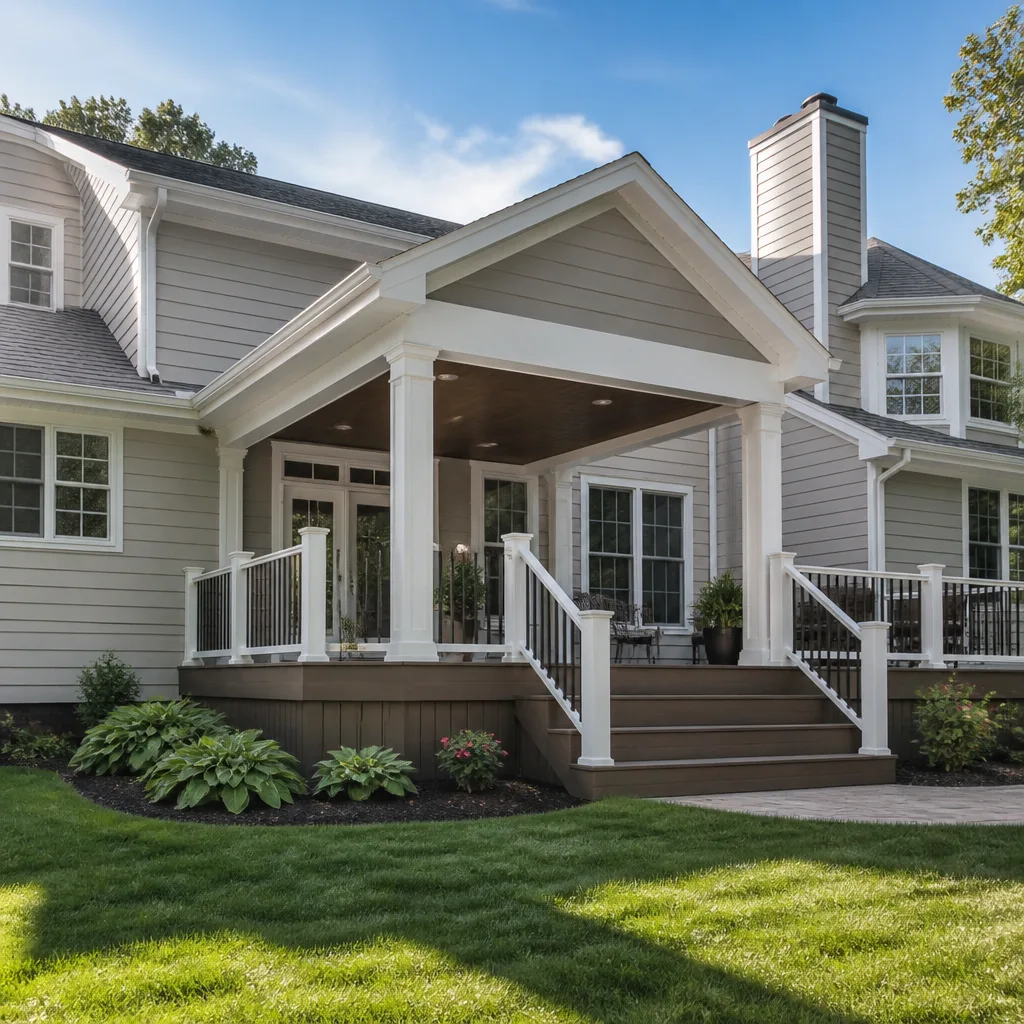
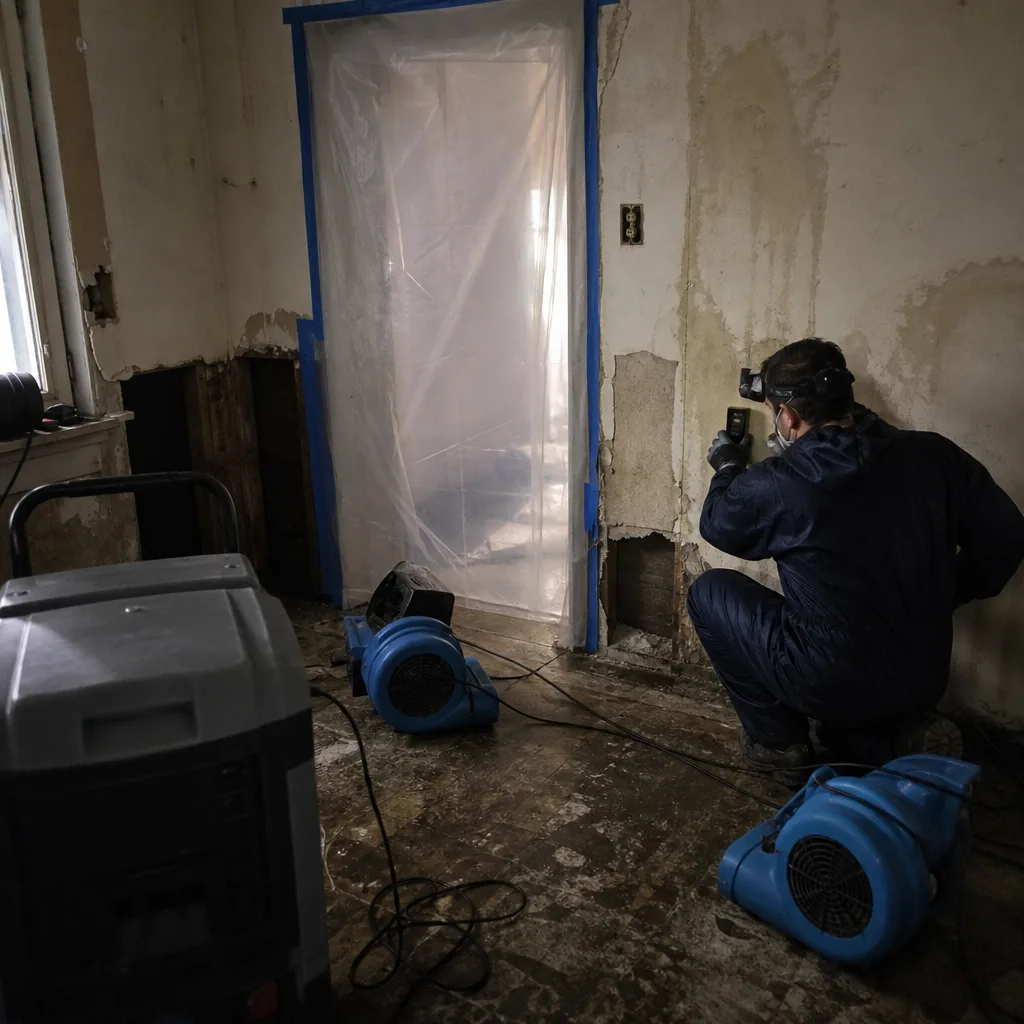 Before
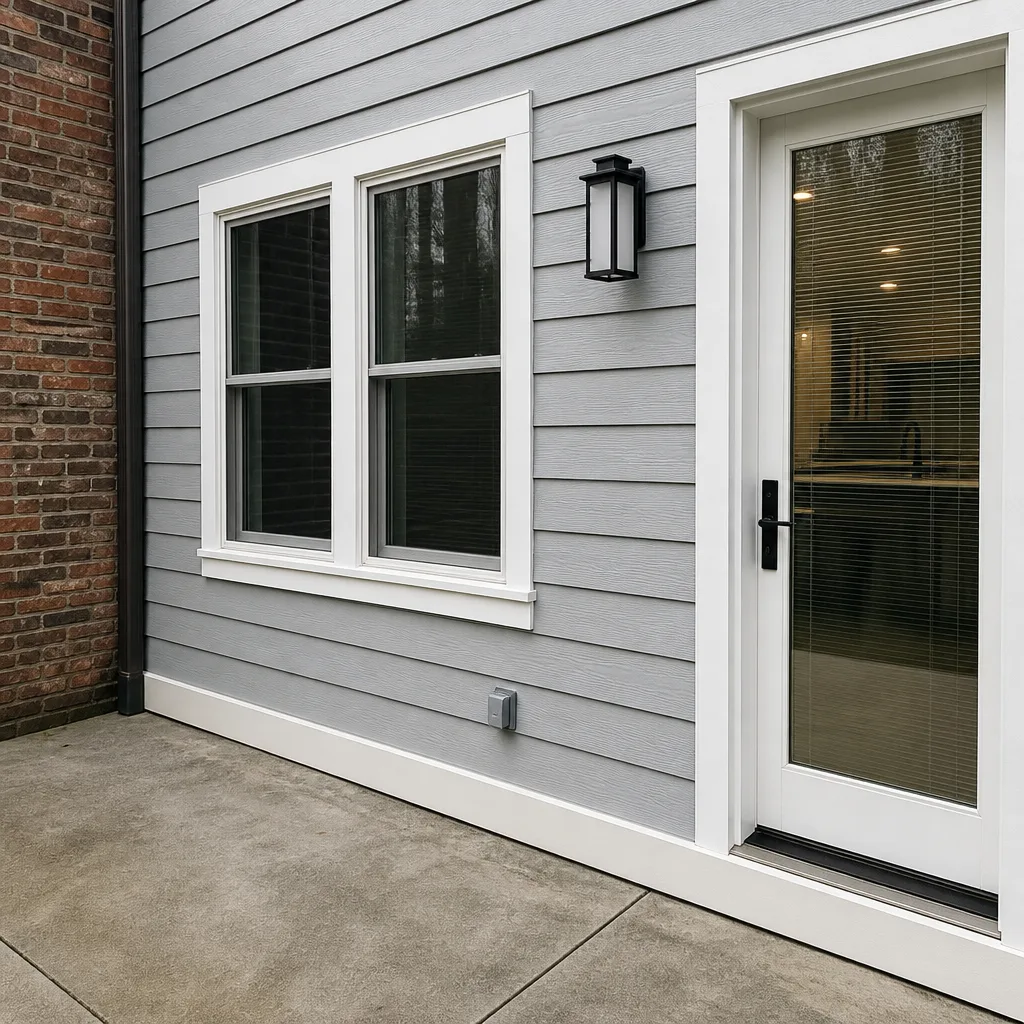 After
After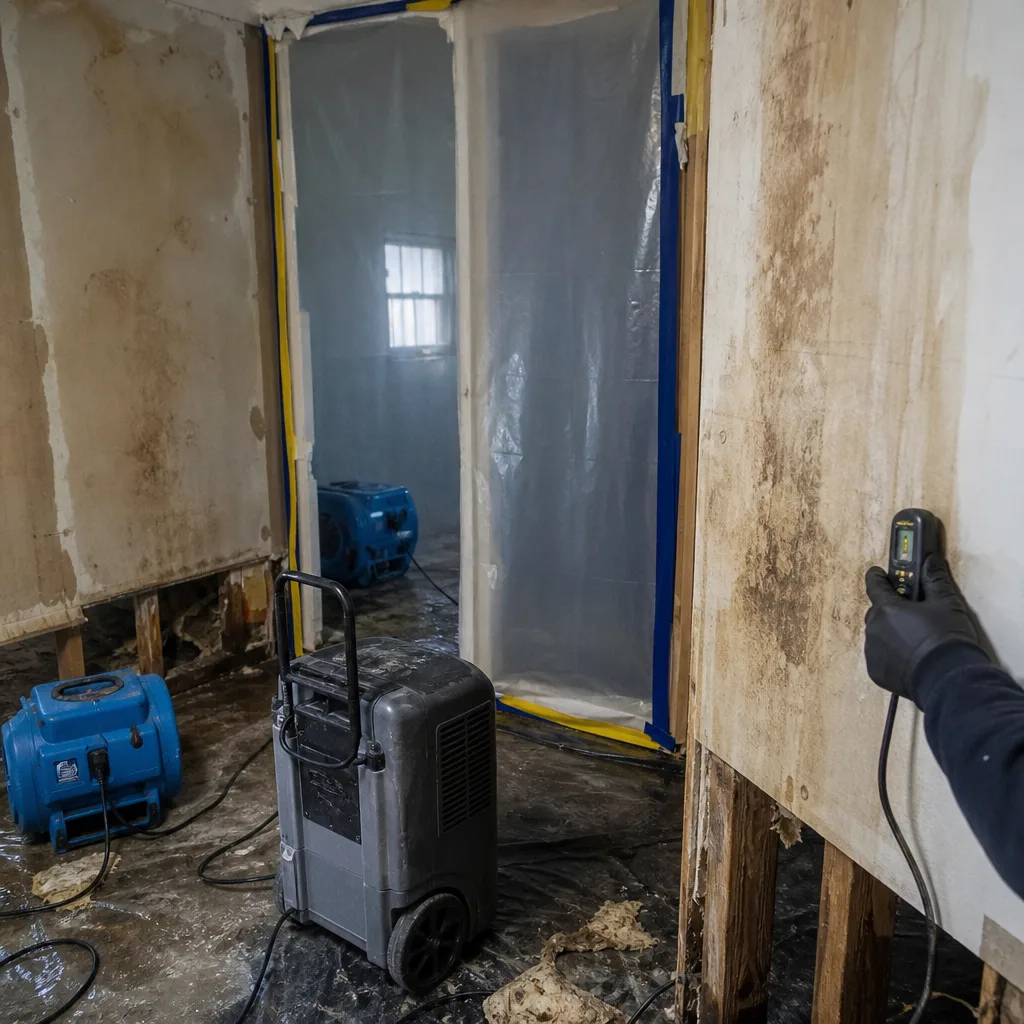 Before
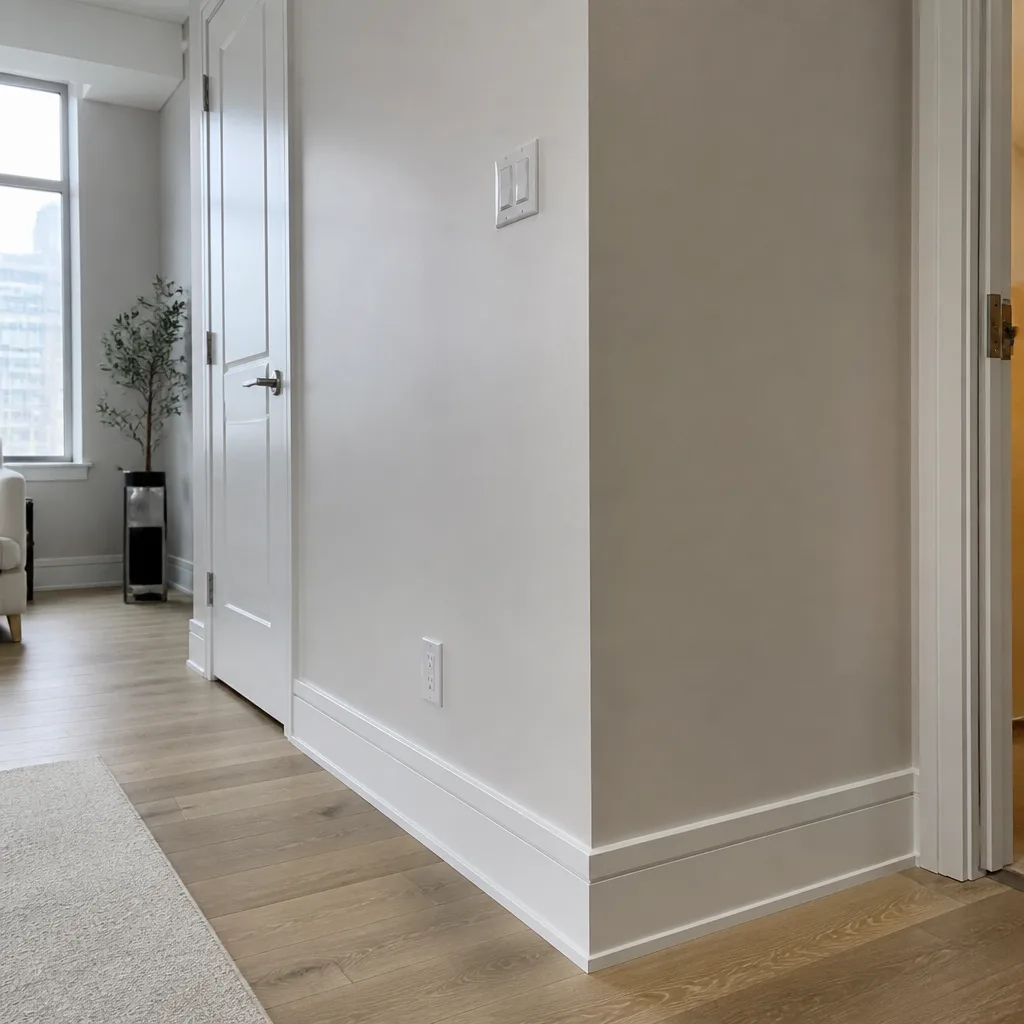 After
After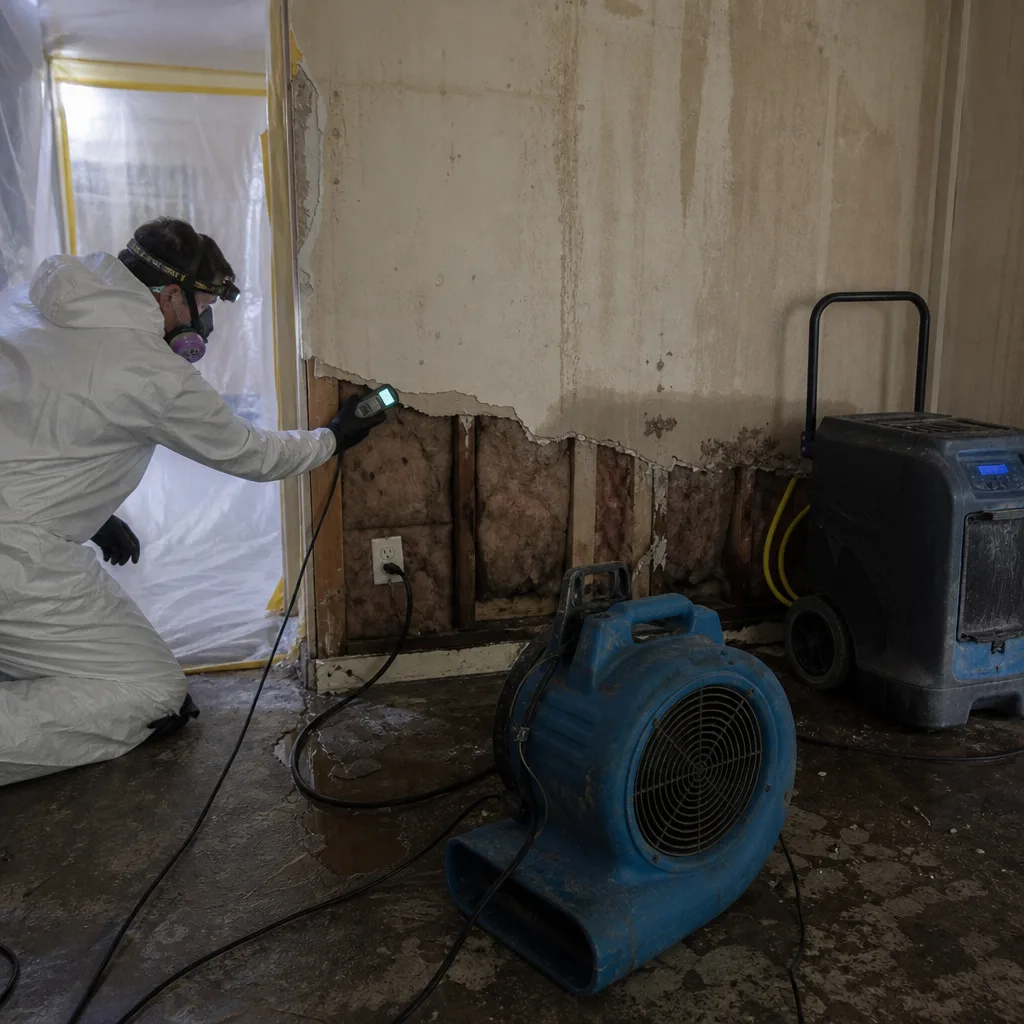 Before
 After
After24/7 Emergency Sewage Cleanup in Bushwick
Sewage cleanup in Bushwick costs between $2,800 and $7,500 for a typical Category 3 backup, with most jobs completed within 3 to 5 days. A live dispatcher answers at (518) 663-6491 around the clock, and our crews are inside the Bushwick area every day, so a certified technician can be on site within 45 minutes of your call. The first hour matters more in Bushwick than in most places: the neighborhood’s attached brick rowhouses and converted factory lofts share walls, floors, and sometimes waste lines, which means black water that sits for even a day starts migrating into framing, concrete, and the unit next door. We start with a free visual inspection, and we never charge for that first visit.
Understanding Sewage Cleanup Severity in Bushwick Properties
Not all water damage is the same, and the difference comes down to category. Category 1 is clean water from a supply line. Category 2 carries some contamination, like sink or washing machine discharge. Category 3, often called black water, is what a sewage backup puts into your home. It carries bacteria, viruses, and parasites from human waste, and it requires full containment, disposal of saturated porous materials, and hospital-grade disinfection before anyone should live in the affected space again.
In Bushwick, the severity question is almost always amplified by the building itself. The late-1800s brick tenements and early-1900s rowhouses that dominate the neighborhood were built with cast-iron or galvanized waste lines that have been in the ground or inside walls for over a century. Original plaster-and-lath walls act like a sponge, wicking black water upward and sideways even after the standing water is extracted. Converted industrial loft buildings, with their open floor plates and exposed timber beams, give sewage a long unobstructed run: a single fractured waste line above a second-floor work space can contaminate three units before anyone sees a stain. We moisture-map every affected area, log daily readings until materials hit the dry standard, and only then start the rebuild. That approach is not optional in this housing stock. It’s the only way to keep a one-unit backup from becoming a three-unit tear-out.
Why Bushwick Property Owners Choose Floodline Restoration Co.
- 45-minute response commitment to Bushwick. Our crews stage within the neighborhood and surrounding Brooklyn arteries, so when you call about sewage in a tenement on Knickerbocker Avenue or a loft on Flushing Avenue, we’re close by.
- A live person answers, 24/7. Curt Bowman built the company around a dispatch board, not a sales desk. At 2 a.m., you reach someone who can start a crew moving, not a recording.
- IICRC-certified crews. Our technicians carry WRT and AMRT certifications and work to RIA and IFA standards. Sewage cleanup is not a handyman job, and we don’t treat it like one.
- Free visual inspection on every call. We walk the affected unit, identify the source, and tell you what we’re seeing before anyone opens a wall. No charge for the visit, no obligation.
- Direct insurance billing. We document from the first hour, build a line-item scope, and work with your adjuster directly. You don’t play messenger between us and the carrier.
- One team, from extraction to rebuild. The crew that extracts the sewage and dries the framing is the same crew that hangs new drywall and primes the walls. No mid-job handoff, no inherited subcontractor you’ve never met.
Our Sewage Cleanup Process
Inspection & Assessment
We begin with a full visual and moisture assessment of the affected unit, adjacent spaces, and any shared walls or floors. Thermal imaging and hygrometers tell us where black water has migrated, even in areas that look dry. In Bushwick’s attached buildings, we check the party wall and the unit below before we quote anything.
Extraction & Stabilization
Standing Category 3 water comes out first, using truck-mounted extraction rigs for larger volumes and portable units for tight tenant spaces. We stop the source of the backup, whether that’s a fractured cast-iron waste line, a failed ejector pump, or a blocked lateral. Stabilization means shutting down what’s actively spreading.
Drying & Dehumidification
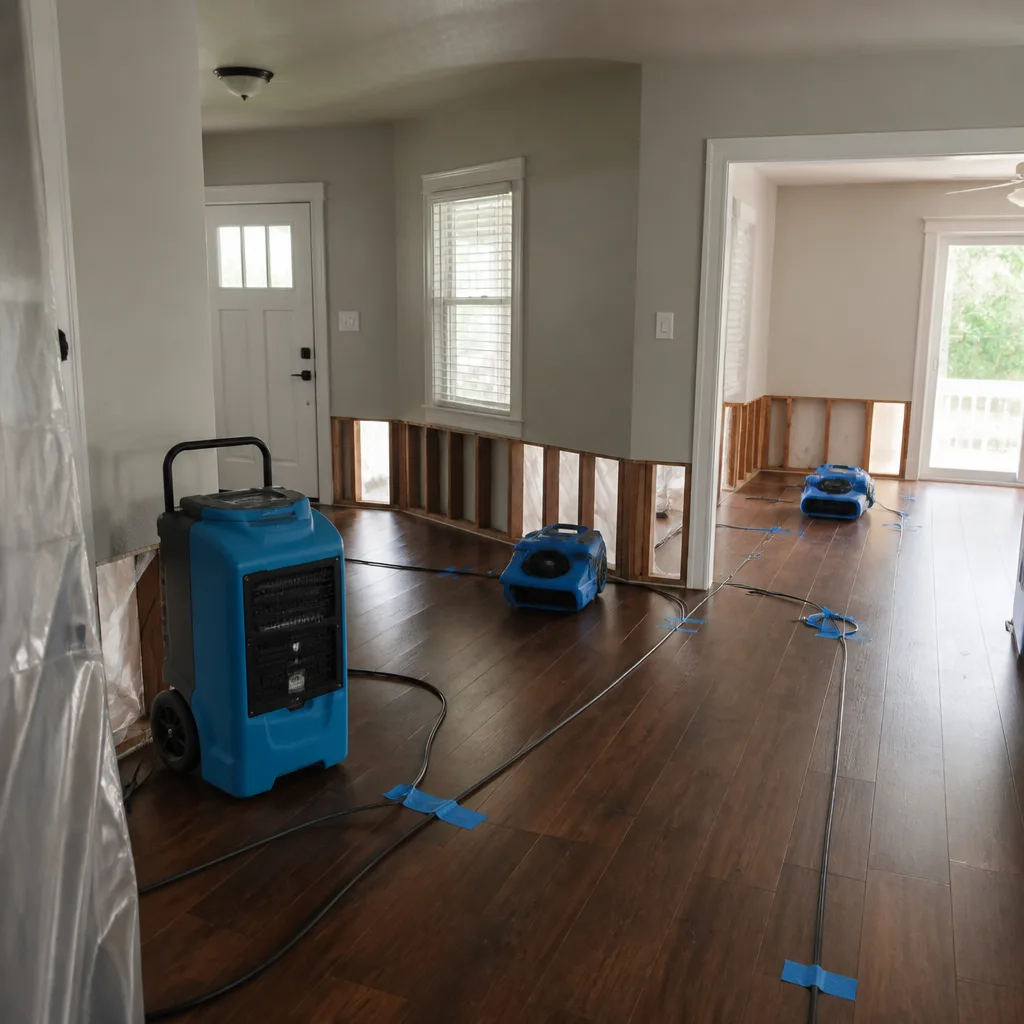
We run professional-grade air movers and LGR dehumidifiers from Dri-Eaz, Phoenix, and XPOWER. In pre-war plaster-and-lath buildings, we also inject air into wall cavities that are holding moisture. Daily readings are logged until everything hits the dry standard, and that log goes to you and your carrier.
Cleaning & Sanitization
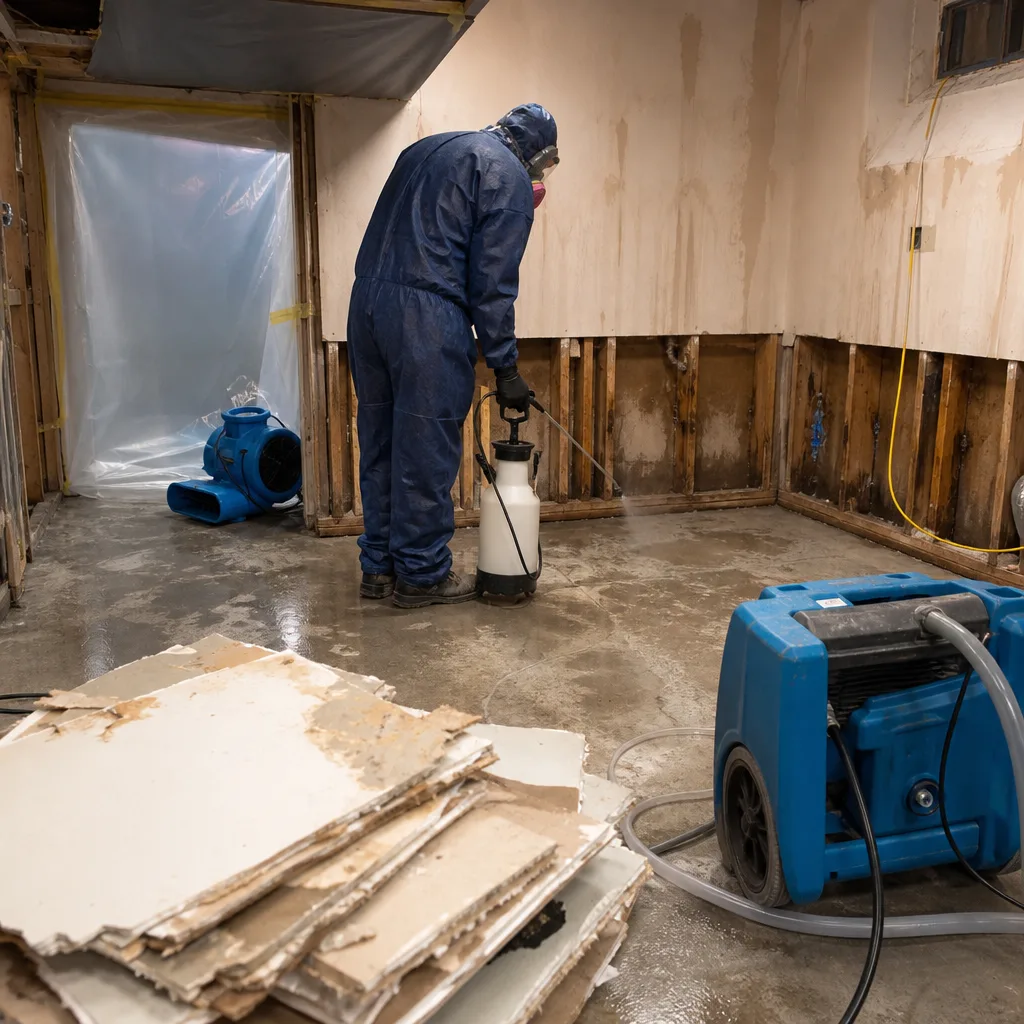
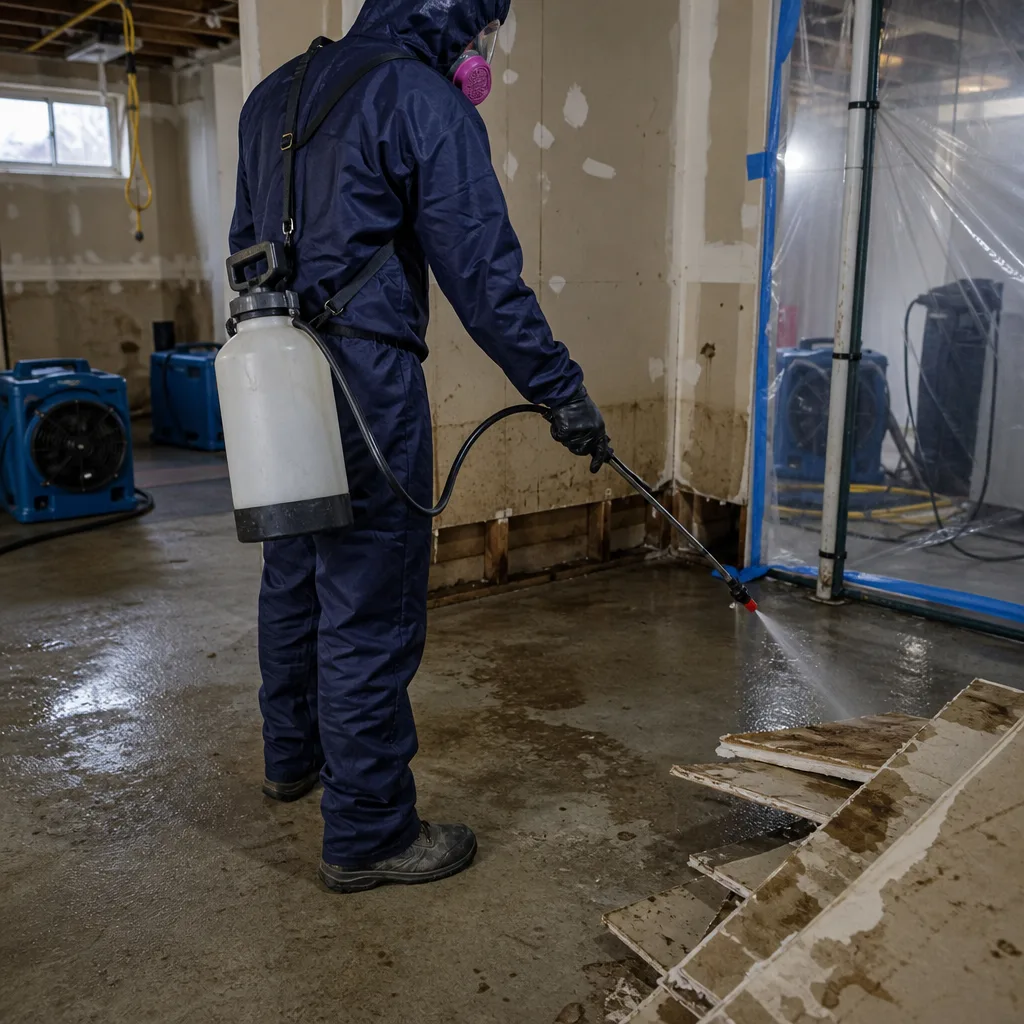
All remaining surfaces are cleaned, scrubbed, and disinfected with EPA-registered antimicrobials rated for Category 3 water. We pressure-wash concrete slabs where needed, HEPA-vacuum exposed framing, and fog enclosed spaces to reach what wiping can’t.
Containment & Debris Removal
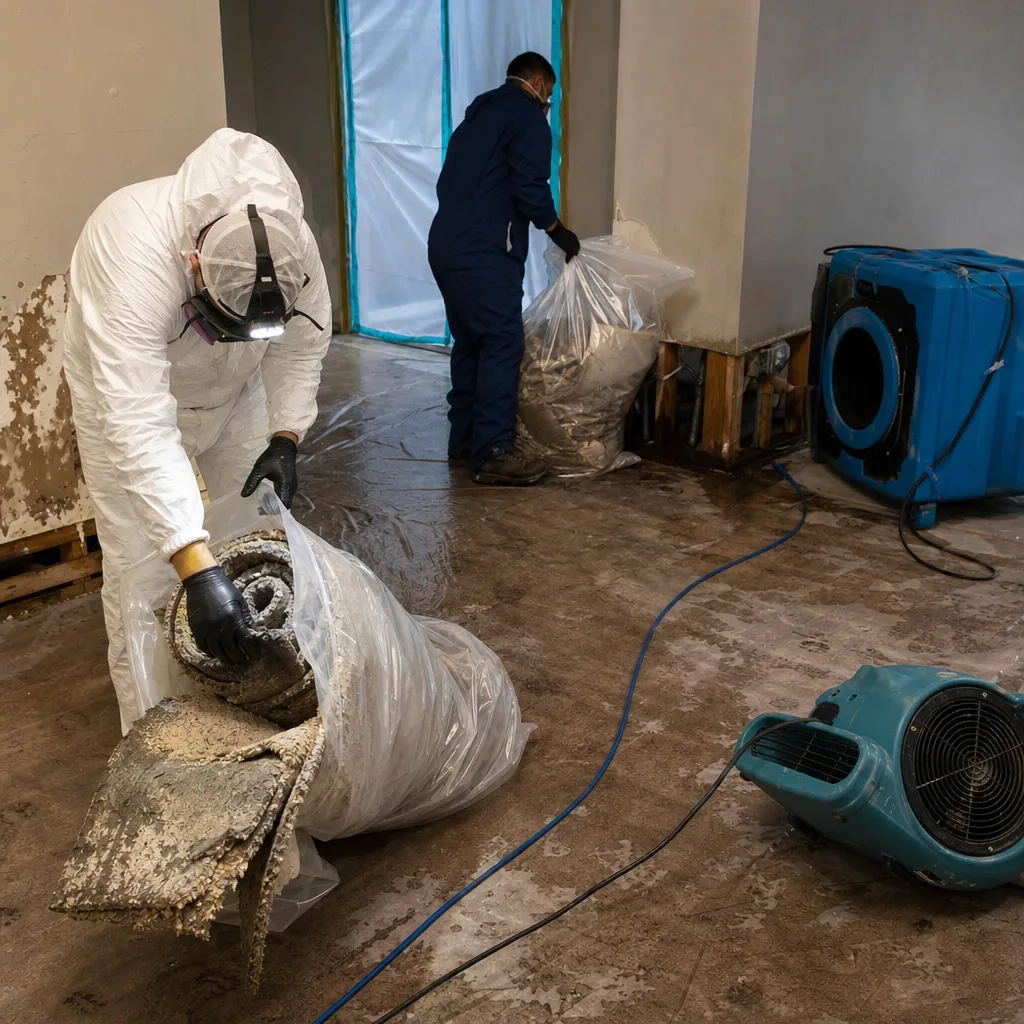
For larger loft floor plates and multi-unit backups in Bushwick, we set negative air containment with HEPA air scrubbers before cutting into walls or removing saturated material. Contaminated debris, drywall, insulation, and flooring is bagged, sealed, and disposed of per NYC and state waste regulations. The air inside the affected building is filtered continuously.
Repairs & Restoration
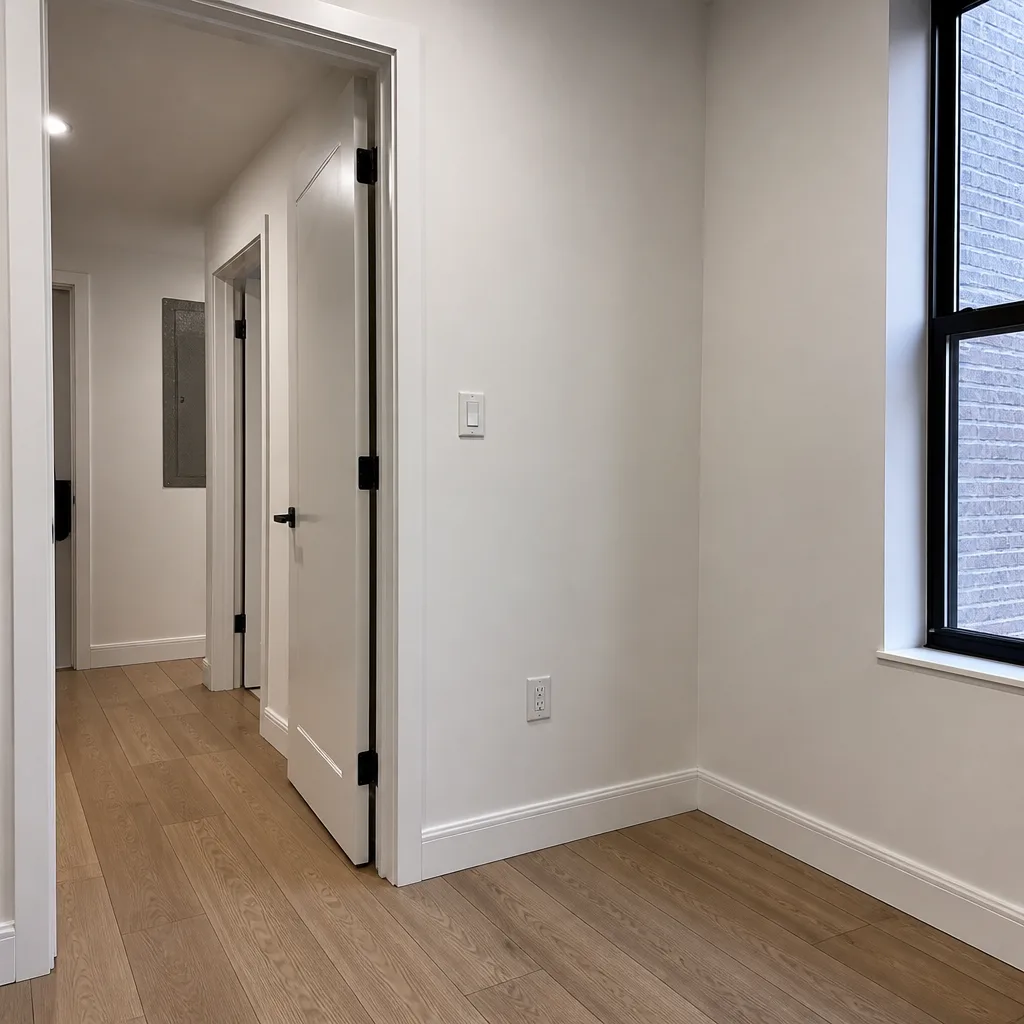
Reconstruction starts only after the dry standard is met and logged. The same crew that handled extraction replaces plaster, drywall, insulation, subfloor, and damaged waste line sections. We leave you with a finished space, a moisture log, and our 90-Day Done Right Promise in writing.
Need Emergency Sewage Cleanup in Bushwick Now?
Crews minutes away, answering live 24 hours a day. The sooner we start, the less it costs.
Working With Your Insurance Company
Sewage backups in Bushwick are covered by most homeowner policies only if you have specific sewer backup endorsement. We’ve seen enough claims in this neighborhood to know the difference between what’s covered, what’s excluded, and what’s negotiable on a case-by-case basis. From the first hour, we build a file your adjuster can use: photos of every affected room, moisture readings from before and after drying, and a line-item scope that matches industry-standard estimating software. We communicate with your carrier directly, answer their questions about Category 3 protocols, and make sure nothing gets missed because a number wasn’t documented. The goal is simple: you pay your deductible, and the carrier pays what they owe, without you chasing anyone.
What We Provide Your Insurer
- Thorough documentation of the loss
- Photos of all damage, room by room
- Moisture readings and drying logs
- A detailed, line-item scope of work
- Direct coordination with your carrier
Built for Bushwick’s Loss Calendar
Sewage backups in Bushwick track the seasons, and so do our crews. January and February bring the freeze-thaw cycles that crack already fragile cast-iron waste lines and send ice through old ventilated roof stacks. When a thaw hits after a deep freeze, water finds every open joint in a hundred-year-old plumbing system, and the first sign is often a toilet that won’t flush on the top floor of a tenement. Spring brings heavy rain, which overloads the city’s combined sewer system and pushes effluent backward into basement fixtures in low-lying parts of the neighborhood. Summer thunderstorms dump enough water in an hour to overwhelm old lateral connections, backing up floor drains in converted industrial spaces where the plumbing has been patched, spliced, and re-routed for generations. Nor’easters in the fall can do the same, especially when wind-driven rain gets into cracked waste stacks. The pattern in Bushwick is consistent: aging shared infrastructure, heavy storm loads, and buildings that predate modern plumbing codes. A backup rarely comes with a warning. It comes with water on the floor and a smell that tells you exactly what it is.
Sewage Cleanup Across Bushwick’s Neighborhoods
Bushwick is not one kind of building, and the sewage work changes from block to block. Around Maria Hernandez Park and the side streets off Knickerbocker Avenue, you’re dealing with attached brick tenements from the 1880s and 1890s. These buildings share party walls, and original waste stacks often run inside those shared walls. A backup on one side of the wall means opening both sides to dry the assembly properly. East of Myrtle Avenue toward Broadway Junction and along the elevated J/M/Z line, we see a mix of wood-frame houses and later brick construction, with smaller floor plates but deeper crawl spaces that hold sewage differently when a line breaks under the floor. The converted factory lofts concentrated in the southwest corner of Bushwick, near the border with Bed-Stuy and along Flushing Avenue, present the biggest scope challenge. Open floor plates, exposed timber, and ad-hoc tenant build-outs mean a single backup has room to travel, and we’ve had to set containment across 3,000 square feet more than once. The response route from Midtown down the BQE to the Flushing or Myrtle Avenue exits changes with the time of day, but the crew staging plan stays the same: get water moving out, quickly.
Specialized Sewage Cleanup Services We Offer in Bushwick
Sewage Backup Cleanup
When a shared waste line in a Bushwick tenement blocks and pushes black water up through a first-floor tub or floor drain, our Sewage Cleanup team extracts first, then traces the path of migration. In attached buildings, that path almost always involves the party wall. We check it every time, because what’s happening on your side is usually happening on the other side too.
Toilet Overflow Cleanup
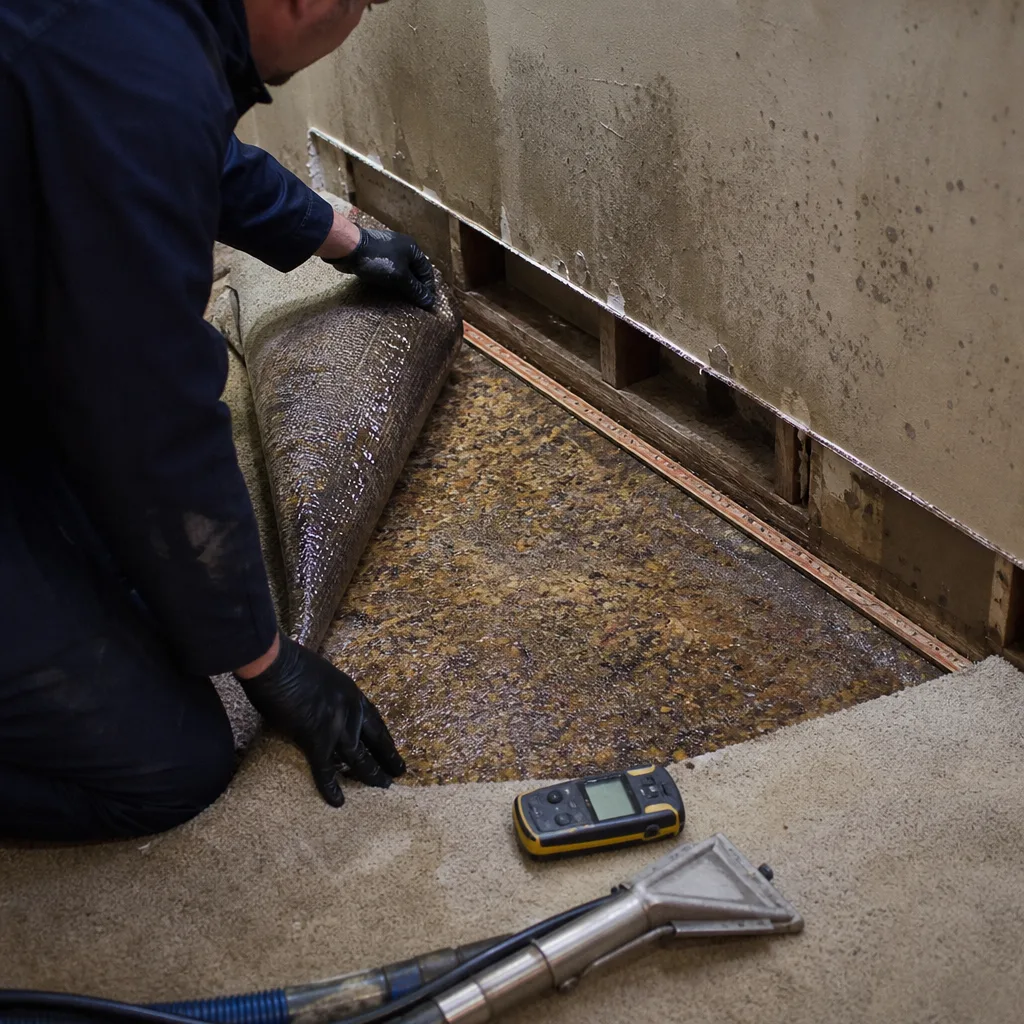
A toilet overflow in a pre-war apartment is never just a bathroom problem. The waste follows the path of least resistance, which in these buildings means down through the original wood subfloor and into the ceiling cavity below, or sideways into the wall cavity shared with the neighbor. We remove saturated flooring, dry the joist bays, and sanitize the affected cavities so you’re not living with the smell for months.
Septic Failure Cleanup
Bushwick is mostly on city sewer, but we still see the occasional private system on the neighborhood’s edges and in converted industrial properties that were built before the sewer network reached them. A failed septic field or tank backs up the same way a city line does, but the contamination plume can be broader. We assess the full affected area, pump what needs pumping, and bring the property back to a safe condition.
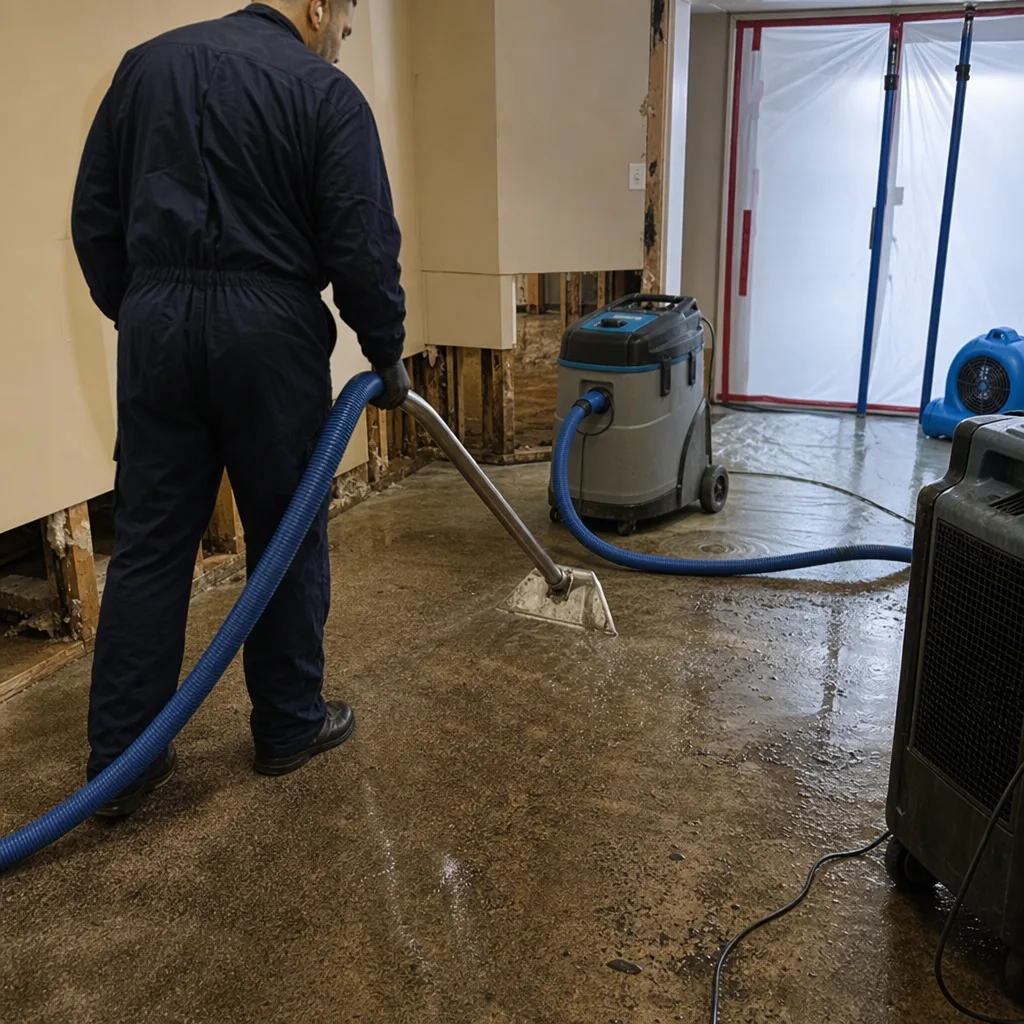
Black Water Extraction
Black water is Category 3 water that has to be handled differently from clean or gray water. Our trucks carry extraction equipment sized for both tight tenement bathrooms and wide-open loft floors. We remove the standing sewage, contain the affected area, and start drying immediately. In Bushwick’s converted factories, we often have to work around exposed timber beams that soaked up waste water, and those beams need aggressive drying and repeated cleaning before they can stay in place.
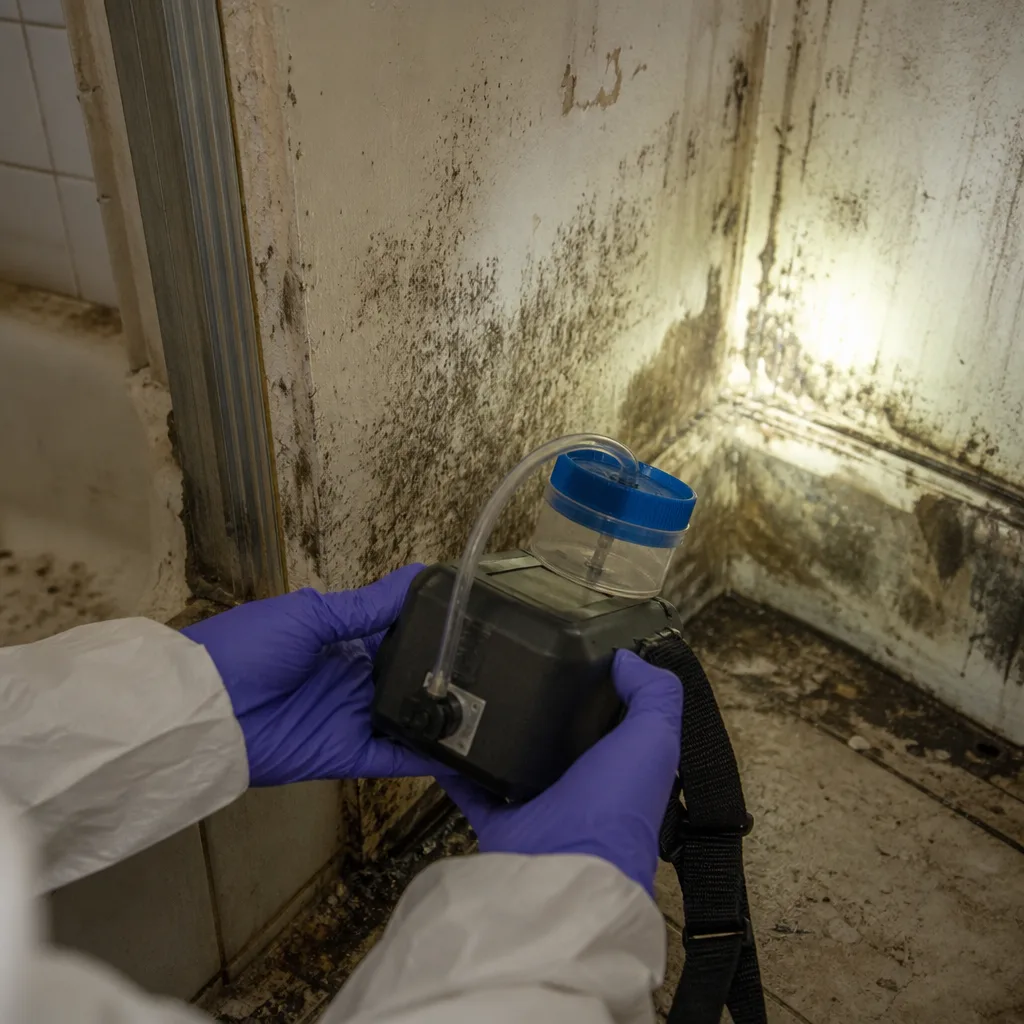
Sanitization & Disinfection
Extraction and drying don’t make a space safe. Sanitization does. We clean every affected surface with antimicrobials rated for sewage contamination, fog enclosed cavities, and pressure-wash concrete slabs when the building has them. After we finish, we test the space and give you a written record of what we did. The goal is a home you can walk into without thinking about what was on the floor last week. We stand behind it.
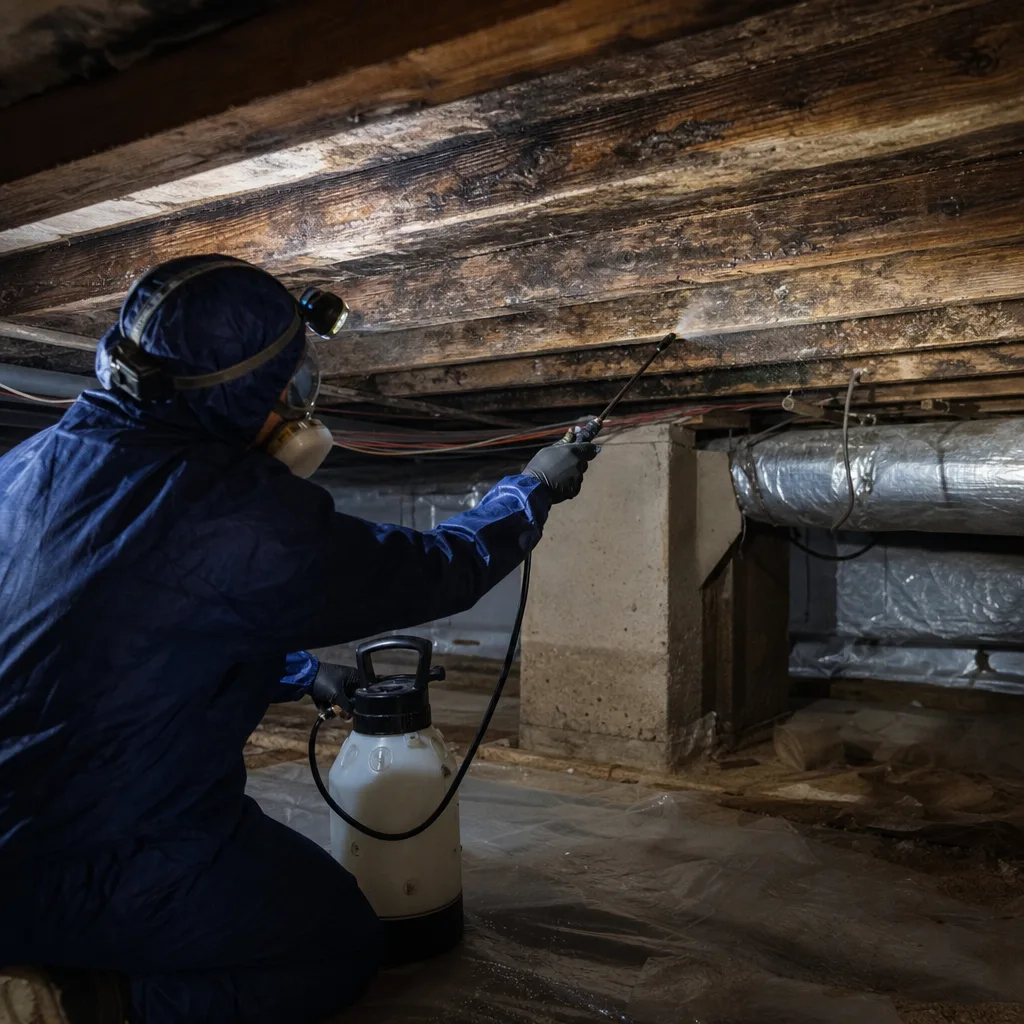
What happens when you call
- 1
A real person answersNo phone trees - you reach a local pro.
- 2
You get an upfront price rangeHonest numbers before anyone is dispatched.
- 3
A background-checked tech heads outLicensed & insured, dispatched right away.
- 4
You approve before work beginsNothing starts until you say go.
Sewage Cleanup Costs in Bushwick, NY
A small toilet overflow contained to one bathroom in a Bushwick apartment typically runs $1,800 to $3,200. A full Category 3 backup involving a shared party wall, structural drying, and multiple units runs $5,000 to $9,500 or more, depending on how far the contamination traveled and how much material has to come out. The big cost drivers in this neighborhood are wall cavity drying, plaster removal and replacement, and the extra containment required when a backup crosses into a neighbor’s unit or across a loft floor plate. Insurance with a sewer backup endorsement covers the majority of these jobs, and we bill your carrier directly, so your out-of-pocket is usually the deductible plus any excluded line items we flag for you before work starts. The free visual inspection is how we take a job from “how bad is it?” to a firm, written scope you can hold in your hand before anything gets cut open.
We Also Serve Cities Near Bushwick
Our Sewage Cleanup in Bushwick crews also cover the neighborhoods and districts around the borough, including Financial District, Lower Manhattan, Washington Square, and Brooklyn Heights. If you’re just across the bridge or a few blocks outside Bushwick proper, call us anyway. The same live dispatcher answers, and the same certified crews respond.
Bushwick Sewage Cleanup Questions, Answered
Why do sewage backups in Bushwick rowhouses so often involve the neighbor’s unit?
In Bushwick’s attached rowhouses and tenements, waste lines, party walls, and floor framing are shared, so a backup on one side of the wall almost always migrates through original plaster-and-lath and under the shared subfloor into the adjacent unit. We routinely start with a single-apartment call and end with a three-unit remediation once the walls are opened. The only way to know the full extent is to inspect both sides of the wall and the unit below, which we do on every Bushwick sewage job before quoting a complete scope.
How do you handle black water extraction in a converted factory loft with open floor plates and exposed timber?
We set containment across the affected portion of the open floor plate, extract standing sewage with truck-mounted equipment, then use moisture mapping and thermal imaging to find where the waste water traveled along beams, joists, and concrete. Exposed timber that soaked up Category 3 water gets aggressive drying, repeated antimicrobial cleaning, and in many cases surfacing to remove contaminated material. The challenge in these lofts is that an unobstructed leak can contaminate multiple tenant spaces before anyone sees it, so our initial inspection always extends beyond the obvious wet area.
What’s the difference between cleaning and removing materials after a Category 3 backup in a pre-war Bushwick building?
Cleaning is what happens to non-porous surfaces like tile, concrete, and metal, which can be washed, disinfected, and kept. Removal is what happens to porous materials like drywall, plaster, insulation, carpet, and sometimes flooring, which absorb contamination and cannot be fully sanitized. In Bushwick’s pre-war buildings, this usually means cutting out lower wall sections where sewage wicked upward, pulling saturated subfloor, and in some cases removing original plaster that has been soaking for days or weeks.
How quickly does mold start after a toilet overflow in a Bushwick tenement?
Mold can begin growing within 24 to 48 hours after a toilet overflow introduces water into organic materials like wood, drywall, and old plaster. In Bushwick tenements, the timeline is often shorter because the buildings lack modern ventilation and hold humidity, and the water is Category 3, which carries organic matter that feeds mold growth. If the overflow has been slow and hidden, like a failed wax ring dripping into a ceiling cavity for weeks, established mold colonies are almost always present by the time staining appears below.
Do you need to open party walls when there’s a sewage backup on one side only?
Almost always, yes. In attached Bushwick buildings, original party walls are not sealed assemblies; they’re plaster on wood lath with open cavities and shared floor joists, so black water can migrate laterally and vertically through the wall without any visible sign on the dry side. Opening the affected portion of the party wall is the only way to see how far the contamination traveled, dry the framing properly, and prevent mold and odor from blooming in the neighbor’s unit months later.
How fast can you actually get to a sewage backup in Bushwick?
We commit to a 45-minute response in the Bushwick area, every day, at any hour. A live person answers the phone, a crew is dispatched immediately, and they arrive with extraction equipment on the truck. The sooner standing sewage is removed and the affected area is contained, the smaller the remediation scope and the lower your total cost. Call (518) 663-6491 and a dispatcher will have a crew moving toward your address while you’re still on the phone.
Will my insurance cover sewage cleanup in Bushwick?
It depends on your policy. Standard homeowner policies in New York do not automatically cover sewage backup; you typically need a specific sewer backup endorsement or sump pump failure rider. When that endorsement is in place, the remediation, drying, and rebuild are usually covered, and we bill your carrier directly as the primary payor. If you’re not sure what your policy says, call us at (518) 663-6491 and we’ll help you read it, then document the loss so your adjuster has everything they need.
What should I do in the first 30 minutes after a sewage backup in Bushwick?
Stop using all water in the building, shut off power to the affected area if water is near outlets or appliances, and call (518) 663-6491. Do not flush toilets, run sinks, or use a wet vac on black water. Keep people and pets out of the contaminated area, but do not attempt to open walls or pull up flooring yourself. Our crew will arrive, assess the source, and start extraction. What you do in the first half hour mostly comes down to keeping the contamination from spreading until we get there.
Serving Bushwick, NY - Our Local Coverage Area
We’re based in the Bushwick area and know this community well. Use the map below to see our service coverage - if you’re nearby, we can almost certainly help.
Done Right and Backed in Writing
Floodline Restoration Co. has handled sewage cleanup in Brooklyn’s older housing stock since Curt Bowman founded the company in 2010. We built the business around a dispatch board, not a sales desk: background-checked, uniformed technicians, trained to IICRC, RIA, and IFA standards, working with Dri-Eaz, Phoenix, XPOWER, B-Air, and Injectidry equipment. We answer the phone at 2 a.m. with a live person. We finish most Bushwick sewage jobs in a single coordinated visit, with the same crew from first extraction to final coat of paint. And we put our 90-Day Done Right Promise in writing on every job. If it’s not done right, we make it right. No paperwork battles, no arguing. That’s the Keystone Standard, and it applies to every home we work in, from a two-family on Wilson Avenue to a six-story loft building on Flushing.
Current offers: $50 off any repair over $250, $89 seasonal tune-up, and a 5% discount for seniors and veterans, always. Call (518) 663-6491 for a free estimate, or to have a crew dispatched right now.
Written by Curt Bowman, Owner at Floodline Restoration Co., serving Bushwick and the wider New York City area.