
Free visual inspection and a written scope of work before any mitigation begins - photos, moisture readings, and drying logs go in your claim file
The scope we write is the scope we bill. Anything new gets shown to you, in writing, before we touch it.
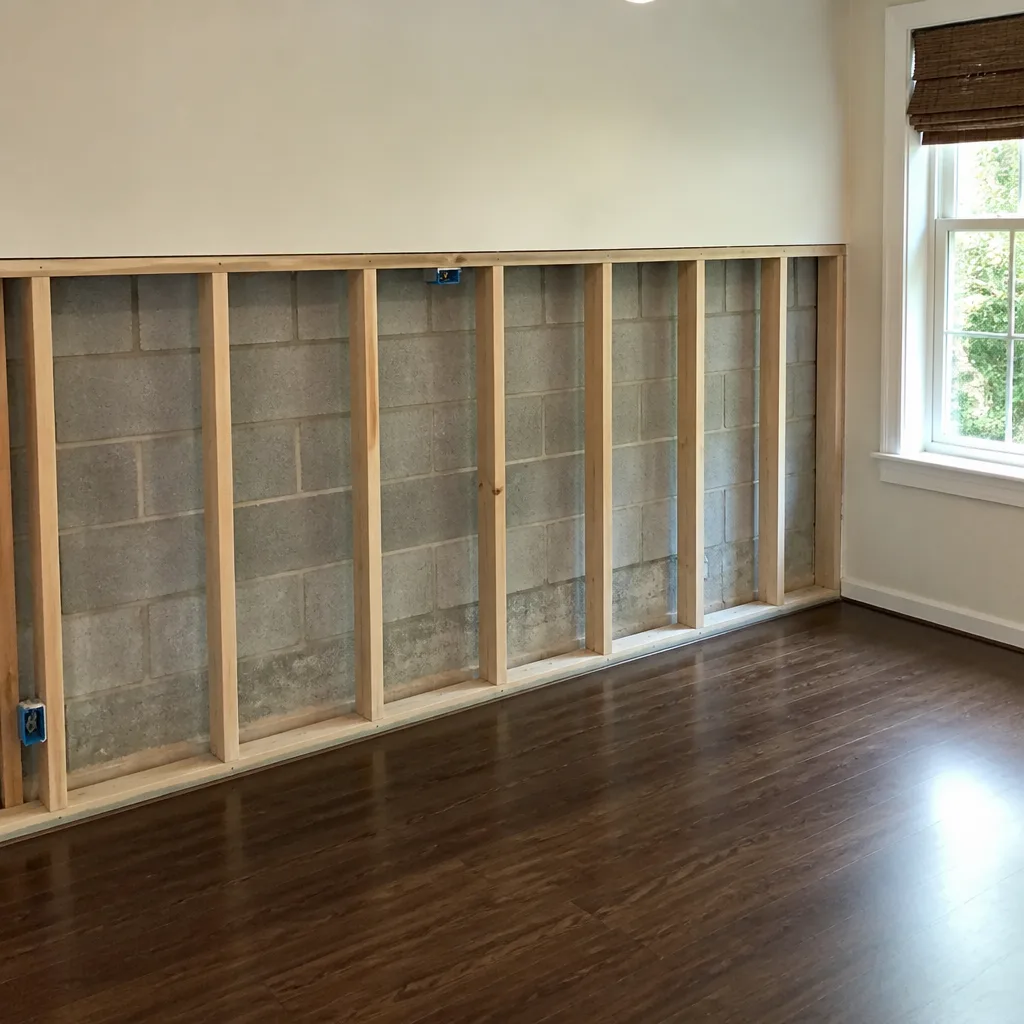
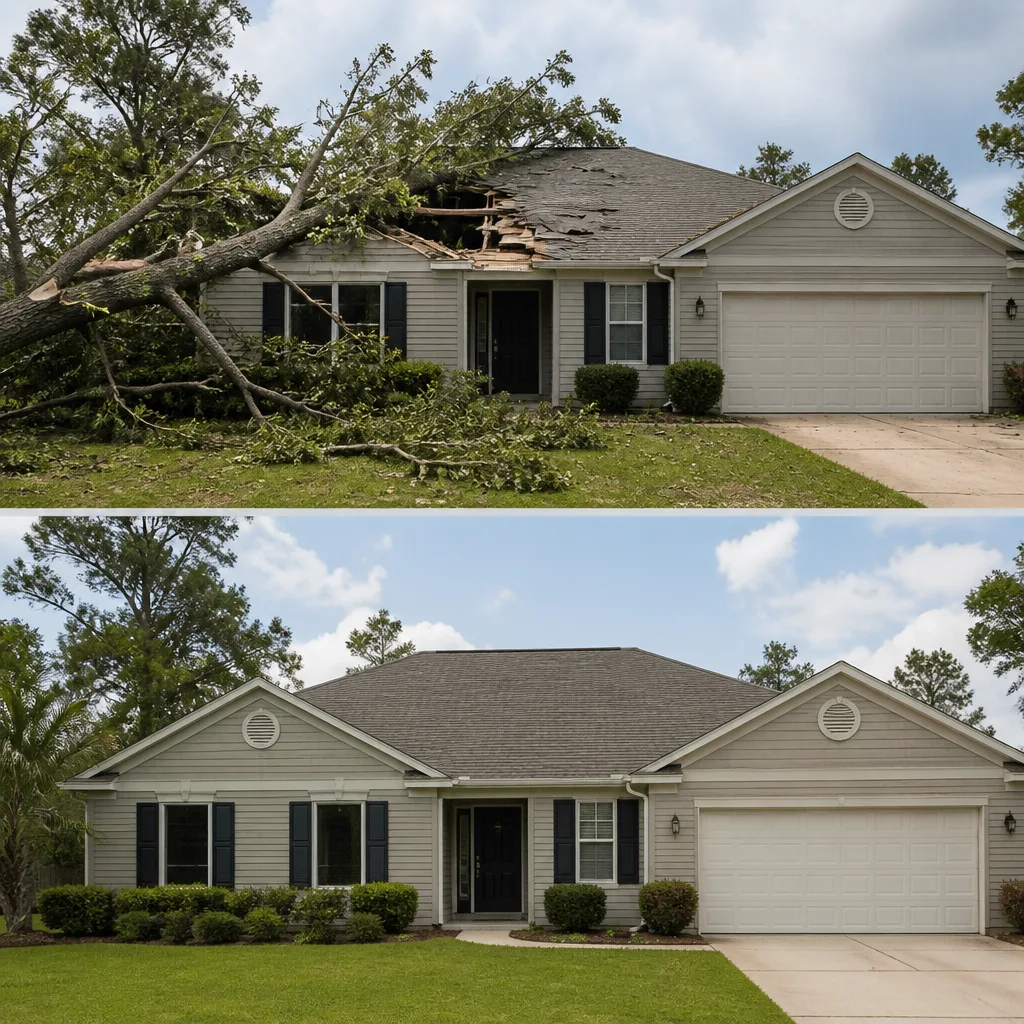
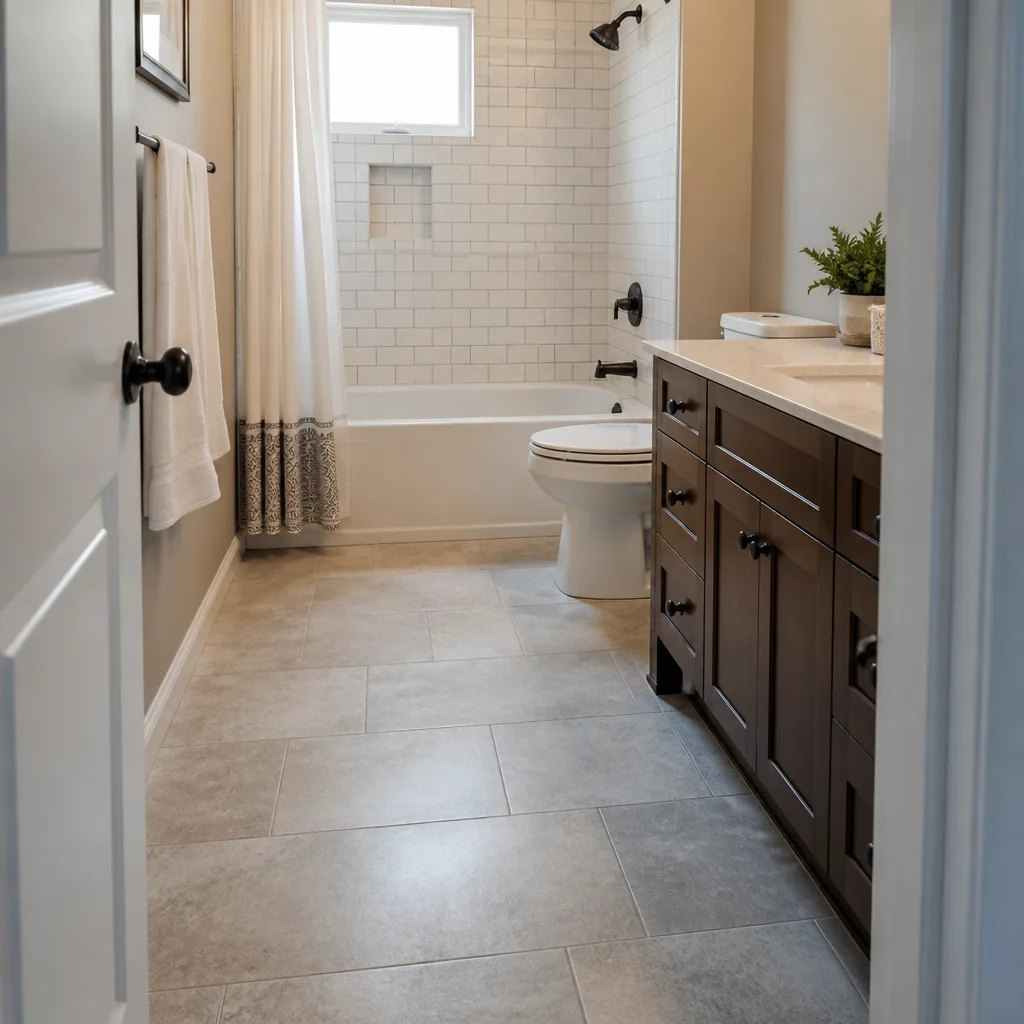
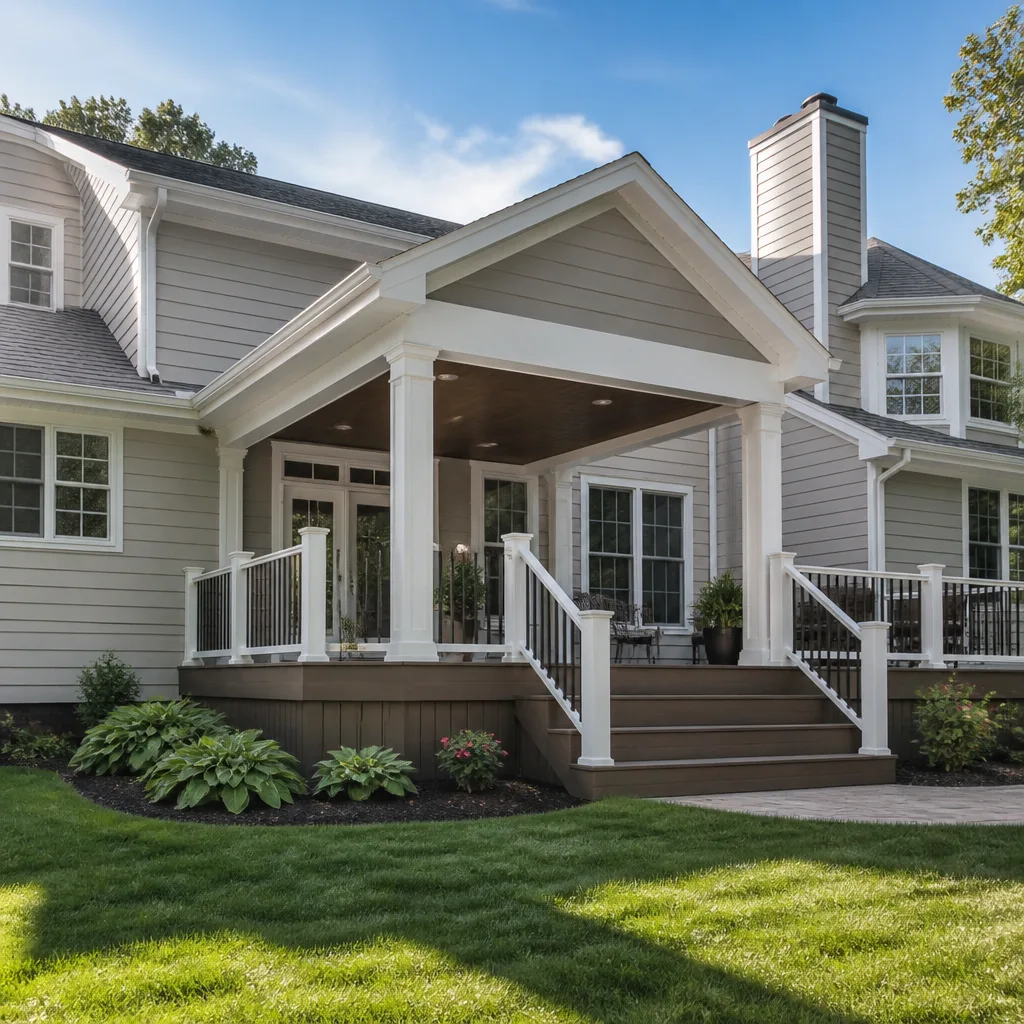
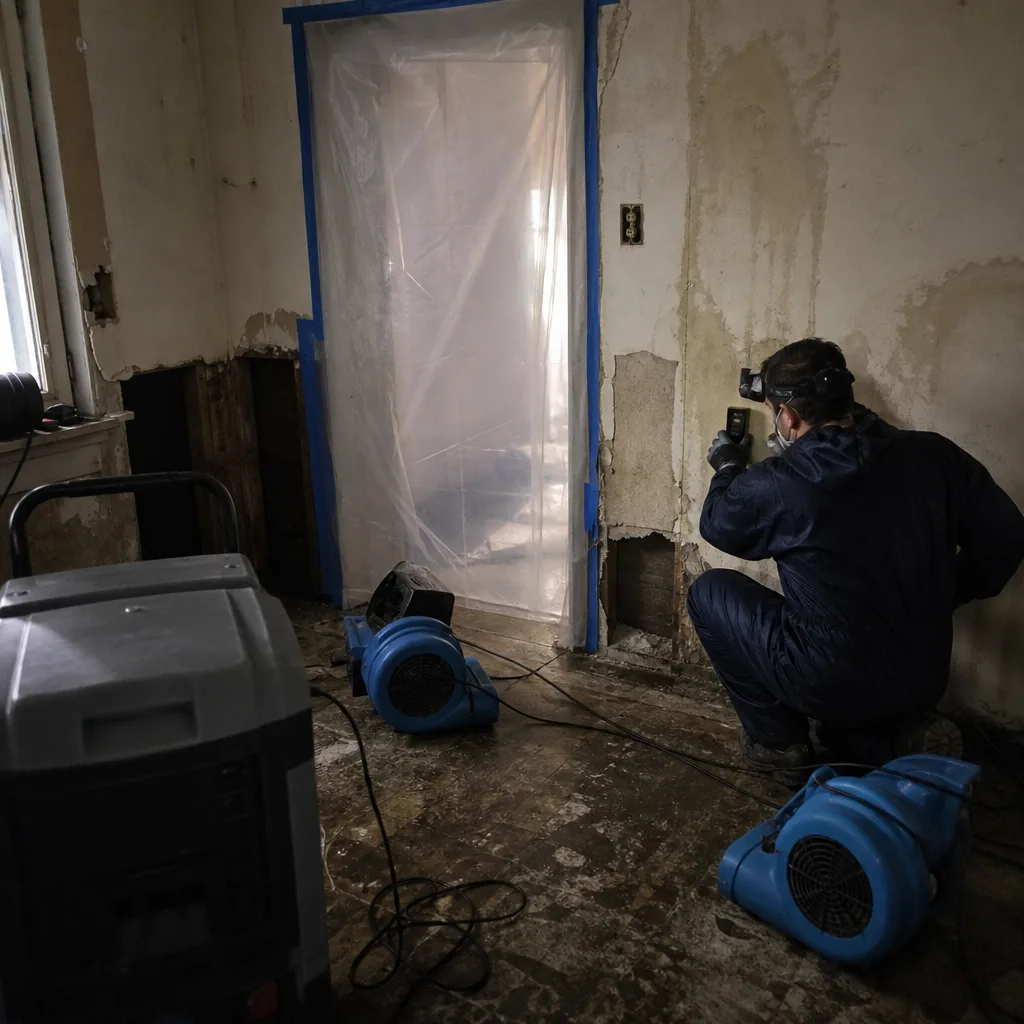 Before
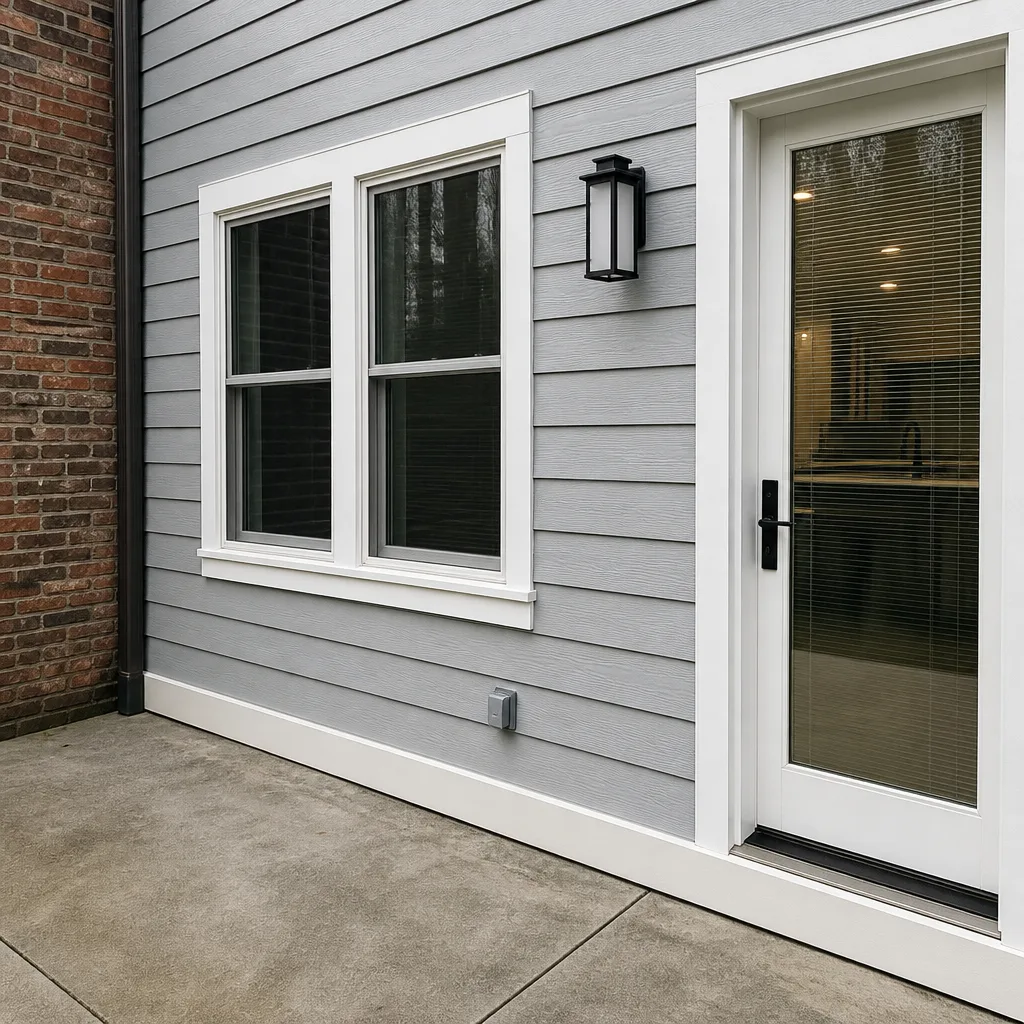 After
After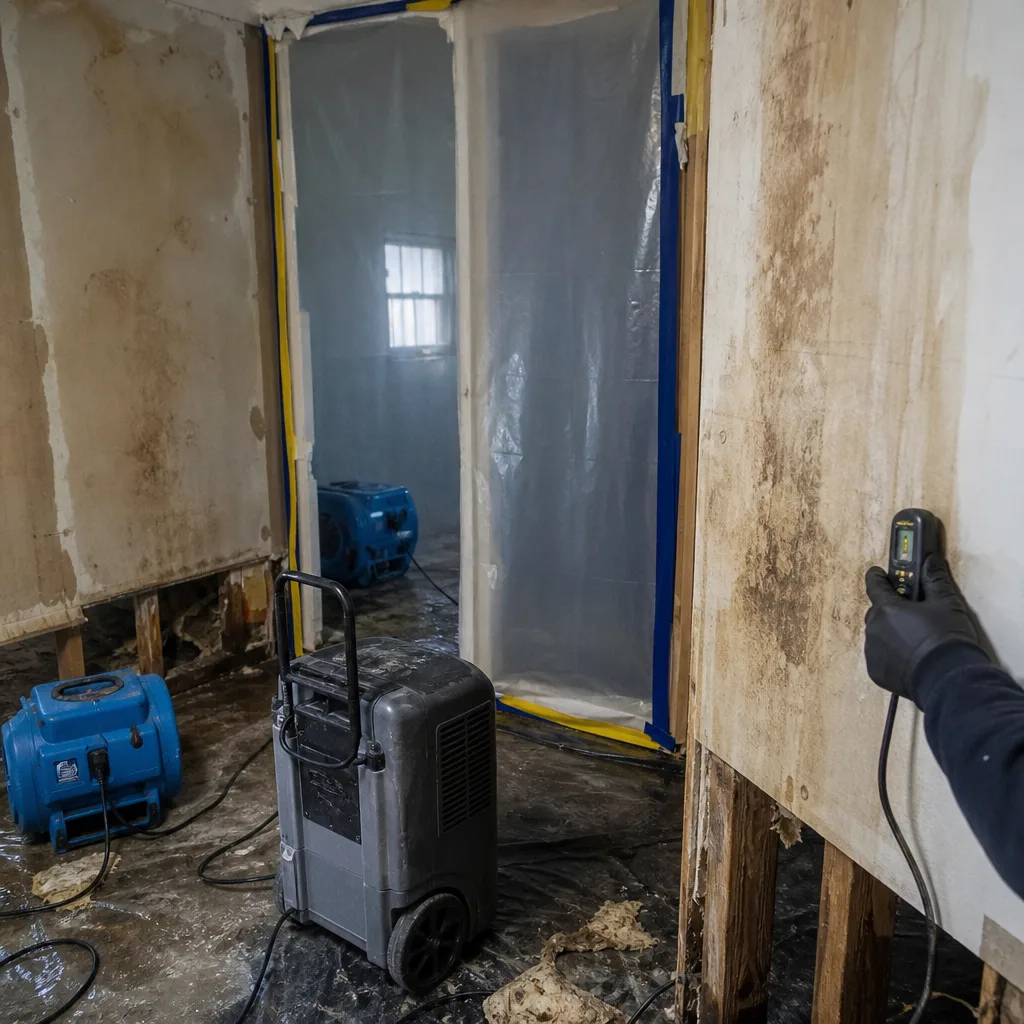 Before
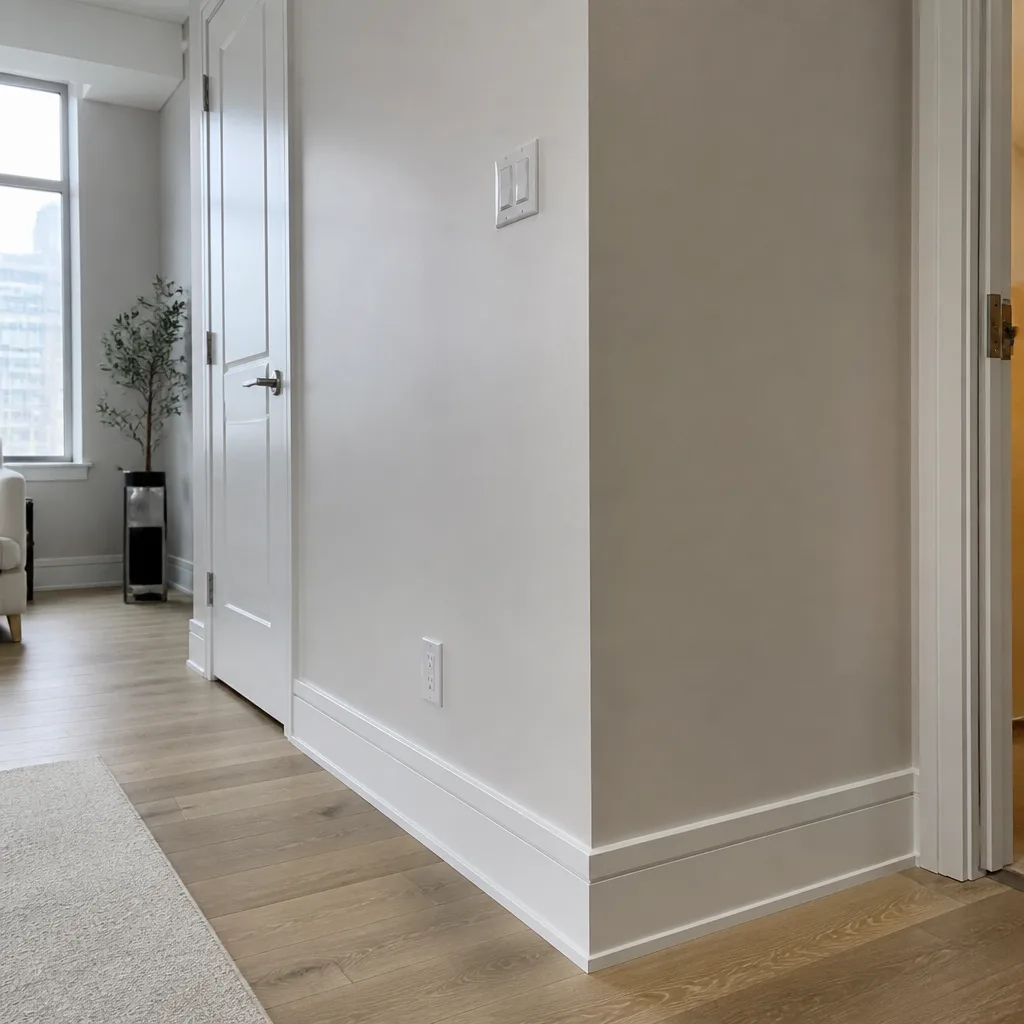 After
After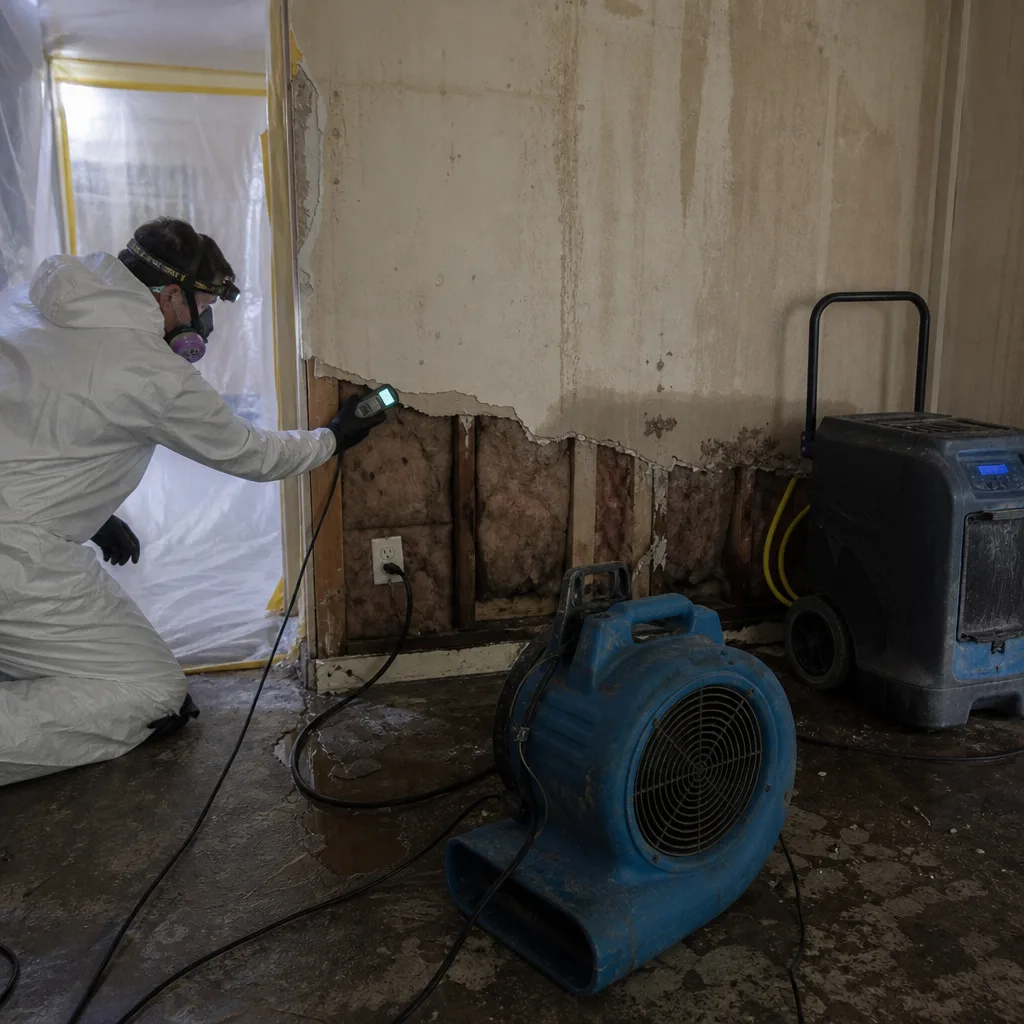 Before
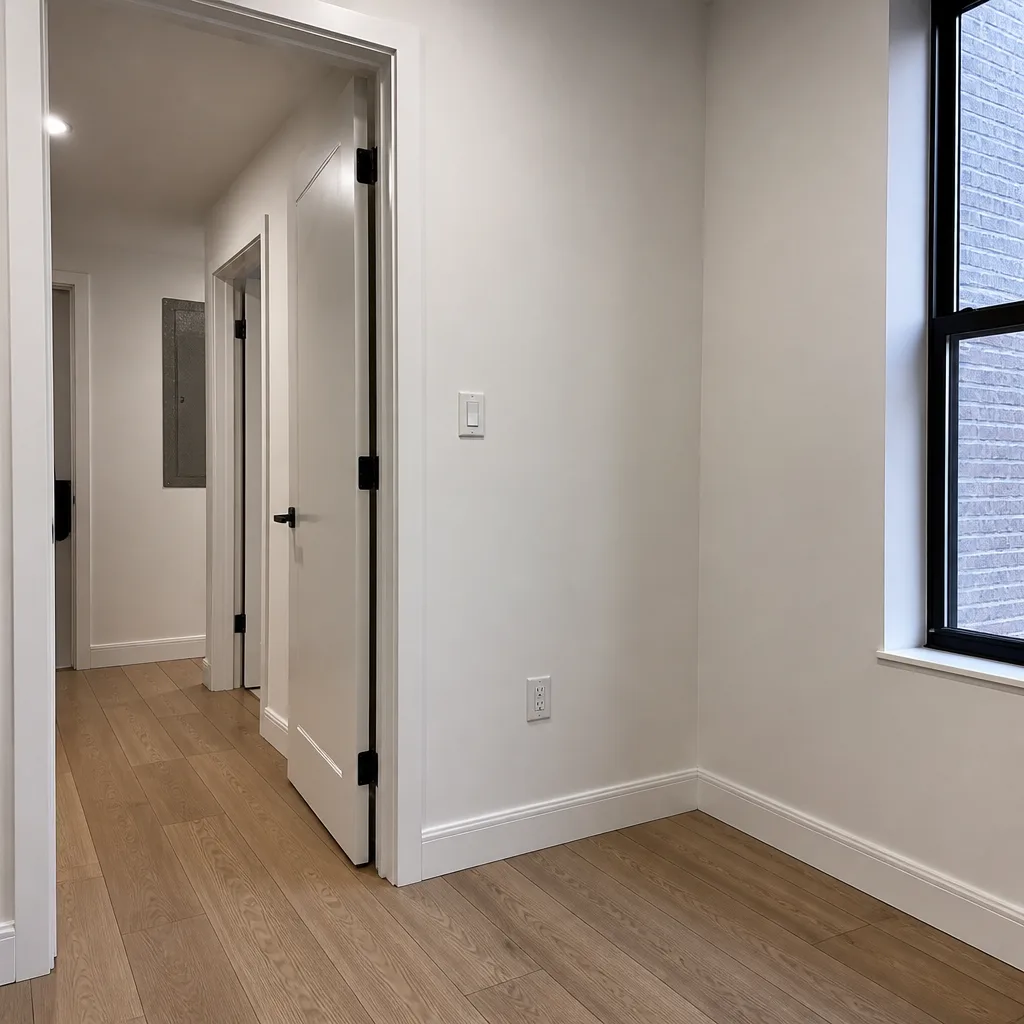 After
After24/7 Emergency Sewage Cleanup in Washington Square
Sewage cleanup in Washington Square typically costs $1,400-$4,200 depending on the square footage affected and whether the contamination has wicked into shared brick party walls, and a certified crew can usually be on site within 45 minutes. Our live dispatchers answer at (518) 663-6491 around the clock, every day of the year, because category 3 water does not wait for business hours. In a neighborhood of 1830s rowhouses, the first hour decides whether the damage stays in one room or migrates through century-old lime mortar into two adjacent landmark-protected properties.
When a toilet overflows on Washington Square North or a garden-level drain backs up on MacDougal Street, raw sewage is already soaking into original timber joists and porous unreinforced brick. Every minute that passes widens the contaminated area. We perform a free visual inspection, set a written scope before any work begins, and dispatch a background-checked, uniformed crew from our Washington Square response routes the moment you call.
Understanding Sewage Cleanup Severity in Washington Square Properties
Sewage is classified as Category 3 water, the most hazardous of the three water damage categories recognized by the restoration industry. It carries bacteria, viruses, parasites, and fungi. When a cast-iron waste line from an 1840s Greek Revival townhouse on Washington Square West finally fails, the contents are not just water. They are a biohazard.
Washington Square’s housing stock compounds the problem. These are Federal and Greek Revival brick rowhouses built between 1820 and 1845, with original timber joists, lime-based mortars, and shared party walls separating attached structures. Category 3 water soaks into those materials differently than it would into modern concrete or gypsum. The brick acts like a wick, pulling contaminated moisture sideways into neighboring homes. That means a backup in one basement is often not one job. It is a multi-property contamination event requiring containment, air scrubbing to IICRC standards, and moisture mapping that extends beyond the visible stains. Our crews use Dri-Eaz and Phoenix equipment to track moisture into the walls and subfloor, because what you cannot see in a 190-year-old party wall is usually worse than what you can.
Severity in Washington Square is driven by building age, shared construction, and the regulatory layer that governs any repair here. A category 3 loss in a detached modern home in Brooklyn Heights is different from the same spill in a c. 1833 rowhouse on The Row, where every exterior touchpoint and many interior remediation decisions intersect with Landmarks Preservation Commission requirements.
Why Washington Square Property Owners Choose Floodline Restoration Co.
- 45-minute response commitment. Crews are staged near Washington Square and dispatched from our New York City office, with shorter transit times than firms located in other boroughs. We will be there when we say.
- 24/7 live answer, every time. A dispatcher picks up at 2 a.m., not a recording. You will speak to a real person who can start a crew rolling the same call.
- IICRC-certified crews. Our technicians carry WRT and AMRT certifications from the RIA and IFA training track. They know what category 3 water does to lime mortar, because they have mitigated it here.
- Free visual inspection. Before any work starts, you get a written scope and a square-deal price. No surprises on the bill, no pressure to sign for more than the building needs.
- Direct insurance billing. We document everything from the first hour, communicate with your adjuster directly, and bill your carrier so you are not stuck playing messenger.
- One team from extraction to reconstruction. We do not hand your rowhouse off to a subcontractor after drying. The same crew that reads the moisture map also rebuilds what needs rebuilding, and we stand behind it in writing with the 90-Day Done Right Promise.
Our Sewage Cleanup Process
Inspection & Assessment
We arrive, walk the full affected area including crawl spaces and party-wall surfaces, and map moisture with thermal imaging and hygrometers. You get a plain-language explanation of what is contaminated, what can be saved, and what has to go.
Extraction / Stabilization
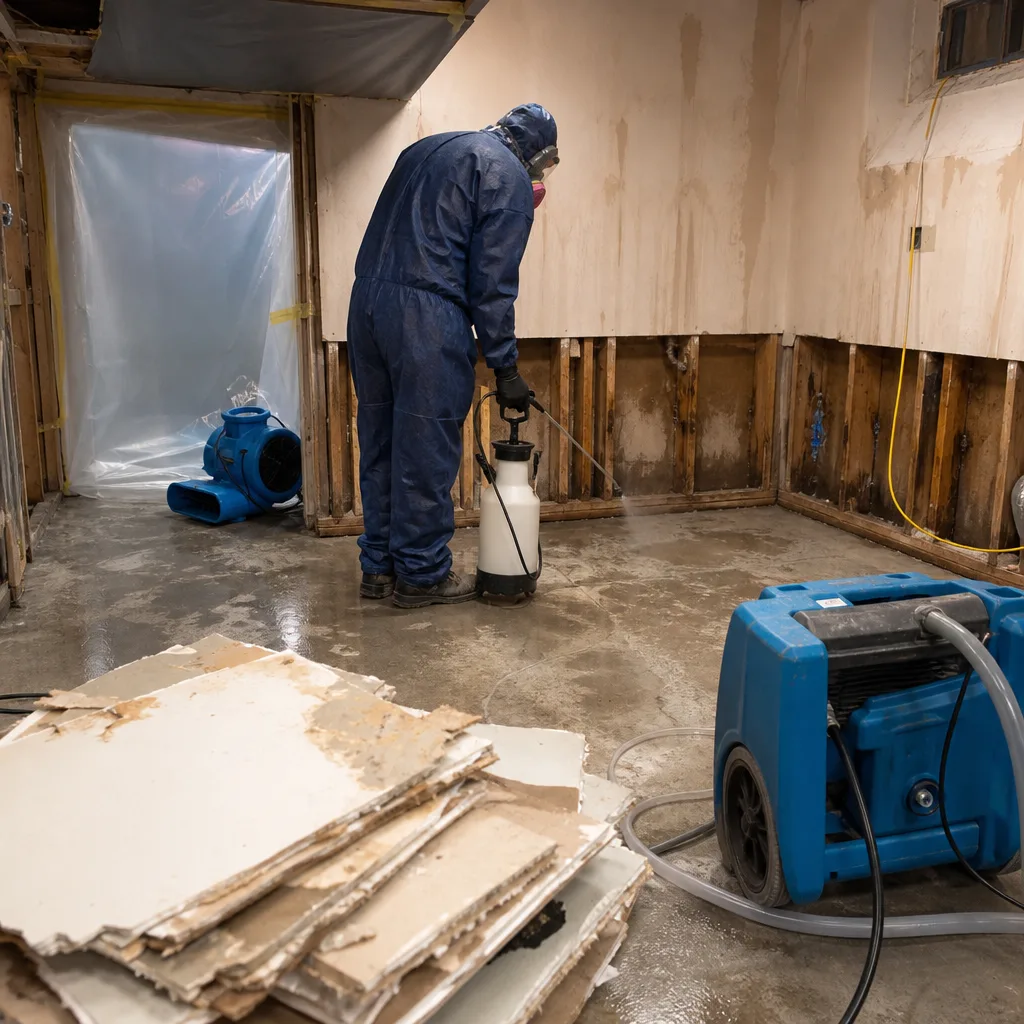
Black water is extracted using truck-mounted and portable extraction units. We pump standing sewage from basements, crawl spaces, and below-grade garden units fast enough to stop lateral spread through party walls.
Drying & Dehumidification
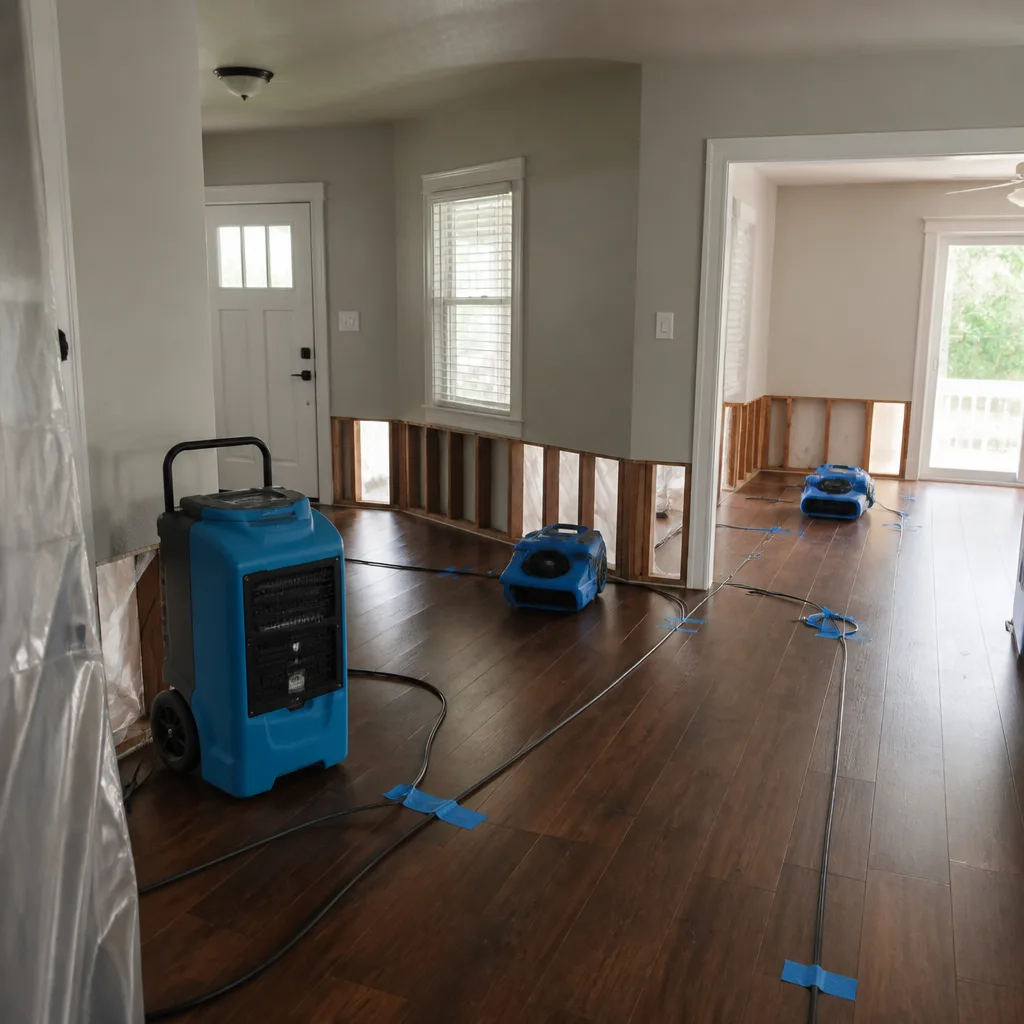
Dri-Eaz and Phoenix air movers and dehumidifiers run continuously, with daily moisture readings logged until the dry standard is met. In Washington Square rowhouses, we keep monitors against shared brick walls, because that is where reabsorption happens.
Cleaning & Sanitization
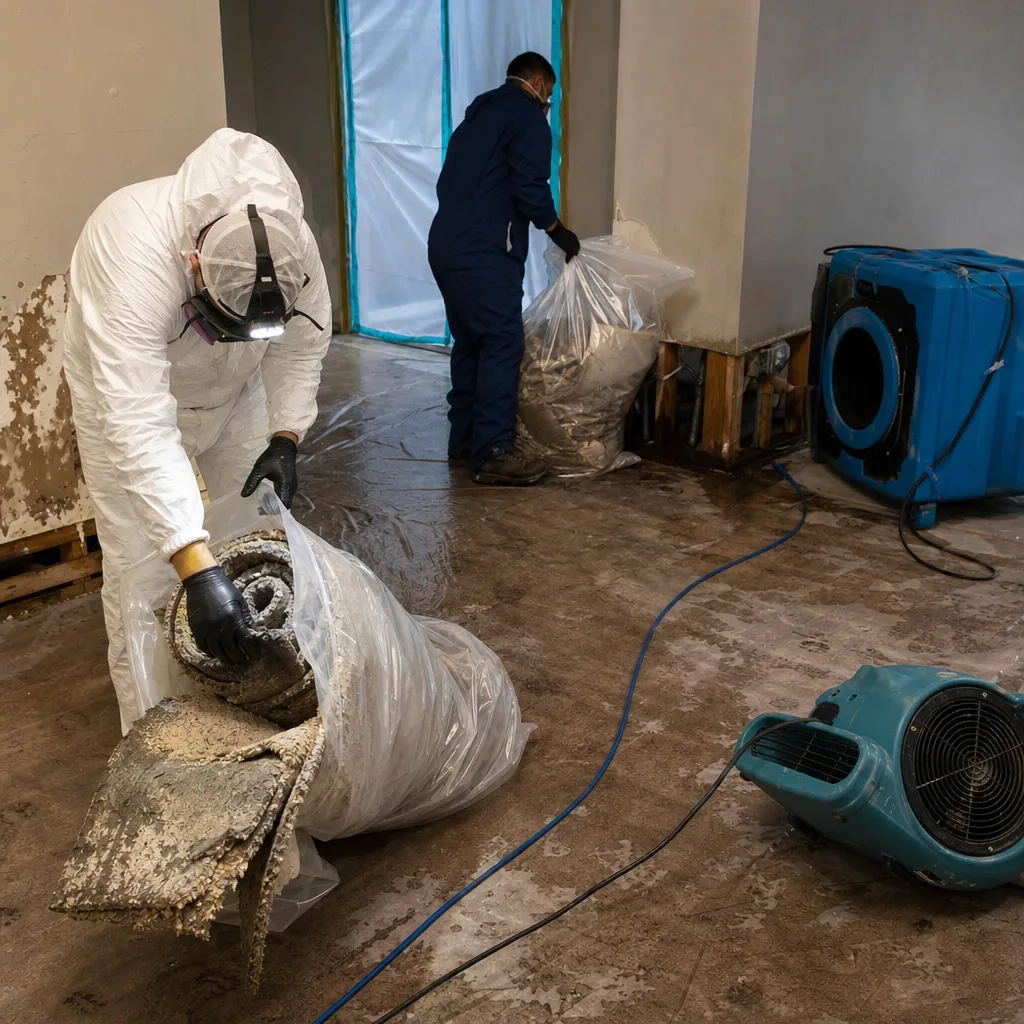
Hard surfaces are cleaned, porous materials that absorbed sewage are removed and bagged for disposal, and the structural shell is treated with an antimicrobial agent appropriate for historic lime mortar and soft brick.
Containment & Air Scrubbing
Where sewage aerosols have spread, we set up containment and run HEPA air scrubbers. This step matters in attached Washington Square townhouses, where air paths connect separately owned units.
Repairs & Restoration
We rebuild what was removed: baseboards, plaster, millwork, flooring. When exterior work falls under LPC jurisdiction, we sequence the interior remediation to move forward while historically matched materials are sourced and approved.
Need Emergency Sewage Cleanup in Washington Square Now?
Crews minutes away, answering live 24 hours a day. The sooner we start, the less it costs.
Working With Your Insurance Company
Sewage backups are covered under many Washington Square homeowners policies, but the claim moves faster when the documentation is built the right way from the first hour. We photograph the loss before extraction, during removal, and after remediation, room by room. Moisture logs, drying records, and a line-item scope of work go to your adjuster directly. Our team has handled landmark-era rowhouse claims where the LPC layer adds weeks to reconstruction, and we make sure the paperwork reflects that reality so you are not out of pocket on a technicality. If you have a garden apartment or a basement unit on Mercer Street or University Place with a recurring backup, ask us about directing your claim to include the underlying plumbing issue, not just the cleanup.
What We Provide Your Insurer
- Thorough documentation of the loss
- Photos of all damage, room by room
- Moisture readings and drying logs
- A detailed, line-item scope of work
- Direct coordination with your carrier
Built for Washington Square’s Loss Calendar
Washington Square has a sewage damage season, and it tracks Manhattan’s combined sewer system. When a summer thunderstorm drops an inch of rain in an hour, the aging combined sewers beneath Greenwich Village surcharge, and the neighborhood’s below-grade garden apartments and townhouse basements back up. That is a July and August problem.
A different failure pattern appears in January. Deep freezes split century-old cast-iron supply and waste lines inside unheated crawl spaces, and the first thaw sends sewage where the water line used to hold. Nor’easters in the fall and spring push groundwater through porous 180-year-old brick facades, wicking moisture into party walls and then carrying sewer gases and backup into the same shared channels. The building stock does not change with the calendar, but the way water and sewage move through it does. We schedule our Washington Square response routes around these patterns, and we have seen enough of these losses to know which block is about to have a bad month when the forecast turns.
Sewage Cleanup Across Washington Square’s Neighborhoods
Washington Square is small, but the damage patterns vary by block. On Washington Square North, the c. 1832-1833 rowhouses known as The Row carry the strictest LPC oversight and the highest material match costs. A sewage backup in a garden apartment there often requires coordinated containment across two or three attached properties before drying equipment can be placed effectively.
Along Washington Square South, the mixed-age buildings include some mid-rise structures where a toilet overflow on a third-floor line travels down through multiple units before pooling in the basement. West of the park toward MacDougal and Thompson Streets, ground-floor commercial spaces share plumbing lines with residential units above, which means a backup in a storefront can push sewage into a resident’s below-grade space around the corner. East toward University Place, pre-war apartment buildings with cast-iron waste stacks produce localized failures on upper floors that wick into shared corridors. Each of these routes shapes how we dispatch, where we set containment, and how quickly we can get extraction running.
Specialized Sewage Cleanup Services We Offer in Washington Square
Sewage Backup Cleanup
A backup in a Washington Square rowhouse basement is an urgent extraction job first. We remove standing sewage, cut and dispose of soaked porous materials, and set drying against shared party walls. Cleanup is followed by antimicrobial treatment and moisture monitoring until the brick stops wicking.
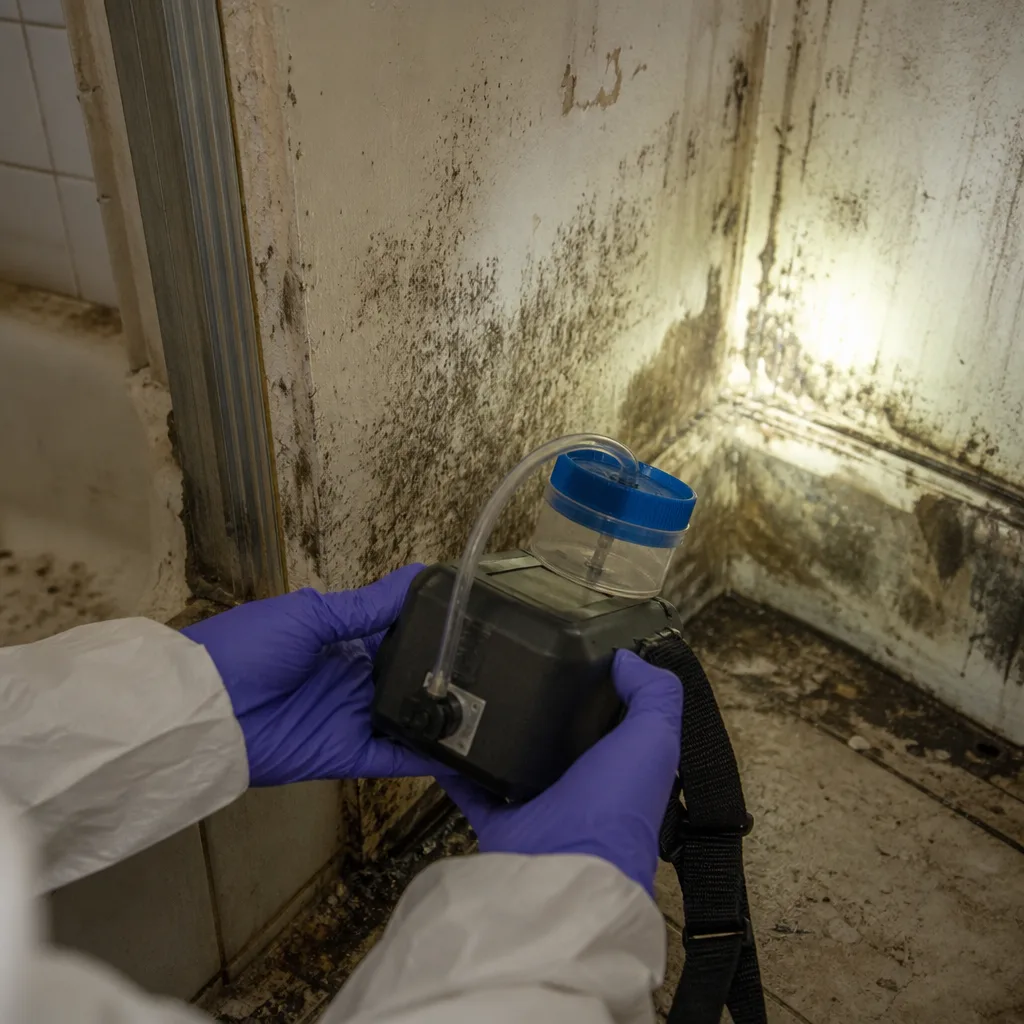
Toilet Overflow Cleanup
Overflows are the most common category 3 call on upper floors of Washington Square walk-ups. We contain the spill before it migrates into hallway common spaces and the unit below, then remove and replace flooring and base material that absorbed contamination.
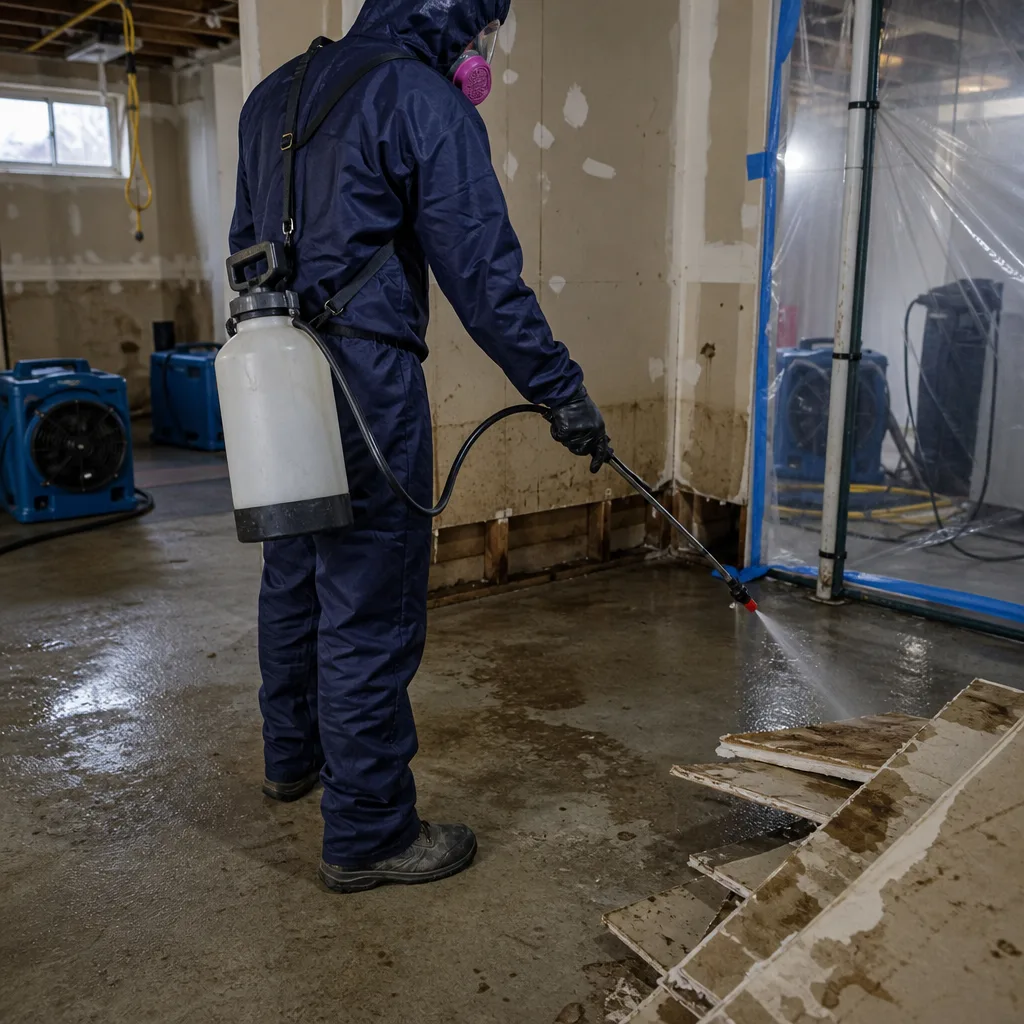
Septic Failure Cleanup
While most of Washington Square is on municipal sewer, a handful of older properties still maintain private systems, and failures there require full extraction plus soil treatment around the tank and drain field, with special care not to disturb buried historic features.
Black Water Extraction
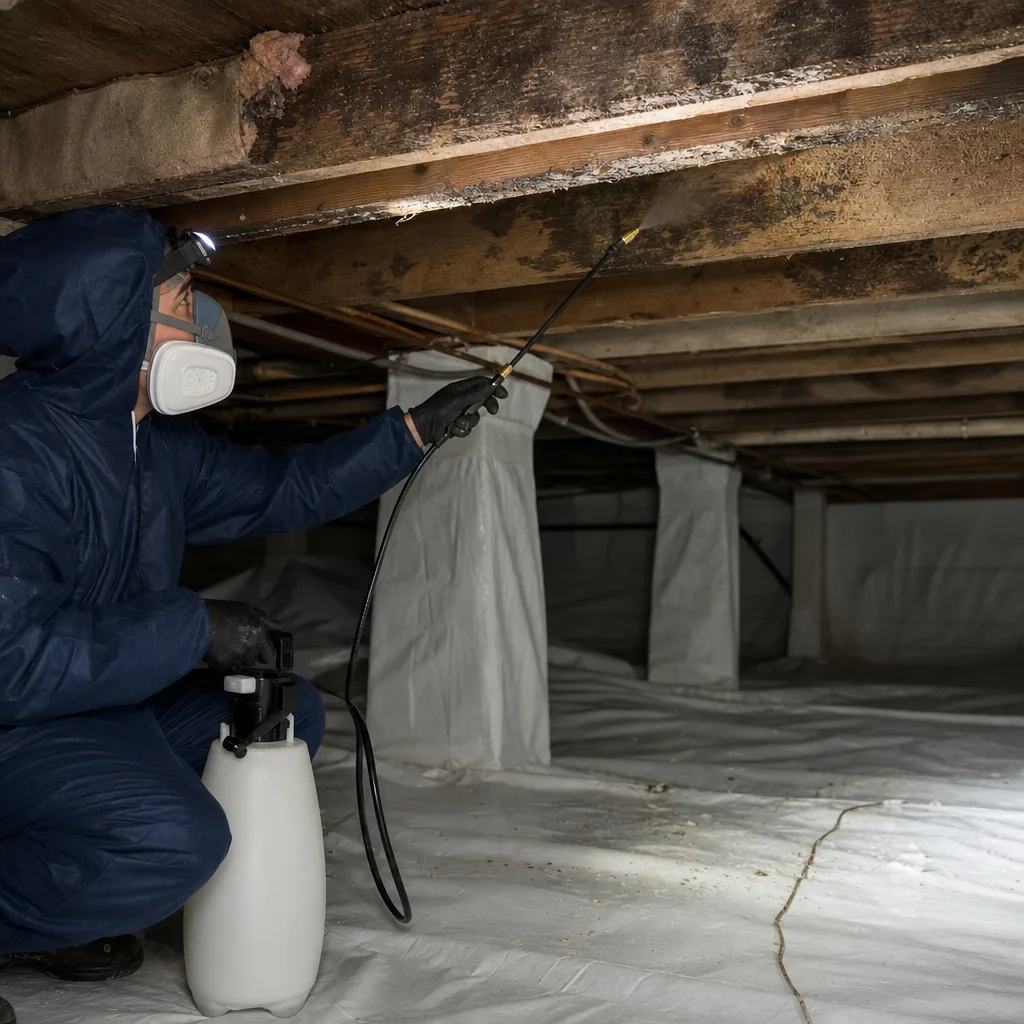
Black water extraction in Washington Square requires more than pumping. Because the rowhouse brick and lime mortar wick laterally, we use negative air pressure and containment while extracting, then monitor adjacent properties for odor transmission and moisture migration.
Sanitization & Disinfection
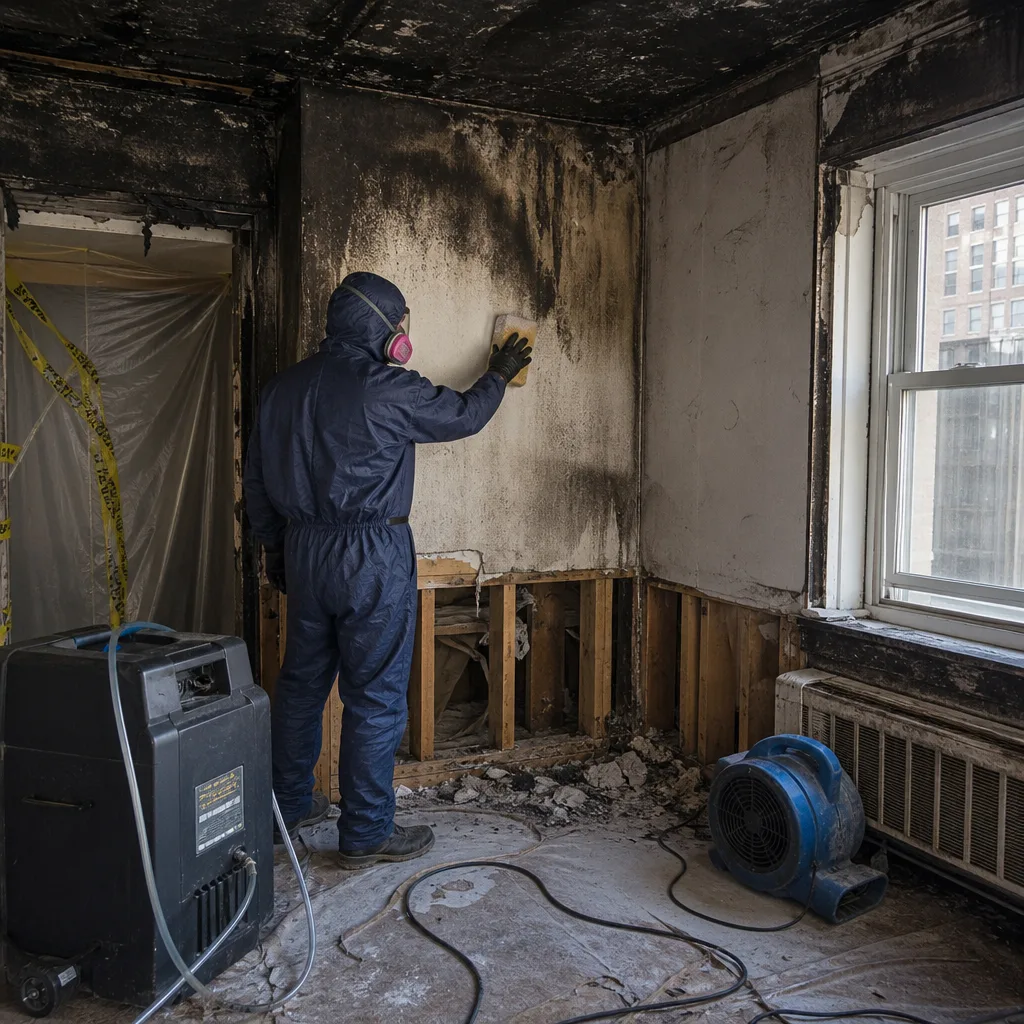
After sewage removal, every affected surface is cleaned and treated to a biohazard standard. We use professional-grade antimicrobial agents and HEPA air scrubbing, which matters in attached townhouses where shared air paths carry pathogens across property lines.
Crawl Space Sewage Removal
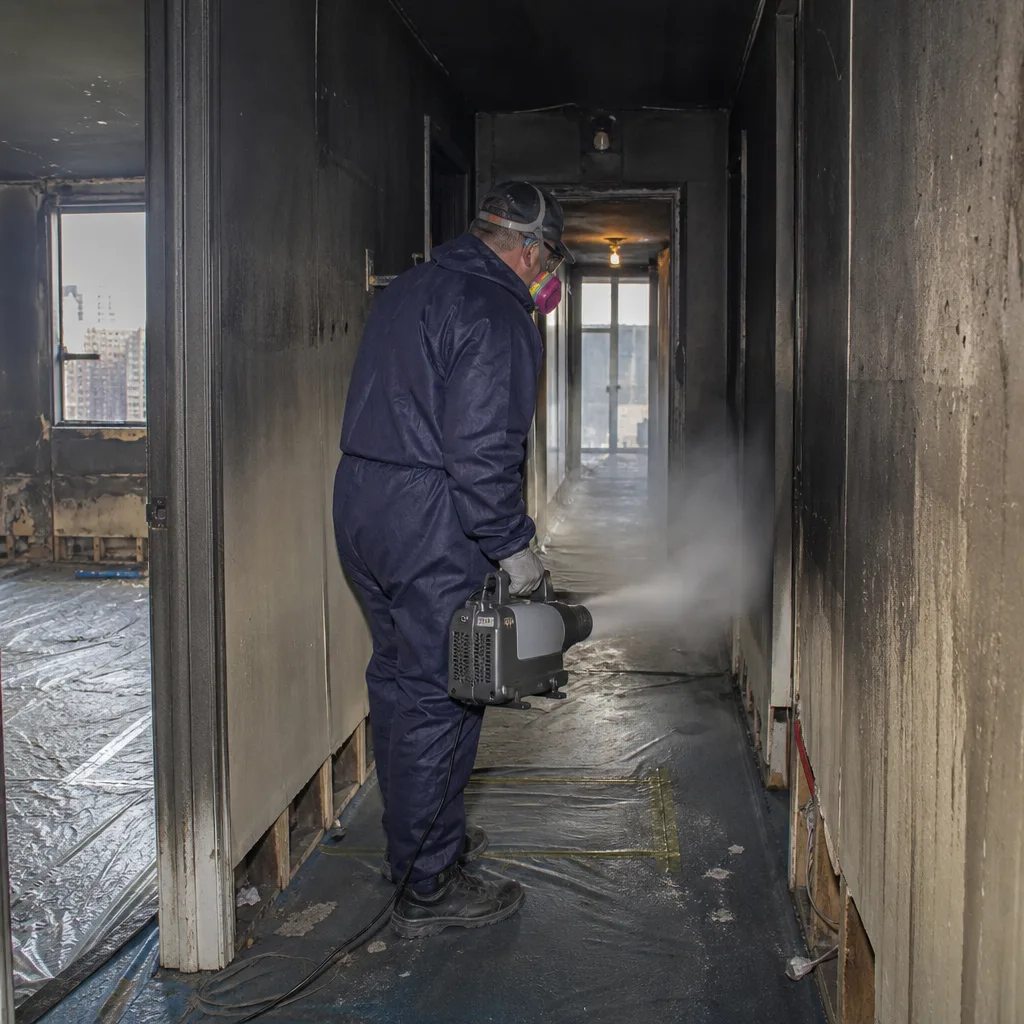
Crawl spaces under Washington Square rowhouses are often shallow, dirt-floored, and bounded by shared brick foundations. We send crews into those tight spaces to remove contaminated soil, treat the brick, and install vapor control where ongoing ground moisture is feeding the problem.
What happens when you call
- 1
A real person answersNo phone trees - you reach a local pro.
- 2
You get an upfront price rangeHonest numbers before anyone is dispatched.
- 3
A background-checked tech heads outLicensed & insured, dispatched right away.
- 4
You approve before work beginsNothing starts until you say go.
Sewage Cleanup Costs in Washington Square, NY
A typical sewage backup cleanup in Washington Square runs $1,400-$2,800 for a contained bathroom overflow. A garden-level or basement backup with lateral party-wall spread runs $3,200-$6,500 depending on how many liner feet of brick and framing were saturated. Full sanitization with crawl space sewage removal runs $4,500-$9,000 in this neighborhood, and that number climbs when LPC-approved materials are required for any exterior restoration component. What moves the price is square footage, whether shared walls are involved, how long the sewage sat before extraction, and whether drying can be done in place or contaminated plaster and millwork must come out. Most Washington Square homeowners policies cover the bulk of these costs, minus a deductible. The free visual inspection gives you a written scope before you commit, so the number on the estimate is the number on the bill.
We Also Serve Cities Near Washington Square
Our crews serve Washington Square and the surrounding blocks, and we run routes into the Financial District, Lower Manhattan, Brooklyn Heights, and Williamsburg for sewage cleanup and water damage work of the same scope. If your home or building is just outside the Washington Square grid, call us. Live dispatch at (518) 663-6491 will route the nearest certified crew.
Washington Square Sewage Cleanup Questions, Answered
Do I need Landmarks Preservation Commission (LPC) approval for sewage cleanup inside my Washington Square rowhouse?
Interior emergency sewage cleanup, extraction, drying, and sanitization generally do not require LPC approval, because they are not exterior changes. But the moment any exterior masonry, brownstone, millwork, or window work is touched as part of the restoration, LPC review kicks in. We sequence interior remediation so drying and decontamination proceed while historically matched materials are sourced and approved, keeping the project moving without a stop-work order.
How quickly can mold start after a sewage backup in an 1830s Washington Square townhouse?
Mold can germinate within 24 to 48 hours in the porous lime mortar and original timber joists of a c. 1830s rowhouse. The timeline is faster than in modern construction because lime-based mortar and soft brick hold moisture longer. Extraction should start within hours, and drying equipment should run until moisture readings on the party walls are at or below the dry standard, or you will be dealing with regrowth inside a month.
Why does sewage damage spread to neighboring houses on Washington Square North?
The rowhouses along Washington Square North share unreinforced brick party walls with no gap between them. When category 3 water soaks into that brick, it wicks sideways into the adjacent property. That is why a backup in one house can produce odor, staining, and contamination in two or three neighbors, and why containment and moisture mapping must extend beyond the primary property line.
Can a below-grade garden apartment sewage backup damage the historic brick facade?
Yes, in two ways. The sewage itself does not climb the facade, but the moisture it introduces into the wall system can migrate up through the historic brick and outward, causing efflorescence, spalling, and mortar breakdown on the exterior face. And when the interior side of that wall must be opened for drying, any repair that reaches the exterior surface triggers LPC review.
How do you handle sewage cleanup when LPC approval stops the exterior work mid-project?
We do not stop the interior work. Containment, extraction, drying, antimicrobial treatment, and interior rebuilding continue on schedule. Only the exterior-scope items pause, and we plan for that pause from day one by documenting the loss, preparing the LPC submission with historically matched material specs, and building the timeline so the exterior halt does not stall the part of the job that makes your home safe to live in again.
Can we stay in our Washington Square home during sewage cleanup?
It depends on the extent and location of the contamination. A contained bathroom overflow on an upper floor may allow you to stay while we work in a sealed area. A basement or garden-level backup with aerosols or shared-wall spread usually requires the affected unit and sometimes adjacent units to be vacated during extraction and initial drying. We give you a straight answer on day one, not after the work starts.
How long does sewage cleanup and drying take in Washington Square rowhouses?
Extraction and sanitization are usually complete within one to two days. Structural drying takes longer in these buildings, often five to ten days, because 180-year-old brick and lime mortar release moisture slowly. We log daily readings and do not sign off until the dry standard is met, then the rebuild timeline depends on the scope and any LPC material approvals.
What should I do in the first 30 minutes after discovering a sewage backup in Washington Square?
Do not flush or run water anywhere in the building. Shut off the main water supply if you can reach it safely, keep people and pets away from the affected area, and call (518) 663-6491. A live dispatcher answers immediately, and we start extraction the same visit when possible. The less time sewage sits in brick and timber, the lower the final cost and the smaller the LPC exposure.
Serving Washington Square, NY - Our Local Coverage Area
We’re based in the Washington Square area and know this community well. Use the map below to see our service coverage - if you’re nearby, we can almost certainly help.
A Landmark-Regulated Cleanup, Done Right
Washington Square is not a generic neighborhood, and sewage cleanup here is not a generic job. In the Greenwich Village Historic District, even an emergency category 3 loss threads through a regulatory layer that most of New York never faces. The LPC governs the materials and methods that touch the exterior of these 1830s rowhouses, and that governs how we plan every phase of the remediation.
One job on Washington Square North stands out. A sewage backup in a below-grade garden apartment forced us to contain category 3 water inside a c. 1833 rowhouse whose shared brick party wall had already wicked moisture into two neighboring landmark properties. Our techs performed full water extraction, set up air movers and dehumidifiers for structural drying, and then halted the scope of work for over two weeks while the owner sourced LPC-approved historically matched mortar. Only after that review cleared could we safely remove contaminated plaster and begin antimicrobial treatment without risking exterior violations. That pause is not a weakness in the process. It is the process, in this neighborhood, and we plan it into every Washington Square job from the first walkthrough.
Curt Bowman founded Floodline Restoration Co. in 2010 around a dispatch board, not a sales desk. The company has grown by answering the phone with a person, sending background-checked uniformed technicians into homes like the ones around Washington Square Park, and standing behind every job in writing. The 90-Day Done Right Promise is the same guarantee on a small toilet overflow and a multi-parcel party-wall loss. If it is not done right, we make it right. No paperwork battles, no arguing.
We carry the full cycle in-house: Sewage Cleanup, water extraction, drying, sanitization, and reconstruction on Washington Square’s Federal and Greek Revival rowhouses. The line the sewage left on the wall is where we start, and we do not hand the job off until the last piece of historically matched millwork is set. If you are facing a backup in a garden apartment, a brownstone basement, or a walk-up on University Place, call (518) 663-6491. A live person answers, a free inspection follows, and the estimate is in writing before the first piece of equipment comes off the truck.
Written by Curt Bowman, Owner at Floodline Restoration Co., serving Washington Square and the surrounding neighborhoods of Manhattan.