
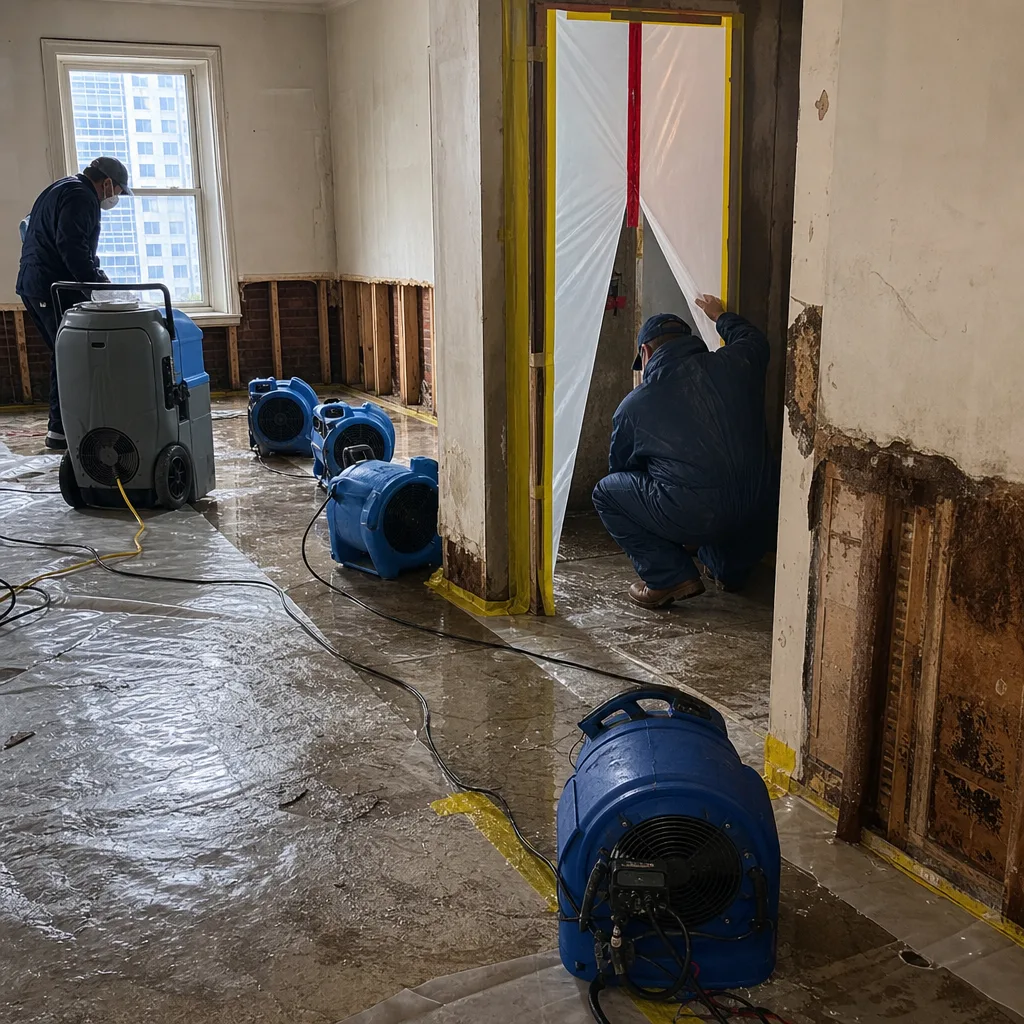
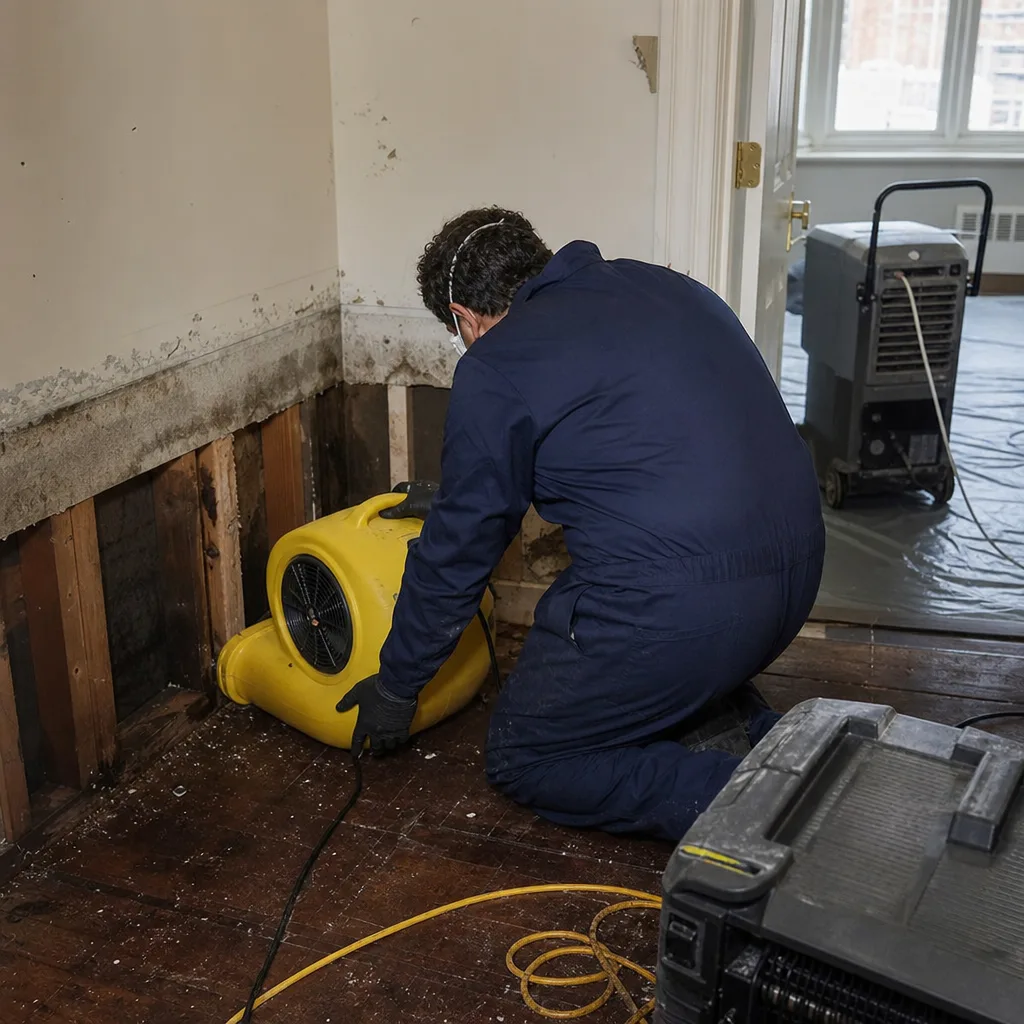
Free visual inspection and a written scope of work before any mitigation begins - photos, moisture readings, and drying logs go in your claim file
The scope we write is the scope we bill. Anything new gets shown to you, in writing, before we touch it.
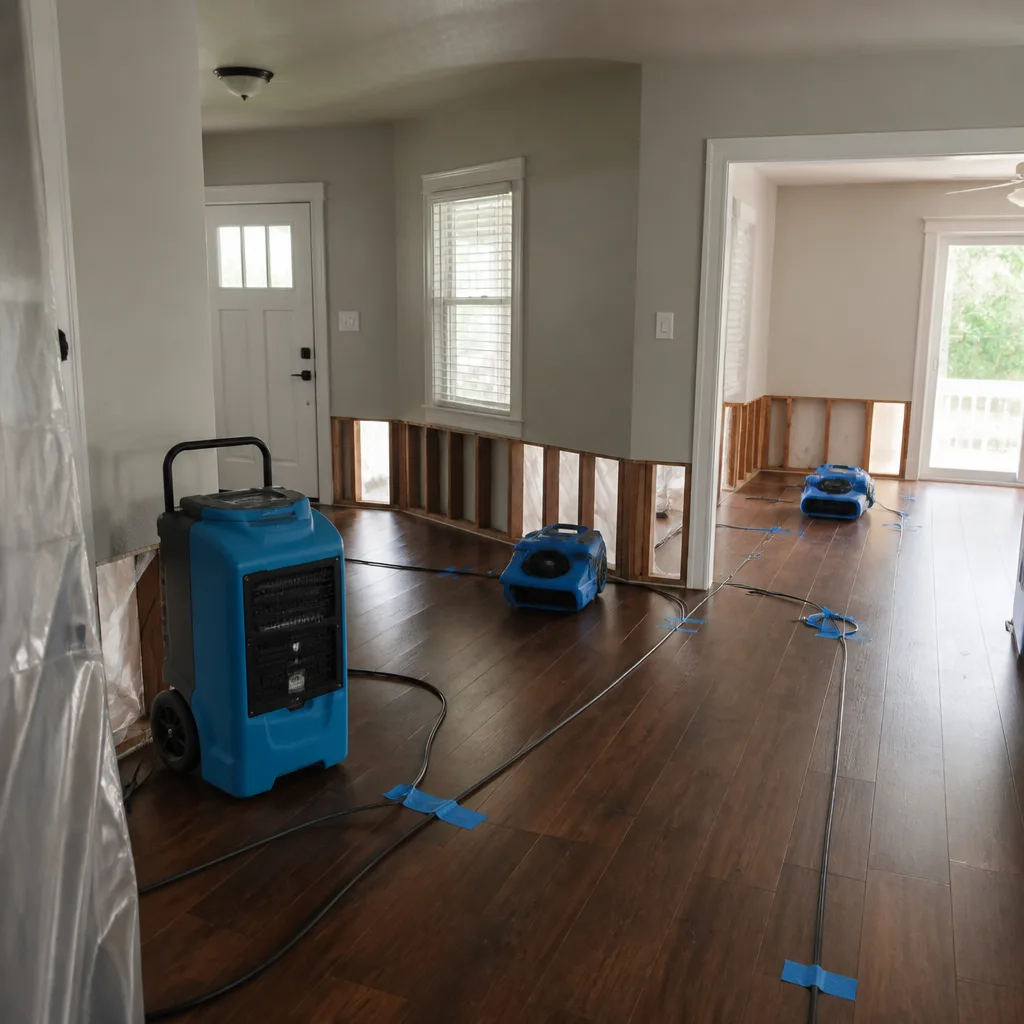
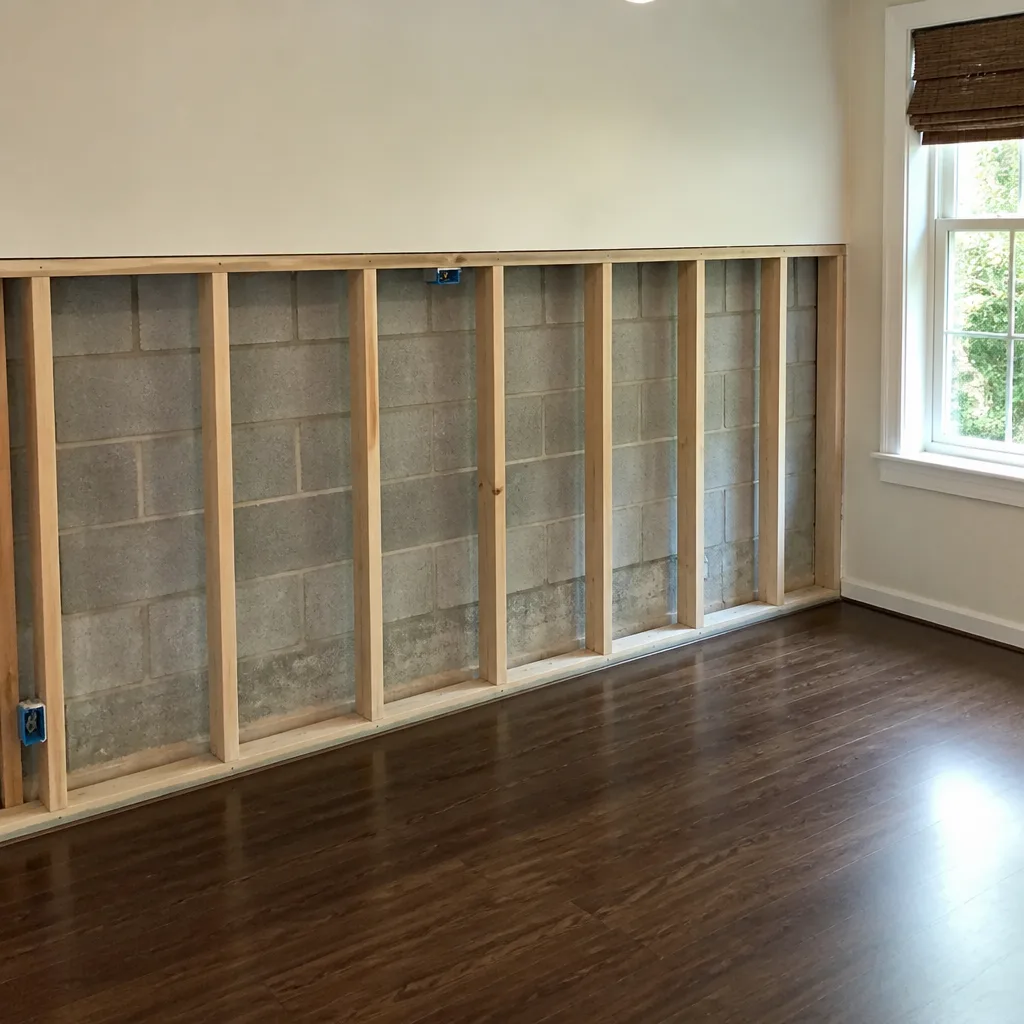
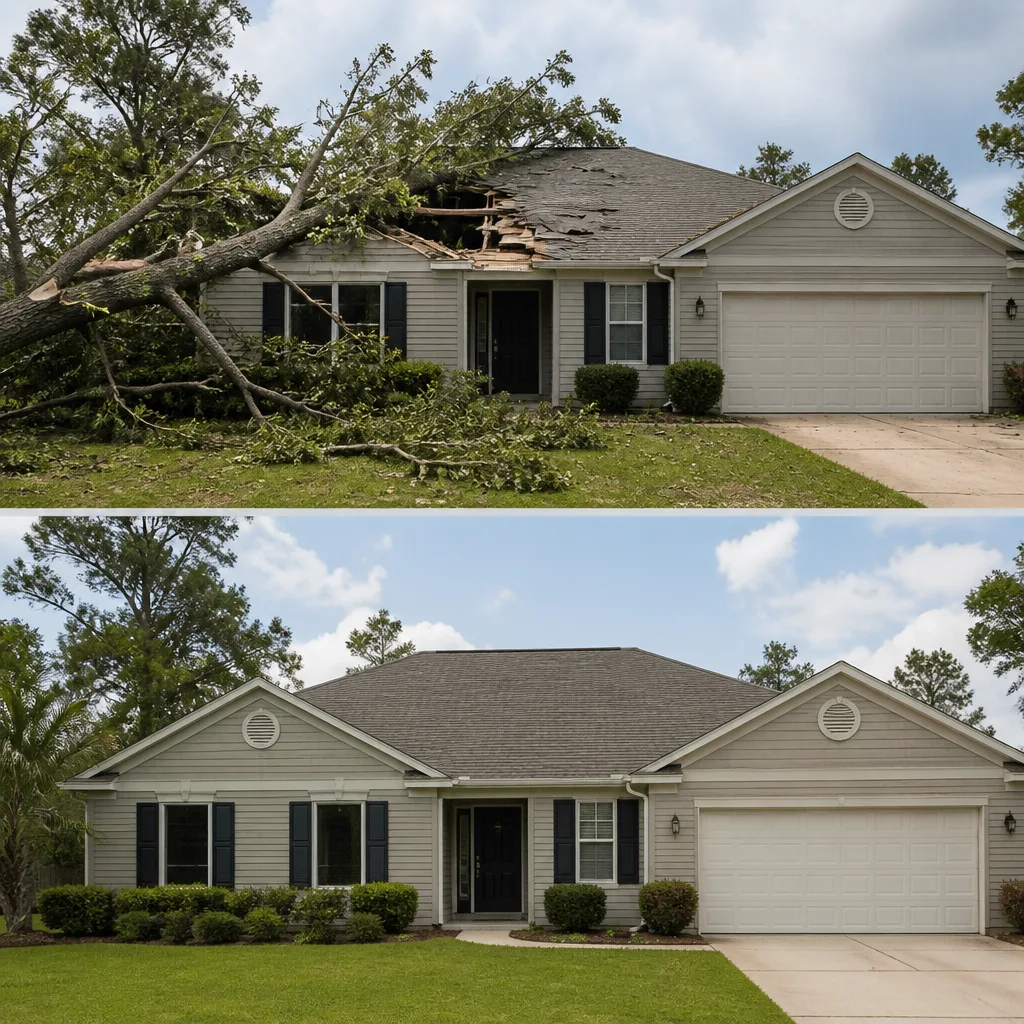
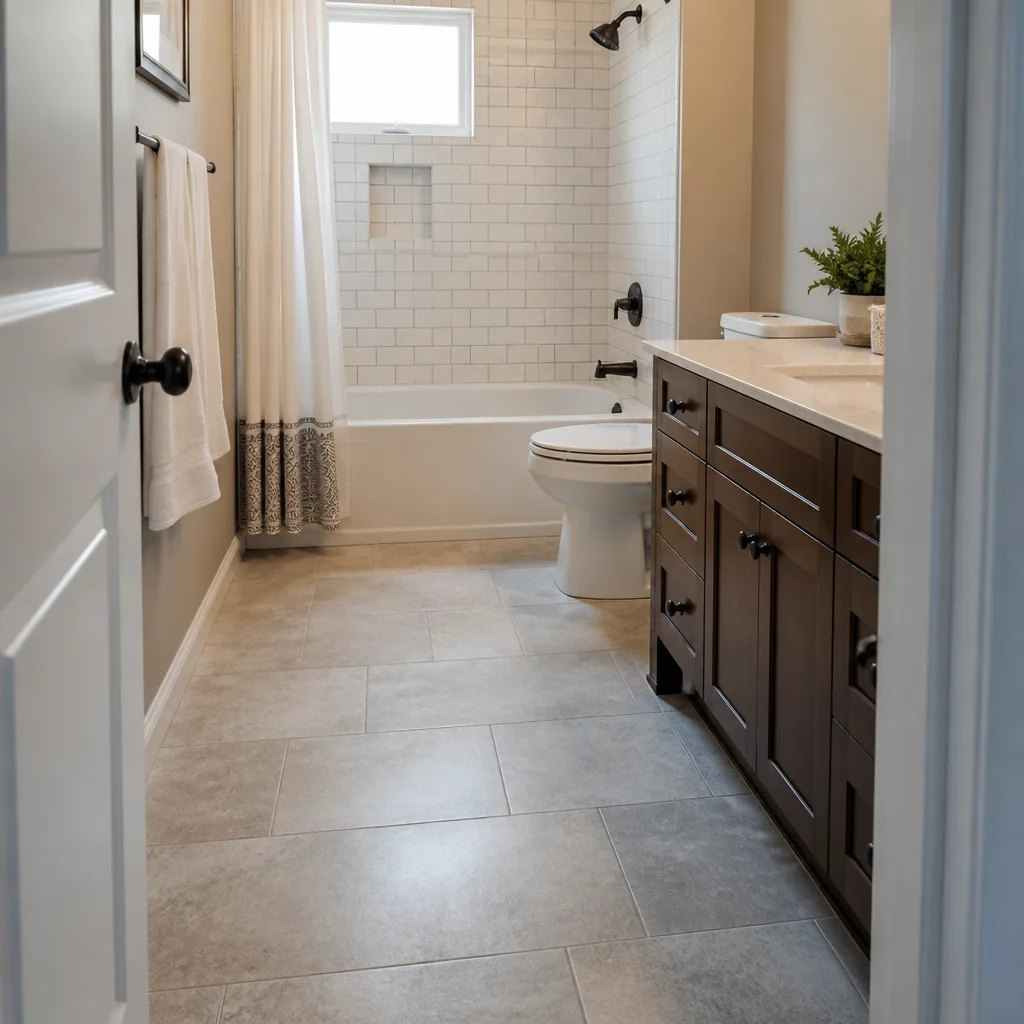
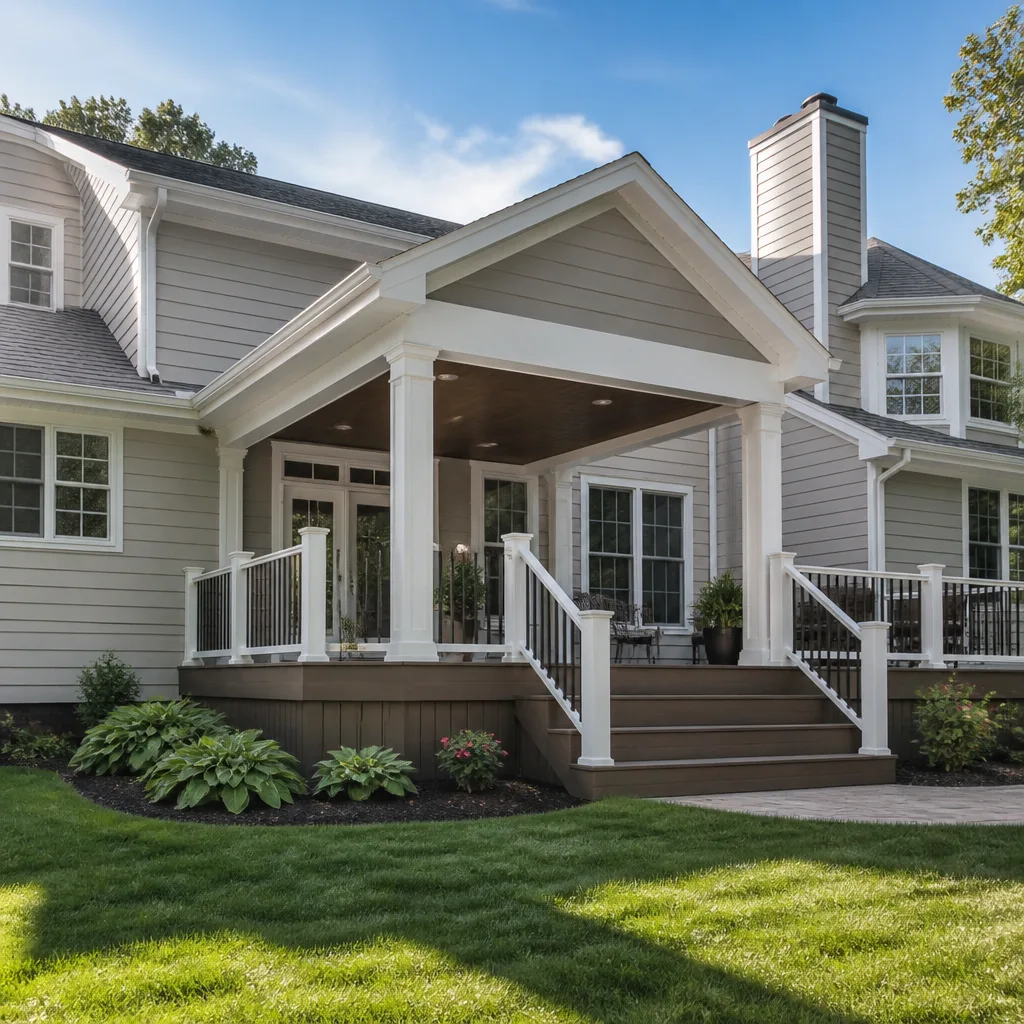
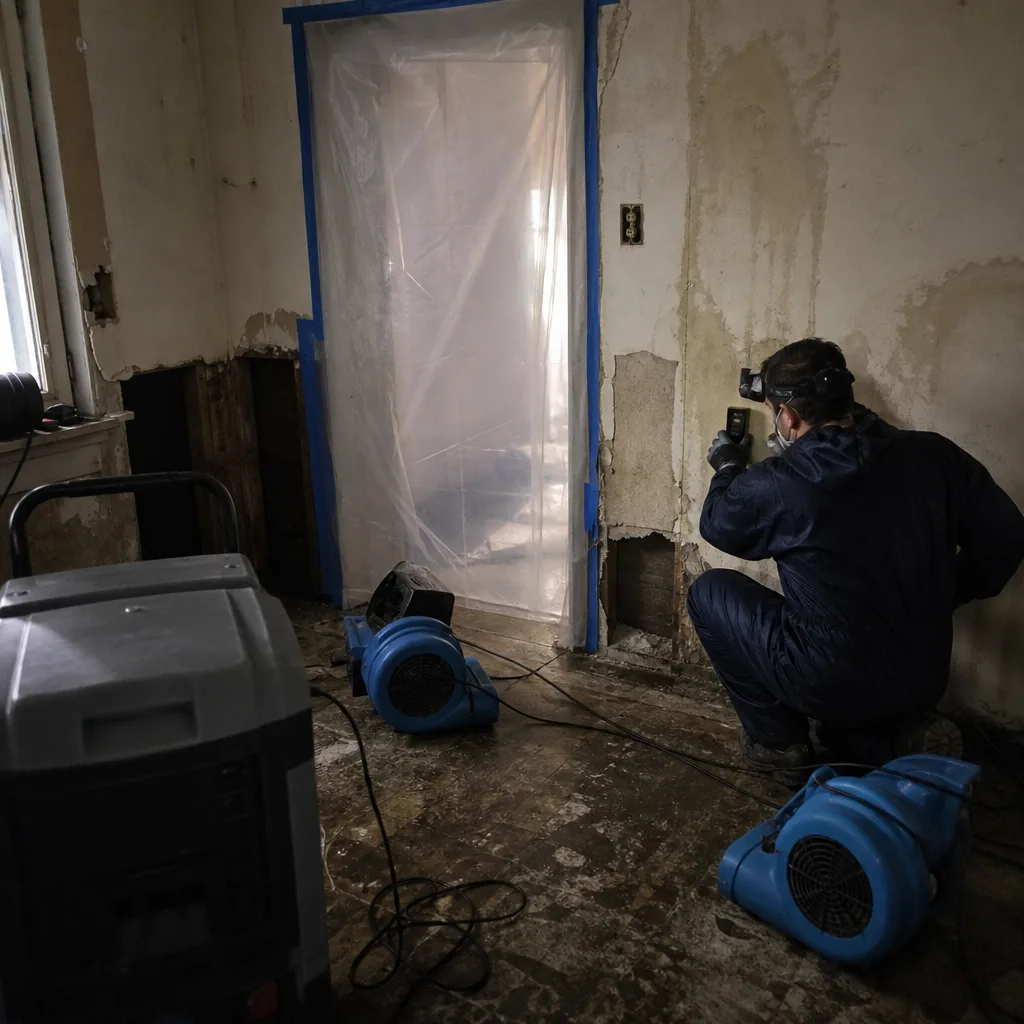 Before
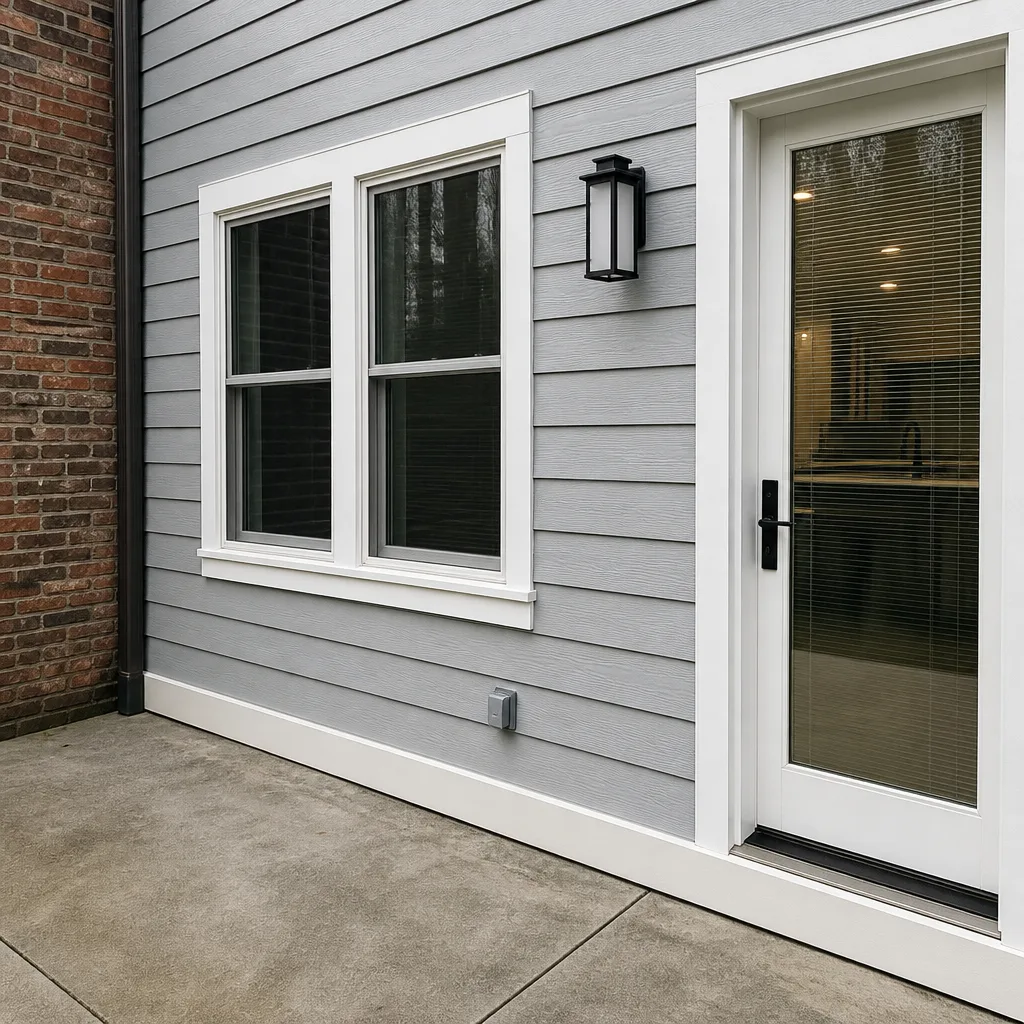 After
After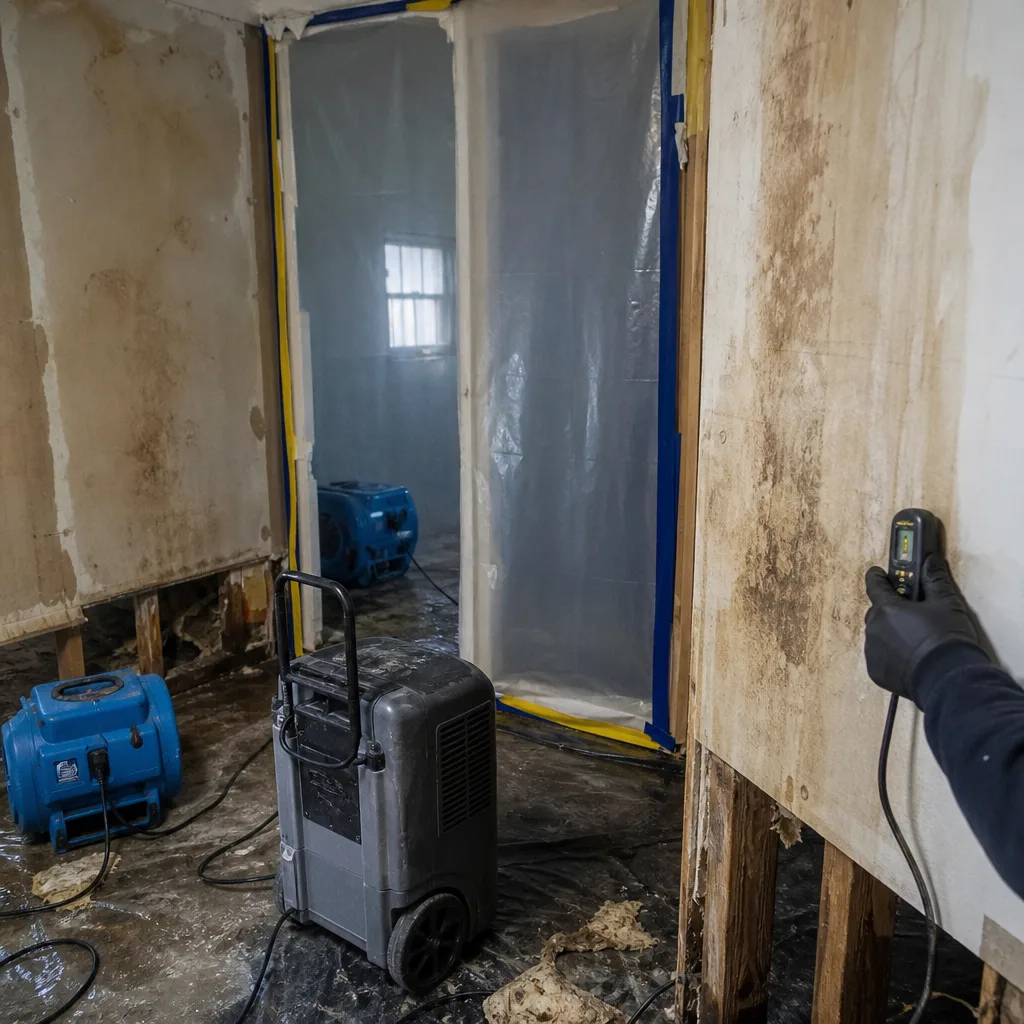 Before
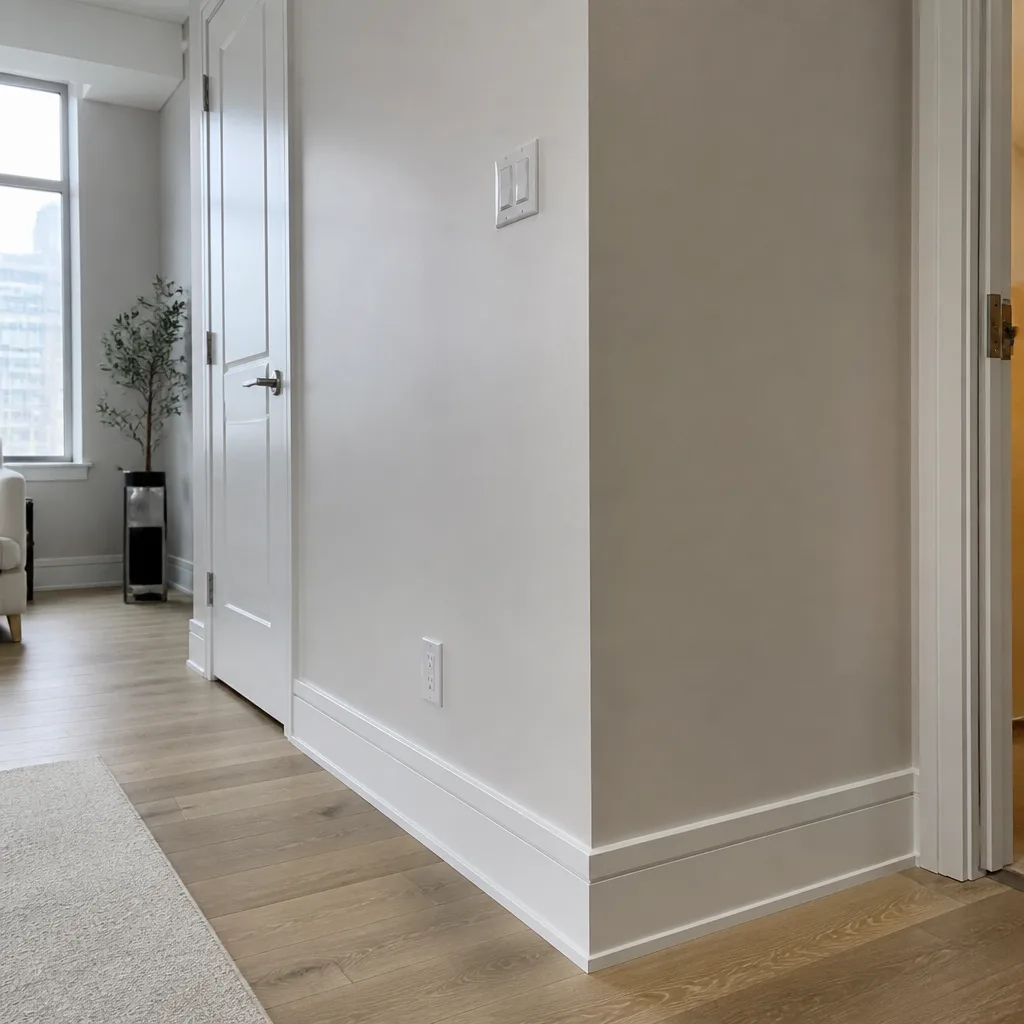 After
After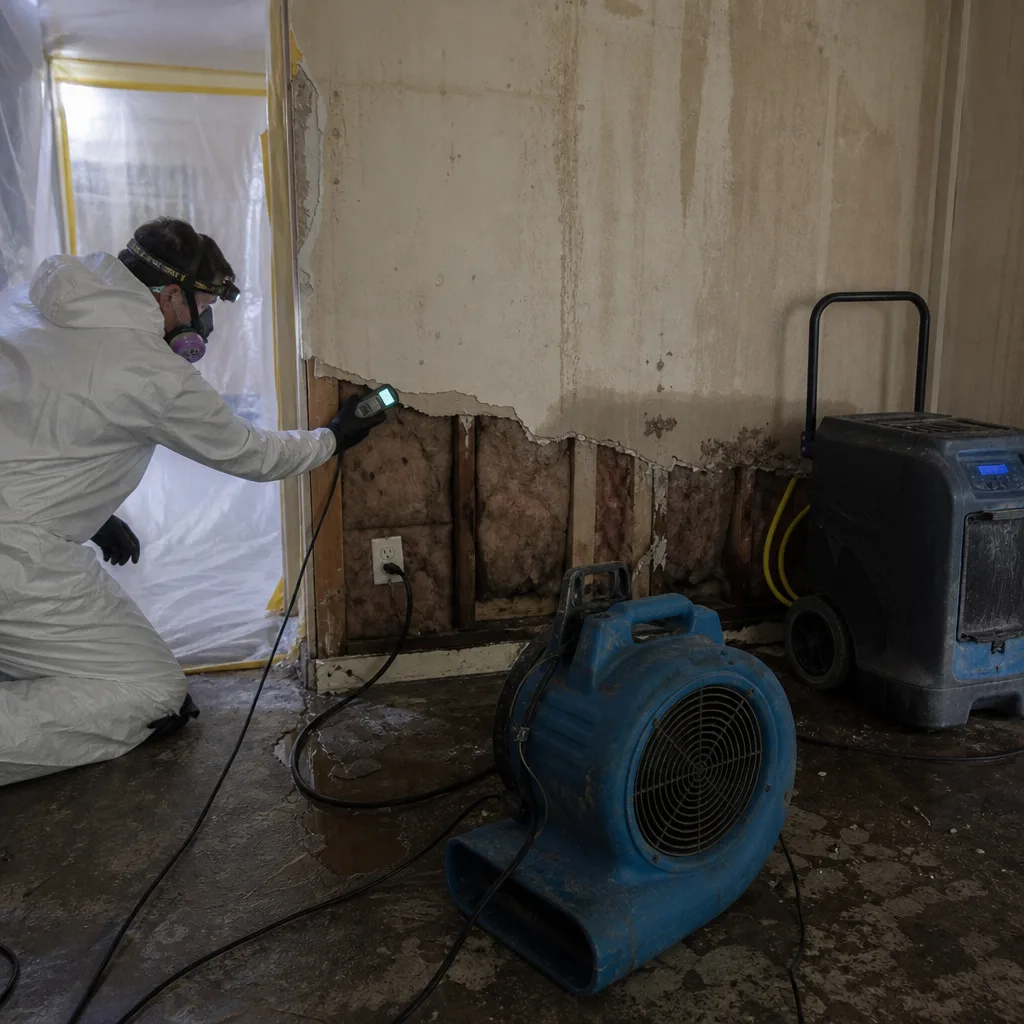 Before
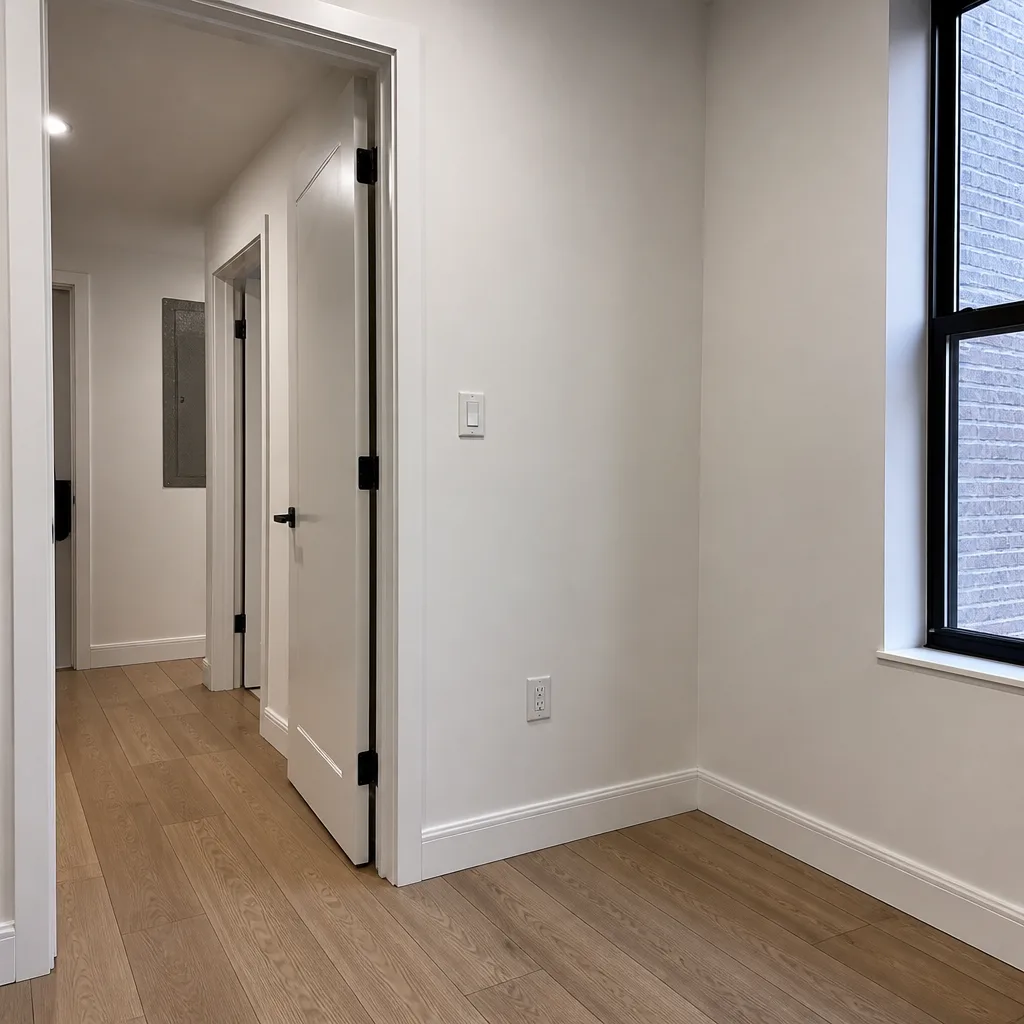 After
After24/7 Emergency Commercial Restoration in Bushwick
Commercial water, fire, and storm damage in Bushwick is a full-scale emergency the moment it starts. Our crews respond 24 hours a day with a live dispatcher on the line, not a recording. Call (518) 663-6491 any hour, any day, and a certified crew gets moving toward your building immediately. The first hour matters: standing water in a converted loft or brick tenement starts wicking into timber beams, party walls, and original flooring within minutes, and every hour of delay expands the scope of remediation and the length of your business interruption.
We serve every commercial building type in Bushwick, from Troutman Street loft buildings to ground-floor retail along Knickerbocker Avenue and multi-unit walk-ups off Myrtle Avenue. Every response starts with a free visual inspection, photo documentation for your carrier, and a written scope before any work begins.
Understanding Commercial Restoration Severity in Bushwick Properties
Commercial restoration in Bushwick rarely follows the textbook. The neighborhood’s building stock is dominated by late-1800s to early-1900s brick tenements, attached rowhouses with shared party walls, and converted industrial lofts with original timber framing and cast-iron columns. Water events in these structures are classified by contamination level: Category 1 is clean water from a supply line or sprinkler head, Category 2 carries significant contamination from a sump or dishwasher discharge, and Category 3 is grossly contaminated water from sewage or exterior flooding. In Bushwick’s older commercial buildings, a Category 1 event can act like a Category 2 within 48 hours because water sits against decades of accumulated dust, lead paint residue, and deteriorated plaster in wall cavities.
Fire damage compounds the problem. In converted factory buildings, smoke migrates through original freight elevator shafts, open stairwells, and gaps where ad-hoc tenant build-outs meet original masonry. Soot residue types dictate cleanup method: dry soot from high-oxygen fires vacuums off relatively cleanly, while wet soot from smoldering fires leaves an acidic film that etches metal, glass, and sealed wood within days. Our crews are trained to IICRC standards for water (WRT), fire and smoke (FSRT), and applied microbial remediation (AMRT), and we map moisture across entire floor plates before any drying equipment is placed.
Why Bushwick Property Owners Choose Floodline Restoration Co.
- 45-minute response commitment - A live dispatcher confirms your call and a crew rolls immediately, with the goal of equipment on-site within 45 minutes for Bushwick addresses.
- 24/7 live answer, always a person - You will never reach an automated menu at 2 a.m. A real dispatcher picks up, triages the call, and mobilizes the crew.
- IICRC-certified crews - Our technicians hold WRT, FSRT, and AMRT certifications and train to IICRC, RIA, and IFA standards, so the crew on-site knows how to read a moisture map in a 1905 loft.
- Free visual inspection - Before any work starts, we assess the loss, photograph everything, and give you a straight read on what must happen and what can wait.
- Direct insurance billing - We communicate with your adjuster and carrier, submit line-item documentation, and handle the billing directly. You never play messenger.
- One team from extraction to reconstruction - Floodline Restoration Co. does not hand your building off to a separate rebuild contractor. The same certified crew that sets containment on day one finishes the reconstruction.
Our Commercial Restoration Process
Inspection & Assessment
We arrive, walk every affected area, and document the loss with photos and thermal imaging. In Bushwick lofts, this means checking vertical shafts, freight elevator cores, and column pockets, not just the visible floor.
Extraction & Stabilization
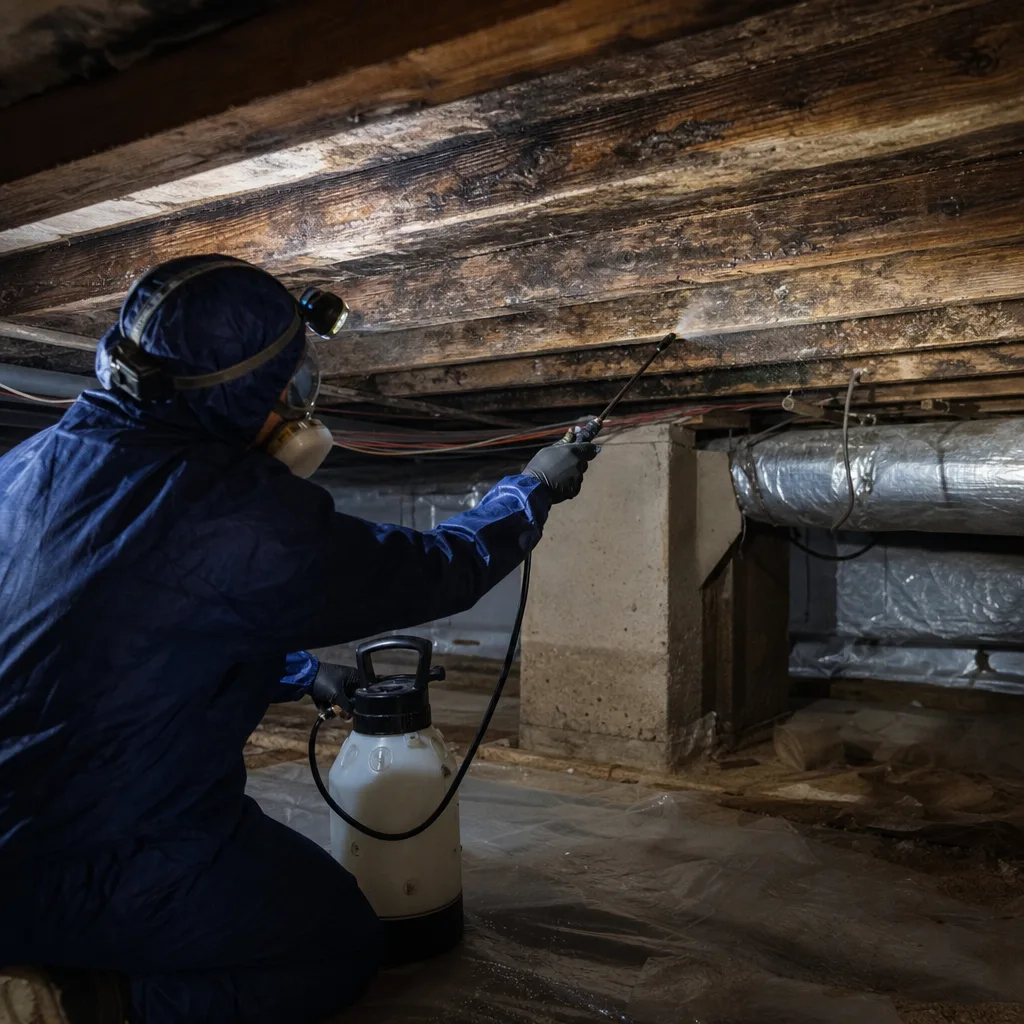
Standing water is removed with truck-mounted and portable extraction units. We install containment to isolate affected areas and stop humidity from migrating into adjacent tenant build-outs or occupied retail floors.
Drying & Dehumidification
Low-grain dehumidifiers and high-volume air movers are placed per a moisture map calculated in cubic feet. In converted factories, that means accounting for 14- to 18-foot ceilings and open floor plates, not just room-by-room square footage.
Cleaning & Sanitization
HEPA air scrubbers run throughout the drying phase. Surfaces, contents, and structural cavities are cleaned to the category of water involved, with antimicrobial treatment where the loss demands it.
Large-Loss Specialty Response
For multi-unit and industrial losses, we bring in pack-out crews for tenant inventory, coordinate building access, and sequence the work so businesses on unaffected floors keep operating.
Repairs & Restoration
We rebuild what the water or fire took out. Original wood floors, exposed brick, plaster moldings, cast-iron details. The Keystone Standard is simple: done right, backed in writing for 90 days.
Need Emergency Commercial Restoration in Bushwick Now?
Crews minutes away, answering live 24 hours a day. The sooner we start, the less it costs.
Working With Your Insurance Company
Commercial restoration claims live or die on documentation. From the first hour, we photograph every affected square foot, log moisture readings in writing, and build a line-item scope that carriers recognize. Our estimators use industry-standard pricing software, so the numbers hold up under adjuster review. We send photos, drying logs, and scopes directly to your carrier, and we talk with your adjuster on your behalf. You get a straight answer about what is covered, what is not, and what documentation your policy requires. For Bushwick loft owners and HOA boards carrying master policies with named-peril exclusions, we have handled enough of these claims to know where coverage questions typically surface.
What We Provide Your Insurer
- Thorough documentation of the loss
- Photos of all damage, room by room
- Moisture readings and drying logs
- A detailed, line-item scope of work
- Direct coordination with your carrier
Built for Bushwick’s Loss Calendar
Bushwick’s commercial losses follow the seasons, and they hit older buildings hardest. January and February bring the deep freezes. Supply lines in uninsulated loft walls and tenement cellars freeze, and when they thaw, the split is already delivering water behind walls and under floors. Original galvanized plumbing from the 1920s is the usual culprit. March and April bring the thaw itself, plus the first heavy spring rains. Flat roofs on converted factories shed water poorly after a winter of freeze-thaw cycles, and membrane cracks let water into the top floor before anyone sees staining.
Summer is thunderstorm season, and Bushwick’s combined sewer system backs up under flash rainfall. Basement commercial spaces along Flushing Avenue and Broadway take on Category 3 water when the street mains surge. Fall brings nor’easter remnants and the start of heating season, when old boiler systems and abandoned risers get pressured back into service. We plan crews around this calendar because the buildings do not negotiate. The readiness is built into our dispatch model: certified crews staged across the metro area, answering live around the clock.
Commercial Restoration Across Bushwick’s Neighborhoods
Bushwick is not one building type. The blocks around Maria Hernandez Park hold brick tenements and attached rowhouses where water tracks laterally through shared party walls. A retail space on Knickerbocker Avenue with a ceiling claim in the back room routinely turns into a three-unit remediation once we open the walls and find original plaster-and-lath saturated between the joists. Along the Jefferson Street corridor, ground-floor commercial spaces sit under three or four floors of apartments served by one original cast-iron waste stack. When that stack fails, it fails across every floor.
East of Broadway, the converted industrial lofts dominate. Former breweries, knitwear factories, and furniture warehouses now hold artist studios, offices, and live/work units behind original brick and timber. In these buildings, water does not stop at the unit line. Open floor plates and unsealed vertical shafts carry moisture from basement mechanicals to rooftop bulkheads. Our crews set containment at elevator cores and stairwells because humidity moves faster than standing water, and in a loft, it moves through the entire building envelope.
The blocks off Myrtle Avenue mix both types: rowhouse commercial units beside small former factories. We respond to water events in these zones expecting the unexpected, which is exactly what the building stock usually delivers. Original wood joists, cast-iron column pockets, and patchwork prior repairs all hold water. A restoration that looks small on the surface is routinely much bigger underneath.
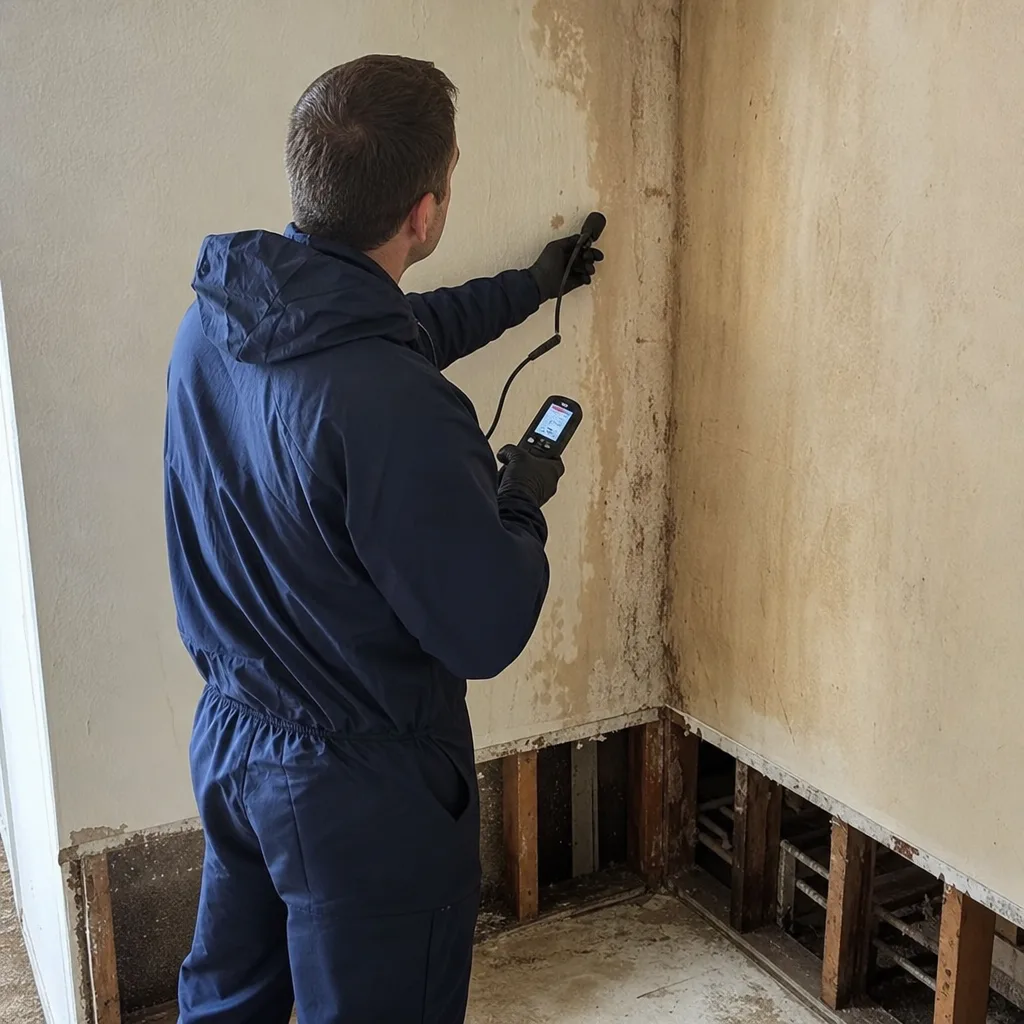
Specialized Commercial Restoration Services We Offer in Bushwick
Office & Retail Restoration
A water event in a Bushwick storefront or office means lost sales hours and a damaged tenant experience. We pack out inventory before demolition, contain the affected area so the rest of the floor can keep operating, and restore original flooring where it is salvageable. We have saved original maple floors in loft offices that other crews would have written off.
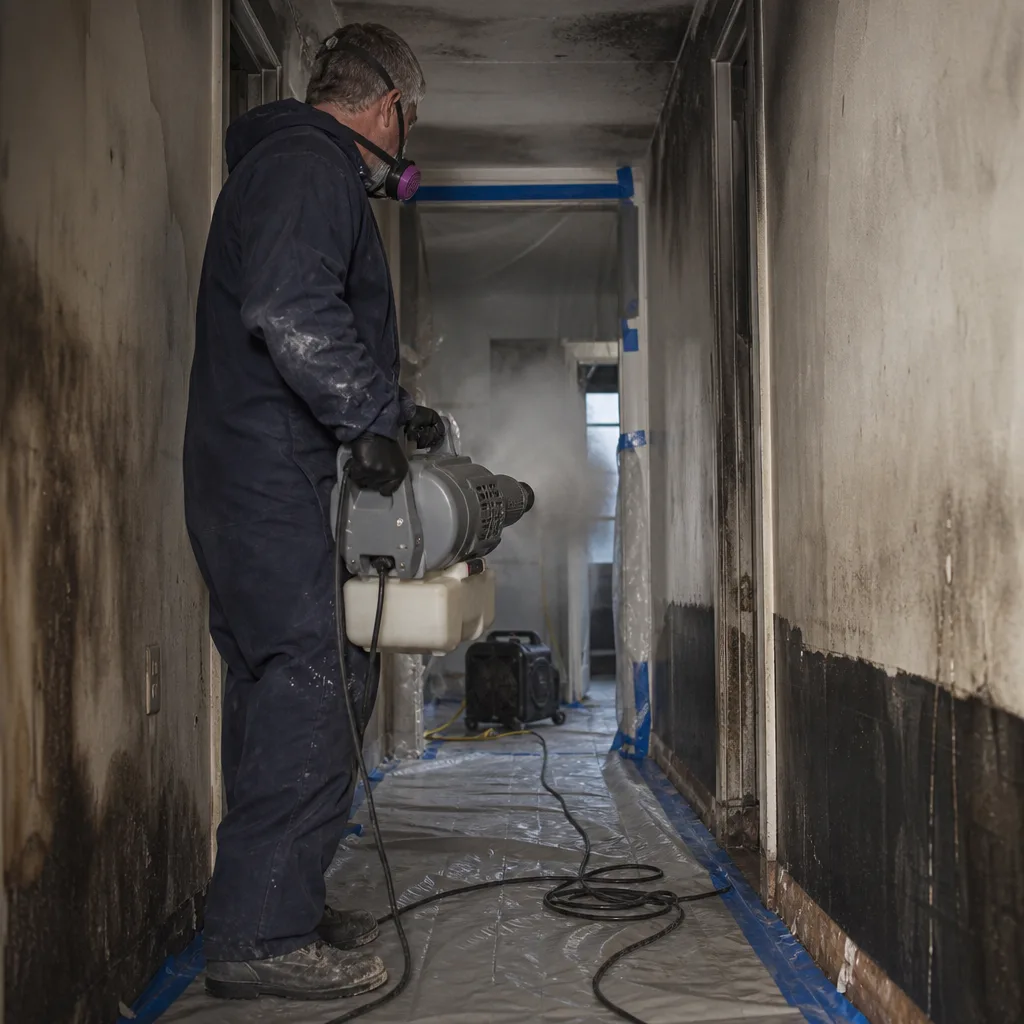
Multi-Unit & HOA Restoration
Bushwick’s converted lofts and tenements are multi-unit by default, and a loss in one unit is rarely contained to that unit. We coordinate access across units, sequence the work to preserve building habitability, and communicate directly with HOA boards and property managers. The scope covers every affected area, not just the one unit where the loss started.
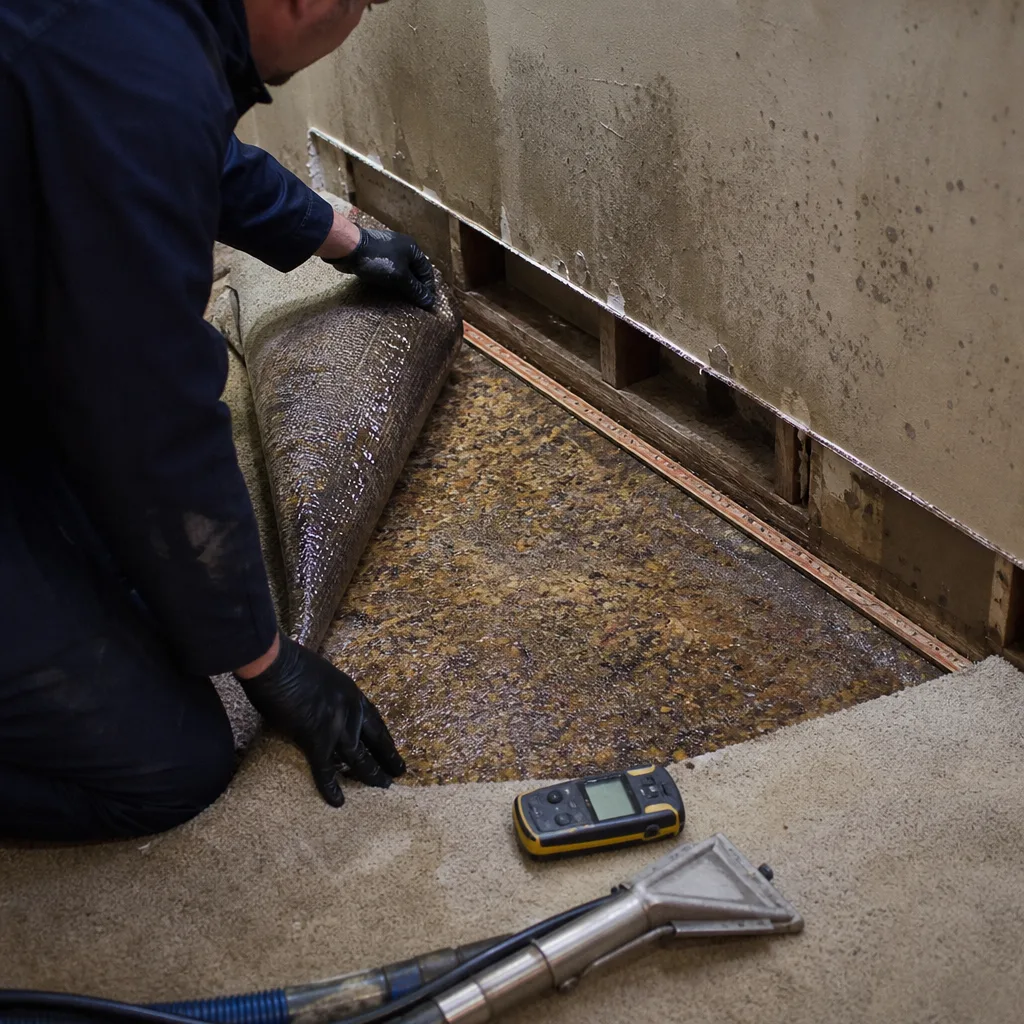
Industrial Facility Cleanup
Former factory buildings still operating as light industrial, studio, or warehouse space need heavy extraction and rapid drying across thousands of square feet. We deploy Dri-Eaz and Phoenix low-grain dehumidifiers at scale and log moisture readings every 12 hours until structural drying reaches pre-loss condition.
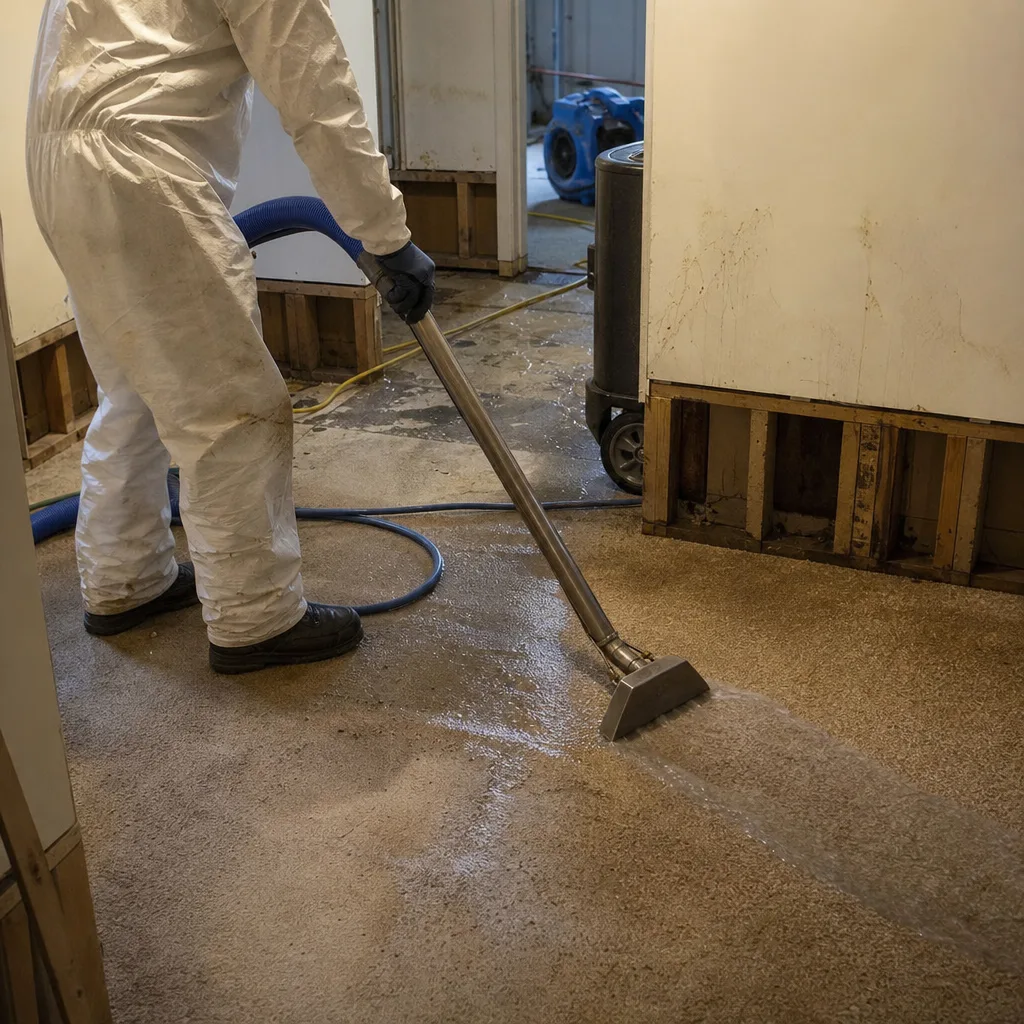
Large-Loss Response
When a sprinkler head lets go in a 8,000-square-foot loft, the response has to match the scale. Our crews arrive with multiple extraction units, set containment immediately, and bring in pack-out teams for tenant inventory. This is the work we do most in Bushwick, and we do it without a mid-job handoff to another contractor.
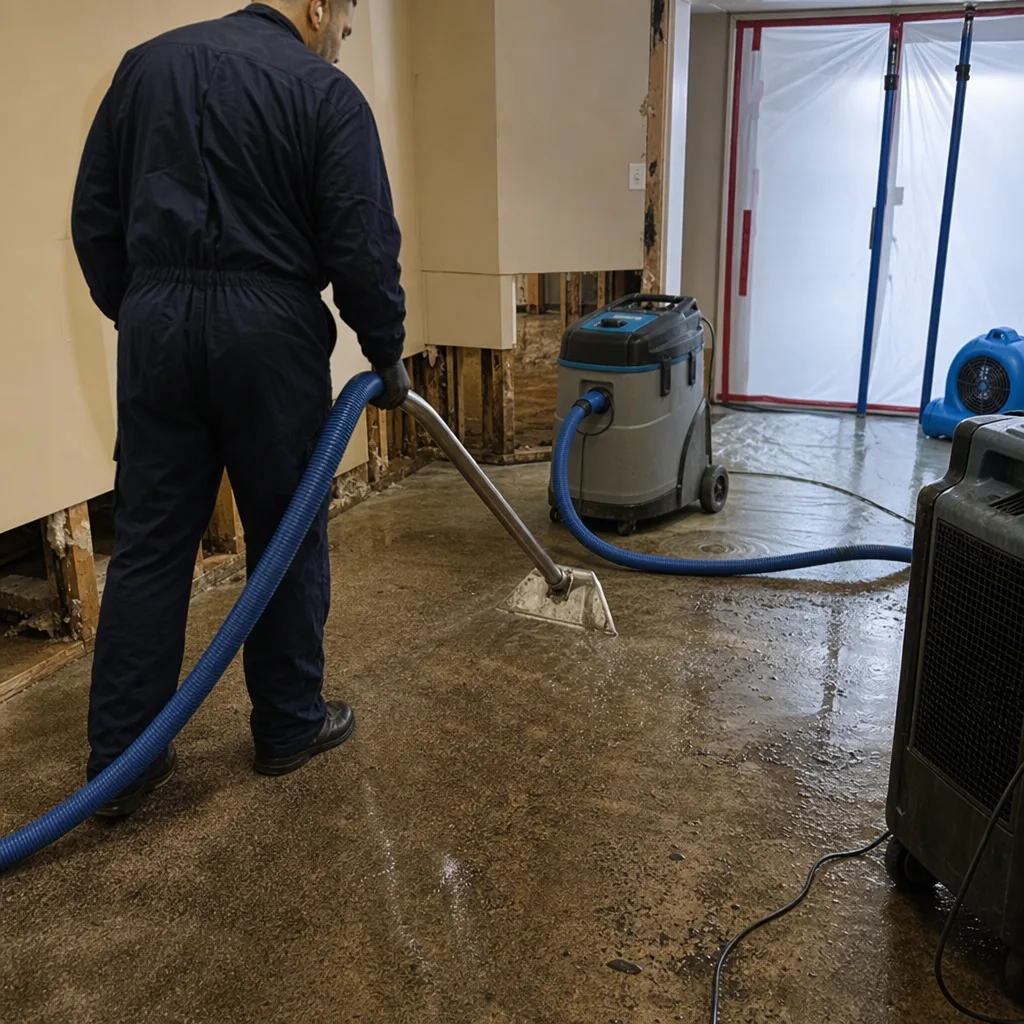
Business Interruption Minimization
The restoration clock and your revenue clock run on the same time. We phase the work so occupied floors stay occupied, sequence drying to protect tenant build-outs, and document everything in a format carriers accept for business interruption claims. The faster the building dries to standard, the sooner the doors reopen.
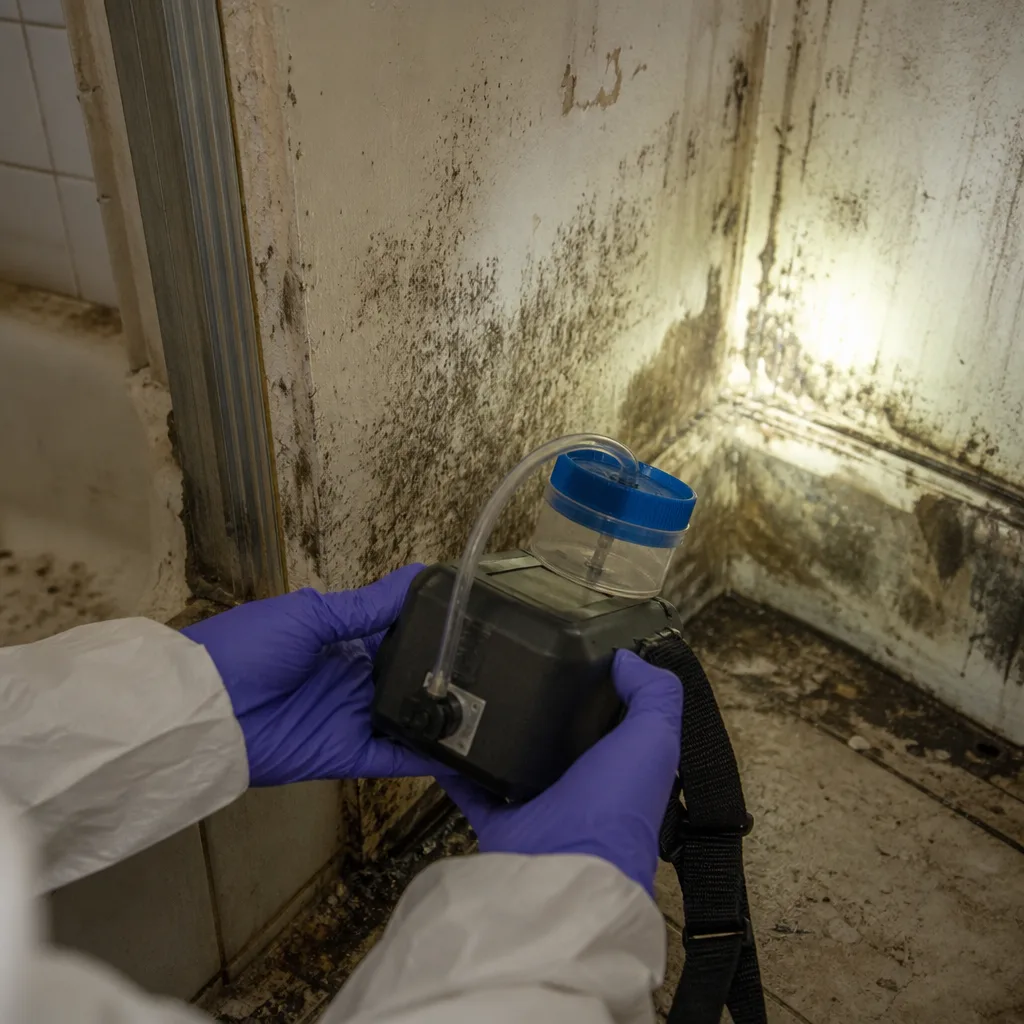
Document & Inventory Recovery
Wet documents, saturated stock, and damaged equipment often survive if treated within hours. We use Injectidry systems for wall and floor cavities, freeze-dry documents where needed, and photograph every step for your claim.
What happens when you call
- 1
A real person answersNo phone trees - you reach a local pro.
- 2
You get an upfront price rangeHonest numbers before anyone is dispatched.
- 3
A background-checked tech heads outLicensed & insured, dispatched right away.
- 4
You approve before work beginsNothing starts until you say go.
Commercial Restoration Costs in Bushwick, NY
Commercial restoration pricing in Bushwick tracks the building stock. A water extraction from a ground-floor retail space with drying and minor drywall repair typically runs $2,800 to $6,500. A Category 1 sprinkler loss across a 4,000-square-foot loft floor plate runs $12,000 to $28,000, depending on how much original flooring and timber framing must be dried in place versus removed. Category 3 sewage backups in basement commercial spaces start around $5,000 and climb with the square footage of contaminated material requiring removal.
Fire and smoke restoration in converted industrial spaces runs $8,000 to $45,000, with the spread driven by soot type, the number of affected floors, and whether original millwork survives cleaning. Most Bushwick commercial policies cover the full scope of restoration minus the deductible, and we bill your carrier directly. The free visual inspection is how every job starts, and the written scope we provide after that inspection is firm. No surprises on the bill is a Floodline policy, not a slogan.
We Also Serve Cities Near Bushwick
Floodline Restoration Co. provides commercial restoration across the metro area, including Financial District, Lower Manhattan, Washington Square, and Brooklyn Heights. Our dispatch coordinates from the New York City office, so a crew is never far from any of these neighborhoods. If your Bushwick building is part of a portfolio that extends across the boroughs, one call covers the whole map.
Serving Bushwick, NY - Our Local Coverage Area
We’re based in the Bushwick area and know this community well. Use the map below to see our service coverage - if you’re nearby, we can almost certainly help.
Bushwick Commercial Restoration Questions, Answered
How do you handle restoration in a Bushwick loft building where multiple tenants share an open floor plate?
We treat the floor plate as one interconnected space, not a series of separate units. Containment is set at the elevator core, stairwells, and any vertical openings first, because humidity migrates through those passages faster than standing water. Each tenant build-out is assessed individually, moisture is mapped across the entire plate, and drying equipment is sized for the full cubic volume, not the square footage of the visible loss. We coordinate access with every affected tenant and the building owner so no one is surprised by what the moisture map shows.
What’s the biggest hidden risk in Bushwick’s converted factory buildings after a pipe break?
The biggest hidden risk is water trapped in original timber joists and cast-iron column pockets. Surface moisture readings will show dry wood days before the interior of a 12-inch original beam reaches dry standard. If that water is left in place, mold colonies re-establish within 48 hours of the visible loss being cleaned. We use penetrating moisture probes and thermal imaging on every commercial loss in Bushwick, and we do not sign off on structural drying until the readings match pre-loss condition.
Can you restore original wood floors and exposed brick in a commercial loft after category 2 or 3 water?
Yes, and this is work we do regularly. Original maple and pine flooring can often be dried in place with Injectidry panels and low-grain dehumidifiers, then sanded and refinished once the subfloor has been dried and treated. Exposed brick is cleaned with the appropriate method for the water category, and historic mortar joints are repointed where needed. The decision between dry-in-place and remove-and-replace depends on how long the water sat and what the moisture readings show. Our crews are trained to save original material where it is structurally sound.
How do you keep a Bushwick business running during a large-loss restoration?
We phase the work. Containment goes up first, so unaffected areas stay dry and clean. Demolition and extraction happen in sequence, and drying equipment runs in contained zones while the rest of the floor operates normally. For businesses that must be in the space during restoration, we work around their hours and coordinate noise, access, and equipment placement. The goal is to restore the building without shutting down the revenue.
Why do water leaks in Bushwick’s attached rowhouse commercial units always end up involving the neighbor’s space?
Because the buildings share party walls, and water travels. Original plaster-and-lath holds moisture and wicks it laterally, and old mortar joints between brick and framing provide a path through the wall. A leak in one unit’s ceiling will track to the joist ends, which span into the neighbor’s structure. We open walls to trace the moisture path, document it for both property owners, and scope the restoration to cover every affected area, not just the unit where the leak started.
How fast can a crew actually reach my Bushwick building?
Our dispatch goal is 45 minutes from your call to equipment on-site at a Bushwick address. A live dispatcher answers 24/7, and crews are staged across the metro area. In a converted loft or attached commercial unit, that first 45 minutes matters, because water wicks into timber and party walls within the first hour.
Will my commercial property insurance cover the full restoration?
Most Bushwick commercial policies cover the scope of restoration minus the deductible, but coverage details depend on your policy language and the cause of loss. We submit line-item documentation directly to your carrier and communicate with your adjuster throughout the job. That is part of the direct billing process, and it means you never wait on hold with an insurer to find out what happens next.
What should I do in the first 30 minutes after a water or fire event in my Bushwick commercial space?
Call (518) 663-6491. Then shut off the water main or gas if you can do so safely, and do not enter standing water if electricity is on anywhere nearby. Move small valuable items to a dry area only if you can do it without risk. Take photos from the doorway. Do not attempt to dry the space with household fans or store-bought dehumidifiers; in a Bushwick loft or tenement, that pushes moisture deeper into building cavities. Our crews arrive with professional-grade Dri-Eaz and Phoenix equipment and a written scope, and the inspection is free.
Written by Curt Bowman, Owner at Floodline Restoration Co., providing Commercial Restoration in Bushwick and across the New York metro area.