
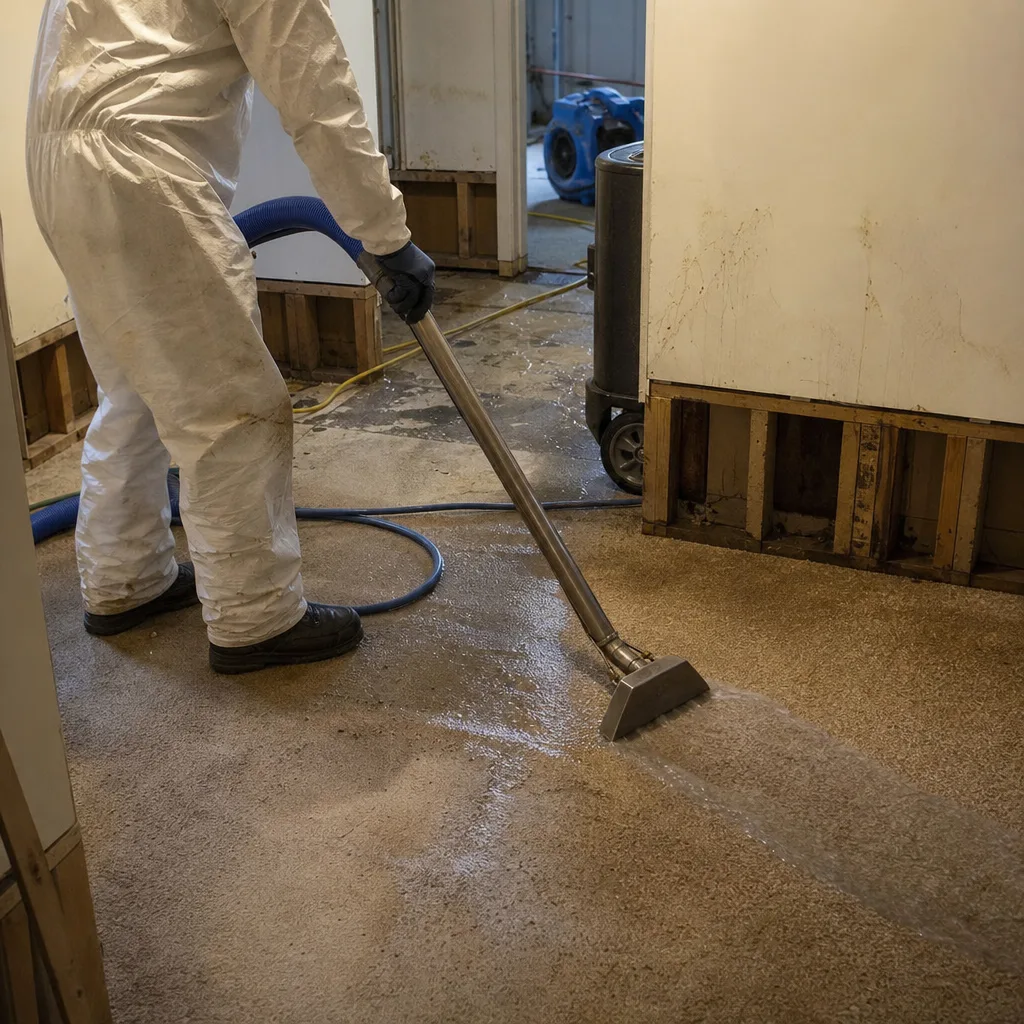
Free visual inspection and a written scope of work before any mitigation begins - photos, moisture readings, and drying logs go in your claim file
The scope we write is the scope we bill. Anything new gets shown to you, in writing, before we touch it.
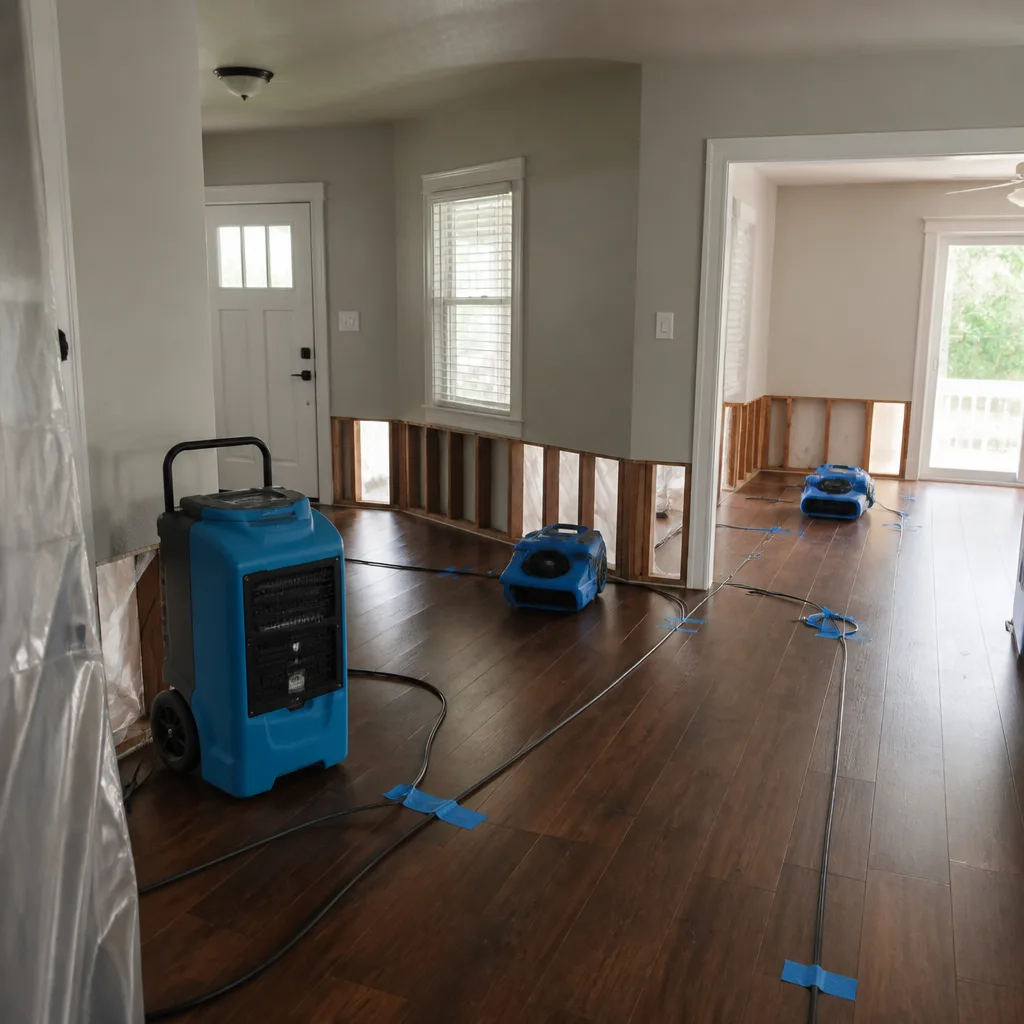
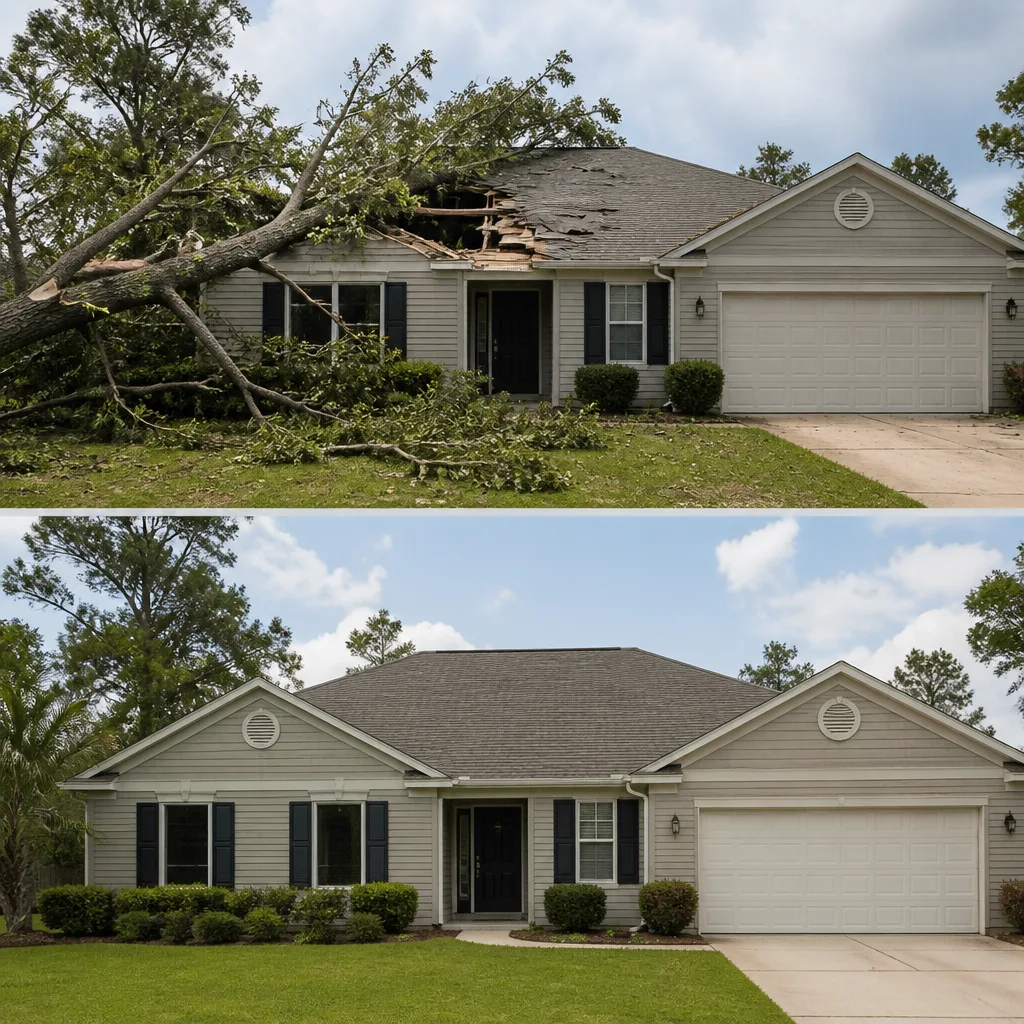
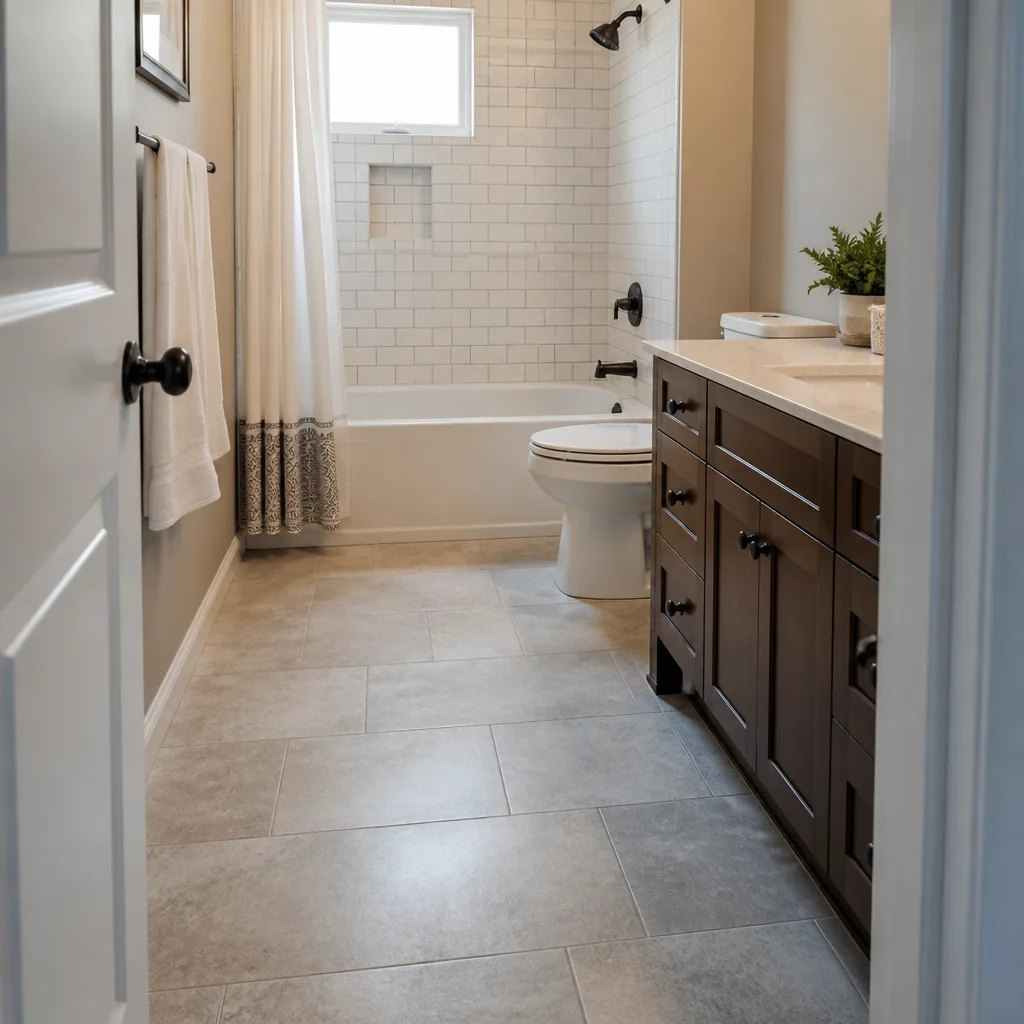
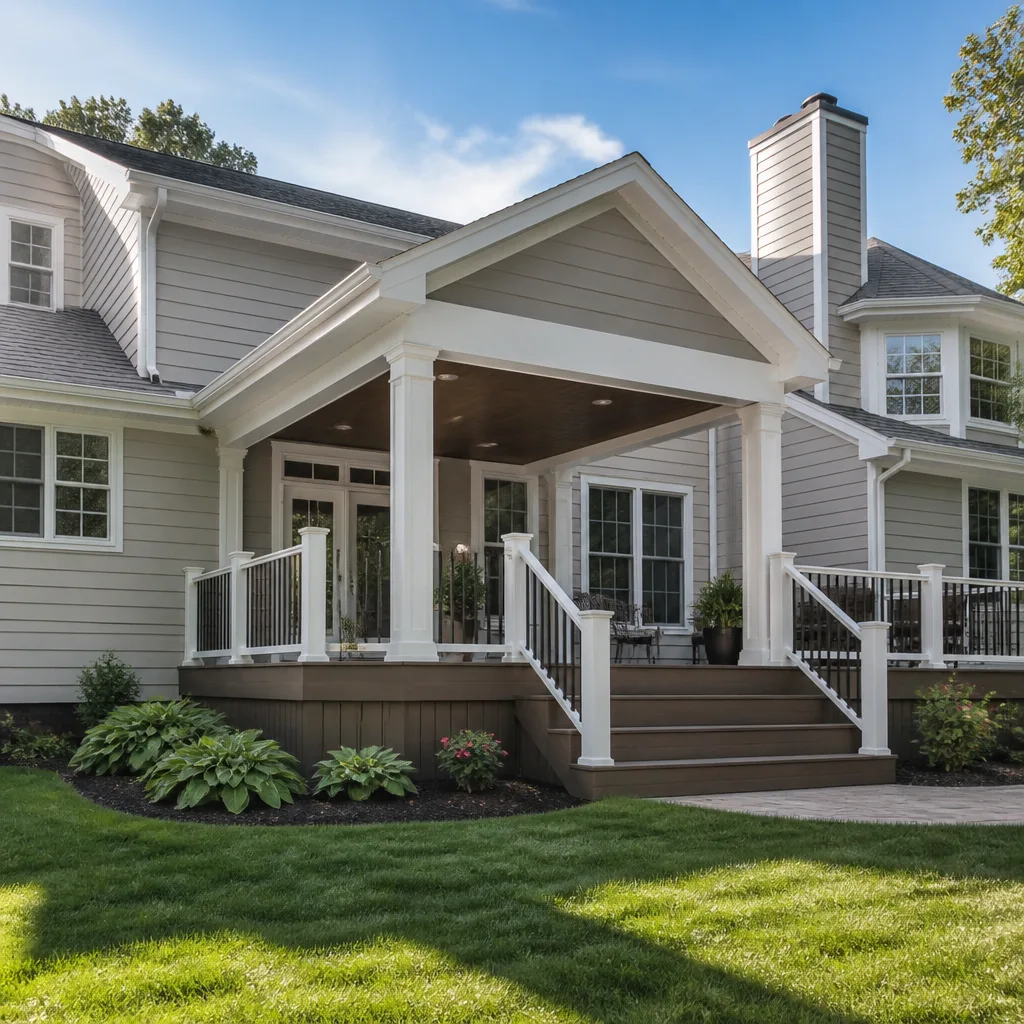
 Before
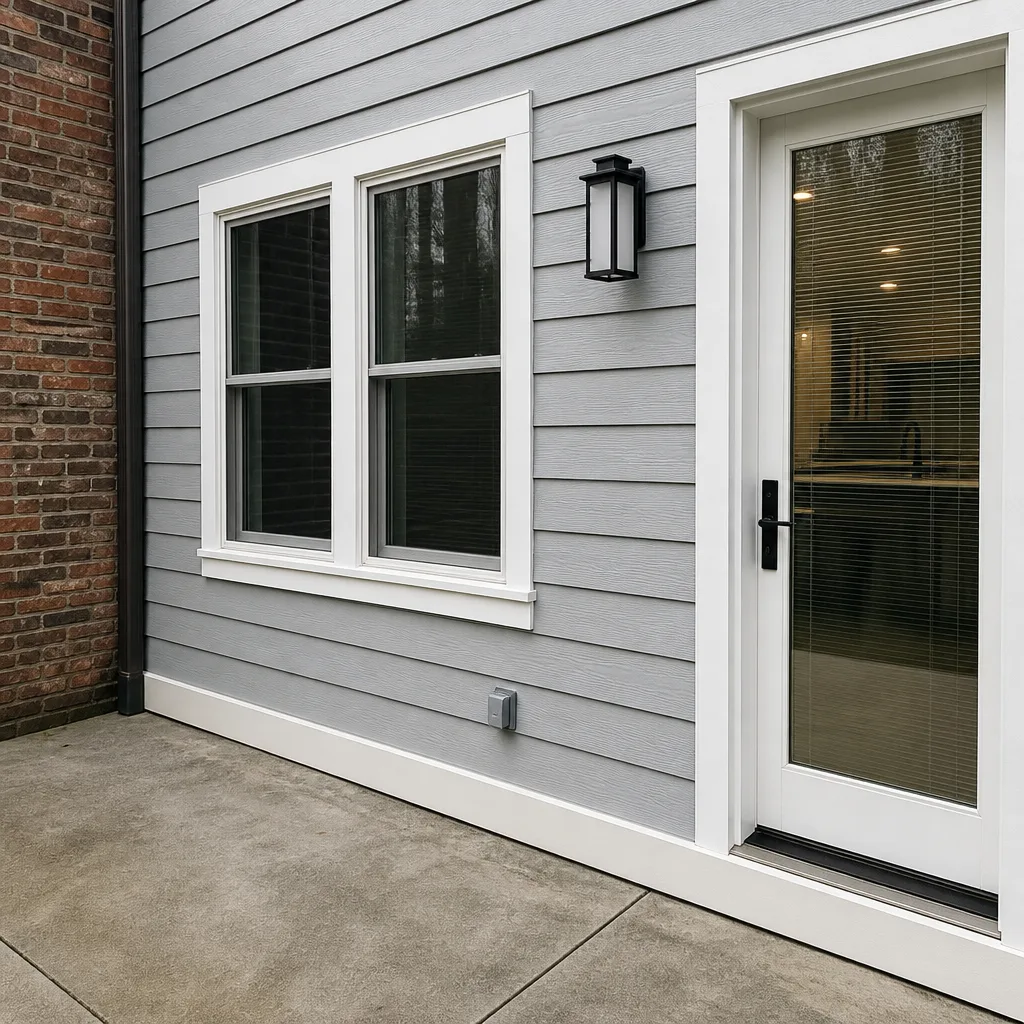 After
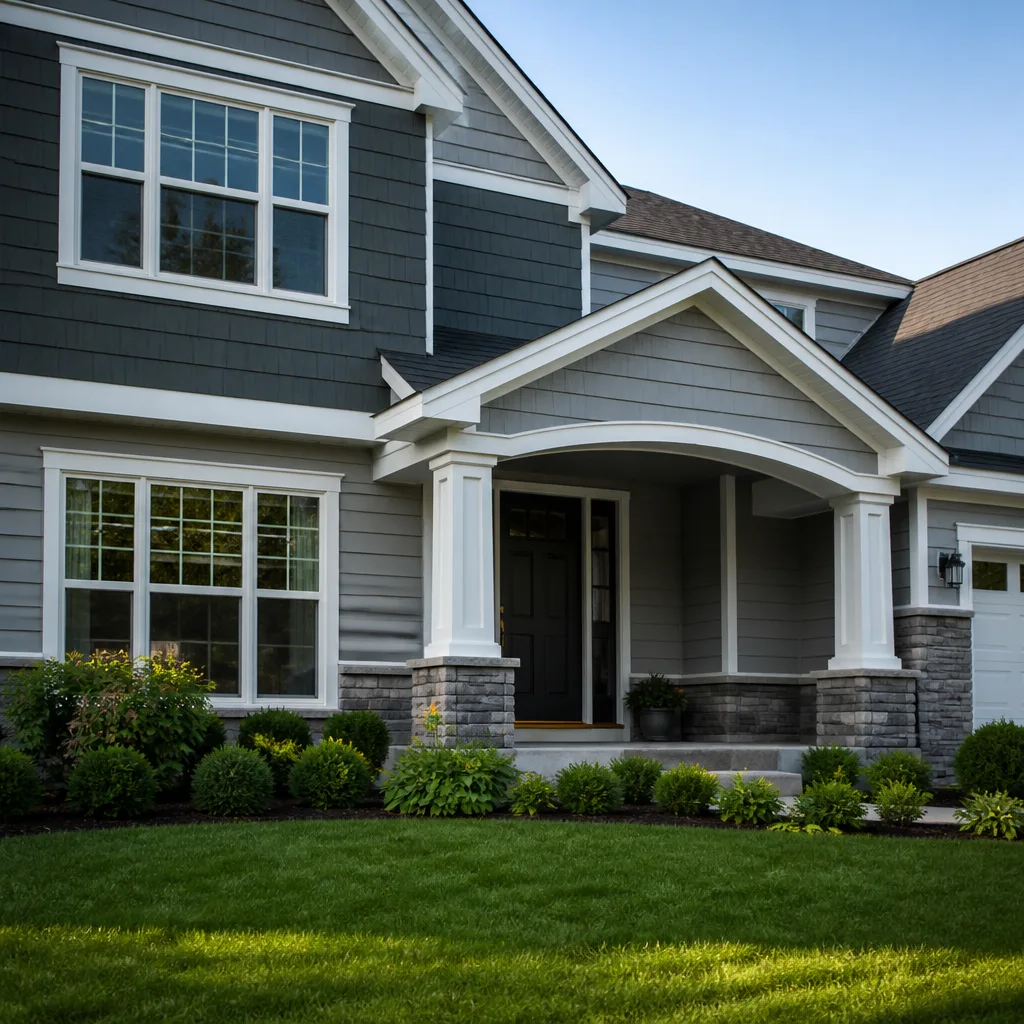
After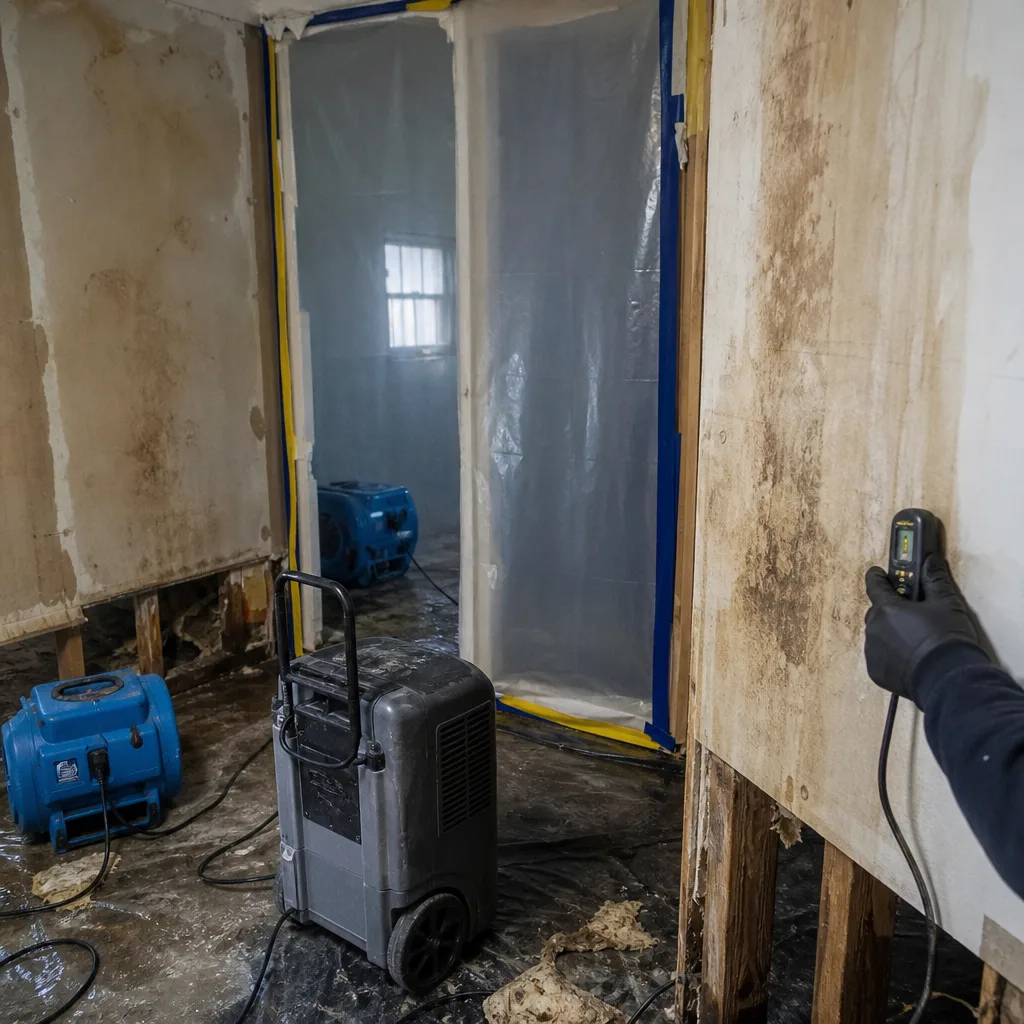 Before
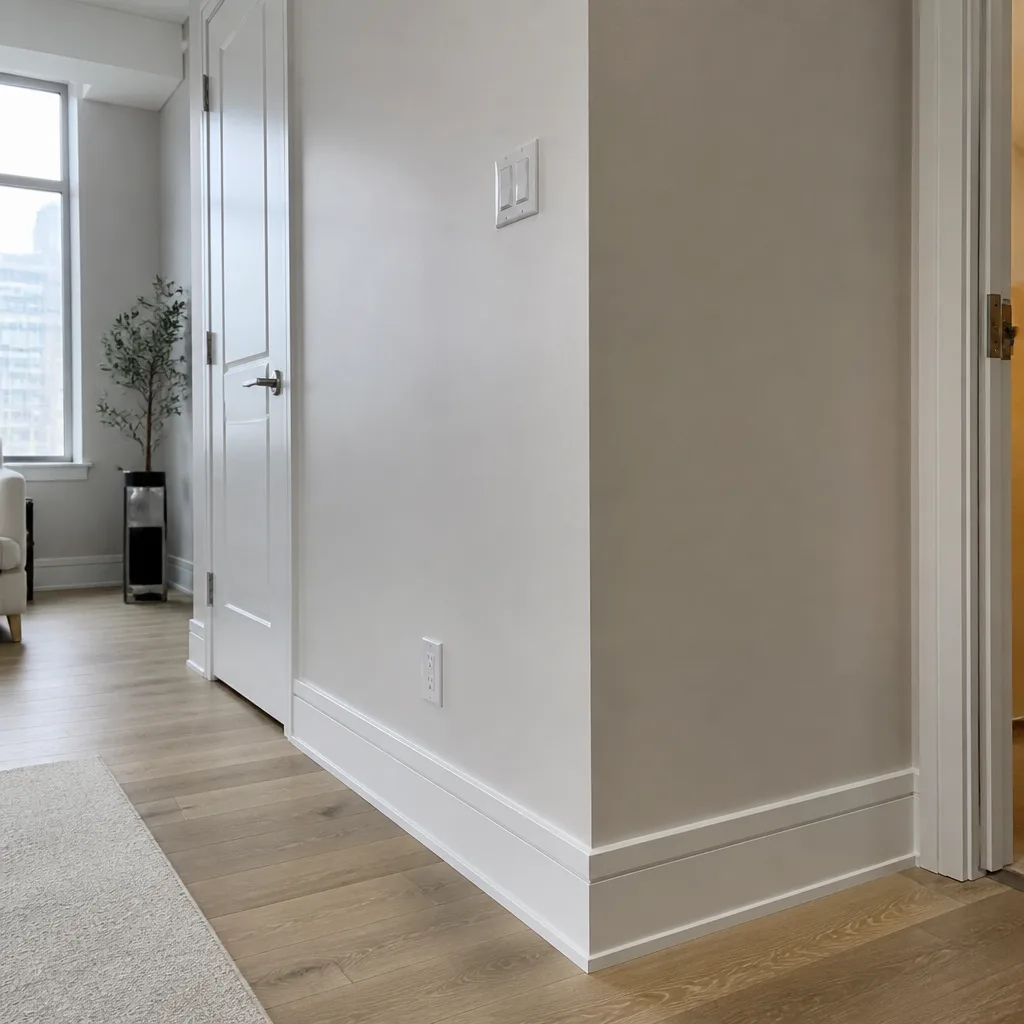 After
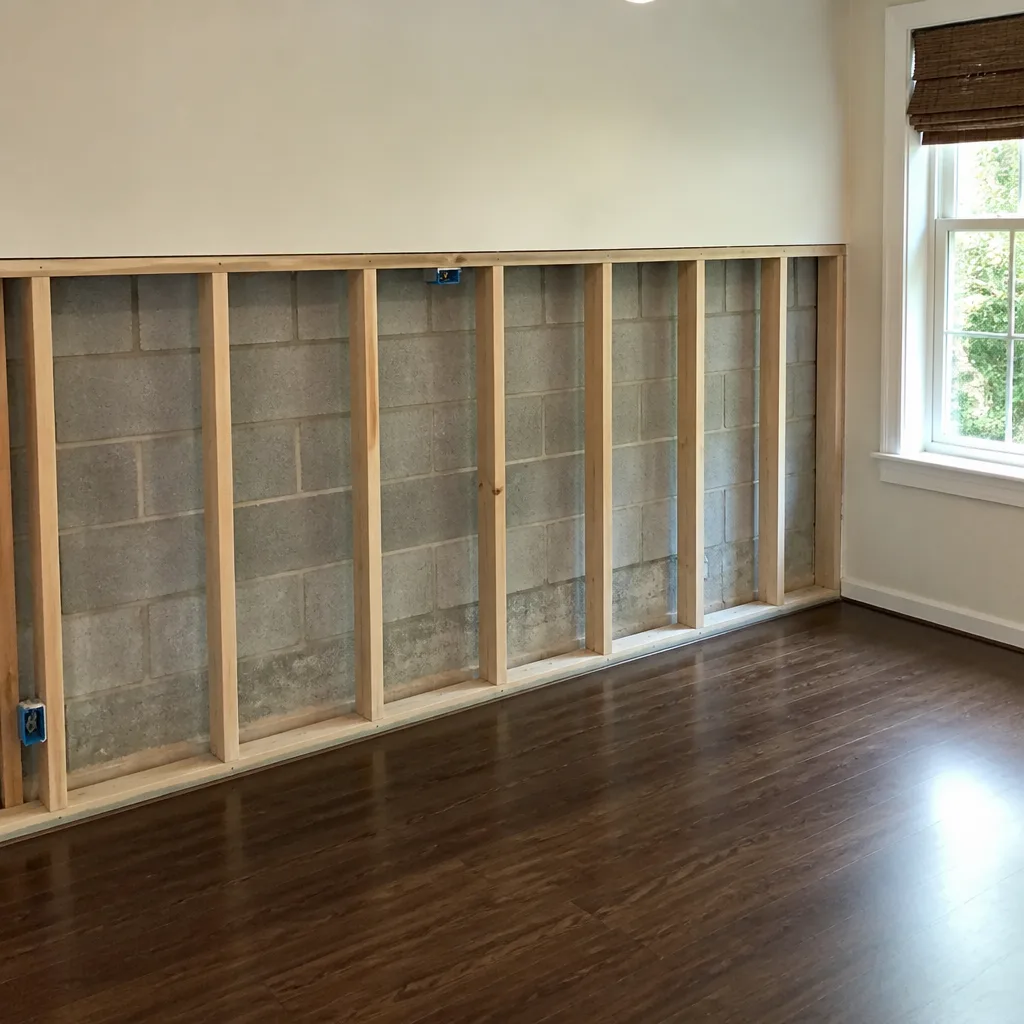
After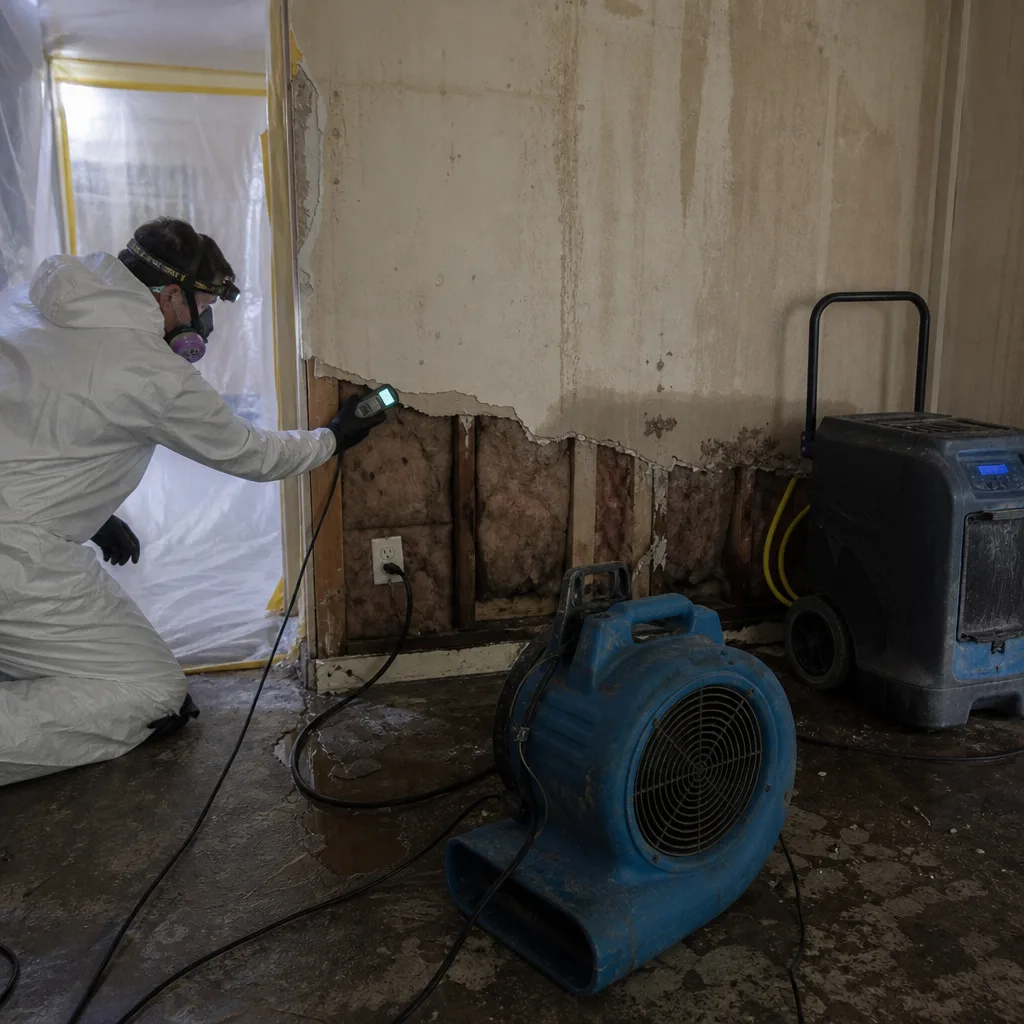 Before
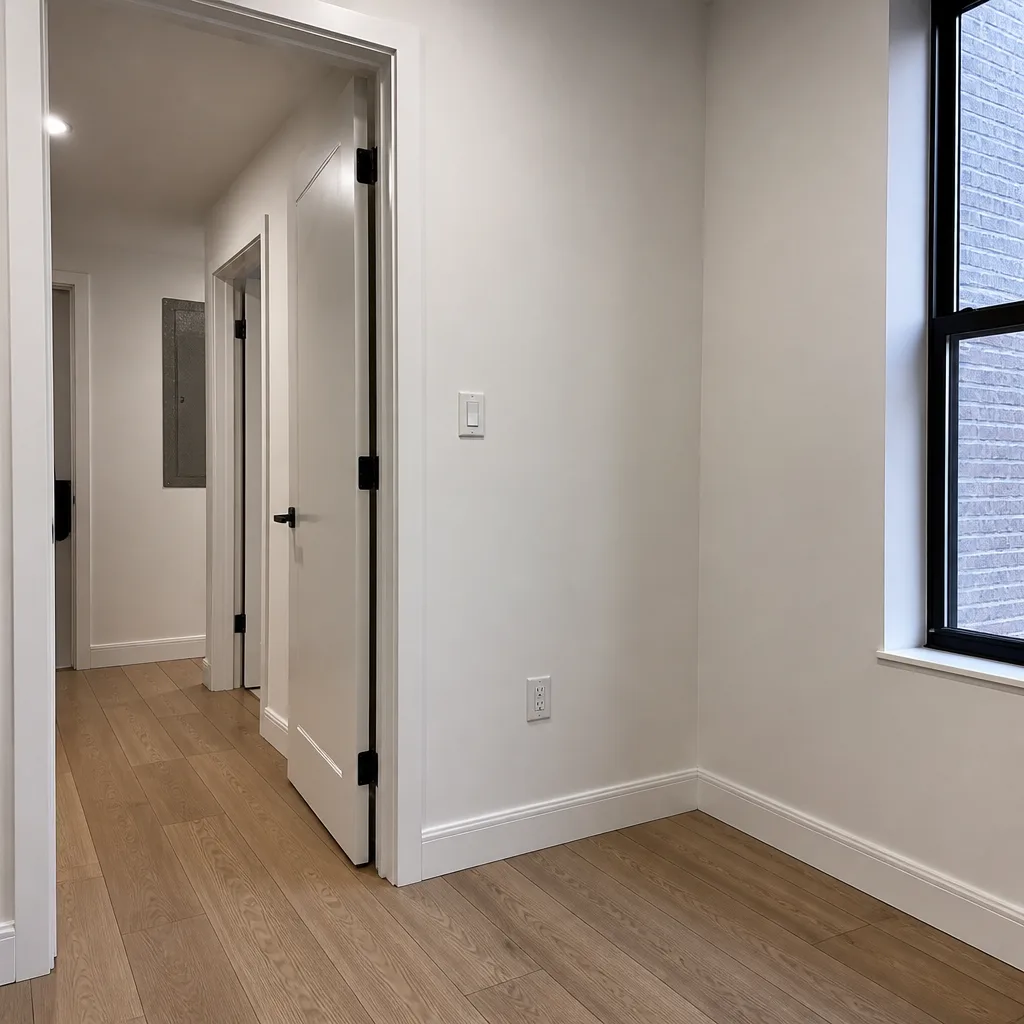 After
After24/7 Emergency Water Damage Restoration in Flatbush
Water damage restoration in Flatbush typically costs $1,800-$6,500 depending on the water category, square footage affected, and whether the structure is a century-old Victorian or a 1930s brick row house. Most emergency extractions in the neighborhood can begin within 45 minutes of your call, and drying equipment runs 3-5 days on average. If you’re standing in water right now, call (518) 663-6491. A live dispatcher answers at two in the morning, not a recording, and a certified crew with truck-mounted extraction equipment reaches most Flatbush blocks within the hour.
We don’t ask you to leave a message. We don’t route you through a call center. We answer, we dispatch, and the same crew that reads the moisture map on day one handles daily readings until the dry standard is met. Because in Flatbush, where finished basements and original wood framing hide water behind plaster, wainscoting, and century-old millwork, the first hour determines whether you’re drying a basement or rebuilding one.
Understanding Water Damage Restoration Severity in Flatbush Properties
Restoration severity breaks into three water categories. Category 1 is clean water from a burst supply line or failed water heater. Category 2 is gray water with significant contamination from washing machine overflows or sump pump failures. Category 3 is black water, and Flatbush sees more of it than most of Brooklyn. During heavy rainfall, central Brooklyn’s combined sewer system surcharges, forcing stormwater and raw sewage backward into the basement apartments and crawl spaces that run beneath so much of this neighborhood’s housing stock. That means what starts as a wet floor is often a biohazard, not a mop job.
Severity also tracks the building’s age and construction. A 1910 Ditmas Park Victorian with original plaster-and-lath walls holds water differently than a 1960s apartment building with drywall over metal studs. Plaster wicks moisture into wood lath, which holds it against structural framing. Mold blooms in 48-72 hours without proper structural drying. We moisture-map every affected surface with Dri-Eaz meters, not guesswork, then log readings twice daily until materials reach their dry standard, a specific moisture content target, not a “feels dry” judgment. In practice, Flatbush baseline moisture runs higher than a suburban basement because of shallow groundwater and century-old foundation drainage that was never updated.
Why Flatbush Property Owners Choose Floodline Restoration Co.
- 45-minute response commitment: We tell you when the crew leaves, and the truck rolls through Flatbush Avenue, not from a dispatch center across the river.
- 24/7 live answer: A real person picks up the phone every hour of every day. We’re built around a dispatch board, not a sales desk.
- IICRC-certified crews: Our technicians hold WRT and ASD certifications and train to IICRC, RIA, and IFA standards. Background-checked and uniformed on every job.
- Free visual inspection: Before any work begins, we walk the damage with you and explain what we’re seeing. You get a written scope before equipment gets unloaded.
- Direct insurance billing: We work with your carrier directly. You don’t play messenger between our crew and the adjuster.
- One team from extraction to reconstruction: The same certified crew handles the full cycle. No mid-job handoff to a subcontractor who never saw the day-one moisture map.
Our Water Damage Restoration Process
Inspection & Assessment
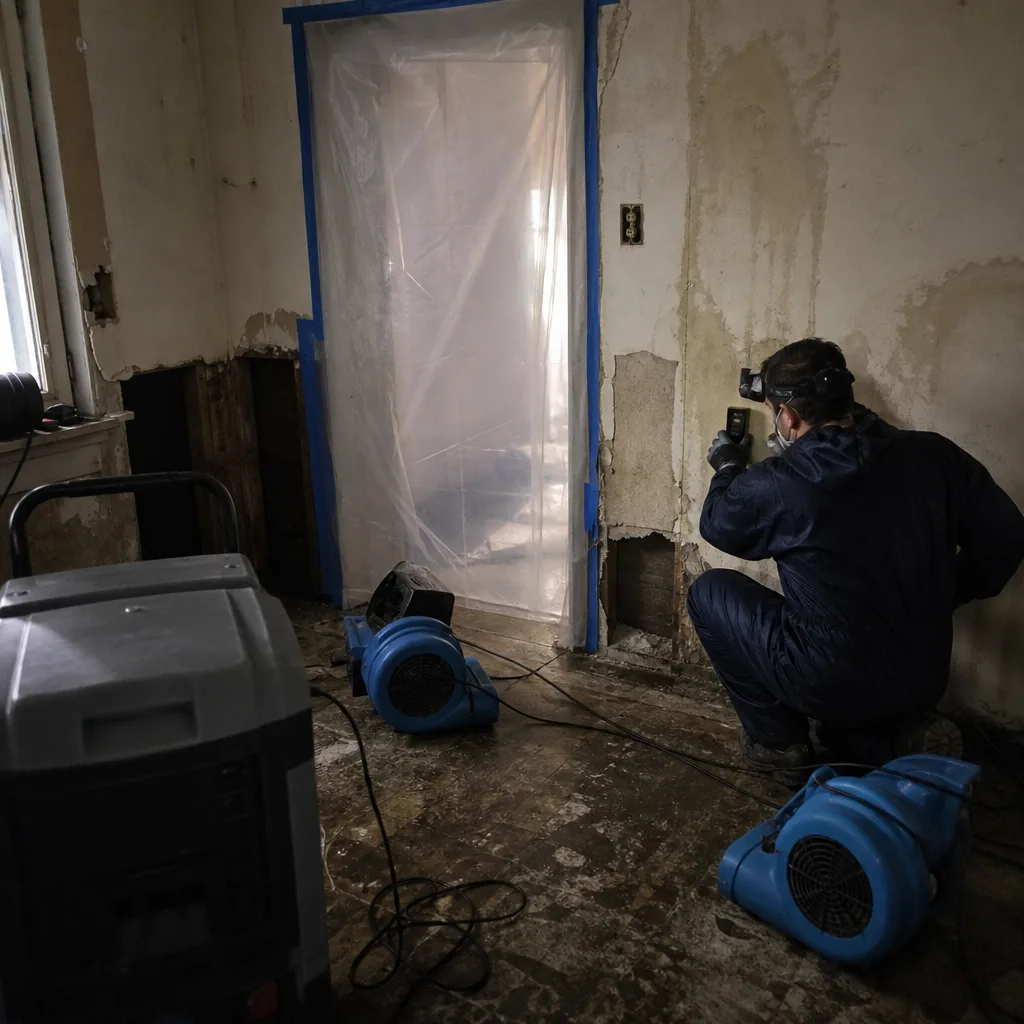
We start with thermal imaging and Dri-Eaz moisture meters to map water migration behind walls, under flooring, and through original Flatbush plaster. Before touching anything in a basement, we check what the DOB has on file against what’s actually down there. Unpermitted basement apartments are common enough in Flatbush that skipping this step can invalidate your insurance claim.
Extraction & Stabilization
Truck-mounted extraction removes standing water the same visit. We cut off the water source, whether it’s a burst supply line behind a Victorian kitchen wall or a surcharging sewer line backing into an East 21st Street basement.
Drying & Dehumidification
Phoenix air movers and B-Air dehumidifiers run 24/7, positioned based on the moisture map. In century-old plaster-and-lath assemblies, drying takes longer than drywall. We log readings twice daily until materials hit the dry standard, not a guess.
Cleaning & Sanitization
Category 2 and 3 water in Flatbush means antimicrobial treatment on every affected surface, HEPA air scrubbing in finished living areas, and containment to prevent sewage pathogens from moving through the house.
Specialty Treatment for Water Damage
Flatbush housing stock predates modern building codes. We handle lead paint and asbestos abatement protocols on original plaster and pipe insulation before removing damaged material, keeping the job compliant with EPA and DOB requirements.
Repairs & Restoration
The same crew rebuilds what needs rebuilding. For Ditmas Park Victorians, that means matching period millwork and restoring plaster-and-lath, not slapping drywall over the problem and calling it done. We hand you the drying log and the 90-Day Done Right Promise in writing before we leave.
Need Emergency Water Damage Restoration in Flatbush Now?
Crews minutes away, answering live 24 hours a day. The sooner we start, the less it costs.
Working With Your Insurance Company
Insurance is almost always in the room when water damage hits Flatbush. What changes the outcome is documentation. The adjuster never saw your basement before the water did. Our job is to give them an evidence file that removes doubt. From the first hour, we photograph every affected surface, room by room. We log moisture readings with calibrated equipment that produces a defensible drying record. We write a line-item scope of work in the same format carriers expect, with no vague categories. Then we talk to your adjuster directly, so you don’t spend your week relaying messages. When the claim involves an unpermitted basement apartment, which is common in Flatbush, how the initial documentation frames the loss is often the difference between a covered claim and a denied one. We’ve done this enough to know where those disputes get won or lost, as you’ll see from our Water Damage Restoration team’s track record.
What We Provide Your Insurer
- Thorough documentation of the loss
- Photos of all damage, room by room
- Moisture readings and drying logs
- A detailed, line-item scope of work
- Direct coordination with your carrier
Built for Flatbush’s Loss Calendar
Flatbush water damage follows the seasons, and each one hits the housing stock a different way. January deep freezes burst supply lines along Beverley Road and Albemarle Road, where uninsulated rim joists in 1910 Victorians leave pipes exposed to a cold air chase. When the thaw comes, frozen ground turns to saturated soil, and basements with century-old rubble foundations start weeping at the floor-to-wall joint. Spring is when we see the most Category 1 seepage in Flatbush basements, especially after a nor’easter drops heavy wet snow that melts into already-full storm drains.
Summer thunderstorms bring the flash flooding. Central Brooklyn’s aging combined sewers back up under cloudburst loads, and basement apartments, permitted or not, take on Category 3 water through floor drains. By late autumn, the nor’easters return, and the steep Victorian rooflines in Ditmas Park start forming ice dams. Attic and top-floor ceiling leaks follow, saturating original plaster ceilings over finished second-floor bedrooms. Each season has a signature failure mode here, and knowing them means our crews arrive already looking for the problem Flatbush actually has, not the problem a generic restoration playbook expects.
Water Damage Restoration Across Flatbush’s Neighborhoods
Flatbush is not one building type, and the response changes by block. In Ditmas Park and Beverley Square West, we’re working in large detached Victorians with original plaster, decorative millwork, and knob-and-tube era electrical that can’t handle a modern dehumidifier load without a dedicated circuit. In the attached row houses around Prospect Park South and along Flatbush Avenue toward Empire Boulevard, shared party walls mean water that enters one home migrates laterally into the neighbor’s, making containment and early extraction the difference between a one-unit claim and a two-unit claim.
North of Church Avenue, the building stock shifts to 1920s and 1930s brick apartment buildings and attached two- and three-family homes. Basements there have usually been finished at some point, often without permits, and many now function as accessory dwelling units. Around Brooklyn College and the NYU Downstate campus, we see basement apartments with bedroom windows below grade, a high-risk category for sewer backups during heavy rain. Route-wise, our crews stage off Flatbush Avenue for the northern blocks, Ocean Avenue for the Victorian sections, and Coney Island Avenue for the southwestern corridor. That means we’re not fighting cross-Brooklyn traffic when we say 45 minutes. For any Water Damage Restoration in Flatbush, the specifics of your block shape our response plan.
Specialized Water Damage Restoration Services We Offer in Flatbush
Basement Water Removal
Basements in Flatbush hold water from three sources: sewer surcharge backups through floor drains, groundwater intrusion through century-old foundation walls, and supply line breaks from frozen or corroded pipes. Each requires a different extraction and drying strategy, and misdiagnosing the source means the water returns. We identify the source before we unload equipment, and for Category 3 sewage backups, we set containment and treat every affected surface as a biohazard.
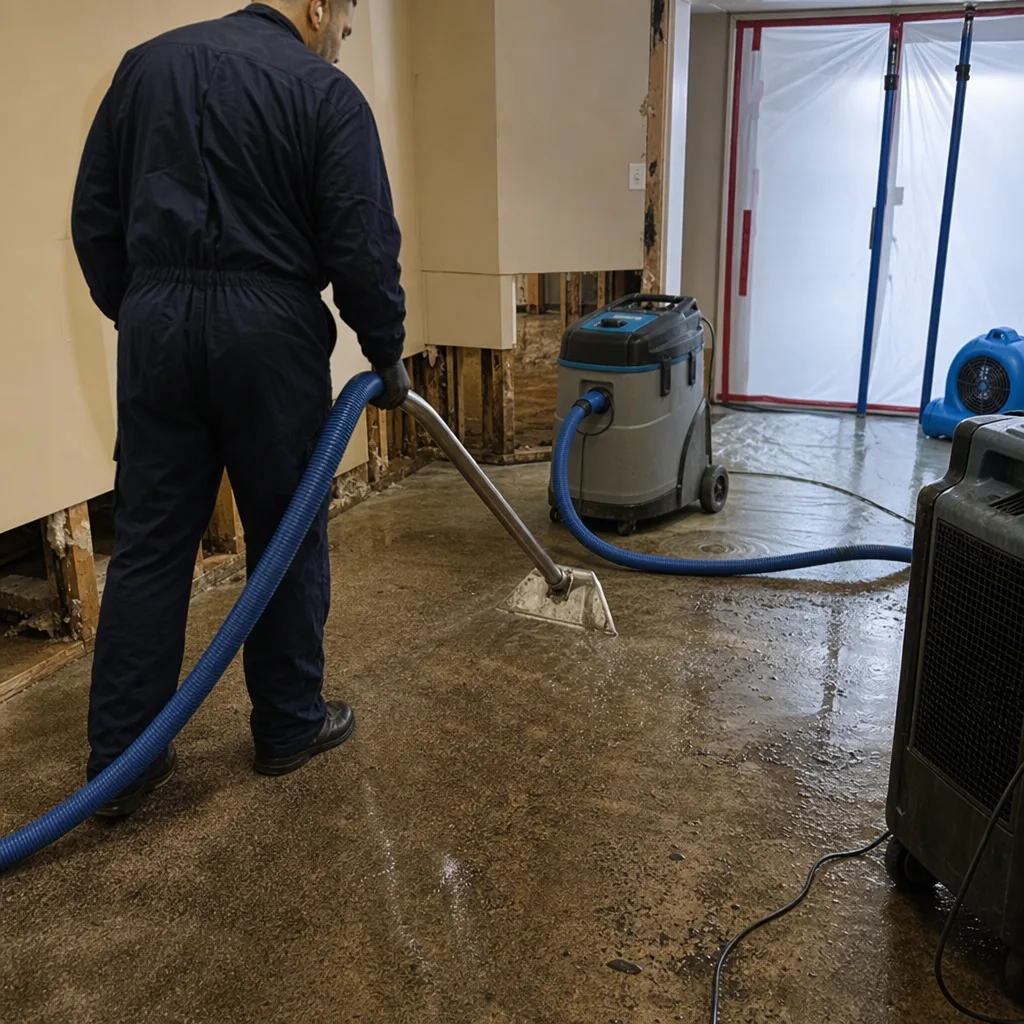
Flood Cleanup
Flash flood events overwhelm Flatbush’s storm infrastructure, pushing contaminated street water and sewage into below-grade units. Flood cleanup here is not simple pumping. It’s category confirmation, contamination control, antimicrobial treatment, and documenting what was lost before anything moves. We also handle the aftermath: saturated drywall removal, insulation replacement, and flooring stabilization in finished basements.
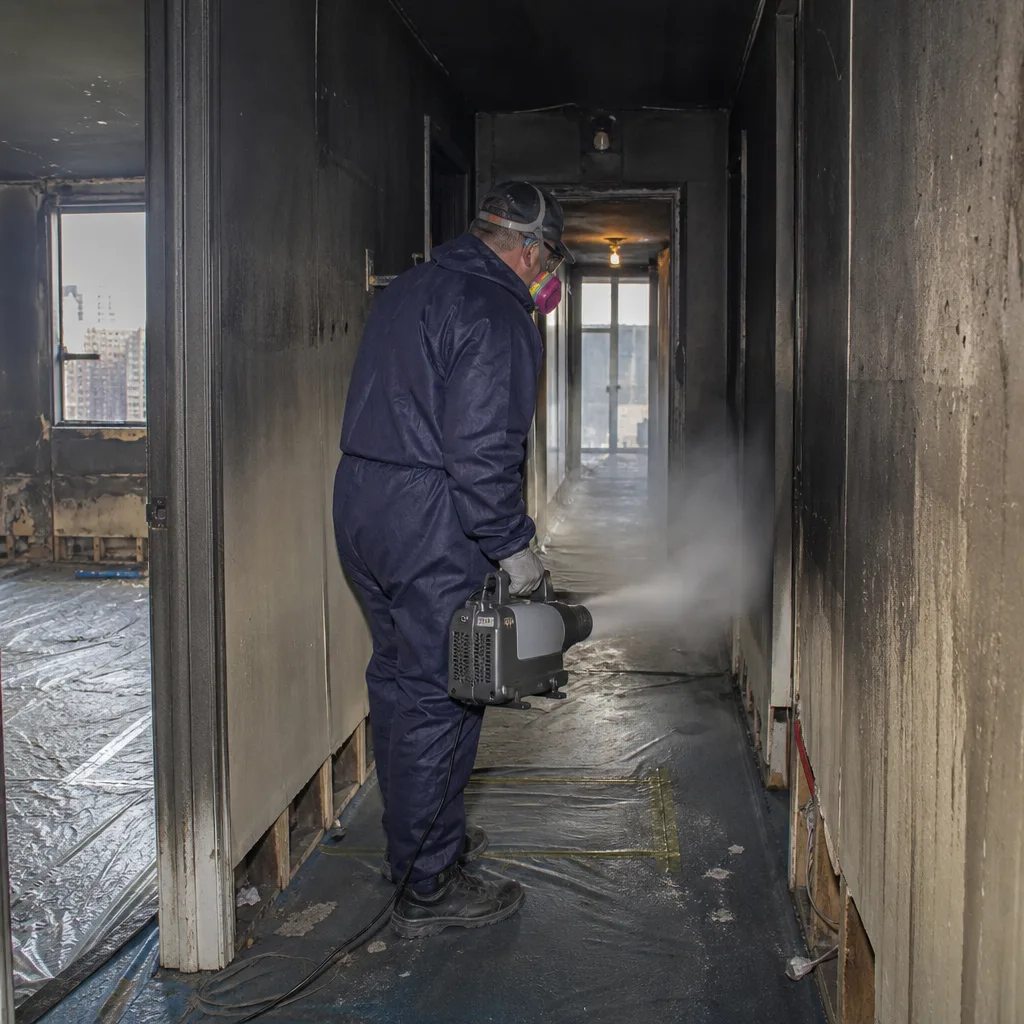
Structural Drying & Dehumidification
This is where Flatbush’s older stock demands patience and precision. Original plaster over lath dries slower than drywall, and wood framing from the 1910s holds moisture in its cells longer than modern kiln-dried lumber. We position Phoenix air movers to create cross-flow across the slowest-drying surfaces, monitor with penetrating and non-penetrating Dri-Eaz meters, and keep the dehumidifiers running around the clock until every material reaches its specific dry standard. Twice-daily readings go to you and your carrier.
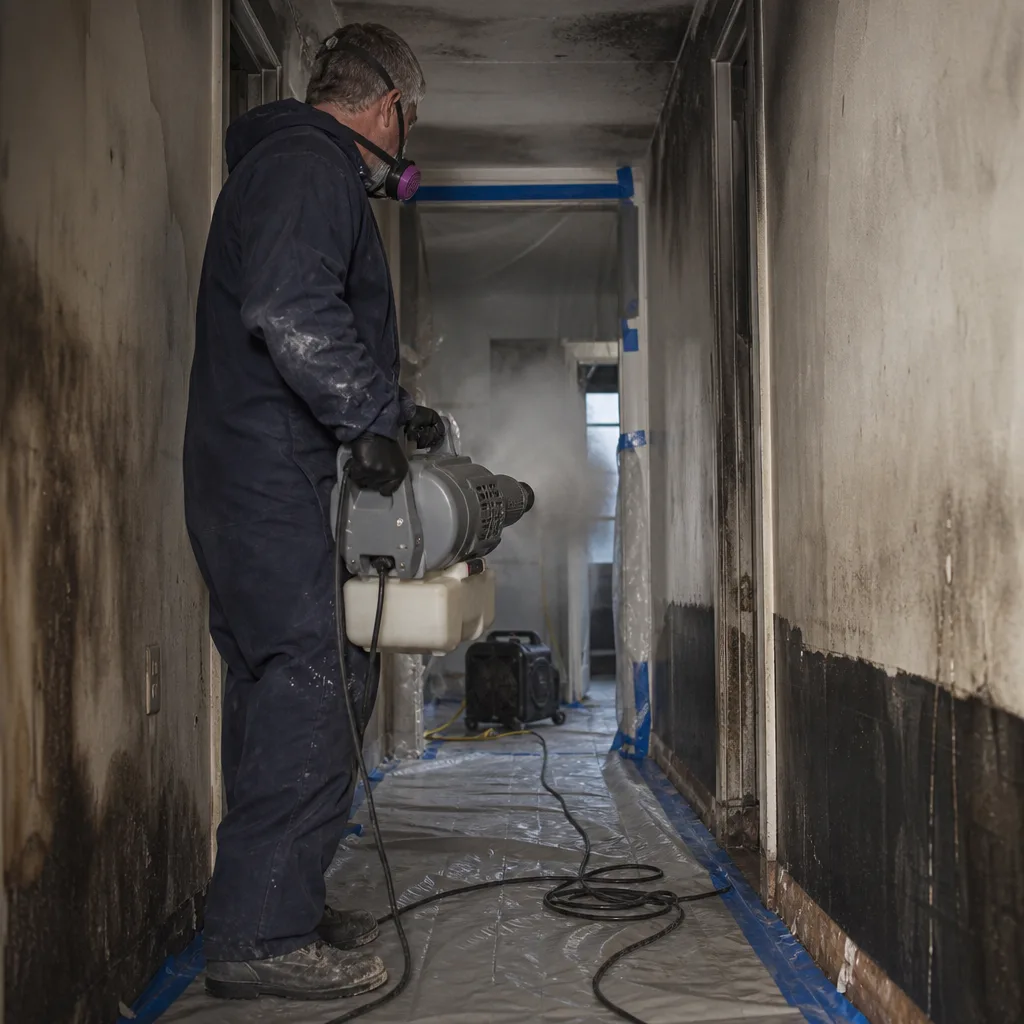
Emergency Water Extraction
Standing water is working against you every minute. Subfloor delamination, wicking up plaster walls, capillary action moving water behind baseboards, all of it spreads while you wait. Our extraction trucks have vacuum capacity measured in hundreds of gallons per minute, enough to put a serious dent in a flooded Flatbush basement within the first hour.
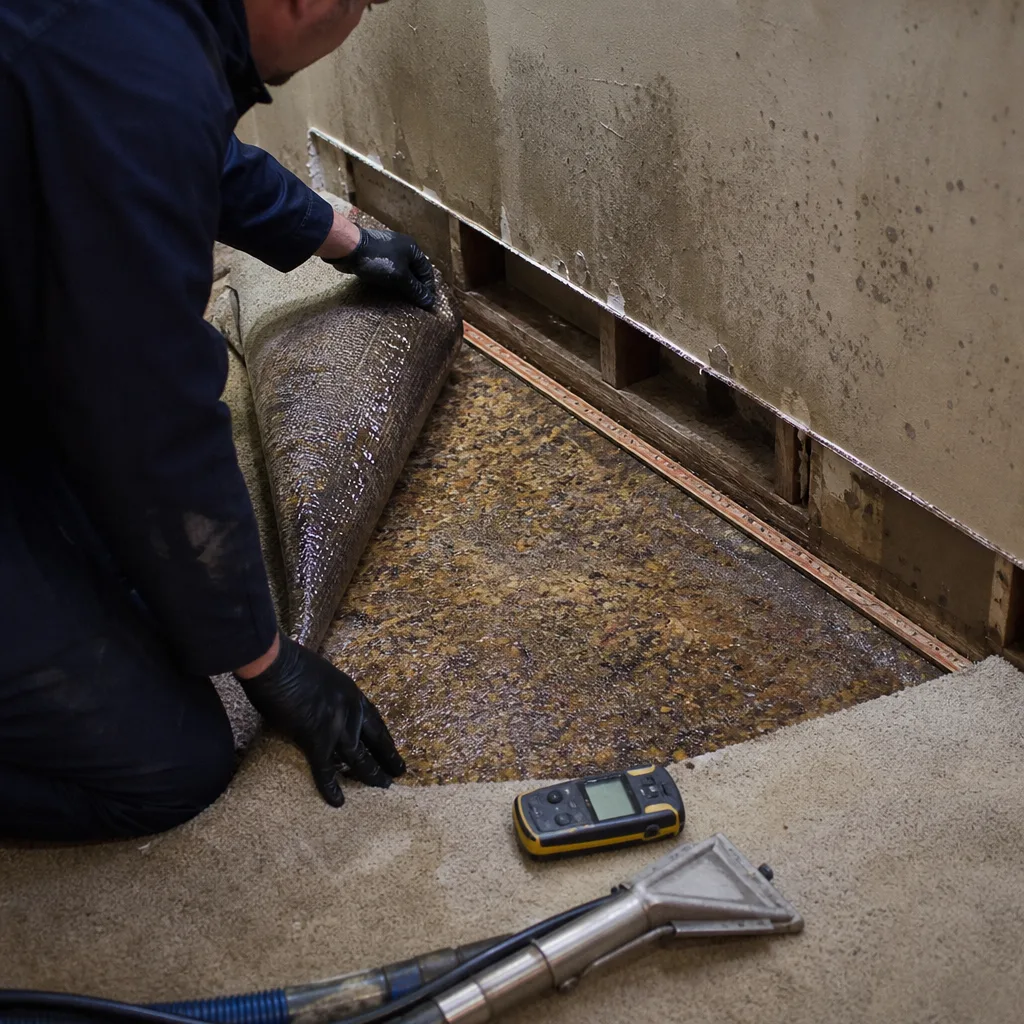
Burst Pipe Restoration
Supply line failures in Flatbush’s pre-war buildings often mean pipes inside original walls, which means opening lath and plaster to access the leak. That’s a controlled operation with lead paint and asbestos protocols in force. We stabilize the leak, extract the water, dry the wall cavity from inside, and rebuild the finish to match the surrounding period work.
What happens when you call
- 1
A real person answersNo phone trees - you reach a local pro.
- 2
You get an upfront price rangeHonest numbers before anyone is dispatched.
- 3
A background-checked tech heads outLicensed & insured, dispatched right away.
- 4
You approve before work beginsNothing starts until you say go.
Water Damage Restoration Costs in Flatbush, NY
Flatbush restoration pricing runs on the higher end of the Brooklyn market, and the reason is the housing stock. A straightforward Category 1 basement extraction in a 1940s brick row house might run $1,800-$3,200, including drying equipment and monitoring. The same square footage in a Ditmas Park Victorian with plaster ceilings, original millwork, and lead paint abatement can reach $5,000-$8,500 because the labor is slower, the materials are specific, and the compliance burden is real. Category 3 sewage backups add $1,500-$4,000 for containment, antimicrobial treatment, and disposal of contaminated materials.
What moves the price: how long the water sat before extraction, whether the basement apartment is finished or raw, whether plaster or drywall needs removal, and whether asbestos pipe insulation is present. Insurance covers the bulk of most covered losses, minus your deductible. The free inspection path is simple: call us, we assess, you get a written scope with line-item pricing before any work starts. No surprises on the bill, ever.
We Also Serve Cities Near Flatbush
Our crews respond across the surrounding area. We serve Financial District, Lower Manhattan, Washington Square, and Brooklyn Heights, bringing the same live answer, the same certified crews, and the same 90-Day Done Right Promise to every one of those neighborhoods.
Serving Flatbush, NY - Our Local Coverage Area
We’re based in the Flatbush area and know this community well. Use the map below to see our service coverage - if you’re nearby, we can almost certainly help.
Flatbush Water Damage Restoration Questions, Answered
Why do Flatbush restoration crews check DOB records before scoping a basement water damage job?
Because Flatbush has a uniquely high concentration of unpermitted basement apartments, finished and occupied spaces that don’t appear on any DOB filing. If we start extraction without checking, and the insurance carrier later discovers the finished unit isn’t legal, the claim can be denied and the contractor can be dragged into the liability dispute. We check before we touch water. It takes ten minutes and protects the owner.
Does a water loss in a Ditmas Park Victorian require faster drying than a typical Brooklyn apartment?
Yes, but not for the reason most people think. The framing in a 1910 Victorian is old growth lumber, dense and slow to release moisture once saturated. Original plaster-and-lath holds water against that framing and blocks airflow. Without aggressive structural drying and twice-daily moisture logs, mold establishes in the wall cavity before a surface reading looks dry. Faster intervention means less material removal, which matters when the plaster and millwork can’t be replaced off the shelf.
What kind of water category should I expect from a Flatbush basement backup during heavy rain?
Category 3, almost without exception. When central Brooklyn’s combined sewer system surcharges, the water pushing back through your floor drain carries sewage and storm runoff, the definition of black water. Treating it as Category 2 is a dangerous mistake. We treat every surcharge backup as Category 3 until testing says otherwise.
How do Flatbush roof leaks differ from other Brooklyn leaks in terms of restoration?
Ditmas Park’s steep Victorian rooflines are prone to ice damming during nor’easters, which sends water under shingles and down into attic spaces and top-floor ceilings. The water often travels along framing and shows up far from the actual entry point. Restoration means tracing the full migration path, not just patching the visible ceiling stain. Original plaster ceilings also can’t be dried the same as drywall; they need controlled drying with penetrating moisture monitoring to avoid cracking.
Will my insurance cover water damage if my Flatbush basement is an unpermitted apartment?
It depends heavily on how the loss is documented and what the policy says about unpermitted dwelling units. Some carriers deny claims on illegal apartments outright. Others cover the structural damage but not the finishes. We’ve handled both outcomes enough times to know that early, accurate documentation and direct adjuster communication give you the best shot. Call us before you call them; we’ll help you frame the loss correctly from the first hour.
How fast can you actually get to a Flatbush address?
Our commitment is 45 minutes for emergency water extraction, and our staging routes off Flatbush Avenue, Ocean Avenue, and Coney Island Avenue make that realistic even in traffic. The dispatcher who answers your call can tell you exactly when the crew leaves.
Can we stay in the home during drying?
For Category 1 water with localized damage, most homeowners stay. For Category 3 sewage backups, we recommend leaving the affected area, and often the entire basement unit, until containment, removal, and antimicrobial treatment are complete. Your health comes first, and the drying equipment is loud. Some Flatbush homeowners find the air movers disruptive enough that they prefer staying with family for two or three days.
What should I do in the first 30 minutes after discovering water damage?
Call (518) 663-6491 first. Then shut off the water source if you can do so safely. Don’t walk through standing water if there’s any chance it’s from a sewer backup, Category 3 water carries pathogens. Don’t use electrical switches in wet areas. Move valuables to dry ground. Then take photos for your records. We’ll be there before the water has a chance to set into the structure.
Flatbush Water Damage Restoration Starts With One Call
Live answer, 24/7. A certified crew reaches your block in 45 minutes. Estimates are free, and the 90-Day Done Right Promise comes in writing.
Written by Curt Bowman, Owner at Floodline Restoration Co. Serving Flatbush and the surrounding Brooklyn area with the same certified crews, the same live dispatchers, and the same written guarantee on every job.