
Free visual inspection and a written scope of work before any mitigation begins - photos, moisture readings, and drying logs go in your claim file
The scope we write is the scope we bill. Anything new gets shown to you, in writing, before we touch it.

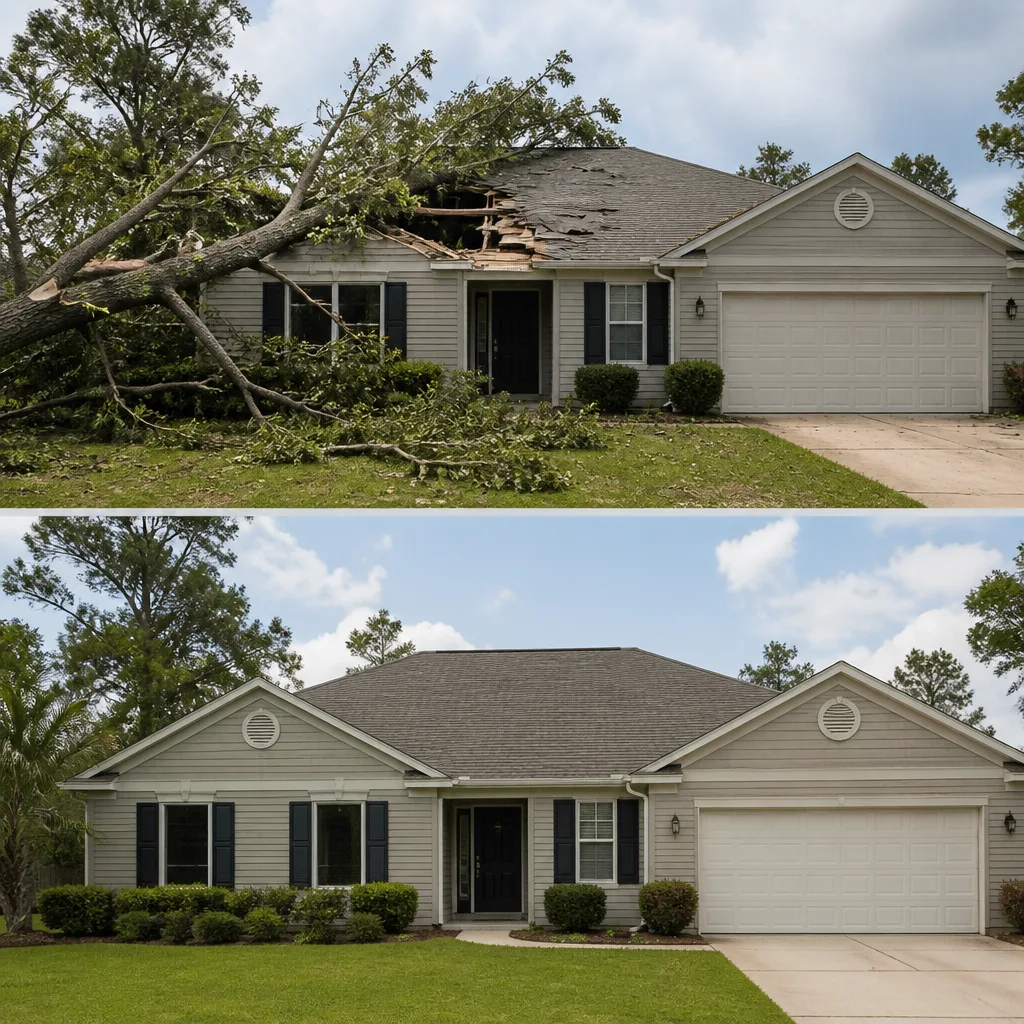


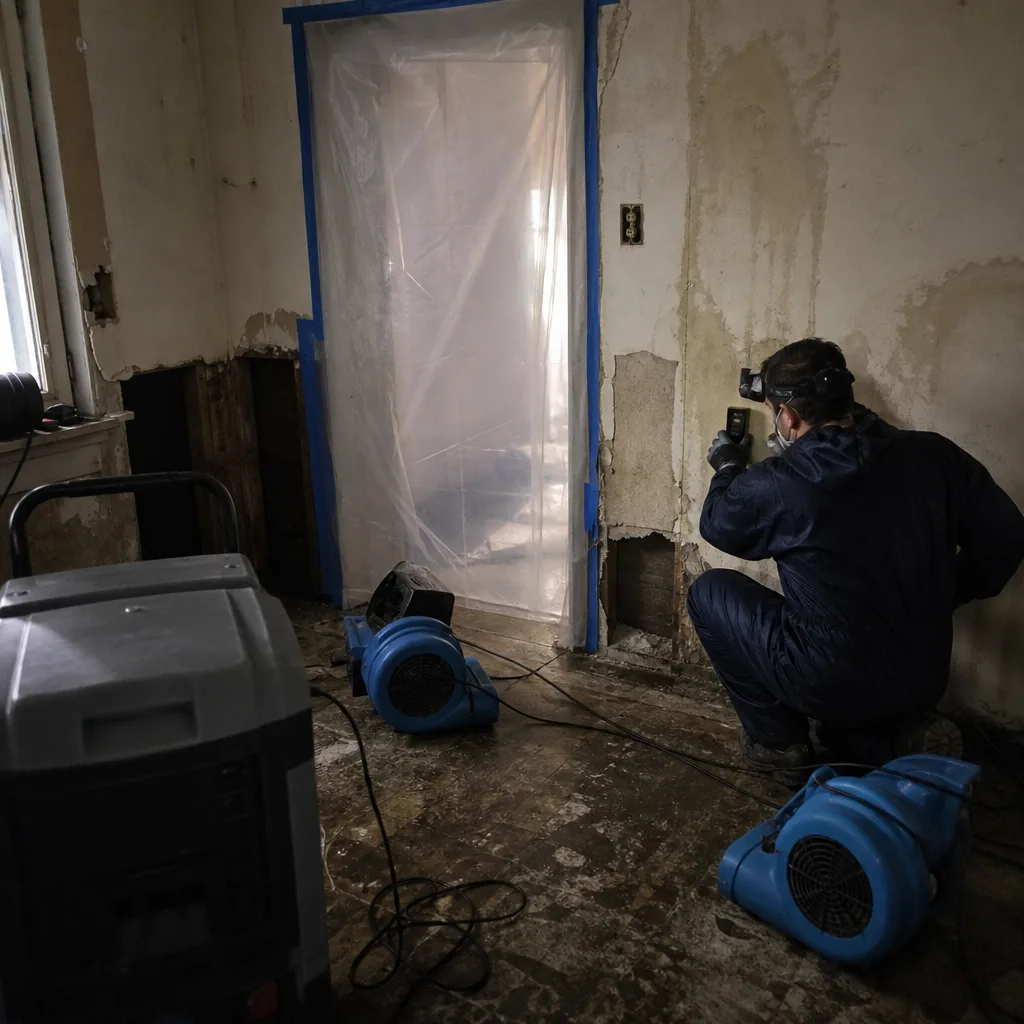 Before
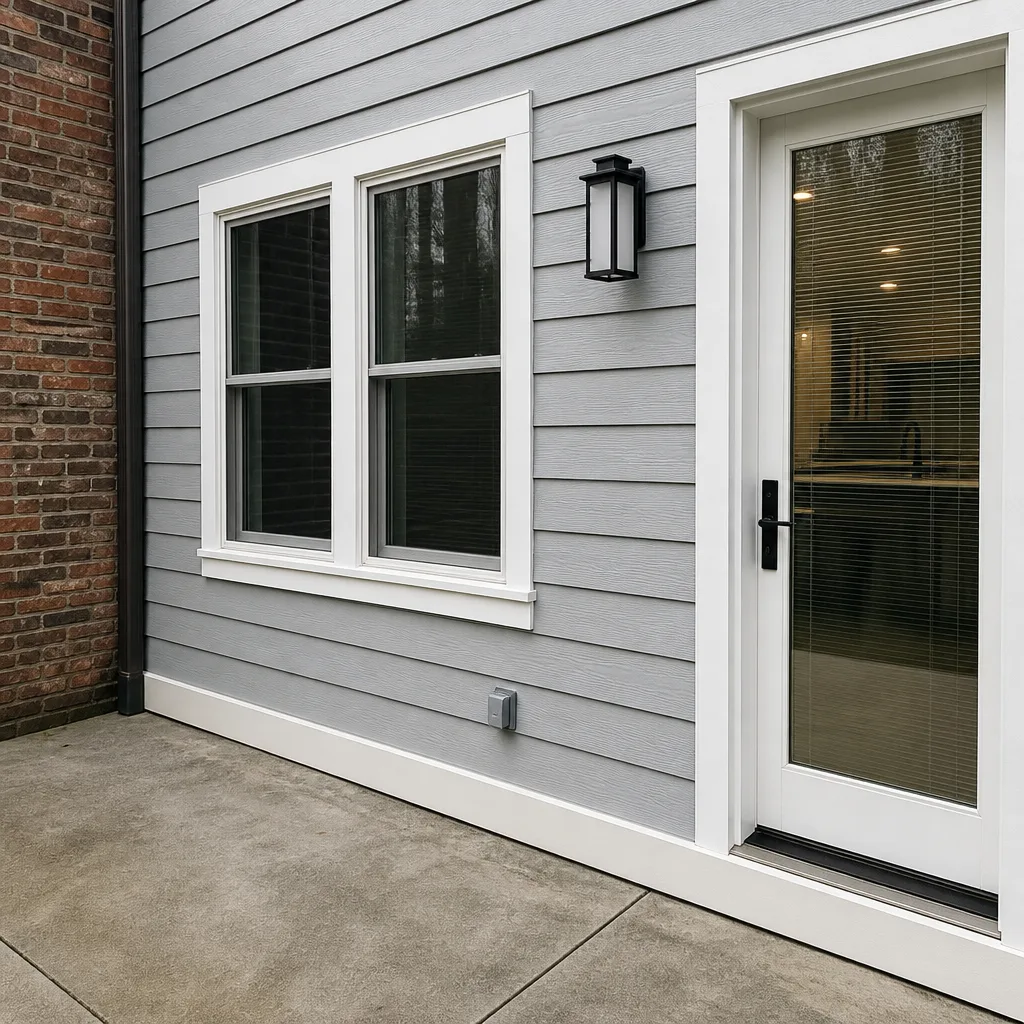 After
After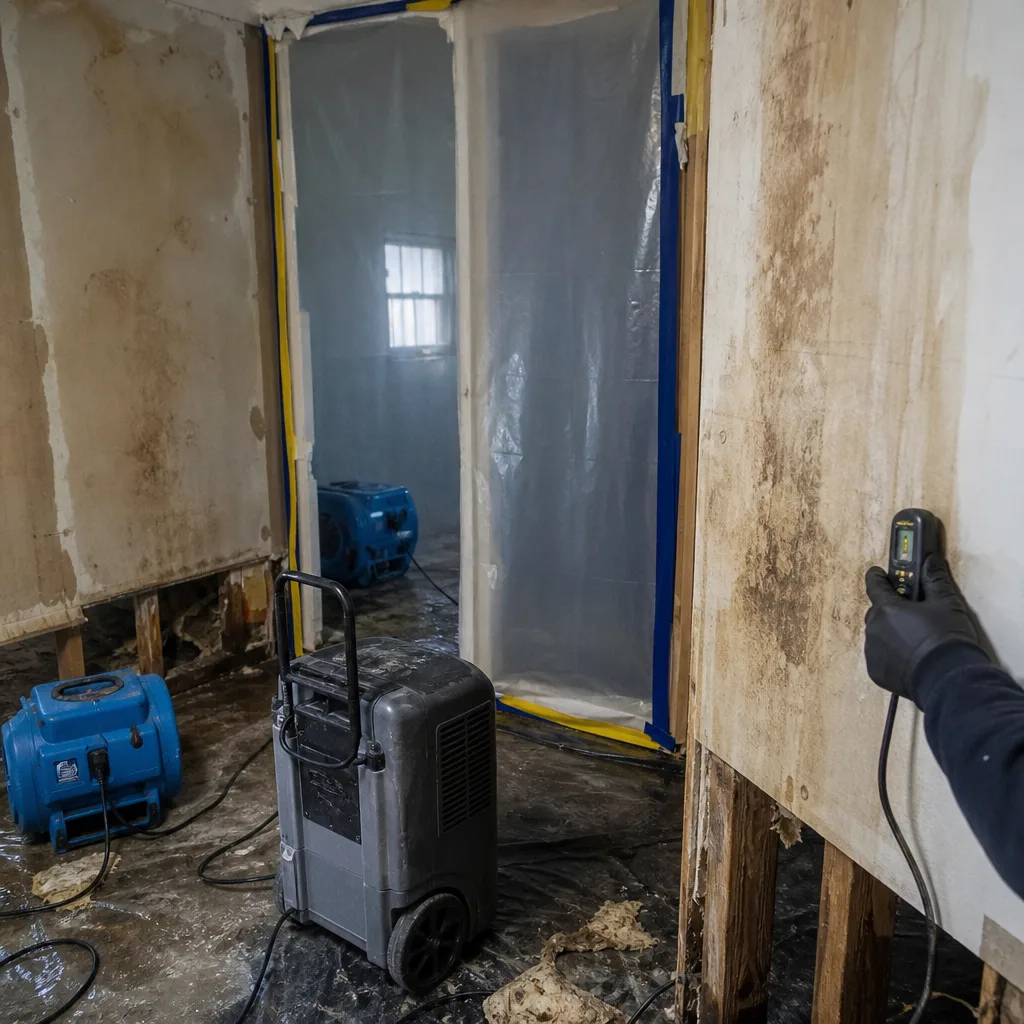 Before
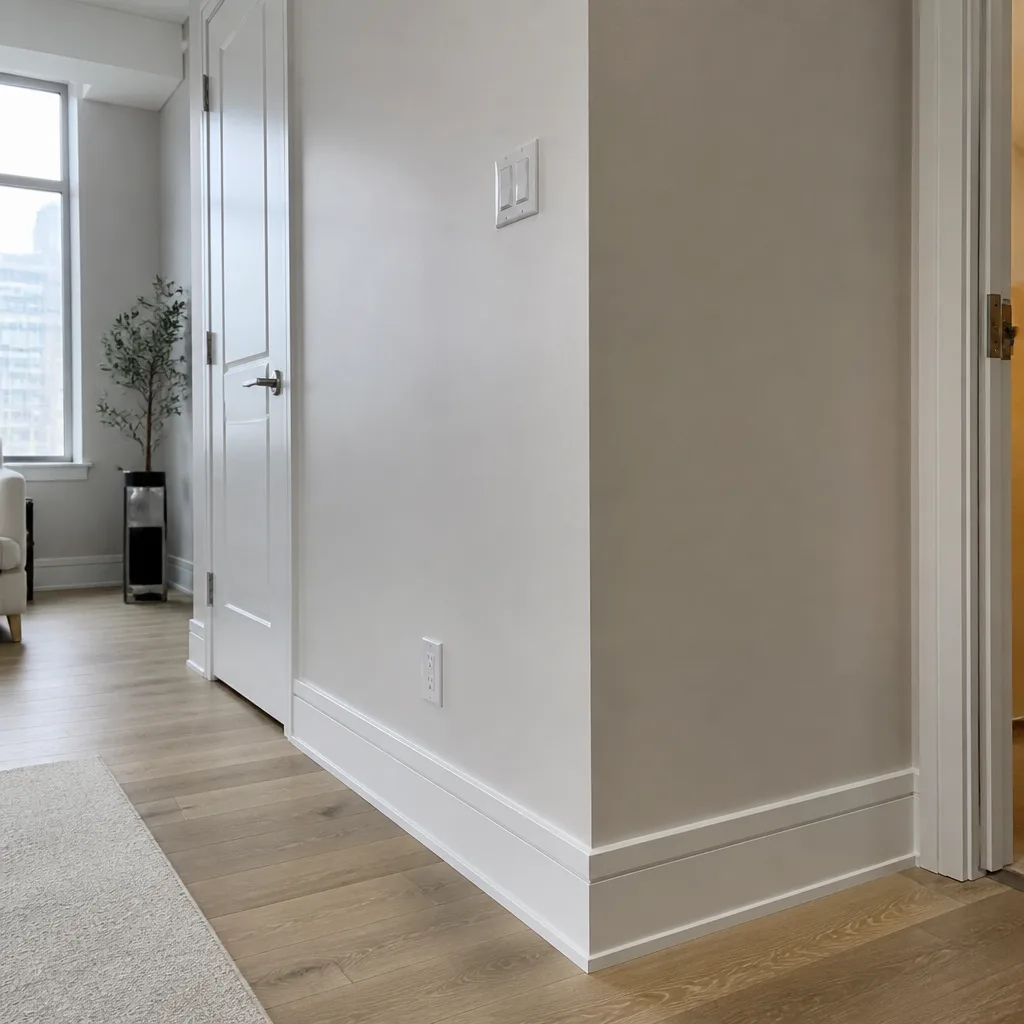 After
After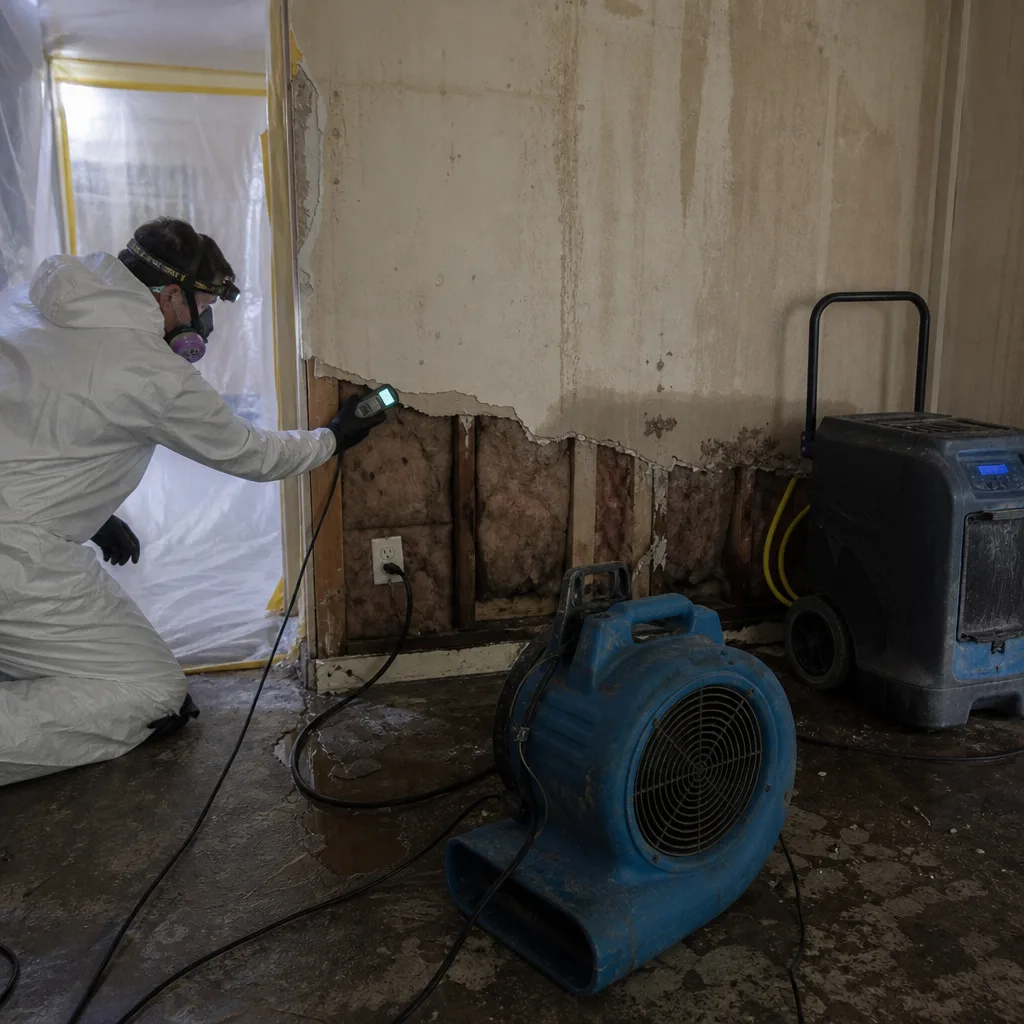 Before
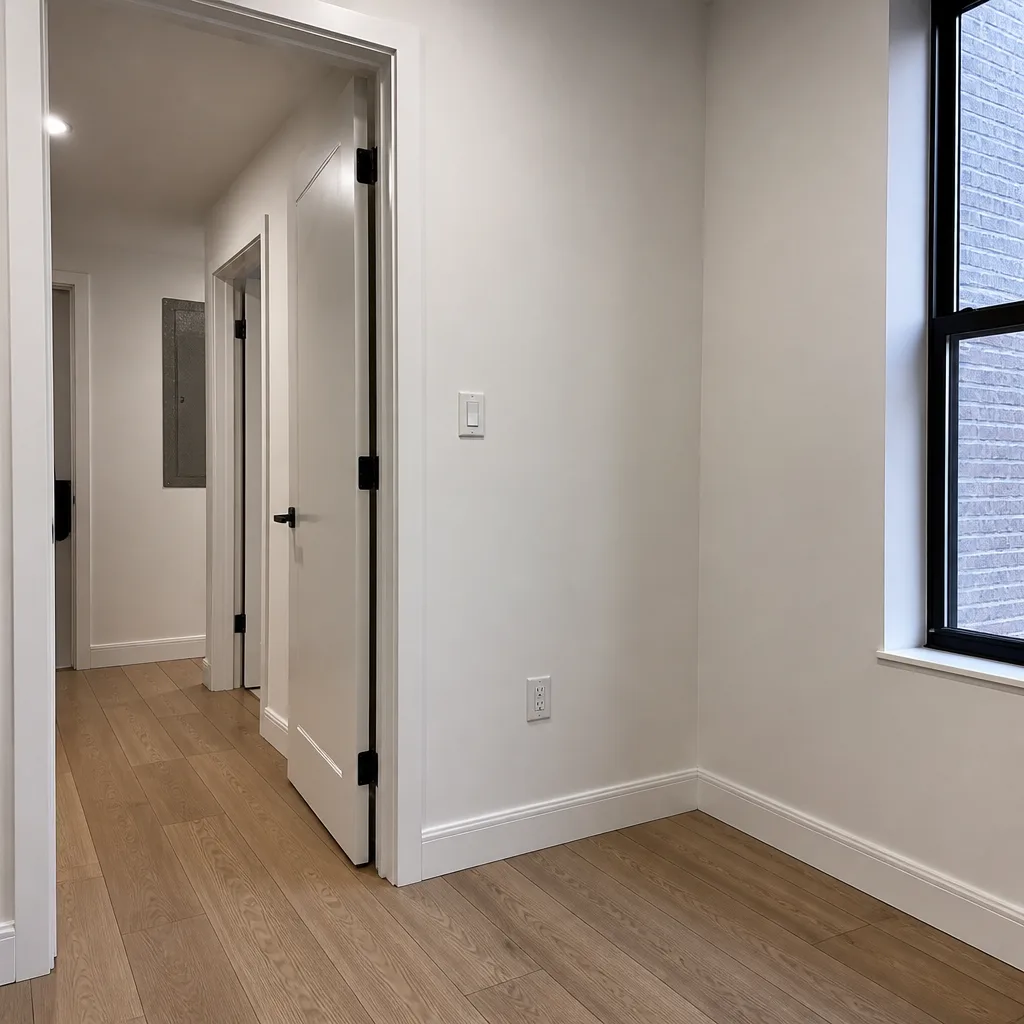 After
After24/7 Emergency Sewage Cleanup in Union City
A sewage backup in Union City is not the kind of problem that waits until morning. Call Floodline Restoration Co. at (518) 663-6491 any hour, day or night, and a live dispatcher answers. Not a recording. Not a call center script. A person who knows the difference between a category 2 and category 3 loss and can have a certified crew heading toward your building while you’re still on the phone. In a city built around shared drain stacks and pre-war plumbing, the first hour determines whether you’re dealing with a one-unit cleanup or a four-unit claim.
We respond to sewage emergencies across Union City, from the walk-ups off Bergenline Avenue to the six-story brick buildings along Palisade Avenue. The visual inspection is free. The containment setup starts the same visit. And every job is backed by our Sewage Cleanup team using professional-grade Dri-Eaz and Phoenix equipment to map moisture and stop category 3 water before it migrates through plaster walls into the units below.
Understanding Sewage Cleanup Severity in Union City Properties
Not all sewage damage is the same. The restoration industry classifies water into three categories. Category 1 is clean water from a supply line. Category 2 carries significant contamination, what we call gray water. Category 3 is black water, meaning sewage, and it contains pathogens, bacteria, and viruses that pose a serious health risk. A toilet overflow that stays contained is often category 2. A backed-up cast-iron stack that has been draining through ceilings for six hours is category 3, and it requires full containment, antimicrobial treatment, and removal of saturated porous materials.
Union City’s housing stock makes severity assessment harder than in a single-family suburb. Most buildings here are four-to-six-story pre-war tenements with original galvanized or cast-iron plumbing. Plaster walls absorb moisture far longer than modern drywall. When a drain line fails on an upper floor, the water doesn’t just pool. It travels down through wall cavities, subfloors, and chases, following the same gravity path the plumbing itself follows. By the time a first-floor commercial tenant sees water staining the ceiling, the contamination has typically passed through three or four residential units. Moisture mapping becomes essential, because visible water is rarely the full extent of the loss.
Why Union City Property Owners Choose Floodline Restoration Co.
- 45-minute response commitment. When you call with a sewage backup in Union City, we commit to having a crew dispatched and moving within 45 minutes. In a tenement building, that speed is the difference between one affected unit and five.
- 24/7 live answer, always. A real person picks up the phone at 2 a.m. Not an answering service. Not a voicemail. Our dispatchers are trained to triage sewage emergencies and get the right crew rolling.
- IICRC-certified technicians. Our crews hold WRT and AMRT certifications, meaning they’re trained in water damage restoration and applied microbial remediation. They arrive in uniform, background-checked, and ready to work.
- Free visual inspection. We’ll assess the loss, map the moisture, and give you a straight answer about what needs to happen. No charge. No obligation.
- Direct insurance billing. We bill your carrier directly and handle the adjuster communication. You don’t play messenger between us and your insurance company.
- One team from extraction to reconstruction. We don’t hand the job off after mitigation. The same Floodline crew that extracts category 3 water also handles the rebuild, with the 90-Day Done Right Promise in writing.
Floodline Restoration Co. was founded in 2010 by Curt Bowman, and we’ve built the company around a dispatch board, not a sales desk. Serving Union City means understanding that every job here involves shared walls, shared stacks, and often multiple insurance policies at once.
Our Sewage Cleanup Process
Inspection & Assessment
We start with a full visual inspection and moisture mapping using Dri-Eaz meters and thermal imaging. On a Union City walk-up, that means checking every unit below the source, not just the one where the backup appeared. We identify the water category, the migration path, and the full scope of affected materials.
Extraction & Stabilization
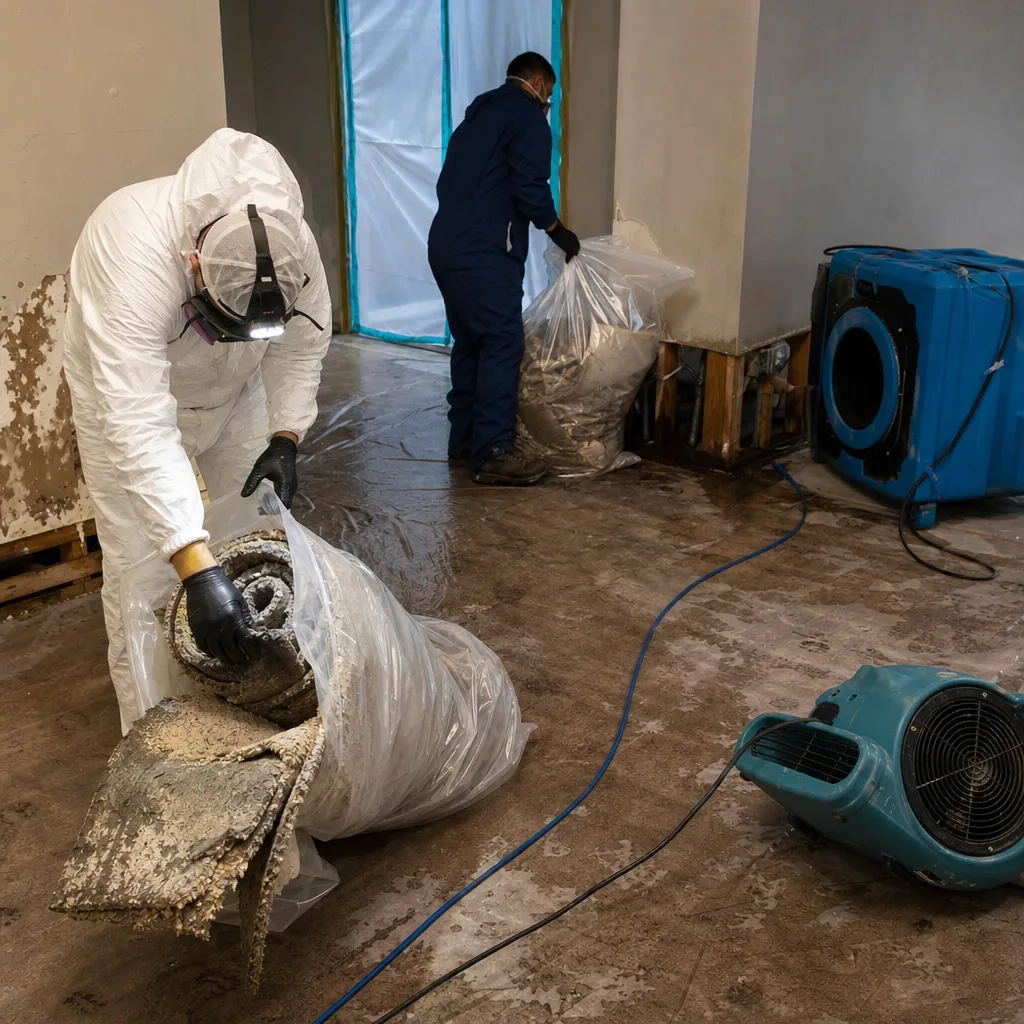
Black water extraction begins immediately. We use truck-mounted and portable extraction units to remove standing sewage, then set up floor-by-floor containment with poly sheeting and negative air pressure. Stabilization stops the contamination from spreading while we plan the full mitigation.
Drying & Dehumidification
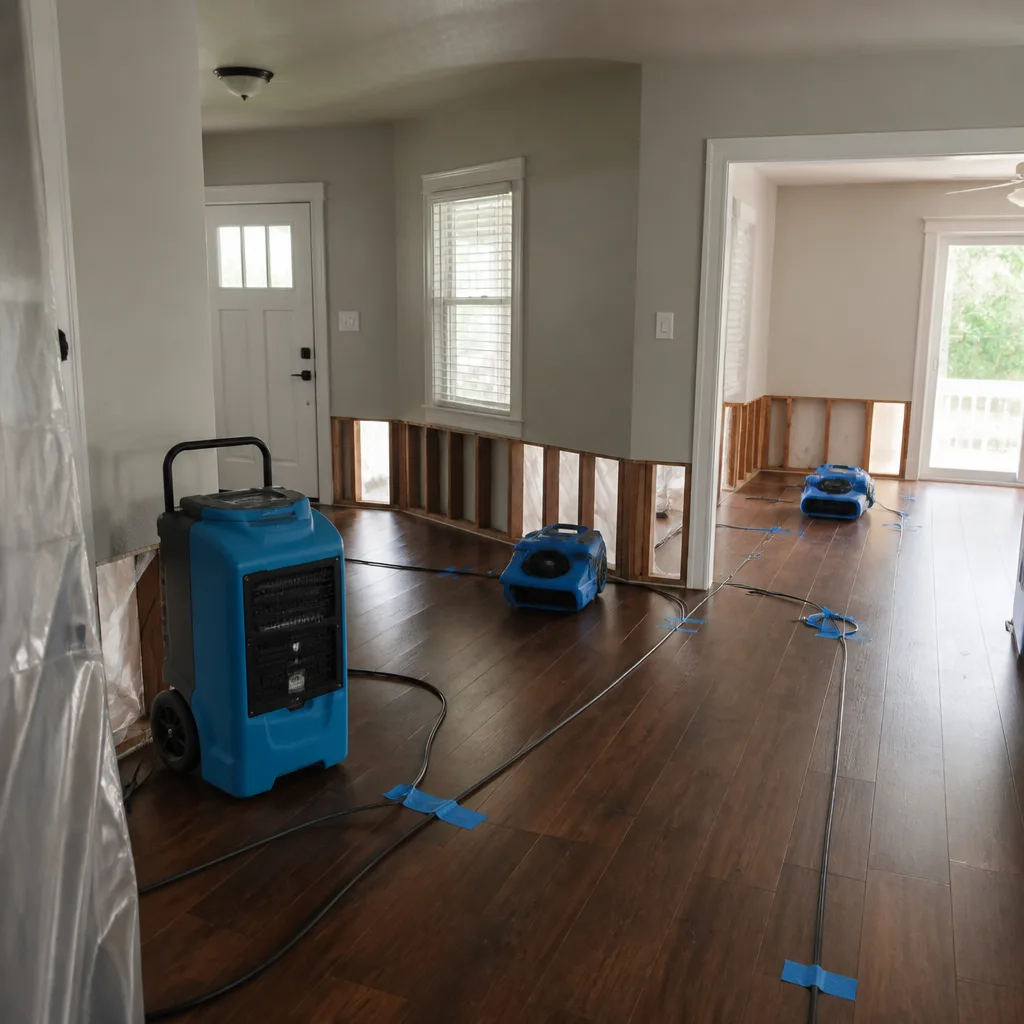
Structural drying in plaster-wall tenements takes longer than in drywall homes. We place Phoenix air movers and dehumidifiers strategically, taking daily moisture readings and adjusting equipment placement until every affected cavity reaches the dry standard. You get the drying log, and so does your carrier.
Cleaning & Sanitization
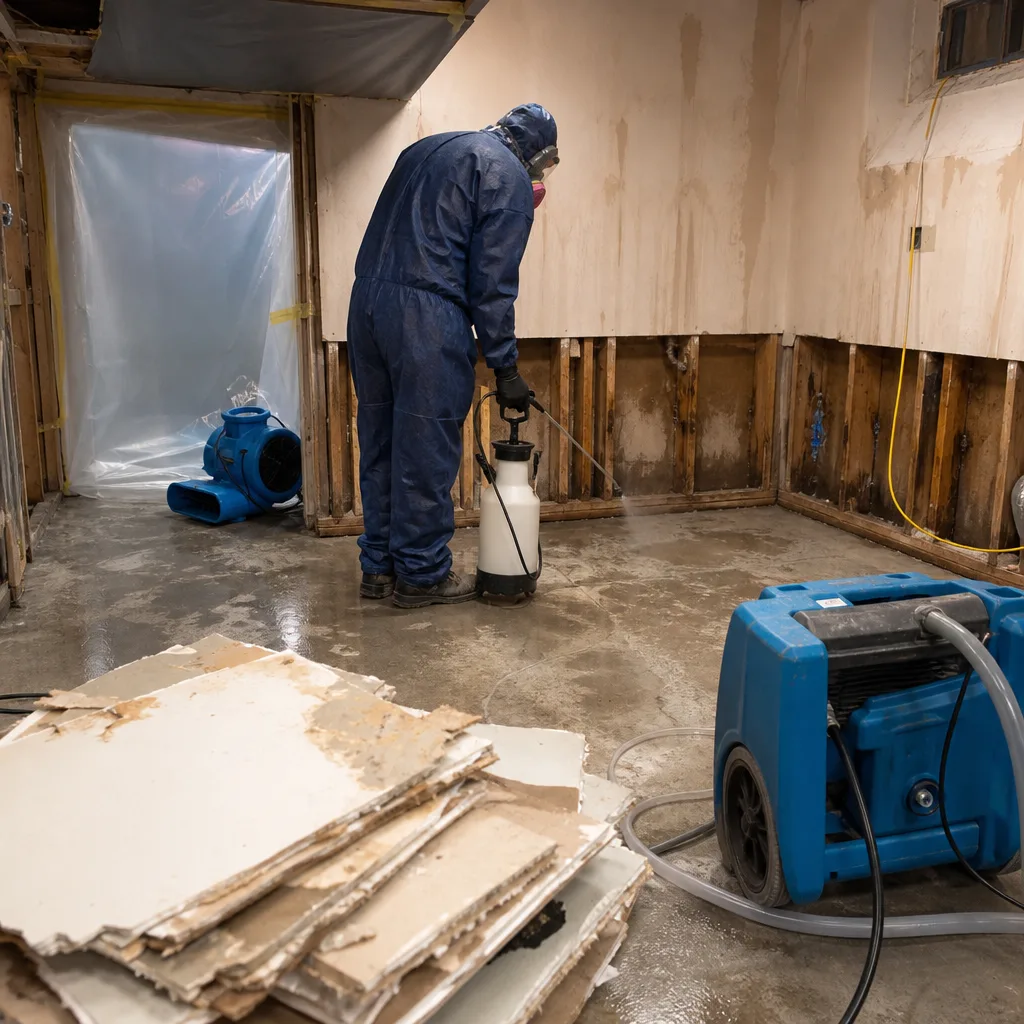
Category 3 water requires antimicrobial treatment on every affected surface. Hard surfaces get cleaned and disinfected. Porous materials that absorbed sewage, like baseboards, plaster, and carpet underlayment, get removed and disposed of following IICRC standards.
Specialty Sewage Treatment
In Union City’s shared-stack buildings, we treat the chase pathways and wall cavities where sewage traveled, not just the visible damage. That means HEPA vacuuming, antimicrobial fogging where appropriate, and verification that no contamination remains in concealed spaces.
Repairs & Restoration
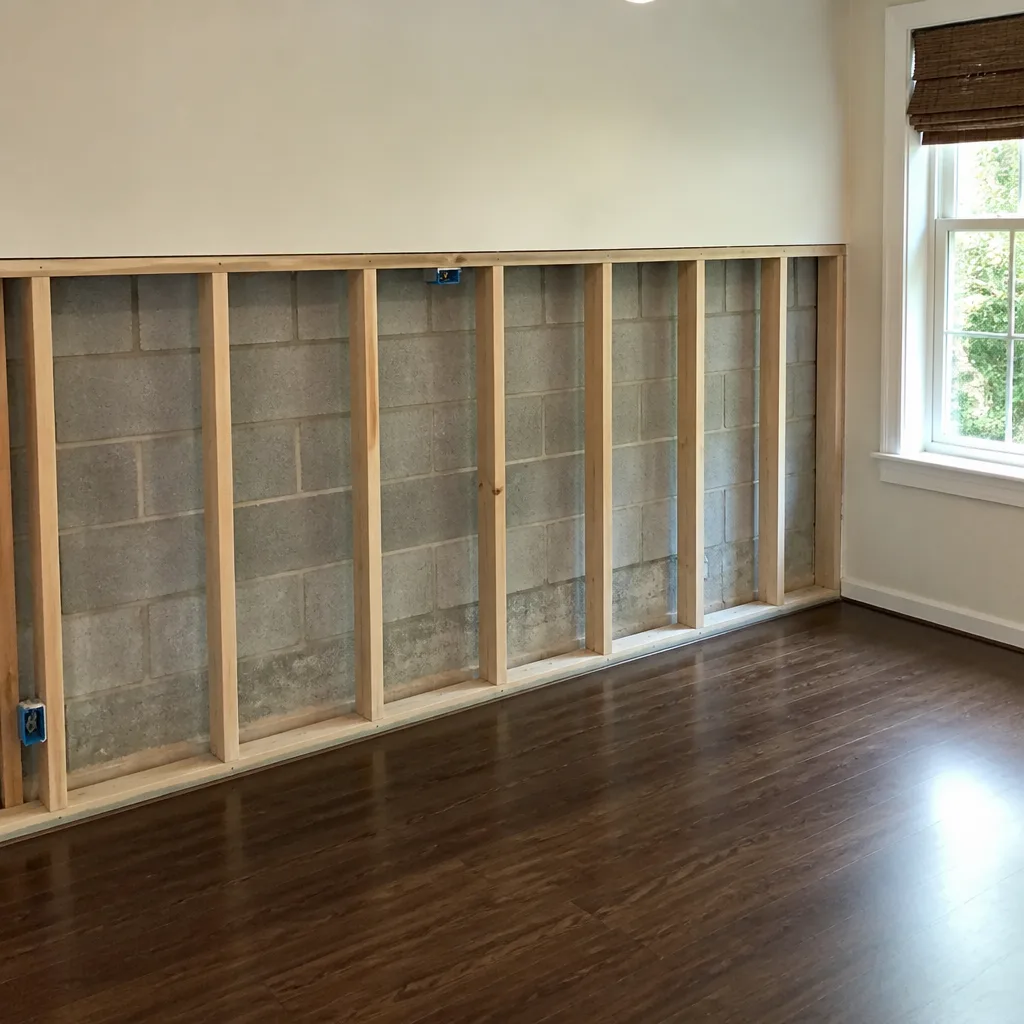
The same crew that pulled the sewage out rebuilds what was removed. Baseboards, drywall, plaster repair, paint, flooring, it all comes back through Floodline. And the entire job carries our 90-Day Done Right Promise. If it’s not done right, we make it right. No paperwork battles. No arguing.
Need Emergency Sewage Cleanup in Union City Now?
Crews minutes away, answering live 24 hours a day. The sooner we start, the less it costs.
Working With Your Insurance Company
Sewage cleanup in a Union City tenement often involves multiple policies. Your unit’s policy, your neighbor’s policy, the building owner’s policy, and sometimes a commercial policy if a ground-floor business is affected. We handle that complexity every week. From the first hour, our crews document everything: photos room by room, moisture readings at every affected location, containment setup, material removal, and daily drying logs. We write line-item scopes using industry-standard estimating software that adjusters recognize. And we communicate directly with your carrier so you don’t have to spend your time translating restoration terminology into insurance language. Curt Bowman built Floodline around the idea that a homeowner should never play messenger between their contractor and their insurance company. That principle matters more in Union City than almost anywhere else, because the shared-stack reality means adjusters from different carriers are often looking at the same wall from different angles.
What We Provide Your Insurer
- Thorough documentation of the loss
- Photos of all damage, room by room
- Moisture readings and drying logs
- A detailed, line-item scope of work
- Direct coordination with your carrier
Built for Union City’s Loss Calendar
Union City sits on top of the Palisades escarpment, and that elevation shapes how water behaves. The rocky substrate prevents groundwater absorption, so heavy rain and nor’easters send surface runoff straight against building foundations. Basement sewage backups are common after a hard storm, when the municipal system is overwhelmed and back-pressure pushes sewage up through floor drains in older buildings. Winter brings its own problems. Deep freezes burst supply lines, but in Union City the bigger issue is frozen drain lines in unheated stairwells and cellar spaces. When a cast-iron stack freezes and cracks, the thaw brings sewage, not clean water. Spring thaw refills the soil around foundations, and that water finds every crack in a hundred-year-old basement wall. Summer thunderstorms dump rain faster than the aging combined sewer system can handle, and that’s when we see the most toilet overflows and basement backups. The pattern is predictable. The response shouldn’t be. That’s why we keep crews staged and ready for Union City’s specific loss calendar year-round.
Sewage Cleanup Across Union City’s Neighborhoods
Union City is small, barely over one square mile, but the building stock changes block by block. Along Bergenline Avenue, the commercial spine of the city, nearly every building is mixed-use: retail on the ground floor, apartments above. A sewage backup in a restaurant kitchen at street level sends category 3 water through the shared stack, and suddenly the apartments on the second and third floor have contaminated ceilings. We respond to these calls knowing the commercial tenant’s insurance, the building owner’s policy, and the residential tenants’ renters insurance may all be involved. Over near the Palisade Avenue corridor, the buildings are predominantly residential walk-ups with original plumbing from the 1920s and 30s. The cast-iron stacks there are at the end of their service life, and we see failures that present as a slow ceiling stain in one unit but involve saturated plaster across two floors. In the side streets off Summit Avenue and New York Avenue, the density is relentless. Buildings sit shoulder to shoulder, and a sewage backup in one basement can migrate through a shared party wall into the building next door. The 07087 zip code covers all of it, and our crews know the response routes well enough to get moving without studying a map.
Specialized Sewage Cleanup Services We Offer in Union City
Sewage Backup Cleanup
The most common call we get in Union City. A backed-up shared drain stack sends sewage up through a floor drain, a toilet, or a tub, and the contamination spreads faster than most property owners expect. We contain first, extract second, and then map the full migration path through the building. In walk-up tenements, that path often runs through multiple floors.
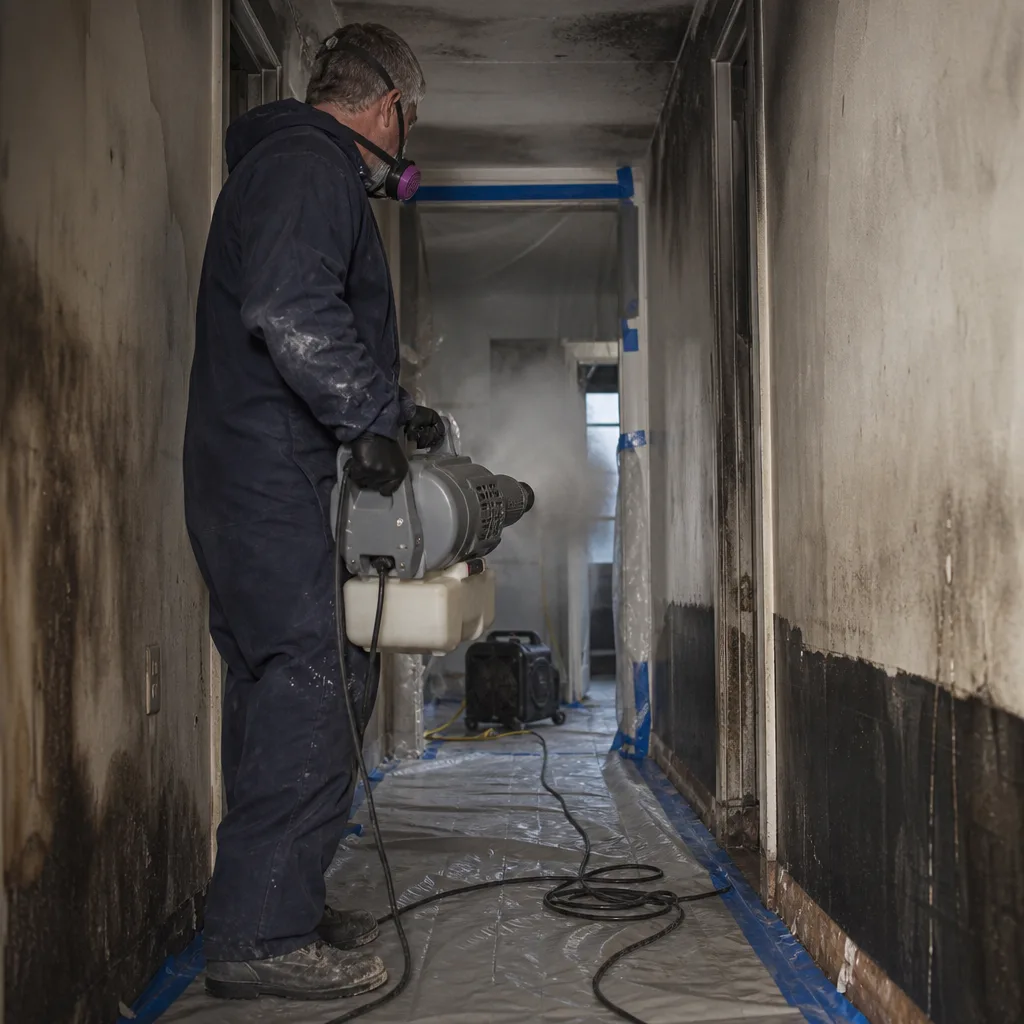
Black Water Extraction
Category 3 extraction requires real equipment and real training. We use truck-mounted extraction units where access allows, portable units on upper floors, and moisture mapping to confirm we’ve removed the water from every affected cavity. Black water sits in the wall and keeps doing damage long after the visible puddle is gone. Extraction is step one. Verification is what separates a professional job from a mop-and-bucket approach.
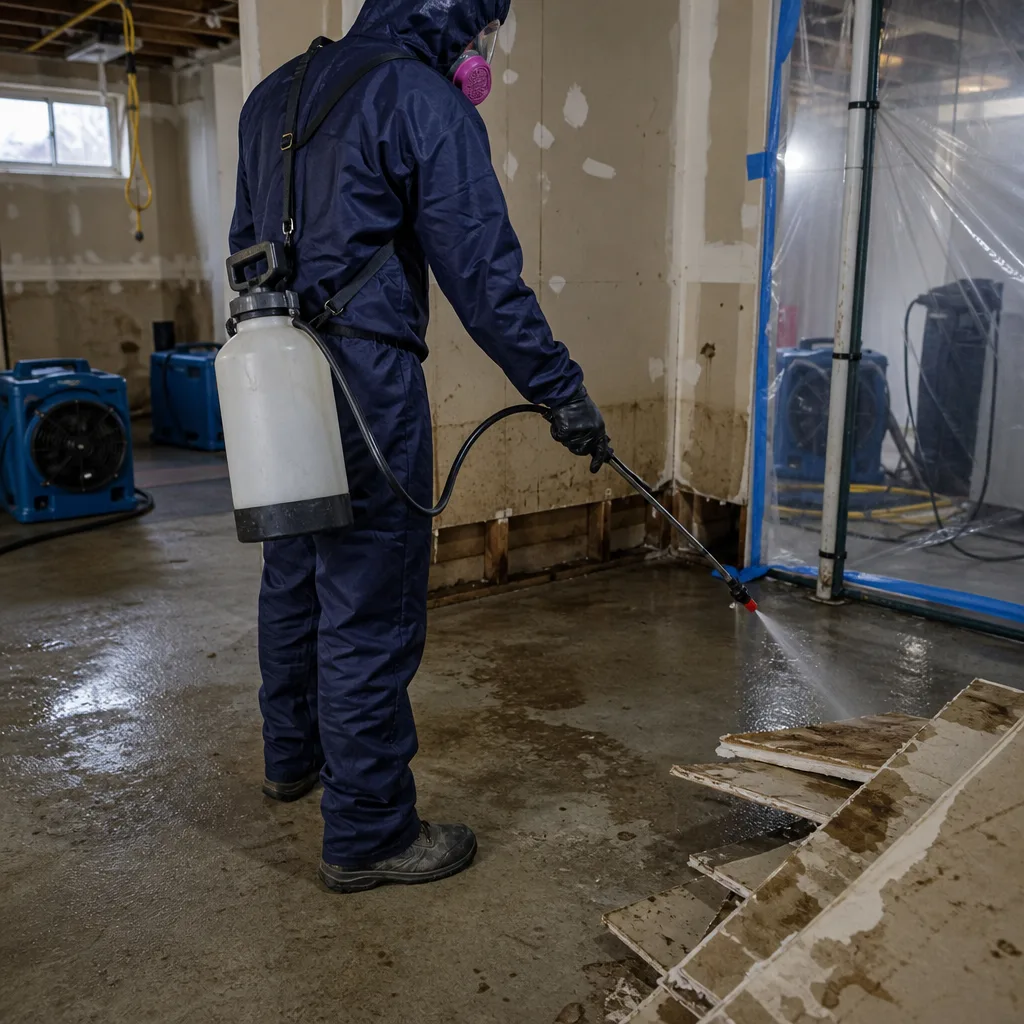
Crawl Space Sewage Removal
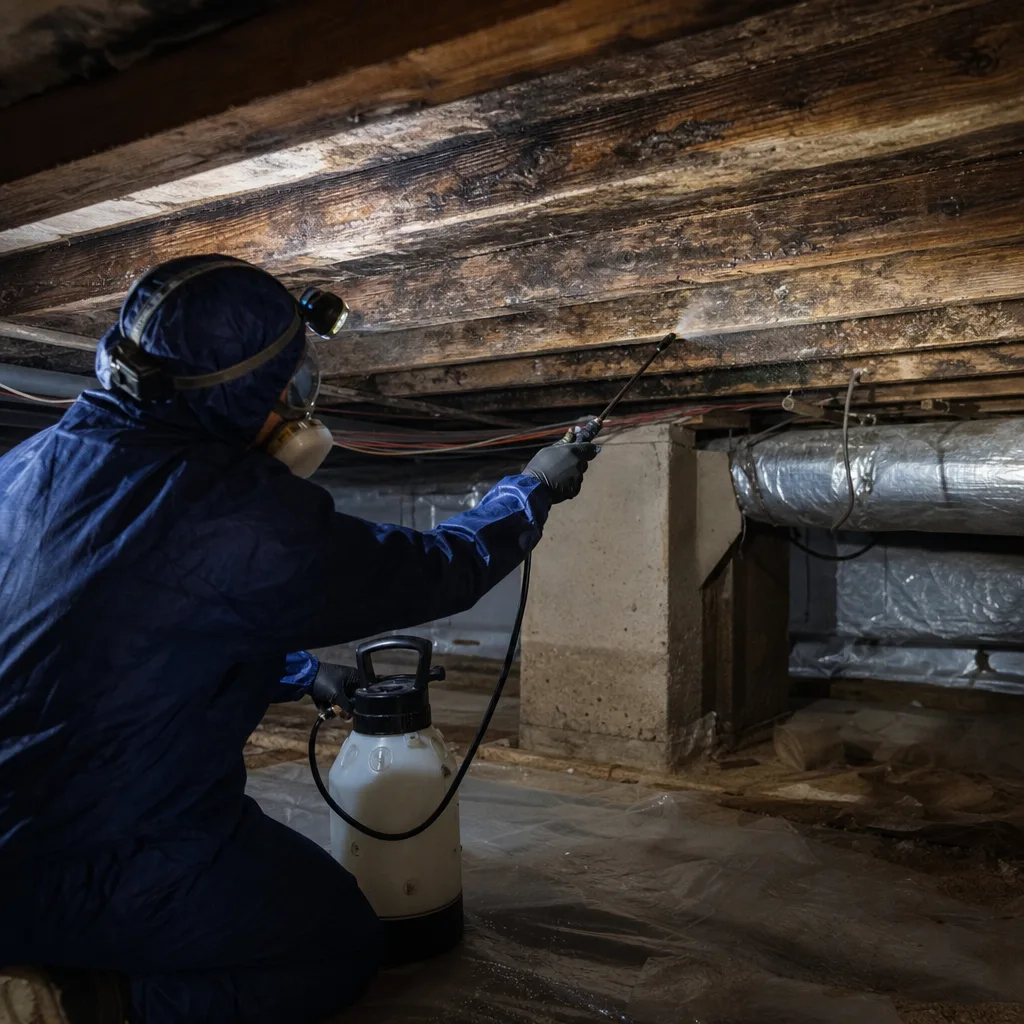
Many Union City buildings have shallow crawl spaces under the ground floor. When a sewer line breaks beneath a building, raw sewage collects there and the smell rises into every unit above. This work requires confined-space protocols, full respiratory protection, and thorough antimicrobial treatment afterward. We also check the foundation walls for cracks that let groundwater intrusion add to the mess.
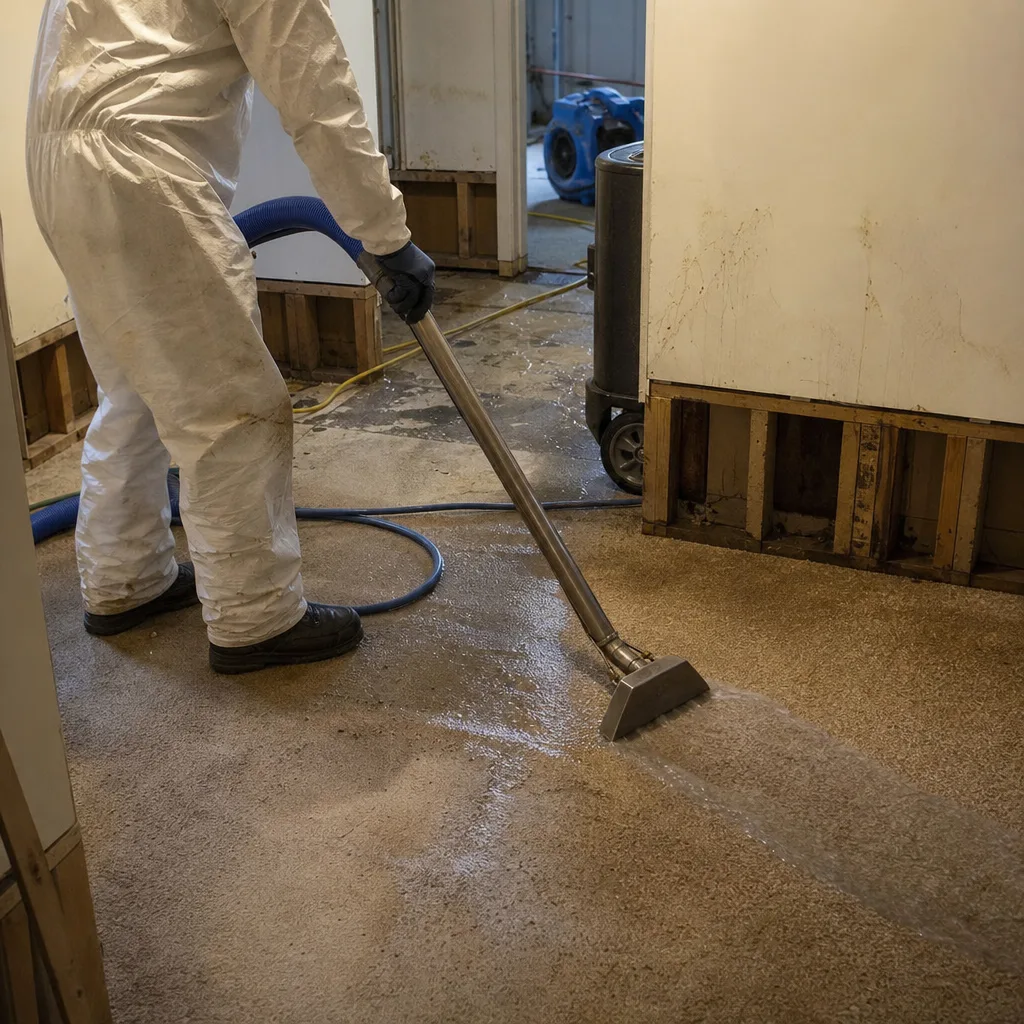
Toilet Overflow Cleanup
A toilet overflow in a single-family home is a localized problem. In a Union City apartment building, that same overflow on the fourth floor can ruin ceilings in the third, second, and first floor units before anyone notices. We treat every toilet overflow as a potential multi-unit loss and inspect below the source before we call the job contained.
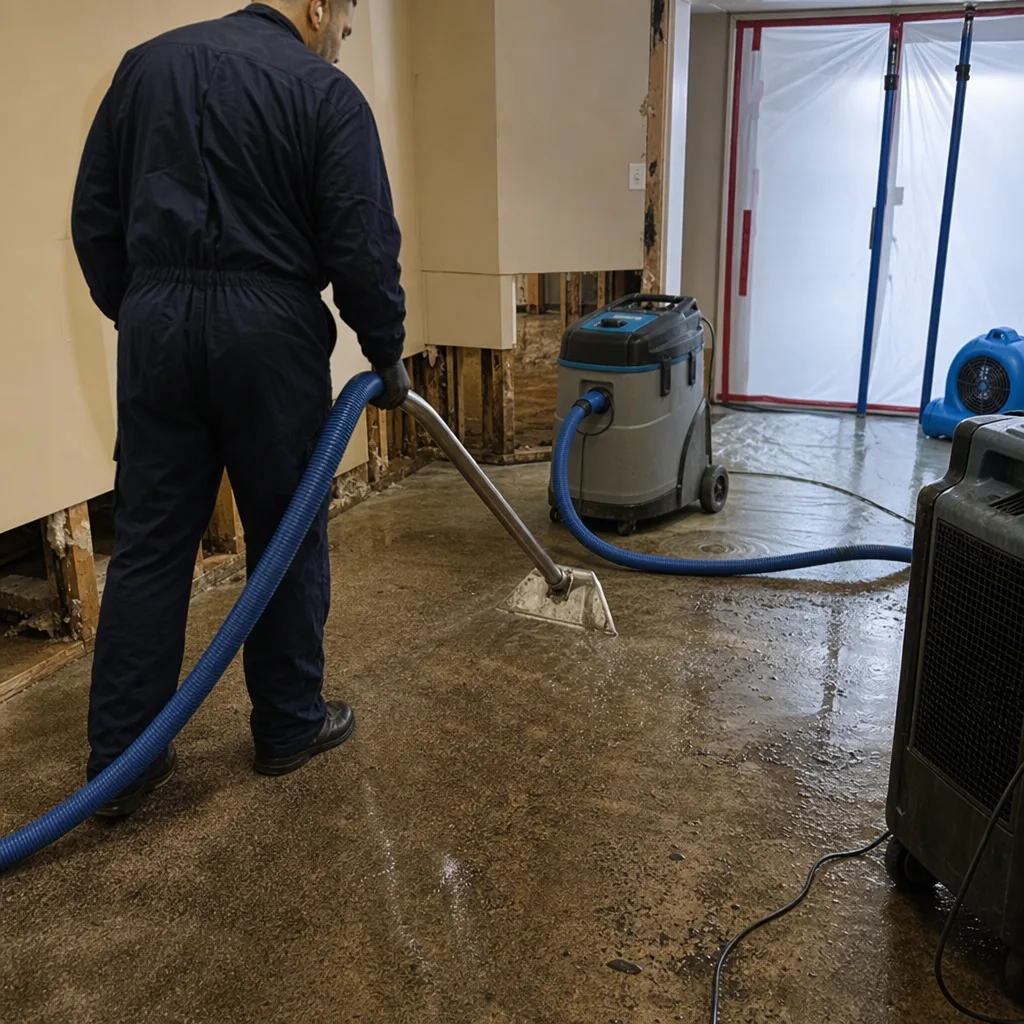
Sanitization & Disinfection
After extraction and drying, every surface that came in contact with category 3 water gets treated with antimicrobial products rated for sewage contamination. Hard surfaces are cleaned and disinfected. Porous materials that cannot be properly sanitized, like saturated plaster and carpet underlayment, are removed. The goal is a space that’s not just dry but safe.
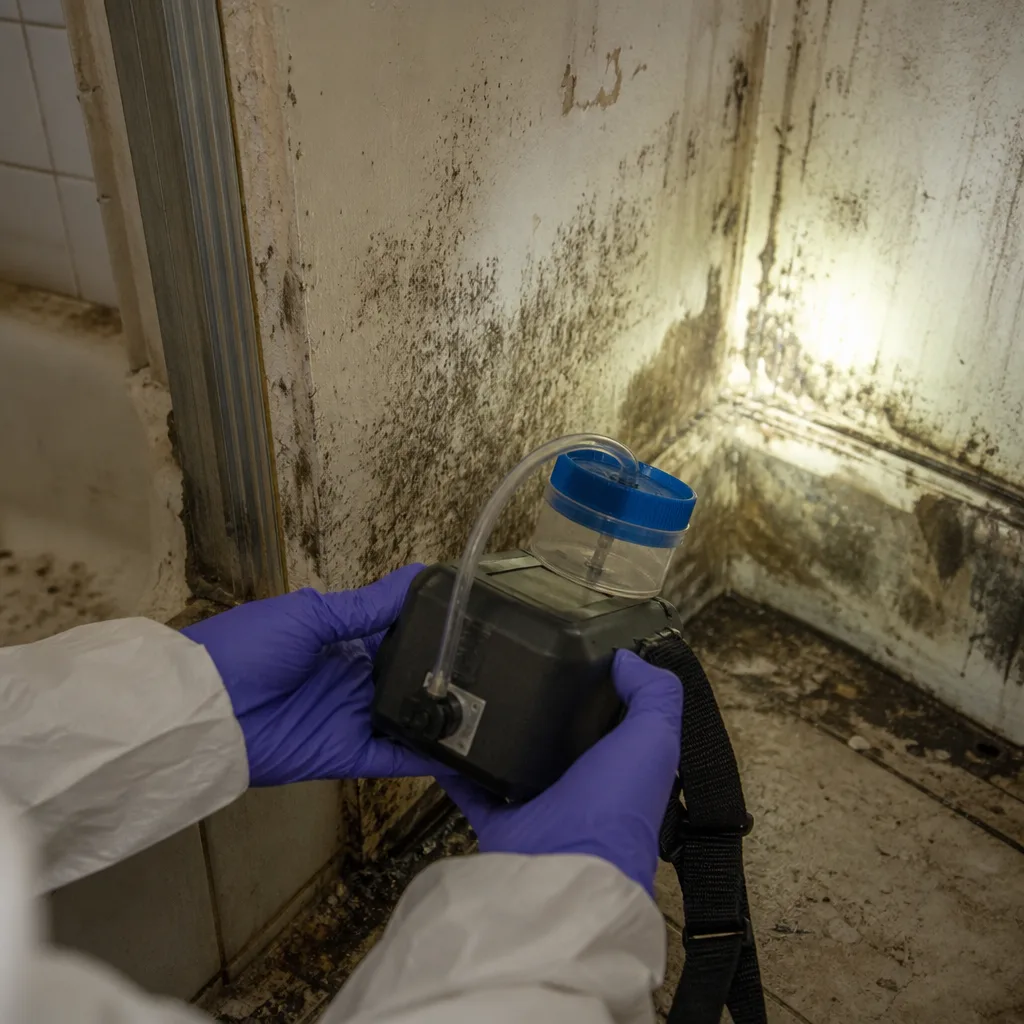
Septic Failure Cleanup
Most of Union City is on the municipal sewer system, but a few older properties, especially on the edges of the city, still have septic components. A failed septic line near a foundation produces the same category 3 contamination as a municipal backup, and it usually goes unnoticed longer. We respond to these calls with the same containment-first approach, then work with the property owner on the repair path.
What happens when you call
- 1
A real person answersNo phone trees - you reach a local pro.
- 2
You get an upfront price rangeHonest numbers before anyone is dispatched.
- 3
A background-checked tech heads outLicensed & insured, dispatched right away.
- 4
You approve before work beginsNothing starts until you say go.
Sewage Cleanup Costs in Union City, NJ
A contained toilet overflow cleanup in a single Union City unit typically runs $800 to $1,500. A sewage backup affecting one full basement with extraction, drying, and sanitation usually lands between $2,500 and $5,000. Multi-unit losses from a failed shared stack routinely run $10,000 to $35,000 or more, because the work involves floor-by-floor containment, plaster tear-out, structural drying across multiple levels, and coordinated rebuilds. What moves the price most is how far the water traveled before containment. A backup caught in the first hour might cost a tenth of what the same backup costs after a full night of migration. Insurance typically covers sewage cleanup under standard policies, but the specifics depend on your deductible, your policy language, and whether the loss involved a shared building system. We’ll walk you through it. The free visual inspection lets us give you a firm scope before any work begins, so you know the number before we start, not after.
We Also Serve Cities Near Union City
Floodline Restoration Co. handles sewage cleanup throughout Hudson County. Our crews regularly respond to losses in Weehawken, Hoboken, and Jersey City, facing the same dense pre-war building stock and shared-stack challenges we see in Union City. Same team, same equipment, same 90-Day Done Right Promise.
Union City Sewage Cleanup Questions, Answered
How do we know if our Union City walk-up has a shared drain stack that could spread sewage to other units?
Most four-to-six-story pre-war buildings in Union City have a single cast-iron drain stack running vertically through all floors, with branch lines connecting each unit’s kitchen and bath. If your building was constructed before 1945 and you can see original cast-iron pipes anywhere, you almost certainly share a stack. A licensed plumber can confirm by tracing the waste lines from your unit to the main stack, and we can assess the condition of those lines during any sewage loss response. Call (518) 663-6491 and we’ll walk you through what to look for.
Does a sewage backup in a Union City basement require different containment than one in an upper-floor unit?
Yes. A basement backup is usually closer to the source and easier to contain, because the contamination hasn’t traveled vertically through wall cavities. An upper-floor backup requires containment on every floor below the source and often means opening walls on multiple levels to chase the migration path. We set up poly containment and negative air on each affected floor to keep category 3 aerosols from spreading through the building.
How soon after a sewage backup in a Union City tenement does mold become a concern in the shared walls?
Mold growth can begin within 24 to 48 hours after category 3 water saturates organic materials like plaster, wood lath, and drywall. Union City’s housing stock makes this timeline urgent, because plaster walls hold moisture far longer than modern drywall. That’s why we start structural drying immediately after extraction, not days later. Fast response is the single biggest factor in preventing mold from taking hold inside shared wall cavities.
What does black water extraction involve in a mixed-use building on Bergenline Avenue?
Black water extraction in a mixed-use building means handling sewage contamination above an operating business. We set up containment to protect the commercial space and the residential units above it, extract the standing category 3 water, then run moisture mapping through every affected cavity. Coordination with the commercial tenant’s insurance and the building owner’s policy happens simultaneously. We’ve done this on Bergenline Avenue many times, and we know the building patterns.
Are there specific permit or code requirements for sewage cleanup in Union City walk-ups?
Union City enforces building codes that require a permit for any structural repair work, including wall opening, plumbing repair, and reconstruction following a sewage loss. Mitigation work like extraction, drying, and sanitization typically doesn’t require a permit, but the rebuild portion will. We handle the permitting as part of the restoration scope when we manage the job from start to finish. For an exact answer about your building, call (518) 663-6491 and we’ll review the specifics.
How fast can you actually get to a sewage backup in Union City?
We commit to dispatching a crew within 45 minutes of your call, and we answer the phone live 24 hours a day. In a city this dense, with our crews already familiar with the response routes, we’re often on-site faster than that. The sooner containment goes up, the less damage spreads through the shared walls. Call (518) 663-6491 the moment you see sewage, not after you’ve tried to clean it up yourself.
Do we need full remediation or just a cleaning after a sewage backup?
It depends on the water category and what materials absorbed it. A small, contained toilet overflow on a tile floor might only need cleaning and disinfection. But category 3 water that soaked into plaster, baseboards, or carpet underlayment requires removal of those materials and structural drying of what remains. We’ll tell you the truth during the free visual inspection, with moisture readings to back it up. We don’t oversell. We document.
Can we stay in our Union City apartment during sewage remediation?
That depends on the extent of the loss. If the backup was contained to a bathroom and containment is properly set up, you may be able to stay. If category 3 water traveled through walls into living spaces, or if the building’s shared stack is still compromised, we may recommend temporary relocation while we dry and treat the affected areas. Your insurance policy may cover additional living expenses in that case, and we’ll document everything your carrier needs.
Serving Union City, NJ - Our Local Coverage Area
We’re based in the Union City area and know this community well. Use the map below to see our service coverage - if you’re nearby, we can almost certainly help.
What to Do in the First 30 Minutes
Stop using the plumbing immediately. Turn off the water supply to the affected fixture if you can safely reach it. Do not flush, do not run sinks, do not use a plunger on a sewage backup that’s already spread. Open a window if possible, but don’t run HVAC fans, because they can spread contaminated air through the building. Do not use a household vacuum or mop to push sewage around. Call Floodline Restoration Co. at (518) 663-6491 right away. Every minute the sewage sits, it’s migrating through plaster, wicking up baseboards, and finding its way into the cavities between floors. The first call is free. The visual inspection is free. The containment we set up stops the damage from spreading further while we figure out the full scope with you.
One thing we’ve learned serving Union City since our early days: the buildings here are tough, but their plumbing is old. A cast-iron stack that was installed when Calvin Coolidge was in the White House has done its job for nearly a century. When it fails, it fails all at once, and it affects everyone below. We respond to those failures with the same steady approach every time: contain first, document everything, dry completely, rebuild properly, and stand behind the work in writing. Senior and veteran discounts are always available, along with $50 off any repair over $250. Ask about them when you call.
Written by Curt Bowman, Owner at Floodline Restoration Co., serving Union City and all of Hudson County.