
Free visual inspection and a written scope of work before any mitigation begins - photos, moisture readings, and drying logs go in your claim file
The scope we write is the scope we bill. Anything new gets shown to you, in writing, before we touch it.

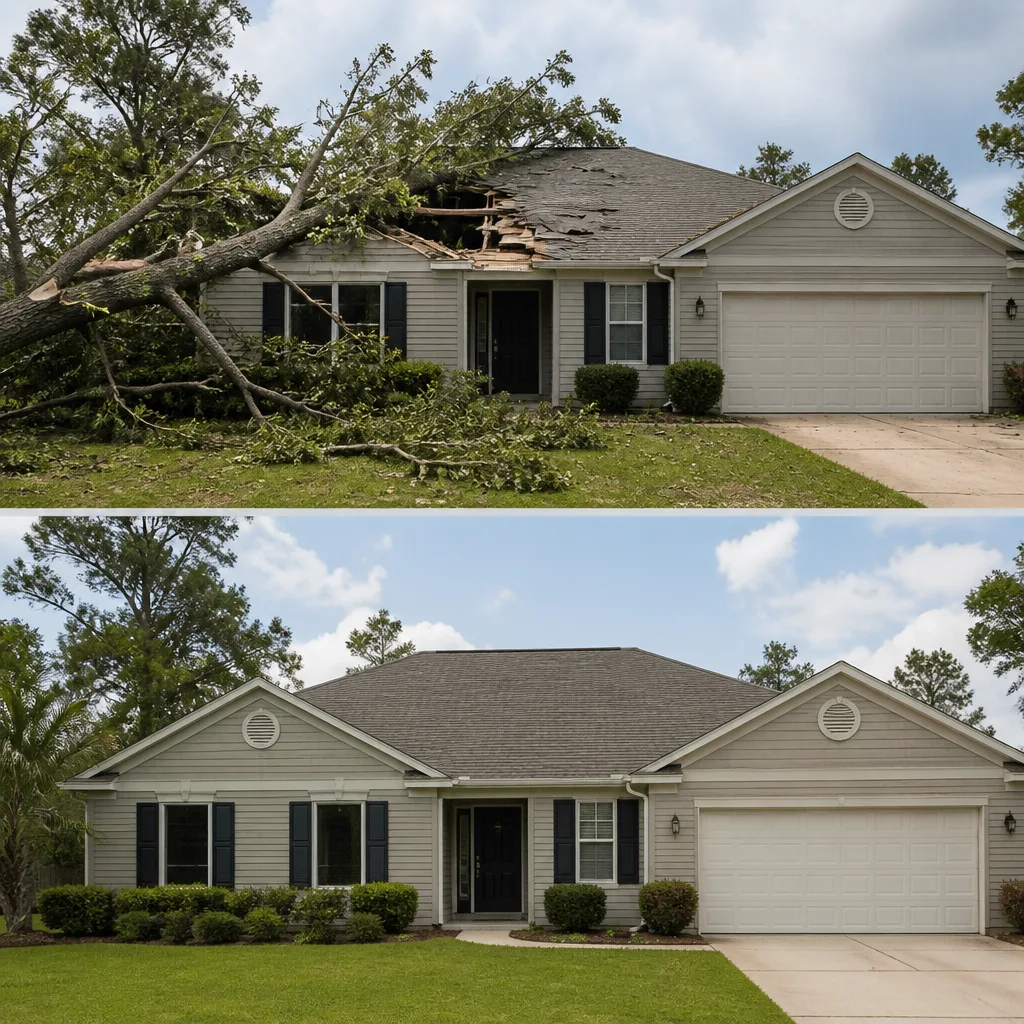


 Before
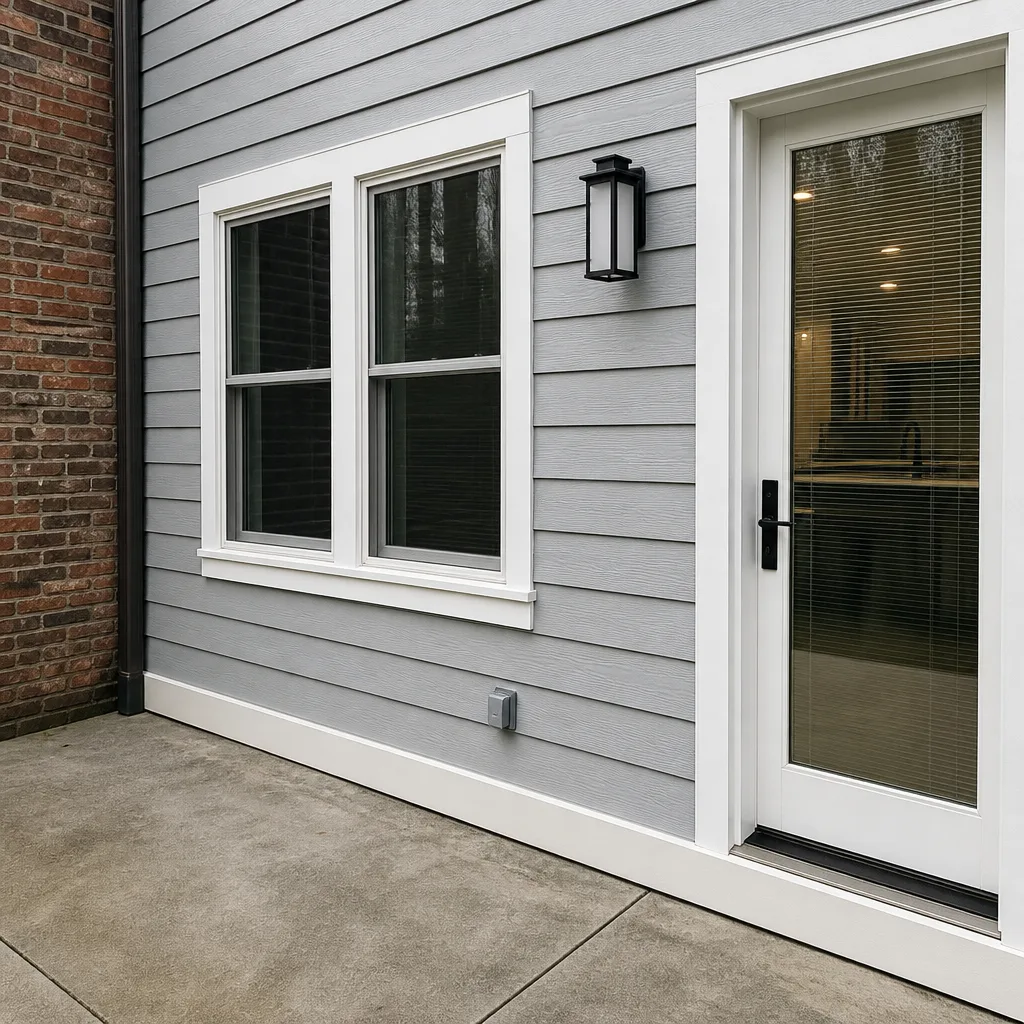 After
After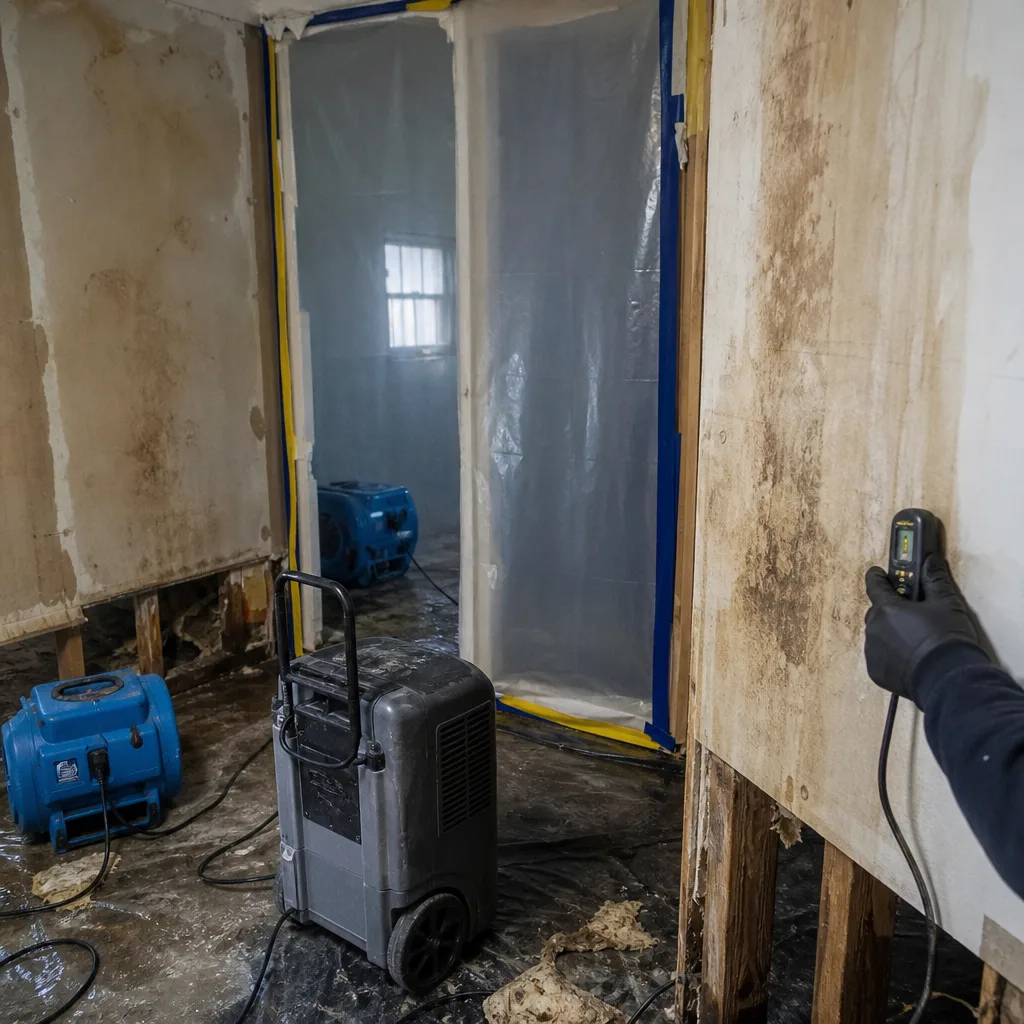 Before
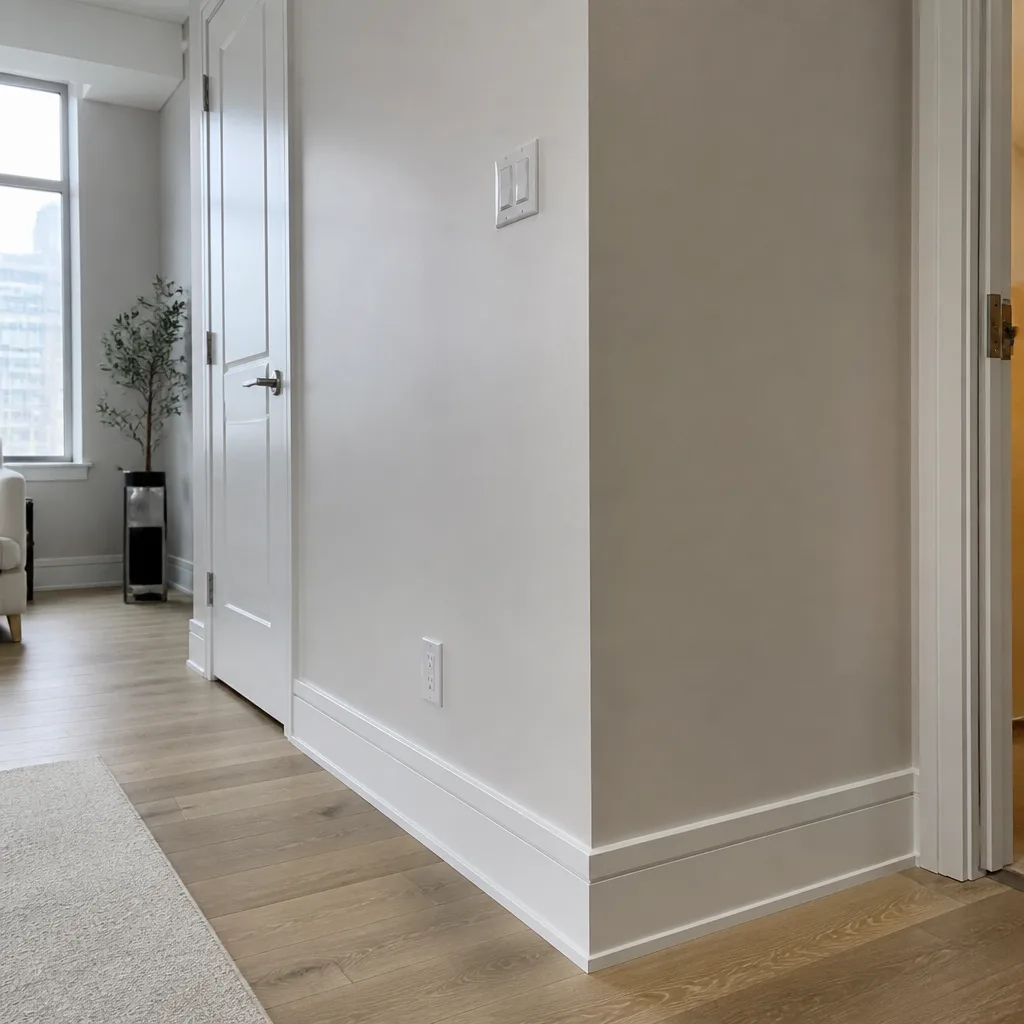 After
After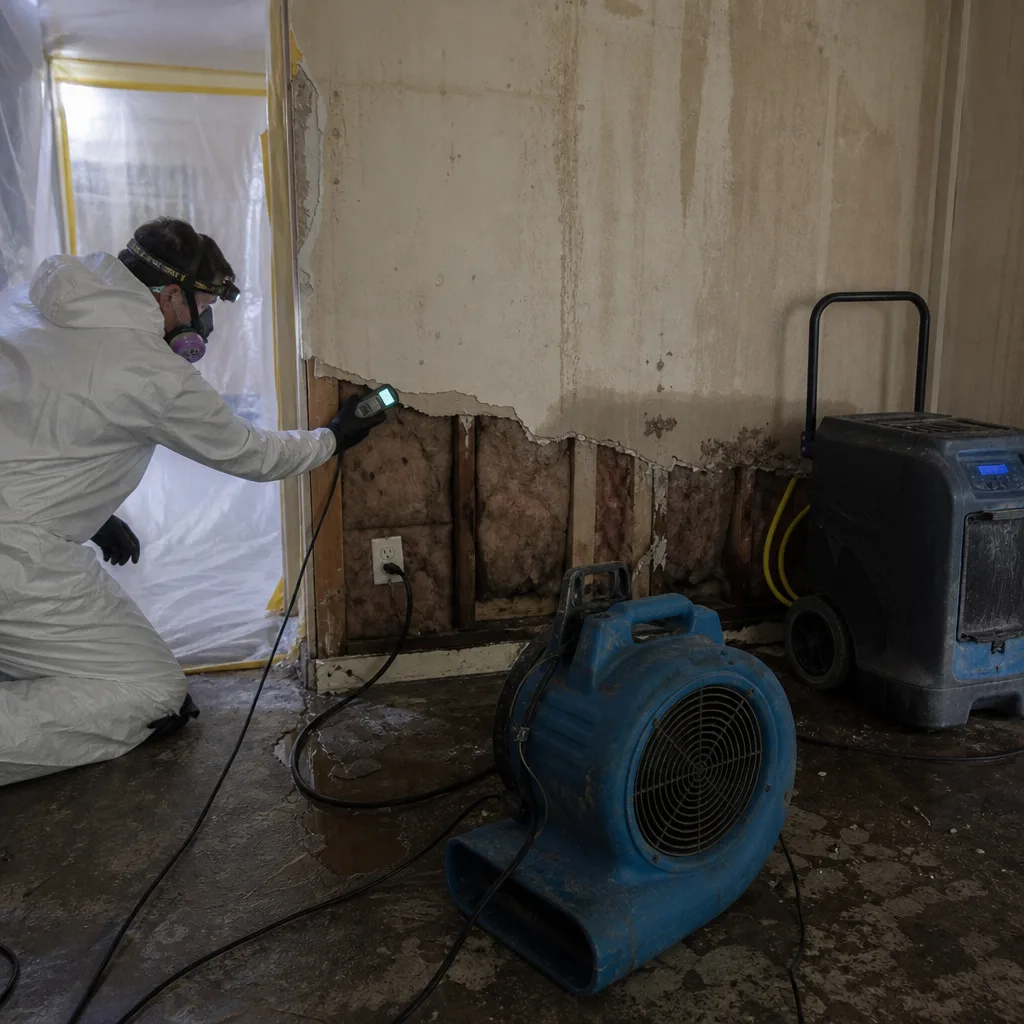 Before
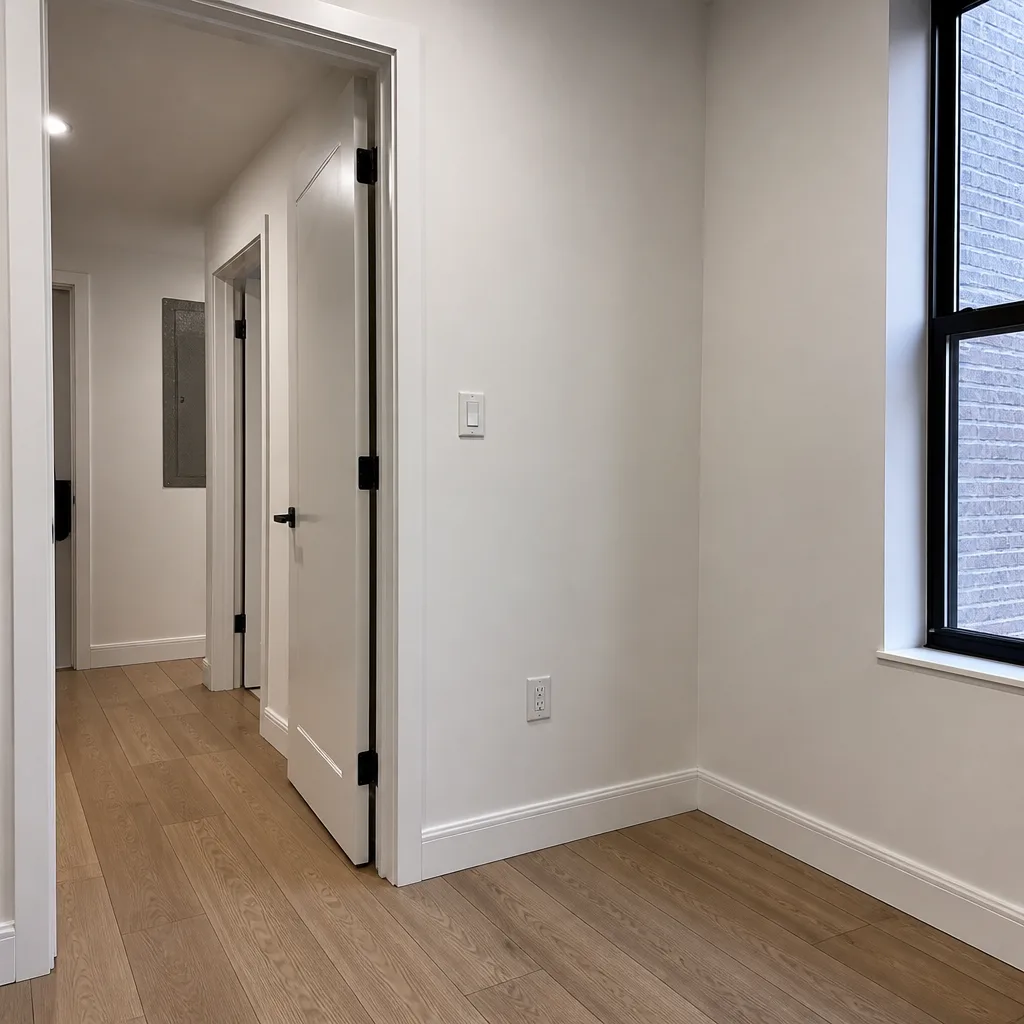 After
After24/7 Emergency Sewage Cleanup in Jersey City
A sewage backup in Jersey City is not a wait-until-morning problem. Raw sewage contains bacteria, viruses, and parasites that begin contaminating every porous surface it touches within minutes, and your home’s heating system can push those contaminants through the air. Call (518) 663-6491 the moment you see sewage backing up through a floor drain, toilet, or shower. A live dispatcher answers at 2 a.m., not a recording, and a certified crew is dispatched to your Jersey City neighborhood the same call.
The first hour matters more than most people realize. Sewage that sits in a basement or garden-level apartment soaks into drywall, baseboards, hardwood, and fiberglass insulation. What might have been a containment-and-extraction job at hour one becomes a full gut-and-rebuild by day three. We run free visual inspections across Jersey City, and our crews arrive prepared to start extraction the same visit.
Understanding Sewage Cleanup Severity in Jersey City Properties
Sewage damage is classified as Category 3 water, also called black water. This is water contaminated with human waste, pathogens, and whatever else is in the sewer line. It is not the same as a clean-water supply-line break, and it cannot be treated like one. Floodline Restoration Co. follows IICRC S500 standards for water damage restoration, which means full containment, proper personal protective equipment, and controlled demolition of saturated materials when sewage is present.
Jersey City’s housing stock makes this work harder than it is in some nearby towns. We work in three- and four-story brownstones in 07302 and 07303 built before modern plumbing codes, with original cast-iron waste stacks that have been in the ground since the Harding administration. A crack anywhere in that stack sends sewage down through the wall cavities of four floors before anyone notices a stain on the ceiling. In waterfront high-rises, sewage ejector pumps fail and flood finished lower levels. Each building type requires a different approach to drying, containment, and reconstruction. The common thread is speed: black water moves through plaster, hardwood, and subfloor faster than most homeowners expect.
Why Jersey City Property Owners Choose Floodline Restoration Co.
- 45-minute response commitment – A crew in a stocked truck heads toward your neighborhood as soon as the dispatcher confirms your address and the nature of the loss.
- A real person answers, 24/7 – No phone tree, no answering service, no callback within one business day. You get a live dispatcher at any hour, every day of the year.
- IICRC-certified crews – Our technicians train to WRT (Water Damage Restoration Technician) and ASD (Applied Structural Drying) standards, plus RIA and IFA coursework. Background-checked and uniformed on every job.
- Free visual inspection – We assess scope before we touch anything, and you get a written plan before extraction starts. No obligation to proceed.
- Direct insurance billing – We document, photograph, and bill your carrier directly. You do not need to play messenger between us and an adjuster.
- One team from extraction to rebuild – The same crew that pumps out the sewage handles drying, demo, sanitizing, and reconstruction. No mid-job handoff to a subcontractor you have never met.
Our Sewage Cleanup Process
Inspection & Assessment
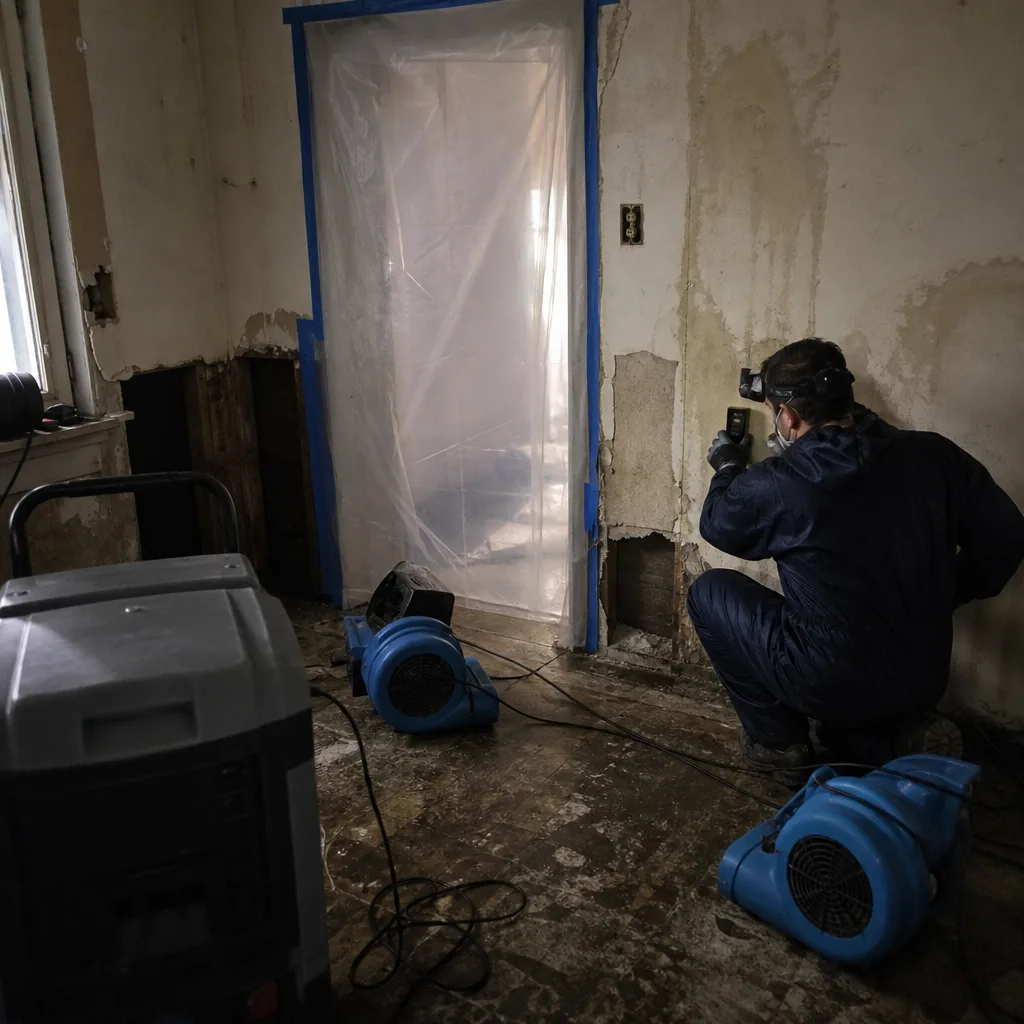
We locate the source of the backup and map the affected area using moisture meters and thermal imaging. In Jersey City brownstones, that often means tracing contamination through ceiling cavities and wall channels between floors, not just the obvious wet spot on the carpet.
Extraction & Stabilization
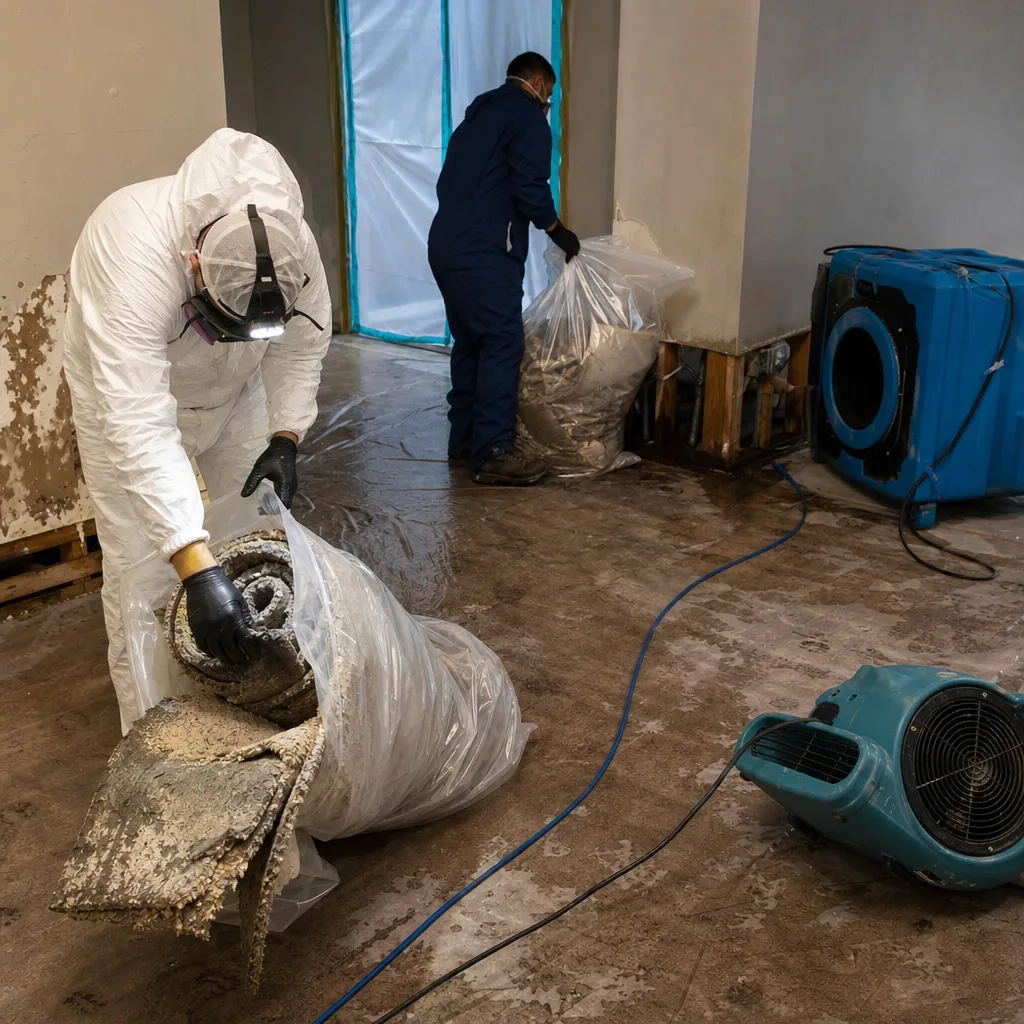
Category 3 water is pumped out with professional extraction equipment. We remove standing sewage, then cut out saturated drywall, insulation, and carpet that cannot be salvaged. Saturated materials go into sealed bags and leave as regulated waste.
Containment & Drying
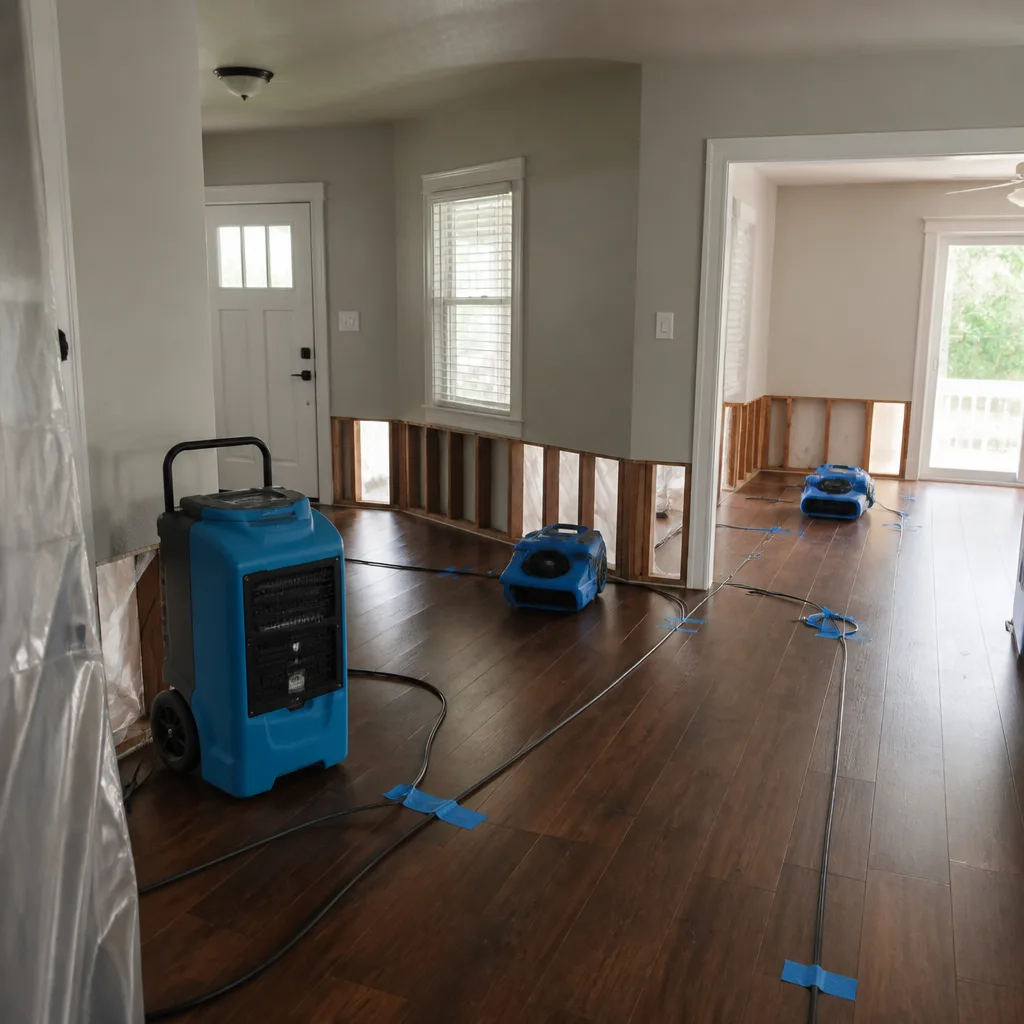
Containment barriers go up to prevent cross-contamination to unaffected areas. Dri-Eaz dehumidifiers and Phoenix air movers then dry the structure. Daily moisture readings are logged until every affected material hits the dry standard set for Jersey City’s humidity conditions.
Cleaning & Sanitization
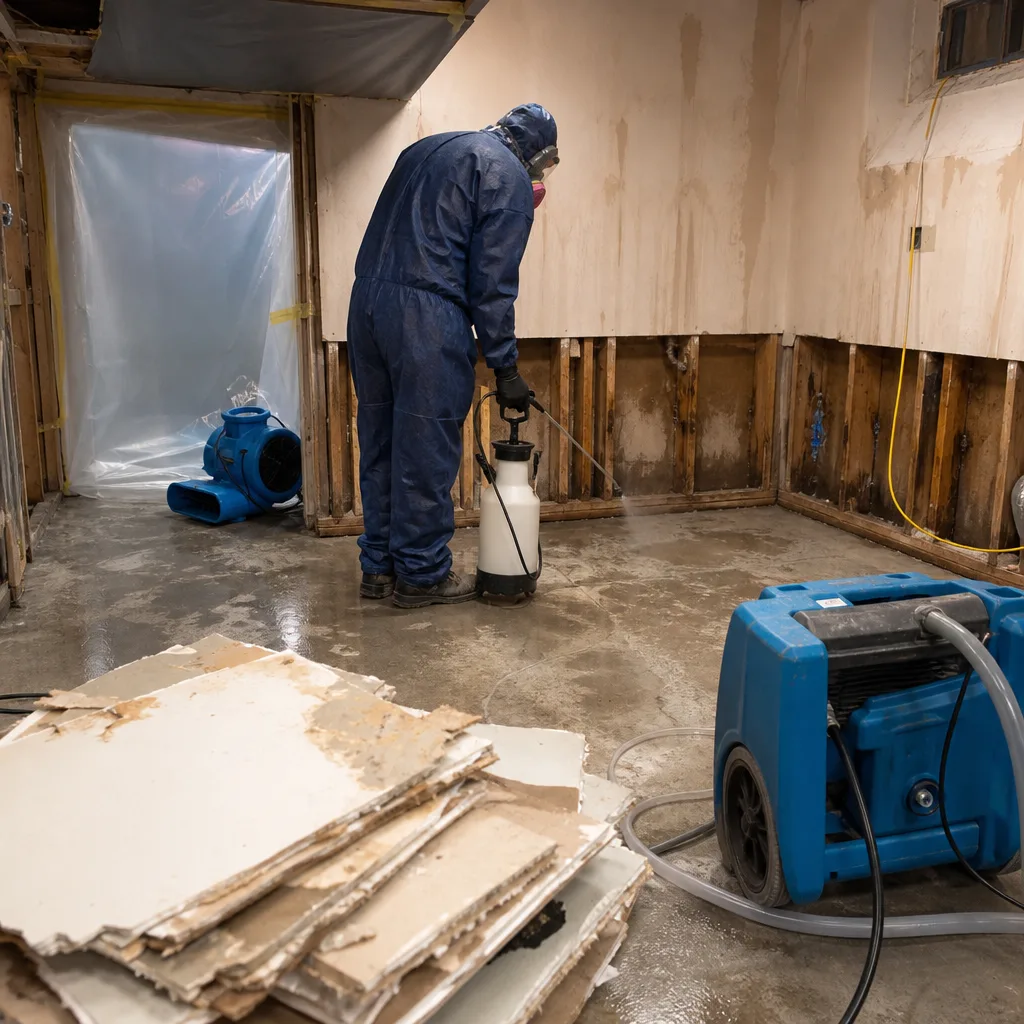
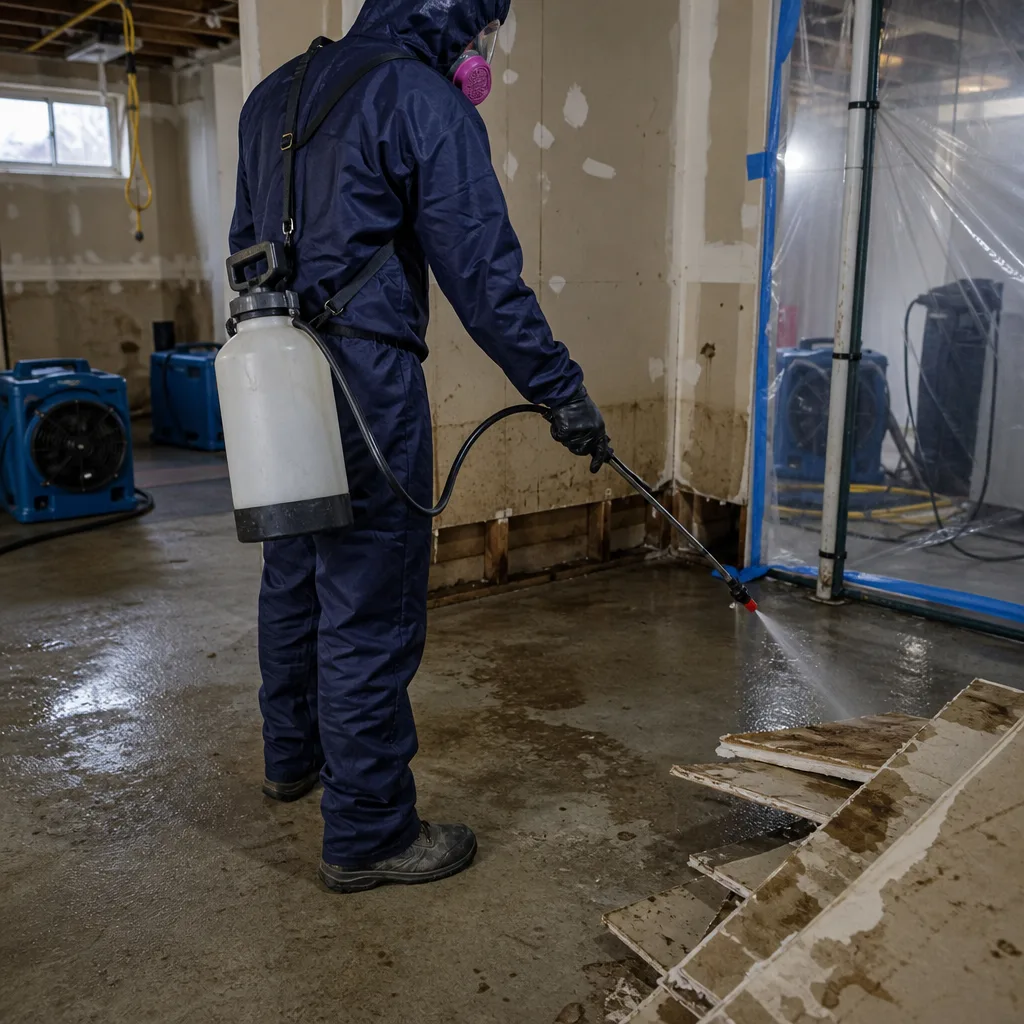
All exposed surfaces are cleaned and treated with EPA-registered antimicrobials. Hard surfaces that can be salvaged, like concrete floors and tile, are scrubbed and disinfected. We do not reuse porous materials that contacted black water.
Crawl Space & Cavity Treatment
Sewage in a crawl space under an attached row house is a different animal. We access, remove contaminated soil and debris, sanitize the structural framing, and install or restore vapor barriers. Hidden cavities behind plaster walls get the same treatment as visible surfaces.
Repairs & Restoration
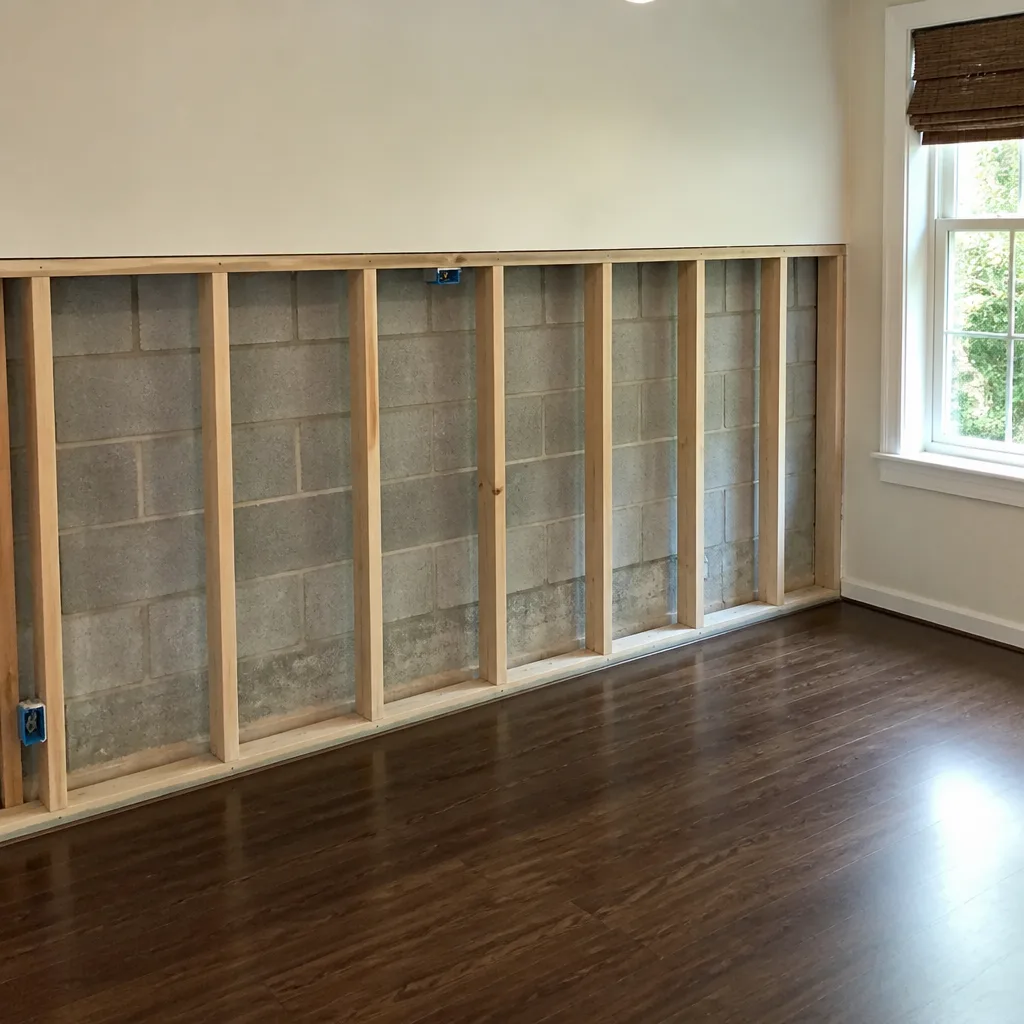
The final phase puts your home back together. New drywall, trim, flooring, paint, and whatever else was removed. The same crew that handled extraction builds it back, which means no one can blame a previous contractor for a problem we created.
Need Emergency Sewage Cleanup in Jersey City Now?
Crews minutes away, answering live 24 hours a day. The sooner we start, the less it costs.
Working With Your Insurance Company
Sewage backups are covered under many Jersey City homeowners policies, especially when the backup originates from a municipal sewer line or a covered plumbing failure. Flood policies through the National Flood Insurance Program are a separate matter, and in a city where FEMA remapped huge areas into Zone AE after Sandy, knowing which policy applies to which loss matters.
We handle insurance claims the way homeowners want them handled: documented from the first hour. Photographs room by room, moisture readings taken before and during drying, a line-item scope of work with labor and material rates an adjuster can verify. We talk to your adjuster directly. You get copies of everything.
What We Provide Your Insurer
- Thorough documentation of the loss
- Photos of all damage, room by room
- Moisture readings and drying logs
- A detailed, line-item scope of work
- Direct coordination with your carrier
Built for Jersey City’s Loss Calendar
Jersey City’s sewage backup season is not really a season; it is a year-round pattern with spikes. January and February bring deep freezes that crack and separate older cast-iron waste pipes in unheated basement ceilings. Spring rains saturate the combined stormwater-sewer system, and every moderate storm can push water and sewage back into floor drains in 07302 basement apartments. Summer thunderstorms dump inches of rain in an hour, overwhelming the system faster than it can flow out to Upper New York Bay. Autumn brings nor’easters and storm surge along the waterfront, where saltwater pushes into the same lines that carry sewage.
What most homeowners do not realize is that Jersey City’s system is combined, meaning stormwater and sewage share the same pipes. When the pipes reach capacity, the mixture has nowhere to go but back into the lowest opening. That opening is often a floor drain in a garden-level apartment or a basement utility room. We respond to those calls weekly, not a few times a year.
Sewage Cleanup Across Jersey City’s Neighborhoods
Downtown Jersey City, especially 07302 around Paulus Hook, Hamilton Park, and Van Vorst Park, is built on filled tidal marshland at or near sea level. The water table sits high, and the sewer lines in the older blocks along Grove Street and Jersey Avenue date to the early 20th century. When heavy rain hits, the combined system backs up into basements and garden-level units across downtown. We have lost count of the number of garden apartments on Wayne Street and Monmouth Street we have pumped out after an ordinary afternoon thunderstorm. See our Sewage Cleanup team’s full process for how we handle these Category 3 jobs from first call to final rebuild.
Bergen-Lafayette and Greenville further south see a different pattern: older single-family homes and two-family frame houses with outdated plumbing stacks and floor drains that connect directly to the municipal line without backflow prevention. A blockage in the street main sends sewage into the lowest fixture in the house, often a basement toilet or laundry sink.
The Heights and Journal Square, up on the Palisades, do not flood from tidal surge the way the waterfront does, but their aging waste stacks and vertical drain lines running through three floors of attached housing create cascading failures when a toilet overflows on the top floor and sewage runs down through the ceiling of every unit below. We serve all of it: 07097 in the west, 07302 downtown, 07303 in the south, and the neighborhoods in between. If you need Sewage Cleanup in Jersey City, we are already in the neighborhood.
Specialized Sewage Cleanup Services We Offer in Jersey City
Sewage Backup Cleanup
This is the weekly call in Jersey City. A combined storm sewer backs up through a floor drain, a basement toilet, or a laundry tub. We arrive, contain, extract, cut, dry, sanitize, and rebuild. Most jobs in an unfinished basement are completed in a single visit for extraction and drying setup, with rebuild scoped separately.
Toilet Overflow Cleanup
In a three-story brownstone, a toilet overflow on the top floor is not a bathroom problem. It is a bathroom, ceiling, wall-cavity, and lower-unit problem. Sewage travels down through the waste stack chase and soaks plaster, lath, hardwood, and subfloor on every level it touches. We trace the full path before starting demo.
Black Water Extraction
Black water extraction in Jersey City often means dealing with more than sewage. Waterfront buildings near Exchange Place and Newport sit on former marshland, and storm surge or tidal flooding brings brackish water into basements and mechanical rooms. Salt-laden water accelerates corrosion of electrical panels, fasteners, and plumbing. We classify it correctly and dry accordingly, because treating brackish water like fresh water leaves salt behind to rot your framing.
Crawl Space Sewage Removal
Attached row houses in Jersey City have shallow, cramped crawl spaces that most contractors do not want to enter. We do. Sewage in a crawl space means contaminated soil, soaked insulation, and saturated joists. We remove the soil, sanitize the framing, and restore the vapor barrier. If the access is too tight for a person, we still get it done, because leaving sewage under the house is not an option.
Sanitization & Disinfection
Every sewage job ends with sanitization of every affected surface and cavity. We use EPA-registered antimicrobial products and verify the job with post-remediation moisture readings. If it is not dry and it is not sanitized, it is not done.
What happens when you call
- 1
A real person answersNo phone trees - you reach a local pro.
- 2
You get an upfront price rangeHonest numbers before anyone is dispatched.
- 3
A background-checked tech heads outLicensed & insured, dispatched right away.
- 4
You approve before work beginsNothing starts until you say go.
Sewage Cleanup Costs in Jersey City, NJ
A straightforward sewage backup into an unfinished basement in Jersey City typically runs $2,800 to $5,500, including extraction, controlled demolition, drying, sanitization, and basic rebuild of drywall and flooring where needed. A garden-level apartment with finished living space usually lands between $6,000 and $14,000, depending on how much flooring, cabinetry, and drywall must come out.
Crawl space sewage removal under a row house is its own pricing category. Contaminated soil removal, joist sanitization, and vapor barrier replacement in a typical Jersey City crawl space run $4,000 to $9,000. A top-floor toilet overflow that cascades through three floors of a brownstone can range from $12,000 to $30,000 once framing cavities, plaster, and hardwood are addressed on every level.
The free visual inspection gives you a written scope with real numbers before any work begins. No surprises on the bill. Call (518) 663-6491 for a firm quote.
We Also Serve Cities Near Jersey City
Our crews respond to sewage cleanup calls throughout Hudson County. We serve homeowners in Hoboken’s converted brownstones and waterfront towers, Union City’s densely packed frame houses, and Weehawken’s hillside homes where sewage line failures can run downhill through multiple rooms before anyone sees standing water.
Serving Jersey City, NJ - Our Local Coverage Area
We’re based in the Jersey City area and know this community well. Use the map below to see our service coverage - if you’re nearby, we can almost certainly help.
Jersey City Sewage Cleanup Questions, Answered
Does Jersey City require any special permits or documentation for sewage cleanup in a multi-family brownstone?
Jersey City permits are generally not required for the cleanup and drying phase of sewage restoration work. When we cut into walls or repair plumbing, the scope may trigger a construction permit depending on the work, and we handle that with the city on your behalf. Multi-family buildings require documentation that shows containment was maintained and materials were disposed of properly, and our photo logs and moisture readings satisfy that requirement.
How soon can you get to a basement backup in 07302 during a heavy rain event?
We commit to a 45-minute dispatch for active sewage backups in 07302. During a heavy rain event, combined sewer backups hit dozens of homes at once, so call the moment water appears. The dispatcher will give you a real arrival window based on where our crews are working at that moment. Waiting for the rain to stop only makes the damage worse.
Do I need to replace all drywall after a toilet overflow in a brownstone, or can some be dried?
Drywall that has absorbed Category 3 water from a toilet overflow is not salvageable. Sewage contamination is not a moisture issue; it is a pathogen issue. Drywall is porous, and once black water wicks into it, the contamination cannot be cleaned out. We cut it out, bag it, and replace it. The question is how high the cut line goes, not whether any of it stays.
How do you handle sewage that backs up into a crawl space under an attached row house?
We access the crawl space through the existing hatch or cut a temporary access if needed. Standing sewage is pumped out, contaminated soil is shoveled into sealed bags and disposed of as when necessary, and the joists and sill plates are pressure-washed, sanitized, and dried. A new vapor barrier goes down before we close it up. You get photo documentation of every step.
What’s the difference between sewage cleanup in Jersey City versus a place like Newark?
Jersey City’s combined stormwater-sewer system means sewage backups happen during moderate rainstorms, not just after line breaks. Add the tidal geography, the high water table on former marshland, and the dense attached housing stock, and you get a biohazard-heavy workload that inland New Jersey contractors might see monthly but we see weekly. It also means NFIP documentation and saltwater contamination are regular parts of the job here.
Will my insurance cover sewage backup in Jersey City?
Most Jersey City homeowners policies cover sewage backup if the backup originated in a covered plumbing failure or the municipal sewer line. Flood-related sewage backups fall under flood insurance, which many waterfront property owners now carry after FEMA’s post-Sandy remapping. We document the cause, take photographs from the first hour, and coordinate directly with your adjuster either way.
Can we stay in the home during sewage cleanup?
If the sewage containment area is isolated to a basement or a single room with proper containment barriers and negative air pressure, you can usually remain in the rest of the home. Garden-level apartments where sewage flooded the main living space are typically not habitable until extraction, sanitization, and drying are complete. We will tell you straight at the inspection, not after the crew is halfway through the job.
What should I do in the first 30 minutes after a sewage backup in Jersey City?
Do not flush toilets, run sinks, or use the washing machine. Shut off the main water valve if the backup is from a failed supply line. Kill power to the affected area if water is near outlets or electrical panels, and do not walk through sewage in bare feet or regular shoes. Then call (518) 663-6491. A live dispatcher will walk you through the next steps and get a crew rolling.
Written by Curt Bowman, Owner at Floodline Restoration Co., serving Jersey City with sewage cleanup, extraction, drying, and reconstruction crews that answer the phone at 2 a.m. and stand behind the work in writing.