
Free visual inspection and a written scope of work before any mitigation begins - photos, moisture readings, and drying logs go in your claim file
The scope we write is the scope we bill. Anything new gets shown to you, in writing, before we touch it.
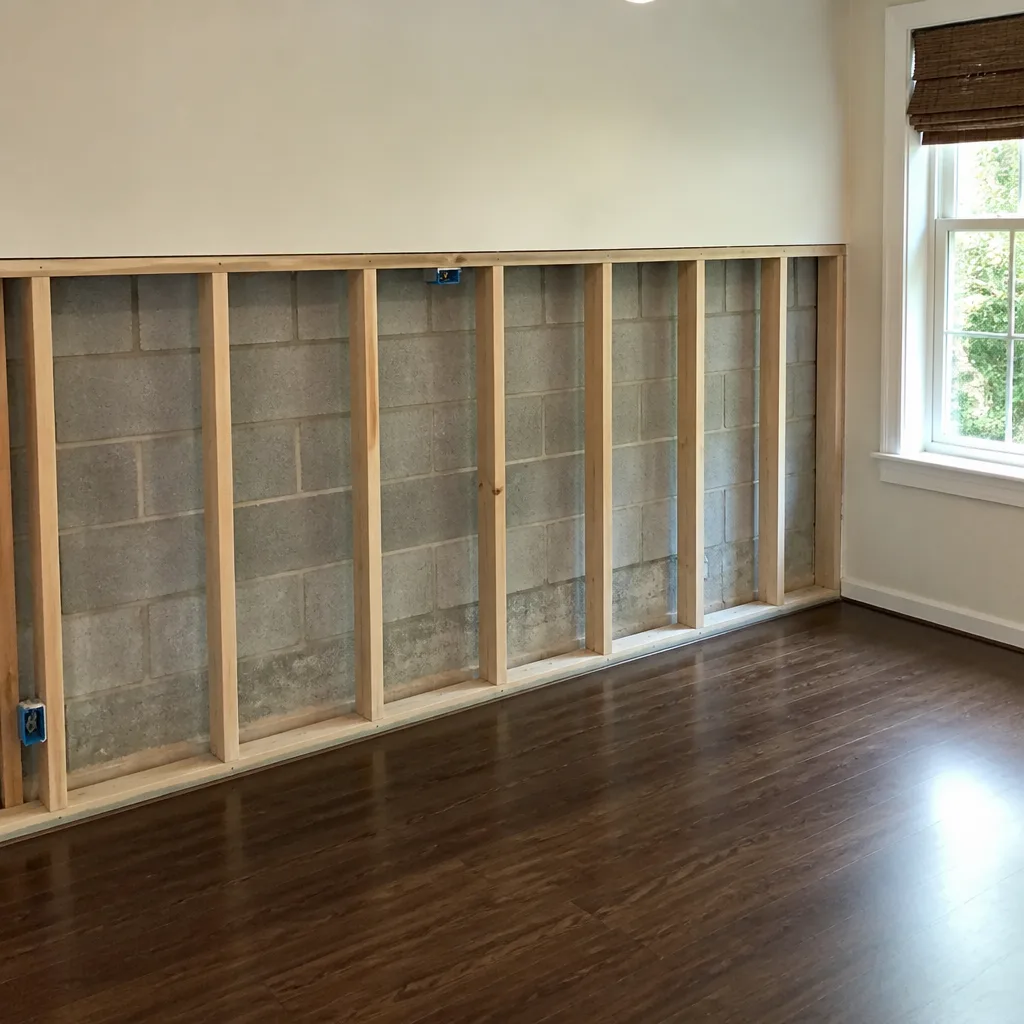
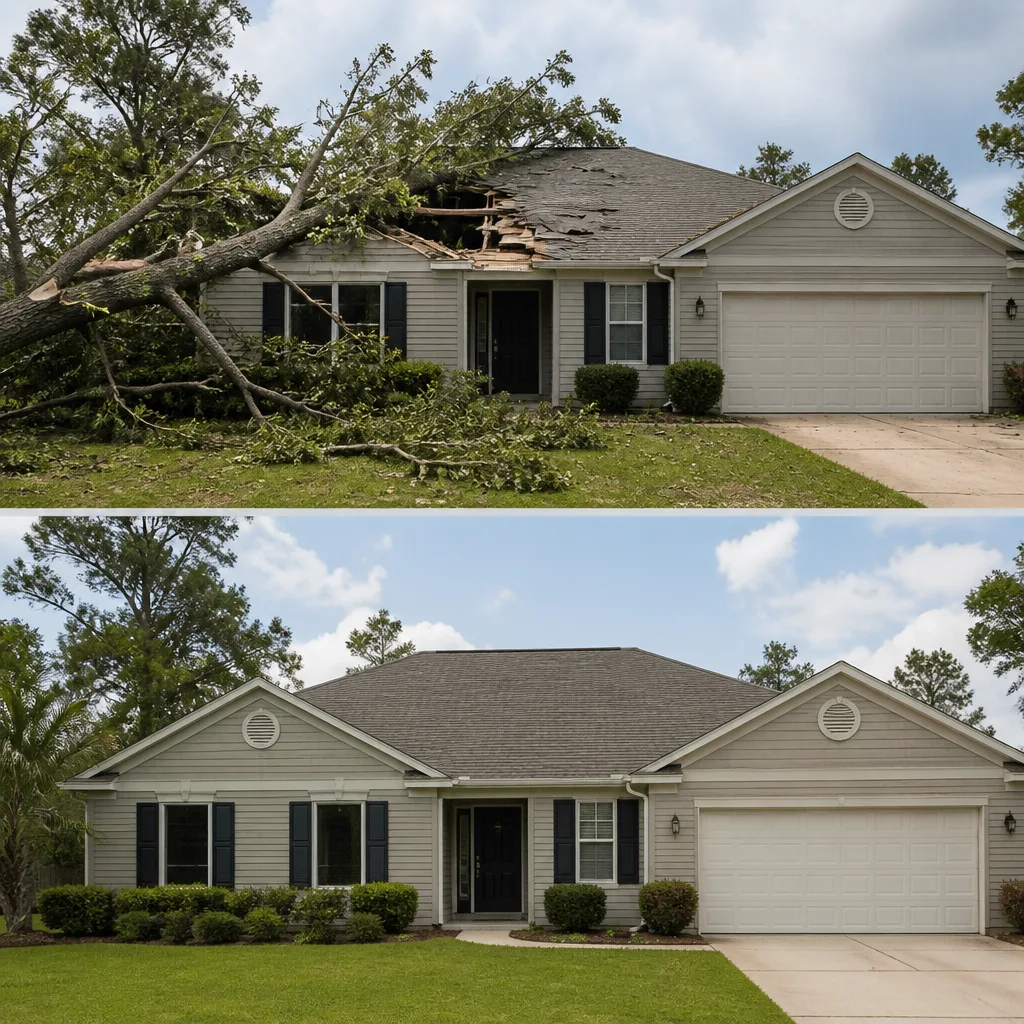
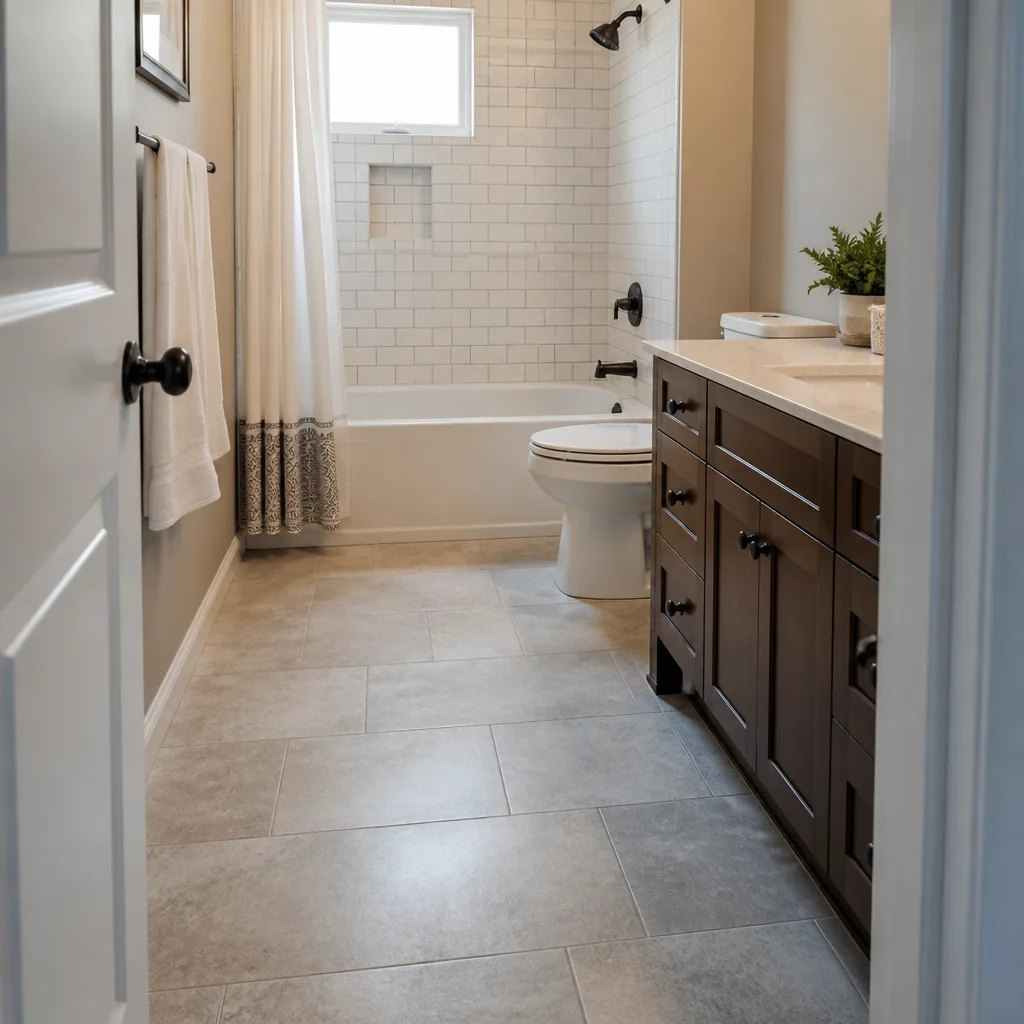
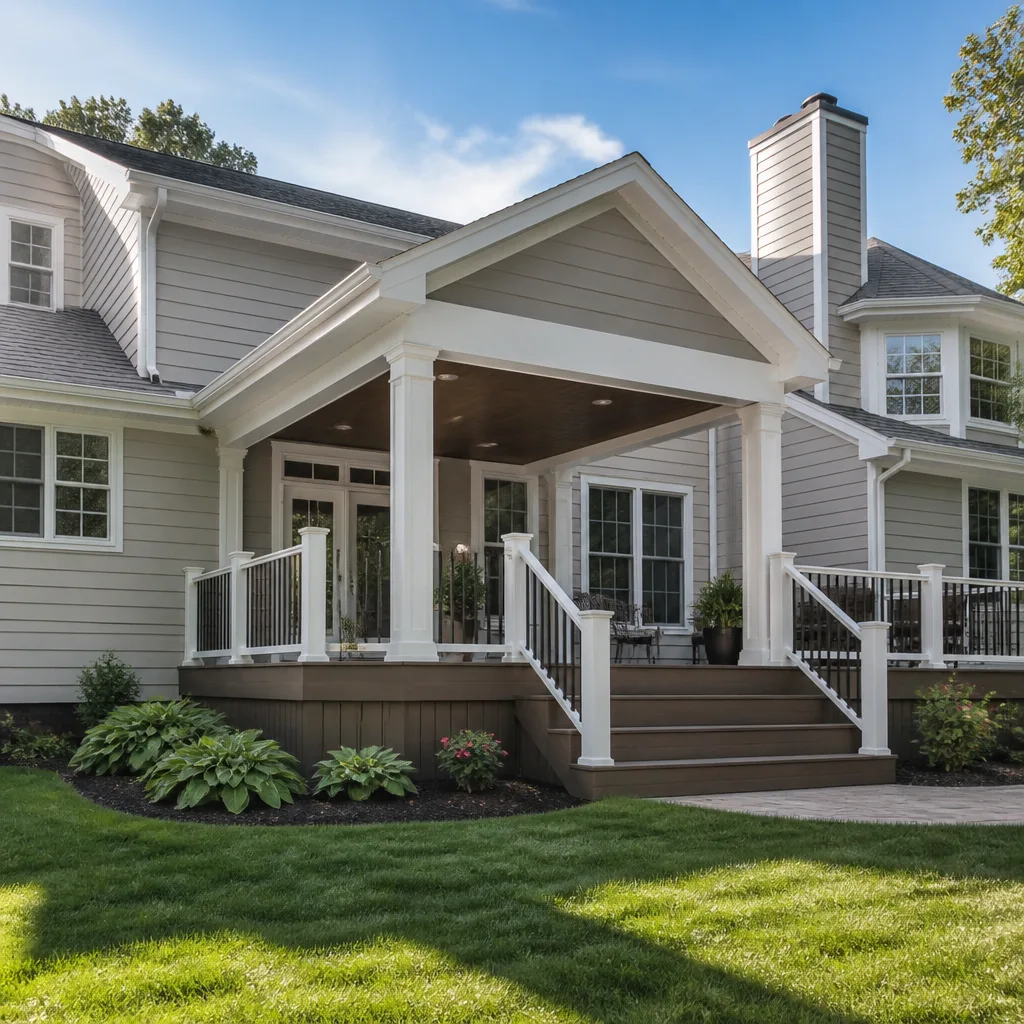
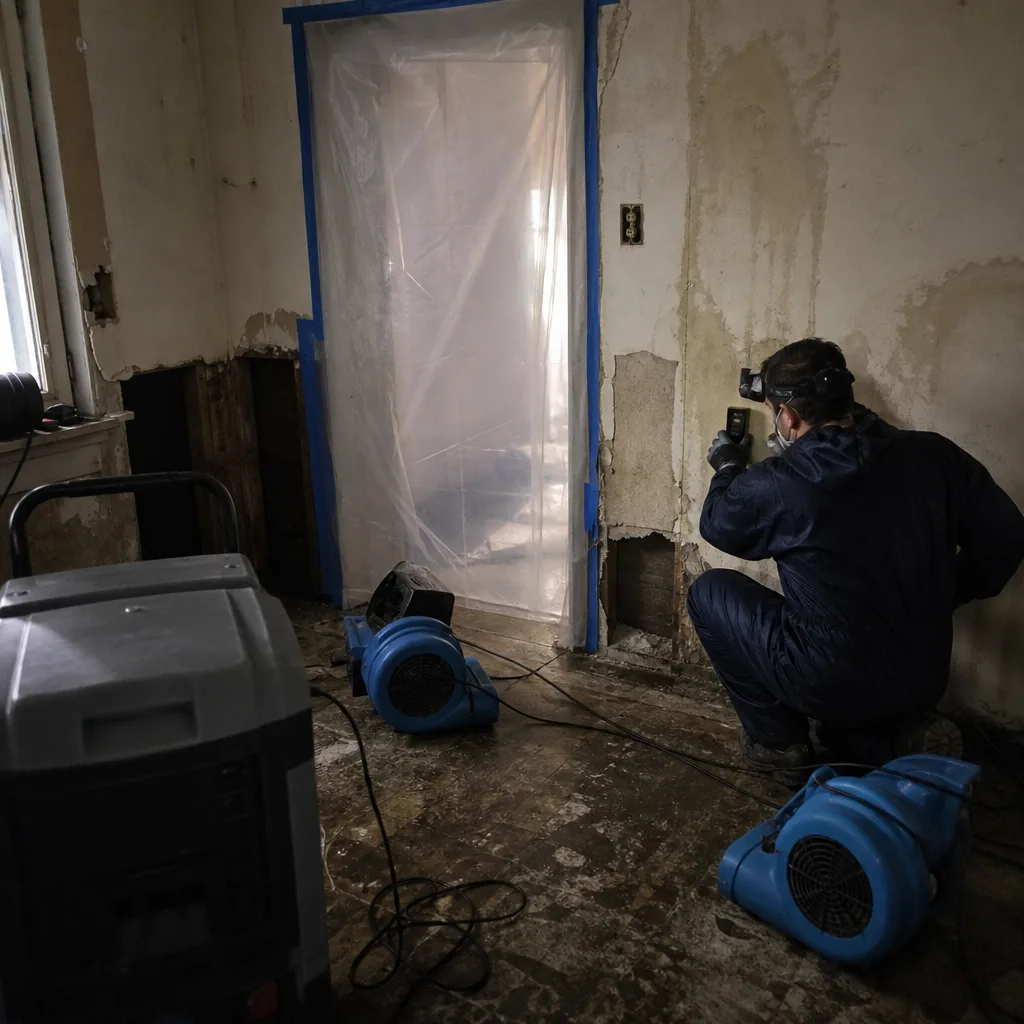 Before
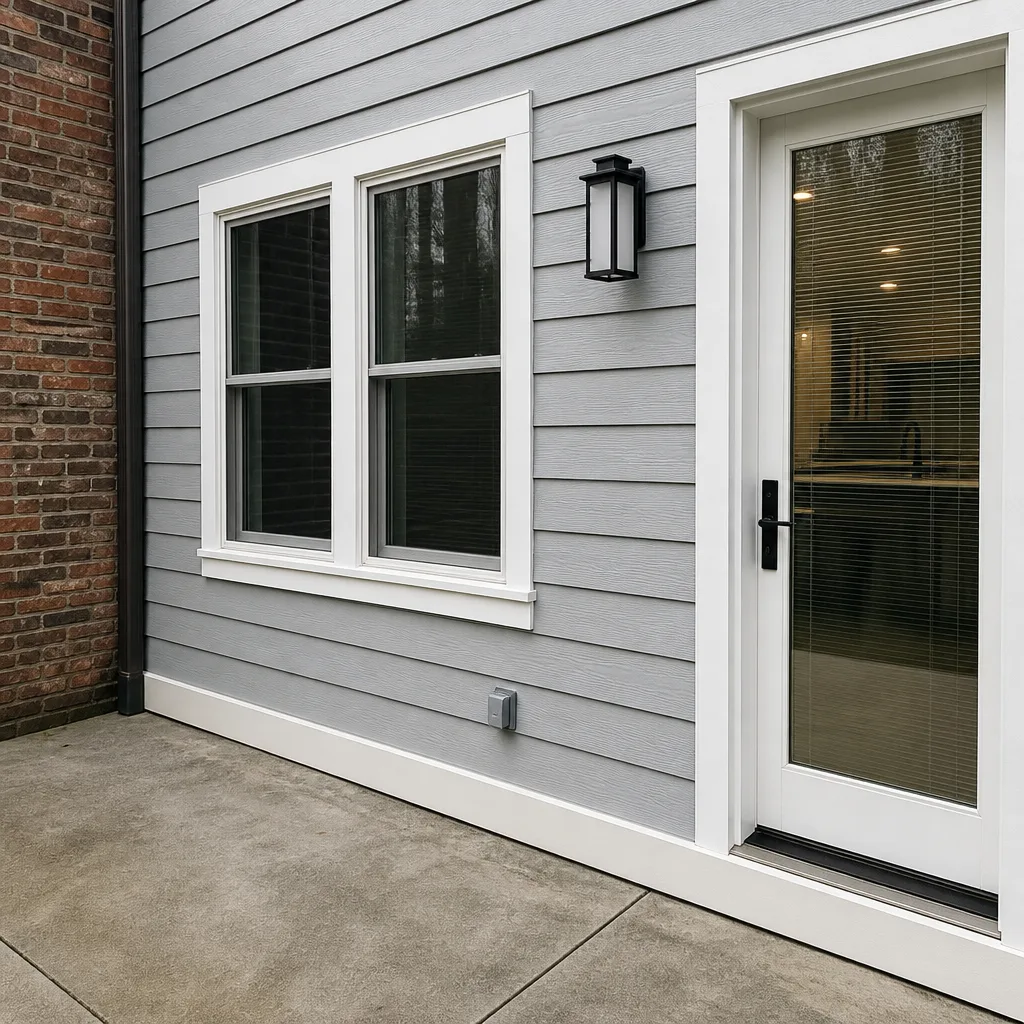 After
After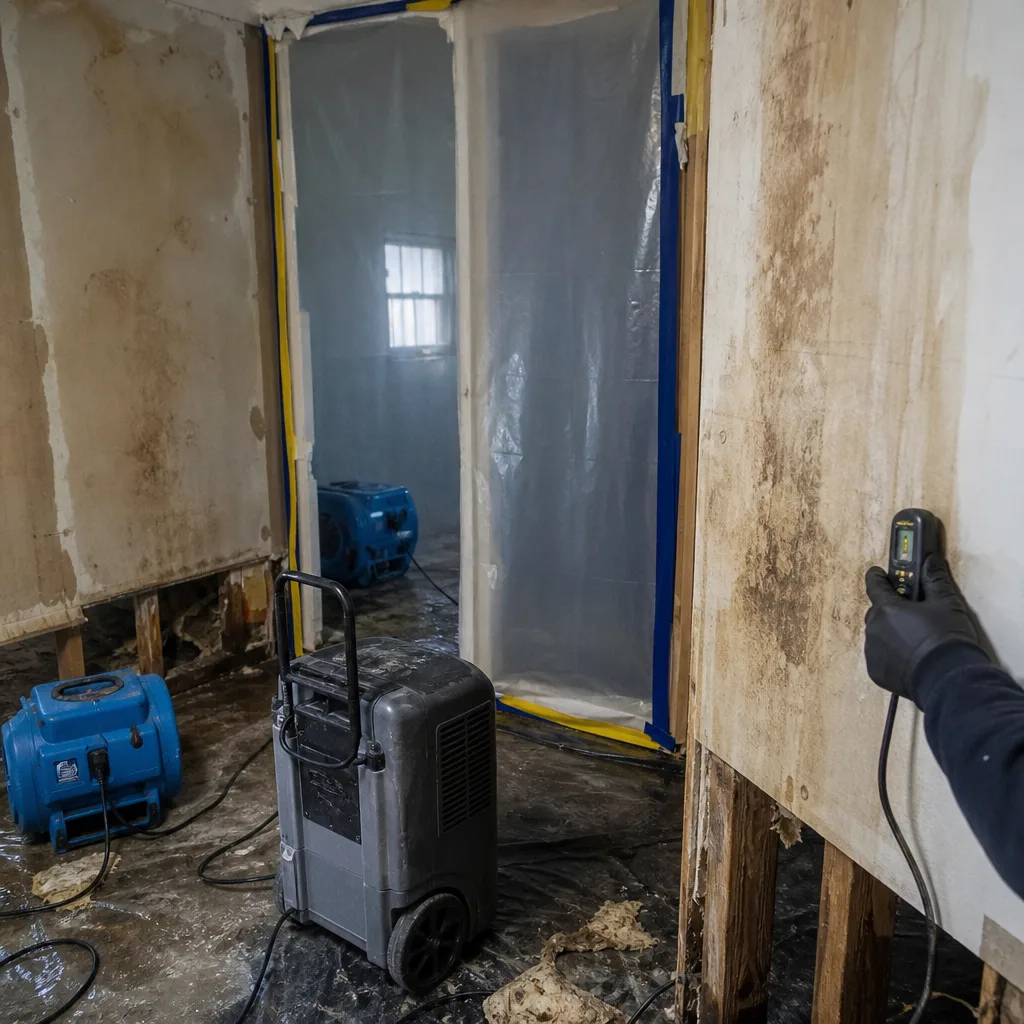 Before
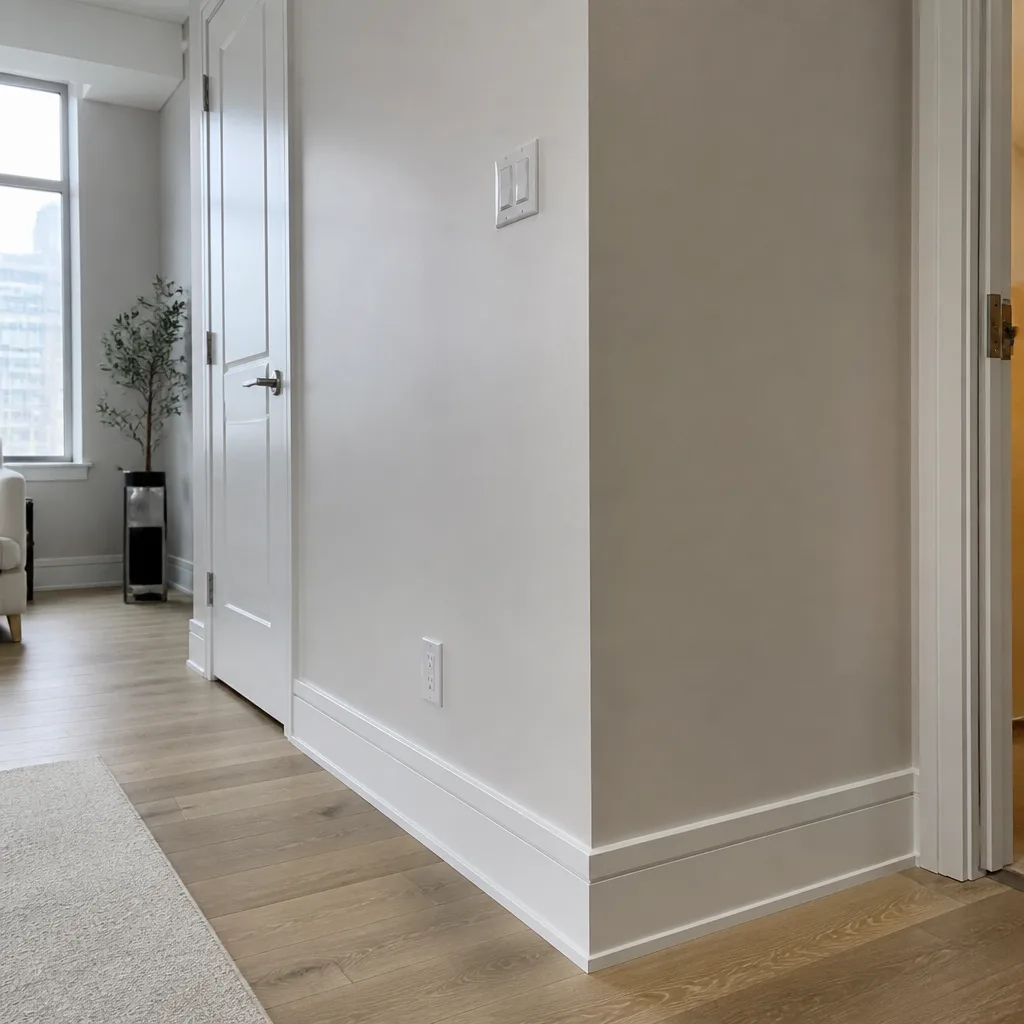 After
After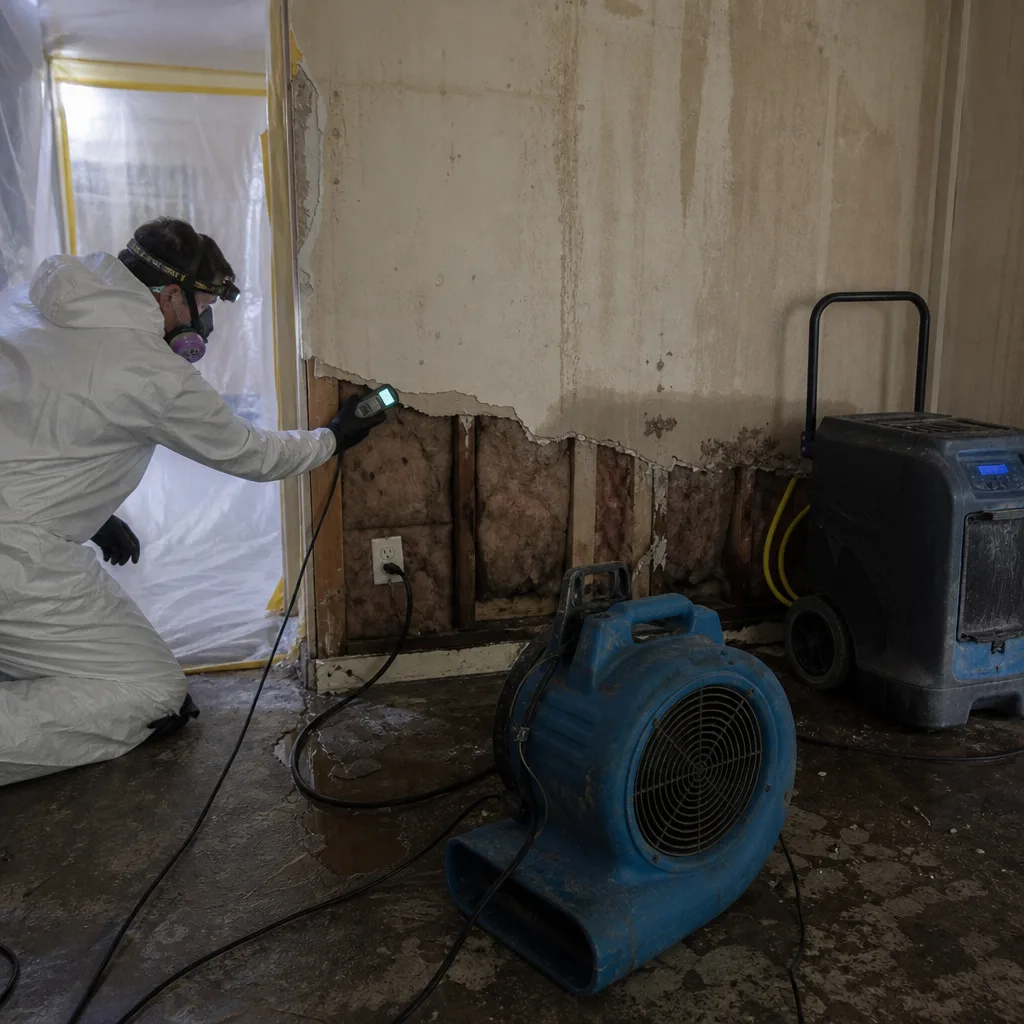 Before
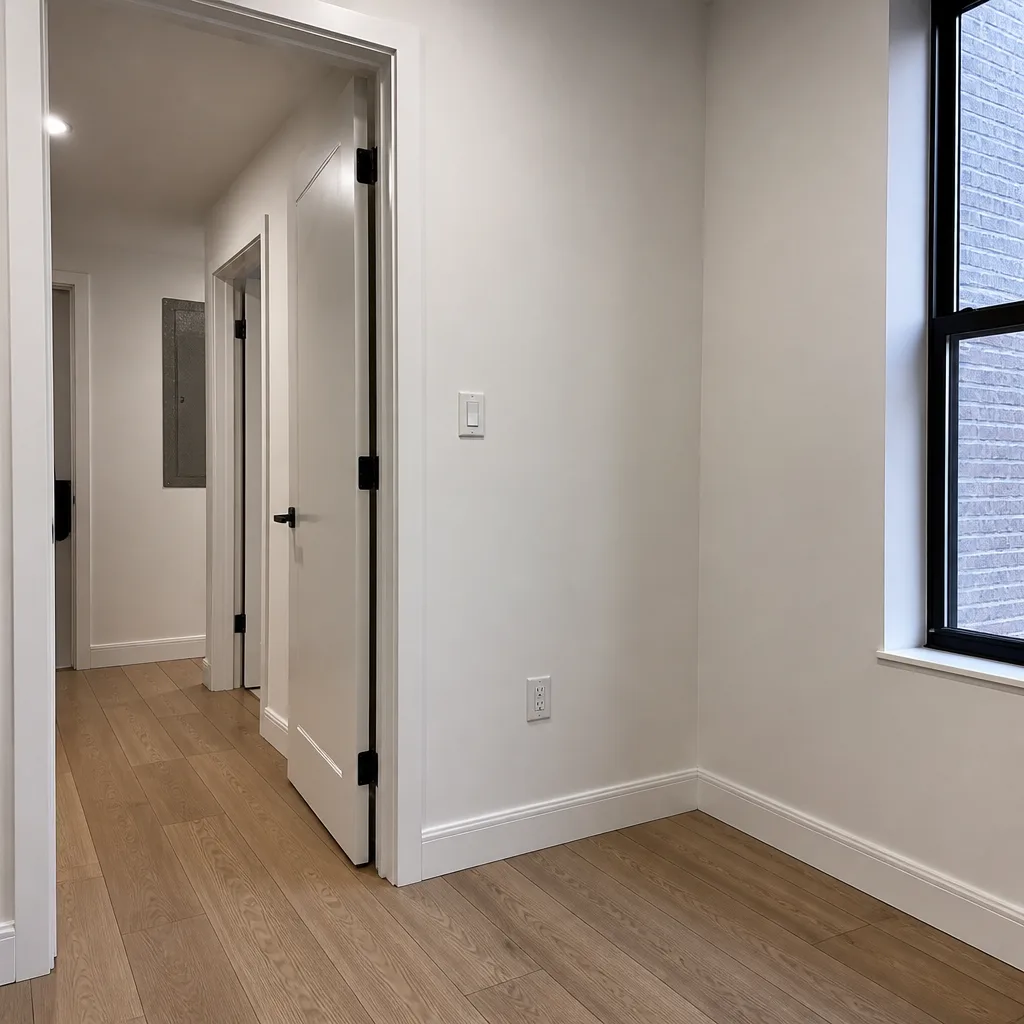 After
After24/7 Emergency Sewage Cleanup in Sunset Park
Sewage cleanup in Sunset Park typically costs $800-$3,200 for a rowhouse basement backup and $8,000-$40,000+ for a warehouse-scale Category 3 extraction at Industry City, depending on square footage, contamination depth, and what has to be removed versus dried. The job starts the moment you call (518) 663-6491. A live dispatcher answers, not a recording, and a certified crew is typically on site within 45 minutes anywhere along 3rd, 4th, or 5th Avenue.
Here’s what matters in the first hour. Raw sewage in a Sunset Park basement is Category 3 water - it carries bacteria, viruses, and parasites that move through porous materials fast. Every hour that passes pushes contamination deeper into plaster walls, wood joists, and the original brick foundations these pre-1925 rowhouses were built on. We document everything from minute one, and extraction starts the same visit. This is not a cleanup you want to wait on. The longer it sits, the more of your home has to come out.
Understanding Sewage Cleanup Severity in Sunset Park Properties
Not all water damage is the same. Category 1 is clean water from a supply line. Category 2 carries some contamination. Category 3 is sewage: toilet backflow, combined sewer overflows, storm surge that has picked up harbor waste, or anything else that has passed through the drain side of your plumbing. Category 3 is where Sunset Park calls tend to land, and it changes the entire scope of work.
The reason comes down to the neighborhood’s plumbing history. Most of the residential hillside was built between 1890 and 1925. Those original cast-iron drain stacks are now 100 to 135 years old. When NYC’s combined sewer system backs up during heavy rainfall, that raw sewage has a clear path into basements through cracked or corroded stack joints. The contamination wicks into horsehair plaster and old-growth floor joists within hours. Surface cleaning is not enough. We moisture-map the room, take readings from inside brick cavities, and pull what cannot be sanitized. In the Industry City warehouses down at the waterfront, the problem scales differently: timber-and-concrete floor systems hold Category 3 water for days, and brick piers keep wicking moisture long after the surface looks dry.
Why Sunset Park Property Owners Choose Floodline Restoration Co.
- 45-minute response commitment: Crews are staged in and around Sunset Park, so the certified team reaches your block fast - not a sales rep, actual restoration technicians with equipment on the truck.
- Live answer at 2 a.m.: Our dispatch board is staffed by real people around the clock, every day. You call, a person picks up, a crew is routed. No automated menus, no callbacks promised for the morning.
- IICRC-certified crews: Technicians hold WRT and AMRT certifications and work to IICRC, RIA, and IFA standards. The crew that extracts the sewage is the same one that logs daily moisture readings and rebuilds what needs rebuilding.
- Free visual inspection: Before anything is torn out, you get a written scope of work and a straight answer on what has to go, what can be saved, and what it will cost. No pressure, no surprise line items.
- Direct insurance billing: We deal with your carrier directly. You are not the messenger running estimates and photos back and forth. We provide the documentation, the adjuster reviews it, and we bill them for covered work.
- One team, start to finish: Extraction, drying, sanitization, and reconstruction stay with the same Floodline crew. No mid-job handoff to a subcontractor you have never met. The 90-Day Done Right Promise covers the result, in writing.
Our Sewage Cleanup Process
Inspection & Assessment
We start with a full walkthrough: site of the backup, water category, affected materials, and moisture readings from walls, floors, and brick core cavities. You get a written scope before any equipment is unloaded.
Extraction & Stabilization
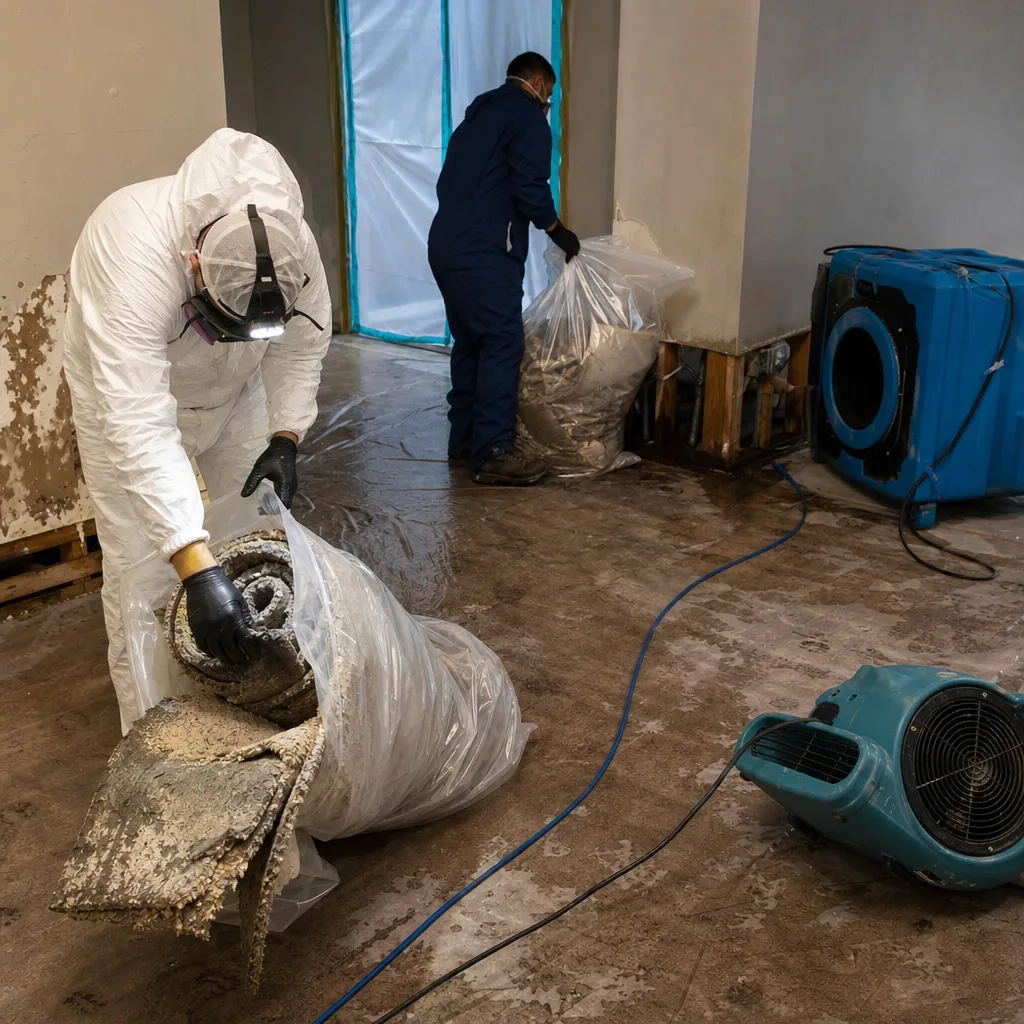
Category 3 water comes out with truck-mounted and portable extraction units. We remove saturated materials that cannot be safely sanitized: carpet, padding, drywall below the waterline, and any plaster that has absorbed sewage.
Drying & Dehumidification
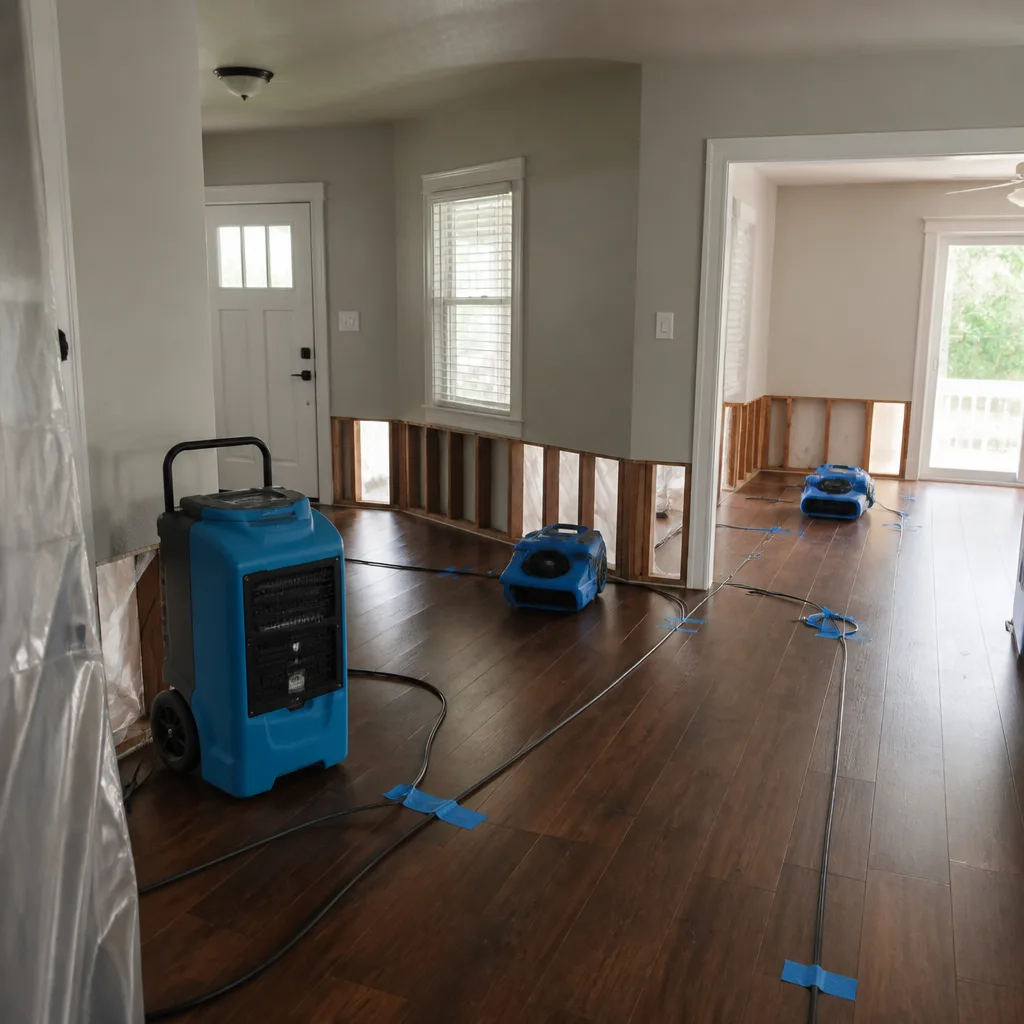
We run Dri-Eaz and Phoenix dehumidifiers with XPOWER air movers placed on an engineered layout, not scattered around the room. Daily moisture readings are logged until the dry standard is met, and the log goes to you and your carrier.
Cleaning & Sanitization
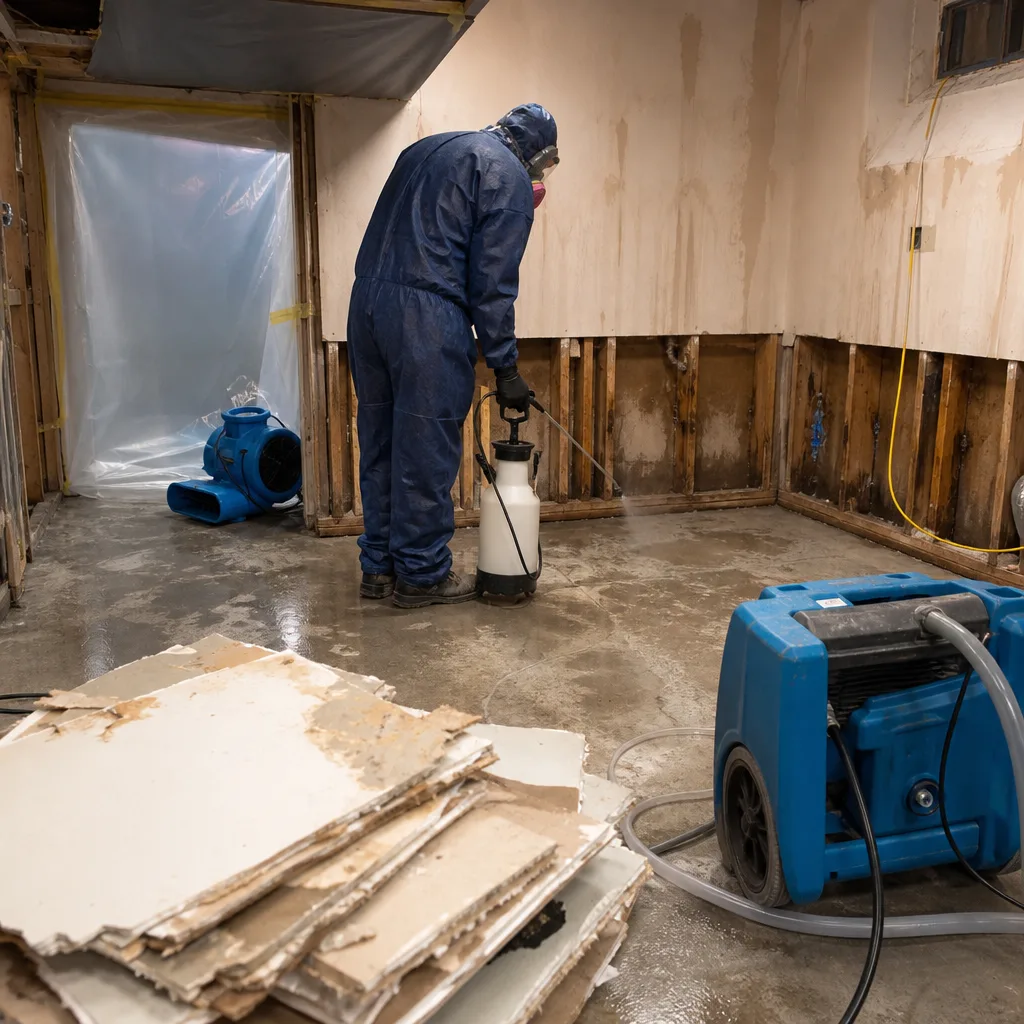
EPA-registered antimicrobials are applied to all remaining structural surfaces. HEPA air scrubbers run throughout to pull airborne contaminants. This step is about making the space safe, not just making it look clean.
Specialty Treatment for Sewage Contamination
Cast-iron drain stacks in pre-1925 rowhouses get camera inspection for cracks that could re-break. Brick piers and timber floor systems at waterfront buildings get sealed and treated after extended structural drying, because those materials hold pathogens differently than modern framing.
Repairs & Restoration
The same Floodline crew handles the rebuild: drywall, trim, flooring, paint, and any plumbing or drain repairs the backup exposed. It is not done until it is done right, and that is backed in writing for 90 days.
Need Emergency Sewage Cleanup in Sunset Park Now?
Crews minutes away, answering live 24 hours a day. The sooner we start, the less it costs.
Working With Your Insurance Company
Sewage backup claims are usually covered under water backup provisions or flood policies depending on the source, but carriers want proof of what happened, when, and what it cost to fix. We handle that paper trail from the first hour. Our crews photograph every affected room before touching a single board, log moisture readings daily, and build a line-item scope the adjuster can actually read. You do not chase your carrier, and you do not translate between us and them.
What We Provide Your Insurer
- Thorough documentation of the loss
- Photos of all damage, room by room
- Moisture readings and drying logs
- A detailed, line-item scope of work
- Direct coordination with your carrier
Built for Sunset Park’s Loss Calendar
Sewage backup calls in Sunset Park do not spread evenly through the year. Late winter and early spring bring the first wave: snowmelt and heavy rain overload the combined sewer system, and raw sewage pushes up through basement floor drains in the lower blocks between 3rd and 5th Avenues. Nor’easter season, roughly October through April, is the second driver. Storm surge from Upper New York Bay pushes into the waterfront corridor, flooding Industry City floor plates and the residential streets below the park slope. Summer thunderstorms, short and violent, overwhelm street drainage in minutes and back up the same cast-iron stacks that have been handling surge water since 1910. Each season hits the same aging infrastructure a different way, which is why we keep crews staged near the neighborhood year-round and dispatch from a live board, not a voicemail box.
Sewage Cleanup Across Sunset Park’s Neighborhoods
Sunset Park is not one building type; it is a steep grade running from the park ridge at 43rd Street down to the waterfront, and each band of that slope fails differently. Up near the park itself, the hilltop rowhouses between 6th Avenue and the park edge deal with aging parapet walls that let rainwater in behind brick facades. That rainwater sits, finds a cracked cast-iron vent stack, and mixes with sewer gas and backup. Lower down, between 4th and 3rd Avenues, the blocks closest to the water deal with storm surge and combined sewer overflows at the same time: sewage pushes up through floor drains while saltwater presses in from the street side. Over on the waterfront, Industry City is its own category entirely. The 1890s brick piers and timber floor systems hold Category 3 water far longer than any rowhouse, and drying a 40,000-square-foot floor plate takes an engineered air mover layout, not a few fans. We route crews differently depending on which part of sunset park they are headed into: residential setups for the hillside blocks, industrial-scale extraction setups for the warehouses below 2nd Avenue.
Specialized Sewage Cleanup Services We Offer in Sunset Park
Sewage Backup Cleanup
When the combined sewer backs up into a rowhouse basement near 40th Street or 43rd Street, the water that comes through the floor drains is Category 3. We extract it, cut out the contaminated materials, sanitize what remains, and dry the structure to the reading, not to the calendar. This is the most common call we run in Sunset Park’s residential blocks.
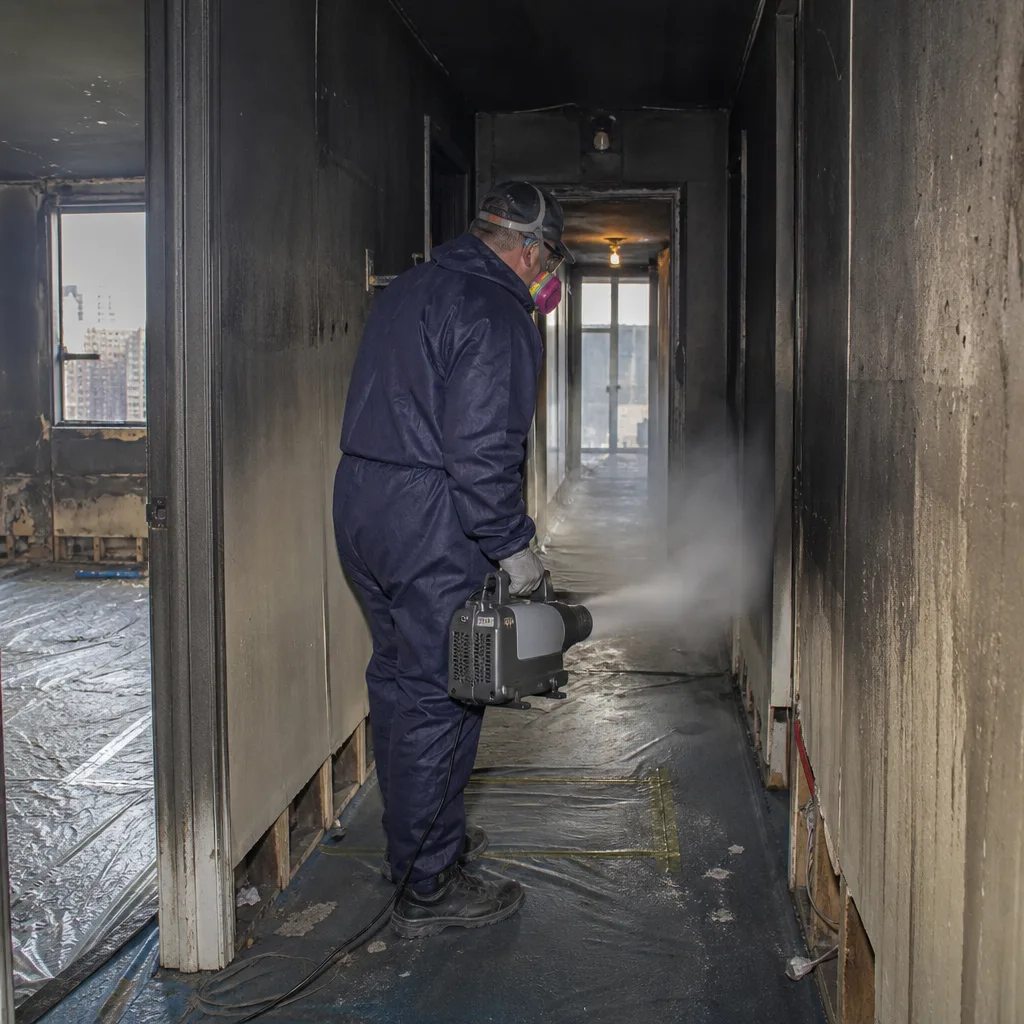
Toilet Overflow Cleanup
A toilet overflow that has been left to sit for even a few hours is not a mop-up job. Pathogens move laterally under tile, into subfloor, and up baseboards fast. We contain the affected room, extract, remove flooring and drywall as needed, and run HEPA air scrubbers while the cleaning takes place. You are not living with a lingering odor for months.
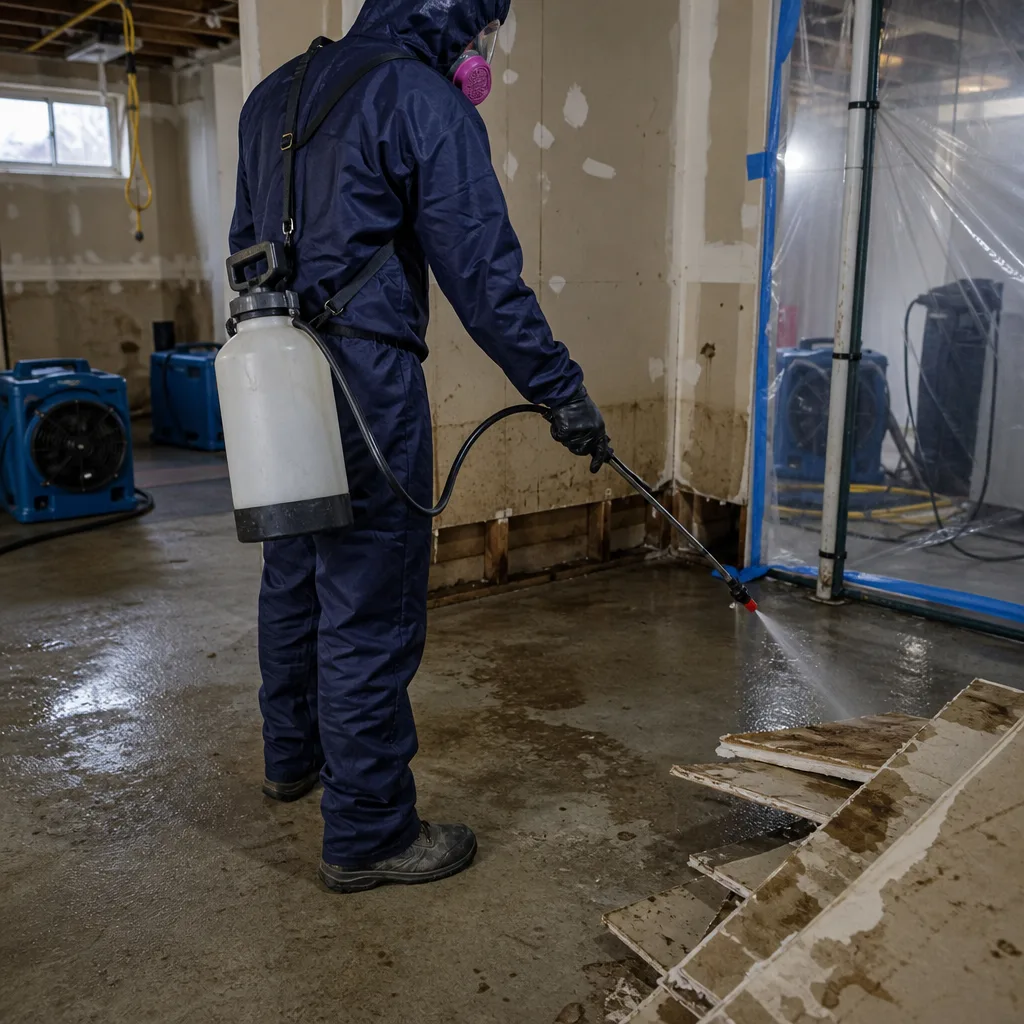
Septic Failure Cleanup
Most of Sunset Park’s residential plumbing is municipal sewer, but a handful of older buildings near the industrial waterfront still operate on legacy septic or holding systems. When those fail, the contamination is Category 3, and the failure point matters. We locate the source, stop the inflow, extract, and sanitize, then coordinate the repair so the same crew handles the whole job.
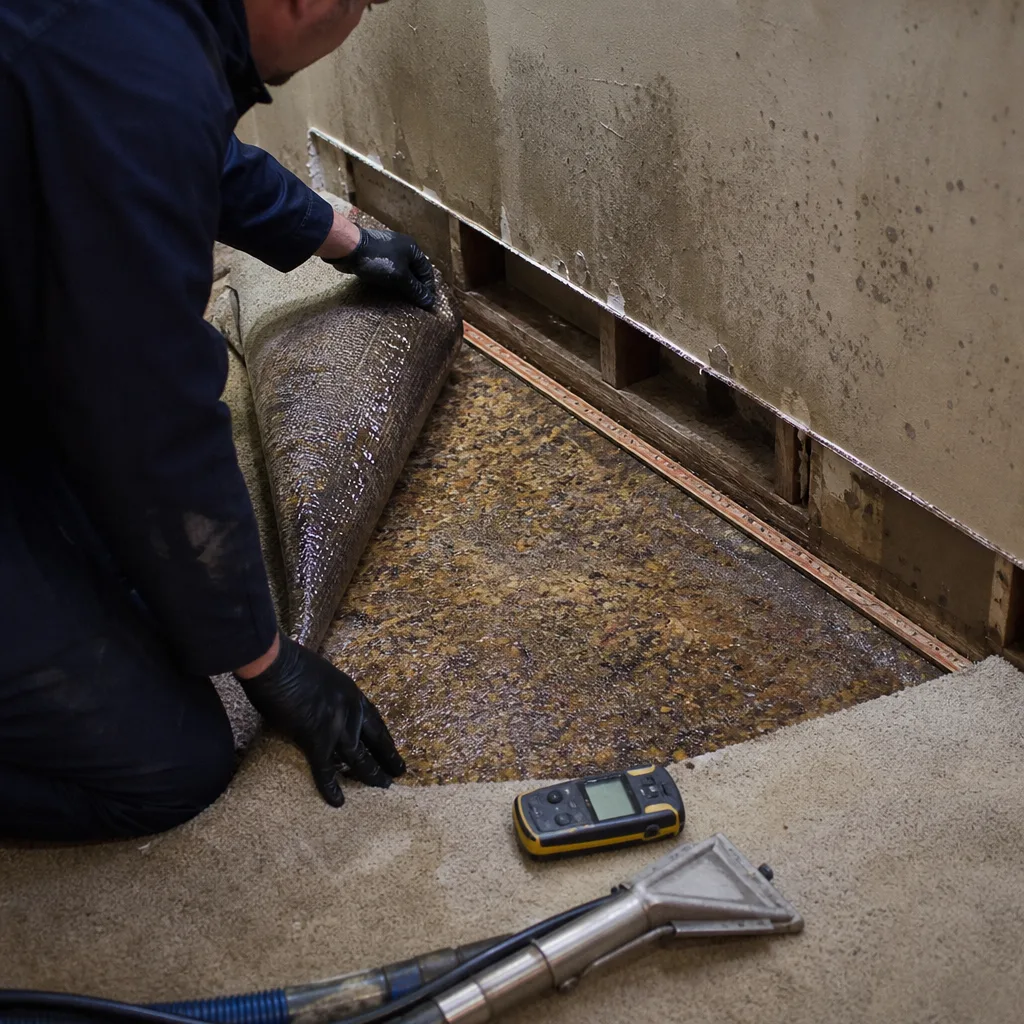
Black Water Extraction
Black water is the technical term for sewage, floodwater, and anything else carrying biological contamination. In Sunset Park, that means storm surge that has picked up harbor waste and pushed into Industry City floor plates, and combined sewer overflows in residential basements below the grade break. Our truck-mounted extractors handle both scales, and we follow up with structural drying because black water in brick and timber does not dry on its own schedule.
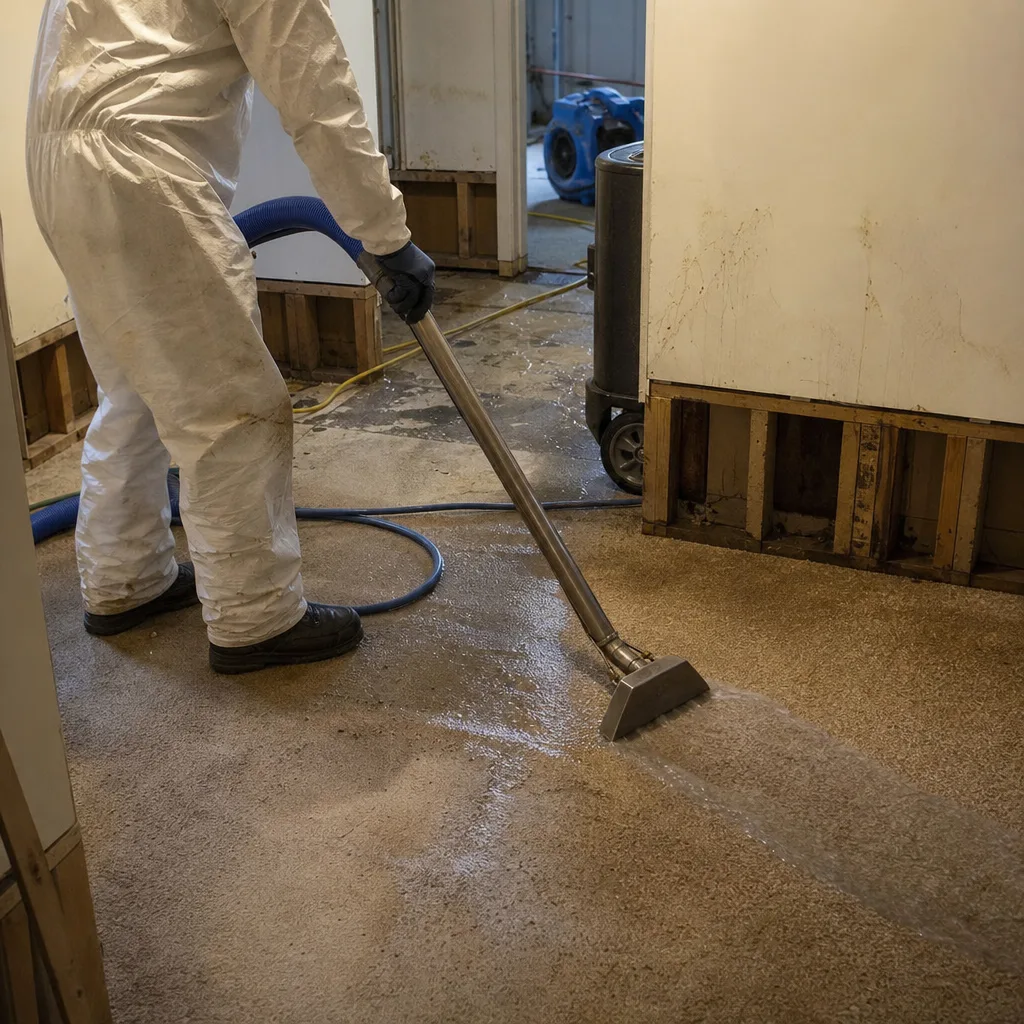
Sanitization & Disinfection
Extraction stops the spread. Sanitization is what makes the space actually safe to be in again. We apply EPA-registered antimicrobials to every surface the sewage touched, including the inside of wall cavities and the tops of floor joists. In pre-1925 construction, that means treating materials that are original to the house, which requires care that a modern drywall box does not.
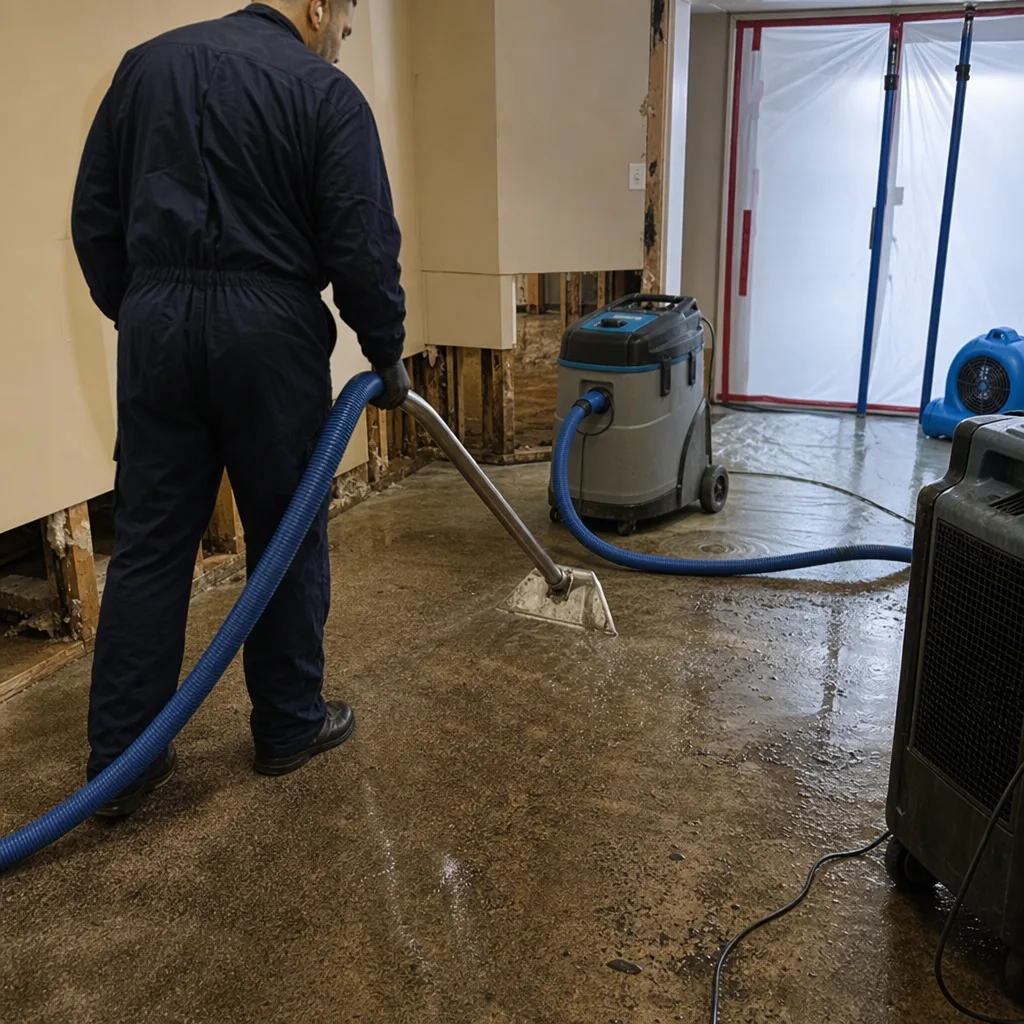
Crawl Space Sewage Removal
Sunset Park rowhouses have shallow, tight crawl spaces under the older sections. When a drain line fails under the floor, sewage pools in a space that is difficult to access and even harder to dry. We use low-profile extraction and portable drying equipment built for tight access, then sanitize every surface before sealing the space properly.
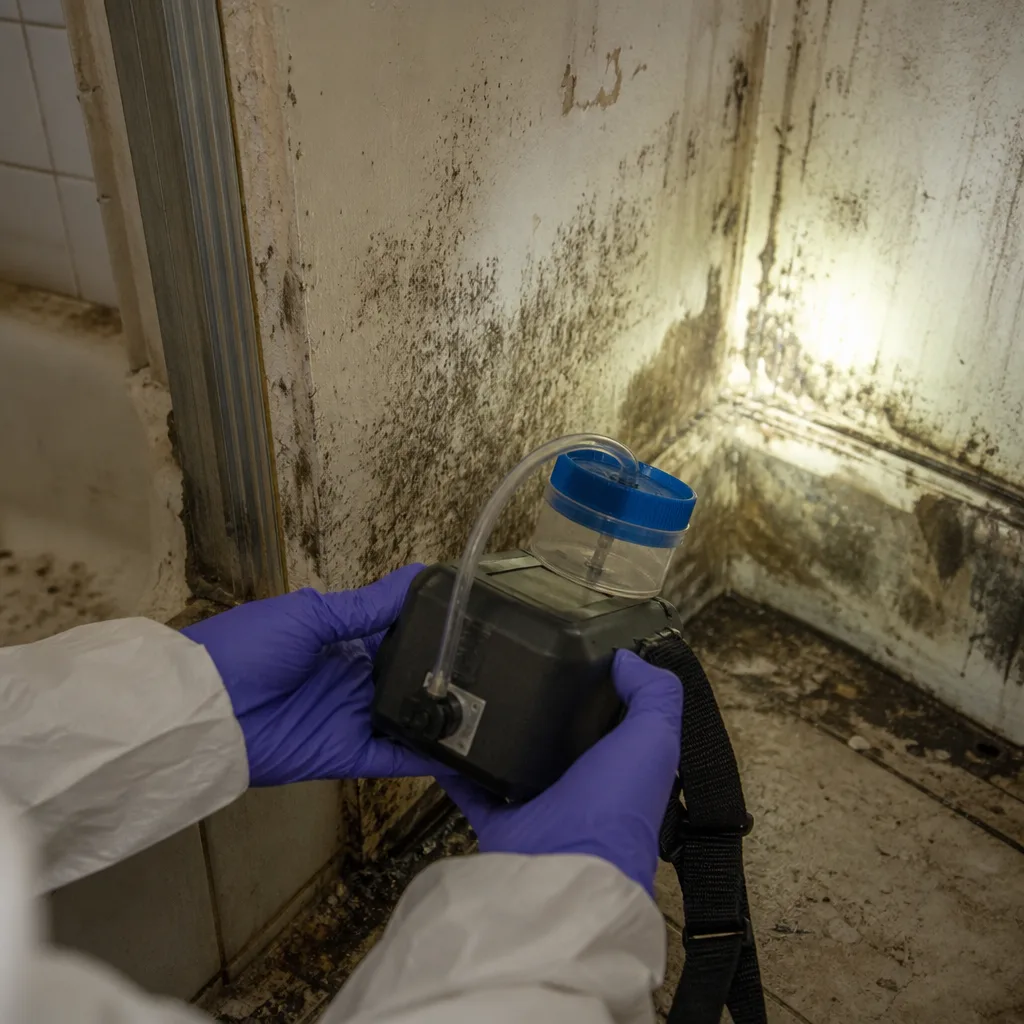
What happens when you call
- 1
A real person answersNo phone trees - you reach a local pro.
- 2
You get an upfront price rangeHonest numbers before anyone is dispatched.
- 3
A background-checked tech heads outLicensed & insured, dispatched right away.
- 4
You approve before work beginsNothing starts until you say go.
Sewage Cleanup Costs in Sunset Park, NY
For a residential basement backup in a rowhouse on 40th through 45th Street, expect $800-$3,200 depending on how far the sewage has spread and what has to be cut out. A toilet overflow contained to one bathroom typically lands around $700-$1,800. Full basement pack-out with wall and flooring removal in a finished basement can run $3,500-$8,000. Warehouse-scale work at Industry City starts around $8,000 and scales with square footage: a 40,000-square-foot floor plate with extended structural drying routinely lands in the $15,000-$40,000+ range.
What moves the price is not the company; it is the Category 3 reality. Contaminated plaster in a century-old rowhouse cannot be surface dried. It comes out. Brick piers and timber floor systems need extended drying and repeated moisture mapping, which takes equipment days that a clean-water job never needs. The fastest way to a firm number is a free visual inspection and a written scope. Insurance covers most backup and surge claims; for anything out of pocket, estimates from Floodline are free, and the Senior & Veteran 5% discount always applies. Call (518) 663-6491.
We Also Serve Cities Near Sunset Park
Floodline crews run sewage cleanup in Sunset Park and the surrounding Brooklyn and Lower Manhattan neighborhoods: Financial District, Lower Manhattan, Washington Square, and Brooklyn Heights. Same live answer, same 45-minute response commitment, same one-team-from-extraction-to-rebuild standard.
Serving Sunset Park, NY - Our Local Coverage Area
We’re based in the Sunset Park area and know this community well. Use the map below to see our service coverage - if you’re nearby, we can almost certainly help.
Sunset Park Sewage Cleanup Questions, Answered
How long does sewage cleanup take in an Industry City warehouse versus a Sunset Park rowhouse?
A rowhouse basement backup near 3rd or 4th Avenue usually takes 3-7 days from extraction to dry standard, depending on how far contamination spread. An Industry City floor plate takes 10-20+ days because brick piers and timber floor systems wick moisture long after surface readings drop. The same crew handles both, and drying logs document every reading until the structure hits pre-loss condition.
Why do sewer backups on the lower blocks of Sunset Park always involve Category 3 water?
The lower blocks between 3rd Avenue and the waterfront tie into NYC’s combined sewer system, which carries raw sewage and stormwater in the same pipes. Heavy rain or nor’easter surge overwhelms the system, and what comes up through floor drains is sewage mixed with runoff. That is Category 3 by definition. There is no such thing as a minor combined sewer backup in this part of the neighborhood: any water that has passed through the drain carries pathogens.
Do we need to move out of our Sunset Park rowhouse during sewage cleanup?
It depends on how far contamination has spread. If sewage is contained to an unfinished basement, you can often stay while we work, especially once negative air containment is set. If the backup has contaminated living space, moved through plaster walls, or affected bedrooms, we recommend temporary relocation until the space passes post-remediation verification. We will tell you straight in the first inspection, and we work with your carrier on covered relocation costs.
What’s different about sanitizing a pre-1925 brick rowhouse after sewage backup?
Modern construction has clean surfaces and defined cavities. A pre-1925 rowhouse has horsehair plaster, original wood joists, and brick walls that have been absorbing moisture for a century. Sewage penetrates those materials deeper and faster, so sanitization has to reach inside wall cavities and along joist tops, not just across visible surfaces. We treat materials original to the house with the same care as the finished space, because you are not rebuilding the framing; you are restoring it.
Can you handle both our basement backup and the stormwater pooling from the steep grade drop?
Yes. The grade drop from the park ridge at 43rd Street down to the waterfront means stormwater pools at the bottom of the slope and pushes into basements alongside sewer backup in heavy rain. We treat both as one loss: extract the Category 3 water, map the full moisture footprint, and dry the structure to the same standard. The crew reads that moisture map on day one and handles daily readings through the end of the job.
How fast can someone actually get to Sunset Park?
Our crews are staged in and around the neighborhood, and a live dispatcher routes the nearest available team when you call (518) 663-6491. Most Sunset Park calls see a certified technician on site within 45 minutes. That is a commitment, not a marketing line. The sooner extraction starts, the less demolition is required.
Will my insurance cover sewage backup cleanup?
Most homeowner policies cover sewage backup under a water backup endorsement, and flood-related surge is handled under flood policies. Whether your specific loss is covered depends on the source and your policy language; we photograph and document everything from the first hour so your carrier has exactly what it needs. We bill the carrier directly for covered work, so you are not fronting the cost and waiting for a check.
What should I do in the first 30 minutes after discovering a sewage backup?
Do not walk through it and do not try to vacuum or mop it. Turn off any electrical breakers that may be in contact with water if you can do so safely, keep children and pets out of the affected area, and call (518) 663-6491. Take photos from a safe distance if you can. The goal in the first 30 minutes is to stop the spread and get a certified crew moving toward your door.
Sunset Park’s sewage cleanup reality is different from any other Brooklyn neighborhood: a steep hillside of century-old brick rowhouses that fail through original cast-iron stacks, and a flood-zone waterfront where warehouse-scale Category 3 extraction is the baseline. Floodline Restoration Co. has the equipment, the certifications, and the local experience to handle both ends of that split. One team from extraction through rebuild, direct insurance billing, and the 90-Day Done Right Promise in writing. Call (518) 663-6491 for a free inspection and a firm written scope. The sooner we start, the less it costs.
Written by Curt Bowman, Owner at Floodline Restoration Co., serving Sunset Park and the surrounding NYC metro with sewage cleanup and full restoration.