
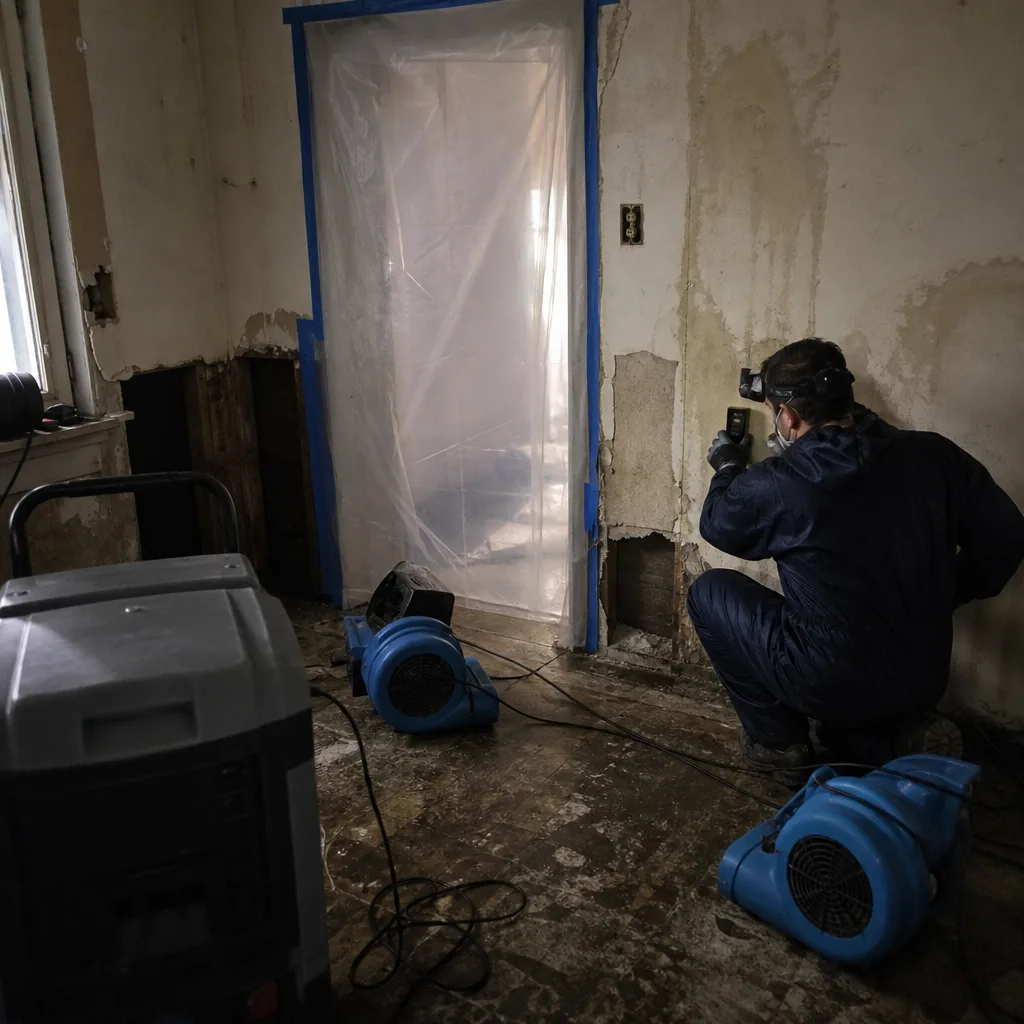
Free visual inspection and a written scope of work before any mitigation begins - photos, moisture readings, and drying logs go in your claim file
The scope we write is the scope we bill. Anything new gets shown to you, in writing, before we touch it.

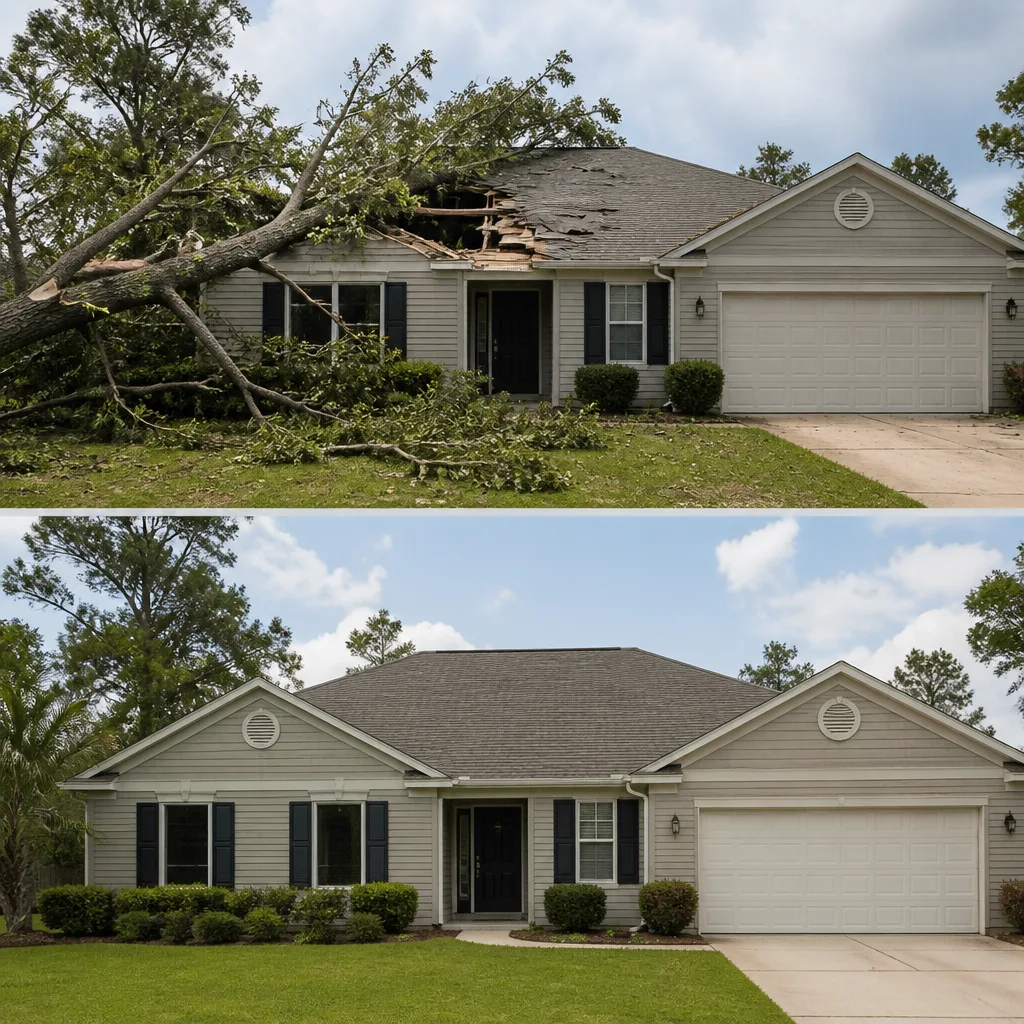
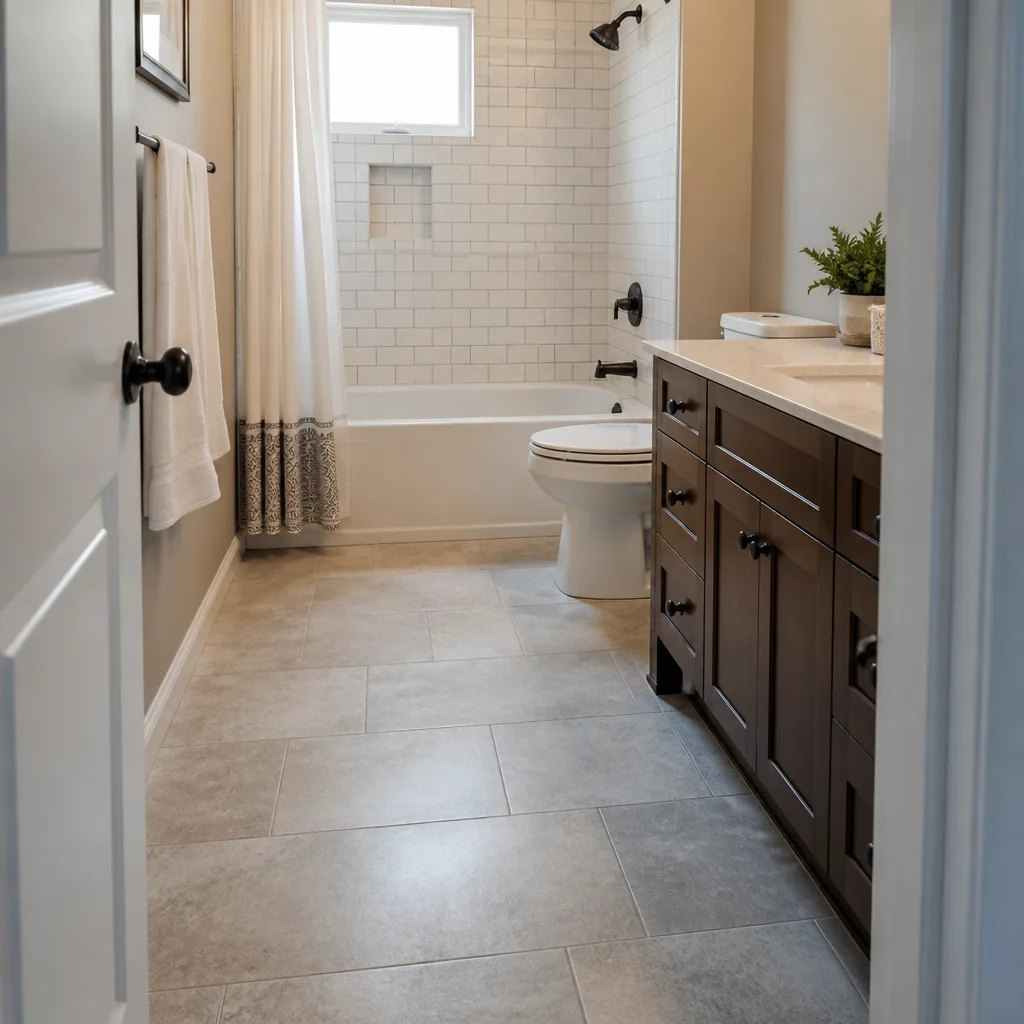
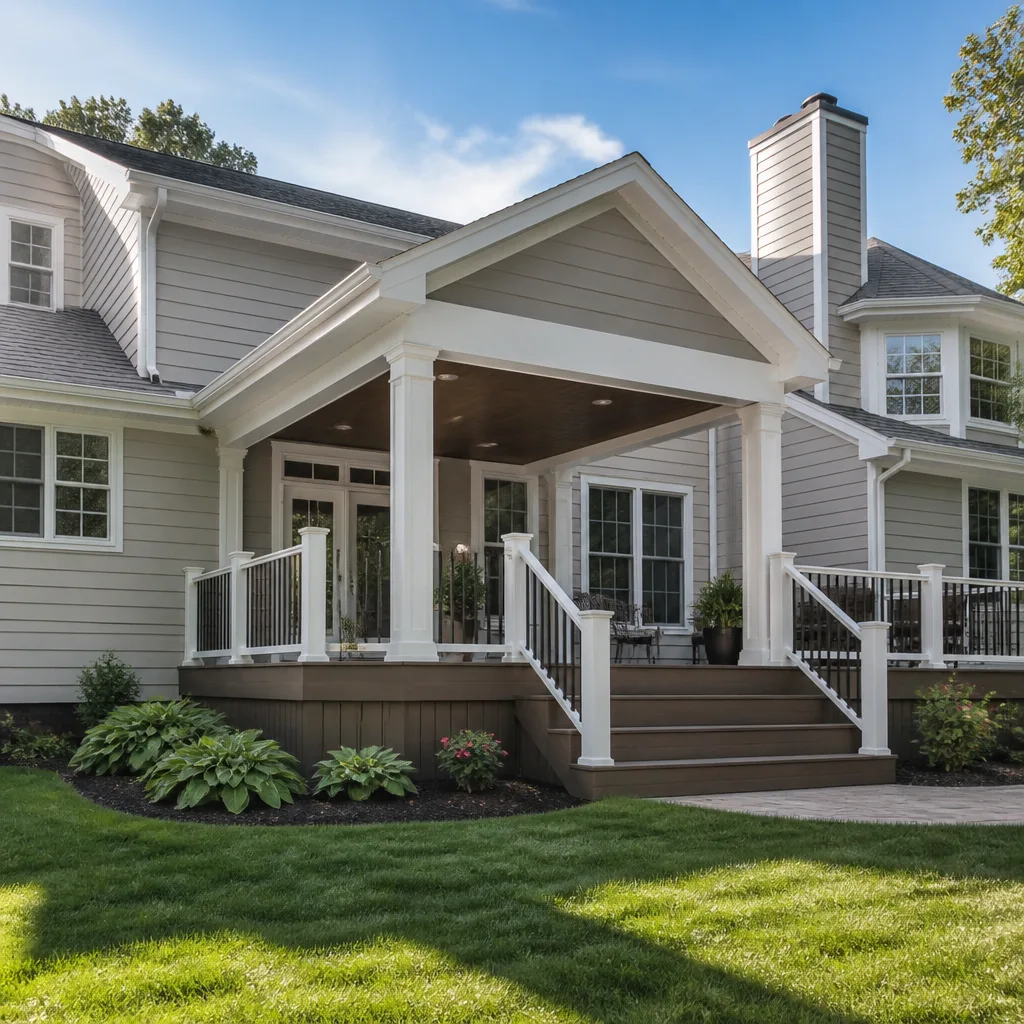
 Before
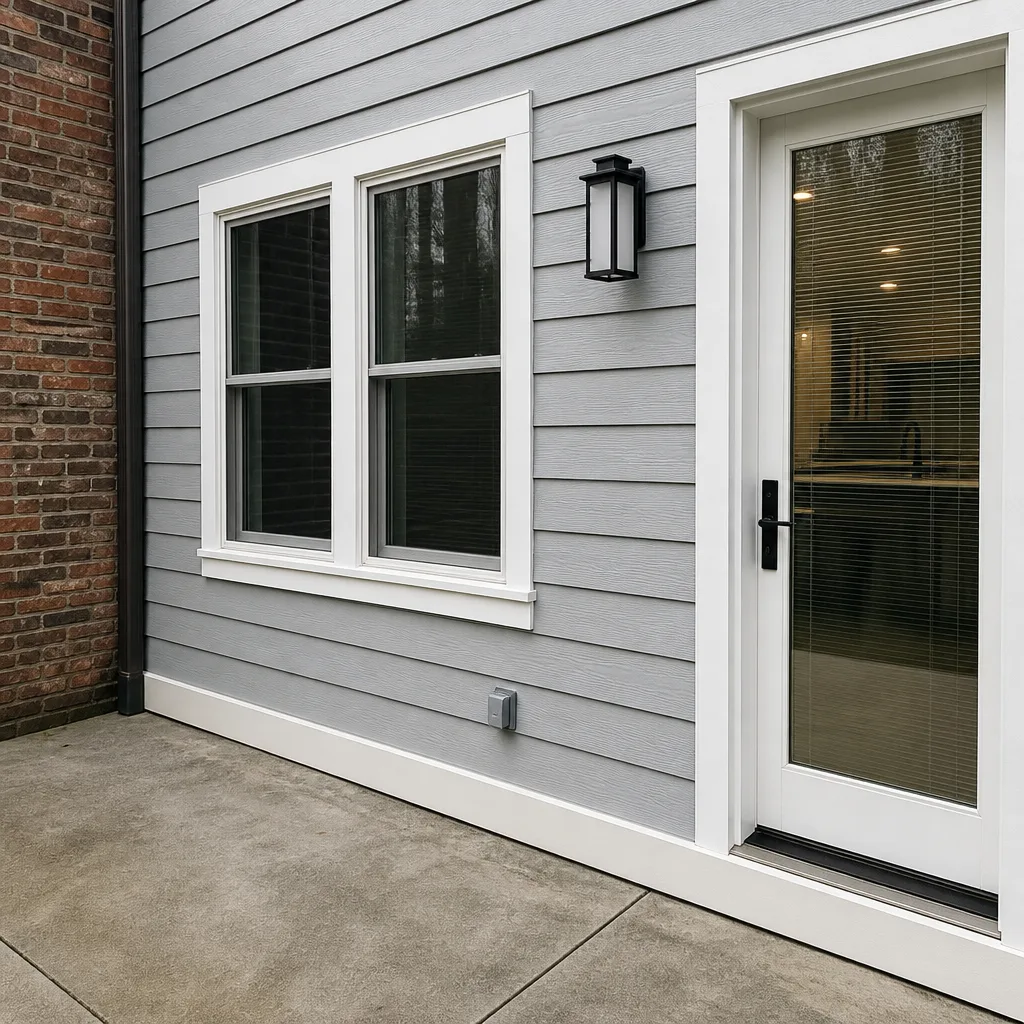 After
After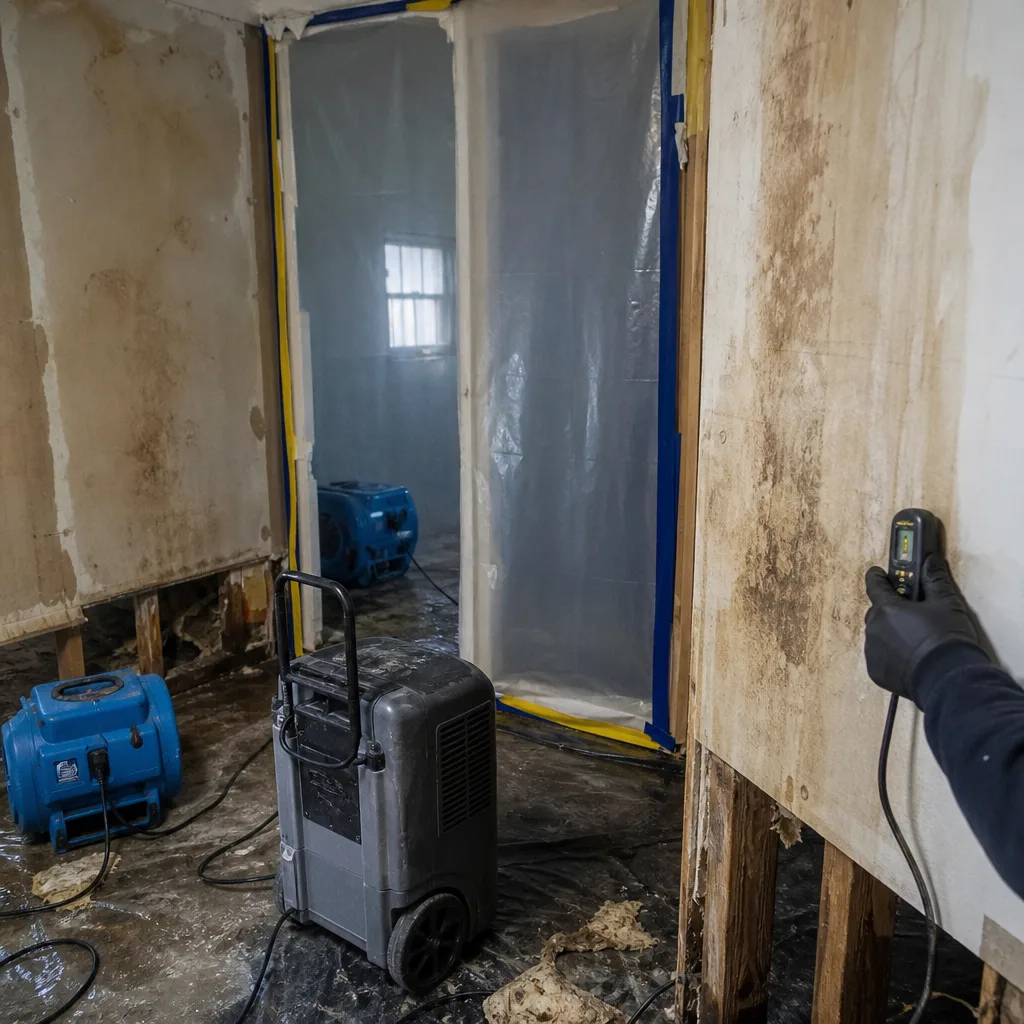 Before
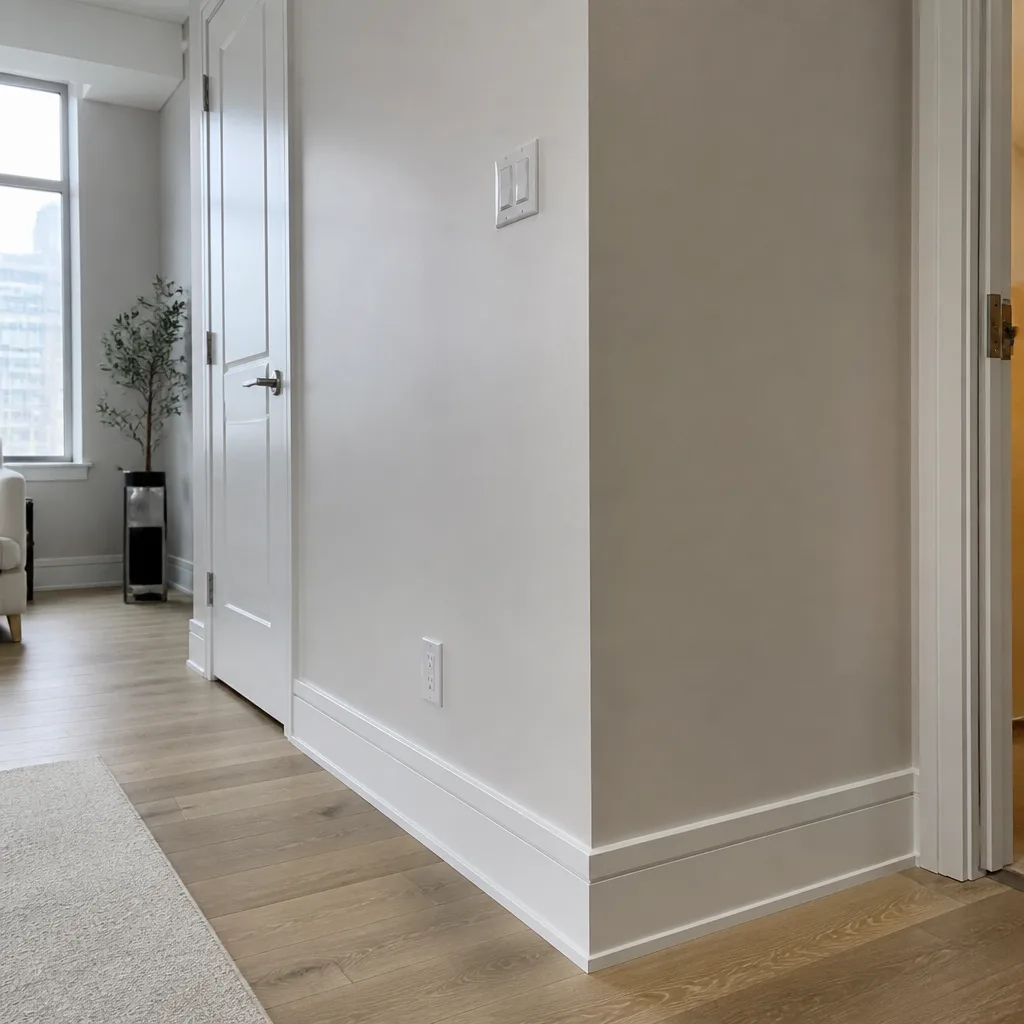 After
After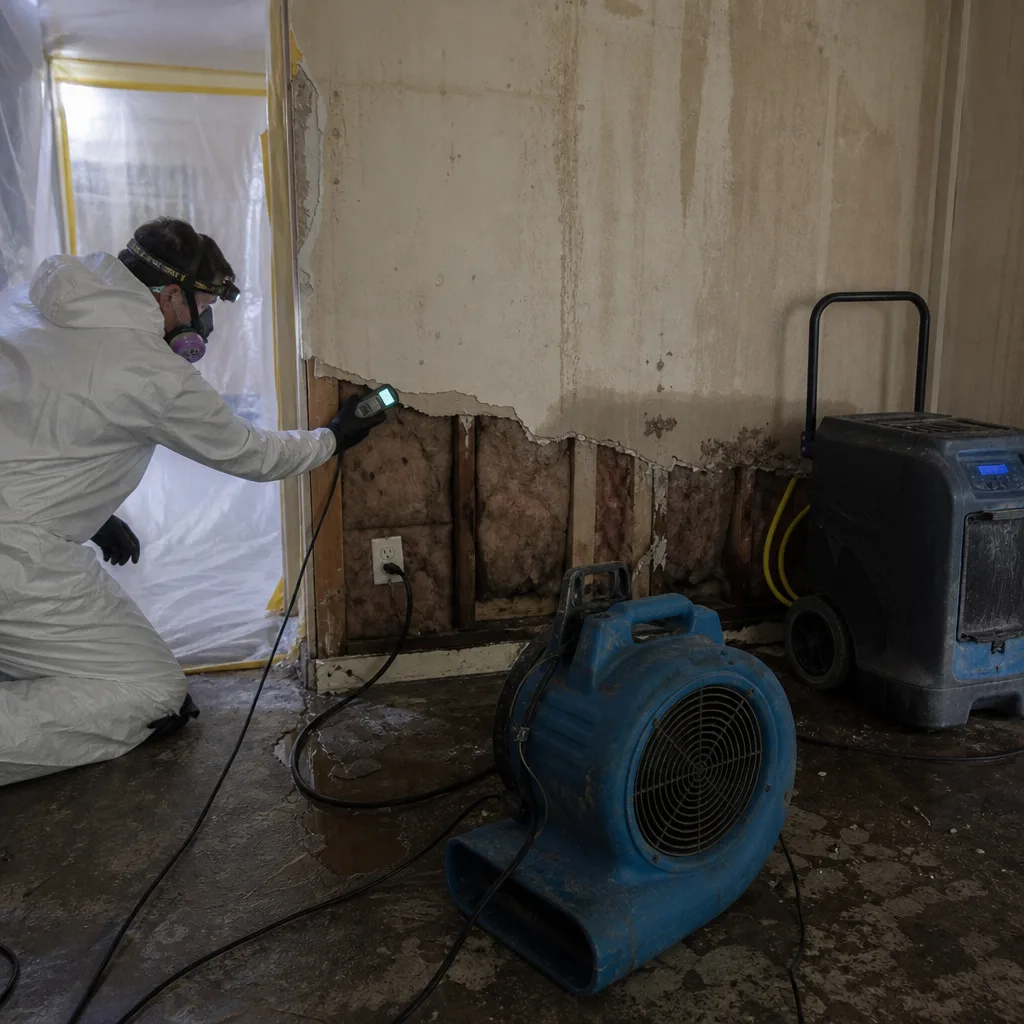 Before
 After
After24/7 Emergency Reconstruction & Cleanup in Long Island City
Reconstruction and Long Island City Commercial Restoration after a fire, flood, or sewage loss starts with one call to (518) 663-6491. A live dispatcher answers around the clock, every day of the year, and a background-checked, uniformed crew is dispatched into Long Island City immediately, not scheduled for some window later in the week. The sooner extraction, drying, or soot removal begins, the less demolition and replacement you pay for, and the fewer structural compromises settle into the framing. We offer a free visual inspection, we bill your carrier directly, and we don’t hand the job off to a third party at the reconstruction phase. One team, from the first moisture map to the final coat of paint.
Understanding Reconstruction & Cleanup Severity in Long Island City Properties
Not every Water Damage Restoration in Long Island City case is the same. Category 1 water, a clean supply line break from a high-rise riser, can often be dried in place when moisture mapping confirms the drywall and subfloor are recoverable. Category 2 water, like washing machine overflow or sump discharge, introduces contaminants that require antimicrobial treatment during the drying phase. Category 3 water, which is sewage or Newtown Creek or East River storm surge intrusion, requires full containment, removal of saturated porous materials, and sanitization before rebuild can begin. In Long Island City’s pre-war loft stock, the severity question is layered. Original plaster over wood lath, cast-iron drain stacks sweating behind walls, and decades of floor patching all hold water differently than modern gypsum and engineered flooring. Our crews use thermal imaging and penetrating moisture meters to find what the eye misses, because in a Hunters Point conversion, hidden saturation behind a finished wall does not dry on its own. It grows mold or rots the framing.
Why Long Island City Property Owners Choose Floodline Restoration Co.
- 45-minute response commitment into Long Island City. When you call (518) 663-6491, we commit to having a crew rolling toward your property within 45 minutes, any hour, any day.
- A live person answers, not a recording. At 2 a.m. you reach a dispatcher who knows Long Island City’s building types and sends the right equipment the first time.
- IICRC-certified technicians with named credentials. Our crews hold WRT, FSRT, and AMRT certifications, trained to IICRC, RIA, and IFA standards. Uniformed and background-checked, every time.
- Free visual inspection with a written scope. We walk the loss, map the damage, and hand you a line-item scope before any billable work starts. No surprises, no open-ended time and materials.
- Direct insurance billing. We document from hour one, speak directly with your adjuster, and bill your carrier so you never play messenger.
- One team from extraction to reconstruction. The same Floodline Restoration Co. crew that extracts and dries also rebuilds drywall, flooring, and finishes. No mid-job handoff, no inherited crew.
Our Reconstruction & Cleanup Process
Inspection & Assessment
We arrive, walk the full loss in Long Island City, and identify what stopped the damage and what the building type demands. In pre-war lofts, that includes a quick materials assessment: vintage pipe insulation, floor mastics, and plaster that may require testing before demo.
Extraction & Stabilization
Water is removed with truck-mounted extraction where access allows, or portable units in high-rise corridors. Saturated contents are inventoried and moved for pack-out. Sewage and storm surge water is contained immediately to prevent cross-contamination.
Drying & Dehumidification
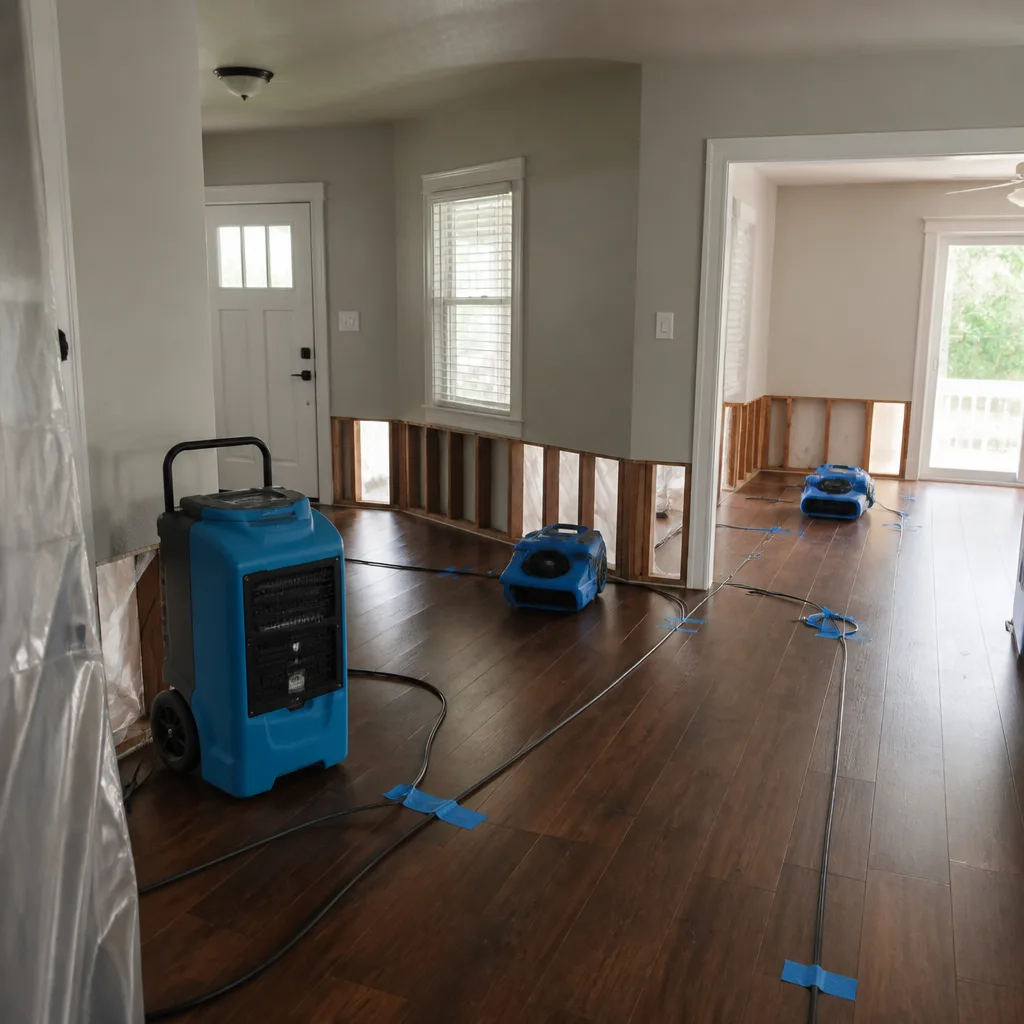
Professional-grade Dri-Eaz and Phoenix air movers and dehumidifiers are placed according to a room-by-room psychrometric reading, not guesswork. Daily moisture readings are logged until the dry standard is met, including below-grade spaces along the Hunters Point waterfront where groundwater pressure demands longer drying cycles.
Cleaning & Sanitization
Surfaces are cleaned with appropriate antimicrobials and sanitizers. Soot residue is classified by type, because wet smoke from a smoldering fire in a converted warehouse behaves differently than dry smoke from a fast-burning high-rise unit.
Reconstruction-Specific Treatment
Before any drywall comes down in a pre-1980 Long Island City loft, we verify asbestos clearance on pipe insulation, mastics, and roofing materials. This is the step that protects you legally and physically, and it is the step most restoration outfits skip until an abatement stop-order forces the issue.
Repairs & Restoration
Drywall, flooring, millwork, paint, and finishes are rebuilt by the same Floodline Restoration Co. team. Custom pieces are matched, not just replaced with the closest stock option. The job closes with a moisture log and the 90-Day Done Right Promise in your hands.
Need Emergency Reconstruction & Cleanup in Long Island City Now?
Crews minutes away, answering live 24 hours a day. The sooner we start, the less it costs.
Working With Your Insurance Company
Most Long Island City property owners have never filed a major water or fire claim before, and the process is built to frustrate. Floodline Restoration Co. does not make you become an insurance expert mid-disaster. We photograph every room before anything moves, we log moisture readings day by day, and we write an estimate in the language adjusters actually accept. When your carrier has questions, they call us, not you. And because we handle the full Reconstruction & Cleanup scope in house, your adjuster deals with one contractor, one scope, one set of numbers, not three competing bids and a gap in coverage.
What We Provide Your Insurer
- Thorough documentation of the loss
- Photos of all damage, room by room
- Moisture readings and drying logs
- A detailed, line-item scope of work
- Direct coordination with your carrier
Built for Long Island City’s Loss Calendar
Long Island City’s damage calendar has a rhythm that local property owners learn the hard way. January and February send deep freezes through aging supply lines in pre-war buildings along Jackson Avenue and Vernon Boulevard, and a burst riser on the ninth floor of a post-2000s tower cascades into eight units below. March and April bring thaw and spring rain, pushing groundwater up into below-grade storage rooms and elevator pits on the Hunters Point peninsula, where the water table sits close to the surface. July and August thunderstorms send flash runoff down the slope from Queens Plaza toward the waterfront, overwhelming aging combined sewers and backing up into basement drains. Nor’easters and coastal storms put the entire East River shoreline on alert, and Sandy in 2012 taught everyone in ZIP code 11101 and 11109 that storm surge is not hypothetical. Each season has a signature loss pattern, and each one requires a different drying strategy and reconstruction sequencing.
Reconstruction & Cleanup Across Long Island City’s Neighborhoods
Hunters Point, the historic waterfront district anchored by Vernon Boulevard and 47th Avenue, is where we see the most complicated losses in Long Island City. Converted pre-war warehouses and factories with exposed timber ceilings, brick party walls, and original cast-iron plumbing demand slower, more careful reconstruction. We route crews through the Pulaski Bridge or the Queensboro Bridge depending on call volume and traffic. Court Square and Queens Plaza, dense with office conversions and newer rental towers, produce high-rise water losses where central sprinkler systems and shared risers spread damage laterally across multiple units. Dutch Kills, north of Queens Plaza and closer to the Sunnyside Yards, still has blocks of early 20th-century rowhouses and small wood-frame homes where a single rowhouse fire migrates through shared attic spaces. And the waterfront high-rise corridor from Gantry Plaza State Park southward, the glass-curtain-wall buildings that faced the hardest Sandy surge in 2012, is where we handle recurring below-grade moisture intrusion and storm-related water and sewage losses. Each sub-neighborhood in Long Island City has its own building DNA, and that DNA dictates how we dry and rebuild.
Specialized Reconstruction & Cleanup Services We Offer in Long Island City
Full-Service Reconstruction
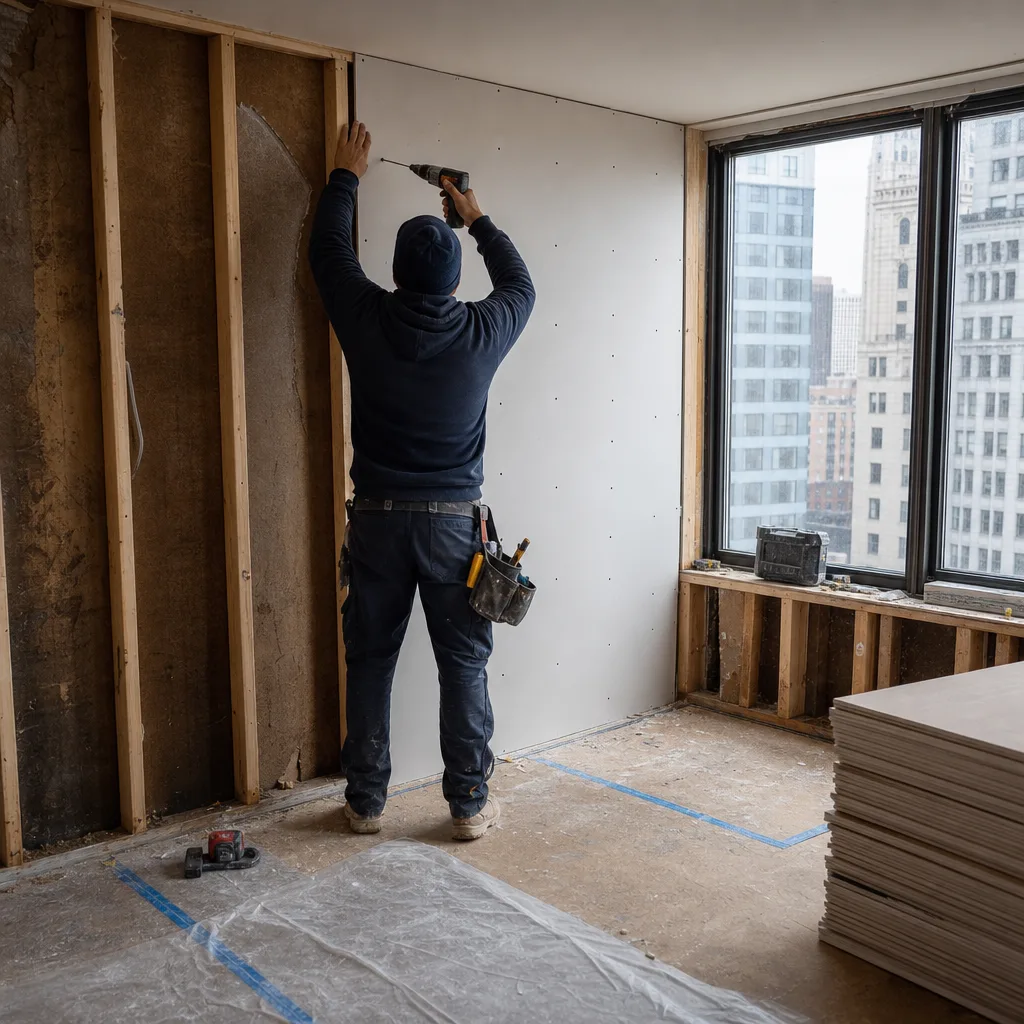
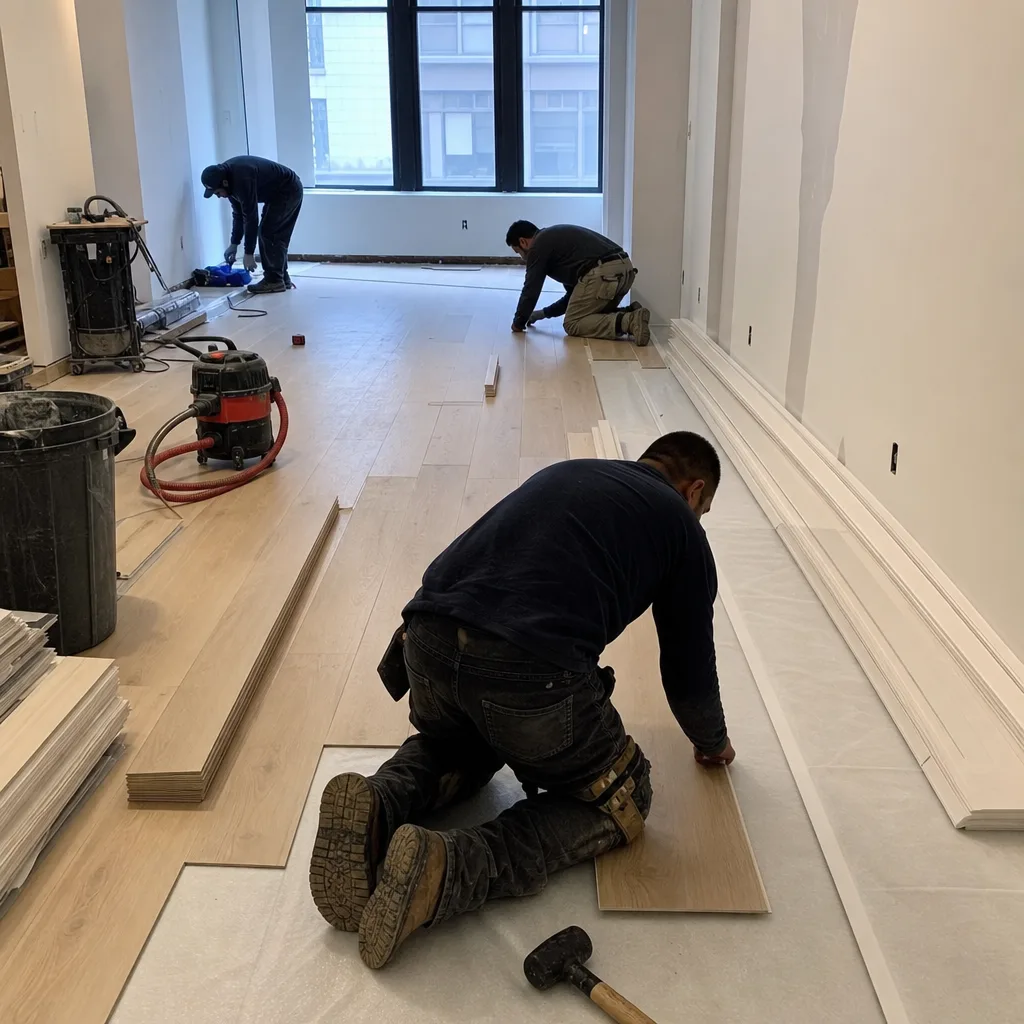
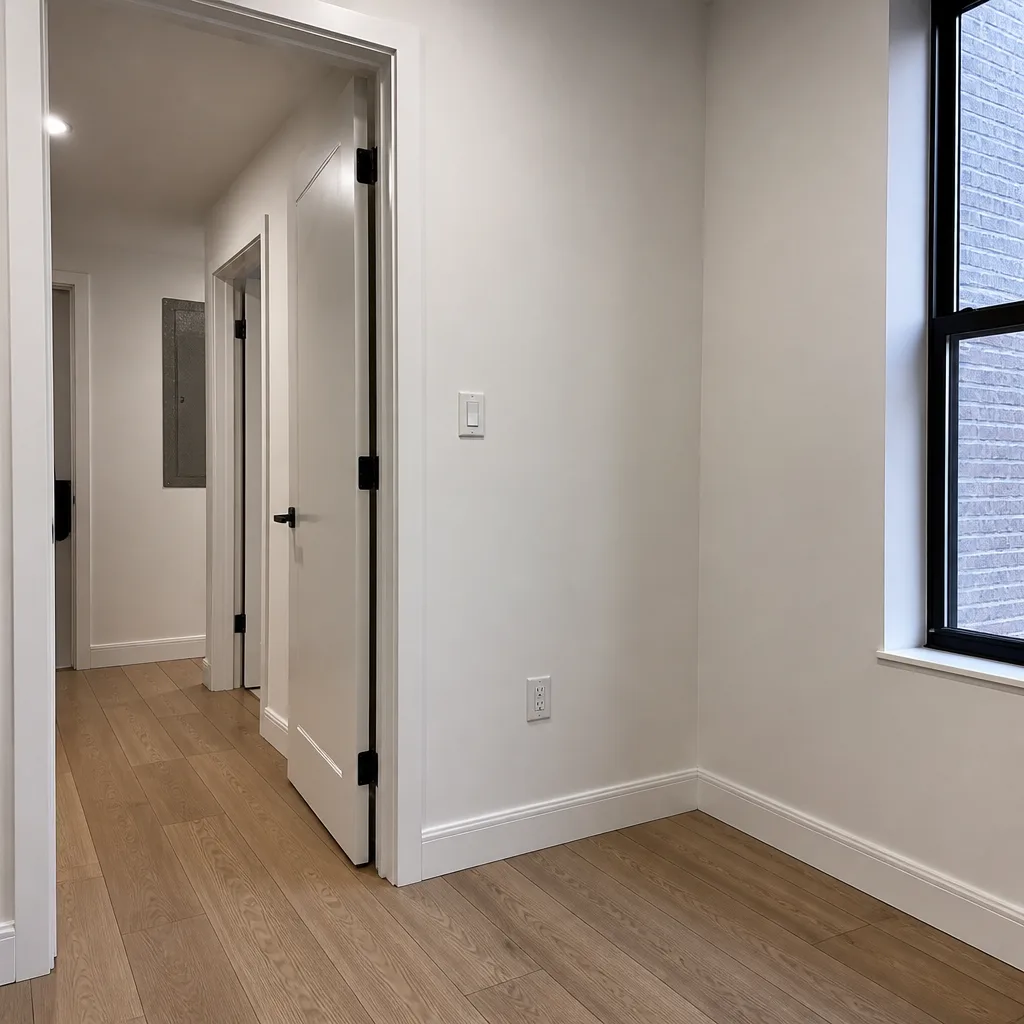
When a Long Island City loft loses a kitchen to fire or a high-rise unit loses three rooms to a pipe burst, we rebuild from studs to finishes. Drywall, paint, trim, flooring, cabinetry, millwork. Our Long Island City clients include condo owners who need their unit back to rentable or saleable condition and building managers who need a corridor or lobby restored without shutting down the whole floor. We match custom finishes that were original to the building, including period-appropriate trim profiles and floor grades.
Drywall & Flooring Repair
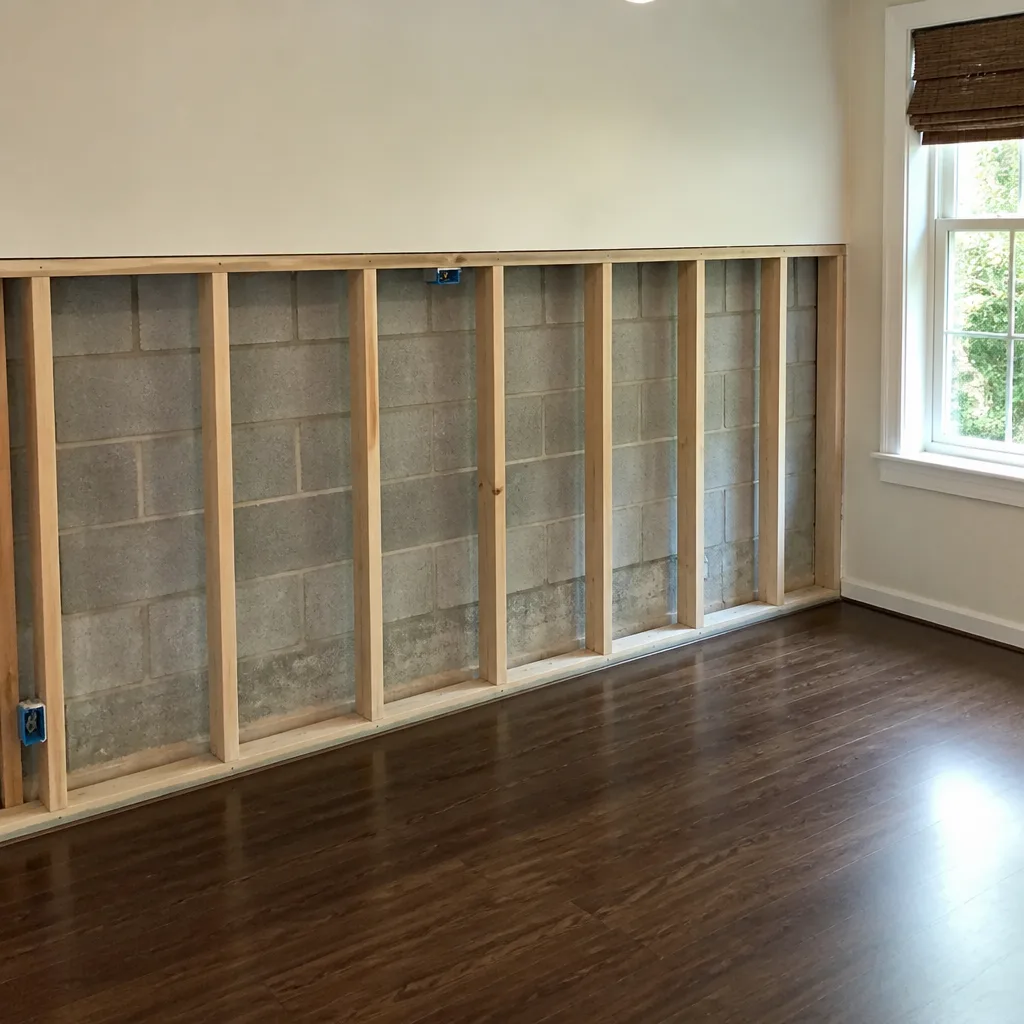
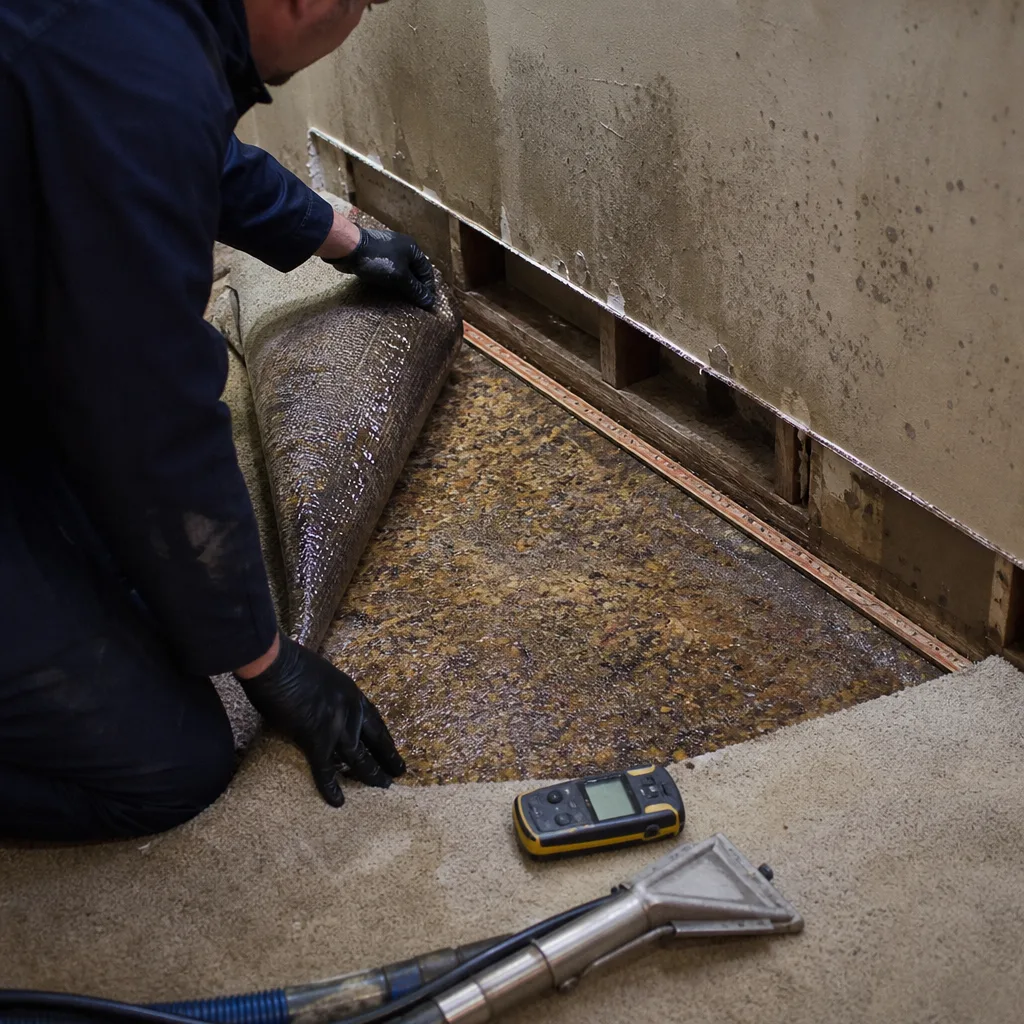
Water-damaged drywall in a pre-war Long Island City loft often hides a second problem: the original plaster beneath was saturated too, and it held more water than the drywall above it. We cut back to dry substrate, treat exposed framing, and rebuild with materials that match the surrounding texture and finish. Flooring runs the range from original plank subfloors in Hunters Point warehouses to engineered hardwood in newer towers to porcelain tile over concrete slabs. Each one has a different drying curve and a different replacement path.
Insurance Claim Documentation
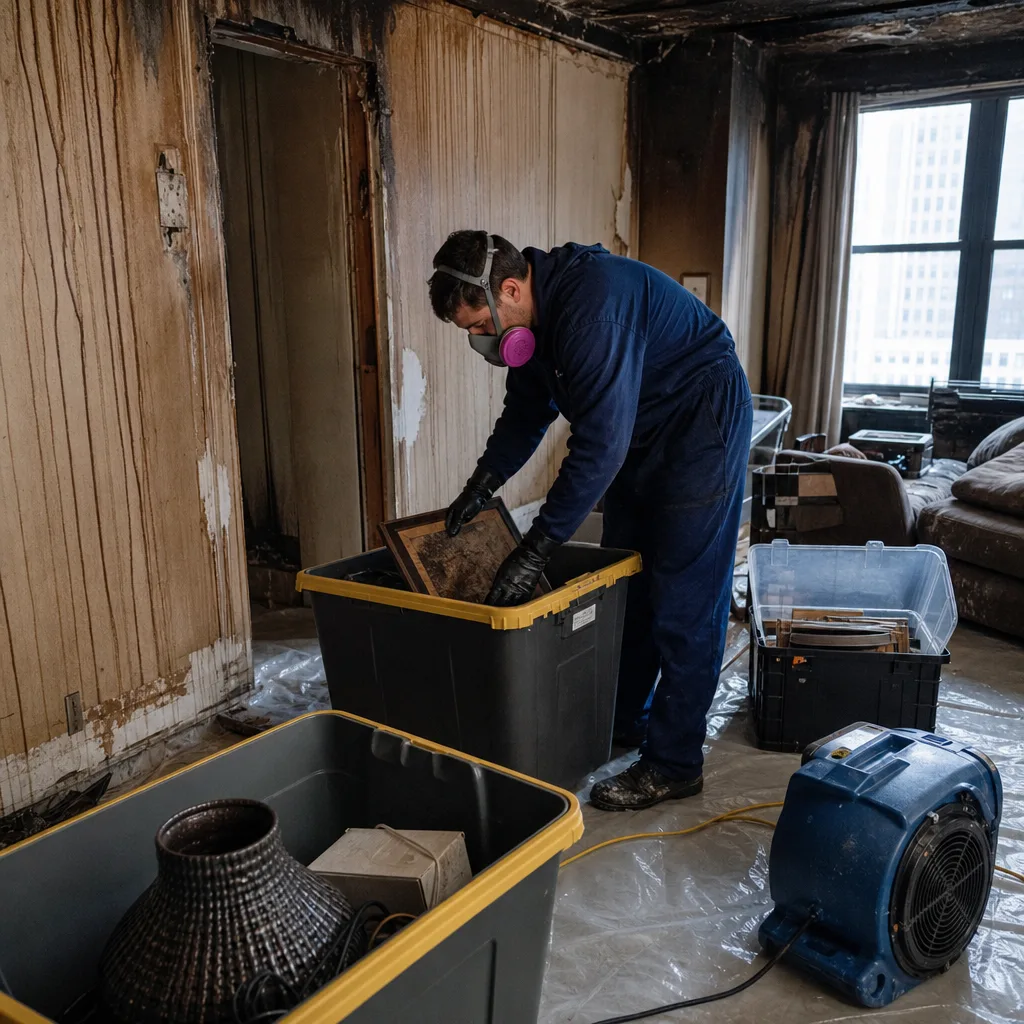
We produce the documentation your Long Island City carrier actually needs: an itemized scope with line-item pricing using current market rates for Queens, photographic evidence organized room by room, moisture logs showing the dry standard was met, and written documentation of any asbestos testing or abatement delays that affected the timeline. When a multi-unit high-rise loss pulls in three different condo owners and the building’s master policy, we organize the documentation so each party’s claim is clean and defensible.
Contents Restoration & Pack-Out
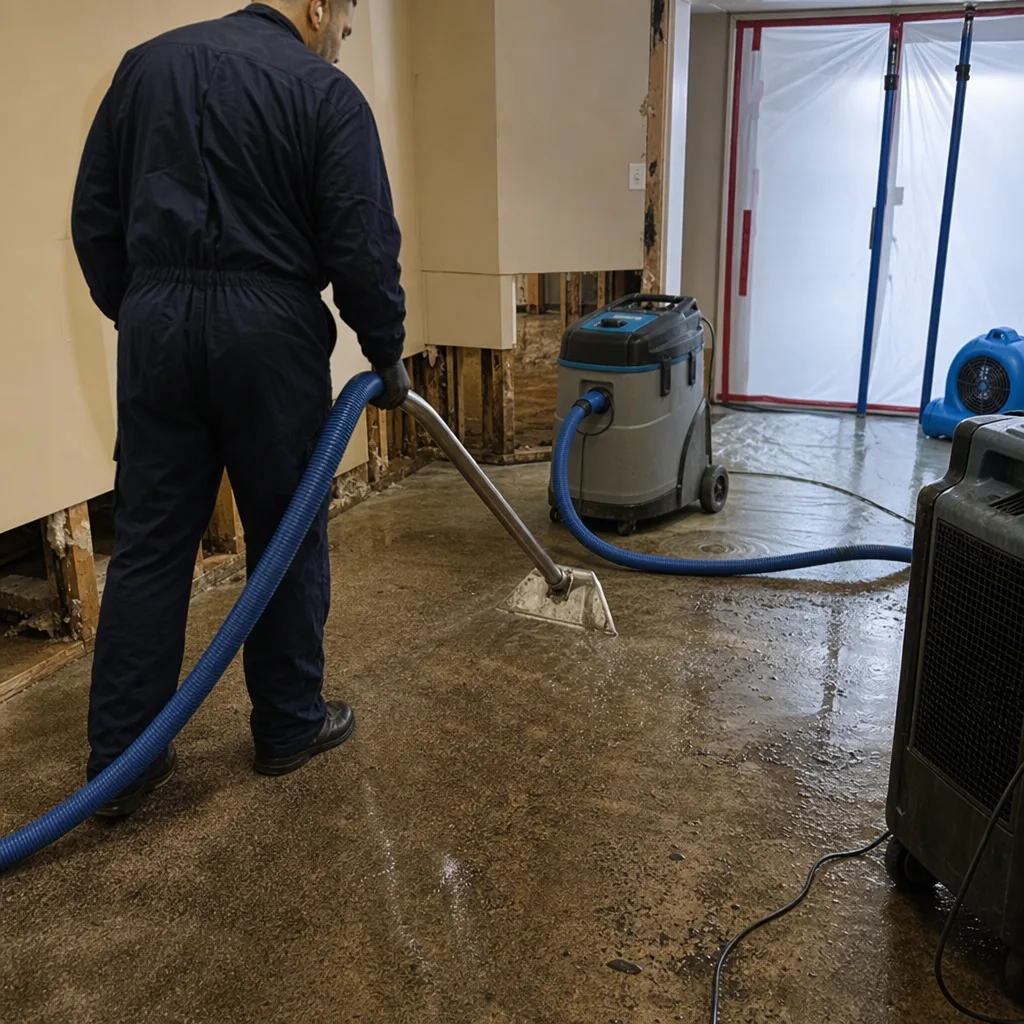
When a Long Island City residence or commercial space needs structural work, contents move out first. We inventory, photograph, pack, and store furnishings, documents, and personal property at a climate-controlled facility. Items that can be cleaned and restored, like upholstered furniture, rugs, and clothing, go through our restoration process. Items that cannot be saved are documented for the claim.
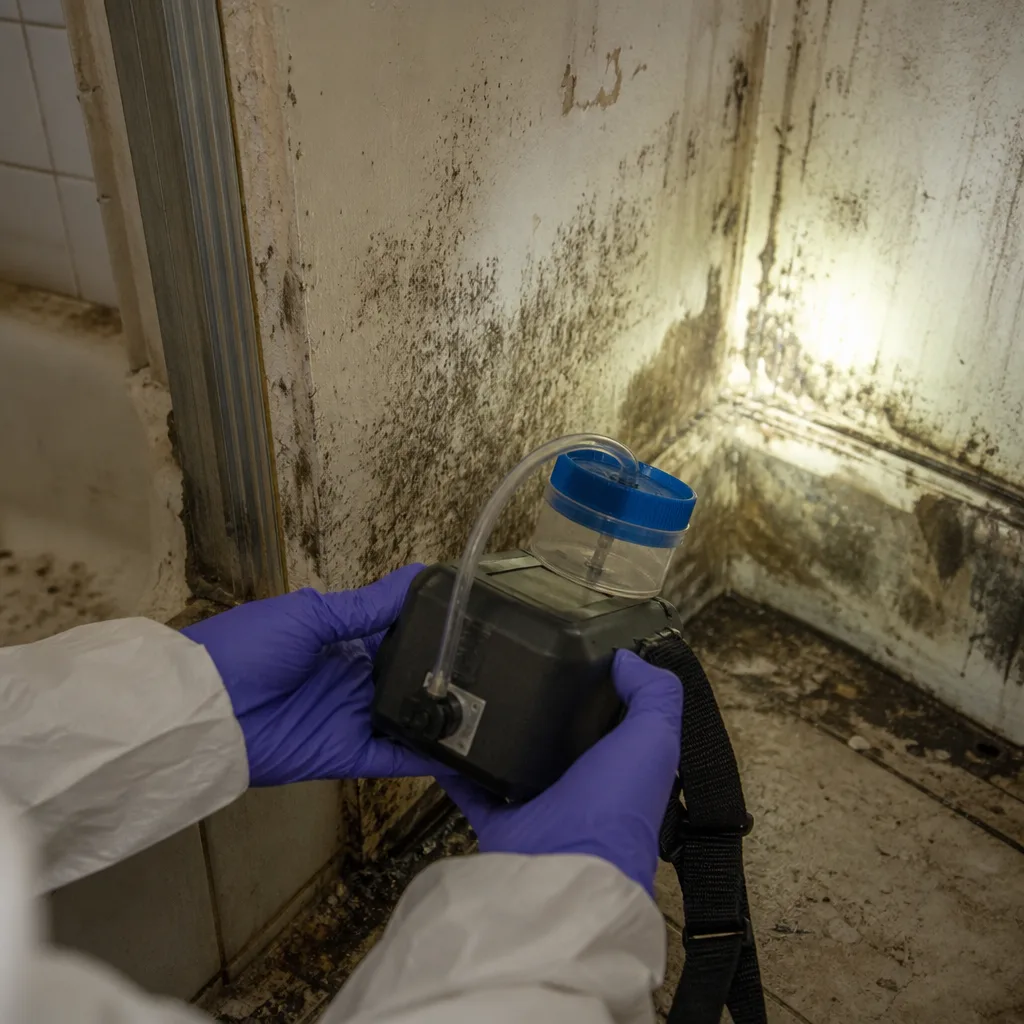
Carpet & Upholstery Cleaning
After a water loss or smoke event in Long Island City, salvageable carpet and upholstery need professional extraction and cleaning, not a rental machine from the hardware store. We use professional-grade extraction units and cleaning agents appropriate for the fiber type. Wellington Court and Hunters Point properties with wool carpet or custom upholstery get pH-balanced treatment that does not shrink or discolor the fiber.
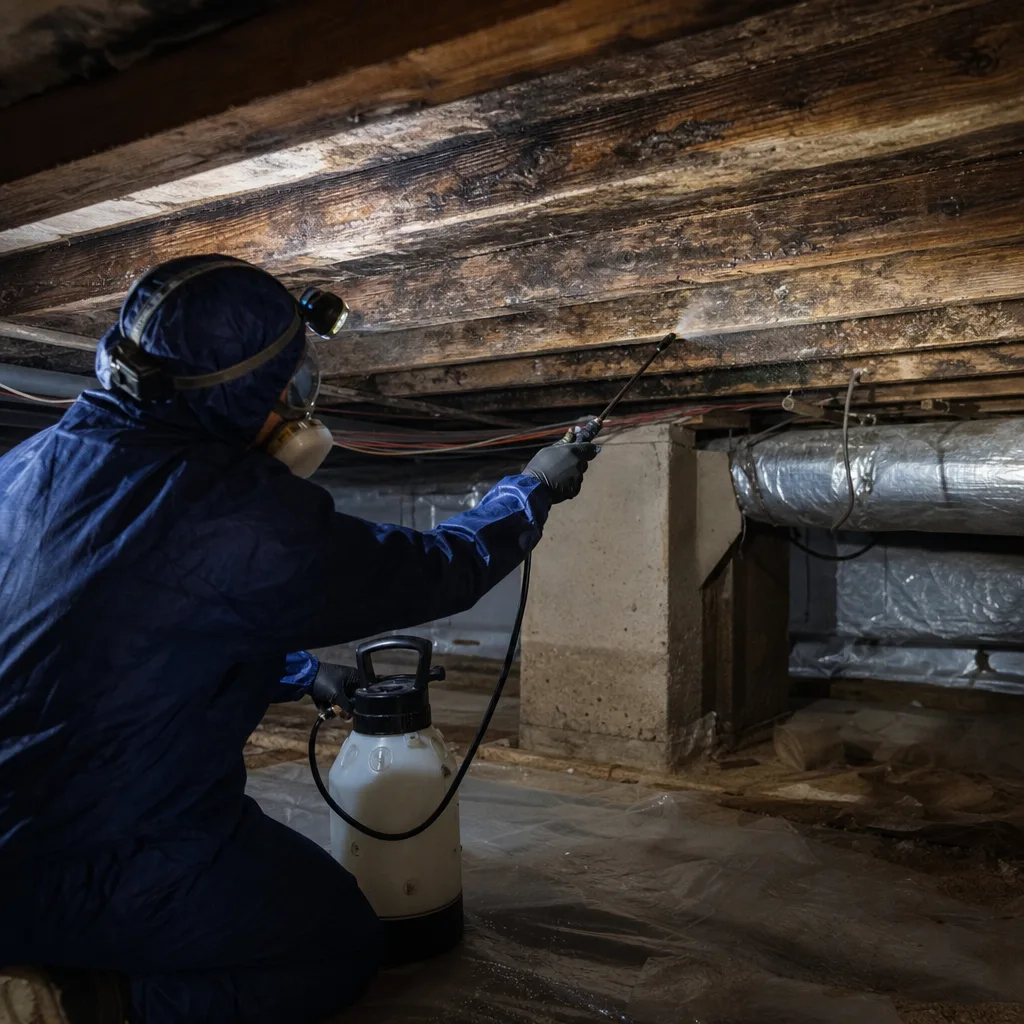
Post-Construction Cleanup
When our own crews finish a reconstruction in Long Island City, or when another contractor completes a renovation, we remove construction dust from every surface, including inside ductwork and behind appliances. High-rise corridors, elevator cabs, and common areas get detailed too, because construction dust travels far beyond the unit where the work happened.
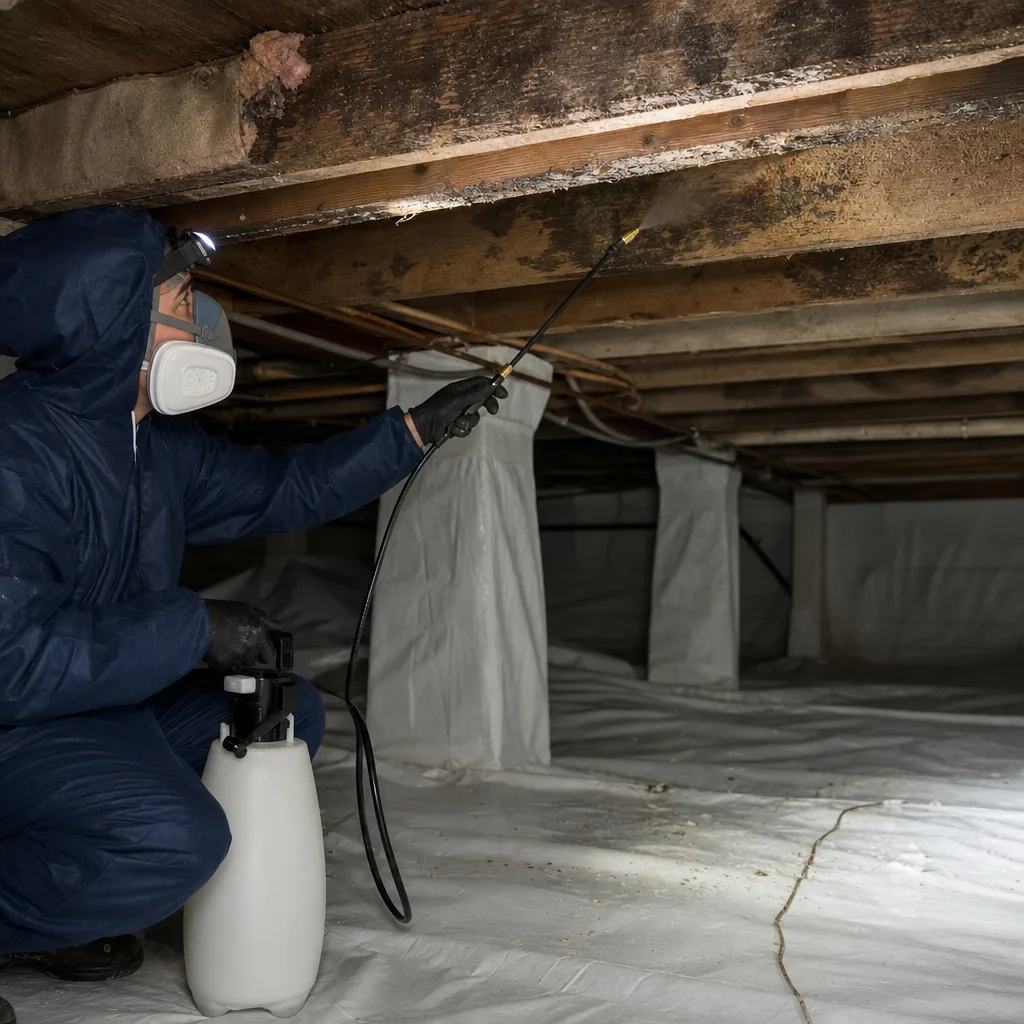
What happens when you call
- 1
A real person answersNo phone trees - you reach a local pro.
- 2
You get an upfront price rangeHonest numbers before anyone is dispatched.
- 3
A background-checked tech heads outLicensed & insured, dispatched right away.
- 4
You approve before work beginsNothing starts until you say go.
Reconstruction & Cleanup Costs in Long Island City, NY
Reconstruction costs in Long Island City run higher than some other Queens neighborhoods because of the stock. Drywall and flooring repair after a clean water loss in a standard high-rise unit typically runs $2,800 to $6,500. Full reconstruction after a kitchen fire in a converted loft runs $18,000 to $55,000, depending on the finish grade. Below-grade drying and mold remediation along the Hunters Point waterfront adds $3,500 to $12,000 when groundwater intrusion is involved. The wildcard in Long Island City is asbestos abatement: if testing shows pre-1980 pipe insulation or floor mastics are involved, abatement adds $2,000 to $15,000 depending on the scope. These numbers are ranges, not quotes. A free inspection gives you a firm, written scope before any billable work starts, and in most cases your carrier covers the cost.
We Also Serve Cities Near Long Island City
Floodline Restoration Co. serves Long Island City and the surrounding neighborhoods, including Reconstruction & Cleanup in Maspeth, where the housing stock shifts to attached brick rowhouses and commercial buildings with their own damage profiles.
Serving Long Island City, NY - Our Local Coverage Area
We’re based in the Long Island City area and know this community well. Use the map below to see our service coverage - if you’re nearby, we can almost certainly help.
Long Island City Reconstruction & Cleanup Questions, Answered
Why does reconstruction in Long Island City loft buildings often require asbestos testing before drywall repair?
Because most Hunters Point loft conversions were built before 1980, and the original pipe insulation, floor tile mastics, and roofing materials in those buildings frequently contain asbestos. Under New York regulations, demolition cannot legally proceed until testing clears those materials or an abatement contractor removes them. Skipping this step can trigger a stop-order mid-job and leave your home open to the elements. We test before we demo.
How do you handle moisture in Long Island City below-grade spaces where the water table is high?
We treat Hunters Point below-grade spaces as an ongoing drying challenge, not a one-day job. The high urban water table means water keeps pressing in even after the initial extraction. We use longer drying cycles, more dehumidification capacity, and daily moisture readings until the dry standard is met. In some cases we recommend drainage or waterproofing improvements before reconstruction, documented for your carrier.
Can you document insurance claims for multi-unit high-rise water damage in Long Island City?
Yes. When a single riser break or sprinkler activation cascades across eight or twelve units, we create separate documentation packages for each affected owner and the building’s master policy. Each unit gets its own photo set, moisture log, and line-item scope, so each claim stands on its own. Your adjuster calls us directly with questions.
What category of water from a Long Island City high-rise pipe burst is safe to dry in place?
Category 1 water, meaning clean supply water from a broken riser or supply line, can often be dried in place if moisture mapping shows the drywall and subfloor are within recoverable limits. Category 2 water, like a washing machine overflow, requires antimicrobial treatment. Category 3 water, meaning sewage or storm surge, requires removal and replacement of saturated porous materials, no exceptions.
How quickly should reconstruction start after water extraction in a Long Island City loft to prevent mold?
Without prompt Mold Remediation - Long Island City response, mold begins to establish within 24 to 48 hours in a warm, saturated loft. That timer starts at the moment of the loss, not when we arrive. Extraction and drying should begin the same day, and reconstruction should follow as soon as the dry standard is confirmed on the moisture log. Rushing reconstruction before the structure is actually dry is how hidden mold becomes a second, larger claim.
How fast can you get to a Long Island City address?
We commit to a 45-minute response time into Long Island City, 24 hours a day. Call (518) 663-6491 and a live dispatcher sends a crew from our New York City office immediately.
Can I stay in my Long Island City home during reconstruction?
It depends on the loss. Clean water losses in a contained area often allow you to stay while we work. Category 3 losses, extensive fire damage, or any situation with compromised air quality may require temporary relocation. We’ll tell you straight, and your carrier typically covers the cost if the home is uninhabitable.
What certifications do your Long Island City reconstruction crews hold?
Our technicians are certified to IICRC, RIA, and IFA standards, with WRT, FSRT, and AMRT credentials where the work requires them. Every crew member is background-checked and uniformed. You’ll know exactly who is in your home.
Written by Curt Bowman, Owner at Floodline Restoration Co., serving Long Island City with full-cycle damage restoration and reconstruction.