
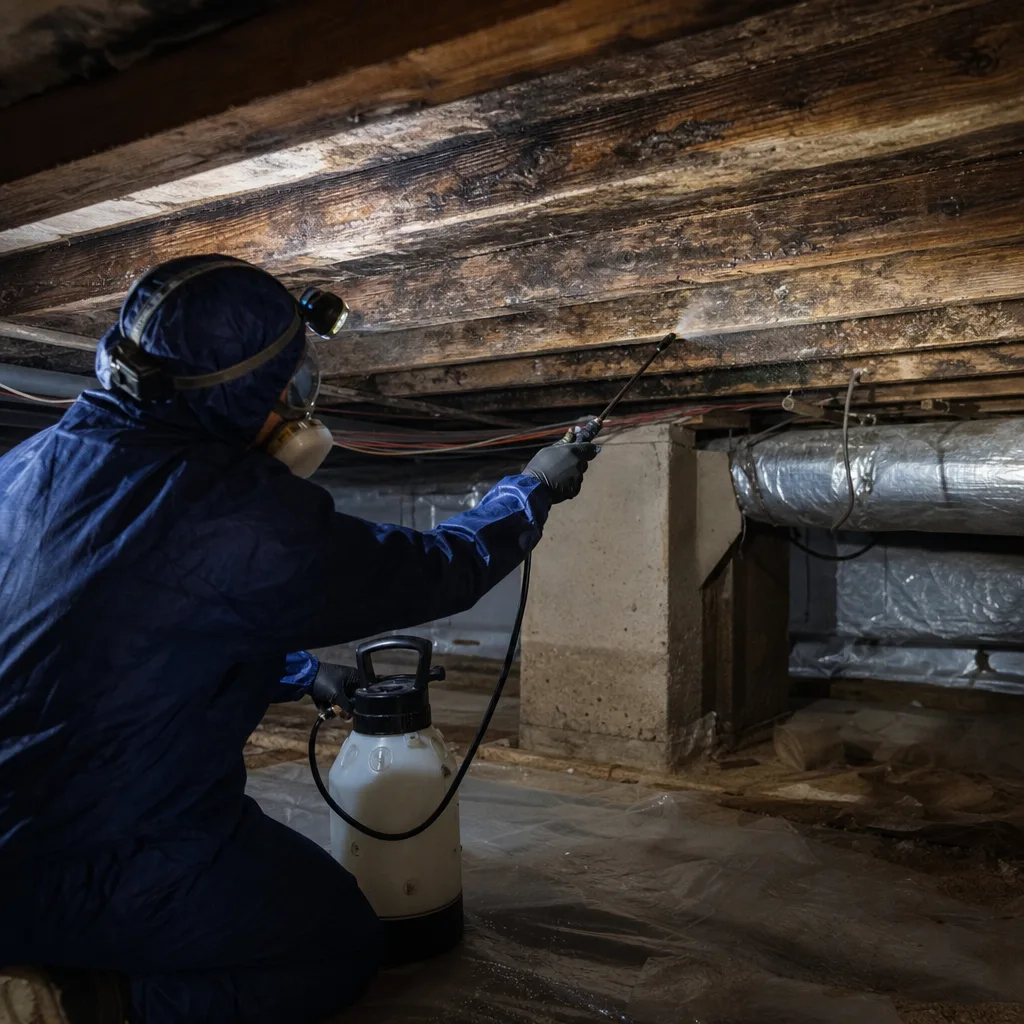
Free visual inspection and a written scope of work before any mitigation begins - photos, moisture readings, and drying logs go in your claim file
The scope we write is the scope we bill. Anything new gets shown to you, in writing, before we touch it.
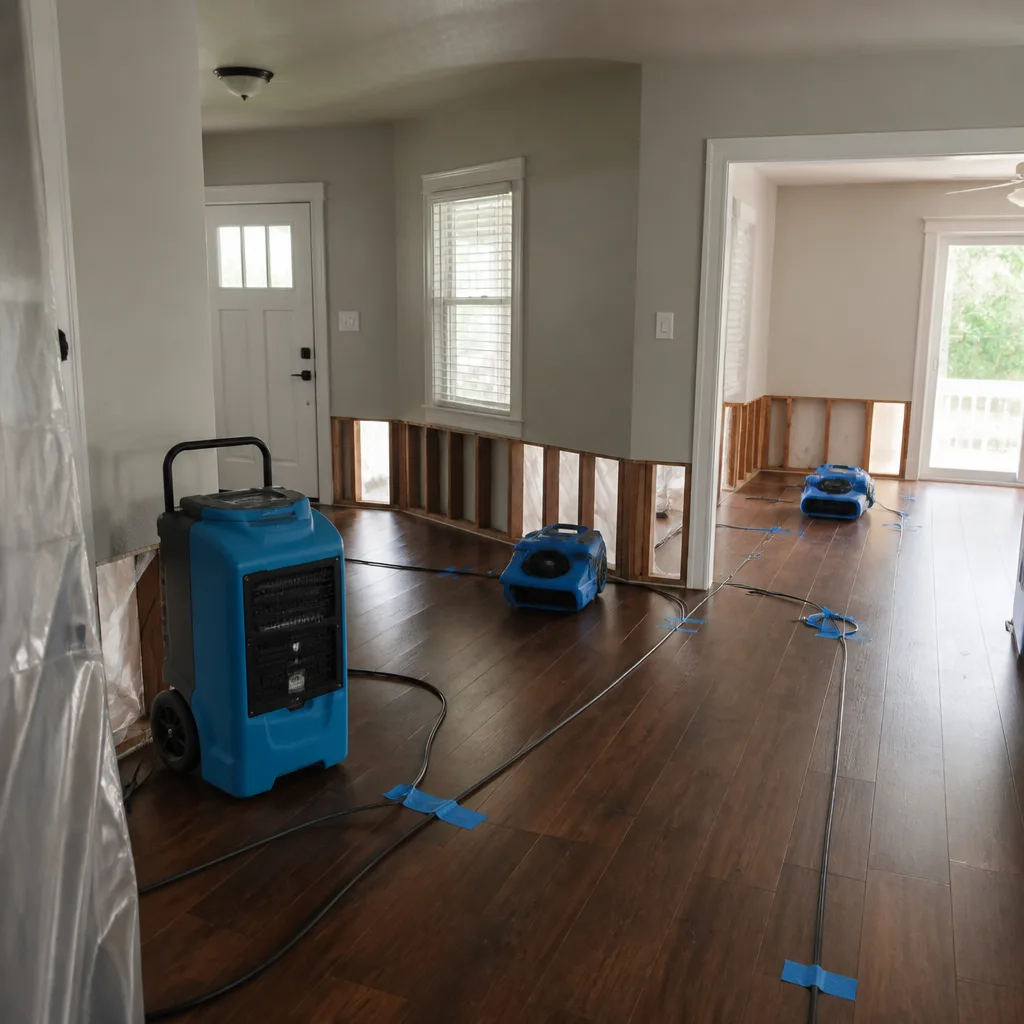

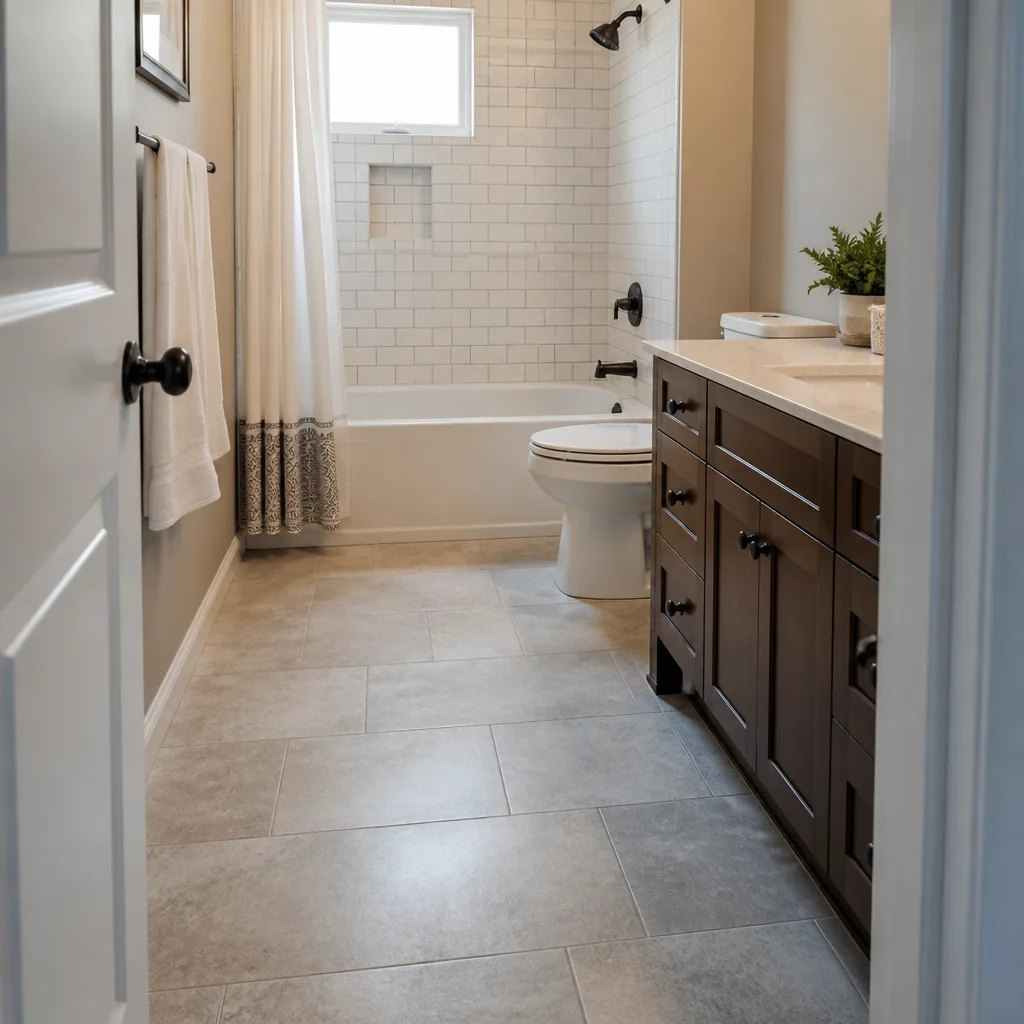

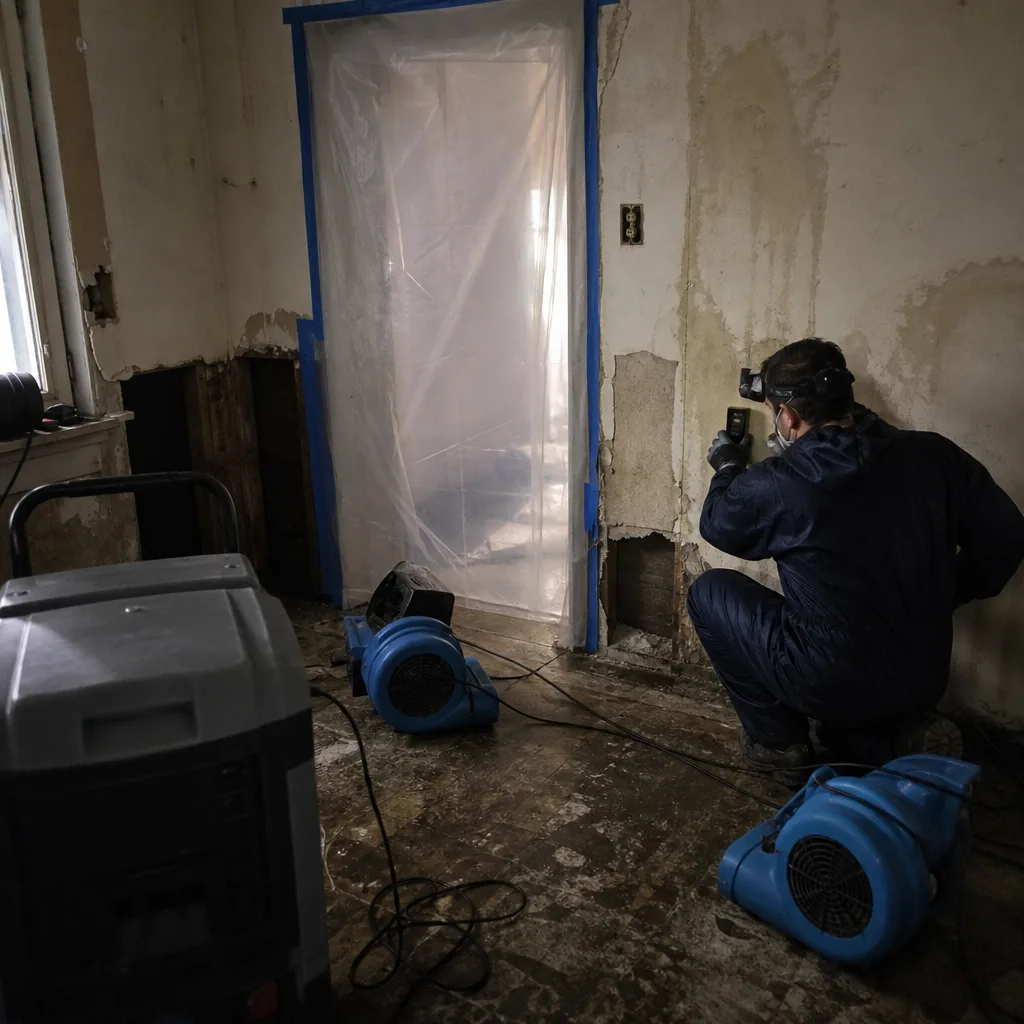 Before
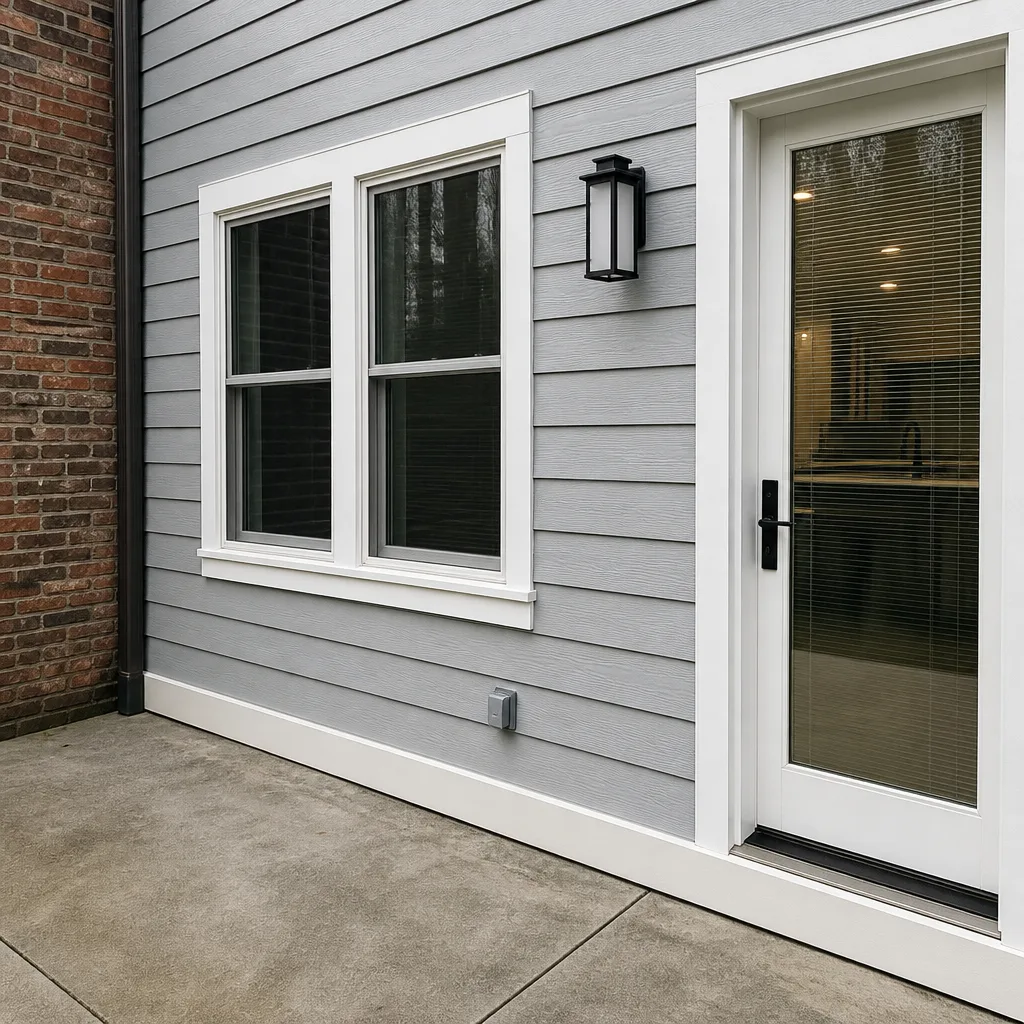 After
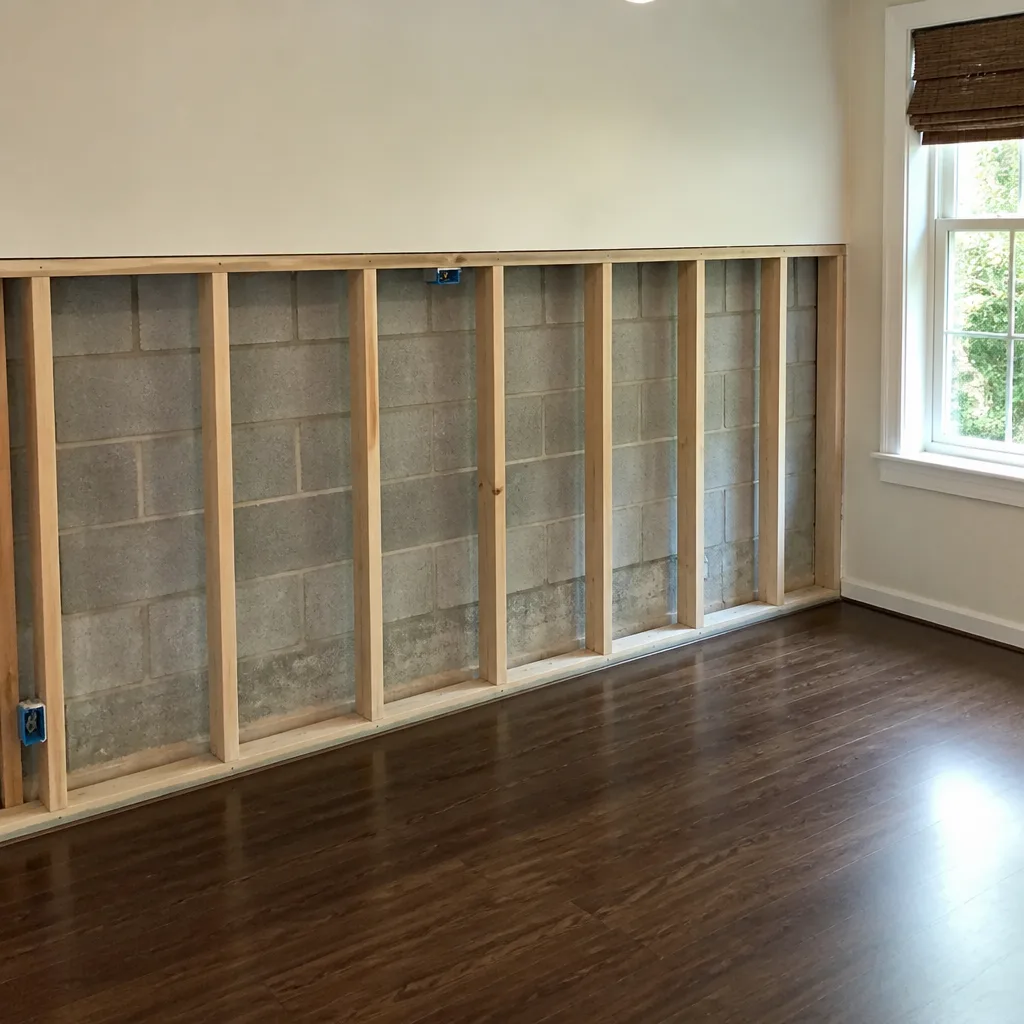
After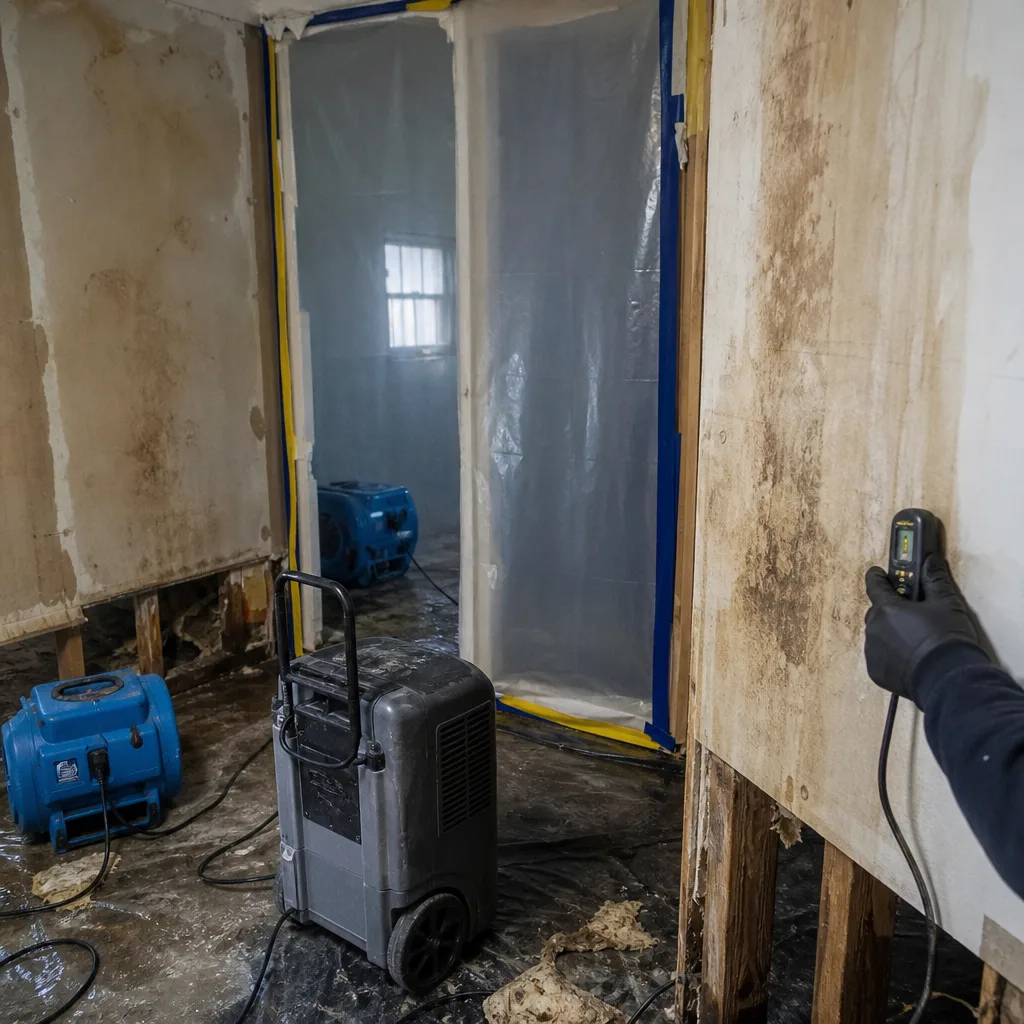 Before
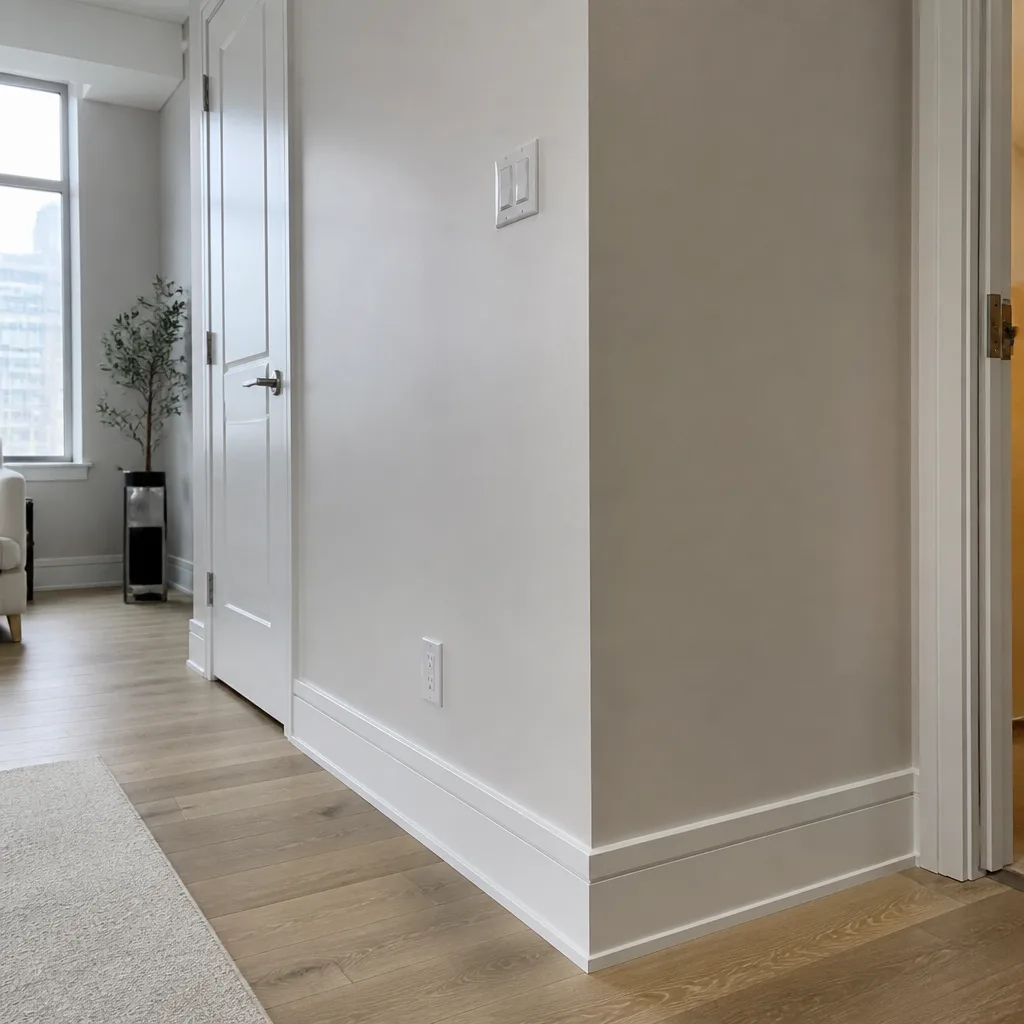 After
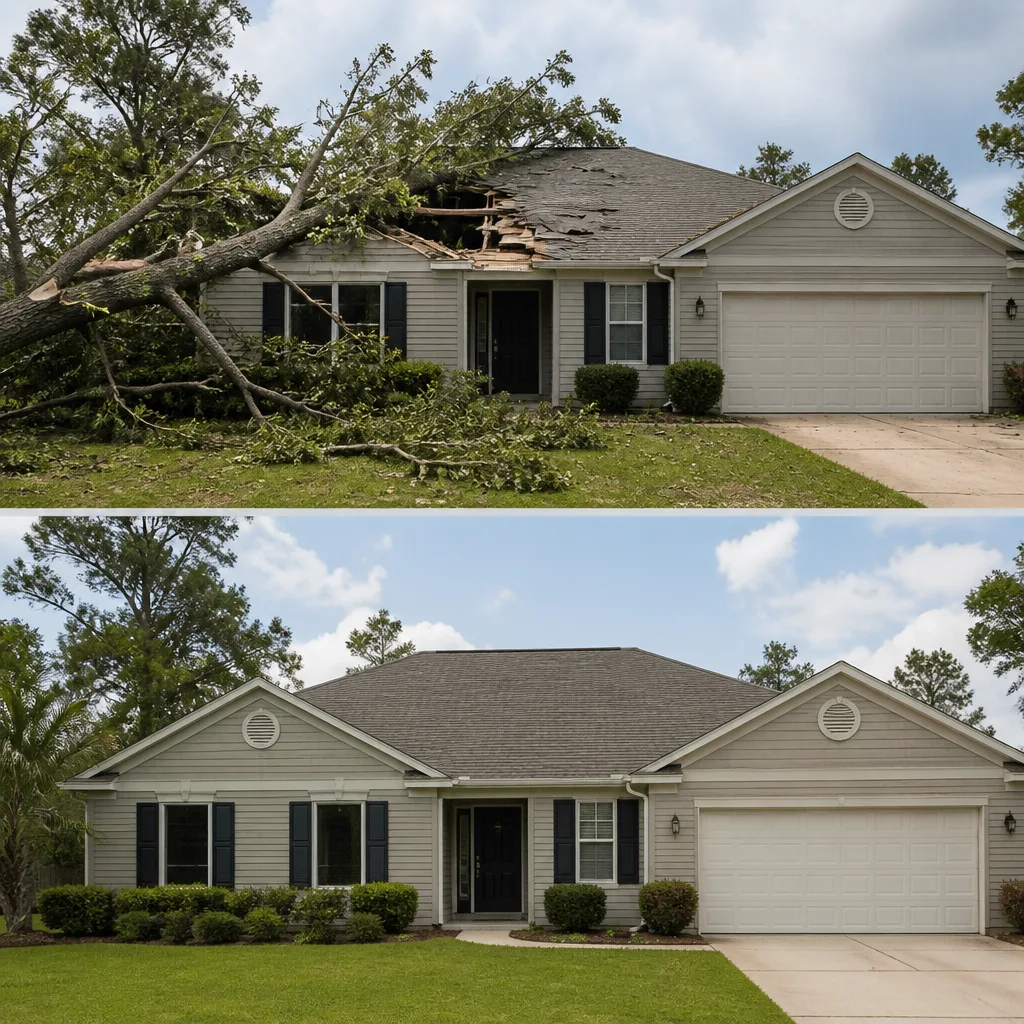
After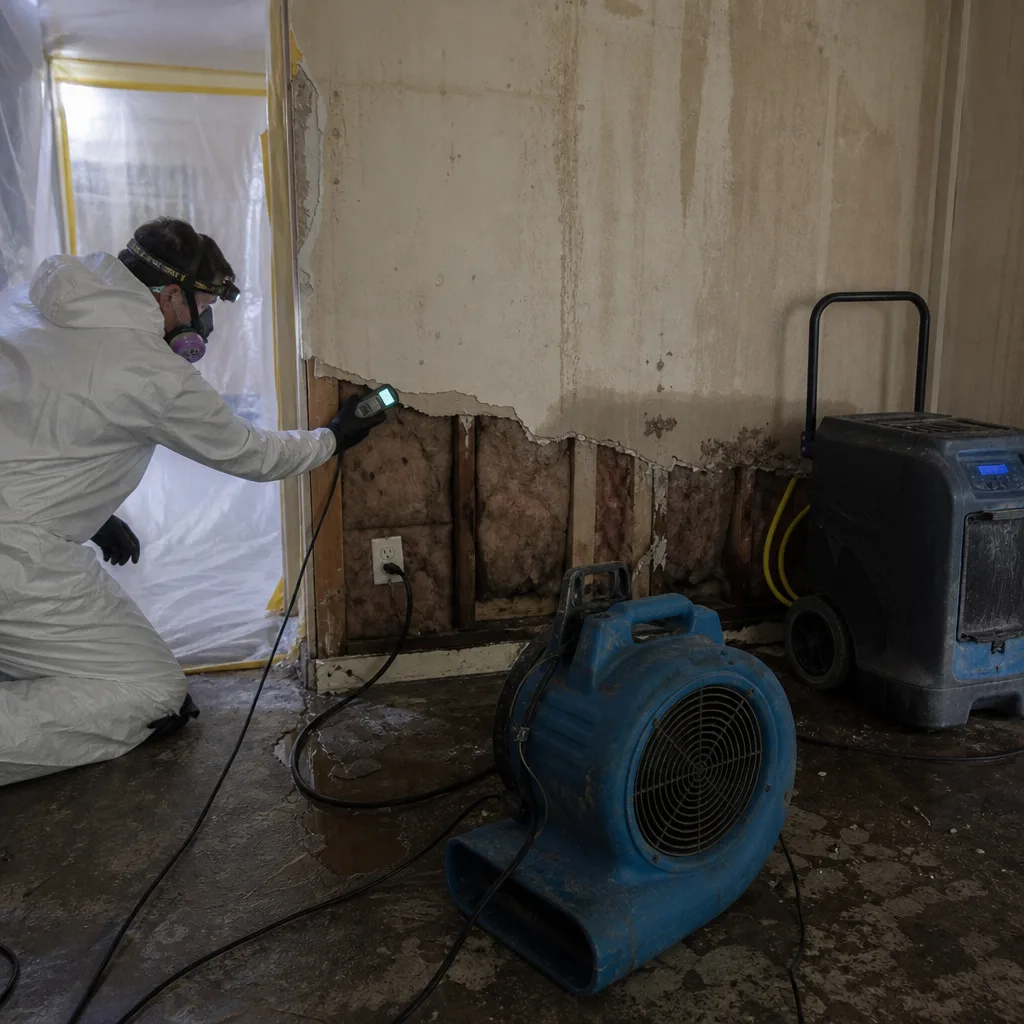 Before
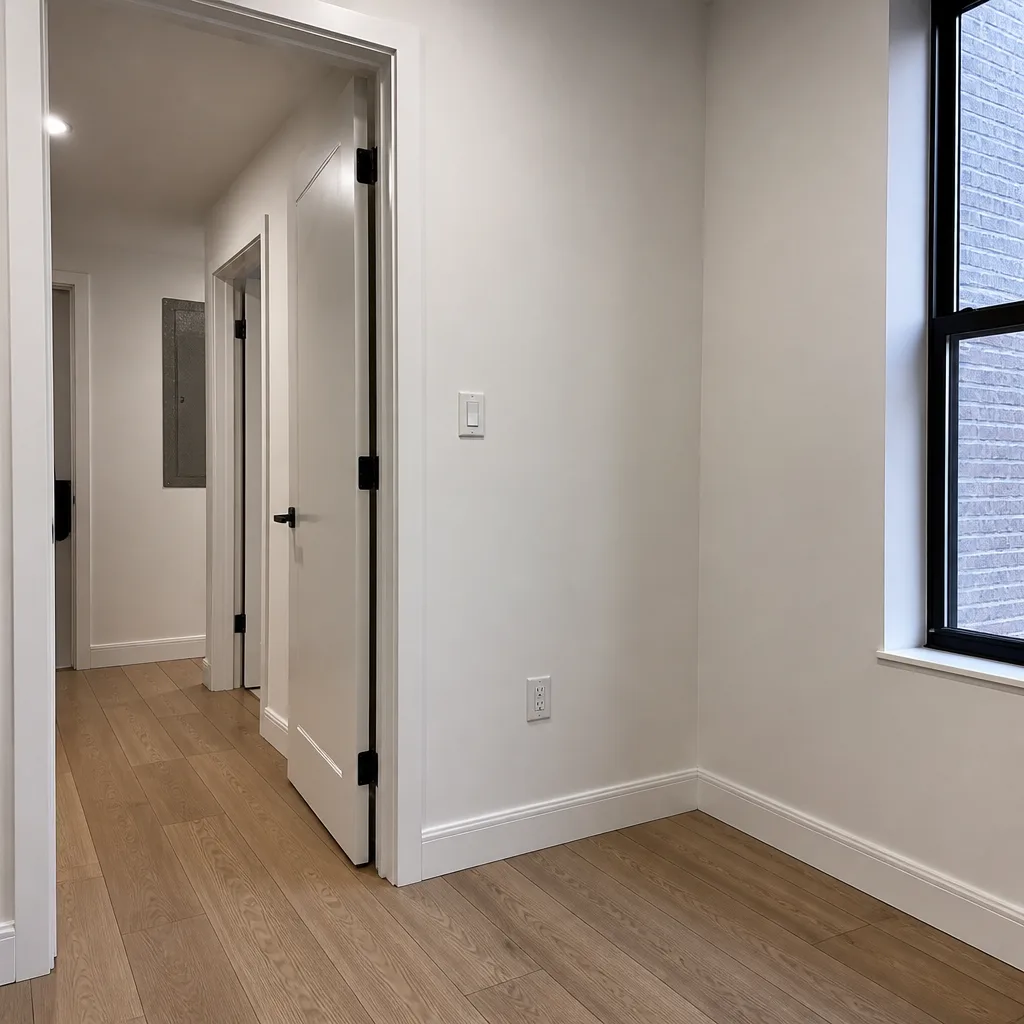 After
After24/7 Emergency Mold Remediation in Long Island City
Mold remediation in Long Island City typically costs between $1,800 and $6,500, and the first call you make should be answered by a live person. That’s us. Floodline Restoration Co. answers the phone at 2 a.m. with a dispatcher, not a recording, and we can have a certified crew inside your Long Island City building the same visit. Call (518) 663-6491 now for a free visual inspection. The first hour matters more here than in most of Queens, because Long Island City’s old industrial lofts and new riverfront towers each fail differently, and moisture that sits in a Hunters Point sub-grade space or a Center Boulevard high-rise wall will colonize fast.
Understanding Mold Remediation Severity in Long Island City Properties
Mold jobs in Long Island City fall into two broad classes. The first is what we call a residential convention: a supply line fails, a dishwasher leaks, or a roof flashing gives out, and moisture wicks into drywall, under flooring, or through a truss cavity. The remedy is containment, air scrubbing, controlled demolition, drying to a moisture-content standard, antimicrobial treatment, and clearance testing. The second class is specific to Long Island City’s Hunters Point and Dutch Kills manufacturing conversions. In these buildings, water intrusion often saturates pre-1980 materials, and before we can legally open a wall, the owner’s environmental consultant must test the original mastic, pipe insulation, and floor tile for asbestos. A remediation that should take four days can take three weeks, not because the mold is worse, but because the building’s industrial past has to be cleared first. That’s the Long Island City variable a generic mold page never accounts for.
Why Long Island City Property Owners Choose Floodline Restoration Co.
- 45-minute response commitment for Long Island City calls. We dispatch from our New York City office, and our crews know the Pulaski Bridge, the Queens Midtown Tunnel approaches, and the BQE choke points well enough to give you an honest ETA.
- 24/7 live answer, every day. A real person picks up the phone at 2 a.m. You’ll never leave a message with Floodline Restoration Co. and wait for a callback while mold spreads behind a baseboard.
- Certified technicians on every job. Our crews are background-checked, uniformed, and trained to IICRC, RIA, and IFA standards, with AMRT-certified remediation leads on mold work.
- Free visual inspection and honest scoping. We photograph everything, take moisture readings, and tell you what needs remediation versus what just needs cleaning and drying. No pressure, no invented scope.
- Direct insurance billing. We document from the first hour and coordinate directly with your adjuster. You never play messenger between Floodline and your carrier.
- One team from extraction to rebuild. If the remediation opens a wall and the studs are rotted, we rebuild that wall. We don’t hand you off to a sub. The same certified crew finishes the job.
Our Mold Remediation Process
Inspection & Assessment
We begin with thermal imaging and moisture meters to find every wet zone, including what’s behind baseboards and under slab-on-grade floors. In Long Island City, we specifically check below-grade spaces against the East River’s shallow water table and look for old industrial materials that may need testing before we open anything.
Containment
We seal the affected area with 6-mil poly sheeting and create negative air pressure so spores don’t travel to the rest of your unit while we work. In a high-rise on Center Boulevard, where a shared riser chase can carry air between floors, this containment step is non-negotiable.
Demolition & Removal
We remove saturated drywall, insulation, and flooring to expose framing. If we’re in a converted Hunters Point loft and suspect legacy asbestos in the mastic or insulation, we hold at this step until the environmental consultant clears the material. We never cut corners on this.
Drying & Dehumidification
Professional-grade Dri-Eaz and Phoenix air movers, dehumidifiers, and injection drying systems go in, with daily moisture readings until we hit a dry standard, not before. We log every reading and hand that log to you and your insurer.
Cleaning, HEPA Scrubbing & Antimicrobial Treatment
We HEPA-vacuum every surface in the containment zone, run HEPA-filtered air scrubbers, and apply antimicrobial treatment to all remaining framing and concrete. Crawl spaces in Long Island City get special attention: encapsulation and humidity control where the water table keeps the slab saturated.
Repairs & Restoration
We rebuild what we removed, and we stand behind it with the 90-Day Done Right Promise, the Keystone Standard, in writing. The line the water left is where we start; the finished wall is where we finish.
Need Emergency Mold Remediation in Long Island City Now?
Crews minutes away, answering live 24 hours a day. The sooner we start, the less it costs.
Working With Your Insurance Company
Mold claims in Long Island City have a specific texture. Converted loft owners often face a two-part claim: the water loss that caused the mold, plus environmental testing and abatement if legacy materials are involved. High-rise condo owners on the waterfront sometimes face a three-party negotiation between the unit owner, the building’s master policy, and the carrier. We handle the documentation from the first hour so you don’t have to build a paper trail while your wall is wet. Our team photographs every affected room, logs moisture readings daily, and writes a line-item scope that matches what your policy actually covers. Direct coordination with your adjuster is part of the job. You hired us to fix the problem, not to become a claims clerk.
What We Provide Your Insurer
- Thorough documentation of the loss
- Photos of all damage, room by room
- Moisture readings and drying logs
- A detailed, line-item scope of work
- Direct coordination with your carrier
Built for Long Island City’s Loss Calendar
Long Island City’s mold season follows a rhythm that most national franchises never learn. January and February bring deep freezes that burst supply lines in older Hunters Point and Ravenswood buildings, soaking walls that sit sealed all winter because windows are shut against the cold. Spring thaw pushes groundwater up into the low-lying sub-grade spaces along the East River and near Newtown Creek, where the water table is high year-round but rises noticeably in March and April. Summer thunderstorms dump rain faster than the combined sewer overflow system can handle, backing water into below-grade entries and elevator pits near the waterfront. And coastal storms, the nor’easters and the occasional hurricane remnant, hit the Hunters Point peninsula hardest, which we know from Hurricane Sandy and from every high-water event since. When those storms strike, our Storm & Disaster Restoration in Long Island City team responds immediately. This isn’t a generic Queens weather pattern. Long Island City sits at the confluence of the East River and Newtown Creek, and that geography writes our dispatch board every year.
Mold Remediation Across Long Island City’s Neighborhoods
Hunters Point is our highest-volume Long Island City territory. The blocks between 44th Drive and Borden Avenue are dense with pre-war industrial conversions: exposed concrete, original plank subfloors, cast-iron drains, and enough legacy mastic to keep environmental consultants busy. We route crews there expecting to hold for asbestos testing. Over on Center Boulevard and the waterfront high-rises south of Gantry Plaza State Park, the calls are different: a riser leak inside a curtain-wall tower, a failed HVAC condensate line on the 22nd floor, or a sprinkler activation that sent water down through a dozen units. Those jobs are containment-heavy and coordination-heavy, and they don’t wait. In the 11101 slice near Dutch Kills and Queens Plaza, we see a mix of older attached homes and small apartment buildings where bathroom exhaust fans were never installed, venting moisture into walls instead of outdoors. And near the Newtown Creek side of 11101, any ground-floor or below-grade space is a standing mold risk because the water table never really drops. Each of these Long Island City sub-markets has a different failure mode, and we dispatch accordingly.
Specialized Mold Remediation Services We Offer in Long Island City
Mold Inspection & Testing
In Long Island City, a mold inspection isn’t a formality. We’re looking for hidden moisture behind walls in high-rise riser chases, under slab floors in converted factory lofts, and in below-grade spaces that sit against groundwater. We use thermal imaging and moisture meters, and we can coordinate third-party air sampling and lab testing when you need a documented spore count for an insurance claim or a resale disclosure.
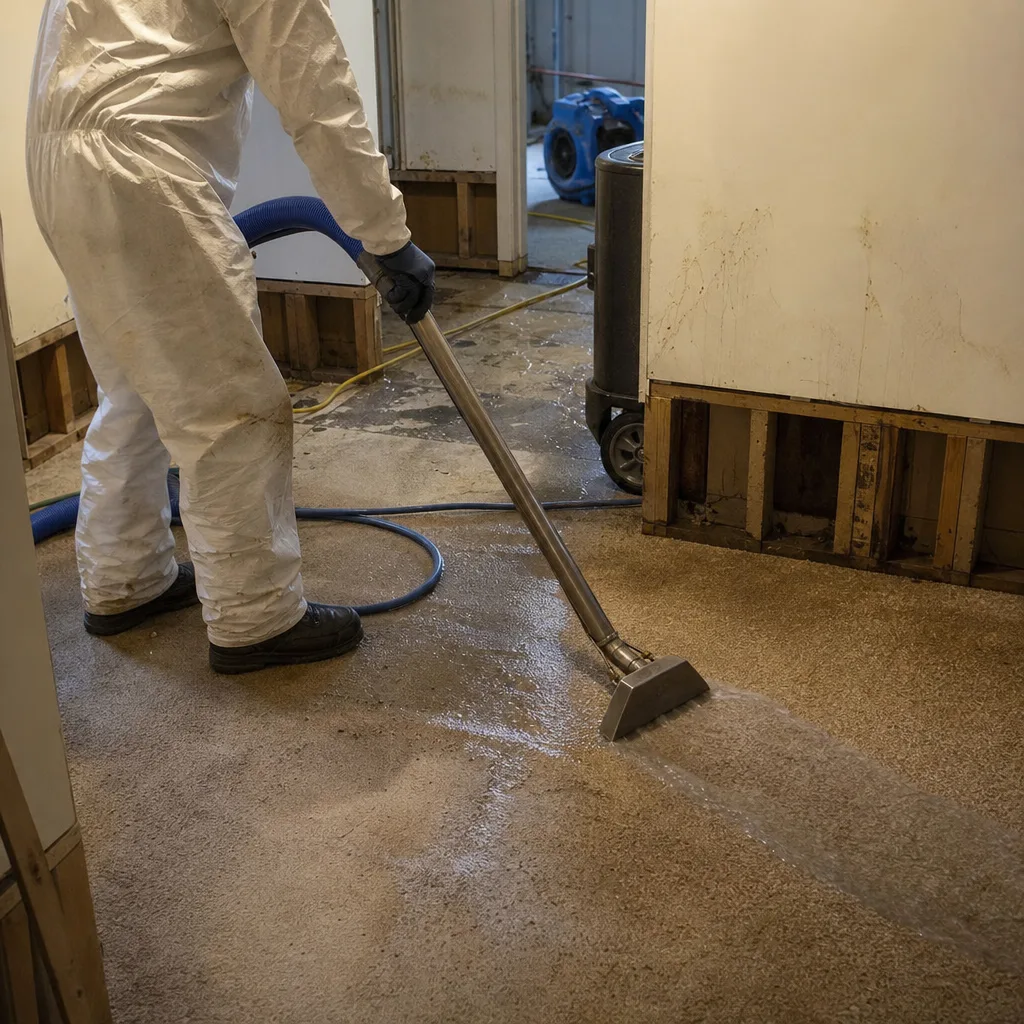
Mold Removal
Containment first, removal second, always. In a Hunters Point loft we may need to pause removal while the owner’s environmental consultant clears legacy mastic or pipe insulation. In a Center Boulevard tower we may need to coordinate with building management to access the shared riser chase. Either way, we remove the colonized material, bag it at the source, and run negative air throughout.
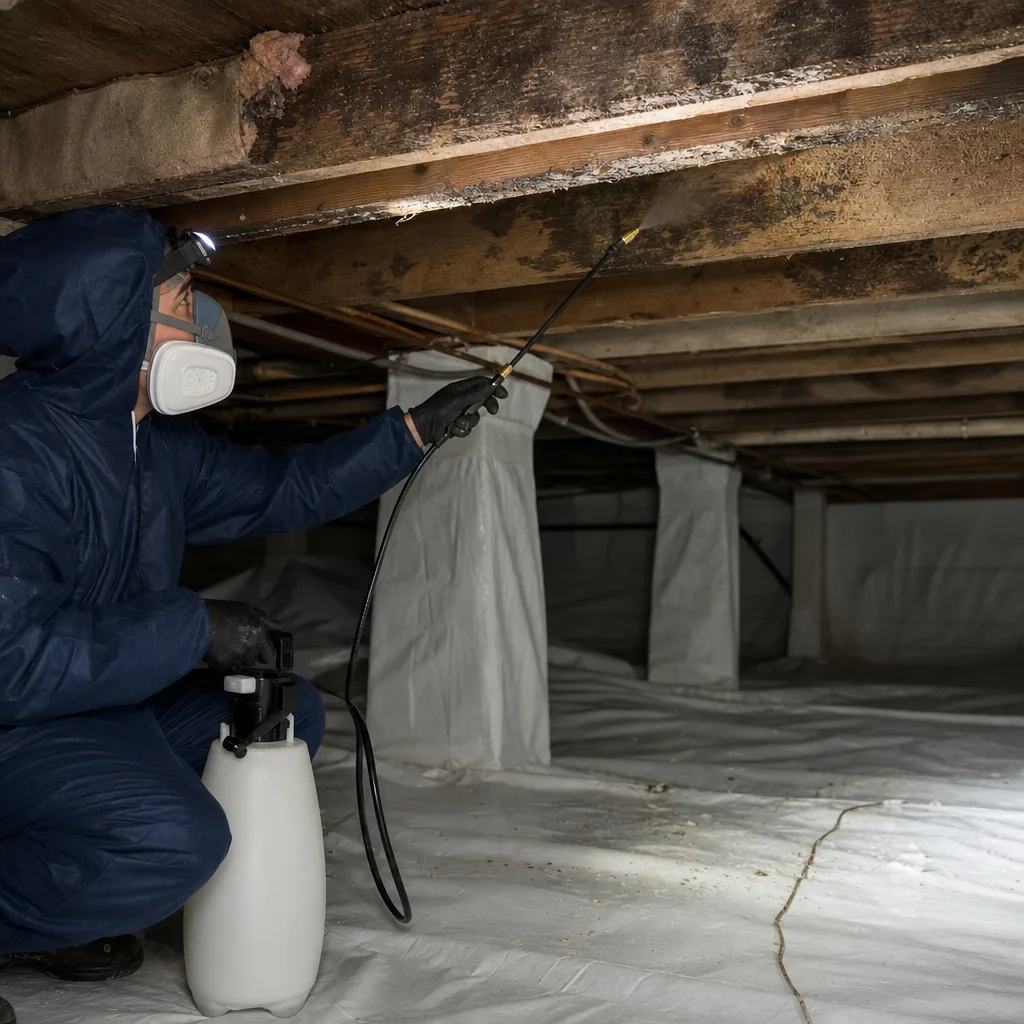
Black Mold Remediation
Black mold, Stachybotrys chartarum, gets the same protocol as any toxigenic mold: full containment, HEPA air scrubbing, HEPA vacuuming, antimicrobial treatment, and post-remediation verification. The Long Island City variable is the building itself. In an old Dutch Kills commercial conversion, we assume the substrate may contain industrial contaminants until testing says otherwise, and if needed we coordinate Biohazard & Crime Scene Cleanup in Long Island City protocols to treat the job accordingly. In a standard LIC condo, the job is faster, but the containment discipline is identical.
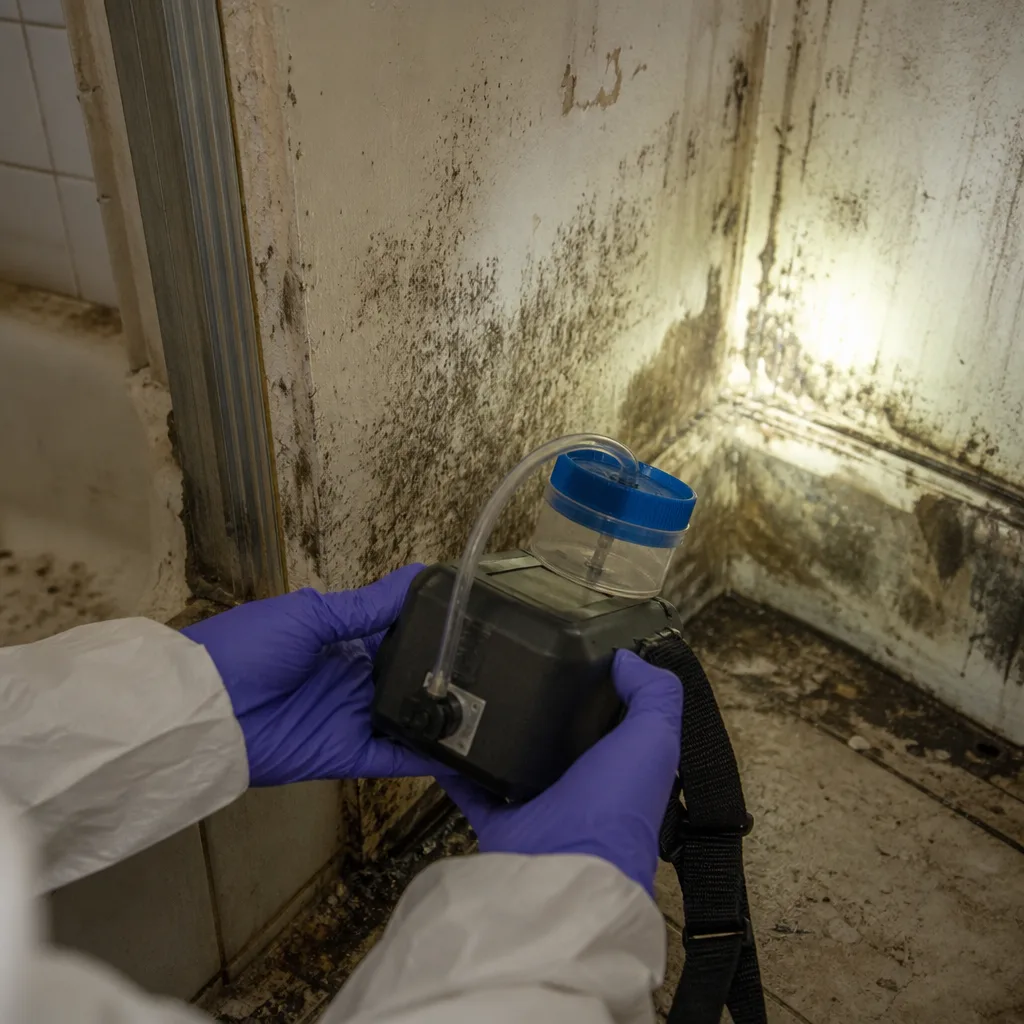
Air Quality Restoration
This is often the final, invisible step. After we’ve removed the mold and dried the structure, we run HEPA-filtered air scrubbers until the spore count inside the contained space drops to the outdoor baseline for Long Island City. In waterfront buildings where salt air and high humidity are constants, that baseline matters, and we document it.
Crawl Space Treatment
Long Island City crawl spaces near the East River and Newtown Creek are wetter than average because the groundwater table is so high. We get calls for crawl spaces with visible mold on the floor joists, and sometimes these spaces have also suffered Sewage Cleanup in Long Island City issues from backed-up drains. The truth is that removal alone won’t fix the problem. Those jobs need encapsulation, a vapor barrier, and a dehumidification plan. Otherwise the mold comes back and you’re paying twice.
What happens when you call
- 1
A real person answersNo phone trees - you reach a local pro.
- 2
You get an upfront price rangeHonest numbers before anyone is dispatched.
- 3
A background-checked tech heads outLicensed & insured, dispatched right away.
- 4
You approve before work beginsNothing starts until you say go.
Mold Remediation Costs in Long Island City, NY
A small, contained mold job in Long Island City, a bathroom wall behind a leaking supply line in a standard condo, runs $1,800 to $3,200. A full-room remediation with containment, HEPA scrubbing, and rebuild typically lands between $3,500 and $6,500. Larger jobs in converted Hunters Point lofts, where asbestos testing and abatement coordination add weeks and subcontractor costs, commonly run $8,000 to $20,000 or more, and the environmental consultant’s fees are usually separate from ours. High-rise jobs on Center Boulevard can also climb, because the containment has to account for shared air paths between units and because building management sometimes needs their own engineer involved. Insurance covers the water damage portion of most claims; mold remediation coverage depends on your policy language. We’ll give you a free visual inspection, and we’ll give you a written scope before any work starts, so you know the number before we cut anything.
We Also Serve Cities Near Long Island City
Floodline Restoration Co. handles mold remediation in Long Island City and across the neighboring areas, including Maspeth. If you’re just over the Newtown Creek line or near the BQE, call us and we’ll route the nearest certified crew to you.
Long Island City Mold Remediation Questions, Answered
How fast can you get to a mold remediation job in Long Island City?
We commit to a 45-minute response time for Long Island City calls, dispatching from our New York City office. A live person takes your call at any hour, and the crew that arrives can start containment and moisture mapping on the first visit.
Why does mold remediation in a Hunters Point loft often take longer than in a typical LIC high-rise?
Because pre-1980 industrial buildings routinely have asbestos in the original pipe insulation, floor mastic, or roofing materials, and demolition legally cannot proceed until an environmental consultant clears or abates those materials. In Long Island City’s converted factory lofts, that step can add weeks. A new high-rise unit on Center Boulevard has no legacy asbestos, so remediation moves faster.
How does the high water table near the East River affect mold growth in my Long Island City basement or sub-grade garage?
Groundwater constantly pushes moisture through concrete slabs and foundation walls in low-lying Long Island City areas near the East River and Newtown Creek. That means below-grade spaces stay damp even when there’s no leak, and mold can colonize behind framing or under flooring. These jobs require drying and humidity control, not just surface cleaning, or the mold returns.
Do I need a mold inspection if my LIC condo only had a small dishwasher leak?
If the leak ran for more than a day or two and the water reached the base of the cabinets, yes. Long Island City condo buildings often have shared wall cavities that hide moisture. A free visual inspection with thermal imaging catches moisture that’s not visible yet, and it’s cheaper than a full remediation later.
Can mold from a roof leak spread between units in a glass-curtain-wall LIC tower?
Yes. In Long Island City’s newer high-rises, shared riser chases and plenum spaces allow air and moisture to move between floors and adjacent units. Once mold begins in a common wall cavity, it can travel. That’s why we contain the affected unit and run negative air while we work, so spores don’t migrate to your neighbor’s condo.
What’s different about black mold remediation in a converted LIC warehouse versus a standard residential call?
In a standard residential home, we contain, remove, and treat. In a converted Long Island City warehouse or factory building, we first have to determine whether the substrate we’re about to cut into contains legacy asbestos or industrial contaminants from pre-1980 construction. If it does, we hold containment while an environmental contractor clears the material. The mold protocol is the same; the building history adds a layer that most residential jobs never have.
Will my insurance cover mold remediation in Long Island City?
It depends on your policy. Most policies cover the water damage that led to the mold, and some cover mold remediation up to a sub-limit, often $5,000 to $10,000. We document everything from the first hour and bill your carrier directly, with daily moisture logs and a written scope. If you’re in a Long Island City condo, we can coordinate with both your unit policy and the building’s master policy.
Can I stay in my Long Island City home during mold remediation?
For a contained bathroom or utility-room job, usually yes, because the affected area is sealed off under negative air pressure. For a full-floor remediation or a job involving black mold in a compact LIC apartment, we often recommend relocating for a few days while air scrubbers run. We’ll tell you honestly on the first visit, based on the size of the containment zone and the type of mold involved.
Serving Long Island City, NY - Our Local Coverage Area
We’re based in the Long Island City area and know this community well. Use the map below to see our service coverage - if you’re nearby, we can almost certainly help.
Call Floodline Restoration Co. for Mold Remediation in Long Island City
If you’ve got visible mold, a musty smell you can’t place, or a pipe that’s been leaking inside a wall in Long Island City, call us. A live person answers at (518) 663-6491, day or night. We’ll inspect it for free, tell you what you’re actually dealing with, and give you a written scope before any work starts. No pressure, no invented problems, no mid-job handoff. From the first containment seam to the final coat of paint, the same certified crew does the work. And when we’re done, you get the 90-Day Done Right Promise in writing. If it’s not done right, we make it right. That’s the Keystone Standard, and we’ve stood behind it on every mold job we’ve touched in Long Island City.
Written by Curt Bowman, Owner at Floodline Restoration Co., serving Long Island City and the surrounding communities.