
Free visual inspection and a written scope of work before any mitigation begins - photos, moisture readings, and drying logs go in your claim file
The scope we write is the scope we bill. Anything new gets shown to you, in writing, before we touch it.
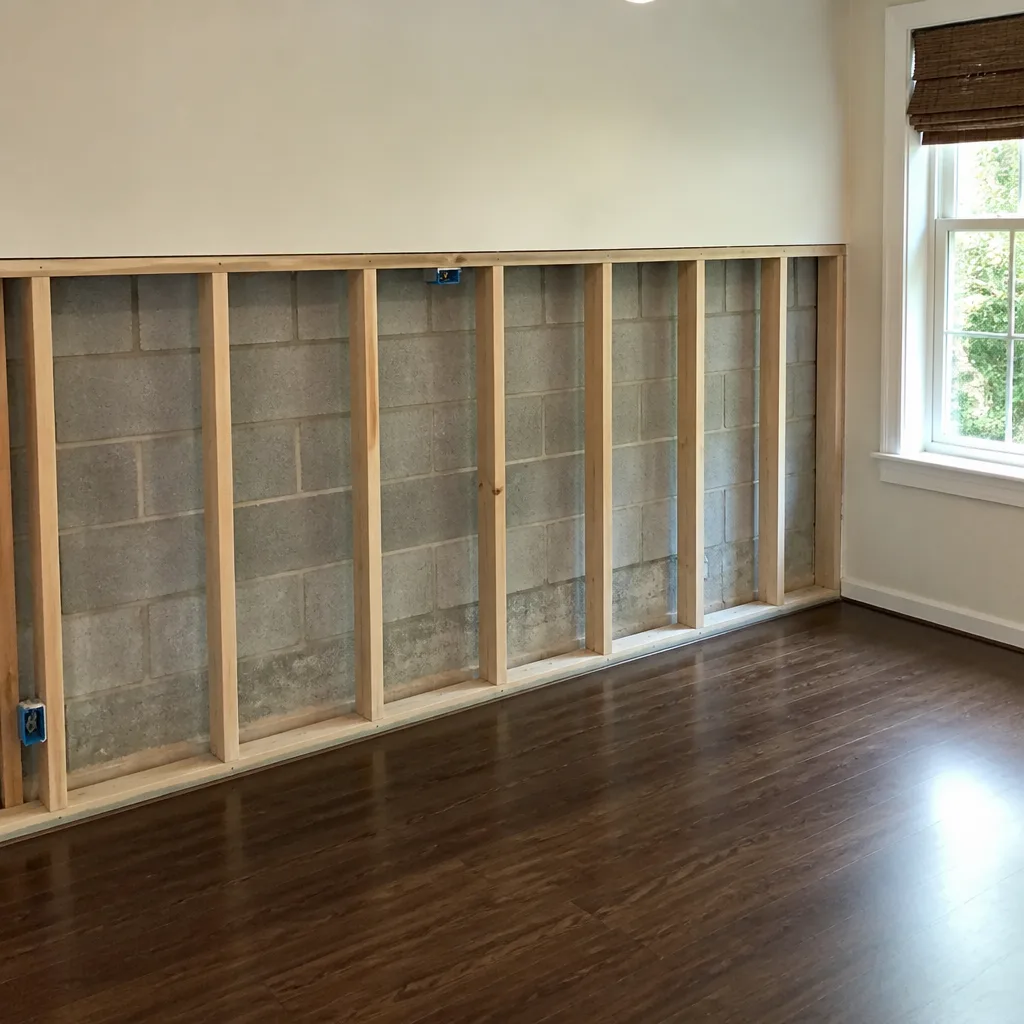
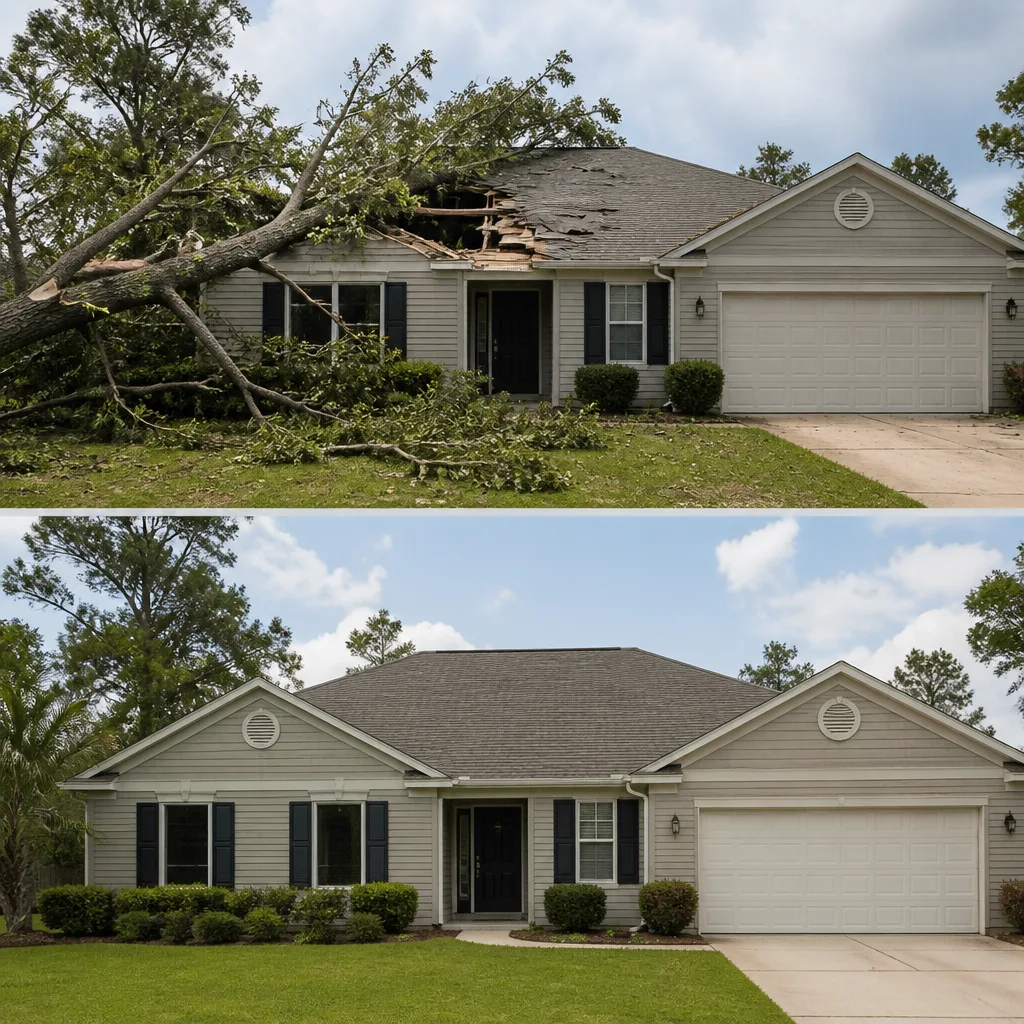
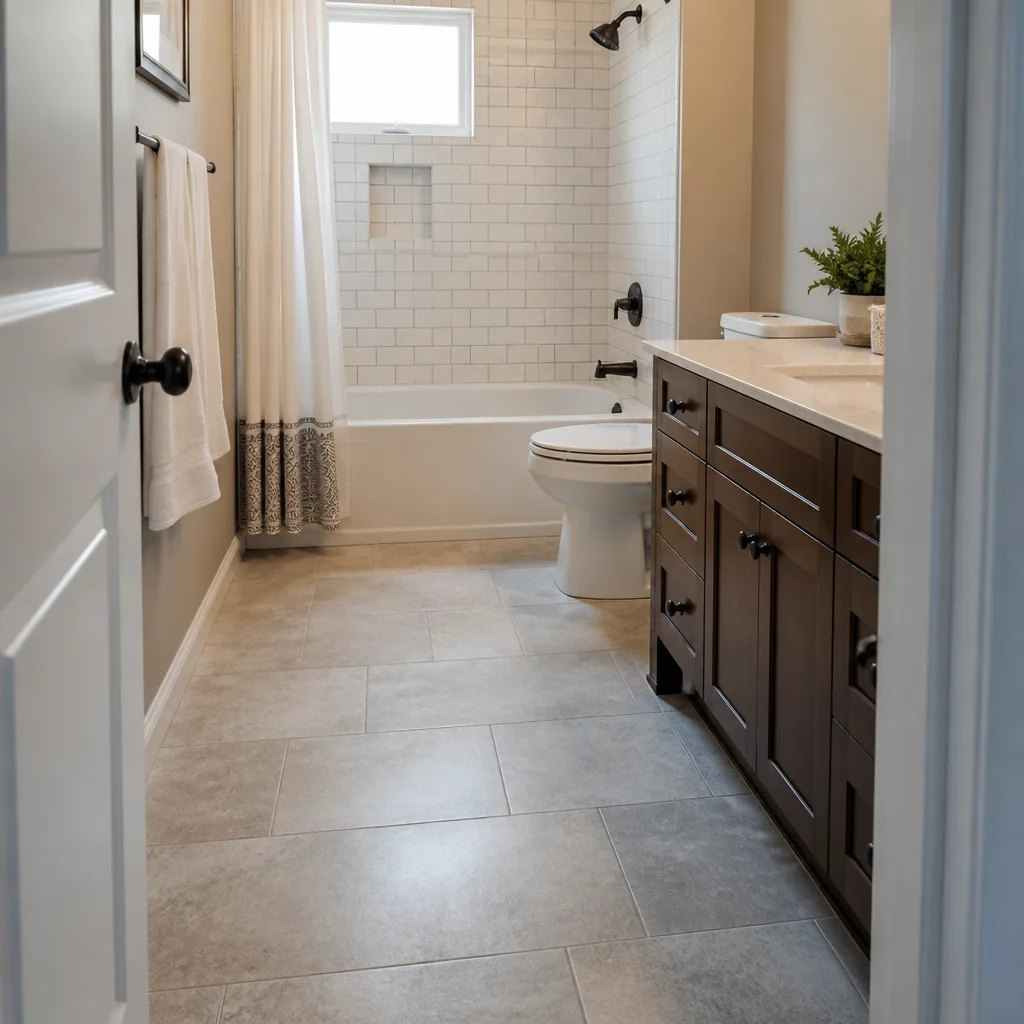
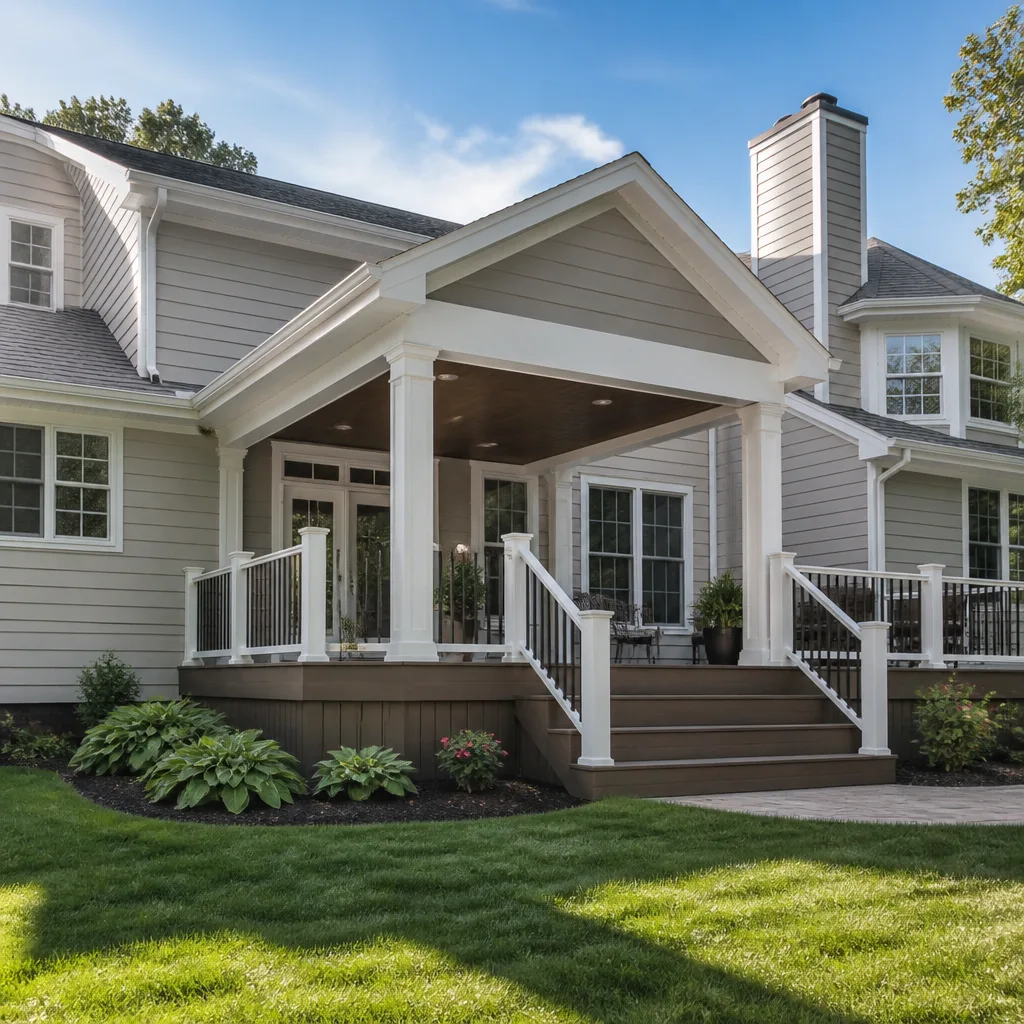
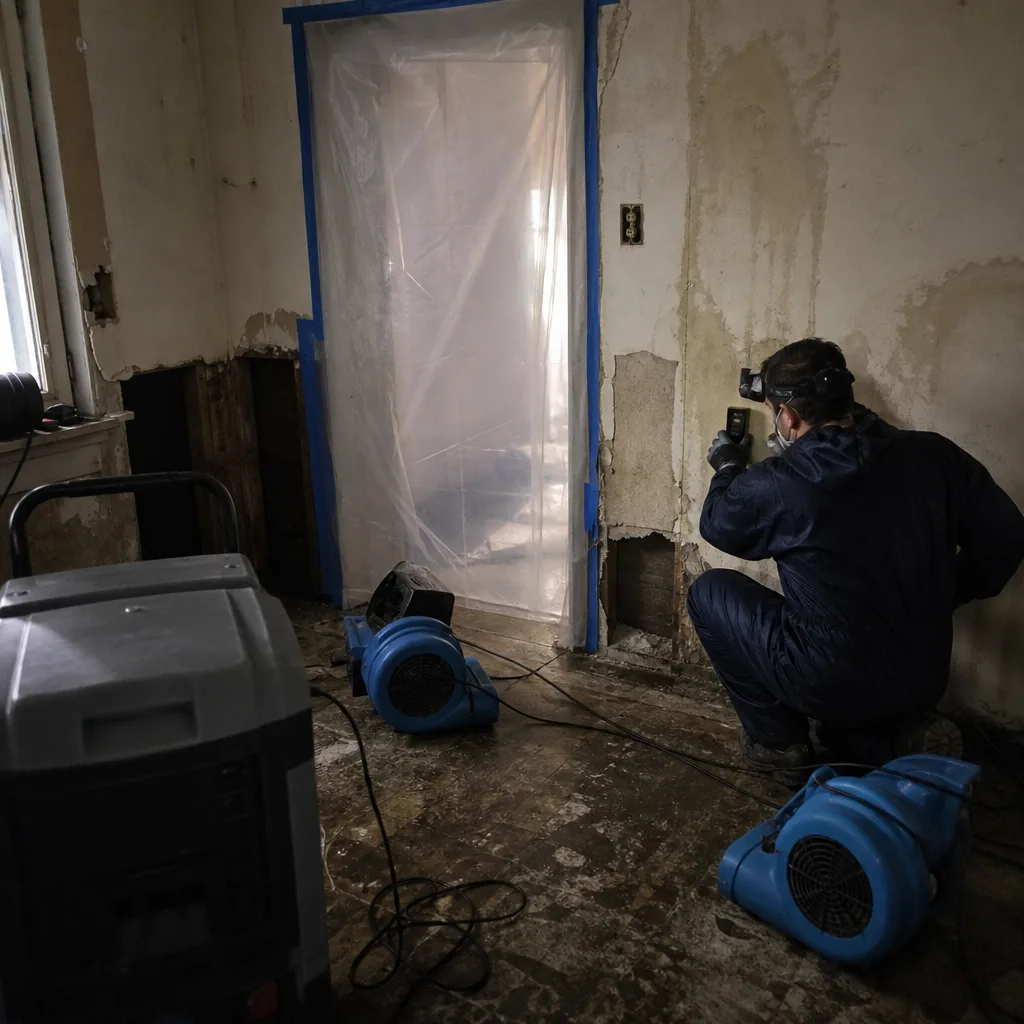 Before
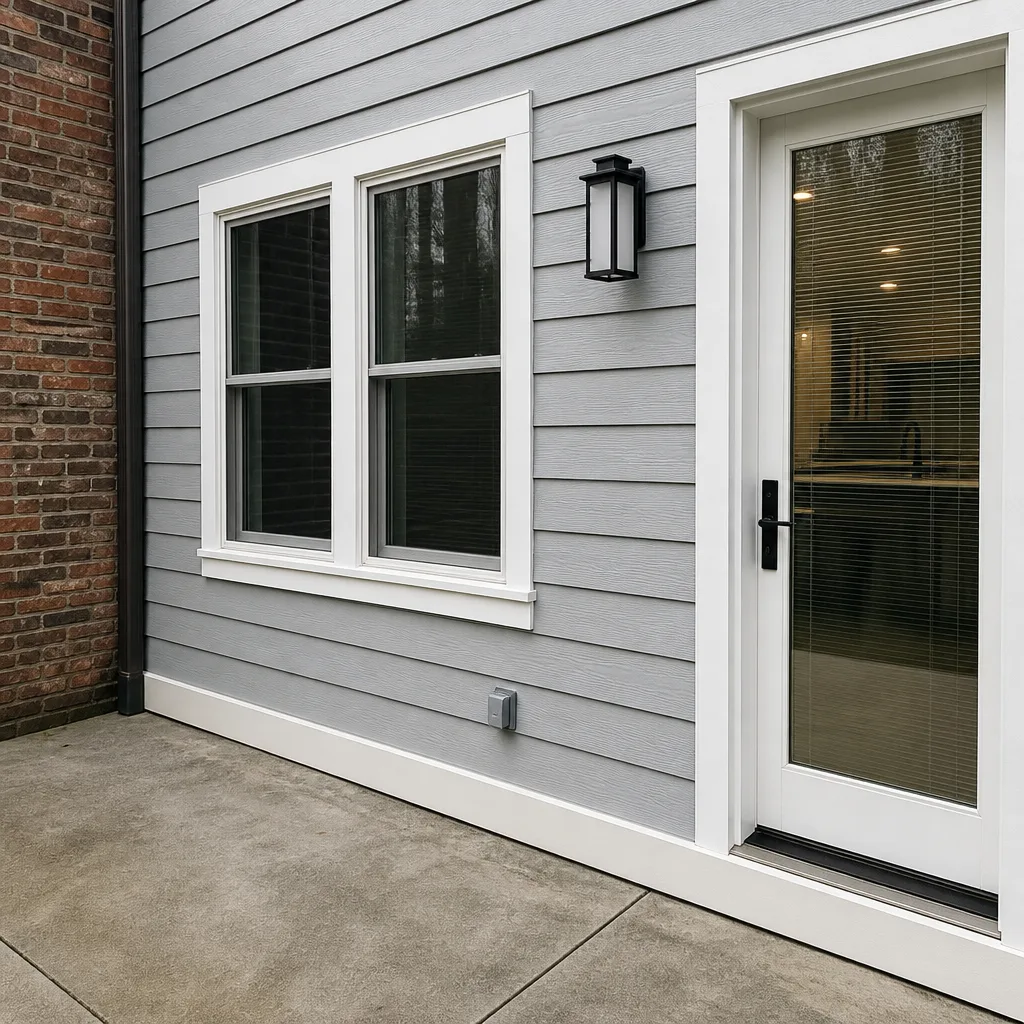 After
After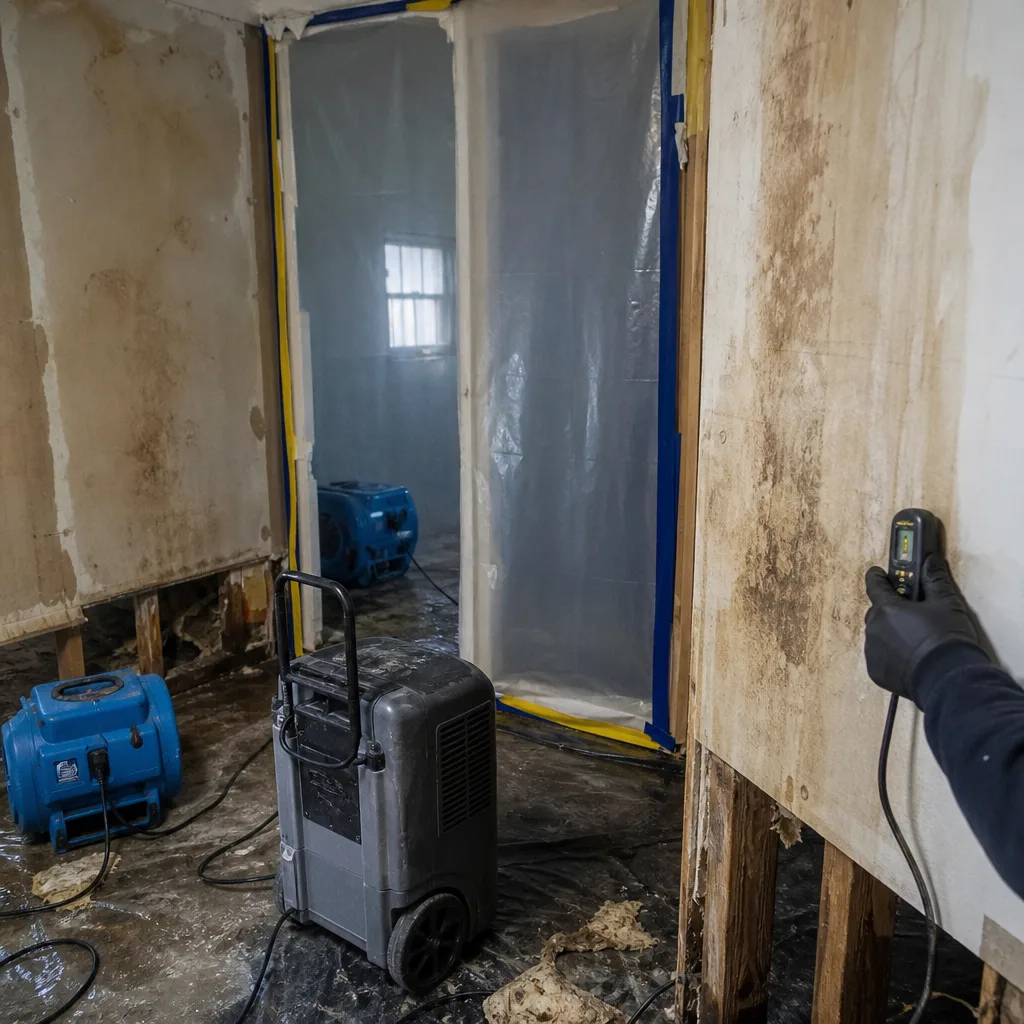 Before
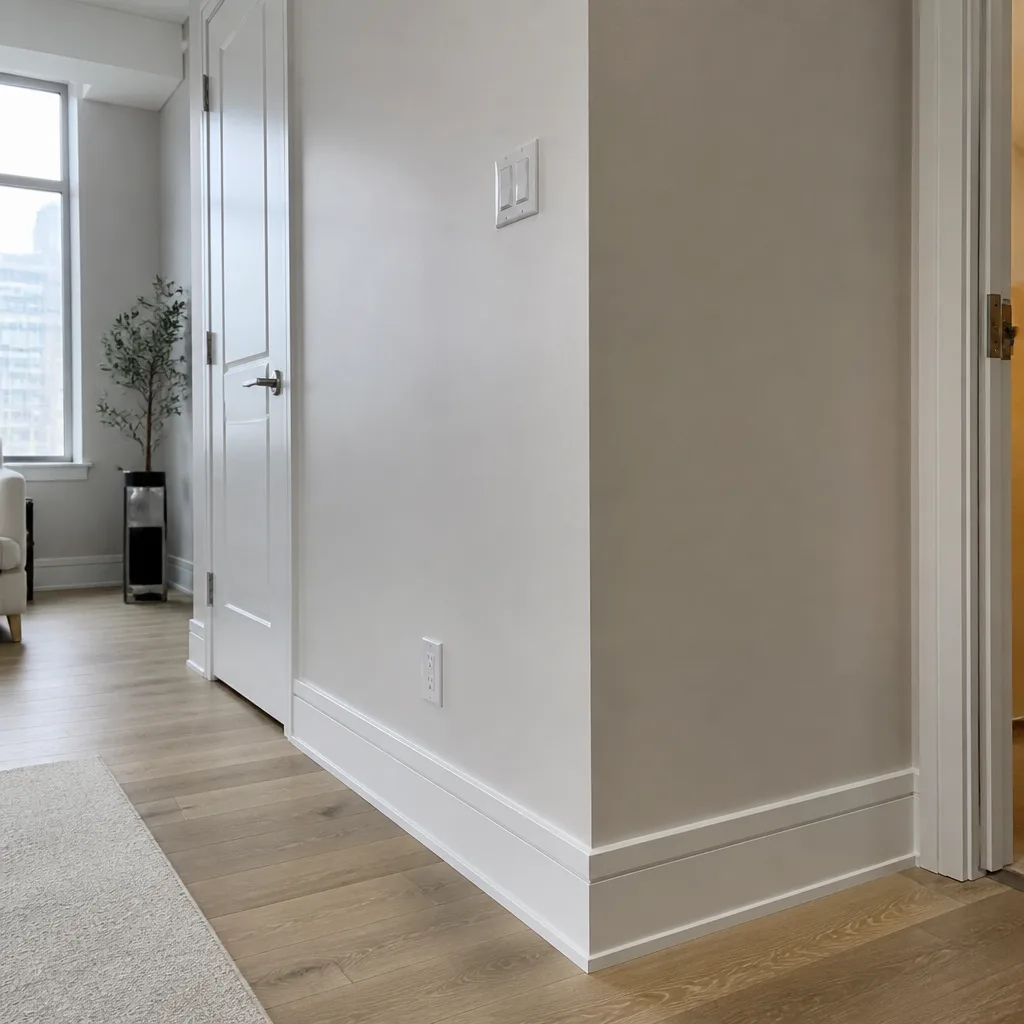 After
After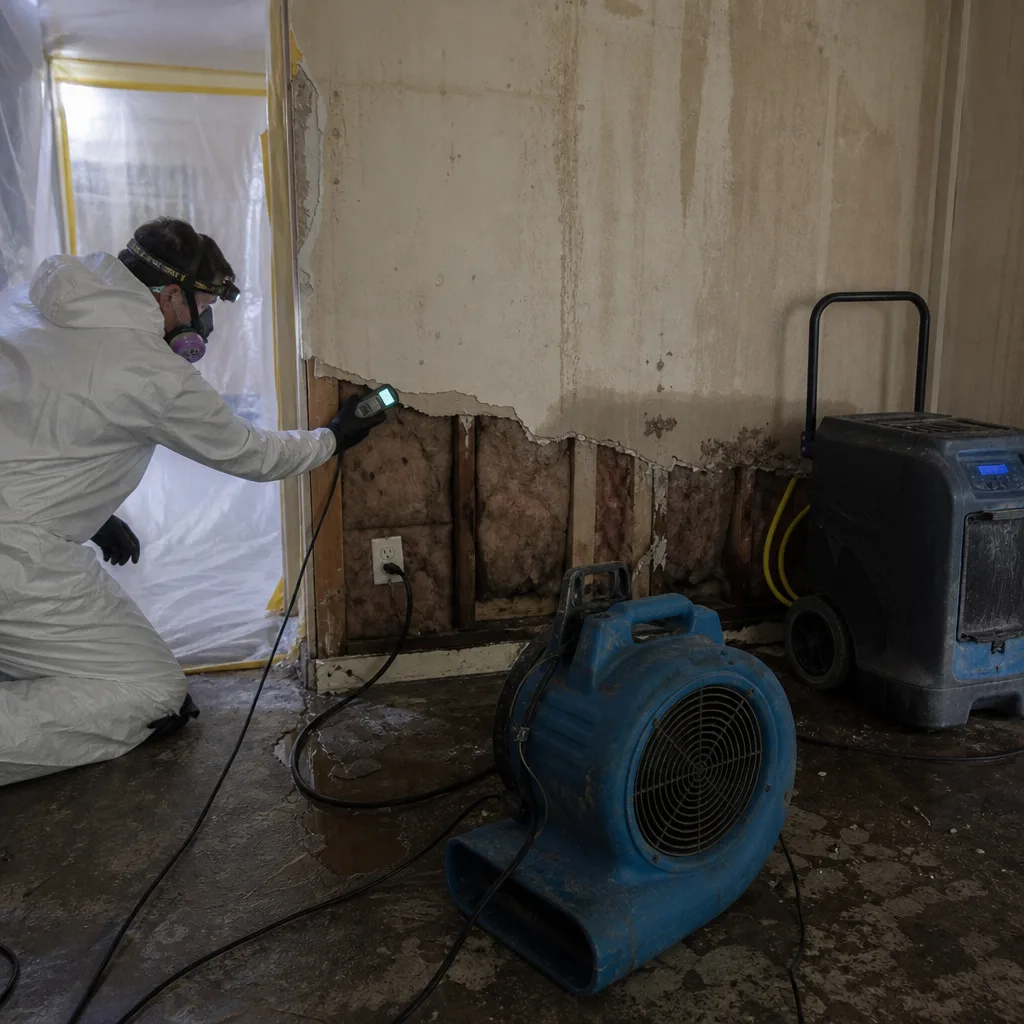 Before
 After
After24/7 Emergency Mold Remediation in Jersey City
Mold remediation in Jersey City typically costs between $1,800 and $6,500 depending on how far the colony has spread through walls and framing. Most jobs in the city’s brick row houses and multi-family buildings take three to five days from containment to final clearance testing. If you’re seeing black spotting on baseboards, smelling something musty that won’t go away, or dealing with a recent flood or sewage backup, call (518) 663-6491 right now. A live dispatcher answers at any hour, and we can have a certified crew at your door inside the Jersey City area the same day. The first 24 hours matter because mold colonies double in size every 48 to 72 hours once spores find moisture and organic material. Every hour of delay means more drywall to cut out, more framing to treat, and a bigger bill. Our Mold Remediation team treats this as an emergency because it is one.
Understanding Mold Remediation Severity in Jersey City Properties
Mold grows where water lingers, and in Jersey City’s housing stock, water lingers in places you can’t see. The city’s late-19th and early-20th century brownstones, tenements, and attached row houses share wall cavities, floor joists, and roof membranes between units. A slow leak in one apartment colonizes the shared wall with mold within days, and the residents on the other side smell it before they see it. Remediation severity breaks into three levels. Level 1 is surface mold on non-porous materials like tile or vinyl, usually under 10 square feet, handled with HEPA vacuuming and antimicrobial treatment. Level 2 covers porous materials like drywall, insulation, and plaster, which must be cut out and bagged under containment. Level 3 involves mold inside wall cavities, under floorboards, or in crawl spaces where hidden moisture feeds colonies for months. In Jersey City’s older buildings with original plaster over wood lath, mold travels through the lath behind the wall long before it stains the surface. That’s why we always remove a section of baseboard during inspection rather than trusting what’s visible.
Why Jersey City Property Owners Choose Floodline Restoration Co.
- 45-minute response commitment for emergency calls inside the Jersey City area, with a live dispatcher coordinating the nearest certified crew.
- 24/7 live answer, always a real person. You call at 2 a.m. during a nor’easter, a human picks up, not a recording.
- IICRC-certified crews trained to the WRT, FSRT, and AMRT standards, with background-checked, uniformed technicians on every job.
- Free visual inspection with moisture mapping and thermal imaging so you know what’s actually behind the wall before any work starts.
- Direct insurance billing with photo documentation, line-item scopes, and adjuster coordination from the first hour.
- One team from extraction to reconstruction. The crew that cuts out moldy drywall is the same crew that hangs and paints the new one. No handoffs, no strangers.
Our Mold Remediation Process
Inspection & Assessment
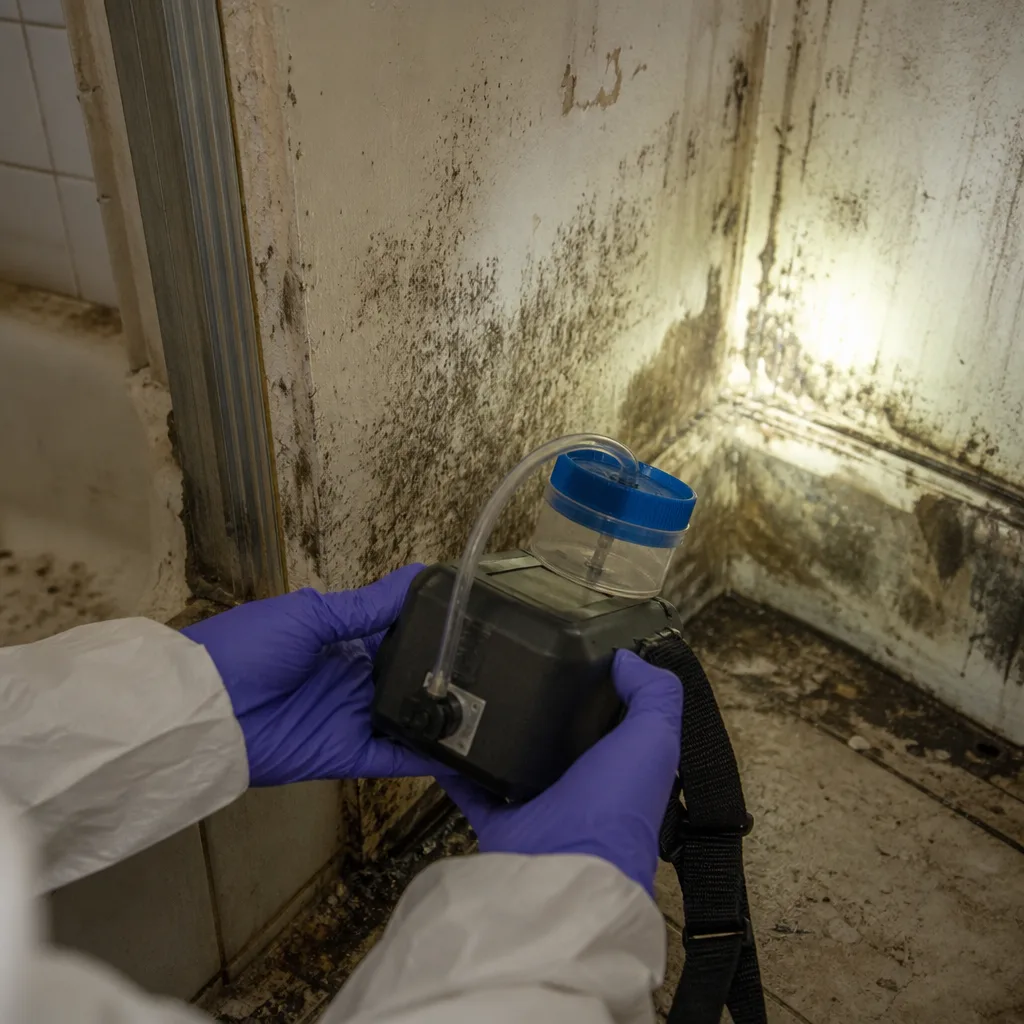
We start with a visual walkthrough, moisture meter readings, and thermal imaging to find water sources and hidden colonies. In attached row houses, we check the shared wall cavities on both sides. You get a written scope with photos before any work begins.
Containment & Stabilization
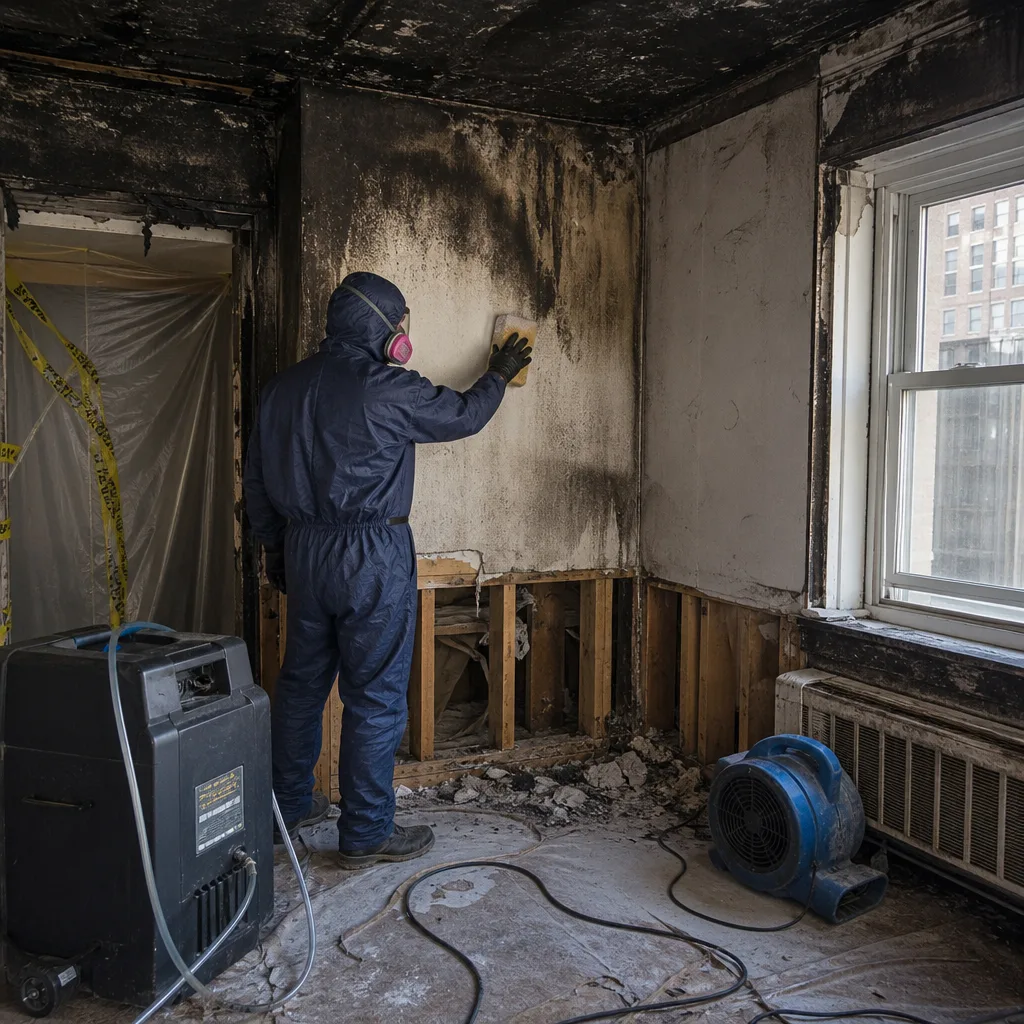
We seal off the affected area with 6-mil polyethylene and run negative air pressure using HEPA scrubbers so spores don’t spread to adjacent rooms or neighboring units. In multi-family buildings, we coordinate with building management to keep hallways and stairwells clear of contamination.
Drying & Dehumidification
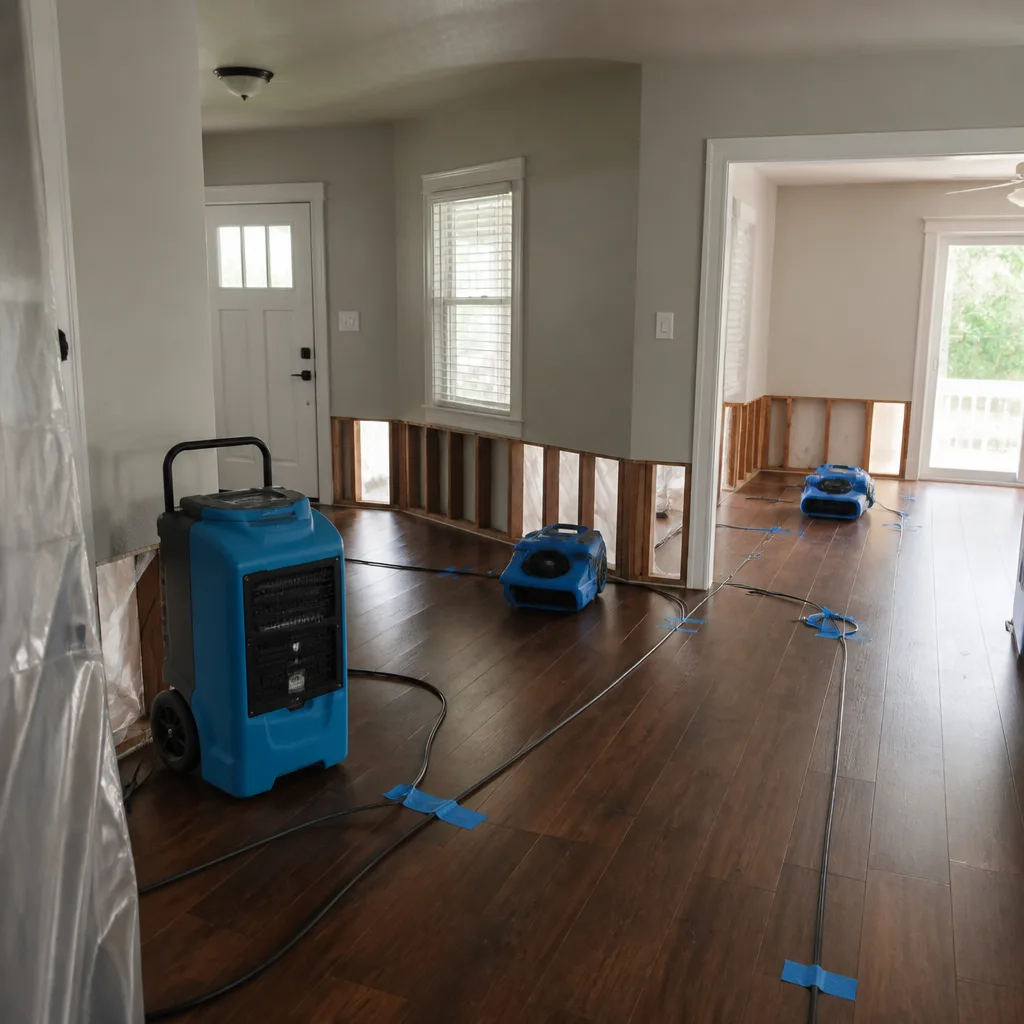
Using Phoenix and Dri-Eaz low-grain refrigerant dehumidifiers and XPOWER air movers, we drive moisture out of framing, subfloor, and plaster. Daily moisture readings are logged until the dry standard is met, and you and your carrier get the log.
Removal of Contaminated Materials
Moldy drywall, insulation, carpet, and trim are cut out, bagged in sealed containers, and removed through contained routes. We don’t treat porous materials that hold spores; we remove them.
Cleaning & Sanitization
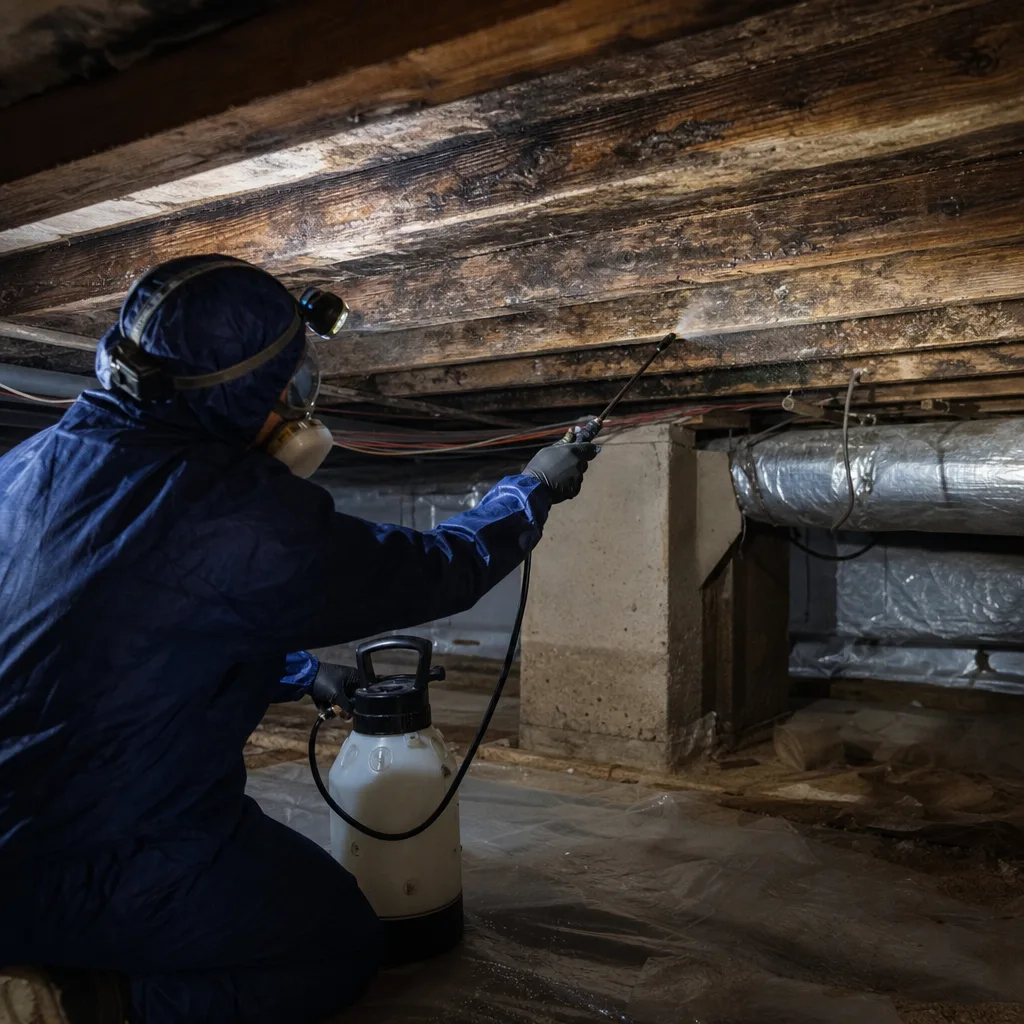
Framing and non-porous surfaces are HEPA-vacuumed, wire-brushed where needed, and treated with EPA-registered antimicrobial agents. The entire contained area is fogged and air-scrubbed until airborne spore counts drop to acceptable levels.
Repairs & Restoration
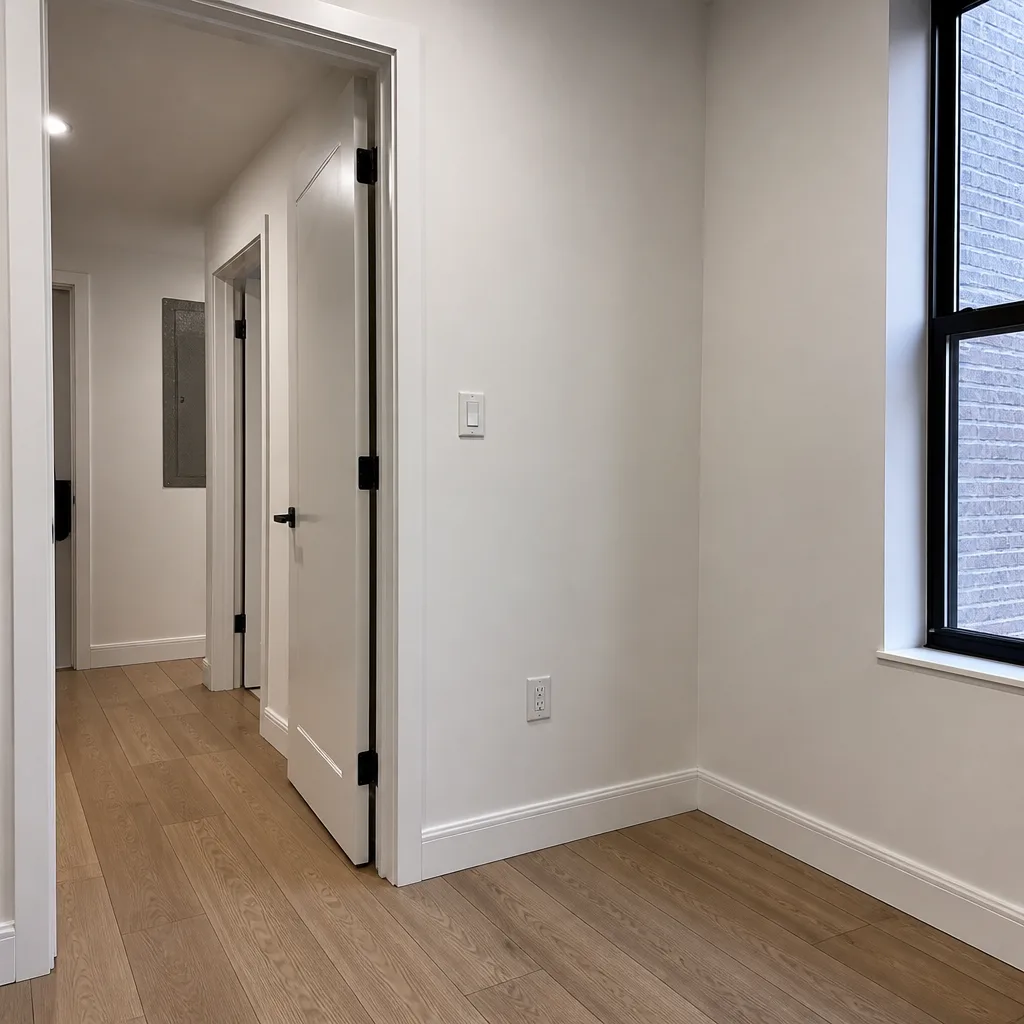
New drywall, insulation, trim, and paint go in after clearance testing confirms the space is clean. We rebuild with moisture-resistant materials where appropriate, especially in basement and garden-level units that sit below grade.
Need Emergency Mold Remediation in Jersey City Now?
Crews minutes away, answering live 24 hours a day. The sooner we start, the less it costs.
Working With Your Insurance Company
Mold claims are scrutinized harder than almost any other property loss. Carriers want proof of the water source, documentation of the timeline, and a remediation protocol that meets industry standards. We build that file from the first hour. Photos of every affected room before and during containment. Moisture readings with time and date stamps. A drying log showing daily progress toward the dry standard. A line-item scope of work that separates mold remediation from reconstruction so your adjuster can approve it cleanly. We bill your carrier directly and coordinate with the adjuster throughout, so you’re never the messenger between us and the insurance company. If there’s pushback on a scope item, we document why it’s necessary and advocate for it with the photographic evidence and moisture data to back it up.
What We Provide Your Insurer
- Thorough documentation of the loss
- Photos of all damage, room by room
- Moisture readings and drying logs
- A detailed, line-item scope of work
- Direct coordination with your carrier
Built for Jersey City’s Loss Calendar
Jersey City doesn’t have a mold season. It has a mold calendar. January and February bring deep freezes that burst galvanized supply lines in uninsulated exterior walls of pre-war brownstones. The water runs down inside the wall cavity for days before anyone notices, and by March, the colony is established. Spring thaw and heavy March and April rains saturate the clay-heavy soil around foundations, pushing water through mortar joints into basements and garden-level units. Summer thunderstorms overwhelm the city’s aging combined sewer system, sending Category 3 water up through floor drains in basement apartments across Downtown and the Heights. Autumn nor’easters push the Hudson River into the waterfront districts, and the salt-laden floodwater accelerates corrosion of structural fasteners while soaking drywall and insulation. Every one of these events leaves behind the same thing: moisture trapped in dark, warm cavities, feeding mold. That’s why we treat every water damage call in Jersey City as a potential mold remediation job, not a separate service. The same crew that extracts the water starts mold prevention protocols before the drywall even dries.
This is also why we never rush a drying job in Jersey City’s older buildings. The plaster walls in an 1890s brownstone on Wayne Street dry differently than the drywall in a 2015 high-rise in Newport. Plaster holds moisture longer and hides it deeper. We set drying goals based on the actual substrate, not a generic timeline, and we log daily readings until the dry standard is met, not until the surface feels dry.
Mold Remediation Across Jersey City’s Neighborhoods
The job changes block by block. In The Village and the historic districts around Van Vorst Park, we work in attached brownstones and row houses where mold travels laterally through shared wall cavities. A colony behind a bathroom wall in one house is a moisture source for the neighbor’s bedroom wall. We contain and treat both sides of the party wall when the water source is shared. In The Heights, the housing stock runs to wood-frame houses on sloped lots, where water enters through foundation walls and collects under porches and in crawl spaces. Our Jersey City crawl space treatment work here often involves digging out saturated soil, installing vapor barriers, and running dehumidification for days. In Bergen-Lafayette and Greenville, we see basement units in multi-family tenements where floor drains back up with sewage during moderate rainstorms. Those jobs require full Category 3 biohazard protocols before mold remediation even starts, because you can’t remediate mold in a space that still carries sewage contamination. In the Journal Square corridor, the mix of older wood-frame buildings and mid-century brick construction means water travels unpredictably through chases and pipe runs. We map the moisture with thermal imaging before we cut anything open. In Newport and Exchange Place, the post-Sandy high-rises and converted lofts have different failure modes: failed roof membranes, HVAC condensate leaks, and window flashing failures that let wind-driven rain into wall cavities on upper floors. The mold grows behind expensive finishes, and containment in occupied luxury buildings means coordinating with management, scheduling freight elevator time, and protecting common areas.
Our crew handled a mold outbreak in a three-story brownstone on Wayne Street in the Village neighborhood after a nor’easter pushed Category 3 water up through the floor drains into the garden-level unit. We set up containment and negative air with XPOWER air movers, removed contaminated drywall and insulation, then treated the framing with antimicrobial before structural drying, all while coordinating with the upstairs tenants to prevent cross-contamination. The job took five days, and the clearance test came back clean.
Specialized Mold Remediation Services We Offer in Jersey City
Black Mold Remediation
Stachybotrys chartarum, the species people call black mold, gets a lot of attention and deserves a lot of caution. It grows on materials that have been wet for weeks, not days, and it’s common in Jersey City’s basement and garden-level units after sewage backups or slow plumbing leaks inside wall cavities. We treat black mold with full containment, HEPA air scrubbing, and removal of all affected porous materials. No bleach spraying, no shortcuts. The goal is removal, not suppression.
Moisture & Humidity Control
Jersey City’s position on the tidal Hudson means basements and crawl spaces here run humid year-round, especially in the older brick buildings where lime mortar wicks moisture through foundation walls. We install vapor barriers, run refrigerant dehumidifiers during remediation, and recommend permanent humidity controls where the building’s construction demands them. Keeping relative humidity below 50% in a below-grade space is the single most effective mold prevention measure available.
Air Quality Restoration
After the visible mold is removed and the surfaces are clean, the air still carries spores until it’s been scrubbed properly. We run HEPA air scrubbers in the contained area throughout the entire remediation, then take air samples for clearance testing once the work is done. The post-remediation verification confirms spore counts are back to normal background levels for the building type and season. That clearance report is what you show your tenants, your insurer, and any future buyer.
Mold Inspection & Testing
If you’re not sure what you’re dealing with, we start with a visual inspection, moisture mapping, and air or surface sampling where needed. In Jersey City’s multi-family buildings, we also check for moisture migration from adjacent units, because the source of your mold may be behind a neighbor’s wall. The inspection report tells you what species is present, how far it’s spread, and what it will take to remove it.
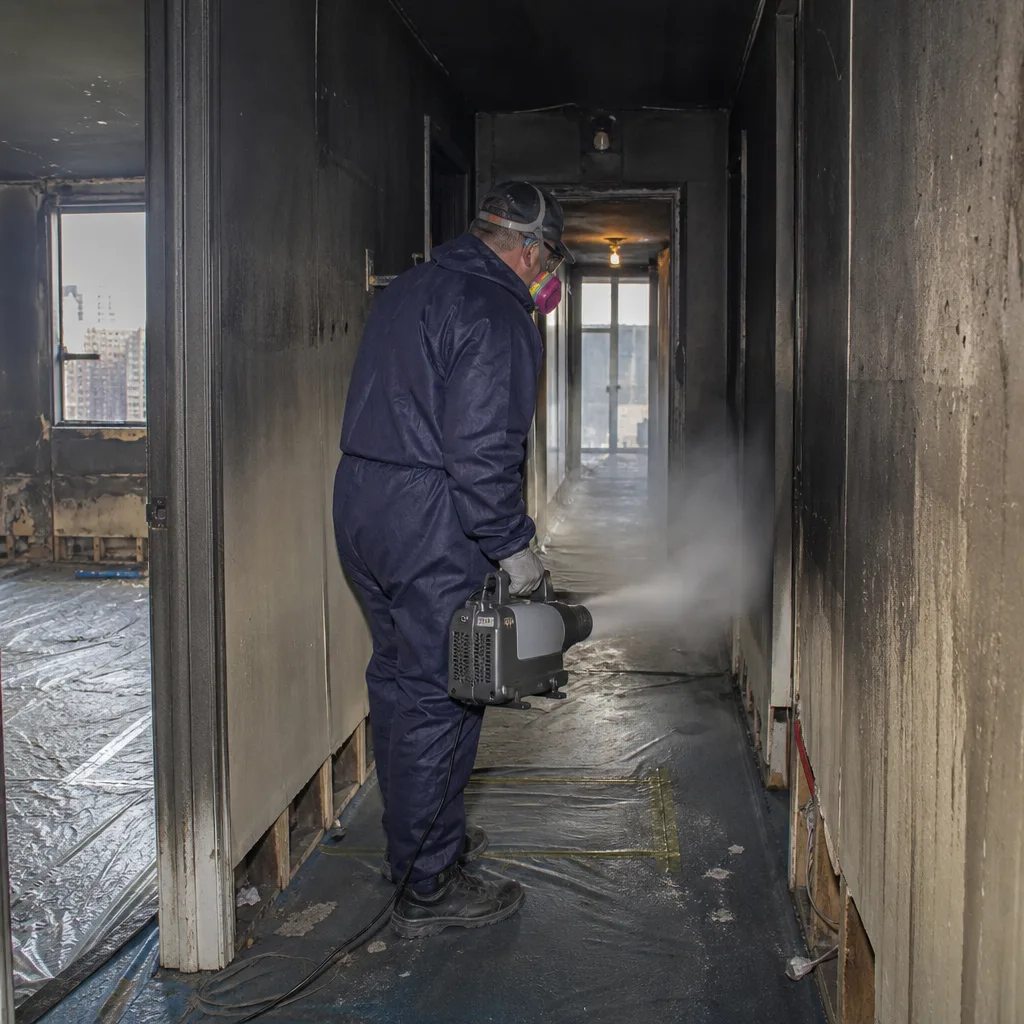
Mold Removal
Removal means cutting out and throwing away the contaminated materials, not painting over them or treating them in place. Drywall, insulation, carpet, and trim that hold mold get bagged and disposed of. Framing gets HEPA-vacuumed, treated, and dried. The space gets rebuilt with new materials. In Jersey City’s older homes, that often means matching plaster profiles, restoring hardwood floors, and rebuilding trim to match the original character of the house.
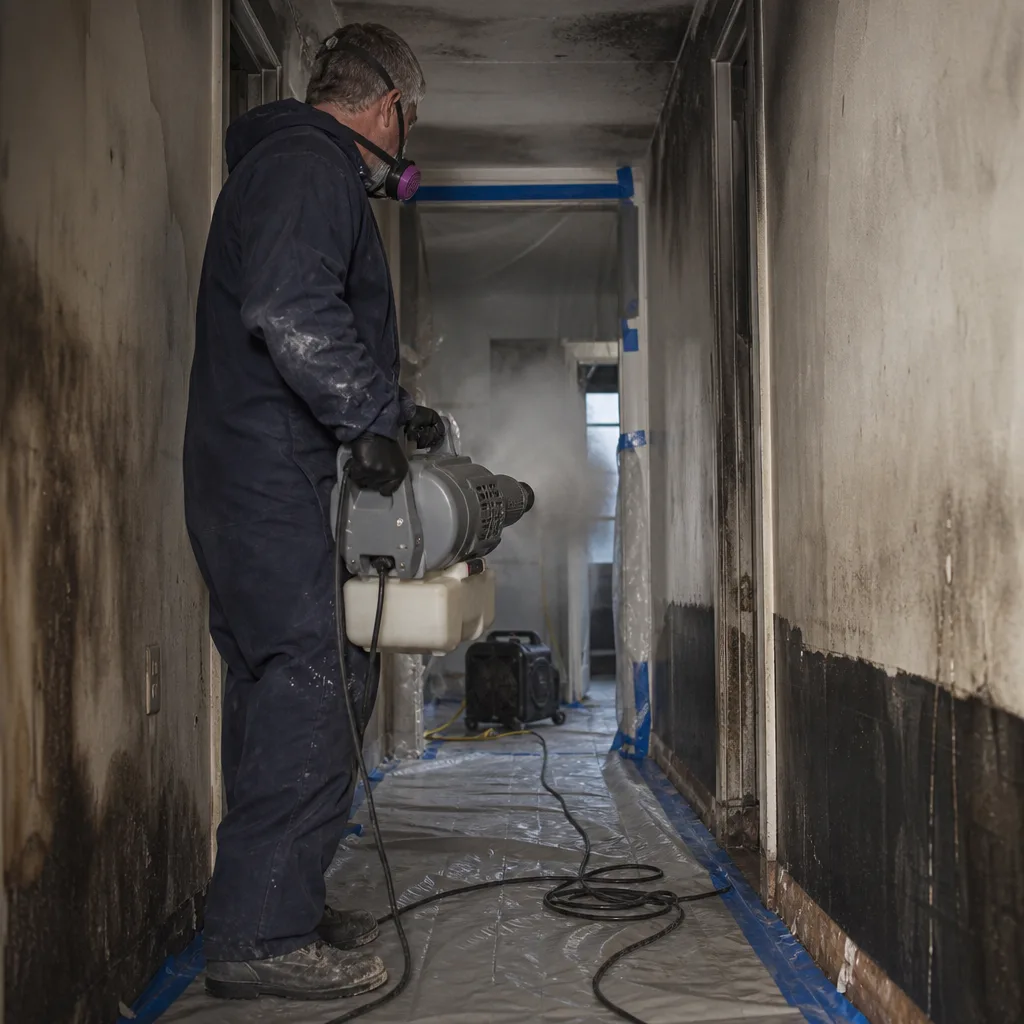
Crawl Space Treatment
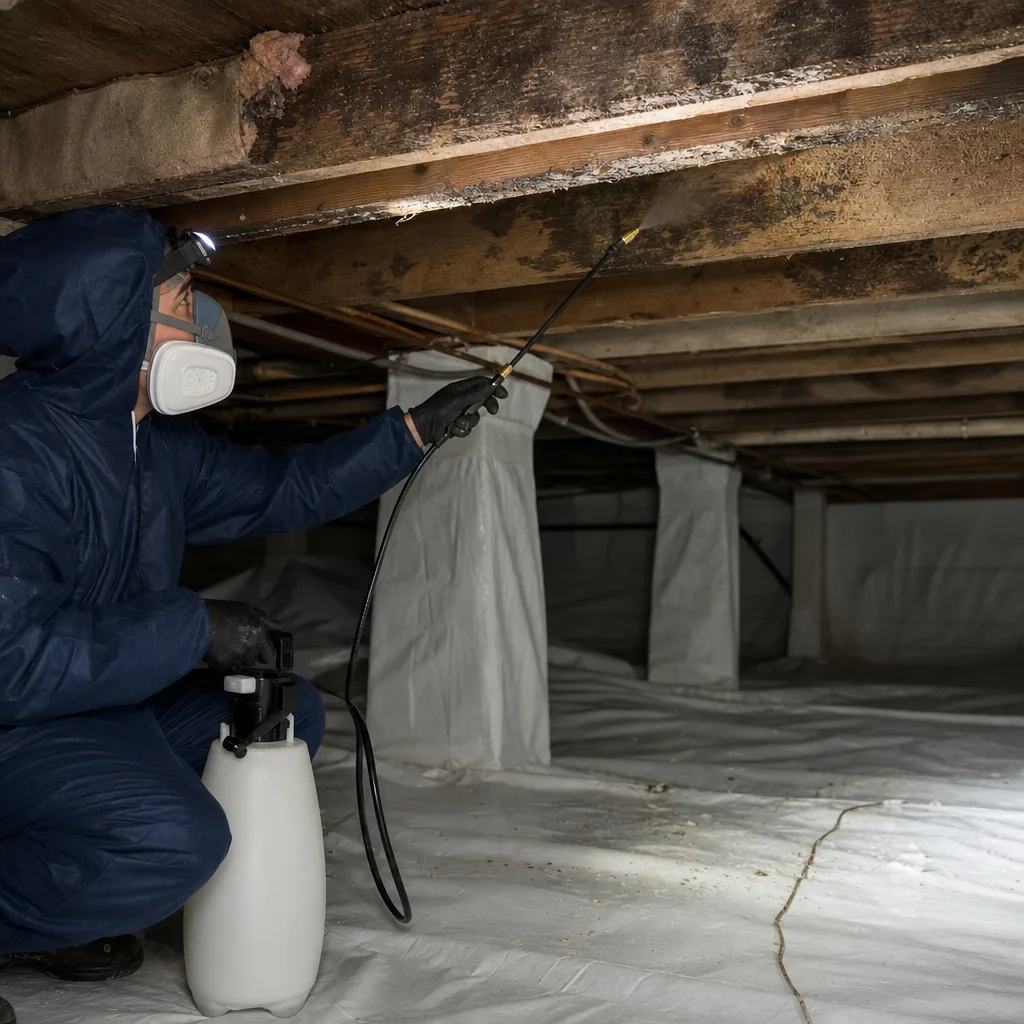
Crawl spaces in Jersey City’s wood-frame houses collect moisture from foundation seepage, condensation, and high groundwater. We treat the mold, dry the space, and install vapor barriers and drainage where needed. A crawl space that stays dry stays mold-free, and it protects the floor joists above it from rot.
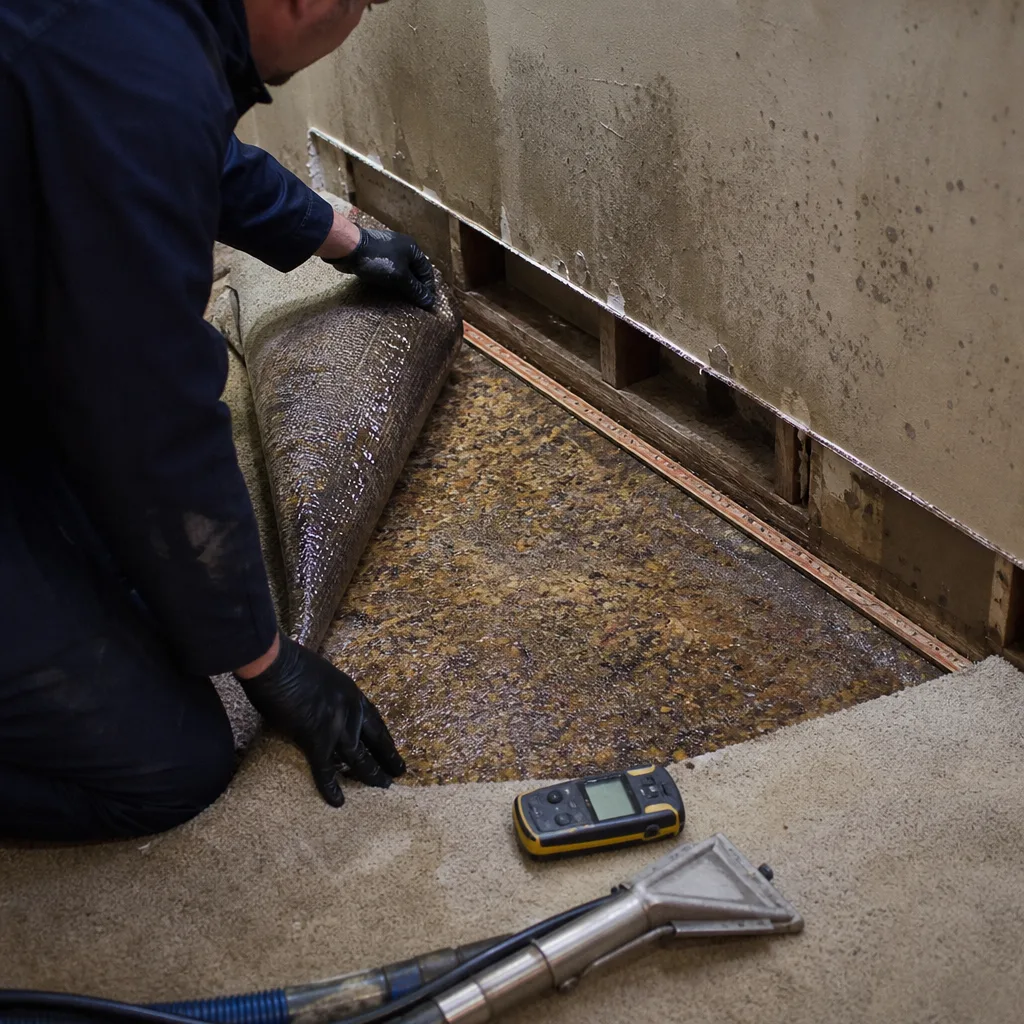
What happens when you call
- 1
A real person answersNo phone trees - you reach a local pro.
- 2
You get an upfront price rangeHonest numbers before anyone is dispatched.
- 3
A background-checked tech heads outLicensed & insured, dispatched right away.
- 4
You approve before work beginsNothing starts until you say go.
Mold Remediation Costs in Jersey City, NJ
A small mold cleanup in Jersey City, under 10 square feet of surface mold on non-porous materials, usually runs $800 to $1,500. A typical bathroom or closet remediation with drywall removal and containment runs $2,000 to $4,500. Full-room remediation involving wall cavities, insulation, and reconstruction runs $4,500 to $8,000. A whole-basement cleanup after a Category 3 sewage backup, with full biohazard protocols, containment, demolition, drying, and rebuild, can run $8,000 to $15,000 or more depending on square footage and finishes. What moves the price: how far the mold has spread behind walls, whether multiple floors are involved, whether the building is occupied during work, and whether the mold is tied to a water loss your insurance covers. If the mold is the result of a covered water event like a burst pipe or storm flooding, your policy likely covers the remediation and rebuild. Long-standing moisture problems without a single qualifying event are handled out of pocket more often. That’s why the free inspection matters: you get a firm scope and a dollar figure before you commit to anything. Call (518) 663-6491 and we’ll send a technician with a moisture meter and a thermal camera. The estimate is free, and you’ll know exactly what you’re dealing with.
We Also Serve Cities Near Jersey City
Our mold remediation crews work throughout Hoboken, where basement flooding from the tidal Hudson keeps us busy in the older brick neighborhoods near the waterfront. We serve Union City, where the densely stacked multi-family housing means mold moves fast between units. We serve Weehawken, where low-lying streets near the river deal with the same tidal surge and sewer backup issues as Jersey City’s waterfront districts.
Serving Jersey City, NJ - Our Local Coverage Area
We’re based in the Jersey City area and know this community well. Use the map below to see our service coverage - if you’re nearby, we can almost certainly help.
Jersey City Mold Remediation Questions, Answered
How quickly does mold start growing after the frequent sewage backups in Jersey City’s 07302 basements?
Mold colonization starts within 24 to 48 hours once sewage-soaked materials stay wet. Category 3 water carries organic matter that feeds mold aggressively, and the warm, dark conditions in a basement accelerate growth. If a floor drain backed up yesterday, mold is already starting behind the baseboards today. Call (518) 663-6491 immediately. The faster we extract and dry, the less material gets cut out.
Is mold from Hurricane Sandy flooding or regular nor’easter tidal surge worse for Jersey City’s old brick row houses?
Both are bad, but in different ways. Sandy brought saltwater deep into buildings that had never flooded before, soaking plaster walls and hardwood floors that were never designed to get wet. The salt accelerated corrosion and left behind hygroscopic salts that continue pulling moisture from the air even after drying. Regular nor’easter flooding happens more often, so repeated wetting and drying cycles cause ongoing mold pressure in the same wall cavities. In both cases, the older brick and lime mortar construction wicks moisture upward from the foundation, so we treat the base of the walls as thoroughly as the floodwater line itself.
What’s the right protocol for mold in a Jersey City multi-family brownstone after a pipe burst in an upstairs unit?
Contain the affected unit first, then inspect the ceiling cavity, the shared wall cavities, and the unit below. Water from a burst pipe travels down through the floor joists and wicks into the plaster walls of the apartment underneath. We set up negative air containment in the source unit, remove the wet drywall and insulation, dry the framing to standard, and treat the shared cavities with antimicrobial. The downstairs unit gets moisture-mapped for hidden pockets of water before we close anything up. This is a two-unit job almost every time, which is why we coordinate with both tenants and the property owner from the first visit.
Do I need a permit or special documentation for mold remediation in Jersey City due to FEMA flood zone rules?
Mold remediation itself doesn’t require a city permit, but reconstruction work after remediation often does, especially in historic districts like Van Vorst Park or Hamilton Park where the Historic Preservation Commission reviews exterior work. If your mold is tied to flood damage in a FEMA Zone AE property, your NFIP claim will require documentation of the damage, the drying process, and the remediation scope. We provide the moisture logs, photos, and line-item scopes that FEMA and NFIP adjusters expect to see. For any structural rebuild, we pull the necessary permits and coordinate with your carrier on documentation.
Why does black mold keep coming back in my Jersey City garden-level apartment even after cleaning?
Because cleaning only treats the surface. The moisture source is still there: groundwater seeping through the foundation, a slow plumbing leak inside a wall cavity, or rising damp in a brick party wall. If the water keeps coming, the mold keeps coming back. We find and fix the moisture source first, remove the contaminated materials completely, dry the framing and masonry to standard, and only then rebuild. A surface wipe-down without fixing the water entry is a temporary cosmetic fix, not remediation. Call (518) 663-6491 for a free inspection and we’ll find the actual source.
How fast can a mold crew actually get to my Jersey City apartment?
Inside 45 minutes in most parts of Jersey City during an emergency. We dispatch from our metro office and keep crews staged throughout the Hudson County area. If you’re in The Heights, Journal Square, Bergen-Lafayette, or Downtown, a certified technician can be at your door the same visit. A live dispatcher answers the phone 24 hours a day, so you’re never waiting for a callback while the mold spreads.
Will my homeowners insurance cover mold remediation in Jersey City?
It depends on the source of the water. If the mold was caused by a sudden and accidental water event that your policy covers, like a burst pipe or storm damage, the remediation and rebuild are typically covered. Mold that developed over months or years from a slow leak or persistent humidity is often excluded as a maintenance issue. Some policies have specific mold coverage limits, usually $5,000 to $10,000. We document the chain of causation from the first visit, photograph everything, and bill your carrier directly with the evidence they need to process the claim.
What should I do in the first 30 minutes after I discover mold or a sewage backup?
Stop the water source if you can do it safely, shut off electricity to the affected area if water is present, and move belongings out of the wet zone. Do not run a fan or open windows, which can blow spores into clean rooms. Do not apply bleach, which kills surface mold but drives moisture deeper and releases additional spores. Call (518) 663-6491 and we’ll walk you through the next steps on the phone while the crew is on the way. The first hour sets the scope of the entire job.
Written by Curt Bowman, Owner at Floodline Restoration Co., serving Jersey City since 2010.