
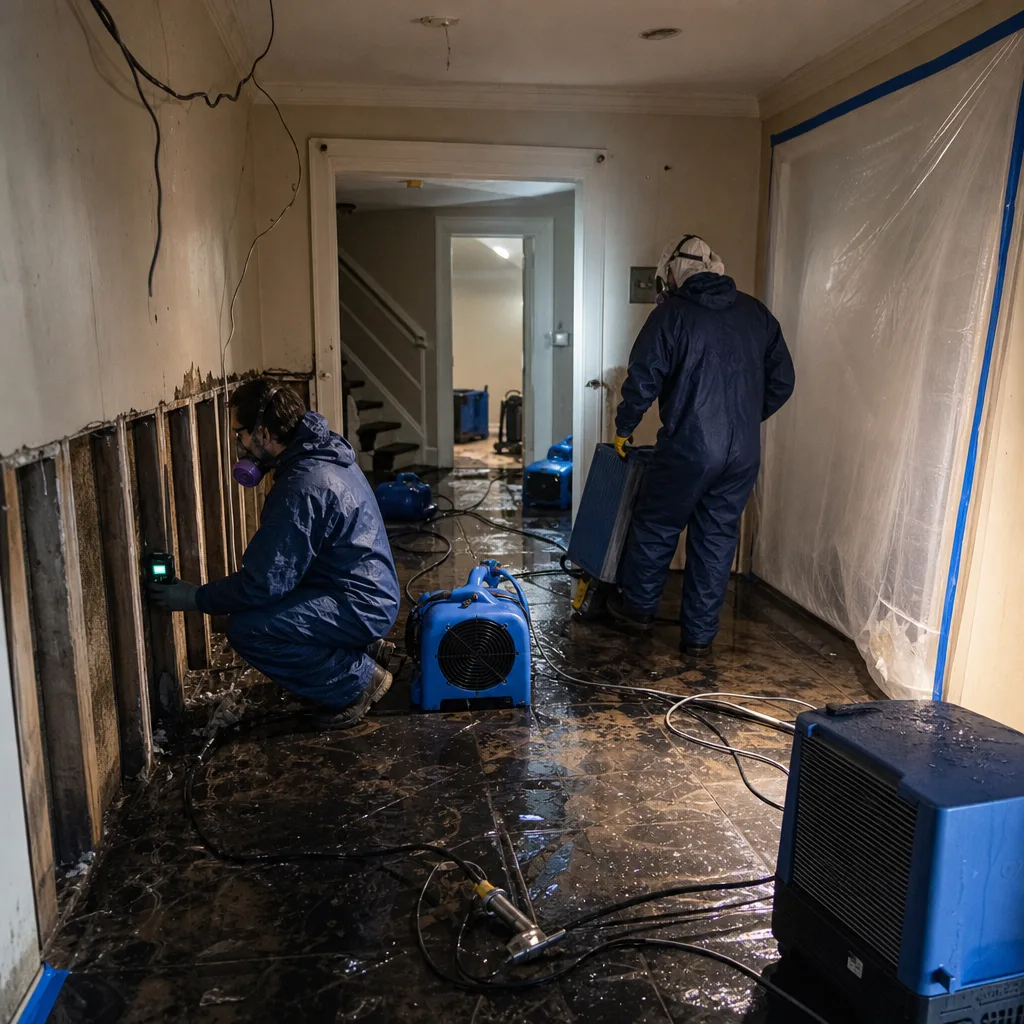
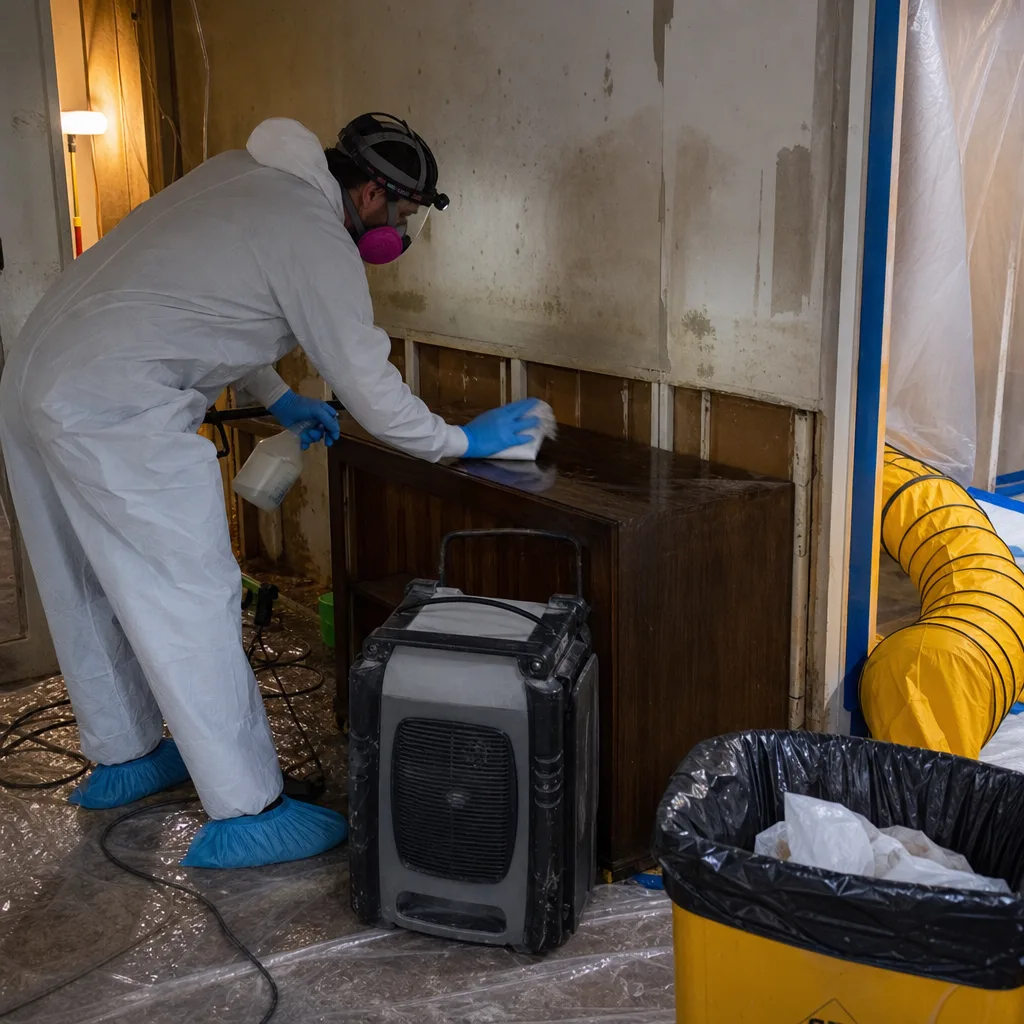
Free visual inspection and a written scope of work before any mitigation begins - photos, moisture readings, and drying logs go in your claim file
The scope we write is the scope we bill. Anything new gets shown to you, in writing, before we touch it.
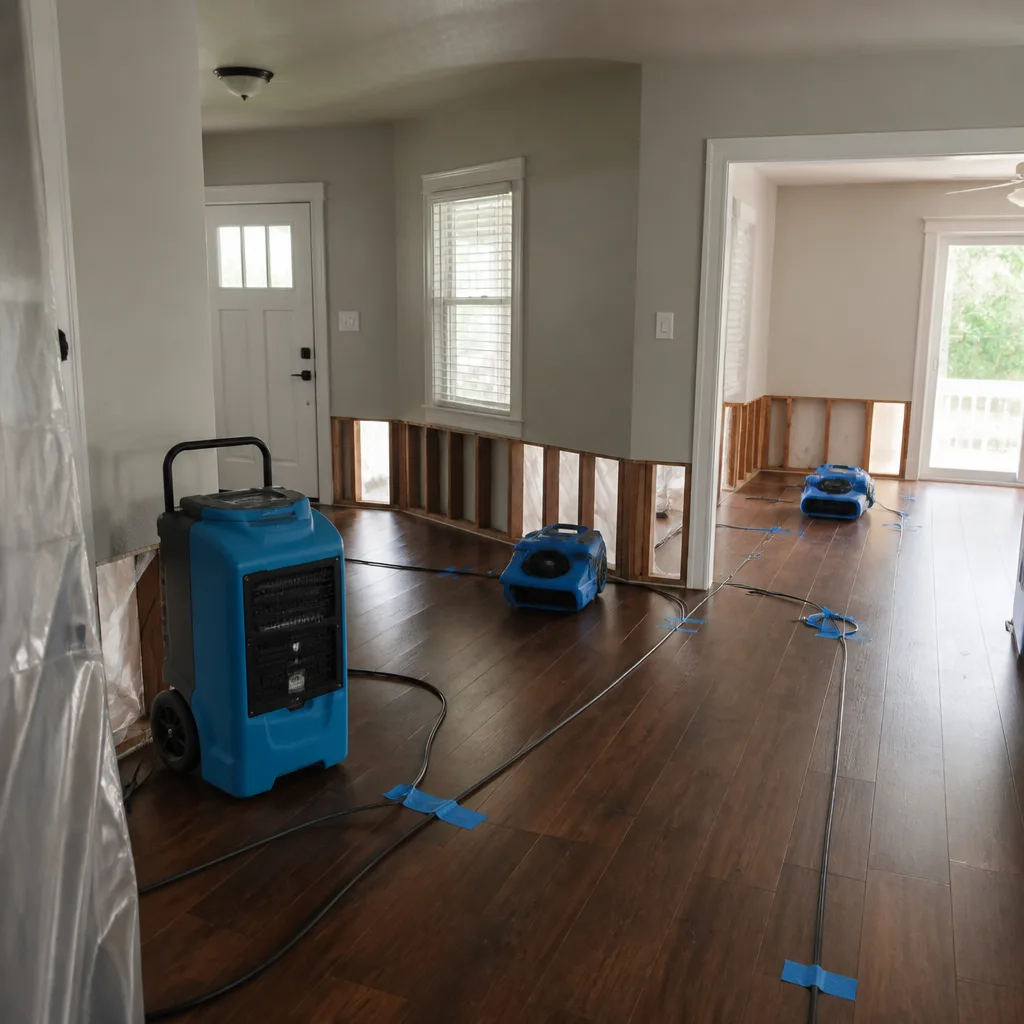
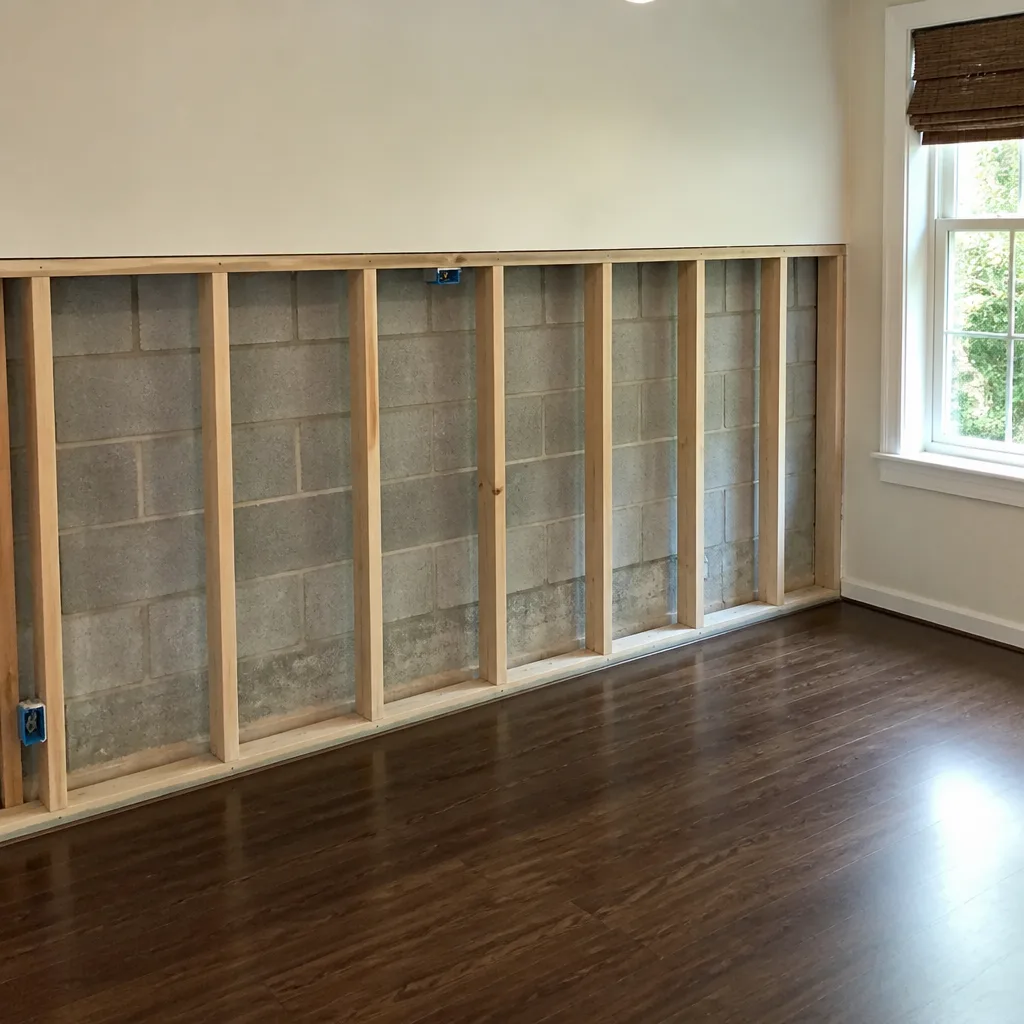
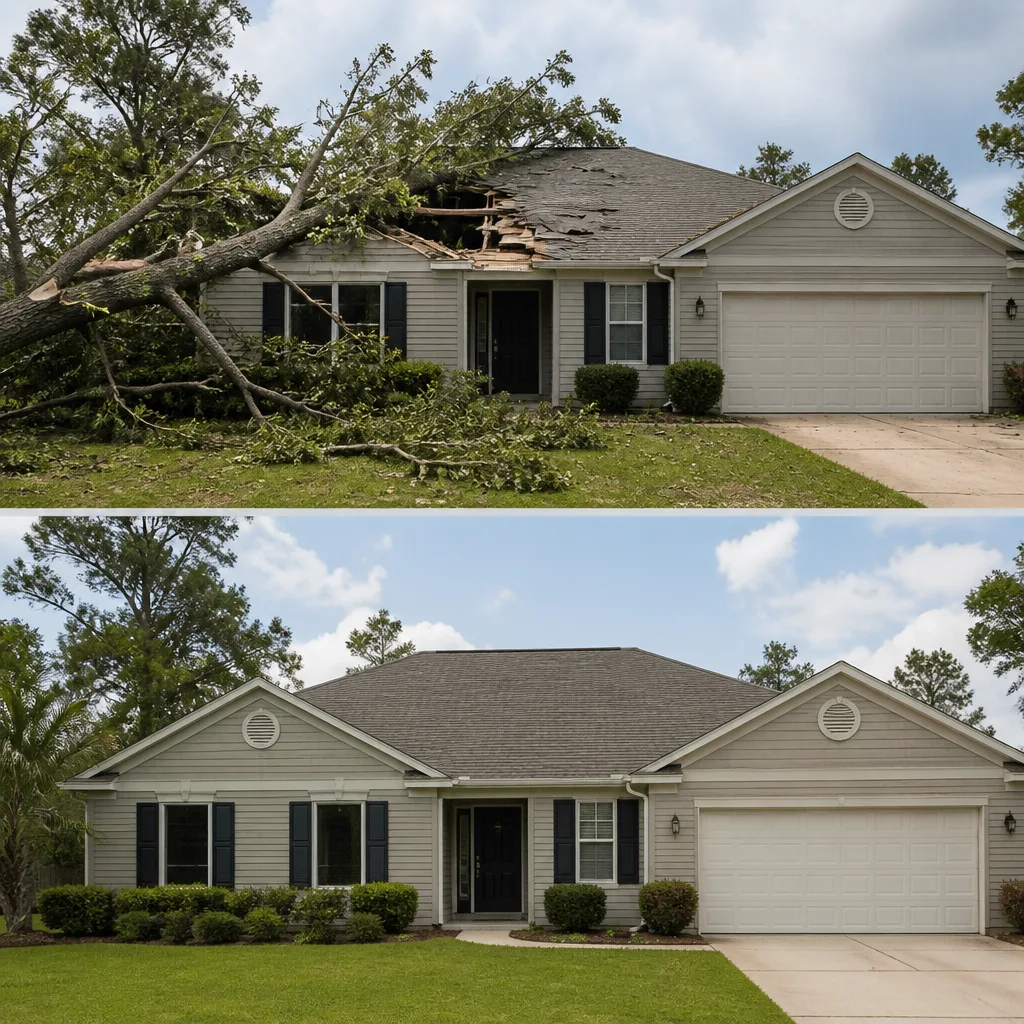
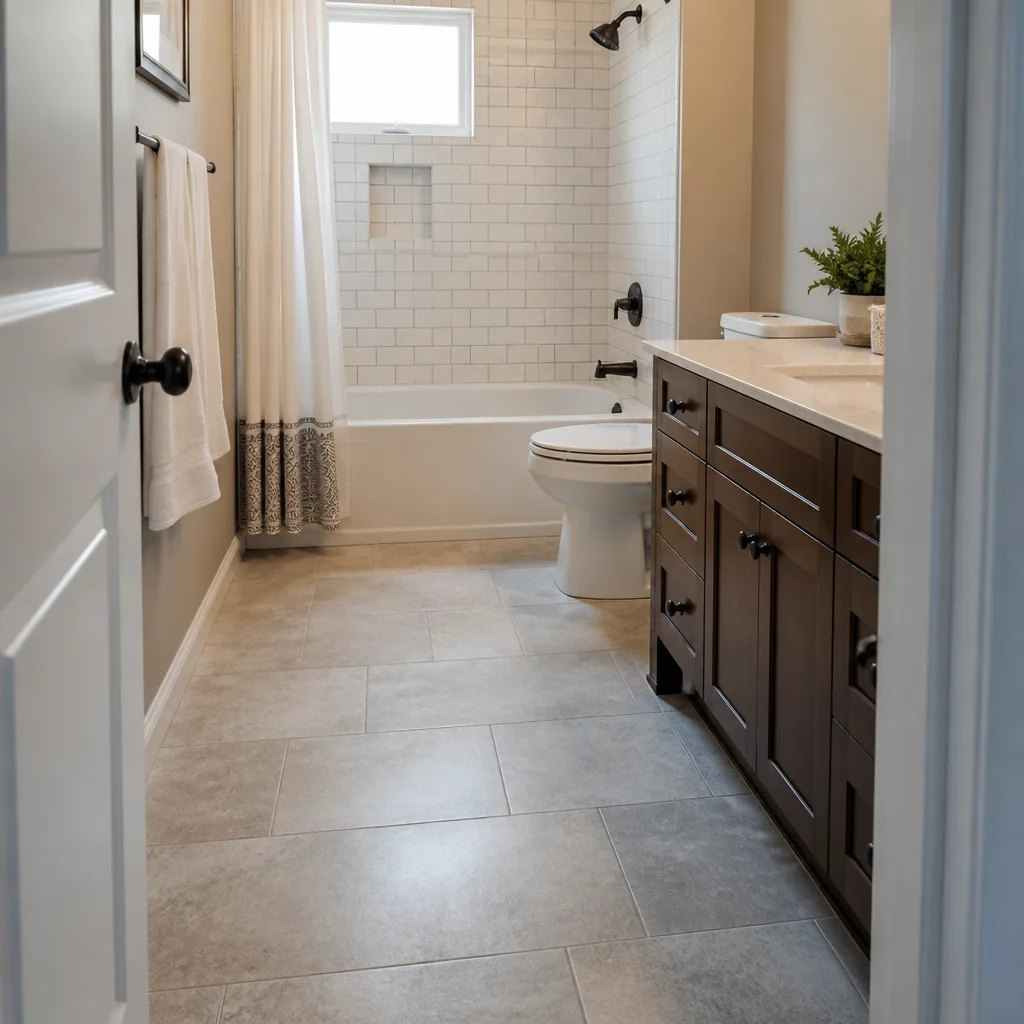
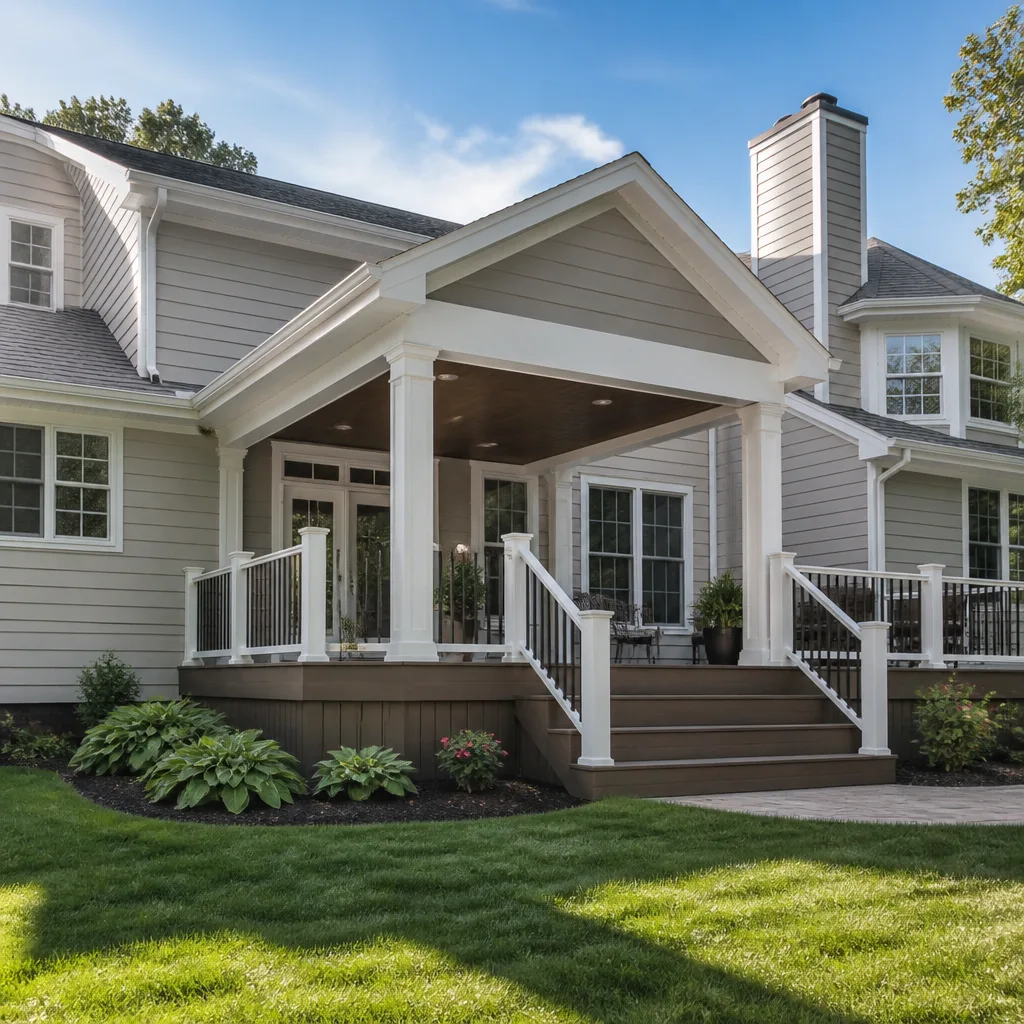
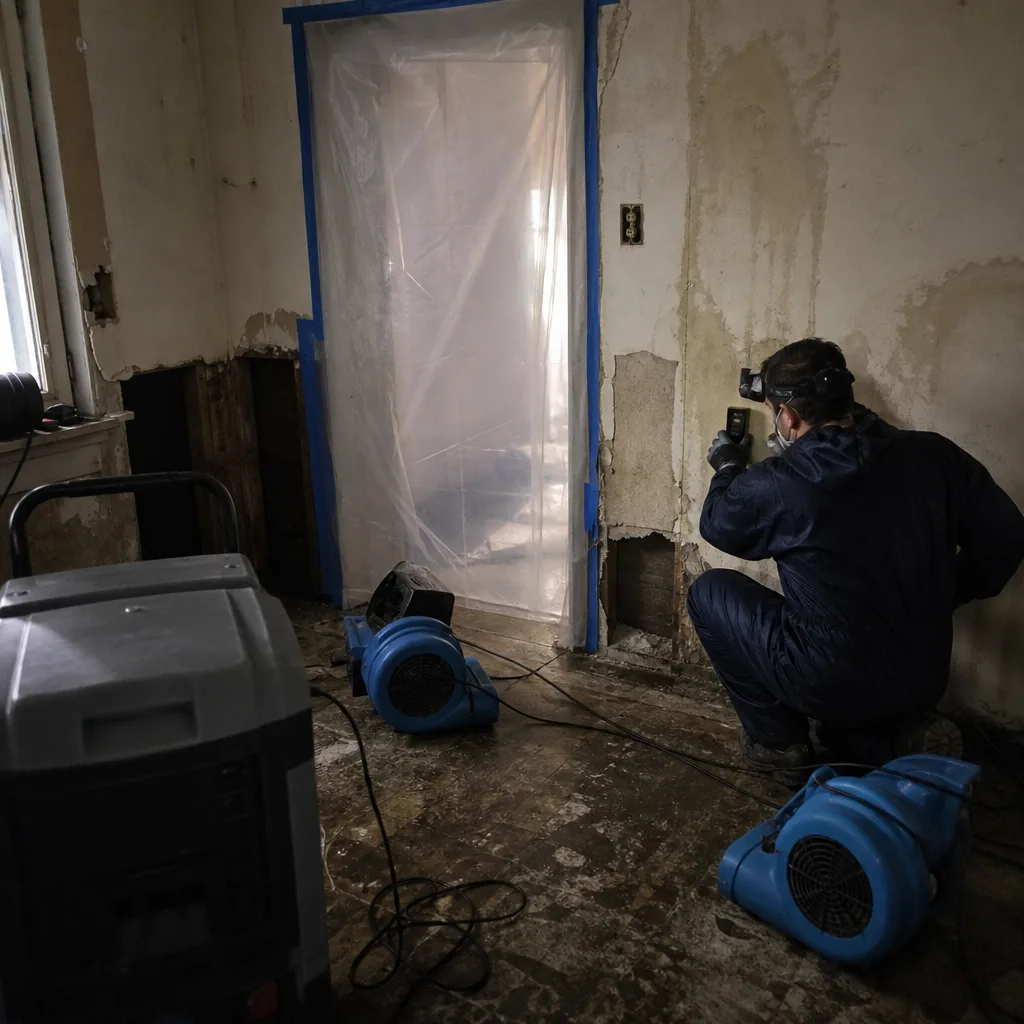 Before
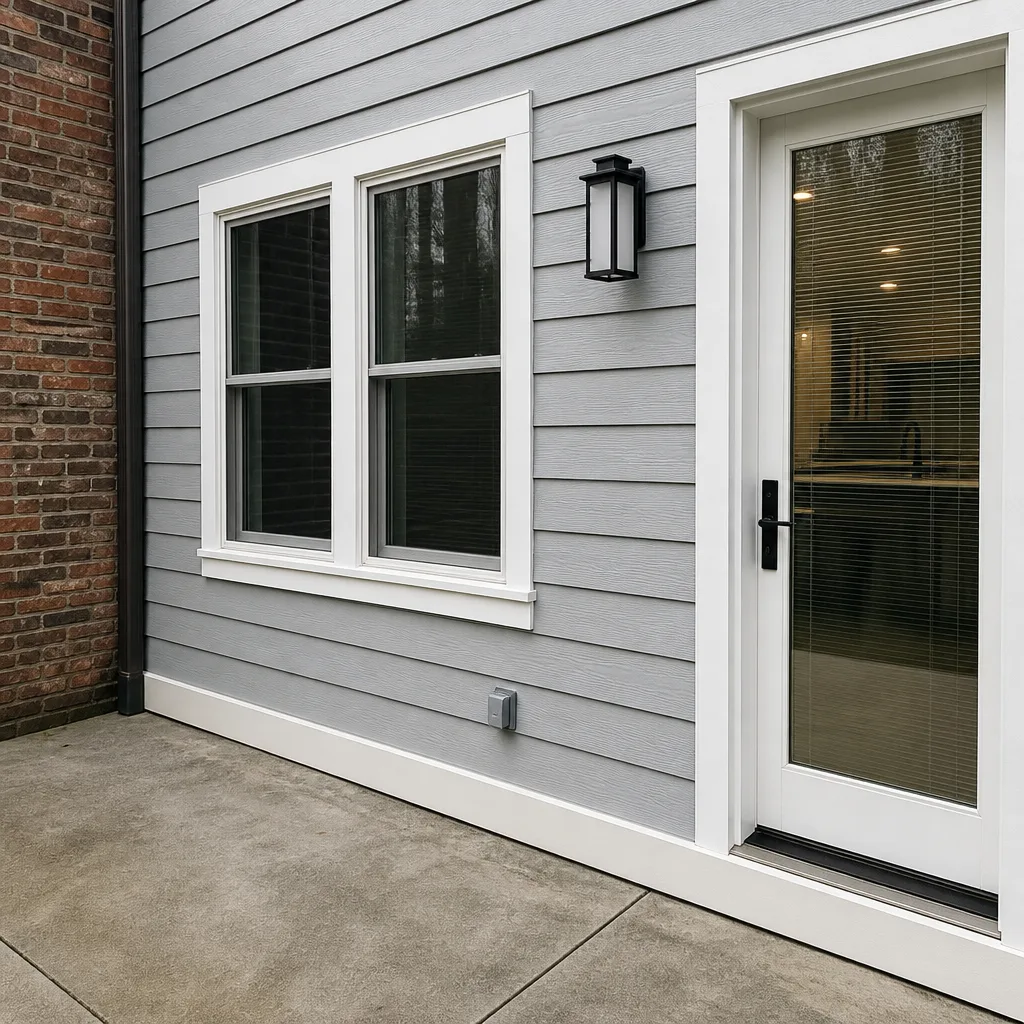 After
After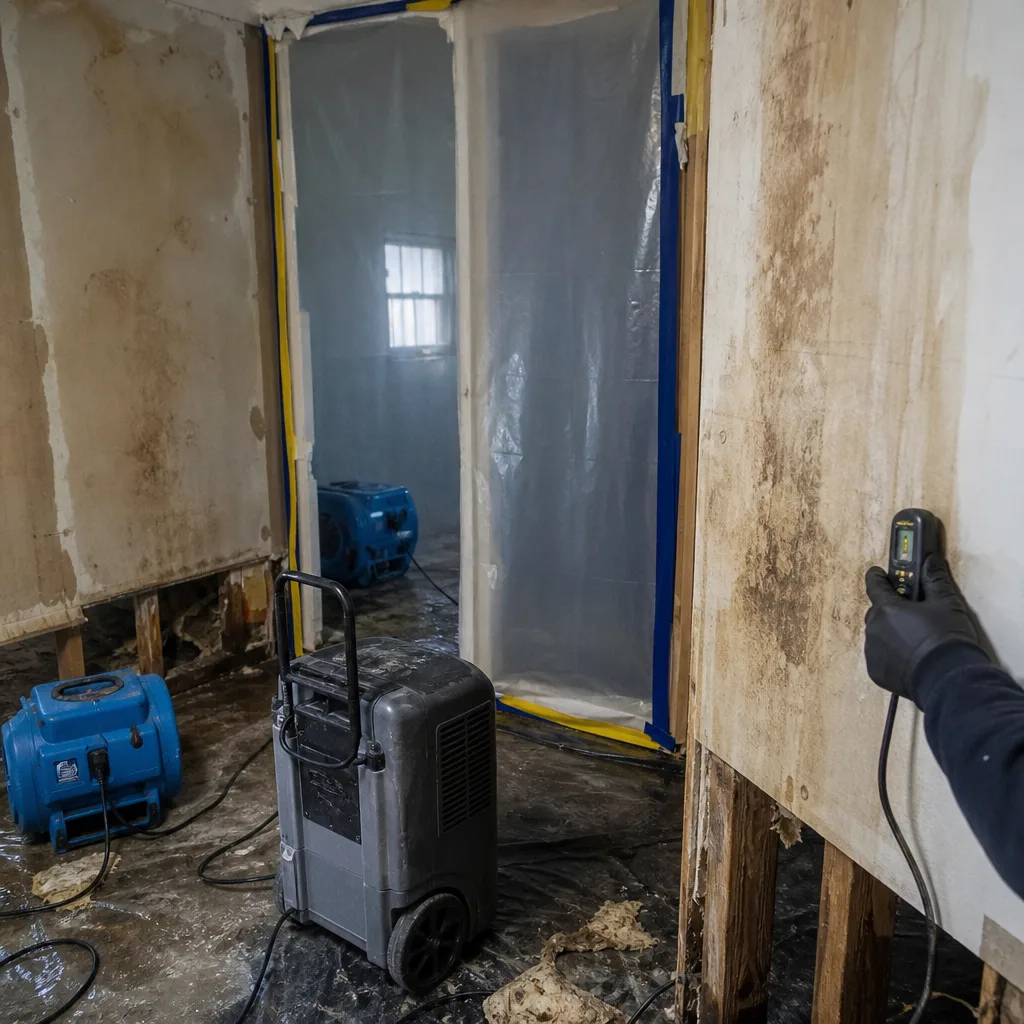 Before
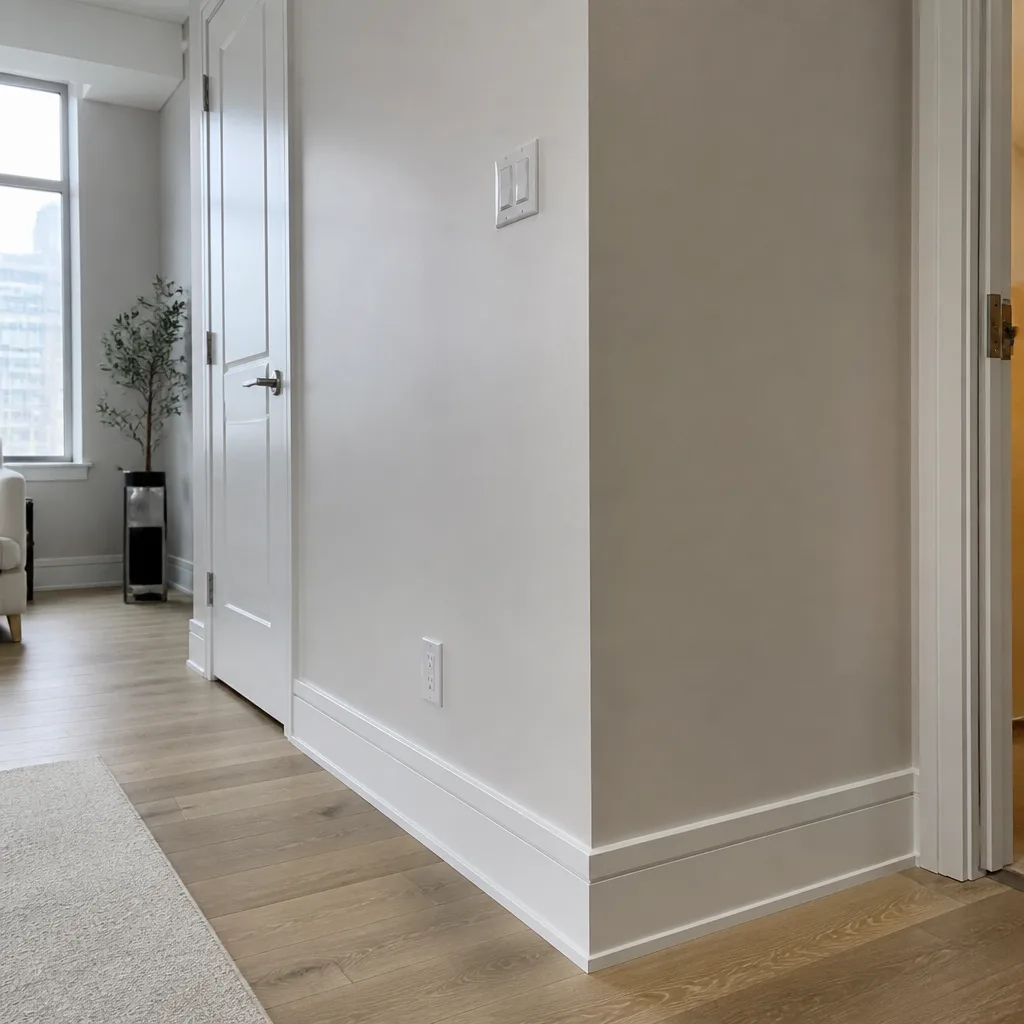 After
After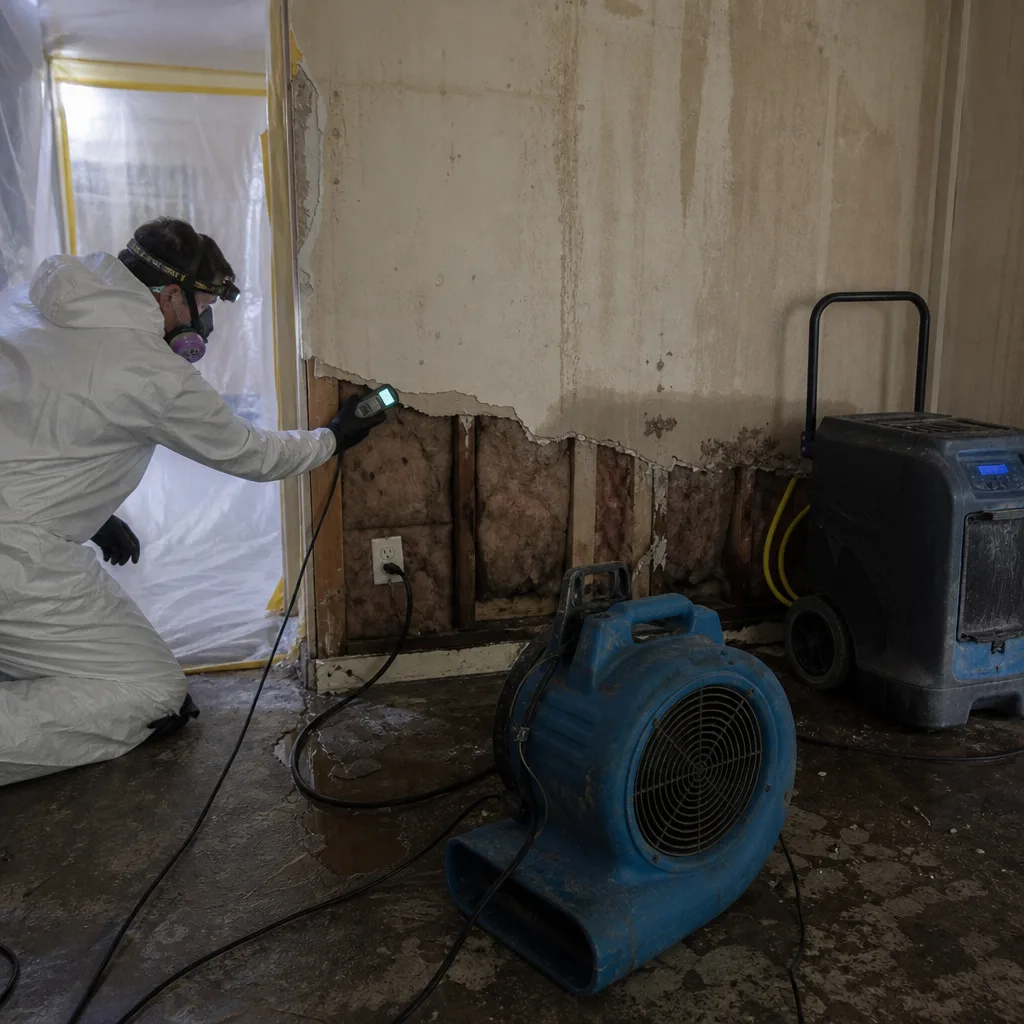 Before
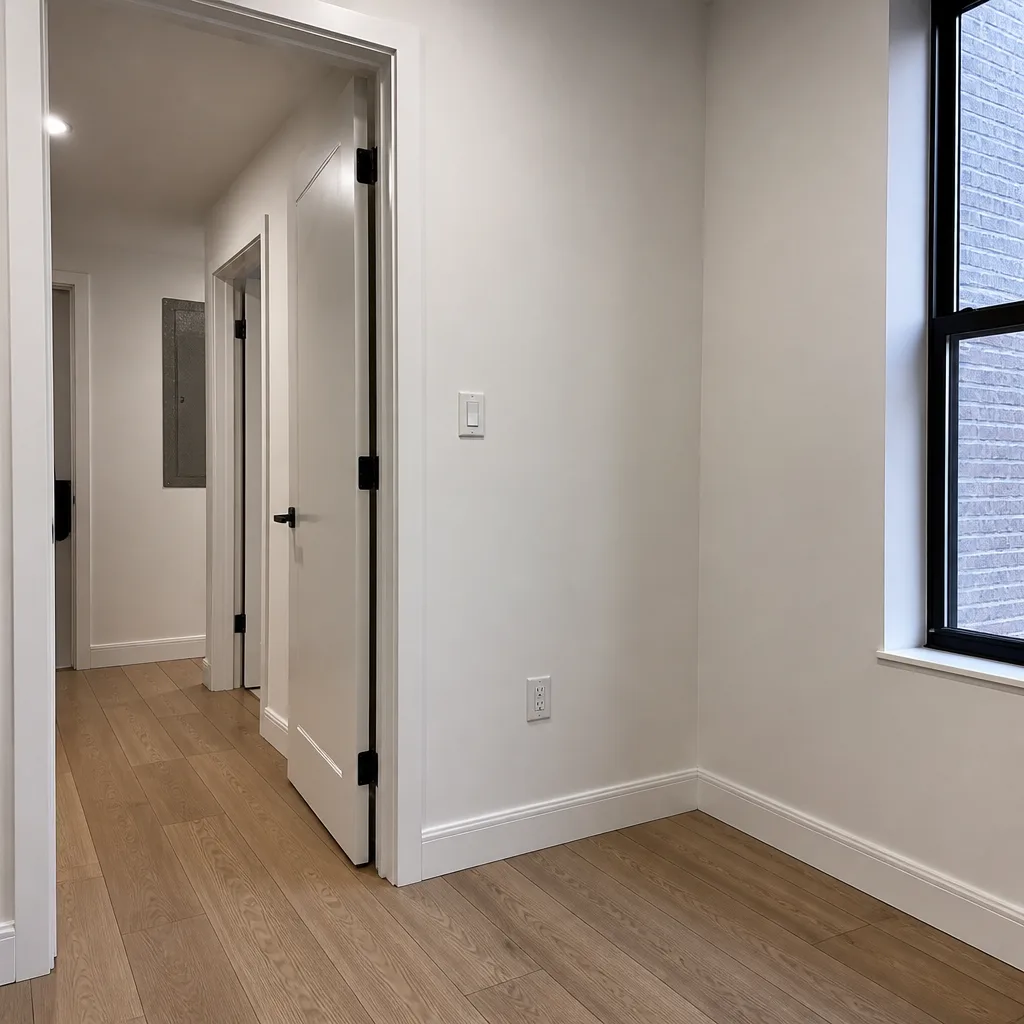 After
After24/7 Emergency Biohazard & Crime Scene Cleanup in Lower Manhattan
If you’re facing a biohazard or crime scene in Lower Manhattan right now, call (518) 663-6491. A live dispatcher answers at any hour, and our crews are staged to reach Financial District lobbies, Tribeca loft buildings, and Battery Park City towers without the bridge-and-tunnel delay. Biohazard contamination doesn’t hold, and in Lower Manhattan’s dense building stock, the first hour determines whether a contained scene stays contained or spreads through shared ventilation, pipe chases, and elevator shafts. We’ll give you a free visual inspection, a written scope, and no pressure. The sooner we start, the smaller the area we have to treat, and the less it costs.
Understanding Biohazard & Crime Scene Cleanup Severity in Lower Manhattan Properties
Biohazard cleanup in Lower Manhattan isn’t one job. It’s a tiered response governed by what the contaminant is, where it landed, and what’s behind the surface it touched. Blood and bodily fluid from a trauma scene in a Tribeca cast-iron loft behaves differently than an unattended death in a pre-war Financial District conversion with steam risers and lath-and-plaster walls. Porous materials hold pathogens. Concrete and sealed stone release them more readily to professional cleaning. What complicates this below Canal Street is the saltwater history. Post-Sandy flood residue never fully left the sub-grade cores of many buildings. When a biohazard event introduces bloodborne pathogens into a basement mechanical room that was once inundated with brackish harbor water, the cleanup protocol has to account for salt-trapped moisture in concrete and corroded rebar matrices that can re-release contaminants weeks later. Our crews test for Category 2 and Category 3 contamination, map moisture across the affected zone with thermal imaging, and run HEPA air scrubbers before, during, and after physical removal. Lower Manhattan’s building ages mean lead paint and asbestos may be present in older finishes, so containment barriers and negative air pressure matter more here than in newer construction.
Why Lower Manhattan Property Owners Choose Floodline Restoration Co.
- 45-minute response commitment. When you call with an active biohazard in Lower Manhattan, we commit a crew to reach the property within 45 minutes of dispatch. Not a callback. Not a window. A named team on the way.
- 24/7 live answer, never a recording. Curt Bowman built this company around a dispatch board, not a sales desk. At 2 a.m., the person who picks up is awake, local to New York City, and already pulling up our nearest available crew.
- IICRC-certified biohazard crews. Our technicians carry IICRC biohazard and water restoration certifications, plus RIA and IFA standard training. They walk into a Lower Manhattan crime scene knowing exactly what containment to set before anything gets touched.
- Free visual inspection with a written scope. You’ll never be pressured into work you don’t need. We inspect, we write the scope, we agree on cost before any remediation begins.
- Direct insurance billing. We bill your carrier directly and handle adjuster communication. You don’t carry the paperwork between our crew and your insurance company.
- One team from first extraction to final rebuild. If the biohazard requires removing drywall, flooring, or mechanical components, the same Floodline crew handles the restoration and reconstruction. No mid-job handoff to an inherited subcontractor.
Our Biohazard & Crime Scene Cleanup Process
Inspection & Assessment
We arrive, set containment, and map the contaminated area. Using moisture meters and thermal imaging, we identify how far blood, bodily fluids, or decomposition byproducts have migrated through porous surfaces. In Lower Manhattan‘s older buildings, this often means checking adjacent joist bays, pipe chases, and floor cavities.
Extraction & Stabilization
We remove contaminated materials: carpet, padding, drywall, insulation, upholstery. Anything porous that held blood or fluids is cut out and bagged for medical-waste disposal under state regulations. Non-porous surfaces get an initial broad-spectrum application to halt microbial activity.
Drying & Dehumidification
Lower Manhattan‘s sub-grade spaces hold moisture long after the surface looks dry. We run professional-grade Phoenix and Dri-Eaz dehumidifiers with daily moisture readings until the affected zone meets IICRC dry standard. This step matters twice in buildings with Sandy-era salt residue in concrete.
Cleaning & Sanitization
We apply hospital-grade antimicrobial agents and disinfectants to all remaining surfaces. HEPA air scrubbers run continuously to capture airborne pathogens and particulate. Every square foot of the contained zone is treated, not just visible staining.
Specialty Biohazard Treatment
This is where crime scene cleanup diverges from standard restoration. We address odor at the molecular level using hydroxyl generators and ozone where appropriate, and we run clearance testing to verify no biohazard residue remains. In hoarding situations, we sort salvageable property with the family before removal.
Repairs & Restoration
We rebuild what we removed: drywall, trim, flooring, paint, in some cases mechanical components. The same crew that set containment handles the reconstruction, and the job isn’t considered closed until the 90-Day Done Right Promise is in your hands, in writing.
Need Emergency Biohazard & Crime Scene Cleanup in Lower Manhattan Now?
Crews minutes away, answering live 24 hours a day. The sooner we start, the less it costs.
Working With Your Insurance Company
Biohazard and crime scene cleanup is covered under most Lower Manhattan homeowners and commercial policies when the loss is sudden and accidental: an assault, an unattended death, a sewage backup that became a biohazard. Our team documents from the first hour. We photograph every room, log moisture readings, and build a line-item scope in the estimating language adjusters expect. We talk to your carrier directly so you don’t have to translate between our crew and the claims department. If the adjuster wants more photos, we send them. If they want a second moisture reading, we provide it. The goal is a clean claim file that moves without delay. We’ve handled claims in Financial District condos, Tribeca co-ops, and Battery Park City rental towers; each carries different policy language, but the documentation standard is the same: thorough, dated, and defensible.
What We Provide Your Insurer
- Thorough documentation of the loss
- Photos of all damage, room by room
- Moisture readings and drying logs
- A detailed, line-item scope of work
- Direct coordination with your carrier
Built for Lower Manhattan’s Loss Calendar
Biohazard work in Lower Manhattan doesn’t follow a soft suburban rhythm. It follows the harbor. Nor’easter season from November through March drives wind-driven rain through aging curtain walls along Broadway and Water Street, creating hidden moisture that turns a small unattended-death cleanup into a contamination event behind the drywall. Summer brings humidity that accelerates decomposition timelines in unventilated apartments; a one-day scene becomes a three-day remediation scope when the air conditioning failed and temperatures inside climbed past 90. January deep freezes still burst supply lines in pre-war Financial District conversions, flooding basements with Category 2 grey water that can carry bloodborne pathogens from an upper-floor scene down through pipe chases into mechanical rooms. Battery Park City towers built on landfill see chronic sub-grade water intrusion that complicates any biohazard below the lobby level. In Lower Manhattan, the building envelope is part of the scene. We plan for that from the first inspection.
Biohazard & Crime Scene Cleanup Across Lower Manhattan’s Neighborhoods
Our crews read Lower Manhattan block by block. In the Financial District, office-to-residential conversions with basement mechanical rooms at or below the 100-year flood elevation create a specific problem: a biohazard in an electric switchgear room isn’t just a cleaning job, it’s a code review. We coordinate with building management and the DOB when post-Sandy vertical relocation rules apply. Tribeca’s cast-iron loft conversions hold moisture in timber post-and-beam framing, so blood spills through hardwood flooring mean sub-floor treatment, not surface cleaning. In Battery Park City, the residential towers sit on Hudson River landfill with waterproofing membranes that degrade over time; a crime scene on the 14th floor can send contaminated grey water down through wall cavities into the garage level. Around Washington Square and Greenwich Village, low-rise pre-war buildings with shared steam risers mean odor from an unattended death travels horizontally through pipe chases into neighboring units. We know which buildings do what. That’s the difference between a cleanup that lasts and one that turns into a recurring claim.
Specialized Biohazard & Crime Scene Cleanup Services We Offer in Lower Manhattan
Crime Scene Cleanup
After first responders leave, the scene remains. We handle blood, bodily fluids, and tissue with OSHA-compliant protocols, full containment, and medical-grade disinfection. In Lower Manhattan’s high-density residential buildings, this often means coordinating with building management for freight elevator access and discreet arrival in an unmarked vehicle.
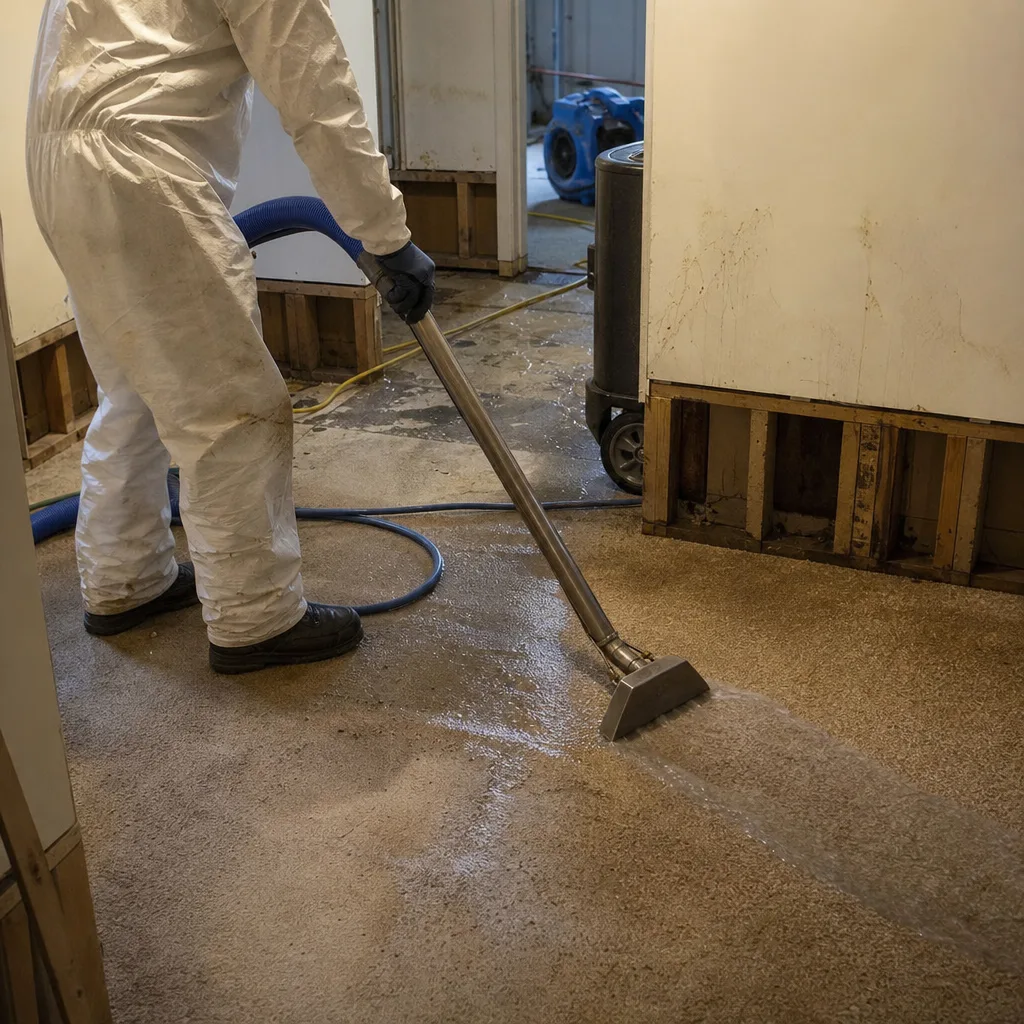
Trauma & Unattended Death Cleanup
We approach every unattended death with the respect the family deserves. Decomposition releases fluids that migrate through floors, subfloors, and wall cavities. In older Lower Manhattan buildings with plaster walls and wood framing, we test adjacent spaces before declaring the area clear. Odor removal is part of the job, not an add-on.
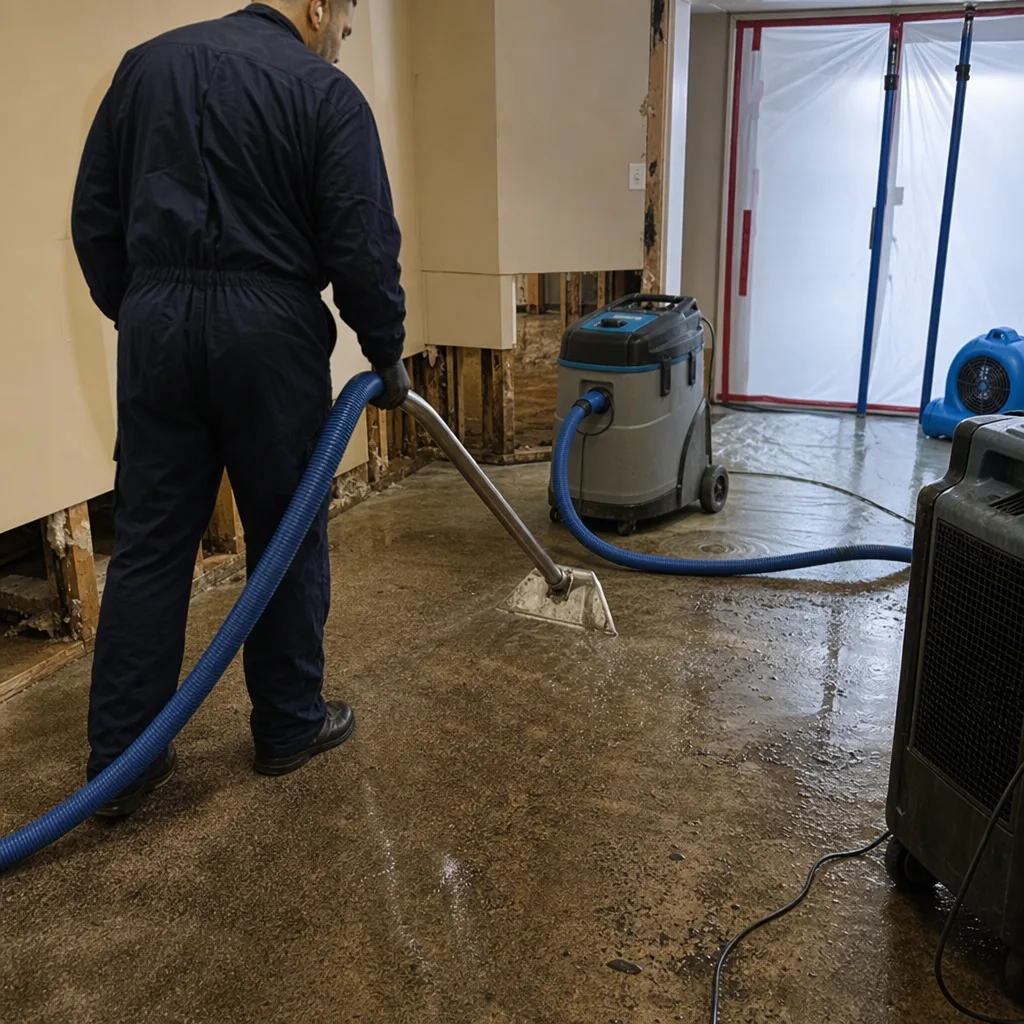
Hoarding Cleanup
Hoarding in Battery Park City is uniquely complex because the buildings’ sub-grade drainage can carry contaminants from upper floors into mechanical spaces. We itemize salvageable property with the family, photograph everything for the insurance file, and remove the rest under sanitary protocols. We’re direct but unhurried. Families lead; we follow their pace.
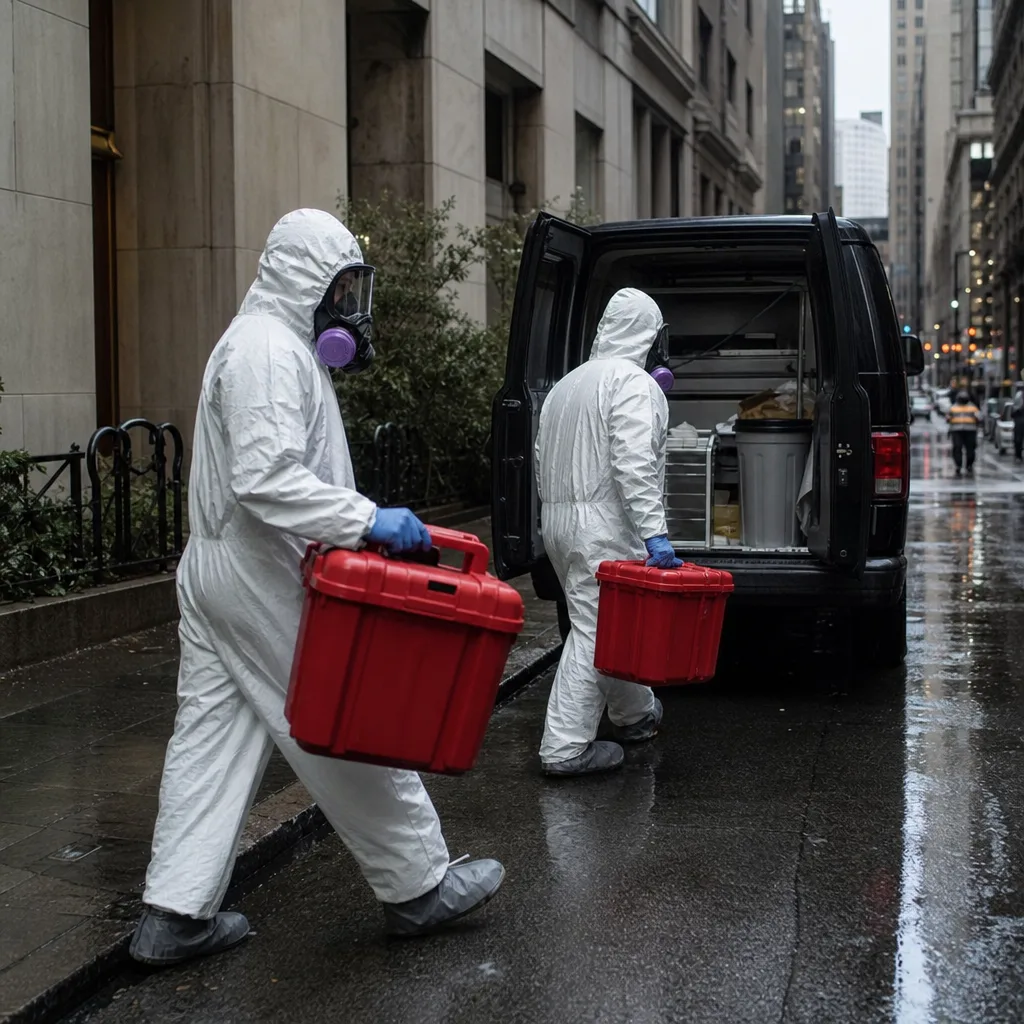
Blood & Bodily Fluid Cleanup
Any blood spill carries potential exposure to bloodborne pathogens. We treat every blood cleanup in Lower Manhattan as Category 3 contamination: full containment, proper PPE, professional extraction, and clearance verification. Whether it’s a kitchen accident in a Williamsburg walk-up or a larger scene in a Financial District condo, the standard doesn’t change.
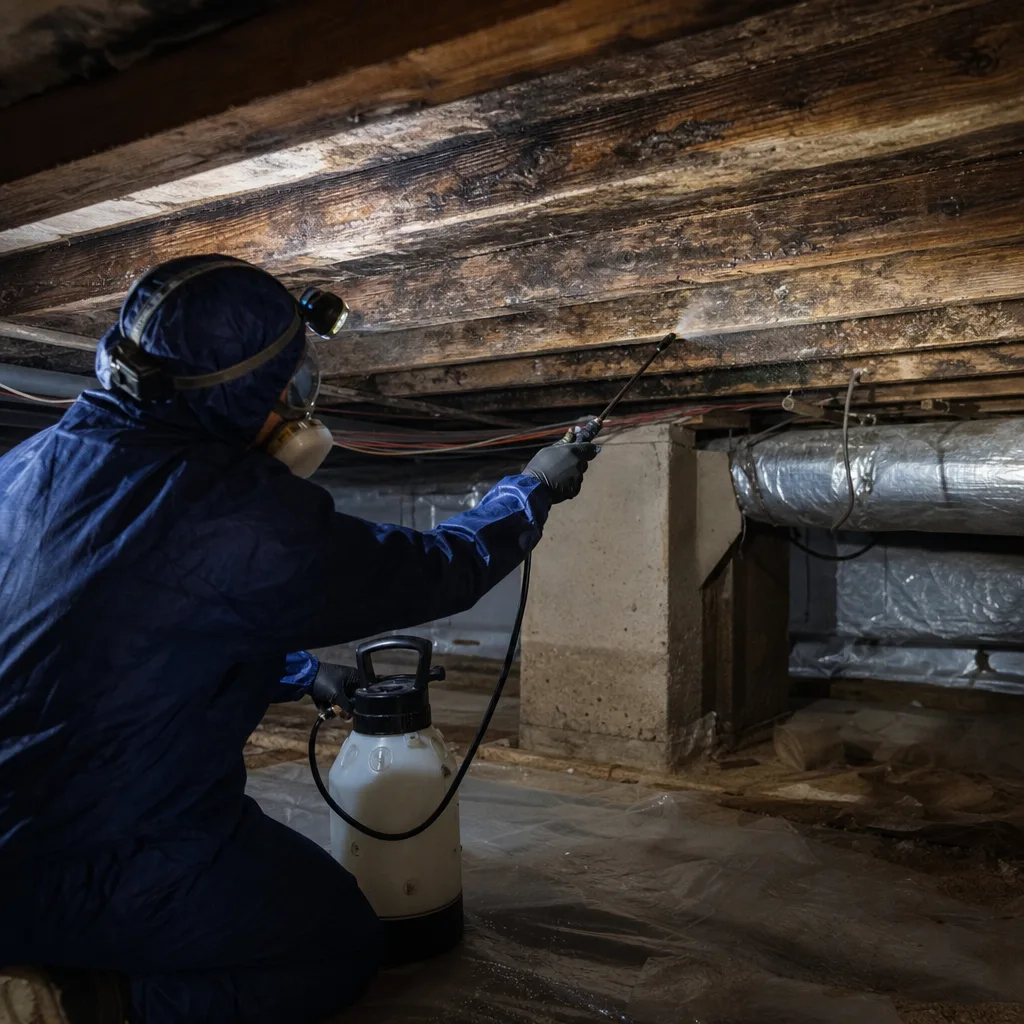
Infectious Disease Disinfection
Post-outbreak disinfection for commercial lobbies, residential common areas, and full office floors in Lower Manhattan requires more than fogging. We apply hospital-grade antimicrobials to all touch surfaces, run HEPA air scrubbing, and provide written clearance records for building management.
Our Biohazard & Crime Scene Cleanup team handles all of this and more, backed by the 90-Day Done Right Promise.
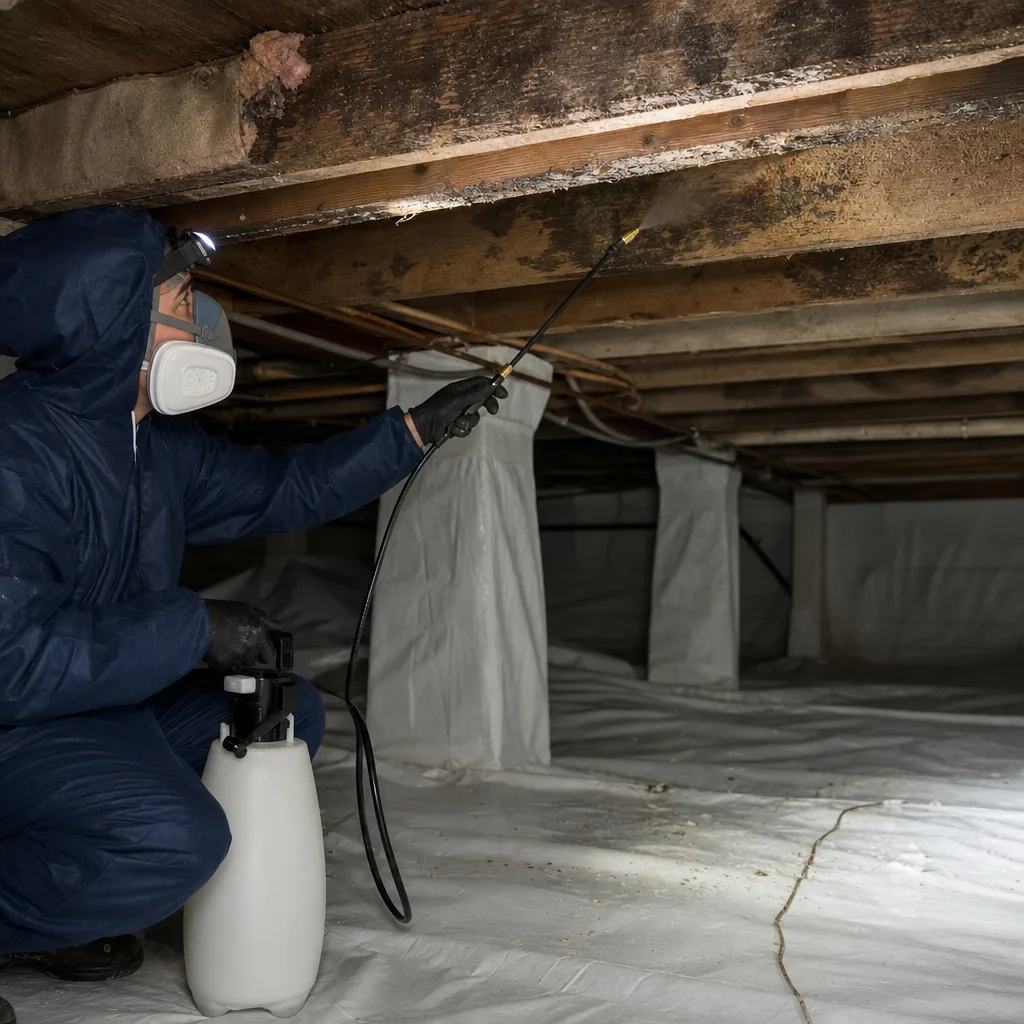
What happens when you call
- 1
A real person answersNo phone trees - you reach a local pro.
- 2
You get an upfront price rangeHonest numbers before anyone is dispatched.
- 3
A background-checked tech heads outLicensed & insured, dispatched right away.
- 4
You approve before work beginsNothing starts until you say go.
Biohazard & Crime Scene Cleanup Costs in Lower Manhattan, NY
Here are real numbers for the Lower Manhattan market. A standard crime scene cleanup in a single residential unit typically runs $1,800 to $4,500, depending on the area affected and the materials that need removal. Unattended death cleanup with decomposition into flooring ranges $3,500 to $9,000 in Lower Manhattan, because pre-war construction with wood joists holds fluids longer and requires more sub-floor access. Hoarding cleanup averages $4,000 to $14,000 depending on unit size and volume inside, with Battery Park City jobs trending higher due to building access and waste-disposal constraints. Infectious disease disinfection for a commercial office suite in the Financial District runs $1,200 to $3,800. What moves the price: surface area, material type, how long the scene sat, whether the biohazard entered mechanical rooms or pipe chases, and whether post-Sandy BFE compliance triggers DOB review. We don’t give rough numbers and bill later. We give a written scope before work starts. Call (518) 663-6491 for a free inspection and firm quote.
We Also Serve Cities Near Lower Manhattan
Our crews work throughout the New York metro. Along with Lower Manhattan, we respond daily in the Financial District, Washington Square, Brooklyn Heights, and Williamsburg. Same live dispatcher, same 45-minute commitment, same written guarantee.
Serving Lower Manhattan, NY - Our Local Coverage Area
We’re based in the Lower Manhattan area and know this community well. Use the map below to see our service coverage - if you’re nearby, we can almost certainly help.
Lower Manhattan Biohazard & Crime Scene Cleanup Questions, Answered
How does saltwater storm surge affect biohazard cleanup in Lower Manhattan basements?
Saltwater from prior storm surge leaves chloride residue inside concrete and brick that accelerates recontamination after biohazard cleanup. The salt traps moisture, and trapped moisture reactivates pathogens and drives odor. In Lower Manhattan basements with Sandy-era intrusion, an honest cleanup includes moisture mapping behind walls and under slabs, plus extended drying with professional-grade equipment. A crew that skips this step will be back inside six months. Call (518) 663-6491 and we’ll inspect the specific building’s history before giving you a scope.
Does cleaning a crime scene in a Financial District office-to-residential conversion require special permits?
Blood and bodily fluid cleanup itself doesn’t require a city permit, but the building’s post-Sandy flood-zone status can. If the scene is in a basement mechanical room below the Base Flood Elevation, DOB substantial-improvement rules can trigger a review that halts remediation until structural or equipment-relocation permits are addressed. We’ve walked this path in FiDi conversions. We coordinate with the DOB directly so the cleanup doesn’t stall.
Can wind-driven rain through aging curtain walls on Water Street create a biohazard?
Yes. When nor’easters drive rain through failing curtain-wall gaskets on Water Street, the moisture gets trapped in wall cavities and becomes Category 2 grey water within 48 hours. If a biohazard from an upper floor migrates into that same cavity, the contamination spreads horizontally. We inspect the wall system, not just the visible surface. That’s the only way to stop the cross-contamination cycle.
Why is hoarding cleanup more complex in Battery Park City than in other NYC neighborhoods?
Battery Park City towers sit on Hudson River landfill, and their sub-grade waterproofing membranes degrade over time. Pathogens from hoarded materials on upper floors can travel down through compromised wall cavities and contaminate lower-level mechanical rooms. The cleanup scope extends beyond the unit itself. We map the migration path and treat the full column, not just the apartment.
What does a biohazard cleanup report include for a Lower Manhattan flood-zone property?
A complete report includes a site map of the contaminated area, moisture readings and drying logs, photographic documentation, a list of materials removed and disposed, antimicrobial products applied, air scrubber run times, and final clearance verification. For Zone AE properties, we add documentation showing whether any mechanical or electrical components were affected and whether BFE compliance coordination was required. Your insurer needs all of it. We provide it.
How fast can someone actually get to Lower Manhattan?
Our commitment is 45 minutes from dispatch to arrival. Live dispatchers pull the nearest available crew; Lower Manhattan’s streets are tight, but our teams know the loading-dock and freight-elevator protocols at FiDi, Tribeca, and Battery Park City buildings. Night access is often faster. Call (518) 663-6491 and a person will tell you exactly which crew is on the way.
Do I really need full remediation or just a cleaning?
If blood, bodily fluids, or decomposition byproducts touched anything porous, surface cleaning isn’t enough. Drywall, carpet, upholstery, and unsealed wood absorb contamination. Leaving it in place invites odor, microbial growth, and long-term health risk. We’ll inspect and tell you honestly. If a surface cleaning is genuinely sufficient, we’ll say so and write that scope. We don’t sell what you don’t need.
Will insurance cover biohazard cleanup in Lower Manhattan?
Most homeowners and commercial policies cover biohazard remediation when the cause is sudden and accidental. The key is documentation. We photograph everything, log every moisture reading, and write the scope in the language adjusters recognize. We bill your carrier directly. If you’re unsure about your coverage, call us and we’ll review the situation before any work starts.
One thing we hear often from Lower Manhattan property owners: the first 30 minutes after discovering a biohazard are confusing. You’re standing in a space that isn’t safe, and you’re not sure who to call. Call us. A live person answers at (518) 663-6491, walks you through what to do (stay out of the room, close the door, shut off HVAC if you can), and dispatches a certified crew. Estimates are free. The 90-Day Done Right Promise is in writing. And we stand behind it.
Written by Curt Bowman, Owner at Floodline Restoration Co., providing Biohazard & Crime Scene Cleanup across Lower Manhattan with certified crews and a live dispatch team.