
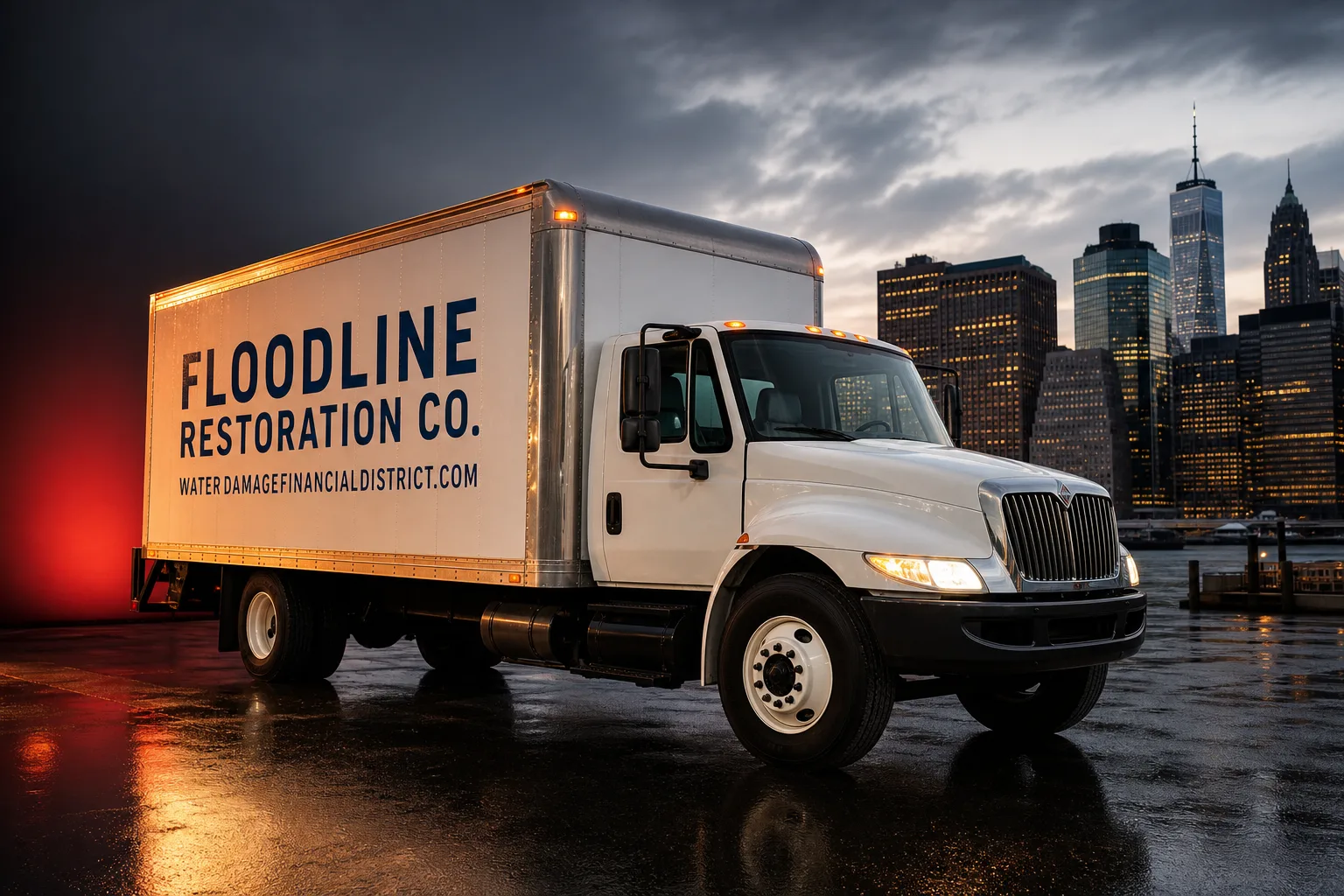
Free visual inspection and a written scope of work before any mitigation begins - photos, moisture readings, and drying logs go in your claim file
The scope we write is the scope we bill. Anything new gets shown to you, in writing, before we touch it.
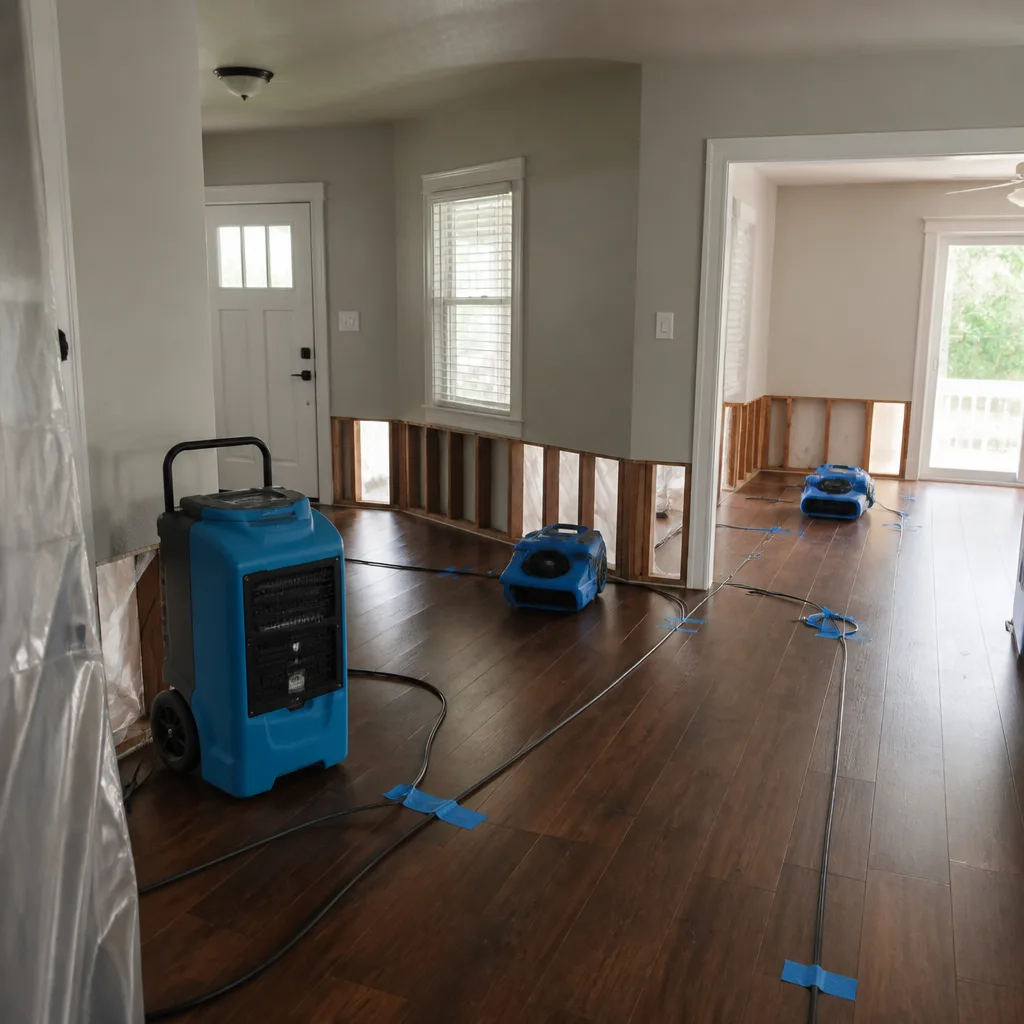



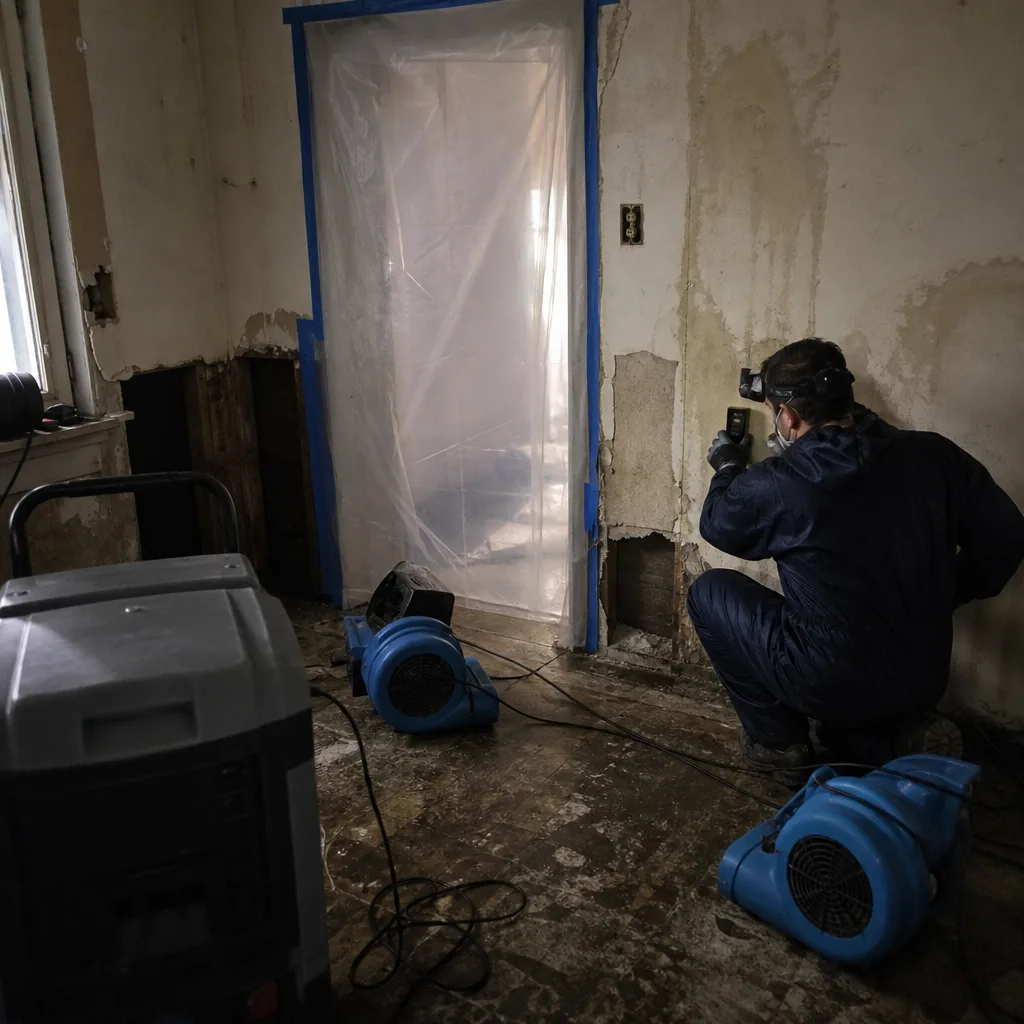 Before
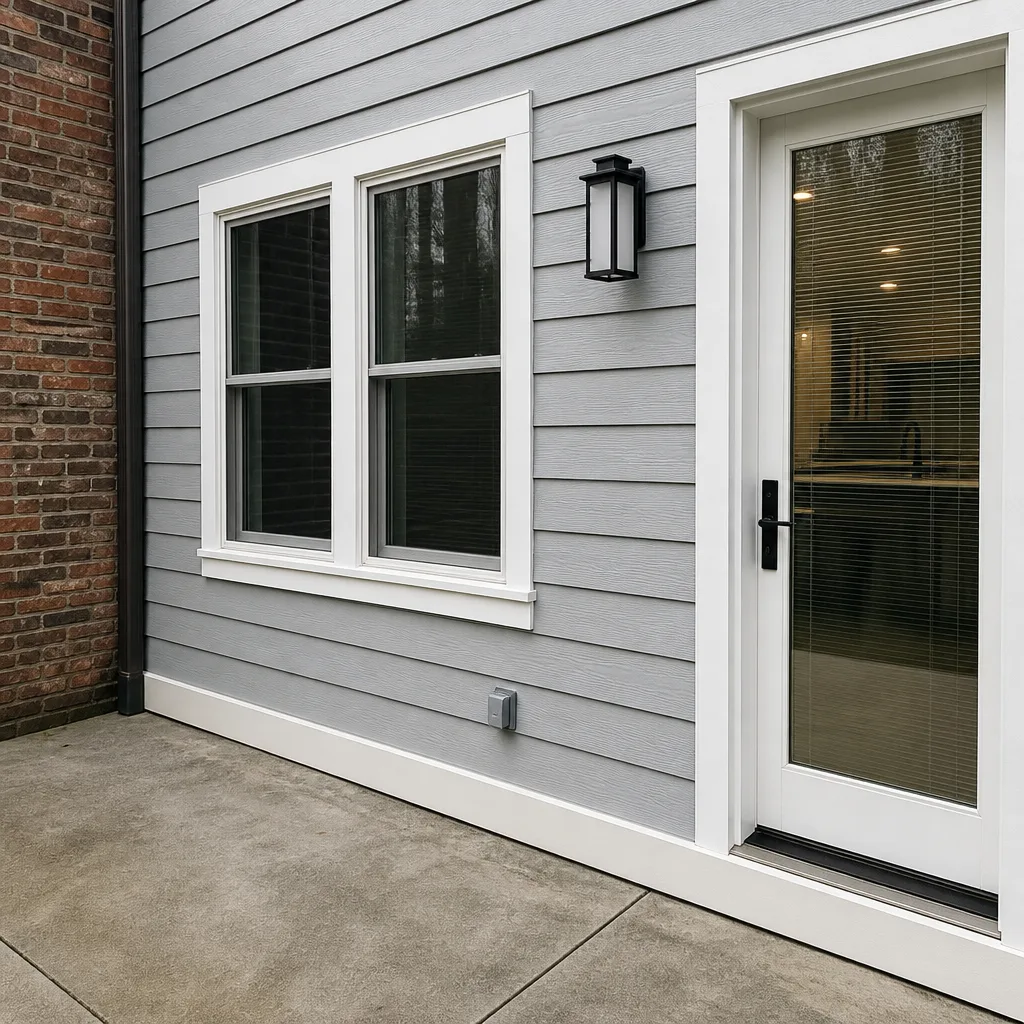 After
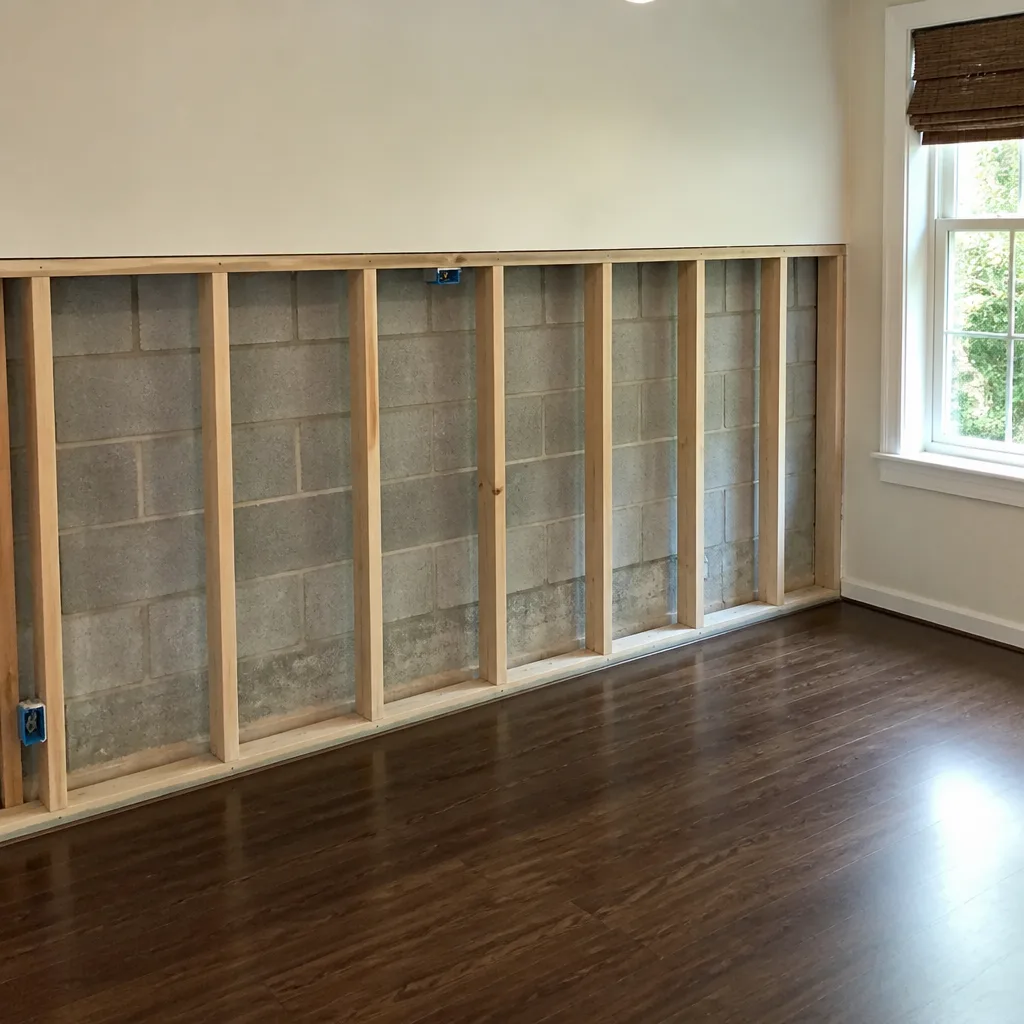
After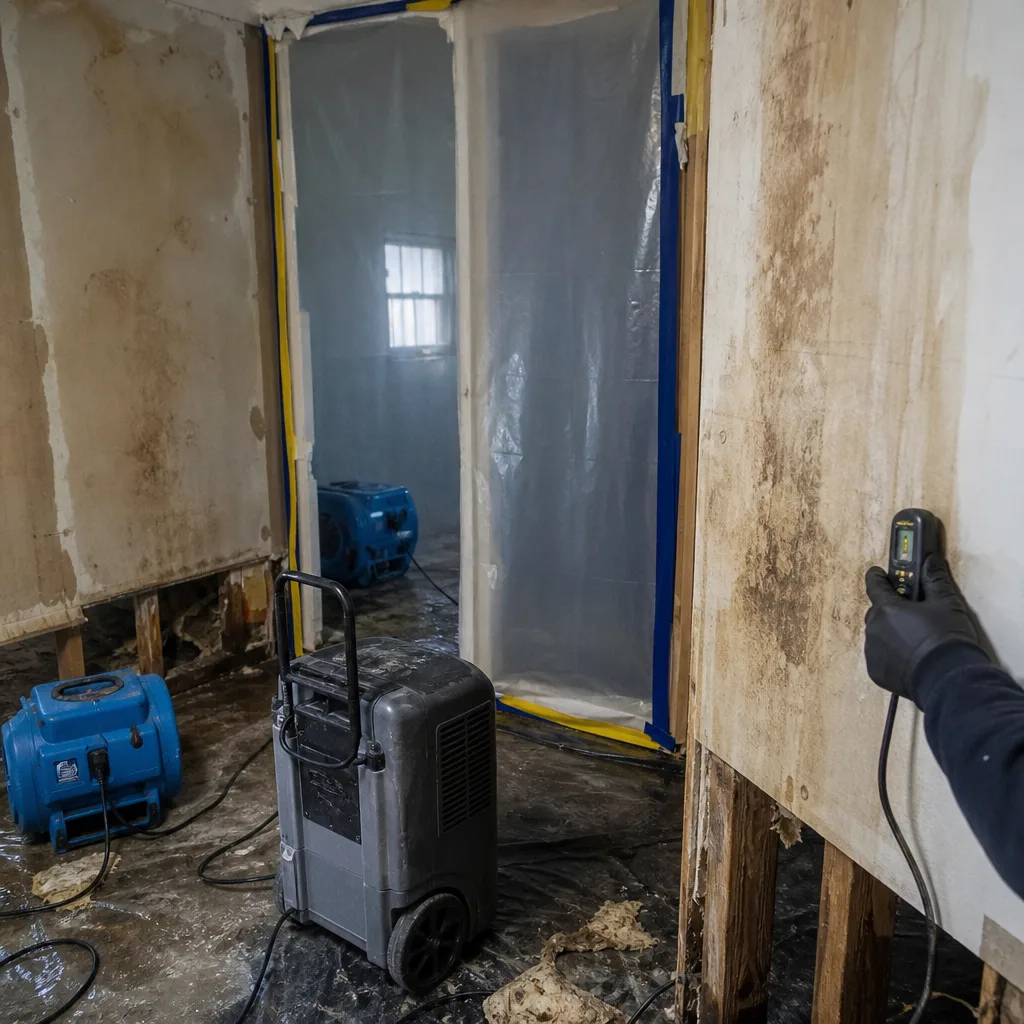 Before
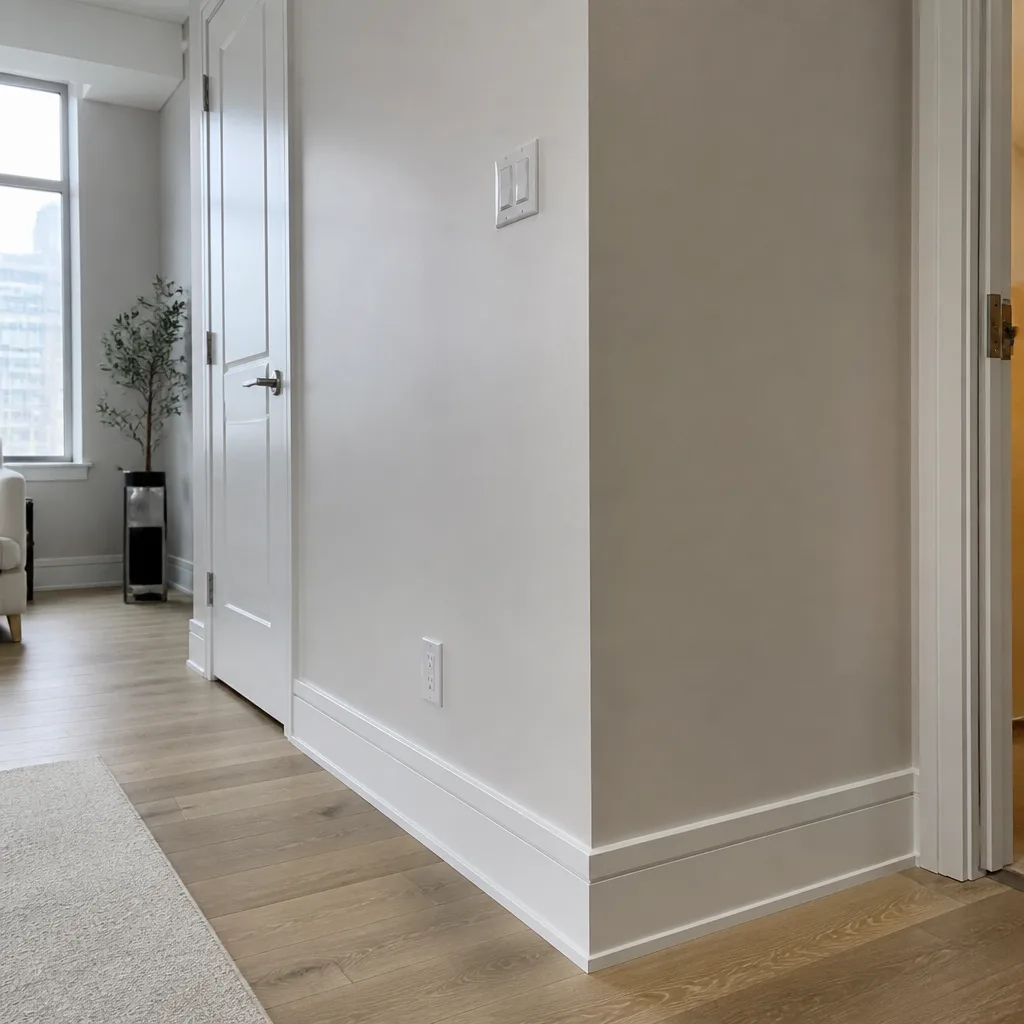 After
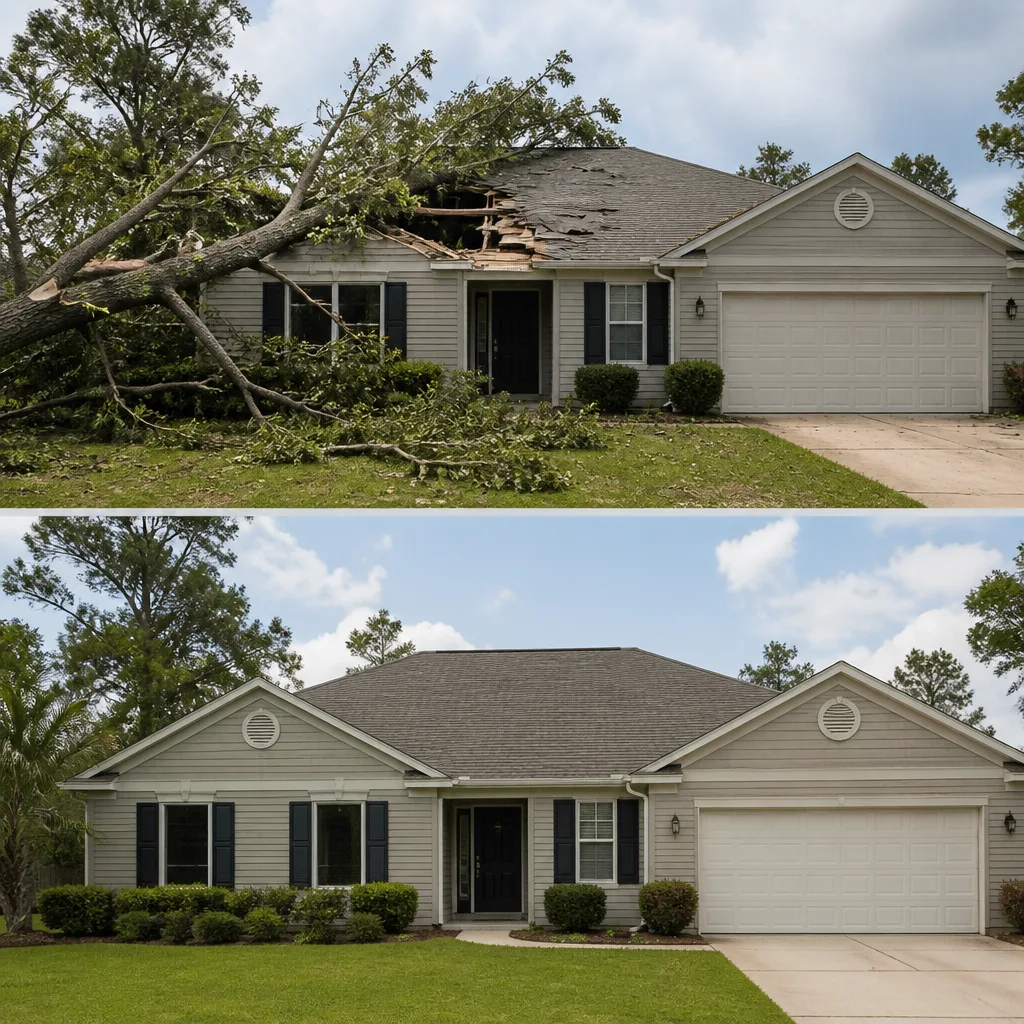
After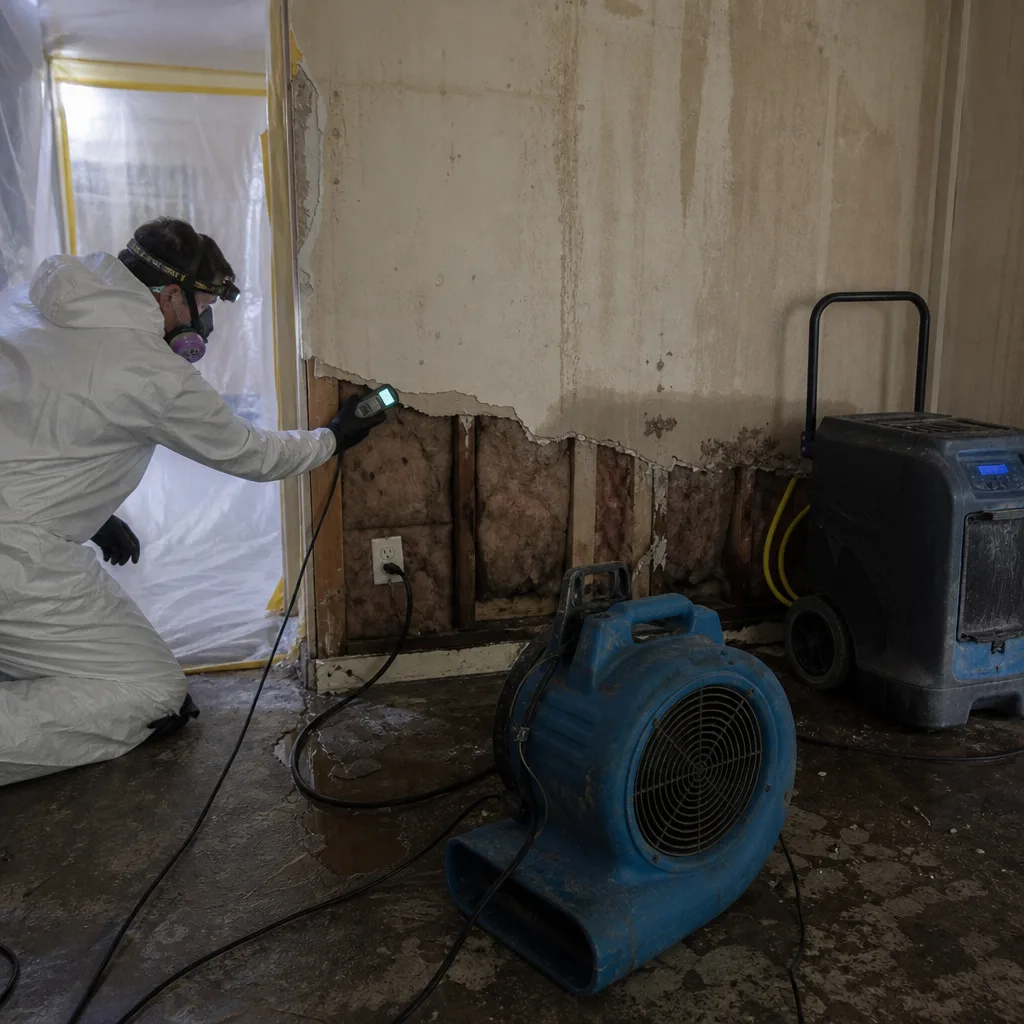 Before
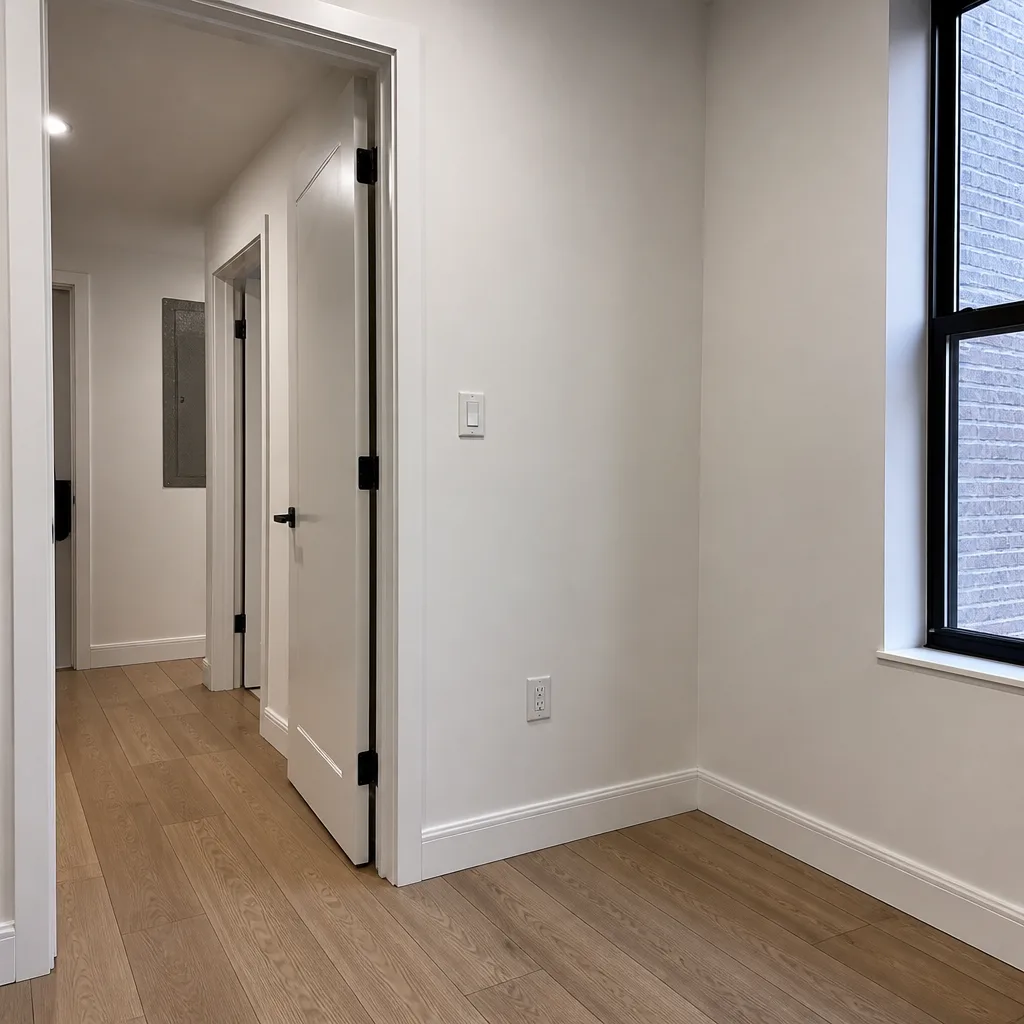 After
AfterEmergency Storm & Disaster Restoration When Financial District Homeowners Need It Most
Call (518) 663-6491 now for Same Day Storm & Disaster Restoration in Financial District, NY and after-hours emergency response across the Financial District. When storm surge or a burst riser floods a converted pre-war tower, every hour the water sits means deeper saltwater damage to structural steel and elevator pits. We’re Floodline Restoration Co., led by Curt Bowman, and we’ve built our FiDi response protocols around the neighborhood’s specific vulnerabilities: sub-grade mechanical vaults, landmarked terra-cotta assemblies, and FEMA AE/VE flood zone realities. We’re on call now.
Fast After-Hours Storm & Disaster Restoration Emergency Response in Financial District
An emergency in the Financial District rarely looks like a typical pipe burst. It’s corrosive harbor water pushing through a basement entrance on Pearl Street, or a failed sump in a 1930s mechanical vault below Water Street that’s now soaking elevator equipment. These are not jobs where you wait until morning. We answer the phone for 24 Hour Storm & Disaster Restoration in Financial District, NY, and our crews stage from local access points so we can get inside a building quickly, even when the district’s narrow streets and loading-dock logistics slow everyone else down. Call (518) 663-6491 the moment you see water where it shouldn’t be.
While you wait, safety first. If water is near electrical panels, switchgear, or elevator equipment, stay out of that space and kill power to the affected zone only if you can do so from a dry location. Don’t walk through standing water in a sub-grade mechanical room, especially in a building that took on harbor water during Sandy: saltwater conducts electricity and corrodes connections fast. Move valuables upstairs if it’s safe, photograph everything for your insurer, and keep a list of what got wet. We’ll handle the rest, including direct coordination with your adjuster.
One thing we do differently for FiDi buildings: before we even start water extraction, we verify whether the building completed its post-Sandy mechanical elevation. That is, whether boilers, switchgear, and elevator machine rooms were relocated from basements to upper mechanical floors. A building that finished its FEMA-compliant retrofit has a very different loss profile than one that still has original equipment in a flood-prone vault. Getting this wrong means either over-scoping a job or, worse, under-scoping one and leaving corrosive saltwater in places that fail months later. We check first, every time.
Emergency Storm & Disaster Restoration We Handle in Financial District
- Storm surge and harbor water intrusion. The Financial District sits at the southern tip of Manhattan, often under 10 feet of elevation, where the Hudson meets Upper New York Bay. Sandy pushed 9 to 14 feet of seawater through these streets, and the next storm will do it again. Saltwater is chemically aggressive: it attacks structural steel, concrete reinforcing, and electrical gear far faster than freshwater. Our first priority is extraction, then controlled drying, then corrosion mitigation on every metal surface the water touched. This is not a job for a crew that only handles residential plumbing failures.
- Sub-grade mechanical vault flooding. The district’s 1910s to 1940s masonry towers, think 40 Wall Street or 70 Pine, were built with deep basement vaults housing boilers, switchgear, and elevator machines. When those vaults flood, the damage is rarely limited to water on the floor. It means elevator pits full of seawater, electrical bus bars starting to corrode, and structural columns sitting in standing water. We extract, dry, and document everything, and we know which vault configurations in FiDi are post-Sandy retrofits and which are not. That distinction changes the whole scope.
- Wind-driven rain and window system failures. A high-rise curtain wall breach during a nor’easter sends water horizontally into interior walls, soaking plaster and terra-cotta assemblies in landmarked buildings. These are not drywall-and-carpet jobs. The material constraints in landmarked FiDi buildings require historically-sensitive drying: we use low-grain refrigerant and desiccant systems to pull moisture from thick masonry and plaster without forcing demolition that the Landmarks Preservation Commission would never approve. Getting this done right the first time avoids weeks of review delays later.
- Fire suppression system discharges and riser breaks. When a sprinkler head lets go on the 18th floor of a converted office floor, water travels down through multiple units before anyone notices. By the time it pools in a lobby or a basement vault, you have contamination across several floors of a landmarked building. We respond immediately, map the water path, extract at every affected level, and document the loss for insurance. The clock matters here because saturated plaster and terra-cotta in pre-war construction holds moisture for weeks if not dried properly, and that’s when mold takes hold.
Our Emergency Response Process
When you call (518) 663-6491, you’ll speak directly to a member of our emergency team, not an answering service. We ask a few focused questions: where the water is, what it touched, whether the building is landmarked, and whether you know if the mechanical systems are still in the basement or were elevated after Sandy. That last question alone saves us from designing the wrong response.
From there, we mobilize. In the Financial District, that means coordinating loading dock access, freight elevator reservations, and building engineer notifications, all of which we handle for you. Our first crew on site does a walk-through, documents everything with photos, and gives you a written scope of work before any extraction begins. You know exactly what we’re doing, what it costs, and why. Then we extract, set up drying equipment, and start the mitigation. For businesses in the district, we prioritize getting your doors back open and your elevator inspections moving again. For residents, we prioritize getting you back into your home safely.
Emergency Storm & Disaster Restoration Cost in Financial District
Emergency work in the Financial District is priced honestly, and you’ll never see a surprise surcharge for nights, weekends, or holidays on your invoice. Night and weekend dispatch costs the same as a Tuesday afternoon. Your final cost depends on what actually happened: how much water came in, whether it was fresh or salt, how many floors it traveled, and whether we’re drying plaster and terra-cotta or just extracting from a concrete vault. Our assessment is free, and we put the scope in writing before work starts. Call (518) 663-6491 and we’ll walk you through it.
Frequently Asked Questions - Emergency Storm & Disaster Restoration in Financial District
Most standard homeowner and commercial policies cover storm-related water damage, but flood damage from storm surge requires a separate FEMA National Flood Insurance Program policy, and the Financial District sits in high-risk AE and VE flood zones. We document everything with photos and moisture mapping, and we coordinate directly with your adjuster so the claim moves without you having to translate restoration jargon. Call (518) 663-6491 and we’ll help you figure out what your policy covers.
We stage crews for rapid FiDi response as part of our Storm & Disaster Restoration services, and we answer the phone 24 hours a day, including weekends and holidays. After-hours dispatch costs the same as daytime. In a district where loading docks and freight elevators control access, we coordinate building logistics as part of our response, so we’re not standing outside waiting for a building engineer. The fastest way to get us moving is to call (518) 663-6491 now.
Yes, and it matters a lot. Saltwater is corrosive: it attacks structural steel, electrical connections, and elevator equipment far more aggressively than freshwater from a burst pipe. In FiDi, where many buildings still have mechanical equipment in sub-grade vaults that flooded during Sandy, saltwater intrusion means we have to treat every metal surface the water touched, not just dry the space. If this is your situation, don’t wait, chloride corrosion starts immediately. Call (518) 663-6491.
If the water came from storm surge or traveled through multiple floors of a masonry building, the water is inside walls, under flooring, and in places you can’t see or reach with household fans. Plaster and terra-cotta hold moisture for weeks, and by the time you smell mold, the damage is done. We’ll give you an honest assessment. If it’s a small, contained freshwater leak, we’ll tell you. If it needs professional drying, we’ll show you exactly why with our moisture mapping. Call (518) 663-6491 for a straight answer.
It changes almost everything. The Landmarks Preservation Commission restricts materials and methods in many FiDi pre-war buildings, so standard residential crews often can’t get approval for the demolition and reconstruction work a big dry-out normally requires. We dry landmarked assemblies using low-grain refrigerant and desiccant systems that pull moisture without destroying historic plaster and terra-cotta. That approach protects your building’s approvals and your timeline. Call (518) 663-6491 and ask for Curt Bowman, he’ll explain what your building needs.
Call for Emergency Storm & Disaster Restoration in Financial District - Fast After-Hours Response
Water is moving through your building right now. Every hour adds cost and complicates the claim. Call (518) 663-6491 for immediate, same-day emergency response from the Best Storm & Disaster Restoration in Financial District, NY, no after-hours surcharge, written scope before work begins, direct coordination with your insurer. Curt Bowman and the Floodline Restoration Co. team are ready.
Written by Curt Bowman, Owner at Floodline Restoration Co., serving the Financial District since 2008.
What Our Customers Say
"Another company told me the whole attic needed mold remediation at a terrifying price. These guys tested, showed me it was surface growth on one sheet of plywood, and charged me for a cleaning instead. That kind of honesty buys a customer for life."
- Duane Pickett"Washing machine hose let go while we were at work and the ceiling below was sagging by the time I got home. They had extraction running within the hour and fans placed before dinner. The tech took moisture readings every day and showed me the numbers coming down until they hit dry."
- Marcy Aldridge"Kitchen fire, more smoke than flame. They boarded the broken window the same day, ran air scrubbers for the smell, and got the smoke out of the whole house including the closets upstairs. They dealt with the adjuster directly so I never once had to relay anything."
- Holly Brandt