
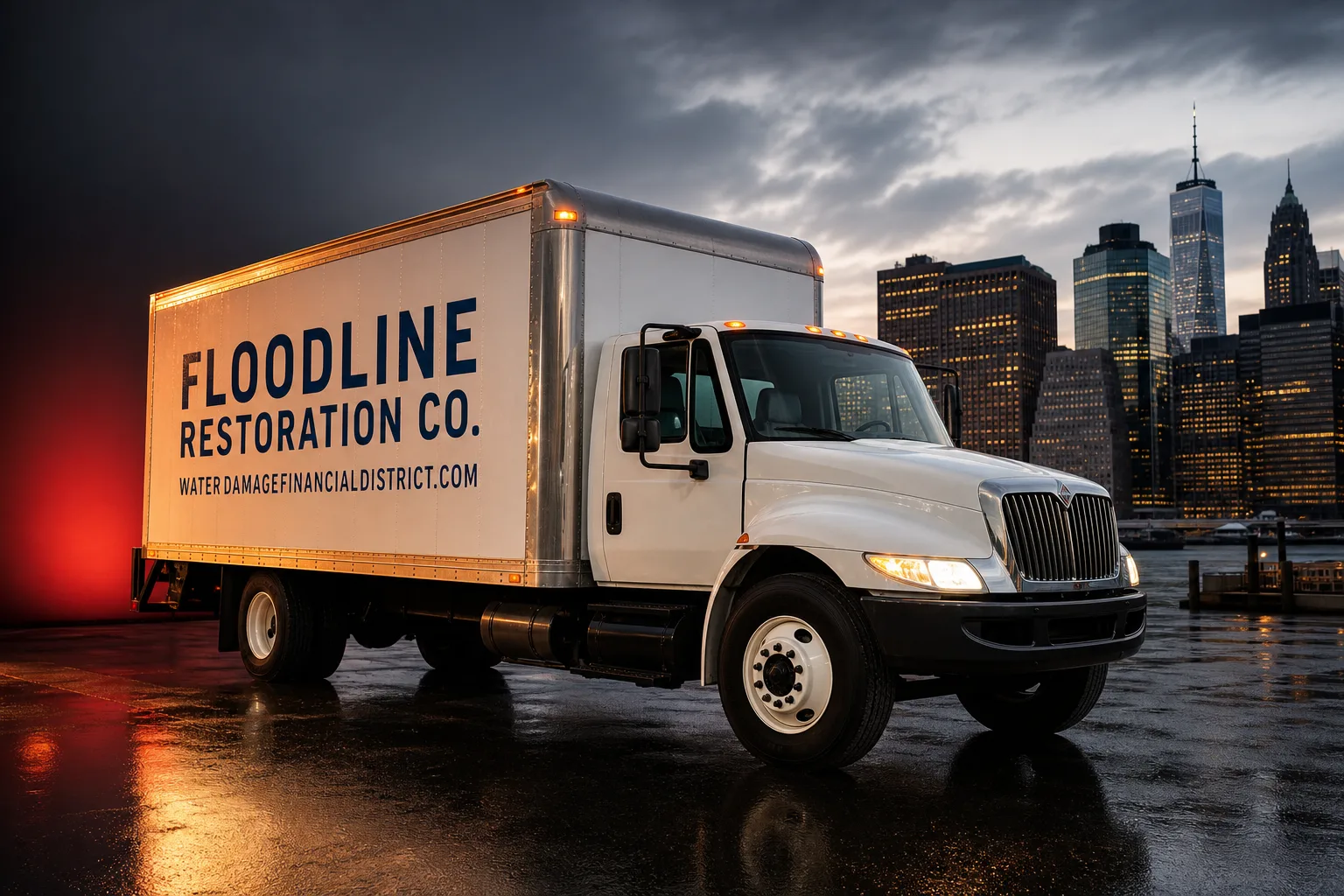
Free visual inspection and a written scope of work before any mitigation begins - photos, moisture readings, and drying logs go in your claim file
The scope we write is the scope we bill. Anything new gets shown to you, in writing, before we touch it.
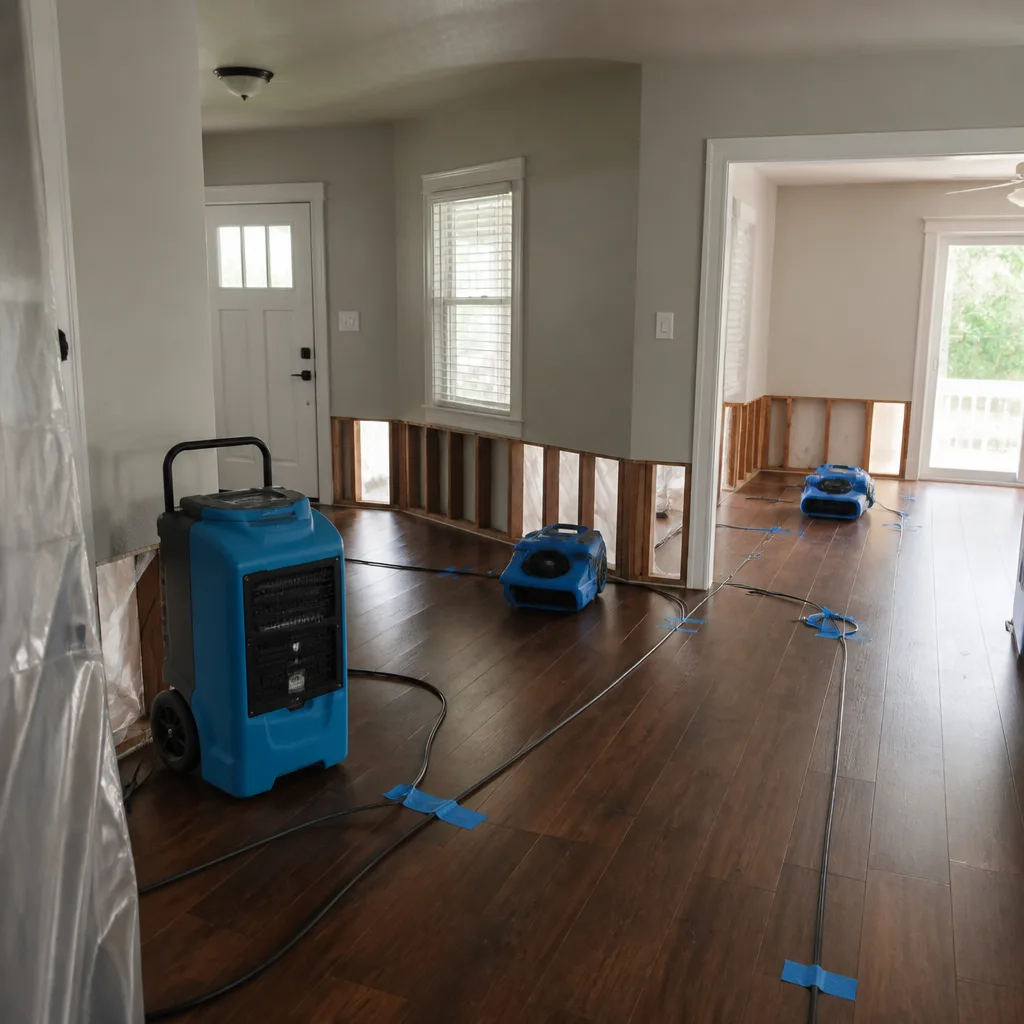



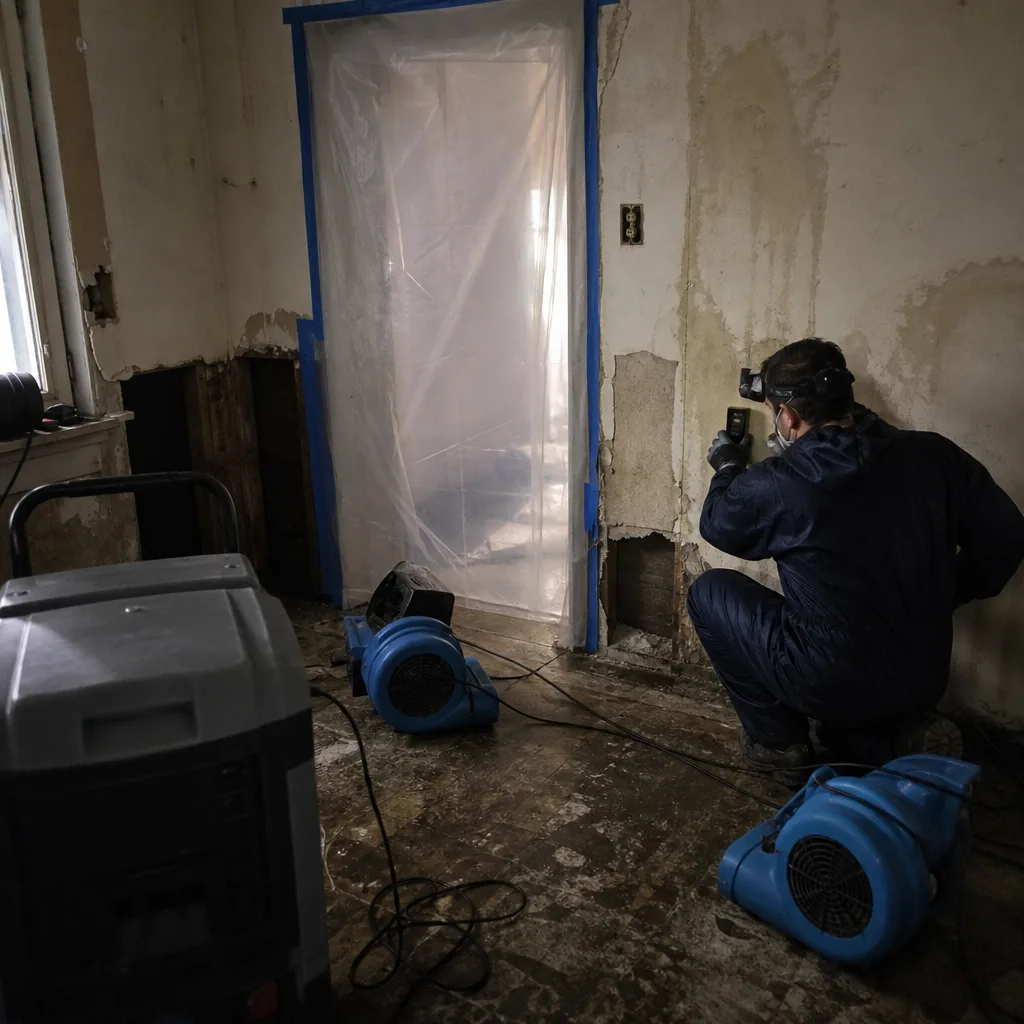 Before
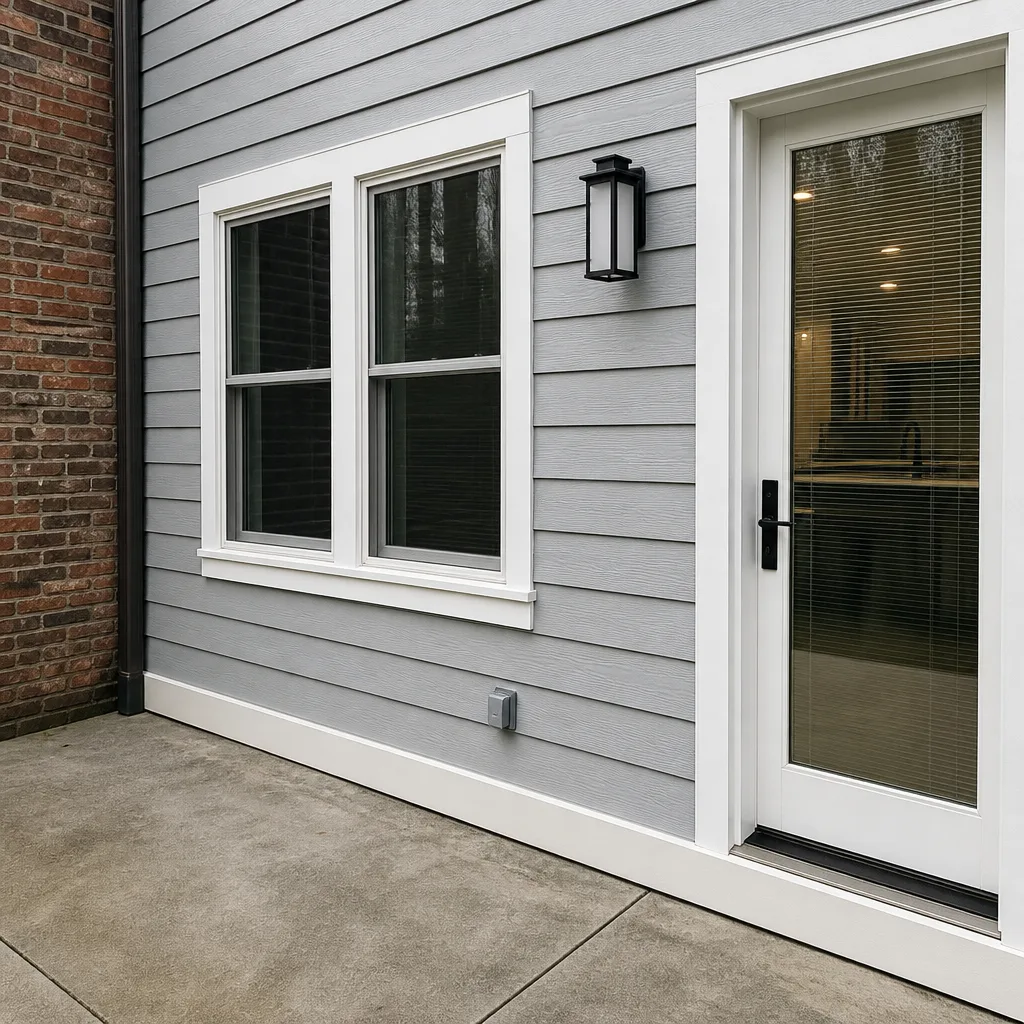 After
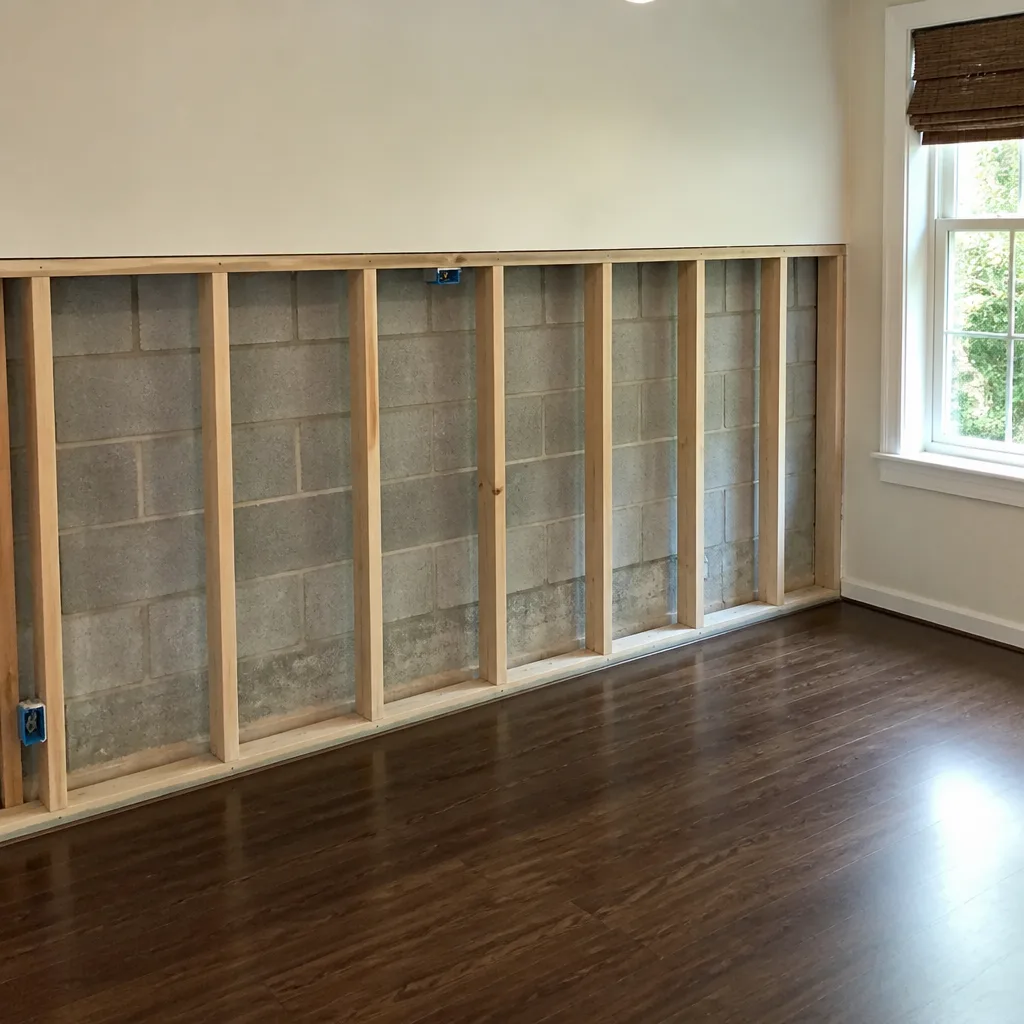
After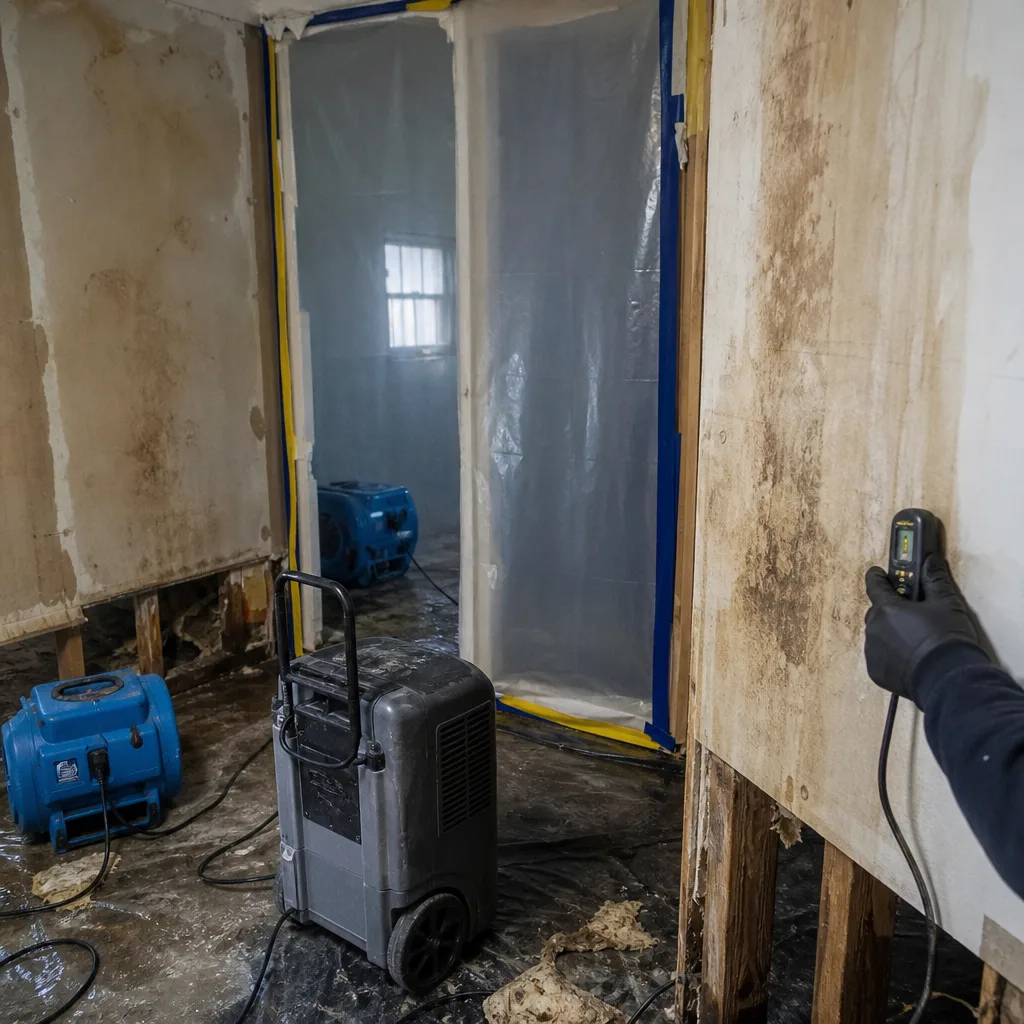 Before
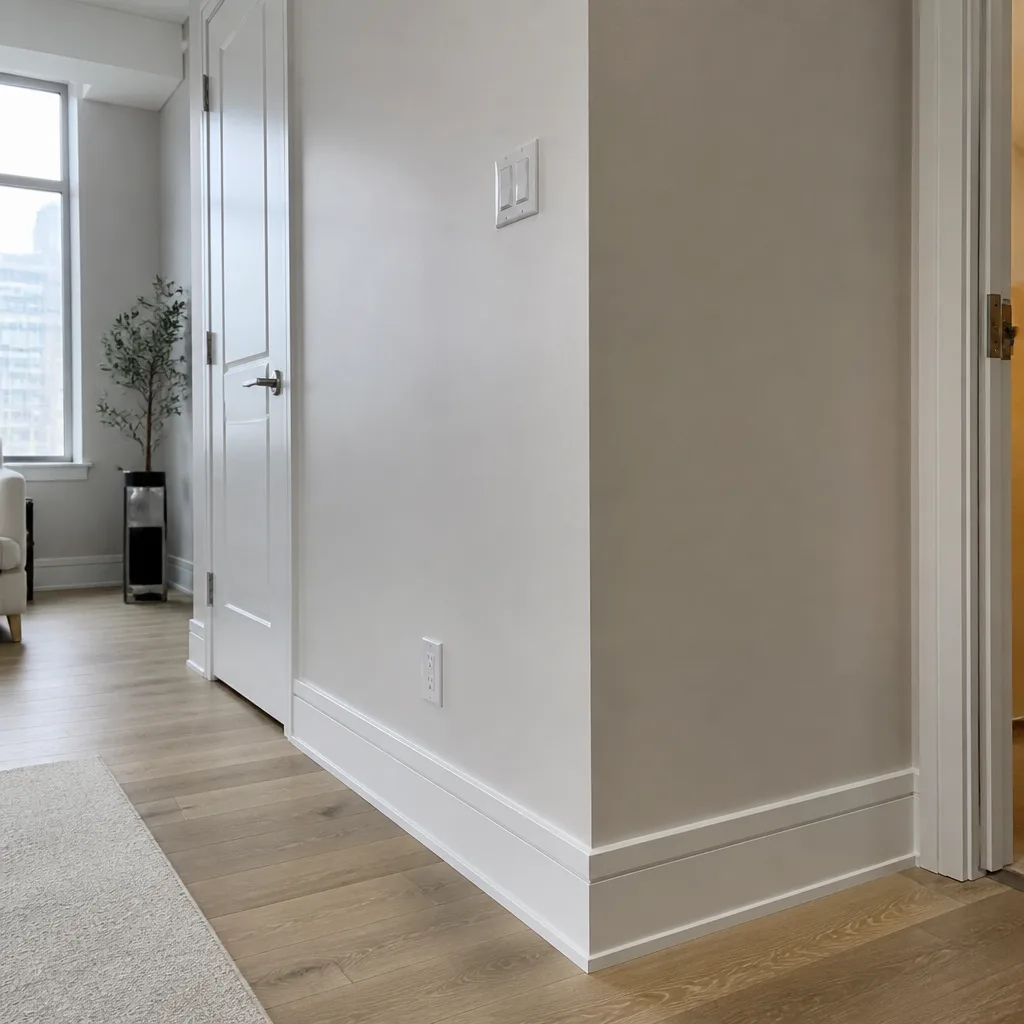 After
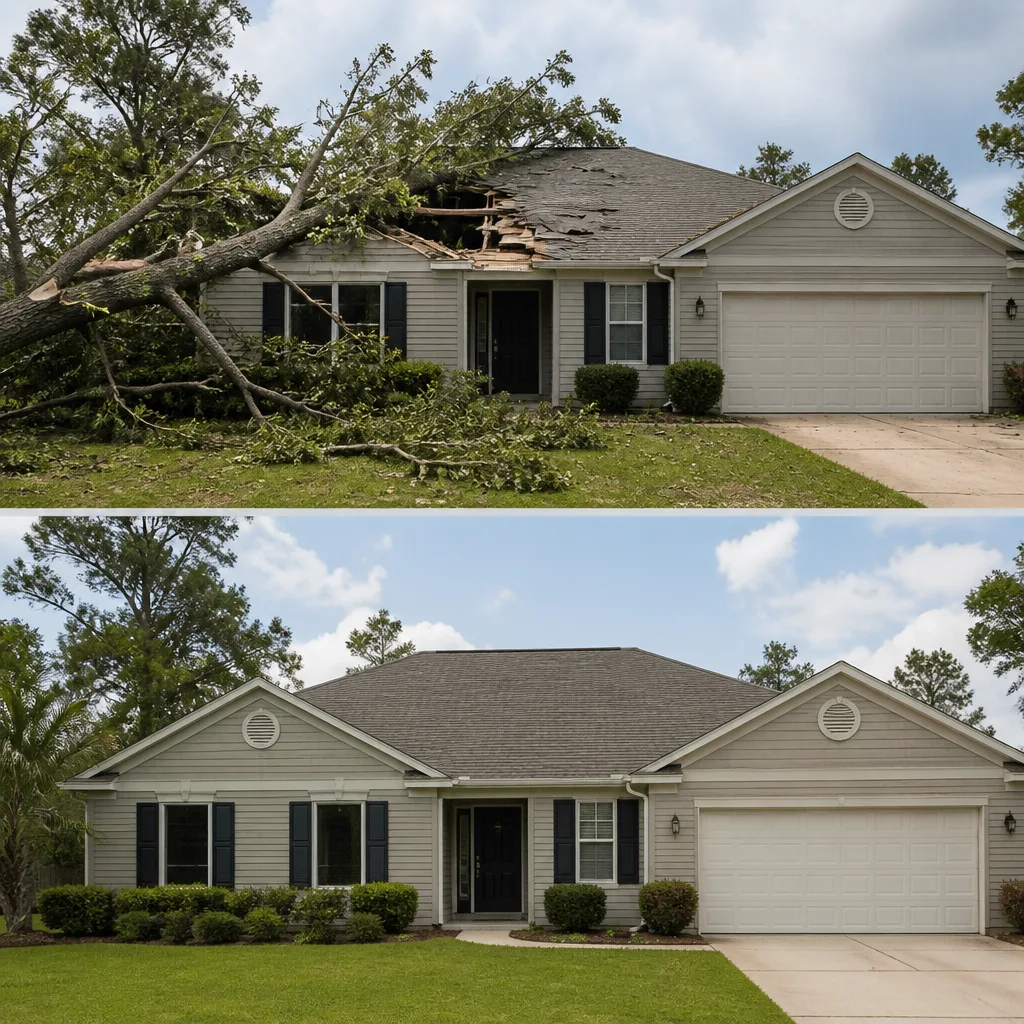
After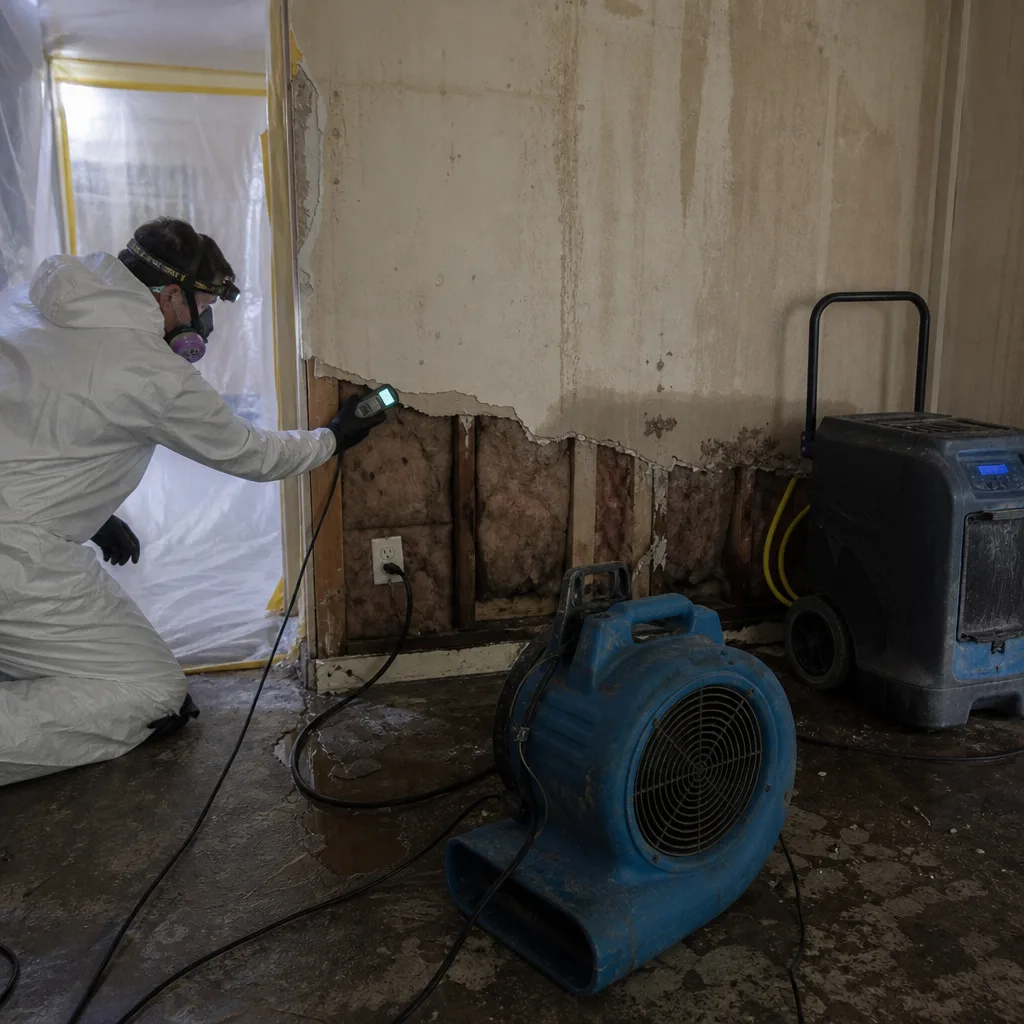 Before
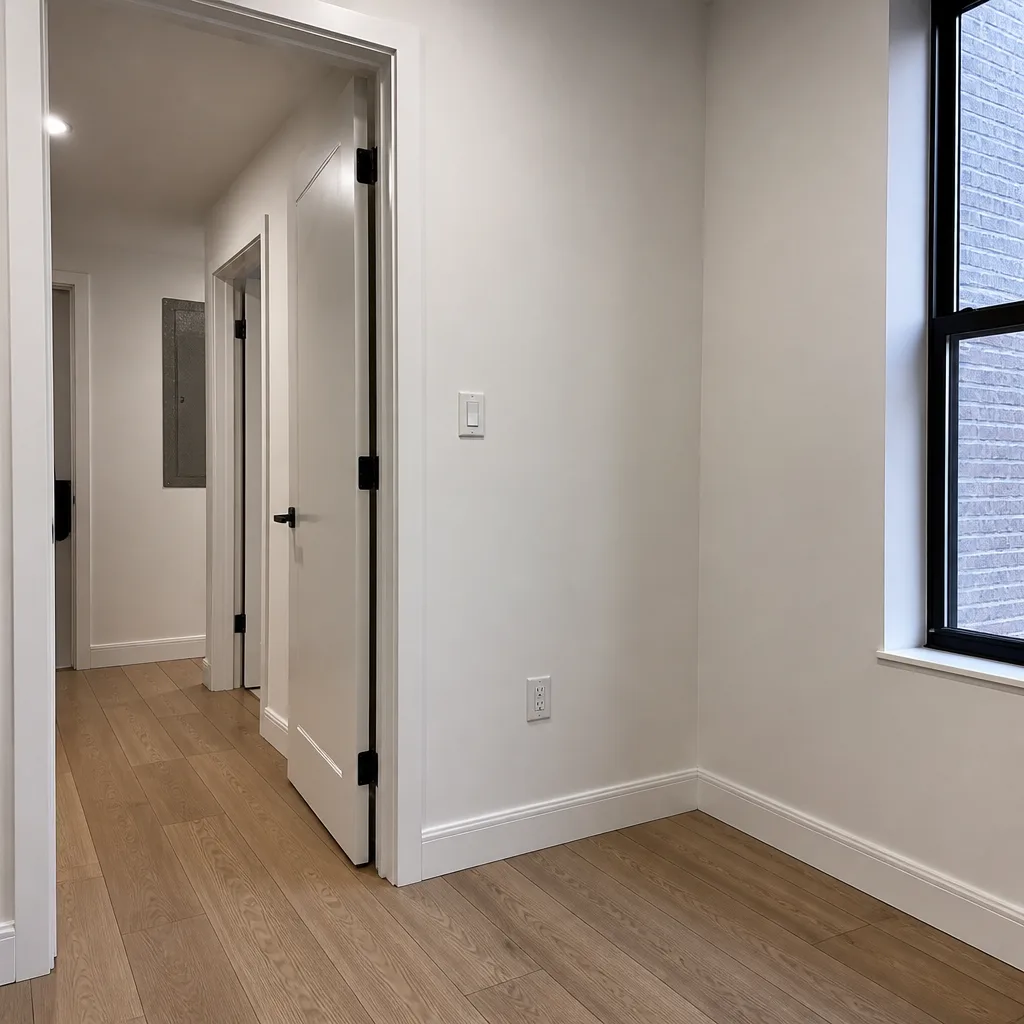 After
AfterBest Storm & Disaster Restoration When Financial District Homeowners Need It Most
In October 2012, Sandy pushed 9 to 14 feet of seawater through the streets of the Financial District, flooding basement mechanical vaults in buildings that had stood for nearly a century. We’ve spent the years since learning what that saltwater does to structural steel, terra-cotta, and the electrical spine of pre-war high-rises. Led by Curt Bowman, Floodline Restoration Co. has become the restoration team FiDi building managers and condo owners call when they need a crew that actually understands this neighborhood’s flood history, not just how to run a dehumidifier. No other part of Manhattan presents restoration challenges quite like the southern tip of the island, and no other contractor prepares for them the way we do.
What Makes a Storm & Disaster Restoration Company the Best in Financial District?
FiDi isn’t a typical residential market, and the wrong restoration company won’t realize that until they’re already inside your building with the wrong equipment. Here’s what actually separates the best from the rest here, and how we measure up.
- License and insurance. Any legitimate restoration contractor in New York should be state-licensed, insured, and bonded; the moment someone hesitates to show proof of coverage, walk away. Floodline Restoration Co. holds a state license and carries full insurance and bonding. We’ll provide a certificate of insurance naming your building or condo association before we set foot on site.
- Restoration-specific certifications. Flood work is not general contracting. Look for IICRC certification, which is the industry standard for water damage and mold remediation. Curt Bowman’s crew works to IICRC protocols on every job, using Dri-Eaz drying equipment and moisture mapping rather than guesswork. Our affiliation with the Restoration Industry Association keeps us plugged into evolving standards for saltwater intrusion, which matters more in FiDi than anywhere else in the city.
- FiDi-specific experience. A restoration company that mostly works on suburban single-family homes will not know what to do with a 1930s landmarked tower that still has its original terra-cotta block walls. We’ve worked inside 40 Wall Street-era buildings and understand how thick masonry and plaster assemblies dry differently than drywall. That knowledge directly impacts timeline and cost.
- A written scope before work starts. The worst reputation problem in this trade is the company that gets a foot in the door and keeps “discovering” more damage. The best contractors agree to a scope, put it in writing, and only change it with your sign-off. Every Floodline Restoration Co. job in the Financial District starts with a documented assessment and a written scope. You approve the plan before equipment rolls in.
- Response speed with a plan. Fast matters when saltwater is sitting in an elevator pit or wicking up through a marble lobby floor. But speed without a plan creates chaos. We dispatch quickly and also arrive knowing whether your building completed its post-Sandy mechanical elevation, which determines what actually needs to be done in the basement. More on that below; it’s the single most important intake question in this neighborhood.
Floodline Restoration Co.’s Credentials & Proof
We’re led by Curt Bowman, who has spent his career in commercial and residential restoration across New York City and brings a level of diagnostic precision to storm damage that most crews don’t offer. We are state-licensed and carry full insurance and bonding; we’ll produce a certificate for any building, management office, or co-op board that requires it. Our technicians work to IICRC standards and we use Dri-Eaz drying systems designed for the deep, slow-drying assemblies you find in pre-war masonry construction. We’ve built a strong local reputation in the Financial District specifically because we do the unglamorous things right: photo-documented assessments, direct adjuster coordination, and a written scope before any work begins. We don’t publish a bunch of inflated numbers; we let building managers and condo owners vouch for us, job after job.
What Financial District Customers Say
“The first company I called sent a guy who walked my basement, looked at the elevators, and told me I needed half a million dollars in work. Curt walked the same space and showed me which mechanical systems had already been elevated after Sandy and which hadn’t. The difference in scope was enormous. I knew I was dealing with someone honest.” – a Financial District homeowner
“Our building flooded during a storm surge event and the management office went into panic mode. Floodline Restoration Co. provides Emergency Storm & Disaster Restoration in Financial District, NY and had a crew on site within hours, took moisture readings everywhere, and sent photos directly to our insurance adjuster. The claim process was the smoothest any of us had ever seen.” – a FiDi condo association member
“I live in a landmarked building and was terrified someone would rip out original plaster and replace it with drywall. This team knew the LPC constraints better than my own architect did. They dried in place where it was appropriate and saved us thousands.” – a Financial District resident
How We Compare to Other Storm & Disaster Restoration Companies in Financial District
The comparison you should actually be making isn’t about corporate slogans. It’s about whether the company on the other end of the phone understands what they’re walking into. The red flags to watch for are the same everywhere, but they cost more in FiDi because the buildings are older, the flood risk is saltwater, and the regulatory overlay never stops.
A bad restoration company in this neighborhood will quote you a flat rate before seeing the space. They’ll send a crew that doesn’t know the difference between a pre-2012 basement mechanical vault and a post-Sandy elevated mechanical floor. They’ll start tearing out wet material without checking whether your building is under Landmarks Preservation Commission review, which can turn a simple permit into a legal problem. They’ll bill your insurance company directly and disappear while you fight about line items.
That’s not how Floodline Restoration Co. operates. We verify the building’s mechanical configuration before we scope any basement flood loss, because post-Sandy retrofits moved boilers, switchgear, and elevator machine rooms to upper floors in many FiDi high-rises. If your building completed that elevation, your basement flood is a very different job than the one down the street in a building that didn’t. We’re the only restoration contractor in this market that makes that verification a standard intake step.
We also don’t do bait-and-switch pricing. The estimate we give you is based on a photo-documented assessment and a written scope. If we find hidden damage mid-job (and in 1930s terra-cotta buildings, you sometimes do), we stop, show you the photos, explain what changed, and get your sign-off before proceeding. That’s not a marketing tactic; it’s just the right way to work. And on insurance, we coordinate directly with your adjuster, send documentation they can actually use, and bill in a format that carriers accept without endless back-and-forth.
Frequently Asked Questions - Best Storm & Disaster Restoration in Financial District
The short answer is that we’re one of the only Storm & Disaster Restoration services teams in the neighborhood that treats FiDi’s saltwater flood history and landmarked pre-war building stock as the defining factors in every job. We verify your building’s post-Sandy mechanical configuration before scoping anything, work to IICRC standards with Dri-Eaz equipment, and we never start work without a written scope you’ve approved. If you call a few companies in the Financial District, you’ll quickly notice most don’t ask the questions we ask. Call (518) 663-6491 and ask Curt about the pre- vs. post-2012 elevation question; his answer will tell you everything you need to know about the difference between us and the rest.
Absolutely, and if a contractor tells you otherwise, that’s a red flag. FiDi sits at near sea level where the Hudson meets Upper New York Bay, and storm surge events push saltwater into sub-grade spaces. Salt corrodes structural steel and destroys electrical components far faster than freshwater. Many buildings also fall under Landmarks Preservation Commission review, which imposes material and method constraints that standard restoration crews simply don’t know how to navigate. We’ve worked inside these types of landmarked conversions and we know how to dry historically significant assemblies without destroying them.
In most cases, yes, though flood-specific coverage depends on your policy and whether your building sits in a FEMA AE or VE zone (many FiDi buildings do). The key is documentation: photos, moisture readings, and a scope that clearly ties the damage to the storm event. We coordinate directly with adjusters, provide photo-documented assessments from day one, and bill insurance carriers in a format they accept without friction. The goal is to make your claim process as trouble-free as the restoration itself.
Floodline Restoration Co. runs 24 Hour Storm & Disaster Restoration in Financial District, NY with a rapid-response dispatch for storm and surge events in the Financial District. We know the difference between a pipe burst that needs equipment on site within hours and a saltwater surge that requires a specific sequencing of assessment, safety checks, and drying. If you’re in the middle of a flood, call (518) 663-6491 right now and we’ll tell you exactly what to expect, including when a crew can be on site.
That’s exactly the question a flat-rate company will never answer honestly, because they want the bigger job. The honest answer is that the answer depends on what got wet, how long it sat, and whether the water was salt or fresh. A quick surge through a lobby floor may only need drying and refinishing. Seawater that’s been sitting in an elevator pit for 48 hours is a different animal entirely. We assess first, photograph everything, and tell you what you actually need, often less than you feared. Call (518) 663-6491 and we’ll schedule a documented assessment.
Verify license and insurance, ask whether they’ve worked inside landmarked FiDi buildings, ask how they handle post-Sandy mechanical configurations, and demand a written scope before work starts. If any of those questions get waved away, keep looking. We answer all four directly, and we’ll put everything in writing before a single fan is plugged in. Call (518) 663-6491 and put us to the test.
Get the Best Storm & Disaster Restoration Service in Financial District - Free Estimate
If you’re comparing restoration companies in the Financial District, compare the questions they ask before the price they quote. Call Floodline Restoration Co. at (518) 663-6491. We’ll walk your space, assess the damage, and give you an honest, written scope with no pressure and no obligation.
Written by Curt Bowman, Owner at Floodline Restoration Co., serving the Financial District since our first post-Sandy restoration project in the neighborhood.
What Our Customers Say
"Another company told me the whole attic needed mold remediation at a terrifying price. These guys tested, showed me it was surface growth on one sheet of plywood, and charged me for a cleaning instead. That kind of honesty buys a customer for life."
- Duane Pickett"Washing machine hose let go while we were at work and the ceiling below was sagging by the time I got home. They had extraction running within the hour and fans placed before dinner. The tech took moisture readings every day and showed me the numbers coming down until they hit dry."
- Marcy Aldridge"Kitchen fire, more smoke than flame. They boarded the broken window the same day, ran air scrubbers for the smell, and got the smoke out of the whole house including the closets upstairs. They dealt with the adjuster directly so I never once had to relay anything."
- Holly Brandt