
Free visual inspection and a written scope of work before any mitigation begins - photos, moisture readings, and drying logs go in your claim file
The scope we write is the scope we bill. Anything new gets shown to you, in writing, before we touch it.
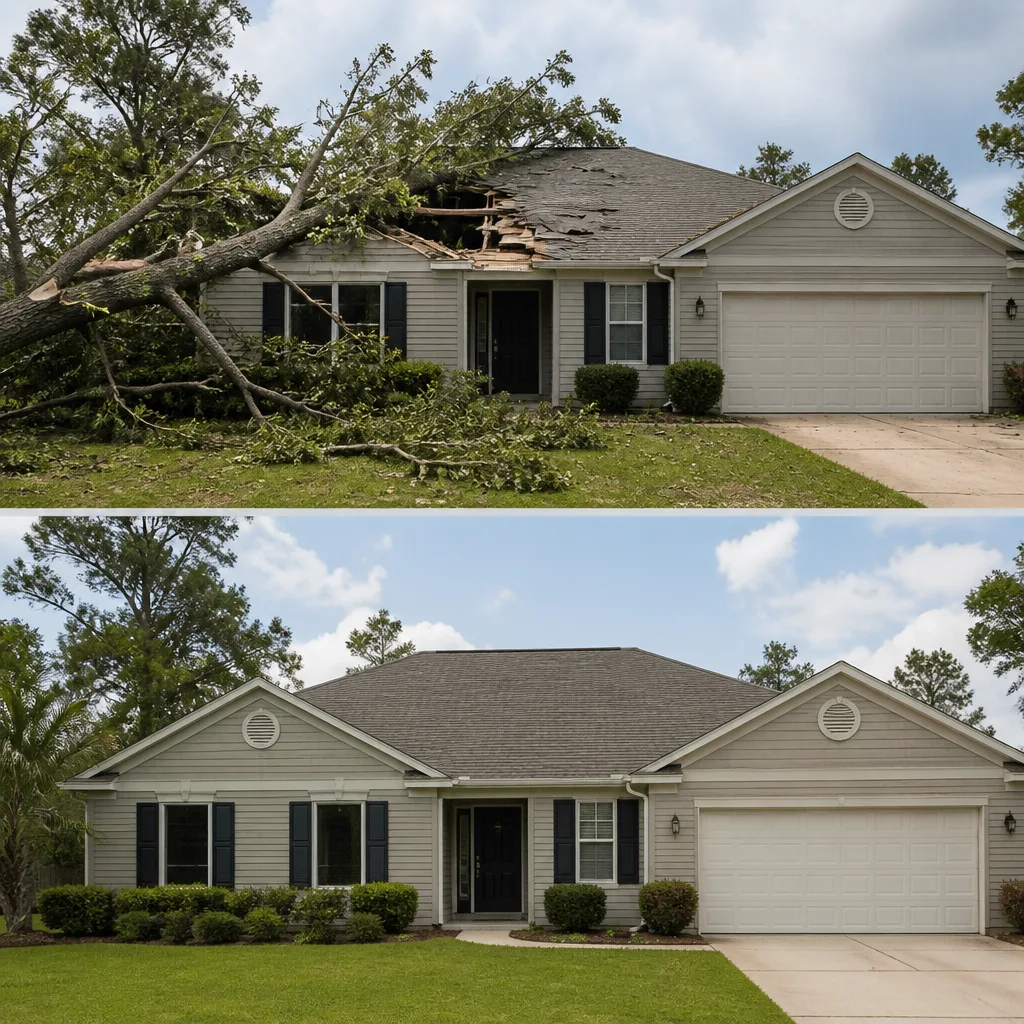
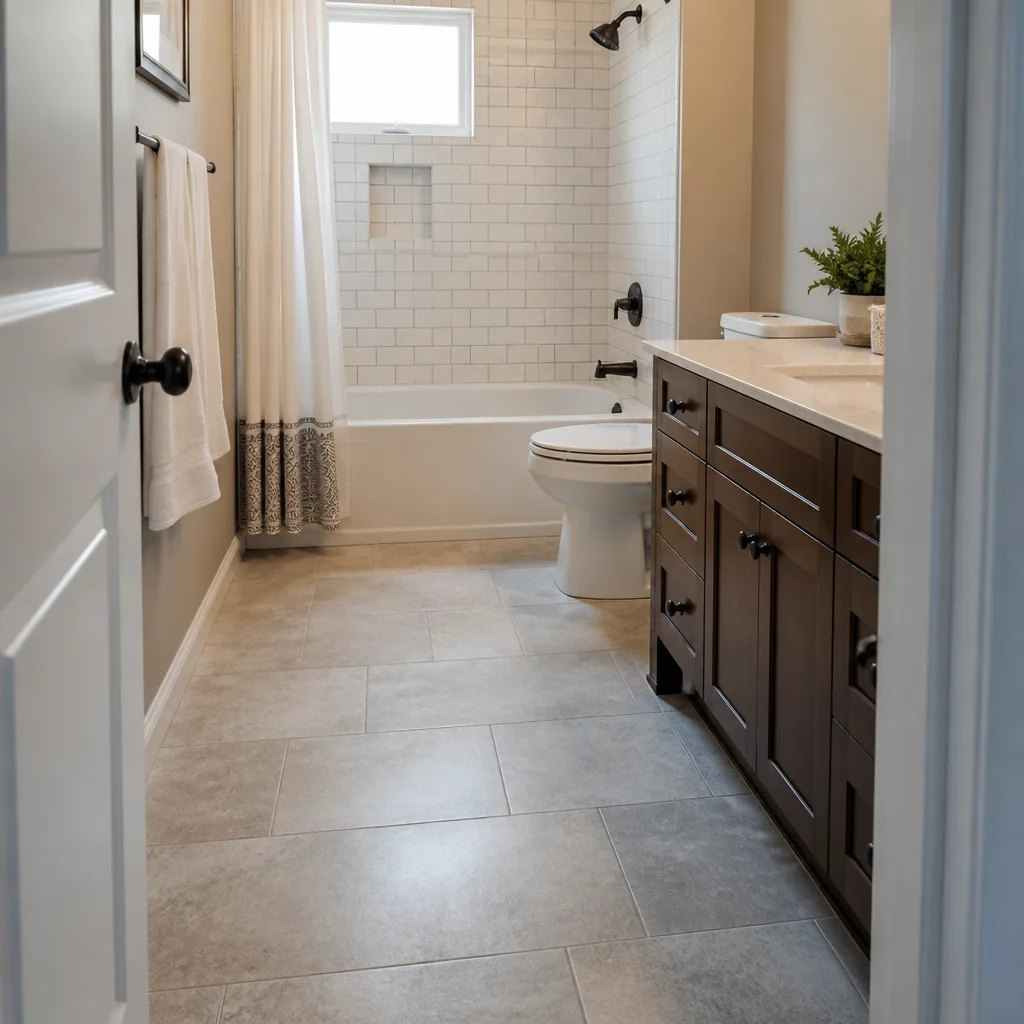
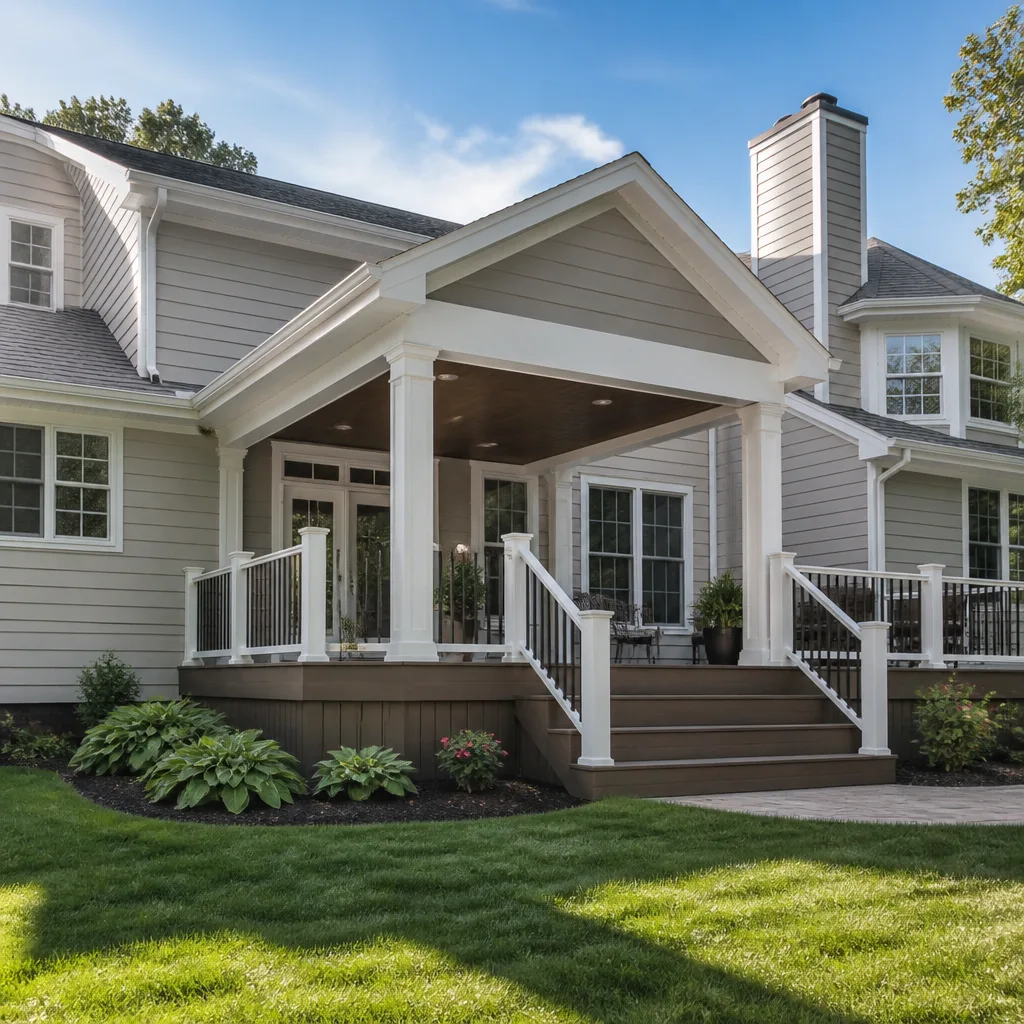
 Before
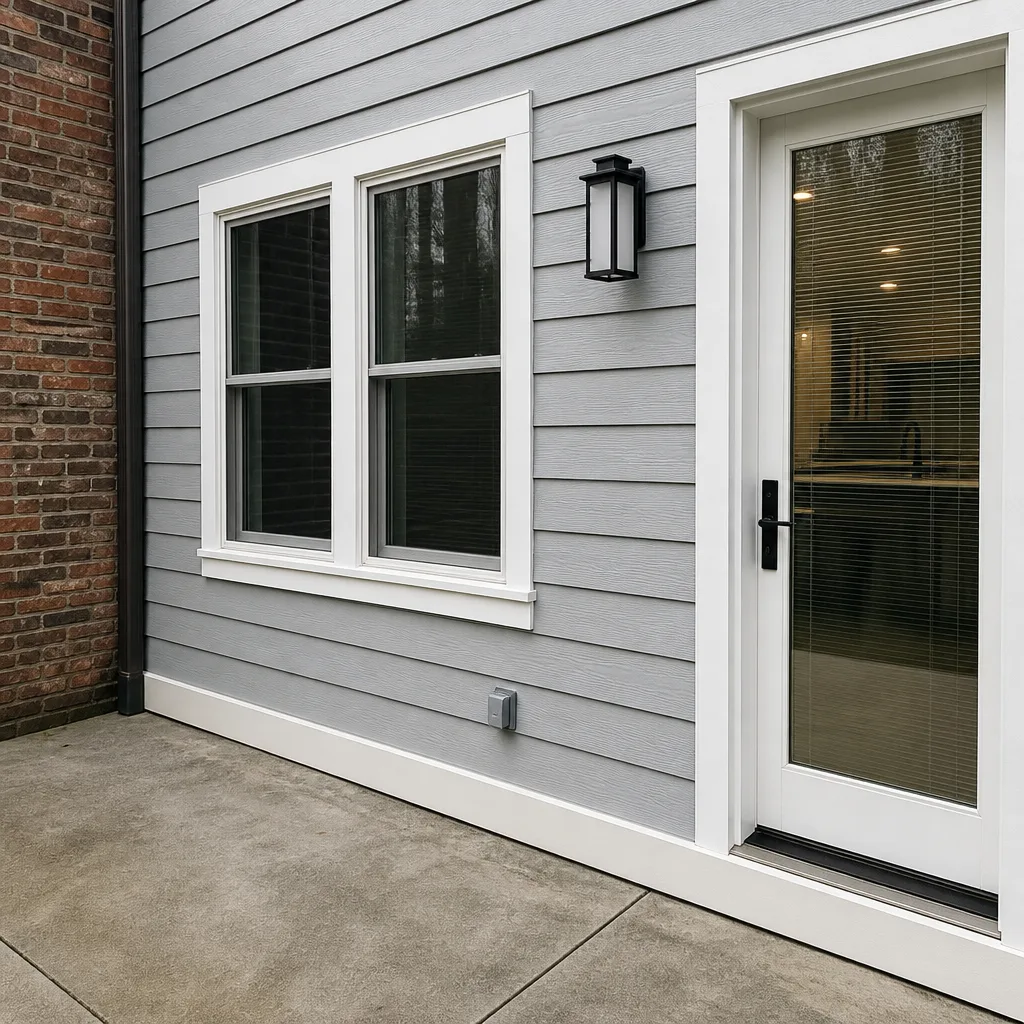 After
After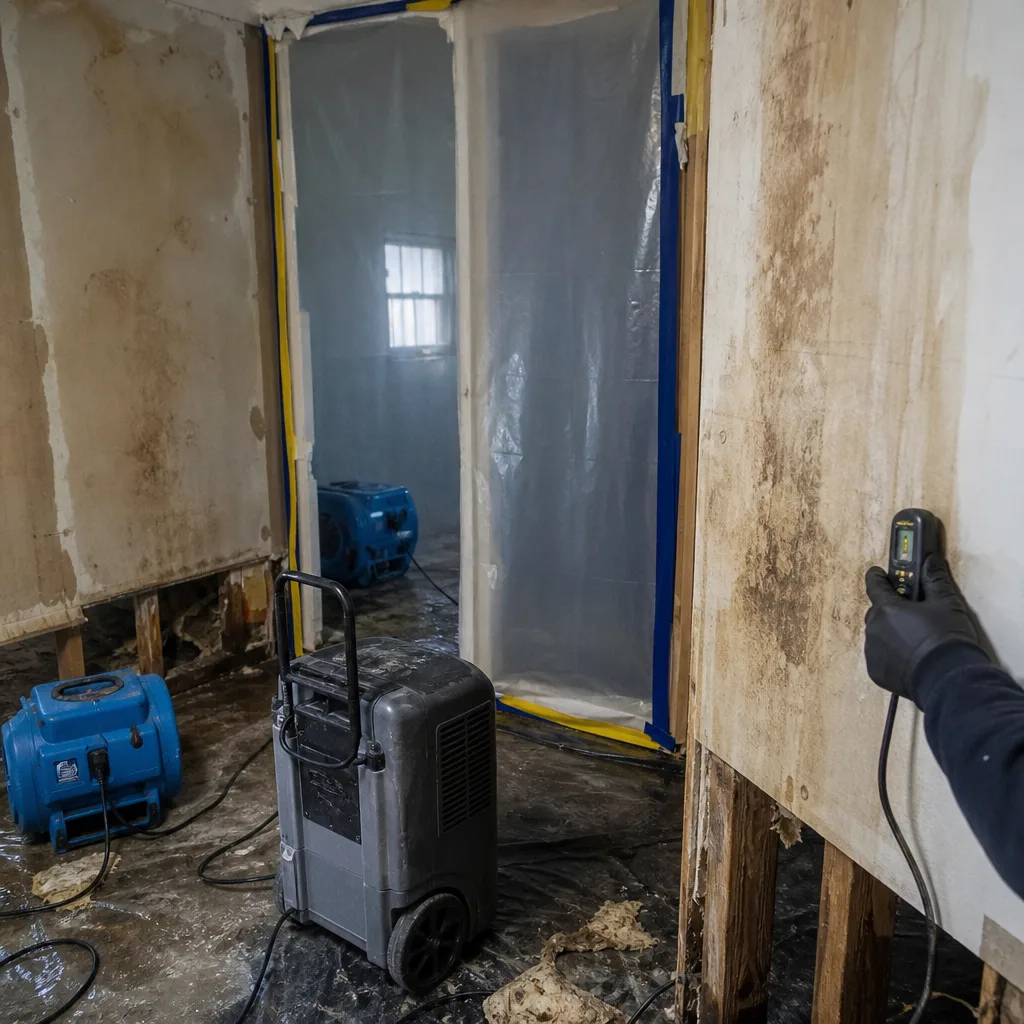 Before
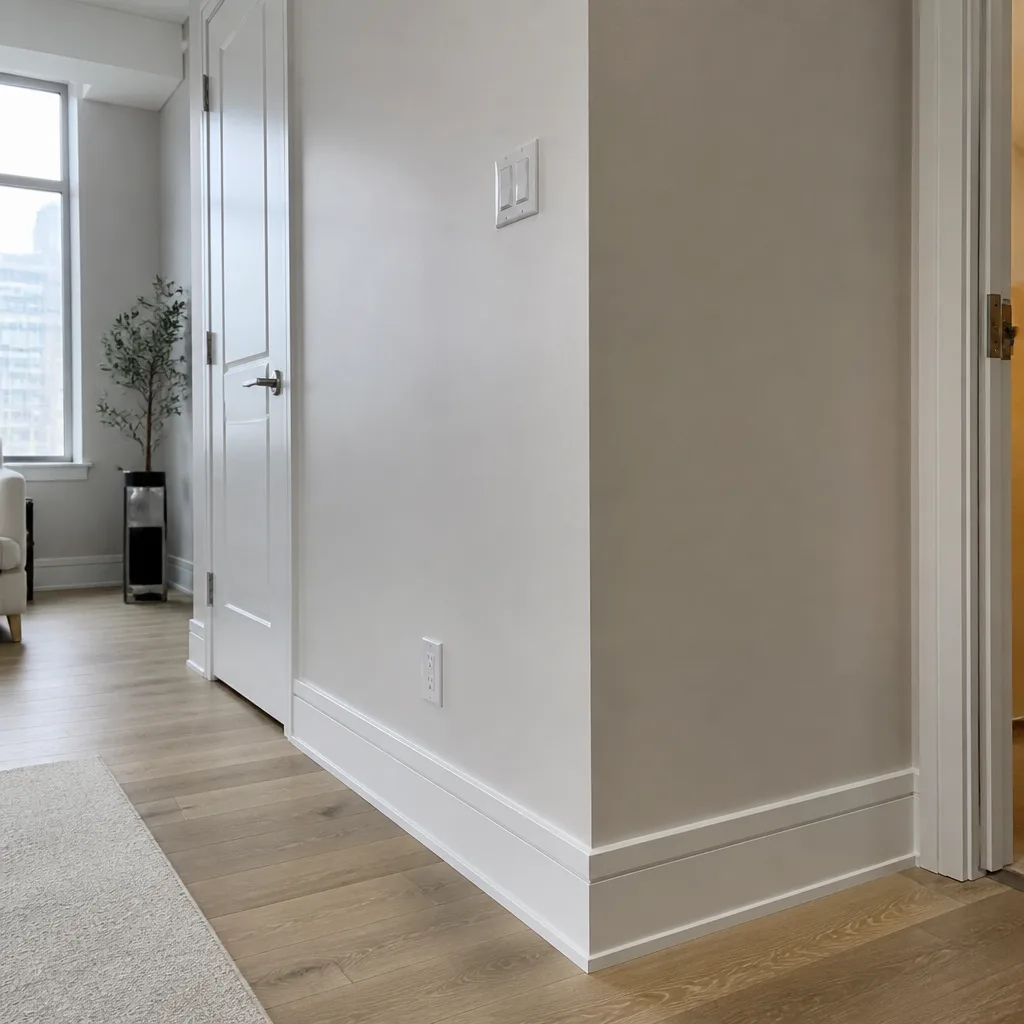 After
After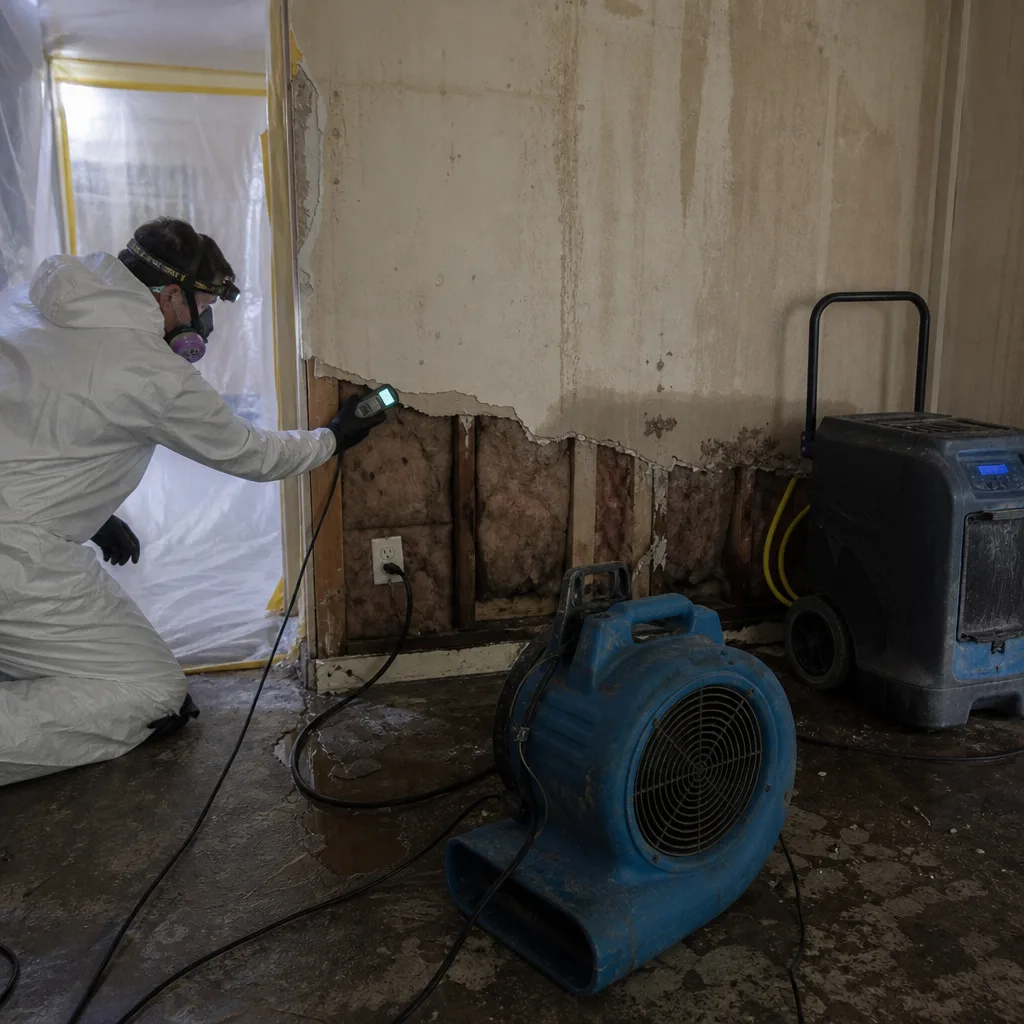 Before
 After
After24/7 Emergency Water Damage Restoration in Lower Manhattan
Water damage restoration in Lower Manhattan typically runs $2,200-$7,500 for a standard Category 1 or 2 loss, and $8,000-$25,000+ when saltwater storm surge or a sub-grade mechanical flood is involved. We answer the phone live when you call (518) 663-6491, and a certified crew is dispatched into Lower Manhattan within 45 minutes. The first hour matters more here than almost anywhere else in New York, because salt-laden humidity off the harbor accelerates mold growth faster than freshwater flooding ever could. If water is standing in a Financial District lobby, a Tribeca loft, or a Battery Park City mechanical room, the damage is compounding while you wait.
Understanding Water Damage Restoration Severity in Lower Manhattan Properties
Not all water behaves the same. Restoration professionals classify water into three categories, and Lower Manhattan’s building stock makes the distinctions sharper than in most markets. Category 1 water comes from a clean supply line: a ruptured feeder in a 1980s Battery Park City tower, or a failed valve behind a Water Street kitchen. It’s the easiest to dry, but only if you start fast. Category 2 water carries contaminants: an overflowing drain pan above a FiDi conversion’s ceiling plenum, or basement seepage through unreinforced brick in a 19th-century Tribeca loft. Category 3 water is sewage or harbor storm surge. That last category is why post-Sandy restoration in Lower Manhattan looks different from anything a contractor in, say, Park Slope ever handles. Saltwater penetrates the porous brick party walls of cast-iron buildings and hides there. We moisture map those walls, not just the floor, because surface readings lie. A timber post-and-beam frame behind drywall can hold 22% moisture while the drywall itself reads 8%. If you only dry the air, you leave the structure wet. That’s how mold appears 48 hours after the floor looks fine.
Why Lower Manhattan Property Owners Choose Floodline Restoration Co.
- 45-minute response commitment. Our dispatch board is built around Lower Manhattan routes: West Street, Broadway, Water Street, the FDR. A crew is on the way within 45 minutes of your call, and a live person confirms the ETA before we hang up.
- 24/7 live answer, no recording. At 2 a.m. during a nor’easter surge, you reach a dispatcher who knows the difference between a Zone AE basement and a penthouse leak. No phone tree, no “leave a message.”
- IICRC-certified crews, WRT and ASD codes. Every technician on a Lower Manhattan job is background-checked, uniformed, and certified to IICRC Water Restoration Technician (WRT) and Applied Structural Drying (ASD) standards, plus RIA and IFA guidelines.
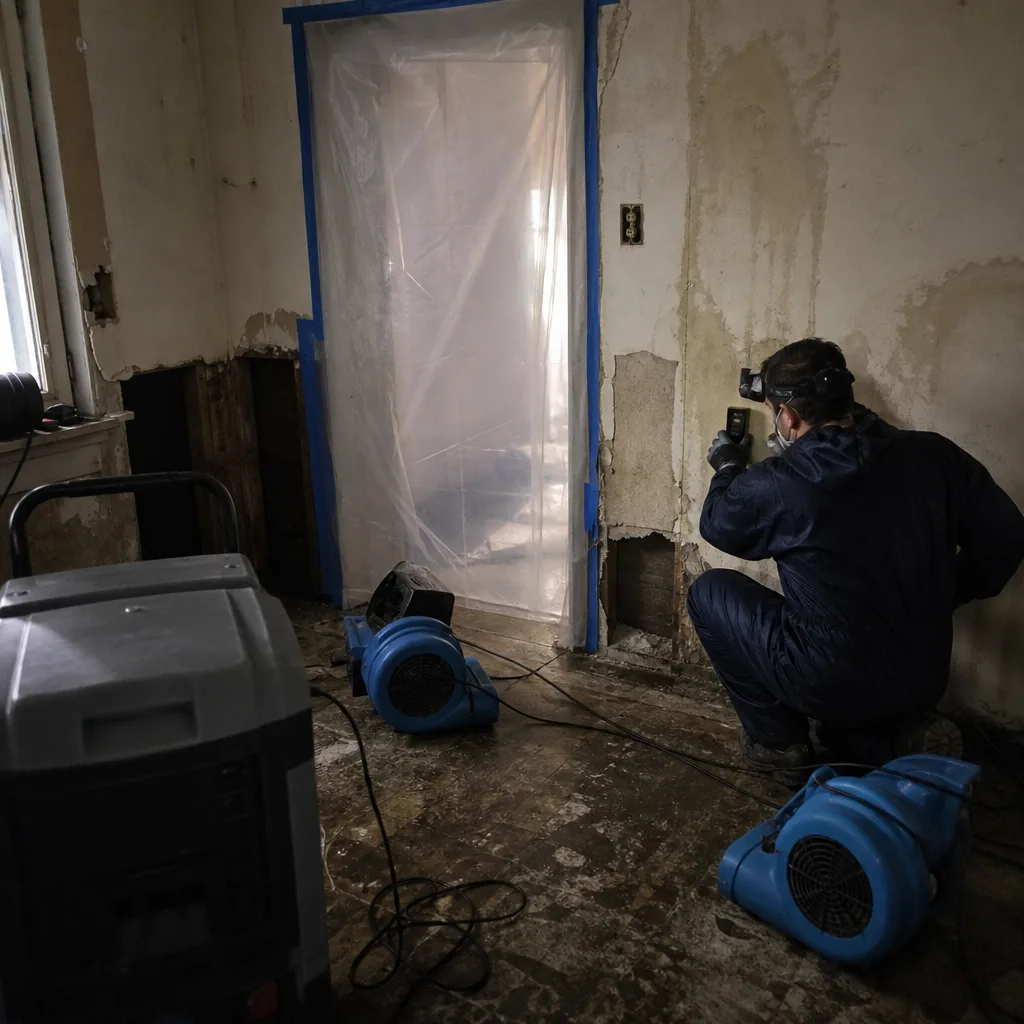
- Free visual inspection with moisture mapping. Before any work starts, we map the affected area with thermal imaging and hygrometers. You see the readings on day one, and daily logs until we hit the dry standard.
- Direct insurance billing. We bill your carrier directly, send photo documentation to your adjuster, and hand you the same moisture log they receive. You don’t carry paperwork between us.
- One team from extraction to reconstruction. The same Floodline crew that runs the Dri-Eaz dehumidifiers is the crew that rebuilds the wall. No handoff, no inherited subcontractor, no finger-pointing.
Our Water Damage Restoration Process
Inspection & Assessment
We arrive with thermal cameras, moisture meters, and a written scope form. In a Lower Manhattan building, we’re checking more than the visible water: we check the party walls, the sub-grade mechanical room, and whether any equipment sits below the Base Flood Elevation. You get a line-item scope before we start. No surprises.
Extraction & Stabilization
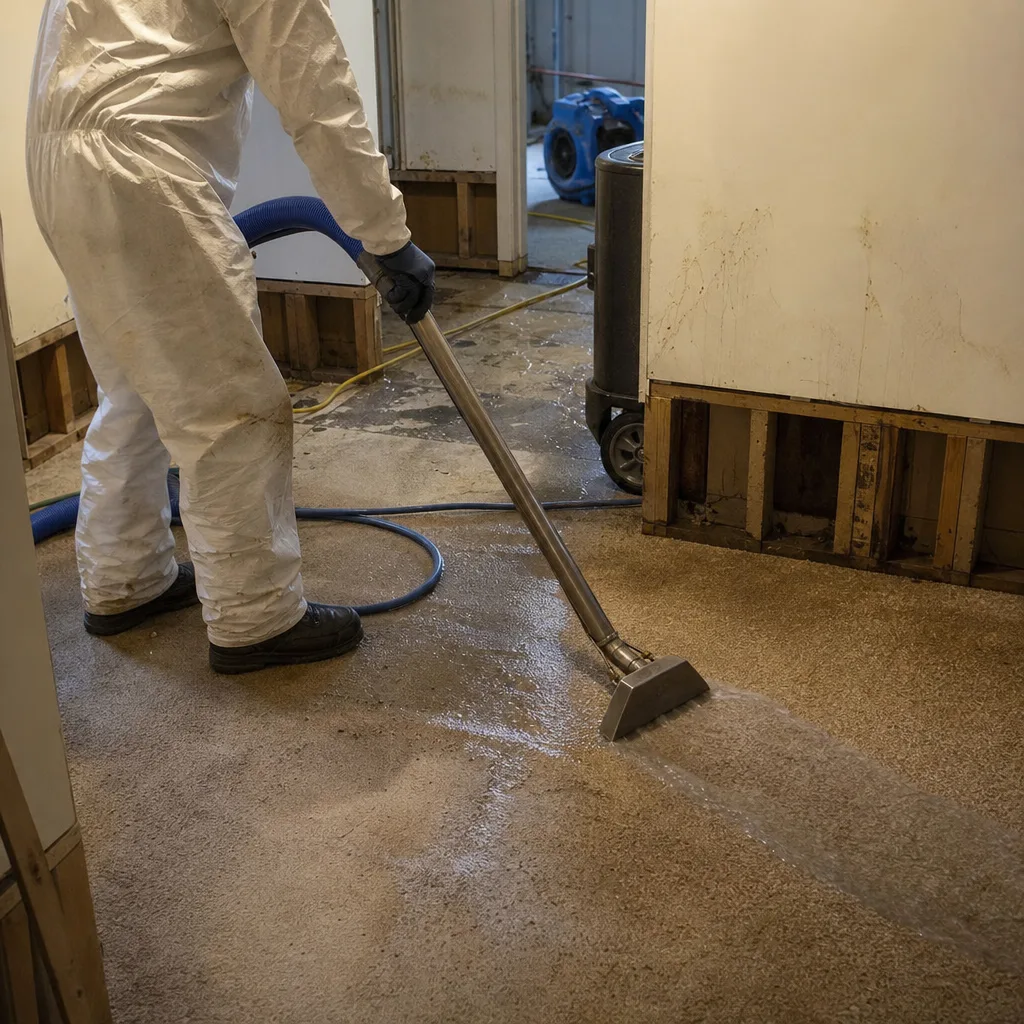
Standing water comes out first. We run truck-mounted and portable extraction units, then stabilize the environment. For saltwater or harbor surge, the extraction step includes a post-extraction salt flush on concrete and steel surfaces, something most contractors in this market skip until it’s too late.
Drying & Dehumidification
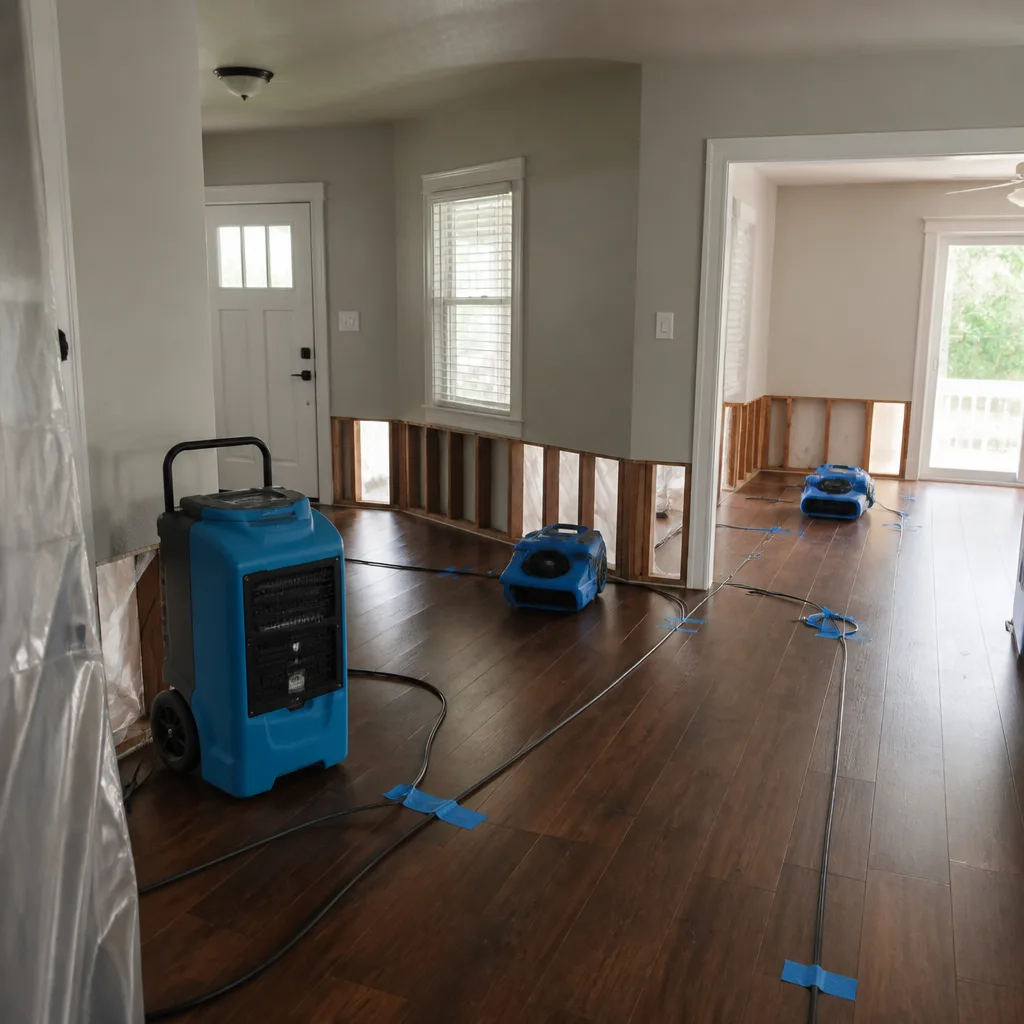
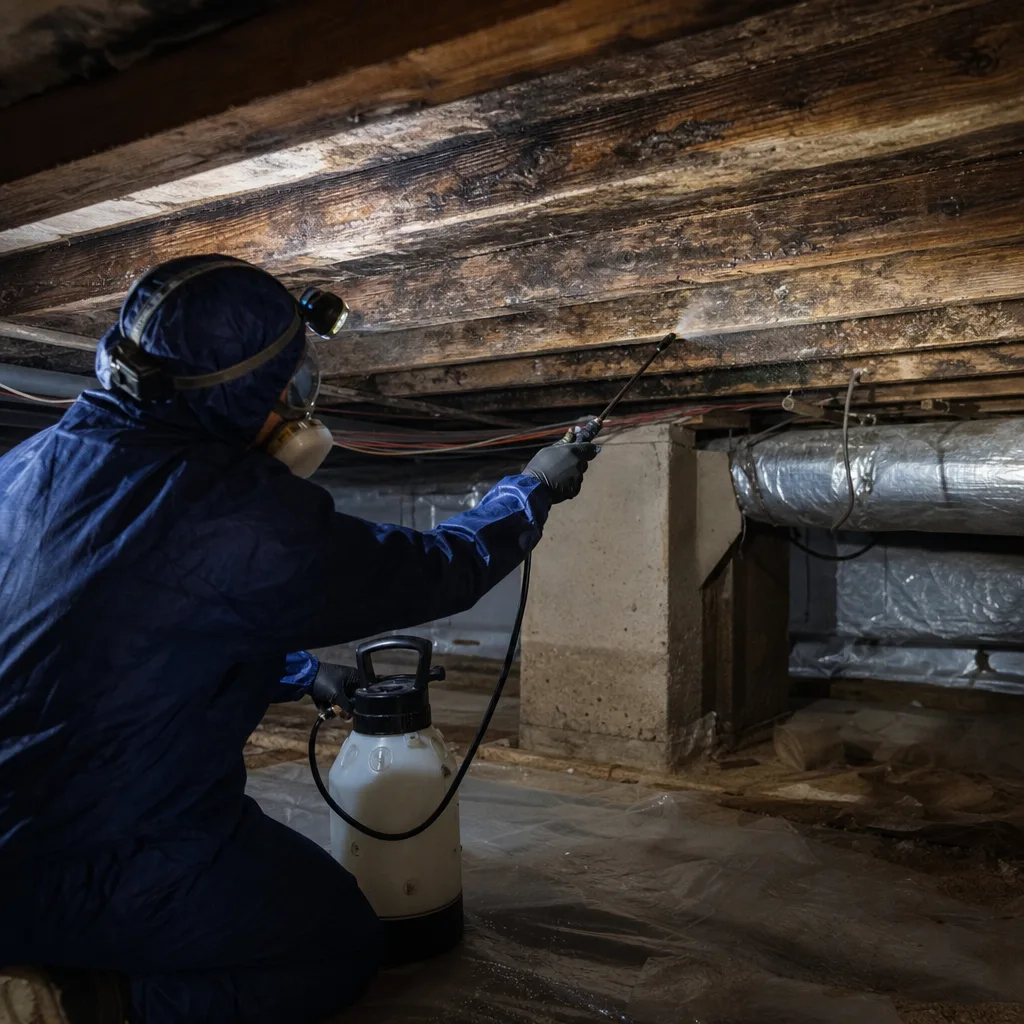
We position Dri-Eaz LGR dehumidifiers and XPOWER air movers based on the moisture map, not guesswork. In an 1880s Tribeca cast-iron loft, that means directing airflow behind plaster walls and into the timber framing cavity. Daily readings are logged and shared with you and your carrier until the dry standard is met.
Cleaning & Sanitization
Every affected surface gets cleaned and treated according to the water category. Category 3 surge water gets an antimicrobial application rated for saltwater contamination, because salt-trapped moisture feeds microbial growth that freshwater treatments don’t touch.
Specialty Treatment for Lower Manhattan Floods
This is the step that matters here. We inspect steel lintels, switchgear, and structural elements below the BFE for salt-driven corrosion. If a boiler or electrical panel sits in a Zone AE basement, we flag the relocation requirement before we touch it, so you don’t end up with a DOB substantial-improvement review stalling the job.
Repairs & Restoration
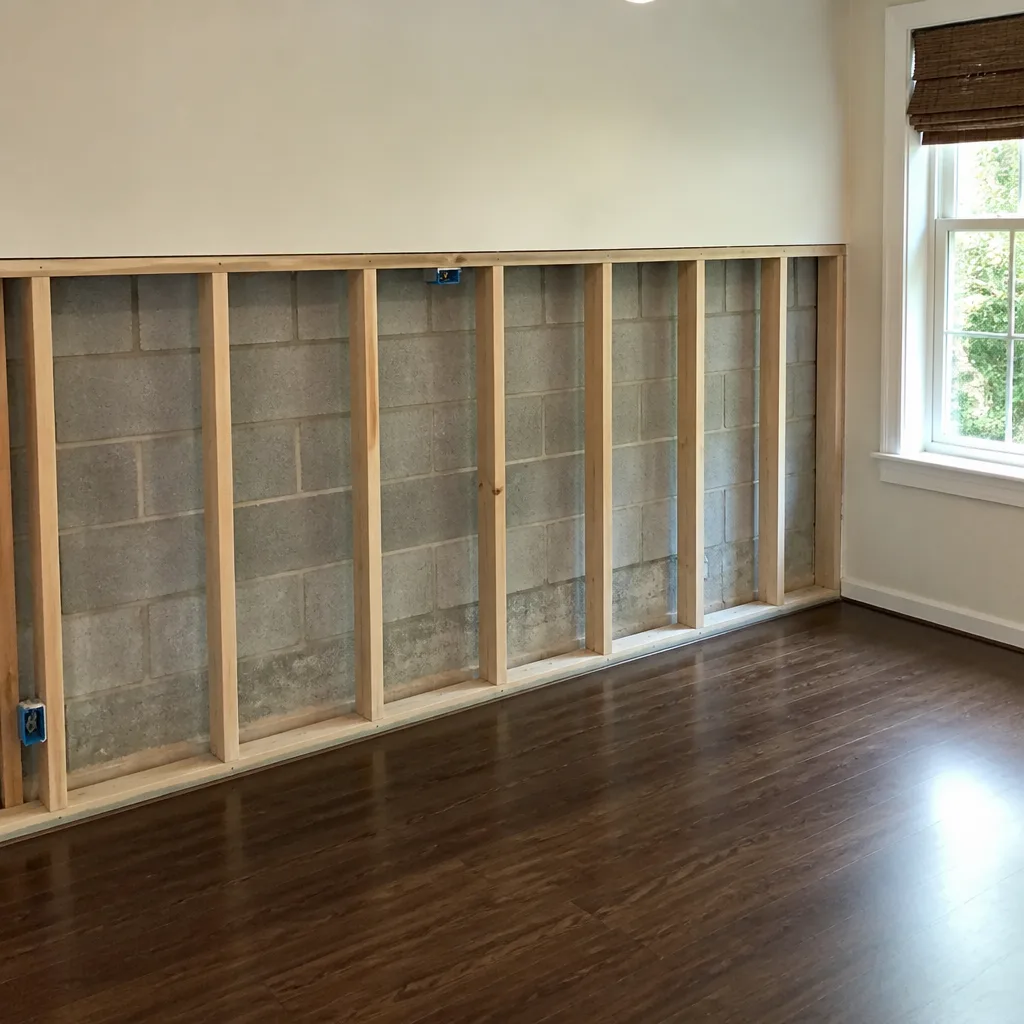
Drywall, trim, flooring, and in many Lower Manhattan cases, window glazing and curtain-wall sealing. We don’t patch a 1980s aluminum storefront leak on Water Street and call it done. We fix the leak, then restore the interior. If a mechanical or electrical system needs to move above the BFE, our reconstruction team pulls the permit and handles the relocation.
Need Emergency Water Damage Restoration in Lower Manhattan Now?
Crews minutes away, answering live 24 hours a day. The sooner we start, the less it costs.
Working With Your Insurance Company
Most Lower Manhattan water damage claims involve a carrier, and most carriers need documentation that proves the loss, the scope, and the dry standard. We build that file from the first hour. Our crews photograph every affected room before extraction starts, log moisture readings at every visit, and write a line-item scope that uses the same estimating software your adjuster already recognizes. When a Battery Park City condo board or a FiDi building manager is involved, we coordinate with them directly. Your adjuster gets the same photo set, the same readings, and the same scope you do. You are never the messenger between two parties who don’t answer their phones. We’ve handled enough post-Sandy claims on Water Street and in Tribeca to know exactly what a carrier will ask for before they ask it.
What We Provide Your Insurer
- Thorough documentation of the loss
- Photos of all damage, room by room
- Moisture readings and drying logs
- A detailed, line-item scope of work
- Direct coordination with your carrier
Built for Lower Manhattan’s Loss Calendar
Lower Manhattan’s water damage follows a seasonal rhythm that’s different from the rest of the city. January and February bring deep-freeze pipe bursts in unheated mechanical rooms of converted Financial District office buildings, many of which still have supply lines running through exterior walls. March and April are when nor’easters push wind-driven rain into the aging curtain walls along Broadway and Water Street, and basement seepage rises as the water table does. Summer thunderstorms dump an inch of rain in 30 minutes, overwhelming the 19th-century roof drains on Tribeca’s cast-iron buildings and sending water down through the timber framing. And September through November is hurricane season, when harbor surge is the constant background worry from the Battery to South Street. We staff for all of it, year-round, with the same live dispatcher answering at 3 a.m. in February as in August. No seasonal skeleton crew.
Water Damage Restoration Across Lower Manhattan’s Neighborhoods
Lower Manhattan isn’t one building type. It’s three or four, stacked on top of each other within half a mile. In Tribeca, the cast-iron lofts along Hudson and Greenwich Streets have 1880s timber post-and-beam frames behind unreinforced brick. Water that gets into those walls doesn’t leave on its own, and drying them properly means moisture mapping behind plaster and running air into the cavity for days. In Battery Park City, the 1980s residential towers sit on Hudson River landfill, and the sub-grade parking and mechanical levels were built below the flood line from day one. Storm surge there means saltwater in the elevator pits and electrical rooms, and the post-Sandy code requires relocating gear above the BFE rather than swapping it in place. The Financial District conversions share a similar problem: office buildings turned into condos still have their original basement mechanical rooms at or below flood elevation. When water hits those, it’s not one condo’s drywall that’s wet. It’s the whole building’s systems. Around Washington Square and the South Village edge, the pre-war walkups have older supply lines and cast-iron waste stacks that fail together, and the water runs down through multiple floors before anyone notices. The response routes differ, the equipment placement differs, and the code implications differ. We plan for that.
Specialized Water Damage Restoration Services We Offer in Lower Manhattan
Emergency Water Extraction
Standing water in a Lower Manhattan basement or lobby comes out first, with truck-mounted extraction where access allows and portable units where an 1870s staircase or a freight elevator is the only way down. Speed here is about stopping the water from reaching the building’s bones: a cast-iron column base or a steel lintel sitting in saltwater for 12 hours is a structural problem, not a drying problem.
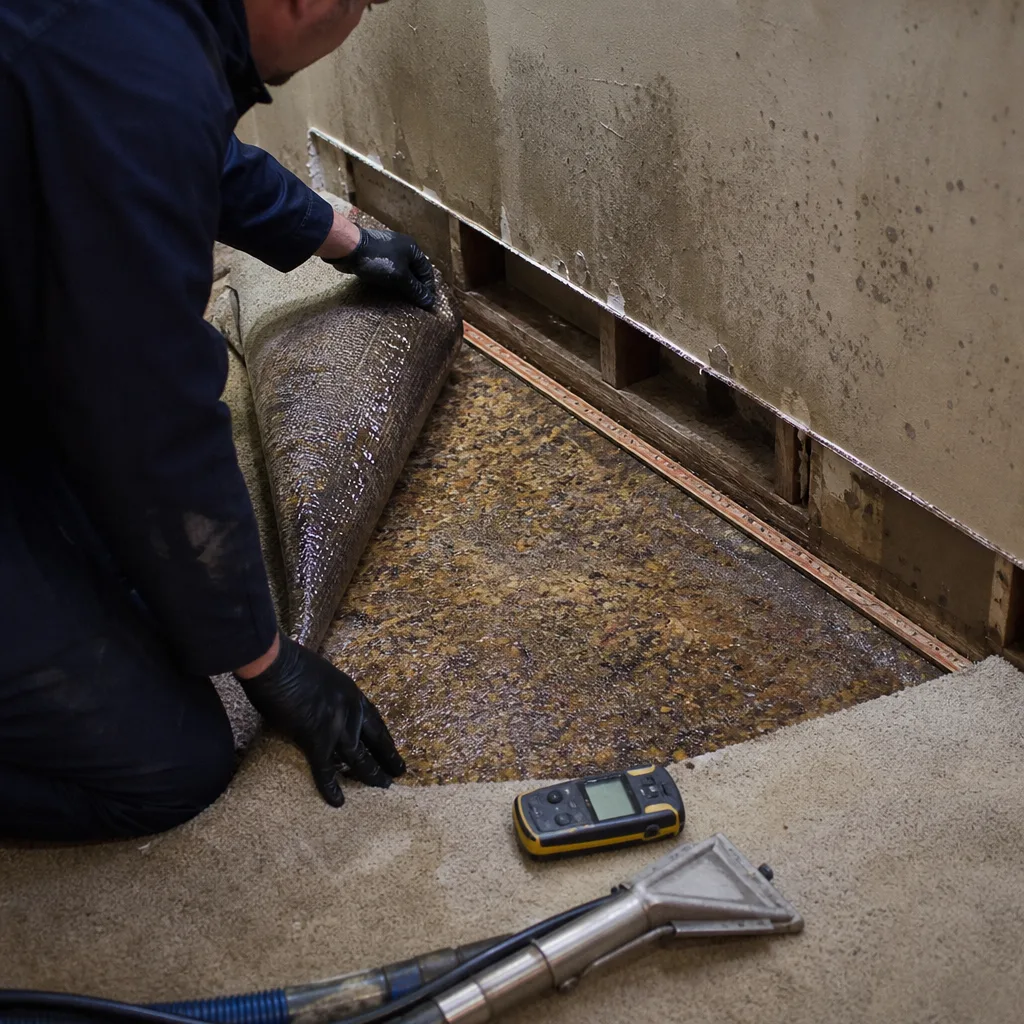
Structural Drying & Dehumidification
We position Dri-Eaz LGR dehumidifiers and Phoenix axial fans according to a real moisture map, then take daily readings until every surface meets the dry standard. In a Tribeca loft, that means checking the timber framing behind the drywall, not just the drywall itself. In a Battery Park City tower, it means tracking moisture through the concrete slab, not just the carpet on top of it.
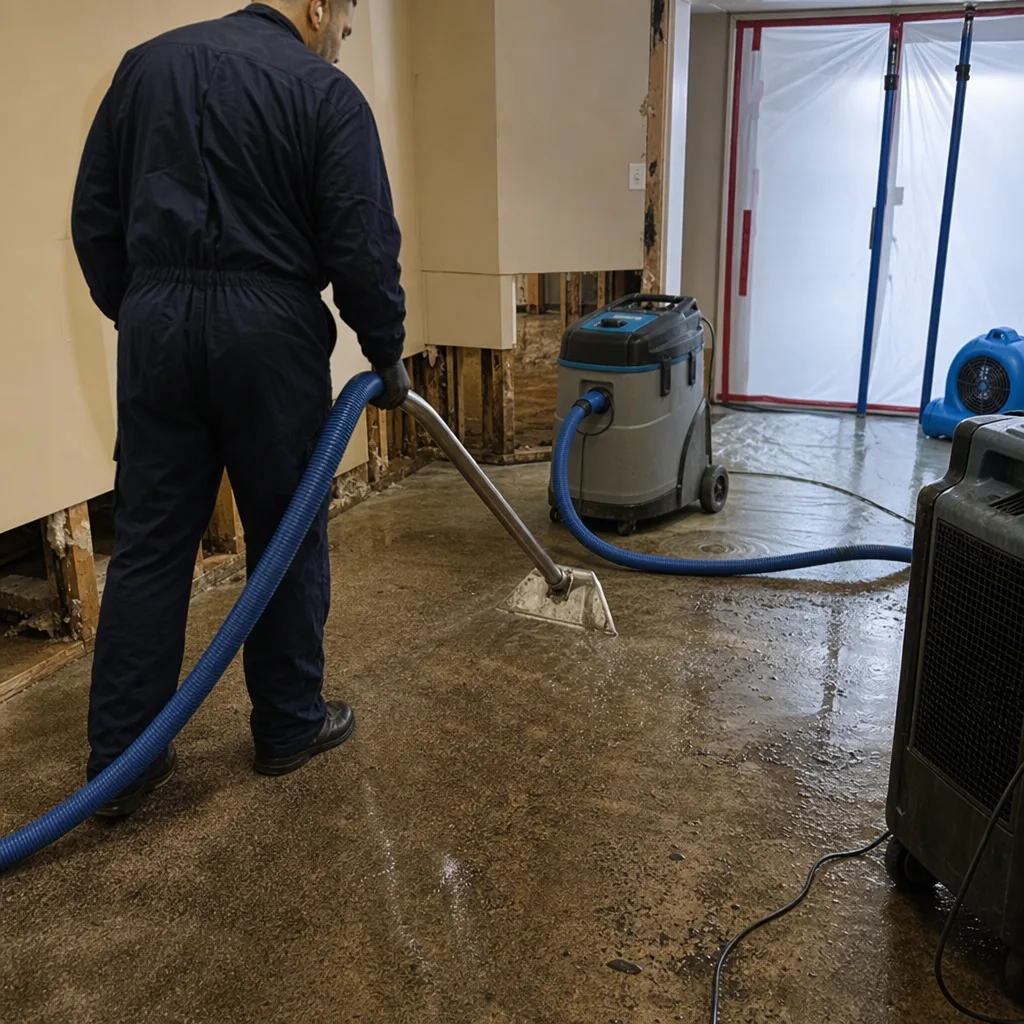
Flood Cleanup
Lower Manhattan floods differently than the rest of the city. Harbor surge brings salt, and salt changes everything. Our flood cleanup includes the post-extraction salt flush that most contractors skip, plus antimicrobial treatment rated for salt-contaminated surfaces. We’ve seen steel lintels and switchgear corrode within months after a “successful” freshwater-style cleanup on Water Street. We don’t repeat that mistake.
Burst Pipe Restoration
A frozen supply line in a Financial District mechanical shaft or a failed 1980s riser behind a Battery Park City kitchen wall: these are Category 1 losses that become Category 2 losses if they sit. We trace the full wet path, dry the cavities, and rebuild. If the pipe is original to the building and past its service life, we’ll tell you honestly whether patching it is smart or whether you’re going to relive this in two years.
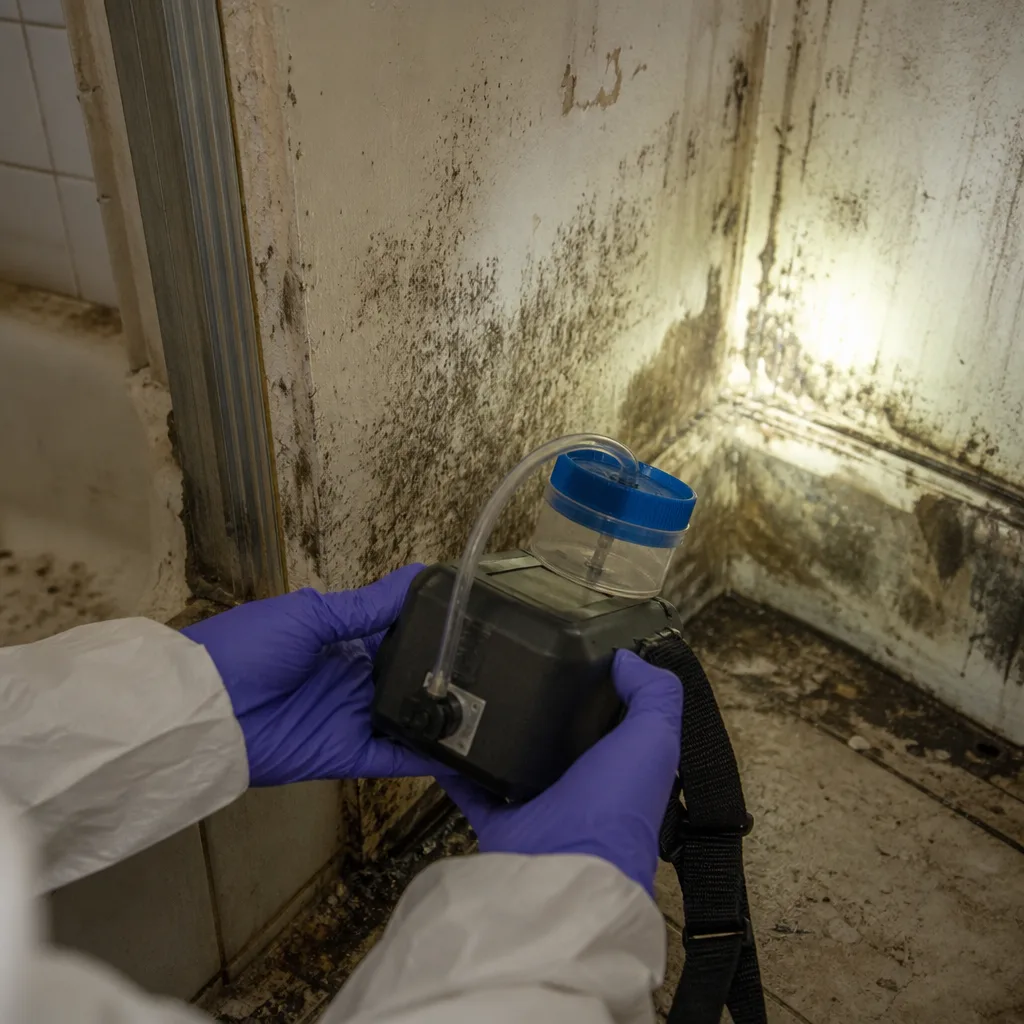
Basement Water Removal
Most Lower Manhattan basements are below grade, and many are below the BFE. That means the water that gets in is flooding from the street, the water table, or the harbor, and you need a contractor who understands what that costs and what the code requires. We get the water out, dry the space, and if the flooded basement housed mechanical or electrical equipment, we handle the relocation conversation before the rebuild.
What happens when you call
- 1
A real person answersNo phone trees - you reach a local pro.
- 2
You get an upfront price rangeHonest numbers before anyone is dispatched.
- 3
A background-checked tech heads outLicensed & insured, dispatched right away.
- 4
You approve before work beginsNothing starts until you say go.
Water Damage Restoration Costs in Lower Manhattan, NY
A standard Category 1 water damage loss in a Lower Manhattan apartment, think a burst supply line behind a kitchen wall, typically runs $2,200-$4,800 including extraction, drying, and drywall repair. A Category 2 loss with contaminated water and multiple affected rooms runs $4,500-$9,000. Saltwater surge or a flooded sub-grade mechanical room is a different animal: $8,000-$25,000 is common, and when vertical relocation of a boiler or switchgear above the BFE is triggered, the number climbs from there. What moves the price: the water category, how many rooms are affected, whether structural framing is wet, whether salt is present, and whether the building has DOB complications. Insurance typically covers clean-water losses and storm surge depending on the policy, but flood damage from harbor surge usually requires a separate flood policy, which many Lower Manhattan owners carry and many renters don’t. The free inspection is the fastest way to a firm scope. Call (518) 663-6491 and we’ll map the moisture and price the work before anything is signed.
We Also Serve Cities Near Lower Manhattan
Floodline Restoration Co. serves all of Lower Manhattan and the surrounding communities, including the Financial District, Washington Square, Brooklyn Heights, and Williamsburg. Our Water Damage Restoration team dispatches from our New York City office and reaches every neighborhood on this page within the response commitment.
Serving Lower Manhattan, NY - Our Local Coverage Area
We’re based in the Lower Manhattan area and know this community well. Use the map below to see our service coverage - if you’re nearby, we can almost certainly help.
Lower Manhattan Water Damage Restoration Questions, Answered
Does saltwater from a Lower Manhattan storm surge change the restoration process compared to an ordinary pipe break?
Yes, materially. Saltwater from harbor surge leaves chloride contamination behind after extraction, and that salt keeps pulling moisture out of the air and into porous materials, which accelerates corrosion on steel elements and compresses the mold timeline. A proper saltwater restoration includes a post-extraction salt flush on hard surfaces, antimicrobial treatment rated for salt contamination, and inspection of every steel lintel, column base, and electrical enclosure that got wet. A contractor who treats harbor surge like a freshwater pipe break will hand you a dry-looking space with corrosion already starting inside the walls. Call (518) 663-6491 to have a surge loss assessed properly.
If my Battery Park City condo has reduced water pressure from a burst pipe behind a 1980s kitchen wall, do you need to cut open the tile to dry it?
Usually yes, but we don’t cut blind. We use thermal imaging and moisture meters to map the wet path behind the tile, and if the cavity is holding water, we make the smallest access opening that allows airflow into the wall. In a 1980s Battery Park City tower, the tile is often set on a mud bed that absorbs water and dries slowly, so we may also inject air with an Injectidry system through small ports rather than tearing out the entire wall. The alternative, leaving a wet cavity closed up, is how you get mold behind a kitchen wall. Estimates are free, and the inspection tells us exactly what’s wet before we open anything.
In a Zone AE building, if my sub-grade electrical room floods, can you replace the panel in the original location?
In most Lower Manhattan Zone AE buildings, no. Post-Sandy NYC Building Code amendments require that when storm-damaged electrical or mechanical systems below the Base Flood Elevation are restored, the critical equipment must be relocated above the BFE rather than replaced in-kind. Replacing a switchgear panel in the original sub-grade location triggers a DOB substantial-improvement review, which stalls the job and often forces a full vertical relocation anyway. We identify this before we start, so you don’t pay for work that gets red-tagged. Call our team at (518) 663-6491 to have your building’s specific situation evaluated.
How do you dry the heavy timber beams in a Tribeca cast-iron building after a leak, without trapping moisture behind the historic plaster?
We don’t try to dry timber through plaster. We take moisture readings directly on the exposed beam surfaces where accessible and through probe holes where the timber is hidden, then we direct airflow into the framing cavity using positive-pressure injection and LGR dehumidifiers positioned to pull moisture out of the wall assembly. The goal is to bring the timber back to its pre-loss moisture content, usually 10-14%, before closing the wall. Closing too soon traps the moisture, and an 1880s beam at 20% moisture starts to decay. We log daily readings and don’t close the cavity until the numbers are right.
Should I repair or replace my 1980s aluminum storefront windows on Water Street after water leaks around the frames?
If the frames are original 1980s aluminum and wind-driven rain is getting around them, repair is usually a short-term answer. The gaskets and thermal breaks fail after 30 years, and the glazing channels themselves deform. We can seal and patch for a season, but in a Water Street building facing the harbor, the next nor’easter will find the next gap. The smarter move in most of these buildings is to upgrade the glazing system to a modern curtain-wall or storefront assembly that handles wind-driven rain and positive pressure. It costs more up front, but it ends the recurring water damage cycle. We’ll walk you through both options, priced honestly, before you spend anything.
How fast can someone actually get to Lower Manhattan for a water emergency?
Our commitment is 45 minutes from your call to a crew at your door in Lower Manhattan, and a live dispatcher confirms the ETA while you’re still on the phone. We route from the FDR and West Street, so we’re not fighting midtown traffic to reach the Battery or Tribeca. At 2 a.m. in February or 2 p.m. in August, the answer is the same: a real person picks up, a crew is dispatched, and extraction starts on the same visit. Call (518) 663-6491 and you’ll talk to a person, not a recording.
How long does drying and remediation take in a Lower Manhattan building?
Most Category 1 and 2 losses dry in 3-5 days with proper equipment and daily monitoring. A saltwater surge loss takes longer, typically 7-14 days, because the salt extends the drying curve and the antimicrobial treatment has to be applied and verified. In a heavy timber Tribeca loft, the framing can take a week or more if the beams were fully saturated. We’ll give you a written day count after the initial moisture mapping, and we hit it more often than not.
What should I do in the first 30 minutes after discovering water damage in my Lower Manhattan home or building?
Stop the source if you can do it safely: shut the main water valve, or if it’s surge water, close the doors and don’t wade in. Kill the power to the affected area if water is near outlets or electrical panels. Move what you can without putting yourself at risk. Then call (518) 663-6491. Don’t wait to see if it dries on its own. In a Lower Manhattan building, especially one with brick party walls or a sub-grade mechanical room, the first hour is when the damage is cheap to control. Every hour after that, the repair gets bigger and the mold window gets shorter.
Written by Curt Bowman, Owner at Floodline Restoration Co., serving Lower Manhattan since our founding in 2010. We stand behind every job with the 90-Day Done Right Promise, in writing.