
Free visual inspection and a written scope of work before any mitigation begins - photos, moisture readings, and drying logs go in your claim file
The scope we write is the scope we bill. Anything new gets shown to you, in writing, before we touch it.

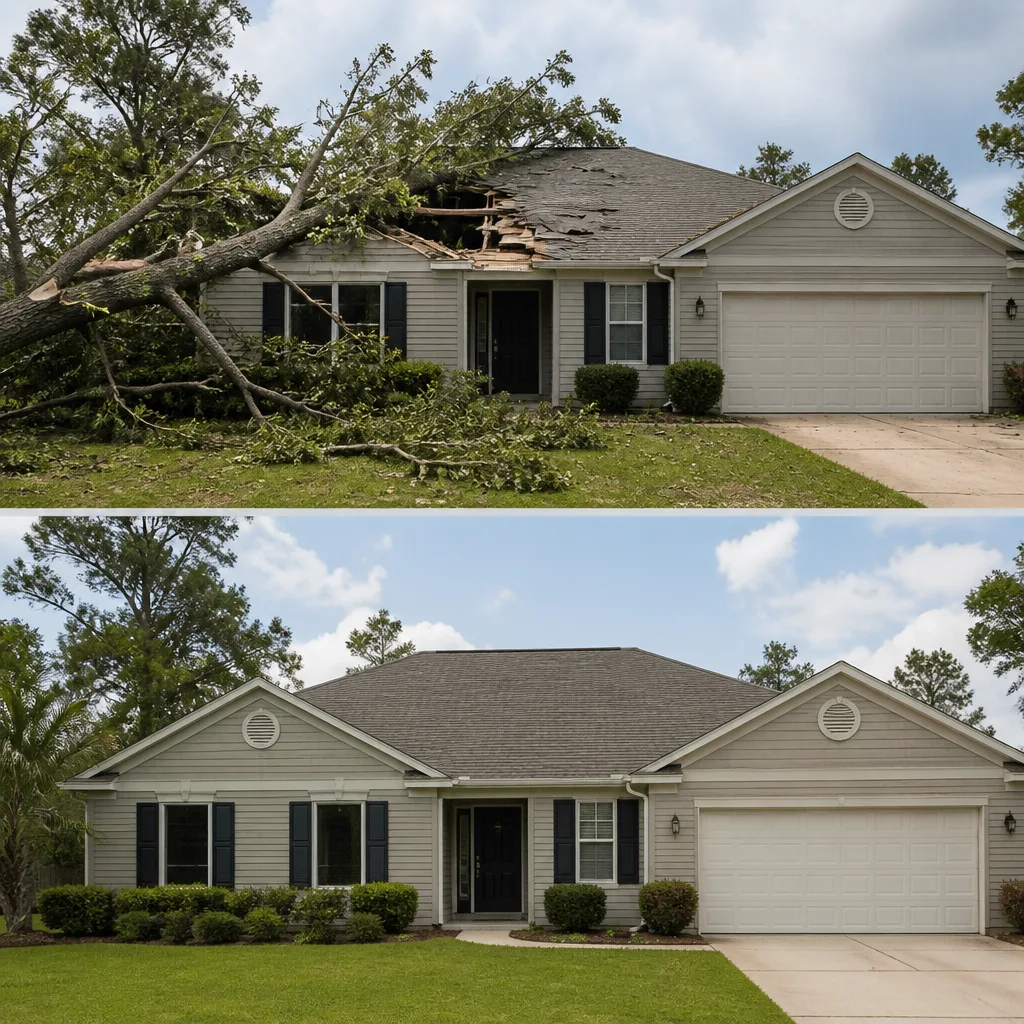


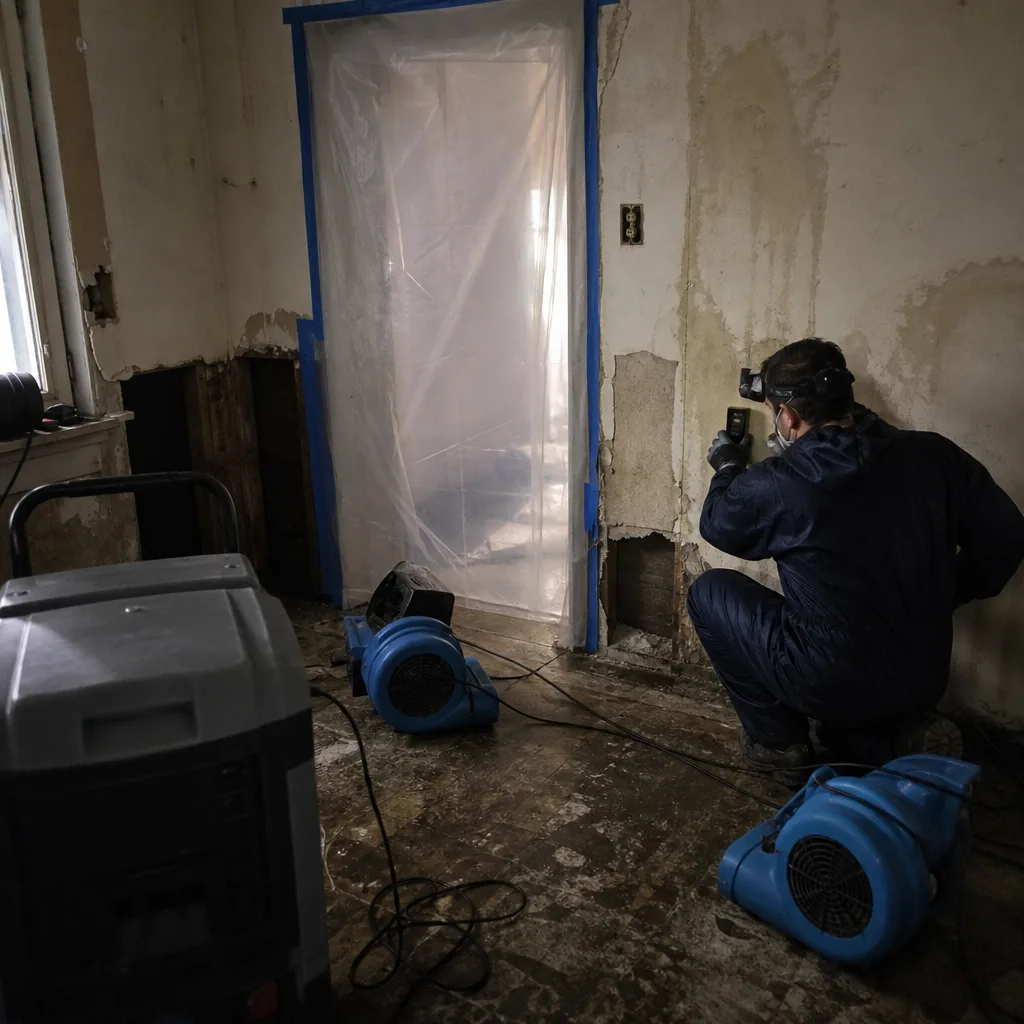 Before
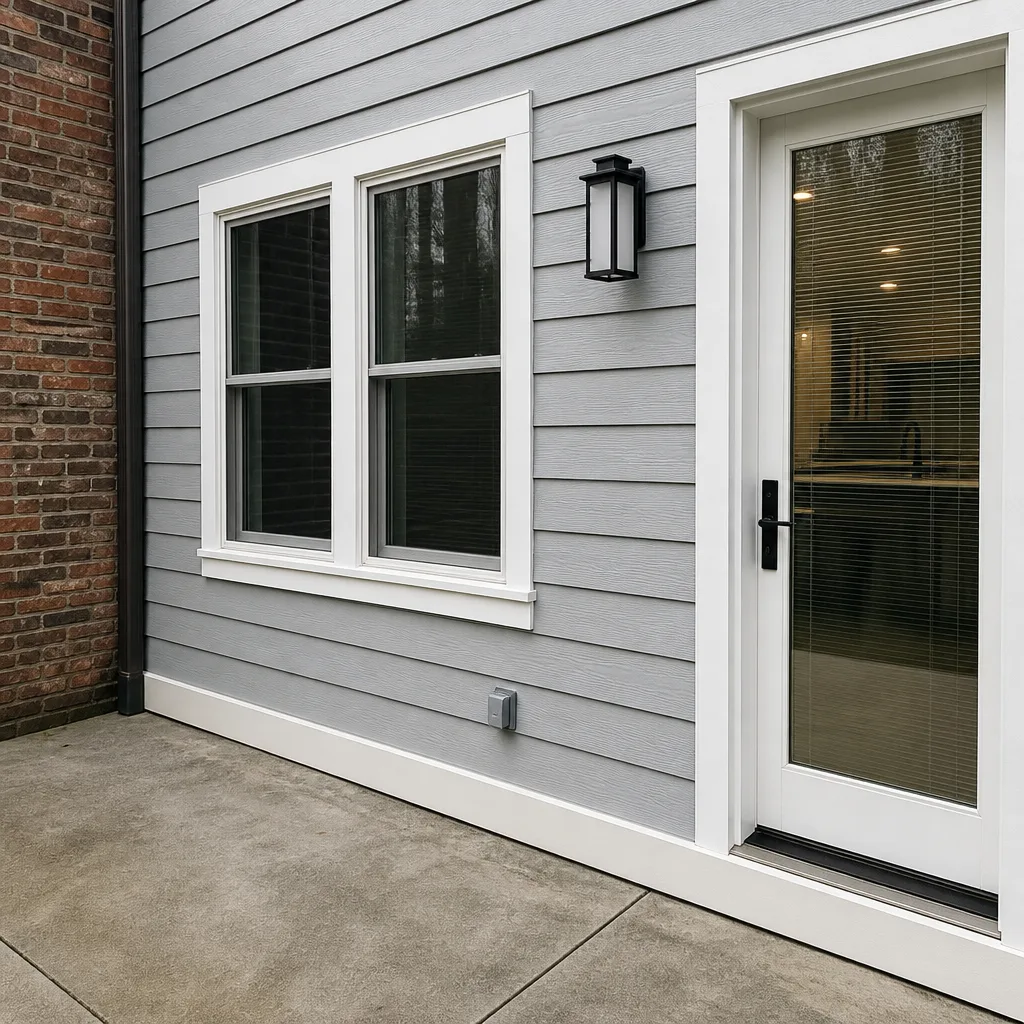 After
After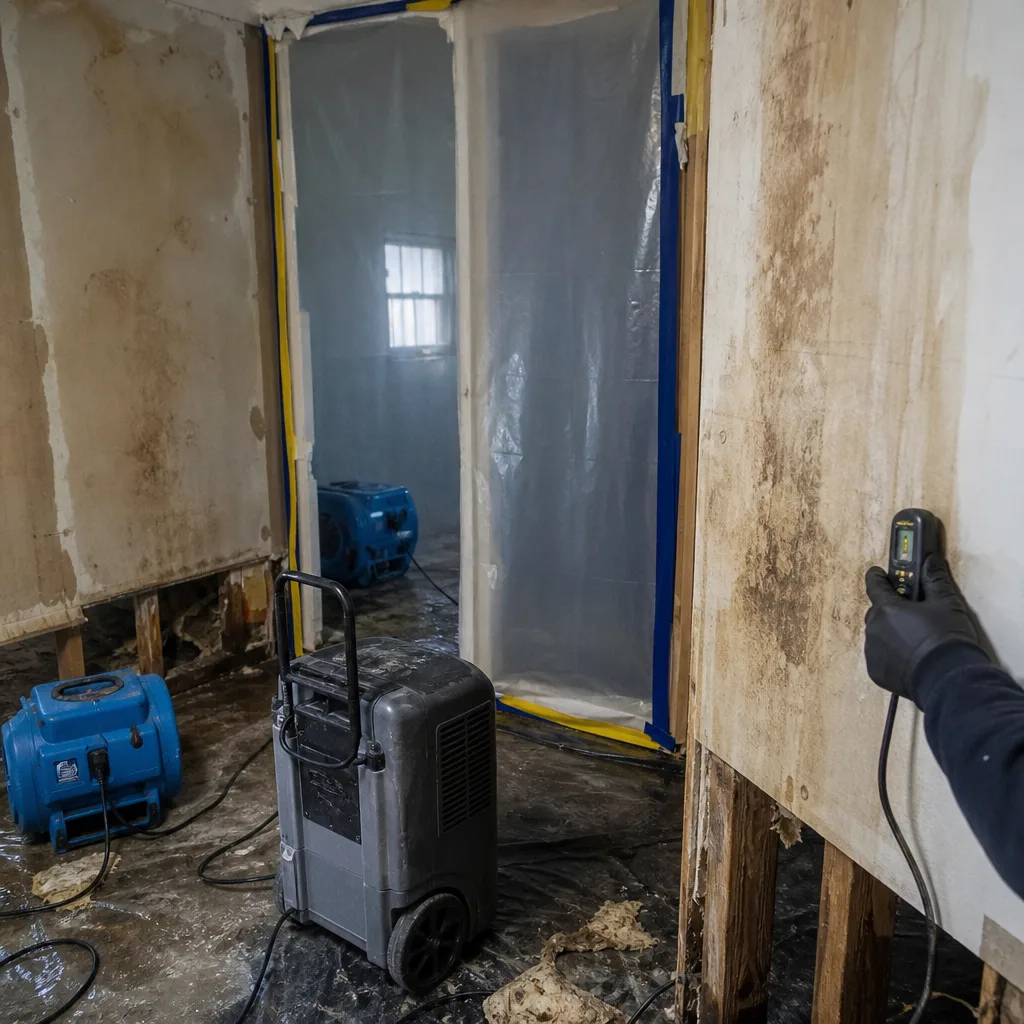 Before
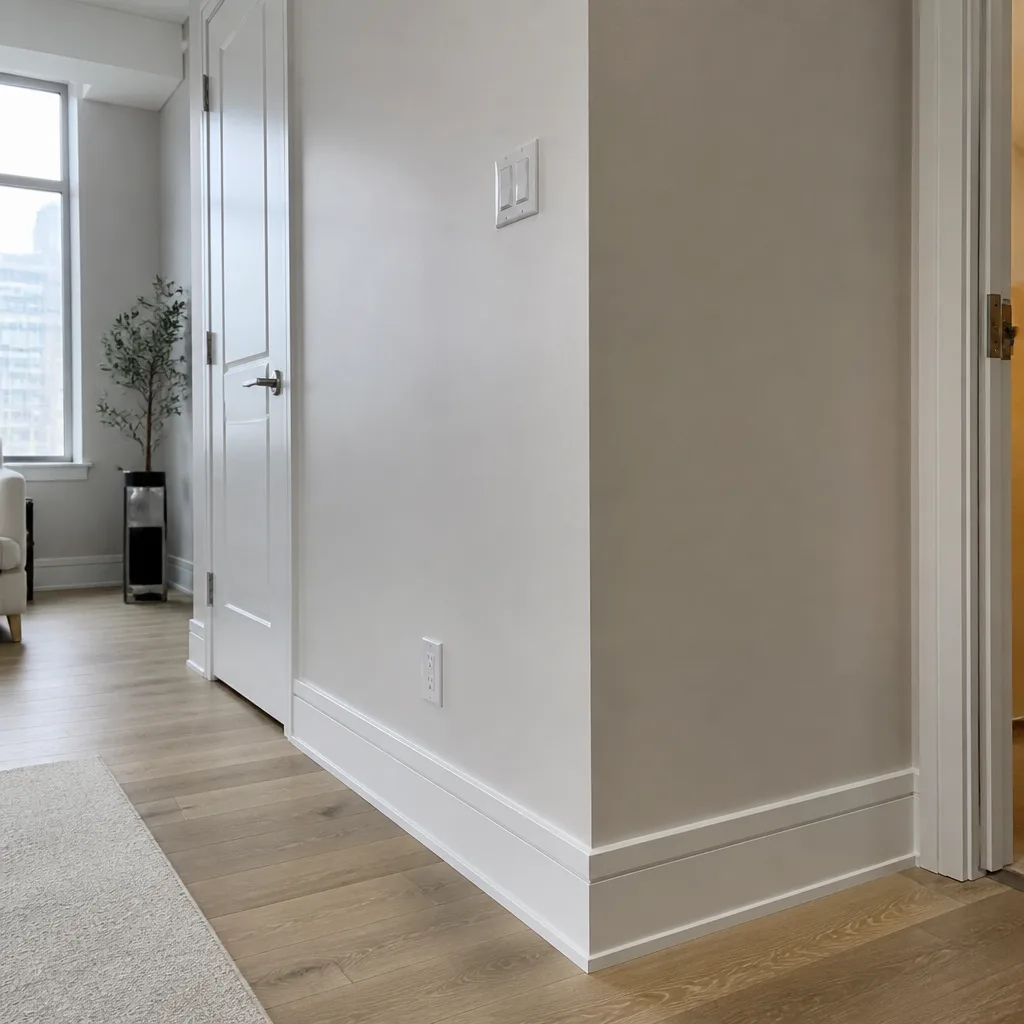 After
After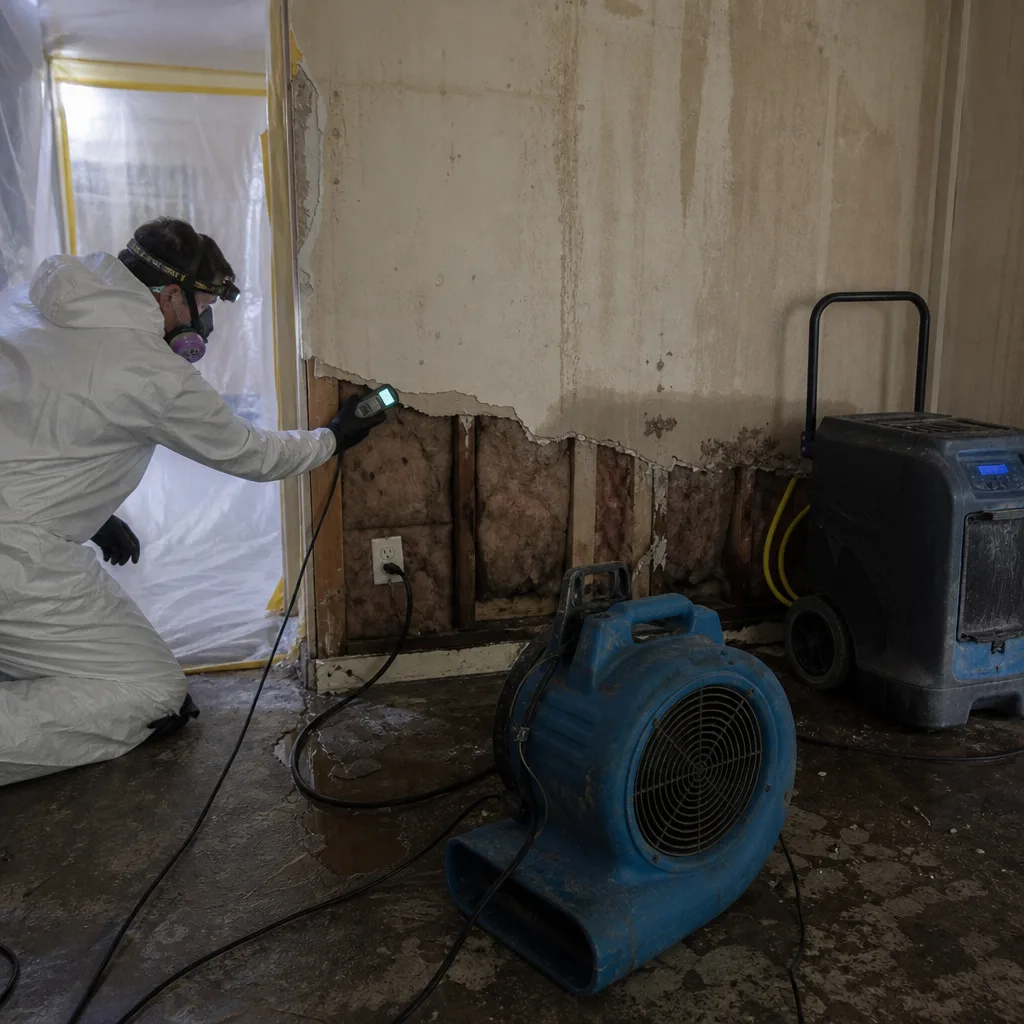 Before
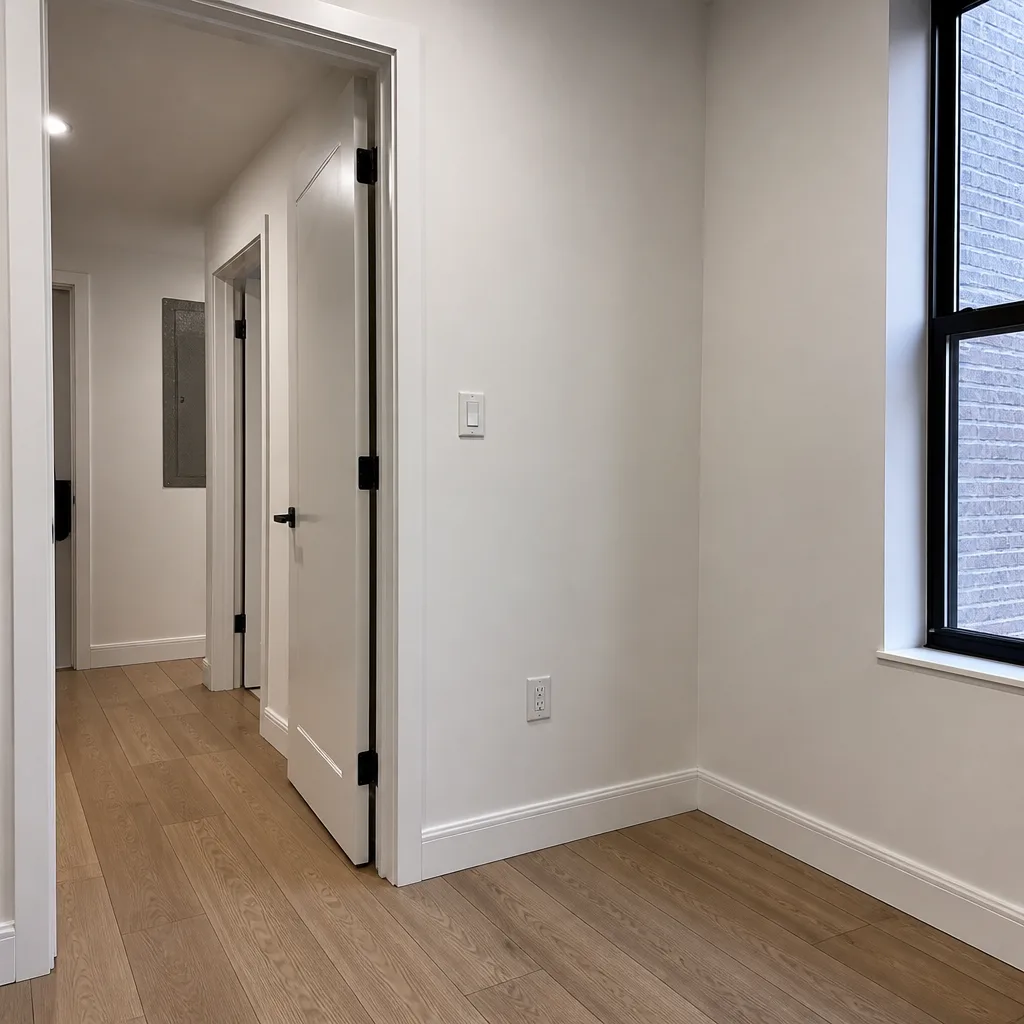 After
After24/7 Emergency Storm & Disaster Restoration in Long Island City
Storm and disaster restoration in Long Island City starts before the water finishes receding. We answer the phone live at (518) 663-6491 any hour, any day, and dispatch a background-checked, uniformed crew toward your block in 11101, 11109, or 11120 as soon as you call. The first hour matters most here: every minute standing water sits against a pre-war timber joist or below-grade concrete slab is a minute mold takes hold and finishes delaminate. Our team arrives for a free visual inspection, maps the moisture, and gets extraction running the same visit whenever it is physically possible. We don’t put you on a callback list. A real person picks up at 2 a.m. and a real crew shows up in Long Island City.
Understanding Storm & Disaster Restoration Severity in Long Island City Properties
Not all storm water is equal. Clean rainwater from a roof breach is Category 1, easy to dry once the opening is tarped. Water that rises from the East River or backs up through Newtown Creek-adjacent drainage is Category 3, carrying sewage, fuel residue, and whatever the tide picked up on the way in. In a converted Hunters Point loft with exposed concrete and legacy cast-iron drains, that distinction decides whether we dry the slab or cut it out entirely. We use moisture mapping with thermal imaging and penetrating meters on every job, logging daily readings until the dry standard is met. The building itself changes the math: pre-war brick holds moisture differently than 2005-era steel framing, and a ground-floor unit on Center Boulevard has a different groundwater profile than a fourth-floor apartment on Jackson Avenue. Severity in Long Island City is never just about how much water came in. It’s about what the water touched and what the building is made of.
Why Long Island City Property Owners Choose Floodline Restoration Co.
- 45-minute response commitment. When you call with standing water in a Hunters Point ground-floor unit, our nearest crew routes to you immediately. We’ll be there when we say.
- 24/7 live answer. A trained dispatcher picks up at any hour. Never a recording, never an answering service guessing at your address.
- IICRC-certified crews. Our technicians carry WRT, FSRT, and AMRT certifications and train continuously. Your Long Island City job is handled by people who know the standard.
- Free visual inspection. We walk the loss with you, mark the waterline, and tell you honestly what needs to happen before any work begins.
- Direct insurance billing. We bill your carrier directly and coordinate with your adjuster day by day. You are not the messenger between us and them.
- One team, start to finish. Extraction, drying, remediation, and rebuild stay with the same certified crew. No mid-job handoff, no inherited stranger on day six.
Our Storm & Disaster Restoration Process
Inspection & Assessment
We arrive, walk the affected spaces, and map moisture across walls, floors, and ceilings. Thermal imaging locates water trapped behind finishes before demolition starts.
Extraction/Stabilization
Standing water comes out with truck-mounted or portable extraction. We board up broken windows, tarp damaged roofing, and shut off water or power where safety requires it.
Drying & Dehumidification
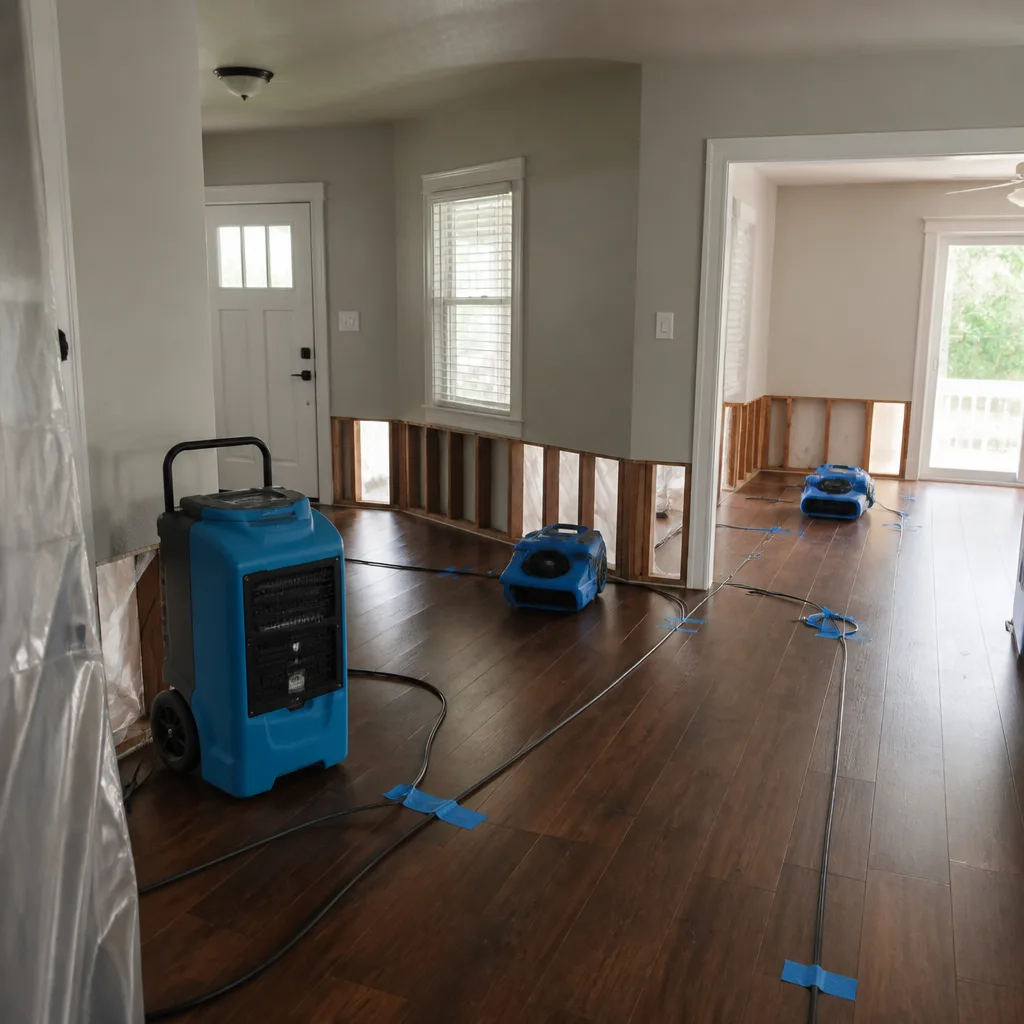
Dri-Eaz and Phoenix air movers plus industrial dehumidifiers run continuously until hygrometer readings meet the dry standard. Daily moisture logs are kept and shared with your insurer.
Cleaning & Sanitization
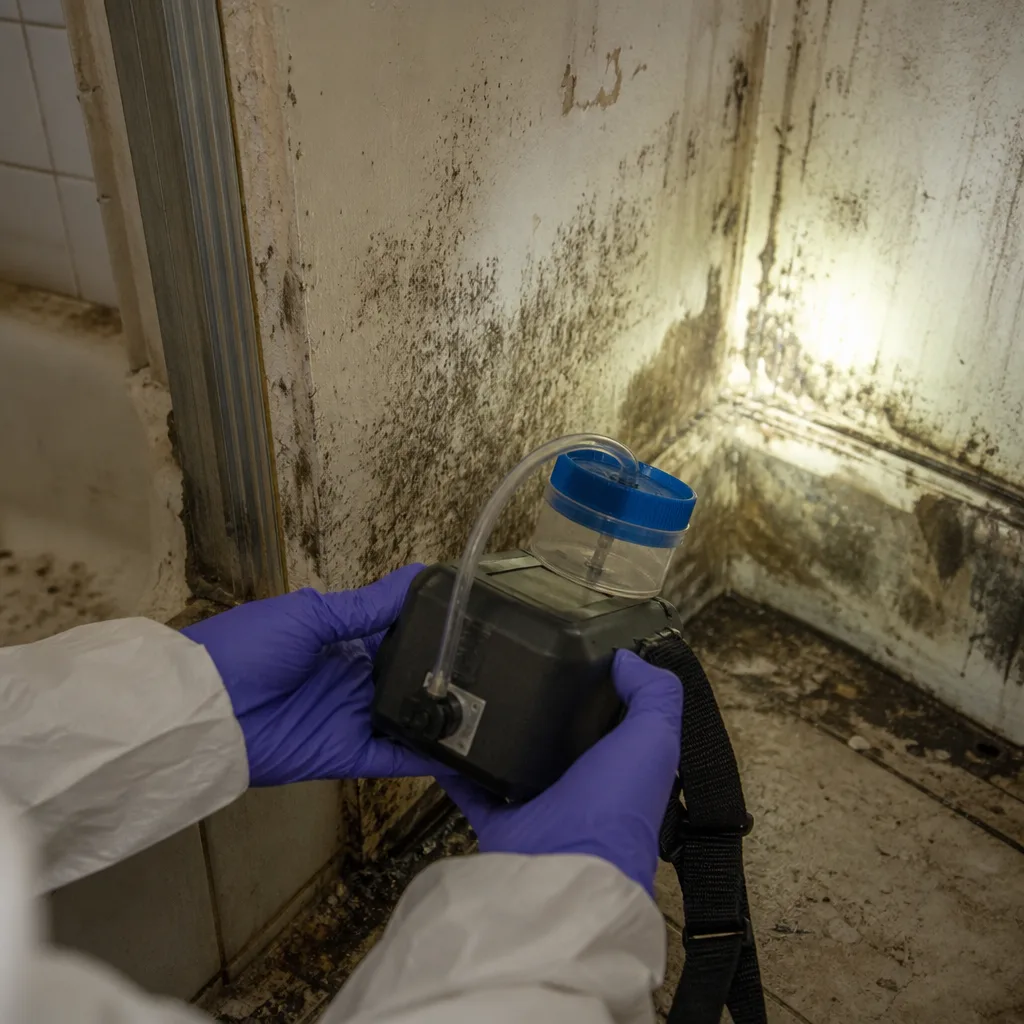
Contaminated surfaces are cleaned with professional-grade antimicrobials as part of our Sanitization Services in Long Island City. HEPA air scrubbers run where Category 3 water or mold is present to capture airborne particulates.
Environmental Screening & Abatement Coordination
In pre-war Long Island City buildings, we screen for legacy asbestos before demo continues. If testing comes back positive, we halt and coordinate a licensed abatement contractor to clear the space.
Repairs & Restoration
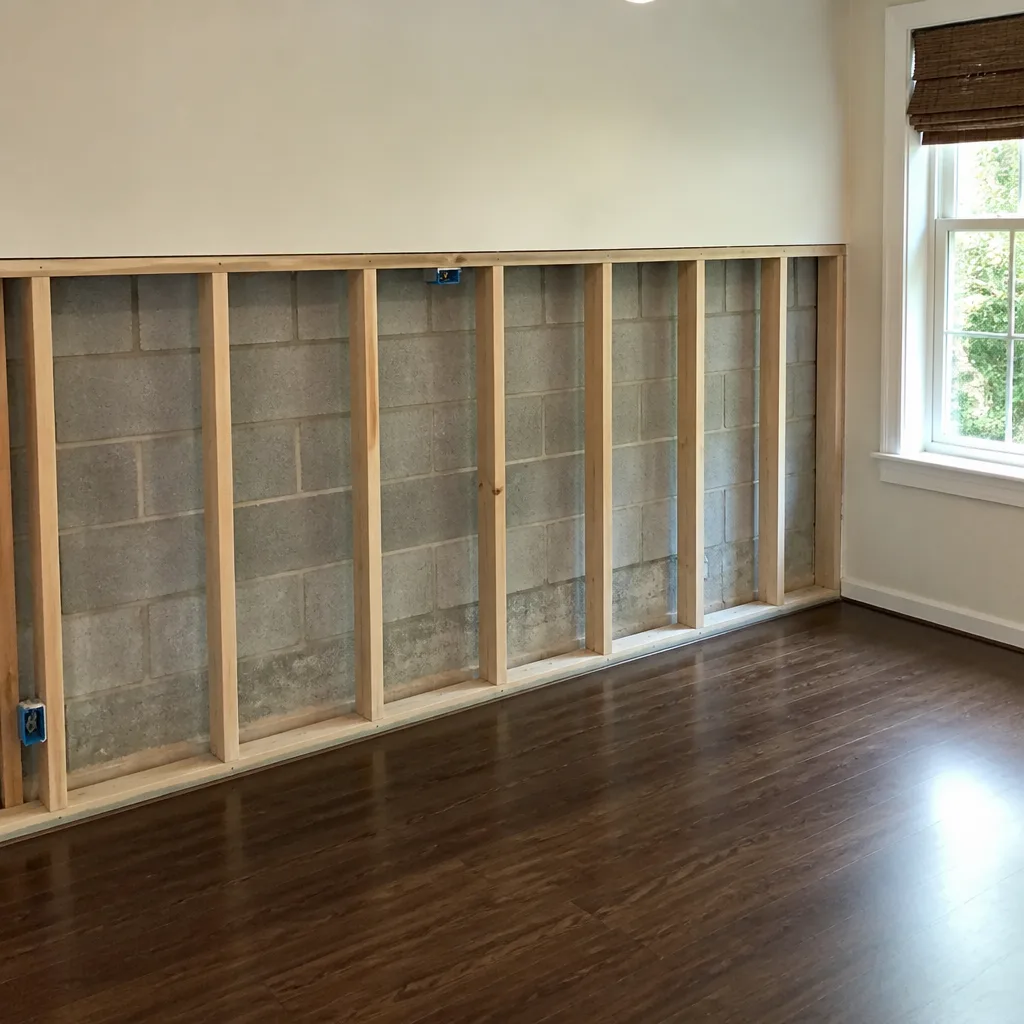
From drywall and flooring to full Reconstruction & Cleanup - Long Island City, the same Floodline crew handles finish work. We close out with the 90-Day Done Right Promise in writing.
Need Emergency Storm & Disaster Restoration in Long Island City Now?
Crews minutes away, answering live 24 hours a day. The sooner we start, the less it costs.
Working With Your Insurance Company
Storm and disaster claims in Long Island City get complicated fast, especially in condo high-rises where one burst pipe affects a dozen units and building management is a third party to every conversation. We document from the first hour: photos of every affected room, moisture readings from day one, a line-item scope of work your adjuster can read without a translator. Our team communicates directly with your carrier. We schedule adjuster visits, answer their questions, and provide the drying logs and equipment records they ask for. Homeowners caught between a condo board and an insurance carrier need a restoration company that speaks both languages. That’s us.
What We Provide Your Insurer
- Thorough documentation of the loss
- Photos of all damage, room by room
- Moisture readings and drying logs
- A detailed, line-item scope of work
- Direct coordination with your carrier
Built for Long Island City’s Loss Calendar
Long Island City takes hits on a schedule. January deep freezes split supply lines in converted factory lofts where original plumbing crosses uninsulated spaces. Spring thaw raises the urban water table under the Hunters Point peninsula, and below-grade elevator pits and storage rooms start weeping water that never fully dries between storms. Summer thunderstorms drop inches in an hour, overwhelming rooftop drainage on flat-roofed pre-war buildings and sending water down through ceiling penetrations. Nor’easters push the East River over bulkheads on Center Boulevard and along the Hunters Point waterfront, flooding ground-floor lobbies and mechanical rooms. Each season produces a different failure mode, and our crews know the patterns cold. We don’t show up guessing. We show up knowing what a January pipe burst in 11101 looks like versus an August flash flood in 11109.
Storm & Disaster Restoration Across Long Island City’s Neighborhoods
Response routes through Long Island City shape how fast we can reach you, and building stock shapes what we find when we arrive. In the Hunters Point manufacturing district, converted factory lofts throw us curveballs: exposed concrete slabs, aging cast-iron drain stacks, and decades of layered industrial materials under every floor. A roof leak in a Vernon Boulevard loft isn’t a patch-and-paint job; it’s a structural drying project under a pre-war roof system. Along the East River waterfront, from Gantry Plaza State Park down through Center Boulevard, post-2000s glass-curtain towers concentrate hundreds of units around shared mechanical risers. One sprinkler activation on an upper floor cascades water straight down through a dozen condos, and suddenly we’re managing a multi-party claim with building management. North of the Queensboro Bridge in Dutch Kills, older wood-frame and early masonry buildings react faster to roof breaches and window failures, with water running straight into wall cavities. On Jackson Avenue and Vernon Boulevard, street-level commercial spaces in converted industrial buildings face the double threat of wind-driven rain and aging facade penetrations. Wherever you are in Long Island City, our crews already know the building type and the likely failure point before the truck parks.
Specialized Storm & Disaster Restoration Services We Offer in Long Island City
Storm Damage Cleanup
Wind rips flashing, rain follows, and suddenly a Hunters Point loft has water where the roof meets the parapet. We remove damaged materials, dry what’s salvageable, and prep the space for repair. Storm damage cleanup in Long Island City often means working around original timber joists and brick party walls, which we do without over-demolishing.
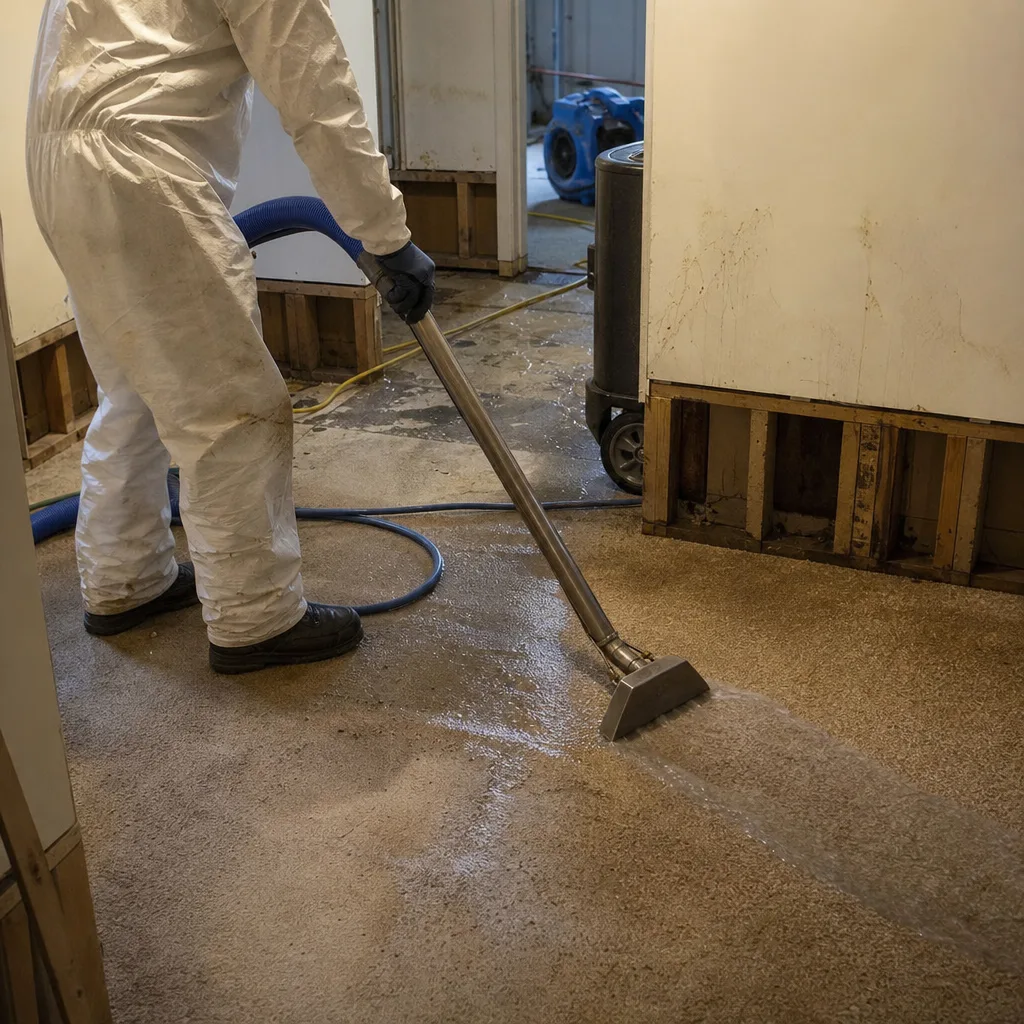
Flood Damage Restoration
When the East River rises or Newtown Creek-adjacent drainage backs up, floodwater carries contaminants that rainwater doesn’t. We treat flooded ground-floor and below-grade spaces in Long Island City as Biohazard & Crime Scene Cleanup - Long Island City events by default: extraction, antimicrobial treatment, structural drying, and clear documentation for your insurer. If legacy asbestos is suspected in a pre-war building, we stop before demo and bring in a licensed abatement contractor.
Emergency Board-Up
A shattered storefront window on Jackson Avenue or a blown-out condo window near the waterfront can’t wait for a claims adjuster to call back. Our crew boards up openings same-day to keep weather, people, and animals out of the structure. Every board-up is documented with photos for your file.
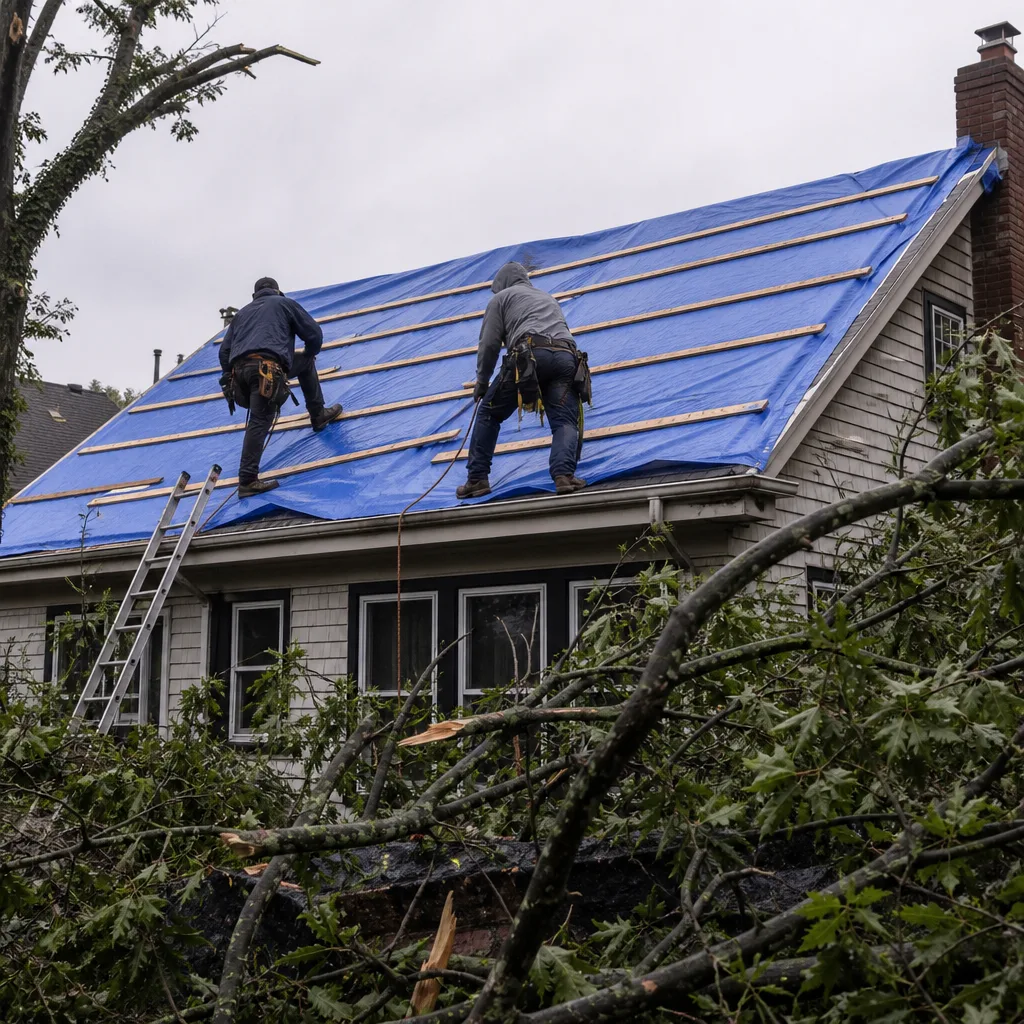
Roof Tarping
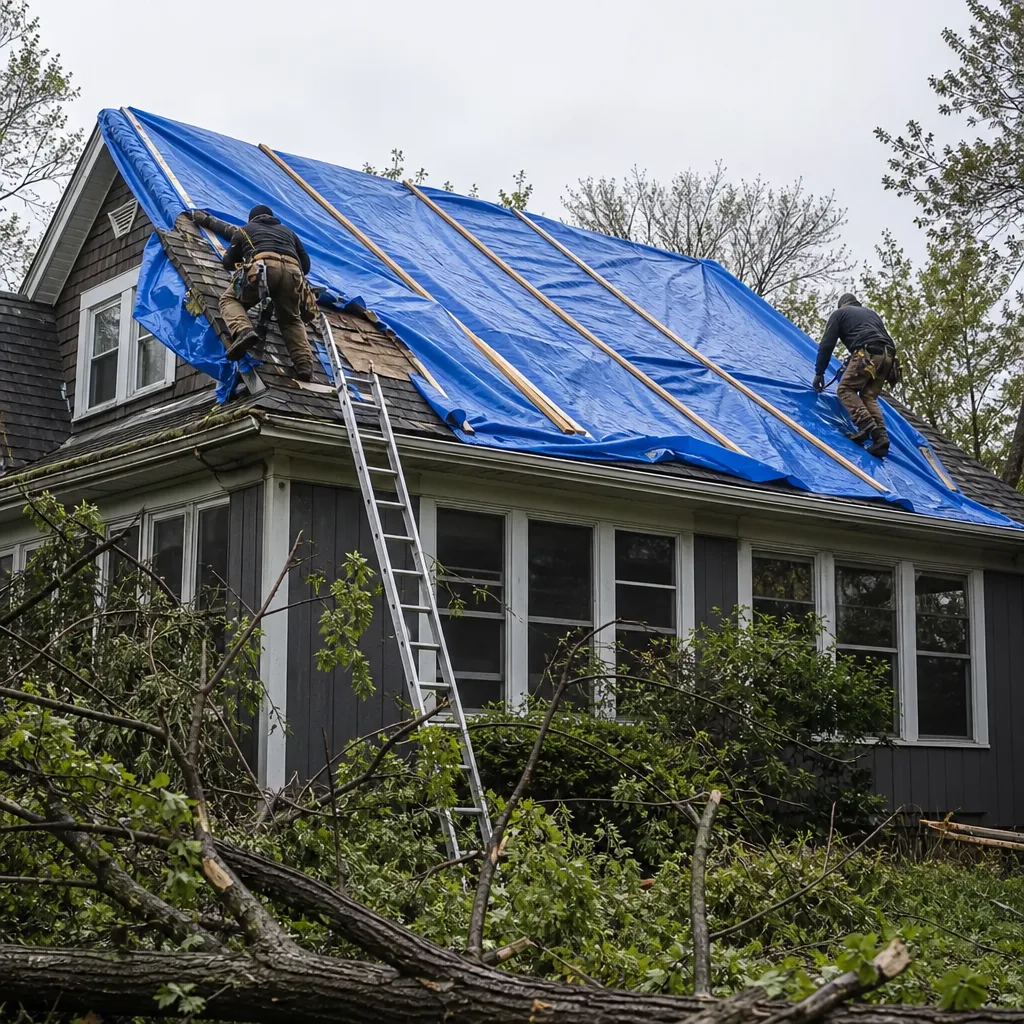
Flat and low-slope roofs dominate Long Island City’s older building stock, and wind-driven rain finds every seam. We secure water-resistant tarps over roof breaches to stop active intrusion and buy time for a permanent repair. Tarps are anchored properly, not just draped, so they hold through the next nor’easter.
Debris Removal
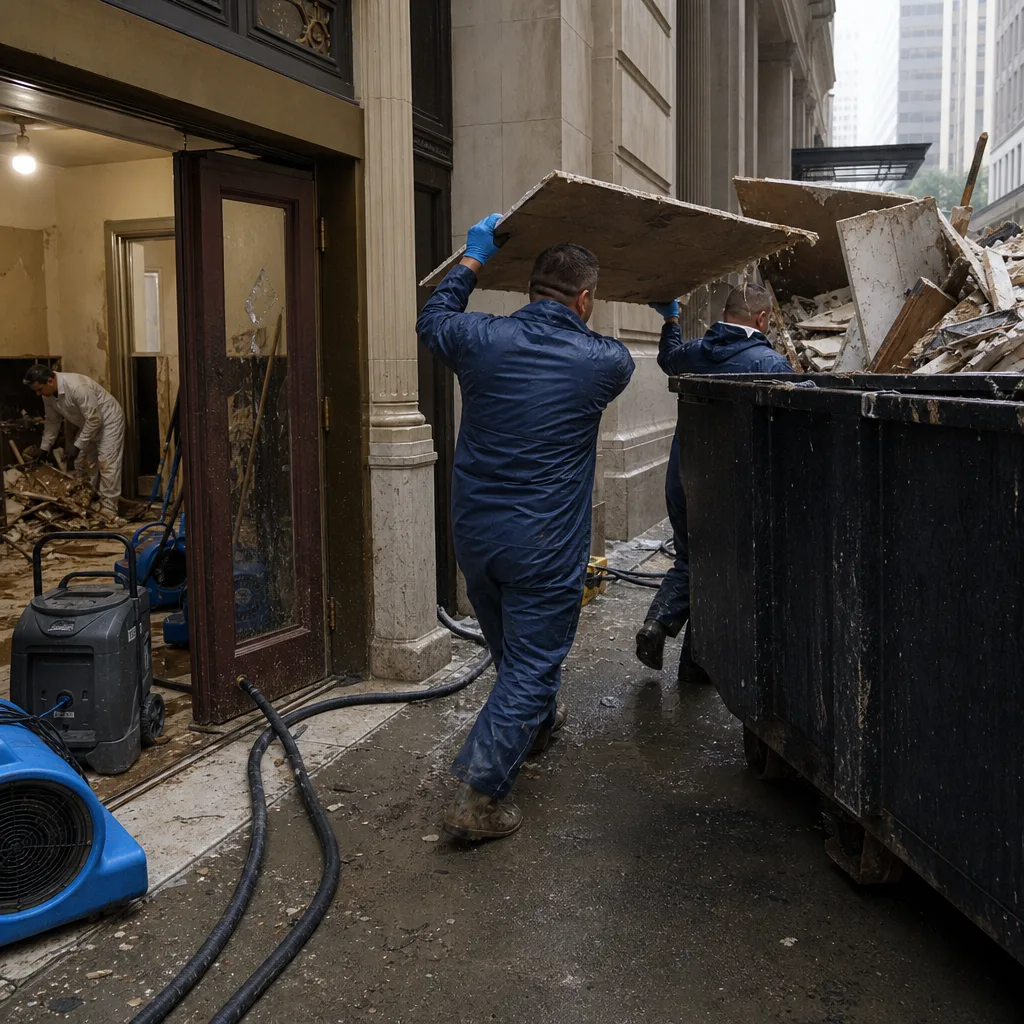
Storm events leave more than water: fallen masonry, broken glass, wet insulation, and whatever the wind tore loose. We remove storm debris as part of the restoration scope, separating salvageable materials from landfill waste and documenting everything for your insurance claim.
What happens when you call
- 1
A real person answersNo phone trees - you reach a local pro.
- 2
You get an upfront price rangeHonest numbers before anyone is dispatched.
- 3
A background-checked tech heads outLicensed & insured, dispatched right away.
- 4
You approve before work beginsNothing starts until you say go.
Storm & Disaster Restoration Costs in Long Island City, NY
Actual costs in Long Island City follow the building stock. Flood damage restoration in a ground-floor Hunters Point unit typically runs $3,500-$9,000 depending on water category, affected square footage, and whether asbestos screening and abatement coordination are required. Roof tarping for a typical flat-roof breach on a pre-war building in 11101 runs $450-$950 for an emergency response, less when it’s part of a larger storm damage cleanup scope that averages $4,000-$18,000 depending on demolition depth and drying time. High-rise sprinkler cascades involving multiple condo units climb quickly, often $15,000-$60,000 across all affected units, with individual unit owners usually paying for their own interior damage while building management covers common areas. We price with line-item scopes before work starts. You’ll know what you’re paying, and so will your adjuster. Estimates for any of this are free, and the inspection that kicks things off costs you nothing.
We Also Serve Cities Near Long Island City
Floodline Restoration Co. crews serve Long Island City and dispatch regularly into Maspeth, where post-war brick homes and older commercial buildings present a different set of storm damage patterns. Our Storm & Disaster Restoration team covers the full border between Queens neighborhoods without a gap in response time or a change in crews.
Serving Long Island City, NY - Our Local Coverage Area
We’re based in the Long Island City area and know this community well. Use the map below to see our service coverage - if you’re nearby, we can almost certainly help.
Long Island City Storm & Disaster Restoration Questions, Answered
How do pre-war Hunters Point lofts affect storm damage restoration timelines in Long Island City?
Pre-war Hunters Point lofts routinely add an environmental screening step to any restoration job. When water or wind damage exposes original pipe insulation, floor tile mastics, or roofing materials in a pre-1980 building, we stop demolition and test for asbestos. If samples come back positive, work legally halts until a licensed abatement contractor clears the space, which can add several days to a week to the timeline. This step is rare in newer buildings and almost unheard of in neighboring Astoria or Sunnyside. It’s a known variable in Long Island City, and we plan for it from the first inspection rather than discovering it mid-demo. Call (518) 663-6491 if you’re facing storm damage in an older LIC building.
What makes storm surge damage different in ground-floor units near the Hunters Point waterfront?
Ground-floor and below-grade units near the Hunters Point waterfront sit at genuine tidal surge risk. Water that rises from the East River pushes upward through drains, floors, and foundation cracks, carrying sewage and fuel residue. It is Category 3 water by definition, requiring full extraction, antimicrobial treatment, and structural drying. The high urban water table on the Hunters Point peninsula also means below-grade spaces like elevator pits and storage rooms stay damp between storms, making hidden mold growth a persistent threat. These units need faster response and more aggressive drying than a top-floor unit with a roof leak. We prioritize waterfront calls because the water is dirtier and the clock runs faster.
Why do sprinkler activations in Long Island City high-rises often involve multiple condo owners and building management simultaneously?
In post-2000s Long Island City high-rises, most residential floors share centralized mechanical risers and fire suppression lines. When a sprinkler activates on one floor, water runs straight down through interior wall cavities, floor penetrations, and utility chases, affecting units directly below. Building management owns the common systems; individual condo owners own their unit interiors. Restoration of one water event can involve six, eight, or a dozen different insurance policies, with management, the condo board, and multiple adjusters all needing documentation. We handle these multi-party claims by documenting everything in a format every insurer can read and coordinating directly with building management. You call us once, and we manage the rest.
How quickly can mold start growing in a storm-damaged Long Island City loft?
Mold can begin within 24 to 48 hours of water intrusion in a humid Long Island City loft, particularly in the summer months when ambient humidity runs high and pre-war walls trap moisture close to organic surfaces like timber joists and old plaster. If water sits longer than two days, mold growth is likely, which is why we don’t schedule storm damage calls for next week. The first visit includes extraction and professional-grade drying equipment to interrupt that clock.
Do Long Island City restoration crews need special training for old cast-iron drain stacks and pre-1980 building materials?
Yes. Cast-iron drain stacks in pre-war Long Island City buildings carry decades of corrosion and multiple layers of patch work. Cutting into them without knowing what you’re doing can collapse a pipe segment or release trapped water from an entirely different unit. Pre-1980 building materials frequently contain asbestos, which requires screening before demolition. Our technicians are trained to IICRC, RIA, and IFA standards and have field experience with exactly these Queens building systems. We don’t learn on your house.
How fast can a crew actually reach a Long Island City address in an emergency?
Our 45-minute response commitment means a licensed, background-checked crew is typically on site within an hour of your call anywhere in the 11101, 11109, and 11120 ZIP codes. If you’re near the waterfront, traffic on 21st Street or the Pulaski Bridge can stretch that in rush hour, but we dispatch from the closest available truck. Call (518) 663-6491 and a live dispatcher tells you exactly when to expect us.
Will my insurance cover storm and flood damage in Long Island City?
Standard homeowners policies typically cover storm damage from wind, rain, and pipe bursts, but flood damage from rising East River water usually requires a separate flood insurance policy, especially in designated surge zones near the Hunters Point waterfront. We photograph everything from the first hour and provide your adjuster with moisture logs and a line-item scope. We also bill your insurance carrier directly and coordinate to keep your claim moving. Our documentation is built to make coverage decisions straightforward.
What should I do in the first 30 minutes after storm damage hits my Long Island City home or business?
Shut off water or power at the source if you can do so safely. Move valuables out of standing water. Take photos of the damage before anything is moved, including walls, floors, and any visible waterline. Do not enter a room where electrical panels or outlets are submerged. Call (518) 663-6491. Our free visual inspection and moisture mapping will tell you the full scope, and if we can start extraction the same visit, we will. The first 30 minutes should not be spent on Google.
Written by Curt Bowman, Owner at Floodline Restoration Co., serving Long Island City with water, fire, storm, mold, and full reconstruction services.