
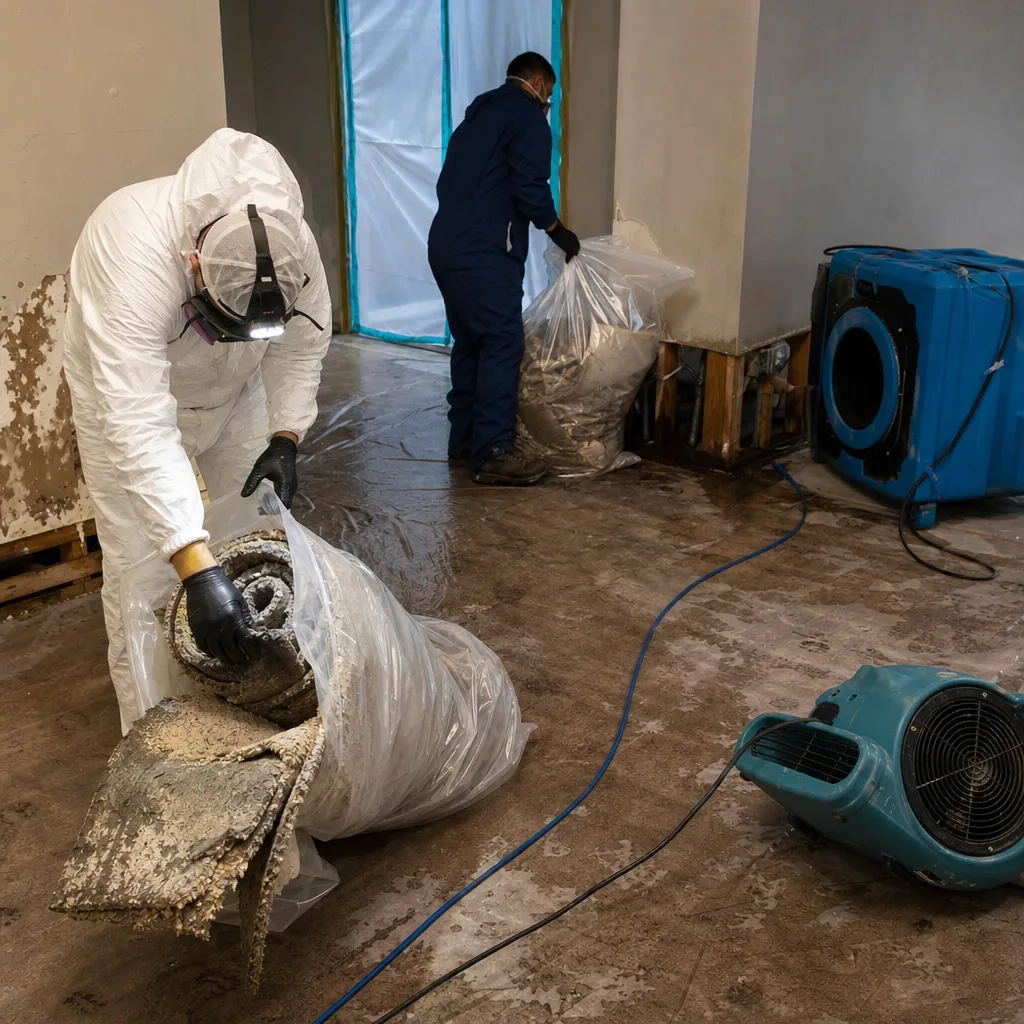
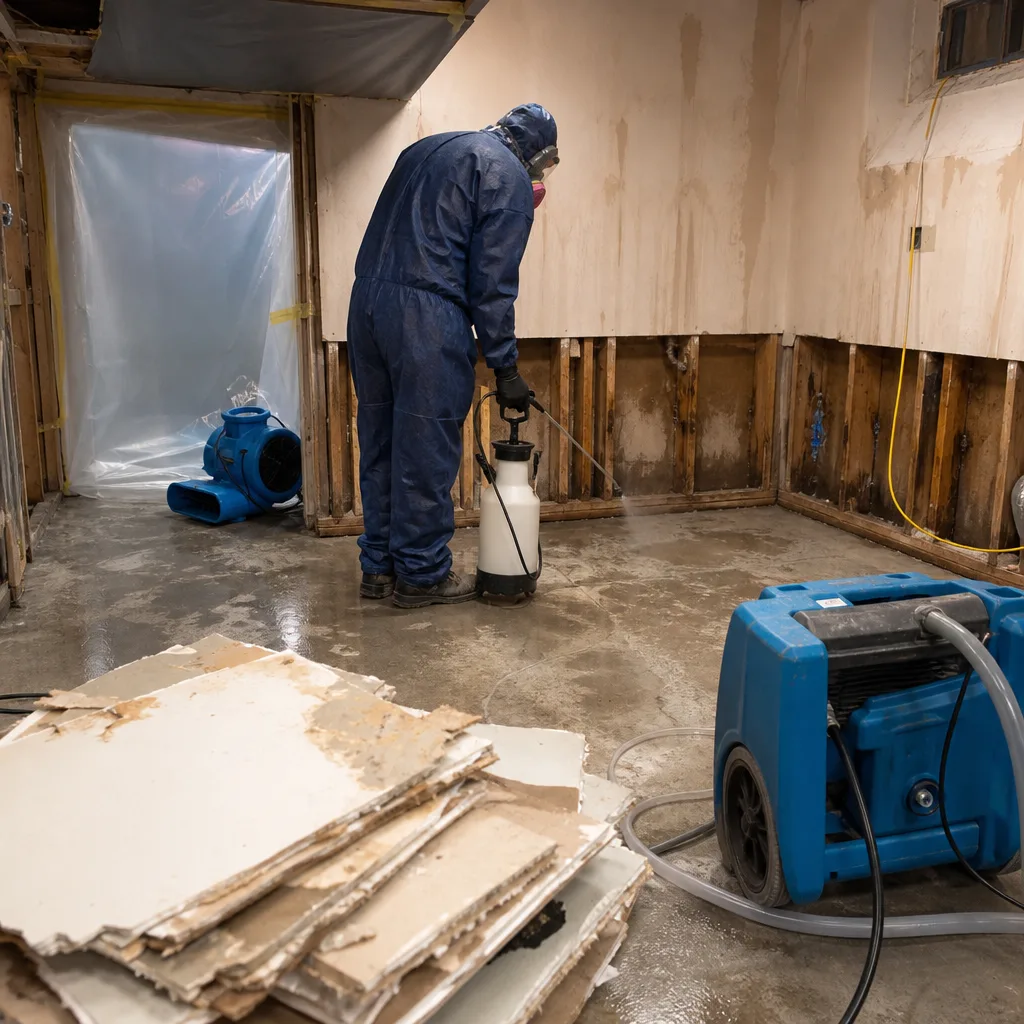
Free visual inspection and a written scope of work before any mitigation begins - photos, moisture readings, and drying logs go in your claim file
The scope we write is the scope we bill. Anything new gets shown to you, in writing, before we touch it.
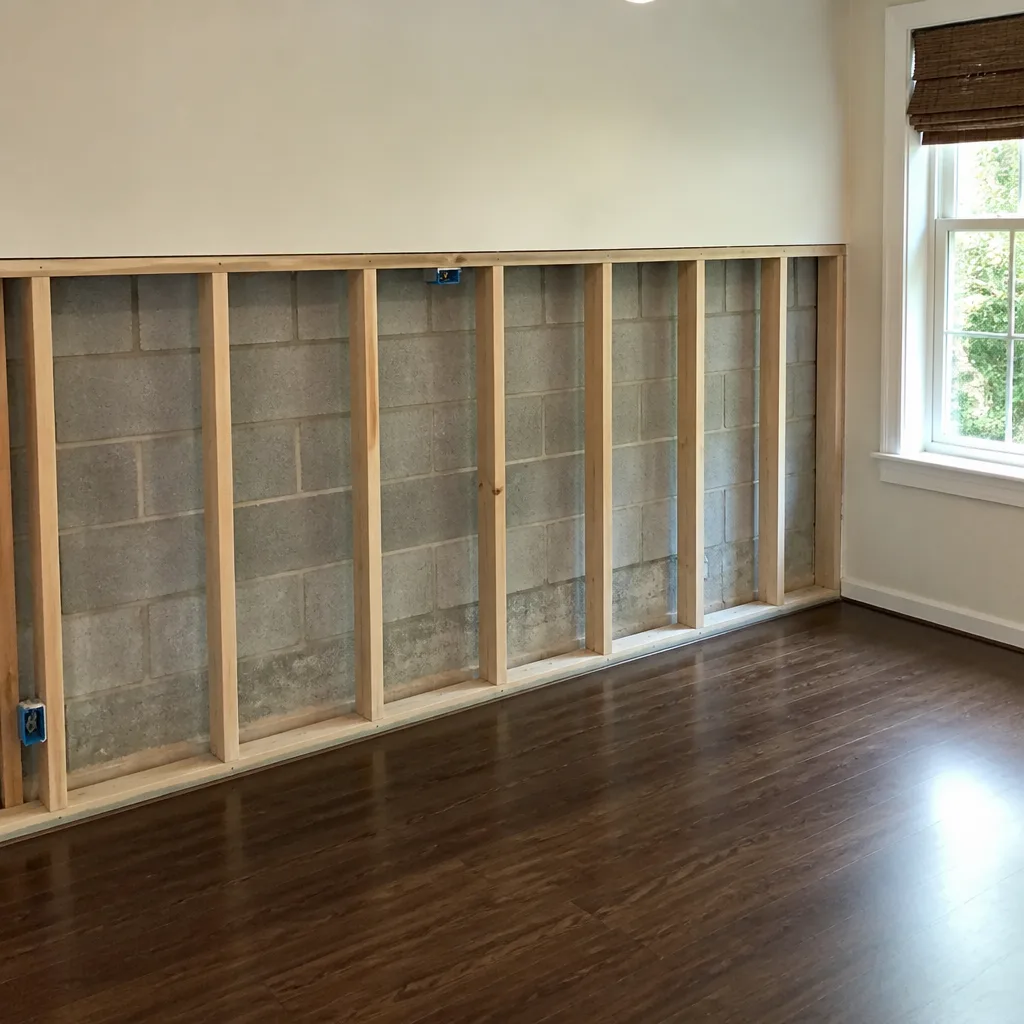
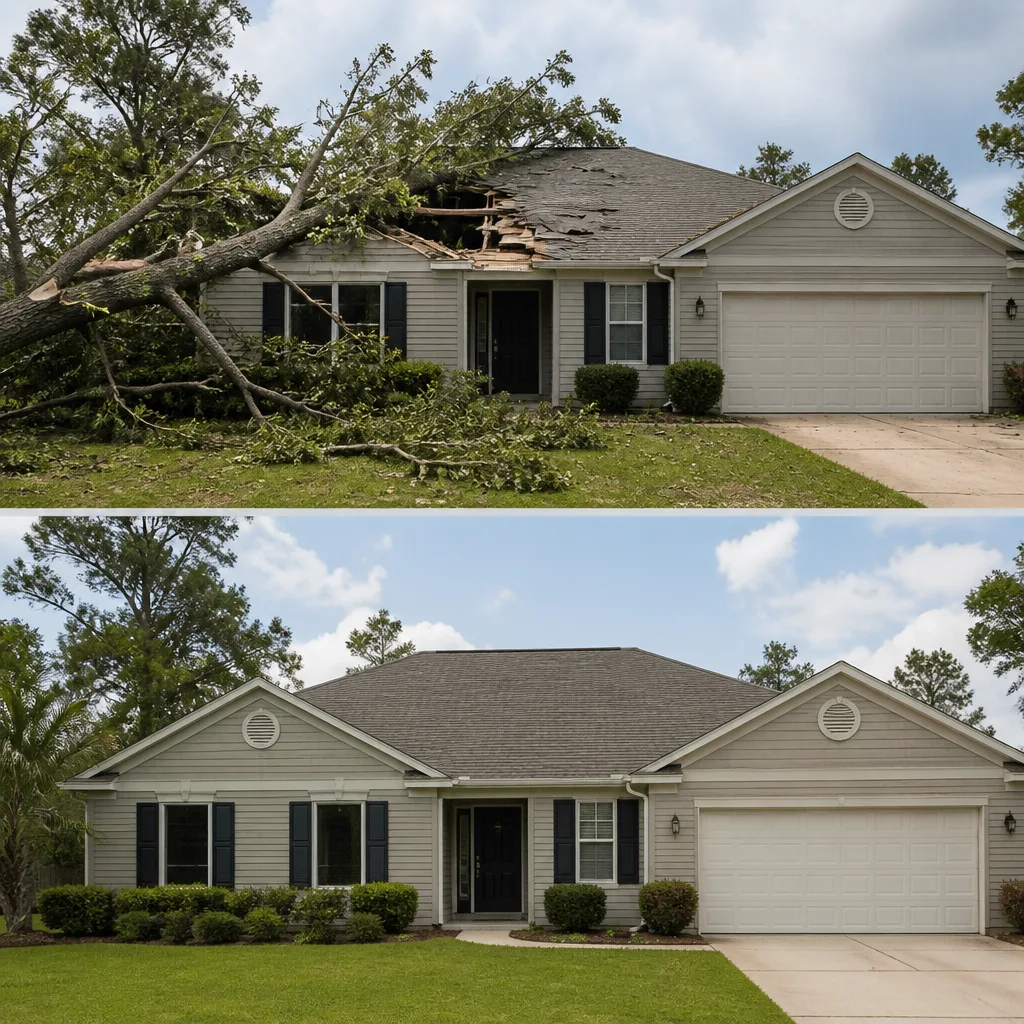
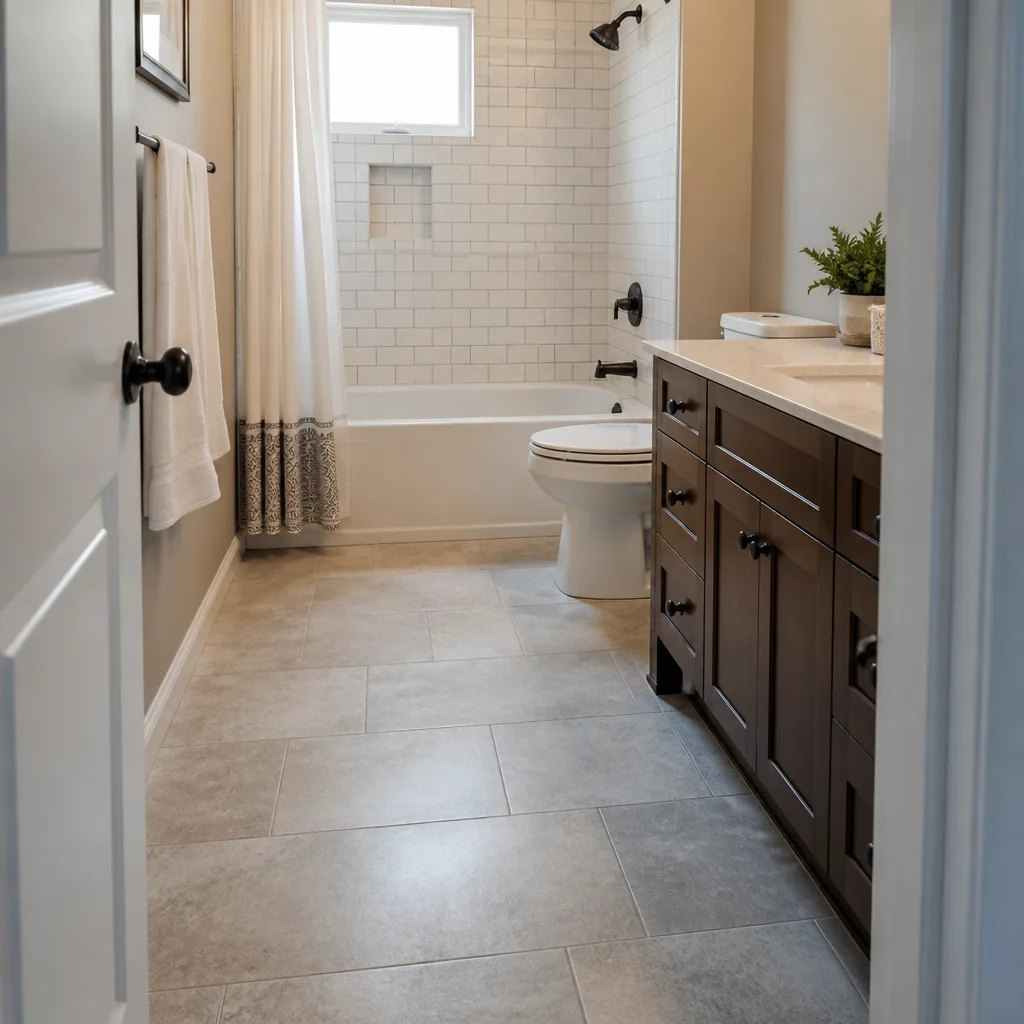
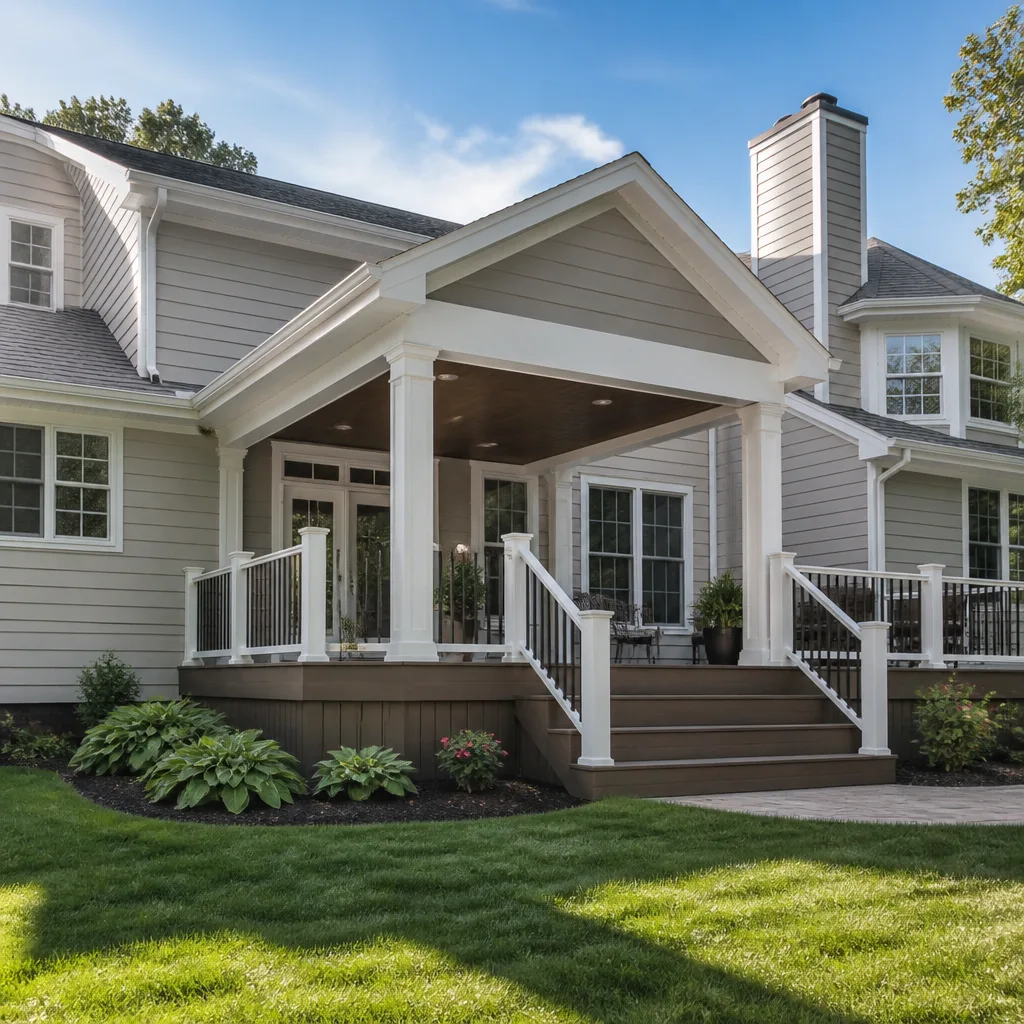
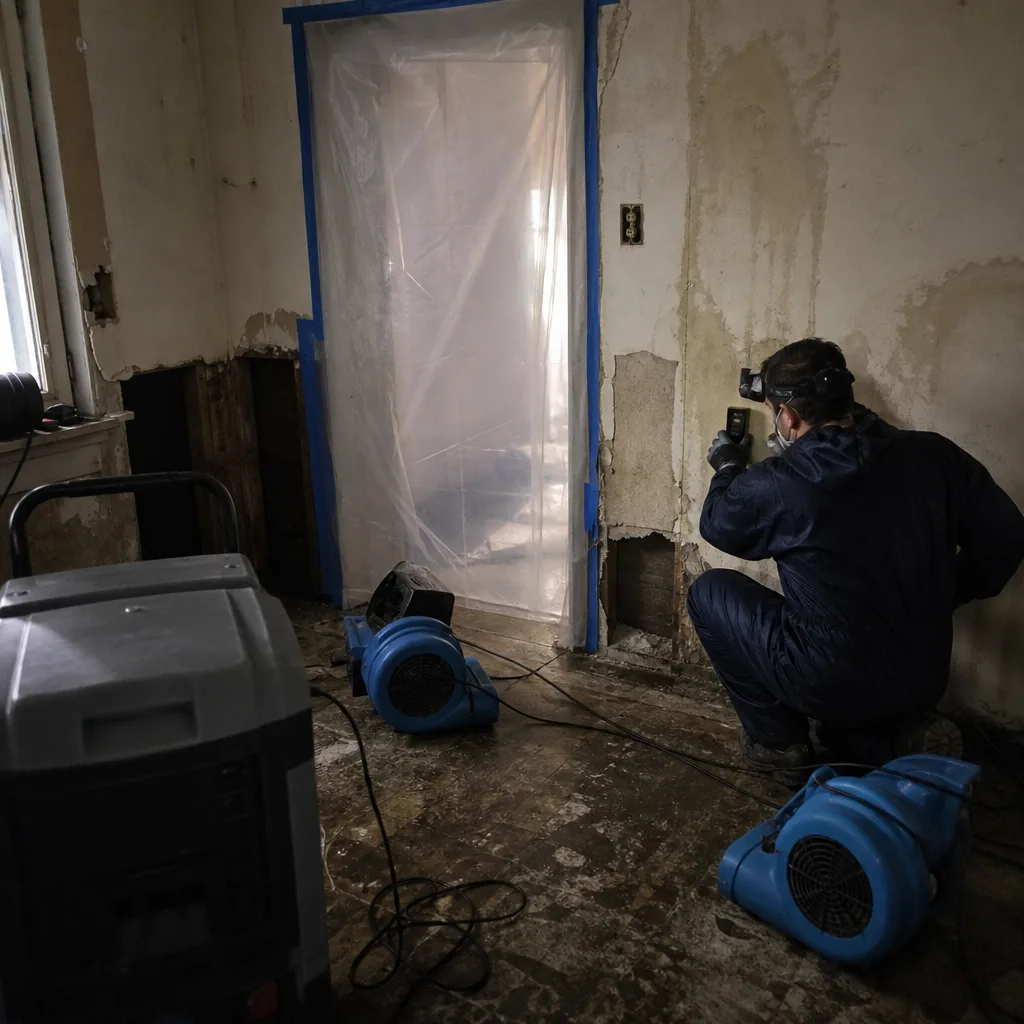 Before
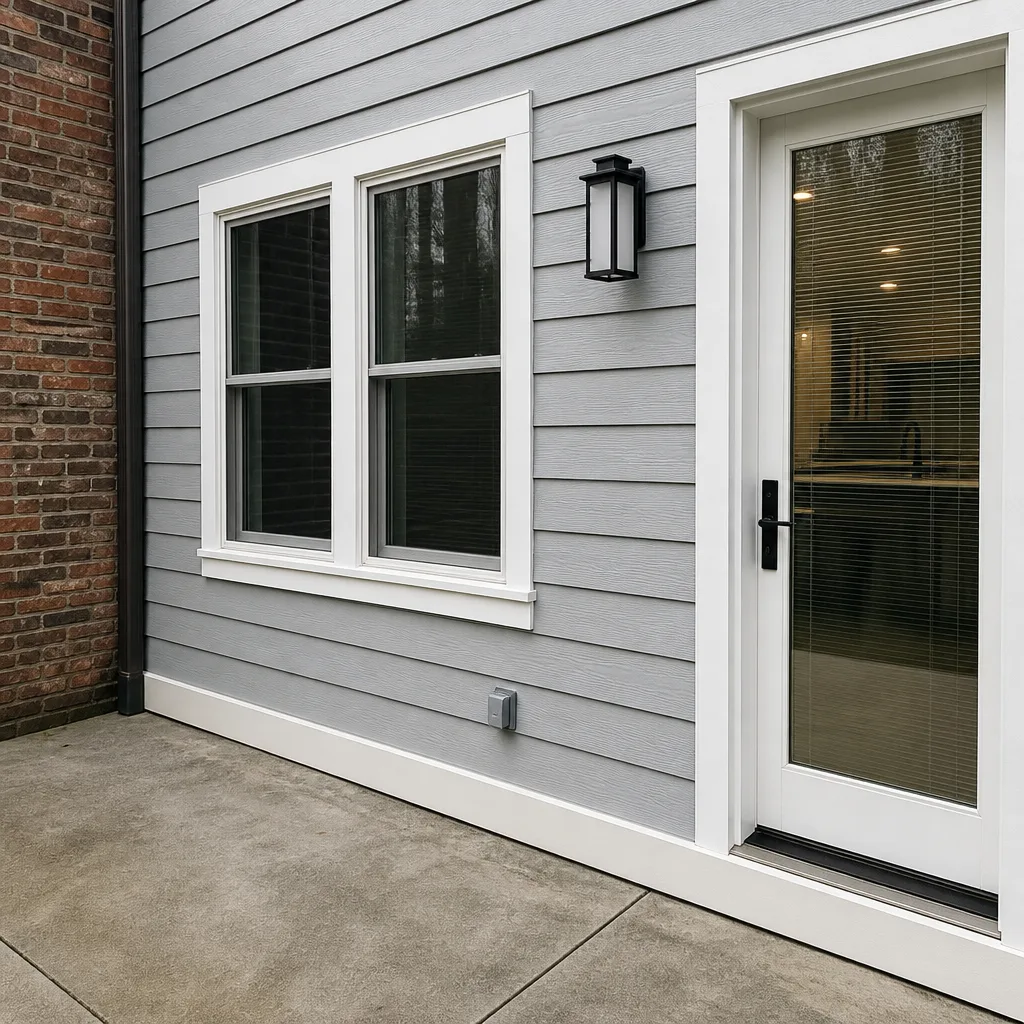 After
After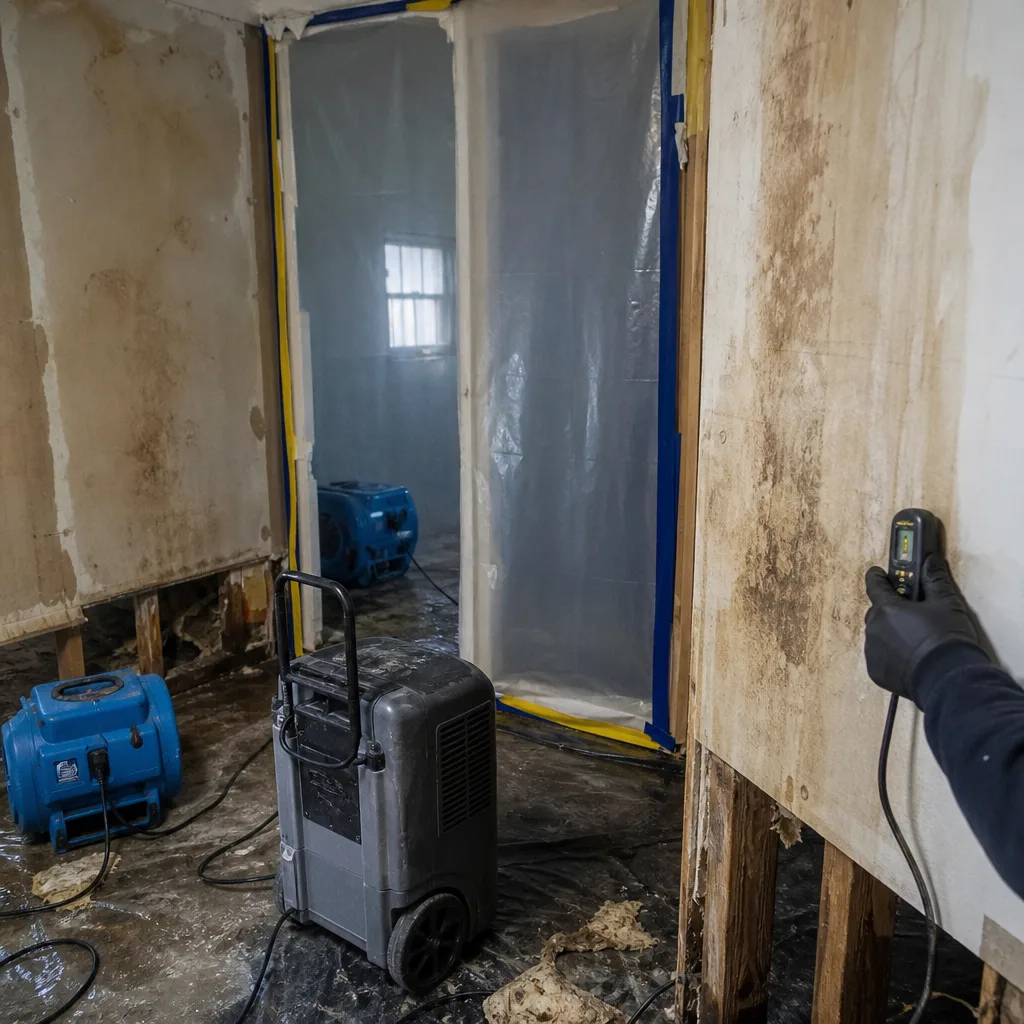 Before
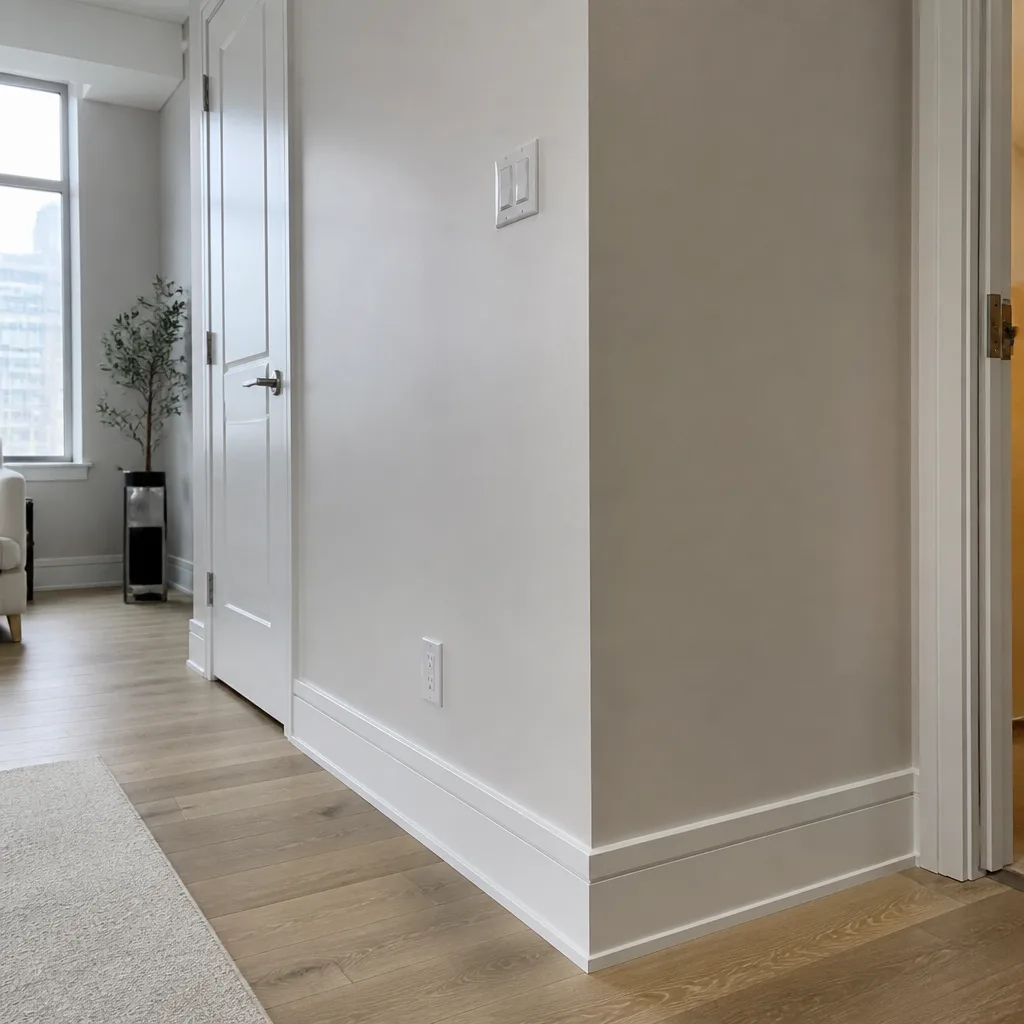 After
After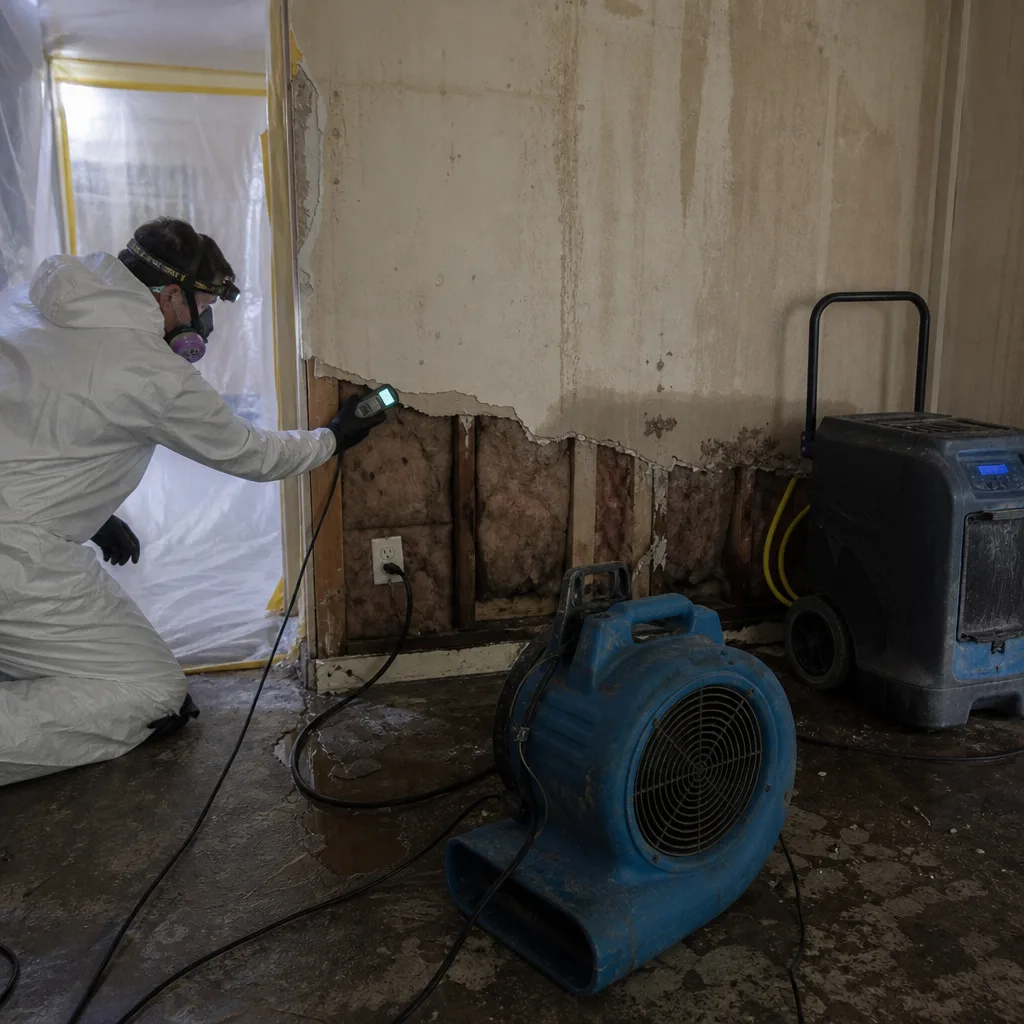 Before
 After
After24/7 Emergency Sewage Cleanup in Flatbush
Sewage backing into a Flatbush basement is a category 3 emergency, and it won’t wait for business hours. Raw sewage carries bacteria, viruses, and parasites that begin contaminating porous surfaces within minutes. We answer live at (518) 663-6491 around the clock, and a crew can reach most Flatbush blocks within 45 minutes. The faster extraction starts, the less damage spreads into century-old floor joists and plaster walls.
When sewage pools in a converted basement apartment off Flatbush Avenue or seeps into a crawl space under a Victorian off Cortelyou Road, every hour increases the structural and health risk. Our team arrives with professional-grade Dri-Eaz extraction units and thermal imaging to find contamination that isn’t visible from the surface. The first call is free, the assessment is visual, and the crew gets to work the same visit.
Understanding Sewage Cleanup Severity in Flatbush Properties
Sewage contamination falls under category 3 water damage, what the trade calls black water. This isn’t a wet-vac situation. In Flatbush’s housing stock, built largely between 1895 and 1940, black water penetrates original tongue-and-groove subfloors, wicks up plaster-and-lath walls, and settles into the voids beneath century-old framing. Without professional extraction and antimicrobial treatment, mold establishes itself within 48 hours and bacteria persist indefinitely in porous materials.
The age of Flatbush’s buildings changes the math. A 1910 Ditmas Park Victorian has plaster walls that hold water differently than drywall in a 1960s renovation; a 1920s brick row house near Newkirk Plaza has foundation drainage that predates modern sewer connections. Combined with central Brooklyn’s aging combined sewer system, category 3 contamination in Flatbush is routine, not rare. We moisture-map every affected surface and log daily readings until the structure hits its dry standard.
Why Flatbush Property Owners Choose Floodline Restoration Co.
- 45-minute response commitment – we dispatch from within the metro area and reach most Flatbush addresses in under an hour, not the next day.
- Live answer, 24 hours a day – a real dispatcher picks up at 2 a.m. No automated answering service, no callback queue.
- IICRC-certified crews – our technicians hold WRT and ASD certifications through the IICRC, with RIA and IFA training as continuing standards.
- Free visual inspection – before any work starts, you get a written scope of work at no cost.
- Direct insurance billing – we document, photograph, and coordinate with your adjuster so you don’t play middleman.
- One team, start to finish – the same Floodline crew that extracts on day one handles the drying, cleaning, and any reconstruction.
Our Sewage Cleanup Process
Inspection & Assessment
We trace the sewage to its source, categorize the water properly, and moisture-map every affected surface with thermal imaging and penetrating meters. In Flatbush basements, we check what’s behind false walls and verify what the DOB has on file.
Extraction & Stabilization
Dri-Eaz and XPOWER extraction units remove standing black water immediately. We stop the spread at the source and isolate contaminated areas with containment barriers.
Drying & Dehumidification
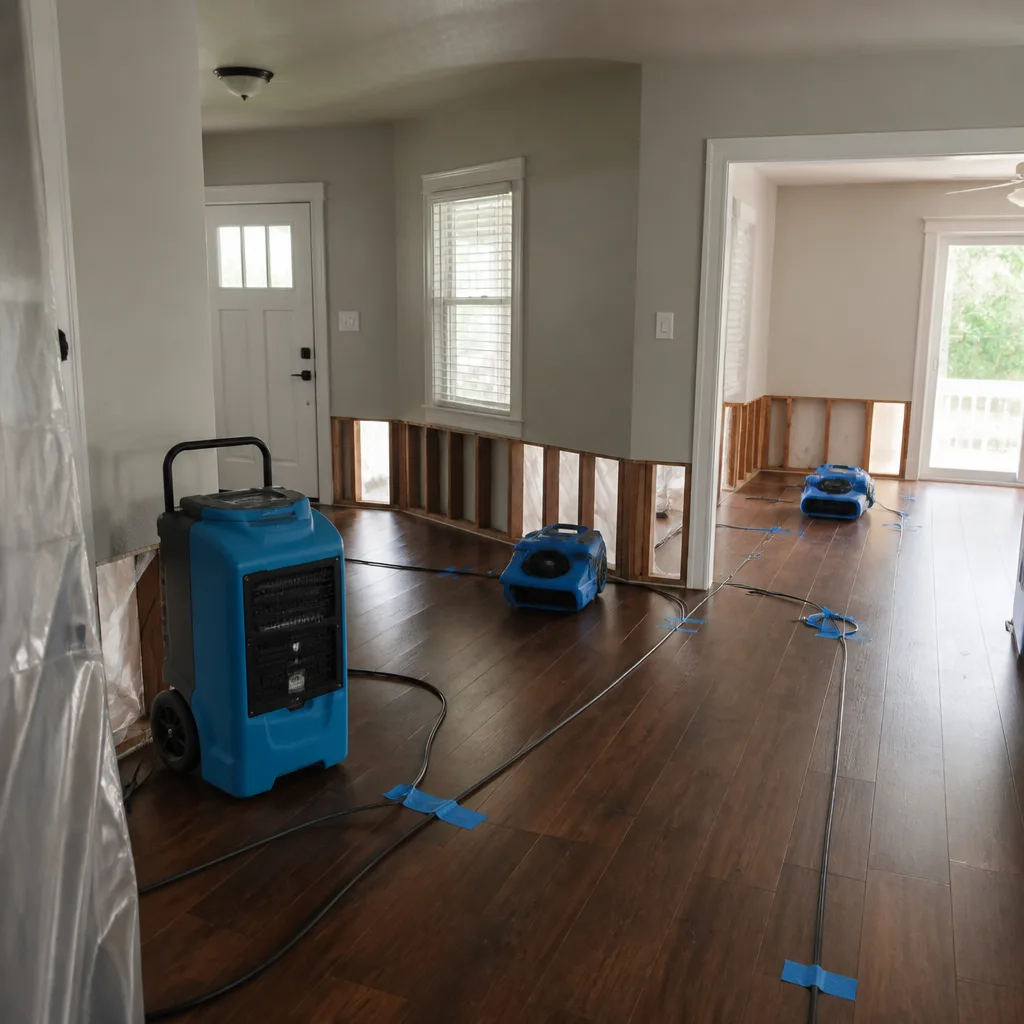
Phoenix and B-Air air movers and dehumidifiers run continuously, with daily moisture readings logged and shared with your carrier until the structural dry standard is met, not just surface dry.
Cleaning & Sanitization
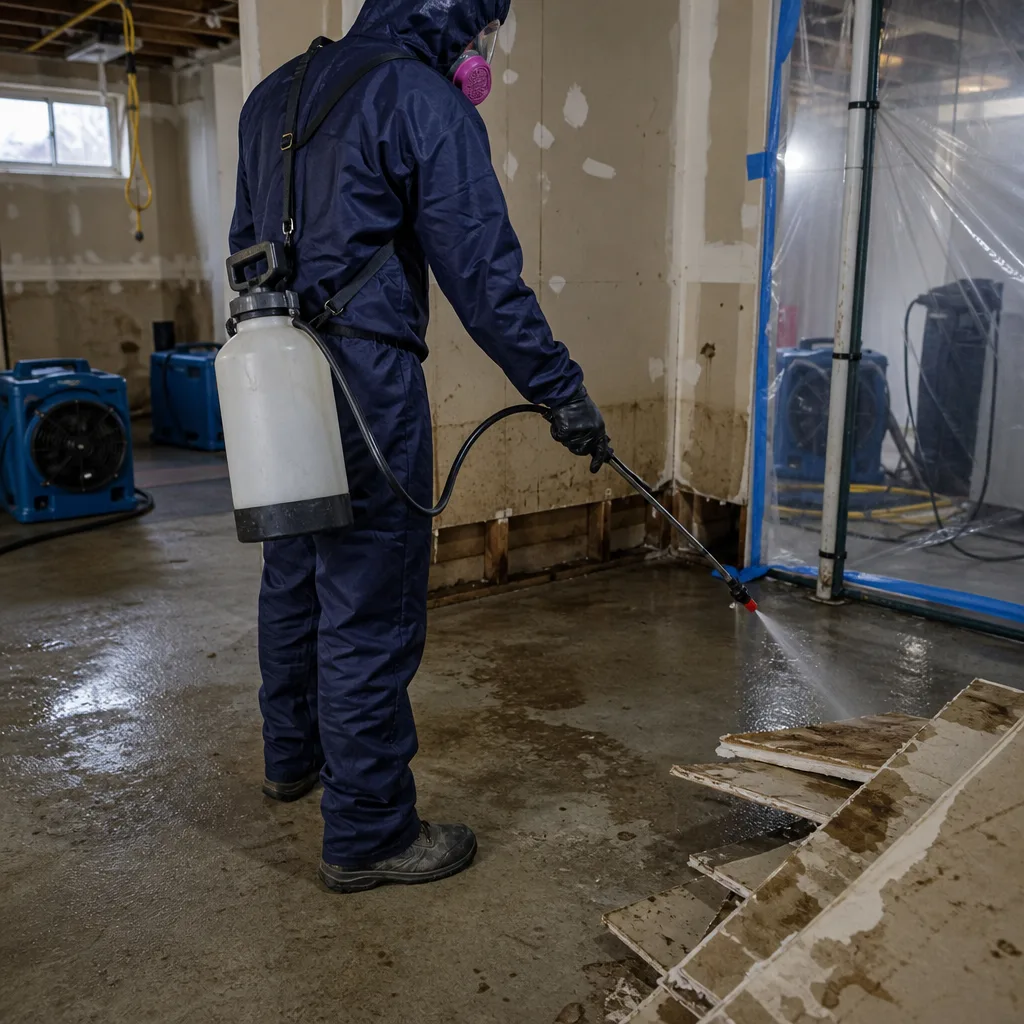
We remove unsalvageable porous materials and apply EPA-registered antimicrobial treatments to all contaminated surfaces, framing, and flooring. HEPA air scrubbers run throughout the process.
Specialty Treatment for Flatbush Structures
Plaster-and-lath walls are salvaged wherever protocol allows. Original millwork is carefully removed, documented, dried, and restored. We don’t replace period materials with off-the-shelf drywall and call it done.
Repairs & Restoration
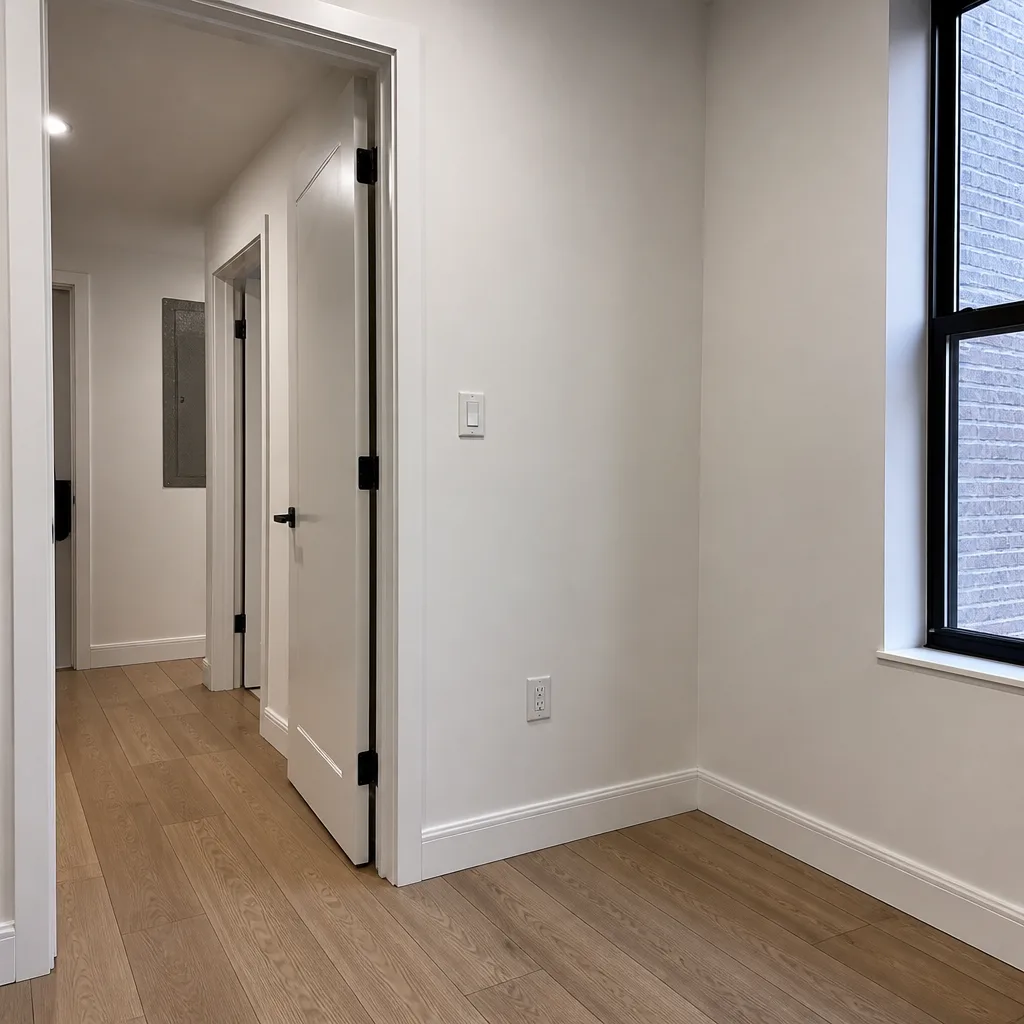
The same Floodline crew that handled extraction handles the rebuild, from subfloor replacement to baseboard reproduction, so there’s no mid-job handoff to an unknown subcontractor.
Need Emergency Sewage Cleanup in Flatbush Now?
Crews minutes away, answering live 24 hours a day. The sooner we start, the less it costs.
Working With Your Insurance Company
Sewage backup claims in Flatbush depend heavily on documentation from the first hour. We photograph every inch of the loss before removal starts, log moisture readings daily, and generate line-item scopes of work that carriers recognize. Our team communicates with adjusters directly, so you’re not stuck translating trade terms during a stressful week.
What We Provide Your Insurer
- Thorough documentation of the loss
- Photos of all damage, room by room
- Moisture readings and drying logs
- A detailed, line-item scope of work
- Direct coordination with your carrier
One caveat specific to Flatbush: unpermitted basement apartments complicate claims. If a finished living space doesn’t appear on DOB records, the carrier may dispute coverage. We check occupancy and permit history during initial scoping so there are no surprises three weeks into the claim.
Built for Flatbush’s Loss Calendar
Flatbush sewage losses follow a predictable seasonal rhythm. Summer thunderstorms hit hardest, when central Brooklyn’s combined sewer system surcharges and sends stormwater mixed with sewage backward through basement floor drains. A July cloudburst over Prospect Park can overwhelm the same mains that handled a mild spring drizzle without issue.
Winter brings a different failure mode in Flatbush’s older housing stock. Cast-iron waste lines under century-old Victorians in Ditmas Park and Beverley Square contract in deep freezes, and the steep rooflines generate ice dams that drip into top-floor ceilings while basement waste lines crack below grade. Spring thaw releases the accumulated damage. Then the cycle repeats with the first thunderstorm of June.
Those informal basement apartments so common across Flatbush add a seasonal layer of risk. Occupants often discover sewage backups only when a drain in their converted kitchen or bathroom backs up, which is typically hours after the original backup began. By then, contamination has already spread through finished drywall and flooring.
Sewage Cleanup Across Flatbush’s Neighborhoods
Response through Flatbush means reading the street before we park the truck. In Ditmas Park and Victorian Flatbush, we’re working around original cedar clapboard, ornate porches, and the largest concentration of detached wood-frame Victorians in Brooklyn. A backup under a Newkirk Avenue row house with a converted cellar presents different challenges than a crawl-space failure under a 1912 center-hall colonial near Albemarle Road.
Around Flatbush Avenue and Church Avenue, dense 1920s brick apartment buildings and attached two-family row houses dominate. Here, a single sewer main break can affect multiple units simultaneously. East of Nostrand Avenue, many two-family homes have been informally subdivided, and our sewage cleanup crews routinely find finished basement spaces that don’t exist on any permit. Beverley Square’s deep front yards and old foundation drains mean contaminated water travels farther before it surfaces, often collecting under subflooring long before it’s visible.
Specialized Sewage Cleanup Services We Offer in Flatbush
Sewage Backup Cleanup
When a city sewer line backs up through a Flatbush basement floor drain, our team extracts, contains, and sanitizes the affected area the same visit. We trace the backup source to determine whether it’s a municipal issue or a private waste line failure.
Toilet Overflow Cleanup
A toilet overflow in a Flatbush primary bath or basement half-bath is category 3 water the moment it leaves the bowl. We remove contaminated flooring and wall material where needed, then apply antimicrobial treatment to the framing below.
Septic Failure Cleanup
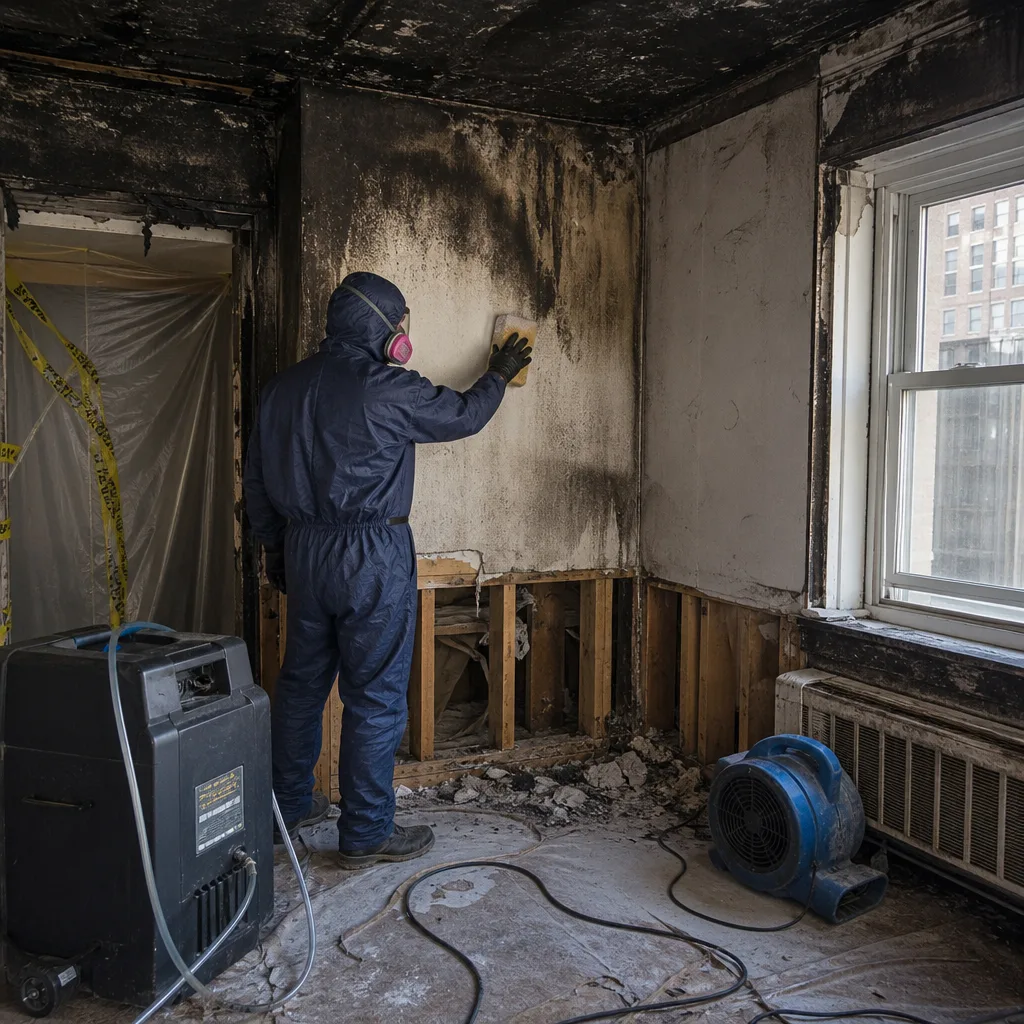
Septic failures in Flatbush are less common than sewer backups, but the homes that have them tend to be older properties near the edges of the neighborhood with legacy private systems. We handle full extraction, waste-line evaluation, and interior sanitation after a septic field backs up.
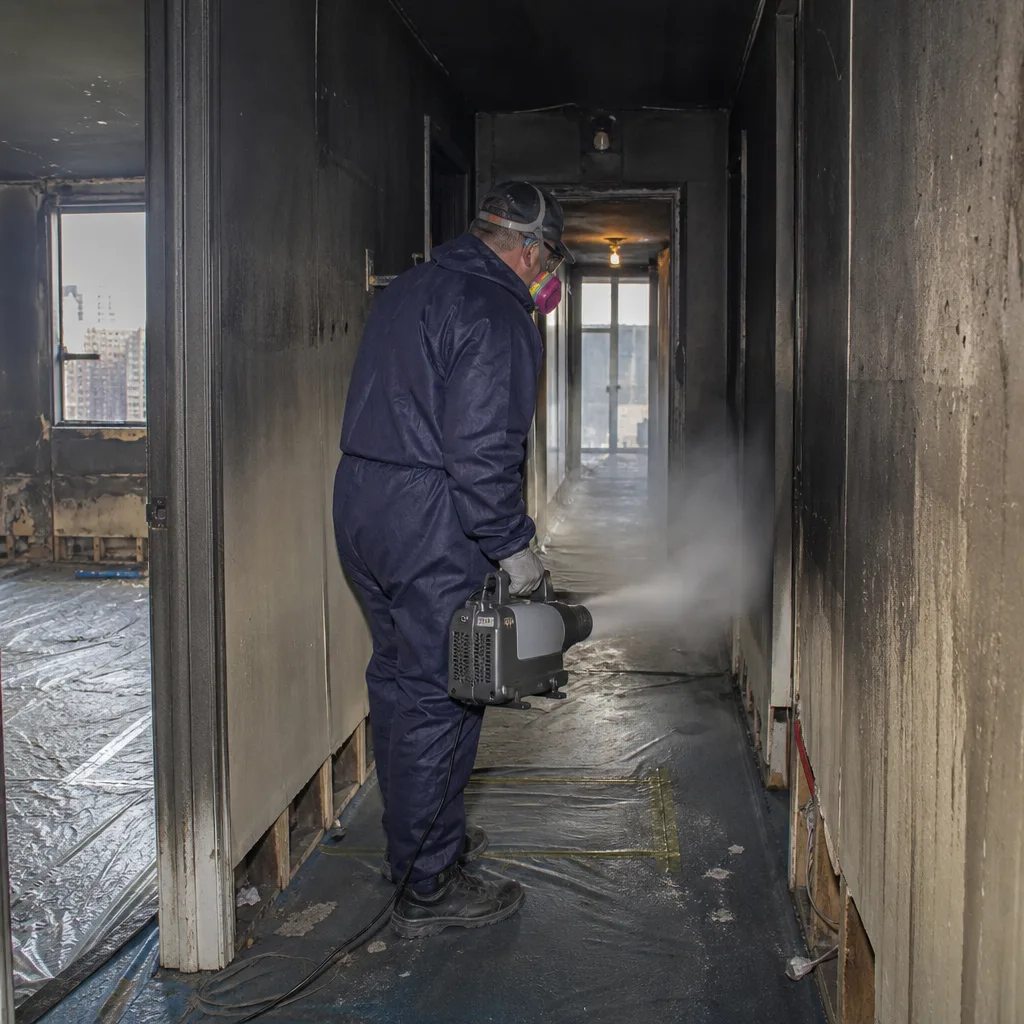
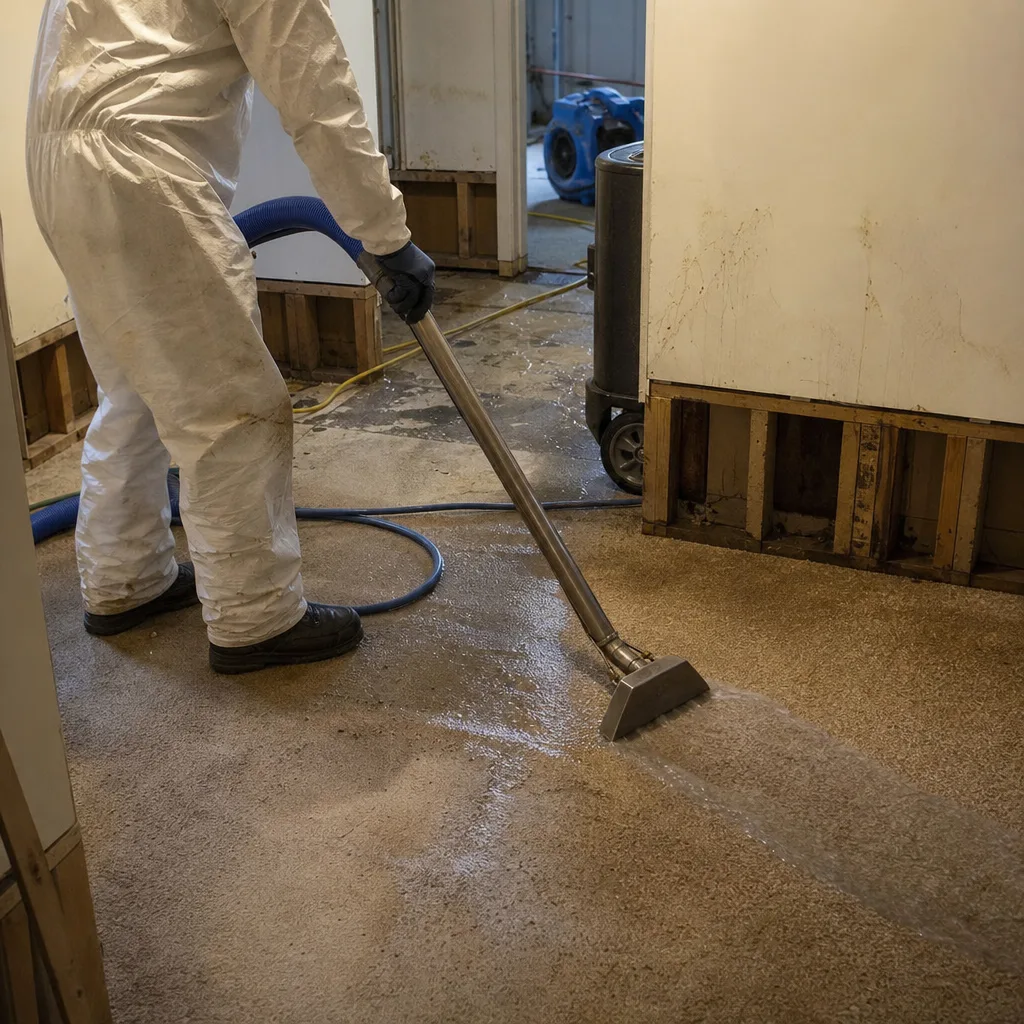
Black Water Extraction
Standing sewage is black water, and it doesn’t belong in a crawl space under a Denton Place Victorian or saturating a finished basement off Rogers Avenue. Our Dri-Eaz extraction units pull standing contamination fast, then we get to work on the materials it soaked into.
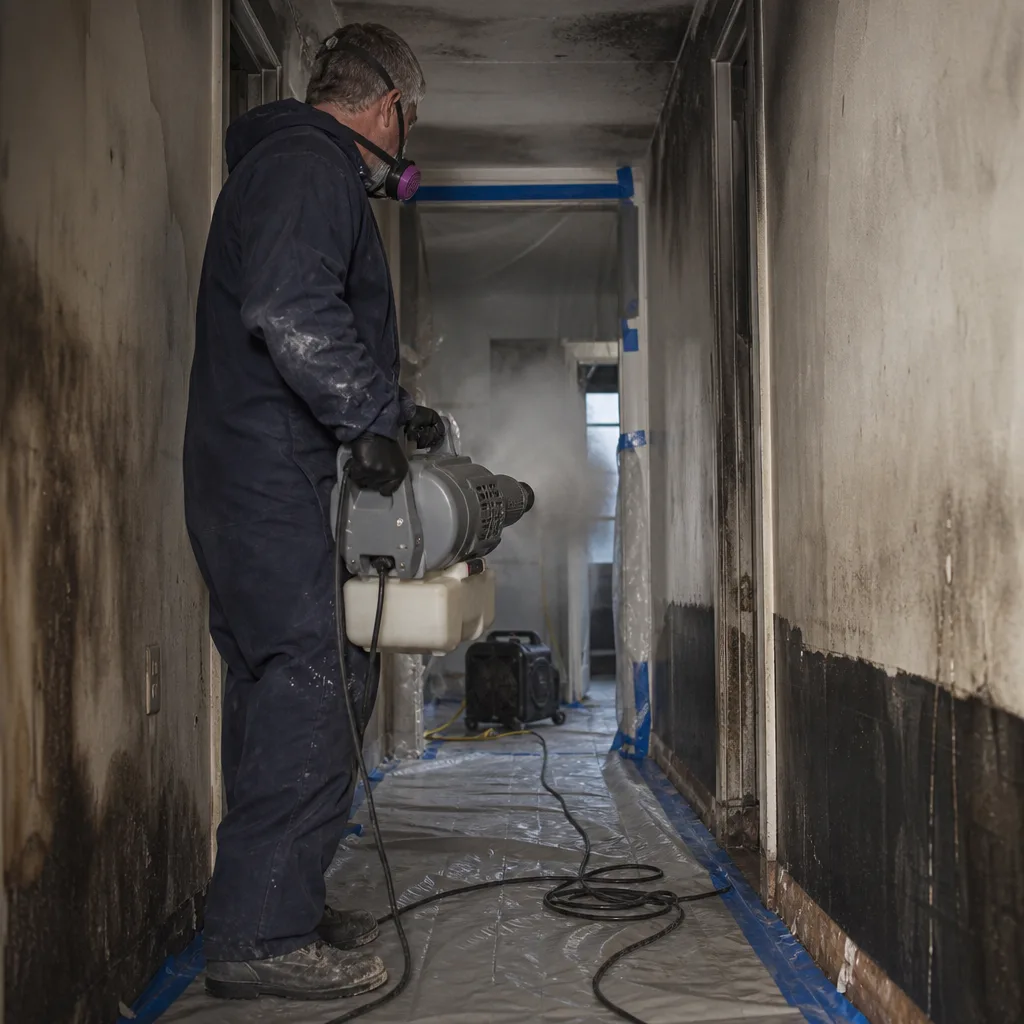
Sanitization & Disinfection
After extraction, every contaminated surface gets EPA-registered antimicrobial treatment. This is non-negotiable in Flatbush homes where original wood framing and plaster surfaces hold bacteria longer than modern materials would. HEPA air scrubbers run during the entire process to capture airborne pathogens.
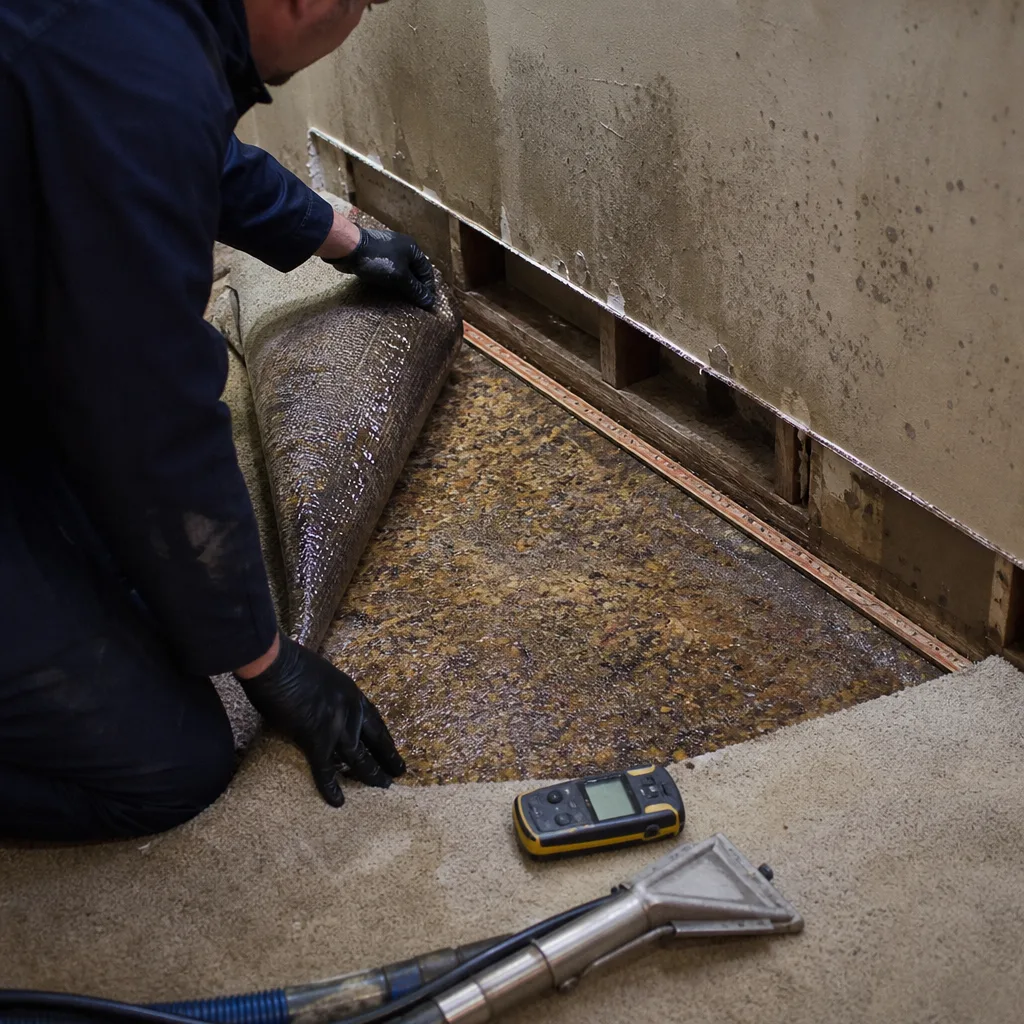
Crawl Space Sewage Removal
Flatbush’s century-old homes often sit on shallow crawl spaces with dirt floors and low clearance. Sewage that reaches a crawl space under a Victorian is one of the worst cleanup scenarios because it demands encapsulation plus ongoing antimicrobial treatment. We handle it with contained extraction and full structural drying.
What happens when you call
- 1
A real person answersNo phone trees - you reach a local pro.
- 2
You get an upfront price rangeHonest numbers before anyone is dispatched.
- 3
A background-checked tech heads outLicensed & insured, dispatched right away.
- 4
You approve before work beginsNothing starts until you say go.
Sewage Cleanup Costs in Flatbush, NY
For a typical sewage backup in a Flatbush basement, extraction and sanitization runs $1,800 to $4,500. A toilet overflow confined to a bathroom usually lands between $1,200 and $2,800. Full-scale black water remediation with structural drying in a converted basement apartment typically runs $4,000 to $9,000, and that climbs if original plaster, period millwork, or lead-paint and asbestos abatement come into play.
What moves the price is the age of the housing stock and what the sewage reached. A 1910 Ditmas Park Victorian with plaster walls and finished basement space will cost more to remediate than a 1950s brick row house with an unfinished cellar, because more material is porous and more abatement protocols apply. Insurance often covers sudden and accidental sewage backups, less often gradual seepage, and almost never unpermitted dwelling units. That’s why we document everything before work starts. Call (518) 663-6491 for a free visual inspection and a written scope of work with a firm number attached.
We Also Serve Cities Near Flatbush
Our crews cover Flatbush and the surrounding borough neighborhoods, including Financial District, Lower Manhattan, Washington Square, and Brooklyn Heights. Same live-answer dispatch, same 45-minute response commitment, same written scope before work starts.
Flatbush Sewage Cleanup Questions, Answered
Does a sewage backup in a Flatbush Victorian require lead paint or asbestos abatement if walls are opened?
In most pre-1978 Flatbush homes, opening walls damaged by sewage triggers lead-paint and often asbestos abatement requirements, and this is true for virtually every Victorian in Ditmas Park, Beverley Square, and Victorian Flatbush. Our crews are trained to work within those protocols rather than pretend they don’t apply. Call (518) 663-6491 to talk through your specific property.
How do I handle a sewage backup in an unpermitted basement apartment in Flatbush?
First, stop using the affected space and call us. Then understand that insurance carriers will often dispute claims tied to illegal dwelling units, which is why we document pre-loss condition and occupancy carefully before starting work. We’ve handled this exact situation many times in Flatbush, including a 1910 East 17th Street Victorian where a finished basement apartment was concealed behind a false wall. Call (518) 663-6491 and we’ll walk you through it.
What is the difference between a sewage backup from the city sewer and a septic failure in Flatbush?
A city sewer backup originates in the municipal main and usually enters through a basement floor drain, while a septic failure comes from a private on-site system and often surfaces in the yard or under the foundation first. Flatbush is overwhelmingly on city sewer lines, but older homes near the neighborhood’s edges sometimes retain legacy septic systems. Each requires a different source response, but both produce category 3 contamination inside the home.
Can you save original wood floors in a Flatbush Victorian after a sewage backup?
Sometimes. Original tongue-and-groove flooring that hasn’t been saturated for more than 48 hours can often be extracted, treated with antimicrobial agents, and dried in place using Injectidry systems that pull moisture from beneath. Floors that have absorbed sewage for longer typically can’t be saved as a unit, though boards can sometimes be salvaged and reused. We’ll tell you honestly which is which before work starts.
How long does it take to clean up a sewage backup in a Flatbush row house with a converted basement?
Extraction and initial sanitization usually happen the same day with a four to six person crew. Full structural drying in a converted basement with finished walls and flooring typically runs three to five days, plus however long reconstruction takes if walls or floors were removed. We give you a written timeline before work starts. Call (518) 663-6491 for a free assessment.
How fast can someone actually get to Flatbush for a sewage backup?
We answer live 24 hours a day and commit to a 45-minute response window for most Flatbush addresses. Tuesday at 3 p.m. or Sunday at 3 a.m. makes no difference; the dispatcher picks up and the crew rolls. Call (518) 663-6491 right now if sewage is backing up.
Will my insurance cover a sewage backup in Flatbush?
Most homeowners policies cover sudden and accidental sewage backups, but not gradual seepage or losses tied to unpermitted dwelling units. The age and condition of your waste lines matter, too; a century-old cast-iron pipe that finally fails may be classified as normal wear. We coordinate directly with your adjuster and provide the documentation carriers require. Call (518) 663-6491 to discuss your specific policy and situation.
What should I do in the first 30 minutes after a sewage backup in Flatbush?
Shut off water usage in the affected area if possible, keep children and pets away, don’t flush toilets or run washing machines, and call us at (518) 663-6491. Don’t attempt to scoop standing sewage yourself; category 3 water requires PPE and professional extraction. Turn off the HVAC system if you can reach the switch safely, because running it spreads airborne contamination.
Serving Flatbush, NY - Our Local Coverage Area
We’re based in the Flatbush area and know this community well. Use the map below to see our service coverage - if you’re nearby, we can almost certainly help.
Done Right, and Backed in Writing
Floodline Restoration Co. has served the Flatbush area for over 42 years, and our Sewage Cleanup team knows this neighborhood’s housing stock better than any national franchise. Every job carries the 90-Day Done Right Promise, the Keystone Standard, in writing. If it’s not done right, we make it right, no arguing. Our technicians are background-checked, uniformed, and certified to IICRC, RIA, and IFA standards. We bill your carrier directly. We answer the phone with a person at two in the morning. And we don’t hand your job to a subcontractor halfway through.
If sewage is backing up in your Flatbush basement, call (518) 663-6491 now. The line the water left is where we start.
Written by Curt Bowman, Owner at Floodline Restoration Co., serving Flatbush and the surrounding borough since 2010.