
Free visual inspection and a written scope of work before any mitigation begins - photos, moisture readings, and drying logs go in your claim file
The scope we write is the scope we bill. Anything new gets shown to you, in writing, before we touch it.
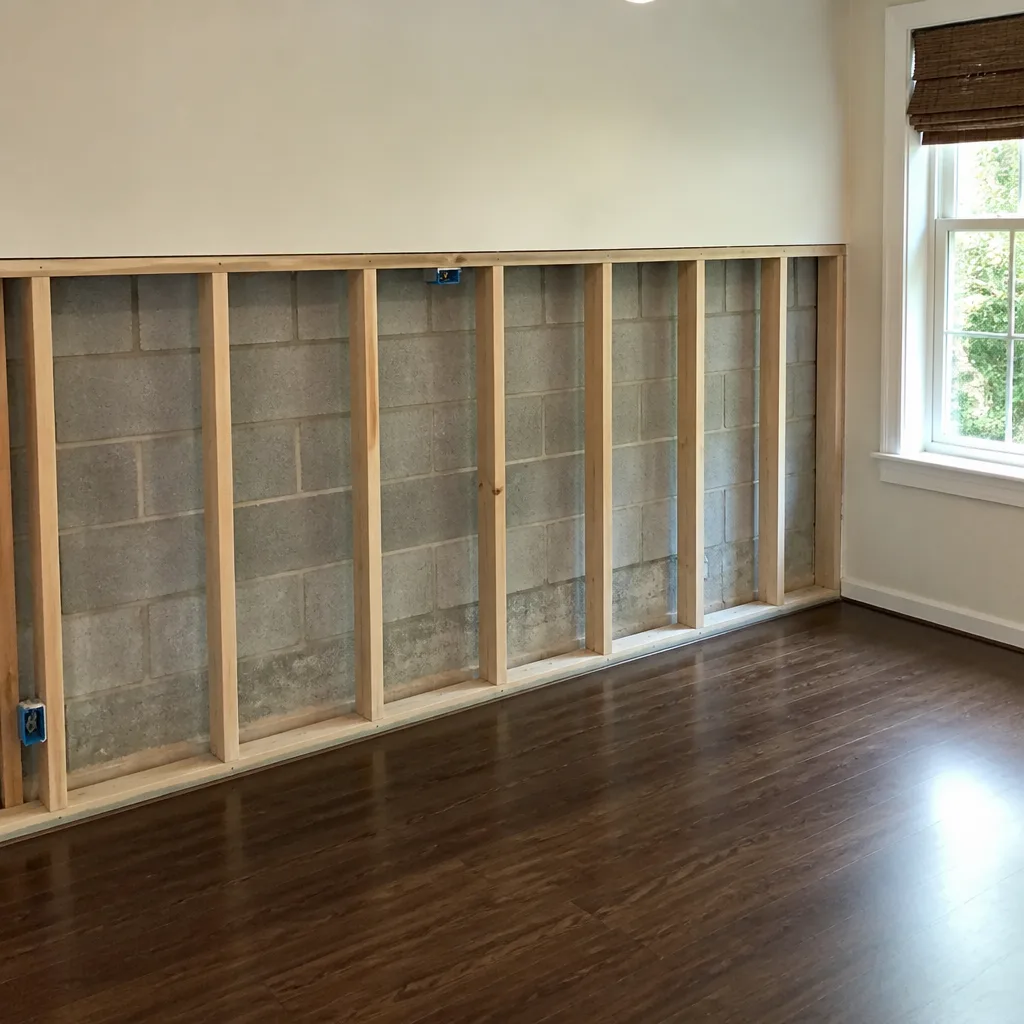
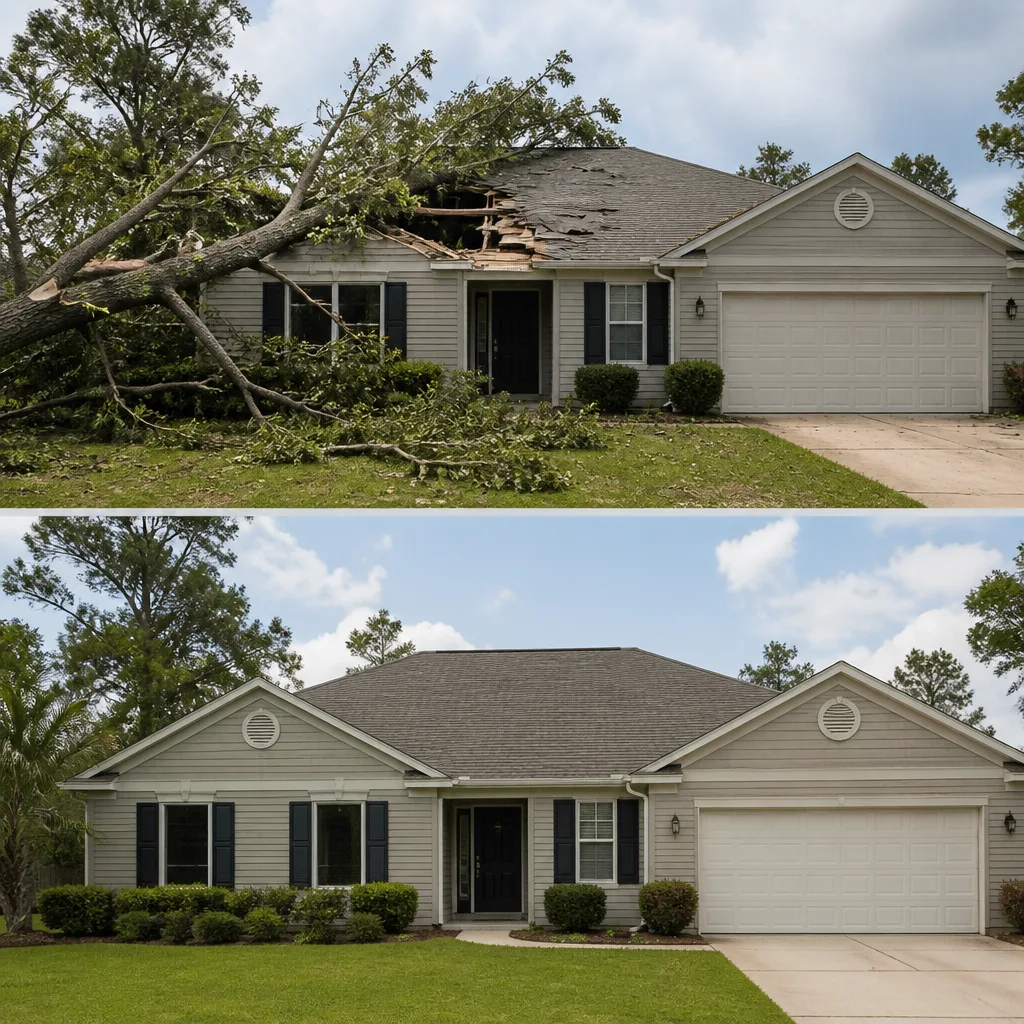

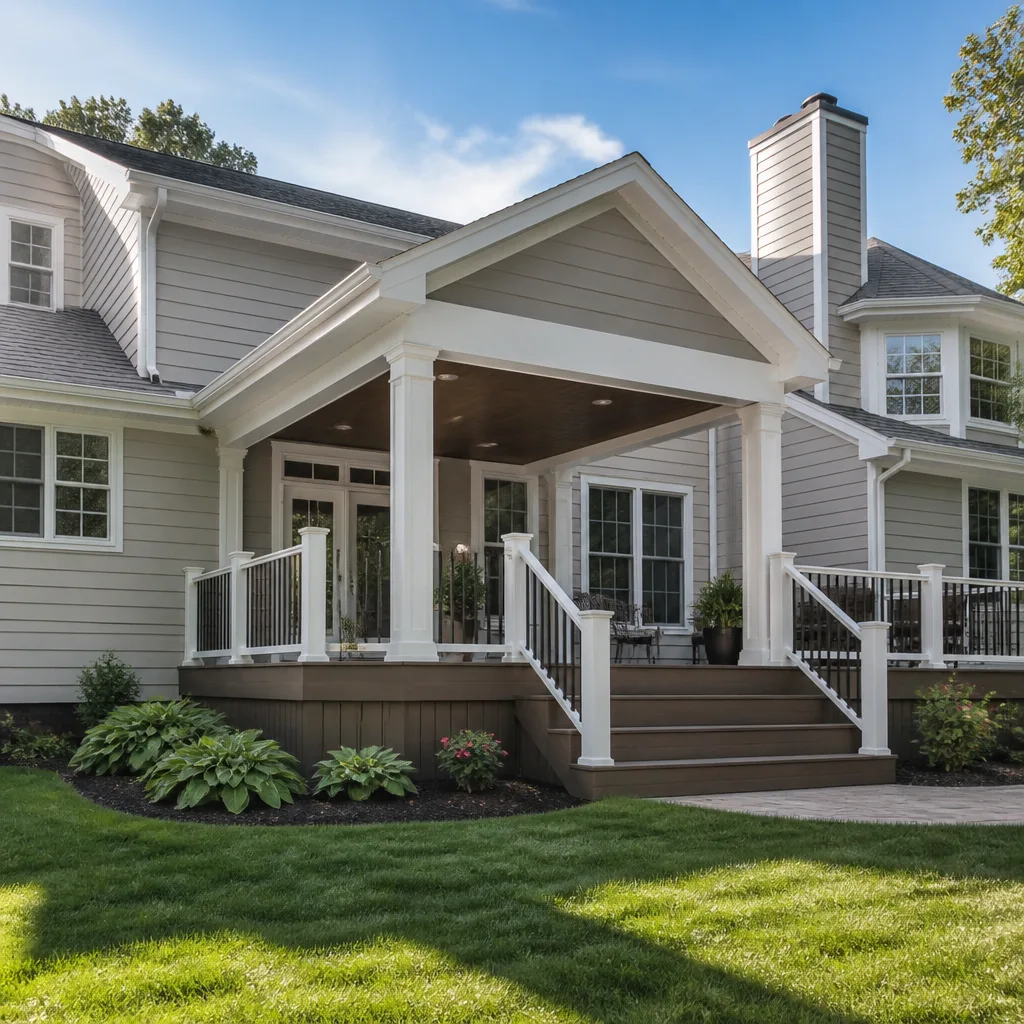
 Before
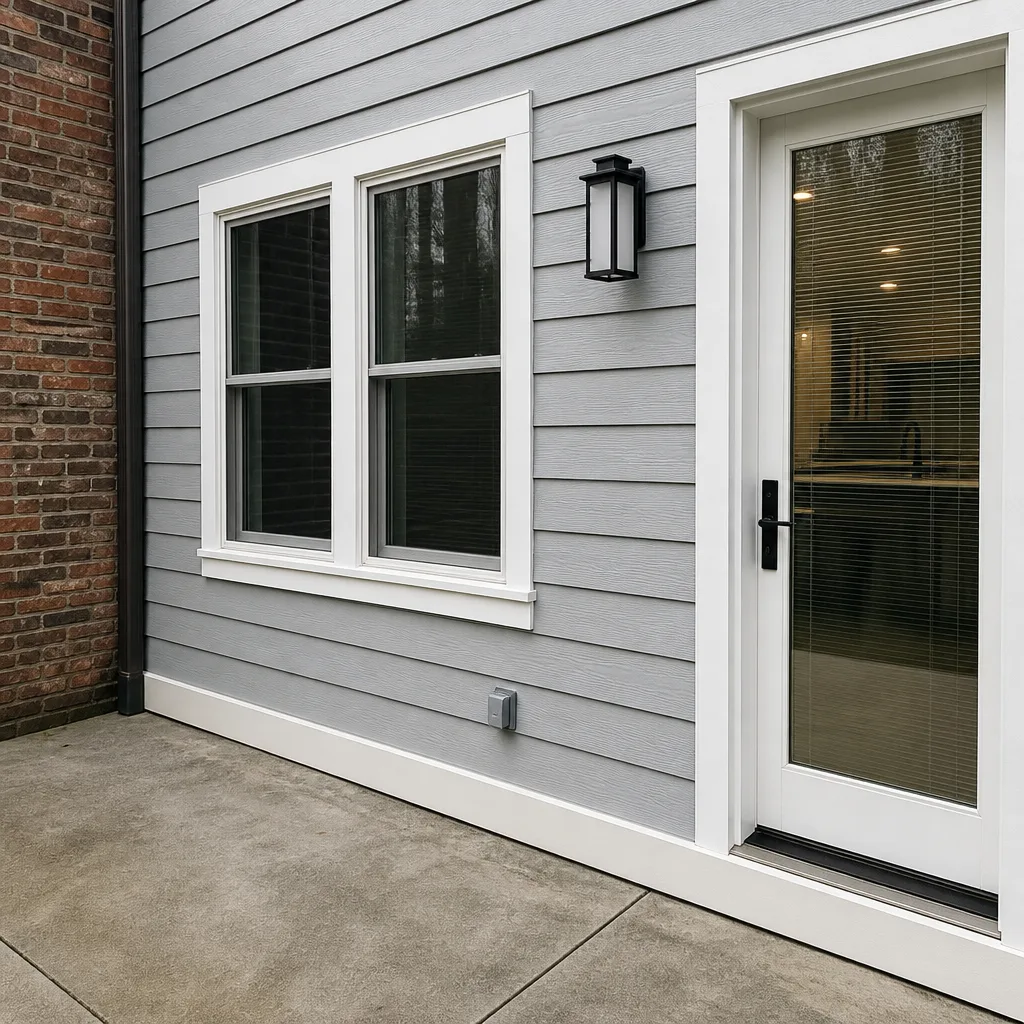 After
After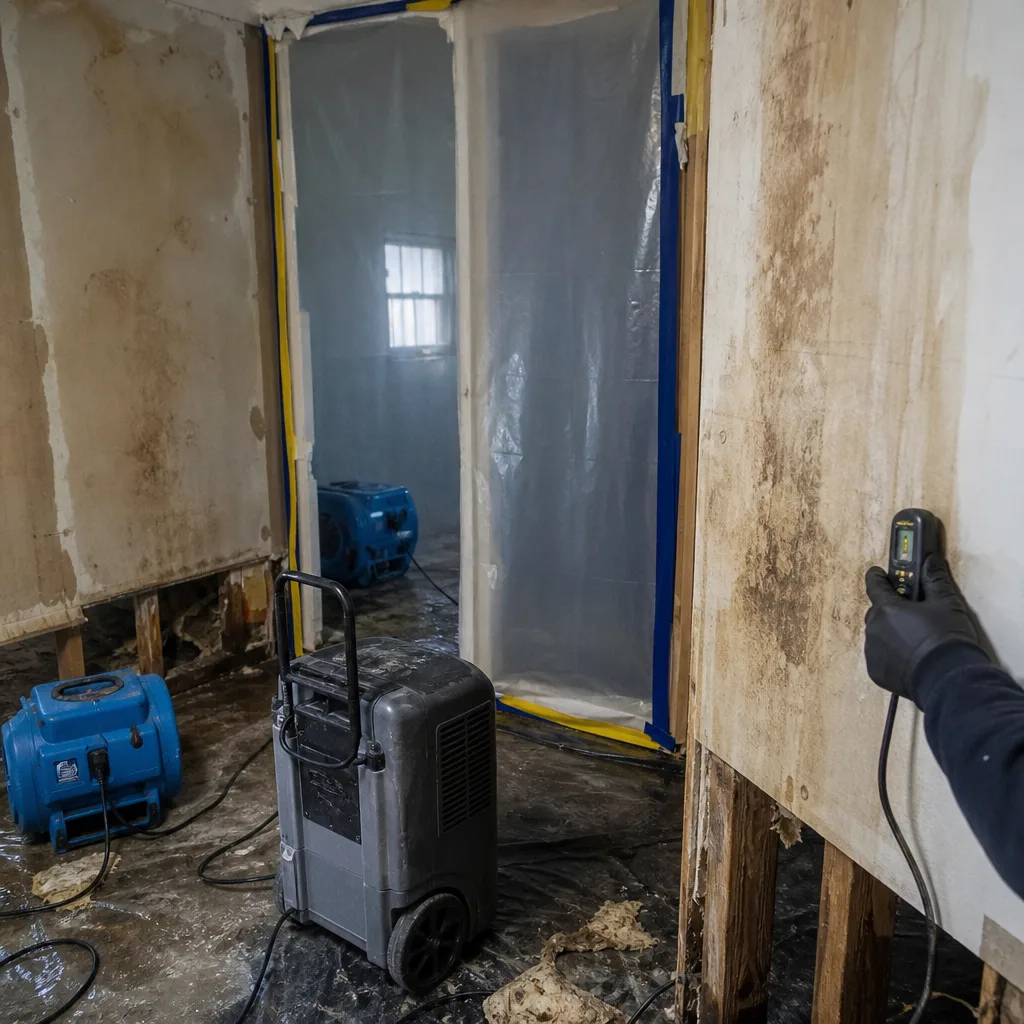 Before
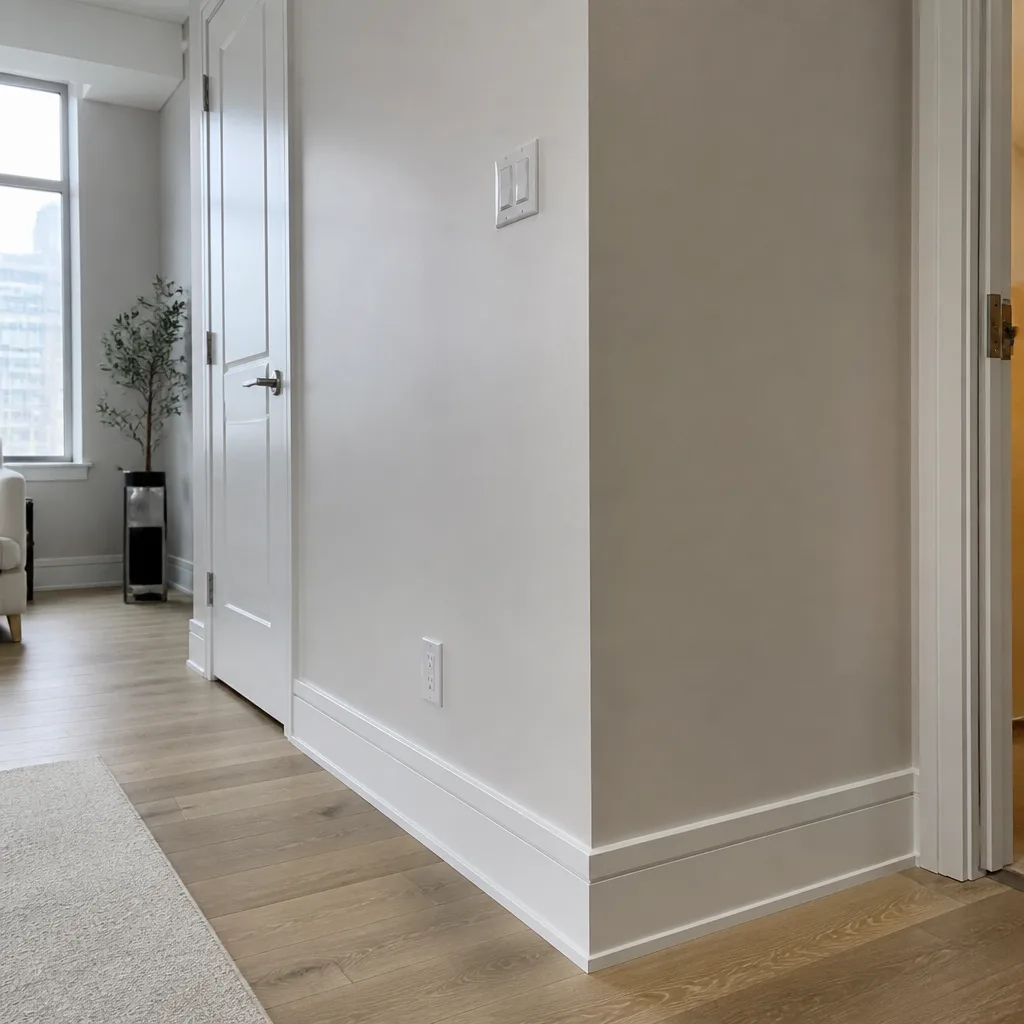 After
After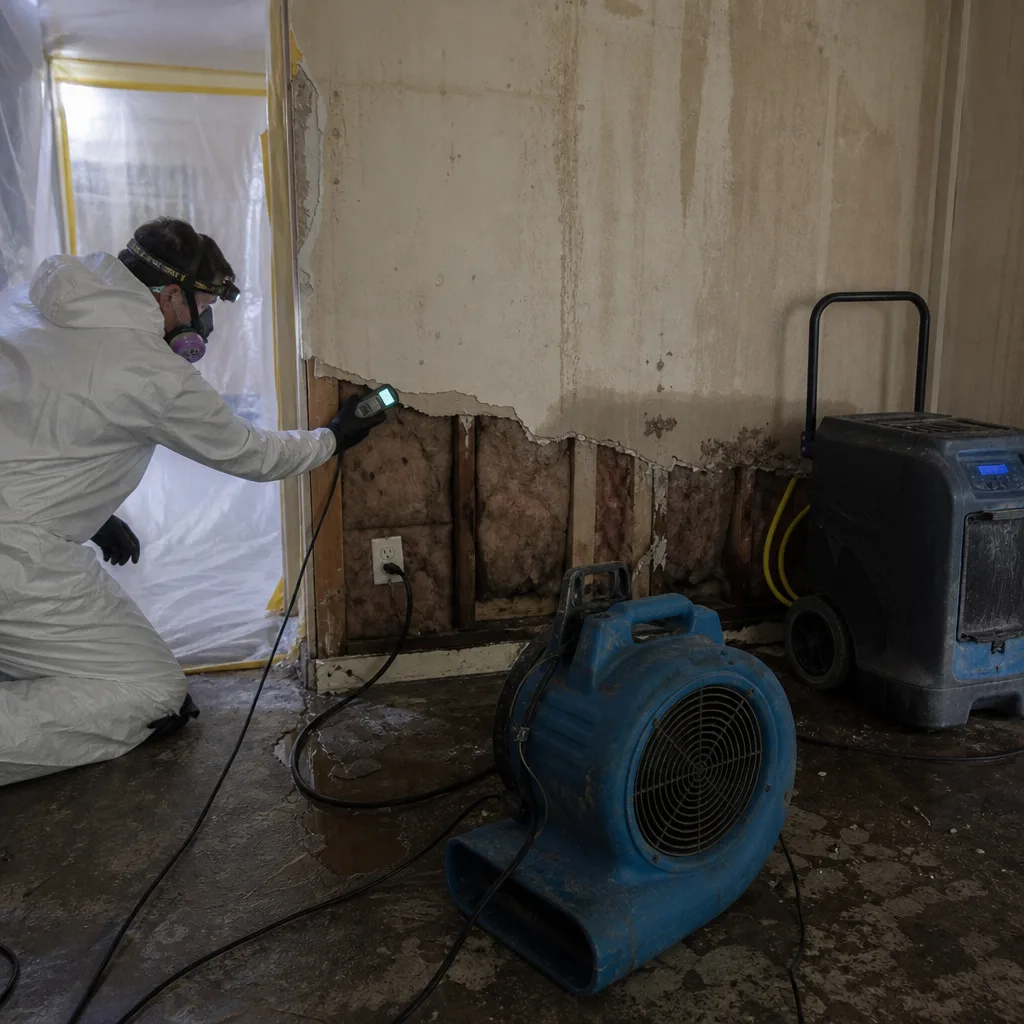 Before
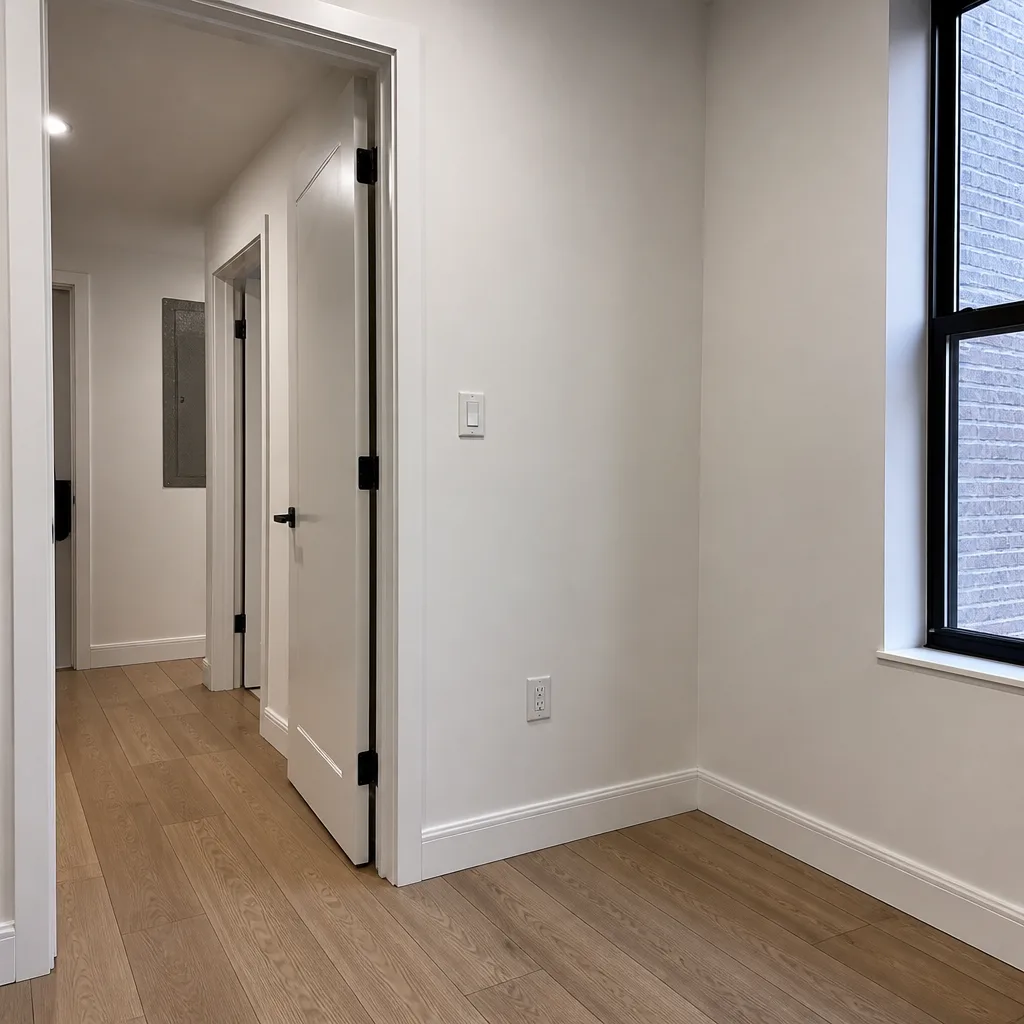 After
After24/7 Emergency Sewage Cleanup in Brooklyn Heights
Sewage backup in a Brooklyn Heights brownstone is a Category 3 water emergency, and waiting even a few hours lets contaminated water wick into original horsehair plaster, old-growth floorboards, and the rubble-stone party walls these rowhouses share. Call (518) 663-6491 and you’ll reach a live dispatcher, not a recording. We send a crew into Brooklyn Heights immediately, because the first hour determines whether we dry and preserve your original materials or watch them become a tear-out.
Our Sewage Cleanup crews carry professional-grade Dri-Eaz and Phoenix extraction and drying equipment, and they know what Landmarks Preservation Commission rules mean for a garden-level cellar with 1840s rubble-stone walls. You get a free visual inspection before any work is scoped, and a written plan before a single tool comes off the truck. Twenty-four hours a day, seven days a week, the phone is answered by a person who can dispatch a uniformed, background-checked technician to your block, whether that’s Remsen Street or Pierrepont Street or anywhere else in the Heights.
Understanding Sewage Cleanup Severity in Brooklyn Heights Properties
Not all water is the same, and sewage is the most dangerous class: Category 3, meaning it carries bacteria, viruses, and parasites from human waste. In a prewar rowhouse, that contaminated water does not sit politely on a tile floor. It moves down through original pine subfloors, into the void between joists, behind lath and horsehair plaster, and against party walls built of dry-laid rubble stone and lime mortar. We classify the loss, map the moisture with thermal imaging and hygrometers, and set containment before extraction begins.
Brooklyn Heights adds a complication most restoration crews never learn: the porous brownstone and the original cast iron sanitary lines. Salt-air winds off New York Harbor have spent a century eating at cast iron, and the high water table under the bluff pressures the joints from below. A sewage backup here is rarely a single isolated clog. It’s often the first symptom of a failing 19th-century waste line or a below-grade floor drain that the water table has backed up. Our crews read the water the way a doctor reads a chart, and we do not stop at the puddle.
Why Brooklyn Heights Property Owners Choose Floodline Restoration Co.
- 45-minute response commitment to Brooklyn Heights: We dispatch from the New York City office and crews know the Heights’ block-by-block access better than any franchise crew driving in from Queens.
- Live answer, 24/7: A real person picks up at 2 a.m. That person can send a truck. No answering service, no callback in the morning.
- IICRC-certified crews: Our technicians hold IICRC, RIA, and IFA certifications, including WRT and AMRT where the job calls for it, so structural drying and antimicrobial work are done to a documented standard.
- Free visual inspection: We look before we quote, and you get a written scope before any work starts. No surprises on the bill.
- Direct insurance billing: We photograph everything, log every moisture reading, and talk to your adjuster directly. You are never the messenger.
- One team from extraction to reconstruction: The same certified crew that extracts Category 3 water also dries, sanitizes, and rebuilds. No mid-job handoff, no inherited strangers in your house.
Our Sewage Cleanup Process
Inspection & Assessment
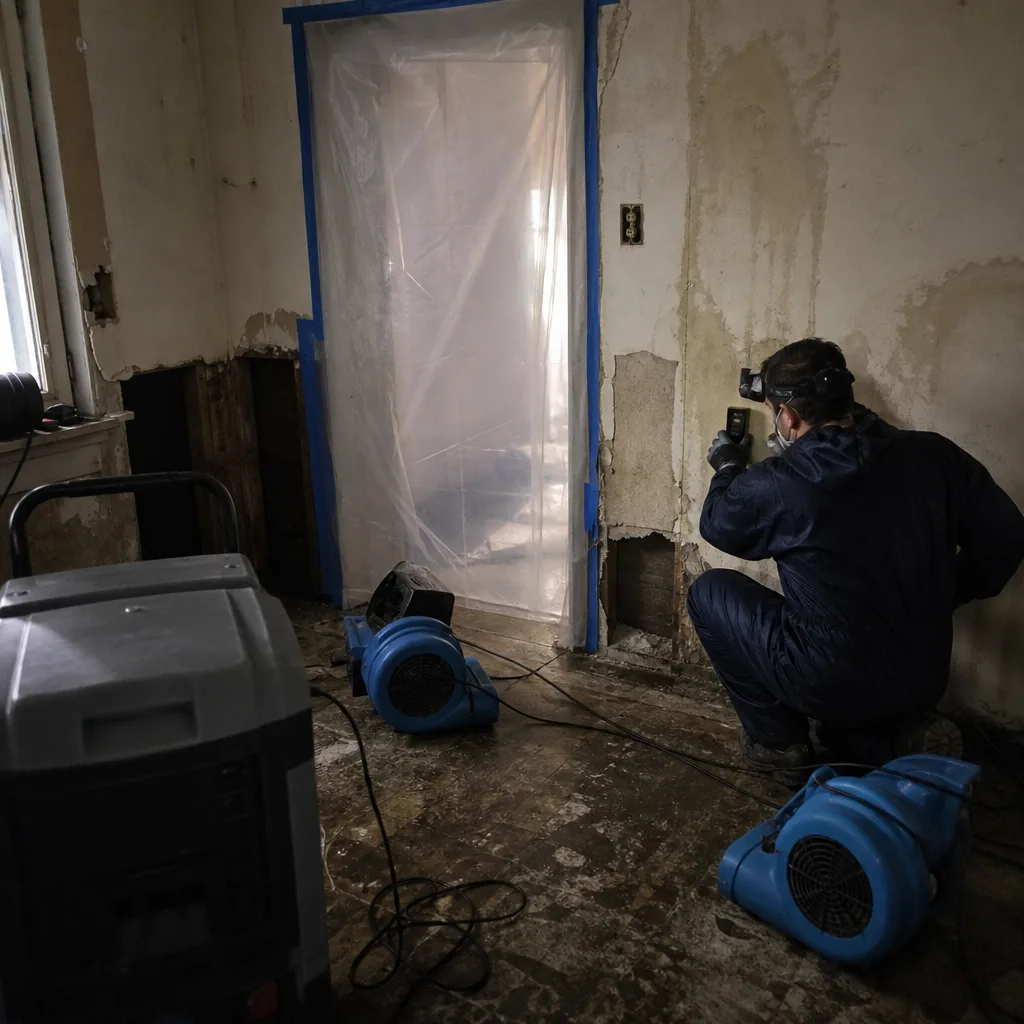
We trace the full path of the backup using thermal imaging and moisture meters, including inside wall cavities and under original floorboards. Every surface gets a Category 3 classification before we touch a valve.
Extraction / Stabilization
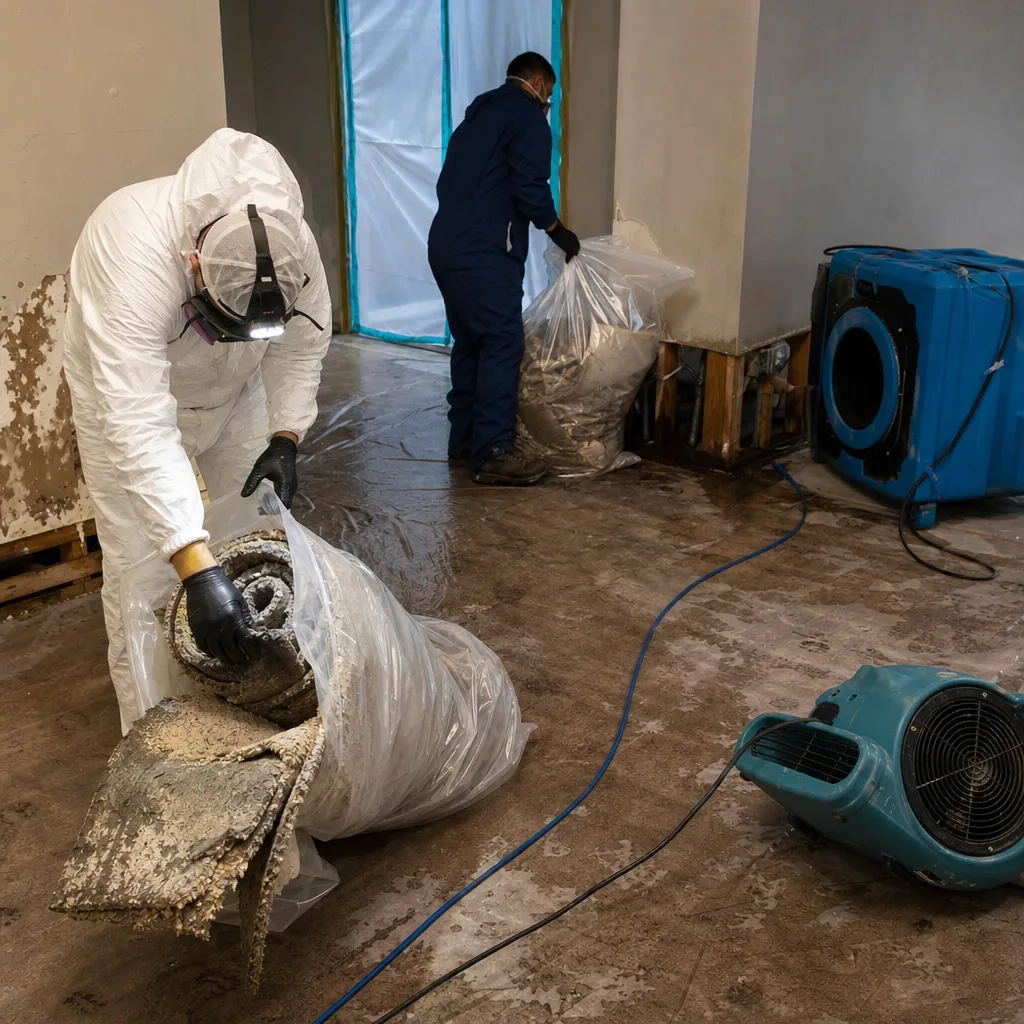
We remove contaminated water and solids with truck-mounted and portable extraction units. Affected porous materials are contained, not ripped out, unless they cannot be dried to a safe standard.
Drying & Dehumidification
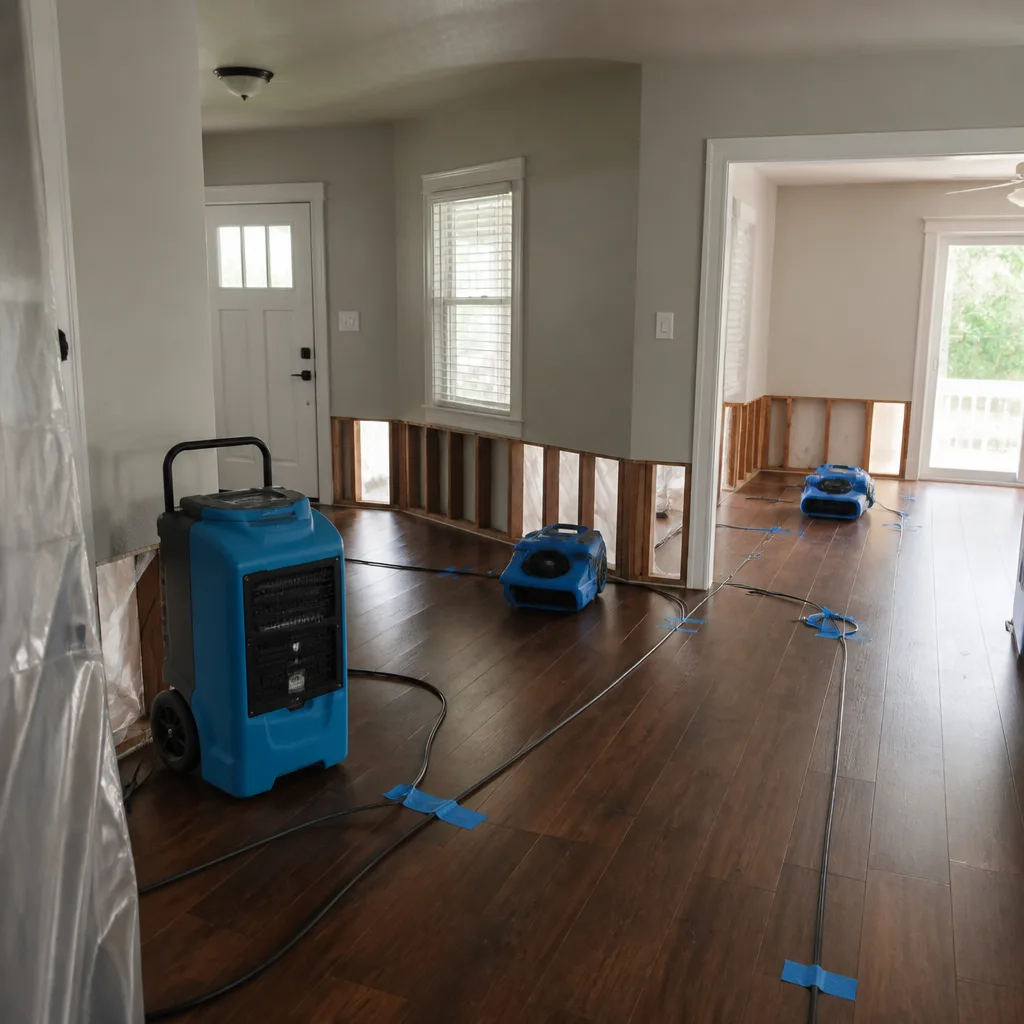
Dri-Eaz and Phoenix air movers and dehumidifiers run continuously from the first visit. Daily moisture readings are logged and shared with you and your insurer until the dry standard is met.
Cleaning & Sanitization
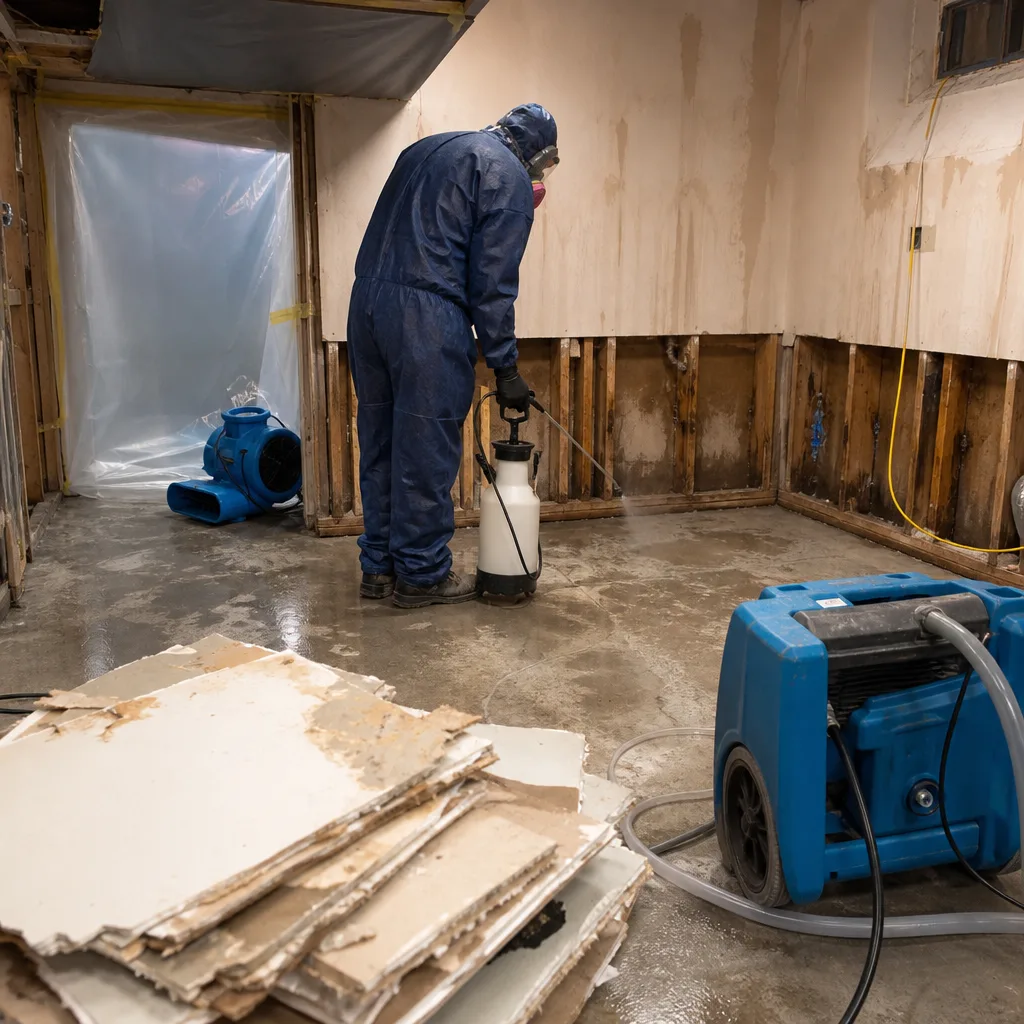
Affected surfaces receive antimicrobial treatment and are HEPA-vacuumed. We work around LPC-protected plaster and trim, preserving what can be saved and documenting what cannot.
Odor & Air Treatment
HEPA air scrubbers run during and after remediation to pull airborne contaminants out of sealed rooms. We clear the air, not mask the smell.
Repairs & Restoration
Damaged materials are dried, repaired, or replaced to pre-loss condition. The final moisture log, treatment record, and written scope go to you and your carrier.
Need Emergency Sewage Cleanup in Brooklyn Heights Now?
Crews minutes away, answering live 24 hours a day. The sooner we start, the less it costs.
Working With Your Insurance Company
Sewage backup claims in Brooklyn Heights move faster when the file is documented from the first hour. We photograph the damage room by room, record moisture readings before and during drying, and write a line-item scope that matches industry estimating standards. But the part that actually saves you the phone calls with your adjuster is this: we bill your carrier directly and speak with them on your behalf. Curt Bowman built Floodline Restoration Co. around a dispatch board, not a sales desk, and that philosophy extends to the paperwork. You get the same documentation we would hand to a Landmarks Preservation Commission review: thorough, specific, and honest.
What We Provide Your Insurer
- Thorough documentation of the loss
- Photos of all damage, room by room
- Moisture readings and drying logs
- A detailed, line-item scope of work
- Direct coordination with your carrier
Built for Brooklyn Heights’s Loss Calendar
Brooklyn Heights sees sewage losses on a schedule, and it is not random. January deep freezes push the East River cold into shallow ground, stressing cast iron waste lines that have already weathered a century of freeze-thaw cycles. That is the month we get calls about split pipes behind garden-level walls. In March and April, the water table under the bluff rises with snowmelt and nor’easter rain, backing up floor drains in below-grade cellars that have not seen a drop of water all winter. Summer thunderstorms send flash volumes through the combined sewer system, and the oldest lines at the bottom of the Heights fail first. Then October brings the first salt-air wind of the season, and with it, ground-floor sewer gas complaints from joints that dried and cracked all summer. The calendar does not care if a home is an 1820s Federal rowhouse or an 1880s Queen Anne brownstone. The plumbing is old, the ground is wet, and the harbor wind is patient.
Sewage Cleanup Across Brooklyn Heights’s Neighborhoods
The Heights is small, but the building stock changes from block to block, and so do the losses. Along Remsen Street and Joralemon Street, the brownstones sit tight, and we regularly work in cellars where the original rubble-stone foundation is still exposed. Garden-level sewage backups there need negative-air containment before extraction, because Category 3 aerosols travel fast through connected party walls. On the Columbia Heights cliffside, the wind off the harbor works on exterior stone, but down below, the water table works on basement floor drains. On Pierrepont and Montague Terrace, near the Promenade, the blocks are wider and the sewer laterals older; we see root intrusion in the clay pipe sections that were never replaced. And over by Hicks Street and Clark Street, the mixed rowhouses and small apartment buildings share waste stacks, so a backup in one unit is rarely that unit’s problem alone. Knowing which blocks are which is not trivia. It is the difference between a contained Category 3 event and a building-wide contamination.
During a garden-level sewage backup on Remsen Street, our crew set negative-air containment before extracting Category 3 water from a cellar with original rubble-stone walls. We ran Dri-Eaz air movers and dehumidifiers for structural drying, treated the surfaces with an antimicrobial, then documented the moisture readings and drying logs to show the pre-loss condition was restored without disturbing any LPC-protected surfaces. That is the standard on every block we serve, from the Promenade down to the BQE edge.
Specialized Sewage Cleanup Services We Offer in Brooklyn Heights
Sewage Backup Cleanup
When the waste line backs up into a garden-level brownstone floor, we first find where the water went, not just where it pooled. Category 3 water behind lime plaster and under old-growth pine subfloors does not dry on its own. We contain, extract, dry, and sanitize, then hand you a moisture log your insurer can read.
Black Water Extraction
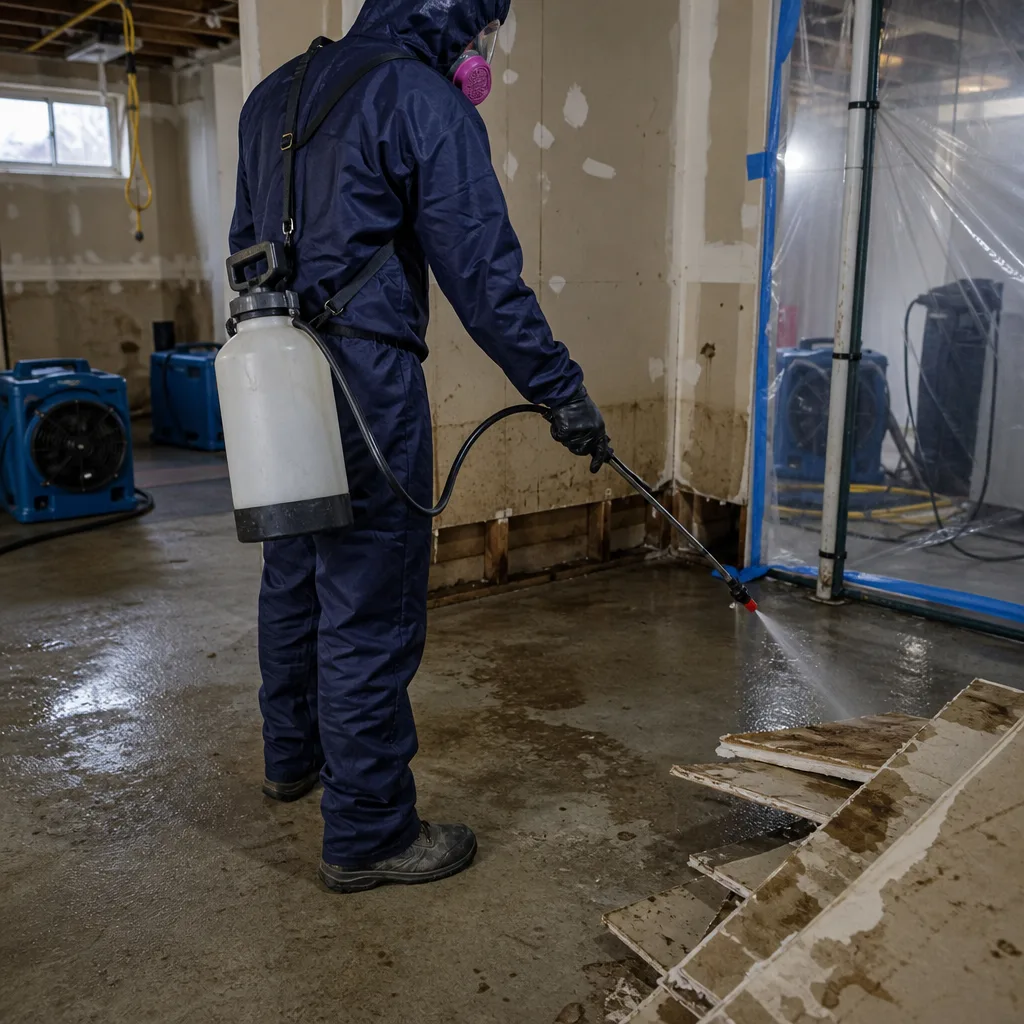
Black water is the most dangerous class of the three, and it belongs in a licensed handling process, never a mop bucket. Our extraction units pull it out fast, and our containment keeps the aerosolized contamination away from your living spaces while the drying equipment runs. You get a clean, documented end state, not a lingering smell.
Sanitization & Disinfection
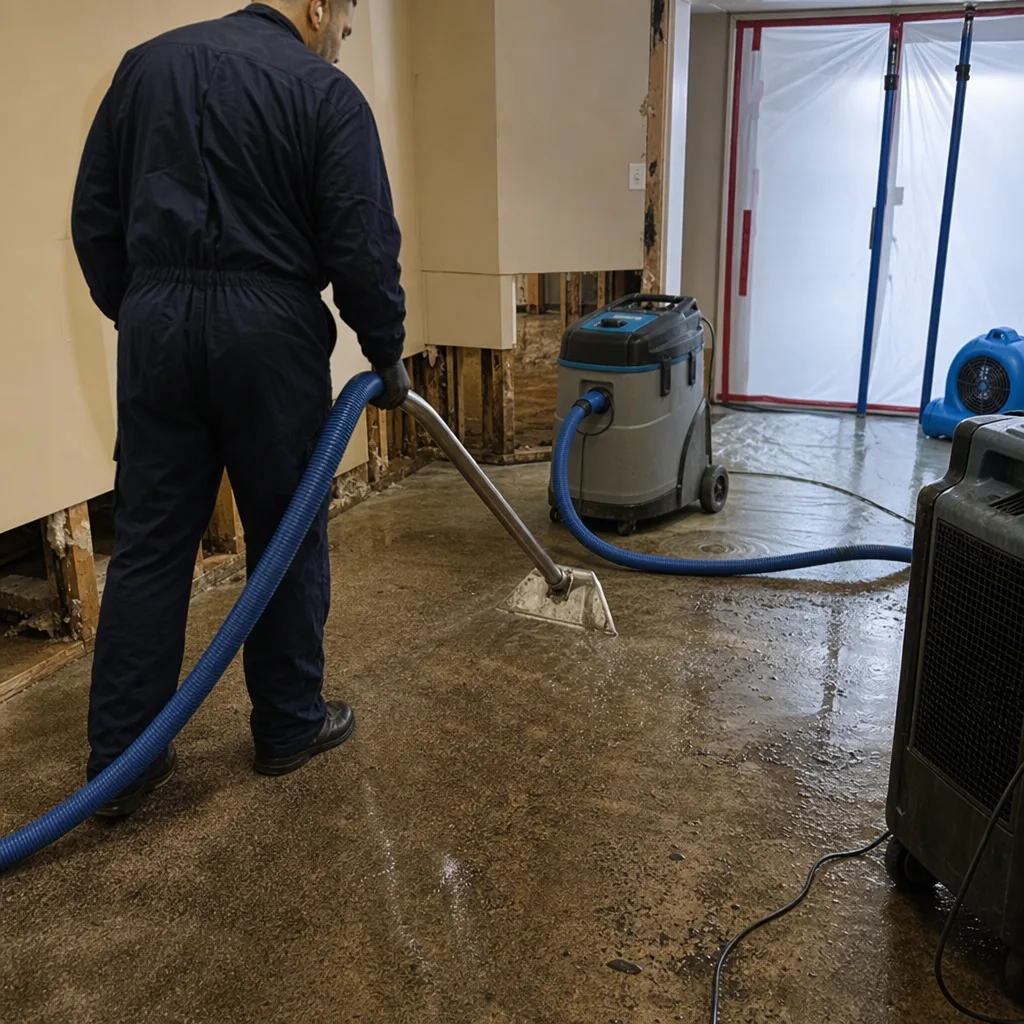
After the water is gone, the surfaces that were touched still hold what the water carried. We apply hospital-grade antimicrobial treatments to every affected surface, HEPA-vacuum the room, and run air scrubbers until the air clears. This is not a fragrance pass. It is a kill step, logged and photographed.
Toilet Overflow Cleanup
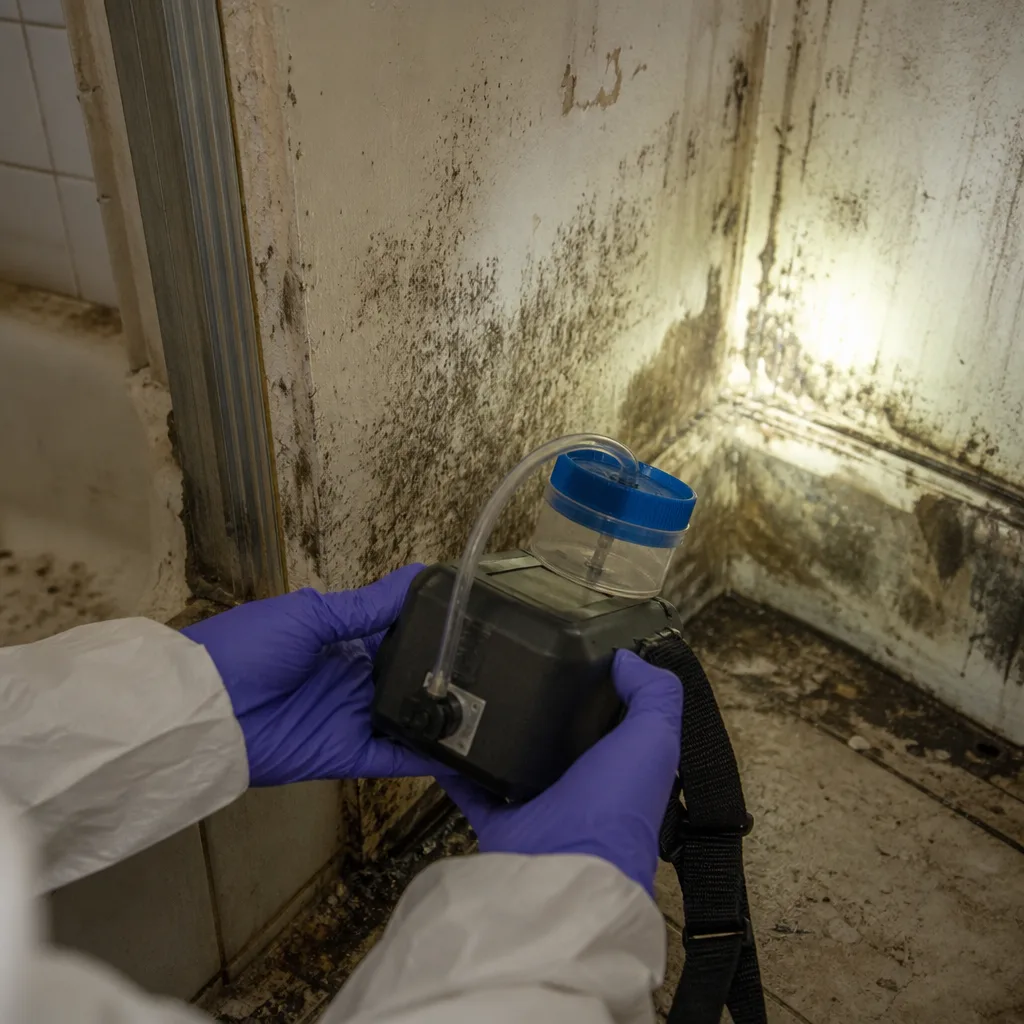
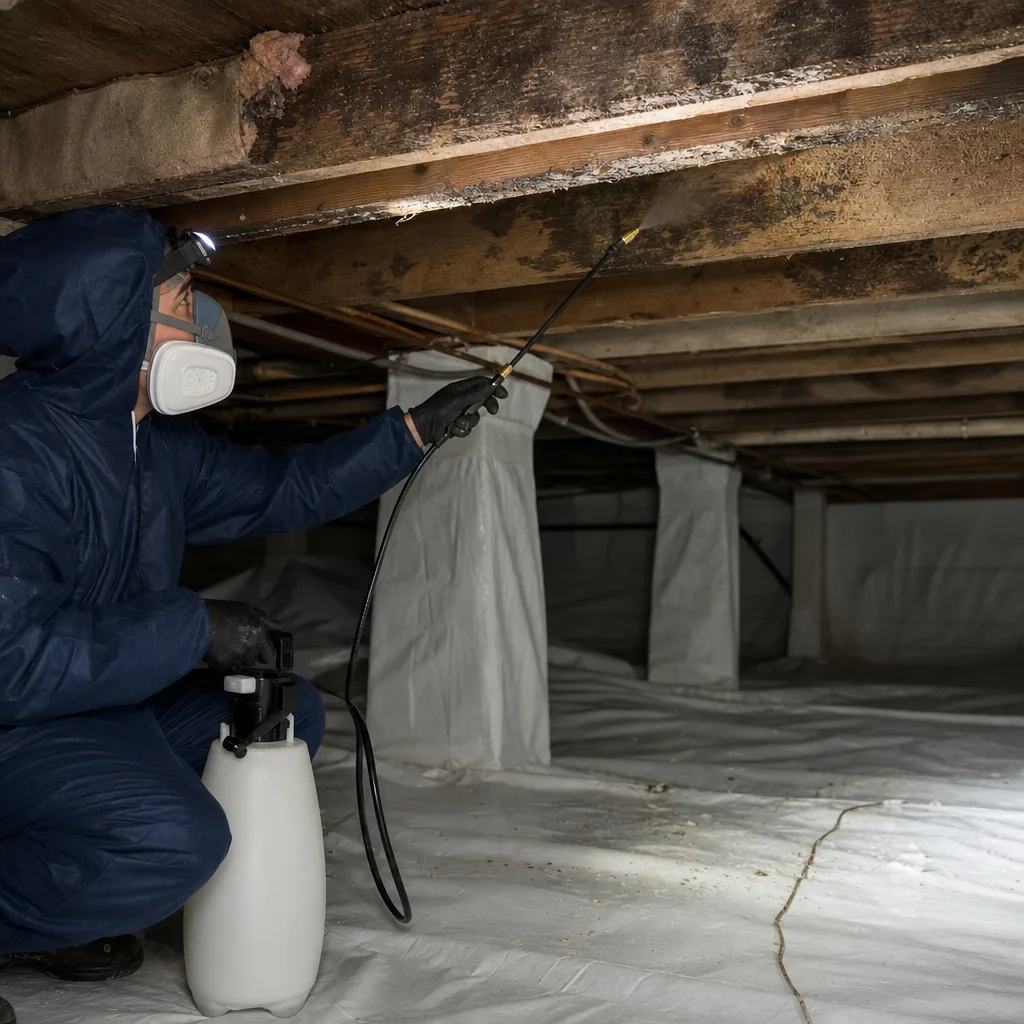
A toilet overflow in a first-floor powder room under an original staircase is a small job until the water finds the joist pockets. We extract fast, map the moisture in the surrounding floor and wall cavities, and dry to standard before the smell sets in. Less than a day in most townhouse bathrooms.
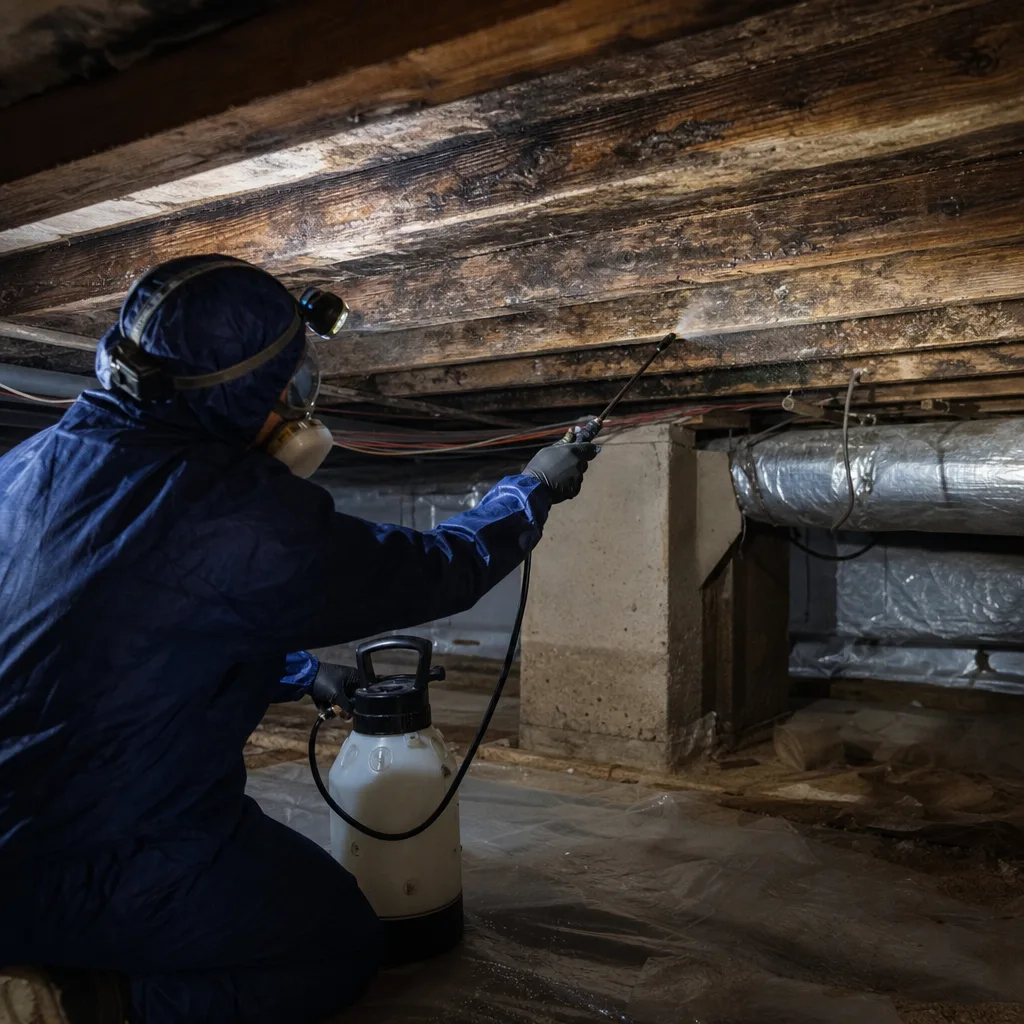
Septic Failure Cleanup
Few Brooklyn Heights homes are on septic, but a handful of the freestanding houses on the bluff’s edge still run private systems, usually ancient ones. When the septic fails, the backup behaves differently: slower, wetter, more ground-driven. We treat it as a full Category 3 event and document every reading.
What happens when you call
- 1
A real person answersNo phone trees - you reach a local pro.
- 2
You get an upfront price rangeHonest numbers before anyone is dispatched.
- 3
A background-checked tech heads outLicensed & insured, dispatched right away.
- 4
You approve before work beginsNothing starts until you say go.
Sewage Cleanup Costs in Brooklyn Heights, NY
A straight toilet overflow contained to one bathroom in a Brooklyn Heights rowhouse typically runs $900 to $1,600, including extraction, drying, and antimicrobial treatment. A garden-level sewage backup that has spread into a finished cellar with original plaster and wood usually lands between $3,200 and $7,500, depending on how many rooms are affected and whether LPC-protected materials require specialized drying instead of replacement. Black water extraction with full containment on a mixed rowhouse that shares a waste stack with neighbors runs $1,800 to $4,200 for the first visit, with structural drying billed separately based on the square footage and the dry standard. The honest variables are square footage, material porosity, and how long the water sat before we got there. The free visual inspection turns those variables into a written line-item scope before any work starts, and direct insurance billing means you are not floating the whole bill while the claim adjusts.
We Also Serve Cities Near Brooklyn Heights
Our crews regularly cross the bridges for sewage cleanup and water damage work in Financial District, Lower Manhattan, Washington Square, and Williamsburg. The buildings change; the standard does not.
Serving Brooklyn Heights, NY - Our Local Coverage Area
We’re based in the Brooklyn Heights area and know this community well. Use the map below to see our service coverage - if you’re nearby, we can almost certainly help.
Brooklyn Heights Sewage Cleanup Questions, Answered
How does sewage cleanup in a Brooklyn Heights brownstone differ from a modern DUMBO condo after a backup?
In a brownstone, we work to preserve original materials, horsehair plaster, wide-plank floors, and rubble-stone party walls, under Landmarks Preservation Commission scrutiny, instead of ripping everything to studs and replacing it as a modern condo job might. The drying and containment work is more careful, and the documentation has to hold up to LPC review. Call (518) 663-6491 and we’ll walk you through what your specific rowhouse needs.
Can I dry out my 19th-century cast iron sewer pipe after a leak instead of replacing it?
You can dry the surrounding structure, but a cracked or rotted cast iron waste pipe itself is not something you dry back to service; the pipe needs repair or replacement, and in a historic district, the repair method often matters as much as the fix. We assess the pipe and the surrounding stone, plaster, and wood, and we scope what is salvageable versus what must be replaced. Call us for a straight answer.
What is the ‘right’ moisture content for LPC-approved brownstone after a sewage backup?
Brownstone and the lime mortar around it are best kept in a stable, dry range; we target the dry standard our meters confirm, not an arbitrary number, and we log readings daily until the stone is stable and the surrounding wood is below the mold risk threshold. The goal is a structure that will not spall, crack, or grow mold, and a log your insurer and LPC can both read. Call (518) 663-6491 and we’ll explain it on site.
How does the high water table under Brooklyn Heights affect sewage backup cleanup?
The high water table means below-grade spaces dry more slowly, and it pushes groundwater into floor drains and around old sewer laterals, so a backup is more likely to be a recurring condition than a one-time clog. We dry to the dry standard, not to a calendar, and we document the difference. Call us and we’ll assess your specific below-grade exposure.
Do I need Landmarks Preservation Commission approval for sewage damage repairs in my Brooklyn Heights row house?
For interior drying and sanitization, typically no. For any exterior repair, any change to a protected facade, or any removal of significant original interior fabric, the answer is often yes, and we help you determine which applies before work starts. We coordinate with LPC requirements and document what we do. Call (518) 663-6491 for a no-cost assessment.
How fast can a crew reach my Brooklyn Heights address?
We commit to a 45-minute response for Brooklyn Heights, and because we dispatch from the New York City office and not a distant franchise hub, that number is honest. A live dispatcher answers around the clock, and extraction starts on the same visit.
Will my homeowner’s insurance cover sewage backup in Brooklyn Heights?
Many policies cover sudden and accidental sewage backup, but coverage language differs by carrier, and we help by documenting everything from the first hour so the claim file is complete without you having to negotiate with the adjuster by yourself. We photograph, we log, and we bill directly.
Can my family stay in the house during sewage cleanup?
That depends on where the Category 3 water went and how much of the living space is affected. We use containment and HEPA air scrubbers to isolate the work area, but if the contamination crossed into bedrooms or the kitchen, we’ll tell you plainly when it is safer to be elsewhere for a night. Your health comes first, no exceptions.
Ready for a straight answer and a square deal? Call Floodline Restoration Co. today at (518) 663-6491 for a free visual inspection and a written scope before any work begins. We serve Brooklyn Heights 24 hours a day, seven days a week, and we stand behind every job with the 90-Day Done Right Promise. That promise is in writing, and it is not negotiable.
Written by Curt Bowman, Owner at Floodline Restoration Co., serving Brooklyn Heights with sewage cleanup, water damage restoration, and full reconstruction.