
Free visual inspection and a written scope of work before any mitigation begins - photos, moisture readings, and drying logs go in your claim file
The scope we write is the scope we bill. Anything new gets shown to you, in writing, before we touch it.
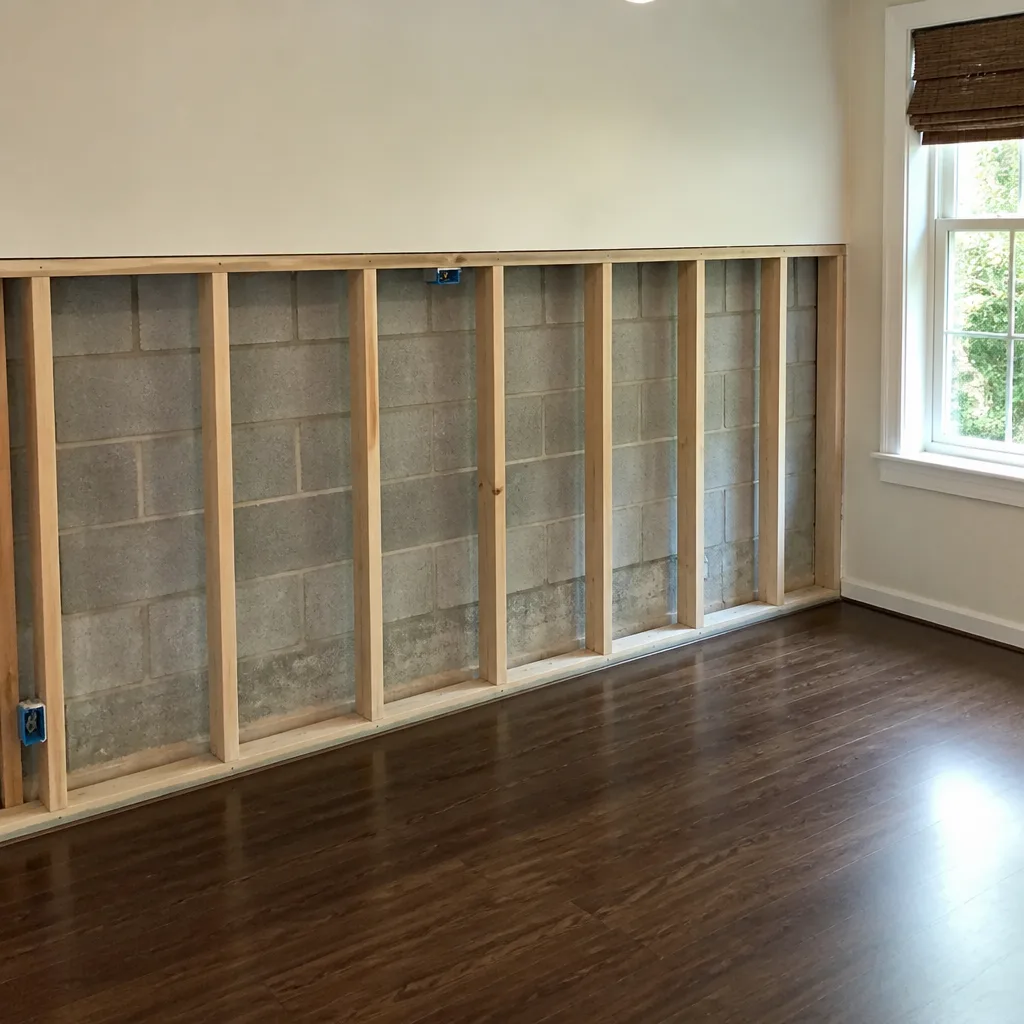
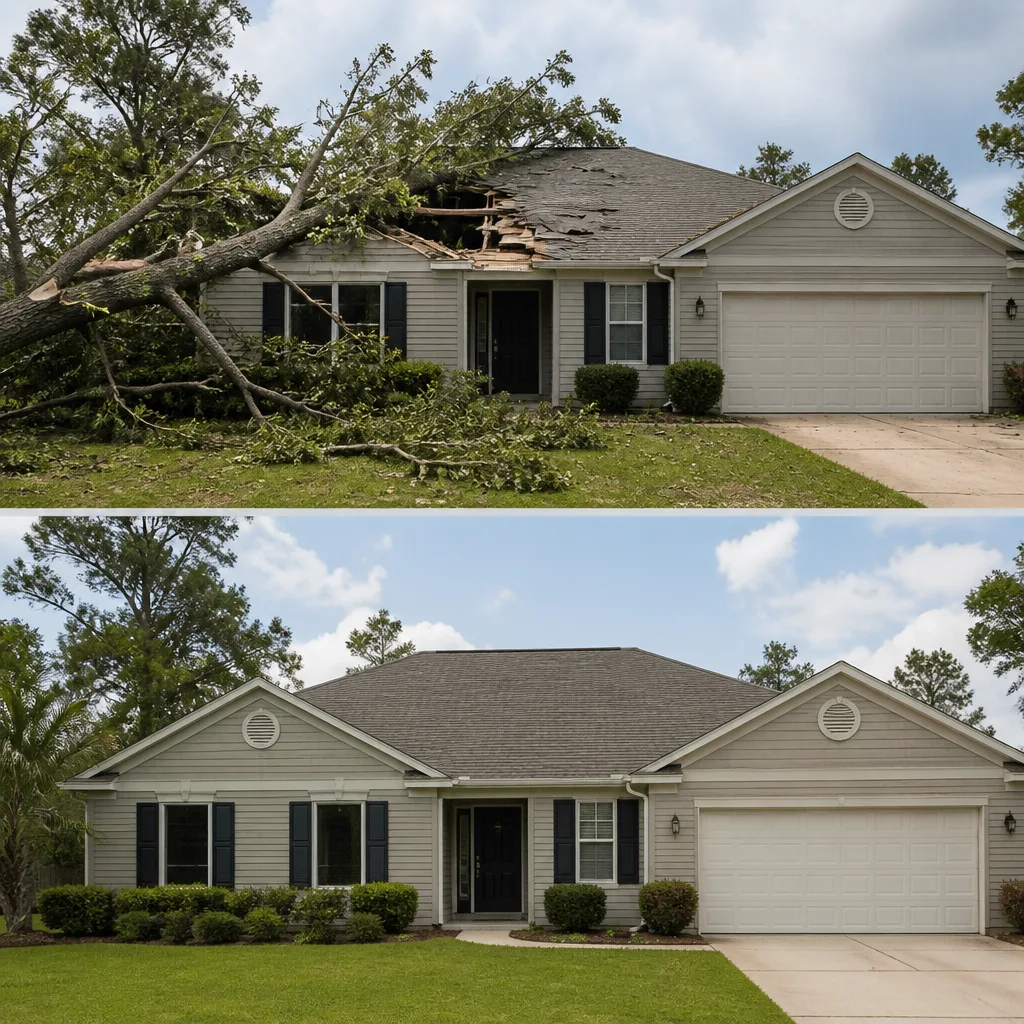
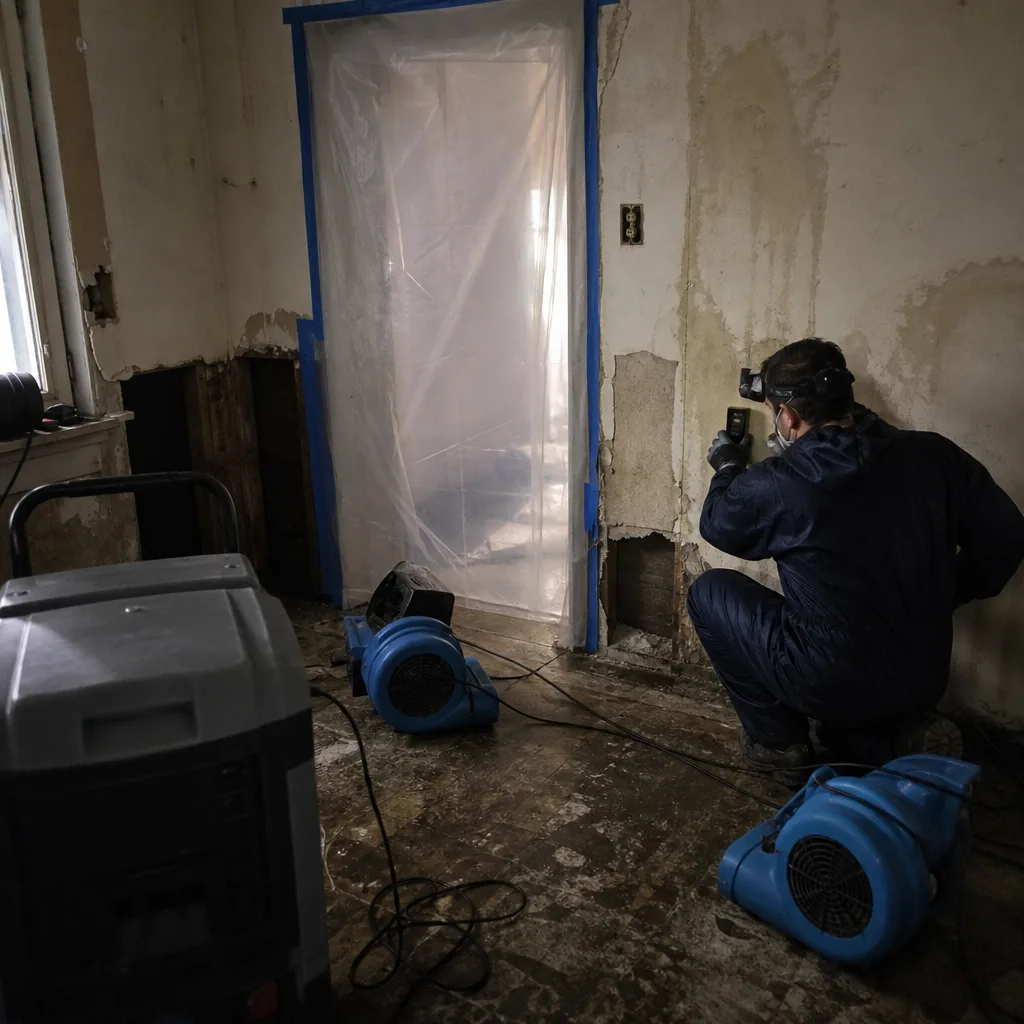 Before
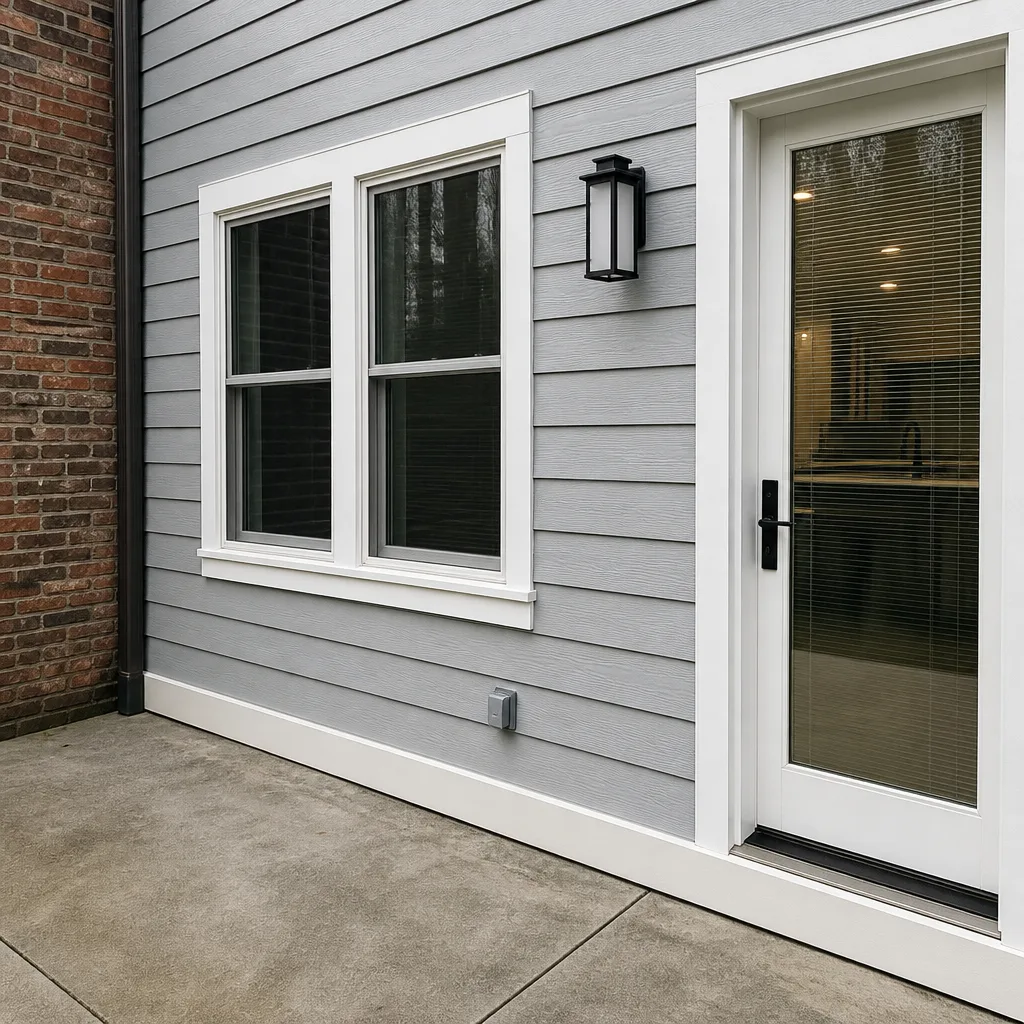 After
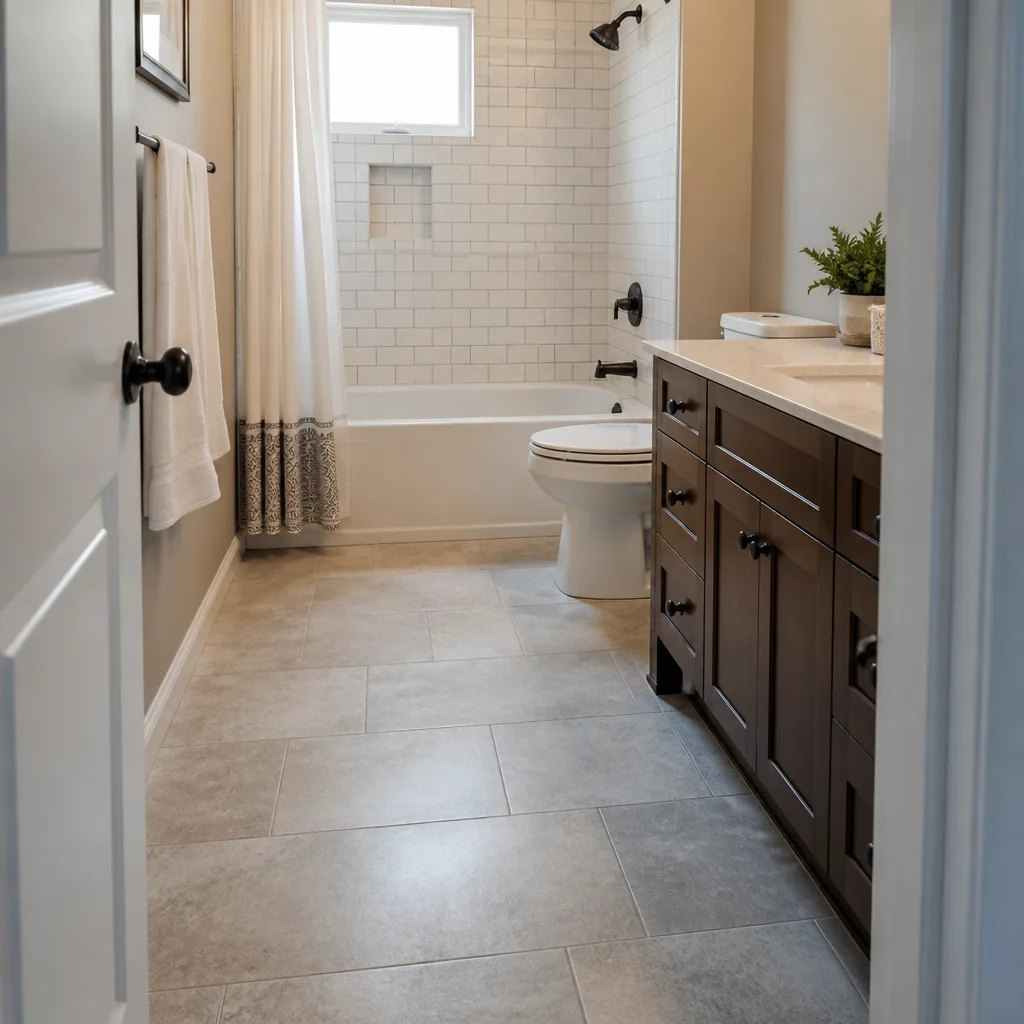
After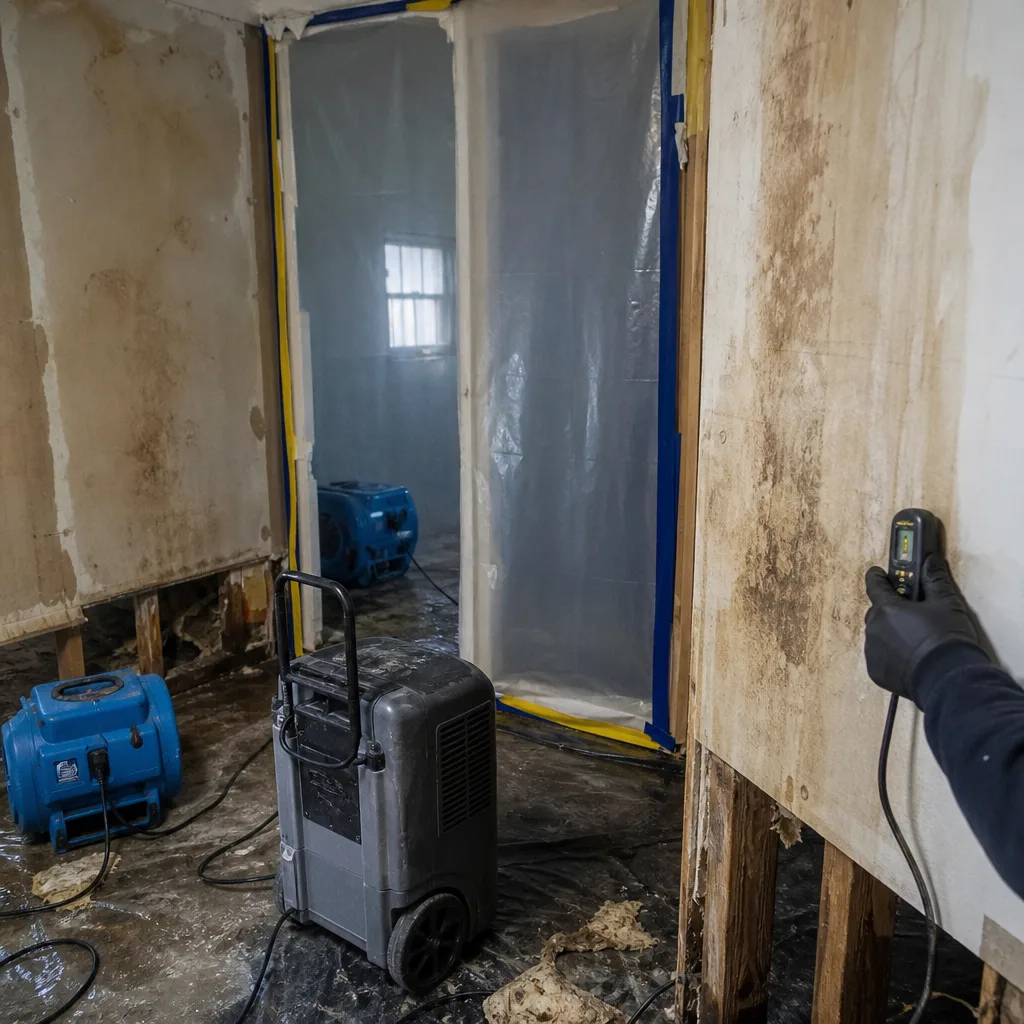 Before
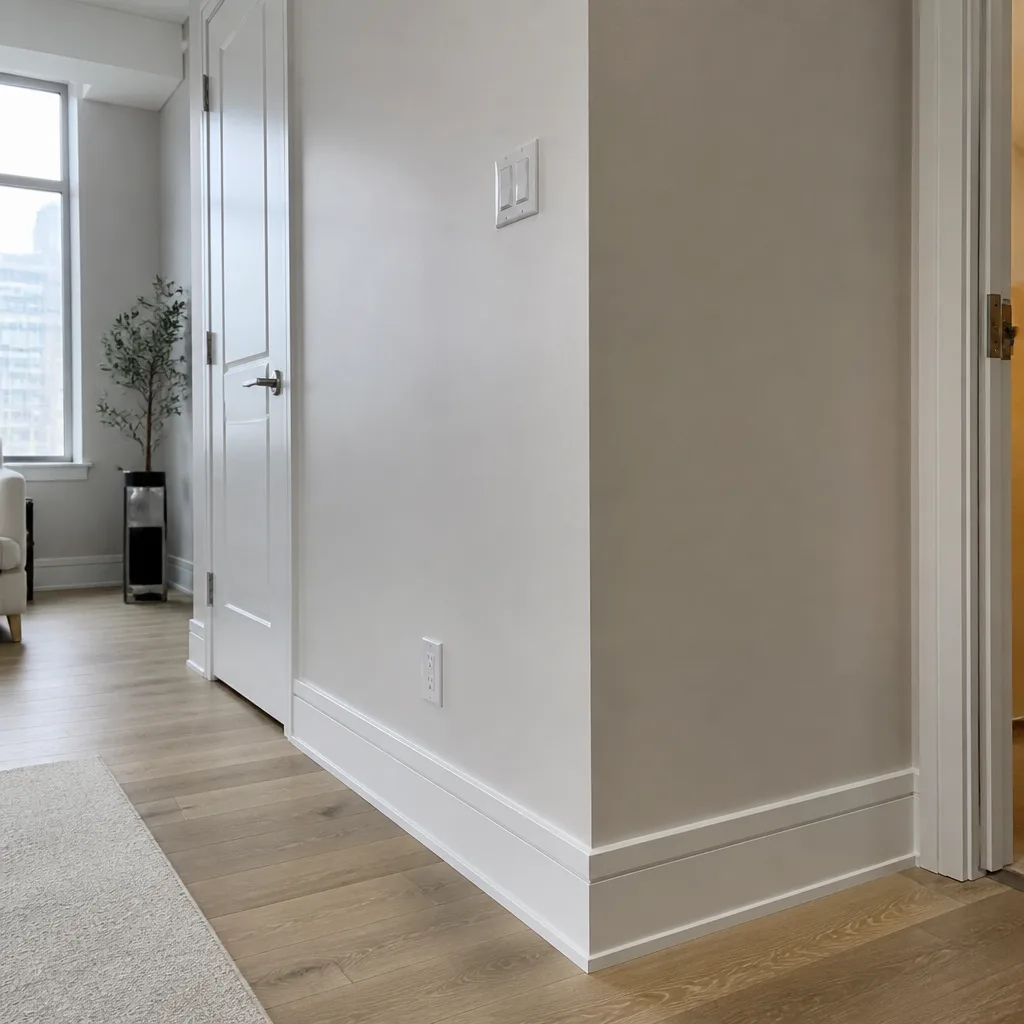 After
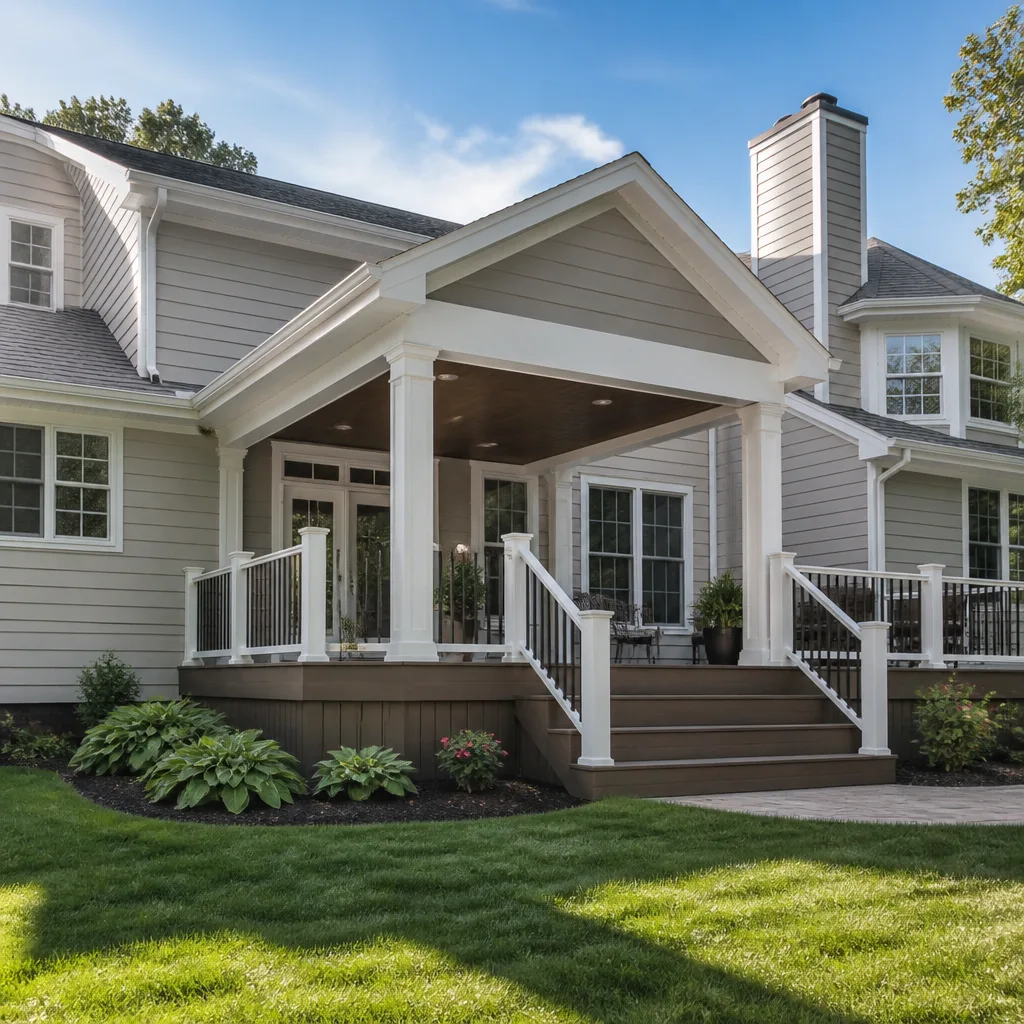
After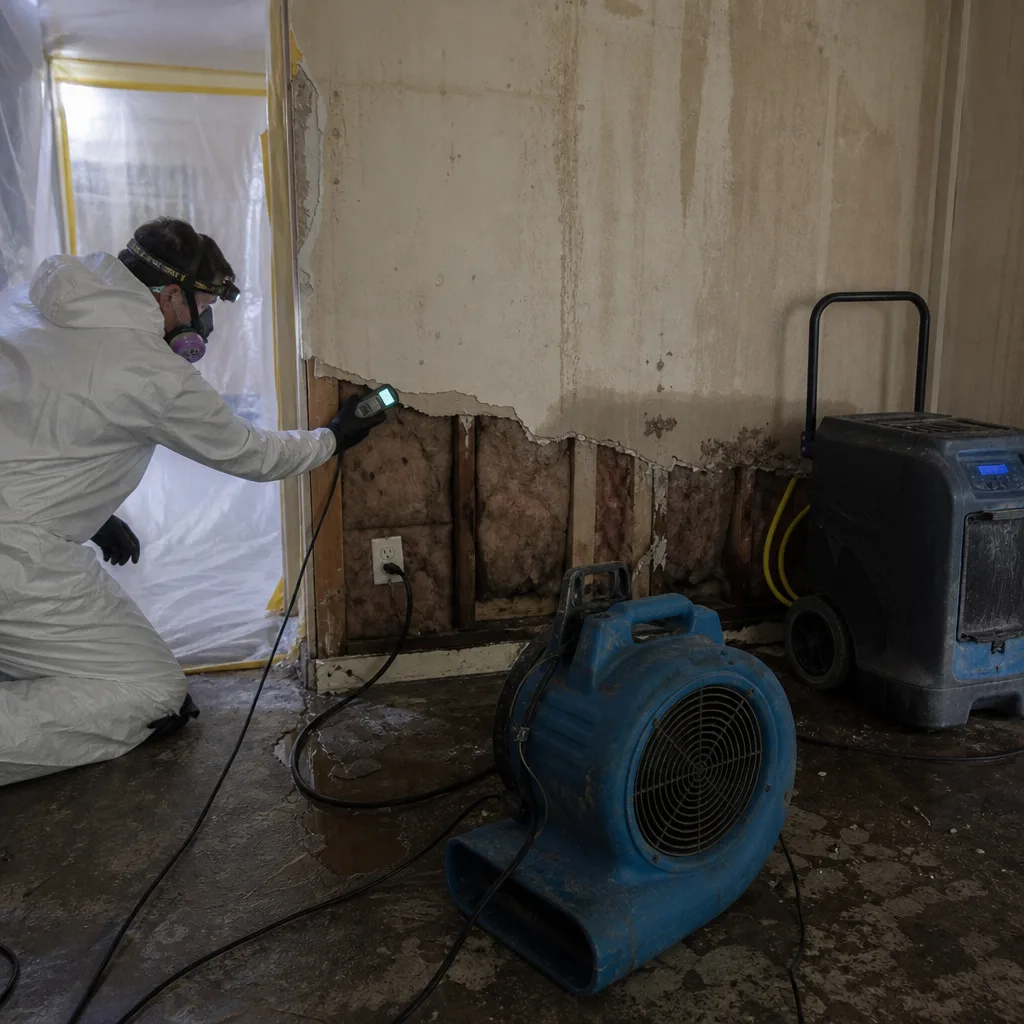 Before
 After
After24/7 Emergency Reconstruction & Cleanup in Jersey City
When water, fire, or sewage hits a Jersey City property, the first call should be to a crew that answers live at any hour. Floodline Restoration Co. dispatches certified teams across Jersey City, from the waterfront high-rises to the brownstones off Bergen Avenue, and the first visual inspection is free. Call (518) 663-6491 the minute you see damage. The faster we get equipment running, the less structural loss you’ll face, and the less likely a Category 2 leak becomes a Category 3 cleanup. In this city’s dense rowhouse stock, an hour of unchecked water migration can push a small pipe burst into a four-unit claim.
We don’t hand your job off to a subcontractor after emergency extraction. Our Reconstruction & Cleanup team handles every phase, from first mitigation to final trim, so nobody inherits a half-dried building and nobody blames the other crew. That continuity is rare in Jersey City, and it changes how smoothly a claim closes.
Understanding Reconstruction & Cleanup Severity in Jersey City Properties
Jersey City’s building stock makes severity assessment different from the suburbs. You’re looking at late-19th to mid-20th century brick brownstones, three- and four-story tenements, and converted lofts, many with original plaster walls, hardwood floors, and galvanized pipe that has been underground for a century. A single pipe burst in a top-floor unit tracks through shared party walls and ceilings into three or four stacked apartments. That’s Category 1 water becoming Category 2 in under 24 hours, and the scope expands from drying to full reconstruction fast.
Moisture mapping matters here more than anywhere in the region. Plaster wicks differently than drywall; brownstone brick holds humidity for weeks if not read correctly. We use thermal imaging and Dri-Eaz hygrometers to find what the eye can’t see. For sewage backups, we treat every 07302 basement loss as Category 3 until proven otherwise, because Jersey City’s combined stormwater-sewer system regularly pushes raw sewage into garden-level units during ordinary rainstorms. That means containment, antimicrobial treatment, air scrubbing, and a removal protocol a standard basement-flood crew wouldn’t run. We run it weekly.
Why Jersey City Property Owners Choose Floodline Restoration Co.
- 45-minute response commitment. When you call from Paulus Hook or the Heights, a jersey-clad field supervisor is on the road immediately, not after a call center triage.
- 24/7 live answer, always a person. Two in the morning, you get a dispatcher on the line, not a voicemail tree. We dispatch when you call.
- IICRC-certified crews. Our technicians hold WRT (Water Damage Restoration), FSRT (Fire & Smoke), and AMRT (Applied Microbial Remediation) certifications, trained to IICRC, RIA, and IFA standards.
- Free visual inspection. Before any work begins, we walk the property with you, explain what we’re seeing, and give you a written scope. No pressure, no jargon.
- Direct insurance billing. We bill your carrier directly and send them the moisture logs, photos, and line-item scope, so you aren’t the middleman.
- One team, extraction to reconstruction. The same supervisor who reads the moisture map on day one signs off on the rebuilt wall. No handoffs, no inherited crews.
Our Reconstruction & Cleanup Process
Inspection & Assessment
We map the damage, identify the water category, and photograph everything before touching a stud. In attached Jersey City row houses, we inspect adjacent units for migration through shared walls.
Extraction & Stabilization
Truck-mounted extraction pulls standing water fast. We stabilize drywall that can be saved and cut out what can’t. Safety and structural integrity come first.
Drying & Dehumidification
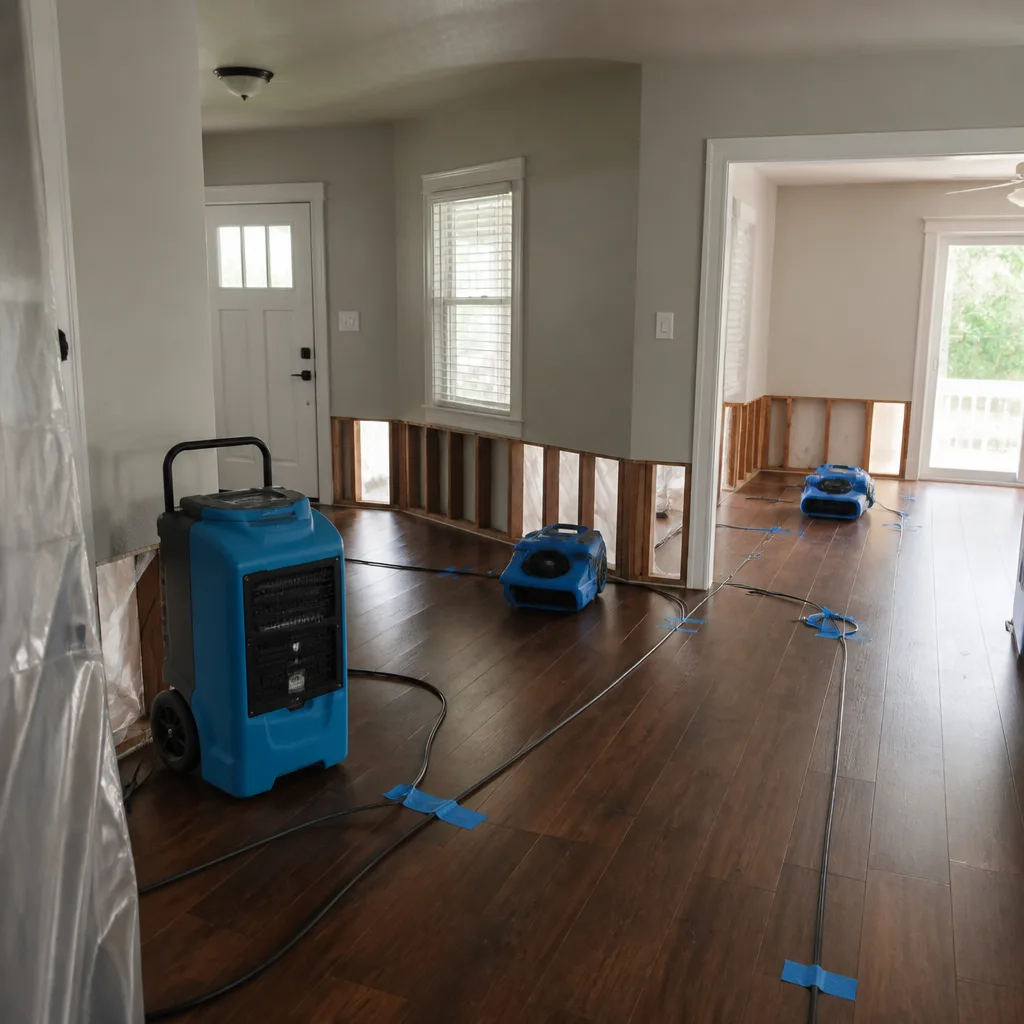
Dri-Eaz dehumidifiers, XPOWER air movers, and Injectidry systems for wall cavities. Daily moisture readings logged until the dry standard is met. You get the log.
Cleaning & Sanitization
HEPA air scrubbers run for sewage and mold jobs. We treat surfaces with antimicrobials where Category 3 water was present, and we clean what can be cleaned rather than replacing everything.
Storm & Saltwater Specialty Treatment
For Hudson River surge losses, we run corrosion assessment on fasteners and cast-iron pipe, flush brackish residue from framing, and apply salt-specific drying protocols.
Repairs & Restoration
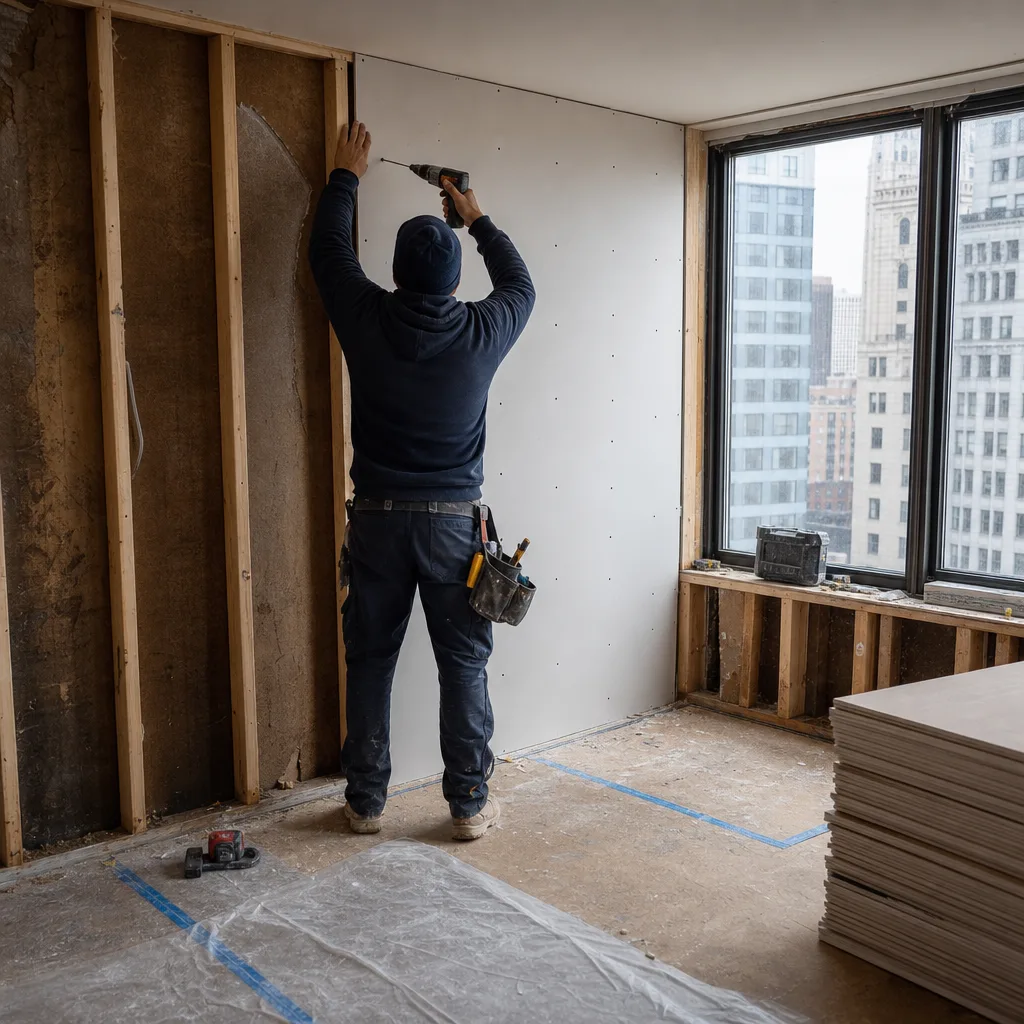
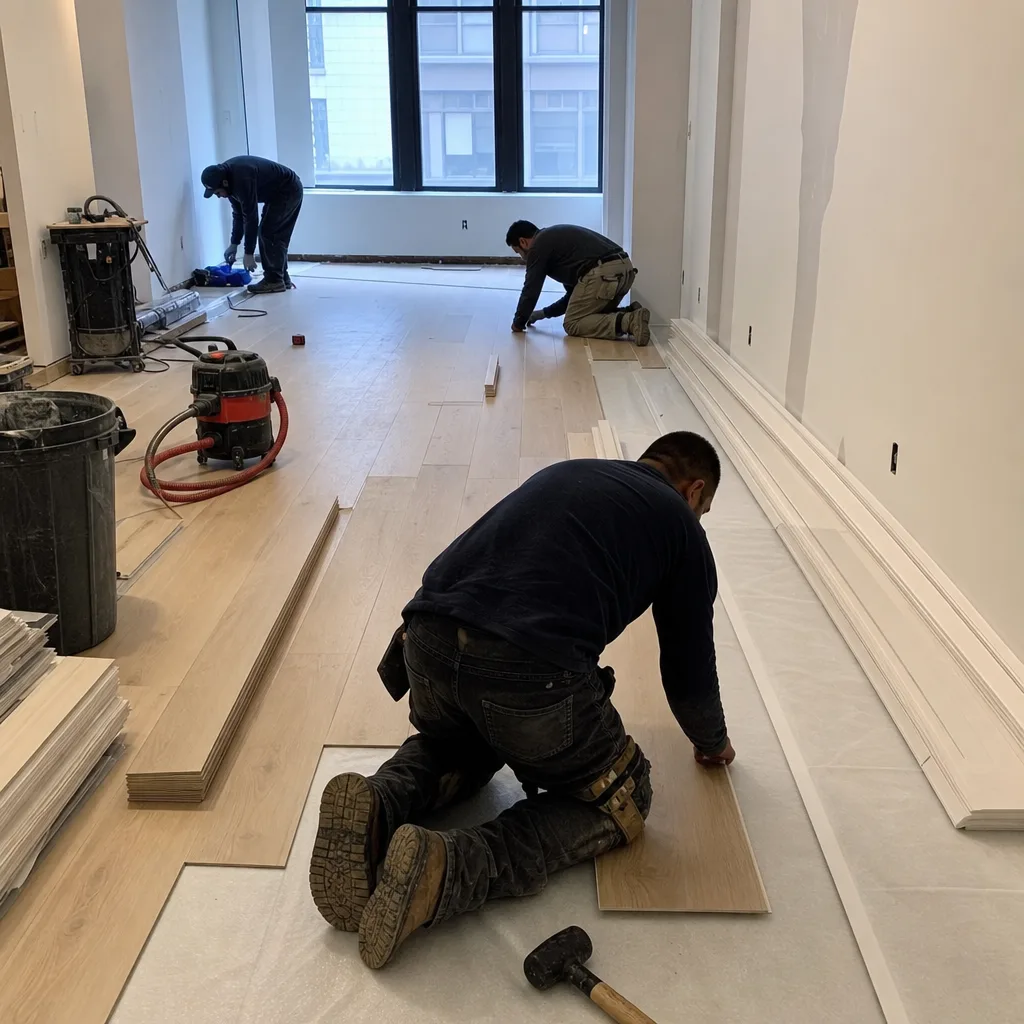
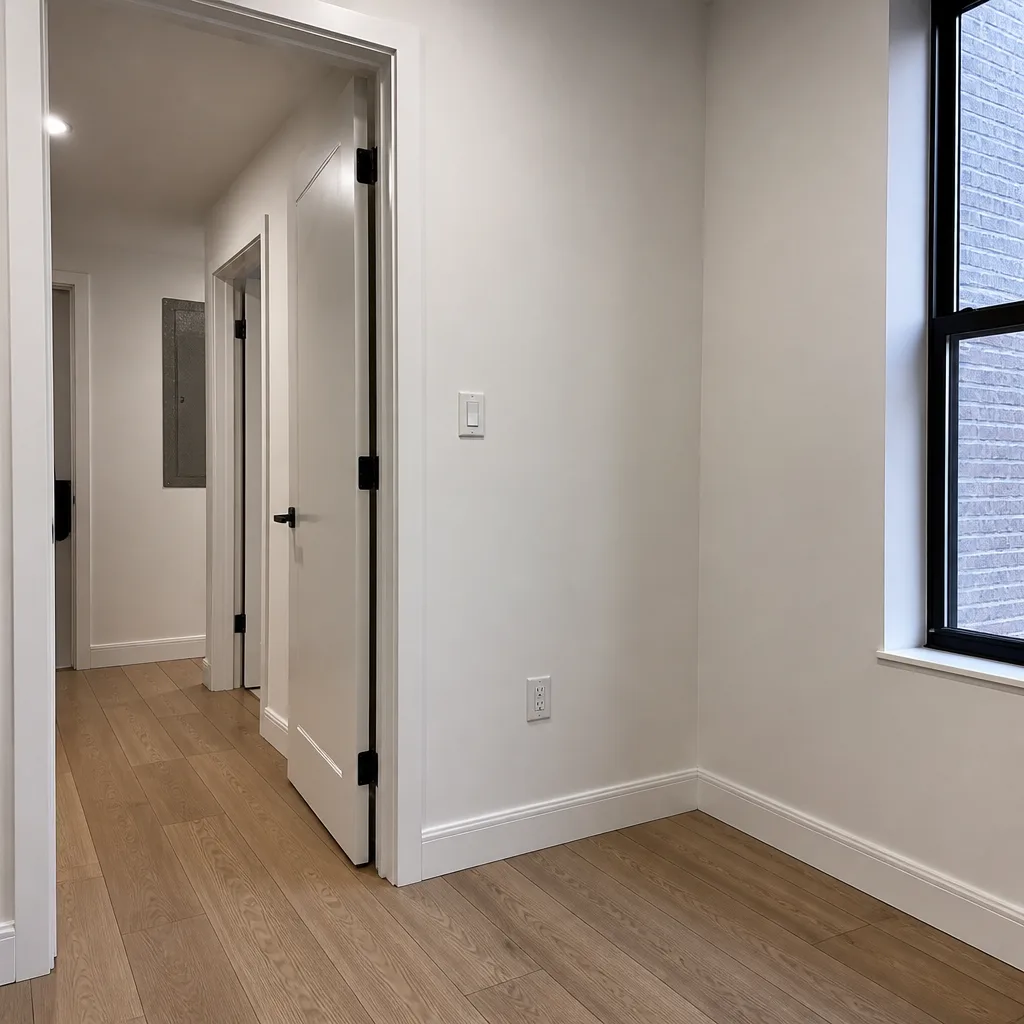
Drywall, flooring, paint, trim, doors, and full reconstruction. The same crew that ran extraction now rebuilds. We finish with a written completion report and the 90-Day Done Right Promise.
Need Emergency Reconstruction & Cleanup in Jersey City Now?
Crews minutes away, answering live 24 hours a day. The sooner we start, the less it costs.
Working With Your Insurance Company
Jersey City claims are rarely simple. Between NFIP documentation on waterfront losses and multi-party claims in attached buildings, your file has to be airtight from the first hour. We build that file as we work: photos before we move anything, moisture readings from day one, line-item scope written the way adjusters expect, and daily logs that show exactly when the dry standard was met. We talk directly with your carrier and adjuster, so you don’t spend your evenings on hold. When you hire our Reconstruction & Cleanup team, we represent your claim consistently from mitigation through rebuild.
What We Provide Your Insurer
- Thorough documentation of the loss
- Photos of all damage, room by room
- Moisture readings and drying logs
- A detailed, line-item scope of work
- Direct coordination with your carrier
Built for Jersey City’s Loss Calendar
Jersey City makes its own weather. January deep freezes burst supply lines in unheated basements and garden units all over the West Side. Spring thaw pushes groundwater into those same half-below-grade spaces, especially anywhere the original clay or brick foundation has shifted over a hundred years. Summer thunderstorms overwhelm the combined sewer outfalls, and the 07302 and 07097 low-lying grid backs up fast, sending Category 3 water into basements on a Tuesday afternoon, not just during tropical storms. Nor’easters and fall hurricanes funnel directly into Upper New York Bay, pushing brackish Hudson surge over bulkheads at Exchange Place and Newport. We keep crews staged through storm season because we know the calendar. A failing roof membrane on a pre-war rowhouse in Bergen-Lafayette is a fall classic. A frozen supply line on a third-floor radiator feed in the Heights is a January staple. This is not a market for generic restoration schedules.
Reconstruction & Cleanup Across Jersey City’s Neighborhoods
Downtown Jersey City, 07302, is our most frequent corridor. Grove Street, Newark Avenue, and the blocks around Hamilton Park are dense with converted brownstones and older multi-families, many sharing original party walls and cast-iron waste stacks. We run sewage containment in garden-level units there at least once a week during wet season. The Heights, 07307, has more single-family rowhouses with original wood joists and shallow crawlspaces; we see failed water heaters and supply-line bursts that migrate through heart-pine flooring. Greenville and the West Side trade in three-story frame tenements with newer drywall but older mechanicals, where moisture hides in unventilated closets and behind vinyl replacement windows. On the waterfront at Newport and Exchange Place, we’re in high-rise units with modern construction and building-management protocols, usually for sprinkler discharges, dishwasher supply failures, and post-Sandy build-outs where a humid balcony enclosure finally fails. Each area has its own response route and its own typical loss. We know them all.
Specialized Reconstruction & Cleanup Services We Offer in Jersey City
Full-Service Reconstruction
From stripped studs to finished paint, our crew rebuilds what water, fire, or sewage damaged. In Jersey City’s old multifamily buildings, we handle structural repairs alongside finish work: sistered joists, replaced subfloor, re-plastered brownstone walls, and rebuilt stair stringers. Done right, and backed in writing.
Drywall & Flooring Repair
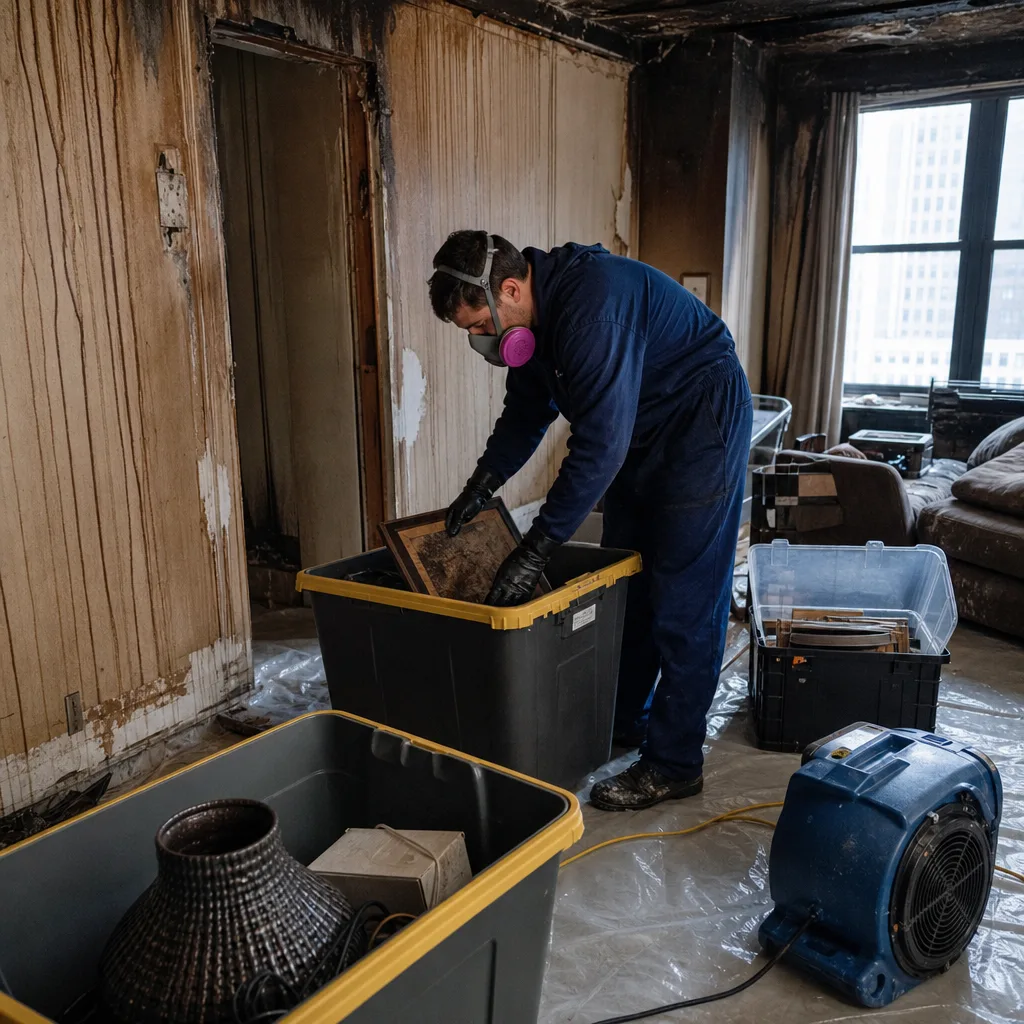
Jersey City homes have too many wall and floor assemblies to treat them all the same. Dense-plaster over lath, modern drywall, hardwood over sleepers, tile on mud, floating vinyl. We cut, dry, patch, and replace to match the original plane, then finish so you don’t see the seam, and prime so the texture matches.
Contents Restoration & Pack-Out
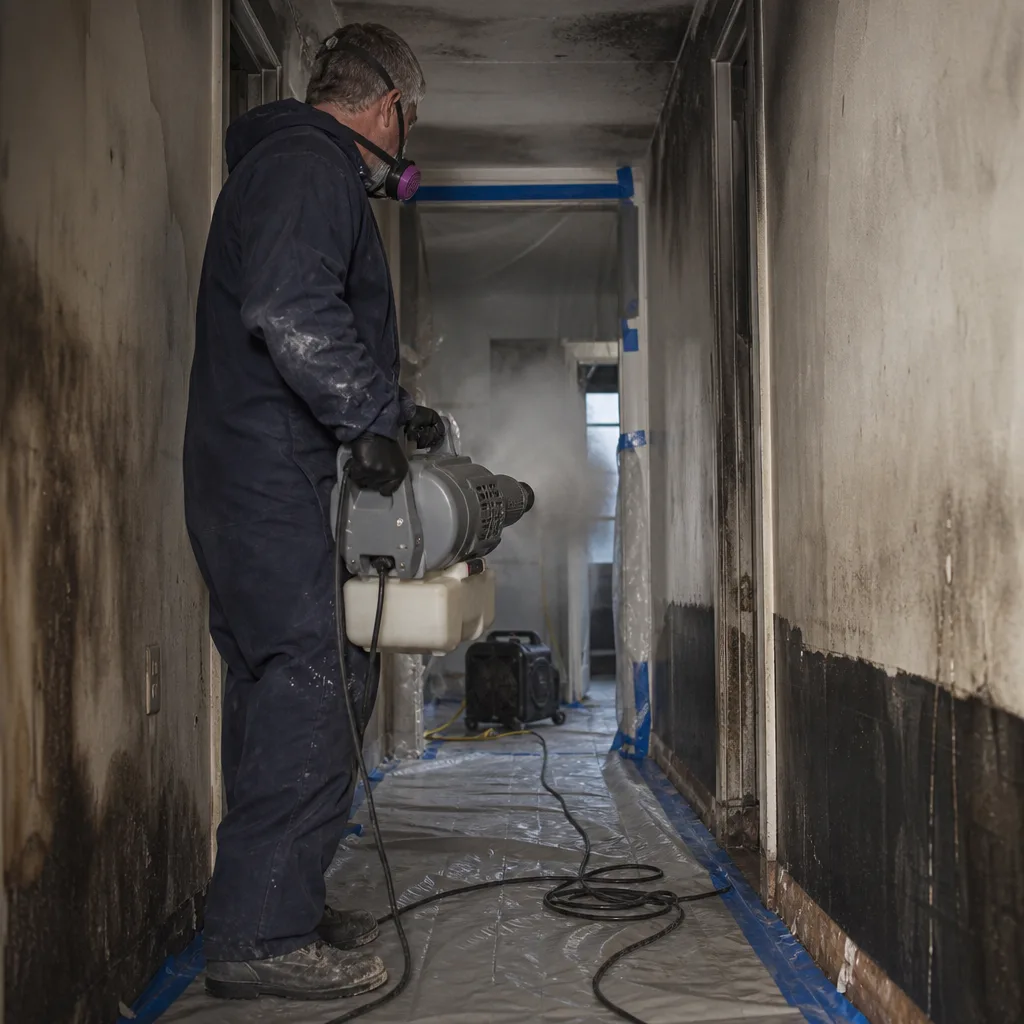
When a unit above lets go at 3 a.m., everything below is soaked. We inventory, pack out, clean, and restore contents in our facility, with photo documentation for the claim. We return items only when the unit is dry and ready.
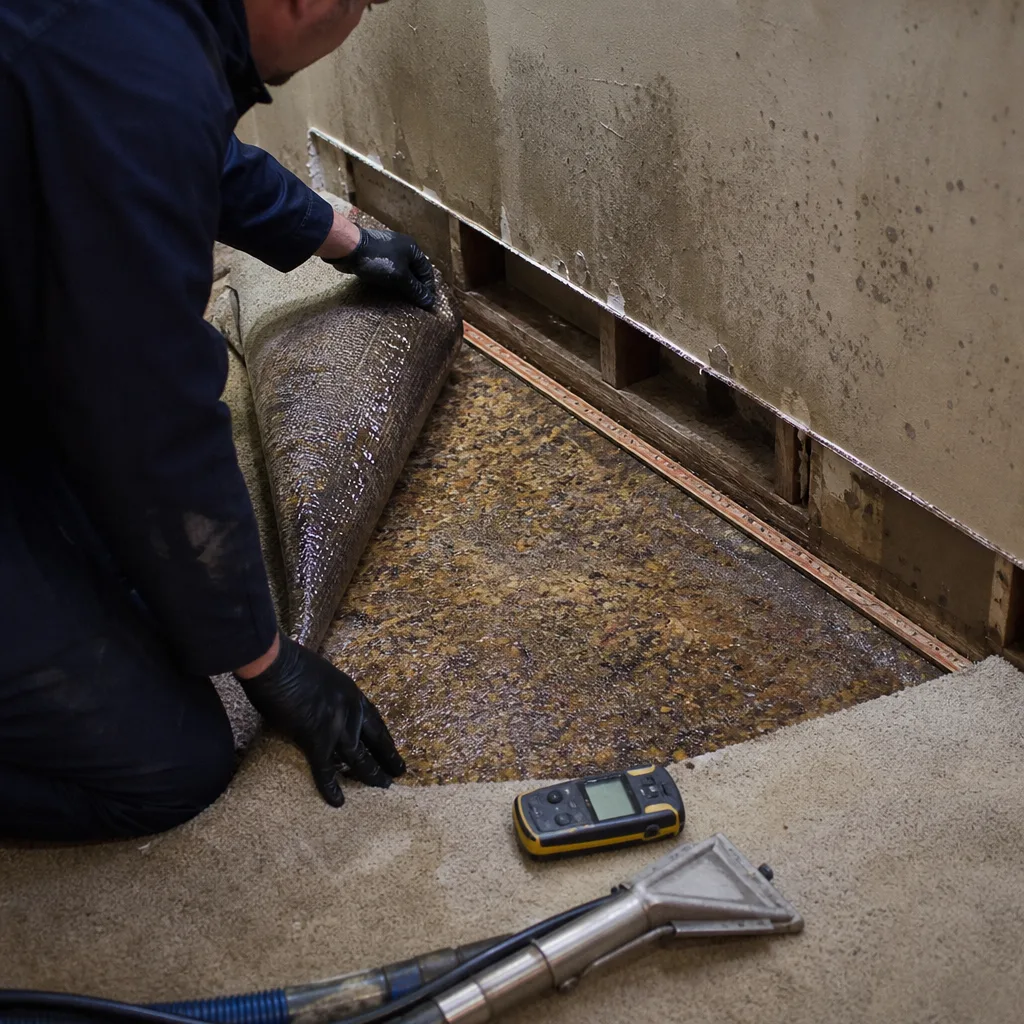
Carpet & Upholstery Cleaning
Post-water, post-fire, post-construction dust. Our truck-mounted hot-water extraction handles the deep pull that rental machines can’t. For smoke-damaged upholstery, we run activated-oxygen and HEPA treatments on site.
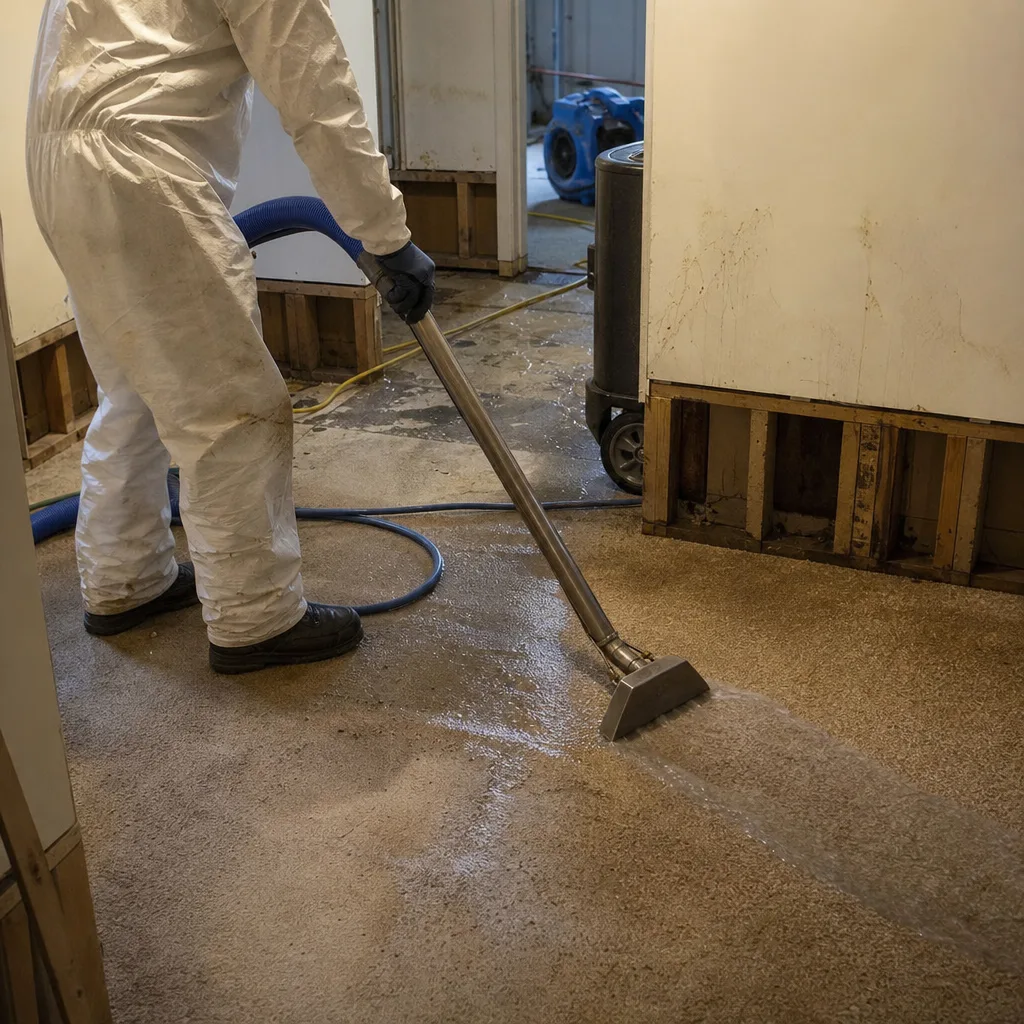
Post-Construction Cleanup
After we rebuild, the dust doesn’t stay. We run a full post-construction cleaning pass: HEPA-vacuum every surface, wipe down all trim and sills, clean ducts where needed, and leave the unit ready to walk into. No construction dust left in a Jersey City kitchen.
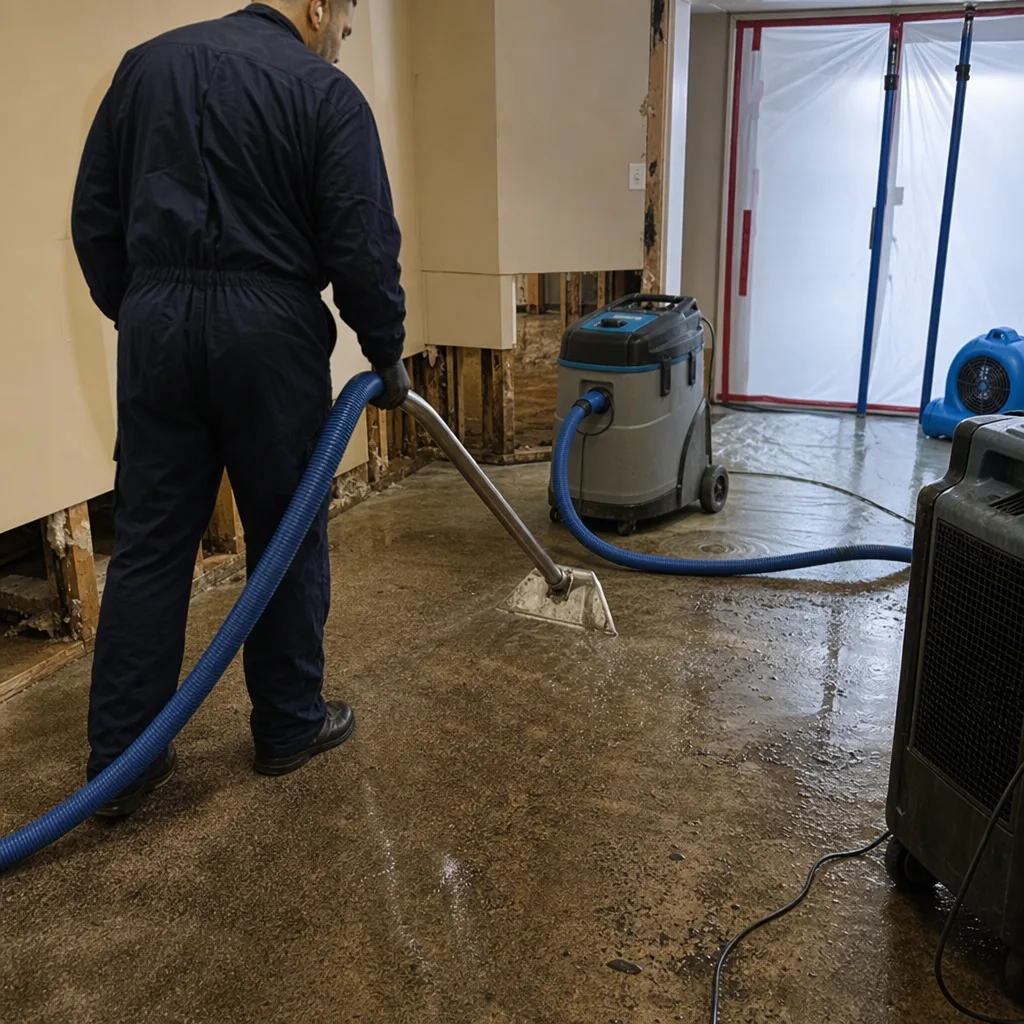
Insurance Claim Documentation
This is the quiet skill that saves Jersey City homeowners real money on Hudson River surge and sewer claims. We write scopes the way NFIP and major carriers expect, with causation language, code endorsements, and drying logs that hold up to an adjuster’s audit. We want you to get everything your policy owes.
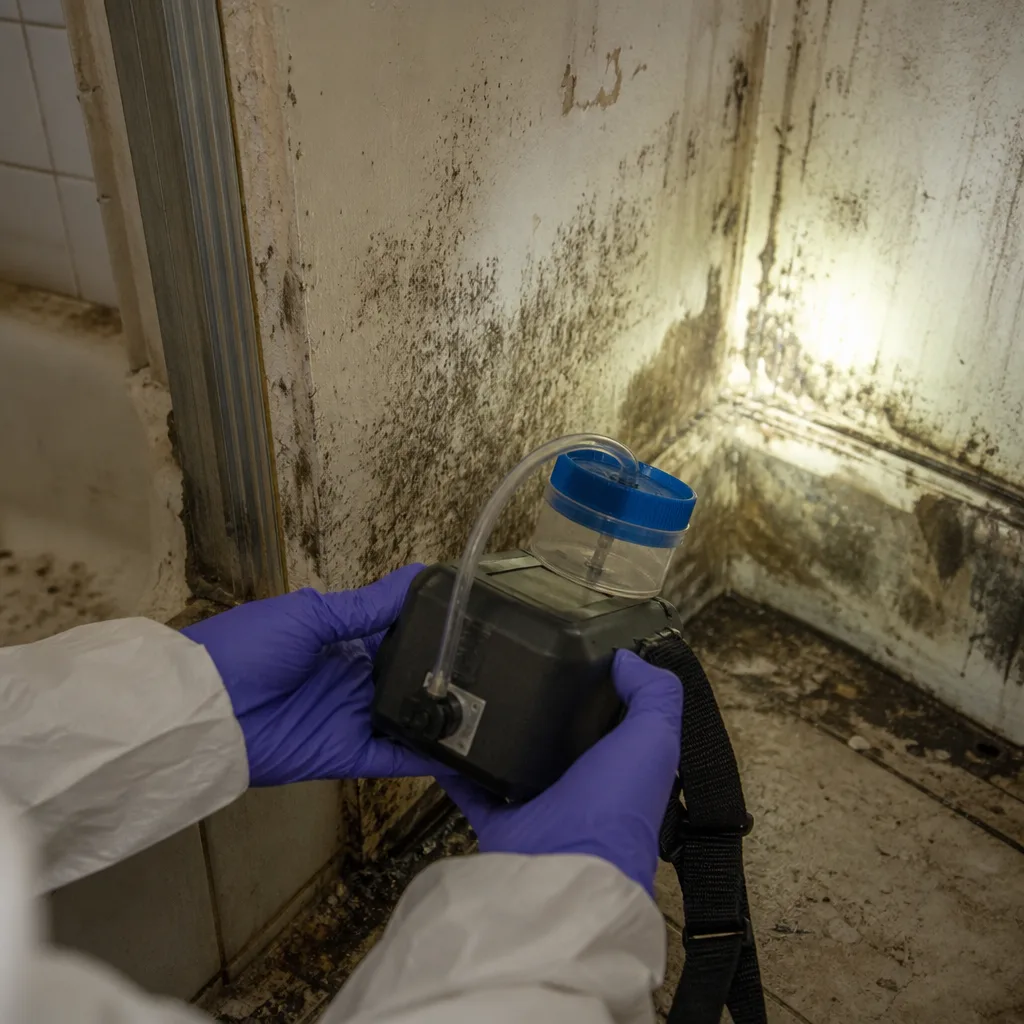
What happens when you call
- 1
A real person answersNo phone trees - you reach a local pro.
- 2
You get an upfront price rangeHonest numbers before anyone is dispatched.
- 3
A background-checked tech heads outLicensed & insured, dispatched right away.
- 4
You approve before work beginsNothing starts until you say go.
Reconstruction & Cleanup Costs in Jersey City, NJ
Real numbers help. In Jersey City, a standard Category 2 pipe-burst drying and drywall repair in a garden-level unit usually runs $3,500 to $8,500. A full basement sewage backup with containment, antimicrobial treatment, and floor-package replacement in the 07302 combined-sewer zone runs $8,000 to $18,000, depending on square footage and whether it’s a garden apartment or a full basement. Saltwater surge mitigation after a Hudson River flooding event, where we remove contaminated drywall to 4 feet, treat framing, and rebuild, runs $15,000 to $45,000 for a typical rowhouse unit, more when cast-iron pipe replacement is required. Drywall patch and paint after a small roof leak might run $1,200 to $3,000. These are local Jersey City ranges, not national averages. Your policy usually covers the mitigation and rebuild if the cause was sudden and accidental. We inspect for free, give you a written scope with line-item pricing, and if you want to pay out of pocket, the senior and veteran 5% discount or the $50-off-any-repair-over-$250 offer can be applied. No surprises on the bill, because the bill is agreed before the work.
We Also Serve Cities Near Jersey City
Our dispatch board stretches beyond the city line, and we regularly run crews to Hoboken, Union City, and Weehawken. Same 45-minute response, same live answer, same written scope. If you’re across the line in Hudson County, call (518) 663-6491. We treat the whole county like our home turf.
Serving Jersey City, NJ - Our Local Coverage Area
We’re based in the Jersey City area and know this community well. Use the map below to see our service coverage - if you’re nearby, we can almost certainly help.
Jersey City Reconstruction & Cleanup Questions, Answered
Does Jersey City require wind-rated or impact-rated doors for reconstruction after storm damage?
Jersey City currently follows the New Jersey Residential Code, which does not mandate impact-rated doors for most existing rowhouse and brownstone reconstructions, but any new door or window on a building in a designated flood zone (Zone AE and coastal A zones) must meet certain wind-load and flood-openings requirements under FEMA and city local amendments. If your building is in the coastal high-hazard area or a designated historic district, the historic commission may additionally require wood-frame or specific material reviews for street-facing doors. We check the Code and local amendments before ordering doors, and include any required wind-load documentation in your permit package.
How do we handle insurance claims when a sewer backup floods a basement in 07302?
We document the Category 3 loss from the first hour: photos of the sewage inflow, moisture readings, containment setup, and the exact drying log. Then we write the causation language your carrier needs, send the claim file directly to your adjuster, and handle the back-and-forth so you don’t have to. Most Jersey City sewer backup losses are covered under water backup endorsements or city claims when the combined sewer system failed, and we’ve worked both paths in 07302. Call (518) 663-6491 and we’ll start the file.
What’s different about drying out a Jersey City brownstone after a pipe burst compared to a newer building?
Brownstone walls are mass masonry with lime-based plaster; they hold moisture for weeks and dry unevenly. You can’t just point air movers at the surface and call it done. We use thermal imaging to find cold wet spots behind the plaster, Injectidry to dry wall cavities, and Dri-Eaz dehumidifiers sized to the room’s cubic footage, not the square footage. Newer drywall buildings dry faster and more evenly, which is why generic drying schedules fail on pre-war stock. Our daily moisture readings prove when the mass is actually dry.
Why do we need to remove salt-contaminated drywall after a Hudson River surge, even if it looks fine?
Brackish Hudson water leaves behind corrosive salts that stay in drywall after the surface dries. Those salts keep pulling moisture from the air, so the gypsum stays damp inside and slowly degrades, supporting hidden mold growth. In most cases, we remove drywall that took brackish water to the 4-foot line plus 12 inches, treat the framing, and replace. If you leave it in place, you’ll be re-mediating in six months, and an adjuster will flag it on the next claim.
Can we save hardwood floors in a garden-level apartment that took in Category 2 water from a roof leak?
Usually yes, if we get there fast and the Category 2 water is from a roof leak rather than sewage. We extract surface water, pull the baseboards, inject drying into the floor cavities with Injectidry, and use a floor mat system to pull moisture from the underside. As long as the boards haven’t cupped beyond refinishing tolerance, we sand, stain, and refinish. If the water sat for days, individual board replacement or full removal becomes more likely, and we’ll show you the moisture readings to explain why. Call (518) 663-6491 for a free inspection while the floor is still wet.
How fast can a crew actually reach my Jersey City address?
Within 45 minutes for most of Jersey City, day or night. We stage crews across the city, so when you call from 07097, 07302, or 07303, a supervisor is rolling immediately. We answer with a live dispatcher, not an automated system, and the extraction team is on the road before the call ends. In the middle of a nor’easter, response may stretch slightly, but we prioritize by severity and location.
Do we need full reconstruction after a sewer backup, or just cleaning?
If the backup was true Category 3 sewage, just cleaning is rarely enough. Pathogens penetrate porous materials and anything that can’t be HEPA-washed and antimicrobial-treated must come out: carpet pad, insulation, often drywall and baseboard. Semi-porous and non-porous surfaces, like tile and sealed concrete, can be cleaned and treated. We’ll give you an honest line-item list of what we can save and what we must remove before any work starts, and you’ll see the same list on the claim file.
What should I do in the first 30 minutes after discovering water or sewage in my Jersey City home?
Shut off the water or electric at the source if safe to reach, move small valuables and electronics out of the water, take phone photos of everything, and call us at (518) 663-6491. Don’t use a shop vac on sewage, don’t run fans on contaminated water, and don’t open walls yourself if you suspect asbestos or lead paint in a pre-war building. Let our certified crew assess before you disturb anything, because insurance claims in Jersey City are easier when the first photos show the loss exactly as it happened.
Written by Curt Bowman, owner and founder of Floodline Restoration Co., serving Jersey City and the Hudson County metro with full-cycle water, fire, sewage, and reconstruction services since 2010. Floodline does the whole job, bills the carrier directly, and stands behind every rebuild with the 90-Day Done Right Promise in writing.