
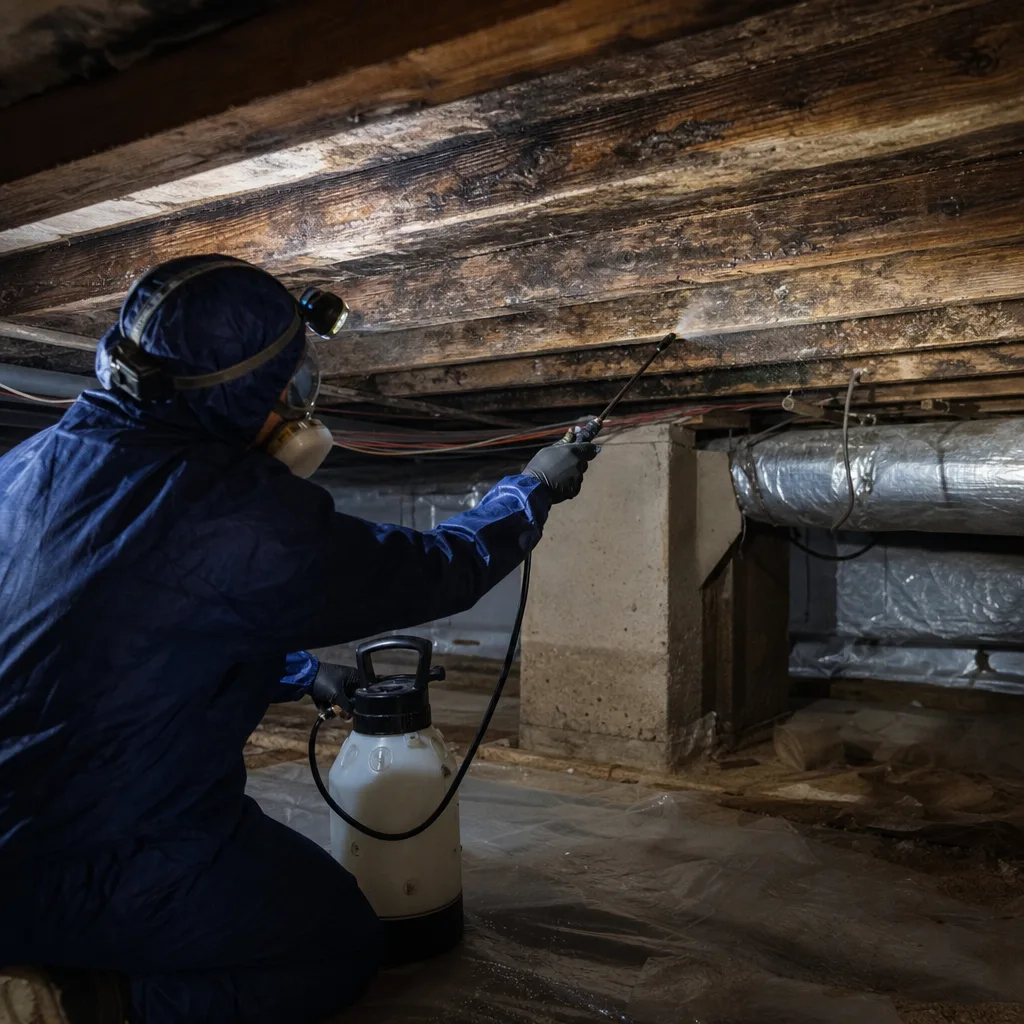
Free visual inspection and a written scope of work before any mitigation begins - photos, moisture readings, and drying logs go in your claim file
The scope we write is the scope we bill. Anything new gets shown to you, in writing, before we touch it.
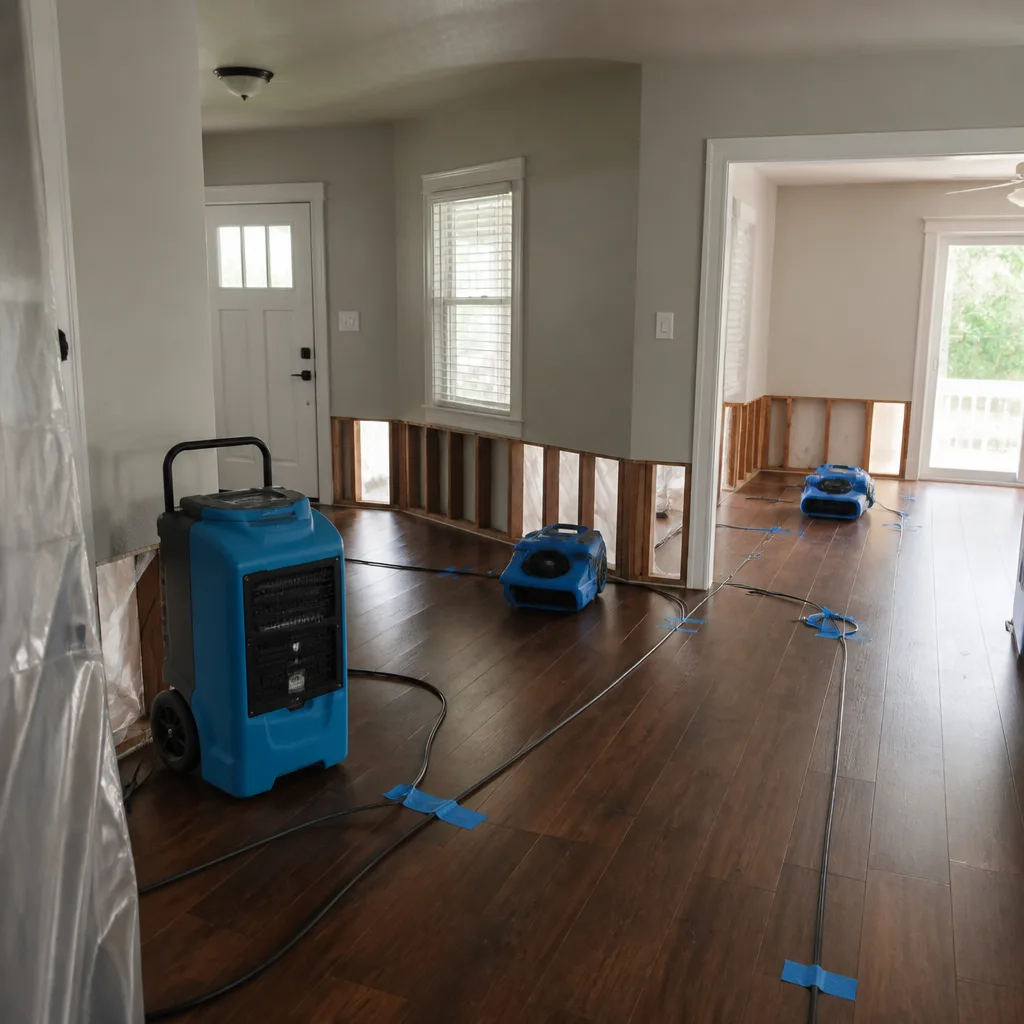
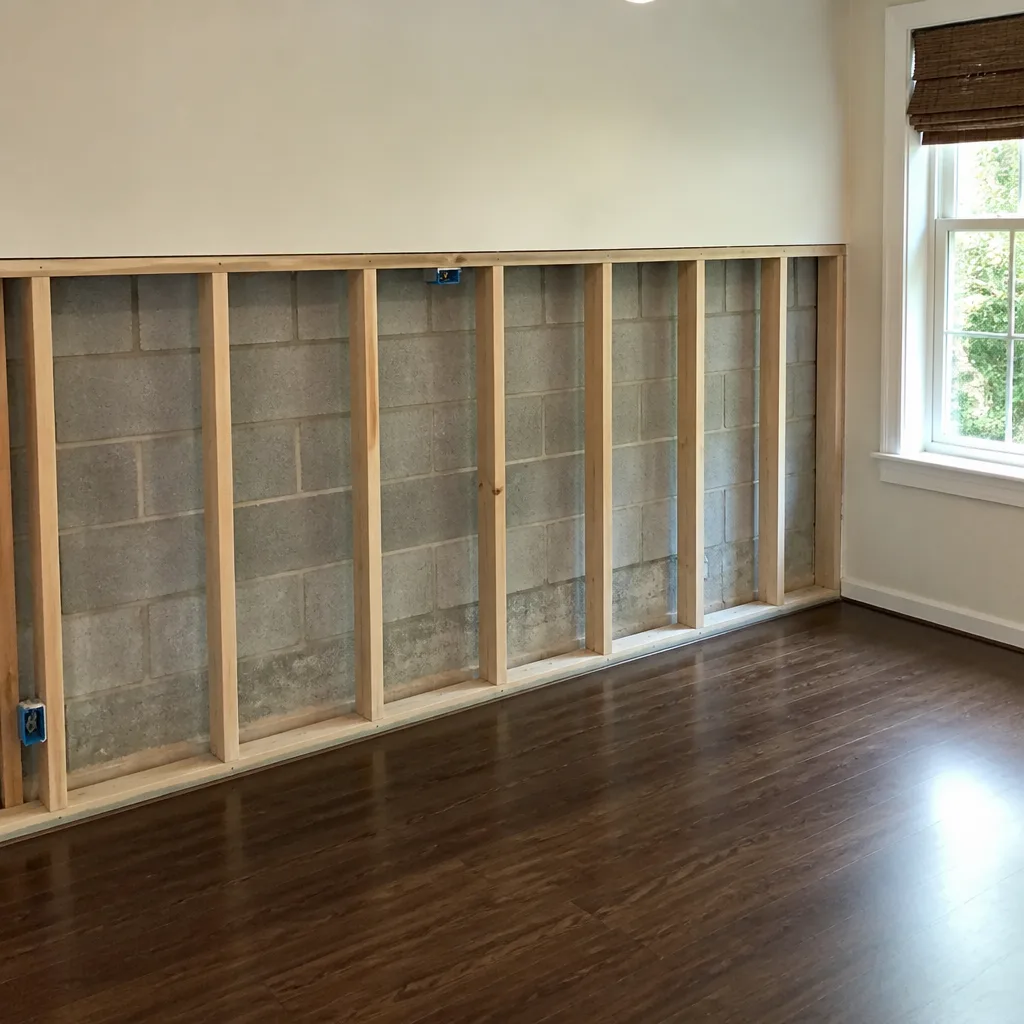
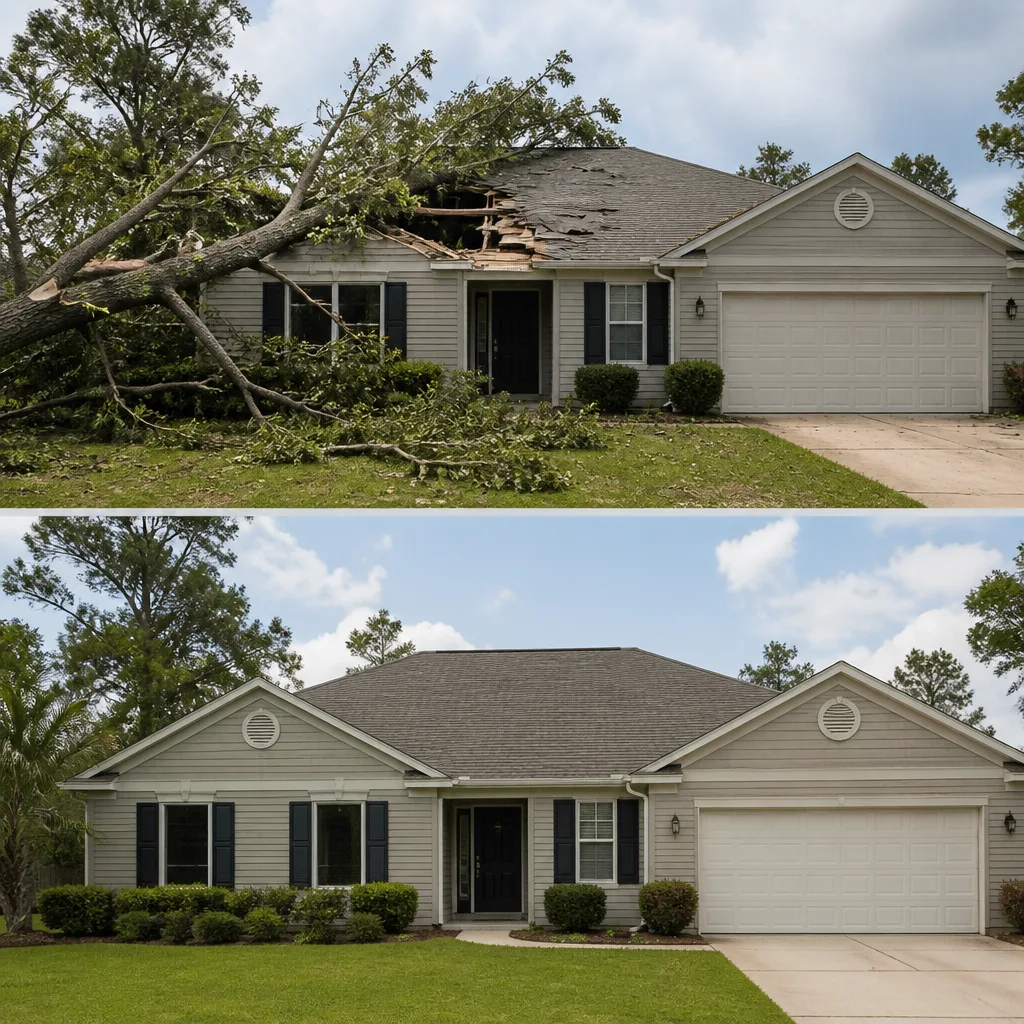
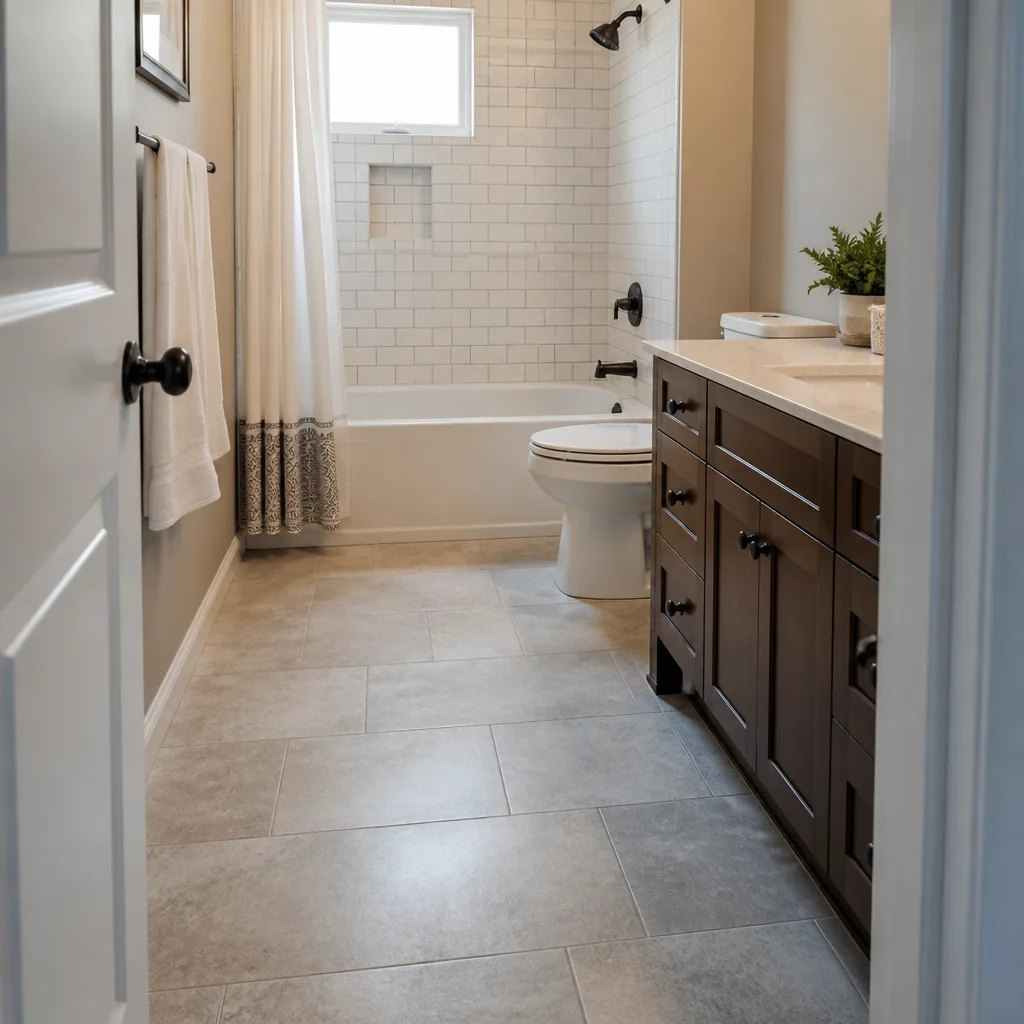
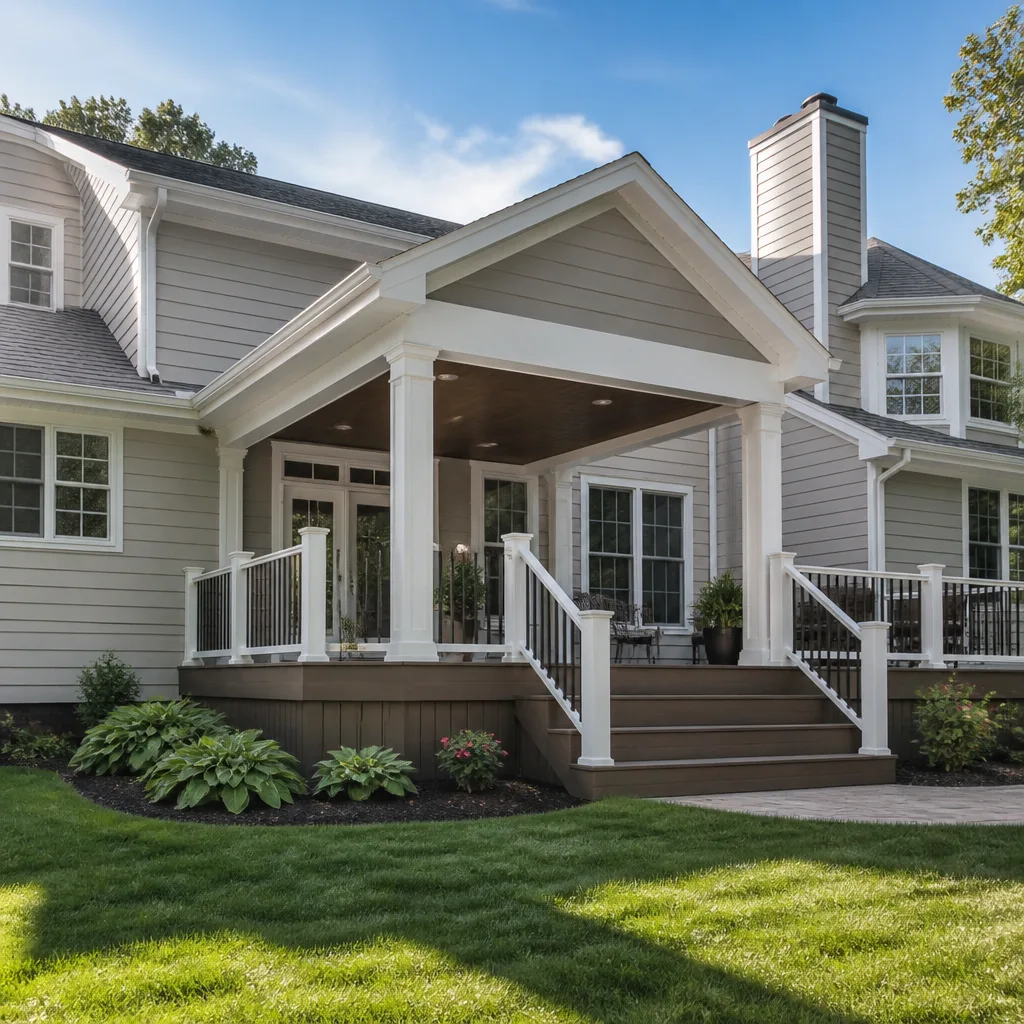
 Before
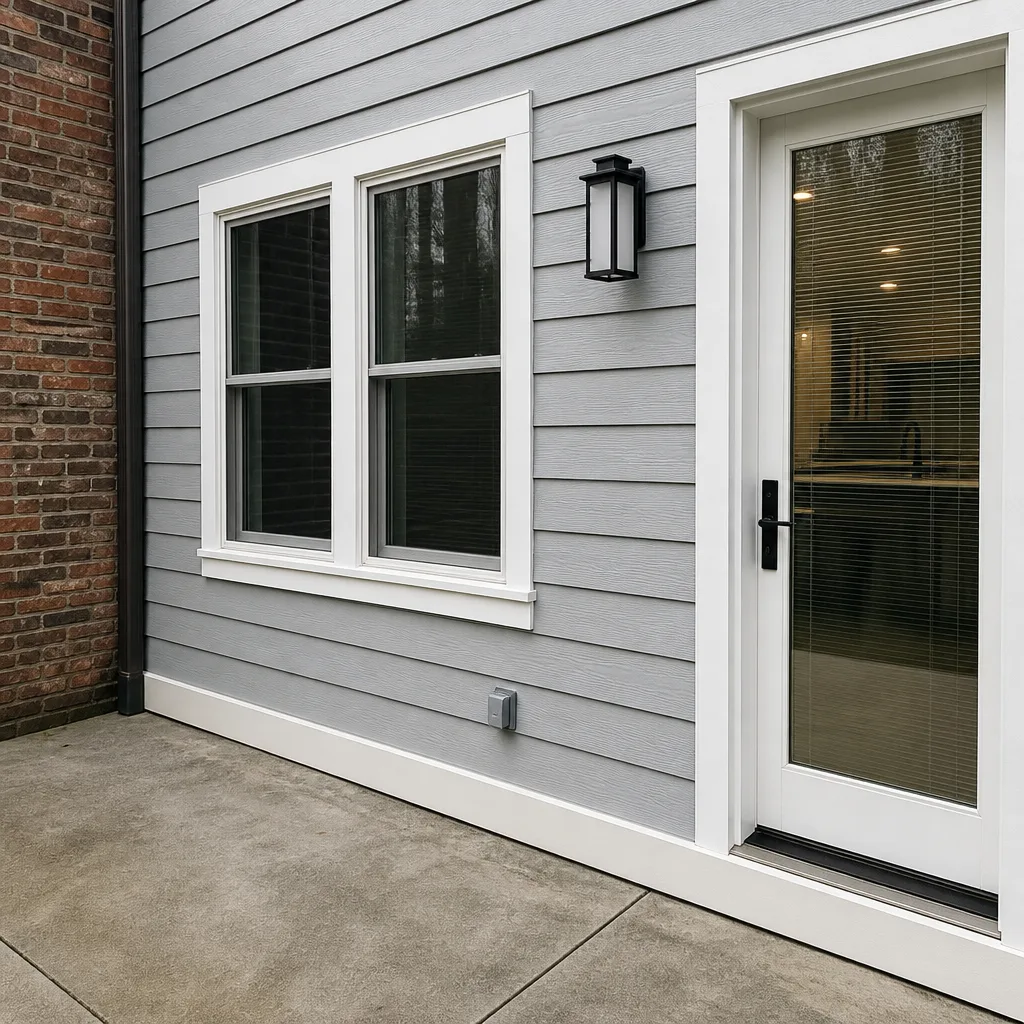 After
After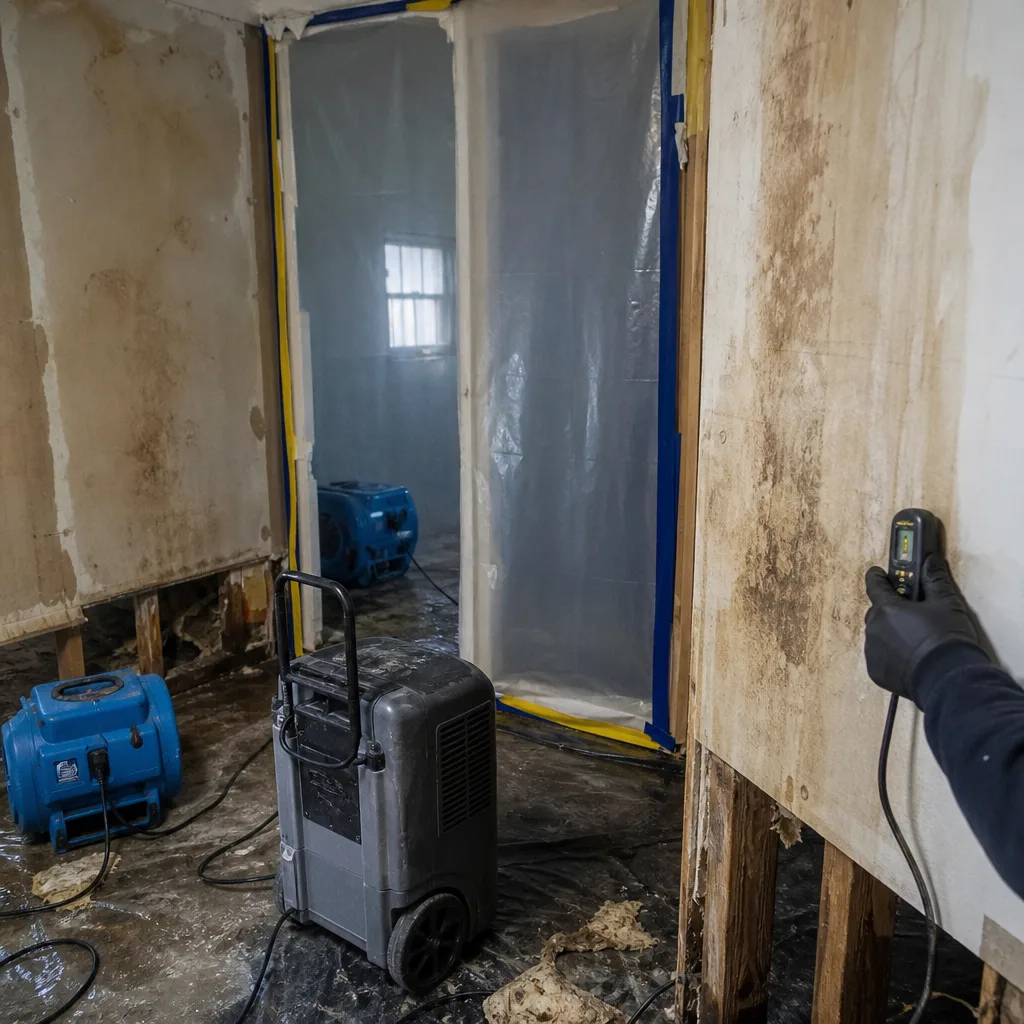 Before
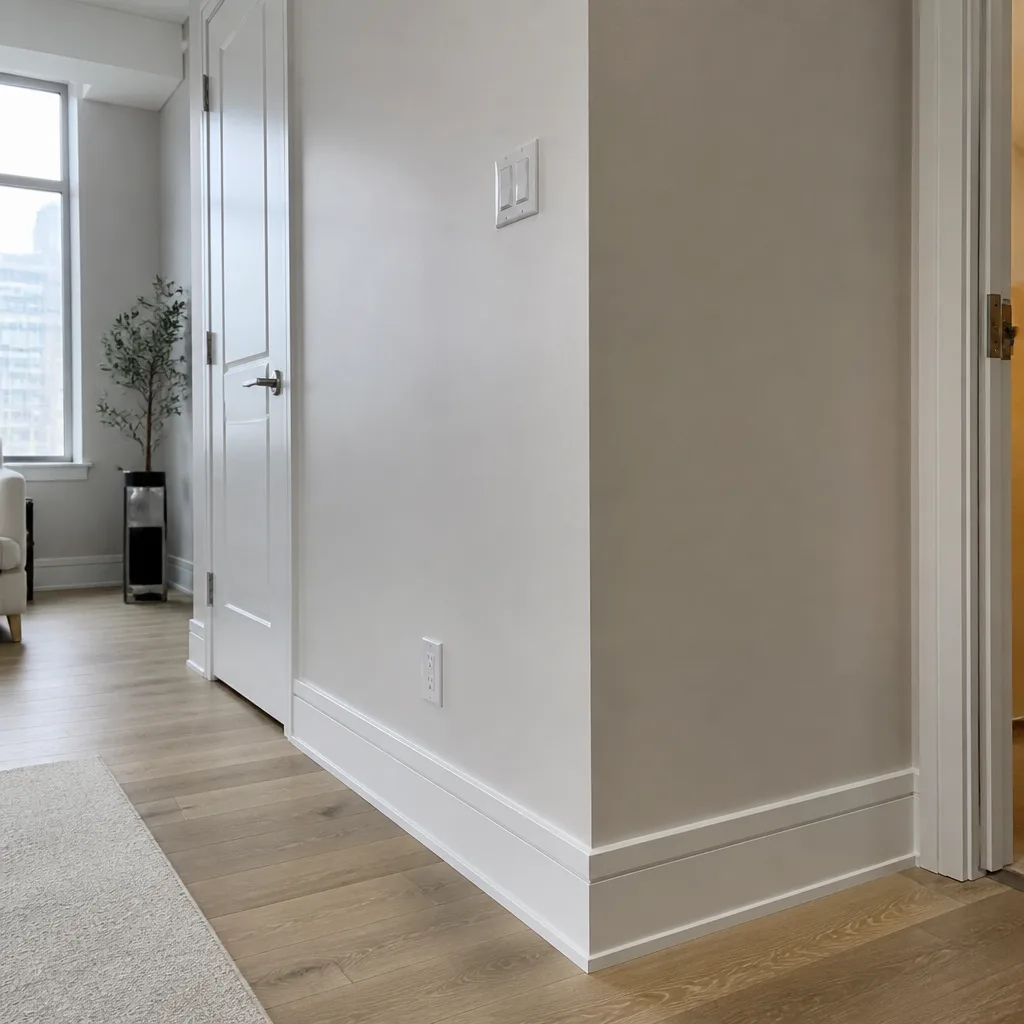 After
After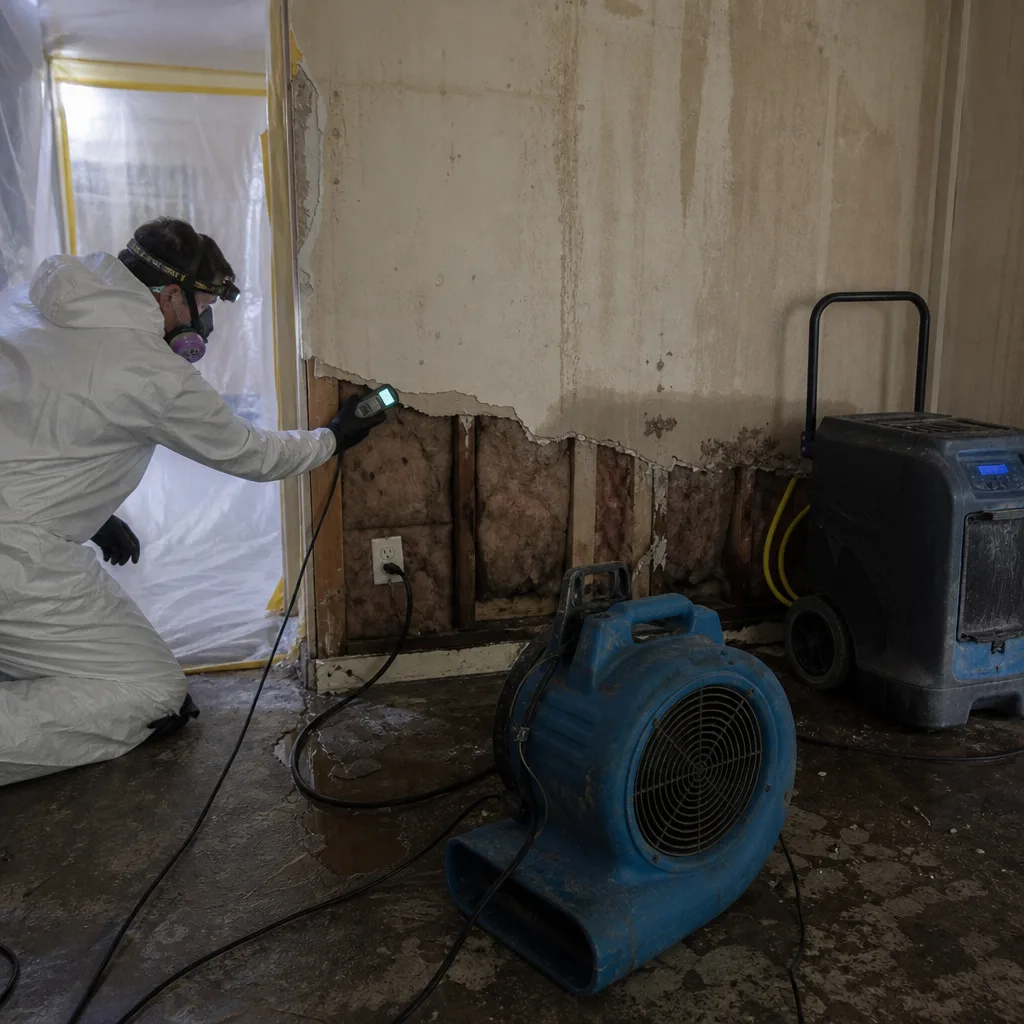 Before
 After
After24/7 Emergency Mold Remediation in Lower Manhattan
Mold remediation in Lower Manhattan typically costs $1,800-$6,500 depending on square footage, containment requirements, and whether saltwater intrusion is involved. Most jobs in the Financial District and Battery Park City start within 24 hours because we answer live around the clock at (518) 663-6491. If you’ve spotted black staining on drywall, smelled that musty basement odor, or just had water push into a below-grade space, the first call locks in a free visual inspection and a written scope before any work begins.
In Lower Manhattan, mold doesn’t wait. Salt-trapped moisture from harbor storm surge accelerates colonization faster than anything we see inland. That’s why our crews are dispatched from our New York City office directly into Lower Manhattan, with containment equipment loaded and a certified technician on the way the same day you call.
Understanding Mold Remediation Severity in Lower Manhattan Properties
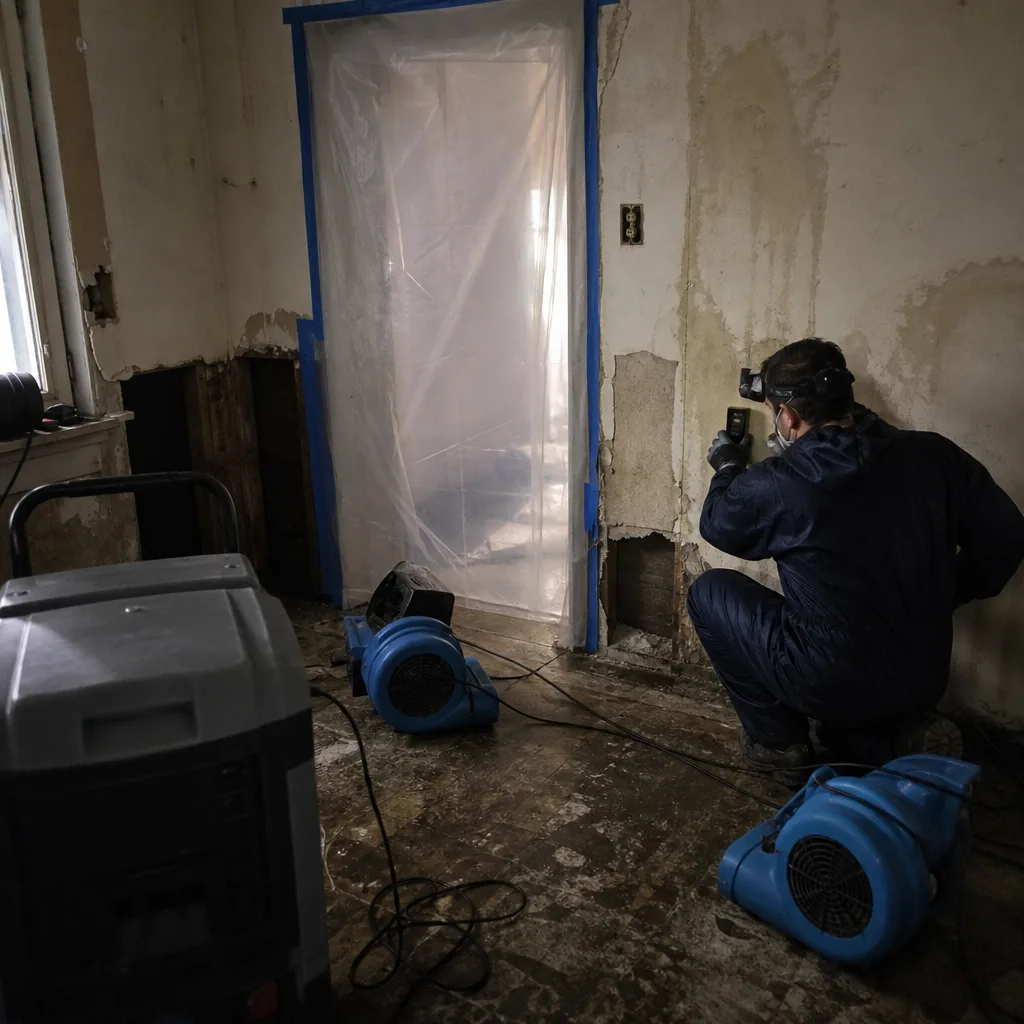
Mold severity in Lower Manhattan breaks into three practical levels. Level one is surface colonization: visible mold on drywall, baseboards, or ceiling tiles, typically under 10 square feet, often from a plumbing leak or window condensation. We contain it with 6-mil poly sheeting, run a HEPA air scrubber, remove the affected material, and apply an EPA-registered antimicrobial. Level two involves hidden mold: moisture trapped inside wall cavities, behind vinyl wallpaper, or under flooring in Tribeca’s timber-framed lofts. This requires moisture mapping with thermal imaging and pin-type moisture meters, then targeted removal of finish materials until we hit dry substrate. Level three is what follows saltwater surge: Category 3 water saturating porous materials, salt crystals holding moisture against studs and joists, and mold blooming in concealed cavities within 30 to 48 hours. Full containment, negative air pressure, and clearance testing are non-negotiable at that stage.
Pre-war cast-iron buildings and 1980s Battery Park City towers behave differently under moisture load. One retains water aggressively; the other hides it behind waterproofing membranes that fail slowly. Our approach to our Mold Remediation work accounts for both.
Why Lower Manhattan Property Owners Choose Floodline Restoration Co.
- 45-minute response commitment for emergency calls. When you call with active water or visible mold, a uniformed technician is dispatched immediately from our NYC office toward your Lower Manhattan address.
- 24/7 live answer, never an automated system. A real person picks up at 2 a.m. on a Sunday. The dispatcher knows which crews are nearest to Tribeca, the Seaport, or Battery Park City.
- IICRC-certified crews trained to WRT and AMRT standards. Water damage and applied microbial remediation are treated as separate disciplines because they are. Our technicians carry both certifications.
- Free visual inspection before any work begins. We walk the space, take moisture readings, and hand you a written scope. No obligation, no pressure. You see exactly what we see.
- Direct insurance billing with full adjuster coordination. We document everything from the first hour, send the file to your carrier, and handle the back-and-forth so you don’t play messenger.
- One crew from extraction to rebuild. The team that sets containment also handles drying, demolition, antimicrobial treatment, and reconstruction. No mid-job handoff to a subcontractor you’ve never met.
Our Mold Remediation Process
Inspection & Assessment
We start with thermal imaging and moisture meters to find every wet pocket, including inside walls and under flooring. In Lower Manhattan’s mixed building stock, visible mold is rarely the whole story. We check adjacent units, shared walls, and below-grade mechanical spaces before writing the scope.
Containment & Stabilization
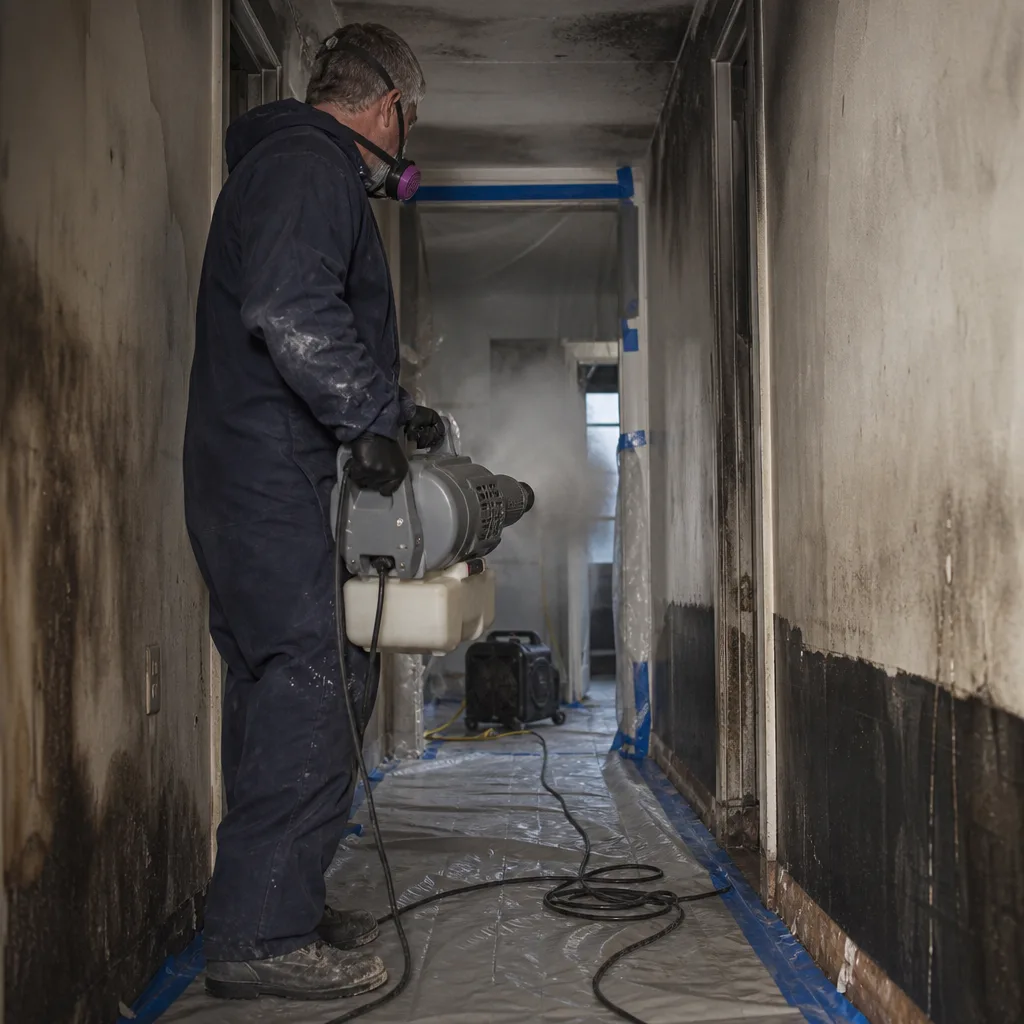
Before any demolition, we seal the work area with 6-mil poly sheeting and establish negative air pressure using HEPA-filtered air scrubbers. This keeps airborne spores from spreading through your home or, in converted office towers, through shared ventilation shafts.
Drying & Dehumidification
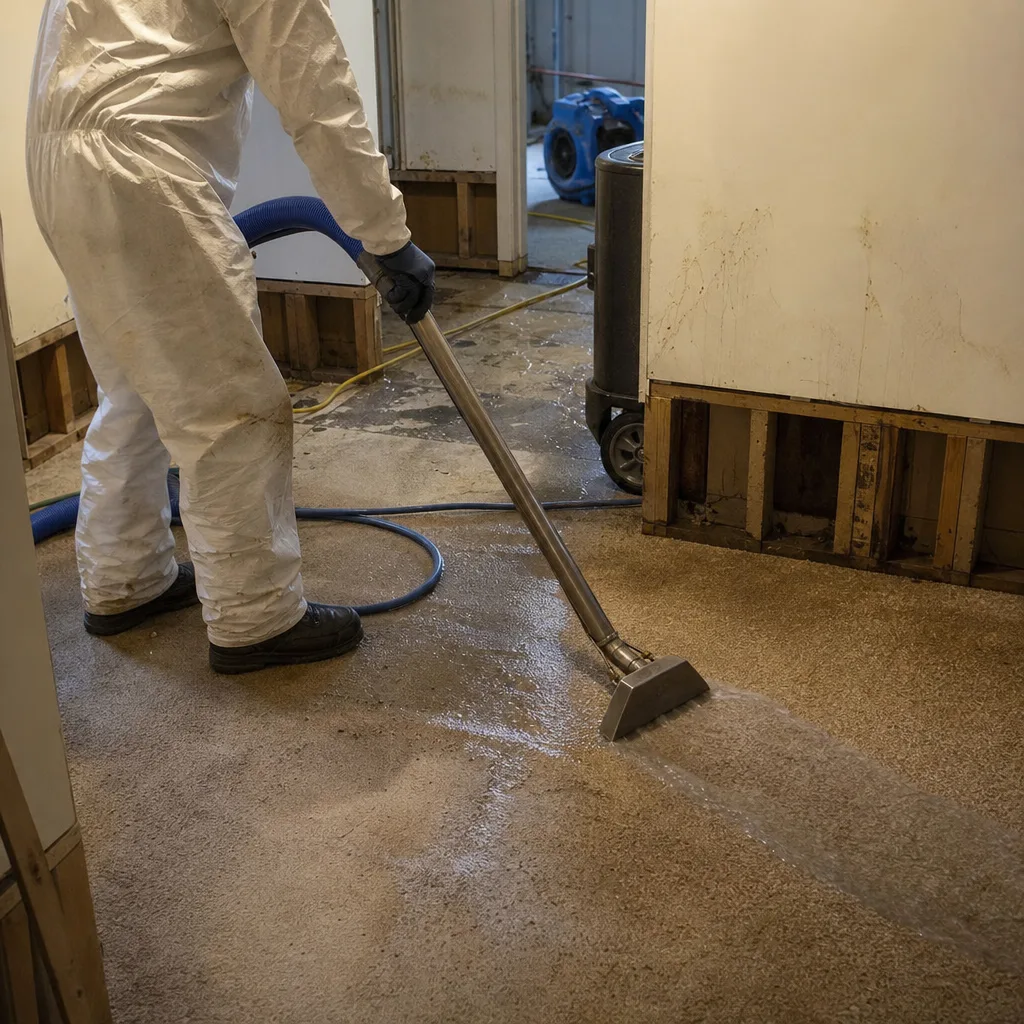
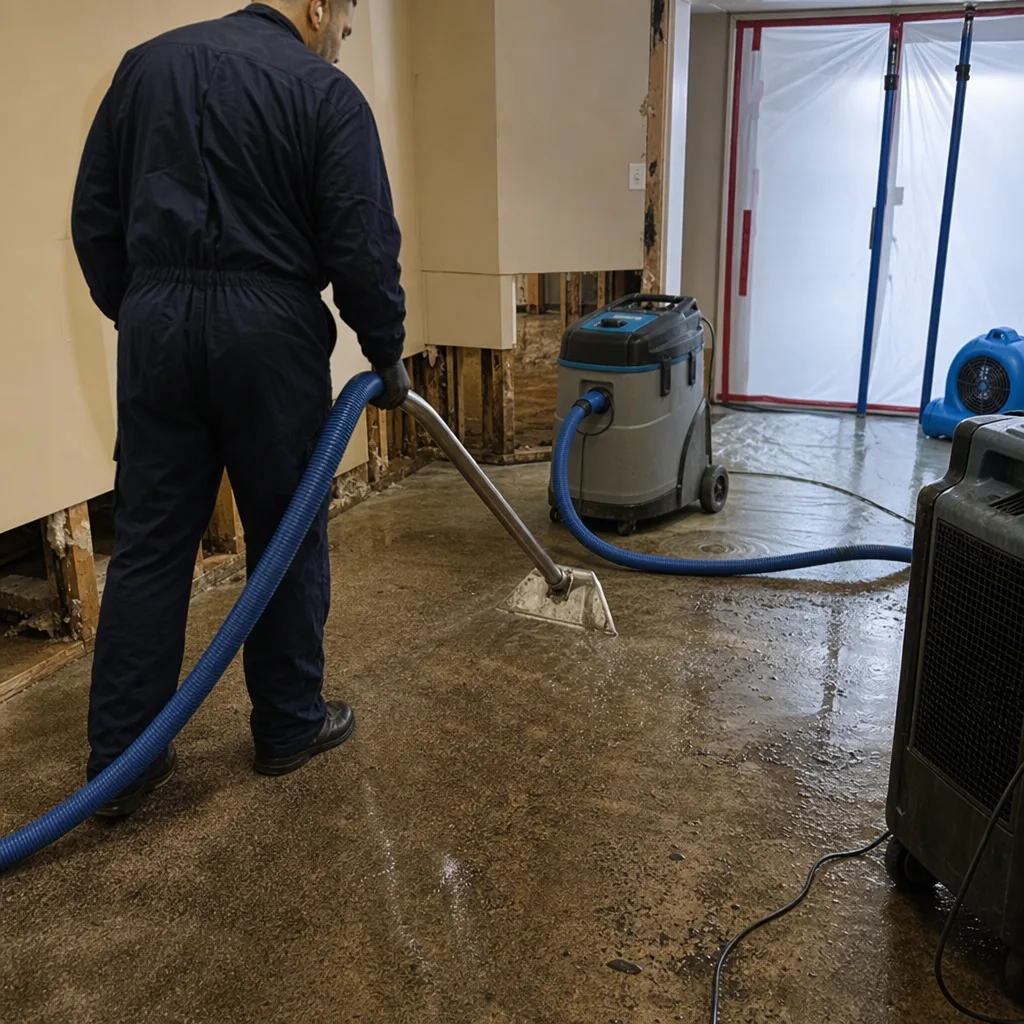
Dri-Eaz dehumidifiers and XPOWER air movers run continuously, with daily moisture readings logged until we hit the dry standard. In saltwater events, we add a salt residue rinse before drying so trapped salt crystals don’t hold moisture and feed a re-bloom weeks later.
Cleaning & Sanitization
Affected materials are HEPA-vacuumed, wire-brushed where needed, and treated with an EPA-registered antimicrobial. Porous materials that can’t be fully dried or cleaned, including drywall and carpet pad, are removed and bagged for disposal.
Air Quality Restoration
After remediation, we run air scrubbers for a minimum of 24 hours, then perform post-remediation verification. Air samples and surface samples go to a third-party lab. You get the results in writing, not a verbal “all clear.”
Repairs & Restoration
We rebuild what we removed: drywall, insulation, trim, flooring, paint. If your building falls in FEMA Zone AE and remediation uncovered flood-damaged mechanicals, we coordinate with your building’s engineer on BFE compliance before anything gets put back in place.
Need Emergency Mold Remediation in Lower Manhattan Now?
Crews minutes away, answering live 24 hours a day. The sooner we start, the less it costs.
Working With Your Insurance Company
Mold claims in Lower Manhattan are not like mold claims anywhere else. Post-Sandy policy language, FEMA flood endorsements, and co-op or condo master-policy exclusions all collide. We’ve handled hundreds of these files. Our team documents the loss from the first hour with timestamped photos, moisture maps, and drying logs that meet and usually exceed what carriers require. The scope we write is line-item and industry-standard, built in Xactimate so your adjuster recognizes every line.
If your claim involves a Zone AE building, we flag it early. Carriers need to know when remediation work may trigger flood-compliance requirements, because that changes the claim path. We don’t bury that and wait for a denial. We raise it upfront with your adjuster and coordinate directly with them from the first inspection to the final supplement.
What We Provide Your Insurer
- Thorough documentation of the loss
- Photos of all damage, room by room
- Moisture readings and drying logs
- A detailed, line-item scope of work
- Direct coordination with your carrier
Built for Lower Manhattan’s Loss Calendar
Lower Manhattan’s mold season doesn’t follow a clean calendar. It follows the harbor. Late summer and early fall bring hurricane remnants and nor’easters that push saltwater into below-grade spaces from the South Street Seaport to Battery Park City. Winter brings a quieter but persistent problem: condensate from aging steam risers in pre-war buildings, where warm radiator pipes meet cold exterior walls and feed slow, invisible mold growth behind plaster for years. Spring thaw loosens old waterproofing membranes on landfill-era towers, sending moisture into sub-grade garages and mechanical rooms. Summer thunderstorms overwhelm Broadway corridor storm drains fast, and that water finds its way into converted cellar spaces in the Financial District’s office-to-residential conversions.
Salt changes the timeline in every one of these events. Freshwater flooding in a Brooklyn brownstone might give you a week before visible mold appears. Salt-laden surge water in Lower Manhattan compresses that to 30-48 hours. The salt binds moisture to wood and masonry, corrodes steel studs, and creates a humid microclimate behind baseboards that standard drying equipment alone won’t resolve. Our Lower Manhattan crews run salt-residue rinse protocols as standard on any Category 3 event, because skipping that step is the number one cause of post-remediation re-bloom we see in this market.
Mold Remediation Across Lower Manhattan’s Neighborhoods
In Battery Park City, the issue is almost always below-grade. Residential towers built on Hudson River landfill carry waterproofing membranes that were never designed for the revised post-Sandy flood elevations. Chronic seepage into sub-grade mechanical rooms and storage spaces is common, and mold follows the moisture. We’ve worked in buildings along South End Avenue where a single membrane breach feeds mold across three floors through shared wall cavities.
Tribeca’s cast-iron lofts present the opposite problem. Timber post-and-beam framing behind brick party walls holds moisture for months after a leak. You can’t see it, and standard drying won’t reach it. We use invasive moisture mapping, drilling small probe holes into suspect cavities to confirm the dry standard before closing walls. On Broadway and Water Street, mid-century office-to-residential conversions share ventilation risers and chases, which means mold in one unit can colonize its neighbors. Containment in those buildings must account for shared air paths, not just the affected room. Around South Street Seaport, historic low-rise buildings sit closest to the harbor surge line. Category 3 water events here require full PPE and often trigger the most extensive demo, because flood water saturates centuries-old brick and timber that can’t be replaced in kind without DOB involvement.
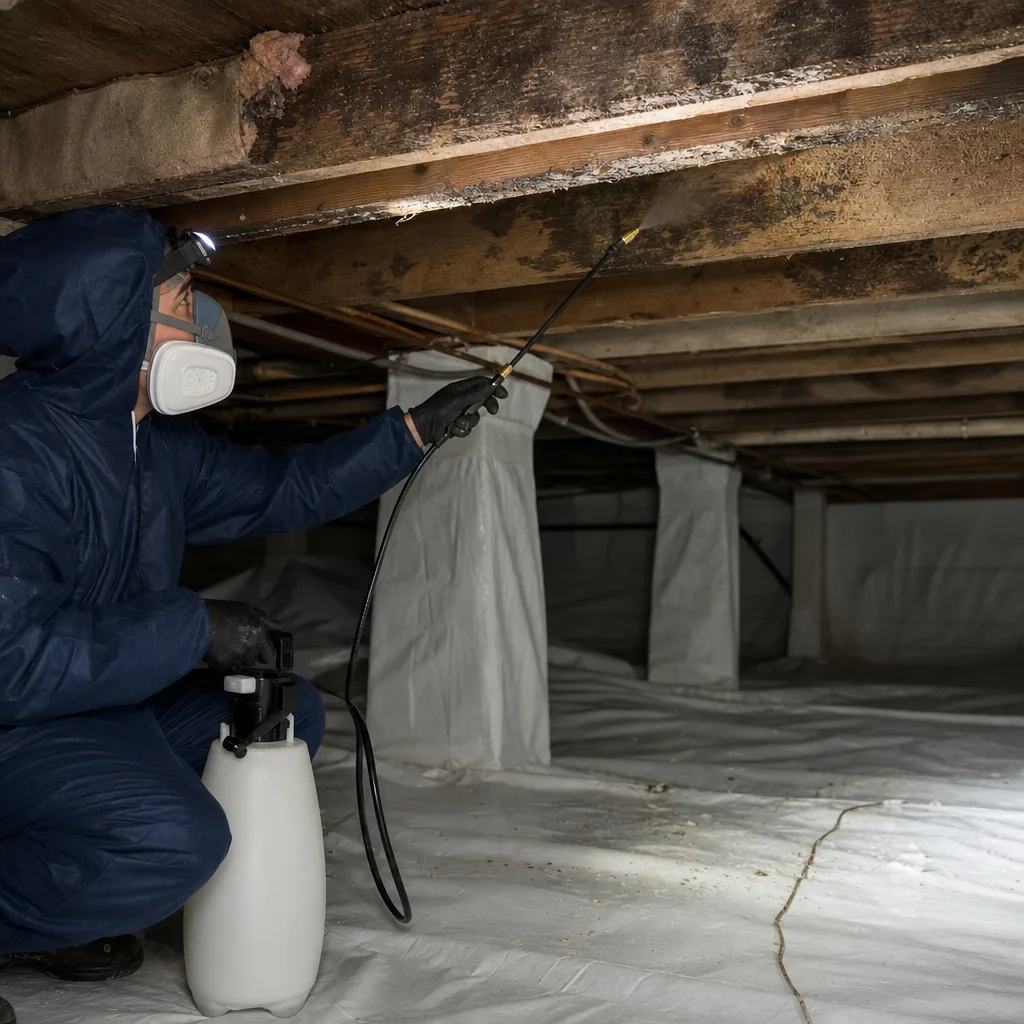
Specialized Mold Remediation Services We Offer in Lower Manhattan
Mold Inspection & Testing
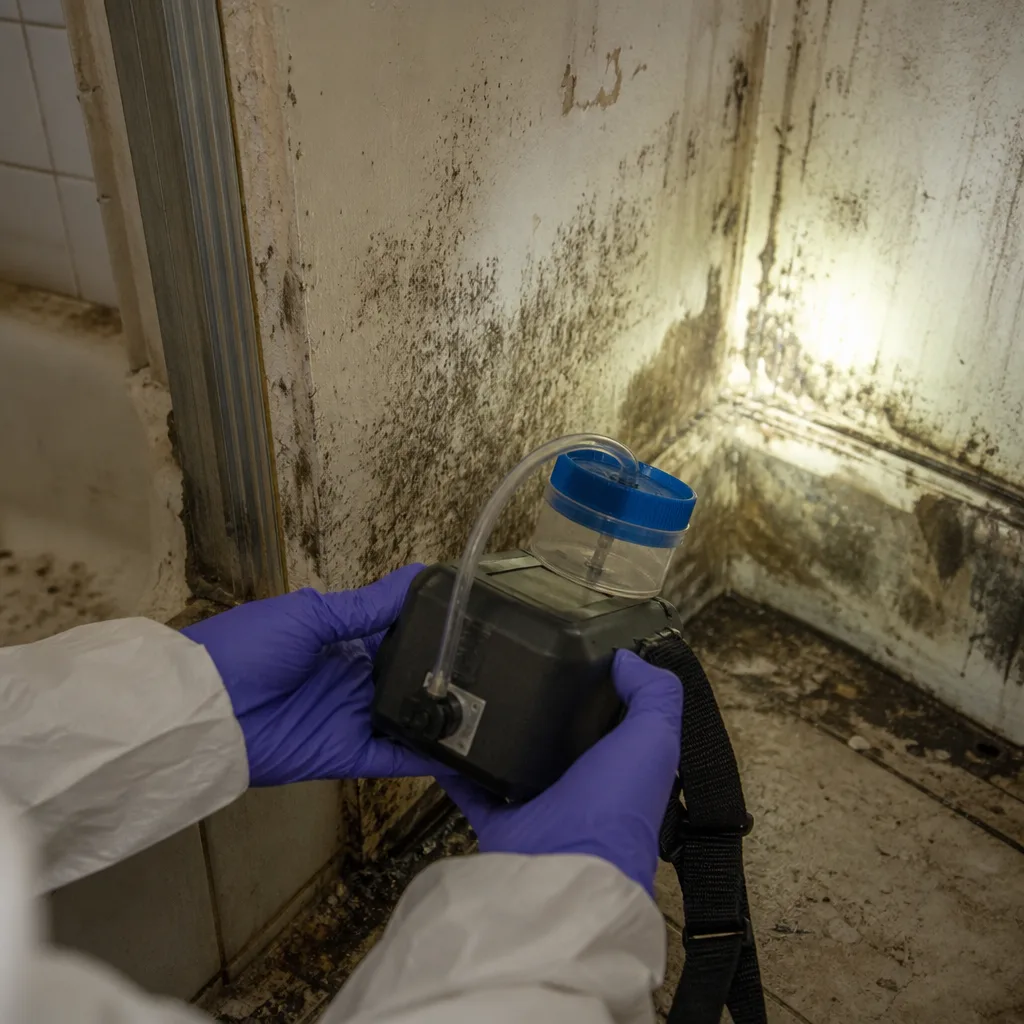
We start every Lower Manhattan job with a documented inspection: thermal imaging, moisture meters, and air and surface sampling where the scope warrants it. Samples go to an independent third-party lab. You get a written report with lab results, moisture saturation levels, and a recommended scope. This report is what your insurance carrier and your co-op board will ask for. We build it to stand up to both.
Mold Removal
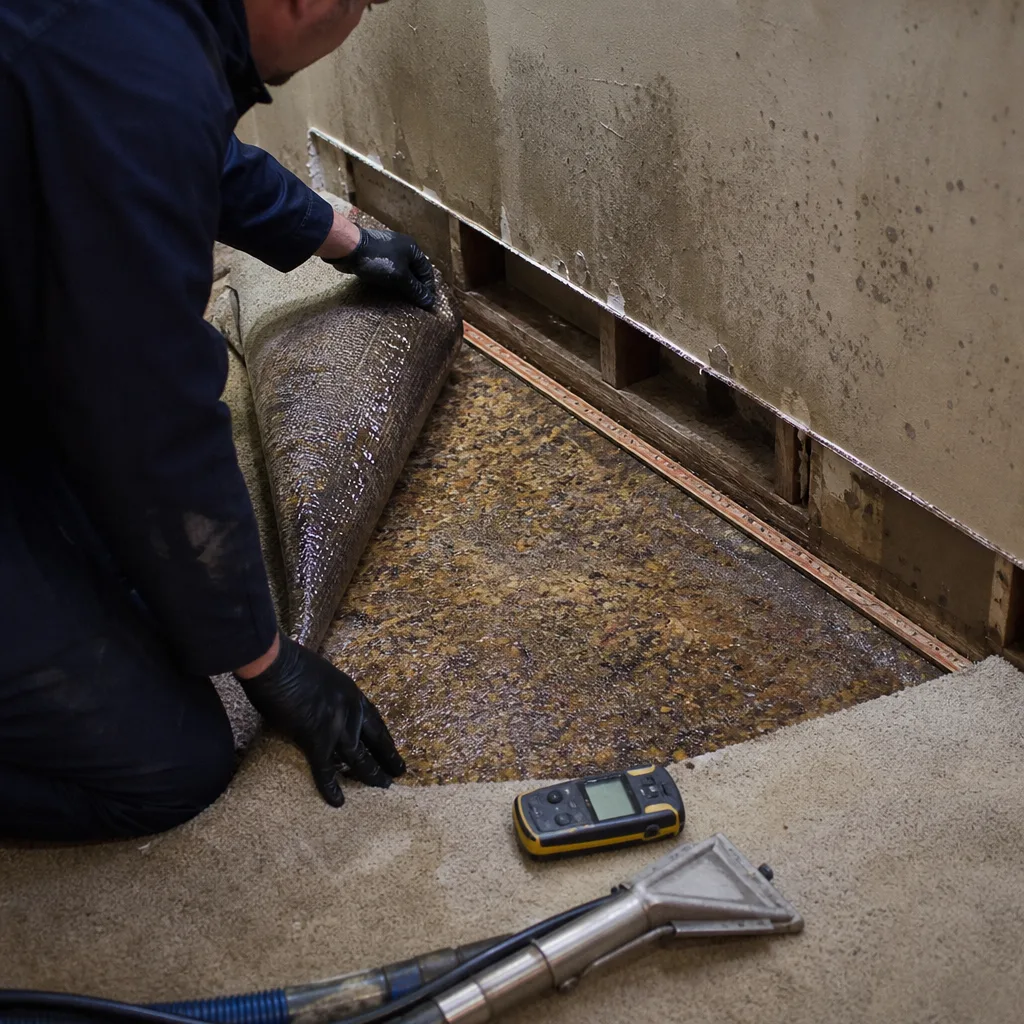
Removal means physically taking out contaminated porous materials: drywall, insulation, carpet, ceiling tiles, and anything else that can’t be cleaned to a safe standard. In Lower Manhattan’s older buildings, that often means working around original lath and plaster, timber joists, and shared party walls. Our crews are trained to remove what must go and leave what can be saved, without destabilizing adjacent structure.
Black Mold Remediation
Stachybotrys chartarum, what people call black mold, needs three things: constant moisture, cellulose material, and low airflow. Lower Manhattan basements and sub-grade mechanical rooms deliver all three. We treat black mold the same way on every job: full containment, HEPA air scrubbing, removal of affected material, antimicrobial treatment, and post-remediation clearance testing. No shortcuts, no “spray and walk.” The work is backed by our 90-Day Done Right Promise, in writing.
Air Quality Restoration
After any Level two or three remediation, we run air scrubbers for a minimum of 24 hours before taking post-remediation air samples. If the lab report shows elevated spore counts, we keep the containment up and the scrubbers running until it’s clean. In converted office towers with shared ventilation, we coordinate with building management to isolate the affected riser so treated air isn’t re-contaminated by an adjacent unit’s problem.
Moisture & Humidity Control
Mold remediation fails when the moisture source isn’t corrected. In Lower Manhattan, that source is often structural: a failed waterproofing membrane in Battery Park City, a leaking cast-iron pipe in Tribeca, or chronic condensation from steam risers. We install dehumidification systems, repair or reroute plumbing, and seal wall and slab penetrations. We also hand you a written maintenance plan so you know what to watch for. The 90-Day Done Right Promise covers all of it.
What happens when you call
- 1
A real person answersNo phone trees - you reach a local pro.
- 2
You get an upfront price rangeHonest numbers before anyone is dispatched.
- 3
A background-checked tech heads outLicensed & insured, dispatched right away.
- 4
You approve before work beginsNothing starts until you say go.
Mold Remediation Costs in Lower Manhattan, NY
A standard Mold Inspection & Testing package in Lower Manhattan runs $350-$650, including lab fees. Mold Removal for a contained area, say a bathroom or one closet, typically runs $1,200-$2,800. A whole-room or full-basement remediation with containment and air scrubbing lands between $2,800 and $6,500. Saltwater surge events with Category 3 water, full PPE, and substantial demo can push past $10,000, especially when FEMA Zone AE compliance work enters the scope.
What changes the number: square footage of affected material, whether containment is required, how many air scrubbers run and for how long, and whether the building’s engineer must review flood-compliance issues. We write every scope as a line item. You see the number before work starts, and our free visual inspection gives you that written scope with no obligation. Call (518) 663-6491 to schedule it.
We Also Serve Cities Near Lower Manhattan
Our crews serve the Financial District and Washington Square daily, and we regularly work in Brooklyn Heights and Williamsburg for property owners managing multiple buildings across the East River. If you own or manage property in any of these areas, call (518) 663-6491 and ask for the Lower Manhattan dispatch desk.
Serving Lower Manhattan, NY - Our Local Coverage Area
We’re based in the Lower Manhattan area and know this community well. Use the map below to see our service coverage - if you’re nearby, we can almost certainly help.
Lower Manhattan Mold Remediation Questions, Answered
Why does mold appear faster in Lower Manhattan after a flood compared to inland neighborhoods?
Salt-trapped moisture is the accelerant. When harbor surge water saturates drywall, wood, and masonry, the salt binds moisture to the material after the visible water recedes. Inland freshwater flooding dries more predictably. Salt-laden materials hold humidity at the surface, creating ideal mold conditions within 30-48 hours. That’s why we run a salt-residue rinse before drying on any Category 3 event in Lower Manhattan.
My Battery Park City condo is in FEMA Zone AE. Can you still do standard mold remediation, or do I need a full flood-compliance upgrade?
You can absolutely proceed with standard mold remediation first. Containment, removal of affected material, drying, and air quality restoration are all handled under normal mold protocols. The flood-compliance question only arises if remediation uncovers flood-damaged mechanical or electrical systems: boilers, switchgear, elevators, or HVAC that must be restored. At that point, DOB rules require critical equipment to be raised above Base Flood Elevation rather than replaced in-kind. We flag that early and work with your building’s engineer, so you never get a stop-work order mid-job.
How do you dry out a 19th-century Tribeca loft with timber framing without causing more damage?
Slow and mapped, not fast and guessed. Timber post-and-beam framing holds moisture differently than steel studs, and over-drying can check or split old wood. We use invasive moisture mapping to locate every wet pocket, then set Dri-Eaz dehumidifiers and XPOWER air movers to maintain a controlled drying environment rather than blasting heat. Daily readings tell us when each cavity hits the dry standard. We drill small probe holes into suspect areas and patch them after confirming the wood is dry. No shortcuts, no warping.
Does mold remediation in the Financial District require special containment because of converted office towers’ shared ventilation?
Yes, in many buildings it does. Older office-to-residential conversions share ventilation risers, chases, and return air paths between units. If we demo moldy drywall in your unit without sealing the vents, spores can travel into neighboring apartments. We coordinate with building management to isolate the affected riser, seal supply and return vents inside the containment area, and run negative air pressure with HEPA scrubbers. This isn’t optional in a converted tower. It’s the difference between a clean unit and a building-wide problem.
I had a Category 3 flood in my basement near South Street Seaport. What gets removed versus dried?
Any porous material that absorbed Category 3 water gets removed: drywall, insulation, carpet and pad, upholstered items, and anything made of particle board. Non-porous items like metal framing, concrete, and tile can be cleaned and dried if they’re structurally sound and accessible. In saltwater events, we add a rinse step before drying to remove salt residue from concrete and metal. Structural wood that’s saturated but intact can often be dried in place if moisture readings confirm it’s drying. The rule is simple: if it can’t be reliably dried and cleaned, it goes. We’ll show you the moisture reading and the reasoning before anything is thrown out.
How fast can someone actually get to my Lower Manhattan address?
For active water intrusion or visible mold, our commitment is 45 minutes response time. A live dispatcher takes your call at (518) 663-6491, confirms your address, and gets a uniformed technician moving from our NYC office toward Lower Manhattan immediately. For non-emergency inspections, we schedule within 24 hours, often same day. The free visual inspection always comes with a written scope and no obligation to proceed.
Will my insurance cover mold remediation in Lower Manhattan?
It depends on the source of the moisture and your policy language. Most standard homeowners and condo policies cover mold remediation when it results from a covered peril, like a sudden pipe burst or storm damage. Long-standing leak or chronic humidity problems are often excluded. Post-Sandy policy endorsements and FEMA flood policies add another layer. We document everything from the first hour, write the scope in industry-standard Xactimate, and coordinate directly with your adjuster. Call us at (518) 663-6491 and we’ll help you sort out what your policy covers before any work begins.
What should I do in the first 30 minutes after I find mold or water in my Lower Manhattan property?
Don’t touch the mold. Don’t run fans. Don’t try to clean it with bleach. Shut off the water source if you can find it, move valuables out of the affected room, and close the door. Then call our 24/7 line at (518) 663-6491. A live person will answer and walk you through the next steps while the crew is dispatched. The first hour matters because salt-trapped moisture in Lower Manhattan starts supporting new mold growth within 30 hours. The faster containment goes up, the less gets torn out.
Written by Curt Bowman, Owner at Floodline Restoration Co., serving Lower Manhattan.