
Free visual inspection and a written scope of work before any mitigation begins - photos, moisture readings, and drying logs go in your claim file
The scope we write is the scope we bill. Anything new gets shown to you, in writing, before we touch it.
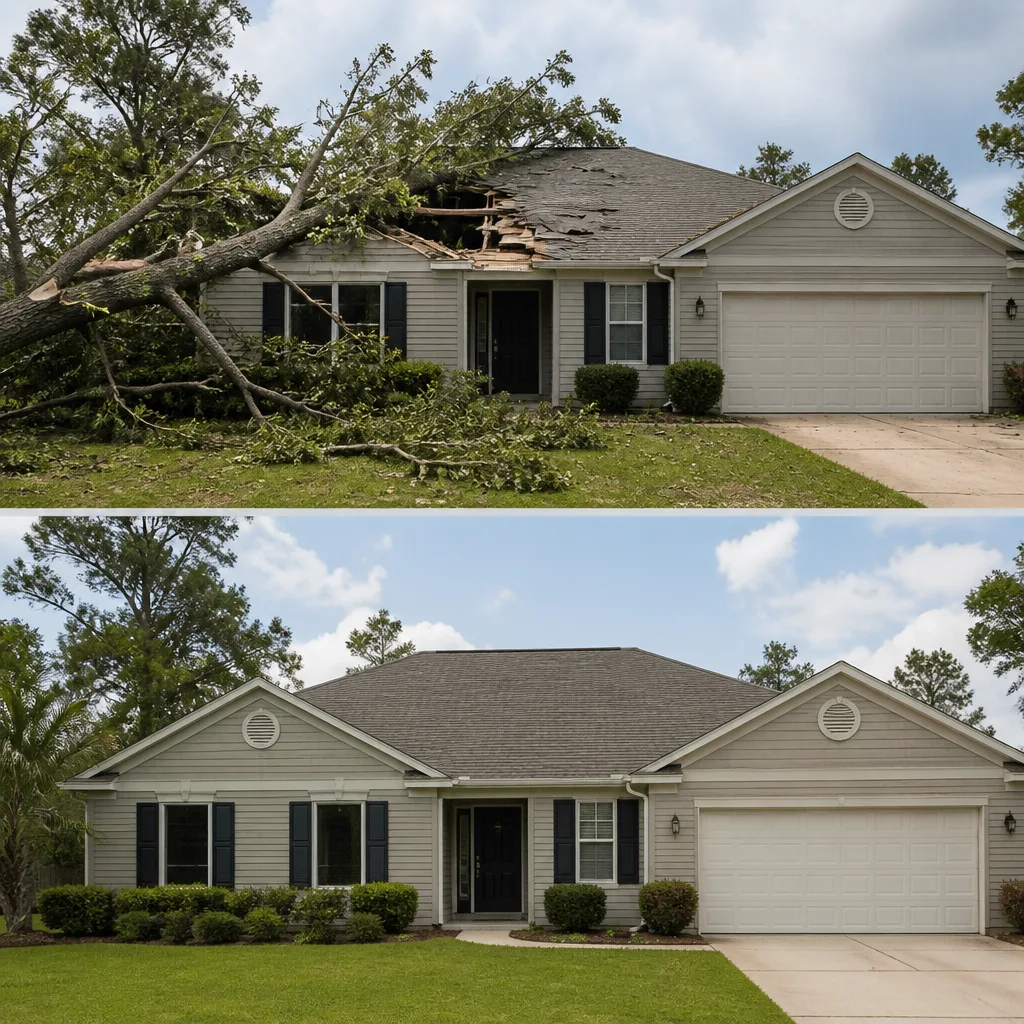

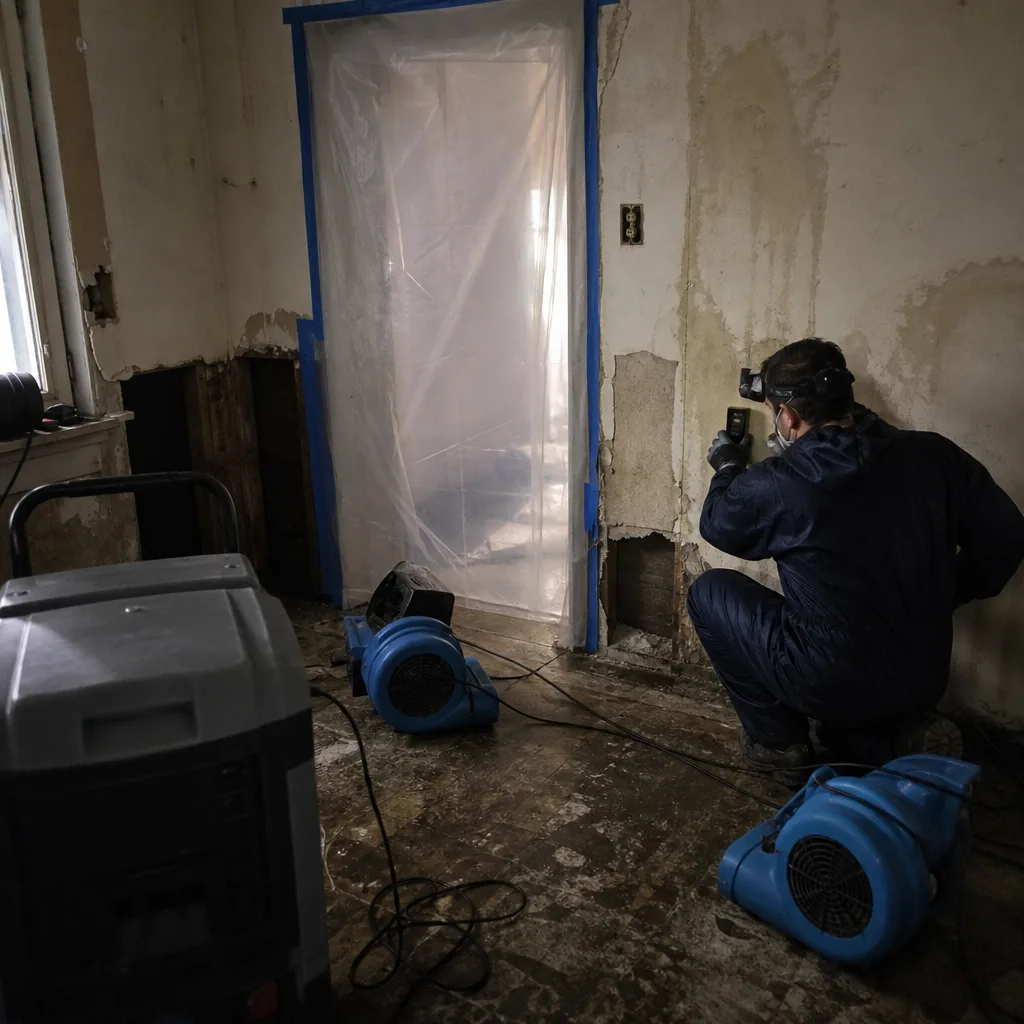 Before
 After
After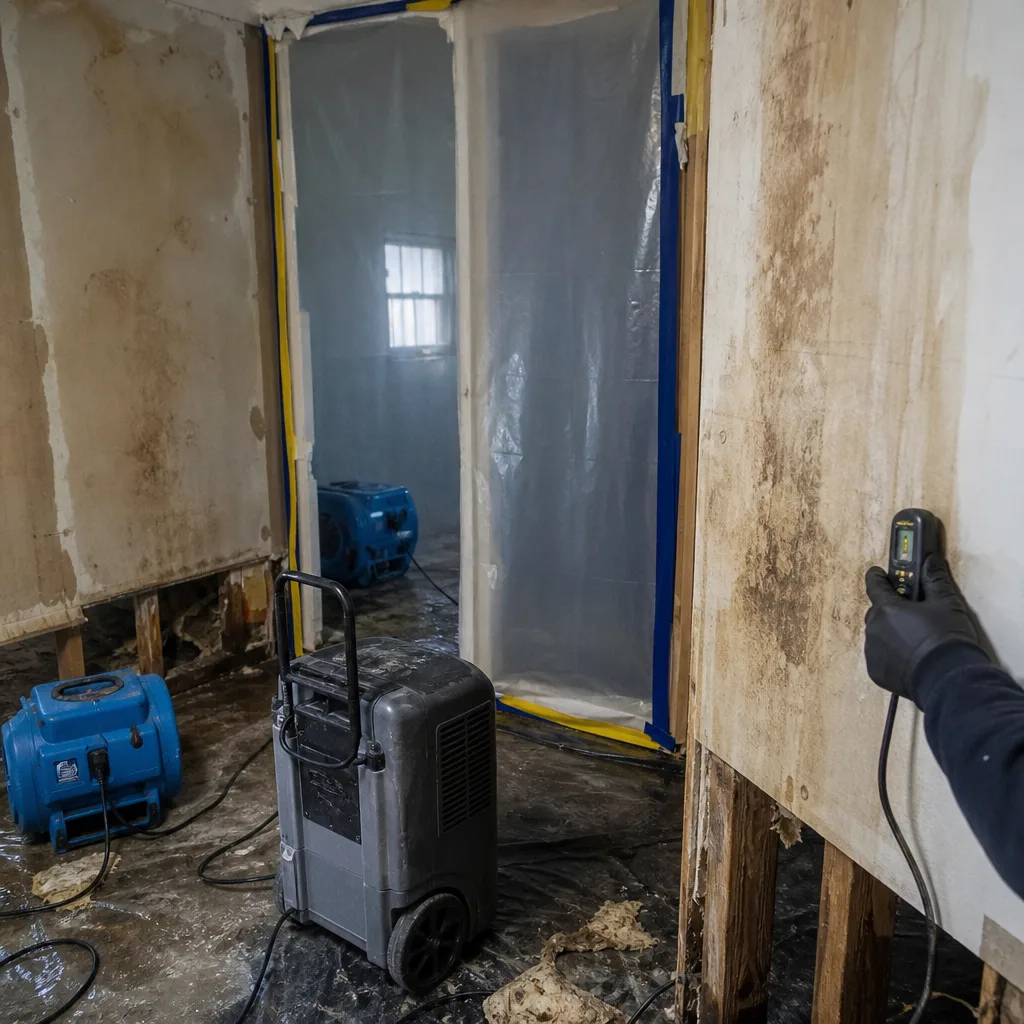 Before
 After
After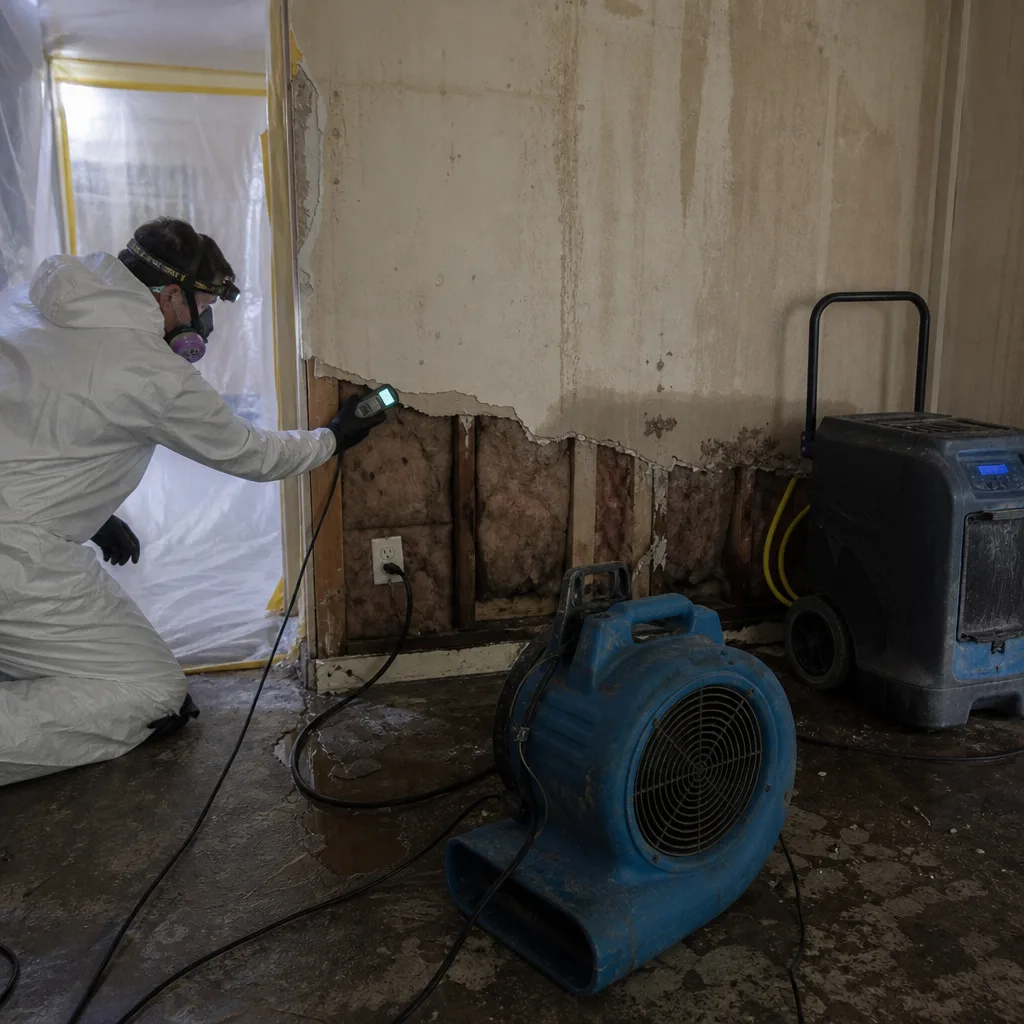 Before
 After
After24/7 Emergency Mold Remediation in Financial District
Mold remediation in the Financial District typically costs $1,800-$6,500 for a contained basement or mechanical-vault job, and we can have a certified crew on-site within 45 minutes of your call. If you’ve found mold after a flood, a pipe failure, or simply noticed a musty smell coming from sub-grade spaces in a converted pre-war tower, call (518) 663-6491 now. A live dispatcher answers at 2 a.m., not a recording, and the first visual inspection is free.
The first hour matters because mold in FiDi’s legacy masonry buildings moves through shared risers and elevator shafts faster than in any single-family home. What starts as a damp patch behind a basement vault door can reach upper residential floors through the high-rise stack effect within days. We know which buildings along Wall Street, Broad Street, and Water Street completed their post-Sandy mechanical elevations, and which still have original boiler rooms sitting below the flood line. That knowledge changes the scope from day one.
Understanding Mold Remediation Severity in Financial District Properties
Severity in the Financial District splits into three practical levels. A Category 1 or 2 event means clean water from a supply line or a minor leak has dampened drywall, flooring, or plaster lathe, and mold is surface-level or just beginning. Category 3 conditions mean seawater, sewage, or storm-surge water has saturated the substrate, and the job now involves antimicrobial treatment, containment, and verification that salt hasn’t compromised the structural assembly itself.
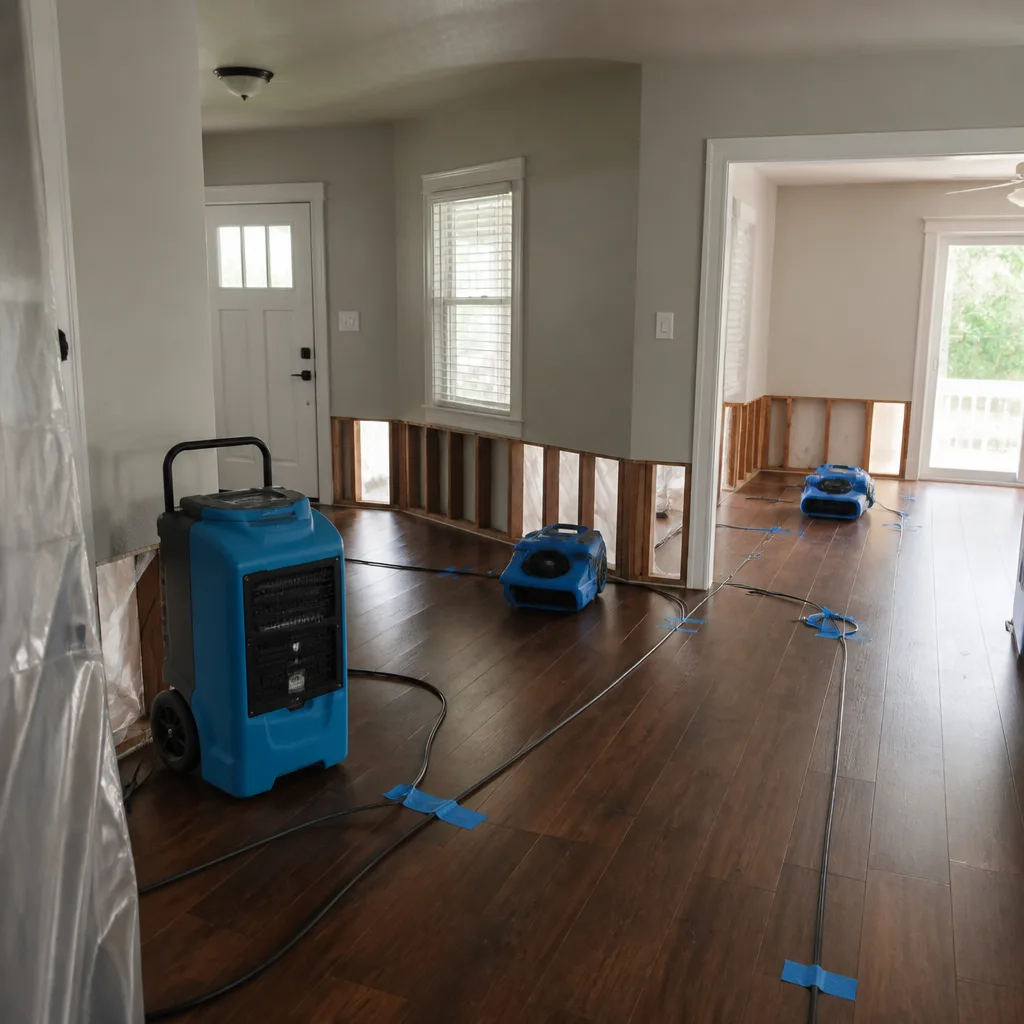
The district’s housing stock makes this different from anywhere else in Manhattan. Buildings like the converted towers at 40 Wall Street or 70 Pine were built between 1910 and 1940 with thick terra-cotta block, structural steel, and plaster-over-lathe interiors. When those assemblies hold moisture, they don’t dry like modern drywall. Standard residential drying methods trap salt and moisture behind the finish, and recurring mold shows up within weeks. Our crews use Dri-Eaz LGR dehumidifiers and XPOWER air movers inside sealed containment, with daily moisture mapping until readings drop below the dry standard for that specific material. We don’t release a FiDi basement as dry on a guess. The moisture log goes to you and your carrier in writing.
Why Financial District Property Owners Choose Floodline Restoration Co.
- 45-minute response commitment. Our dispatch board covers the Financial District with crews stationed for immediate response to Water Street, Pearl Street, and the Seaport corridor.
- Live answer, 24/7. You call (518) 663-6491 and a person picks up. No phone tree. No “leave a message.” That’s been true since Curt Bowman founded the company in 2010.
- IICRC-certified crews. Our technicians hold WRT, FSRT, and AMRT certifications, and they’re trained to IFA standards for the historically sensitive assemblies common in FiDi.
- Free visual inspection. Before any scope is written, we walk the space, map the moisture, and tell you what we’re seeing. You decide from facts, not pressure.
- Direct insurance billing. We bill your carrier directly and handle the adjuster communication. You don’t play messenger.
- One team, start to finish. The same Floodline Restoration crew that runs containment on day one handles drying, clearance testing, and the rebuild. No mid-job handoff.
Our Mold Remediation Process
Inspection & Assessment
We start with a full visual inspection, thermal imaging, and moisture readings from hygrometers and penetrating probes. In FiDi, this includes a check on whether the building completed its post-Sandy mechanical elevation, because that determines whether we’re dealing with structural drying or live Category 3 water in elevator pits and electrical vaults.
Containment & Source Control
We seal off the affected area with 6-mil poly sheeting and negative air pressure. In high-rises, containment is non-negotiable because the stack effect will pull spores into upper floors through shared risers if we skip this step.
Drying & Dehumidification
Dri-Eaz LGR dehumidifiers and Phoenix or XPOWER air movers go inside the contained space. We take daily readings and log them. Terra-cotta and plaster assemblies get longer drying cycles than gypsum board, and the moisture map tells us exactly when the substrate has reached its pre-loss condition.
Cleaning & Antimicrobial Treatment
Salt-laden substrates from storm-surge intrusion get treated differently than freshwater losses. We apply the appropriate antimicrobial for the material and the Category of water involved, then HEPA vacuum every surface inside containment.
Air Quality Restoration
HEPA air scrubbers run throughout the job, not just at the end. Before we release the space, we verify indoor air quality and provide post-remediation clearance documentation for you, your board, and your carrier.
Repairs & Restoration
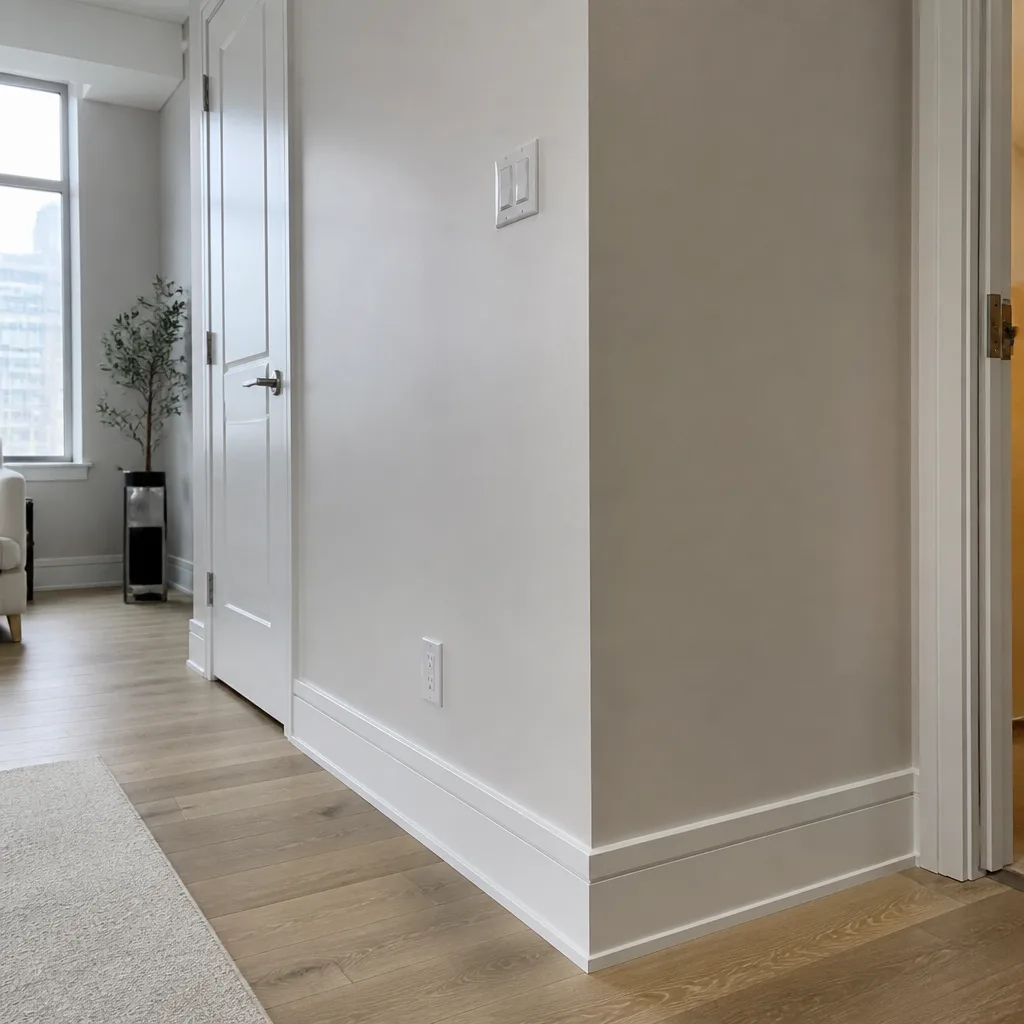
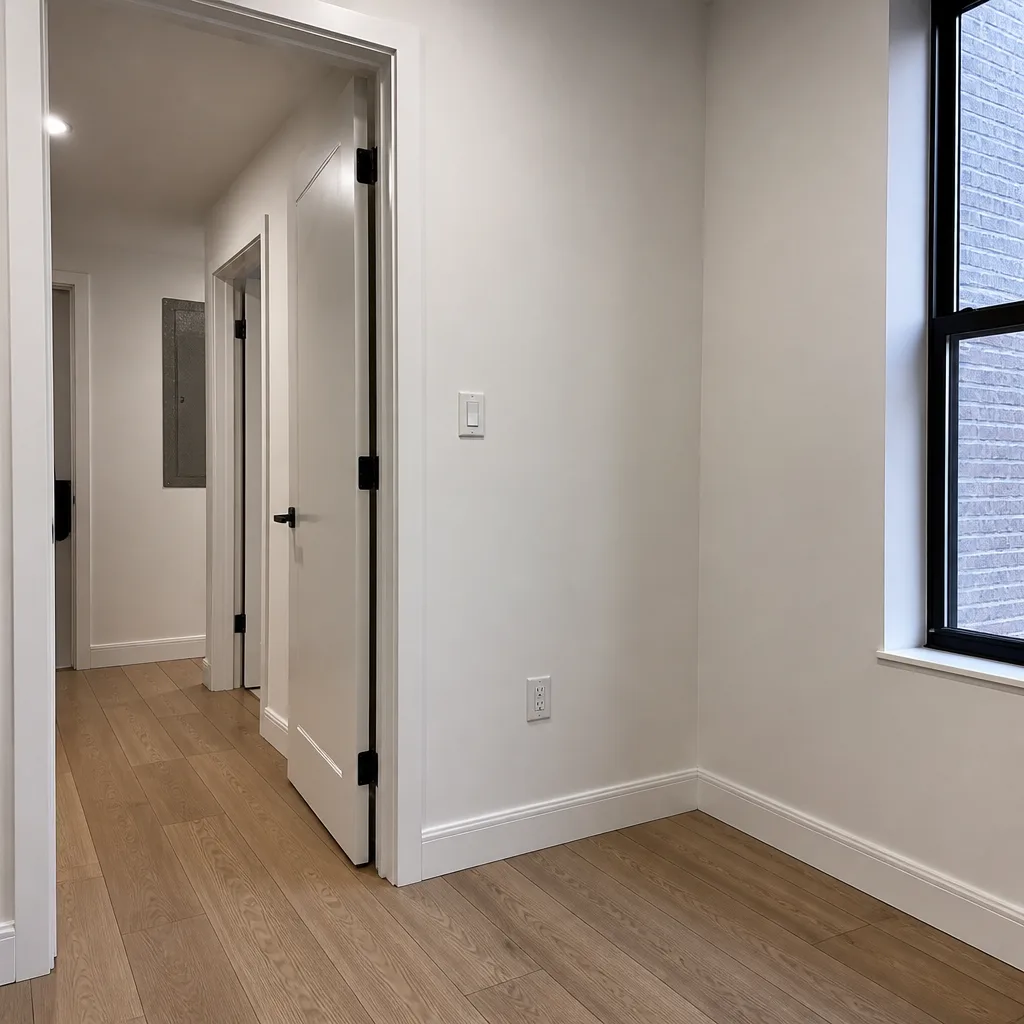
The same Floodline crew that removed mold and dried the space handles reconstruction. We repair plaster, replace damaged drywall, and restore finishes to a condition that matches the building’s original character where LPC rules apply.
Need Emergency Mold Remediation in Financial District Now?
Crews minutes away, answering live 24 hours a day. The sooner we start, the less it costs.
Working With Your Insurance Company
Most mold remediation in the Financial District is at least partially covered when the mold is the direct result of a covered water loss. Storm-surge damage from a named storm may trigger different policy language than a burst pipe, and we’ve handled both in this neighborhood enough to know exactly what documentation the adjuster needs. From the first hour, we photograph everything, log moisture readings daily, and build a line-item scope of work using industry-standard estimating software. We communicate with the adjuster directly, so you’re not relaying questions back and forth. If the carrier pushes back, we provide the drying logs, the containment plan, and the before-and-during photos to support the claim. You hired us to do the job right, and we stand behind our work and our documentation with the same written clarity: the 90-Day Done Right Promise.
What We Provide Your Insurer
- Thorough documentation of the loss
- Photos of all damage, room by room
- Moisture readings and drying logs
- A detailed, line-item scope of work
- Direct coordination with your carrier
Built for Financial District’s Loss Calendar
The Financial District’s mold season doesn’t follow a simple calendar. Late summer and early fall bring the highest humidity and the greatest risk of condensation-driven mold inside sealed mechanical vaults and sub-grade storage. Hurricane season peaks in September and October, and any named storm that pushes 9 to 14 feet of surge through the streets repeats what Sandy did to the district in 2012: seawater in basements, elevator pits, and electrical vaults. Saltwater does not just cause mold, it corrodes the structural steel and terra-cotta block that supports these buildings, so remediation here is a structural job as much as a microbial one.
Winter brings a different failure mode. Deep freezes burst supply lines in the district’s pre-war plumbing, and water travels through floor assemblies and shared risers before anyone notices. By the time the stain appears on a ceiling below, mold has already begun in the interstitial space. Spring thaw and nor’easter rains bring seepage into any basement or vault below the water table, which in FiDi means nearly all of them. The calendar rewards fast action, and our crews live close enough to reach Wall Street, Broad Street, or the Seaport in under an hour, any month of the year.
Mold Remediation Across Financial District’s Neighborhoods
The Financial District is a compact grid, but the building stock changes block by block, and the mold risk changes with it. Along Water Street and the blocks fronting the East River, the towers most exposed to surge and salt spray have post-Sandy retrofits, but below-grade vaults still flood in heavy rain because the streets themselves sit under 10 feet of elevation. Around Wall Street and Broad Street, the 1920s and 1930s buildings that were converted from commercial to residential use have some of the most complex basement mechanical layouts in the city. We regularly work in buildings along Beaver Street and Exchange Place, where original bank vaults and boiler rooms now sit empty or half-used, and humidity readings stay high year-round.
Toward the Seaport and South Street, the building stock is older and often landmarked, which means LPC approval is a part of nearly every major restoration. In the residential conversions around Stone Street and Hanover Square, original plaster-on-brick walls hold moisture differently than the steel-framed towers a block away. That’s why we never apply a one-size-fits-all drying plan in the Financial District. We read the building first, then write the scope. If you have a Mold Remediation concern in a pre-war co-op or a converted commercial tower, our team should take a look before any walls are opened.
Specialized Mold Remediation Services We Offer in Financial District
Mold Inspection & Testing
We start with thermal imaging and moisture mapping, not a guess. In FiDi, this includes verifying the building’s post-Sandy mechanical elevation status, because a basement vault in one tower may be a simple structural drying job while the identical footprint next door still holds live Category 3 water in the elevator pit. We test surface and air samples where indicated and give you a written report you can hand to your board or your carrier.
Mold Removal
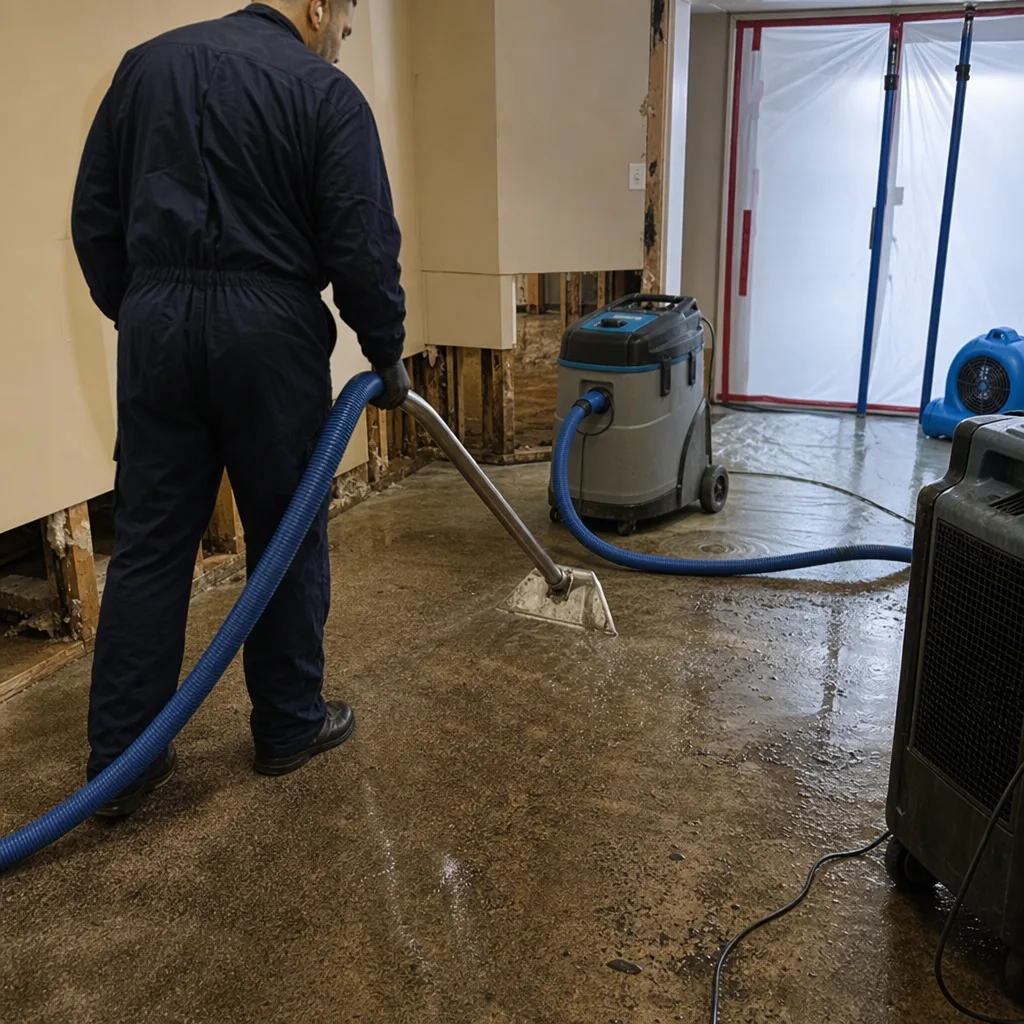
Containment, removal, and surface treatment inside your Financial District property, with a written scope before work starts. We don’t open walls speculatively. We map the moisture, identify the source, and remove only what’s affected, so we never destroy original plaster or millwork that could have been saved.
Black Mold Remediation
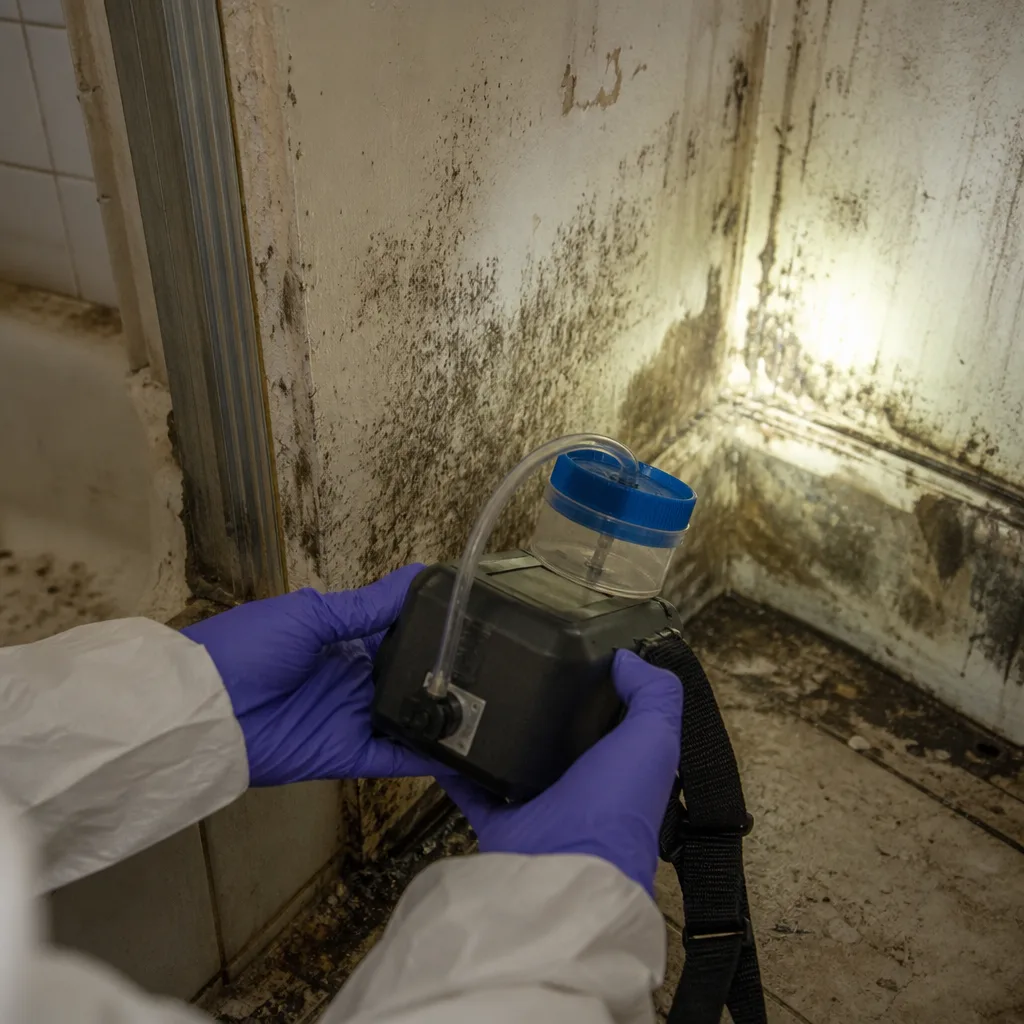
Stachybotrys is a labor-intensive remediation because it requires full containment, HEPA vacuuming, and verified clearance testing before the space is safe. In FiDi’s converted office towers, black mold often grows in hidden ceiling plenums, inside riser closets, and behind original paneling. We find it with moisture mapping and remove it under negative air.
Air Quality Restoration
After remediation, you need proof the air is clean. We run HEPA air scrubbers throughout the job and provide post-remediation verification documentation. In a high-rise, this matters more than in a house, because spores travel through shared air paths and your neighbor’s air is your air. We test, we scrub, and we release the space only when the numbers are right.
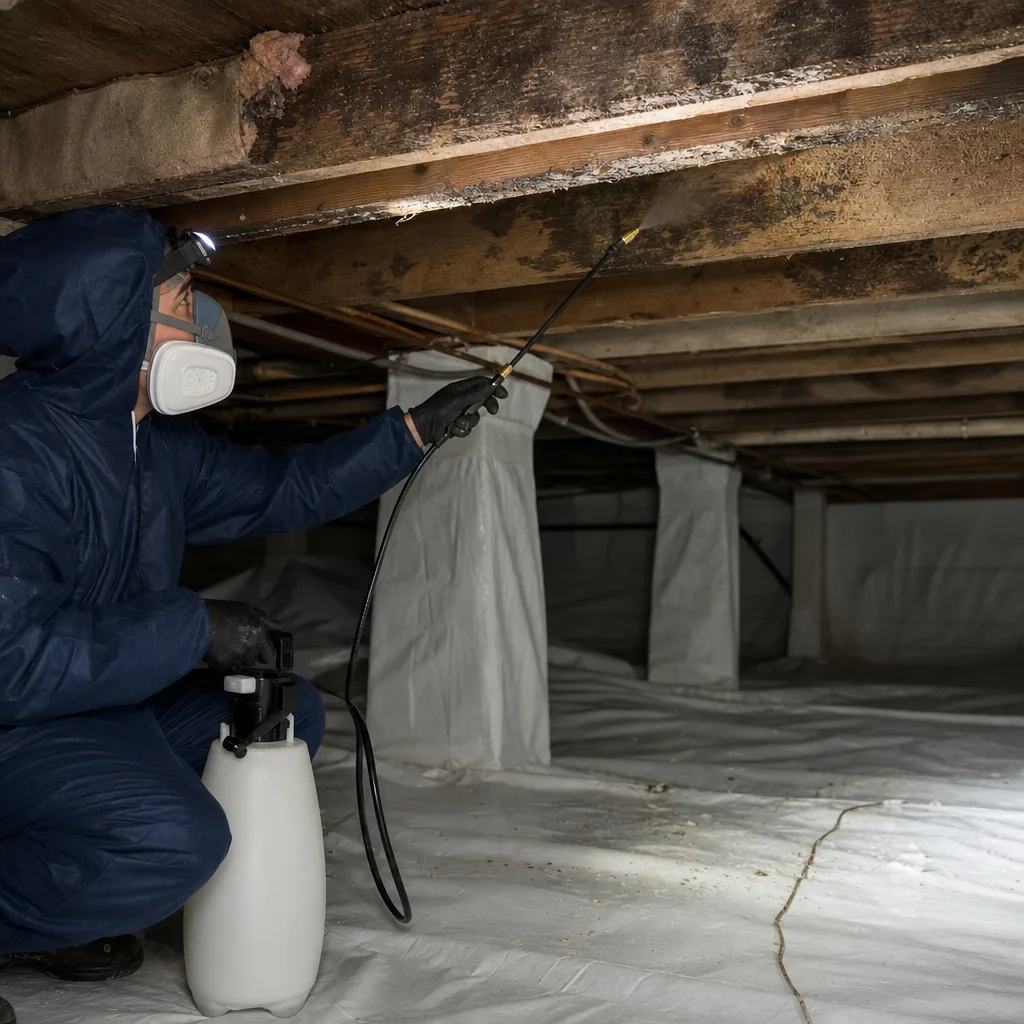
Crawl Space & Vault Treatment
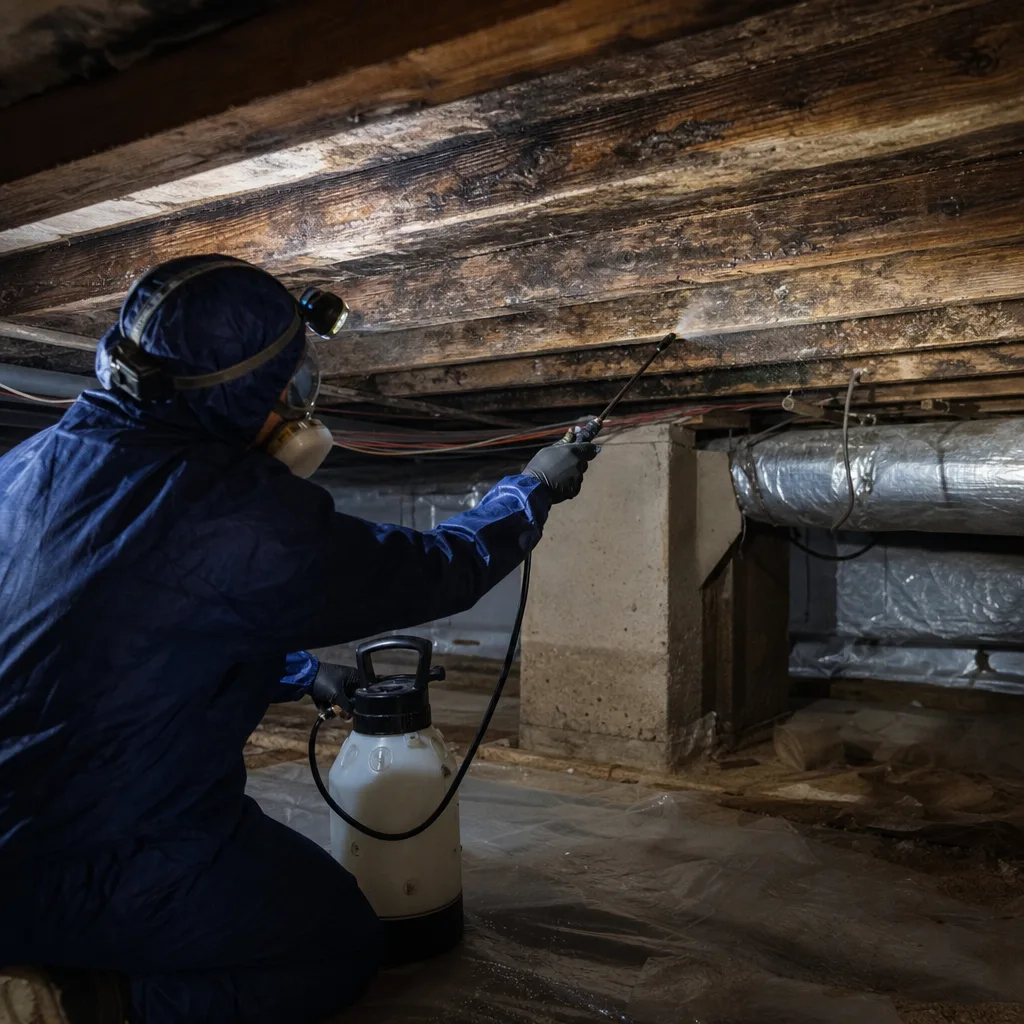
Sub-grade spaces in FiDi are not crawl spaces in the suburban sense. They’re former boiler rooms, electrical vaults, and old bank storage rooms, and they hold moisture year-round. We seal, dry, and treat these spaces with a focus on long-term humidity control, because the problem returns if the moisture source isn’t addressed. Dri-Eaz dehumidifiers and permanent humidity management are standard in these jobs.
What happens when you call
- 1
A real person answersNo phone trees - you reach a local pro.
- 2
You get an upfront price rangeHonest numbers before anyone is dispatched.
- 3
A background-checked tech heads outLicensed & insured, dispatched right away.
- 4
You approve before work beginsNothing starts until you say go.
Mold Remediation Costs in Financial District, NY
A contained mold remediation in a Financial District basement or mechanical vault typically runs $1,800 to $6,500, depending on the square footage, the Category of water involved, and whether LPC approval is required. Small surface-mold jobs in a single apartment, where the source is a small plumbing leak, often land between $1,500 and $3,000. Full Category 3 remediation with structural drying in a landmarked tower can exceed $10,000 when multiple trades and LPC review are required. Moisture and humidity control work, including dehumidifier installation and vapor barrier work, typically runs $800 to $2,500 depending on the space.
What moves the price is the building, not just the square footage. A pre-war terra-cotta assembly that holds 35% moisture needs longer drying time and more containment than a modern drywall wall. Saltwater intrusion adds antimicrobial treatment and possible structural assessment. The free visual inspection gets you from “I’m not sure what this is” to a firm, line-item scope in writing, so you know the number before any work starts. Call (518) 663-6491 and we’ll schedule it.
We Also Serve Cities Near Financial District
Floodline Restoration Co. serves the Financial District and surrounding neighborhoods throughout Lower Manhattan and the nearby waterfront. That includes Lower Manhattan, Washington Square, Brooklyn Heights, and Williamsburg. If you’re a few blocks from our FiDi coverage area, call us anyway. We’ll tell you straight if we can reach you in time, and we often can.
Serving Financial District, NY - Our Local Coverage Area
We’re based in the Financial District area and know this community well. Use the map below to see our service coverage - if you’re nearby, we can almost certainly help.
Financial District Mold Remediation Questions, Answered
How does saltwater intrusion from a storm surge change mold remediation in Financial District basements compared to a typical pipe burst?
Saltwater changes everything. Salt doesn’t just feed microbial growth; it corrodes structural steel, dissolves plaster binders, and remains in the substrate long after the visible water is gone. Remediation after surge intrusion requires washing the salt out of the material before antimicrobial treatment, otherwise the mold returns and the structure keeps degrading. We use Floodline equipment like Dri-Eaz LGRs to dry and then treat the salt-laden substrate. If your building took on seawater, call (518) 663-6491 for an assessment that accounts for salt, not just moisture.
Do I need Landmarks Preservation Commission approval before mold remediation starts in my FiDi condo building?
If the building is landmarked or in a historic district, and the remediation involves finishes, facade work, or structural changes, LPC approval may be required before the restoration phase begins. Mold removal and drying can usually proceed under emergency conditions, but the rebuild and finish restoration often need LPC review. We coordinate with building management and the commission on this. You don’t have to figure it out alone.
Why is the building’s post-Sandy mechanical elevation status relevant to a mold job?
After Sandy, many FiDi high-rises moved boilers, switchgear, and elevator machine rooms from basements to upper floors under FEMA compliance programs. But not every building did. In one tower, a flooded basement may hold nothing but empty storage, where remediation is simple drying and mold removal on concrete. In the identical footprint next door, the same flood may have filled an electrical vault and an elevator pit with Category 3 water. We check the building’s mechanical-elevation status before we write the scope. It changes whether you need full water extraction or just structural drying, and it’s a step that only exists in this neighborhood.
Can mold from a basement vault in a Financial District high-rise spread to my apartment on an upper floor?
Yes, and it does. The stack effect in high-rises draws air upward through shared risers, elevator shafts, and pipe chases. A mold source in a basement vault will push spores into upper residential floors if there’s no containment. That’s why we set up negative air and sealed containment on every FiDi basement job, even small ones. Your apartment is not isolated from the building’s lower floors, which is also why air quality verification matters after remediation.
What should a moisture map show before you release a FiDi basement as fully dry?
The moisture map should show every affected material at or below its dry standard, which varies by material. Concrete block should be below 15% moisture content. Terra-cotta around 12 to 15%. Plaster below 15%. We take daily readings and log them, and we don’t release the space until we’ve held the dry standard for several consecutive days. The log goes to you and your carrier. If the readings aren’t there, the job isn’t done.
How fast can you actually get to my building in the Financial District?
Within 45 minutes in most cases. Our dispatch coordinates from the New York City office, and we keep crews positioned for FiDi response. Call (518) 663-6491 and a live person will tell you exactly when we’ll be there.
Will my insurance cover mold remediation in a pre-war condo building?
Coverage depends on the source of the water. If mold resulted from a covered loss, like a burst pipe or storm surge under a covered peril, remediation is often partially or fully covered. We photograph everything from the first hour, provide daily moisture logs, and bill your carrier directly with a line-item scope. If the adjuster has questions, we answer them directly. You won’t be stuck emailing documents back and forth.
Can I stay in my Financial District apartment during mold remediation?
It depends on the size of the contained area and whether the affected space connects to your living quarters through shared air paths. For small, contained jobs in a basement or vault, upper-floor residents usually remain in place. For larger jobs that affect your unit directly, we recommend temporary relocation during the active remediation and drying phase. We’ll give you a straight answer after the inspection, not a guess.
Written by Curt Bowman, Owner at Floodline Restoration Co., serving the Financial District with mold remediation, water damage restoration, and full reconstruction since the company’s founding in 2010.