
Free visual inspection and a written scope of work before any mitigation begins - photos, moisture readings, and drying logs go in your claim file
The scope we write is the scope we bill. Anything new gets shown to you, in writing, before we touch it.
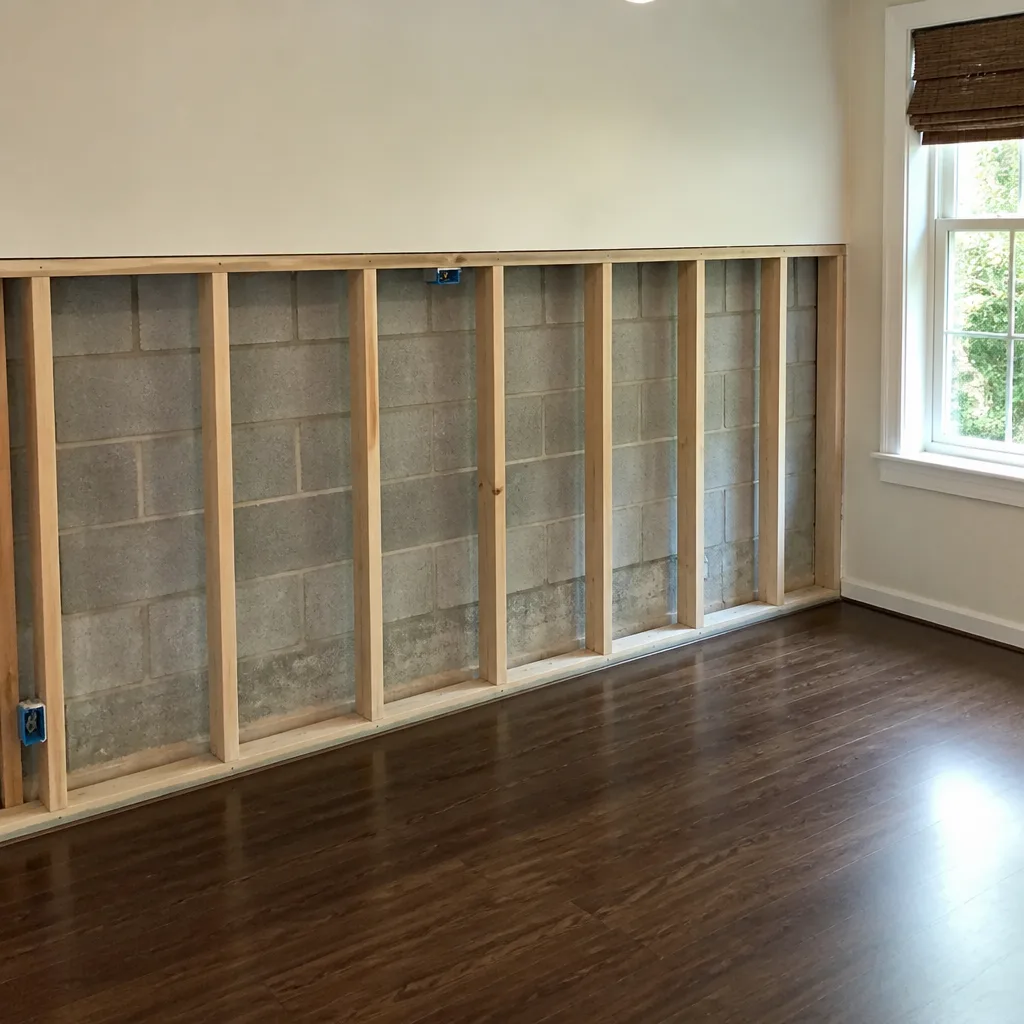
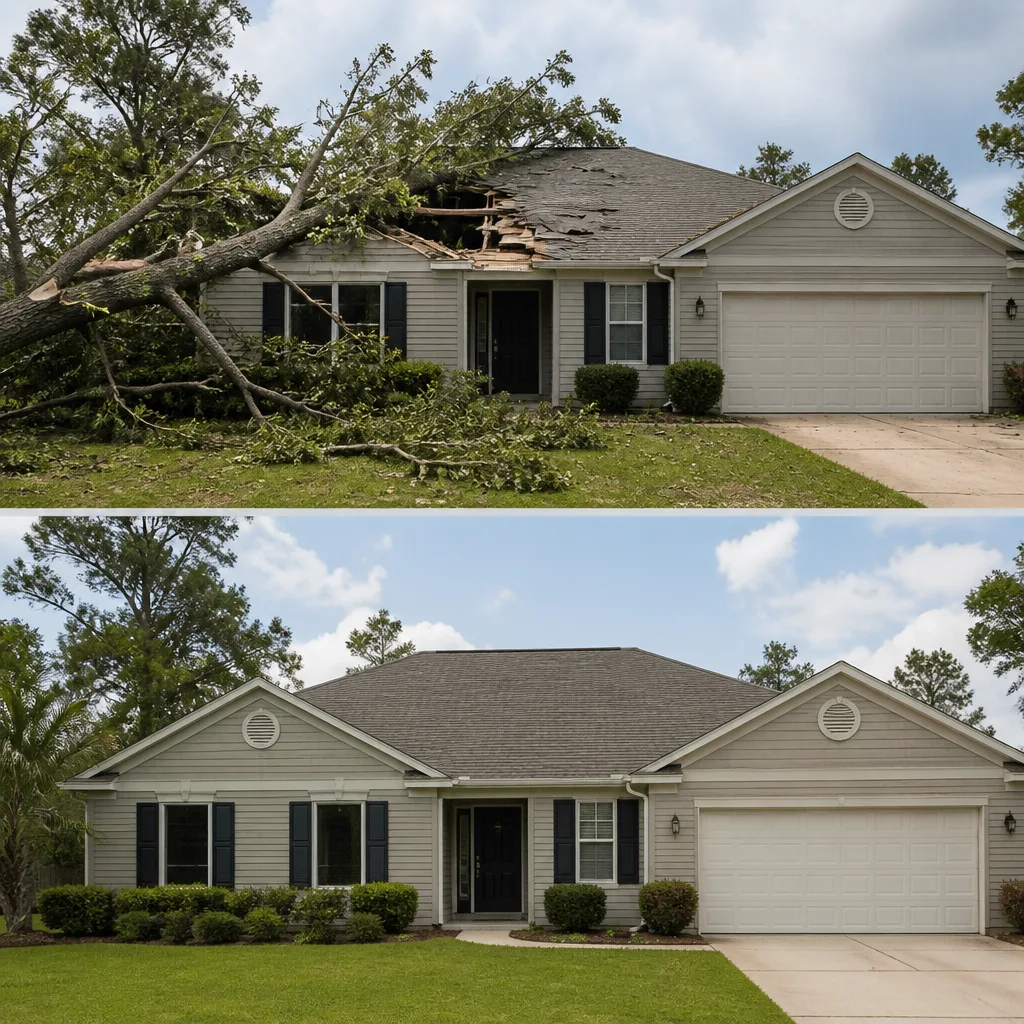
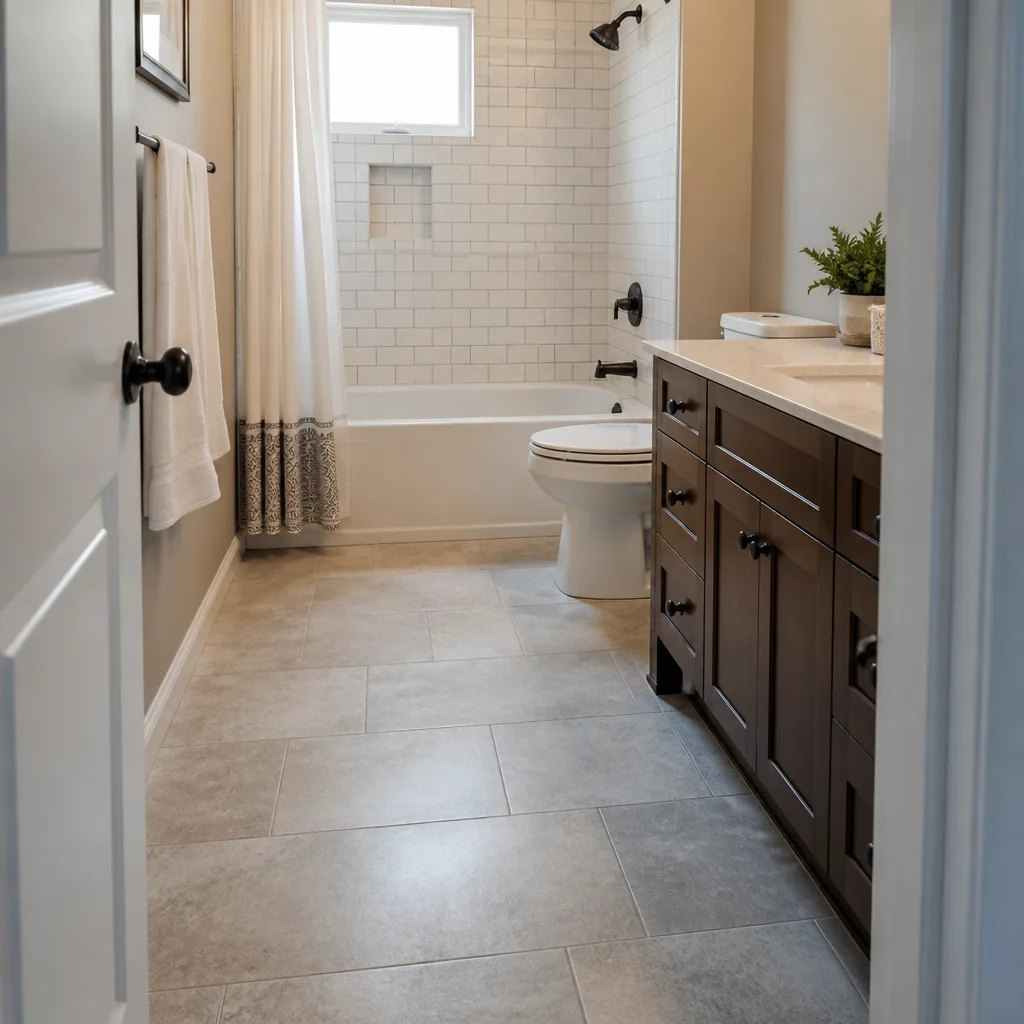
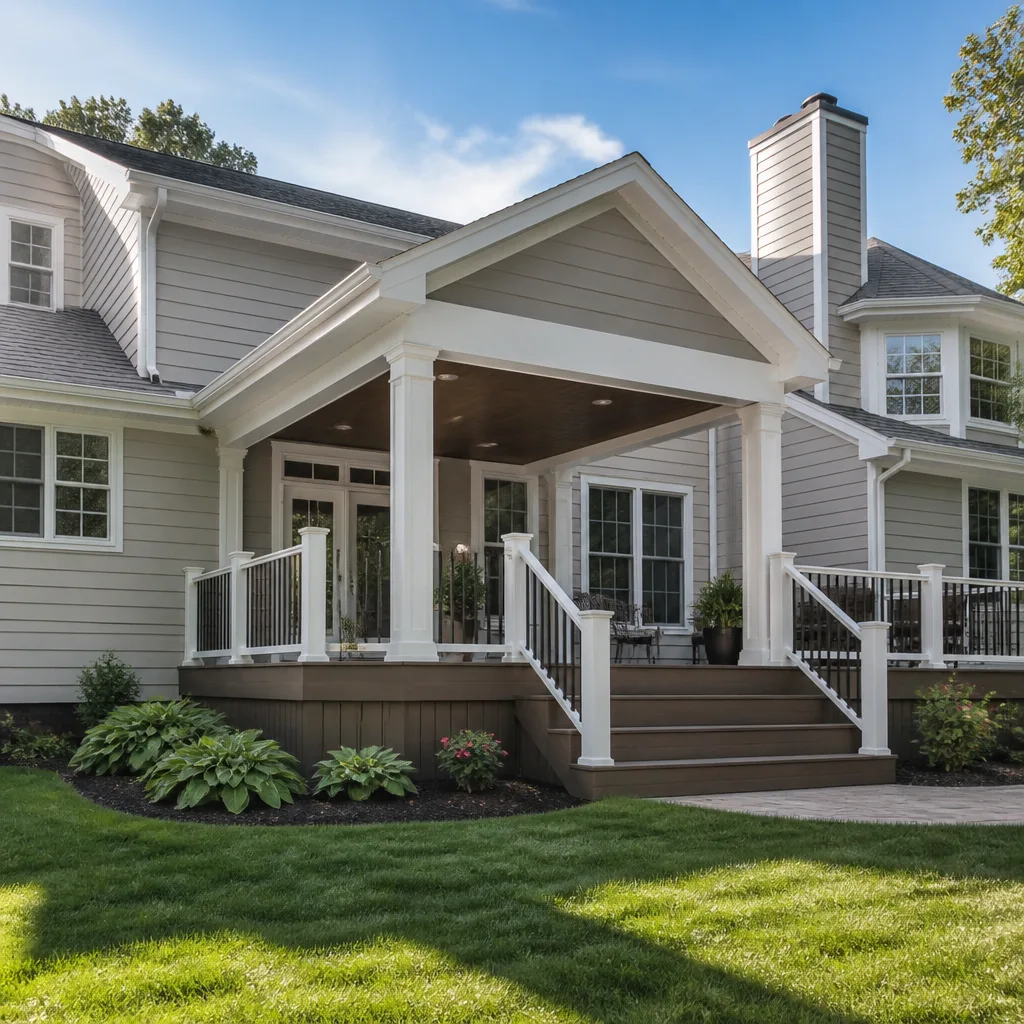
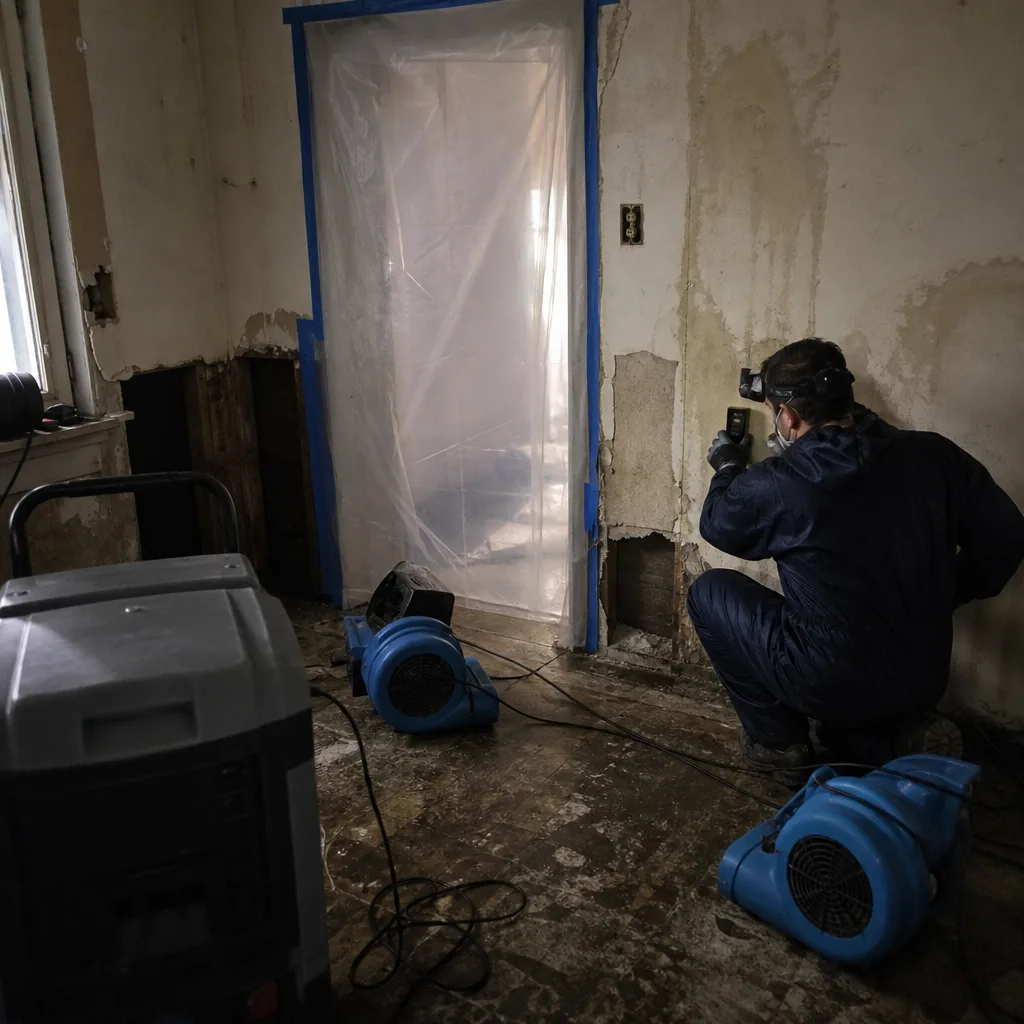 Before
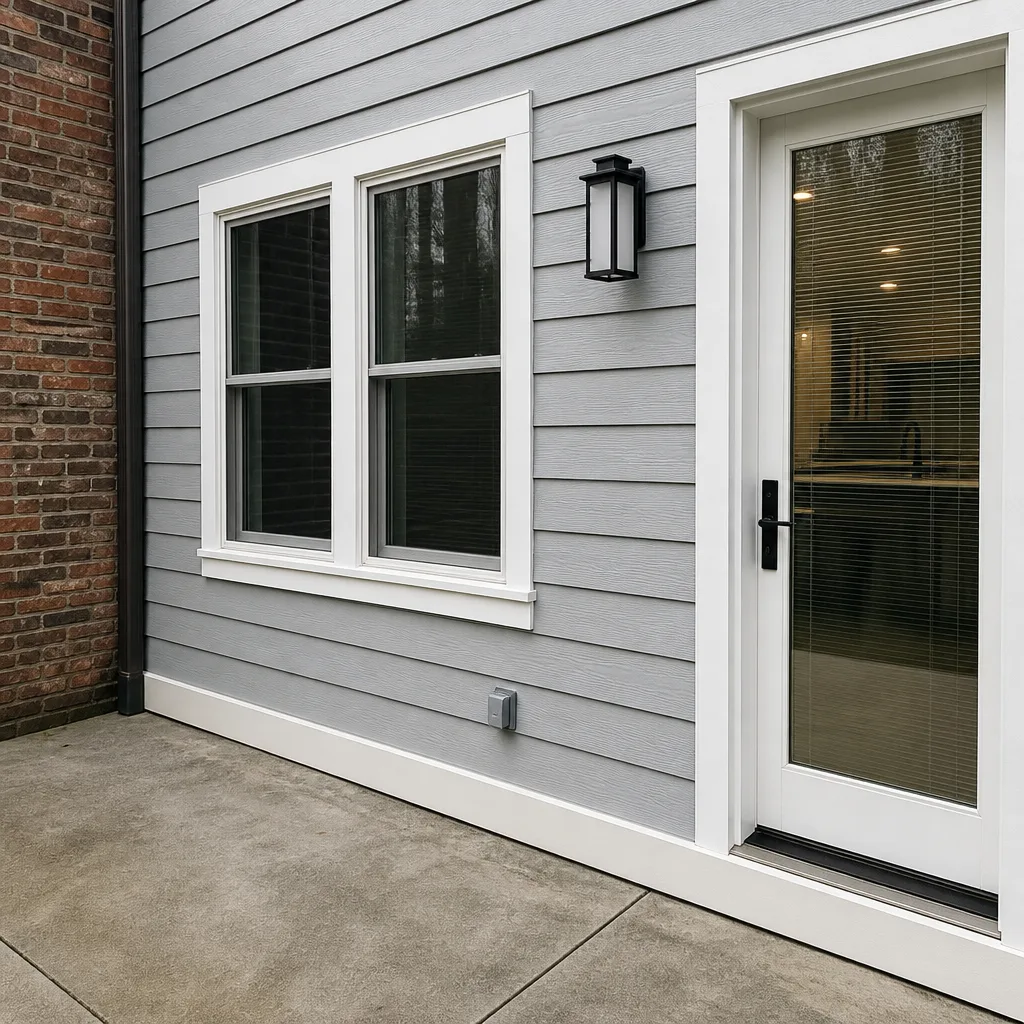 After
After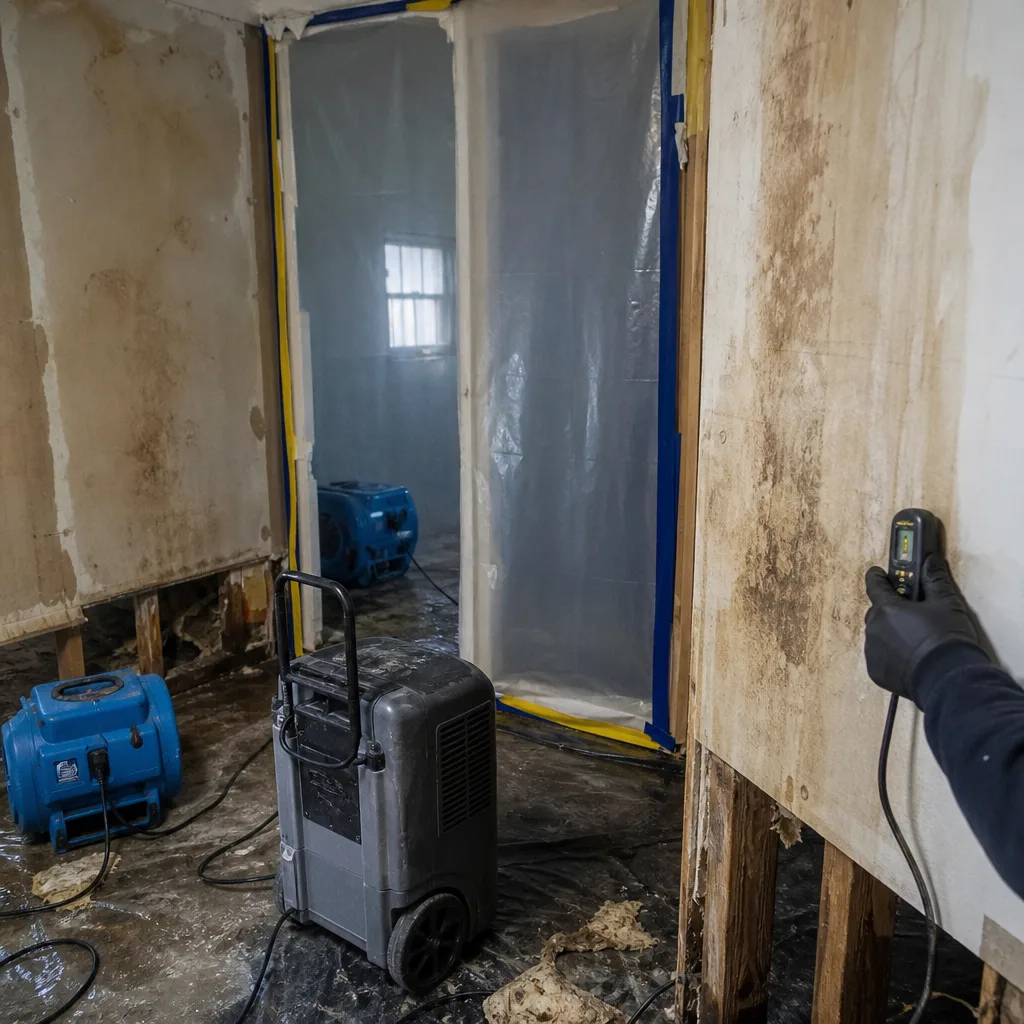 Before
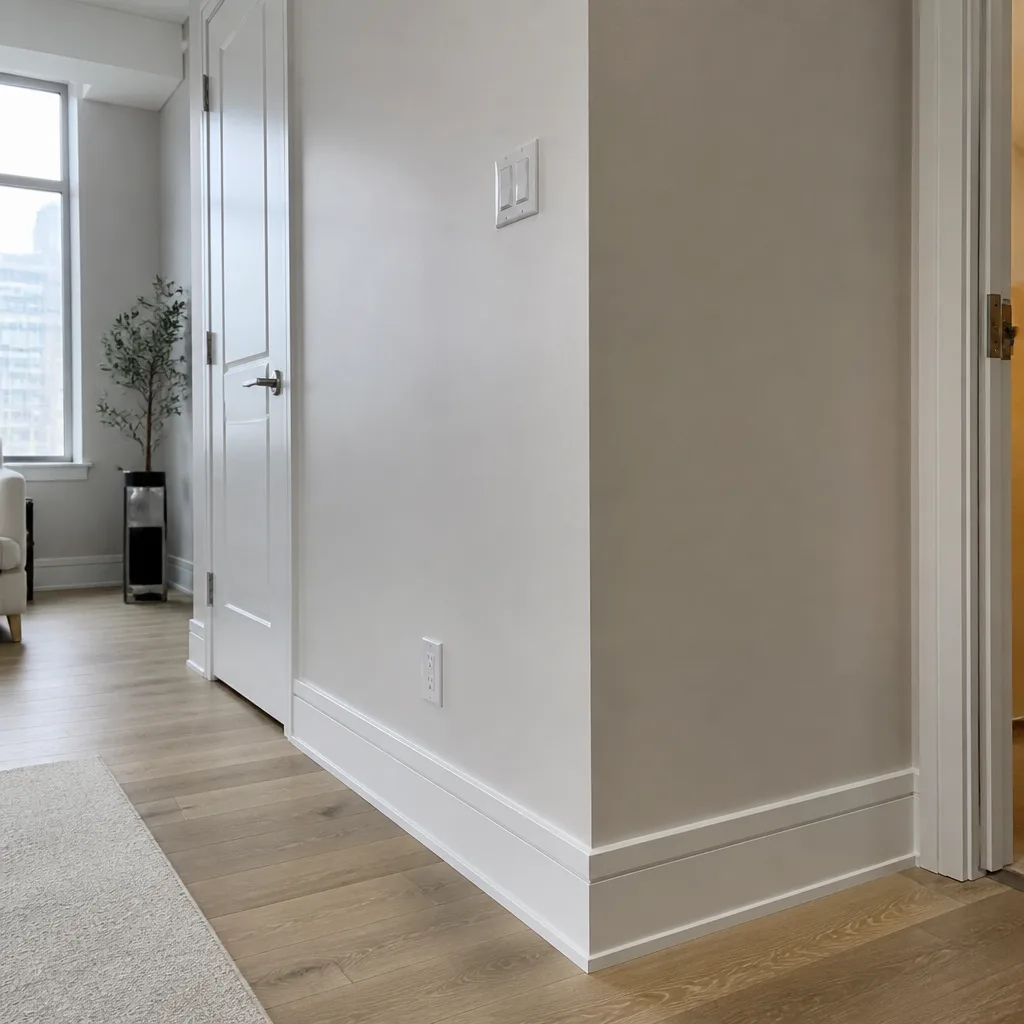 After
After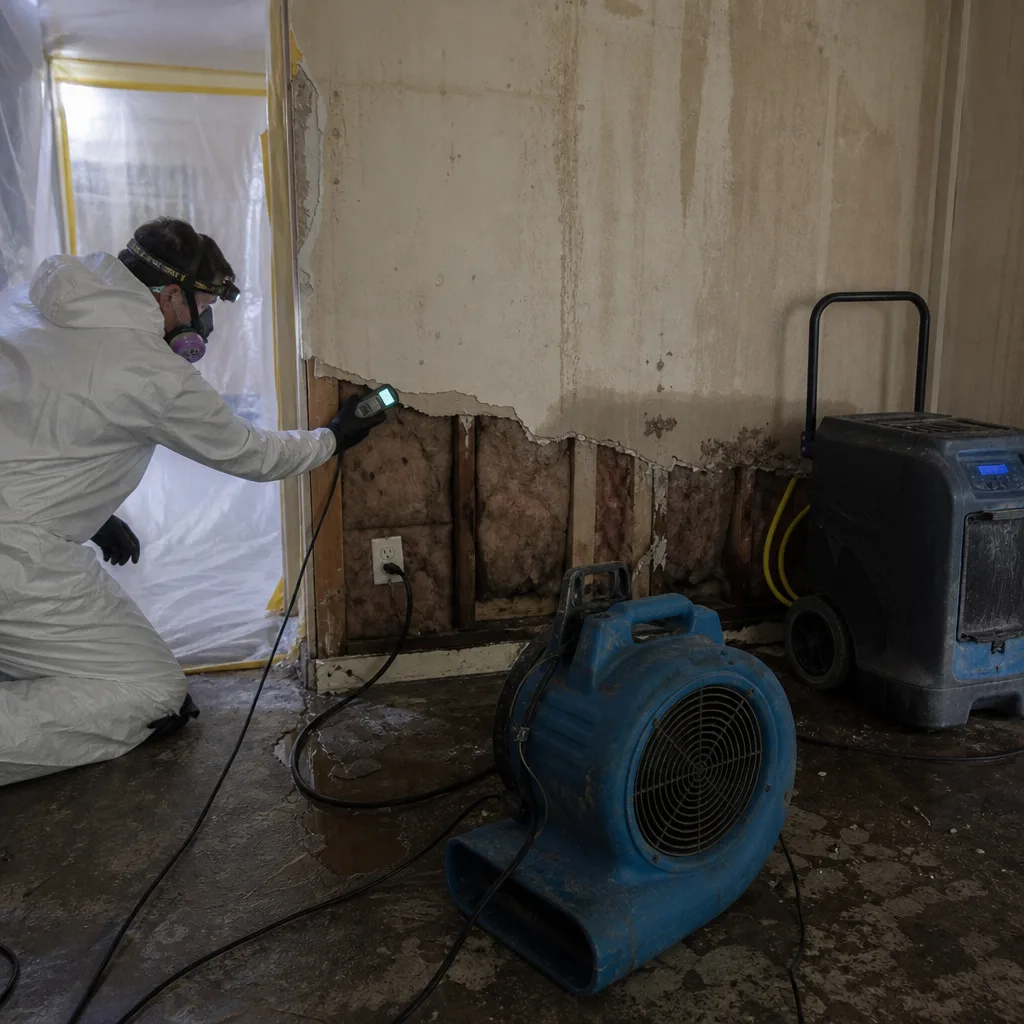 Before
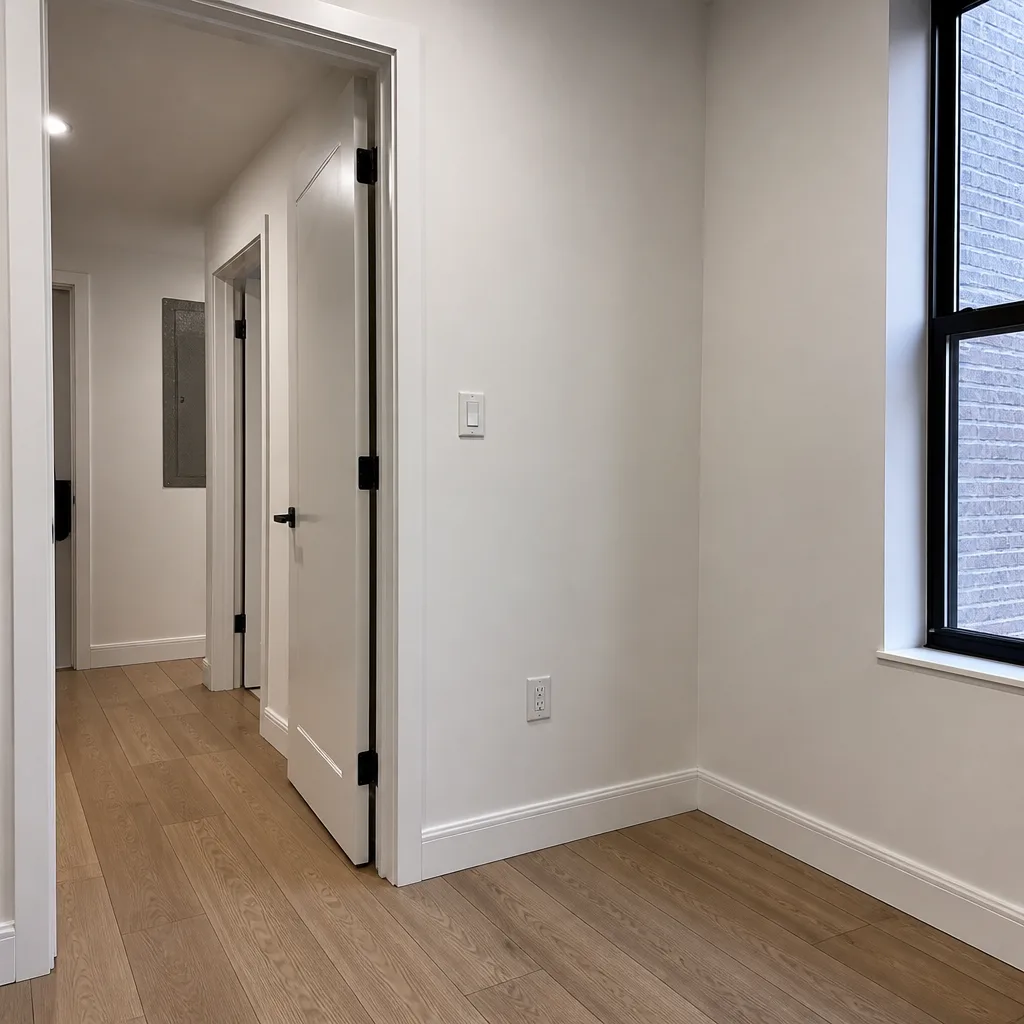 After
After24/7 Emergency Commercial Restoration in Williamsburg
Commercial water or fire damage in Williamsburg rarely waits for business hours. When a cast-iron waste line lets go in a converted loft on North 6th Street, or a nor’easter drives the East River into a Bedford Avenue basement, you need a crew that answers the phone at 2 a.m. and actually shows up. Floodline Restoration Co. dispatches commercial restoration teams throughout Williamsburg around the clock. Call (518) 663-6491 and a live person picks up, not a recording. We’ll walk you through the first thirty minutes, then send a certified crew for a free visual inspection. The first hour after water intrusion determines whether you’re looking at drying and cleaning or a full rebuild, and in Williamsburg’s older building stock, that timeline compresses fast.
Understanding Commercial Restoration Severity in Williamsburg Properties
Not every water loss in Williamsburg gets treated the same way, because the building itself dictates severity. A Category 1 clean-water supply line break in a new Northside high-rise is a controlled drying job. A Category 3 sewage backup in a 1920s Bedford Avenue tenement is a biohazard that requires full containment, antimicrobial treatment, and often structural assessment. Williamsburg’s building stock spans brick tenements with lathe-and-plaster walls, converted factory lofts with concrete slabs and unreinforced masonry, and newer steel-frame construction. Lathe-and-plaster wicks moisture far longer than modern drywall. Concrete slabs in former industrial buildings channel water horizontally into neighboring units. We moisture-map every affected area with thermal imaging and hygrometers before we write a single drying protocol, because guessing costs you days and dollars. Fire losses carry their own calculus: protein soot from a kitchen fire etches differently than synthetic soot from burnt inventory in a retail space, and smoke migrates through the same party-wall gaps that make Williamsburg water losses so complicated.
Why Williamsburg Property Owners Choose Floodline Restoration Co.
- 45-minute response commitment for commercial losses in Williamsburg, from live dispatch to a crew at your door.
- 24/7 live answer by a real person, never an automated system or a callback queue. Curt Bowman built the company around a dispatch board, not a sales desk.
- IICRC-certified crews trained to WRT, FSRT, and AMRT standards, background-checked and uniformed on every job.
- Free visual inspection for any Williamsburg commercial property, with no obligation and no pressure.
- Direct insurance billing. We document the loss from hour one and talk to your adjuster directly, so you don’t play messenger.
- One team from extraction to reconstruction. No mid-job handoff to a sub you’ve never met. The same crew that reads the moisture map on day one rebuilds what needs rebuilding, and the Commercial Restoration team stands behind it with the 90-Day Done Right Promise.
Our Commercial Restoration Process
Inspection & Assessment
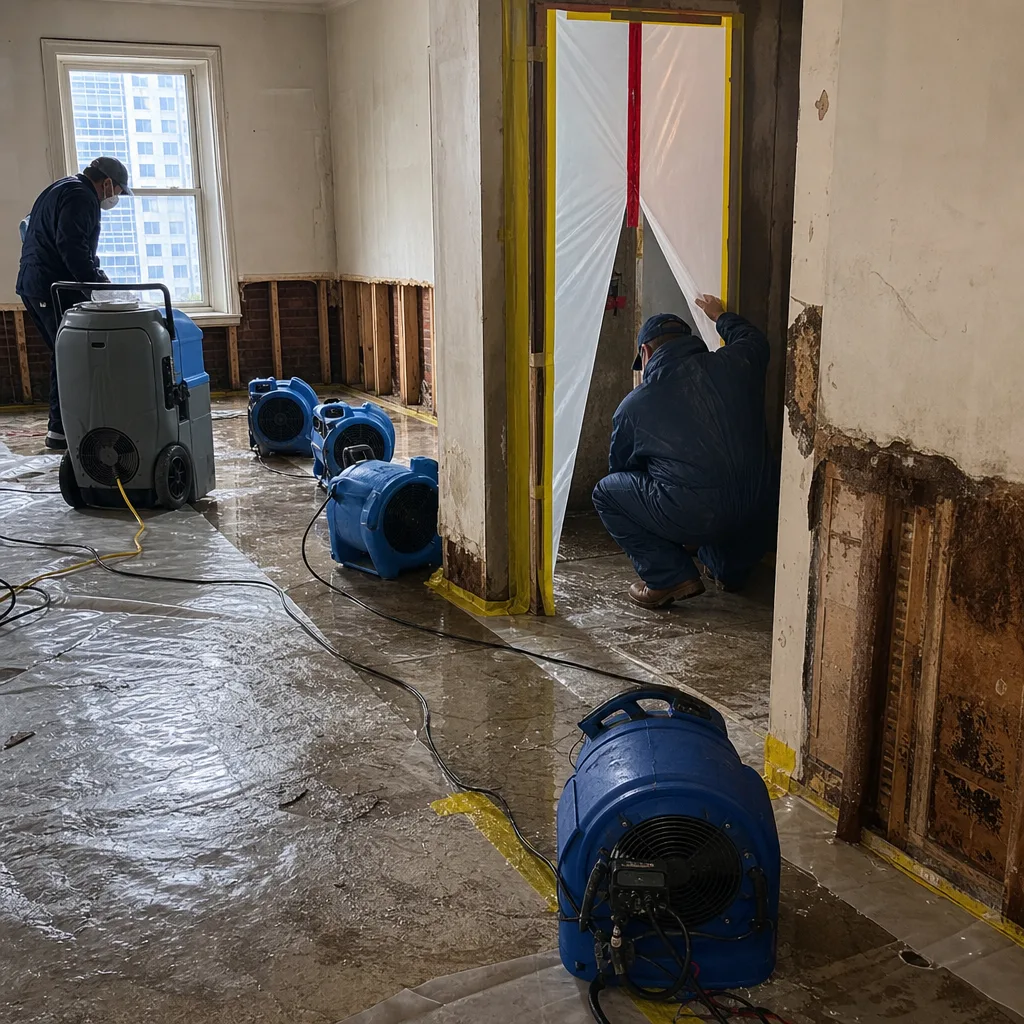
We arrive, photograph everything, and moisture-map the full affected area with thermal imaging and penetrating meters. On Williamsburg loft buildings, we specifically trace lateral migration through party walls, not just the visible ceiling stain. You get a written scope before any work begins.
Extraction & Stabilization
Standing water comes out with truck-mounted extraction units and submersible pumps. We stabilize compromised materials and isolate the loss with containment barriers to stop cross-contamination, especially in multi-unit buildings where adjacent spaces stay occupied.
Drying & Dehumidification
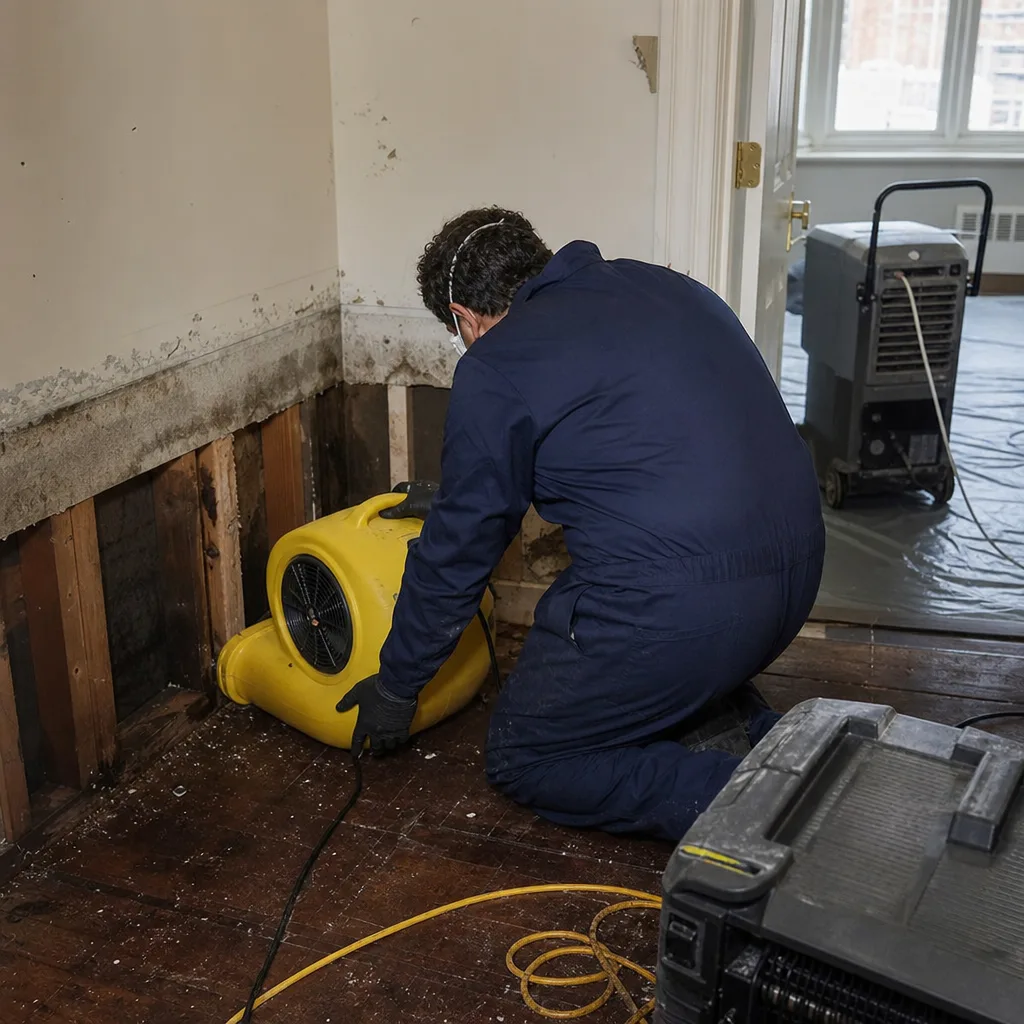
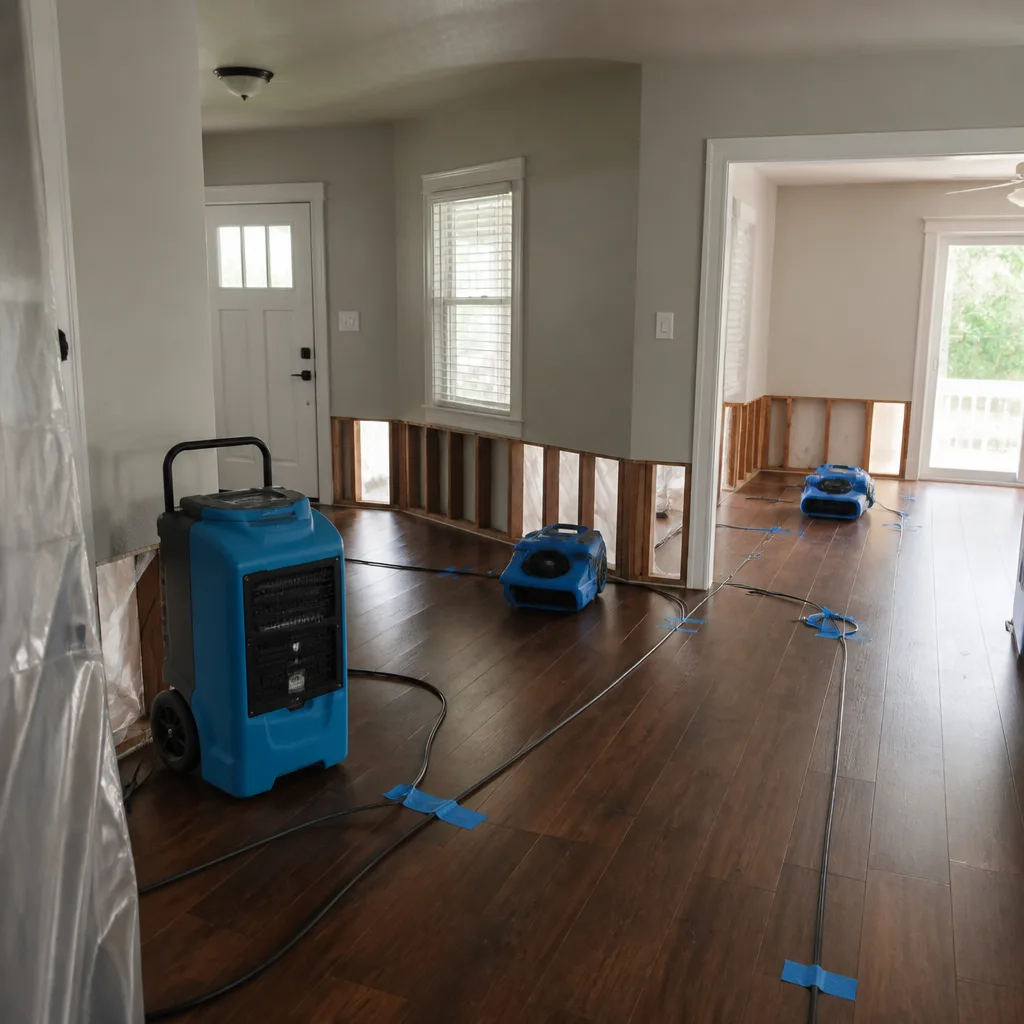
We set Dri-Eaz LGR dehumidifiers and XPOWER air movers matched to the actual material composition, not a generic square-footage formula. On lathe-and-plaster, we expect extended dry times and we log daily readings until the dry standard is met, in writing.
Cleaning & Sanitization
Affected surfaces get HEPA vacuuming, antimicrobial treatment where Category 2 or 3 water was present, and air scrubbing to capture airborne particulate. Salvageable inventory and documents get pack-out and specialized cleaning.
Specialty Commercial Treatment
For Williamsburg’s converted lofts and pre-war tenements, this means cast-iron waste line inspection, rubble-stone foundation seepage assessment, and unreinforced masonry documentation. We scope what needs to change so the failure doesn’t repeat, not just what needs to dry.
Repairs & Restoration
Rebuild is done by the same certified crew that handled mitigation. Lathe-and-plaster patch, slab repair, drywall, paint, flooring, and fixture reinstallation all fall under one roof, one warranty, and the 90-Day Done Right Promise in your hands, in writing.
Need Emergency Commercial Restoration in Williamsburg Now?
Crews minutes away, answering live 24 hours a day. The sooner we start, the less it costs.
Working With Your Insurance Company
Commercial restoration claims in Williamsburg get complicated fast, especially in converted loft buildings where the damage crosses property lines and liability gets murky. We handle the documentation from hour one: photos of every affected room, moisture readings in writing, and a line-item scope that speaks your adjuster’s language. Our team communicates directly with your carrier, which means you’re not the one on hold explaining why a party-wall water loss requires lateral moisture mapping. We bill insurance directly where coverage applies, and we write scopes that hold up under adjuster review because they’re specific, documented, and defensible.
What We Provide Your Insurer
- Thorough documentation of the loss
- Photos of all damage, room by room
- Moisture readings and drying logs
- A detailed, line-item scope of work
- Direct coordination with your carrier
Built for Williamsburg’s Loss Calendar
Williamsburg’s commercial restoration needs follow a predictable rhythm, and we’ve learned it over years of answering the phone at every hour. January and February bring frozen supply lines and burst pipes in unheated basement mechanical rooms of older tenements, many of which still run original cast-iron waste lines that crack under thermal stress. Spring thaw pushes groundwater into rubble-stone foundations along Bedford Avenue and the side streets, where no waterproofing membrane was ever installed. Summer thunderstorms overwhelm drainage systems in converted industrial buildings that were never designed for residential occupancy density. And nor’easter season, from October through March, pushes storm surge off the East River into the low-lying blocks of Northside Williamsburg, where FEMA’s post-Sandy maps reclassified much of the waterfront into Zone AE. Each season has its own failure signature here, and knowing that calendar means we arrive already knowing where to look.
Commercial Restoration Across Williamsburg’s Neighborhoods
Williamsburg isn’t one building type, and commercial restoration here demands different protocols block by block. Along Bedford Avenue, late-19th and early-20th-century brick tenements with rubble-stone foundations and lathe-and-plaster interiors dominate. Water losses here run into days of extended drying, and sewage backups from collapsing cast-iron laterals are common enough that we scope for them on every Category 2 or 3 call. North of the BQE toward the waterfront, in the converted factory and warehouse lofts along North 1st through North 7th Streets, we see the most complicated losses in the neighborhood. Lateral moisture migration through unreinforced brick party walls means a ceiling stain in one unit often originates two units over, and we document accordingly. The Northside waterfront high-rises bring their own set of issues: mechanical room flooding, parking garage water intrusion during storm surge, and common-area losses that require HOA coordination. Over near McCarren Park, the mix of frame rowhouses and small commercial storefronts means faster dry times but more business-interruption sensitivity, because a closed retail space on a side street loses foot traffic fast. This is Williamsburg as we actually work it, building by building.
Specialized Commercial Restoration Services We Offer in Williamsburg
Office & Retail Restoration
A flooded retail space on Bedford Avenue isn’t just a cleanup, it’s a revenue-loss event. We prioritize salvageable inventory pack-out, separate wet documents and electronics for specialized recovery, and get your space back to operating condition with the same urgency you feel. For offices, we handle cubicle systems, server room water exposure, and electrical safety assessments before anything gets re-energized.
Multi-Unit & HOA Restoration
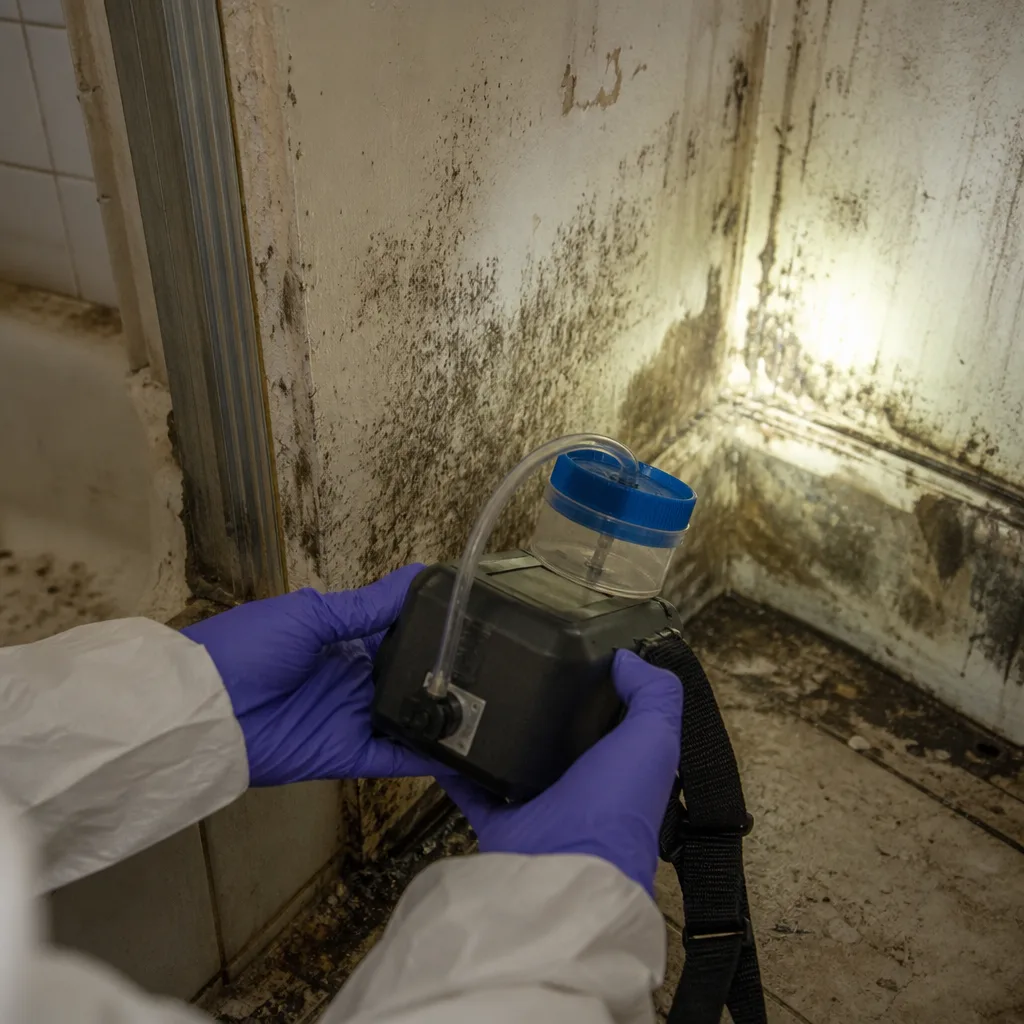
Williamsburg’s co-ops, condos, and rental buildings put a premium on coordination. We work directly with boards, property managers, and individual unit owners, documenting common-area losses separately from unit-level losses so liability stays clear. When water travels through a party wall from one unit into another, we map the origin, document pre-existing conditions, and write scopes that hold up when the board asks questions.
Industrial Facility Cleanup
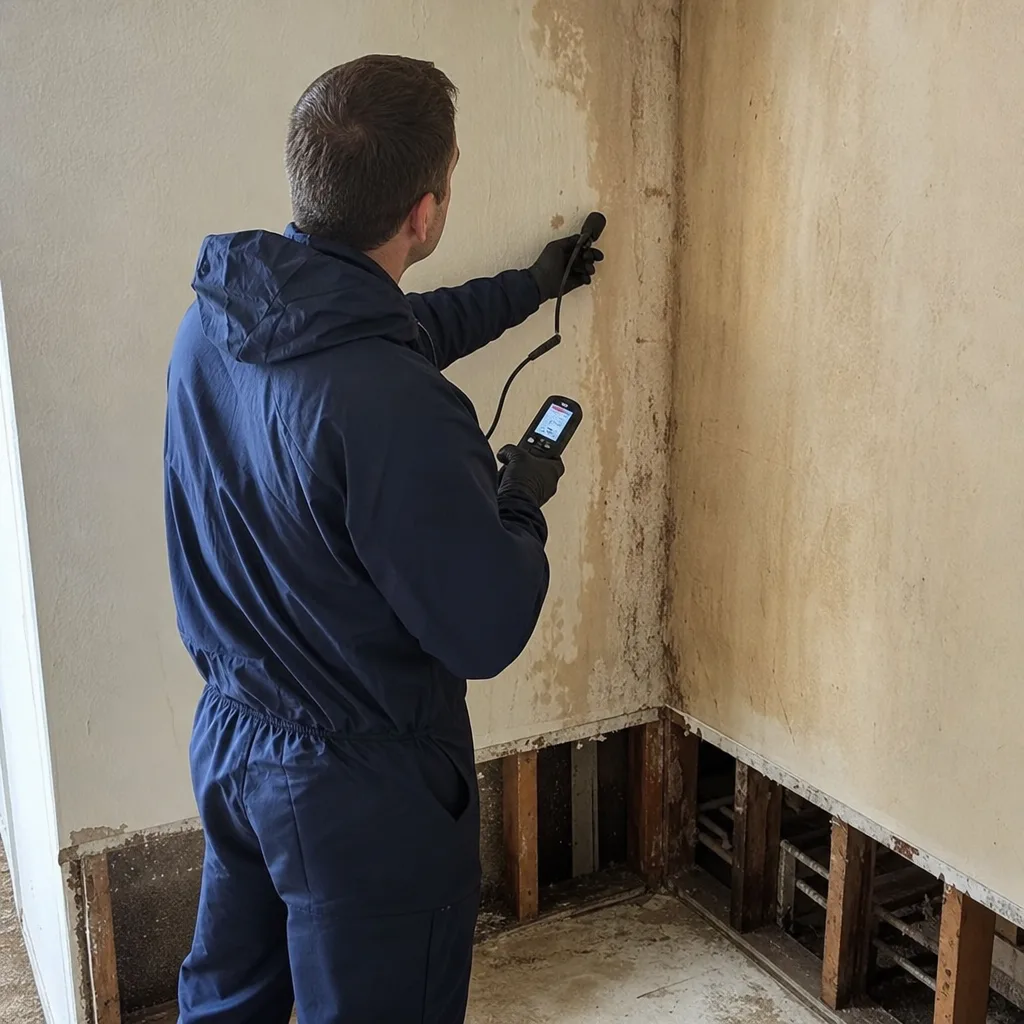
The converted industrial buildings along the Williamsburg waterfront still house light manufacturing, fulfillment, and studio space. We handle large-scale extraction, hazardous material isolation where needed, and structural drying for concrete slab floors and exposed masonry. The same professional-grade Dri-Eaz and Phoenix equipment we run on residential jobs scales to industrial square footage without losing precision.
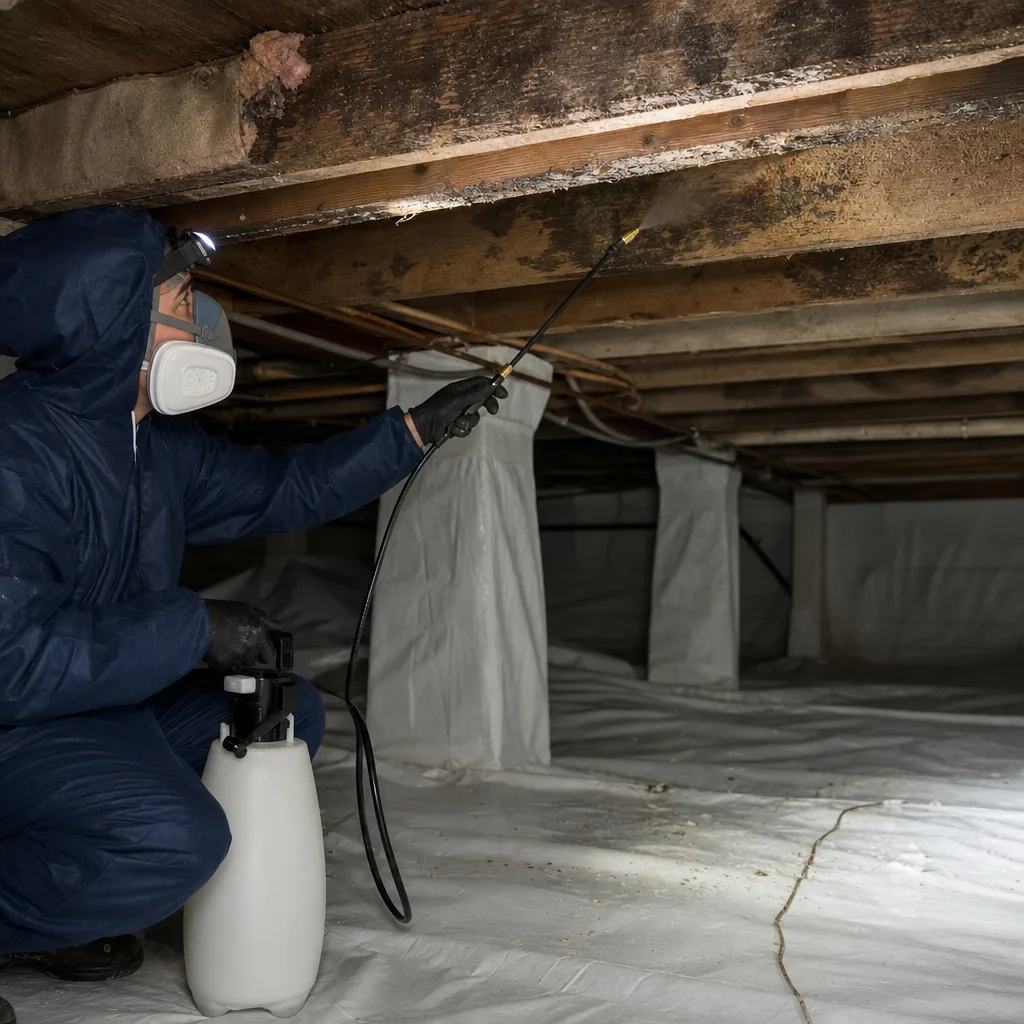
Large-Loss Response
When a whole building takes water, from a burst riser on the top floor to a flooded basement mechanical room, you need a crew that can scale. We stage equipment by the truckload, coordinate with building management, and run multiple drying zones simultaneously. Our team has handled Williamsburg losses involving thousands of square feet across multiple floors, and our dispatch board means we can staff it without delays.
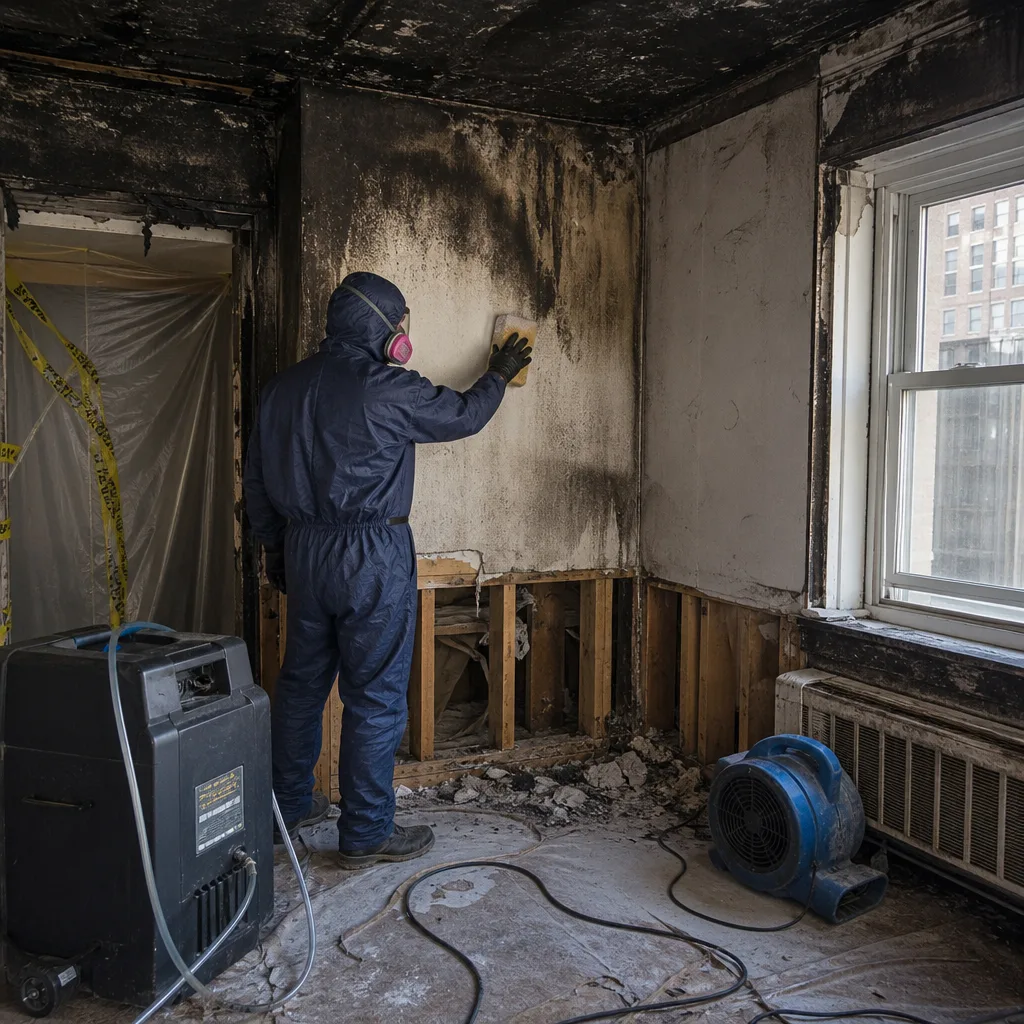
Business Interruption Minimization
Every day a Williamsburg storefront stays closed is money permanently gone. That’s why we run drying equipment around the clock, set containment so unaffected areas can stay open, and prioritize the critical path to reopening. On a recent 1920s tenement job on Bedford Avenue, a Category 3 sewage backup flooded a ground-floor retail space. We performed full containment, pack-out of salvageable inventory, and structural drying with Dri-Eaz LGR dehumidifiers and XPOWER air movers, but the lathe-and-plaster walls kept wicking moisture, extending the job by four days and requiring antimicrobial treatment before rebuild could begin. We ultimately scoped the replacement of the entire cast-iron lateral to prevent a recurrence. That’s the difference between cleaning up and actually fixing what failed.
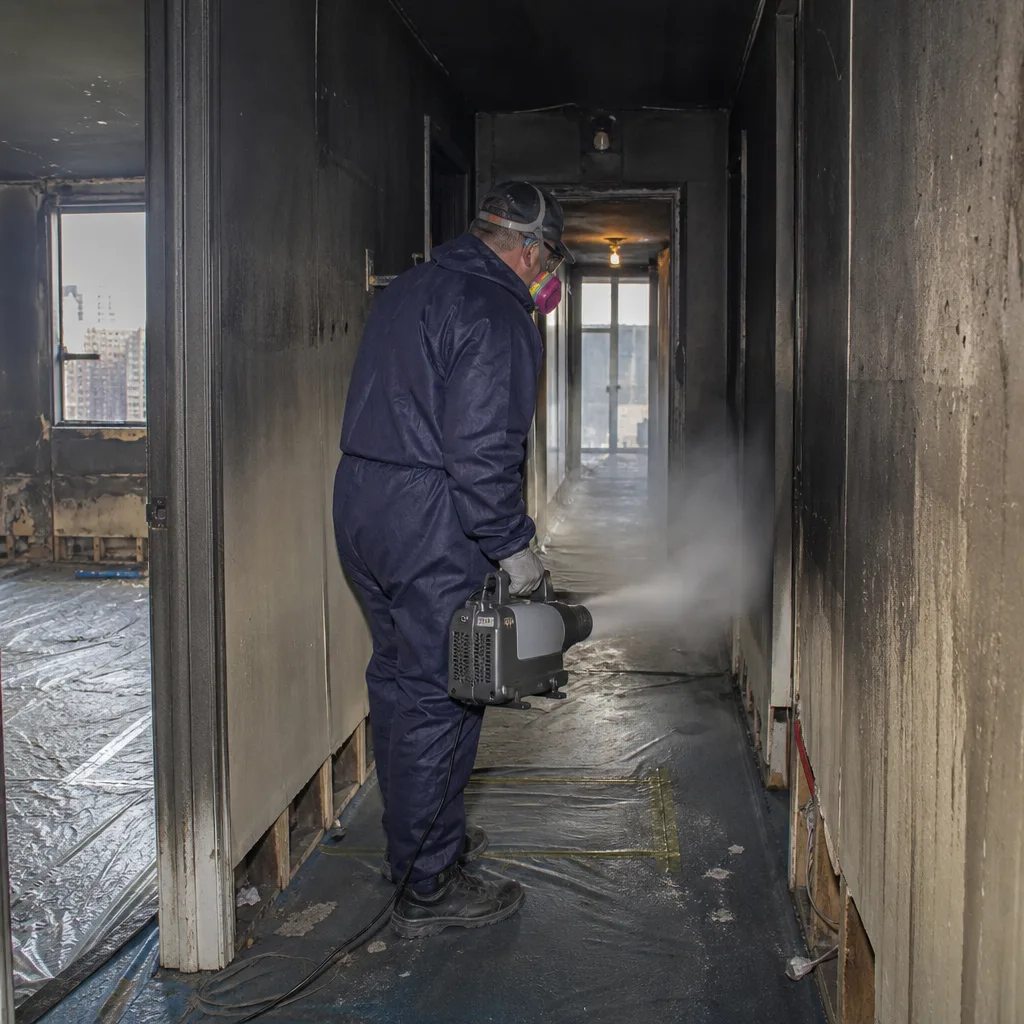
What happens when you call
- 1
A real person answersNo phone trees - you reach a local pro.
- 2
You get an upfront price rangeHonest numbers before anyone is dispatched.
- 3
A background-checked tech heads outLicensed & insured, dispatched right away.
- 4
You approve before work beginsNothing starts until you say go.
Commercial Restoration Costs in Williamsburg, NY
Commercial restoration in Williamsburg runs higher than the national average, and it should. A straightforward Category 1 water extraction and drying job in a modern office space typically runs $3,500 to $8,000. A Category 3 sewage loss in a Bedford Avenue tenement with lathe-and-plaster walls and a compromised cast-iron waste line? Expect $12,000 to $40,000 depending on containment needs, structural repair, and how much of the waste line has to come out. Lateral party-wall moisture migration in a converted North 6th Street loft adds $1,500 to $5,000 for extended monitoring, testing, and documentation. Large-loss commercial responses on the Williamsburg waterfront, covering multiple units or industrial square footage, routinely land between $50,000 and $250,000. Insurance coverage dictates out-of-pocket exposure in most cases. The free visual inspection gives you a firm written scope before you commit to anything, so the number on paper matches the damage in the room, not a salesman’s optimism. Call (518) 663-6491 for an exact quote. Estimates are free.
We Also Serve Cities Near Williamsburg
Floodline Restoration Co. runs commercial restoration crews across the Brooklyn and Lower Manhattan waterfront. If your property sits just outside Williamsburg, we also serve Financial District, Lower Manhattan, Washington Square, and Brooklyn Heights. Same live dispatch, same 45-minute response commitment.
Serving Williamsburg, NY - Our Local Coverage Area
We’re based in the Williamsburg area and know this community well. Use the map below to see our service coverage - if you’re nearby, we can almost certainly help.
Williamsburg Commercial Restoration Questions, Answered
How do you handle water damage that may have come from an adjacent unit in a Williamsburg converted loft?
We treat every loft water loss as a potential party-wall migration case until proven otherwise. Our first step is thermal imaging and moisture mapping that traces the water path laterally through unreinforced masonry, not just vertically from the floor above. We document the origin point, coordinate with the adjacent unit owner or their insurer, and write a scope that covers the actual migration path. This protects you from incomplete mitigation and the callback mold complaints that follow it.
What’s different about drying out a basement in a Williamsburg tenement with a rubble-stone foundation?
Rubble-stone foundations have no waterproofing membrane, so groundwater moves through them by design. They also hold moisture in the mortar joints long after the visible water is gone. We run extended drying protocols with daily moisture readings, because pulling equipment too early leaves hidden damp pockets that sustain mold growth. We also scope for seepage prevention, not just drying, because the water will come back without it.
How quickly do you start mitigation for a Category 3 water loss in a Williamsburg retail space?
Within 45 minutes for properties in Williamsburg. Category 3 water carries sewage and pathogens, so containment goes up first, then extraction, then antimicrobial treatment. Every hour of delay expands the contamination zone and extends your closure timeline. Call (518) 663-6491 and a live dispatcher starts the process immediately.
Do we need a separate restoration contractor for our Williamsburg loft building’s HOA common areas?
No. We handle common areas and individual units under one scope, which is exactly what converted loft buildings need when a loss crosses property lines. We document common-area damage separately from unit-level damage for liability clarity, but the same crew works both, and the same 90-Day Done Right Promise covers all of it.
What should we document before Williamsburg restoration work begins to protect ourselves?
Pre-existing condition documentation matters more in Williamsburg than almost anywhere, because unreinforced masonry and concrete slab floors hide issues that restoration crews can get blamed for later. We photograph and document pre-loss conditions of masonry, slabs, drainage, and existing water intrusion evidence before we touch anything. It protects you, and it protects us. That documentation goes to your insurer as part of the claim file.
Will insurance cover commercial restoration in Williamsburg?
Most commercial policies cover sudden and accidental water damage, fire, and storm losses, but coverage specifics vary by cause and by whether the loss crosses property lines. Party-wall water migration in a converted loft often triggers subrogation between insurers. We handle direct adjuster communication and provide the documentation your carrier needs. For an exact read on your policy, call (518) 663-6491 and we’ll walk through it with you.
How long does commercial drying take in an older Williamsburg building?
Modern construction dries in 3 to 5 days under proper equipment. Lathe-and-plaster tenements and converted lofts with masonry party walls run 7 to 14 days, sometimes longer. We log daily moisture readings and hand that log to you and your carrier, so the dry standard is met in writing before we pull equipment. We don’t cut corners to hit a calendar date.
What should I do in the first 30 minutes after a commercial water loss in Williamsburg?
Shut off the water source if you can do so safely. Kill power to affected areas if water has reached outlets or electrical panels. Move salvageable inventory and documents to dry ground if you can do so without entering standing water. Then call (518) 663-6491. The first call determines how much of your space gets saved.
Written by Curt Bowman, Owner at Floodline Restoration Co., serving commercial properties across Williamsburg and the surrounding Brooklyn waterfront.