
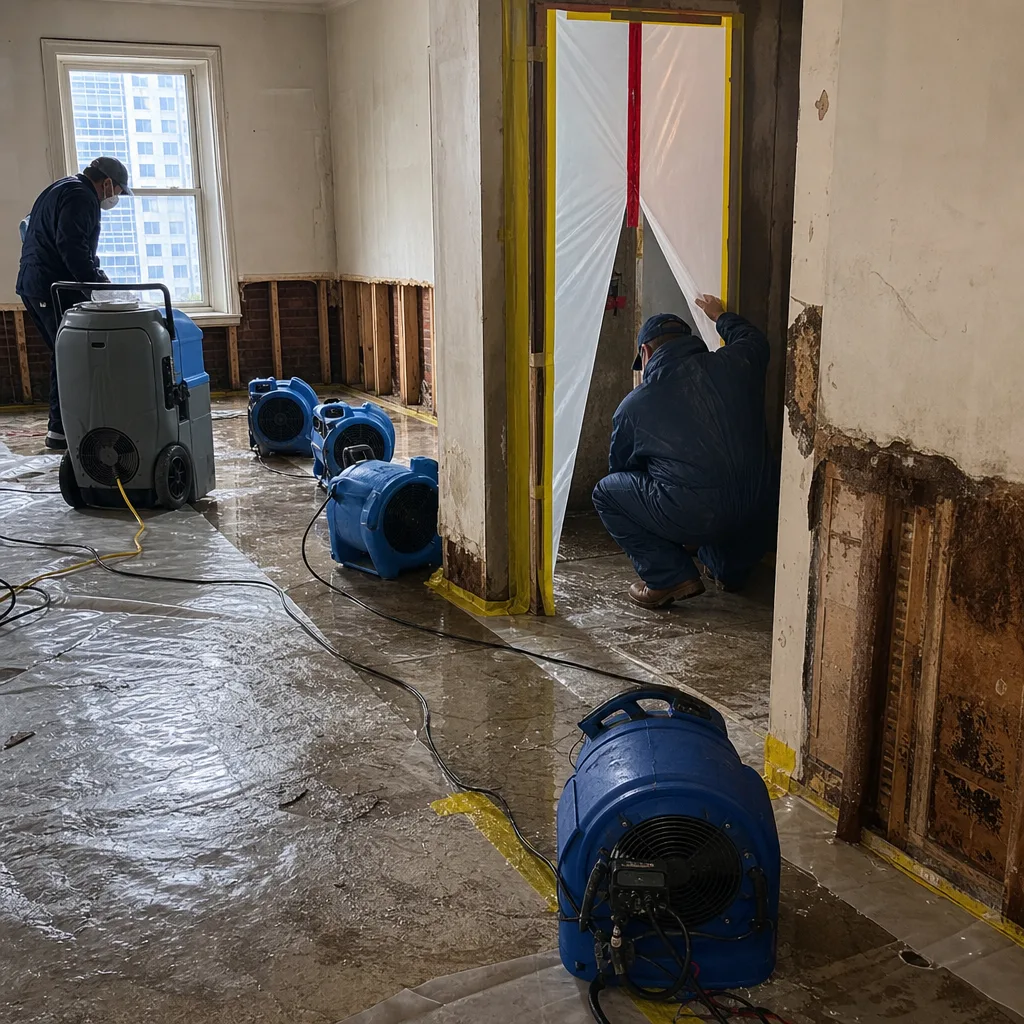
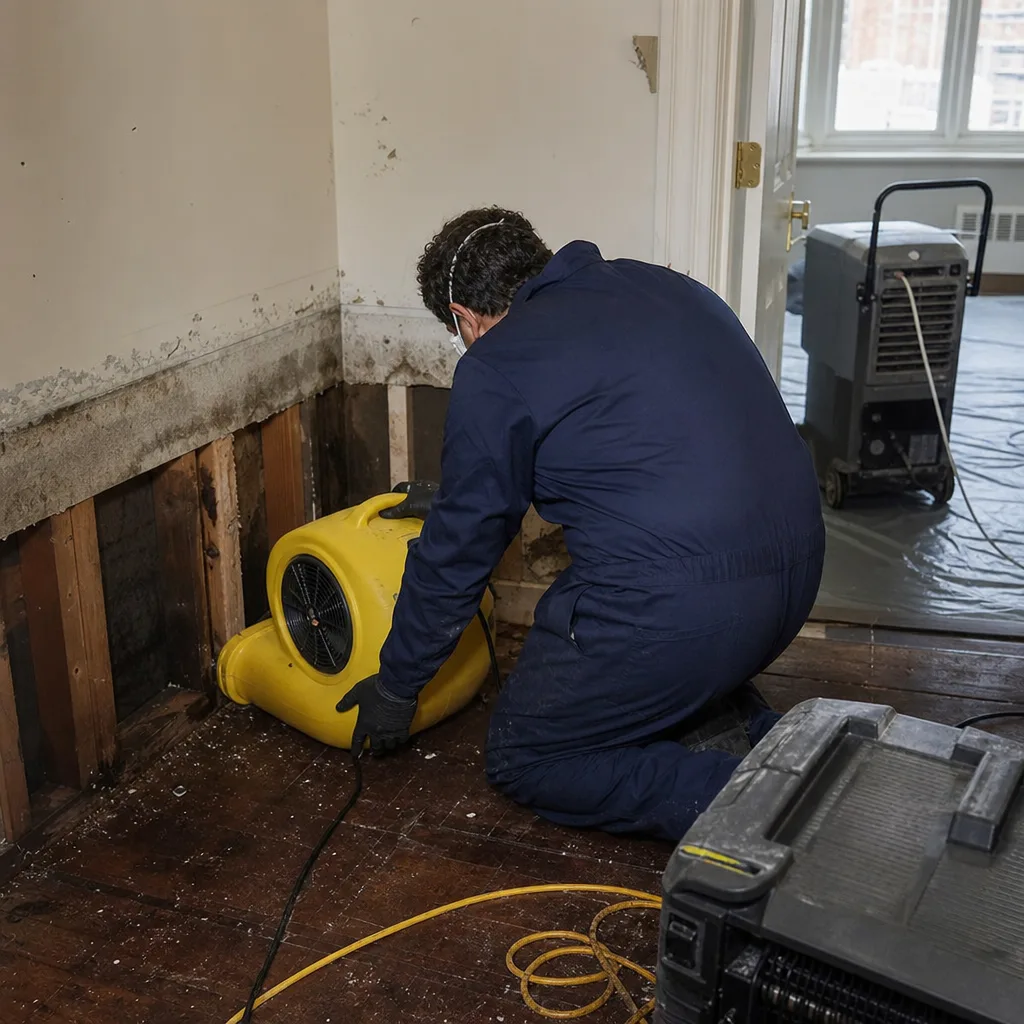
Free visual inspection and a written scope of work before any mitigation begins - photos, moisture readings, and drying logs go in your claim file
The scope we write is the scope we bill. Anything new gets shown to you, in writing, before we touch it.
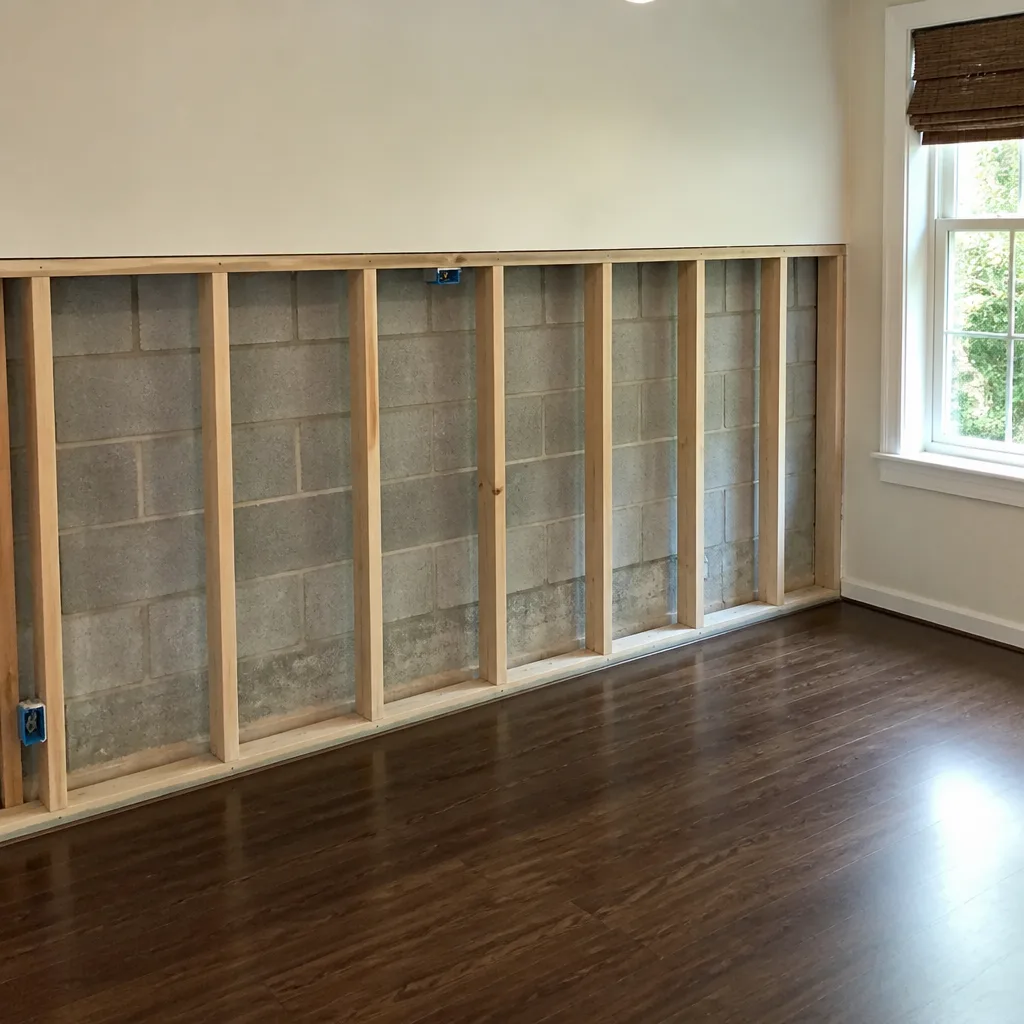
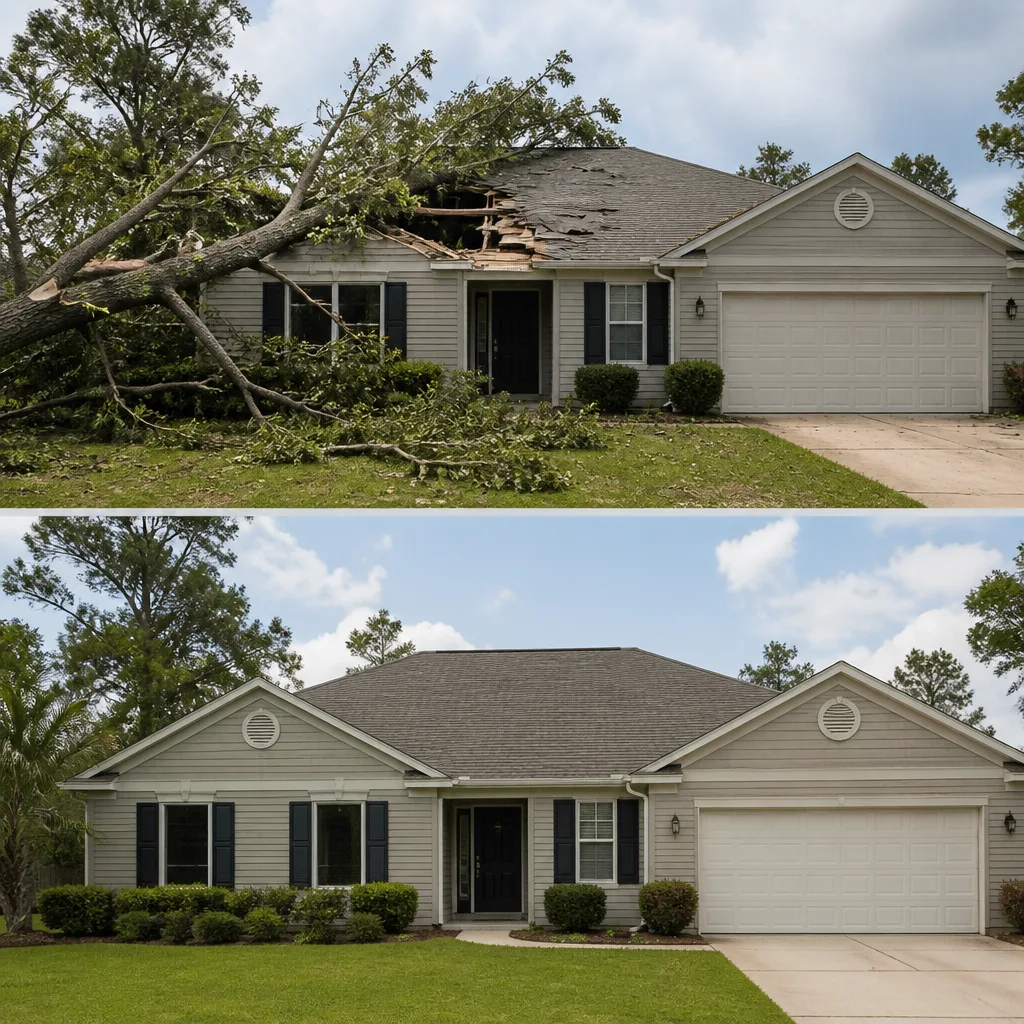
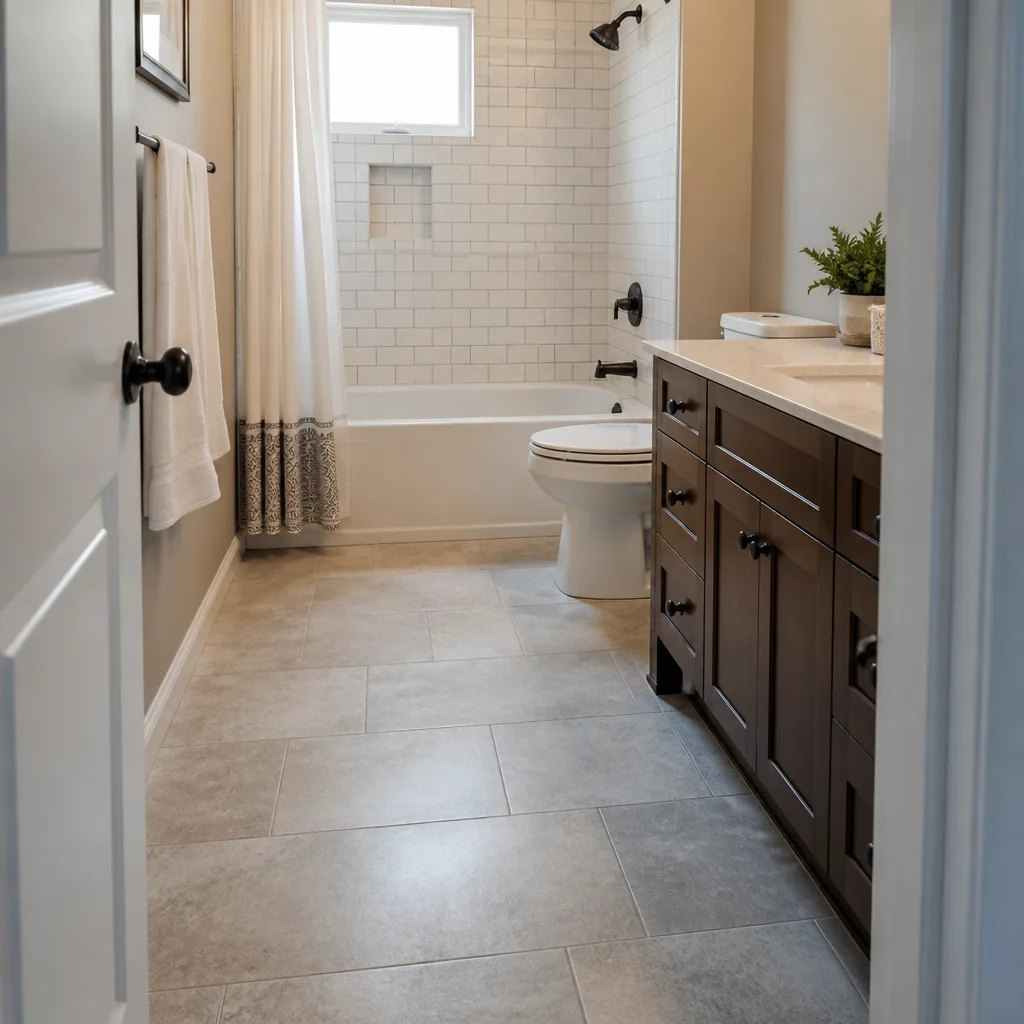
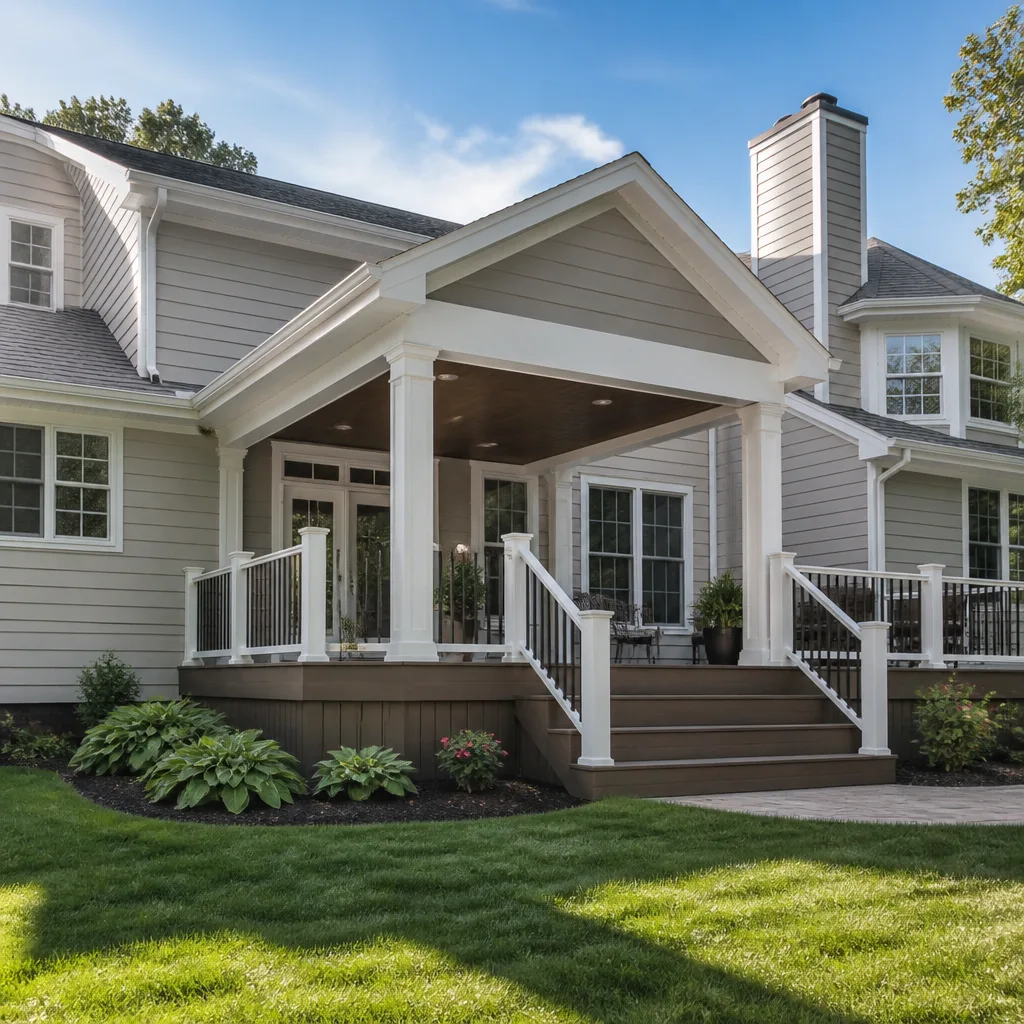
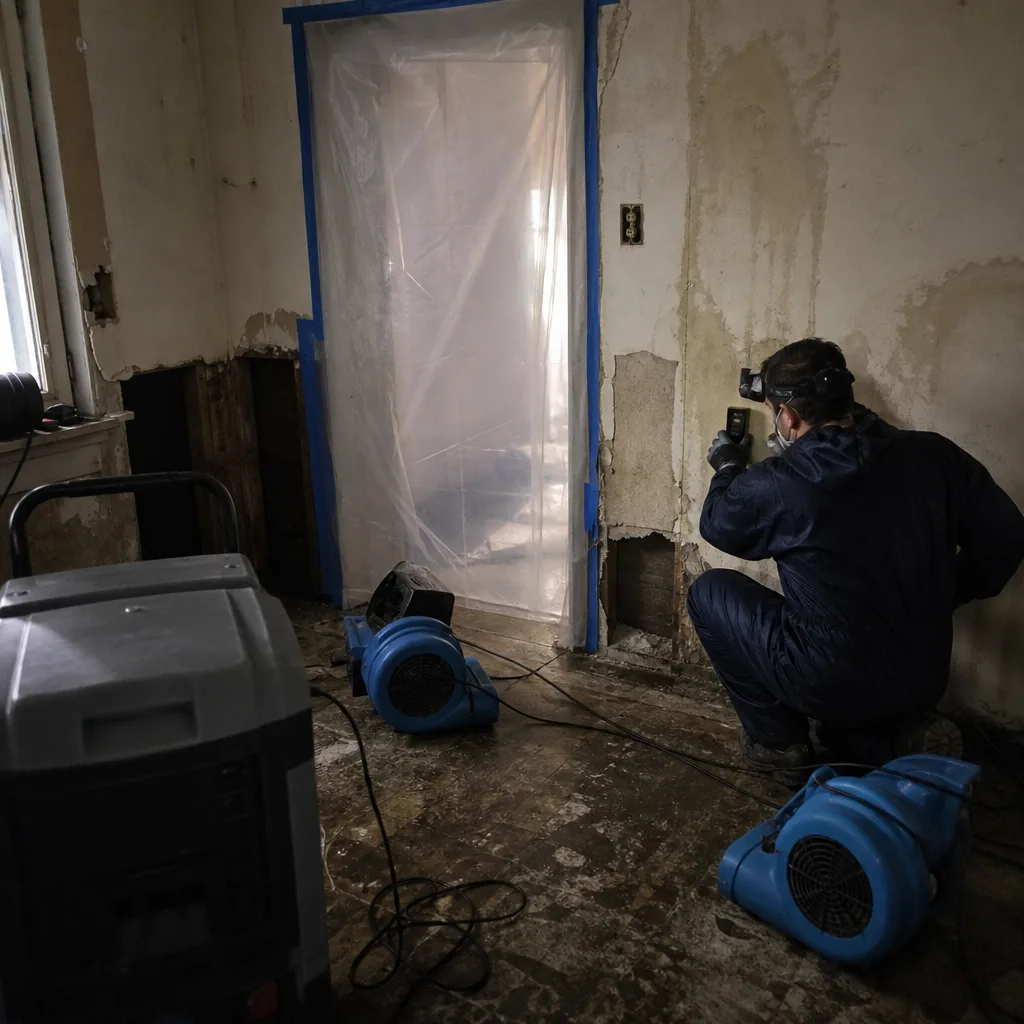 Before
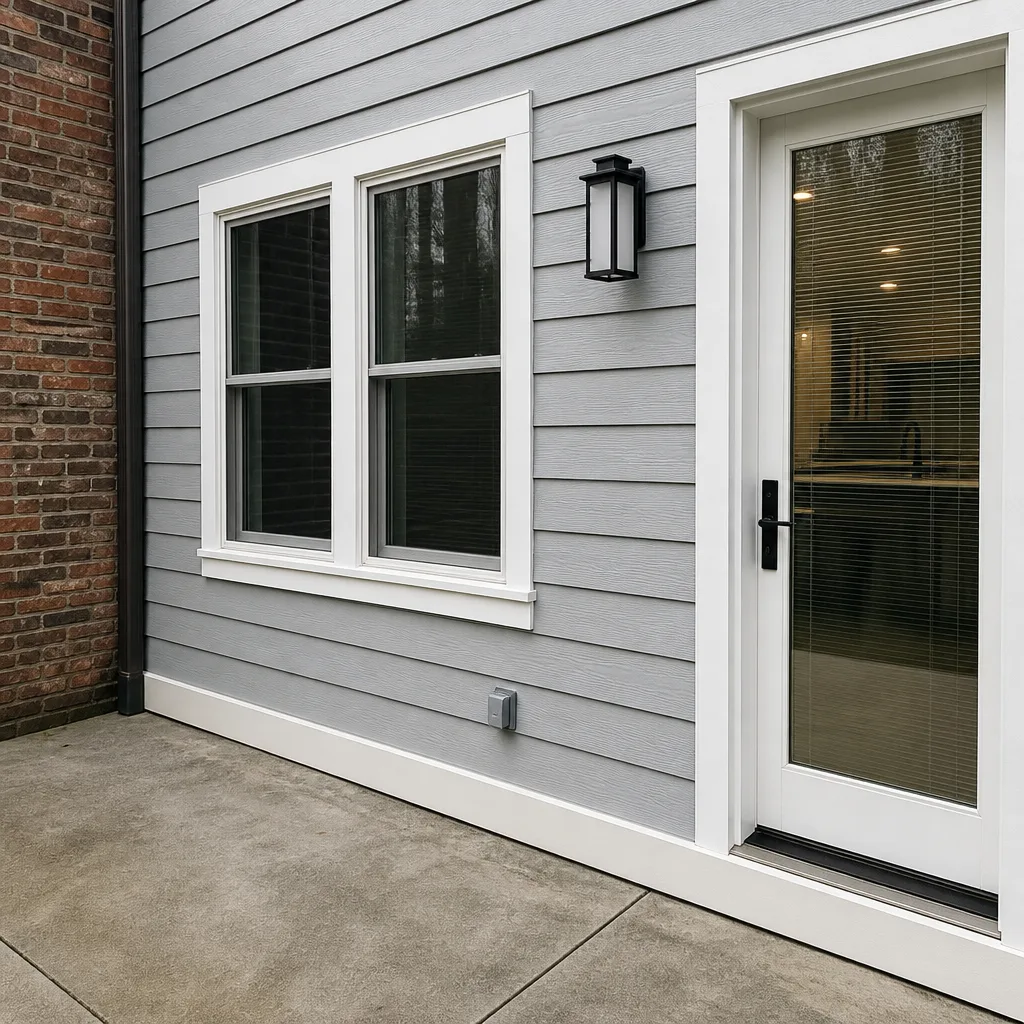 After
After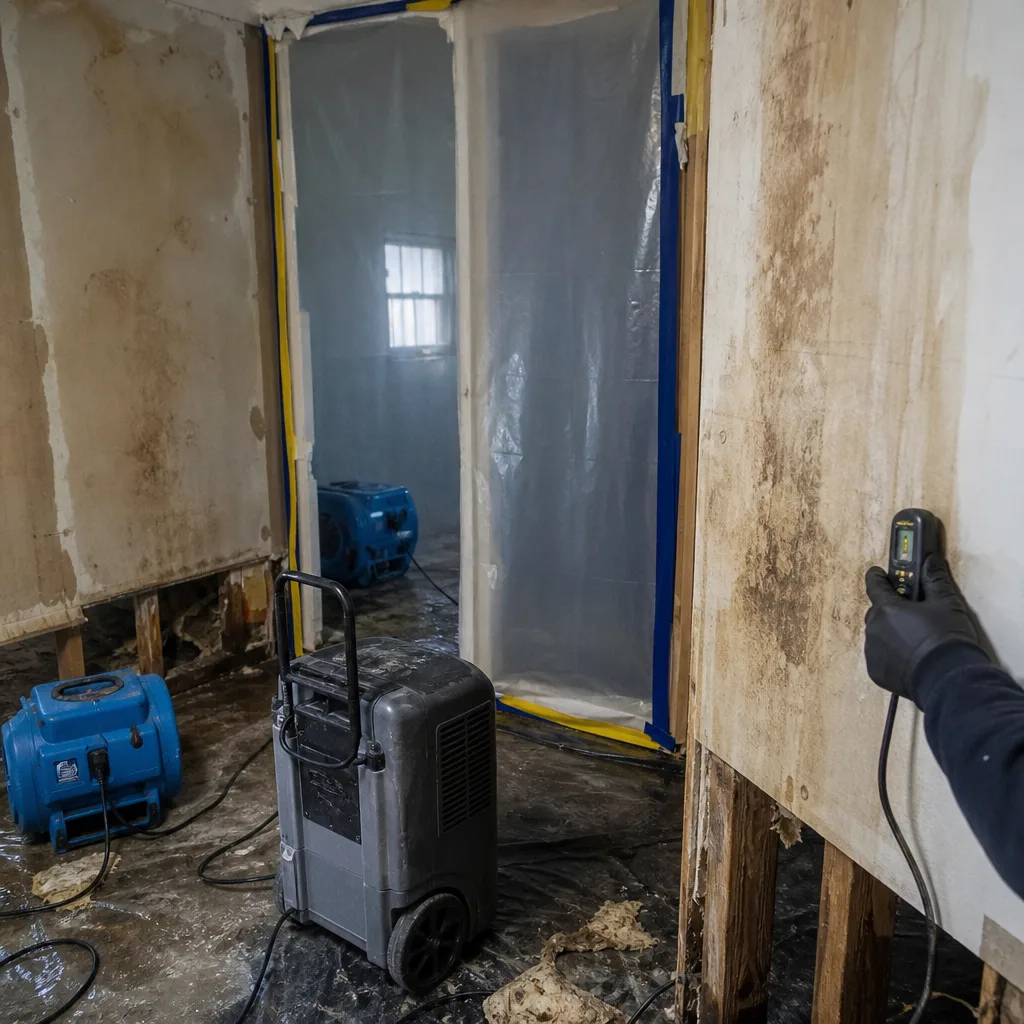 Before
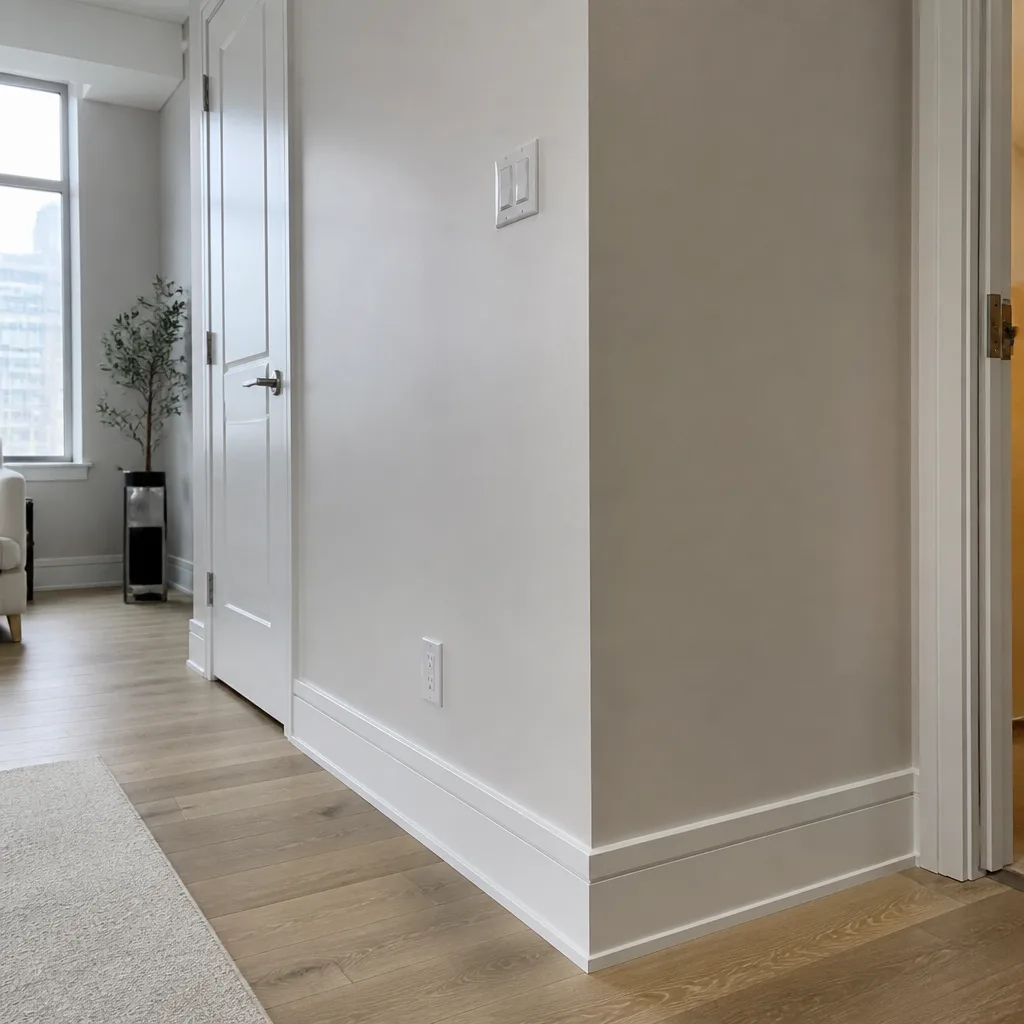 After
After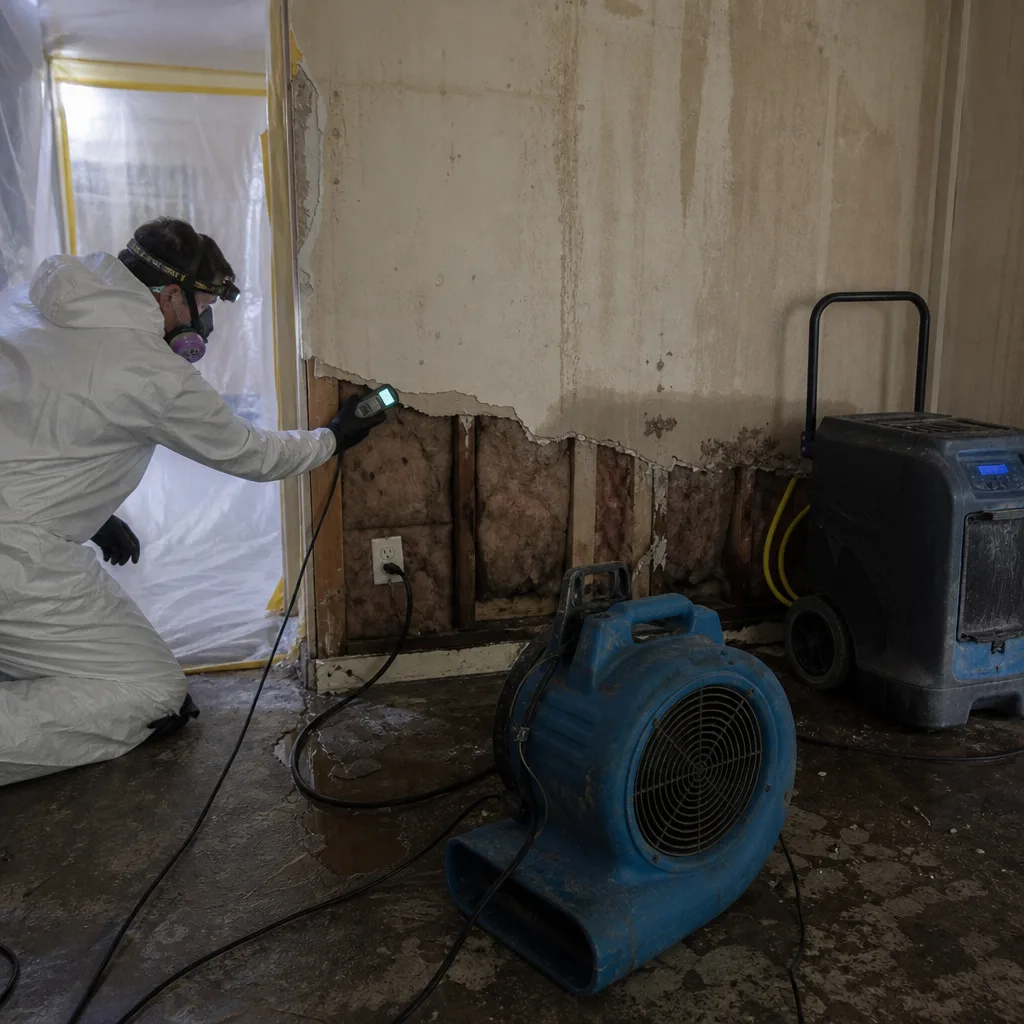 Before
 After
After24/7 Emergency Commercial Restoration in Long Island City
Commercial restoration in Long Island City moves on two clocks: the water’s clock and the building’s clock. When a cast-iron drain stack fails in a converted Hunters Point loft or a sprinkler line lets go on the 12th floor of a Center Boulevard tower, every hour of standing water pushes the damage from a Category 1 clean-water extraction into a Category 3 contamination event that triggers a different, more expensive scope of work. Our crews run on a 45-minute response commitment inside Long Island City, and a live dispatcher answers (518) 663-6491 at any hour. The first visit includes a free visual inspection, moisture mapping with thermal imaging, and a written plan before any equipment rolls in. That first hour is what separates a one-week dry-out from a full gut-and-rebuild. We know the difference because we have worked this neighborhood’s buildings long enough to read the warning signs in the concrete.
Understanding Commercial Restoration Severity in Long Island City Properties
Long Island City’s commercial stock does not fail the way suburban office parks fail. The pre-war brick conversions along 44th Drive, Jackson Avenue, and Vernon Boulevard carry cast-iron drain stacks, original concrete slabs, and layered flooring materials that hold water differently than steel-and-glass construction. A Category 1 water loss, clean supply-line water, becomes Category 2 within 48 hours as it picks up contaminants from the building’s own materials. By 72 hours, it is Category 3: sewage, river water, or anything that touched the slab’s original adhesives. Moisture mapping matters here because water migrates through decades of layered industrial flooring before it ever shows on a wall. Structural drying in these buildings means reading the concrete itself, not just the air. Our technicians train to IICRC WRT and ASD standards and use Dri-Eaz and Phoenix equipment to get below-grade spaces and elevator pits back to the dry standard, because in Hunters Point the water table does half the work of keeping them wet.
Why Long Island City Property Owners Choose Floodline Restoration Co.
- 45-minute response commitment inside Long Island City, with a live dispatcher confirming crew location while you are still on the phone.
- 24/7 live answer, every time. No phone tree, no callback promise. A person answers, logs the call, and dispatches immediately.
- IICRC-certified crews holding WRT, ASD, and AMRT certifications, trained on Long Island City’s mixed legacy and high-rise building stock.
- Free visual inspection with thermal imaging and moisture mapping before any work begins, and a written scope you approve first.
- Direct insurance billing with full documentation from the first hour: photos, logs, and line-item estimates your adjuster can act on.
- One team from extraction to reconstruction. The same Floodline crew that runs the dry-out handles the rebuild. No handoff, no inherited subcontractor.
Our Commercial Restoration Process
Inspection & Assessment
We arrive, map the affected area, and document everything. Thermal imaging finds water behind walls and under original flooring. We identify the water category and build a restoration plan.
Extraction & Stabilization
Standing water comes out first, using truck-mounted extraction where the building allows. We stabilize the space, shut off the source, and set containment to keep airborne contaminants from spreading.
Drying & Dehumidification
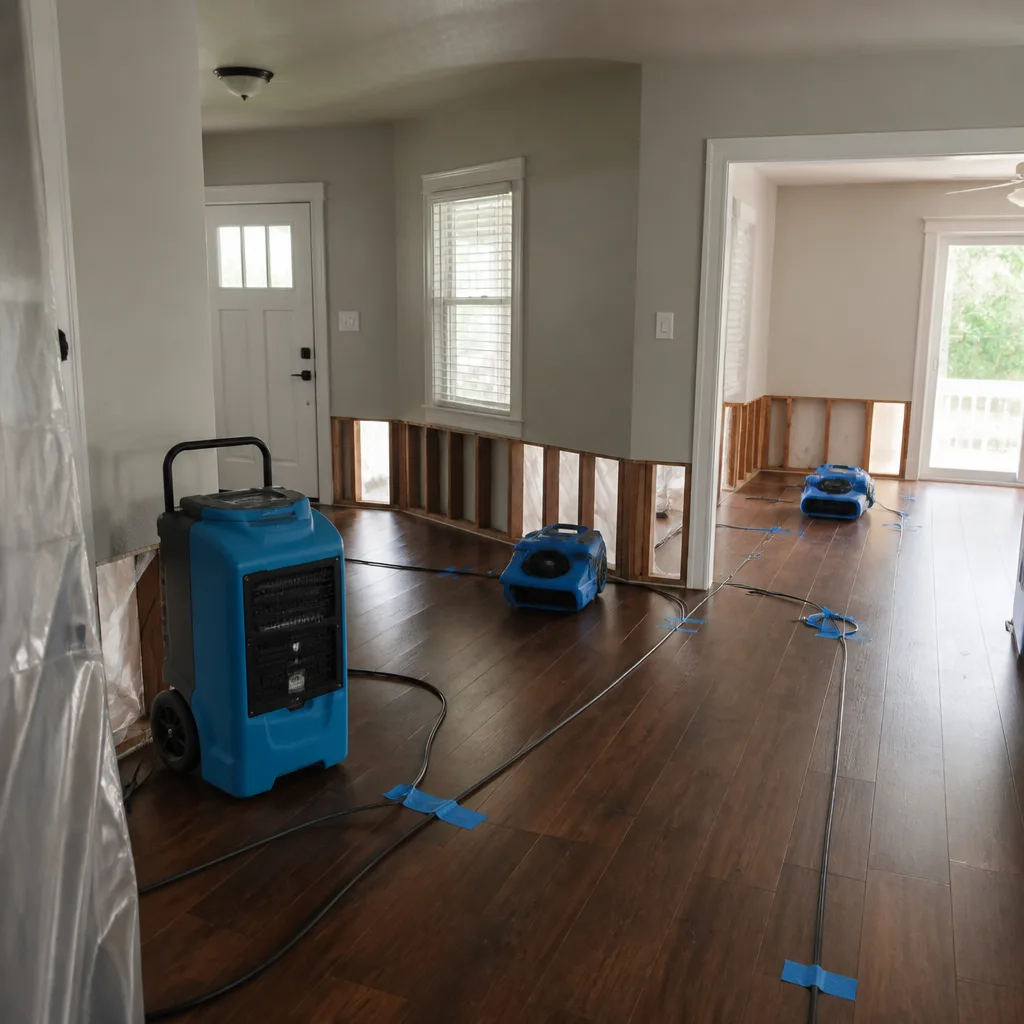
Dri-Eaz and Phoenix air movers and dehumidifiers run continuously, with daily hygrometer readings until we hit the dry standard. We log every reading and hand that log to you and your carrier.
Cleaning & Sanitization
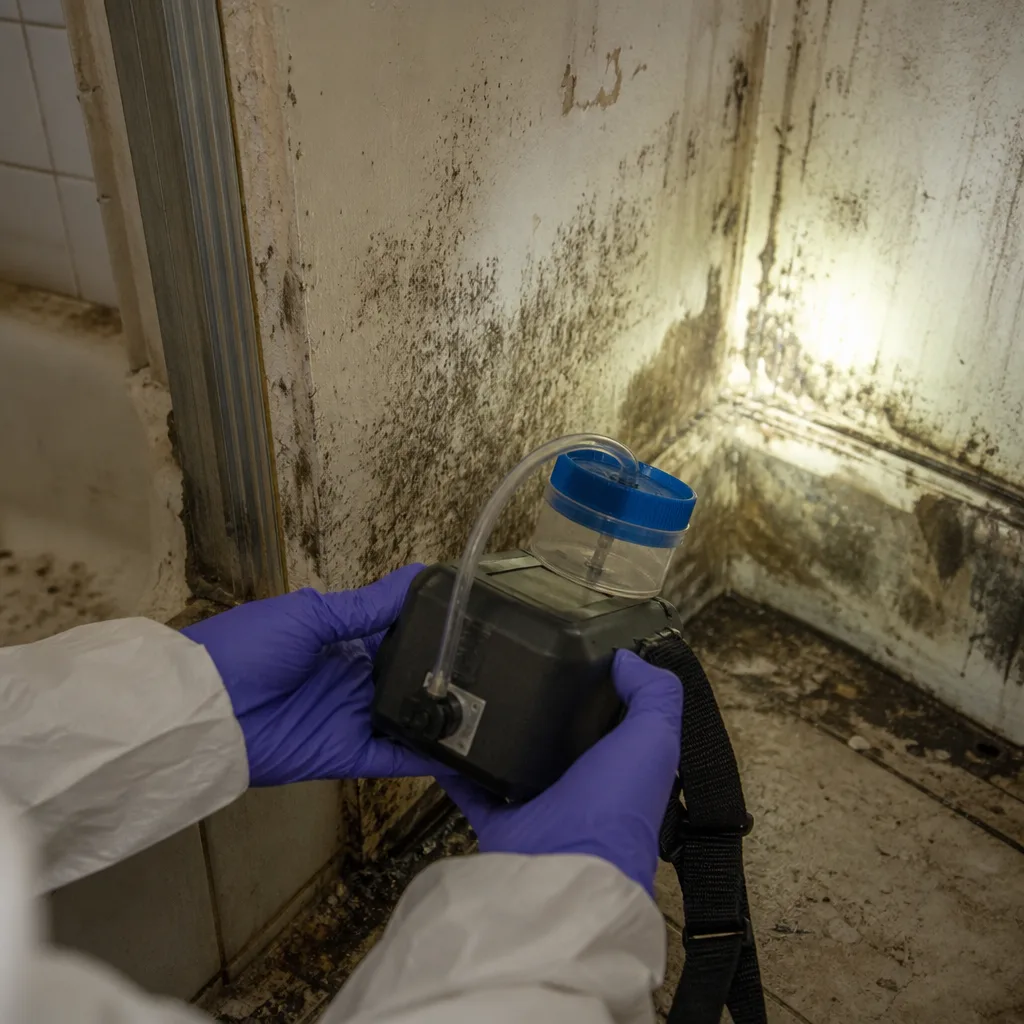
Affected surfaces are cleaned and sanitized. HEPA air scrubbers run wherever mold or Category 3 water is present, keeping the air safe for anyone still working in the building.
Asbestos & Environmental Coordination
In converted Hunters Point buildings, we test where demo might disturb legacy materials. If abatement is required, we coordinate directly with the abatement contractor and adjust the schedule without losing the drying window.
Repairs & Restoration
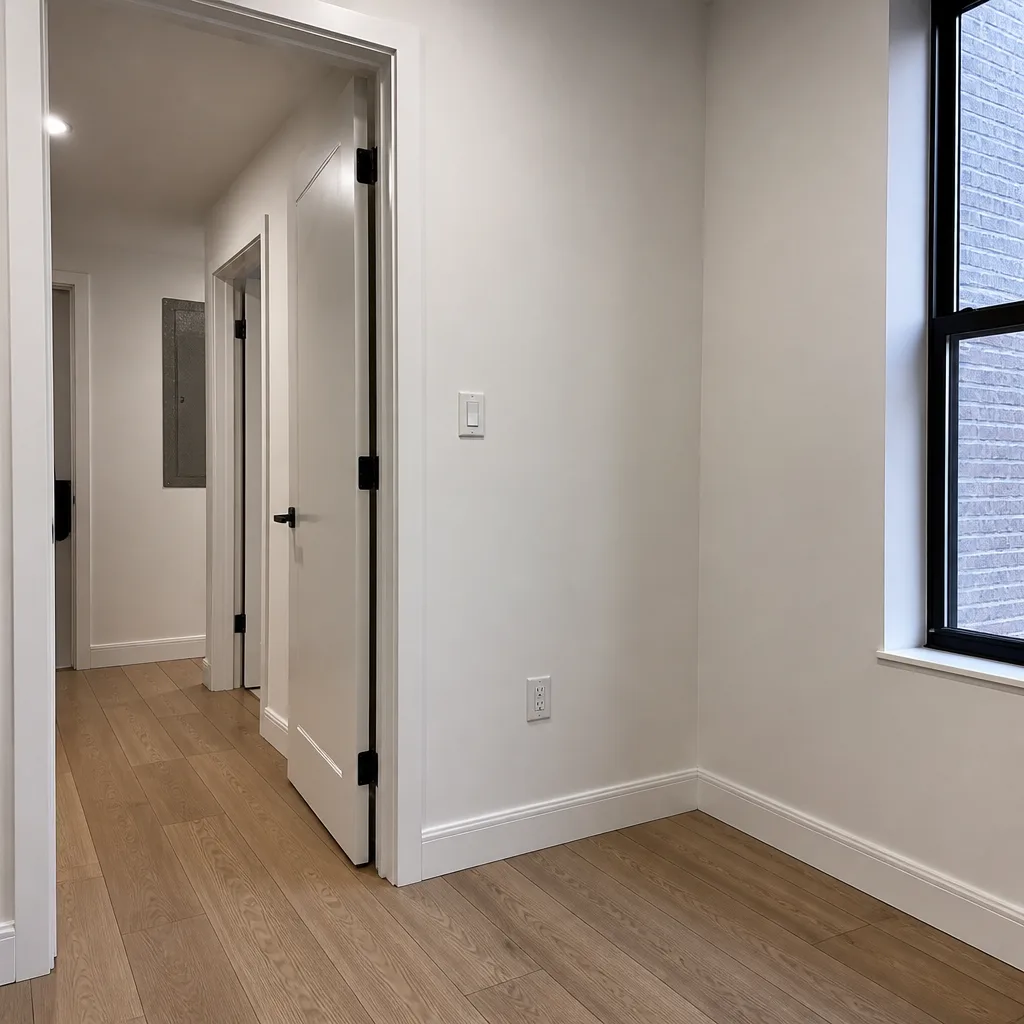
Rebuild happens with the same crew. Drywall, flooring, casework, paint. The job is not done until the space is back to use and the 90-Day Done Right Promise is in writing.
Need Emergency Commercial Restoration in Long Island City Now?
Crews minutes away, answering live 24 hours a day. The sooner we start, the less it costs.
Working With Your Insurance Company
We have spent over a decade coordinating claims for Long Island City building owners, and the pattern is always the same: the carrier needs documentation, not conversation. From the first hour we photograph every affected area, log every moisture reading, and write scopes in the format adjusters recognize. Our team communicates directly with your carrier, so you are not the one translating technical findings into claim language. We bill the carrier directly where coverage applies, and we do not inflate scopes to chase a higher payout. A square deal means the claim gets paid on the actual loss, and the building gets restored to the condition it was in before the water moved in.
What We Provide Your Insurer
- Thorough documentation of the loss
- Photos of all damage, room by room
- Moisture readings and drying logs
- A detailed, line-item scope of work
- Direct coordination with your carrier
Built for Long Island City’s Loss Calendar
Long Island City’s commercial restoration calls follow the neighborhood’s geography. January and February deep freezes burst supply lines in older Jackson Avenue storefronts and 21st Street industrial buildings where insulation was never designed for the modern cold snap. Spring thaw pushes groundwater into below-grade spaces along the Hunters Point peninsula, and the high urban water table keeps elevator pits and storage rooms damp even when the streets look dry. Summer thunderstorms overwhelm the neighborhood’s combined sewers fast, and Newtown Creek’s low-lying corridors see flash flooding that leaves Category 3 water in loading docks and basement mechanical rooms. Storm & Disaster Restoration - Long Island City crews know Nor’easters hit the East River waterfront hard, same as they have since long before Sandy. The pattern is not random; it is predictable. We staff 24/7 year-round because we know what month it is in Long Island City without looking at a calendar.
Commercial Restoration Across Long Island City’s Neighborhoods
Hunters Point is the neighborhood we know best, and it is the one that keeps us honest. The pre-war manufacturing lofts along 44th Drive and 45th Avenue hold cast-iron drain stacks that fail after a century of service, and when they go, Mold Remediation in Long Island City often becomes necessary as Category 3 water takes the path of least resistance through three floors before anyone notices. The post-2000s towers near Gantry Plaza State Park and Center Boulevard present the opposite problem: a sprinkler activation on one floor sends water into stacked units below, and coordinating containment across a dozen condo owners while the dry standard clock runs is its own discipline. Court Square’s mixed-use buildings hide mechanical chases that carry water from a roof leak on the tenth floor down to a second-floor office without a single visible sign on the intervening floors. Dutch Kills and the industrial blocks near Queens Plaza run heavy equipment and process water, where a production floor flood is a business interruption first and a restoration second. Each of these areas needs a different response plan, and our crews know the building types before the truck parks.
Specialized Commercial Restoration Services We Offer in Long Island City
Office & Retail Restoration
Retail storefronts on Vernon Boulevard and Jackson Avenue cannot close for a month while insurance adjusters deliberate. We dry in place where the building allows, get the space back to openable condition fast, and schedule finish work around operating hours. Document and inventory recovery runs in parallel with structural drying.
Multi-Unit & HOA Restoration
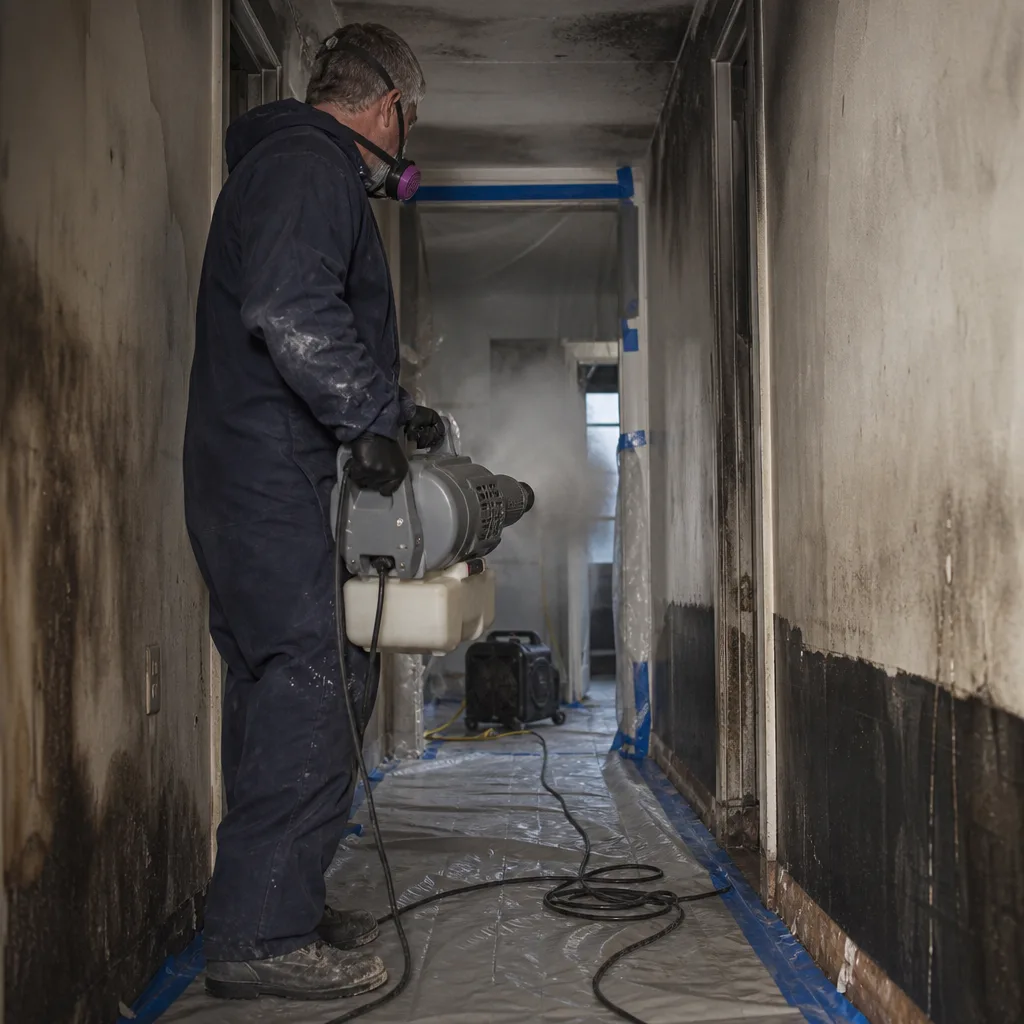
A sprinkler activation in a Center Boulevard tower is a multi-party claim involving individual condo owners, the building’s master policy, and a building manager who needs answers before the next board meeting. We manage the restoration as one coordinated job, with containment per unit, shared drying logs, and direct communication with both the HOA and each owner’s carrier. This is where our one-crew model earns its keep: nobody is handing your building off to a third-party subcontractor.
Industrial Facility Cleanup
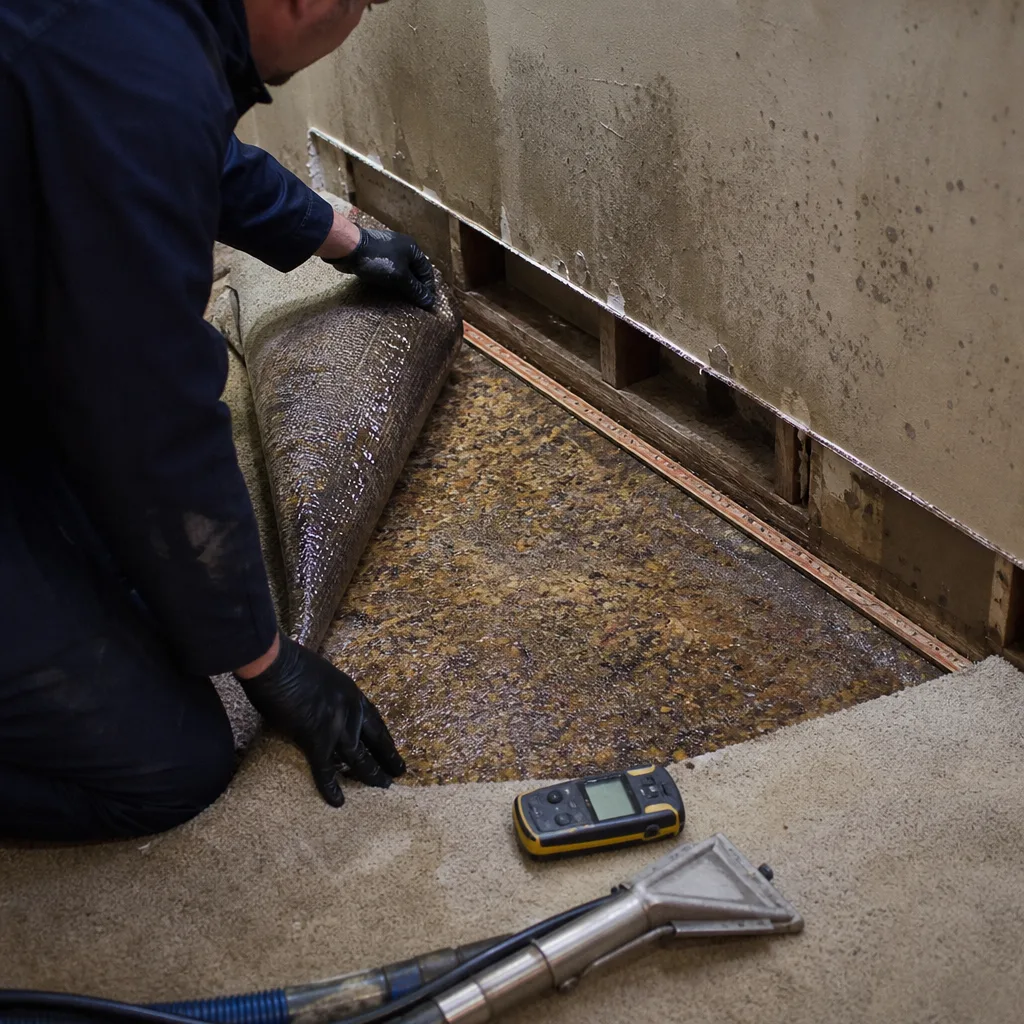
Industrial spaces near Newtown Creek and the Queens Plaza corridor carry process water, stored chemicals, and loading-dock runoff. We handle Category 3 extraction, sanitization, and environmental coordination in working facilities. Where legacy asbestos or industrial contaminants are present, we sequence the restoration around required abatement without stalling the drying window.
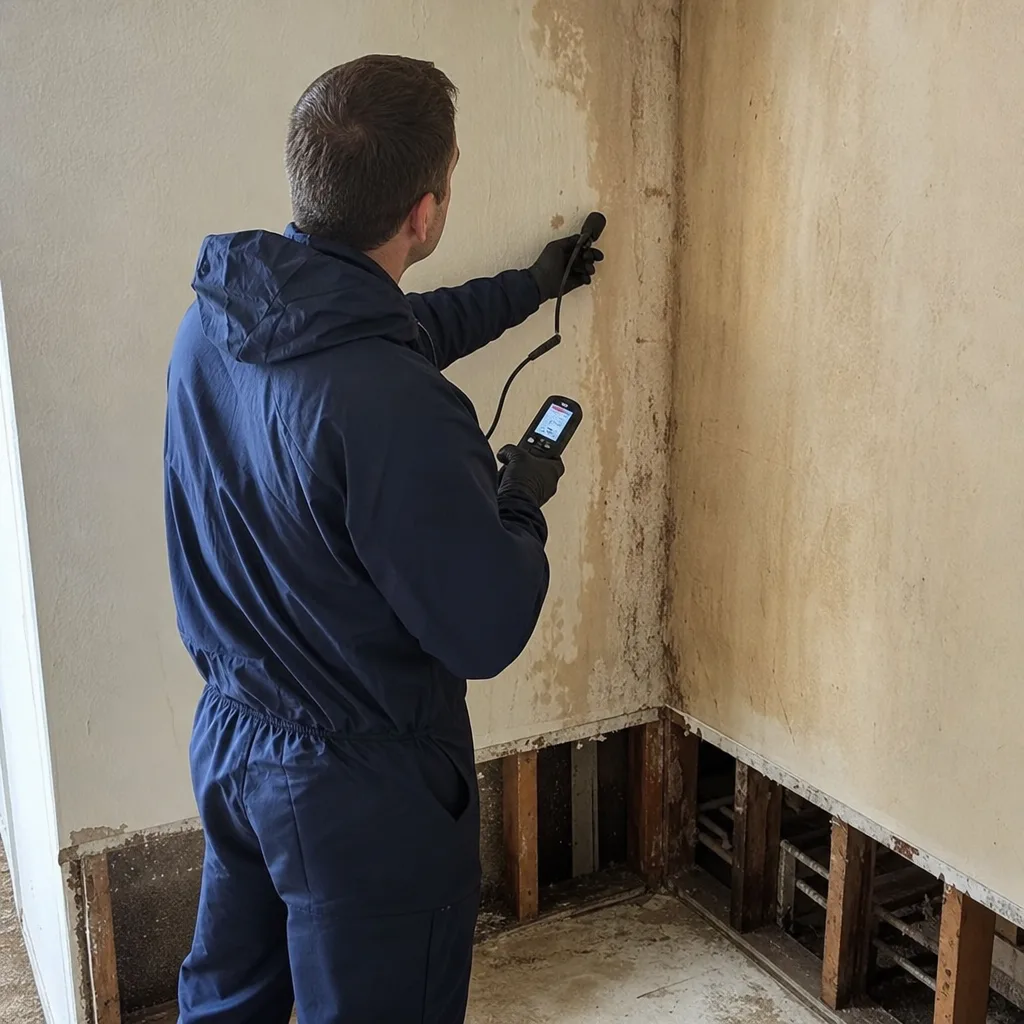
Large-Loss Response
When the damage is measured in floors rather than rooms, you need a crew that can scale. We bring additional technicians and equipment to large-loss events in Long Island City without switching to a franchise subcontracting model. The same project manager who writes the initial scope sees the job through to rebuild.
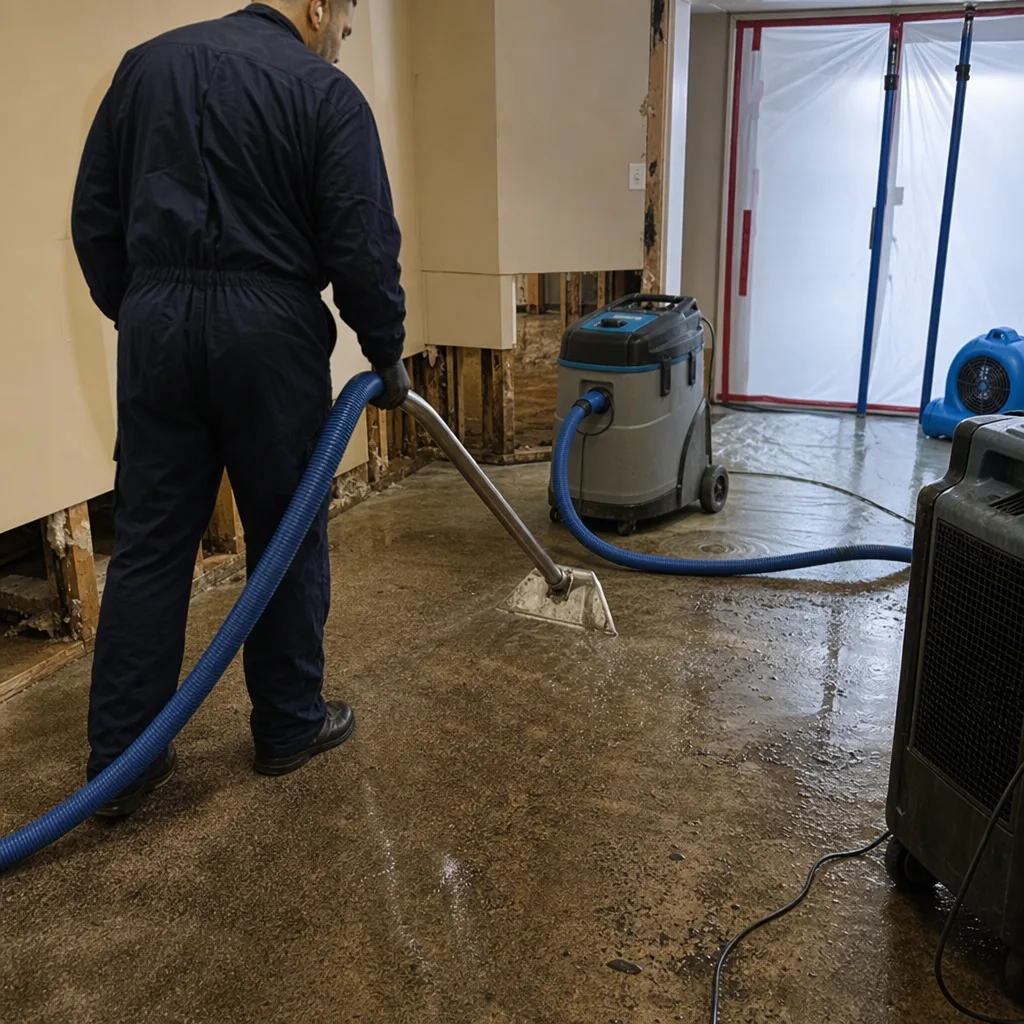
Business Interruption Minimization
Every hour a Long Island City business is closed is revenue lost. We prioritize get-back-to-work over get-it-perfect, drying in place where possible, isolating containment to active areas, and scheduling rebuild work in phases that keep your doors open. The 90-Day Done Right Promise applies, but so does the practical reality that your lease does not pause for a water loss.
What happens when you call
- 1
A real person answersNo phone trees - you reach a local pro.
- 2
You get an upfront price rangeHonest numbers before anyone is dispatched.
- 3
A background-checked tech heads outLicensed & insured, dispatched right away.
- 4
You approve before work beginsNothing starts until you say go.
Commercial Restoration Costs in Long Island City, NY
Commercial restoration pricing in Long Island City reflects the building stock you are working in, not just the square footage of the damage. A straightforward Category 1 clean-water extraction in a modern office suite typically runs $3,500 to $8,000. The same footprint in a pre-war converted loft, where asbestos testing and containment are required, runs $8,000 to $18,000 once abatement coordination and environmental documentation are factored. Multi-unit high-rise restoration with containment across stacked condos and daily drying logs lands between $15,000 and $45,000 depending on the number of affected units and the complexity of the mechanical systems. Ground-floor and below-grade spaces in Hunters Point near the East River add groundwater mitigation costs typically between $2,000 and $6,000, because drying a space while the water table keeps pushing moisture back in requires additional dehumidification and sometimes sump-pump work. Insurance covers most of these costs where the loss is sudden and accidental. The free visual inspection gives you a firm scope before any money changes hands.
We Also Serve Cities Near Long Island City
Our crews cover the full Long Island City footprint including ZIP codes 11101, 11109, and 11120, from the Hunters Point waterfront east to Newtown Creek. We also serve Long Island City and nearby Maspeth, with the same 45-minute response commitment and the same written 90-Day Done Right Promise.
Long Island City Commercial Restoration Questions, Answered
Why does a straightforward water extraction in a Hunters Point loft often require an asbestos contractor before flood restoration can continue?
Pre-1980 factory-era buildings in Hunters Point frequently contain asbestos in pipe insulation, floor tile mastics, and roofing materials, and any demolition that disturbs those materials legally requires abatement first. Our inspectors test before demo, and when asbestos is confirmed, we sequence the restoration around the abatement contractor so the drying window does not stall. Call (518) 663-6491 for an inspection that catches this before it becomes a stop-work order.
What makes ground-floor commercial spaces along the Long Island City waterfront a recurring flood restoration risk even outside major storms like Hurricane Sandy?
The low-lying topography between Center Boulevard and the East River, combined with a high urban water table on the Hunters Point peninsula, means below-grade spaces face persistent groundwater intrusion pressure even on dry days. A heavy rain or high tide pushes that pressure into elevator pits and storage rooms faster than typical dehumidification can counter. Our waterfront response plan includes additional sub-slab drying and sump-pump coordination as a standard part of the scope.
How does a burst pipe or sprinkler activation in a Long Island City high-rise differ from a similar loss in a low-rise commercial building?
In a high-rise, water travels down through stacked units and shared mechanical chases, so the visible damage on the activation floor is rarely the full extent of the loss. We set containment on every affected floor, coordinate access with building management and individual unit owners, and run drying logs that satisfy the master policy and each condo owner’s carrier simultaneously. Treating it like a single-unit residential loss guarantees moisture climbs past salvage thresholds while you fight about access.
When do our techs recommend pack-out and off-site document recovery instead of in-place drying for a Long Island City office after a large-loss water event?
When the affected materials are paper, fabric, or electronics, or when the water category is 2 or 3, in-place drying usually risks permanent damage. We recommend pack-out and off-site recovery for critical documents, inventory, and equipment when the volume exceeds what can be stabilized on-site within 24 hours. The decision is made during the initial inspection, not after the damage has set.
What is the most critical first step our crew takes before any commercial restoration work begins in a converted Hunters Point industrial loft?
We test for asbestos and other legacy industrial contaminants before any demolition starts. Skipping that step can trigger illegal demo, fines, and a full work stoppage, and we have seen it happen to crews that did not know the building. Our testing protocol is built into the initial inspection for any pre-1980 conversion in the 11101 and 11109 ZIP codes.
How fast can a commercial restoration crew actually reach a Long Island City address?
Our commitment is 45 minutes inside Long Island City, and a live dispatcher confirms the crew’s location while you are still on the call. Most of our Long Island City calls are answered by a person in under 30 seconds, and the crew arrives within the commitment window because they are already staged locally. Call (518) 663-6491 and you will get a real person, not a recording.
Will my commercial insurance cover restoration work in Long Island City, and does Floodline coordinate directly with my carrier?
Most sudden and accidental water, Long Island City Fire & Smoke Damage Restoration, and storm losses are covered under standard commercial property policies, though flood coverage for East River surge events usually requires a separate NFIP or private flood policy. We document from the first hour, bill the carrier directly where coverage applies, and communicate with adjusters so you are not playing messenger between us and your insurance company.
Does Floodline handle the rebuild after extraction and drying, or do we need a separate contractor?
The same Floodline crew that runs the extraction and drying handles the rebuild. No handoff, no inherited subcontractor, no second bidding process. The 90-Day Done Right Promise covers the full scope from first response to finished reconstruction, in writing, with no argument.
Our Commercial Restoration Team Knows Long Island City’s Buildings
Floodline Restoration Co. was founded in 2010 by Curt Bowman, built around a dispatch board rather than a sales desk. For over 42 years across our service communities, the model has held: answer the phone with a person, send background-checked uniformed technicians, run professional-grade Dri-Eaz and Phoenix equipment, and stand behind the work in writing. In Long Island City, that means knowing which Hunters Point lofts will trigger asbestos abatement before demo, which waterfront buildings need sub-slab drying rather than surface drying, and which high-rises need coordinated multi-unit containment before the moisture log starts climbing. The line the water left is where we start. Done right, and backed in writing.
Written by Curt Bowman, Owner at Floodline Restoration Co., serving Long Island City and the surrounding Queens waterfront area since our founding.
Serving Long Island City, NY - Our Local Coverage Area
We’re based in the Long Island City area and know this community well. Use the map below to see our service coverage - if you’re nearby, we can almost certainly help.
Contact Floodline Restoration Co. in Long Island City
If you have water moving through a commercial space in Long Island City right now, call (518) 663-6491. A live person answers, a crew is on the way within 45 minutes, and the first visual inspection is free. If the damage is not an emergency, call anyway and we will schedule an assessment that gives you a written scope and a firm number before you commit to anything. We serve all of Long Island City including ZIP codes 11101, 11109, and 11120. Senior and veteran discounts apply, and current offers include $50 off any repair over $250 and an $89 seasonal tune-up. A square deal, no surprises on the bill, and a name you can hold accountable.