
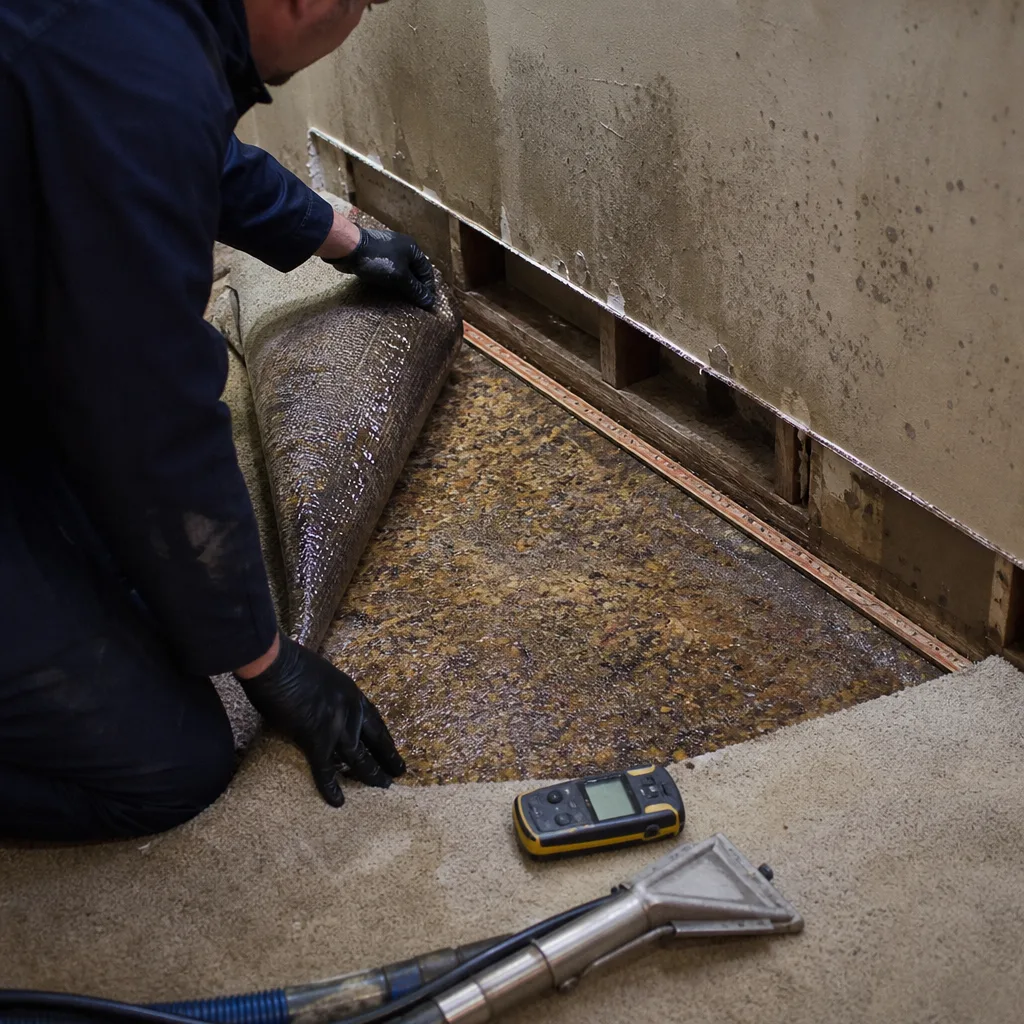
Free visual inspection and a written scope of work before any mitigation begins - photos, moisture readings, and drying logs go in your claim file
The scope we write is the scope we bill. Anything new gets shown to you, in writing, before we touch it.
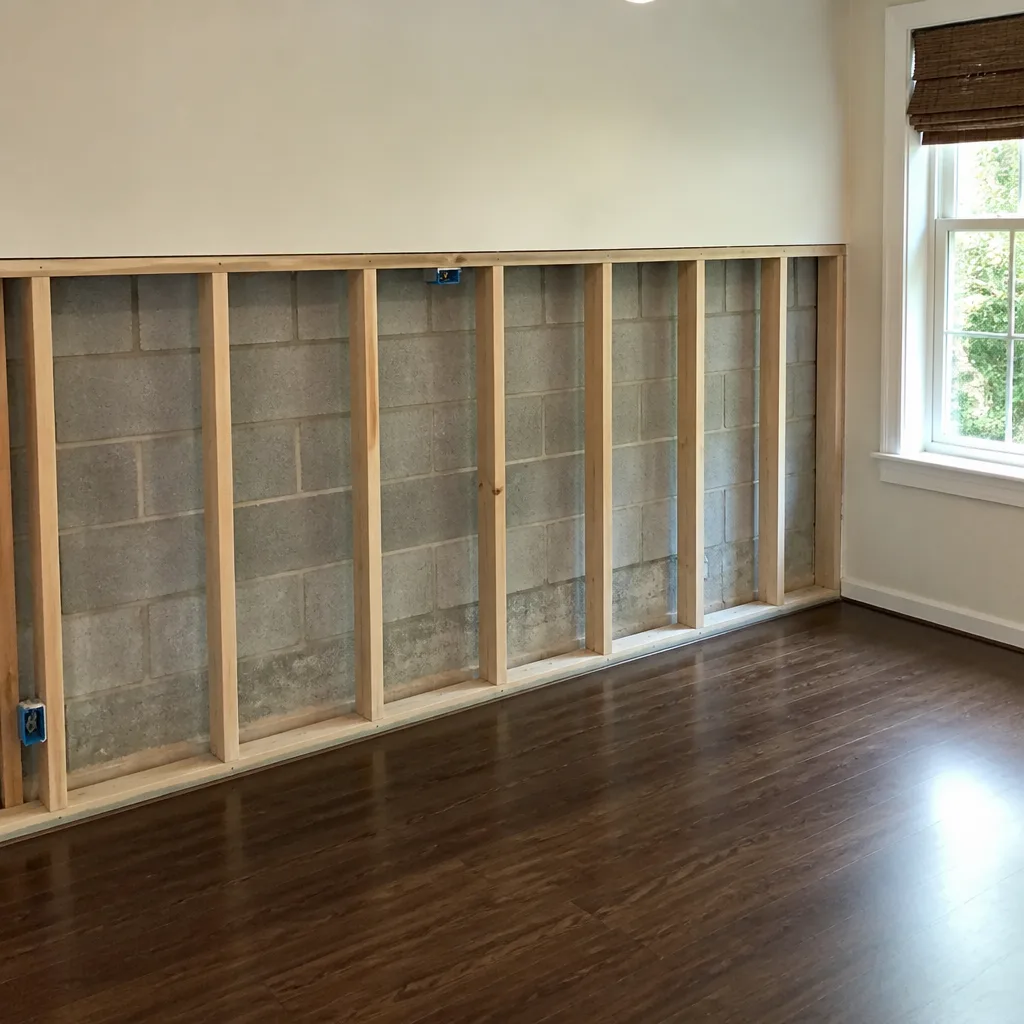
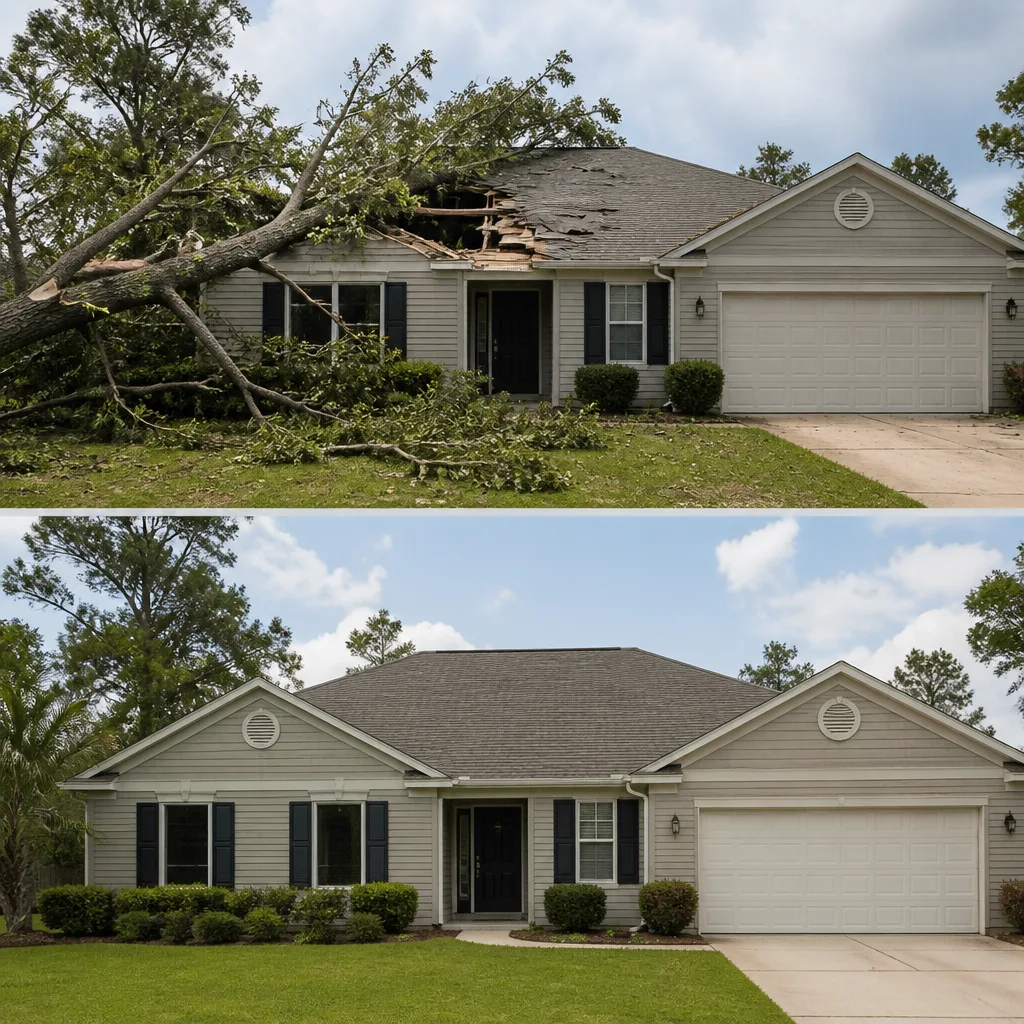
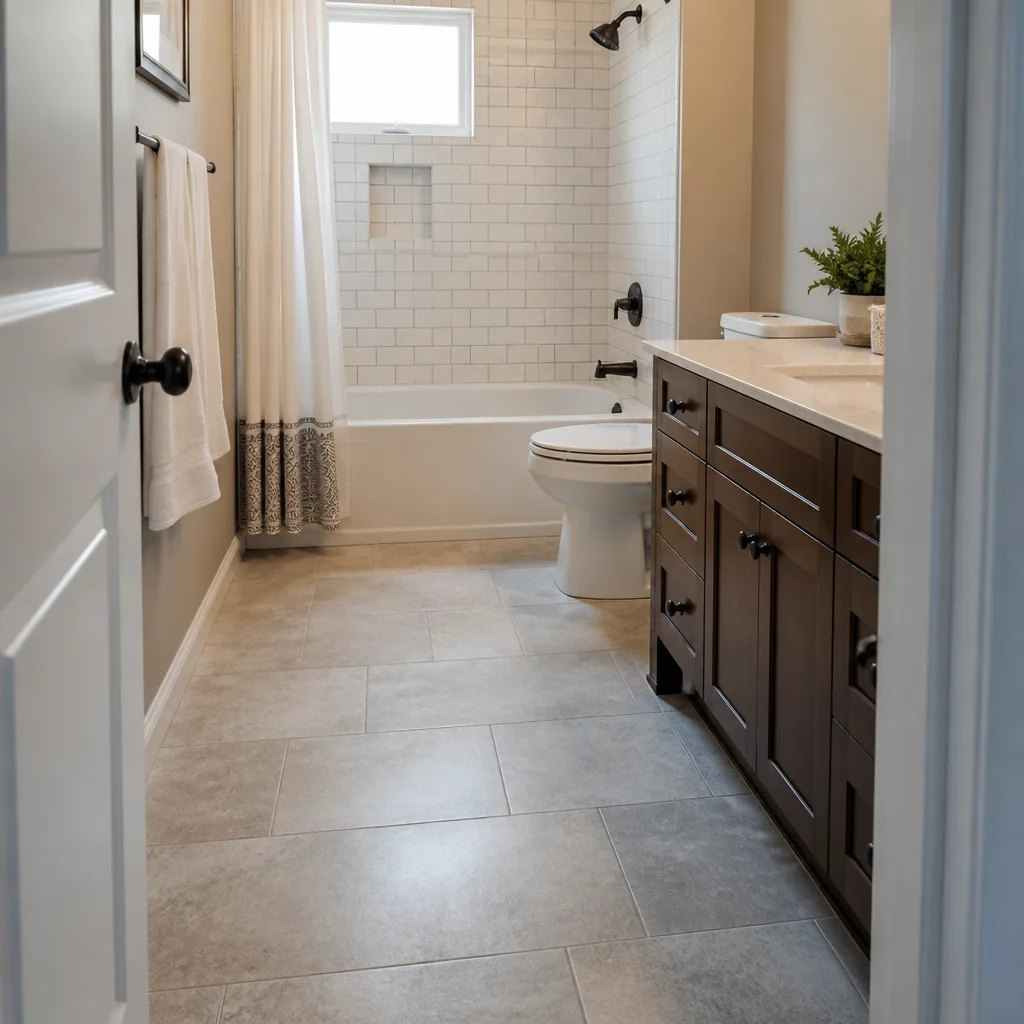
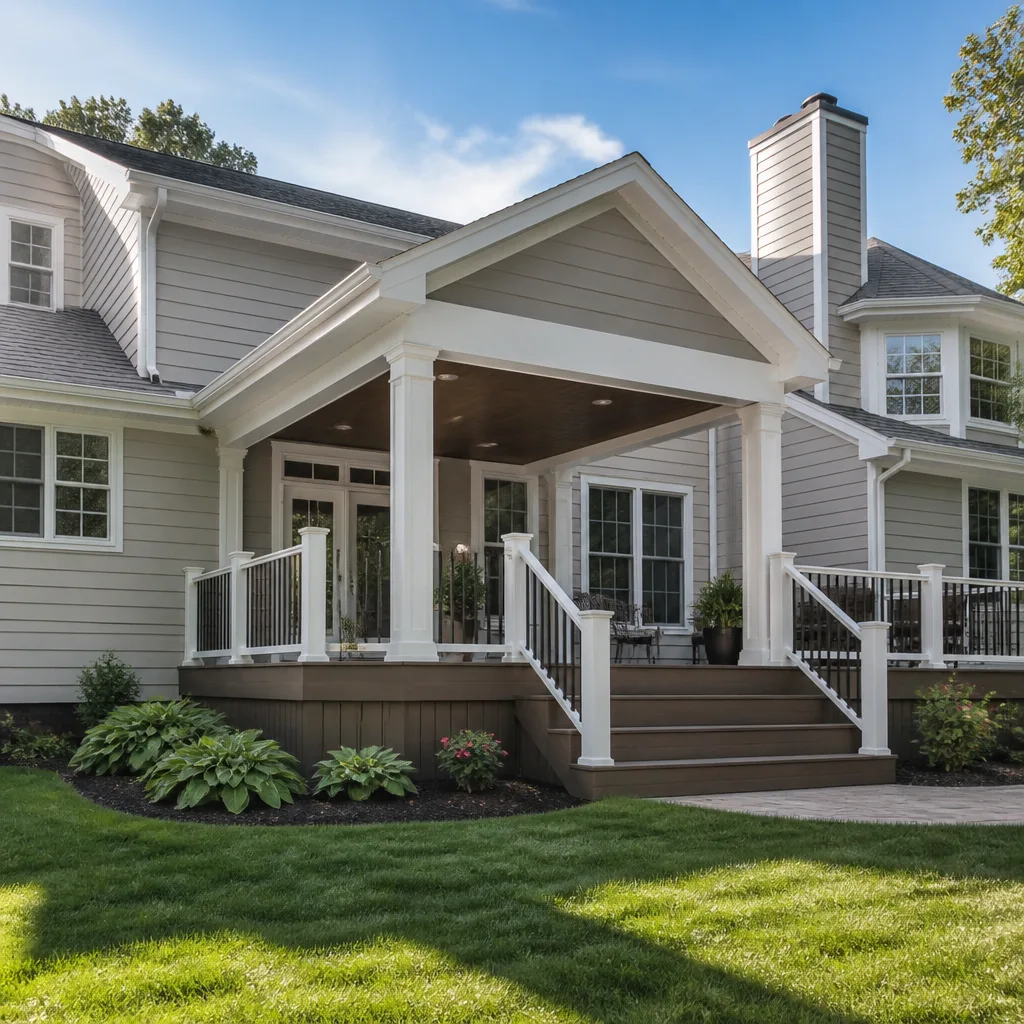
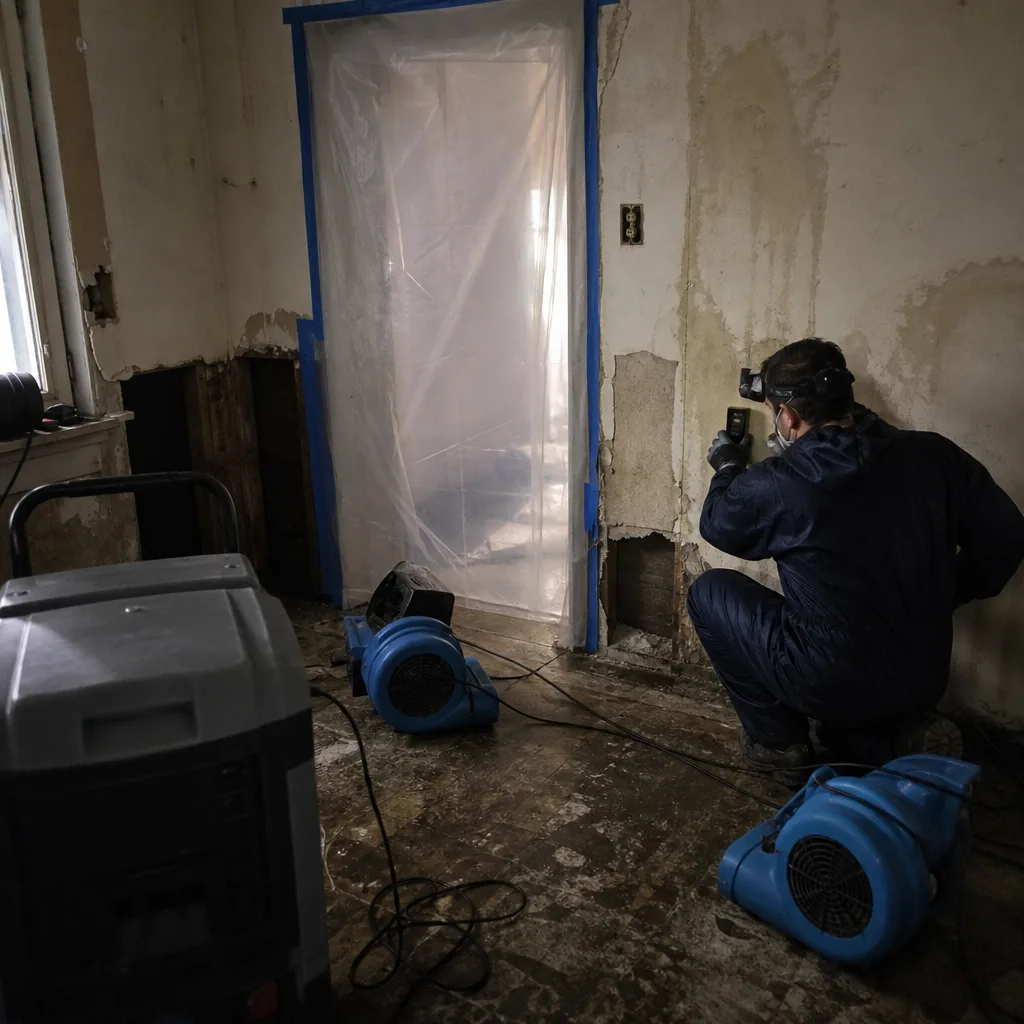 Before
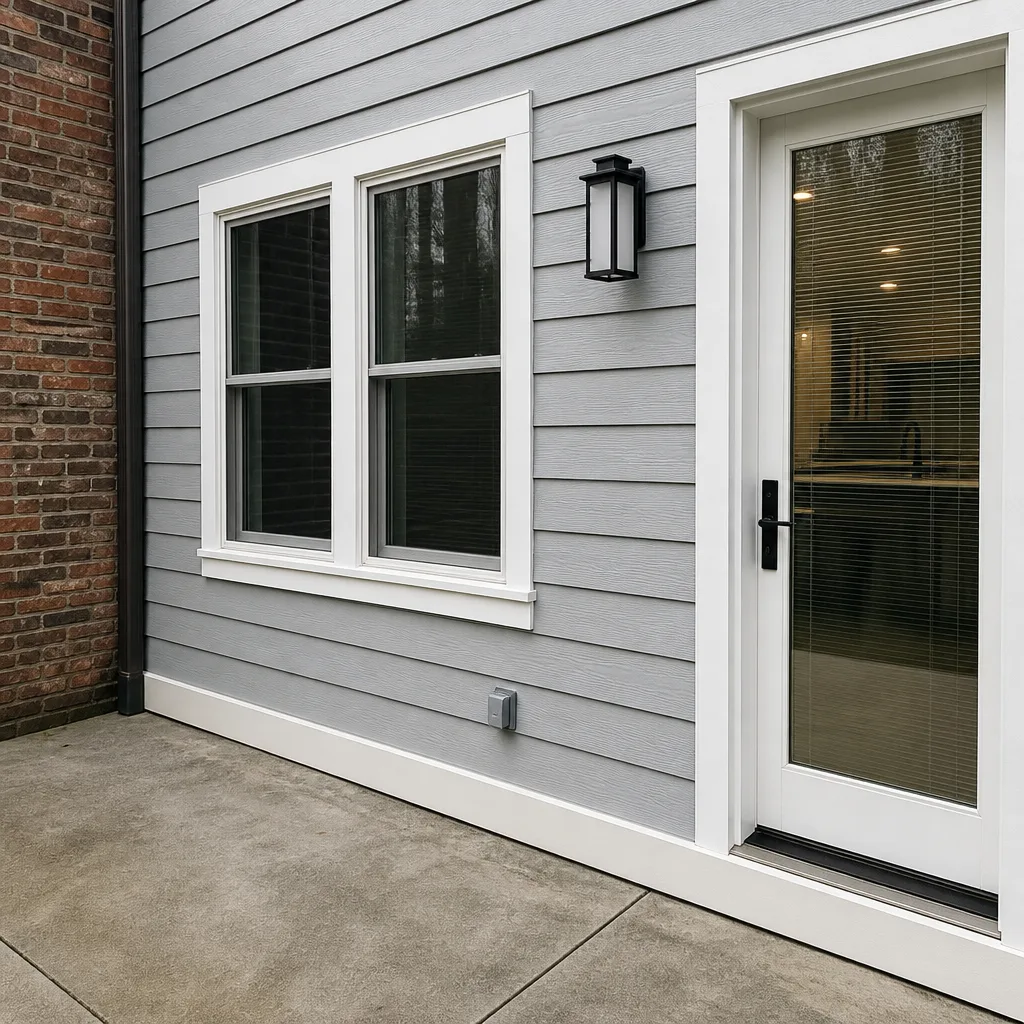 After
After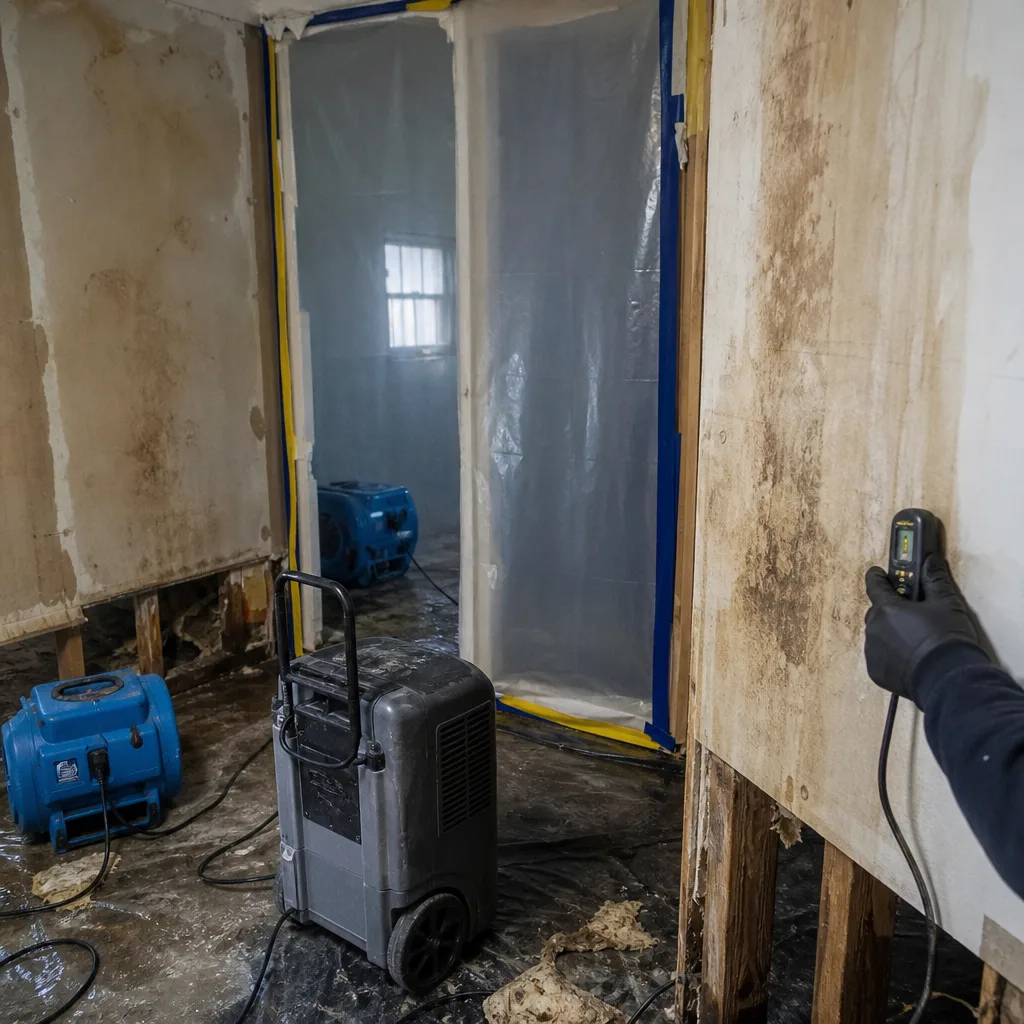 Before
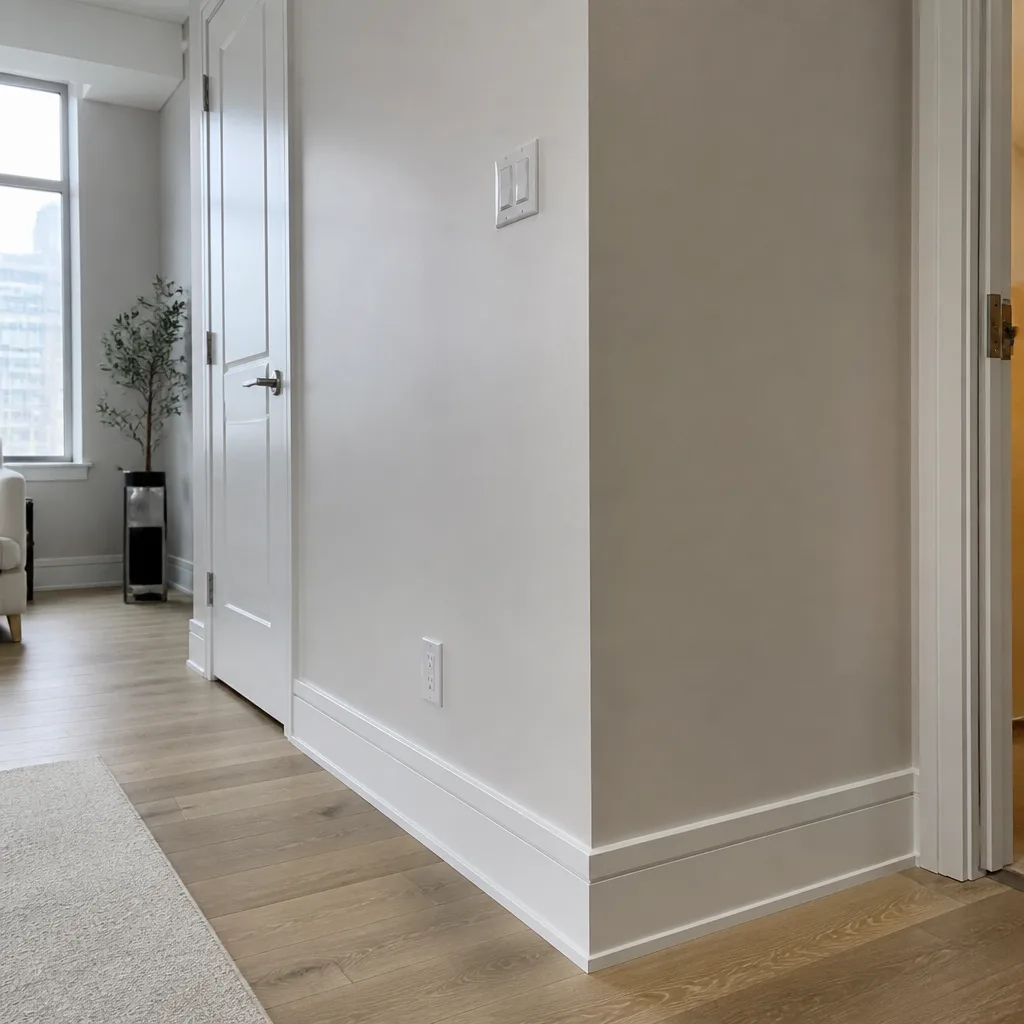 After
After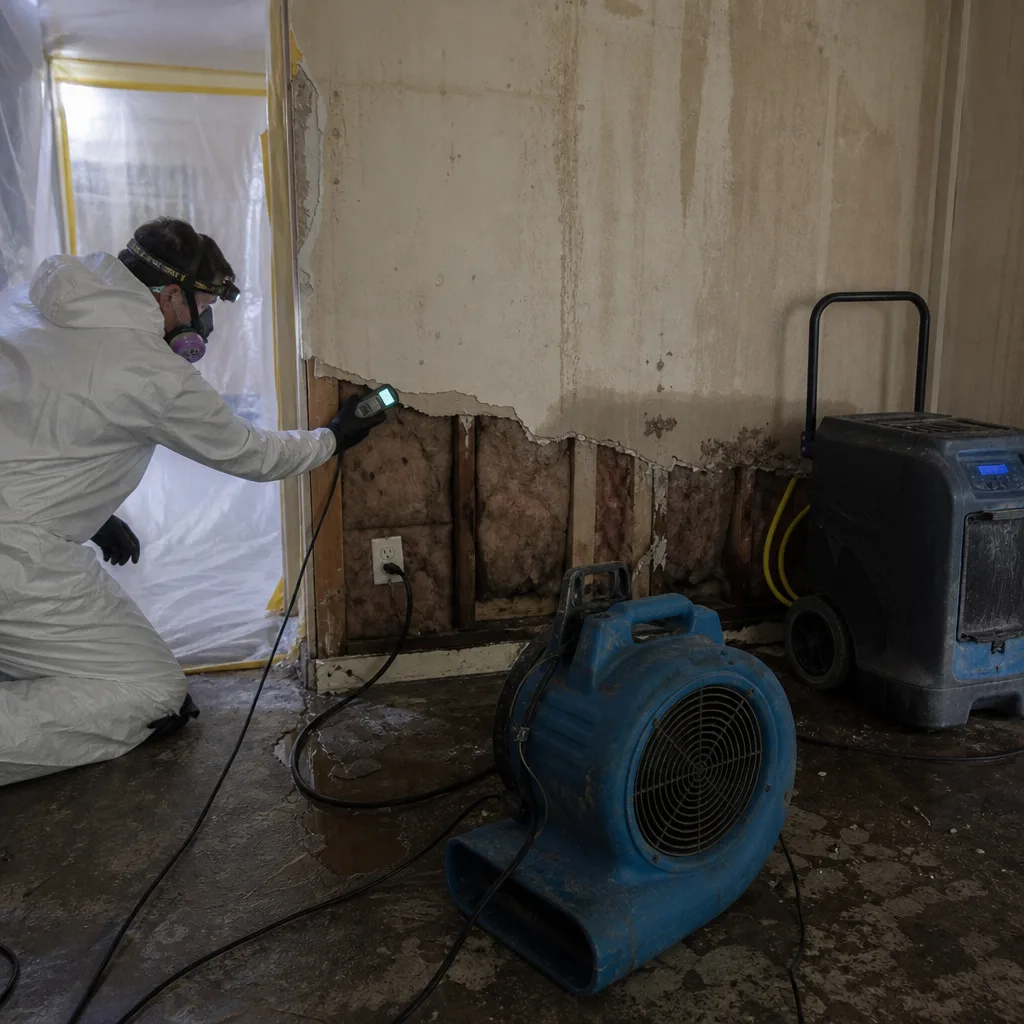 Before
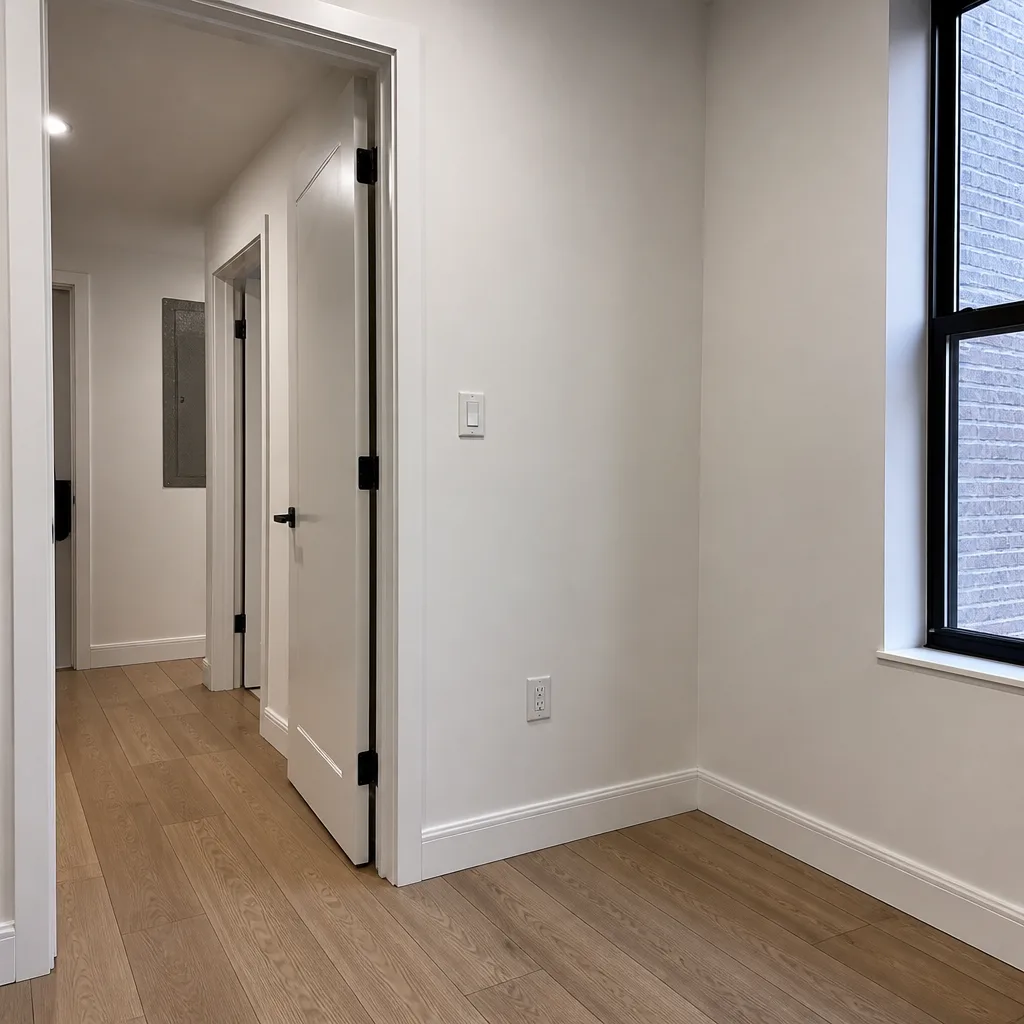 After
After24/7 Emergency Water Damage Restoration in Greenpoint
Water damage restoration in Greenpoint typically costs $900-$4,500 depending on the category of water and how far it has traveled through a building’s structure, and most emergency extraction jobs in the neighborhood are started the same day the call comes in. If you’re standing in a flooded basement on Banker Street or watching water drip through a ceiling on Greenpoint Avenue, call (518) 663-6491 right now. A live dispatcher answers 24 hours a day, every day, and we can have a crew at your door inside 45 minutes.
The first hour after a pipe bursts or a roof gives way matters more than most homeowners realize. Water moves fast through lath-and-plaster walls and old brick cavities, and in Greenpoint specifically, what starts as clean water can pick up contamination from the ground it saturates. We start with a free visual inspection, run moisture mapping, and get extraction equipment running the same visit. No phone trees. No “leave a message.” A person picks up.
Understanding Water Damage Restoration Severity in Greenpoint Properties
Water damage gets classified by its contamination level, not its source. Category 1 water is clean, straight from a supply line or a radiator. Category 2 carries significant contamination; it might be dishwasher discharge or sump overflow. Category 3 is outright unsanitary, meaning sewage, storm surge, or groundwater that has been sitting. In Greenpoint, there is a fourth consideration that few contractors outside this neighborhood ever face: whether the water has come into contact with the petroleum plume beneath the ground near Newtown Creek.
Greenpoint’s housing stock complicates every phase of restoration. The 3 to 5 story brick tenements and rowhouses built between 1890 and 1930 have lath-and-plaster interiors that absorb water differently than modern drywall. Plaster can look dry on the surface while the wooden lath behind it stays saturated for weeks. Cast iron and galvanized supply lines corrode from the inside, so a pinhole leak can quietly soak a joist bay before anyone notices a stain. Flat and low-pitch roofs pond water at parapet seams, and when those seams fail, the water travels inside wall cavities and re-soaks the same ceiling over and over. Moisture mapping with thermal imaging and hygrometers is not optional here; it is how we know what is actually wet versus what just looks wet.
Curious how Greenpoint compares to other Brooklyn neighborhoods for restoration costs? Our Water Damage Restoration hub page breaks down water damage class, category, and typical pricing across the borough.
Why Greenpoint Property Owners Choose Floodline Restoration Co.
- 45-minute response commitment. When you’re watching water pool across a basement floor near the Newtown Creek corridor, half an hour matters. We dispatch crews from our New York City office to Greenpoint addresses immediately.
- A live person answers, 24/7. Not a recording. A dispatcher picks up at 2 a.m., asks what you’re seeing, and gets a crew moving.
- IICRC-certified crews. Our technicians carry WRT (Water Damage Restoration Technician) certification at minimum, with FSRT and AMRT specialists on call for fire, smoke, and mold-related losses.
- Free visual inspection. We walk the loss with you, point to what we’re seeing, and give you a straight read before any work is authorized.
- Direct insurance billing. We bill your carrier directly, provide the photos and drying logs adjusters want, and the homeowner never plays messenger.
- One team from extraction to reconstruction. The crew that pumps out your basement is the same crew that runs daily moisture readings, hands the drying log to you and your adjuster, and rebuilds what needs rebuilding.
Curt Bowman founded Floodline Restoration Co. in 2010 because he was tired of seeing homeowners handed between three different companies after a single loss. Extraction, drying, mold remediation, and reconstruction all happen under one roof, backed by the 90-Day Done Right Promise: if it isn’t done right, we make it right, in writing, with no paperwork battles and no arguing. We stand behind it.
Our Water Damage Restoration Process
Inspection & Assessment
We document the damage, map moisture through every affected surface, and classify the water. In Greenpoint, we also assess whether the water source or path could involve the Newtown Creek petroleum plume; if there is any sign of it, testing happens before a single pump runs.
Extraction / Stabilization
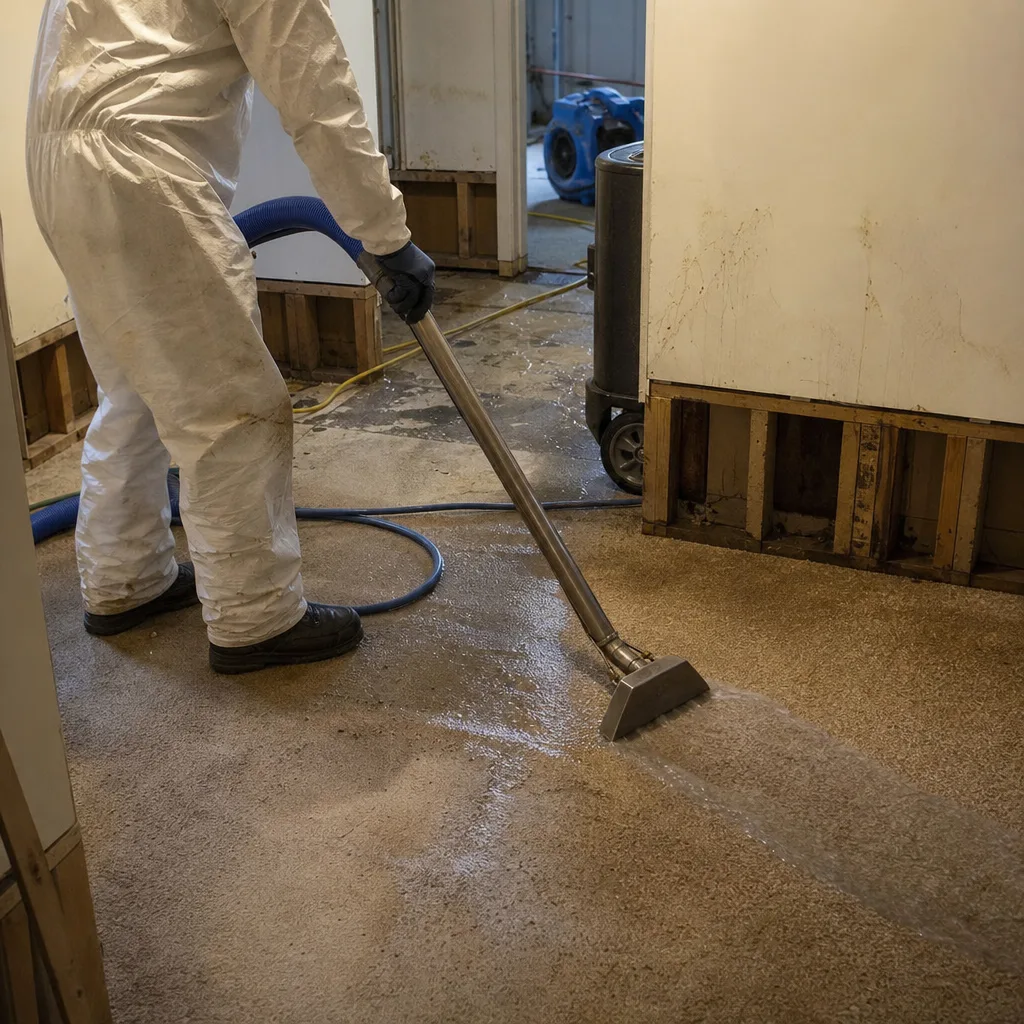
Professional-grade pumps and truck-mounted extraction units pull standing water out fast. Salvageable contents get moved or elevated, and we board up or tarp any openings that let weather in.
Drying & Dehumidification
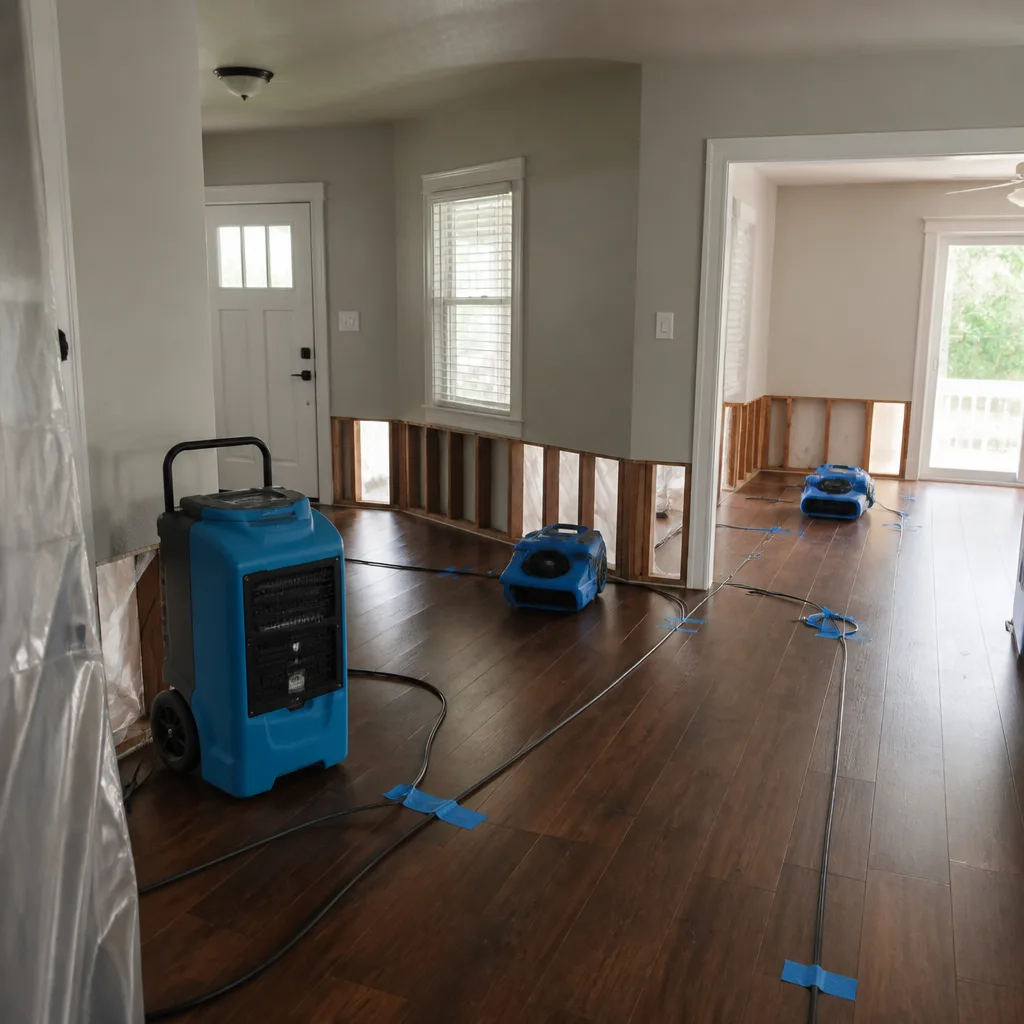
Dri-Eaz and Phoenix air movers and dehumidifiers run on a calculated layout, not wherever a cord reaches. We place equipment based on the moisture map and log readings daily until the dry standard is met.
Cleaning & Sanitization
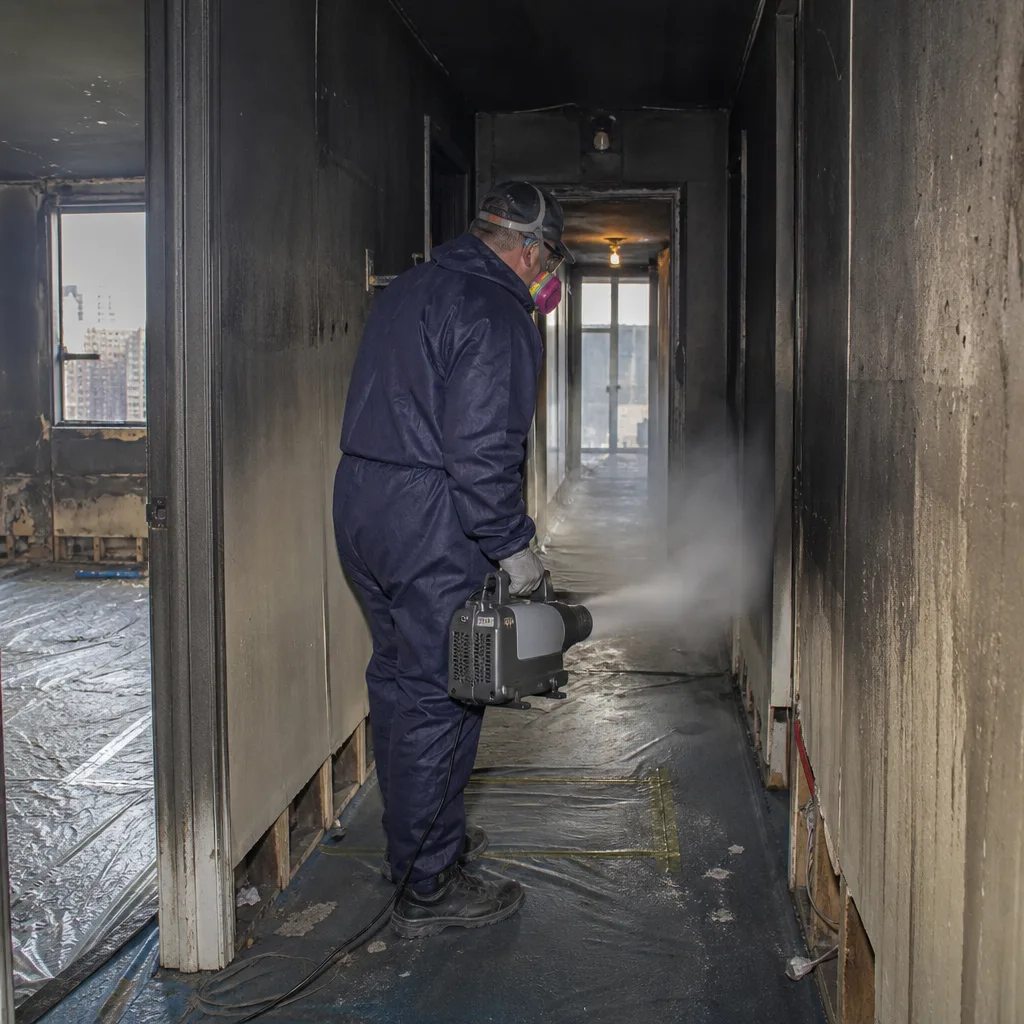
Category 2 and 3 losses get antimicrobial treatment on every affected surface. HEPA air scrubbers run during the teardown phase to keep airborne spores and particulates from migrating into clean rooms.
Specialty Treatment: Lath-and-Plaster & Brick Cavities
This is where Greenpoint work differs from most of the city. Old plaster walls may need injection drying through small access points or controlled removal where the lath is too far gone. Brick party walls get checked for hidden water tracks.
Repairs & Restoration
We replace what was removed, match finishes to the building’s era, and close the job with a final moisture verification and a written warranty. The 90-Day Done Right Promise applies to everything we touch.
Need Emergency Water Damage Restoration in Greenpoint Now?
Crews minutes away, answering live 24 hours a day. The sooner we start, the less it costs.
Working With Your Insurance Company
Insurance claims live or die on documentation, and the first 24 hours set the tone. We photograph every room before anything is moved, log moisture readings on a schedule, and build a line-item scope of work on industry-standard estimating software your carrier recognizes. When the adjuster calls, we talk to them directly; you don’t get stuck translating between a drying log and a denial letter.
For losses in Greenpoint where contamination is a factor, the documentation gets even more detailed. If environmental testing is needed because of the Newtown Creek plume, we include those results and any regulatory correspondence in the claim file. A homeowner should never have to explain a DEC concern to a claims adjuster alone.
What We Provide Your Insurer
- Thorough documentation of the loss
- Photos of all damage, room by room
- Moisture readings and drying logs
- A detailed, line-item scope of work
- Direct coordination with your carrier
Built for Greenpoint’s Loss Calendar
Greenpoint’s geography shapes what fails and when. The neighborhood sits on a peninsula between the East River and Newtown Creek, and the western blocks took direct storm surge during Hurricane Sandy, which is why our Storm & Disaster Restoration in Greenpoint includes surge-specific protocols. Low-lying streets near the creek are built on filled marshland, so groundwater sits close to the surface all year. That means basement relative humidity runs high even on dry days, and a water event that gets “mostly dried” can leave enough residual moisture for mold to take hold within a week or two.
Winter is deep-freeze season, and in old tenements we see a lot of frozen supply lines. Cast iron and galvanized pipe from the 1920s and 1930s does not forgive hard freezes; a split section behind a kitchen wall can run water into the cavities for hours before anyone notices. Spring thaw brings seepage along foundation walls, especially in rowhouse basements below grade. Summer thunderstorms dump enough rain in an hour to overwhelm the combined sewer outfalls near Newtown Creek, and flat roofs that were barely holding on finally let go. Nor’easters hit the same buildings from the roofline down. For a deeper look at how we serve the broader neighborhood, see Water Damage Restoration in Greenpoint and the surrounding blocks.
Water Damage Restoration Across Greenpoint’s Neighborhoods
Greenpoint is not one building type, and the loss patterns change block by block. The historic district around Franklin Street and Greenpoint Avenue is dense with 1880s and 1890s brick rowhouses; these buildings have original timber framing, deep joist bays, and party walls that transfer moisture between neighbors. A leak in a top-floor unit often shows up three floors down and two buildings over.
Along Manhattan Avenue, the commercial strip with residential units above, supply line failures are the most common call. Galvanized riser pipes that have been patched for a century finally split, and water runs down through the ceiling into shops below. The converted loft buildings near West Street and the Newtown Creek corridor present their own set of problems: slab-on-grade floors, large uninsulated envelopes, and the petroleum question. Any basement or ground-floor water event east of McGuinness Boulevard gets a closer look for hydrocarbon contamination before standard extraction starts.
Over near McCarren Park and Greenpoint Avenue, the pre-war apartment buildings and smaller rowhouses see a steady drumbeat of radiator leaks, bathroom stack failures, and flat-roof water intrusion. The blocks south of Greenpoint Avenue toward North Williamsburg mix older frame structures with newer renovations, and moisture hides in dropped ceilings and behind recent drywall additions just as readily as in period plaster. If the water in your basement doesn’t look right, doesn’t smell right, or doesn’t behave like water, call before you pump.
Specialized Water Damage Restoration Services We Offer in Greenpoint
Emergency Water Extraction
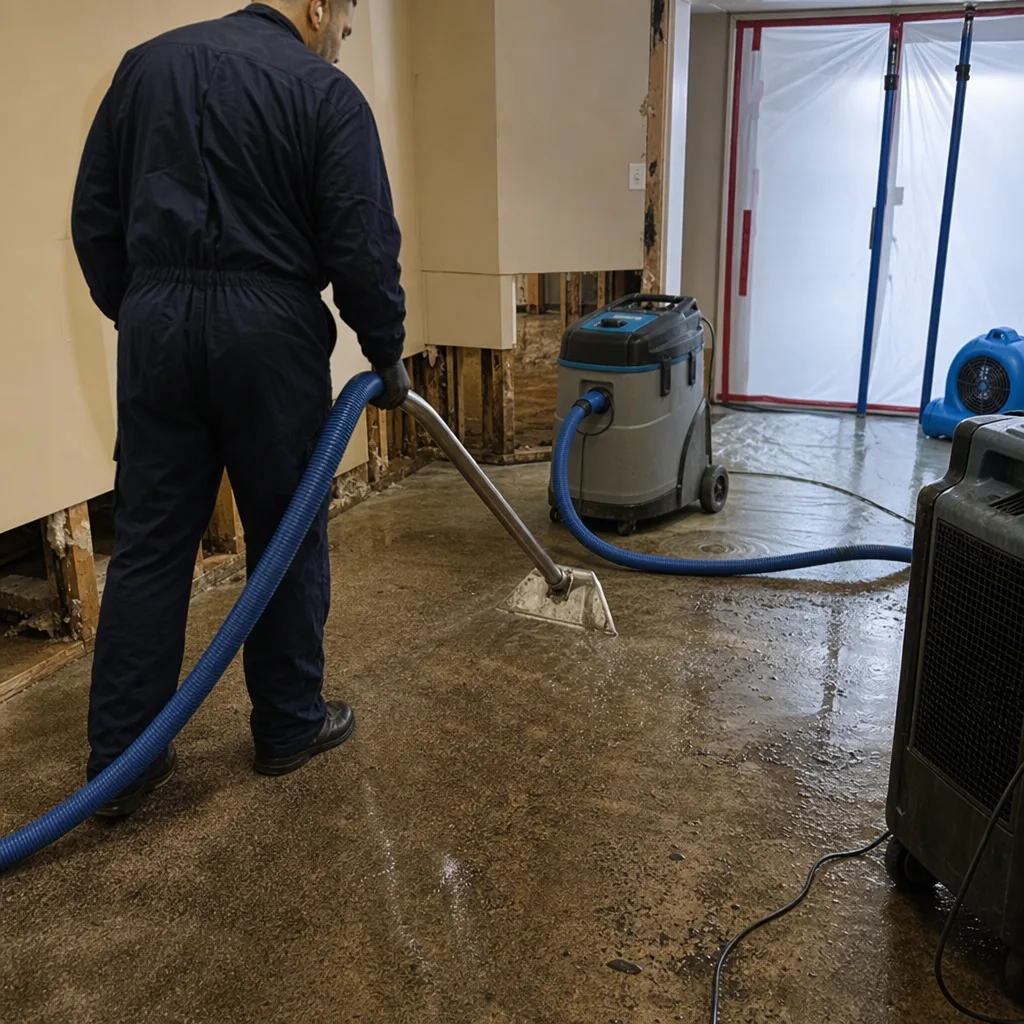
Standing water in a Greenpoint basement or ground-floor unit gets pumped out fast using truck-mounted extraction, which pulls far more water than a rental shop pump. Time is the controlling factor; every hour of standing water compounds the damage and pushes more moisture into the porous brick and plaster around it.
Structural Drying & Dehumidification
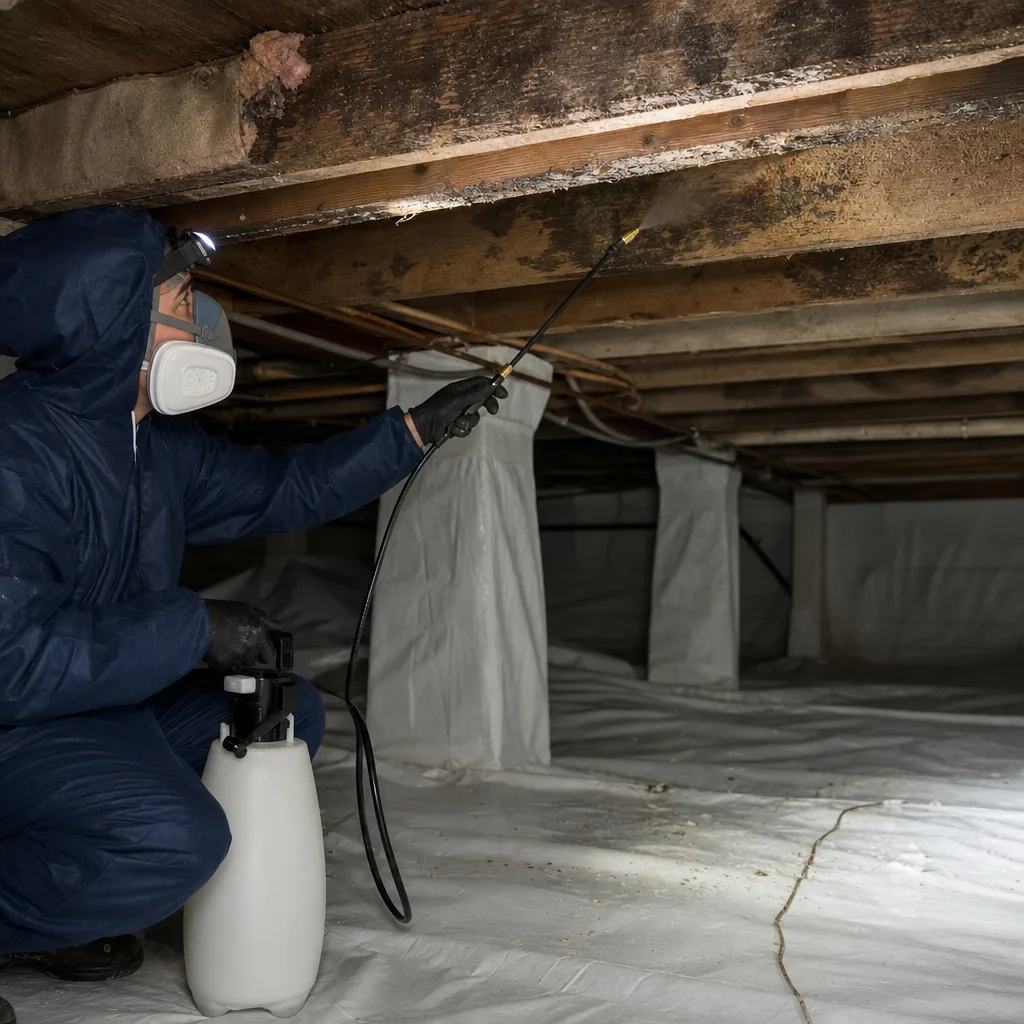
We run Dri-Eaz and Phoenix dehumidifiers with XPOWER and B-Air air movers on a layout calculated from the moisture map, not guesswork. Daily readings with hygrometers and thermal imaging tell us when the building is actually dry, which in a 1905 rowhouse can take longer than a modern condo. The drying log goes to you and your carrier.
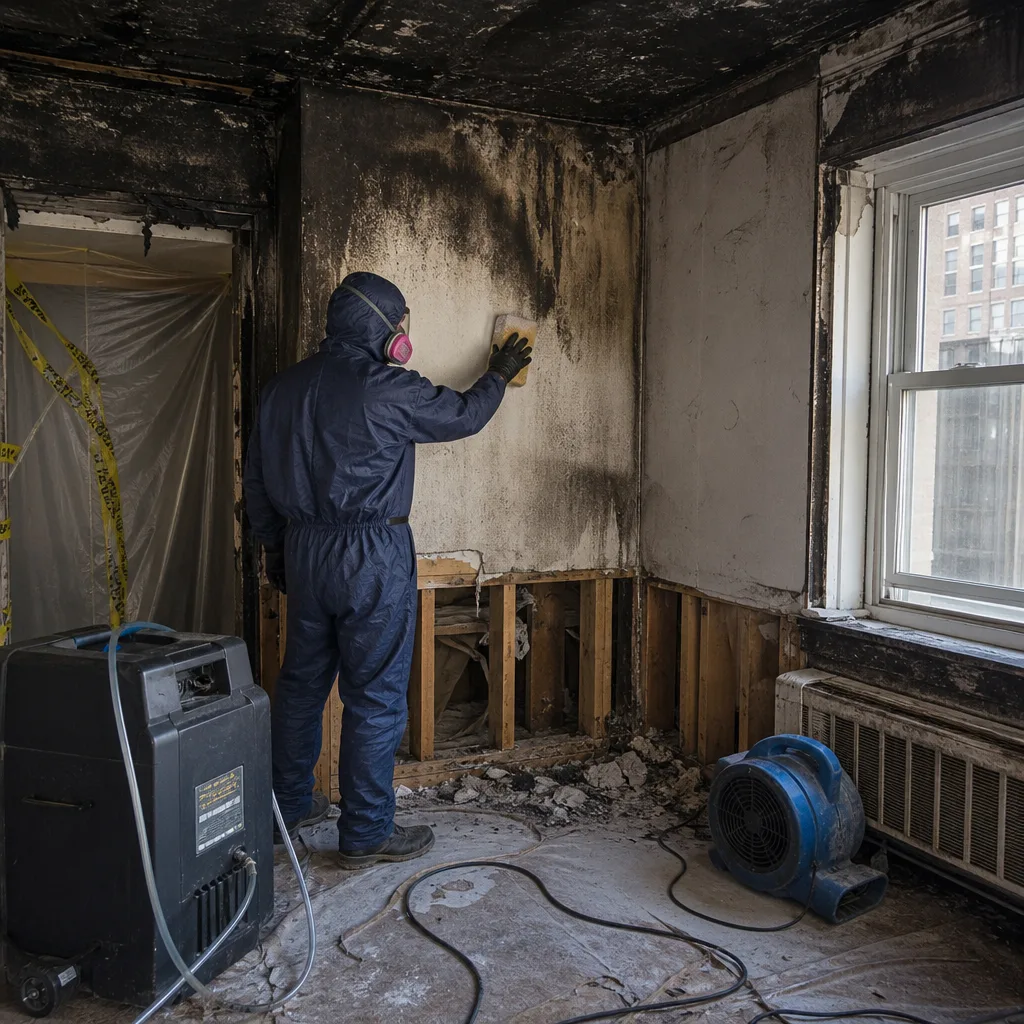
Basement Water Removal
Basement flooding in Greenpoint is rarely simple water removal, especially east of McGuinness Boulevard. Flooded basements here might hold category 3 groundwater, septic backup, or worse, so Sewage Cleanup in Greenpoint is often part of the response. We assess what the water is before we pump it anywhere.
What happens when you call
- 1
A real person answersNo phone trees - you reach a local pro.
- 2
You get an upfront price rangeHonest numbers before anyone is dispatched.
- 3
A background-checked tech heads outLicensed & insured, dispatched right away.
- 4
You approve before work beginsNothing starts until you say go.
Water Damage Restoration Costs in Greenpoint, NY
What you will actually pay in Greenpoint depends on category of water, how far it spread, and what the building is made of. A straightforward supply line leak in a rowhouse kitchen typically runs $900-$1,800 for extraction, drying, and minor repairs. A flooded basement with category 3 water and plaster walls starts around $3,500-$5,500. Full reconstruction after a major loss can reach $12,000-$25,000 in a converted loft building where finishes and structural components both need work. Flat roof leak remediation with structural drying on a brick tenement usually lands between $1,200 and $3,000 depending on how many ceilings are wet.
Insurance usually covers most of these costs when the damage is sudden and accidental. The free visual inspection gets you a firm scope of work in writing before anything is authorized, so you know the number up front. We bill your carrier directly, and the $50 Off Any Repair Over $250, the $89 Seasonal Tune-Up, and the Senior & Veteran 5% Discount always apply. Call (518) 663-6491 and we will give you a straight read.
We Also Serve Cities Near Greenpoint
Floodline Restoration Co. runs crews throughout the greater New York metro area. Our Greenpoint team also responds throughout the Financial District, Lower Manhattan, Washington Square, and Brooklyn Heights, often inside the same hour depending on traffic on the BQE and the Manhattan Bridge. If you’re near the waterfront on either side of the river, call and ask for dispatch; we will tell you honestly how fast a crew can get there.
Serving Greenpoint, NY - Our Local Coverage Area
We’re based in the Greenpoint area and know this community well. Use the map below to see our service coverage - if you’re nearby, we can almost certainly help.
Greenpoint Water Damage Restoration Questions, Answered
Does water damage restoration in Greenpoint require testing for petroleum if my basement flooded from a burst pipe, not the creek?
Not always, but we check anyway if the property sits east of McGuinness Boulevard near the Newtown Creek corridor or if the basement has chronic groundwater seepage. The oil plume beneath Greenpoint migrates seasonally, and groundwater that never touched the creek can still carry hydrocarbons. If there’s any smell, sheen, or discoloration, we halt extraction and bring in environmental testing before pumping.
Why does mold keep coming back in my Greenpoint rowhouse basement after every water event?
Because the moisture never fully leaves. Lath-and-plaster walls and brick foundation walls hold water deep inside, and if the area isn’t dried to a verifiable standard with daily moisture readings, residual humidity lets mold re-establish within weeks. The fix is structural drying, not surface cleaning.
Can you dry lath-and-plaster walls in a Greenpoint tenement without tearing them out?
Sometimes, yes. If the plaster is still sound and the lath hasn’t rotted, we can dry the wall cavity with targeted injection drying and controlled dehumidification. If the plaster is already failing or the lath is saturated beyond recovery, controlled removal is faster and cheaper than trying to save a wall that will fail anyway.
What is the hardest part of restoring a converted loft building in Greenpoint after a major leak?
The combination of slab-on-grade floors and large open envelopes. Water spreads across a slab quickly and wicks into anything sitting on it, while the high ceilings and open volumes make humidity control harder. In converted industrial buildings, you’re often drying both a living space and a structure that wasn’t built for residential vapor loads.
Do I need a different restoration protocol if my Greenpoint basement flood is category 3 water?
Yes. Category 3 water carries pathogens and requires full PPE, containment, controlled disposal of contaminated materials, and antimicrobial treatment. In Greenpoint, we also add the contamination assessment step before disposal or pumping, because downhill drains here don’t always lead where you’d assume.
How fast can you actually get to Greenpoint?
Our crews respond from our New York City office and typically reach Greenpoint addresses in 30 to 45 minutes during normal traffic. Late night and early morning response is usually faster. A live dispatcher answers 24/7 at (518) 663-6491 and can tell you where the nearest crew is at that moment.
Will my insurance cover water damage restoration in Greenpoint?
Most policies cover sudden and accidental water damage like a burst pipe or a storm-driven roof leak, minus your deductible. Gradual damage from long-running seepage is often excluded, which is why strong documentation from the first hour matters. We work directly with your carrier and provide the photos, drying logs, and scope of work they need.
What should I do in the first 30 minutes after a water leak in Greenpoint?
Shut off the water at the main valve if the source is a plumbing failure, kill power to any affected circuits at the breaker, move what you can lift, and call (518) 663-6491. Don’t run a wet-dry vac on standing water that might be contaminated, and don’t touch electrical outlets or switches in wet areas.
Curt Bowman has led Floodline Restoration Co. since 2010, and the company’s approach has not changed: answer the phone with a person, treat every Greenpoint basement as if the water might not be just water, and put the 90-Day Done Right Promise in writing on every job. If you’re dealing with water in a rowhouse basement, a loft conversion, or a pre-war walk-up, call (518) 663-6491 right now. We will be there when we say.
Written by Curt Bowman, Owner at Floodline Restoration Co., serving Greenpoint’s homes and buildings since 2010.