
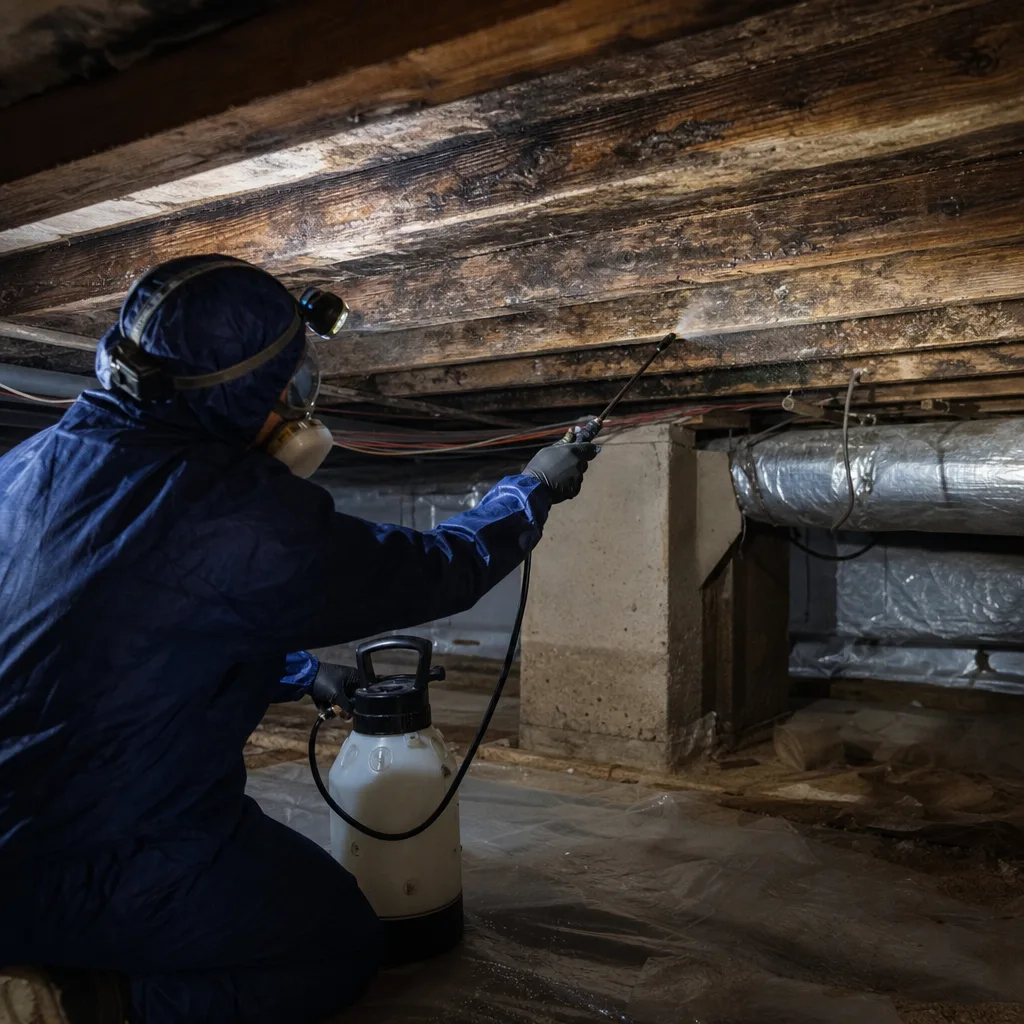
Free visual inspection and a written scope of work before any mitigation begins - photos, moisture readings, and drying logs go in your claim file
The scope we write is the scope we bill. Anything new gets shown to you, in writing, before we touch it.
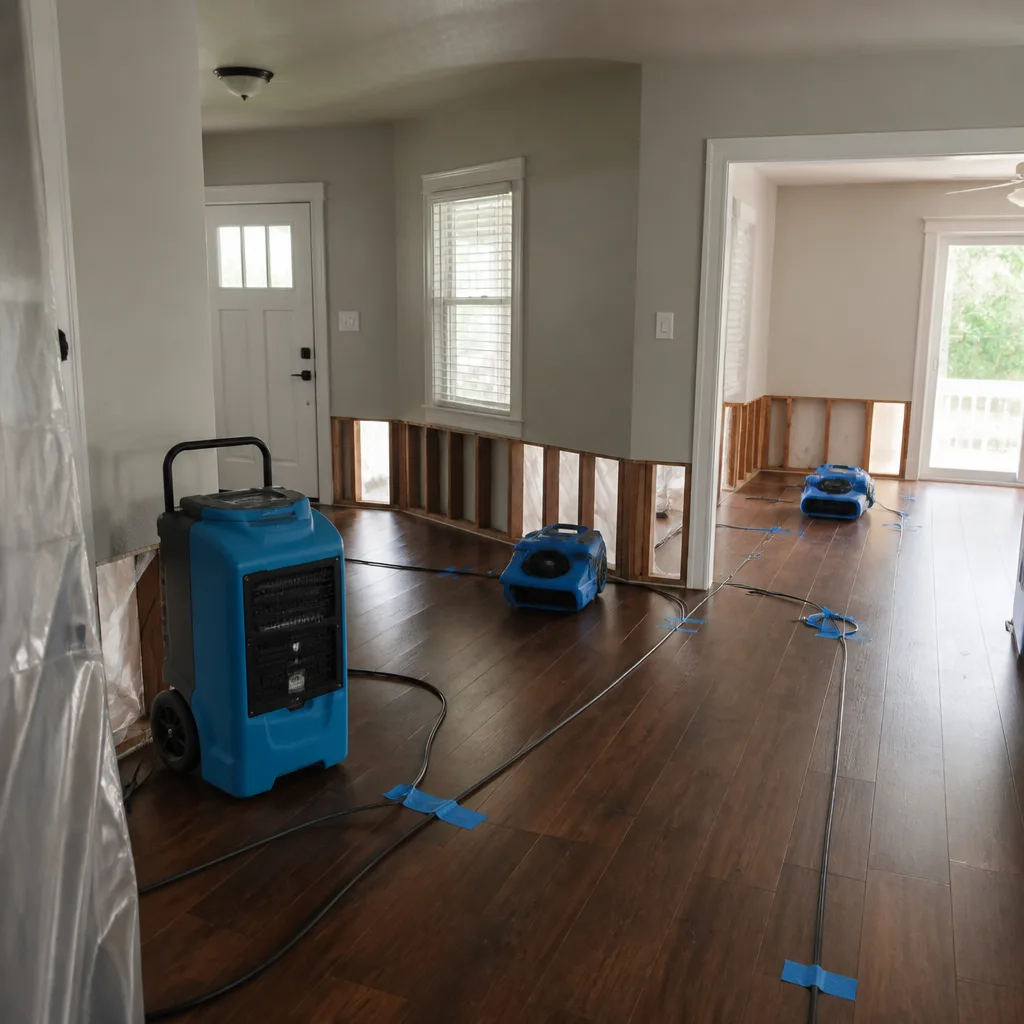
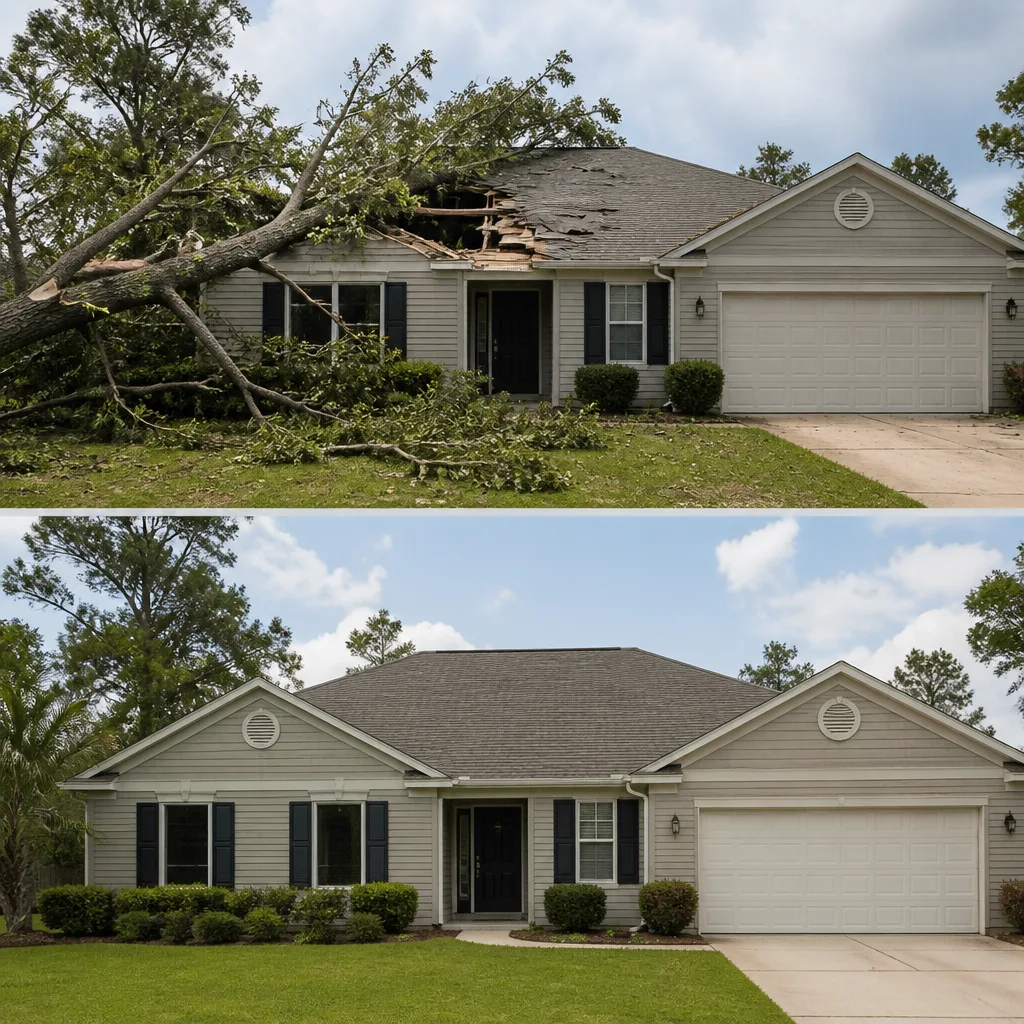
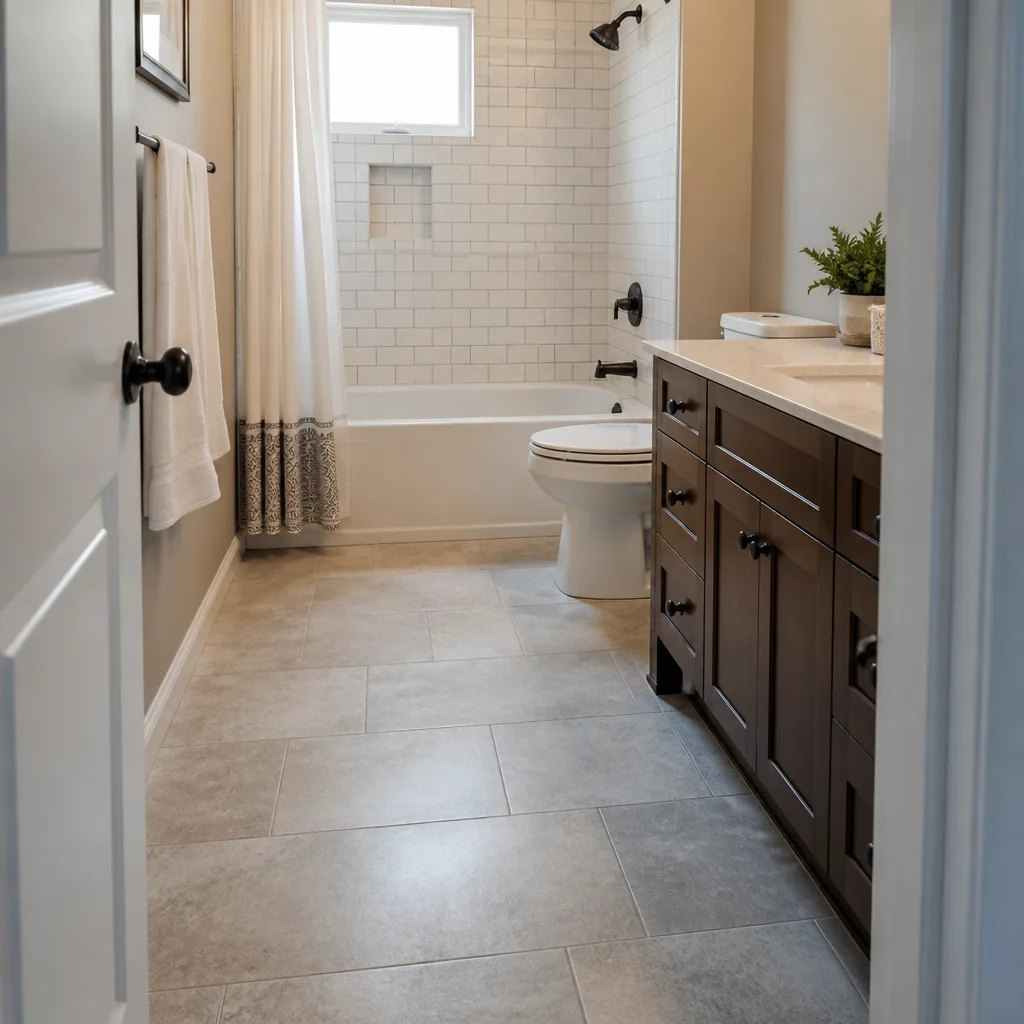
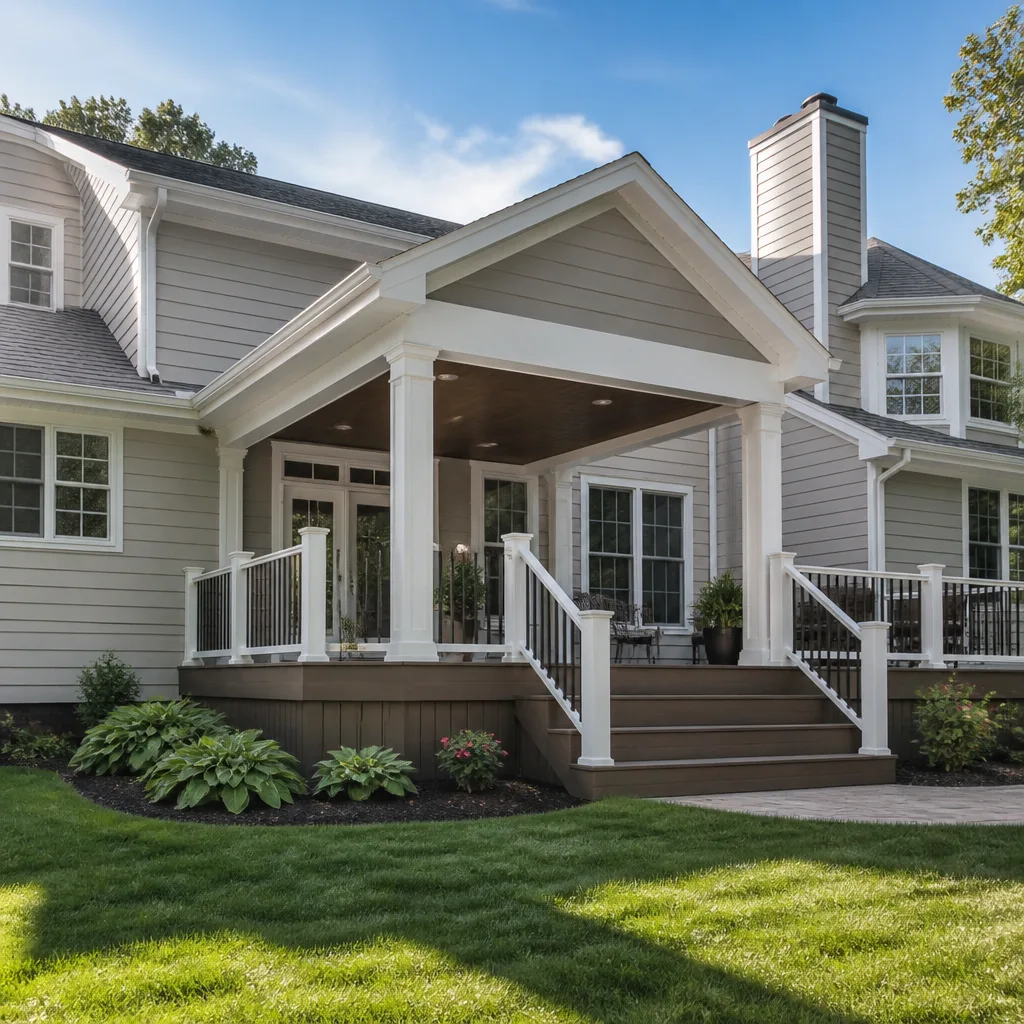
 Before
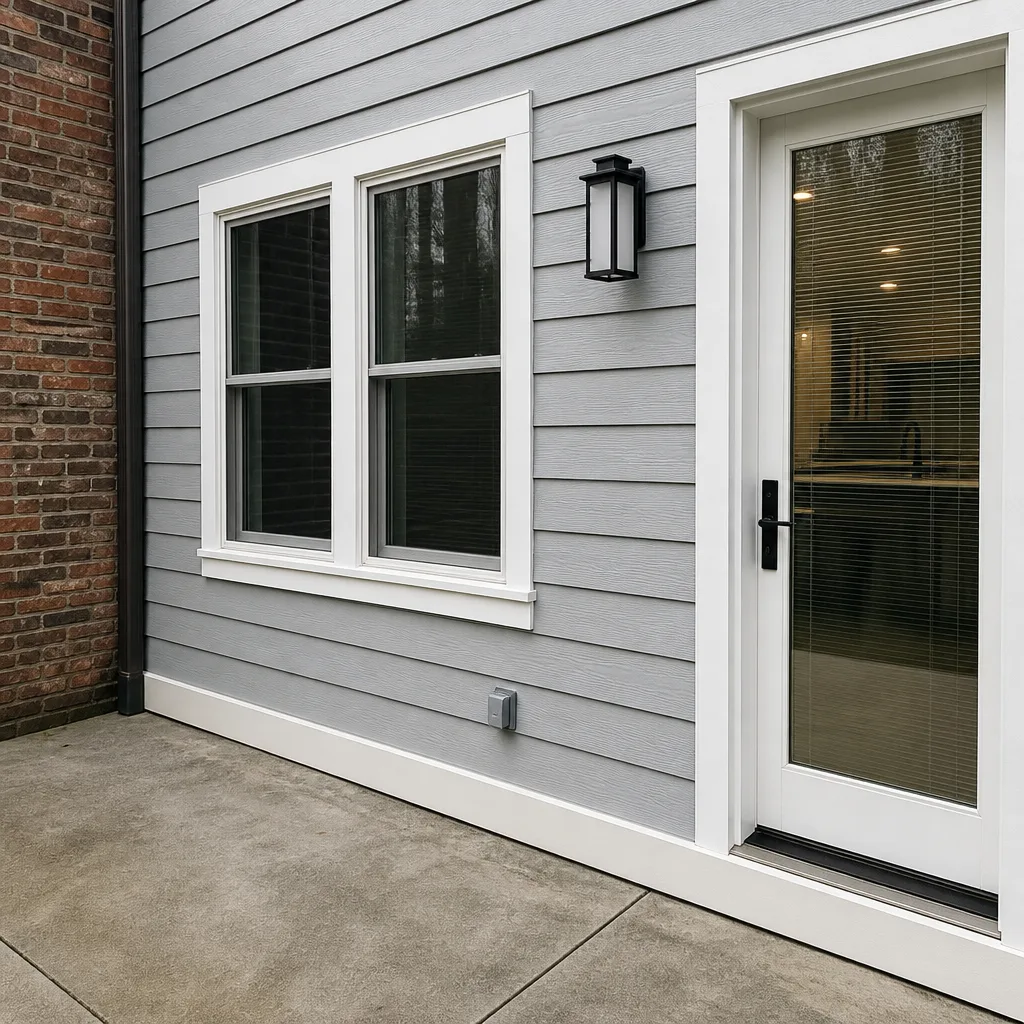 After
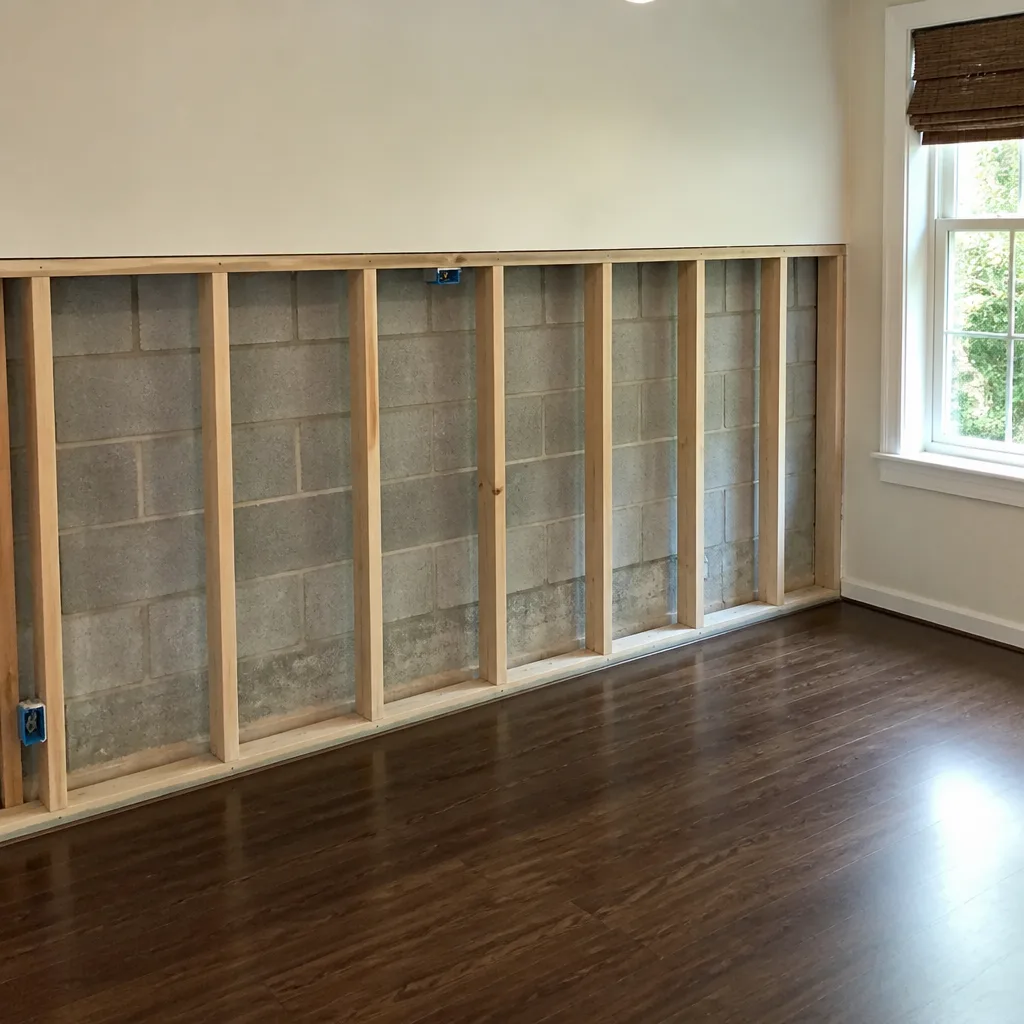
After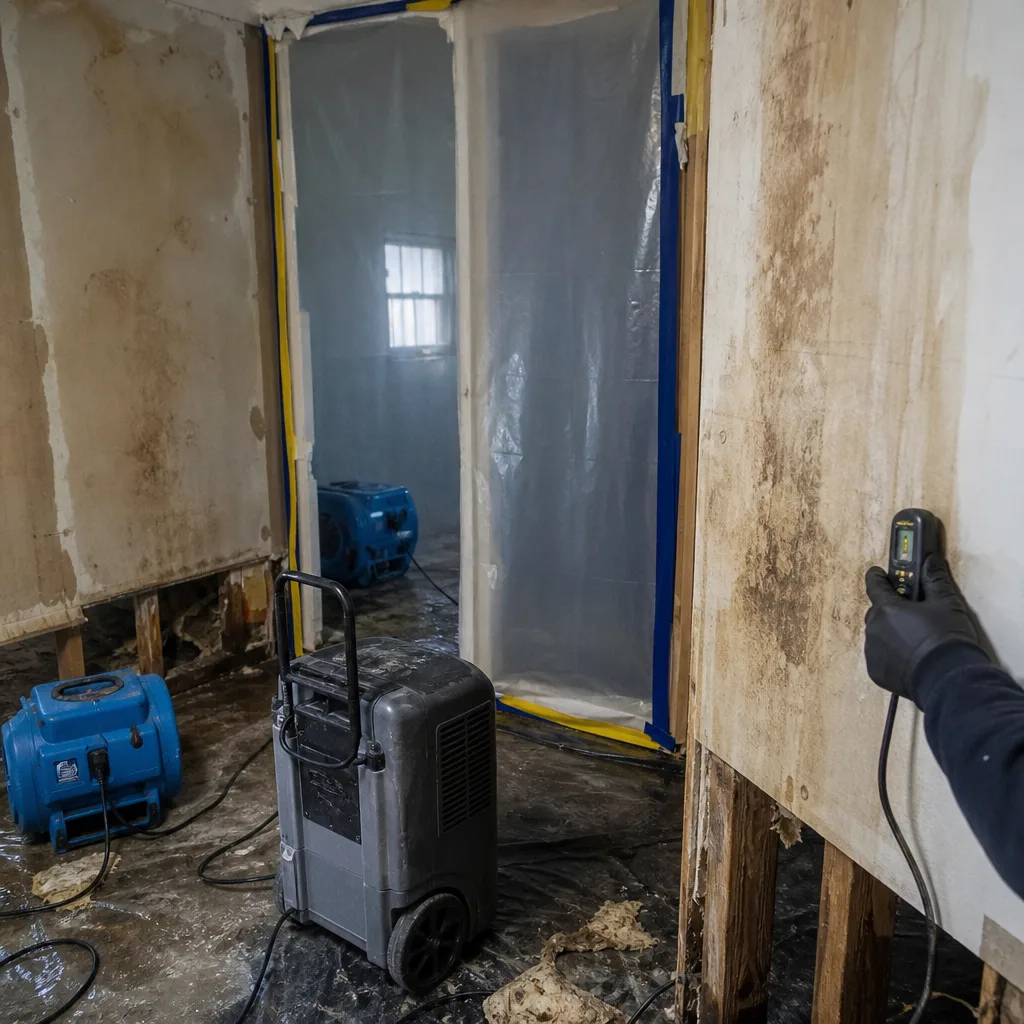 Before
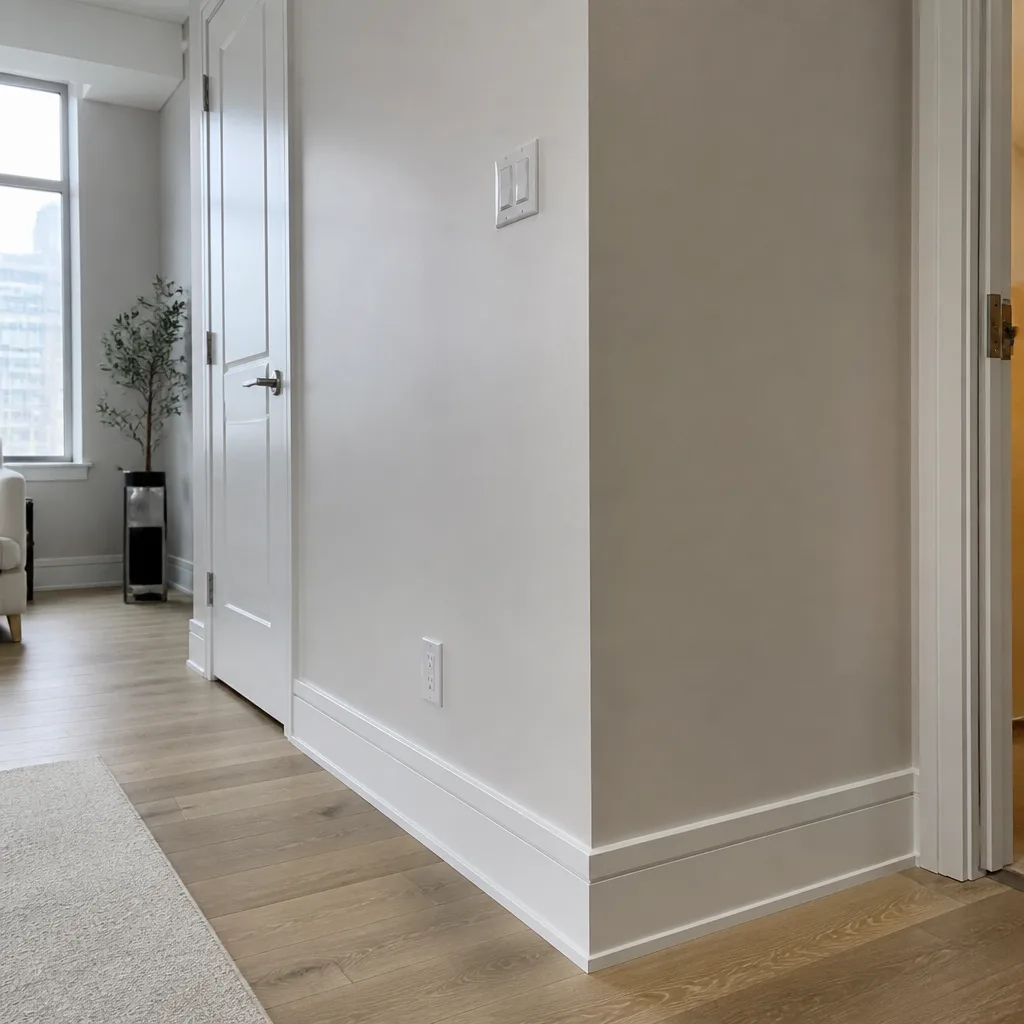 After
After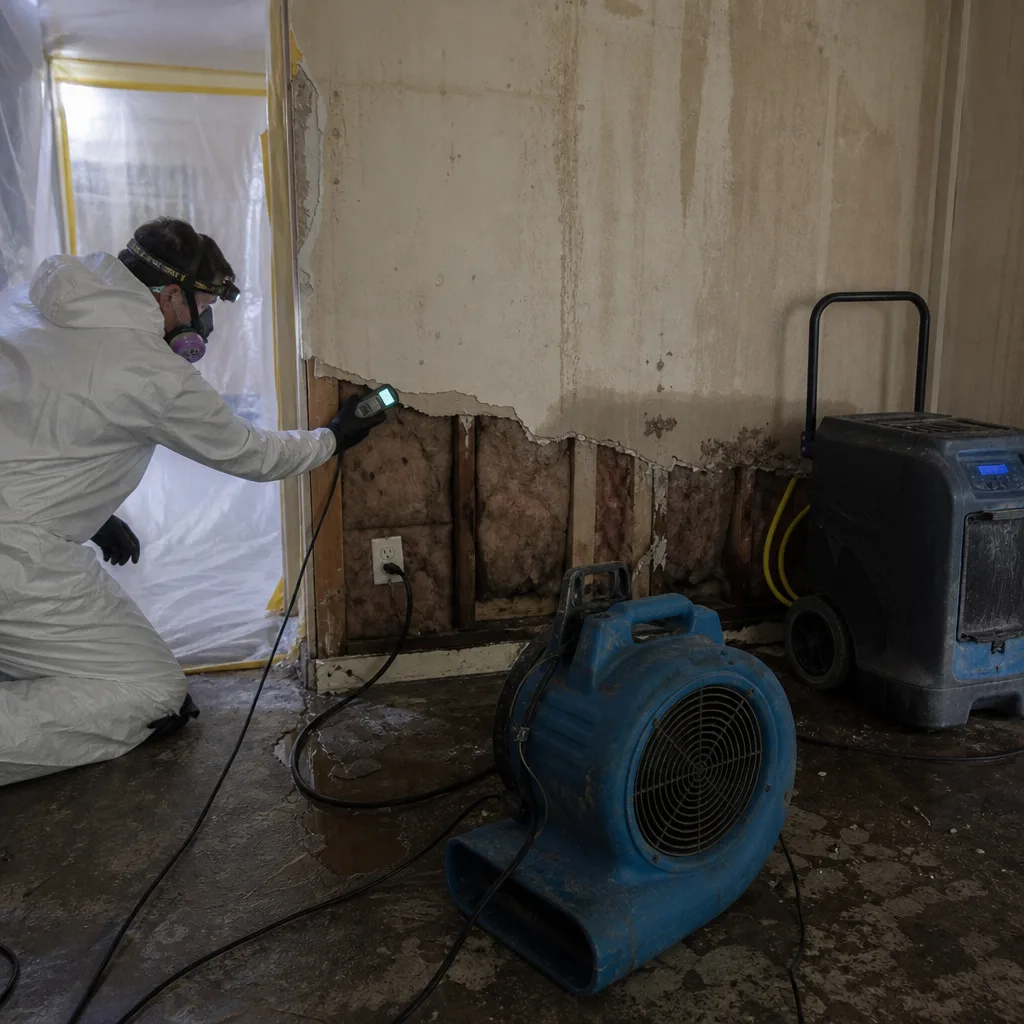 Before
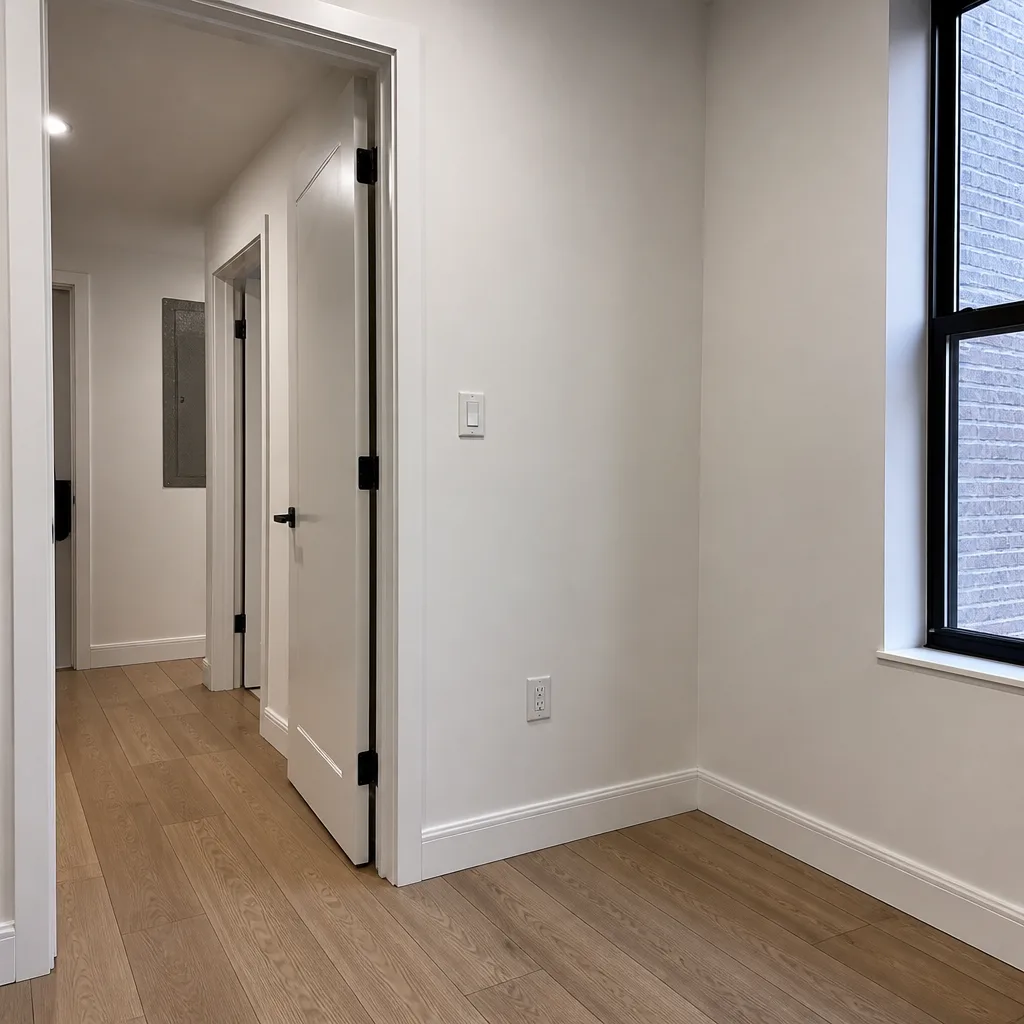 After
After24/7 Emergency Mold Remediation in Greenpoint
Mold remediation in Greenpoint typically runs $2,800-$7,500 depending on square footage, containment requirements, and whether petroleum screening comes into play near Newtown Creek. When you call (518) 663-6491, a live dispatcher answers immediately and a certified crew can be on-site in under an hour. That first hour matters because mold colonizes wet organic material within 24-48 hours, and Greenpoint’s chronically humid basements compress that timeline further.
We don’t put you through to a recording. We don’t route you to a call center three states away. We answer the phone, ask what you’re seeing, and dispatch from our New York City office straight to your block. Whether you’re on Manhattan Avenue or up near McCarren Park, the crew that arrives is background-checked, uniformed, and carrying professional-grade detection equipment. The visual inspection is free. The conversation is straight.
Understanding Mold Remediation Severity in Greenpoint Properties
Mold severity breaks down by the extent of water activity, the material affected, and the time since the event. A small patch around a failed wax ring is a containment-level job. A basement that’s been seeping for months through a rubble-stone foundation is something else entirely. We classify by square footage of visible growth, moisture readings in surrounding materials, and air sampling when clearance testing will be required.
Greenpoint’s housing stock makes accurate assessment harder than in newer construction. Those 3-5 story brick tenements and rowhouses with lath-and-plaster interiors hold moisture behind original plaster in ways drywall doesn’t. A wall can read dry on the surface while the cavity behind it stays wet for months. Former industrial loft conversions add another layer: large slab-on-grade floors and uninsulated building envelopes create condensation patterns that mimic water intrusion. We moisture-map everything, not just where you see staining.
Then there’s the petroleum angle. Greenpoint sits over an estimated 17-30 million gallon underground oil plume from legacy ExxonMobil facilities along Newtown Creek. Basement water here can carry hydrocarbons. That changes the job from routine to regulated, and we screen for it before any pump-out begins.
Why Greenpoint Property Owners Choose Floodline Restoration Co.
- 45-minute response commitment for emergency calls within the Greenpoint service area. When you call, we move.
- A live person answers, 24/7. Two in the morning, Christmas Day, doesn’t matter. No automated system, no callback queue.
- IICRC-certified crews trained to WRT, FSRT, and AMRT standards, plus RIA and IFA protocols. The certification matches the work.
- Free visual inspection with moisture readings and a written scope before any work starts. You know the number before we touch a wall.
- Direct insurance billing. We document from the first hour, talk to your adjuster ourselves, and you never play messenger.
- One team from start to finish. Containment, removal, drying, clearance testing, and any rebuild that follows. No handoff to a sub you’ve never met.
Our Mold Remediation Process
Inspection & Assessment
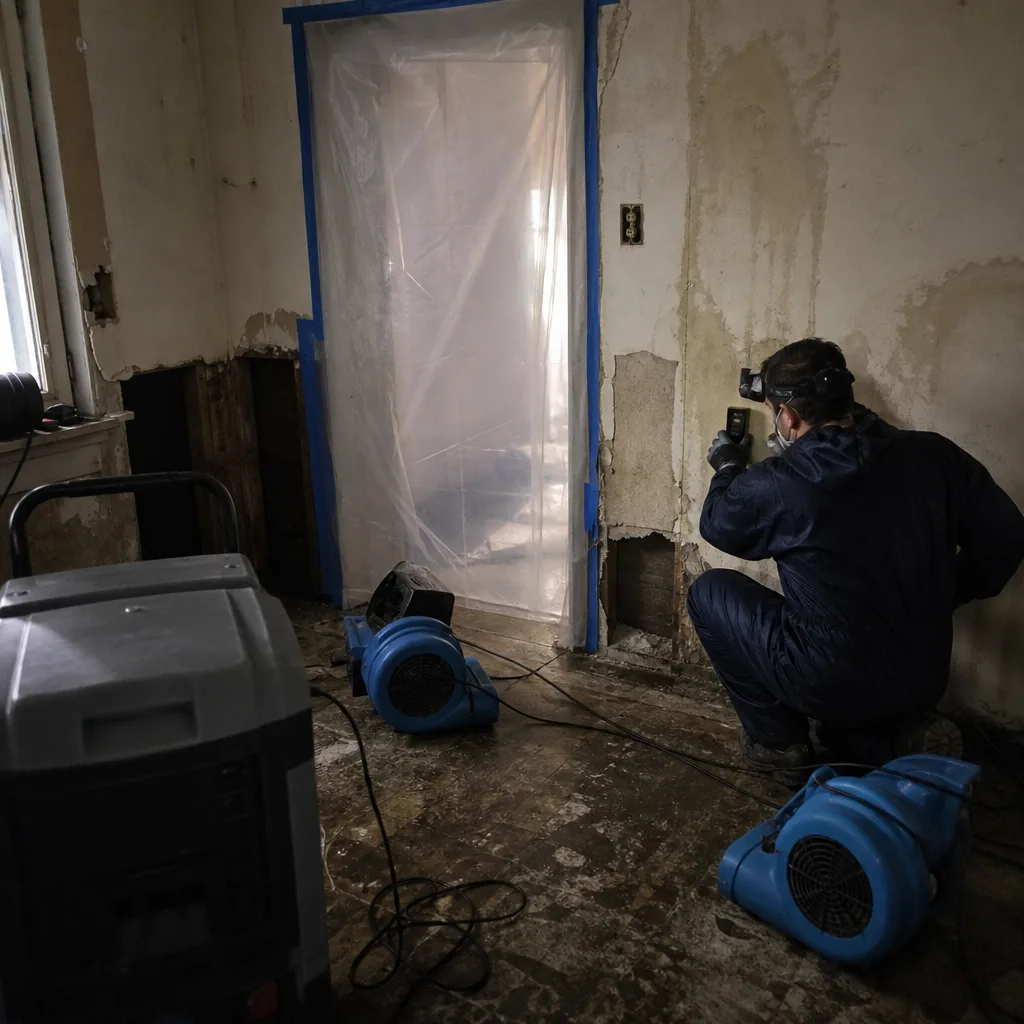
We start with thermal imaging and hygrometer readings across all affected surfaces, not just where mold is visible. In Greenpoint basements, that means checking for petroleum contamination alongside moisture. Every reading gets logged and shared with you and your insurer in plain language.
Containment & Stabilization
Before any removal begins, we seal the affected area with 6-mil poly sheeting and establish negative air pressure using HEPA air scrubbers. This prevents spores from migrating into your living space during the work. For petroleum-tinged seepage near Newtown Creek, stabilization includes proper disposal coordination under regulated-waste protocols.
Moisture Source Correction
Mold doesn’t come back when the moisture source is actually fixed. We trace the water or humidity to its origin: failed supply lines, parapet roof leaks on flat-roof buildings, drainage failures, or chronic creek-side humidity that needs mechanical dehumidification. Fix the source, then fix the mold.
Removal & Cleaning
Affected plaster and lath is removed to the depth of actual penetration, not a guess. Porous materials with heavy colonization get removed entirely. Remaining surfaces receive antimicrobial treatment applied to IICRC standard. We use Dri-Eaz dehumidifiers and Phoenix air movers sized to the cubic footage of the space, not a one-size-fits-all setup.
Drying & Clearance Testing
Daily moisture readings continue until every surface meets the established dry standard. When readings are stable, we run air quality testing to verify spore counts are at or below baseline. The log goes to you, and to your carrier if you’re filing a claim.
Repairs & Restoration
We rebuild what was removed: plaster repair, wall refinishing, baseboard replacement. The same certified crew that handled containment handles the reconstruction, so there’s no gap between remediation and getting your home back.
Need Emergency Mold Remediation in Greenpoint Now?
Crews minutes away, answering live 24 hours a day. The sooner we start, the less it costs.
Working With Your Insurance Company
Mold claims live and die on documentation. If the insurer can argue the growth was long-standing or the result of deferred maintenance, they will. Our job is to make that argument impossible. From the first hour, we photograph everything, log moisture readings with timestamps, and write scopes in the format carriers expect. We talk directly to your adjuster, provide them everything they request, and push back when a covered loss gets lowballed. You get a written scope before work starts, and we bill the carrier directly for covered losses.
What We Provide Your Insurer
- Thorough documentation of the loss
- Photos of all damage, room by room
- Moisture readings and drying logs
- A detailed, line-item scope of work
- Direct coordination with your carrier
Call (518) 663-6491 and ask for Curt Bowman’s team. You’ll get a straight answer about your policy and your options before you commit to anything.
Built for Greenpoint’s Loss Calendar
Greenpoint’s mold season isn’t a season. It’s year-round, driven by geography and hundred-year-old construction. January and February bring deep freezes that burst galvanized supply lines in uninsulated chase walls, sending water through lath-and-plaster ceilings that hold it like a sponge. March and April thaw the ground around those rubble-stone foundations, and basement seepage follows the water table up. Summer thunderstorms overwhelm the combined sewer system near the East River and Newtown Creek, backing water into low-lying basements. Fall nor’easters push storm surge into western blocks, the same ones that flooded during Sandy.
Each event leaves behind the same problem: moisture in materials that were never designed to dry quickly. Greenpoint’s chronic high humidity near the creeks means a basement that stays damp for two weeks after a water event becomes a mold event, even if the water was clean. That’s why we thread permanent dehumidification into our recommendations here more than we do in drier neighborhoods. It’s not an upsell. It’s the difference between a one-time remediation and a recurring one.
On a converted loft near Newtown Creek, we found petroleum-tinged seepage that had wicked into lath-and-plaster walls. After confirming Category 3 water and coordinating proper disposal, our techs set up full containment, removed affected plaster under negative air, applied antimicrobial treatment, and ran Dri-Eaz dehumidifiers until moisture readings matched pre-loss baselines. The homeowner got a written moisture log, a clean clearance test, and no callbacks. That’s the standard.
Mold Remediation Across Greenpoint’s Neighborhoods
Greenpoint’s blocks each have their own failure patterns, and we route crews accordingly. Up along McGuinness Boulevard, the older brick tenements from the 1890s share party walls, which means moisture migrates between units. We contain across the full wall line, not just the room you own. Around McCarren Park, the larger rowhouses have rear extensions built on fill with poured concrete floors that wick groundwater constantly; crawl spaces here need vapor barriers and ventilation correction, not just spot treatment.
Down by Newtown Creek, near the old refinery corridor, petroleum screening is mandatory before any pump-out. The plume migrates seasonally, and what looks like ordinary seepage can carry hydrocarbons. Up on Franklin Street and Greenpoint Avenue, the commercial and former industrial buildings now converted to residential mixed-use have large, flat roof decks that pond water, leak at parapet seams, and dump water into internal cavities where mold thrives before you ever see a stain. We know these buildings because we’ve worked them.
Specialized Mold Remediation Services We Offer in Greenpoint
Mold Inspection & Testing
We do more than swab a surface and email you a lab result. Our inspection starts at the moisture source: foundation walls, supply lines, roof drains, condensation lines. Air sampling gives us real numbers we compare to outdoor baselines, accounting for Greenpoint’s ambient humidity levels near the creeks. You get a written report that tells you what’s there, what’s causing it, and what it costs to fix.
Mold Removal
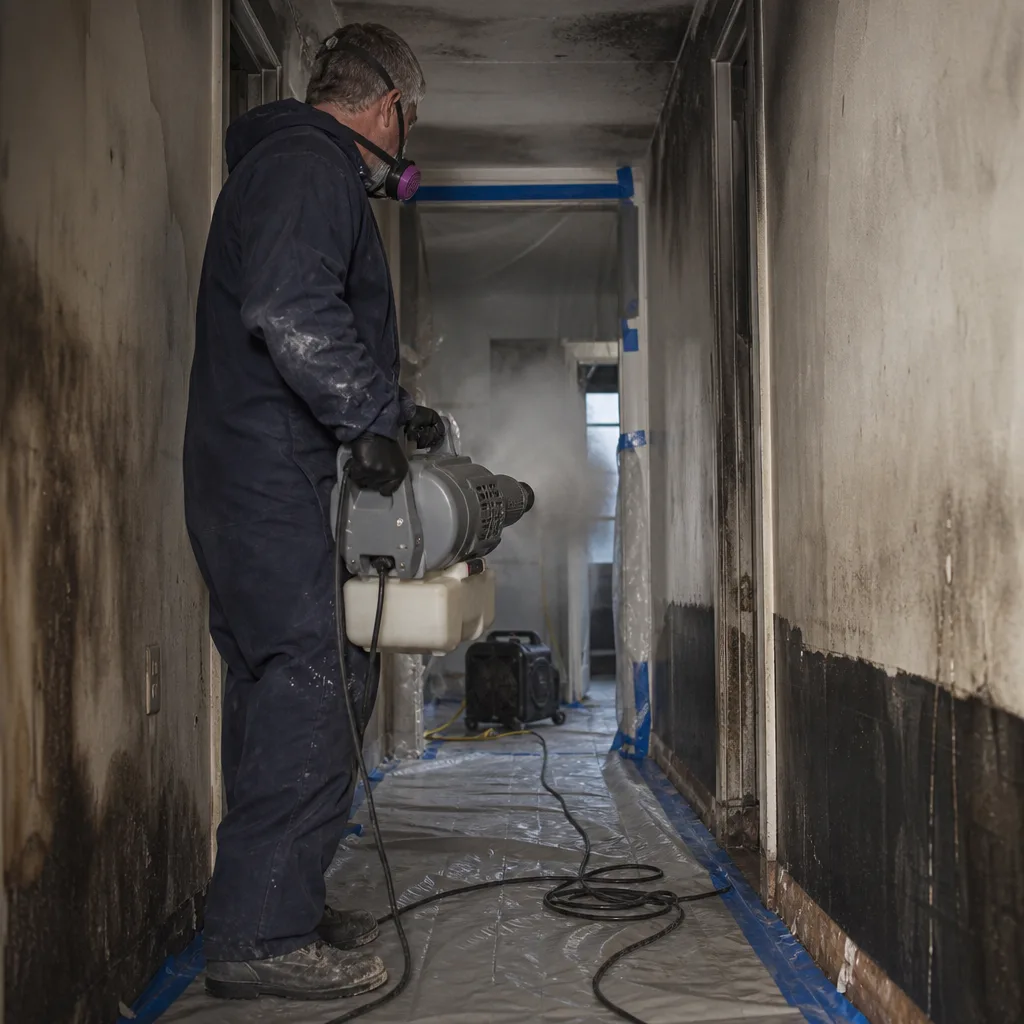
Removal is not spraying bleach on visible growth. It’s physical removal of colonized material under controlled containment, followed by professional-grade antimicrobial treatment and verification that the moisture source is dead. We handle plaster, lath, drywall, joists, subfloor, and any other affected material. We don’t paint over it.
Black Mold Remediation
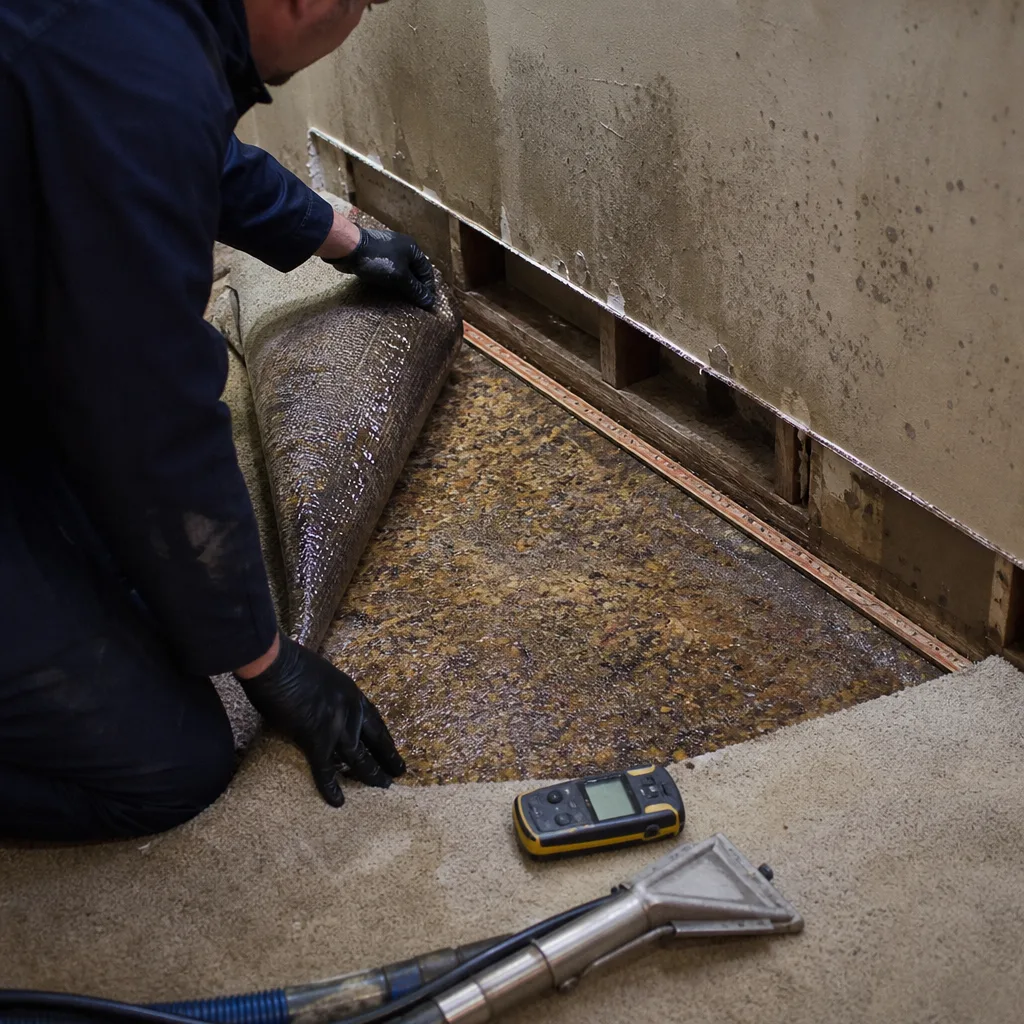
Stachybotrys chartarum, what most people mean by black mold, gets an amplification of our standard protocol: full containment, negative air, HEPA filtration, and post-remediation air testing before clearance. If you find black staining in a Greenpoint basement that’s been wet for weeks, don’t disturb it. Call us at (518) 663-6491. Disturbing it releases spores into the air you’re breathing.
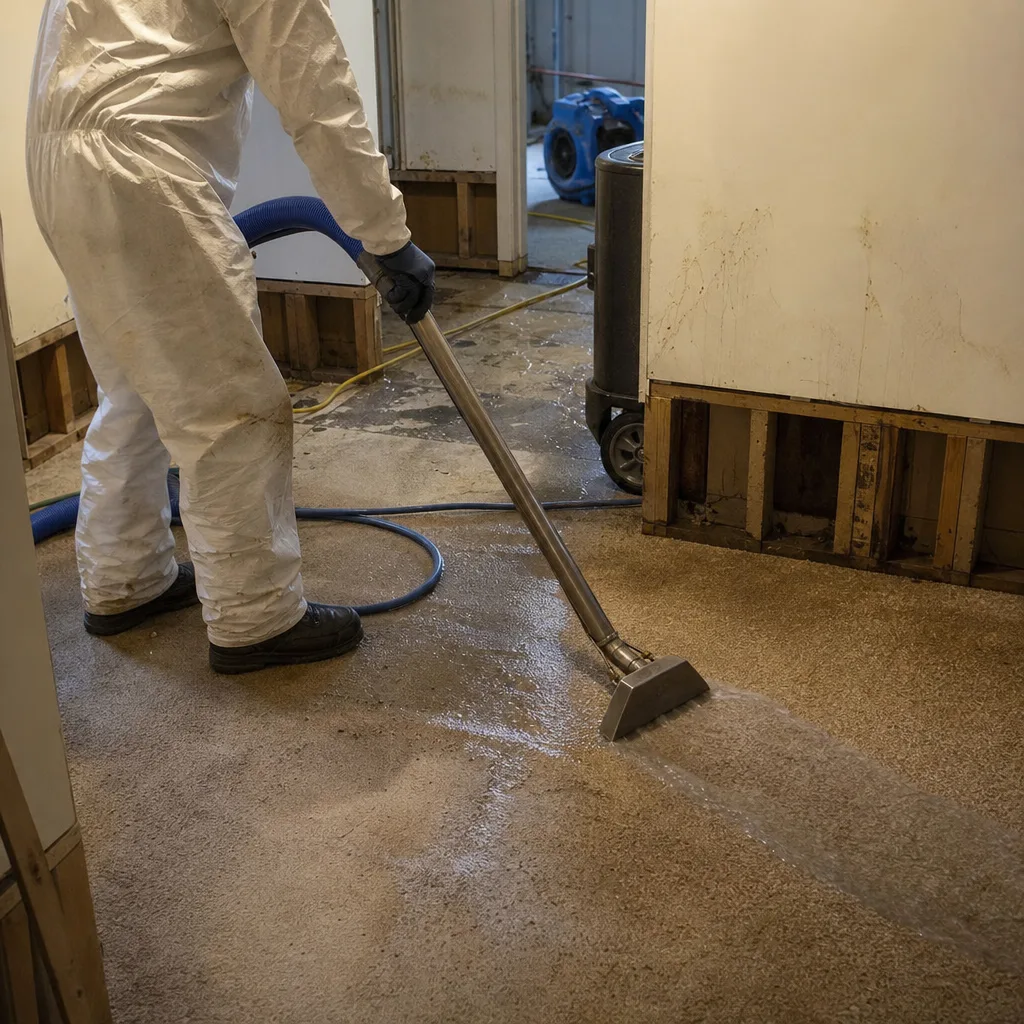
Air Quality Restoration
After physical removal and drying, we run HEPA air scrubbers sized to your space and exchange the air to restore a healthy indoor environment. For homes near Newtown Creek or in converted lofts with poor ventilation, we check for ongoing conditions like vapor intrusion or condensation cycles that keep reintroducing mold-friendly moisture. Air quality is the goal; mold removal is one step toward it.
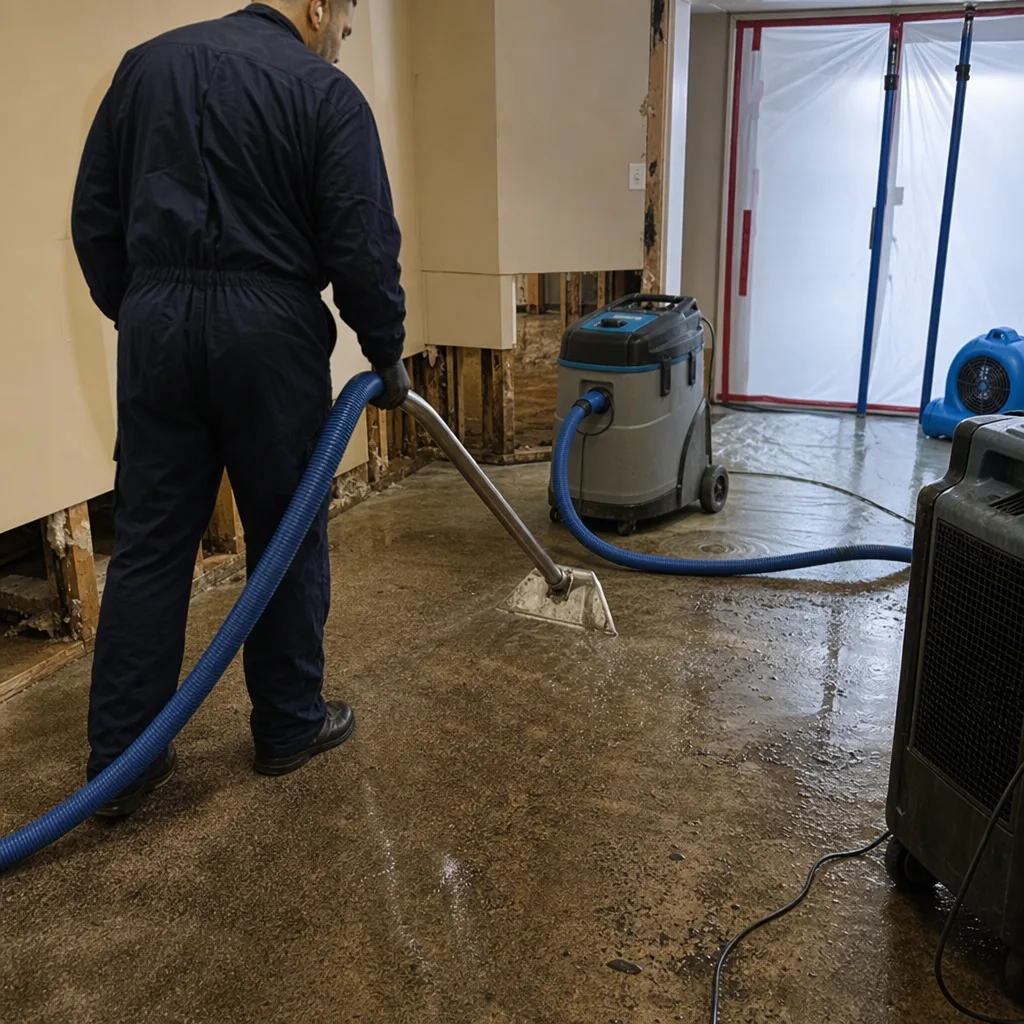
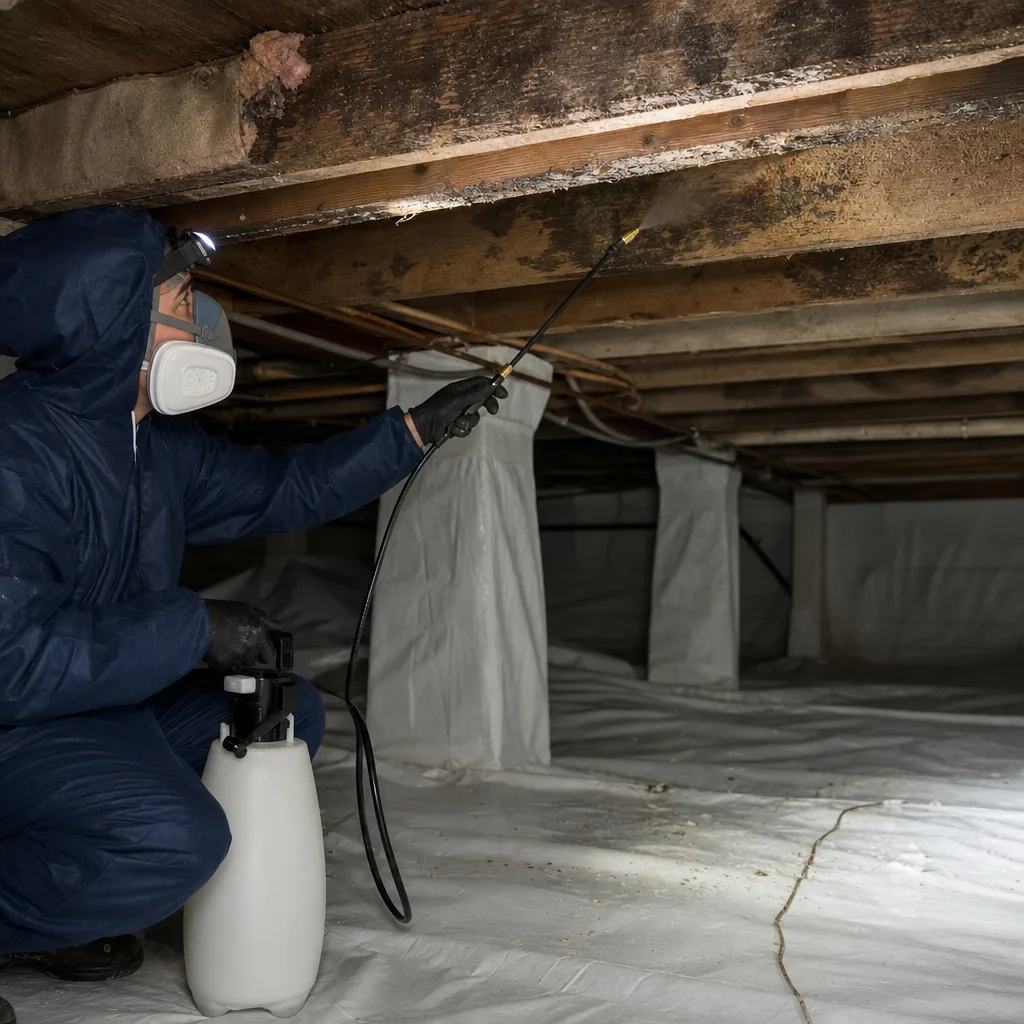
Crawl Space Treatment
Greenpoint’s crawl spaces are notoriously wet. Historically filled marshland keeps the water table close to the foundation, and exposed dirt floors pump humidity upward into your house. We install vapor barriers, correct drainage, seal penetrations, and add mechanical dehumidification where readings show it’s needed. The crawl space is where most whole-house mold problems start in this neighborhood.
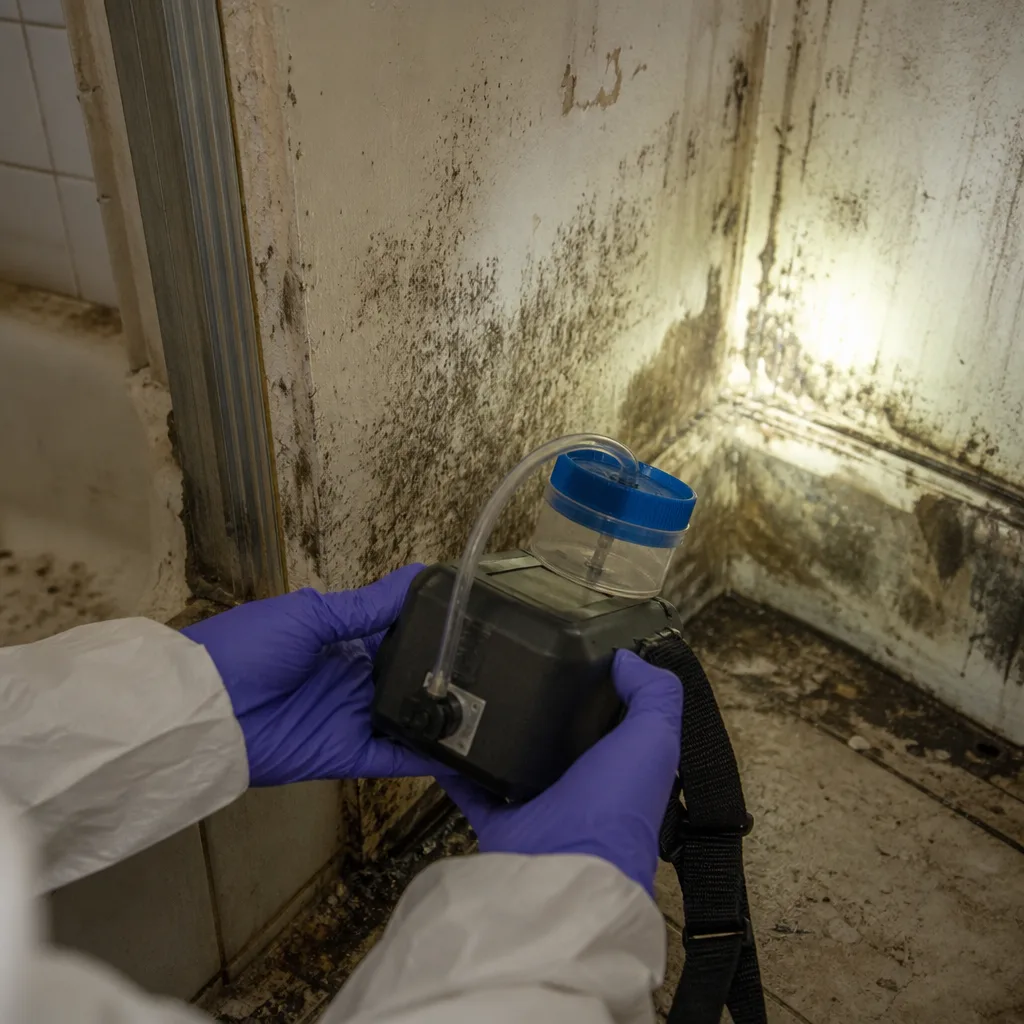
Moisture & Humidity Control
This is the service that keeps us from coming back, and the one we recommend most in Greenpoint. After remediation, if the ambient humidity in your basement or crawl space stays above 55%, mold regrowth is a matter of time. We size and install dehumidification systems, improve ventilation, and verify with before-and-after relative humidity logs. The problem stays fixed when the moisture stays controlled.
Our Mold Remediation team handles all of these services under one roof, from inspection to clearance testing to rebuild.
What happens when you call
- 1
A real person answersNo phone trees - you reach a local pro.
- 2
You get an upfront price rangeHonest numbers before anyone is dispatched.
- 3
A background-checked tech heads outLicensed & insured, dispatched right away.
- 4
You approve before work beginsNothing starts until you say go.
Mold Remediation Costs in Greenpoint, NY
Here are real numbers for the Greenpoint market. A contained bathroom mold removal with moisture source correction typically runs $1,200-$2,800. A basement remediation covering 250-500 square feet with containment and full drying generally falls between $3,500-$7,500. Black mold remediation with clearance testing and any rebuild adds $1,000-$3,000 depending on materials. Crawl space encapsulation in this neighborhood runs $4,000-$9,000 because of the marshland groundwater reality.
What moves the price: square footage, whether lath-and-plaster removal is required, whether petroleum screening triggers regulated-waste disposal, and whether permanent dehumidification becomes part of the scope. Insurance covers mold when it results from a covered peril, and we handle that claim for you. For out-of-pocket work, we honor three standing offers: $50 off any repair over $250, the $89 seasonal tune-up, and a 5% senior and veteran discount. Call (518) 663-6491 for a free visual inspection and a firm written scope.
We Also Serve Cities Near Greenpoint
Floodline Restoration Co. provides mold remediation throughout the surrounding area, including Greenpoint, Financial District, Lower Manhattan, Washington Square, and Brooklyn Heights. Crews dispatch from the same New York City office, with the same certifications and the same 90-Day Done Right Promise on every job.
Serving Greenpoint, NY - Our Local Coverage Area
We’re based in the Greenpoint area and know this community well. Use the map below to see our service coverage - if you’re nearby, we can almost certainly help.
Greenpoint Mold Remediation Questions, Answered
How does Greenpoint’s petroleum plume affect mold remediation in basements?
The plume means basement water here can’t be treated as routine water loss. Before we pump or dry, we screen for hydrocarbon contamination. If present, the water is regulated waste, and we coordinate proper disposal under DEC rules. Skipping this step can leave petroleum residue in porous materials that fuels recurrent mold, and can trigger violations that fall on whoever pumped the water.
Why do mold issues persist in Greenpoint’s old brick tenements even after drying?
Lath-and-plaster walls hold moisture behind the surface. Drywall tells you when it’s wet; plaster doesn’t. If a contractor dries only the surface and doesn’t get into the cavity, the mold comes back. Our moisture mapping targets the actual wall cavity, and we verify with readings before we clear a job.
Do I need special permits for mold remediation near Newtown Creek?
Standard mold remediation doesn’t require special permits, but if petroleum is present in the water or soil, disposal falls under DEC regulated-waste rules. That changes handling and documentation requirements. We handle that coordination in-house. You shouldn’t have to figure it out yourself.
How quickly should I act on basement water in Greenpoint before mold starts?
Within 24 hours. Mold spores that are already present in every home start colonizing wet materials within a day or two, and Greenpoint’s chronically high humidity near the creeks accelerates that. The water also may carry petroleum from the plume, which makes early screening more important, not less. Call (518) 663-6491 the moment you see standing water or wet walls.
What’s different about mold remediation in converted loft buildings here?
Converted industrial lofts have slab-on-grade floors, large uninsulated envelopes, and condensation patterns that mimic water intrusion. Mold in these buildings is often driven by humidity and vapor, not a discrete leak. That means remediation must include dehumidification and ventilation correction, or the mold comes back within months regardless of how well we cleaned.
How fast can you get to a Greenpoint address?
We commit to a 45-minute response window for emergency calls within Greenpoint. Our dispatcher confirms the nearest available crew the moment you call, and the techs call you directly when they’re en route. No waiting on a callback from a national franchise call center.
Will my insurance cover mold remediation?
Mold is typically covered when it results from a covered peril like sudden pipe failure, storm damage, or fire suppression. It’s generally not covered when it stems from long-term humidity or deferred maintenance. We document everything from the first visit, work directly with your adjuster, and bill the carrier for covered losses. Your adjuster talks to us, not through you.
Can we stay in the home during remediation?
Usually yes, for contained jobs. For larger remediations or black mold work, we may recommend vacating for a few days while air scrubbers run. We’ll tell you straight what’s safe and what isn’t. No scaremongering, no sugarcoating.
Written by Curt Bowman, Owner at Floodline Restoration Co., serving Greenpoint and the surrounding New York City area since 2010.