
Last updated August 25, 2026
Free visual inspection and a written scope of work before any mitigation begins - photos, moisture readings, and drying logs go in your claim file
The scope we write is the scope we bill. Anything new gets shown to you, in writing, before we touch it.
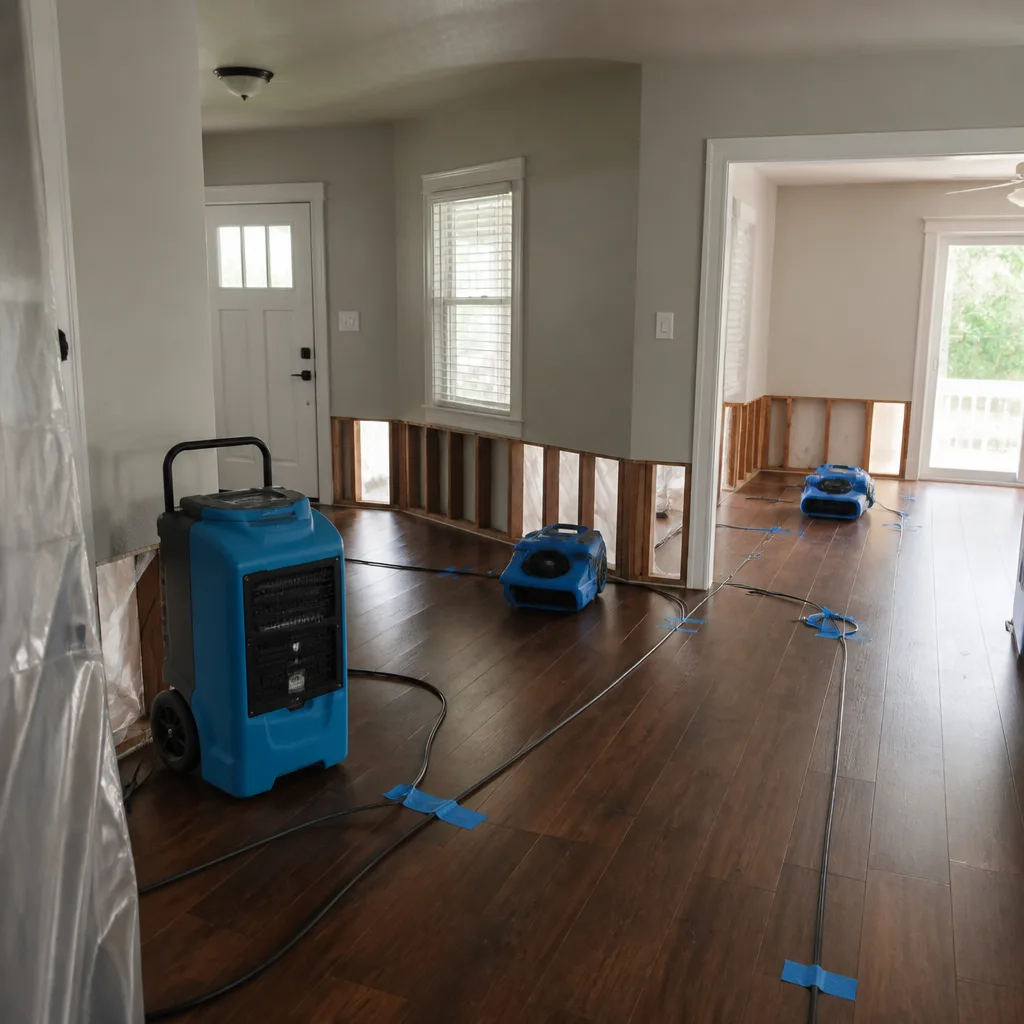

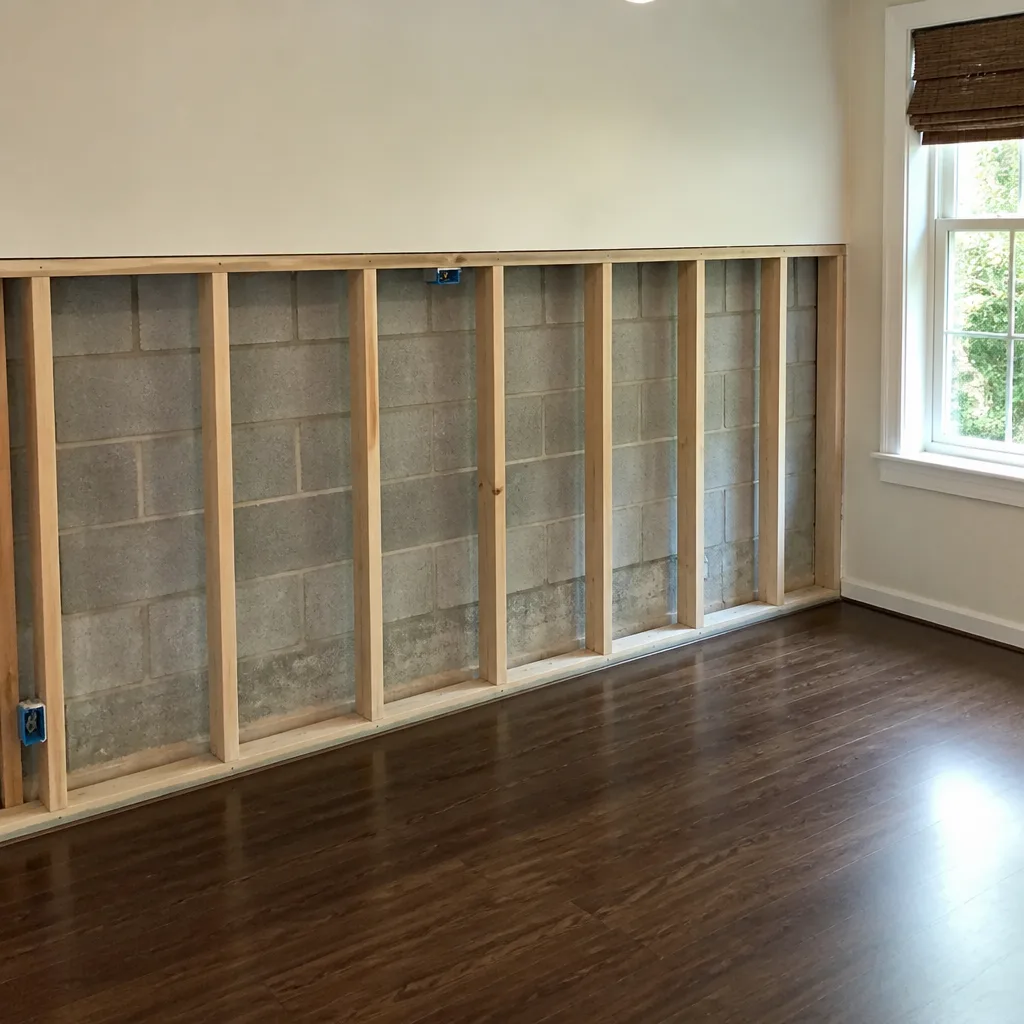
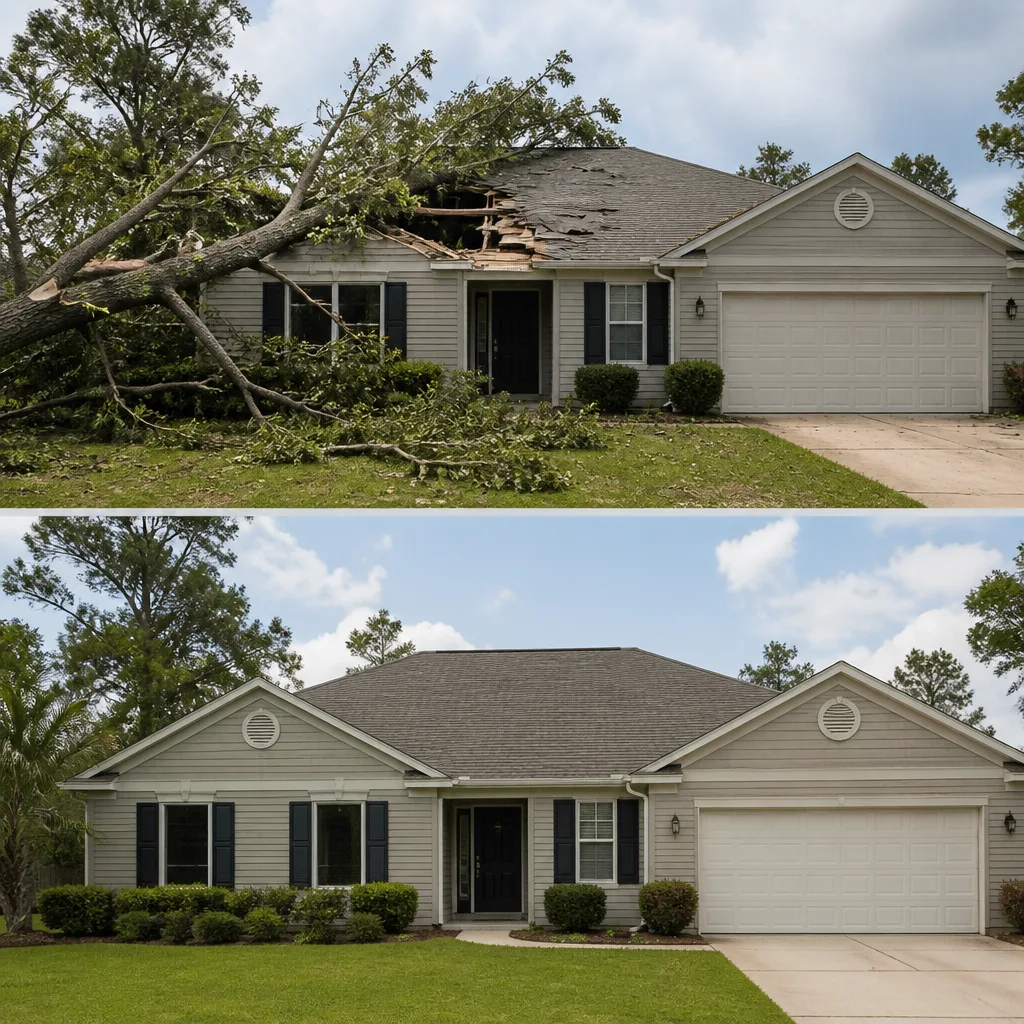


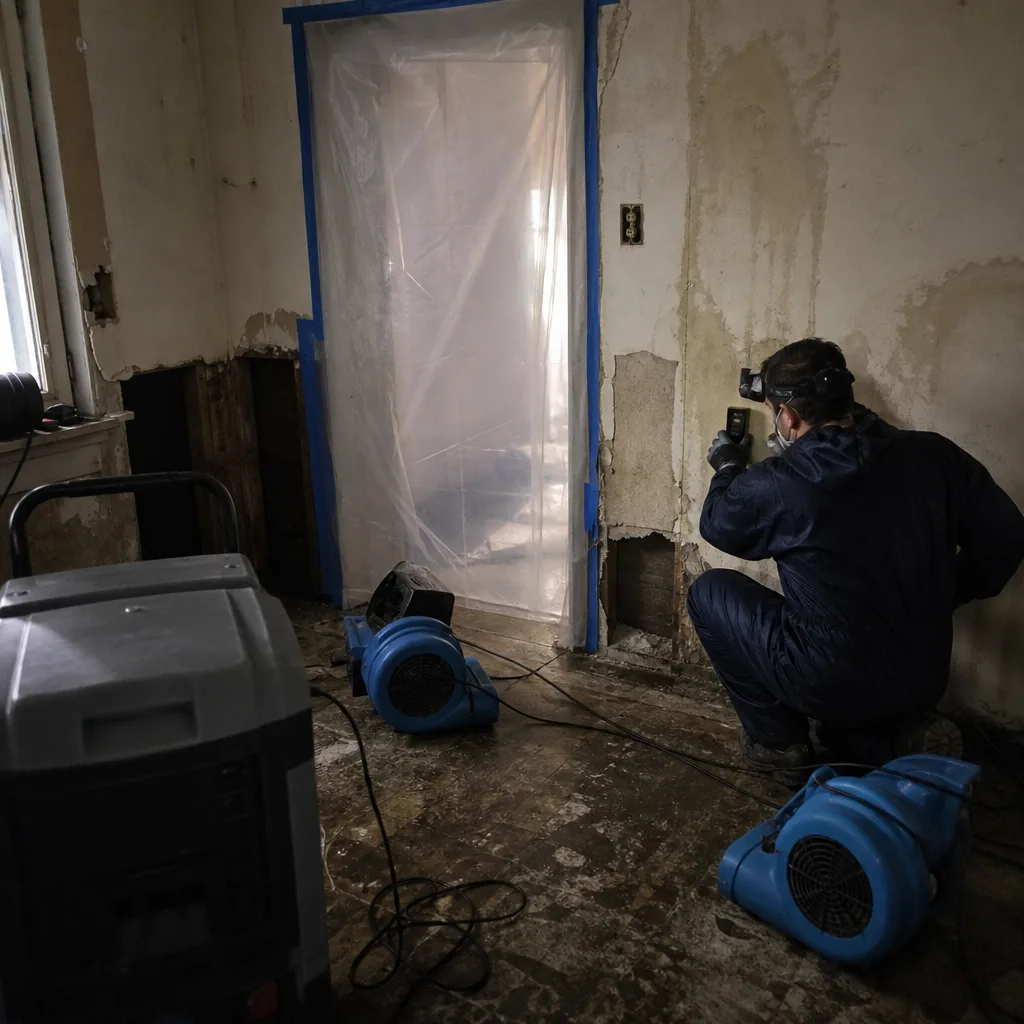 Before
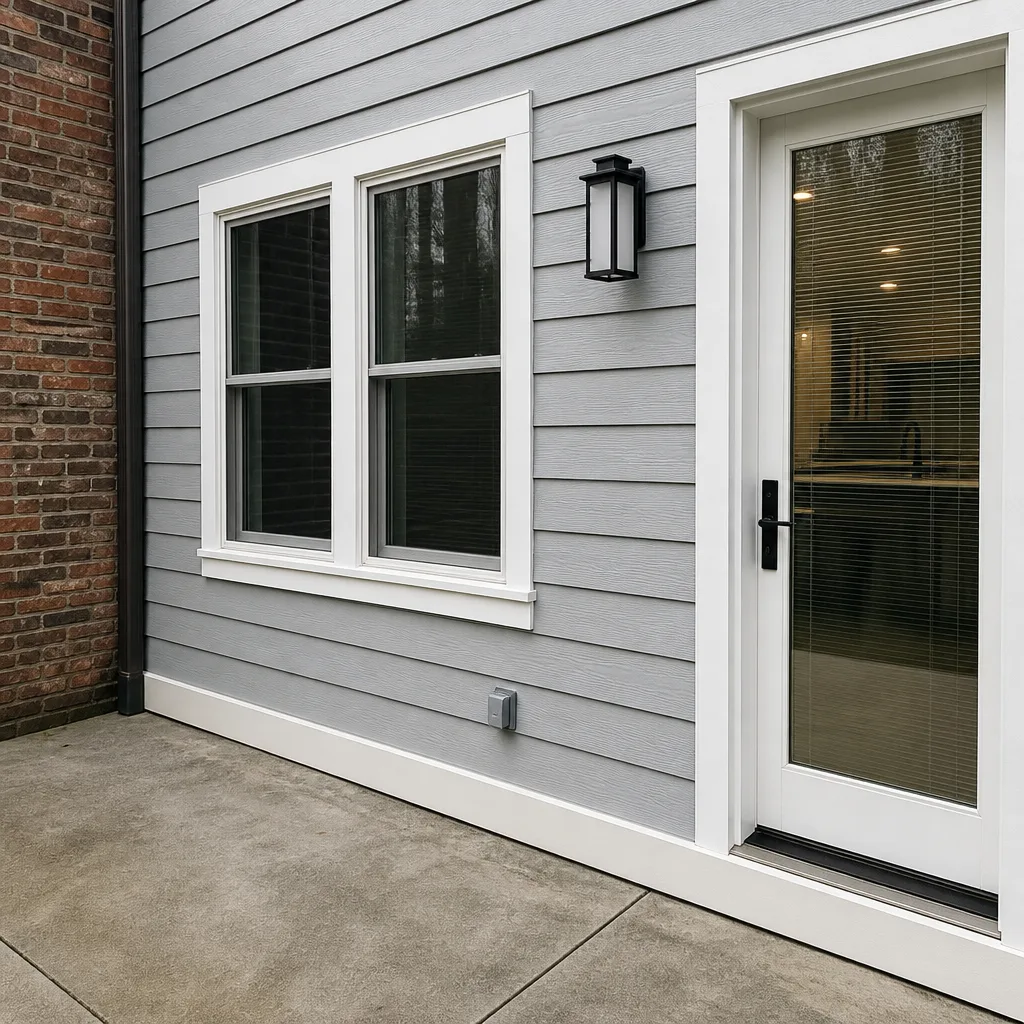 After
After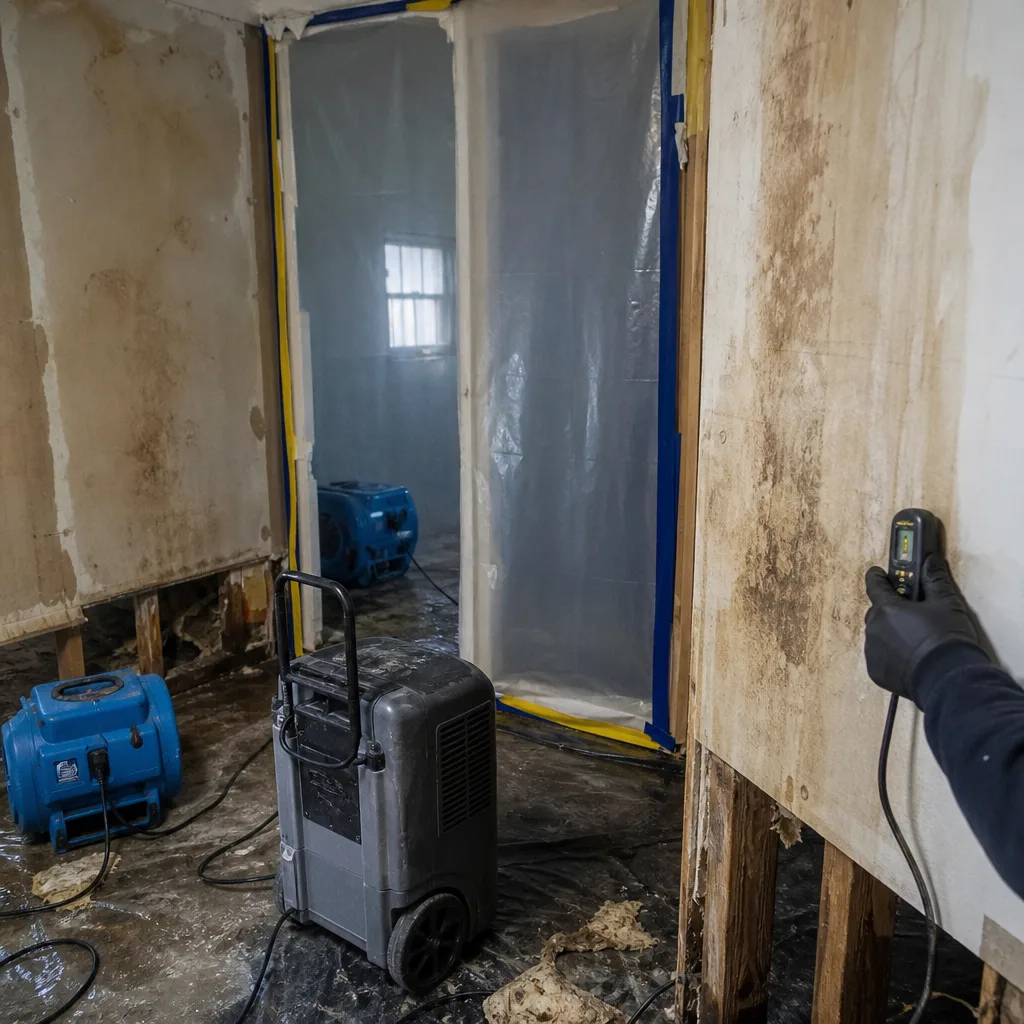 Before
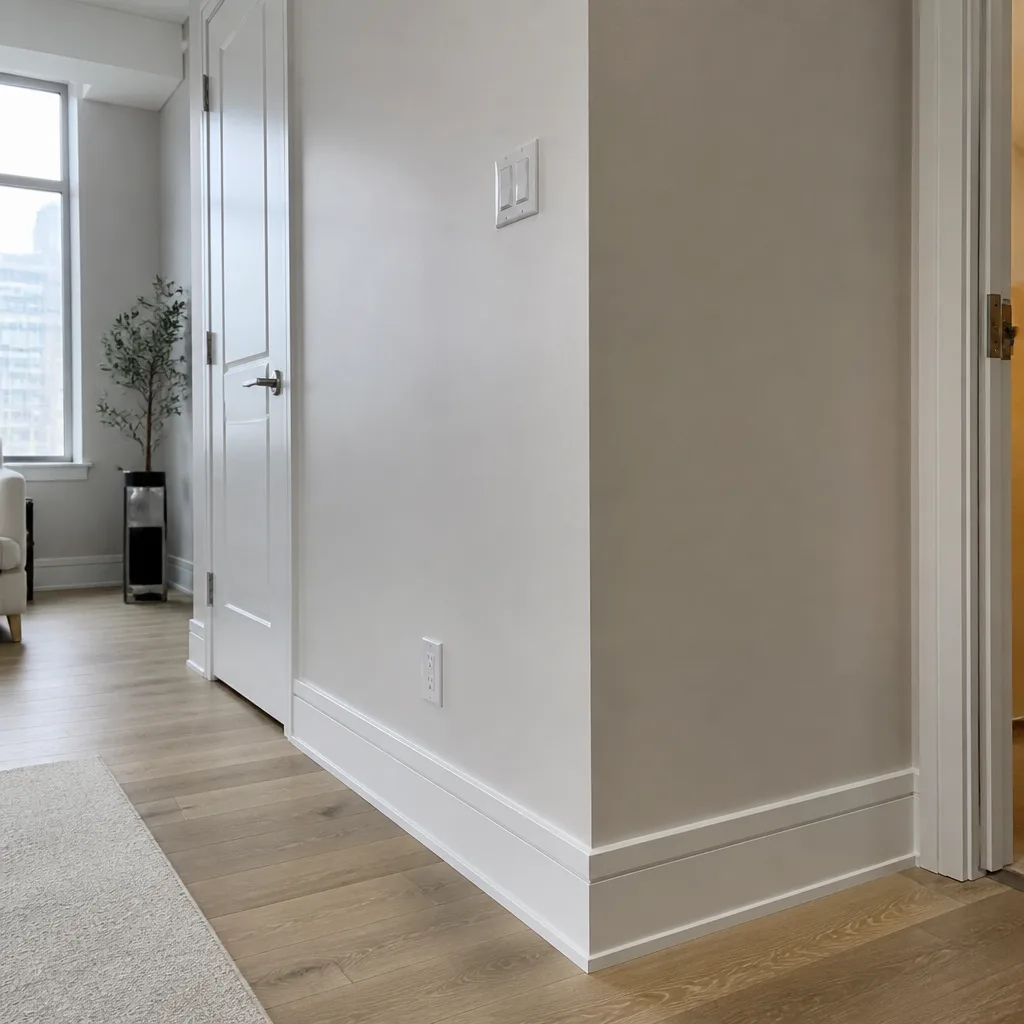 After
After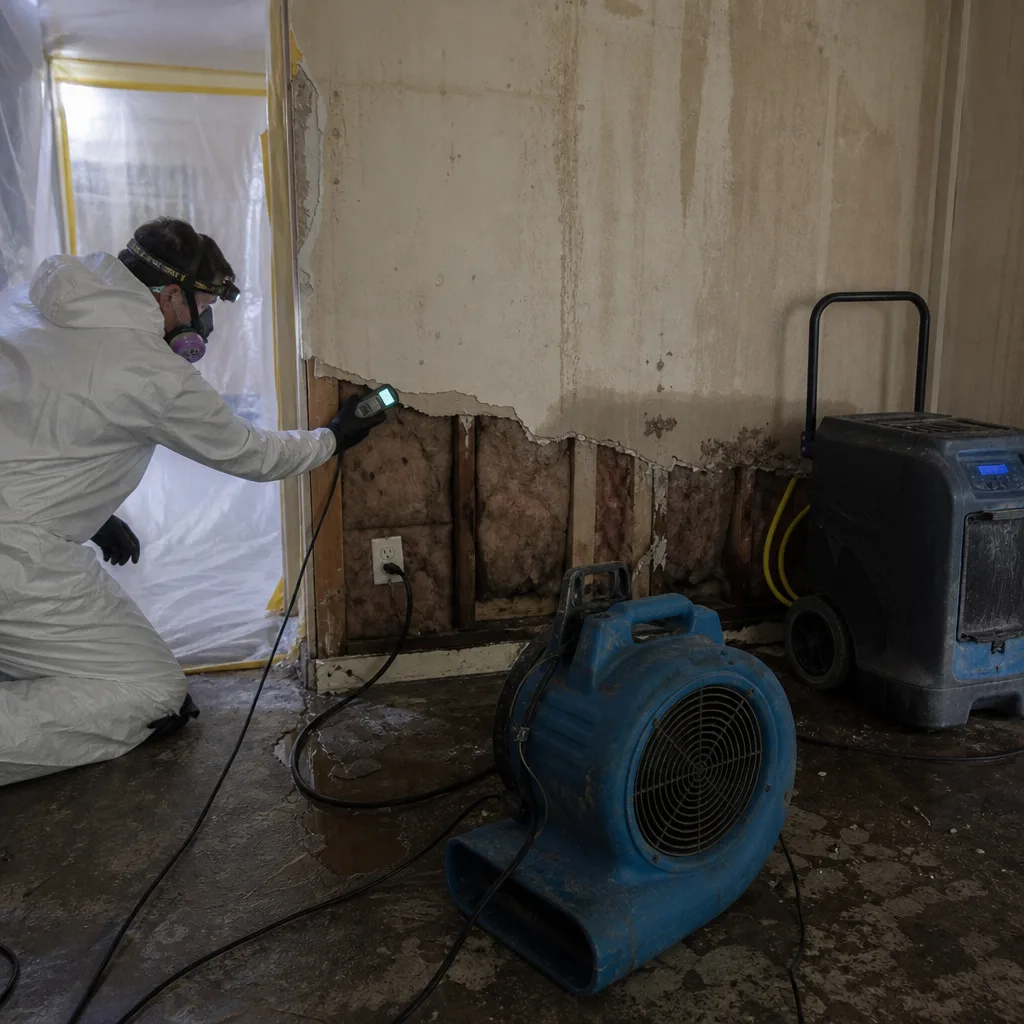 Before
 After
AfterDamage Restoration Permits, Codes & Inspections in NY: What You Need to Know
Most homeowners in New York don’t discover they needed a permit until the work is already done, and that discovery usually comes from an insurance adjuster, a sharp-eyed home inspector, or a village clerk. A 2024 review of municipal building department data across the Hudson Valley and Capital Region found that roughly one in four restoration projects involving structural changes proceeded without the required paperwork, creating delays and legal exposure that no one budgets for. This guide explains which damage restoration projects in New York trigger permit requirements, which codes govern the work, how inspections actually unfold, and what happens when a contractor tells you to skip the paperwork. We write this from our office in the Financial District, where we’ve watched post-Sandy restoration rules reshape how the entire state approaches flood recovery.
Quick Answer
Most damage restoration work in New York requires a building permit when the repair touches structural framing, electrical systems, plumbing, or changes the building envelope. Cosmetic repairs, carpet replacement, and direct equipment swaps typically do not require permits, but structural drying documentation and mold remediation must follow specific state and local code requirements. Always confirm with the local building department before work begins, because the authority having jurisdiction varies by town, village, and city across the state.
Table of Contents
- Why Permits Matter After a Flood, Fire, or Storm
- Which Restoration Projects Trigger a Permit in New York
- The New York Codes That Govern Restoration Work
- How the Inspection Process Works in NY
- Financial District & Downstate Considerations
- Common Mistakes to Avoid
- When to Call a Professional
- Frequently Asked Questions
Why Permits Matter After a Flood, Fire, or Storm
A permit is not a tax on your misfortune. It’s a record that the work was done to a standard someone else can verify, and that record becomes the first thing a future buyer, insurer, or municipal inspector asks to see. We’ve seen this play out dozens of times: a homeowner in the Financial District gets a clean rebuild, no permit was pulled, and three years later the sale stalls because the underwriter wants documentation that the restoration met code. The cost to retroactively permit is almost always higher than the original filing fees, and sometimes requires opening walls to prove what’s behind them.
Permits also assign accountability. When work is permitted, the contractor of record answers to the building department, not just to you. That means the framing, electrical, and plumbing work all get a second set of eyes. In restoration work, where the damage is often hidden inside wall cavities and under subfloors, that independent inspection catches problems before they become mold blooms or electrical failures.
There’s a practical urgency angle too. In New York, emergency work, such as water extraction and temporary shoring, can begin before a permit is issued. But the permanent repair work cannot close up without one. Waiting for the permit to clear while the drywall is off costs days of additional drying time and often leads to hasty decisions. Understanding the sequence before the emergency hits keeps you ahead of the clock.
New York’s permit system is fragmented by design. New York City operates under its own construction codes, while the rest of the state defaults to the New York State Uniform Fire Prevention and Building Code. That means a homeowner in the Financial District deals with the NYC Department of Buildings, while someone in Albany deals with a city building department and someone in a rural township deals with a code enforcement officer who may work part-time. The rules are largely consistent because the state code is a baseline, but the process and the people enforcing it vary enormously by jurisdiction.
Insurance and Permits in New York
Insurance companies in New York are increasingly strict about documentation. After a covered fire or flood loss, the carrier’s adjuster typically expects to see a permit application on file before releasing the final reconstruction payment. Why? Because an unpermitted rebuild is a liability the insurer may have to defend if a future claim arises from shoddy work. The permit number becomes part of the claim file. In our experience handling insurance restoration across the state, we see fewer delays when the permit is pulled in the first week of the structural phase. Homeowners who hire a restoration firm that handles permit filing as part of the scope avoid the mid-project scramble that stops work for two weeks while paperwork catches up.
Floodline Restoration Co. home has a full-cycle restoration team that manages the permit process as part of the written scope, so the homeowner never has to chase a building department clerk or decipher a code variance.
Which Restoration Projects Trigger a Permit in New York
In New York State, the trigger for a building permit is generally structural alteration or repair, not the cause of the damage. Whether the water came from a burst pipe, a Hudson River storm surge, or a fire suppression system, the test is the same: does the repair change the building’s structural system, its means of egress, or its utility systems? If the answer is yes, a permit is required.
The following restoration scopes almost always require a permit in most New York jurisdictions, including the Financial District:
- Structural framing repairs or replacements - Any repair to floor joists, wall studs, roof rafters, or load-bearing beams. After a fire, charred framing often needs sistering or full replacement, which is structural work by definition.
- Electrical system restoration - If the damage exposed or compromised wiring, a licensed electrician must pull an electrical permit. This includes rewiring circuits affected by water intrusion, even if the wires appear dry.
- Plumbing repairs beyond fixture replacement - Replacing a water heater, re-piping a supply line after a freeze-burst, or re-routing drainage all trigger plumbing permits.
- HVAC system replacement or restoration - A fire-damaged furnace or a flood-submerged boiler requires a mechanical permit for replacement.
- Building envelope repairs - Replacing roof sheathing, exterior wall sheathing, or more than a small patch of siding after storm damage triggers a permit in most towns and cities.
- Foundation repairs - Any crack repair that involves epoxy injection, reinforcement, or underpinning after flood or seismic settlement requires an engineer’s letter and a permit.
- Demolition beyond cosmetic removal - Removing interior walls, taking a structure down to the studs, or any demolition that affects the structural frame requires a permit.
Cosmetic work generally does not require a permit in New York. Painting, trim replacement, flooring installation over an existing subfloor, cabinet replacement, and drywall patch-and-paint all fall outside the permit process in most jurisdictions, including the Financial District. However, when a restoration project starts as cosmetic and then uncovers hidden damage, the scope often shifts into permitted territory mid-project. That’s the moment when a homeowner’s relationship with their contractor matters most: the reputable firm stops, documents what was found, and files the amendment. The other kind keeps working and hopes nobody looks.
Mold Remediation: A Special Case in New York
New York State has a specific law for mold: Article 32 of the Labor Law, which took effect in 2016, requires mold assessment and remediation contractors to be licensed by the New York State Department of Labor. It does not, however, require a building permit for mold work by itself. The permit question is driven by the scope of the repair: if remediation requires removing and replacing drywall beyond a cosmetic patch, the building department may treat it as a structural alteration. The practical rule we follow: when mold remediation crosses from cleaning into demolition and rebuild, the permit conversation starts.
Insurance carriers in New York, and in the Financial District specifically, are aggressive about mold exclusions. A documented permit file on a mold-related rebuild is a powerful piece of evidence that the work met the dry standard and followed the state’s labor law requirements for licensed remediation. That documentation has saved more than one homeowner from a denied claim.
Emergency Work Without a Permit
New York’s building code provisions allow emergency stabilization work to proceed before a permit is issued, provided the work is necessary to prevent further damage or protect life and safety. That includes water extraction, temporary roof covering, emergency board-up after a fire, and shoring of compromised framing. The key obligation is that the contractor or homeowner must file for the permanent permit within a reasonable time, generally the next business day. In the Financial District, the Department of Buildings is responsive to emergency filings, but only if the filing is initiated immediately. Waiting a week undermines the emergency exemption and can result in stop-work orders and doubled filing fees.
We’ve handled emergency extraction in the Financial District where the permit conversation starts the same night the water stops. It’s a discipline that saves homeowners real money on the back end, because the permanent scope is filed while the walls are still open and the inspector can see the actual damage, not a reconstructed memory of it.
The New York Codes That Govern Restoration Work
New York has two parallel code tracks, and which one applies depends on where the property sits. New York City, including the Financial District, operates under the New York City Construction Codes, which incorporate the International Building Code, International Residential Code, International Mechanical Code, International Plumbing Code, and NFPA 70 (National Electrical Code) with local amendments. The rest of the state operates under the New York State Uniform Code, which is administered by the Department of State and adopted by local governments to varying degrees of rigor.
For restoration contractors working across the state, the code framework is the floor, not the ceiling. A restoration firm that only knows the NYC codes will trip over the variances in a rural town, and a firm that only knows the state Uniform Code will be lost in the Financial District’s more demanding filing requirements. Here are the specific codes and standards most relevant to damage restoration:
- 2020 Residential Code of New York State - Governs structural, fire safety, and habitability requirements for one- and two-family homes. Restoration work on single-family dwellings must meet this code’s provisions for framing, insulation, and moisture protection.
- 2020 Building Code of New York State - Applies to commercial buildings and residential structures over three stories. Restoration of multi-family buildings falls here, not the residential code.
- 2020 Existing Building Code of New York State - This is the code that matters most for restoration work. It governs repairs, alterations, and additions to existing structures and includes the provisions for substantial damage after a flood or fire. When more than 50% of a building’s value is damaged, this code triggers the substantial improvement requirement, which can force a full code compliance upgrade, including elevation in flood zones.
- 2020 Fire Code of New York State - Governs fire safety systems, including sprinklers, alarms, and egress. Fire damage restoration that affects any of these systems must meet this code.
- 2020 Plumbing Code of New York State - Governs all plumbing repair and replacement. Flood-damaged supply lines, sewage backups, and water heater replacements are all within scope.
- 2020 Mechanical Code of New York State - Governs HVAC, exhaust, and ventilation systems. Fire and flood damaged furnaces, boilers, and ductwork are covered here.
- 2020 Energy Conservation Code of New York State - When restoration work opens wall cavities or replaces insulation, the energy code requires the new assembly to meet current minimum R-values. A restoration that replaces more than a threshold percentage of a wall or ceiling triggers full compliance with the energy code.
For mold remediation specifically, New York State Article 32 of the Labor Law sets the licensing requirements, which we meet through our adherence to IICRC standards and our work with licensed mold assessors. The Department of Labor maintains a public list of licensed mold contractors, and homeowners should verify the license before signing a mold scope. A contractor who cannot produce a New York State mold remediation license is not authorized to perform that work, regardless of how persuasive the sales pitch is.
How the Inspection Process Works in NY
The inspection process in New York is sequential and unforgiving of shortcuts. Each phase of work must be inspected and approved before the next phase begins, and missing an inspection means opening work back up or accepting a violation. Here’s the typical sequence for a residential water or fire damage restoration project in most New York jurisdictions, including the Financial District:
- Permit application and plan review - The contractor or homeowner files the permit application with the local building department. For structural work, stamped engineering drawings are required. Plan review takes anywhere from a few days for simple scopes to several weeks for complex repairs.
- Rough-in inspections - After framing is repaired but before insulation and drywall are installed, the building inspector examines the structural work, and the electrical and plumbing inspectors examine their respective rough-ins. This is the most critical inspection in a restoration project, because it’s the last time the framing and wiring will be visible.
- Insulation inspection - After insulation is installed but before the wall cavity is closed, the inspector verifies R-values and fire-blocking. In flood zones, this inspection also verifies flood-resistant materials were used below the base flood elevation.
- Final inspection - After all finish work is complete, the inspector does a final walkthrough to confirm the work matches the approved plans and all code requirements are met. A certificate of occupancy or letter of completion is issued.
- Certificate of compliance - In some jurisdictions, a final certificate of compliance is issued to close the permit file. This document is what a future buyer’s lender or an insurance underwriter will ask to see.
The time to complete this sequence varies by jurisdiction. In the Financial District, where the NYC Department of Buildings is well-staffed, a straightforward repair can go from permit application to final inspection in three to four weeks. In smaller towns with a part-time code enforcement officer, the same scope can stretch to six or eight weeks, simply because the inspector is only available two days a week. That’s a critical fact for restoration scheduling: the drying and mitigation work can proceed on the emergency exemption, but the rebuild cannot close walls until the rough-in inspection happens, and that inspection is scheduled on the inspector’s calendar, not the contractor’s.
Our certified technicians, trained to IICRC, RIA, and IFA standards, coordinate inspections as part of the written scope, and the homeowner sees the inspection schedule before the first wall comes down. No surprises on the schedule, just like no surprises on the bill.
Financial District & Downstate Considerations
The Financial District sits at the southern tip of Manhattan, where the floodplain is not a hypothetical. The neighborhood was built on landfill, and the East River and Hudson River are both close enough to define the risk profile. After Hurricane Sandy, the city implemented far stricter flood-resilience requirements for buildings in the flood zones, and the Financial District sits squarely inside the effective flood insurance rate map’s high-risk zones in many blocks. That changes the permit calculus for restoration work.
Any restoration in the Financial District that involves rebuilding walls, floors, or mechanical systems in a building located in a FEMA flood zone must use flood-resistant materials below the base flood elevation. That means pressure-treated lumber, closed-cell insulation, and non-paper-faced drywall in the lower levels. A contractor who rebuilds a Financial District basement with standard drywall and fiberglass insulation is building a future mold problem and a code violation in the same wall cavity. The inspector will catch it, and if the inspector doesn’t, the next flood will.
There are also unique permitting considerations for the Financial District’s building stock. Many buildings in the neighborhood are historic or landmark-adjacent, which adds a layer of review from the Landmarks Preservation Commission for any exterior restoration work. Even interior work in a landmarked building can require additional review if the scope touches structurally significant elements. A restoration firm working in the Financial District needs to know which buildings are landmarked and what that means for the permit timeline, because the LPC review can add three to six weeks to the front end of a project.
For co-op and condo owners in the Financial District, the permit is only half the conversation. The building’s board and managing agent have their own approval process, and that often includes insurance requirements, contractor background checks, and work-hour restrictions. A restoration firm that has never worked in a Financial District co-op will spend the first two weeks learning the rules; one that has done it knows which building management companies require what documentation and can have the paperwork ready on day one. We’ve handled enough Financial District co-op restorations to know that the building’s alteration agreement is often the longer pole in the tent, not the city permit.
The Financial District’s building density also affects inspection scheduling. Elevator access, freight elevator reservations, and sidewalk permits for equipment staging all become part of the project schedule in a way they don’t in a single-family home in Westchester. A restoration contractor who hasn’t planned for the freight elevator queue is going to lose days moving drywall and equipment, and those days show up as extended hotel stays and higher alternative living expense claims.
Common Mistakes to Avoid
- Closing walls before the rough-in inspection. This is the single most common and most expensive mistake in restoration work. Once the drywall is up, the inspector cannot see the framing, wiring, or plumbing, and the only fix is to open the wall back up. In the Financial District, this mistake costs a week of schedule and the labor to re-hang and re-finish the affected areas.
- Treating a permit as optional because the damage was “just water.” Water damage that touches wiring, framing, or the building envelope is a permitted scope. The fact that the damage came from a pipe rather than a fire does not change the code requirements.
- Hiring a contractor who won’t pull the permit. A contractor who suggests skipping the permit to save time or money is not doing you a favor. They’re transferring the legal and financial risk entirely to you, and they’re signaling that their work won’t hold up to inspection.
- Assuming the insurance adjuster handles permits. The adjuster’s job is to assess the loss and issue payment, not to navigate the building department. The permit is the homeowner’s or contractor’s responsibility.
- Filing the permit after the work is done. Retroactive permits are possible in many New York jurisdictions, but they cost more, take longer, and require more invasive inspection because the inspector cannot trust what they cannot see. In some cases, the only way to get a retroactive permit approved is to open the finished work back up.
- Ignoring the flood zone requirements in the Financial District. Rebuilding a flood-damaged Financial District basement with standard materials is a violation waiting to be discovered, and it voids the point of the flood insurance claim if the next flood hits.
- Hiring a mold remediation contractor without a New York State mold license. Article 32 of the Labor Law requires a license for mold assessment and remediation. An unlicensed contractor is exposing the homeowner to liability and the work to a stop-order.
When to Call a Professional
Any restoration project that touches structural framing, electrical systems, plumbing, or the building envelope should involve a professional from the first day, not after the DIY attempt stalls. If you see water staining that crosses multiple wall sections, if the drywall is soft to the touch, if there’s a persistent musty smell after a flood, or if a fire charred any framing member, the permit conversation needs to happen now. The same is true for sewage backups, which carry pathogens that require professional-grade containment and disposal, not a mop and bucket. In the Financial District, where building codes and flood zone rules are stricter than almost anywhere else in the state, the cost of a wrong guess is higher. Floodline Restoration Co. offers free estimates in the Financial District - call (518) 663-6491 and a live person will answer, day or night.
Frequently Asked Questions
A permit is required when the water damage repair involves structural framing, electrical systems, plumbing, or building envelope changes; cosmetic repairs and direct equipment replacement typically do not require a permit. In the Financial District, flood zone requirements add an additional layer of compliance. Call (518) 663-6491 for a free assessment of your specific scope.
Permit fees vary by jurisdiction and scope, but a typical residential restoration permit in New York State ranges from $100 to $500 for filing fees, with additional costs for engineering stamps and plan review; in New York City and the Financial District, Department of Buildings fees are based on the scope’s estimated cost and can exceed $1,000 for structural work. The exact fee is calculated at filing and is a line item in the written scope we provide before any work begins.
Emergency stabilization work, including water extraction, temporary board-up, and shoring, can begin before a permit is issued under New York’s emergency provisions, but the permanent permit application must be filed on the next business day. Permanent structural, electrical, or plumbing work cannot begin until the permit is issued.
Most homeowner and commercial property policies in New York cover permit fees as part of the reconstruction costs when the permit is required by the scope of the covered loss. The permit must be tied to the covered damage and documented in the claim file. We bill the carrier directly and include permit costs in the claim documentation.
For a typical residential restoration scope in the Financial District, the inspection process from permit application to final certificate of compliance takes three to four weeks, assuming no plan review corrections or re-inspections are required. Landmarked buildings and co-op alterations can add several weeks.
Unpermitted restoration work can trigger stop-work orders, doubled filing fees, and the obligation to open finished work for inspection before a retroactive permit is issued. It can also jeopardize insurance coverage and stall a future home sale when the buyer’s lender requires a certificate of compliance that doesn’t exist. The fix is always more expensive than the original permit would have been.
The Bottom Line
Permits, codes, and inspections in New York are not a bureaucratic obstacle to work around. They’re the paper trail that protects your home’s value, your insurance claim, and your ability to sell the property later. The restoration work itself is only half the job; the other half is proving it was done to code. In the Financial District, where flood zone rules, landmark reviews, and co-op requirements layer on top of the state code, that documentation matters more than almost anywhere in the state. The smartest move is to hire a restoration firm that treats the permit as part of the scope, not a favor. That’s the square deal: no surprises on the bill, no walls closed before the inspector signs off, and a written guarantee that stands behind the work.
Written by Curt Bowman, Owner at Floodline Restoration Co., serving Financial District since 2010.