
Last updated August 25, 2026
Free visual inspection and a written scope of work before any mitigation begins - photos, moisture readings, and drying logs go in your claim file
The scope we write is the scope we bill. Anything new gets shown to you, in writing, before we touch it.



 Before
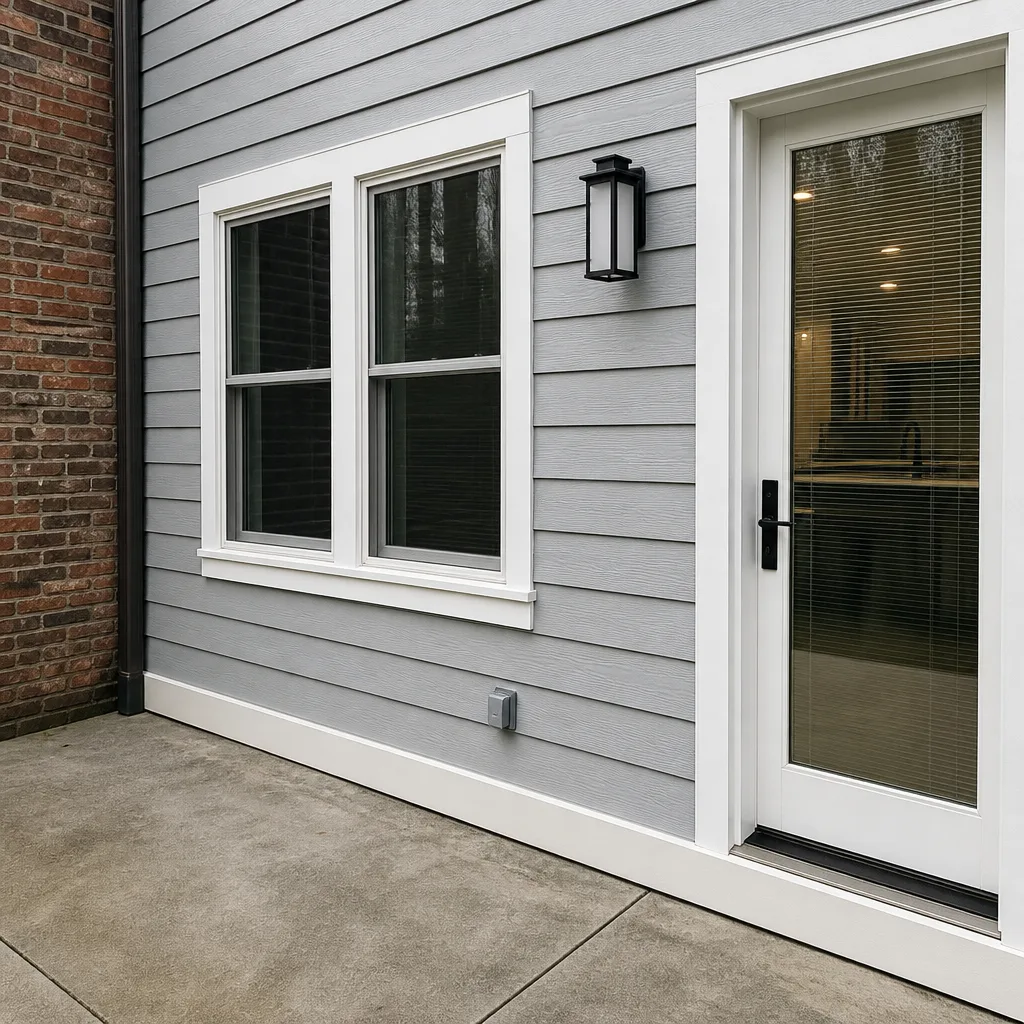 After
After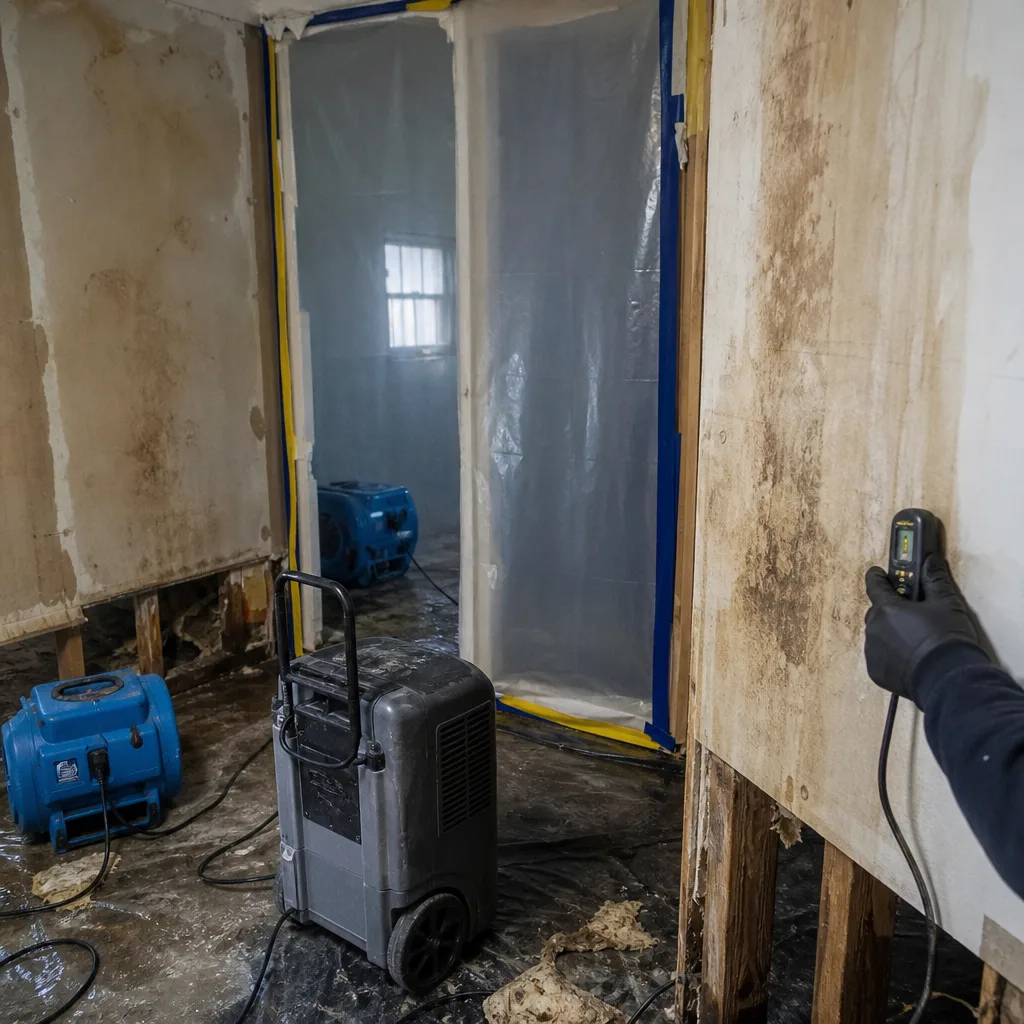 Before
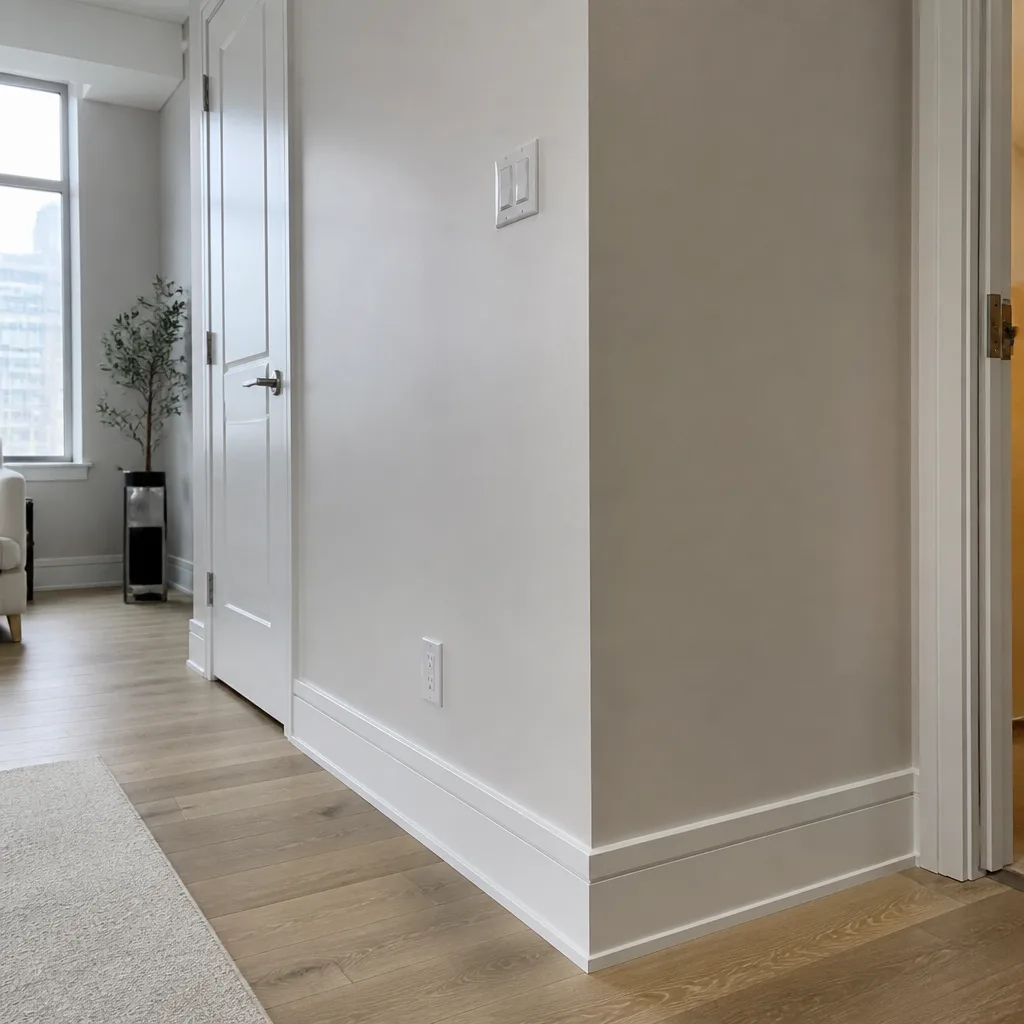 After
After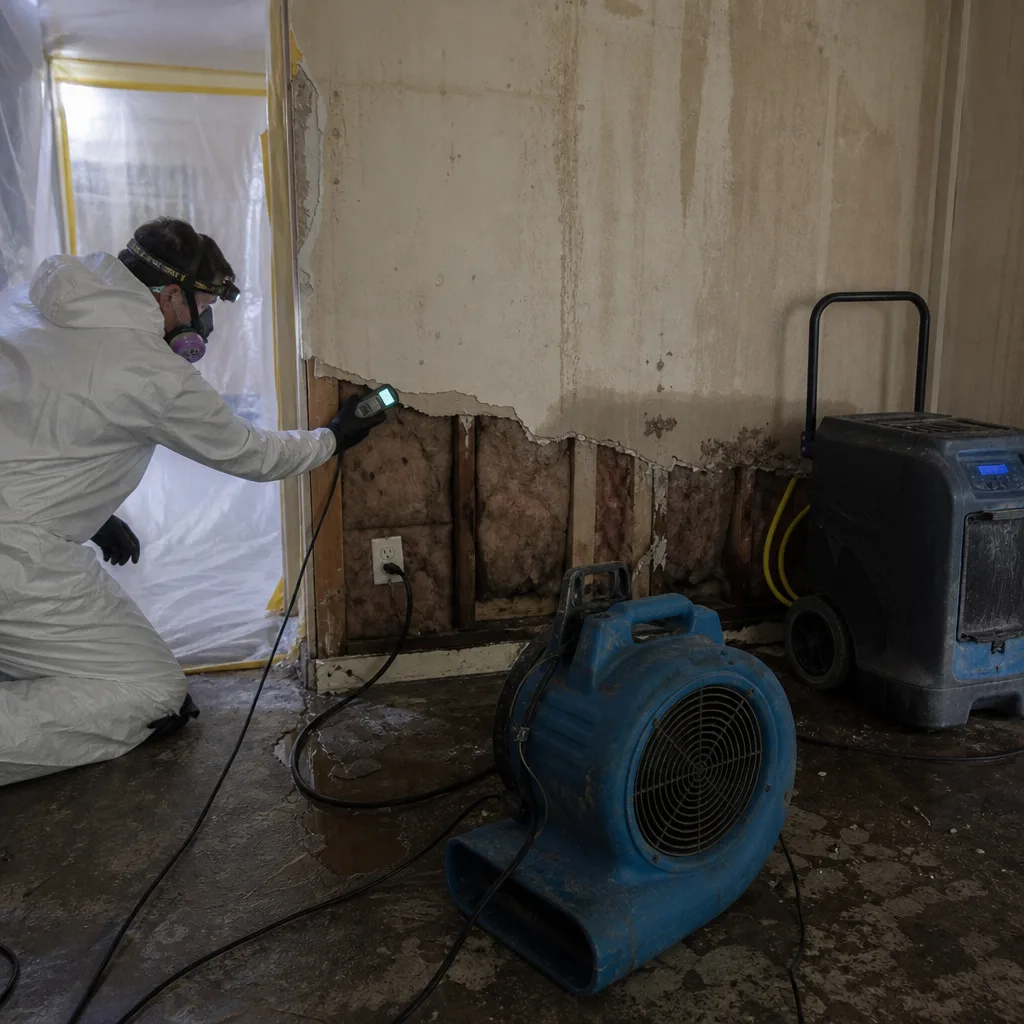 Before
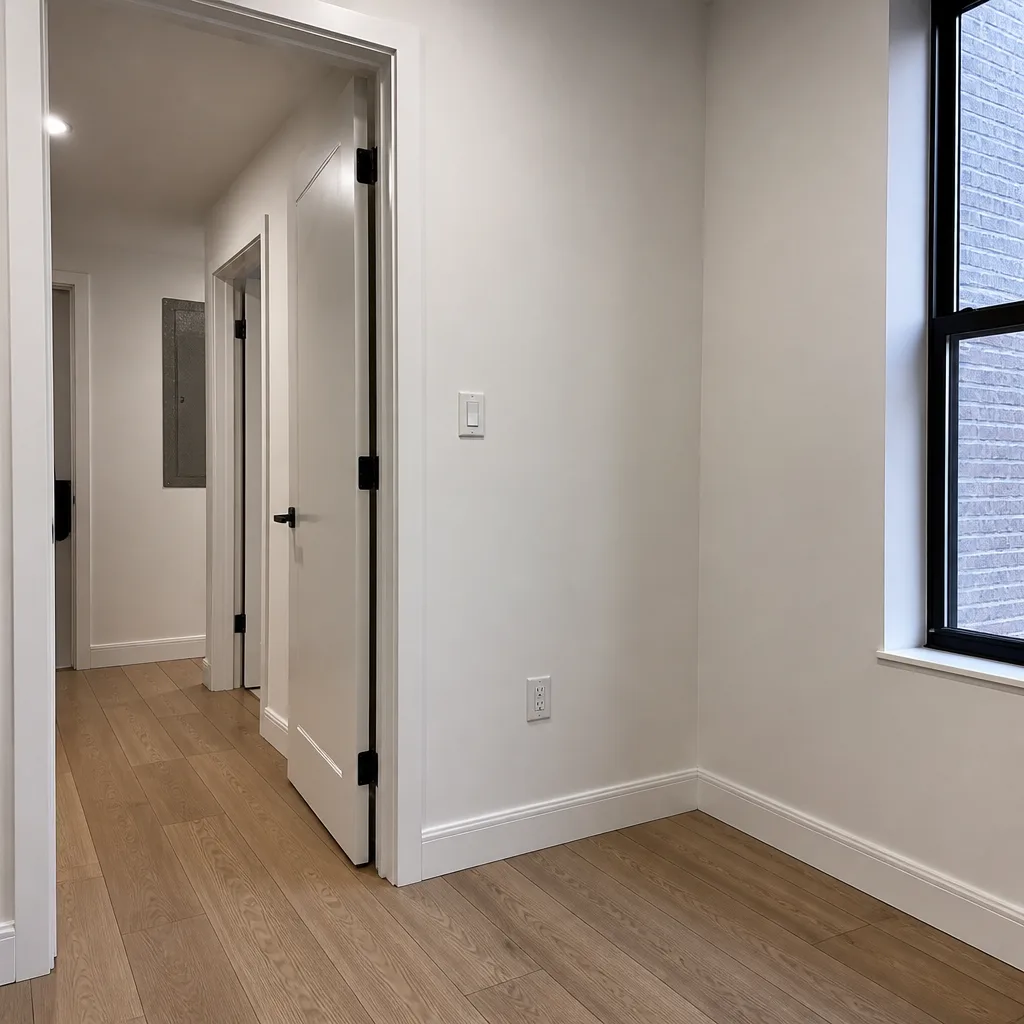 After
AfterDamage Restoration Cost Breakdown: The Financial District Homeowner’s Reference for 2026
Water doesn’t negotiate with square footage. A ruptured riser on the 14th floor of a prewar co-op on Broad Street forces the same conversation as a burst pipe in a four-bedroom house upstate, but the number on the invoice is never the same. That’s the puzzle every Financial District homeowner faces after damage strikes: what should this actually cost? By the time you finish this guide, you’ll know the real price ranges for water, fire, mold, and storm restoration in Manhattan’s oldest neighborhood, what drives those numbers up or down, which corners a contractor can cut without you knowing, and what a fair scope of work looks like in writing before a single fan gets plugged in.
Quick Answer
Damage restoration in the Financial District typically runs from $2,500 to $35,000 depending on the category of loss. A contained Category 1 water leak in a single room usually lands between $2,500 and $6,500, a full-floor sewage backup between $8,000 and $25,000, and a kitchen fire with smoke damage throughout a unit between $15,000 and $45,000. Mold remediation in a typical one-bedroom Financial District apartment costs $2,000 to $8,000, while complete rebuild work after significant loss starts around $30,000. Every number shifts with building access, freight elevator scheduling, and whether the water sat overnight, but those are honest starting points for 2026.
Table of Contents
- Water Damage Restoration Costs
- Fire and Smoke Restoration Costs
- Mold Remediation Costs
- Sewage Cleanup Costs
- What Drives Financial District Pricing
- Insurance and Payment: Who Actually Pays What
- Common Mistakes to Avoid
- When to Call a Professional
- Frequently Asked Questions
Water Damage Restoration Costs in the Financial District
Water damage restoration in the Financial District costs between $2,500 and $50,000 depending on the category of water, the square footage affected, and how long the water sat. A clean-water leak from a supply line caught within hours in a single room typically bills out between $2,500 and $6,500. A category 3 loss, which is what insurance companies call water that carries sewage or ground contaminants, can easily reach $15,000 to $35,000 once you factor in drywall removal, sanitizing, and the rebuild that follows.
Here’s what a typical line-item scope looks like for a contained Category 1 water loss in a 600-square-foot Financial District one-bedroom:
- Emergency extraction and setup: $400 to $900. This covers the truck-mounted or portable extraction unit, the technicians’ first-hour response, and the initial moisture map.
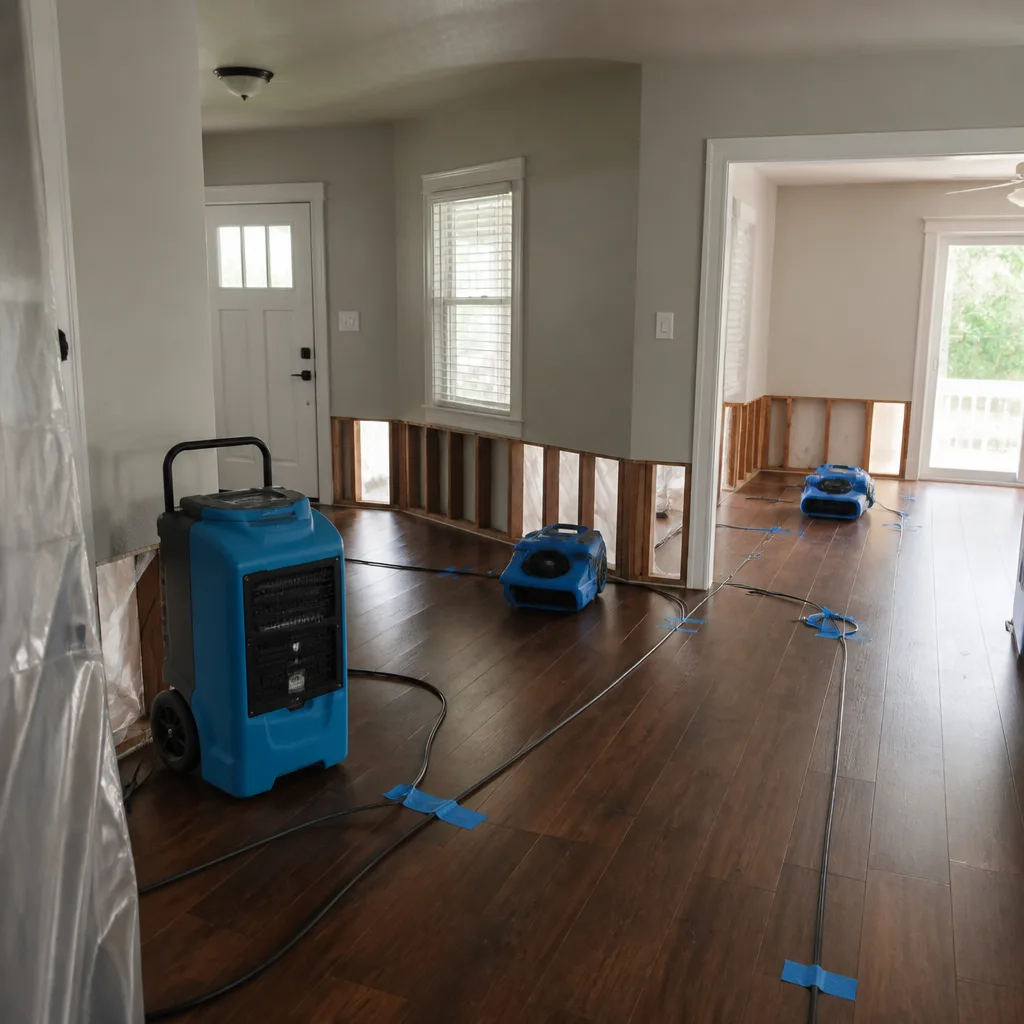
- Drying equipment rental (per 3-day cycle): $25 to $60 per dehumidifier per day, $15 to $35 per air mover per day. A one-bedroom job usually needs 4 to 6 air movers and 2 to 3 dehumidifiers running continuously.
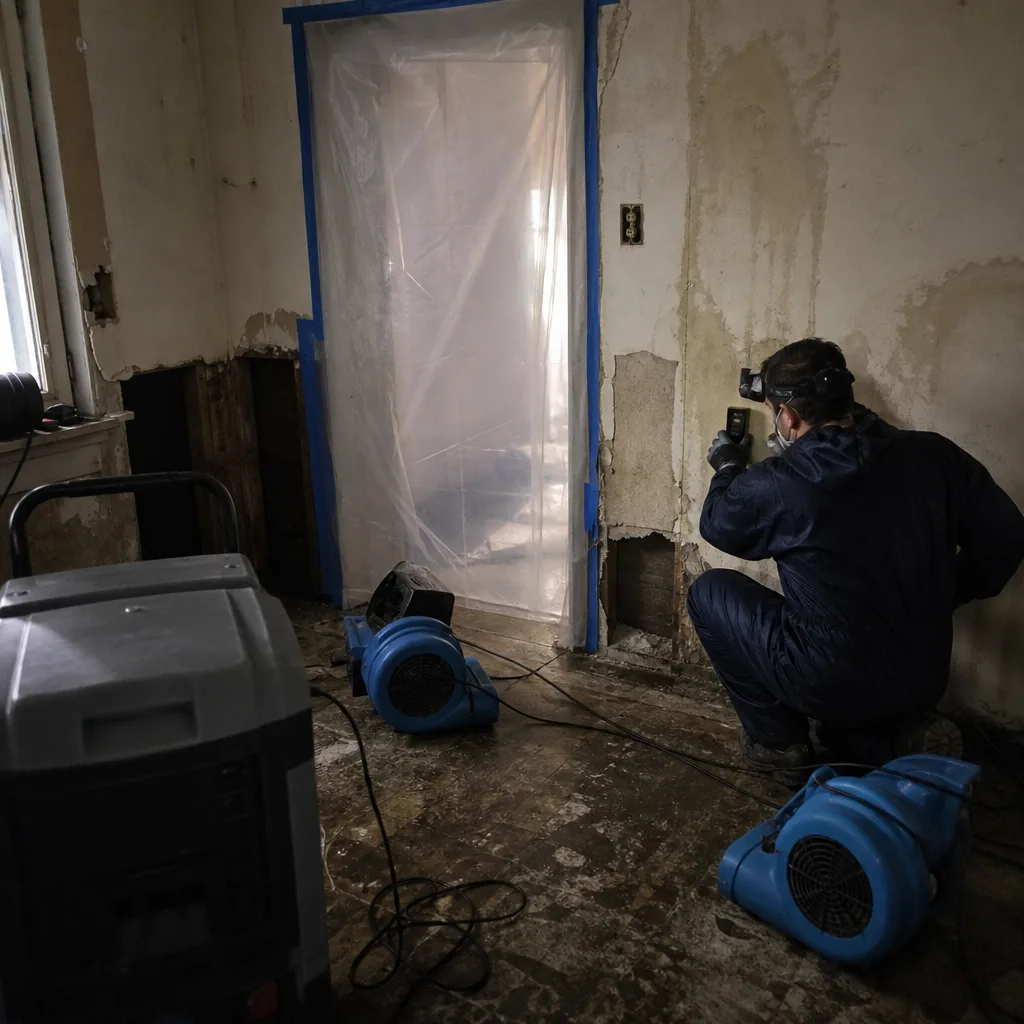
- Moisture monitoring and daily readings: $150 to $400 per visit. Proper restoration means daily visits until the dry standard is met, not a drop-and-run.
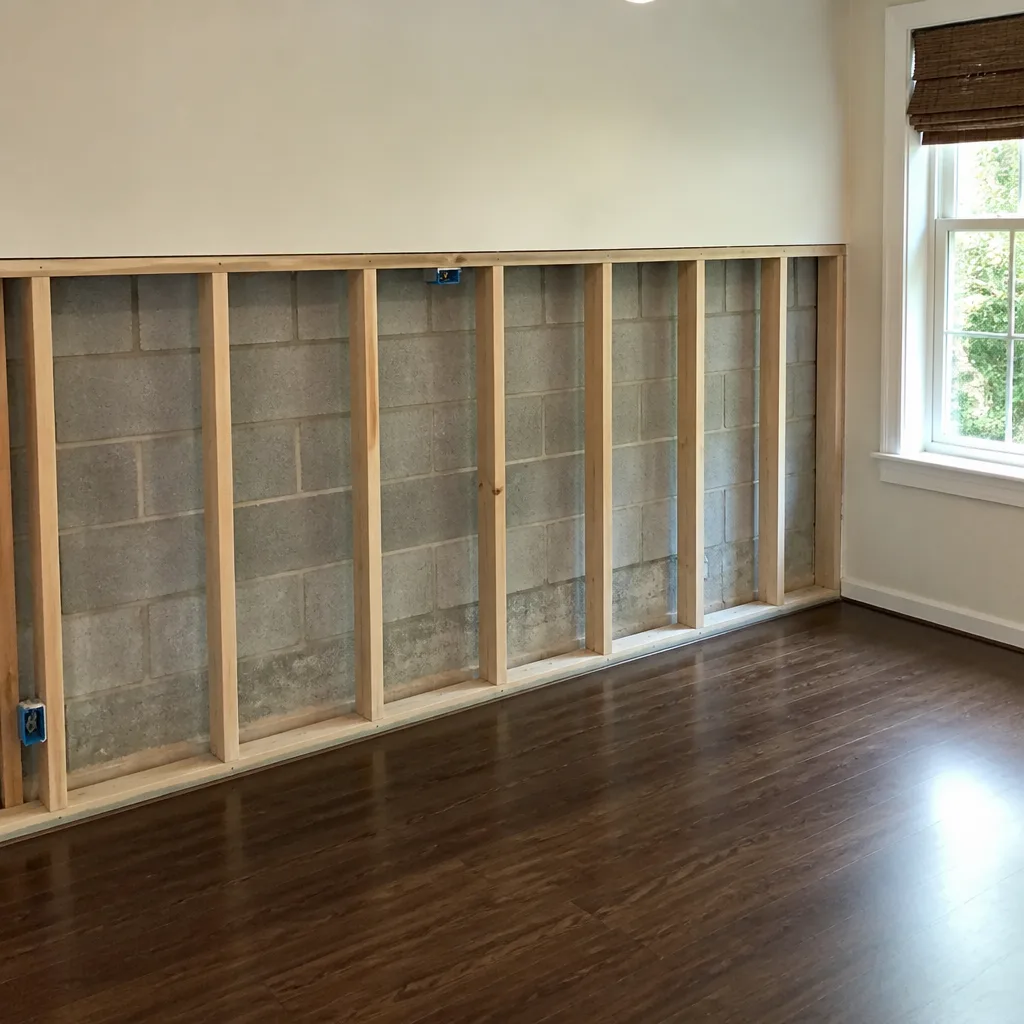
- Baseboard removal and drywall cutout: $300 to $1,200 depending on linear feet and whether the wicking line reaches the studs.
- Antimicrobial application: $200 to $800. This is where some contractors skip a step. It’s also where mold gets its foothold three months later.
- Content manipulation: $200 to $1,500 for moving, protecting, and restoring furniture and belongings.
The single biggest variable is time. Water that runs into a unit at 2 a.m. and is extracted by a crew that gets there by 4 a.m. is a different job than water that pooled over a holiday weekend while the owner was in Connecticut. That’s why the dispatch model matters: a Floodline Restoration Co. home crew reaches the job, runs extraction, and starts drying on the same visit. Every hour the water sits, the drywall wicks higher and the price climbs.
Fire and Smoke Restoration Costs
Fire and smoke restoration in a Financial District apartment runs between $15,000 and $45,000 for a contained kitchen fire with smoke migration through the unit, and between $45,000 and $150,000 for a larger fire that involves structural charring, HVAC system cleaning, and full-content restoration. Those are wide ranges because fire claims are wide claims: the fire itself might stay in the kitchen, but the smoke travels through the ductwork, behind the cabinet faces, and into every closet, upholstered chair, and wool coat in the apartment.
Here’s how a fire restoration estimate breaks down in stages:
- Emergency board-up and structural stabilization: $1,500 to $5,000. On lower floors of Financial District buildings, this also includes securing street-facing windows and coordinating with building management on access.
- Soot and smoke residue cleaning: $3,000 to $12,000. This is specialized work using chemical sponges, HEPA vacuums, and, for porous materials, ozone or hydroxyl treatments in sealed chambers.
- Content cleaning and pack-out: $4,000 to $20,000. In Manhattan, pack-out is not optional: the building cannot store your belongings in the hallway. Contents go to a climate-controlled facility, get cleaned, cataloged, and stored until the unit is ready.
- Deodorization: $1,500 to $6,000. Smoke odor embeds in drywall, subflooring, and cavity spaces. Thermal fogging, hydroxyl generators, and in severe cases, sealing with an odor-blocking primer are the standard layers.
- Structural repair and rebuild: $5,000 to $80,000 or more depending on what burned. Cabinet replacement alone in a FiDi galley kitchen runs $8,000 to $25,000. Add drywall, paint, flooring, and electrical, and the numbers climb fast.
One detail that surprises Financial District homeowners is the role of the building’s shared systems. If smoke travels through the corridor’s common ventilation into neighboring units, the co-op or condo board gets involved, and the scope expands beyond your walls. We’ve handled fire jobs in converted bank buildings on Wall Street’s side streets where the smoke path ran through a century-old mail chute into three adjacent units. When the building’s engineer and the owner’s insurance carrier both need documentation, photo evidence from day one becomes the thing that settles the claim without months of back-and-forth.
Mold Remediation Costs
Mold remediation in the Financial District costs between $2,000 and $8,000 for a contained case in a single room, and between $10,000 and $30,000 when the colony has spread behind walls or under flooring throughout a unit. The lower end covers visible surface mold on drywall or baseboards in a bathroom or under a leaky window. The upper end covers the kind of hidden growth that starts after a slow, undetected pipe leak inside a wall cavity, which is common in older Financial District buildings with cast iron plumbing from the 1920s and 1930s.
A typical mold remediation scope includes:
- Containment setup: $300 to $1,000. Technicians seal off the affected area with 6-mil polyethylene sheeting and create negative air pressure so that disturbed spores don’t cross into the living space.
- HEPA air filtration: $200 to $600 per day. Air scrubbers, typically Dri-Eaz or Phoenix units, run throughout the remediation and for 24 to 48 hours after the physical removal is complete.
- Material removal and disposal: $800 to $4,000. Moldy drywall, insulation, carpet, and pad are double-bagged and disposed of according to New York City regulations. Some buildings require specific waste routing through freight elevators at scheduled times, which adds cost.
- Surface treatment of remaining structure: $400 to $1,500. Wire brushing of studs, HEPA vacuuming, and application of an EPA-registered antimicrobial agent.
- Post-remediation verification: $200 to $800. A moisture reading and visual inspection to confirm the dry standard is met and no visible growth remains. If a third-party industrial hygienist is involved, because a board or an insurance carrier requires it, their clearance testing adds $400 to $1,200.
In recent years, the New York City market has gone through an aggressive phase of mold fear-marketing. Companies scare homeowners with air sampling they performed themselves, then sell remediation based on their own scare. We take a different line: if there’s visible mold, you know it’s mold. Sampling has a place when a doctor or a board requires it, but a homeowner should never be pressured into a $1,500 sampling package to confirm what’s already growing on the baseboard. A published scope, with the moisture source identified and the dry standard defined in writing, tells you more than a petri dish.
Sewage Cleanup Costs
Sewage cleanup in the Financial District runs between $8,000 and $25,000 for a full-floor backup, with smaller toilet-overflow jobs landing between $1,500 and $4,500. Sewage work falls under Category 3 water damage rules, which means the response is different: porous materials like carpet, pad, and upholstered furniture are removed and disposed of, not dried and saved. Hard surfaces get hot-water extraction, scrubbing, and antimicrobial treatment. The room then gets dried to standard before reconstruction begins.
The Financial District has a particular sewage profile, and it’s not what you’d think. The neighborhood sits at the southern tip of Manhattan, built on land that in many areas is reclaimed ground with infrastructure that’s among the oldest active systems in the city. During heavy rain, some of the older buildings between Water Street and South Street see storm surge into basement-level pipes. That means a “sewage backup” in FiDi is sometimes a storm event, not a plumbing failure, and the restoration might be eligible for a different insurance treatment. A restoration company that knows the difference between a city main backing up and a building’s private line failing is the difference between a clean claim and a denied one.
The sequencing of a sewage job matters as much as the price. Here’s the order we follow, and the order any reputable company should be able to show you in writing:
- Extraction of standing water and solids removal: this is immediate, using proper personal protective equipment, not a shop vac.
- Contaminated material removal: carpet, pad, lower drywall cuts, and any porous content that contacted the water get bagged and removed.
- Hot-water extraction and disinfection of the slab or subfloor: then structural drying to meet the dry standard.
- Odor control: typically hydroxyl or ozone treatment once drying is complete.
- Rebuild: new drywall, baseboard, flooring, and paint to return the space to pre-loss condition.
The insurance conversation on sewage is harder than on clean water. Some policies cap sewage backup coverage unless a specific rider is in force. We bill the carrier directly on every job, and we hand the homeowner and the adjuster the same moisture log, so there’s no second version of the story being told.
What Drives Financial District Pricing
Restoration pricing in the Financial District runs higher than the outer boroughs for reasons that have nothing to do with a contractor padding a bill. The neighborhood’s building stock and logistics impose costs that simply don’t exist in a single-family house in Queens or a garden apartment in Riverdale.
The first driver is access. Most Financial District residential units are in high-rise buildings with freight elevator scheduling windows, loading dock reservations, and union porter coordination for debris removal. A job that takes two technicians four hours in a walk-up takes six hours and two extra trips in a 40-story tower when the freight elevator is booked from 7 a.m. to 9 a.m. and again from 4 p.m. to 6 p.m. Every trip in and out is documented, scheduled, and sometimes escorted, and every hour is billable time.
The second driver is the age of the systems. Financial District buildings from the 1920s and earlier, especially the converted office buildings on Pine, Cedar, and Liberty Streets, were built with materials and methods that make restoration more delicate. Plaster walls wick water differently than modern drywall. Terra cotta block behind plaster holds moisture longer. Cast iron waste lines crack with age and ground settlement, and when one lets go, the water travels down through the ceiling before it ever shows up on the floor. We’ve opened walls on Water Street and found horsehair plaster with a wicking line three feet above the visible stain. That’s normal for the neighborhood, but it’s invisible on a generic estimate written without seeing the building.
Third, there’s the after-hours reality. Many Financial District co-ops and condos restrict noisy work to business hours, which means a restoration crew running air movers and dehumidifiers gets a narrow window for equipment placement and removal. That pushes drying cycles longer and adds daily monitoring visits. And because FiDi units are often occupied by working owners, the first call usually comes at night when they get home. That means the extraction happens after 7 p.m., in a building that frowns on freight elevator use after 6 p.m. Good restoration companies navigate that; cheap ones don’t show up until the next day, and the damage compounds.
Here’s a comparison of the same water loss, a burst supply line in a bathroom, priced across three situations:
- Single-family house, Queens: $3,000 to $5,000. Direct access, no scheduling constraints, equipment can run around the clock in the driveway.
- Walk-up apartment, Brooklyn: $3,500 to $5,500. Stair access, tighter equipment logistics, but no elevator to negotiate.
- Financial District high-rise, prewar: $4,500 to $8,000. Freight elevator windows, porter coordination, plaster drying characteristics, and building access rules all add real, billable time.
Insurance and Payment: Who Actually Pays What
Most Financial District restoration work is covered by the homeowner’s insurance policy, with the homeowner paying only a deductible of $500 to $5,000 depending on the policy. The carrier pays the rest, which is why the relationship between your restoration company and your carrier matters as much as the price on the estimate. When a restoration company bills your carrier directly, handles the adjuster’s questions, and documents the job with photos and moisture readings from day one, the claim moves faster and the payout is more complete.
What triples the paperwork on a Financial District claim is the building factor. Condo and co-op boards carry their own master policies, and the line between what the unit owner’s policy covers and what the building’s policy covers gets blurry. A pipe that bursts inside your wall might be the building’s responsibility; the damage it does to your floors and furniture is yours. A water event that starts above your ceiling often involves the upstairs neighbor’s policy, the building’s policy, and your own, and someone has to sort out who pays for the drying, who pays for the rebuild, and who pays for the temporary housing if you can’t stay in the unit.
We run direct insurance billing on every job, and we hand the same moisture log to the homeowner and the adjuster. That log shows the day-one moisture map, the daily readings from the Dri-Eaz and Phoenix equipment, and the final dry standard reading. When an adjuster sees a log that’s been maintained the way ours is, the conversation stops being about whether the work was done and becomes about writing the check. That’s how a 90-Day Done Right Promise works in practice: the work itself is documented, the result is measurable, and if anything isn’t right within the window, it gets made right without a paperwork battle.
Common Mistakes to Avoid
- Waiting until morning to call. Water in a Financial District apartment wicks through plaster and drywall at roughly an inch per hour in the first 24 hours. A call at 7 a.m. is not the same job as a call at 9 p.m. The live dispatch line that answers at 2 a.m. exists because the first two hours are the cheapest restoration you’ll ever buy.
- Letting the building’s super “handle it.” A building employee with a shop vac is not a restoration crew, and a claim filed after the fact with no moisture log and no documentation routinely gets paid at a fraction of what the work actually costs. The super’s priority is the building, not your insurance claim.
- Accepting an estimate without a written scope. A verbal “we’ll take care of it for about six grand” is the leading cause of mid-job surprise change orders in this trade. Insist on a line-item scope in writing before any equipment gets unloaded.
- Skipping the antimicrobial step on water jobs. Some contractors dry the space and walk away without treating the affected materials. The space looks dry, the fan noise stops, and three months later there’s mold in the wall cavity. The treatment step costs a few hundred dollars; the mold remediation that might follow costs thousands.
- Choosing a contractor that splits drying from rebuild. When one company dries and a different company rebuilds, the homeowner is the messenger between them, and the moisture log gets lost in the handoff. One company that does both, and holds the 90-Day Done Right Promise in writing across both phases, is the square deal most Financial District owners are actually looking for.
When to Call a Professional
Call a restoration professional any time water has touched drywall, baseboards, flooring, or wall cavities. That sounds broad, but it’s the honest line: surface spills on tile dry on their own; water that has soaked into building materials doesn’t. Call immediately if the water is from a sewage source, if it has been sitting for more than a few hours, if it’s affecting more than one room, or if there’s visible mold growth larger than a patch you could cover with a dinner plate. Fire and smoke damage always warrants a professional response because soot and smoke particles are hazardous to clean without proper equipment, and the residue migrates further than it first appears. Floodline Restoration Co. offers free estimates in Financial District - call (518) 663-6491 and a live dispatcher will pick up, day or night.
Frequently Asked Questions
A contained water damage restoration job in the Financial District typically costs between $2,500 and $6,500 for a single-room clean-water leak, with more extensive losses running $15,000 to $35,000 when sewage or long-standing water is involved. Call (518) 663-6491 for a free estimate and an exact number based on your specific situation - we’re there when we say, and we’ll put the scope in writing before work starts.
Most Financial District homeowner policies cover the restoration work minus your deductible, which typically ranges from $500 to $5,000. Floodline Restoration Co. bills your carrier directly, so you’re never paying out of pocket for covered work and then waiting on a reimbursement check.
A certified crew can reach your Financial District address within hours of your call, day or night, because our dispatch line is staffed by a live person 24/7, not a recording. Extraction typically starts on the same visit, which is the single best thing you can do to keep the total job from growing.
If water has saturated drywall, baseboards, or flooring, you need professional drying with moisture-mapped equipment and daily readings, not just a cleaning. Surface cleaning addresses what you can see; the damage inside wall cavities is what turns into mold and structural issues months later, and it’s cheaper to dry it properly now than to remediate it later.
We do. Floodline Restoration Co. handles direct communication with your carrier, provides the documentation and moisture log your adjuster needs, and bills the carrier directly. Homeowners are welcome to be in the loop on every step, but they never play messenger between us and the insurance company.
The Keystone Standard is a written guarantee that covers the restoration work for 90 days after completion: if something wasn’t done right, we make it right, with no arguing and no paperwork battles. It’s tied to our K.E.Y.S. values code, and it’s the reason we document every job with daily moisture readings and photo evidence from day one.
The Bottom Line
Restoration pricing in the Financial District reflects the neighborhood’s specific realities: high-rise access rules, prewar plaster, and the compounding cost of every hour water sits unattended. The honest ranges in 2026 are $2,500 to $6,500 for a contained clean-water loss, $8,000 to $25,000 for sewage, $2,000 to $8,000 for typical mold remediation, and $15,000 and up for fire work. What protects a homeowner more than any individual price is a written scope before work begins, a company that handles extraction and rebuild under one roof, and a guarantee that stands in writing. If you’re staring at a stain on the wall, call (518) 663-6491. A live dispatcher answers, a certified crew gets there, and the line the water left is where we start.
Written by Curt Bowman, Owner at Floodline Restoration Co., serving Financial District since 2010.