
Last updated August 25, 2026
Free visual inspection and a written scope of work before any mitigation begins - photos, moisture readings, and drying logs go in your claim file
The scope we write is the scope we bill. Anything new gets shown to you, in writing, before we touch it.



 Before
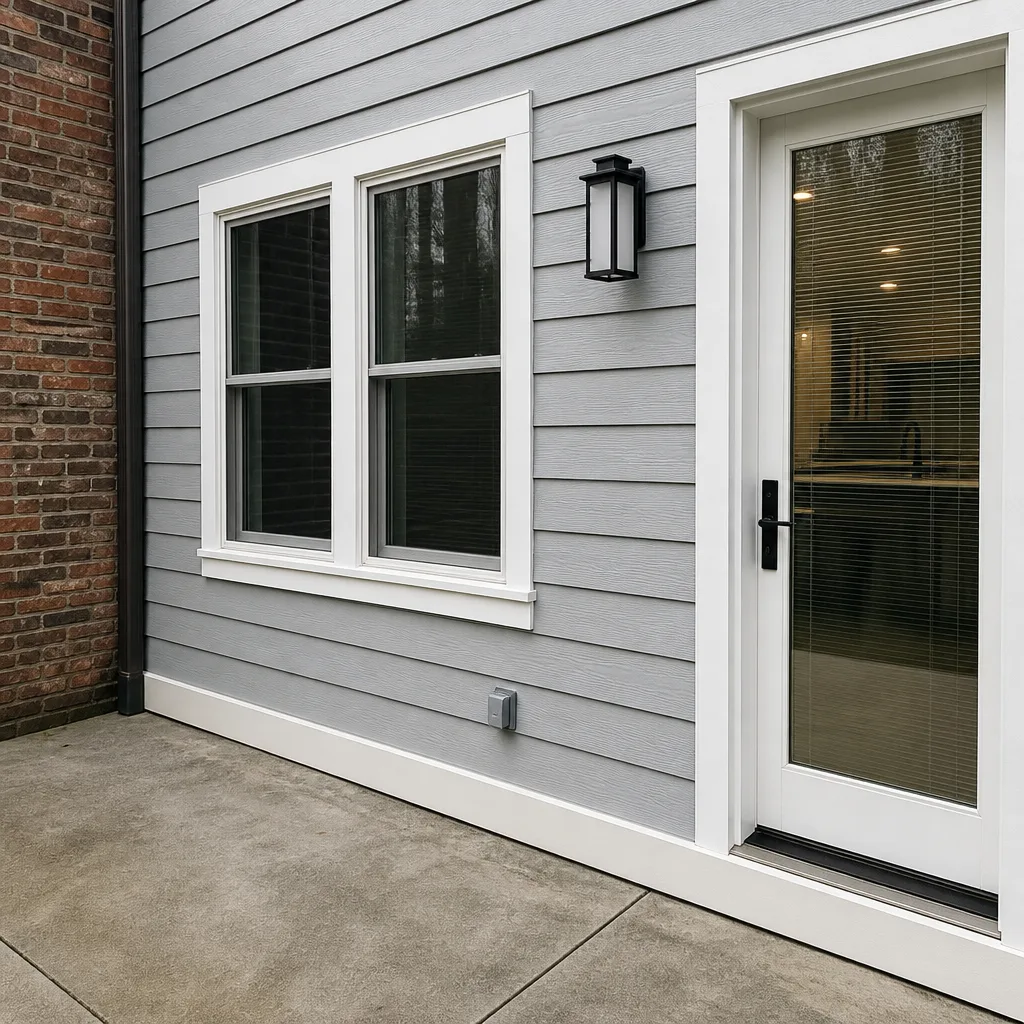 After
After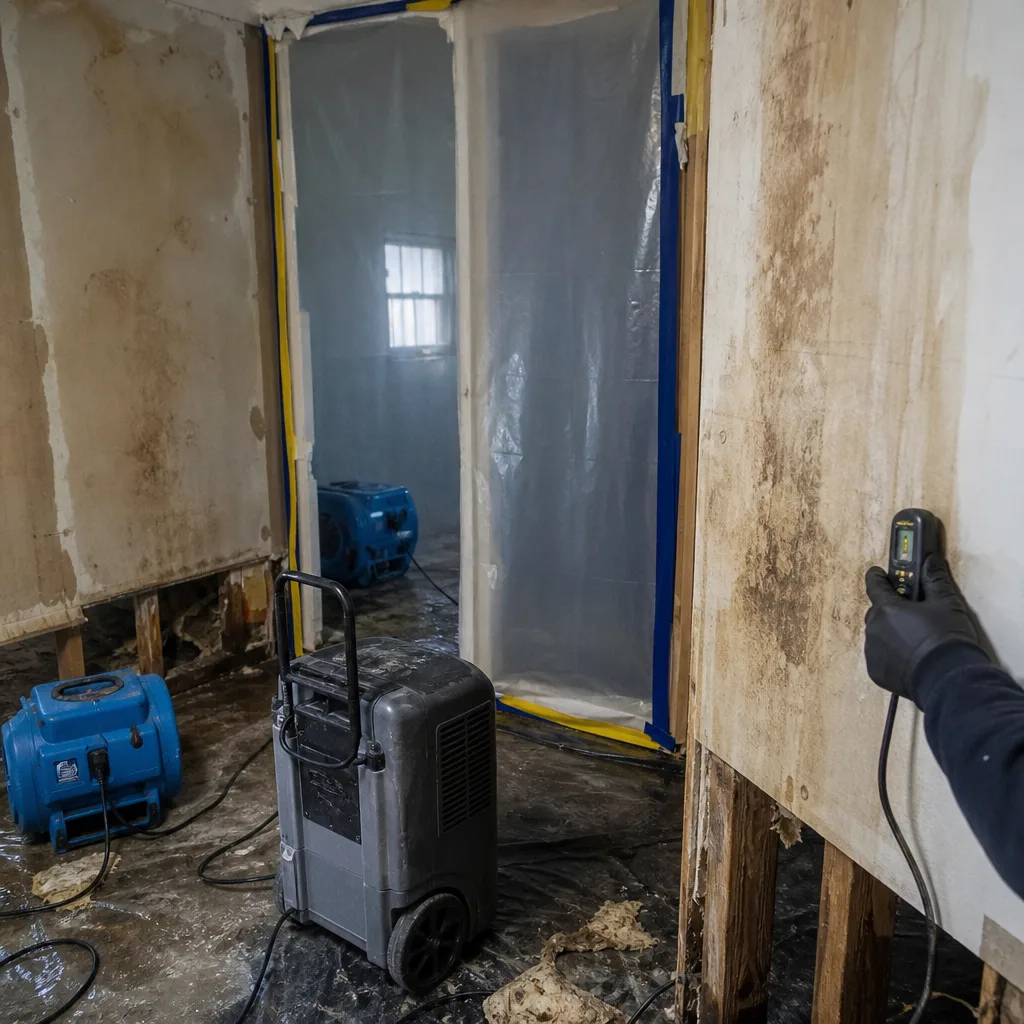 Before
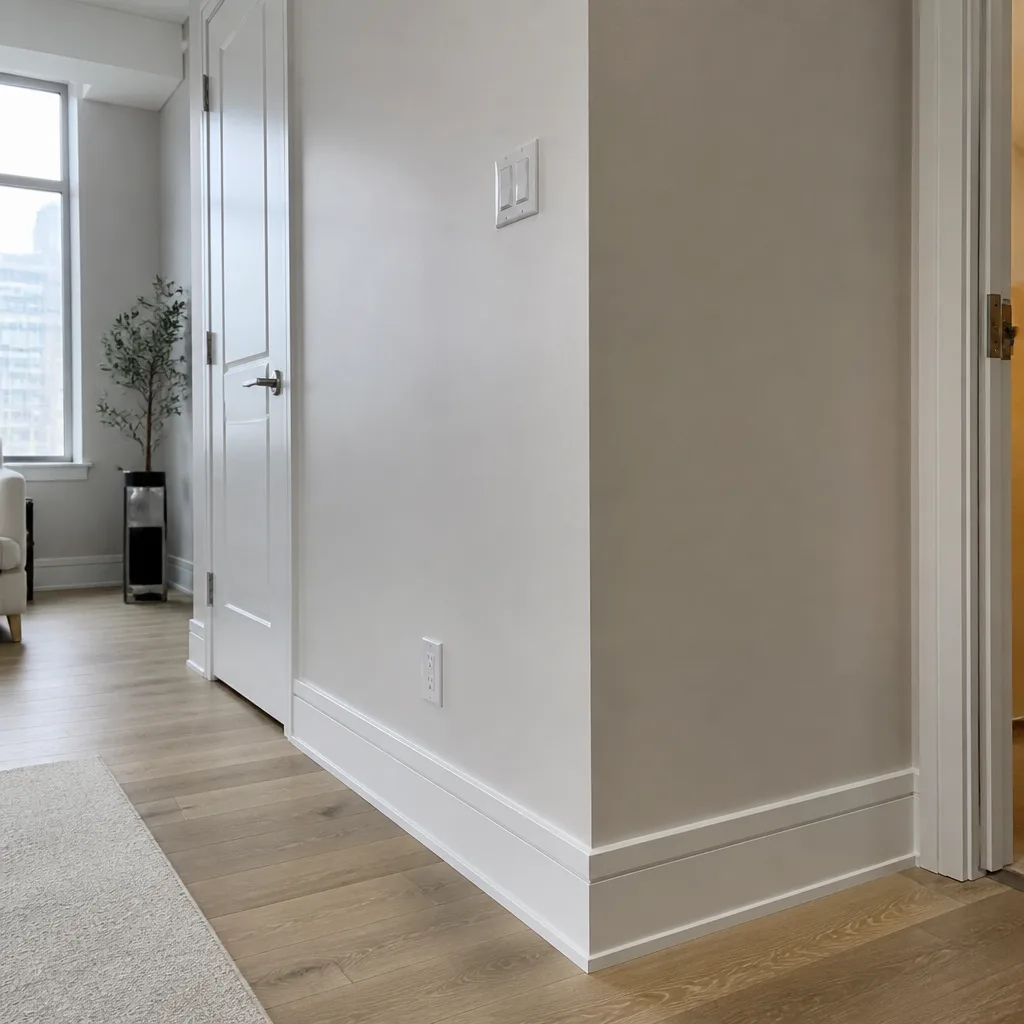 After
After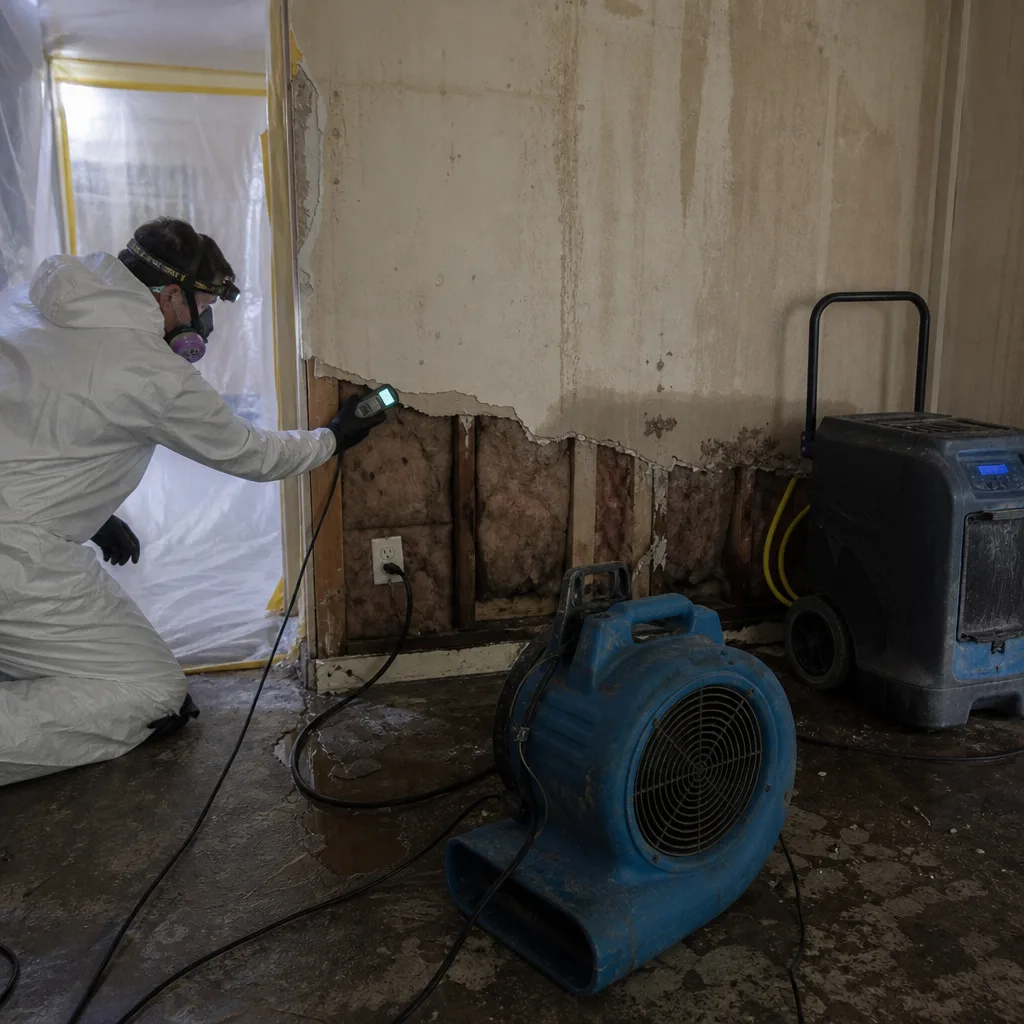 Before
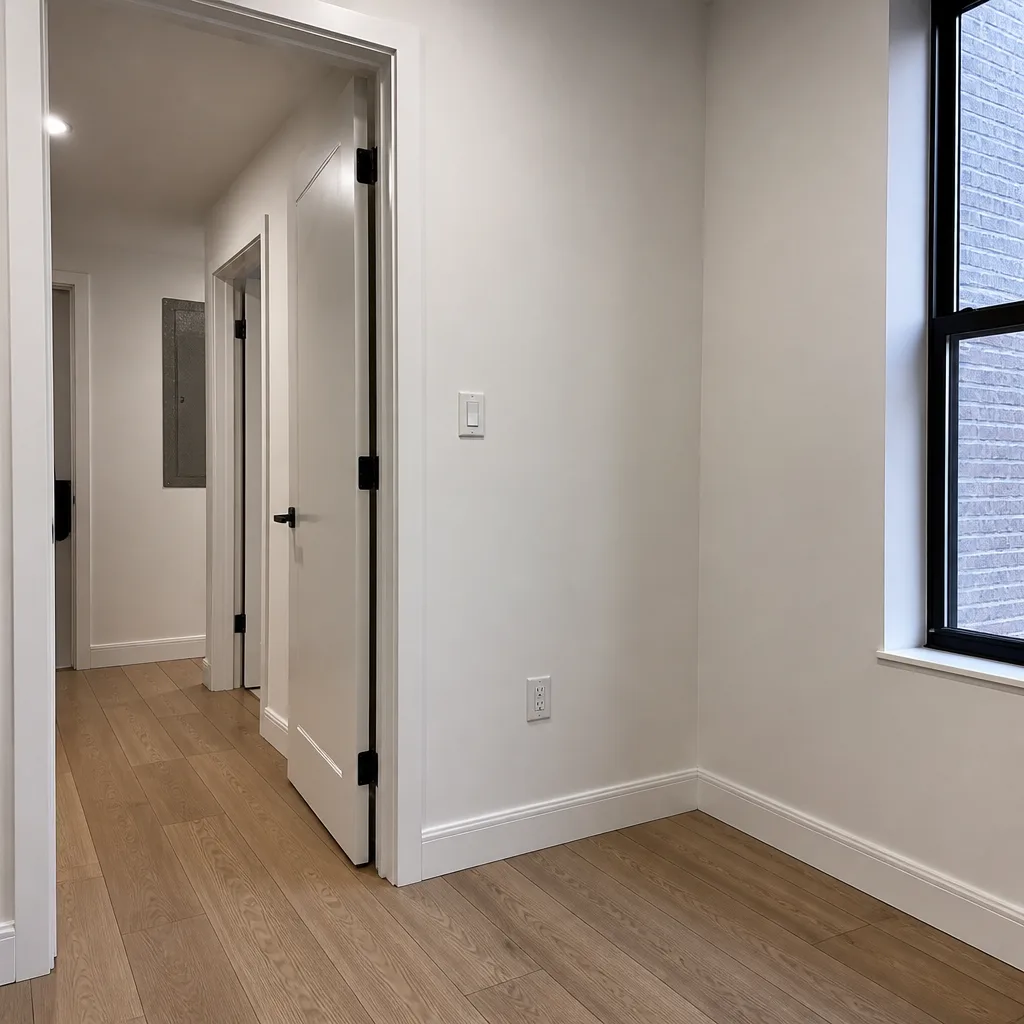 After
AfterSeasonal Damage Restoration Care for Financial District: Year-Round Homeowner’s Guide
Most property damage in the Financial District doesn’t announce itself with a burst pipe at noon on a Tuesday. It builds quietly, season after season, in the gaps between what the building was designed to handle and what the weather actually does. Homeowners here manage a unique set of pressures: salt air moving up from the harbor, freeze-thaw cycles working on century-old masonry, and mechanical systems in high-rises that share walls, risers, and consequences with the units around them. This guide walks through what actually happens to Financial District properties across the calendar year, what you can catch early, and what needs a professional before it spreads.
Quick Answer
Seasonal damage restoration in the Financial District comes down to timing: inspect before each season turns, dry anything wet within 48 hours, and document everything for insurance. Water intrusion from aging building envelopes, humidity-driven mold in summer, and freeze damage to pipes in winter are the three most common threats. A seasonal inspection with a moisture meter catches most issues before they become restoration projects.
Table of Contents
- Winter Freeze Damage: What Breaks First in Financial District Buildings
- Spring Thaw and Rain: The Hidden Water Intrusion Season
- Summer Humidity and Mold Growth in Financial District Units
- Fall Preparation: The Season That Prevents the Other Three
- Insurance Documentation Through the Seasons
- High-Rise and Pre-War Specifics: Restoration in Older Financial District Buildings
- Common Mistakes to Avoid
- When to Call a Professional
Winter Freeze Damage: What Breaks First in Financial District Buildings
In our experience working the Financial District, the first casualties of a hard freeze are rarely the pipes inside occupied units. They’re the lines running through unheated spaces: mechanical rooms, stairwells, the top floors of older pre-war buildings where insulation was an afterthought. A pipe that freezes in an empty commercial unit on a lower floor can send water down through multiple residential floors before anyone notices. That’s the scenario that turns a $400 plumbing fix into a multi-floor restoration job.
The damage sequence is predictable. Water freezes, expands, and splits the pipe along its weakest point. The ice plug holds the water back for hours or days. Then the building warms a few degrees, the plug melts, and the split releases. That’s why freeze damage often shows up on a Tuesday after a Monday thaw.
What homeowners in the Financial District should watch for in winter:
- Cold spots on walls or ceilings that indicate a pipe running through an uninsulated chase
- Reduced water pressure that could indicate a partial freeze forming
- Water stains appearing on ceilings below vacant or commercial units
- Sounds of running water when fixtures are off, especially at night when the building is quiet
What to do at the first sign of freeze damage:
- Shut off water at the unit valve if accessible, or call building maintenance at once
- Open the affected fixture to relieve pressure
- Move furniture and valuables out of the path of potential water
- Document the area with photos before cleanup begins
- Call a restoration crew that can assess moisture behind walls, not just on the surface
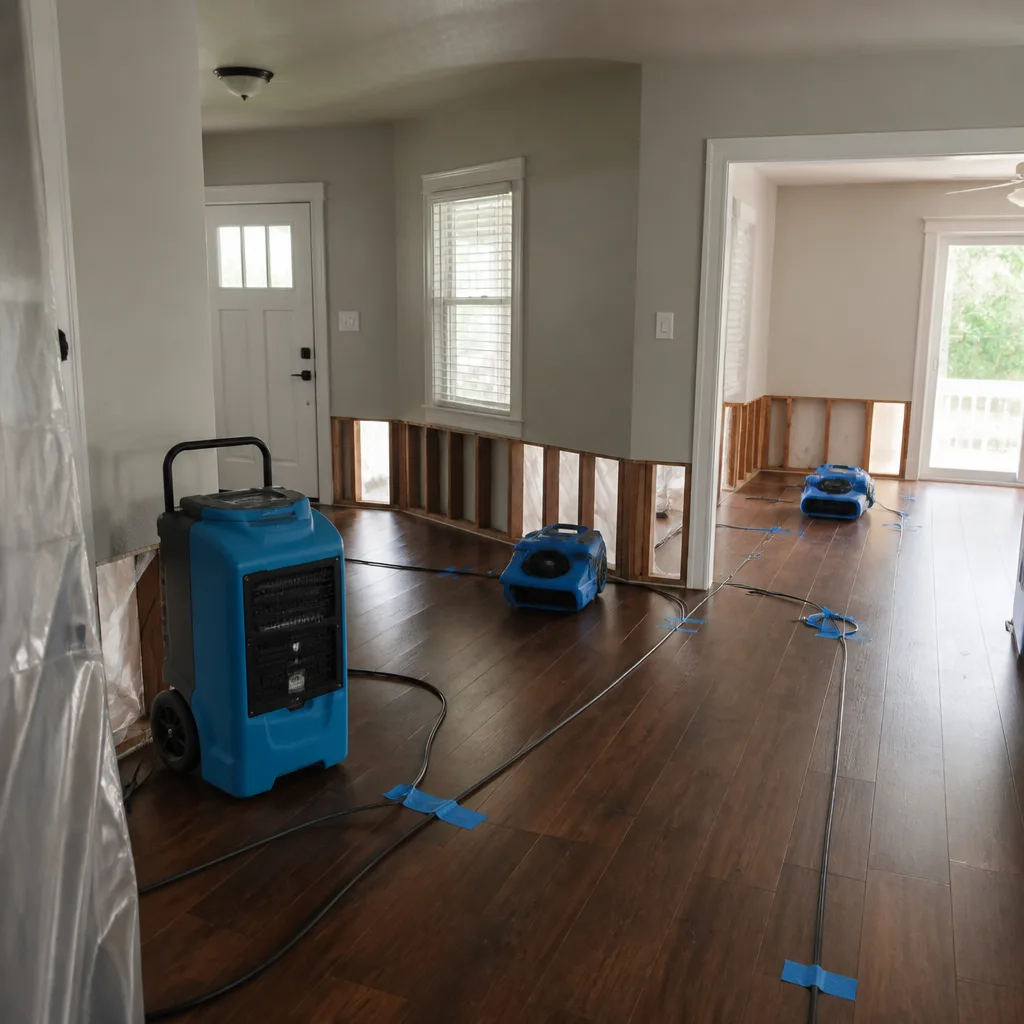
Freeze damage in high-rise buildings rarely stays in one unit. Water follows the path of least resistance down pipe chases, electrical conduits, and floor penetrations. We use moisture mapping with Dri-Eaz equipment to trace those paths, because the visible stain on a ceiling is often a fraction of the actual spread.
The Keystone Standard matters in winter work. When a pipe freezes above your unit and water comes through the ceiling, the restoration has to be done correctly the first time to prevent mold from developing when the building heats back up in spring. That’s what our 90-Day Done Right Promise covers: if something isn’t right after the work is finished, we make it right. In writing, no arguing.
Spring Thaw and Rain: The Hidden Water Intrusion Season
Spring in the Financial District brings two distinct water problems that often get confused. The first is thaw-related: melting snow and ice on rooftops and upper setbacks find their way into the building through deteriorated flashing, cracked parapets, and roof membranes that took a beating all winter. The second is rain-driven: spring storms coming off the harbor bring wind in the opposite direction from the building’s usual exposure, pushing water into places that stayed dry through winter’s gentler precipitation.
Building envelope failures are a shared problem in Financial District co-ops and condos. A roof leak on the twentieth floor can present as water damage on the fifteenth floor, traveling inside a wall cavity before finding an exit. Homeowners often assume the source is above them. In pre-war buildings, it often isn’t directly above you.
Spring inspection checklist for Financial District homeowners:
- Check ceilings and window frames for new water staining after the first major thaw
- Inspect the window seals and weep holes for salt crust buildup from winter storm spray
- Look for efflorescence, the white powdery deposit, on interior brick or masonry walls
- Examine caulk and weatherstripping that may have contracted during freezing temperatures
- Confirm that building drain lines and roof scuppers are clear of winter debris
Rooftop snowmelt in the Financial District moves fast. A building with a flat roof and clogged drains can hold several inches of standing water during a rapid thaw, and that weight finds the lowest point of the membrane. Older buildings with original roofing systems are the most vulnerable.
When spring water does intrude, the critical window is 48 hours. Mold colonizes wet drywall and insulation within that timeframe, which means fast extraction and drying determines whether you’re dealing with a cleanup or a full remediation and rebuild. Professional-grade equipment like Phoenix dehumidifiers and XPOWER air movers changes that equation significantly, because surface drying isn’t enough. The moisture inside wall cavities and under flooring has to be driven out and measured until it reaches a verified dry standard.
This is also the season when ground-level units and mechanical rooms in the Financial District see rising water from saturated soil around building foundations. Older buildings with fieldstone or brick foundations are porous by nature. Water doesn’t need a crack; it wicks through the wall over days of rain. That’s a slower intrusion, but the damage accumulates the same way.
Summer Humidity and Mold Growth in Financial District Units
Summer in the Financial District is the season when air conditioning creates as many restoration calls as it prevents. The core issue is condensation: hot, humid harbor air meets cold surfaces inside the building envelope, and water forms where it shouldn’t. Every cold water pipe, every chilled beam, every air conditioning duct is a potential condensation point during July and August.
The classic summer mold scenario in a Financial District apartment goes like this: a through-wall AC unit runs constantly in a small room. The unit cools the air but doesn’t properly dehumidify it, or it short-cycles and never reaches the dry threshold. Moisture accumulates behind drywall near the unit, within the insulation, and along the wall cavity. By the time a homeowner sees staining or smells the characteristic musty odor, the mold has been growing for weeks.
Specific summer risk factors in the Financial District:
- High ambient humidity coming off the East River and New York Harbor
- Through-wall AC units in older buildings with inadequate drainage or slope
- Riser pipes carrying cold water through hot, humid wall cavities
- Units left closed up during vacation weeks, with no air circulation
- Kitchens and bathrooms without proper exhaust in interior apartments
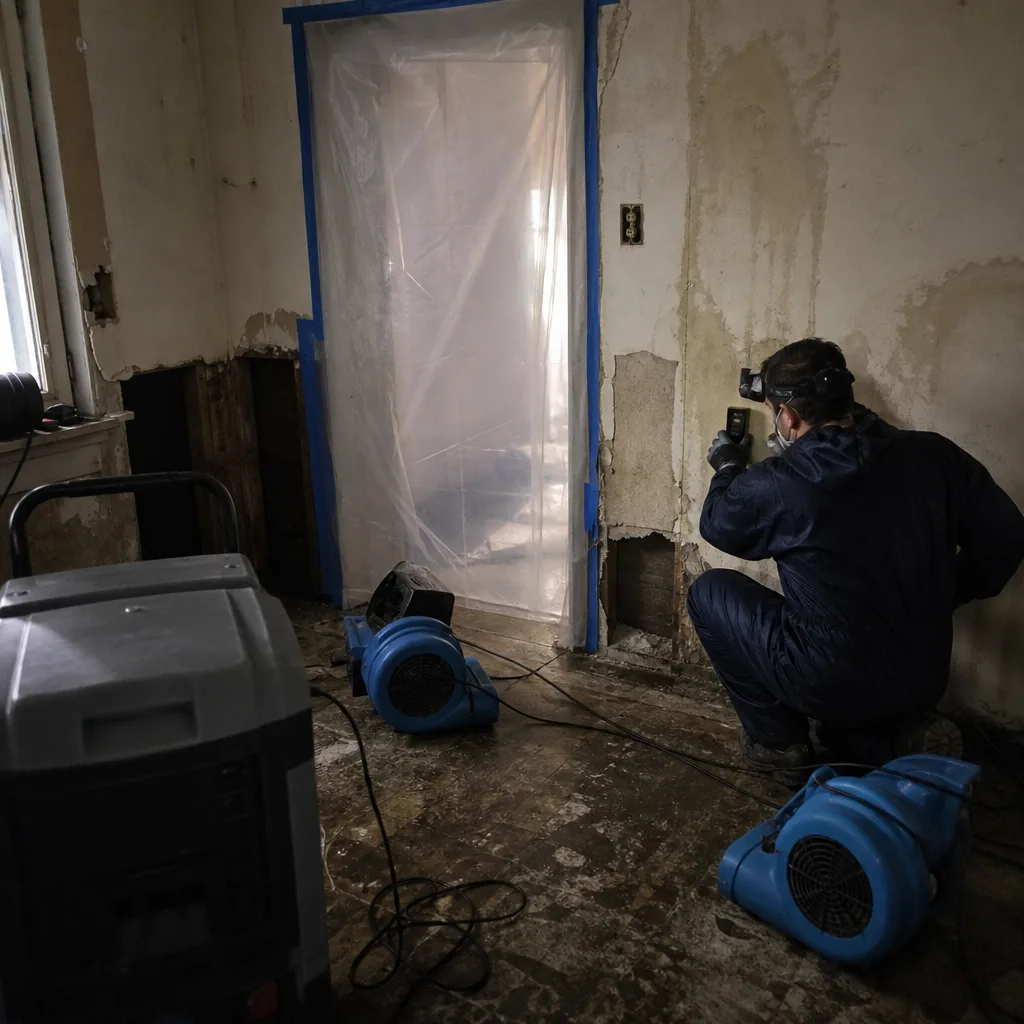
Mold testing and remediation require precision. The IICRC standards, which our technicians are trained to, establish the dry standard and the remediation protocol. Surface cleaning without addressing the moisture source fails every time, which is why we document moisture readings throughout the process and share that log with the homeowner and their carrier.
There’s a hard truth about mold in the Financial District: the square footage of the visible growth never tells the whole story. Mold spreads inside cavities, under baseboards, behind cabinetry. A visual inspection alone misses most of it. A written scope, agreed before work starts, protects you from the pattern that gives this trade its worst reputation: a crew finding “more damage” behind every wall and the bill growing with each discovery.
Floodline Restoration Co. has been serving the Financial District since 2010, and the summer mold calls have a consistent thread: a homeowner noticed something small and waited. The sooner the assessment happens, the smaller the remediation.
Fall Preparation: The Season That Prevents the Other Three
Fall is the season that determines how the rest of the year unfolds for your property. It’s when a few hours of prevention in September and October prevents the freeze damage of winter, the thaw intrusion of spring, and the humidity problems of summer. The Financial District sits in a climate that tests every building system year-round, and there’s no off-season for the effects.
A structured fall preparation routine for Financial District homeowners:
- Inspect and reseal all window frames, paying attention to the windward sides facing the harbor
- Clear every drain, gutter, and downspout on your unit’s responsibility area; leaves and debris back up water in the first autumn storm
- Have your heating system serviced before the first cold snap forces emergency calls
- Confirm that all water supply valves inside the unit turn freely, including the main shutoff
- Install insulation or heat tape on any accessible pipes in unconditioned spaces
- Photograph the interior and exterior of the property, establishing a baseline for insurance documentation
- Test your unit’s drainage in showers, sinks, and the laundry area with a full-flow run
We offer a $89 Seasonal Tune-Up for Financial District homeowners, and it’s built around this sequence. A technician walks the unit, checks the moisture-prone areas, verifies the accessible plumbing, and documents everything. For seniors and veterans, there’s a 5% discount on that tune-up, same as every service we provide.
The fall maintenance season is also when you should review your insurance coverage and confirm what your policy covers for water damage, mold, and freeze-related events. Many policies have specific exclusions for gradual damage, long-term leaks, and certain types of water intrusion. Knowing your coverage before the damage occurs is infinitely better than discovering the gap after.
Insurance Documentation Through the Seasons
Insurance claims in the Financial District have a rhythm that follows the seasons. Winter freeze claims spike in January and February. Spring water intrusion claims cluster in March and April. Summer mold claims arrive in July and August when the humidity peaks. Fall claims are fewer, and when fall damage does occur, it’s often storm-related, from the coastal systems and nor’easters that track up the Atlantic.
The single most valuable thing you can do for your insurance position is document the property before each season changes. Claims adjusters work from evidence, not from memory. A set of dated photos, taken twice a year, creates an evidentiary baseline that makes claim processing faster and disputes rarer.
Documentation best practices we’ve learned from working with carriers across four decades of claims in the Financial District:
- Photograph each room in wide angle and detail, including inside closets and mechanical spaces
- Record serial numbers on major appliances and mechanical systems
- Keep receipts for any maintenance, repair, or restoration work, digitized and backed up
- For any damage, photograph immediately, then again after first mitigation, then again at completion
- Never discard damaged materials until your adjuster has either inspected them or released you to do so in writing
Floodline Restoration Co. bills the carrier directly on covered claims. That’s not a small convenience; it’s the difference between a homeowner floating thousands of dollars while waiting on reimbursement and a homeowner who never touches the money at all. We document damage with photos from first arrival through final clearance, then coordinate with the adjuster using that evidence. You’re not the messenger between your restoration company and your insurance carrier.
For any claim, request the written scope before any work begins. That single document has prevented more disputes than any other practice we know. It forces the conversation about what’s covered, what’s being done, and what it costs to happen before the work, not after.
High-Rise and Pre-War Specifics: Restoration in Older Financial District Buildings
The Financial District has the oldest building stock in Manhattan in concentrated form, and those buildings interact with water and humidity differently than modern construction does. Pre-war buildings in the area were built with materials that breathe: plaster over lath, mass masonry walls, wood framing with actual dimensional lumber. Those materials absorb moisture and release it slowly, which means a small leak can sit undetected for months inside a wall cavity.
High-rise restoration adds a layer of complexity that single-family restoration doesn’t have. When water moves between units in a high-rise, multiple homeowners, the building corporation, and multiple insurance carriers all become involved. The boundaries of responsibility, who owns the riser, who owns the interior, who pays for the access, all of it gets negotiated while water sits and damage compounds.
Restoration challenges specific to older Financial District buildings:
- Original plumbing systems that have outlived their design life by decades
- Wall assemblies that hide moisture without visible staining for extended periods
- Asbestos and lead considerations in pre-1978 construction that require specialized handling
- Building access limitations for drying equipment, particularly in elevator buildings with restricted hours
- Shared wall cavities that let moisture travel laterally between units, not just vertically
When our crews work in these buildings, the moisture map is the controlling document. We place sensors in adjacent units, not just the affected one, because water doesn’t respect the property line inside a demising wall. Daily readings continue until every sensor reports the dry standard, and that log goes to everyone with an interest: the homeowner, the building management, the carrier.
That’s where the Floodline Restoration Co. home approach differs from the fractured model common in the restoration industry. One crew handles the extraction, the drying, the remediation, and the rebuild. No handoff to a different company when the drying is done. No gap between mitigation and reconstruction while the homeowner waits for a contractor to show up. The same technicians who put the sensors in the wall are the ones who rebuild that wall.
Common Mistakes to Avoid
- Waiting to document damage until cleanup begins. The condition of the property at the moment of discovery is the baseline for your entire claim. Photograph everything before a single bucket is lifted, and keep those files accessible for months.
- Drying with household fans and open windows. In a Financial District apartment, open windows in July add humidity to the equation. Household fans move air across surfaces but do nothing for the moisture inside wall cavities. Professional drying equipment moves hundreds of cubic feet of air per minute and actively condenses moisture out of it.
- Assuming a stopped leak means the damage is done. Water that soaked into building materials is still working for days after the source is fixed. The moisture migrates, wicks upward, and feeds mold growth you can’t see. A leak stop is the beginning of restoration, not the end.
- Accepting a restoration quote without a written scope. Oral estimates are worth the paper they’re written on. Every legitimate restoration job in the Financial District should include a written scope describing exactly what’s being done, to what extent, with what materials, at what price.
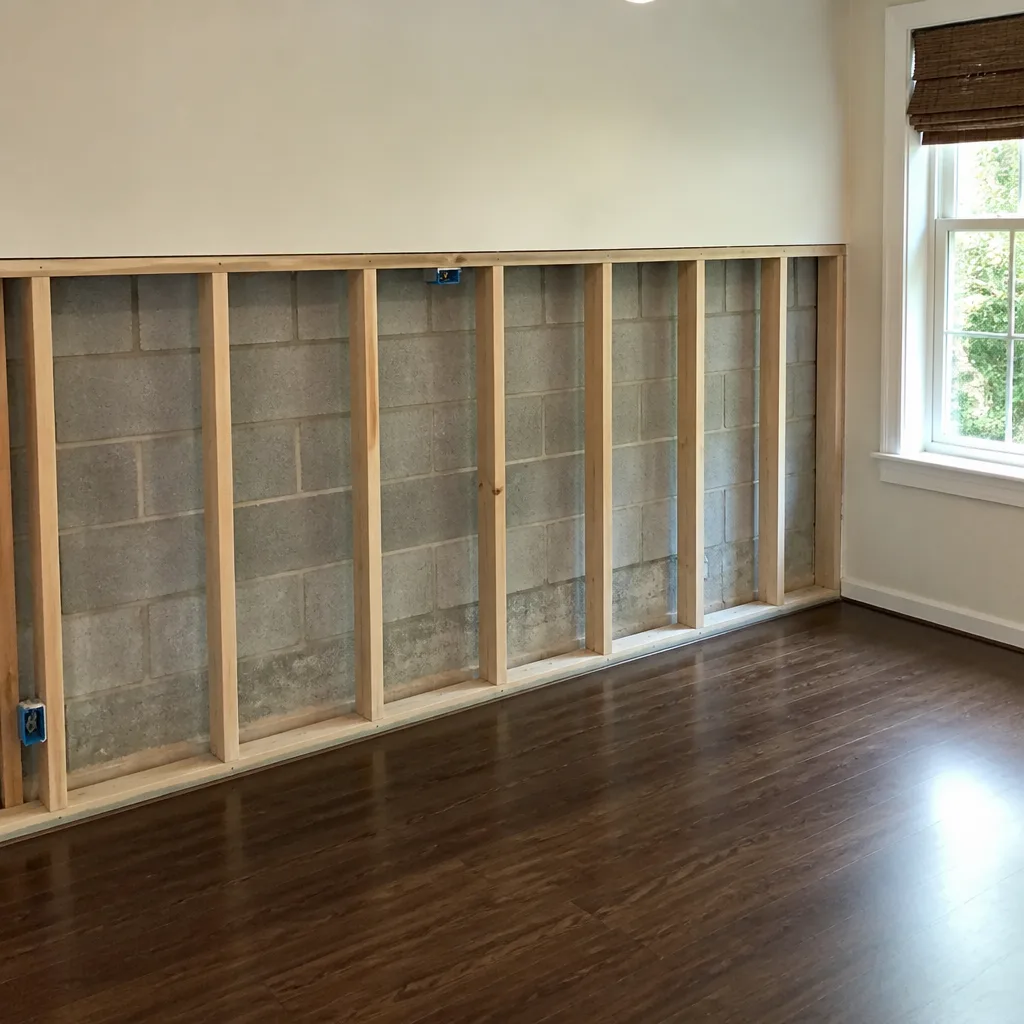
- Replacing visible damaged materials without checking what’s behind them. Drywall can look stained while the studs behind it are saturated and the insulation is sodden. Replacing the surface layer and closing the wall is a mold farm by March. A moisture meter tells the real story.
- Not testing for mold when water sat for more than 48 hours. The 48-hour clock is the EPA’s widely cited guideline for mold colonization. If water sat that long, test it. The test is a fraction of the cost of a full remediation a year later.
- Dealing with the insurance carrier alone. A restoration company that bills directly and communicates with the adjuster professionally changes the entire claim experience. The homeowner shouldn’t be the person arguing about line items.
When to Call a Professional
Call a professional when water has touched building materials beyond surface tile or concrete. Call when you smell mold but can’t see it. Call when a ceiling stain grows over 48 hours or returns after painting. Call when your neighbor’s leak appears in your unit and everyone is arguing about whose insurance applies. Call when a pipe freezes even if it hasn’t burst yet, because the inspection costs less than the restoration. In the Financial District, with its multi-unit buildings and shared building systems, the threshold for professional assessment should be lower than in a single-family home. The cost of a visit is small against the cost of a wrong guess. Floodline Restoration Co. offers free estimates in Financial District - call (518) 663-6491.
Frequently Asked Questions
Water damage restoration in the Financial District typically ranges from $1,200 to $4,500 for a contained leak with extraction and drying, and $4,500 to $15,000 or more when the damage involves multiple rooms, ceiling replacement, or mold remediation. The cost variables are the square footage affected, the category of water (clean, gray, or black), the accessibility of the affected areas, and whether reconstruction is required. Call (518) 663-6491 for an exact quote for your situation, estimates are free.
Our live dispatchers answer the phone 24 hours a day, seven days a week, and our crews are positioned to reach Financial District addresses the same day for active water events. The first hours after water intrusion determine how much can be saved, so dispatch is built around response speed, not scheduling windows. For active emergencies, do not wait for regular business hours to call.
Most homeowner and condo policies cover sudden and accidental water damage, including freeze-related pipe bursts and storm-driven water intrusion, but exclude gradual damage like long-term leaks and seepage. Mold coverage varies by policy and usually has a sublimit ranging from $1,000 to $10,000 unless the mold results directly from a covered water event. We coordinate directly with your adjuster and provide the photo documentation and moisture logs that carriers ask for. Call (518) 663-6491 and we’ll help you understand your coverage before you commit to anything.
You need full mold remediation when the affected area exceeds roughly 10 square feet, when the mold is inside wall or floor cavities, or when it was caused by contaminated water from sewage or extended standing water. Surface cleaning on non-porous materials is appropriate for small patches on tile or glass. The distinction matters because cleaning surface mold while leaving the source active guarantees recurrence. A professional assessment with moisture readings determines which category you’re facing.
Restoration in a high-rise begins with identifying the source unit and the path the water traveled, then coordinating access with building management and affected neighbors. Our technicians document every affected area, including in adjacent units, and provide that documentation to each impacted party. The process works cleanest when one restoration company handles the entire loss, because the moisture map, the drying log, and the final clearance all follow one consistent protocol.
The 90-Day Done Right Promise is our written guarantee: if the work isn’t done right, we make it right, for 90 days after completion, with no paperwork battles and no arguing. It’s the Keystone Standard, built on our K.E.Y.S. values: Krafted right, Every time, Your home first, Standing behind it. We’re the only restoration company in the Financial District we know of that puts that promise in writing on every job.
The Bottom Line
Seasonal damage in the Financial District is predictable enough to prepare for and specific enough to require local knowledge. The building stock is old, the climate is coastal, and the consequence of delayed response compounds quickly. The homeowners who fare best through winter freezes, spring thaws, summer humidity, and the fall storm season are the ones who inspect before each season, document everything, and call early when something looks wrong. Restoration is always less expensive and less disruptive on day one than it is on day thirty. When you need help, call (518) 663-6491. A live person answers, a certified technician arrives, and the work is done right and backed in writing.
Written by Curt Bowman, Owner at Floodline Restoration Co., serving Financial District since 2010.