
Last updated August 25, 2026
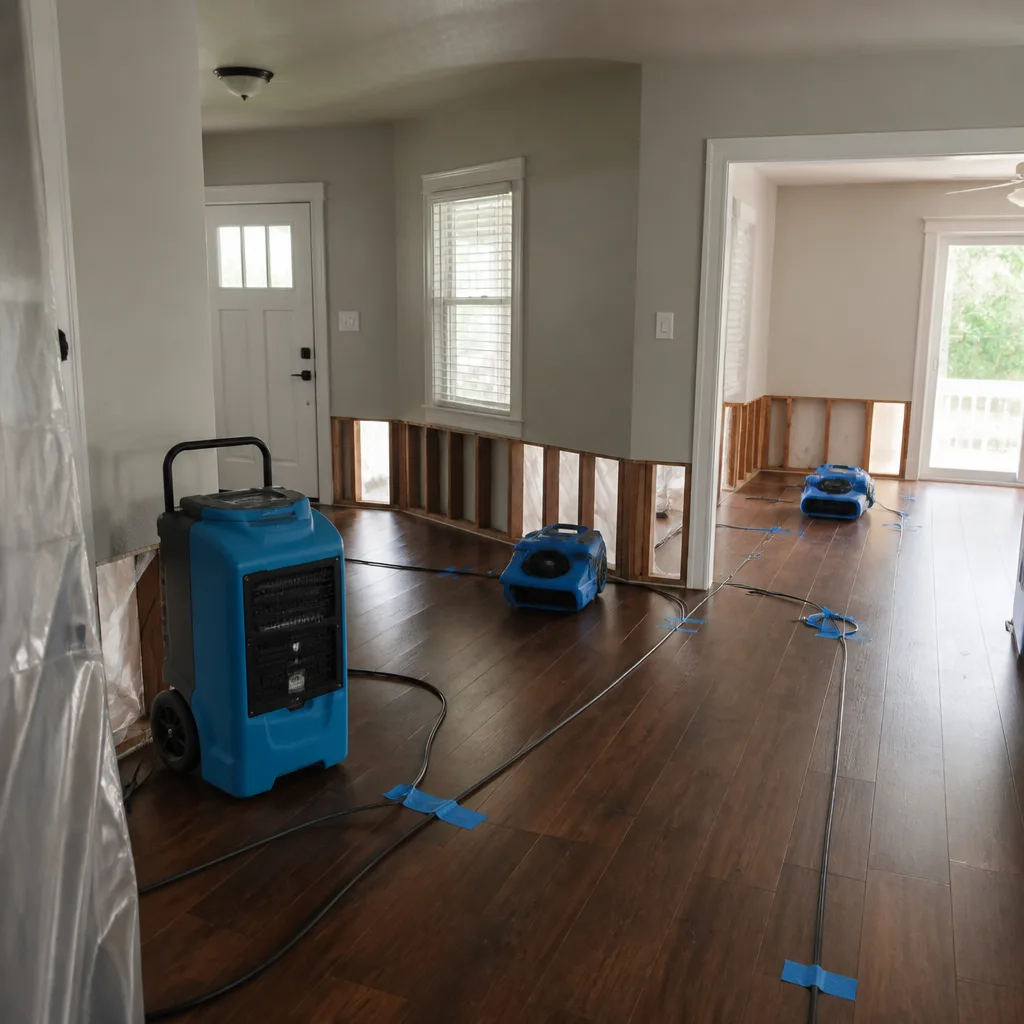
Free visual inspection and a written scope of work before any mitigation begins - photos, moisture readings, and drying logs go in your claim file
The scope we write is the scope we bill. Anything new gets shown to you, in writing, before we touch it.



 Before
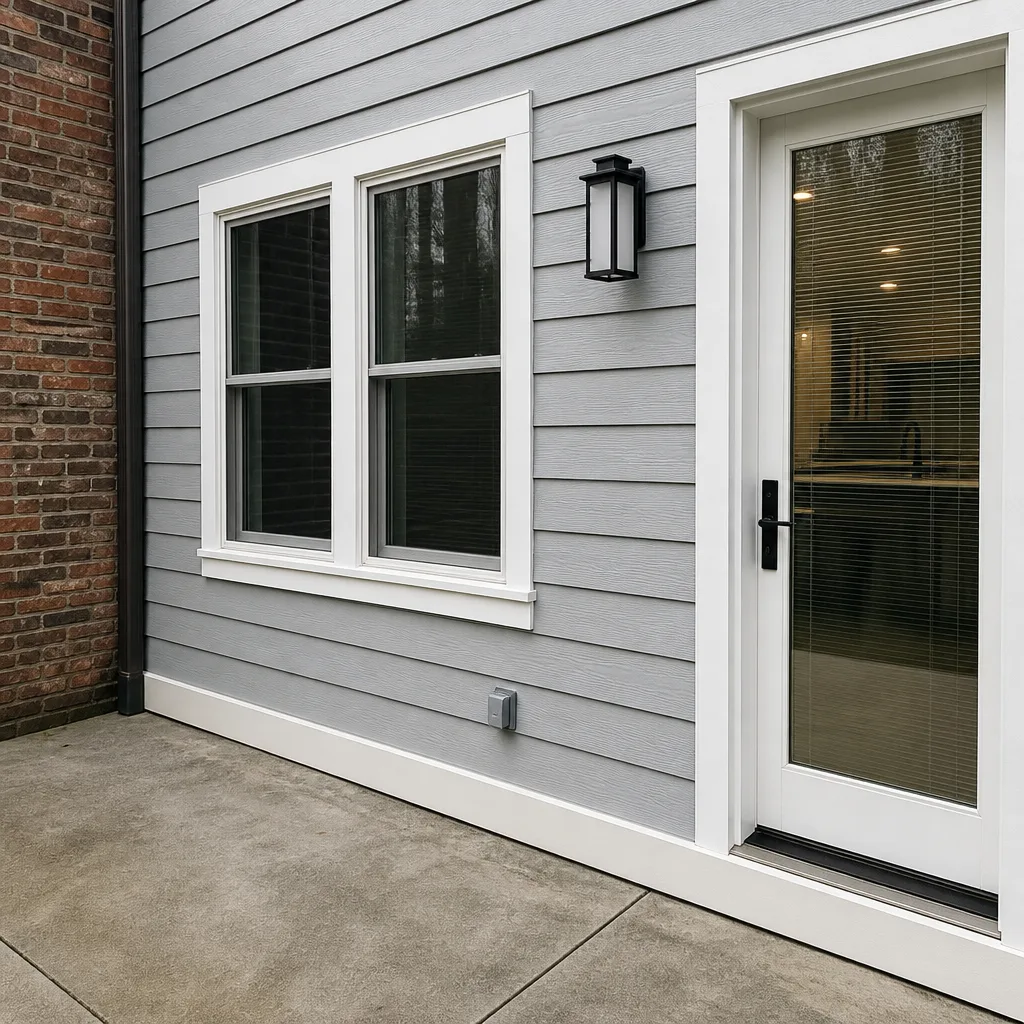 After
After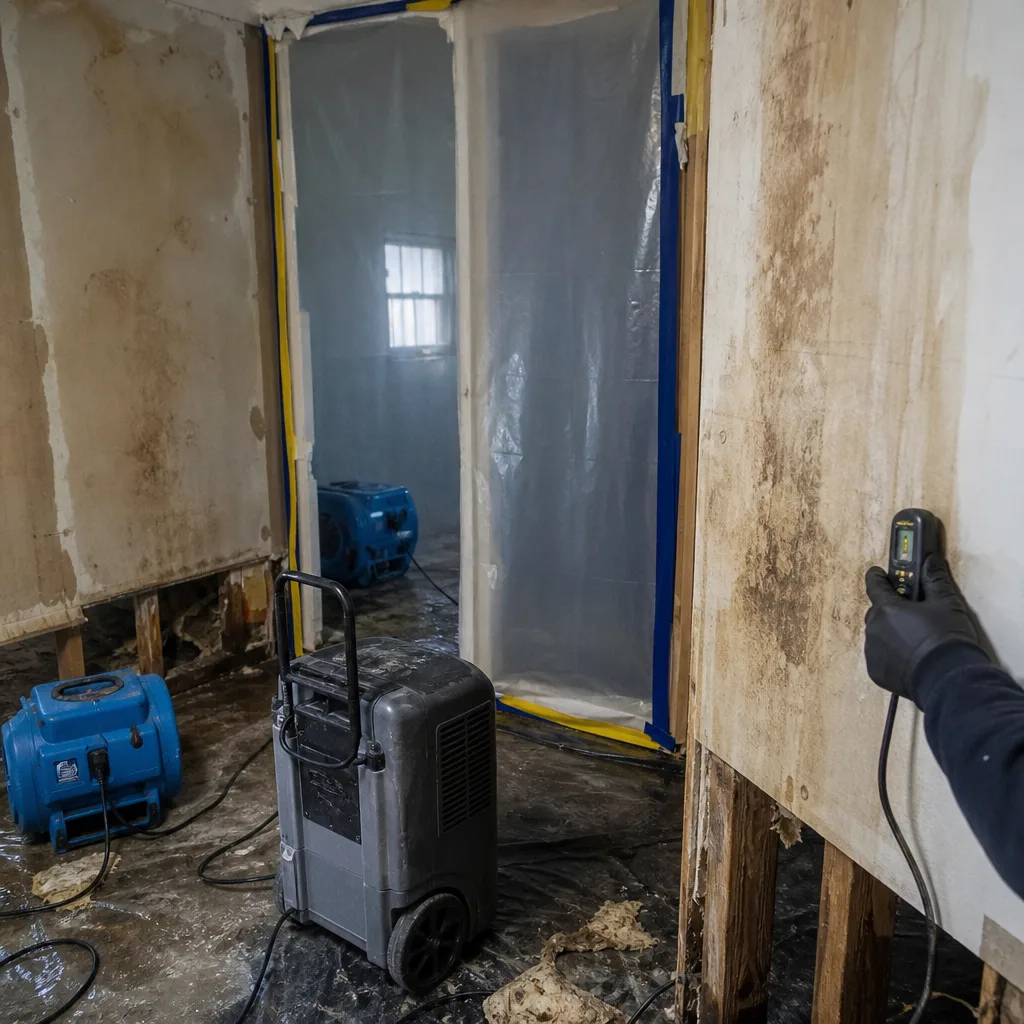 Before
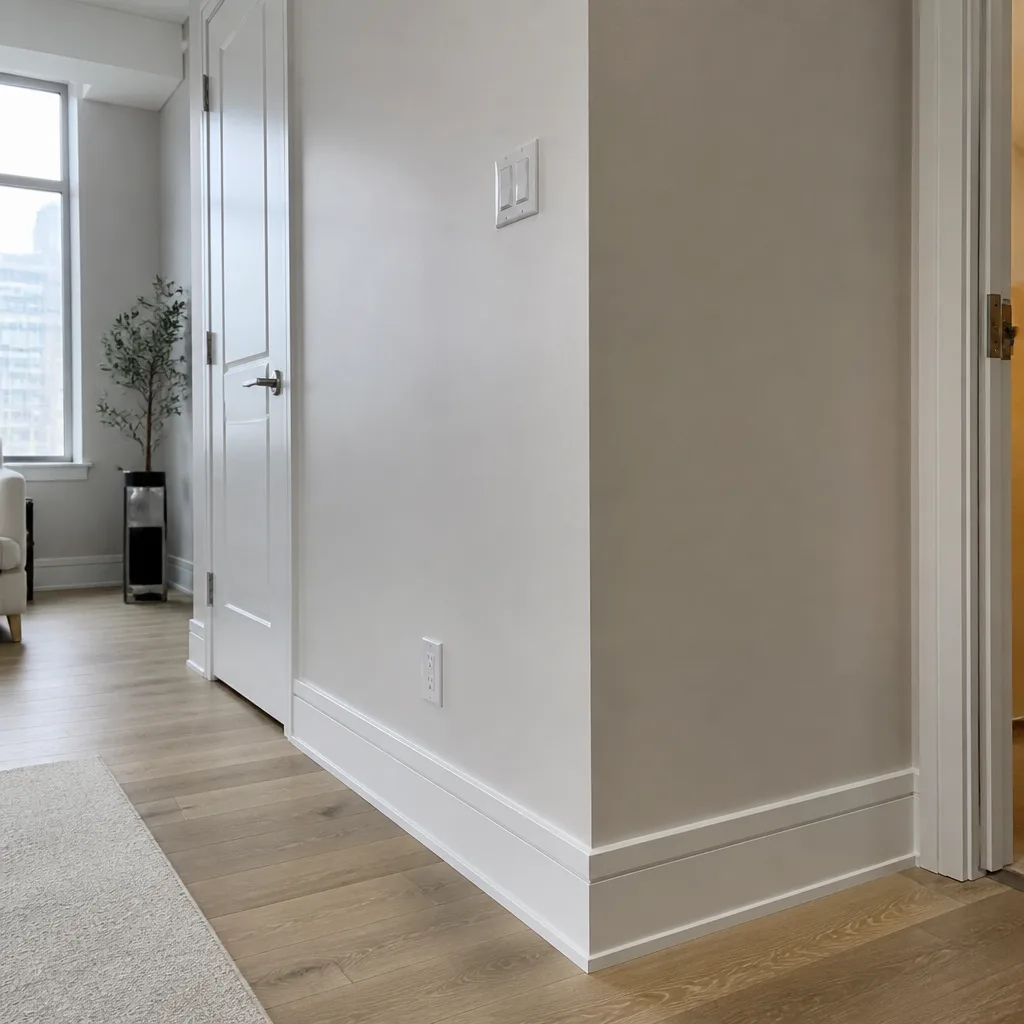 After
After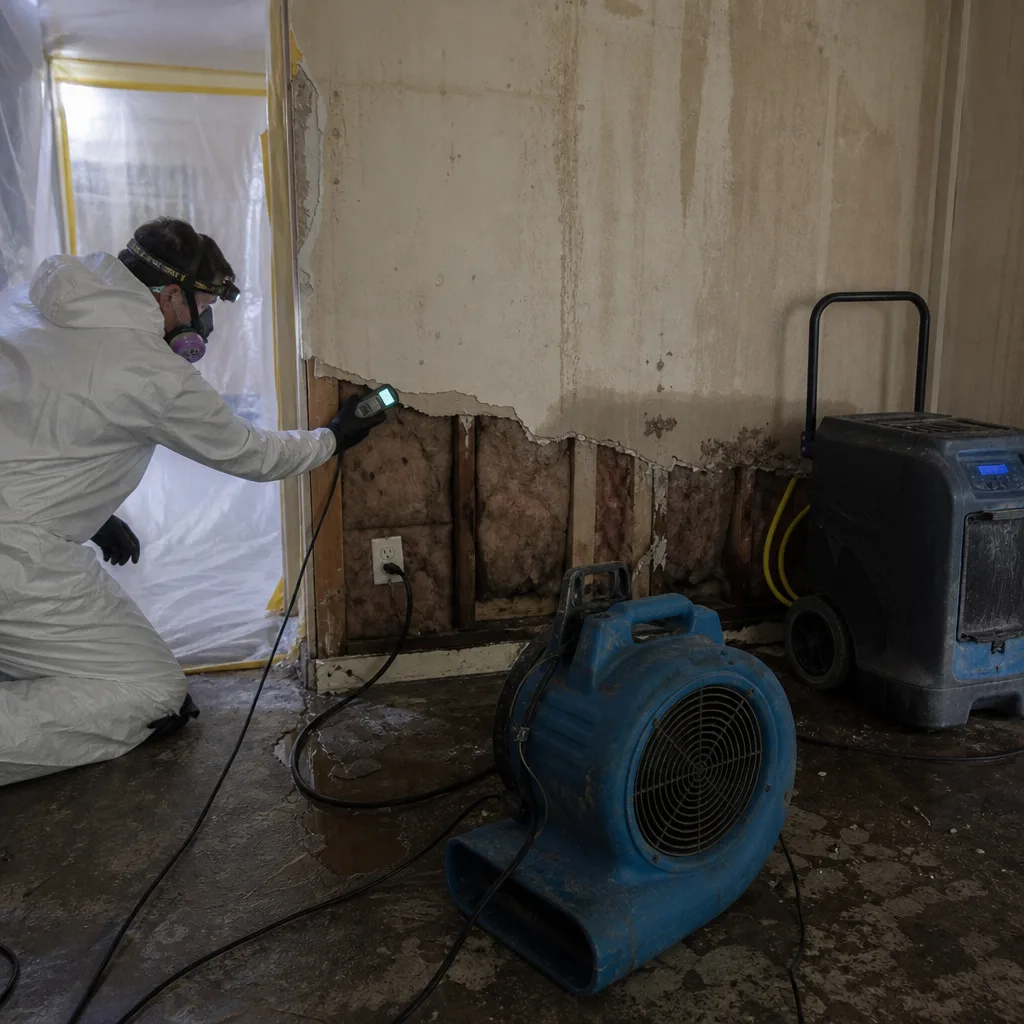 Before
 After
AfterWater Damage Restoration Maintenance Checklist for Financial District Homeowners
Most Financial District homeowners don’t think about water damage until a pipe bursts at 11 p.m. or a nor’easter drives rain sideways against aging brick. But the truth is, the overwhelming majority of water damage in this neighborhood doesn’t start with a dramatic flood. It starts slow: a pinhole leak behind a dishwasher, a window sill that’s been quietly rotting for three seasons, a drain pan that cracked six months ago and nobody noticed. High-rise living and converted pre-war buildings add a layer of risk that’s specific to the Financial District: a neighbor’s overflow on the 18th floor can become your ceiling problem by morning. This guide is a working maintenance checklist for Financial District homeowners: what to inspect, how often, what to fix immediately, and exactly when to call a restoration company before small water becomes a structural problem.
Quick Answer
A water damage maintenance checklist for Financial District homeowners should cover monthly visual inspections of supply lines, appliance connections, and under-sink cabinets; seasonal checks of windows, terrace doors, and roof drainage; immediate attention to any musty smell, bubbling paint, or warped flooring; and professional assessment the moment water has penetrated walls, ceilings, or flooring. High-rise buildings in the Financial District face particular risk from stack-pipe leaks and neighbor overflows, and a documented maintenance routine with a moisture log is the cheapest insurance you’ll ever buy against a five-figure restoration.
Table of Contents
- Seasonal Inspections That Catch Water Damage Early
- The Monthly 15-Minute Water Damage Walkthrough
- Appliance and Fixture Maintenance That Prevents Leaks
- Financial District Building Risks: Stack Pipes, Facades, and Neighbors
- How to Read Moisture Before You Can See It
- The Documentation Routine That Saves You Thousands
- Common Mistakes to Avoid
- When to Call a Professional
- Frequently Asked Questions
- The Bottom Line
Seasonal Inspections That Catch Water Damage Early
In the Financial District, the building envelope takes a beating. Salt air off the East River, freeze-thaw cycles that work on masonry joints, and hard coastal rain all put pressure on the barriers between outside and inside. We recommend four seasonal inspections each year, tied to the calendar, not to when something looks wrong. The whole point is to find problems before they show themselves.
Spring (after the last freeze): Walk every window and check the caulk and glazing for cracks that opened during winter. In Financial District co-ops and condos built before 1970, the original steel windows are often original to the building. They sweat, they rust, and they leak where the frame meets the brick. Check the weep holes at the bottom of window tracks. If they’re clogged, water has nowhere to go but inward. Also inspect any terrace or balcony door for a raised threshold. We’ve seen units on Water Street and Pearl Street where a worn threshold seal let in enough water during a single spring storm to warp engineered flooring across an entire living room.
Summer (before heavy storm season): Test every drain in the apartment: sinks, tubs, showers, and especially the washing machine standpipe if you have one. Run water for two minutes and watch how fast it drains. Slow drainage in a high-rise stack line can indicate a partial blockage far below you, and that blockage will back up into the lowest fixture at the worst possible time. Check air conditioning condensate lines. Window units and through-wall PTAC units in Financial District buildings produce a steady trickle of water all summer, and if the drain pan is cracked or the line is kinked, that trickle goes into the wall cavity below the unit.
Fall (before the first hard freeze): This is the most important seasonal check in the Financial District. Shut off and drain any exterior hose bibs if you have them. Inspect radiator valves and supply lines in apartments with steam or hot-water heat. The first time the boiler fires up in October, thermal expansion stresses every joint and packing nut in the system. A small weep at a radiator valve in October becomes a steady drip by December. Check baseboards and floors around radiators for old water stains that might indicate a leak that only appears when the heat cycles on.
Winter (monthly): Walk the perimeter of every exterior wall and feel for cold spots. Condensation forms where insulation is thin or missing, and where condensation forms, mold follows. Look at the ceiling near exterior corners for faint discoloration, a warning sign that ice dams or facade leaks are letting water into the wall cavity. In our experience, Financial District residents in pre-war buildings are most likely to see this in January and February, when snow melts on roofs and refreezes at the cornice line.
The Monthly 15-Minute Water Damage Walkthrough
Fifteen minutes a month. That’s the difference between a $300 repair and a $30,000 restoration. Here’s a numbered routine we recommend to every homeowner in the Financial District, based on what we find when we’re called in after the damage has already spread.
- Check under every sink. Open the cabinet doors and run your hand along the back wall and the base of the supply valves. Feel for dampness, look for swollen particle board, and check for any dark staining at the pipe penetrations. If you store cleaning supplies under the sink, move them. They hide leaks.
- Inspect appliance supply lines. Washing machines, dishwashers, refrigerators with ice makers, and water heaters all have rubber or braided supply lines. Look for bulges, cracks, or green corrosion at the connection points. If your building is more than ten years old and the lines are original, replace them now. Braided stainless steel lines last about twice as long as rubber, but they still fail.
- Look at ceilings and upper walls. New water stains are the first visible sign of a leak behind drywall or plaster. They often appear as a faint yellowish ring or a slightly darker patch. In Financial District apartments with thick plaster ceilings, a leak can move horizontally along a lath line before it shows itself, so check the entire ceiling, not just directly below a bathroom or kitchen above.
- Walk every floor barefoot or in socks. You feel a soft spot in the subfloor before you see it. Pay attention to areas near exterior doors, under radiators, and in front of dishwashers and refrigerators. Any sponginess, any squeak that wasn’t there before, any tile that suddenly feels loose, worth investigating.
- Open the electrical panel and sniff. A hot musty smell inside the panel box can indicate moisture getting into the wall cavity behind it. Water and wiring are a dangerous combination; if you notice this, call a professional the same day.
- Check the water heater. Look at the floor around the base, the pressure relief valve, and the inlet and outlet connections. A water heater that’s more than twelve years old in a Financial District building is on borrowed time, and when it goes, it can release forty or fifty gallons into your apartment in under an hour.
- Run the bathroom exhaust fan and listen. A fan that’s noisy, weak, or not running at all isn’t pulling moisture out of the bathroom. Persistent humidity in a small bathroom leads to mold on ceilings, behind mirrors, and inside wall cavities.
This routine takes fifteen minutes. It costs nothing. It catches the vast majority of slow leaks weeks or months before they become emergencies, and it gives you a baseline of what’s normal in your apartment, so you notice when something changes. We’ve responded to hundreds of water damage calls across the Financial District, and a remarkable number of them start with a homeowner who says, “I noticed that a few weeks ago and didn’t think much of it.”
Appliance and Fixture Maintenance That Prevents Leaks
Appliances are the single most common source of preventable water damage in Financial District apartments. Not dramatic floods, not storms. Washing machines, dishwashers, refrigerators, and water heaters. Here’s what each one needs, and how often.
- Washing machine: Replace rubber supply hoses every three to five years, even if they look fine. Rubber degrades from the inside out. Check the drain hose connection to the standpipe at least twice a year; if it’s loose, a full discharge cycle can pop it out and dump fifteen gallons on your floor. We recommend a drain pan under any washing machine in a Financial District apartment where the laundry is on an upper floor or adjacent to finished living space.
- Dishwasher: Inspect the door gasket for cracks and brittleness every six months. Run a cycle and watch for any drips at the lower corners. Check the water supply line where it connects under the sink; on many Financial District kitchen layouts, this line is shared with the sink supply and gets disturbed whenever anyone works under the cabinet.
- Refrigerator with ice maker: The quarter-inch copper or plastic line that feeds the ice maker is a notorious slow leaker. It gets kinked, it gets pinched when the fridge slides back, and it can drip for months before anyone notices. We’ve torn out kitchen floors in Financial District apartments where a pinhole in this line had been leaking behind the cabinets for the better part of a year.
- Water heater: Flush the tank annually to remove sediment, which accelerates corrosion. Test the pressure relief valve twice a year. Install a leak detector on the floor next to it if you can’t check it weekly. If your building’s water heater is in a closet or utility room, keep the area clear so you can actually see the floor around it.
One thing we tell every Financial District homeowner: know where your main water shutoff is. In many co-op and condo buildings, the shutoff for your unit is in a hallway valve box, a utility closet, or behind an access panel. If you don’t know where it is, find out today. The first five minutes of a water event determine how bad it gets, and you cannot afford to spend four of those minutes searching for a valve while the water keeps coming.
Financial District Building Risks: Stack Pipes, Facades, and Neighbors
The Financial District isn’t like other New York neighborhoods when it comes to water risk. The building stock is older, the density is higher, and the verticality of the neighborhood means your exposure isn’t limited to what happens inside your own four walls. We’ve worked in buildings on Broadway, on Exchange Place, on Hanover Street, and on John Street, and certain patterns repeat.
Stack pipe leaks. In high-rise buildings, every unit above you shares the same vertical drain and waste lines, known as stack pipes. These are cast iron in most pre-war Financial District buildings, and cast iron corrodes from the inside. A leak in a stack pipe can originate ten floors above your apartment and present as a damp spot on your bathroom wall or a bubbling patch of paint on your ceiling. The cause might be in your unit, or it might be coming from the apartment above yours, or twelve floors up. What matters is that stack pipe water is often gray water or worse, and it needs professional attention fast.
Facade leaks. The Financial District has some of the oldest high-rises in the city, and facade maintenance is the building’s responsibility, not yours. But facade leaks often appear inside your apartment as a wet wall near a window, a dripping ceiling near an exterior corner, or a musty smell that worsens after rain. If you suspect a facade leak, document it with photos, report it to your building management immediately, and if you see any active water intrusion, call a restoration company the same day. The building’s insurance may cover the repairs, but the longer water sits in your wall cavity, the worse the damage and the harder the claim.
Neighbor overflows. In a 40-story building, a toilet overflow on the 22nd floor can cascade down through a dozen apartments. We’ve responded to situations in Financial District high-rises where a single overflowing bathtub caused damage in six different units. You can’t control your neighbors, but you can reduce your exposure. Talk to your building about requiring leak detection shutoff valves in renovated units. If you’re renovating your own apartment, spec them yourself. These valves sense sustained high flow and shut off automatically, and they’re the difference between a small spill and a catastrophe when the person upstairs falls asleep with the bathtub running.
High humidity from the river. The East River and the Hudson River wrap around the Financial District, and that moisture is in the air year-round. In summer, apartments without adequate dehumidification can see indoor relative humidity above 65%, which is high enough to support mold growth on drywall, behind furniture, and inside closets. We recommend a hygrometer in every Financial District apartment. If your indoor humidity stays above 60% in summer, run a dehumidifier. It’s a small appliance that prevents a large problem.
How to Read Moisture Before You Can See It
By the time water damage is visible to the naked eye, the moisture has often been present for weeks. The goal of a good maintenance routine is to detect moisture before it becomes visible damage. Water leaves clues if you know what to look for.
Musty smell. The human nose is remarkably sensitive to the microbial volatile organic compounds released by mold and bacteria. If you walk into a room and it smells musty, damp, or “old,” something is wet. It doesn’t matter if you can’t find the source. The smell is the evidence.
Bubbling or peeling paint. When water gets inside a wall or ceiling cavity, the moisture pushes against the paint layer from behind. Bubbles, blisters, or peeling sections of paint that appear suddenly are almost always water-related. In Financial District pre-war apartments with multiple layers of old paint, a small area of blistering paint can indicate a much larger area of moisture behind the surface.
Warped or cupped flooring. Hardwood floors respond to moisture by swelling, and the edges of individual boards curl upward in a pattern called cupping. This can happen slowly from high humidity or quickly from a single spill. Either way, it’s a sign that moisture is present in the wood. Engineered flooring and laminate can bubble or separate at the seams. Tile floors may crack or the grout may crumble if the subfloor beneath is damp and swelling.
Discolored grout or caulk. Grout and caulk that darken, stain, or crumble are absorbing water. Caulk around tubs, showers, and sinks should be replaced every few years as a maintenance item; if it’s new caulk and it’s already discolored, something behind it is wet.
Condensation on windows or walls. A little condensation on a cold winter window is normal. Condensation that runs down walls, soaks window sills, or appears on interior walls in summer is a sign of a ventilation or insulation problem. Persistent condensation will eventually lead to mold and water staining.
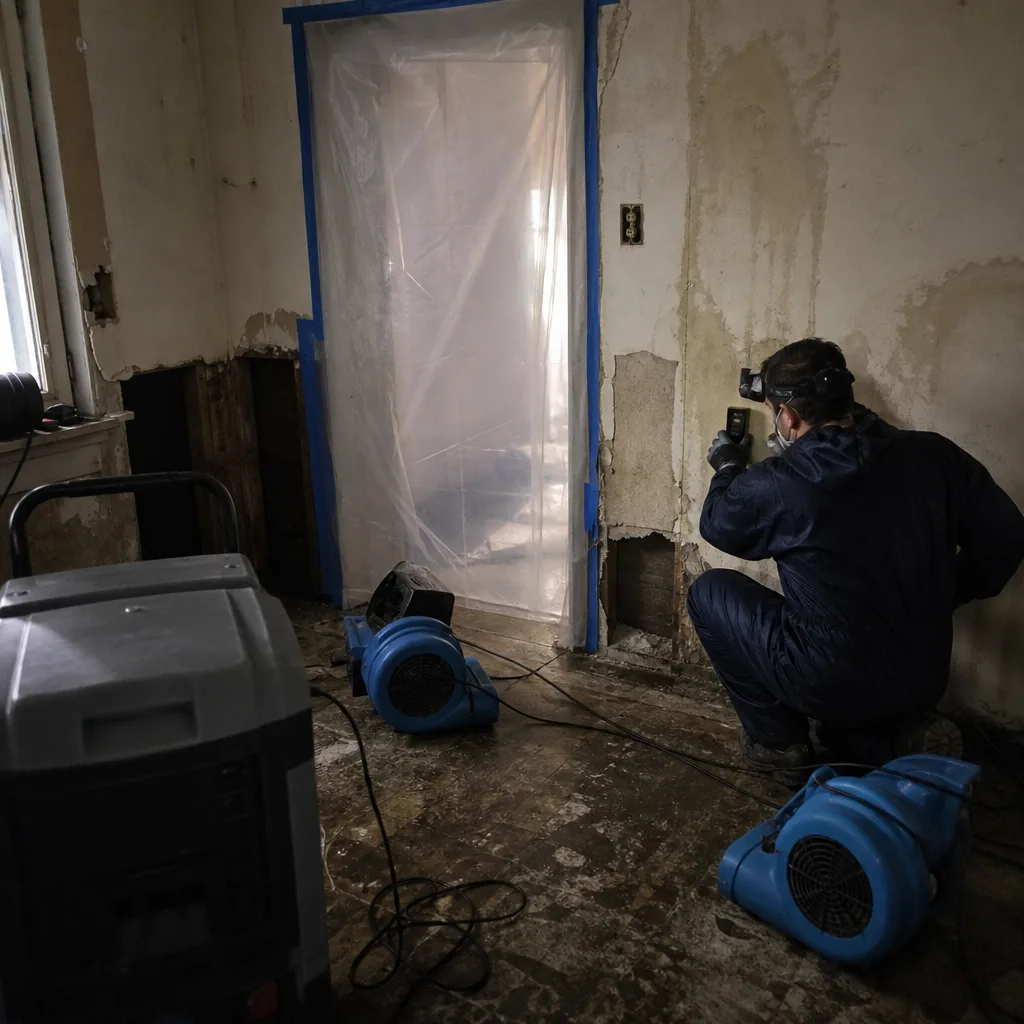
We use professional moisture meters to map the extent of water damage behind walls and under floors, and when we’re on a job in the Financial District, we take daily readings and log them until the structure meets the dry standard. But for a homeowner doing routine maintenance, the five clues above are the early warning system. If you observe any of them, trust what you’re seeing. Water damage never improves on its own.
The Documentation Routine That Saves You Thousands
When water damage happens, there are two fights: the restoration itself and the insurance claim. The second fight is often harder than the first, and the homeowners who come out ahead are the ones who documented everything from the beginning. Here’s a routine that will protect you if and when something goes wrong in your Financial District apartment.
- Take photos of your apartment right now. Every room, every wall, every ceiling, every appliance connection. Store them in a cloud folder. These baseline photos prove the pre-loss condition of your home, and they are gold when an adjuster questions whether that stain in the corner was there before the incident.
- Keep a simple maintenance log. A notebook or a notes app entry with the date and what you checked. “March 12 - under-sink cabinets dry, washing machine hoses replaced, window caulk checked, all clear.” If you ever file an insurance claim or a warranty claim, this log is evidence of reasonable maintenance, which strengthens your position.
- When something fails, photograph it before anyone touches it. The burst pipe, the stain on the ceiling, the buckled floor, the wet drywall. Wide shots that show the context and close-ups that show the detail. If you can, take a short video that includes the date and time stamp.
- Save every receipt. Every repair, every replacement hose, every service call. Scan the paper receipts and save them in the same cloud folder as your photos. Insurance companies respond to paper.
- Log the shutoff valve locations. Write down where your unit’s main water shutoff is located and where the building’s master shutoff is, if it’s accessible. If you’re in a co-op or condo, also note the management company’s emergency number. Seconds matter, and having this information written down in advance is the difference between calm action and panic.
One point worth making clearly: document the restoration process too. When we handle a water damage job in the Financial District, we provide a moisture log that shows the readings from day one through the day the structure reaches the dry standard. That log goes to the homeowner and to the insurance carrier. It’s part of the Floodline Restoration Co. home approach to doing the job whole, with no handoff and no missing pieces.
Common Mistakes to Avoid
- Assuming a small stain is no big deal. A small water stain on a ceiling is the visible tip of a much larger invisible problem. By the time a stain shows on the surface, moisture has been present in the cavity for days or weeks, and mold may already be growing. Treat every stain as a warning sign, not a cosmetic issue.
- Using a household fan to dry a significant spill. A box fan pushing air across a wet floor dries the surface and does almost nothing for the subfloor and wall cavities. Professional drying requires moisture mapping, controlled airflow, and dehumidification matched to the volume of water. A fan actually makes things worse by spreading moisture through the air.
- Waiting to file an insurance claim. Most policies require prompt notification, and delays can give the carrier grounds to reduce or deny the claim. If you have water damage in your Financial District apartment, contact your insurer within 24 hours, even if you’re still assessing the extent.
- Ignoring small leaks because “the building will handle it.” In a co-op or condo, the building handles common areas and sometimes the building envelope, but the interior of your unit and everything in it is typically your responsibility. A small leak behind your kitchen cabinet is yours to fix, and the longer you wait, the more it costs.
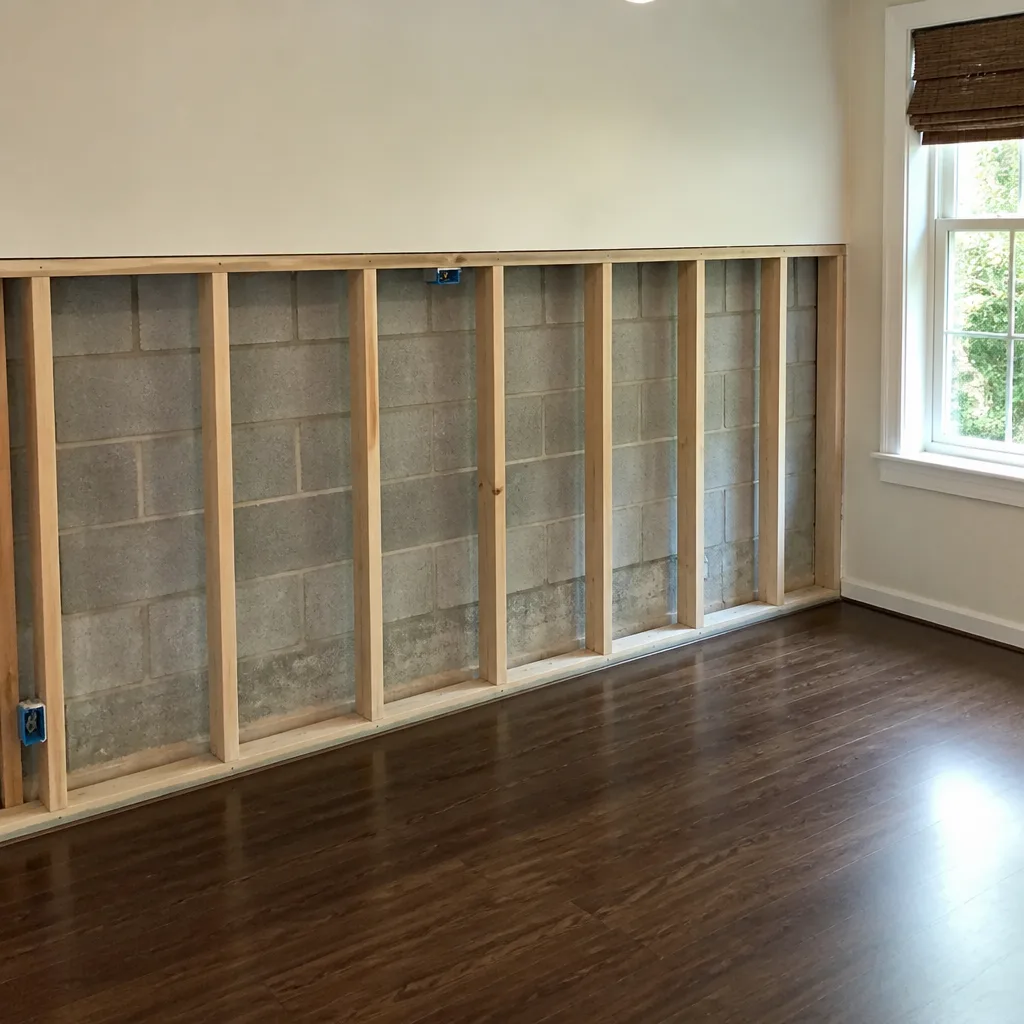
- Replacing damaged materials without addressing the moisture. You can replace a section of wet drywall, but if the studs behind it are still wet and the moisture source hasn’t been fixed, the new drywall will fail too. Dry the structure first, then rebuild. This is the order that matters.
- Overlooking the HVAC condensate line. In Financial District apartments with through-wall or window AC units, the condensate line is a constant source of water during summer, and it clogs or cracks easily. Check it in the spring when you install the unit and again mid-summer. A cracked line can drip water into the wall cavity for months.
- Hiring the lowest bidder without checking credentials. Water damage restoration is not the place to save a few hundred dollars. Unqualified work leads to hidden mold, structural damage, and insurance complications. Ask about certifications, ask about equipment, ask about the guarantee. We recommend technicians certified to IICRC standards, and we’ve spent 15 years in the Financial District building our reputation on doing the job right the first time.
When to Call a Professional
Some water issues are maintenance items you can handle yourself: a dripping faucet, a loose supply connection, a replacement washer hose. But certain situations demand professional help immediately, and hesitating makes everything worse. Call a restoration company the same day if water has penetrated walls, ceilings, or flooring; if the water came from a sewer line, a toilet overflow, or any source that could be contaminated; if you smell gas or burning near the water source; if you can’t locate the source of a leak that’s clearly active; or if the affected area is larger than about ten square feet. Also call if anyone in the home has asthma, allergies, or immune issues, because mold growth begins within 24 to 48 hours and the health risk is real. Floodline Restoration Co. offers free estimates in Financial District - call (518) 663-6491 and a live dispatcher will answer, day or night. For storm-driven events, waiting is the one thing we tell people not to do. The longer water sits, the more it costs to fix.
Frequently Asked Questions
We recommend a fifteen-minute monthly walkthrough covering sinks, appliance connections, ceilings, floors, and water heater, plus a more thorough seasonal inspection four times a year tied to the calendar. In Financial District high-rises, monthly checks are more important than in single-family homes because neighbor leaks and stack pipe issues can appear suddenly with no warning from within your own unit.
The most common sources we see in the Financial District are washing machine supply line failures, dishwasher leaks, refrigerator ice maker line pinholes, water heater failures, stack pipe leaks from upper units, facade leaks involving windows or masonry joints, and neighbor overflows that cascade down through multiple floors. In our experience, appliance failures are significantly more common than storm-related flooding in this neighborhood.
Water damage restoration in the Financial District typically ranges from $1,500 to $4,500 for a contained single-room incident involving extraction, drying, and minor repairs, while larger multi-room or multi-unit events can run from $8,000 to $35,000 or more depending on the extent of the water, the affected materials, and whether mold remediation or rebuild is required. Most insurance policies cover sudden and accidental water damage, and we work directly with the carrier so the homeowner never has to serve as a go-between.
Most homeowners and condo policies cover sudden and accidental water damage, such as a burst pipe or an appliance failure, but not gradual damage from long-term leaks or lack of maintenance. Flooding from outside sources generally requires a separate flood insurance policy. We recommend contacting your carrier within 24 hours of any water event, and our team provides photo documentation and moisture logs that support the claims process. Call (518) 663-6491 for a free estimate and we’ll walk you through what your policy typically covers.
Our live dispatchers answer the phone 24 hours a day, 7 days a week, and we can typically have a certified crew at a Financial District address the same visit for active water events. The first hours matter enormously, because extraction that starts within the first few hours dramatically reduces the extent of the damage and the risk of mold.
Mold can begin to grow within 24 to 48 hours under the right conditions, which is why rapid extraction and professional drying are essential. Even if you don’t see mold, the conditions for growth may be present behind walls and under flooring. We use professional-grade Dri-Eaz and Phoenix dehumidifiers and XPOWER air movers to drive the structure to the dry standard, and we provide daily moisture readings until the job is done right and backed in writing.
The Bottom Line
Water damage in the Financial District is a question of when, not if. The building stock is old, the occupancy is dense, and the water sources are numerous. But the homeowners who fare best are not the ones who never have a leak. They’re the ones who catch it early. A fifteen-minute monthly walkthrough, four seasonal inspections each year, prompt replacement of aging supply lines, and a documented moisture log are the maintenance routines that keep a small leak from becoming a five-figure restoration. When water does get beyond what a maintenance routine can handle, call a professional with the equipment and the certifications to dry the structure thoroughly, document everything for the insurance carrier, and stand behind the work in writing. The line the water left is where we start, and we’ll be there when we say.
Written by Curt Bowman, Owner at Floodline Restoration Co., serving Financial District since 2010.