
Last updated August 25, 2026
Free visual inspection and a written scope of work before any mitigation begins - photos, moisture readings, and drying logs go in your claim file
The scope we write is the scope we bill. Anything new gets shown to you, in writing, before we touch it.
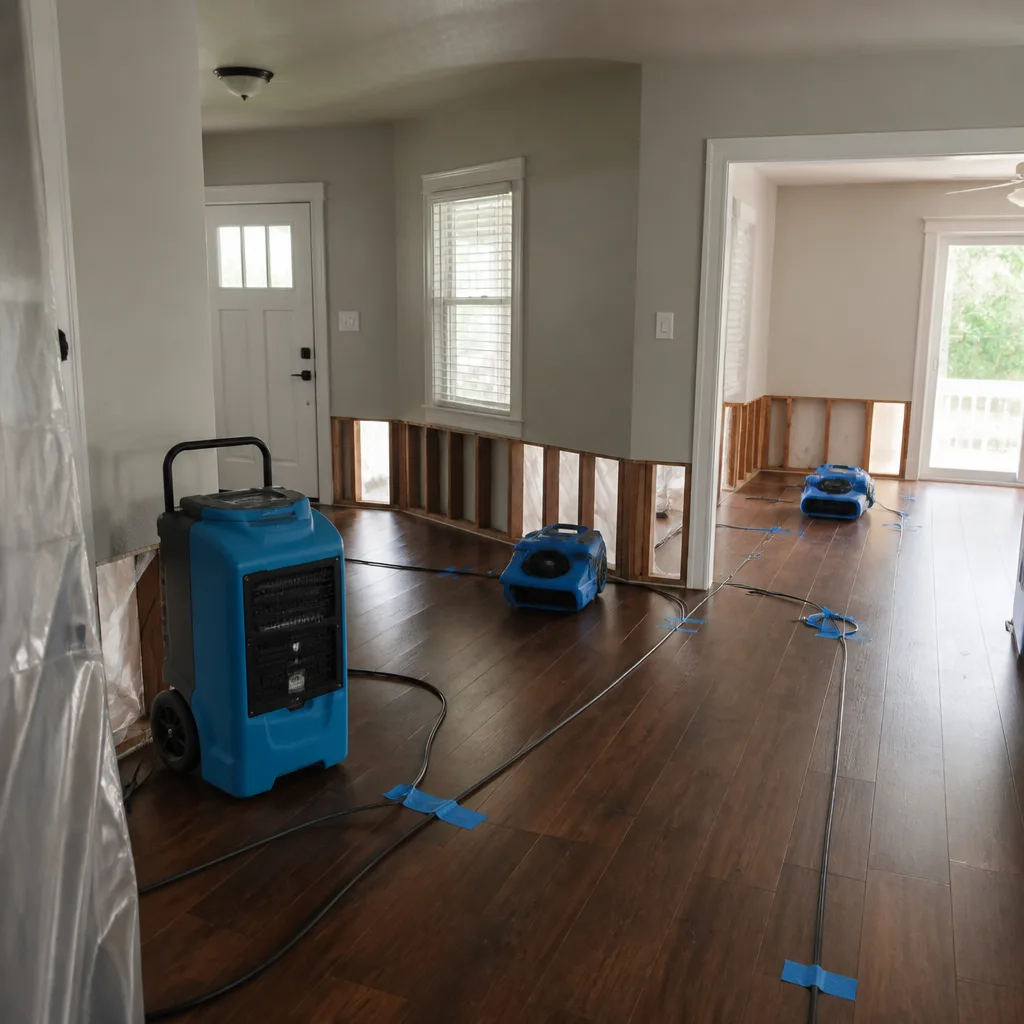
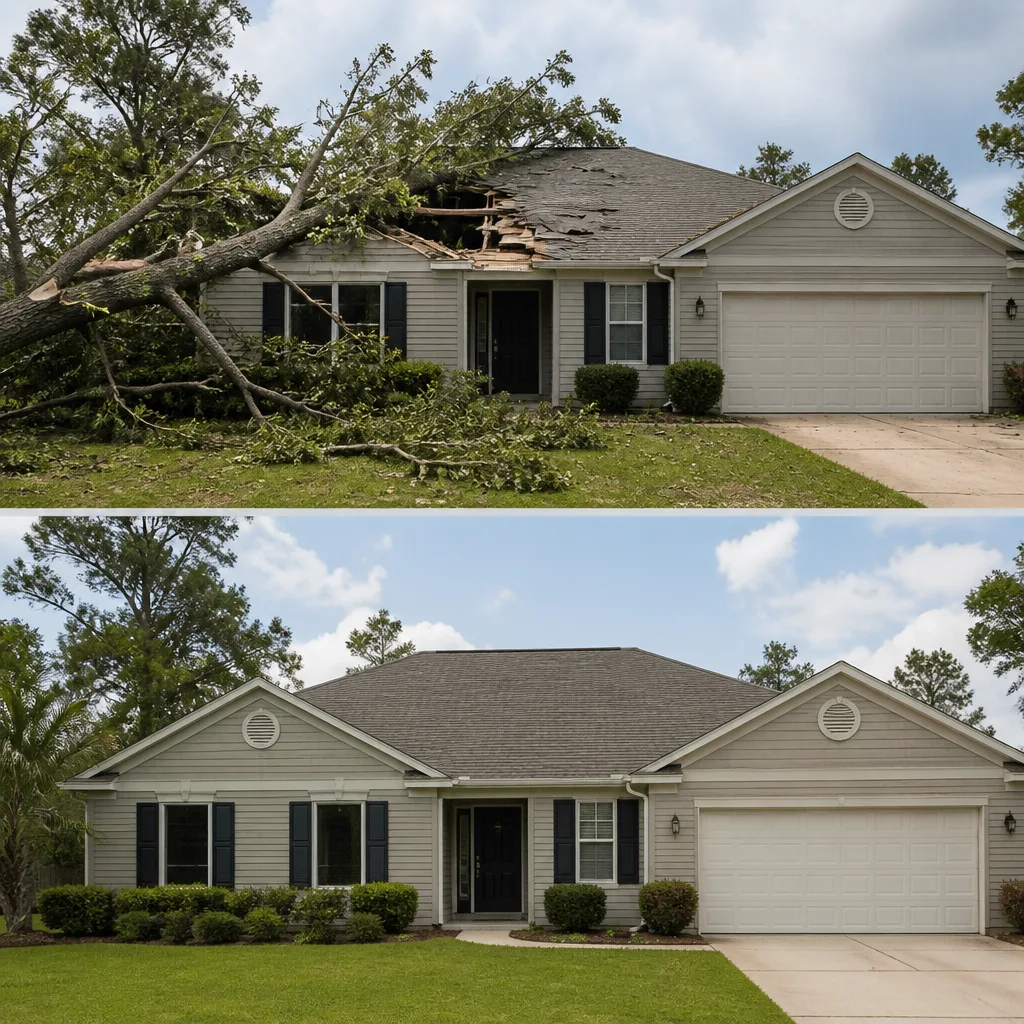


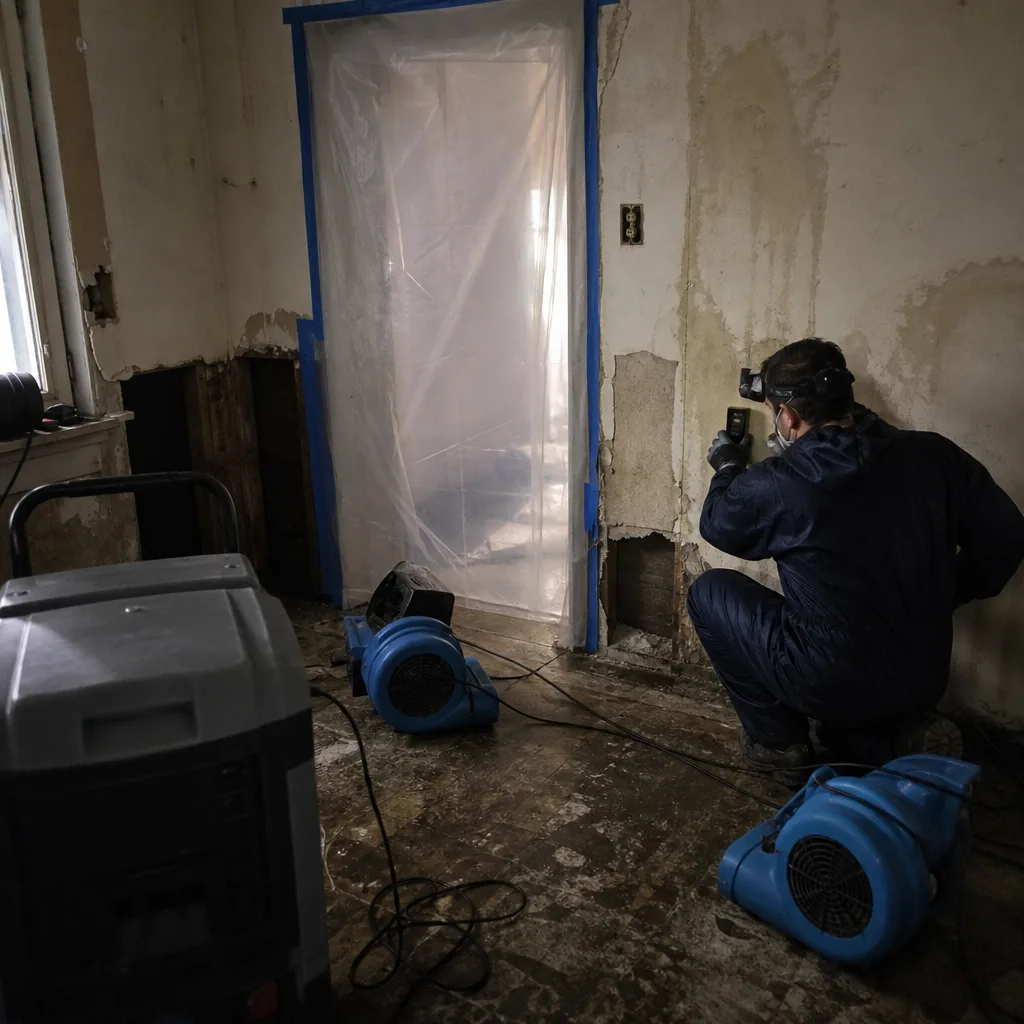 Before
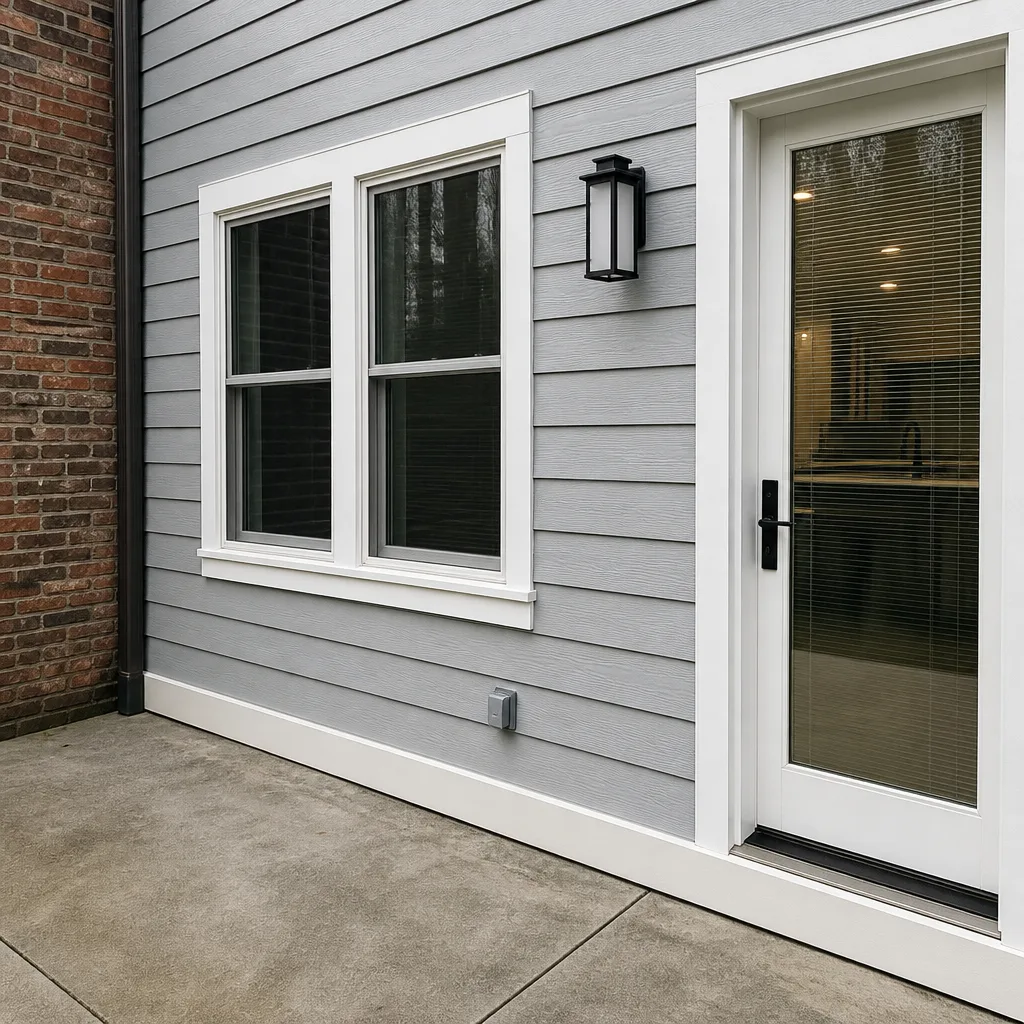 After
After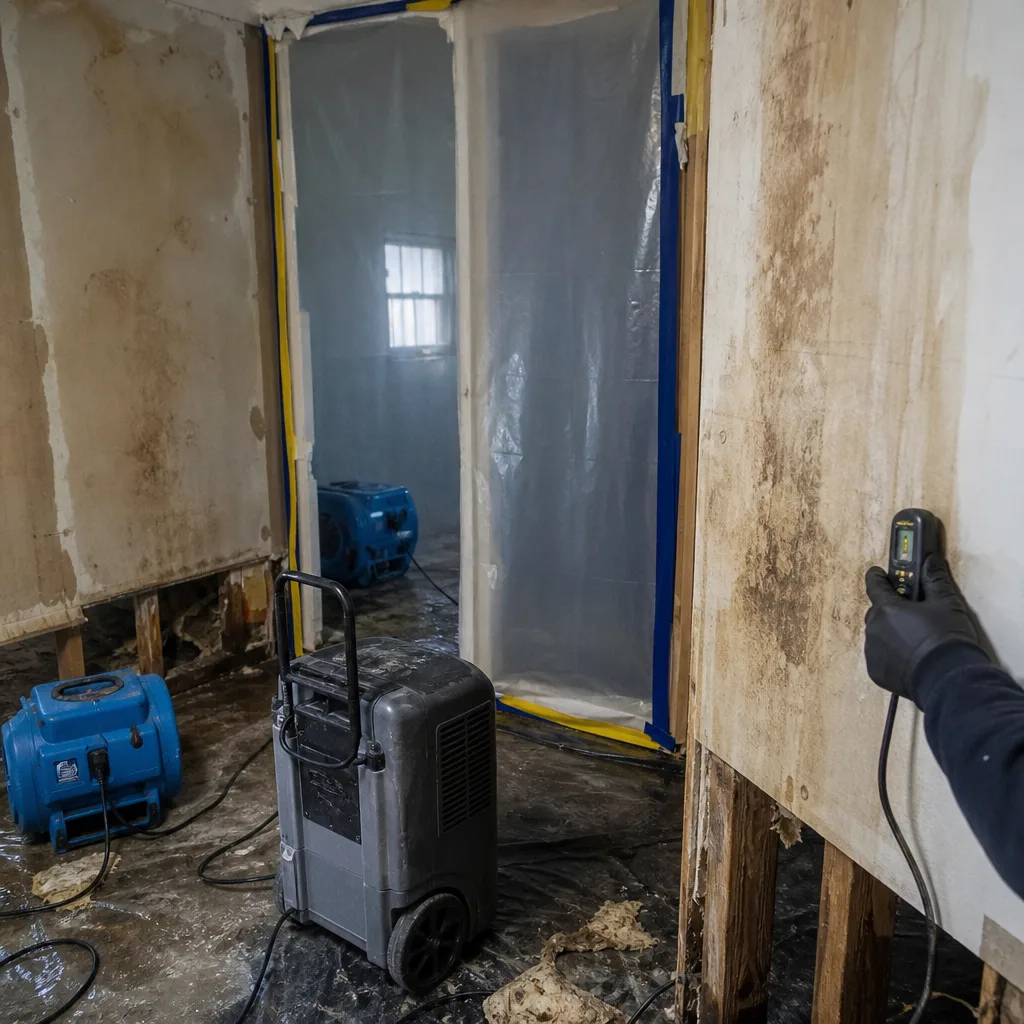 Before
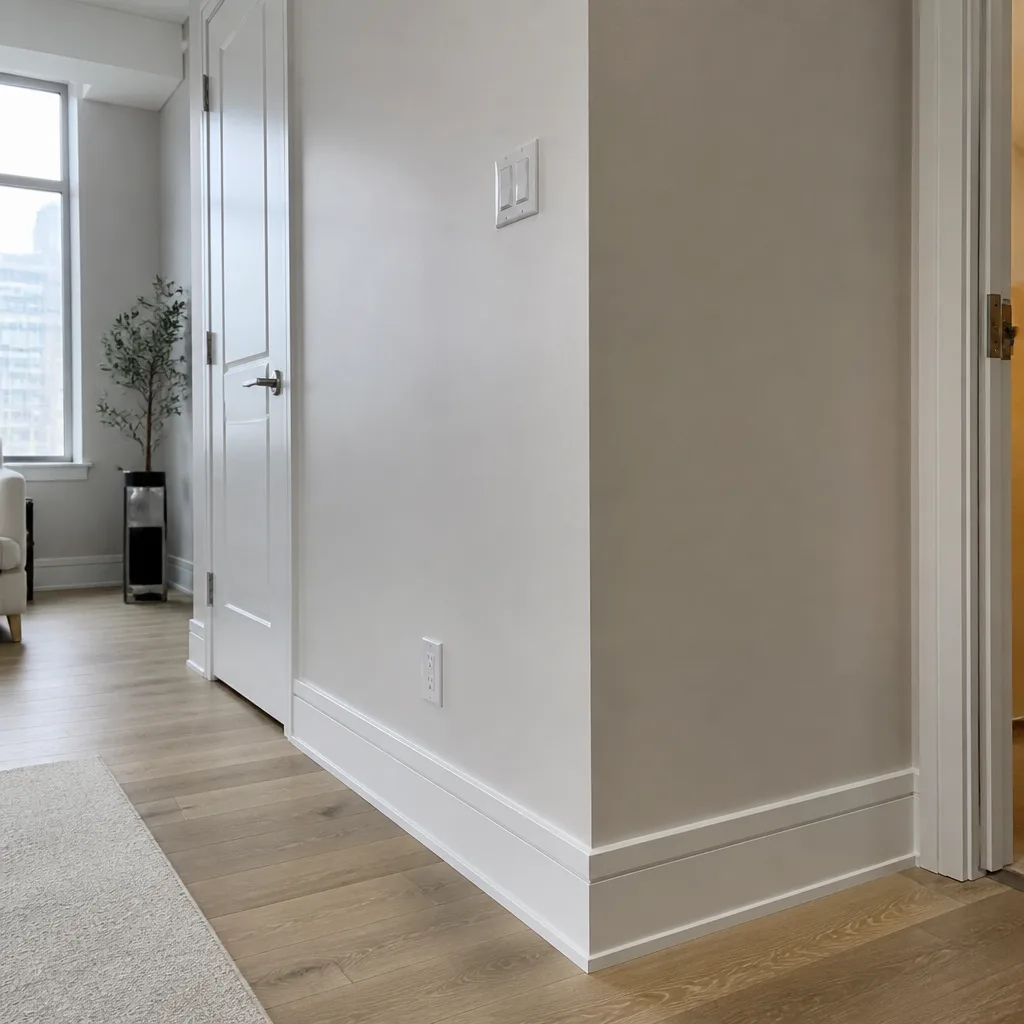 After
After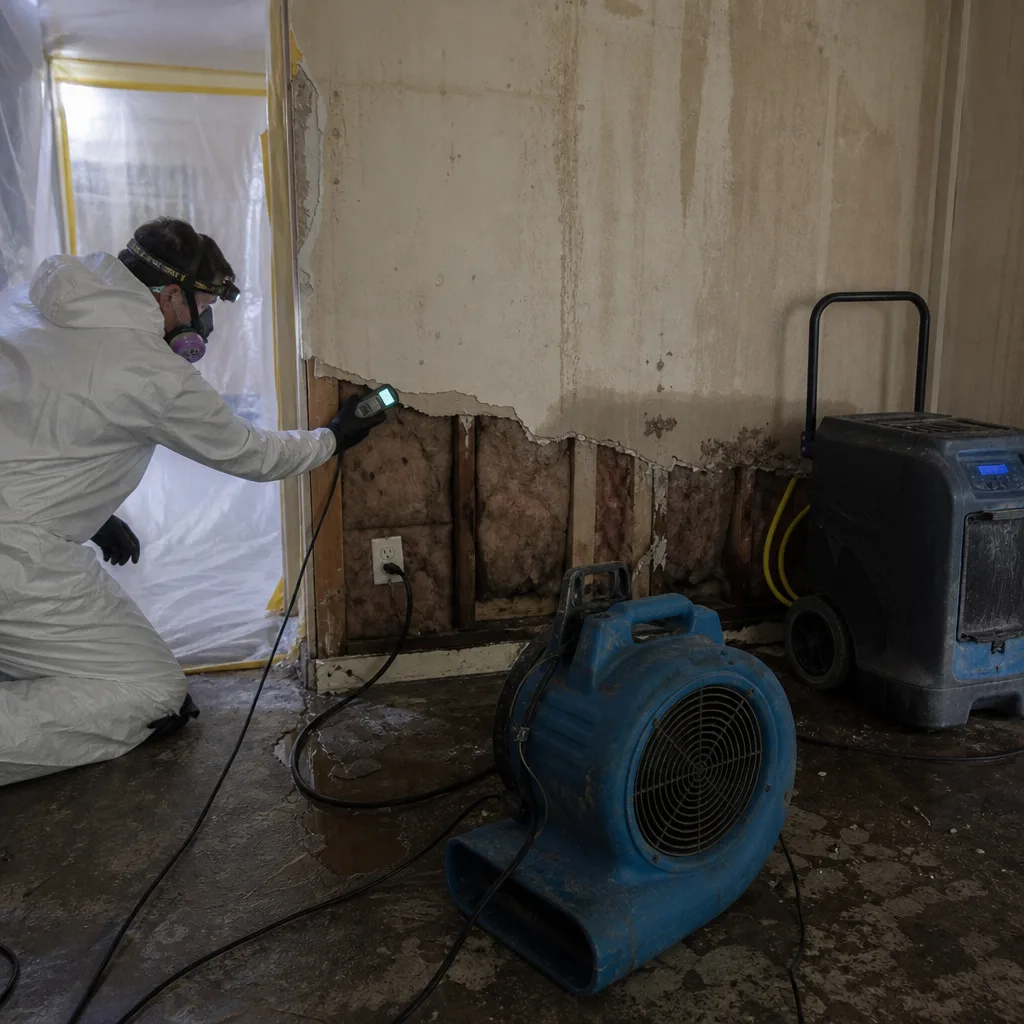 Before
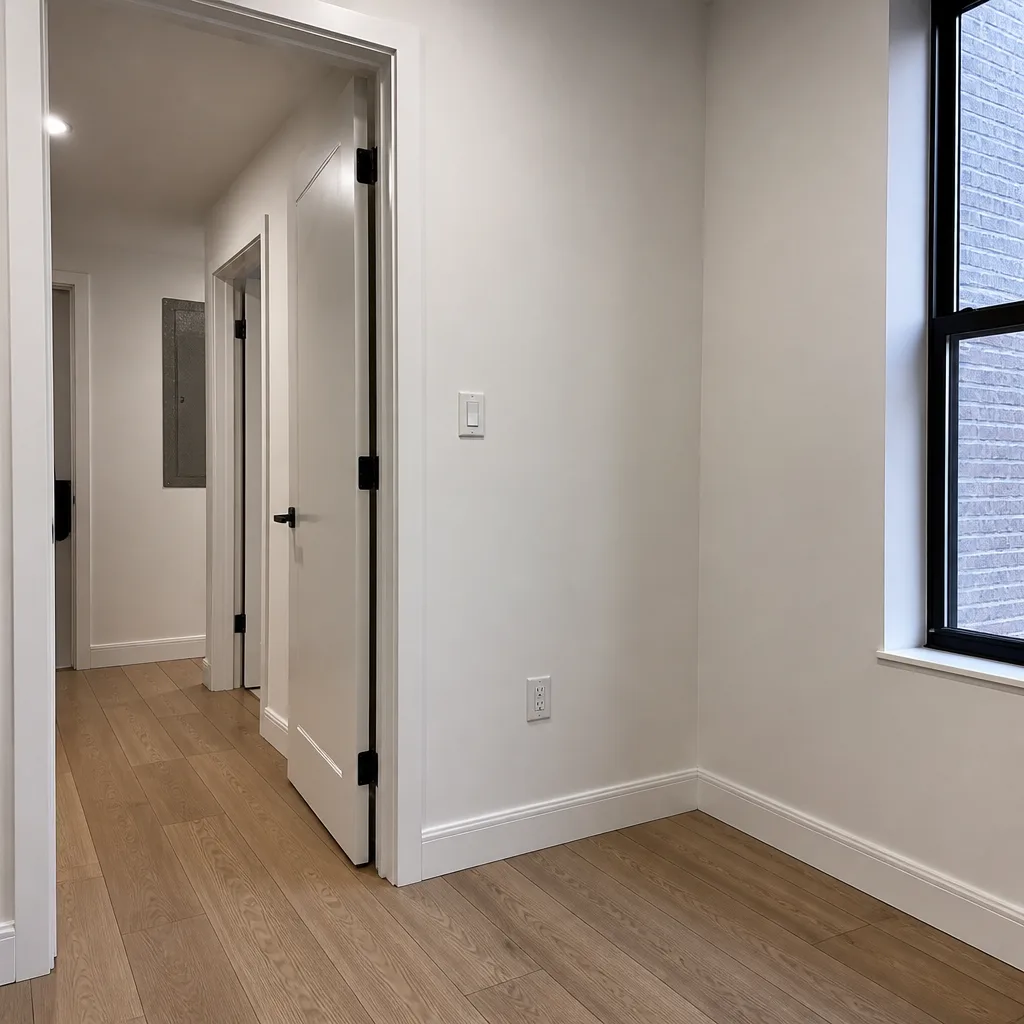 After
AfterThe Complete Guide to Damage Restoration in Financial District
Most property damage in the Financial District does not announce itself. It builds in a wall cavity after a nor’easter, travels along a cast-iron pipe that has been in place since the building went up, or settles into gypsum board after a sprinkler head does its job on the 14th floor. By the time a homeowner or building manager sees the stain, the damage is already weeks old. This guide explains what restoration actually involves in this specific neighborhood, where high-rise construction, aging infrastructure, and salt air from the harbor each shape how water, fire, and mold behave. You will learn what to expect, what it costs, what your insurance carrier needs to see, and how to avoid the mistakes that turn a $2,000 drying job into a $40,000 rebuild.
Quick Answer
Damage restoration in Financial District is the process of stopping active damage, drying or decontaminating affected materials, documenting everything for your insurer, and rebuilding what cannot be saved. In this neighborhood specifically, costs run higher and timelines run longer than in the outer boroughs because of high-rise access restrictions, freight elevator scheduling, and building management requirements. A certified restoration company that handles extraction, drying, and reconstruction under one roof, and bills your carrier directly, removes the two biggest frustrations: mid-job handoffs and insurance paperwork battles.
Table of Contents
- What Damage Restoration Actually Includes
- Why the Financial District Is Different From Any Other NYC Neighborhood
- How Restoration Works: The Step-by-Step Process
- What Damage Restoration Costs in Financial District
- Will Insurance Cover This? A Straight Answer
- Mold Remediation in High-Rise Concrete Buildings
- Fire and Smoke Damage in Financial District
- How to Choose a Restoration Company That Won’t Disappear
- Common Mistakes to Avoid
- When to Call a Professional
- Frequently Asked Questions
- The Bottom Line
What Damage Restoration Actually Includes
Restoration is not just drying things out. It is a sequence of specific technical steps, each with a measurable endpoint. In our experience, homeowners who understand this sequence make better decisions and get better outcomes from their carrier.
The full cycle includes:
- Emergency mitigation: stopping the source, extracting standing water, removing unsalvageable material, and setting up drying equipment. This happens first, usually the same visit.
- Structural drying: running professional-grade air movers and dehumidifiers (we use Dri-Eaz and Phoenix equipment) until materials reach a dry standard, confirmed with daily moisture readings.
- Decontamination: treating affected surfaces for bacteria, mold, or sewage pathogens where applicable. This step is non-negotiable after any Category 2 or Category 3 water loss.
- Documentation: photo records, moisture logs, and written scopes of work that your adjuster can review without ambiguity.
- Reconstruction: replacing drywall, flooring, cabinetry, or trim. The same crew that dried the space should ideally handle this, because they know exactly where the damage stopped and where the dry line ended.
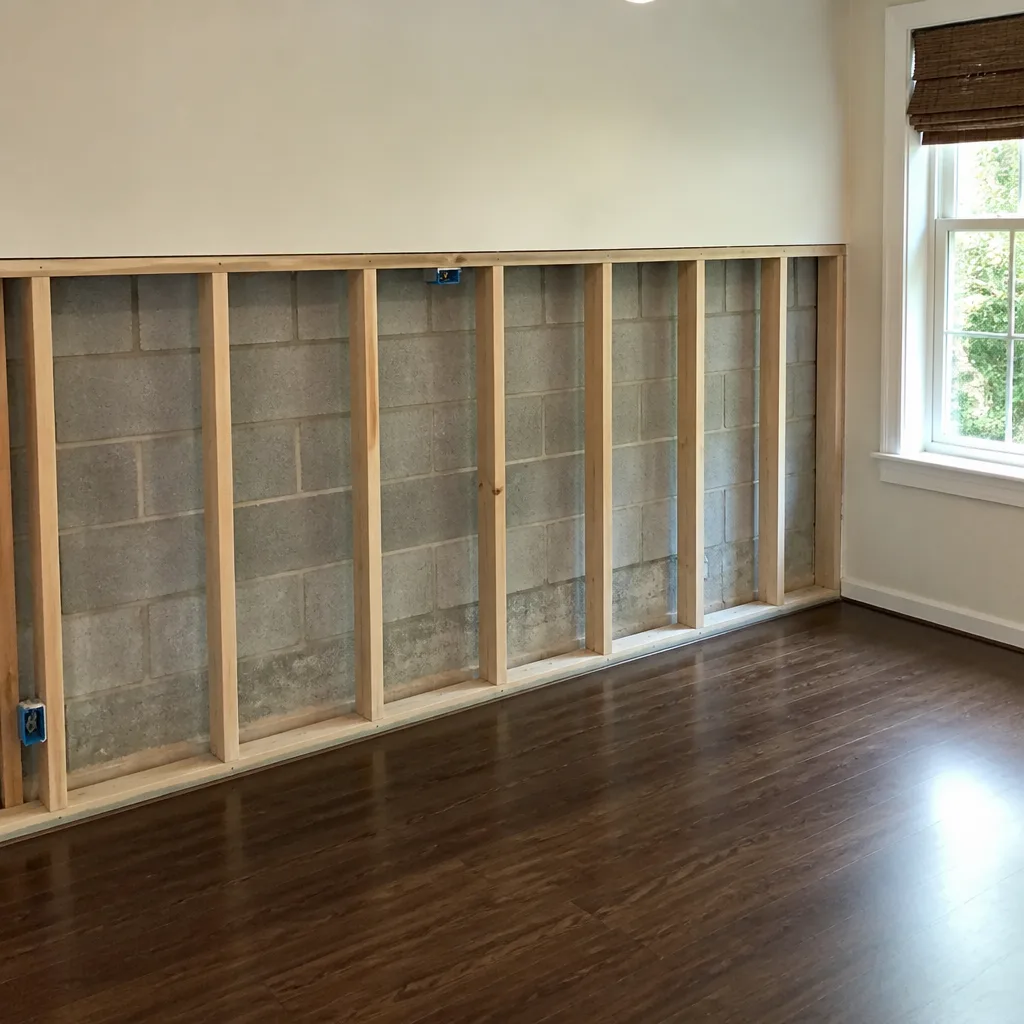
The line the water left is where we start. That is not a slogan. It is a measurement. Everything below that line gets assessed for salvage; everything above it gets verified as dry. A restoration company that skips the moisture log or refuses to hand it to you in writing is guessing, and guessing is expensive.
Why the Financial District Is Different From Any Other NYC Neighborhood
Restoration in Financial District buildings is a different job than restoration in a single-family home in Queens or a brownstone in Brooklyn. The neighborhood was built on landfill, much of it in the 19th and early 20th centuries, and its building stock combines cast-iron framing, concrete slabs, and dense high-rise construction. That combination creates specific failure patterns.
What we regularly see in Financial District properties:
- Concrete slab wicking: water from a burst pipe on one floor travels down through the slab and shows up in the ceiling of the unit below. By the time it is visible, the affected area is far larger than the stain suggests.
- Cast-iron waste stack failures: buildings from the 1900s through the 1930s often still have original cast-iron drainage lines. Corrosion from salt air accelerates pinhole leaks in these stacks, especially on lower floors near the harbor side of the district.
- Freight elevator bottlenecks: every piece of drying equipment, every roll of plastic sheeting, and every bag of demolition debris moves through a freight elevator shared with every other contractor in the building. Scheduling is not a convenience; it is a constraint that affects timelines.
- Building management requirements: most co-ops and condos in Financial District require certificates of insurance, specific work hours, and advance notice before restoration crews enter. A company that has not worked in these buildings will lose a day just to paperwork.
- Sprinkler discharge patterns: high-rise residential sprinkler systems are designed to suppress fire quickly, and they do. But a single activated head can discharge 20 to 40 gallons per minute. In a finished apartment, that means 200 to 600 gallons inside 10 to 15 minutes. The water damage is often worse than the fire damage.
These are not abstract risks. They are the conditions that shape scope, cost, and drying time in this specific neighborhood, and they are why a restoration company with Financial District experience is not a luxury. It is the difference between a three-day dry-down and a three-week project with a building manager on the phone every morning.
How Restoration Works: The Step-by-Step Process
Here is what a properly run restoration looks like, from the first call through the final walkthrough. This sequence applies to water, fire, and most storm damage in the Financial District.
- First contact and dispatch: you call, a live person answers, and a certified crew is assigned. Not a recording, not a call-back within 24 hours. A dispatcher who knows the Financial District’s building-access realities and can tell you an honest arrival window.
- On-site assessment: the crew locates the source, measures the affected area, and takes moisture readings from walls, floors, and ceiling cavities. This assessment is what the scope of work is built from, and it should be explained to you in plain language, not shorthand.
- Emergency mitigation: standing water is extracted, unsalvageable drywall and insulation are removed, and the affected area is contained. For sewage or contaminated water, containment and disinfection happen before drying begins.
- Drying and monitoring: air movers and dehumidifiers are placed according to a moisture map, not a guess. Daily readings are logged. The equipment is not removed until the dry standard for that specific material is met, and the moisture log goes to you and your carrier.
- Documentation for insurance: the crew photographs everything, including the water line, affected studs, and the drying setup. This documentation is what your adjuster uses to approve scope. Vague reports delay claims; specific reports advance them.
- Reconstruction: once the space is dry and verified, the rebuild begins. The advantage of a single company handling this step is continuity: the people who know where the damage stopped are the same people who rebuild what needs rebuilding.
- Final walkthrough and guarantee: you walk the finished space with the crew lead, confirm the work is done right, and receive the written guarantee. No punch-list limbo, no voicemail tag.
This is the process we run at Floodline Restoration Co. home, and it is the process we recommend you expect from any company you allow into your home.
What Damage Restoration Costs in Financial District
Restoration pricing in Financial District runs higher than the citywide average, and there are honest structural reasons for that. Parking and freight costs, building compliance paperwork, and the labor market for certified technicians in Lower Manhattan all push numbers upward. Here are realistic ranges for common scopes.
- Small water leak, single wall or ceiling: $800 to $2,400, including drying, monitoring, and minor drywall repair.
- Category 2 or 3 water loss (appliance overflow, sewage backup): $3,500 to $9,000, including containment, disinfection, drying, and affected material removal.
- Whole-unit water mitigation after sprinkler discharge: $8,000 to $25,000, depending on square footage and how much drywall and flooring must be removed.
- Mold remediation in a contained area (bathroom, closet): $1,200 to $4,500, including air scrubbing, removal, and post-remediation verification.
- Fire and smoke restoration in a single unit: $6,000 to $35,000, driven by soot penetration, smoke odor, and structural charring.
- Full reconstruction after a major loss: $30,000 to $150,000 or more, priced like the remodel it is: in writing, with a defined scope and a defined timeline.
These are not bid numbers. They are ranges based on what we have billed and what we have seen settled in this neighborhood. Every job is different, and the only honest number is a written scope after a live assessment. That assessment should be free, and the scope should include line items, not a single lump-sum figure that hides what you are actually paying for.
Floodline Restoration Co. offers no-hassle upfront pricing with direct insurance billing. You do not play messenger between us and your carrier. We send the documentation, the moisture log, and the scope directly to the adjuster, and you see everything in writing before work begins.
Will Insurance Cover This? A Straight Answer
In the Financial District, most homeowners and condo policies cover sudden and accidental water damage, fire and smoke damage, and storm damage, subject to your deductible and policy limits. What they do not reliably cover is damage described as gradual, continuous, or the result of deferred maintenance. That distinction matters more than any other single factor in whether a claim is approved.
What your adjuster needs to see:
- The source, documented: a photo of the failed supply line, the cracked fitting, or the storm ingress point. Not just the resulting stain.
- The moisture log: daily readings that show the affected materials have been dried to the dry standard. Adjusters trust dated, logged measurements.
- The scope, in writing: what was removed, what was treated, what was rebuilt. A paragraph that says “dried the apartment” is not a scope.
- Mold verification: if mold is present, documentation of the remediation protocol and post-remediation clearance. Unsupported mold claims are the fastest path to a denied or reduced settlement.
We photograph everything, from the water line on the wall to the final day of drying. We log every reading. We write scopes that an adjuster can approve without a back-and-forth. And we bill your carrier directly, so the financial conversation happens between professionals, not between you and a claims department at 4 p.m. on a Friday.
Mold Remediation in High-Rise Concrete Buildings
Mold in a Financial District high-rise behaves differently than mold in a wood-framed house. Concrete does not rot, so the structural risk is lower. But concrete holds moisture longer, and gypsum wallboard attached to a damp concrete slab or column will stay wet enough for mold growth for weeks. That is why we see mold around window sills on harbor-facing elevations, inside bathroom walls where cast-iron stacks sweat, and behind kitchen cabinets where a slow supply-line leak has been feeding the problem since before it was visible.
Effective mold remediation in this building type follows a defined process:
- Containment: the affected area is sealed with negative air pressure so spores do not spread to neighboring units through wall cavities or the corridor.
- Source correction: the moisture source is fixed. Remediating mold without fixing the leak that feeds it is wasted work.
- Material removal: mold-grown drywall, insulation, and porous materials are removed and bagged for disposal. Non-porous surfaces are HEPA-vacuumed and treated.
- Drying to standard: the cavity is dried to the correct moisture content for the specific material before any rebuild begins.
- Post-remediation verification: air and surface samples confirm the remediation succeeded, and the results go to you and your carrier.
One caution: do not let anyone paint over mold. Kilz and a coat of paint do not remediate anything, and any company that offers that shortcut is not doing restoration, they are doing concealment. In a Financial District building with shared walls, concealed mold is a liability that will find its way back, either into your unit or your neighbor’s.
Fire and Smoke Damage in Financial District
Fire damage in this neighborhood usually arrives one of two ways: a kitchen fire contained to one unit, or a fire in another unit that sends smoke through the building’s shared ventilation, corridors, and elevator shafts. The second scenario is common in high-rises and regularly underestimated.
Smoke does not respect unit lines. It travels through HVAC ducts, around pipe penetrations, and under doors. A small fire on the 9th floor can leave detectable smoke residue in apartments on floors 8 through 11, and that residue, left untreated, will smell for months and stain surfaces a dull yellow-brown.
Fire and smoke restoration includes:
- Soot removal: dry-cleaning sponge techniques for surfaces, HEPA vacuuming, and wet cleaning where appropriate, matched to the surface type.
- Odor mitigation: thermal fogging or ozone treatment, depending on the space and occupancy status. These are professional tools, not plug-in air fresheners, and they are run by technicians trained to IICRC standards.
- Structural assessment: charred framing or compromised drywall is removed and replaced, never painted over.
- Content cleaning: upholstery, textiles, and hard goods that can be saved are cleaned and deodorized off-site or in a controlled area.
If a fire has touched your unit or a neighboring one, call your carrier that day. Then call a restoration company that will document the damage before any cleaning begins. Once soot is wiped away, the evidence your adjuster needs for a full settlement goes with it.
How to Choose a Restoration Company That Won’t Disappear
This is the section that matters most to the homeowners we serve, and we will be direct about it. The restoration industry has a reputation problem, and it is earned. Companies appear after a storm, take deposits, and vanish. Others show up, tear out material, and bill for a rebuild they never finish. In the Financial District, where building boards talk to each other and bad experiences travel fast, the stakes are higher than a single job.
What to look for, in plain terms:
- Years in the community, not years in a franchise nameplate: ask how long the company has been working in the Financial District specifically, not how long a national brand has existed. Curt Bowman founded Floodline Restoration Co. in 2010 and built it around a dispatch board, not a sales desk. The company has served local communities for over 42 years through its team’s experience, and it plans to be here in thirty years.
- A written guarantee with teeth: ask what happens if the work fails. Our answer is the 90-Day Done Right Promise, the Keystone Standard: if it is not done right, we make it right, in writing, with no paperwork battles and no arguing.
- The same crew from start to finish: a company that hands the rebuild to a subcontractor has just made you the general contractor. Ask who will actually be in your home on day 10.
- Direct insurance billing: if a company tells you to handle the claim yourself and pay them out of pocket, that is a warning sign. We bill carriers directly, keep you informed, and let the two professionals sort out the money.
- A live person on the phone: call the number at midnight. If you get a recording, imagine what the warranty claim will feel like. Our dispatch line is live 24 hours a day, 7 days a week, every day of the year.
We are not the cheapest company in Lower Manhattan, and we are not trying to be. We are the company that answers the phone, shows up when we say, hands you the moisture log, and stands behind the result. For a homeowner who has been burned before, that is what a square deal looks like.
Common Mistakes to Avoid
- Waiting to call because the stain “does not look that bad.” In Financial District buildings, a small stain on a ceiling often means water is pooled in the slab above and spreading invisibly. Every day of delay widens the affected area and the final bill.
- Using a shop vac and a fan and calling it done. Consumer equipment cannot pull water from wall cavities or dry a floor assembly. What it does is dry the surface and leave the cavity wet, which is where mold grows.
- Not documenting before cleanup begins. Once you have wiped the soot away or tossed the water-damaged drywall, your adjuster has nothing to base the settlement on. Photograph everything before any work starts.
- Hiring a separate company for mitigation and rebuild. The drying company says the rebuild company’s scope is too big; the rebuild company says the drying company did not dry it properly. You are caught in the middle, and the project stalls. One company, one scope, one guarantee.
- Signing a work authorization that does not include a written scope. A signature on a blank authorization is a blank check. Get the line-item scope in writing before you sign, and do not sign anything that includes open-ended language about “additional work as needed.”
- Accepting a mold remediation quote that does not include post-remediation verification. If the company will not prove the mold is gone, they have not finished the job. Verification is not an upsell; it is the deliverable.
- Ignoring building management’s insurance requirements until the crew is at the door. In Financial District co-ops and condos, an unapproved contractor can be turned away at the loading dock. Confirm the company’s paperwork with your building board before scheduling.
When to Call a Professional
Call a restoration professional the day you see water where it should not be, smell smoke or must, or find a stain that has grown since you first noticed it. Do not wait for the stain to darken, the smell to fade, or the weekend to pass. The damage that is cheap to fix in week one is expensive to rebuild in week four. Call a professional when the water came from a sewage line or a sprinkler system, when the affected area includes a wall or ceiling cavity, when the smell has outlasted a week of open windows, or when your insurance company asks for documentation you do not have. Floodline Restoration Co. offers free estimates in Financial District. Call (518) 663-6491 and a live dispatcher will walk you through what you are seeing and what happens next.
Frequently Asked Questions
If you call a company with live 24/7 dispatch, a crew can typically reach a Financial District building within 60 to 90 minutes, depending on traffic and parking. The same visit should include source assessment and the start of extraction or containment. A company that promises a callback tomorrow is not an emergency response company. Call (518) 663-6491 to talk to a live dispatcher now.
Yes, provided the company meets the board’s insurance, licensing, and scheduling requirements. Most Financial District buildings require certificates of insurance on file, advance notice for freight elevator use, and work hours that respect the building’s quiet periods. Confirm the company’s compliance paperwork before the crew arrives.
Structural drying in a Financial District high-rise typically takes 3 to 7 days, depending on the affected materials, the amount of water, and the building’s ventilation. Concrete slabs release moisture slowly, which can extend drying times compared to wood-framed construction. The dry standard is confirmed with daily moisture readings, not a calendar.
Not always. A small stain from a one-time leak that has dried completely and shows no elevated moisture may only need cosmetic repair. But if a moisture meter reads elevated levels in the wall or ceiling cavity, the affected area is larger than the stain suggests and needs mitigation before rebuild. The only way to know is to measure, not to guess.
Category 1 is clean water from a supply line or faucet. Category 2 is contaminated water, such as washing machine discharge or sump water. Category 3 is grossly contaminated water, including sewage and floodwater. Categories 2 and 3 require containment, disinfection, and material removal beyond standard drying. Your restoration scope should state the category in writing.
Ask your restoration company to document the source and the damage pattern. A sudden pipe failure that causes a stain over three weeks is still sudden in origin, and a clear source photo plus a specific scope can move an adjuster off a “gradual” denial. We have handled this exact conversation many times in Financial District buildings, and documentation is what changes the outcome.
The Bottom Line
Damage restoration in the Financial District is a technical job made harder by the neighborhood’s building stock, access limits, and management requirements. The companies that do it well are the ones that have done it here for years, document everything, work with your carrier directly, and put their guarantee in writing. The companies that do it poorly are the ones that hand you a bill, a subcontractor’s phone number, and a punch list that never closes. We built Floodline Restoration Co. to be the first kind. The line the water left is where we start, and the 90-Day Done Right Promise is where we finish. Get a free estimate in Financial District by calling (518) 663-6491. A live person answers, day or night.
Written by Curt Bowman, Owner at Floodline Restoration Co., serving Financial District since 2010.