
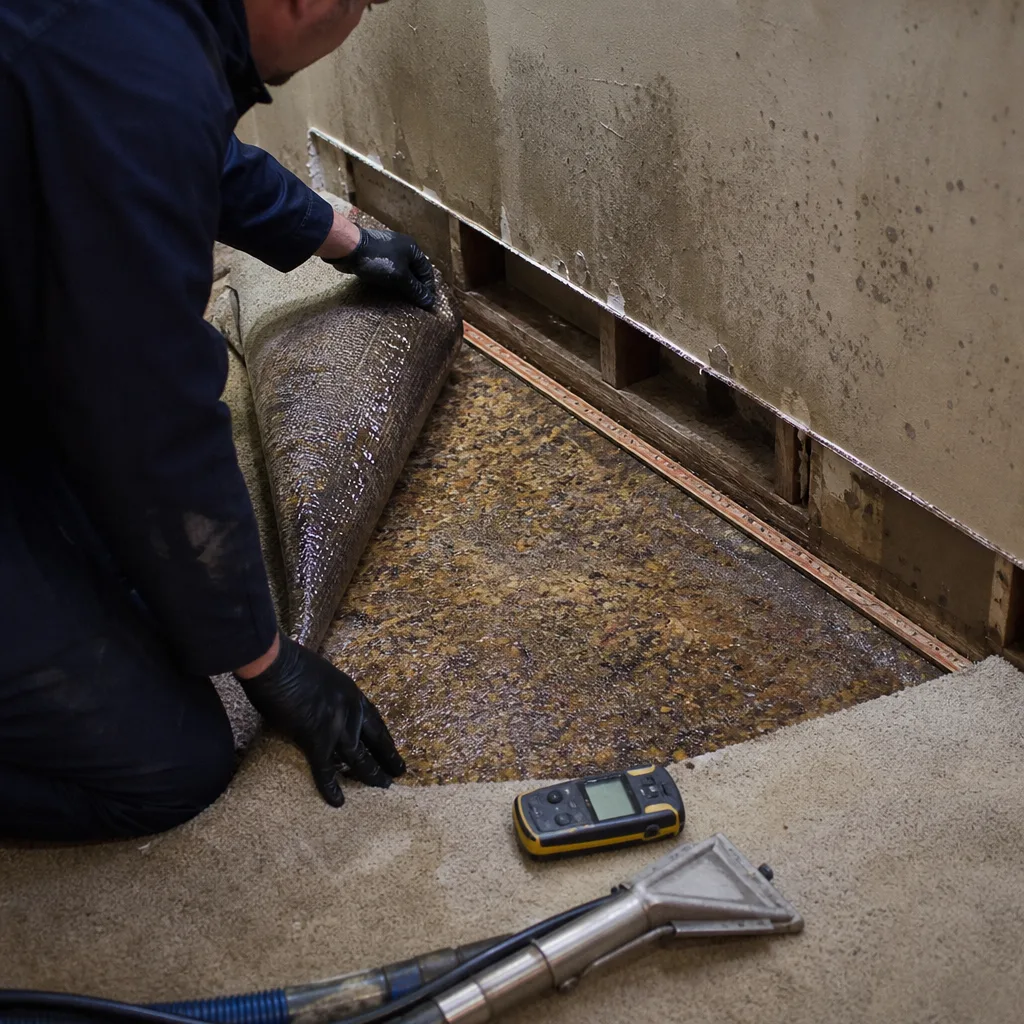
Free visual inspection and a written scope of work before any mitigation begins - photos, moisture readings, and drying logs go in your claim file
The scope we write is the scope we bill. Anything new gets shown to you, in writing, before we touch it.
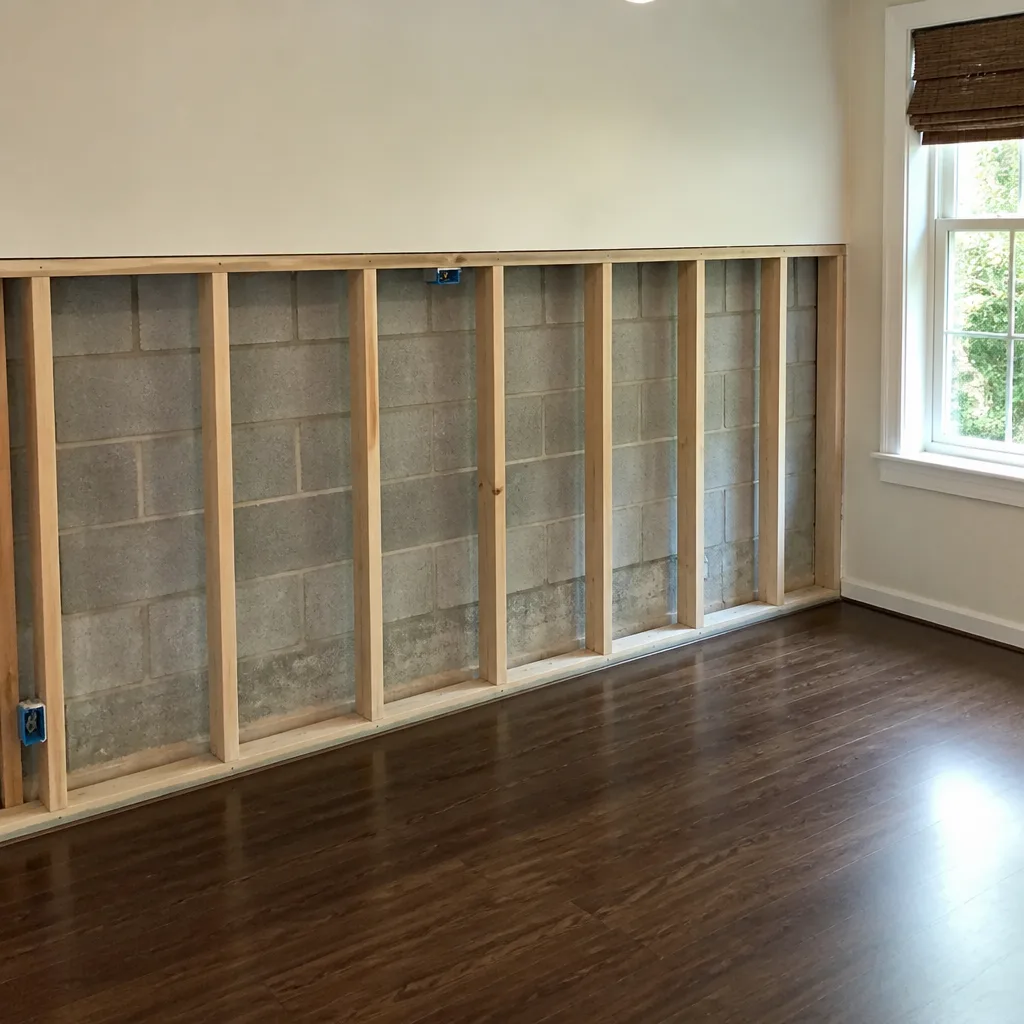
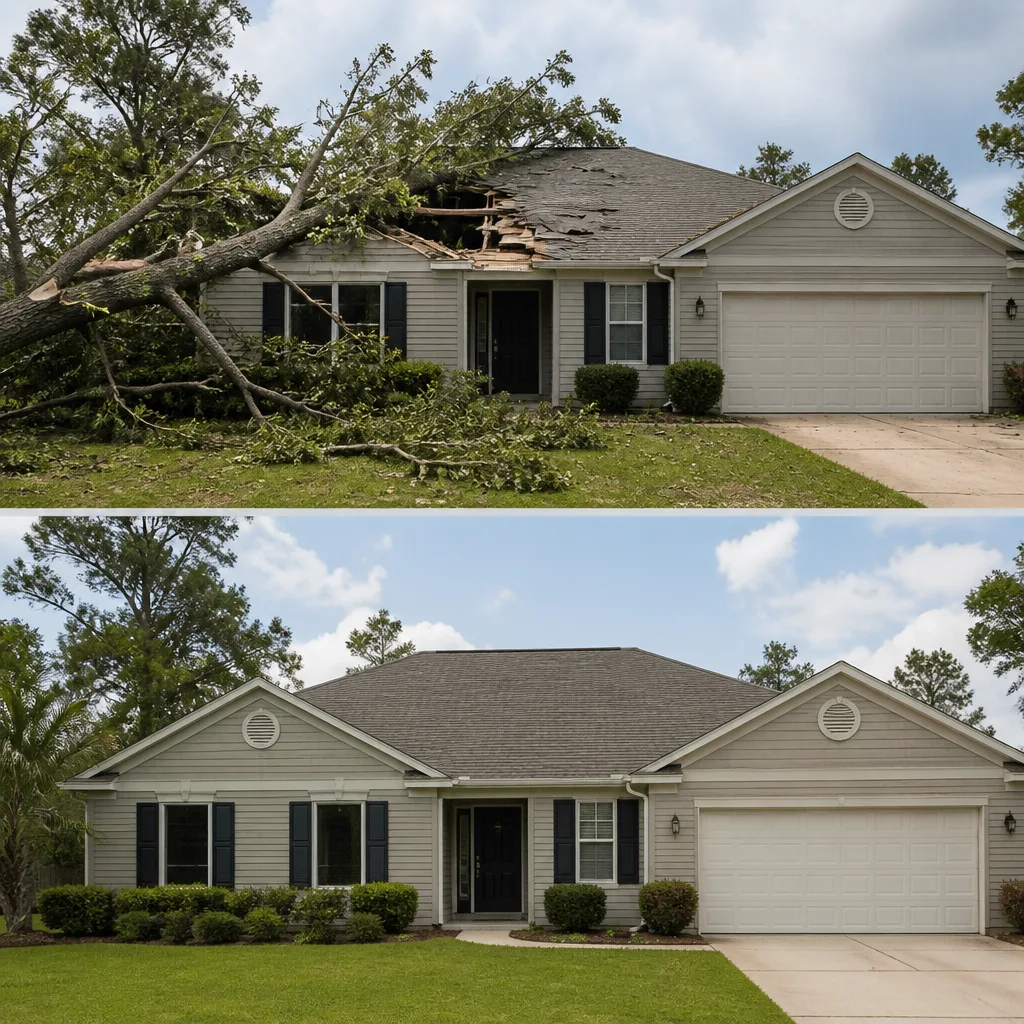
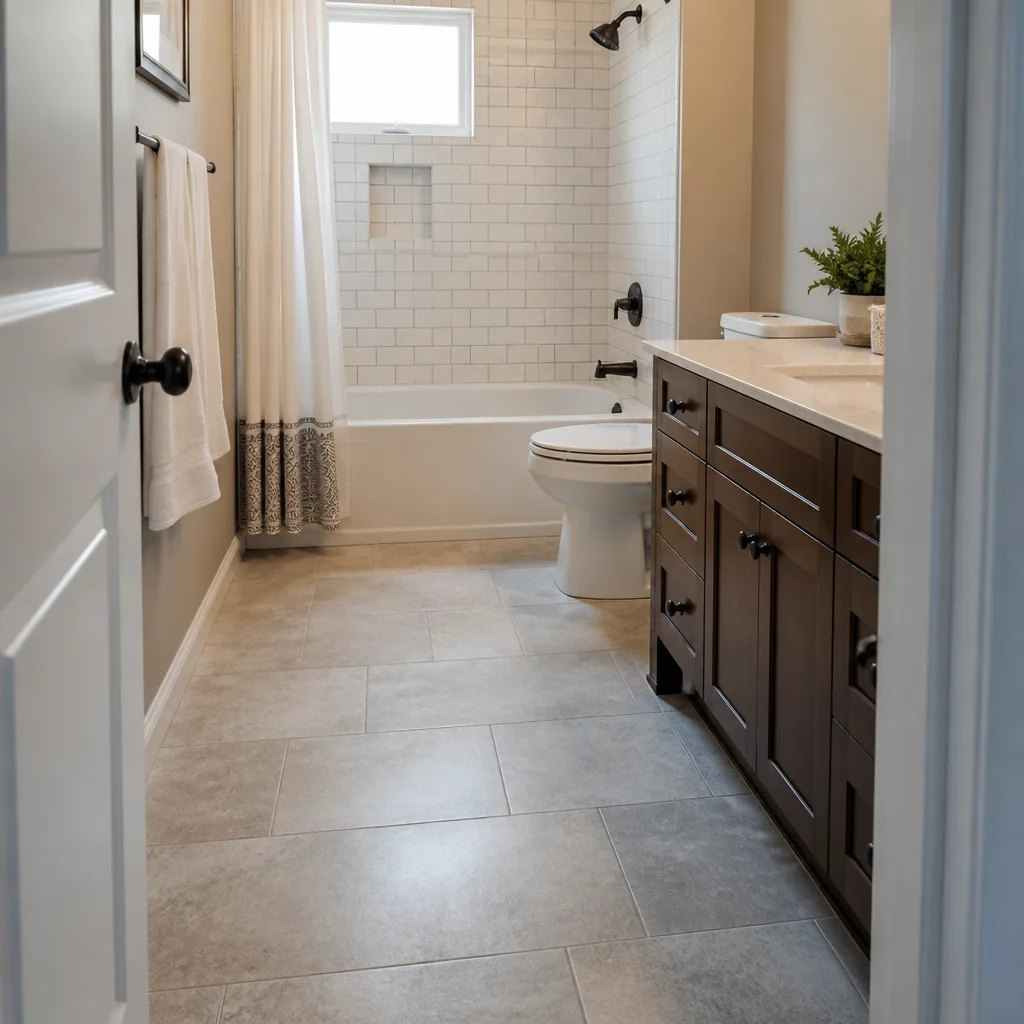
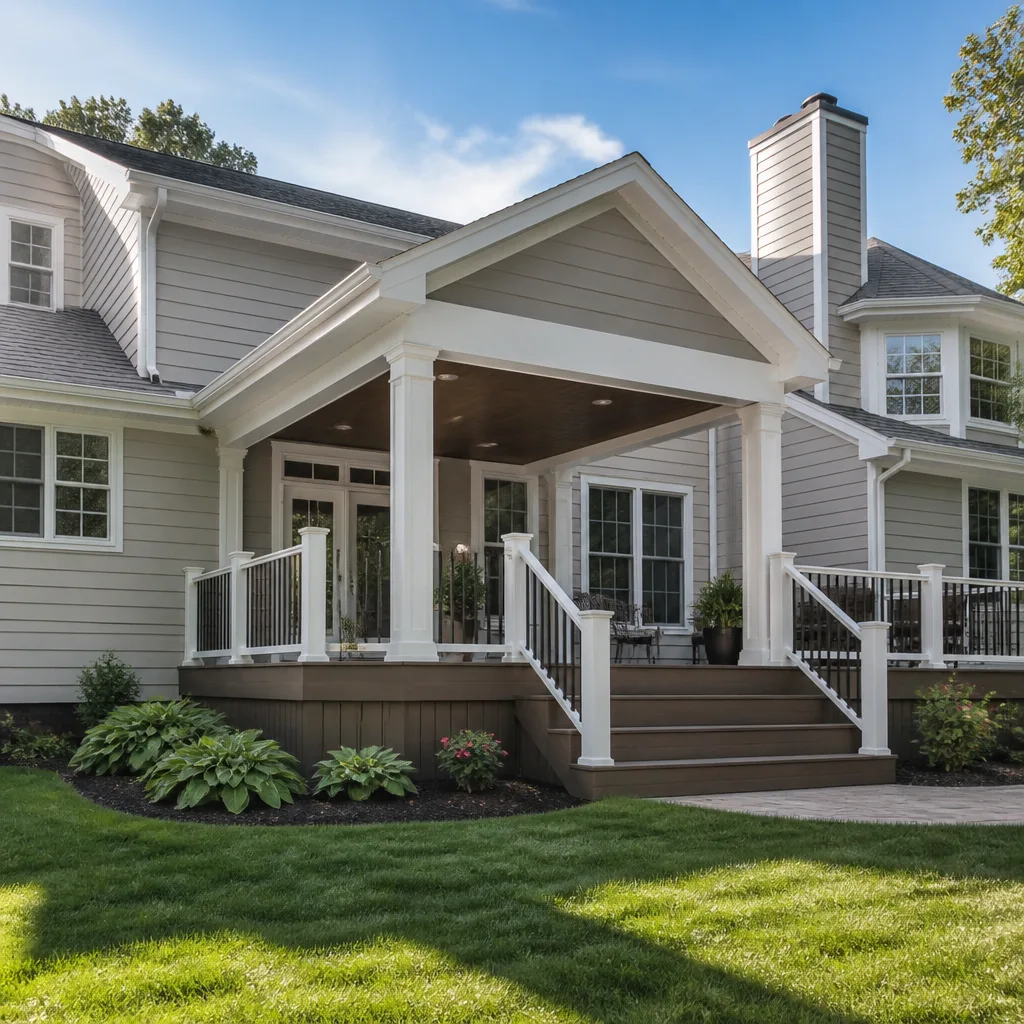
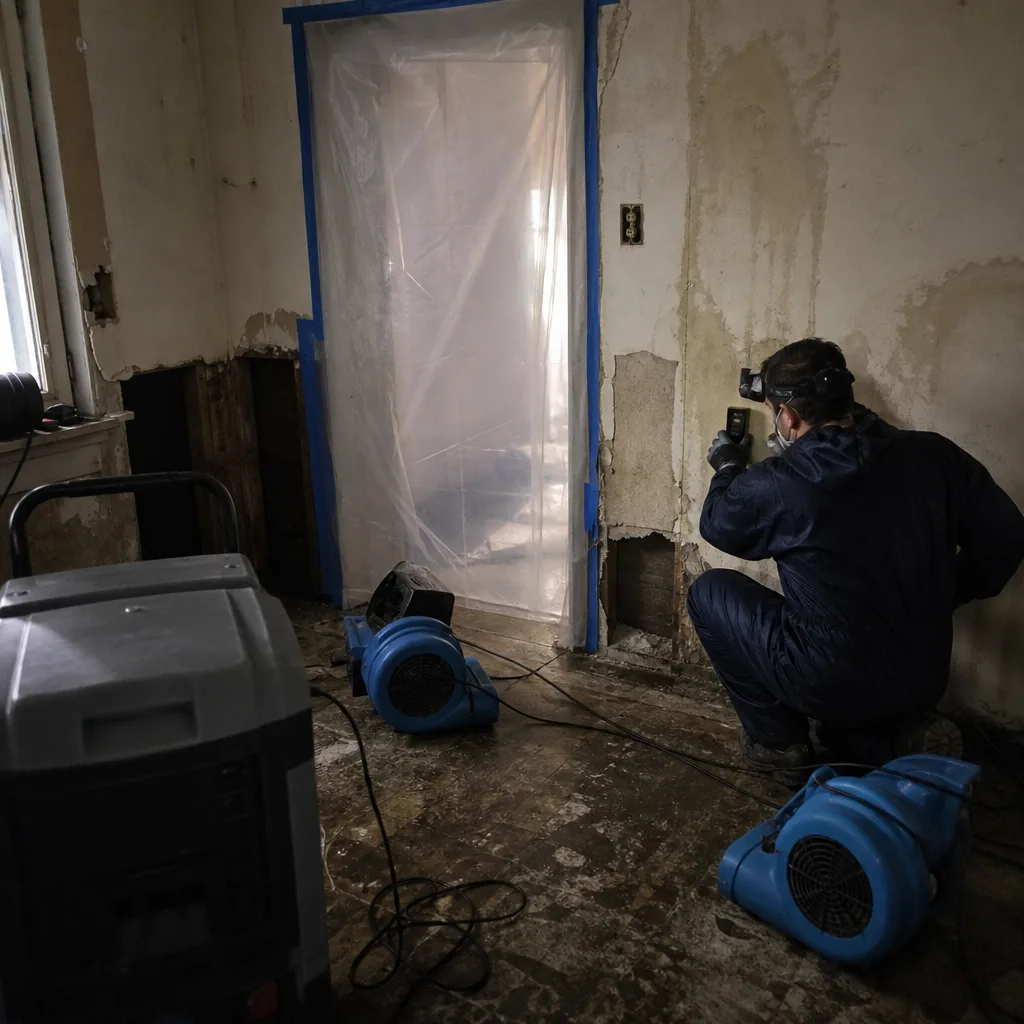 Before
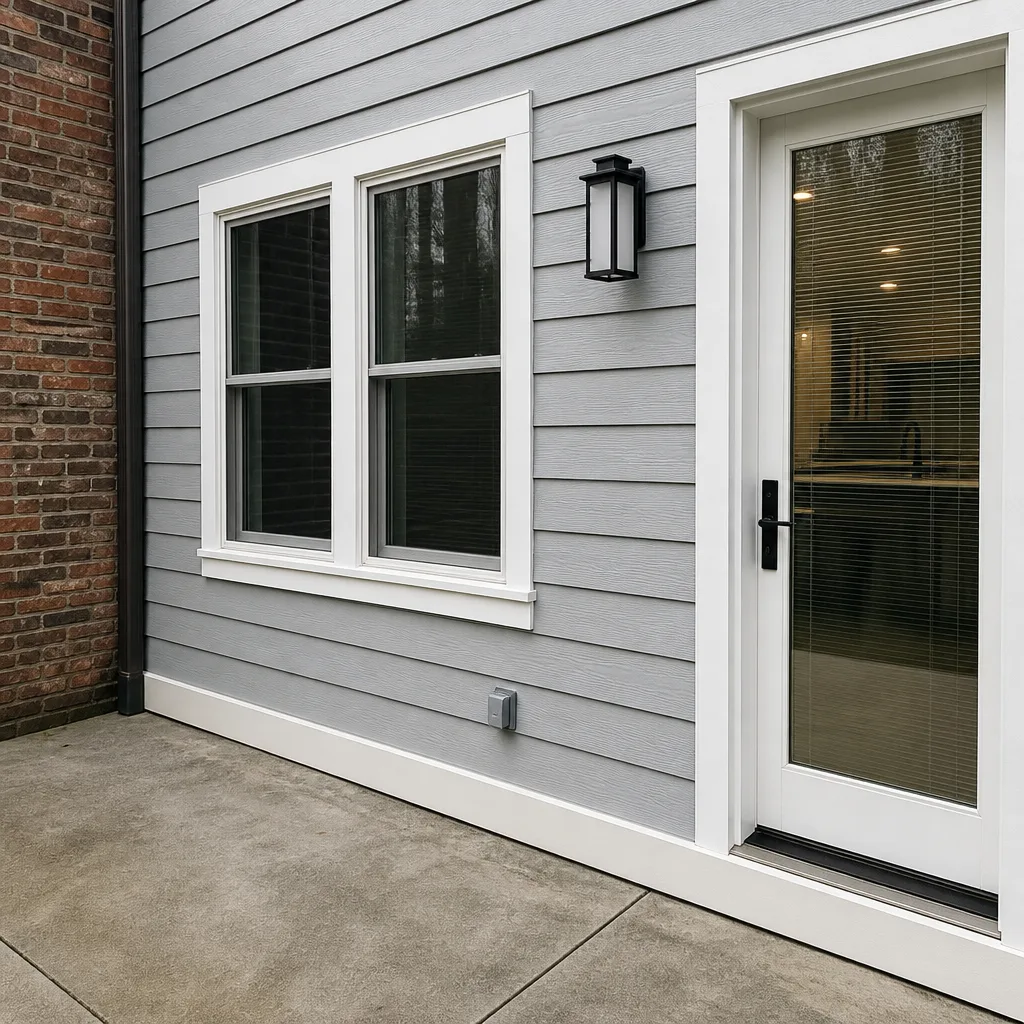 After
After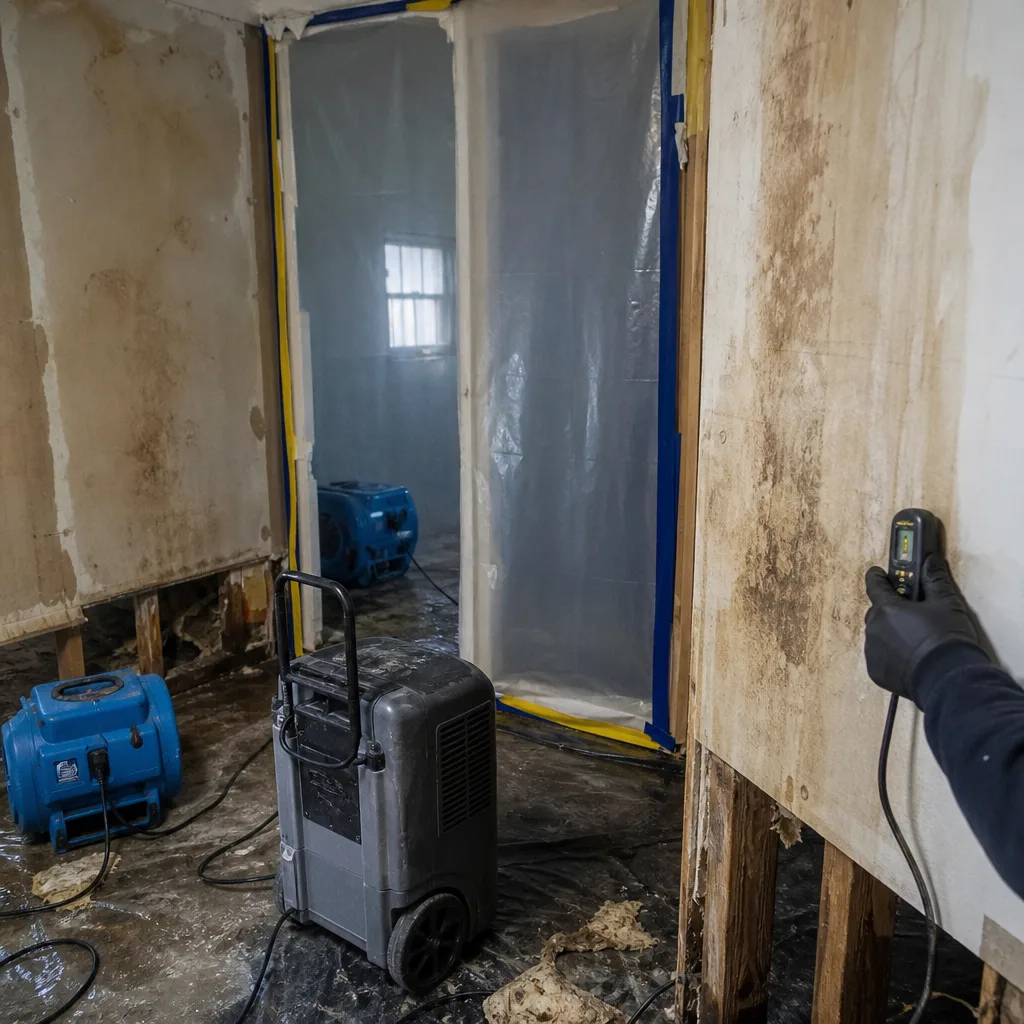 Before
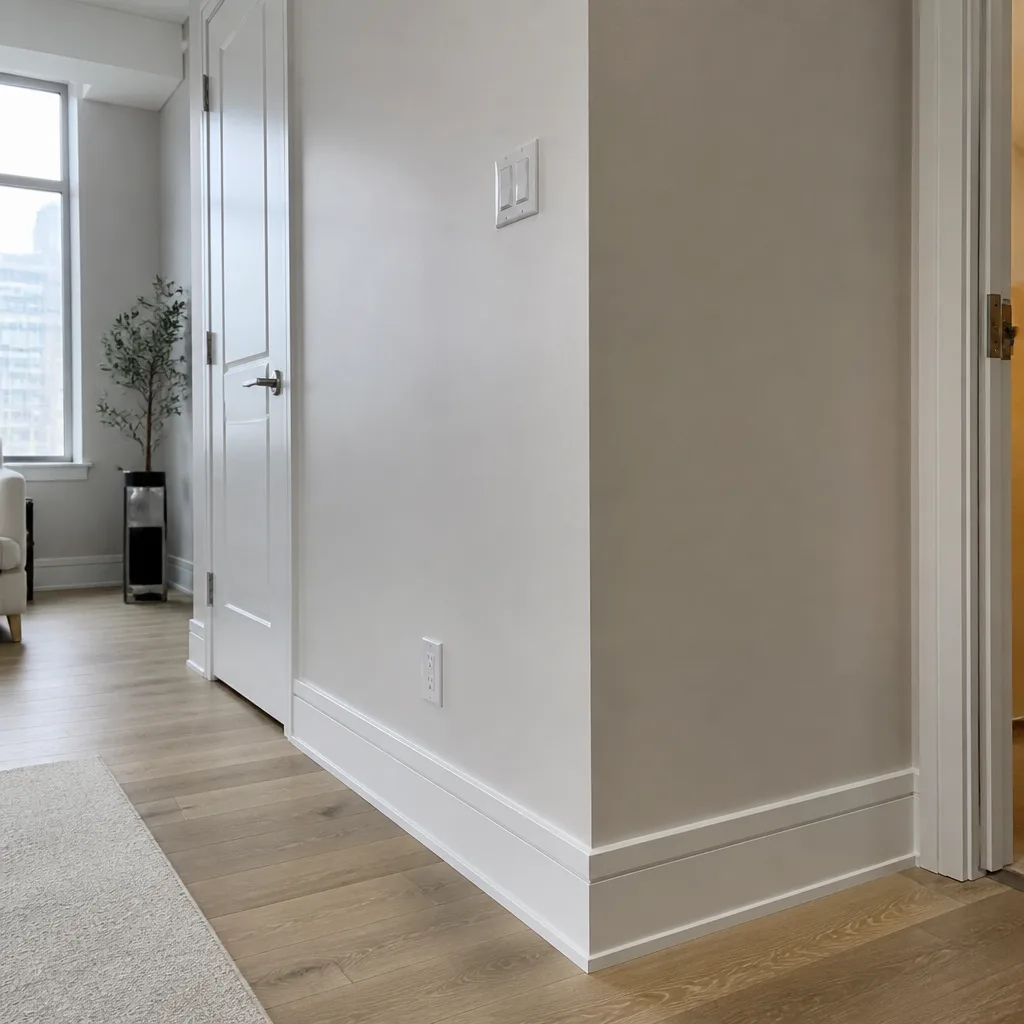 After
After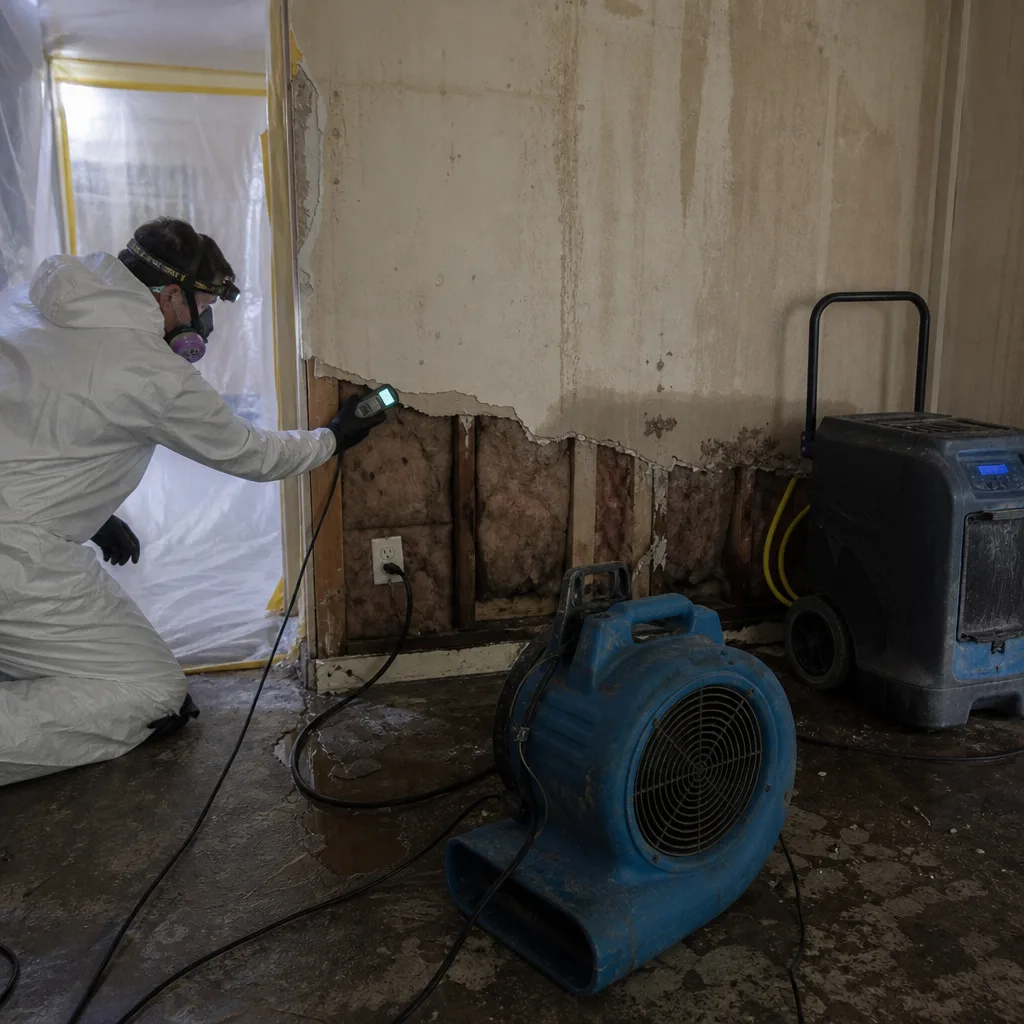 Before
 After
After24/7 Emergency Water Damage Restoration in Williamsburg
Water damage restoration in Williamsburg typically costs $1,800-$6,500 for a standard single-room loss, and most extraction jobs can begin the same day you call. If you’re standing in water right now, call (518) 663-6491. A live dispatcher answers 24 hours a day, every day, and our crews reach Williamsburg addresses within 45 minutes most days.
The first hour matters. Category 1 clean water becomes Category 2 and then Category 3 within 48 hours as bacteria multiply, and in Williamsburg’s older tenements and converted lofts, that timeline compresses faster because lathe-and-plaster and unreinforced brick hold moisture longer than modern drywall. We start extraction the same visit, map the moisture, and put a drying plan on paper before we leave. No recording. No call center. A person picks up at two in the morning.
Understanding Water Damage Restoration Severity in Williamsburg Properties
Water damage gets classified into three categories. Category 1 is clean water from a supply line or burst pipe. Category 2 carries some contamination, like washing machine overflow or sump pump discharge. Category 3 is grossly contaminated: sewage, river water, or storm surge. Williamsburg’s East River waterfront sits inside FEMA Zone AE, which means storm-driven floodwater is Category 3 by definition, and the response protocol changes entirely to include antimicrobial treatment and full containment.
The building stock complicates this further. Late-19th and early-20th-century brick tenements along Bedford Avenue and side streets often have rubble-stone foundations with no waterproofing membrane and cast-iron waste lines that rust through slowly. Converted industrial lofts north of the BQE, particularly along North 1st through North 7th Streets, sit on concrete slab floors that trap water between the slab and original wood subfloor. A standard moisture meter reading on the surface will say the floor is dry when the wood beneath is still saturated. We use multiple substrate probes and thermal imaging on every Williamsburg job because a single-layer reading here creates false confidence.
Why Williamsburg Property Owners Choose Floodline Restoration Co.
- 45-minute response commitment – From our New York City dispatch office, crews reach Williamsburg addresses quickly, and we commit to that window in writing before dispatch.
- 24/7 live answer, never an automated system – A dispatcher picks up the phone at 2 a.m. and starts the crew, not a phone tree.
- IICRC-certified crews – Our technicians hold WRT, ASD, and AMRT certifications, and train to RIA and IFA standards as well.
- Free visual inspection – We walk the loss, map the moisture, and hand you a written scope before any work is approved.
- Direct insurance billing – We coordinate with your adjuster, send photos and drying logs, and bill the carrier directly, so you never play messenger.
- One team from extraction to reconstruction – The same certified crew that reads the moisture map on day one handles daily readings and rebuilds what needs rebuilding. No mid-job handoff, no inherited crew.
Our Water Damage Restoration Process
Inspection & Assessment
We arrive, walk the loss with you, and document everything. Thermal imaging, Dri-Eaz moisture meters, and multiple substrate probes tell us where water has traveled, including laterally through brick party walls. You get a written scope before any work starts.
Extraction & Stabilization
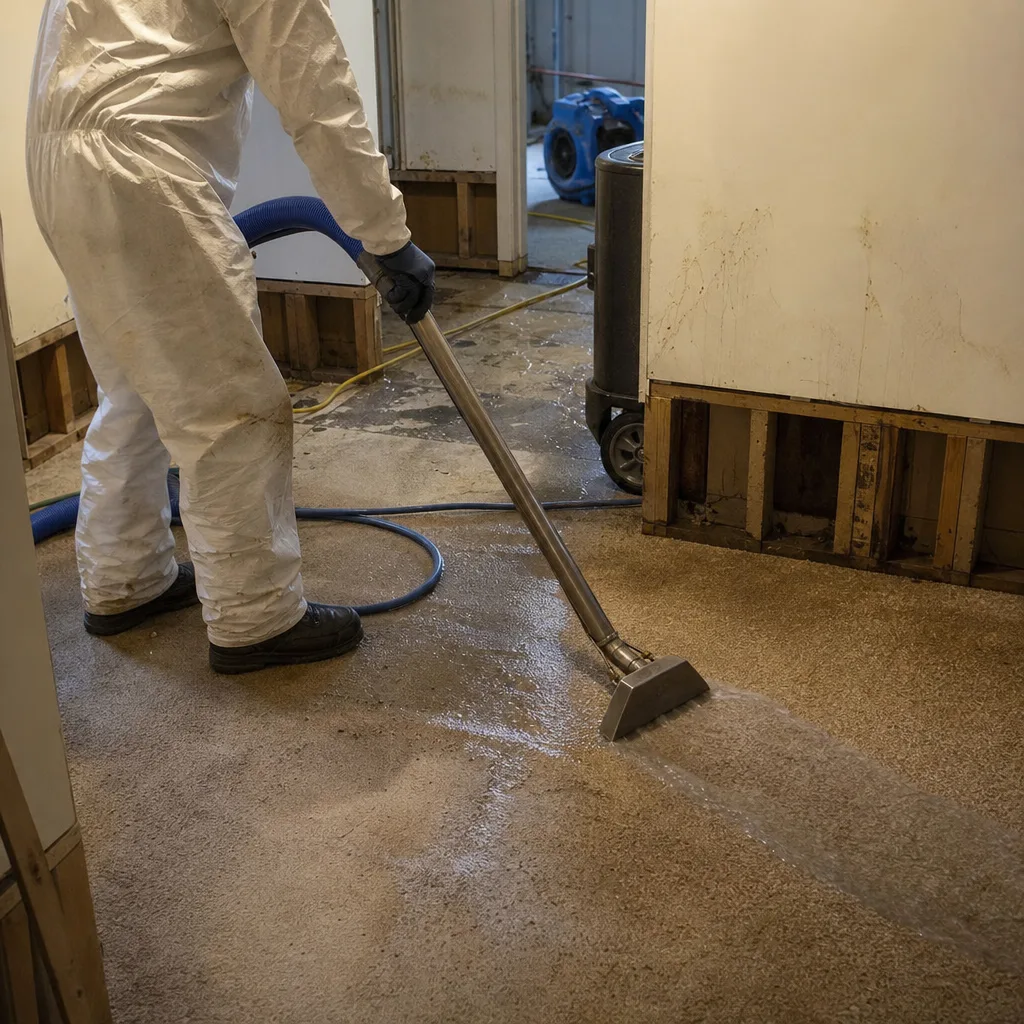
We remove standing water with truck-mounted and portable extractors. If the loss is Category 3, we establish containment before extraction begins to prevent cross-contamination of unaffected rooms.
Drying & Dehumidification
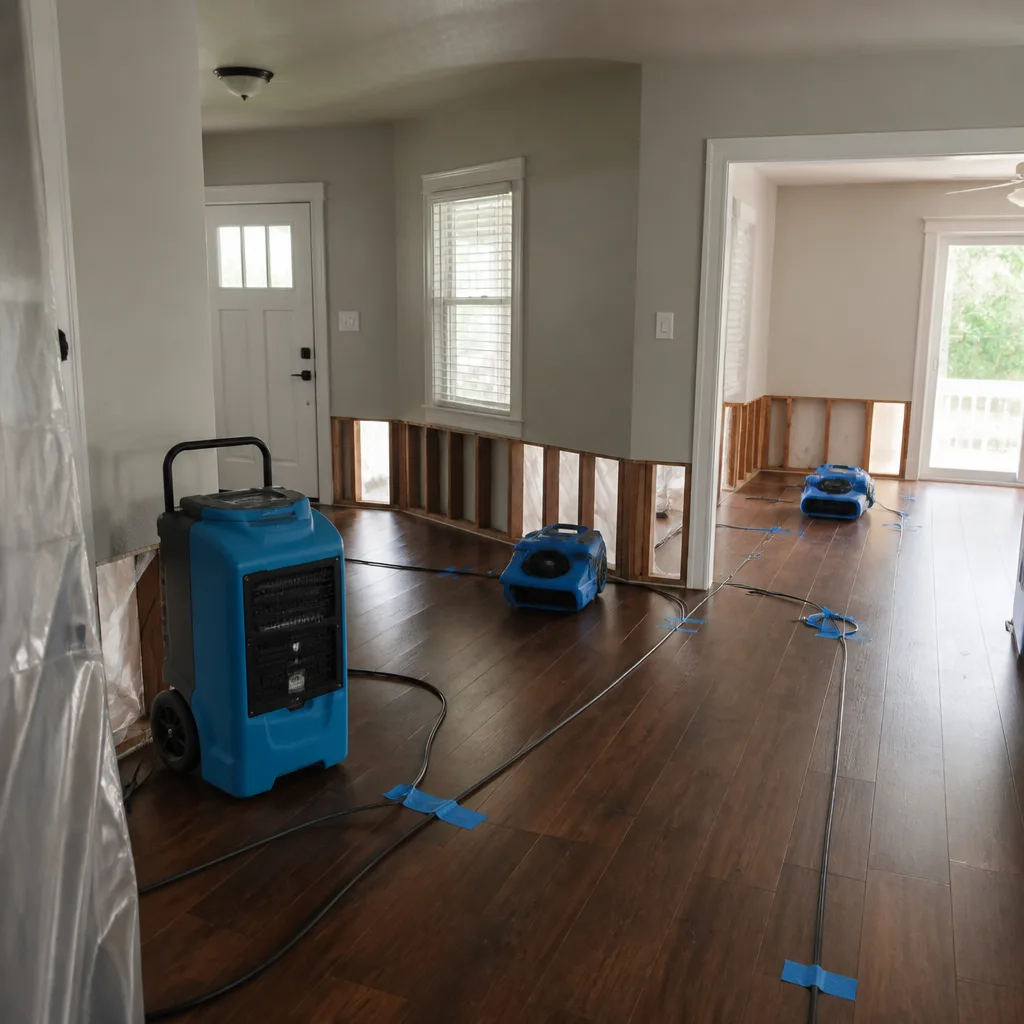
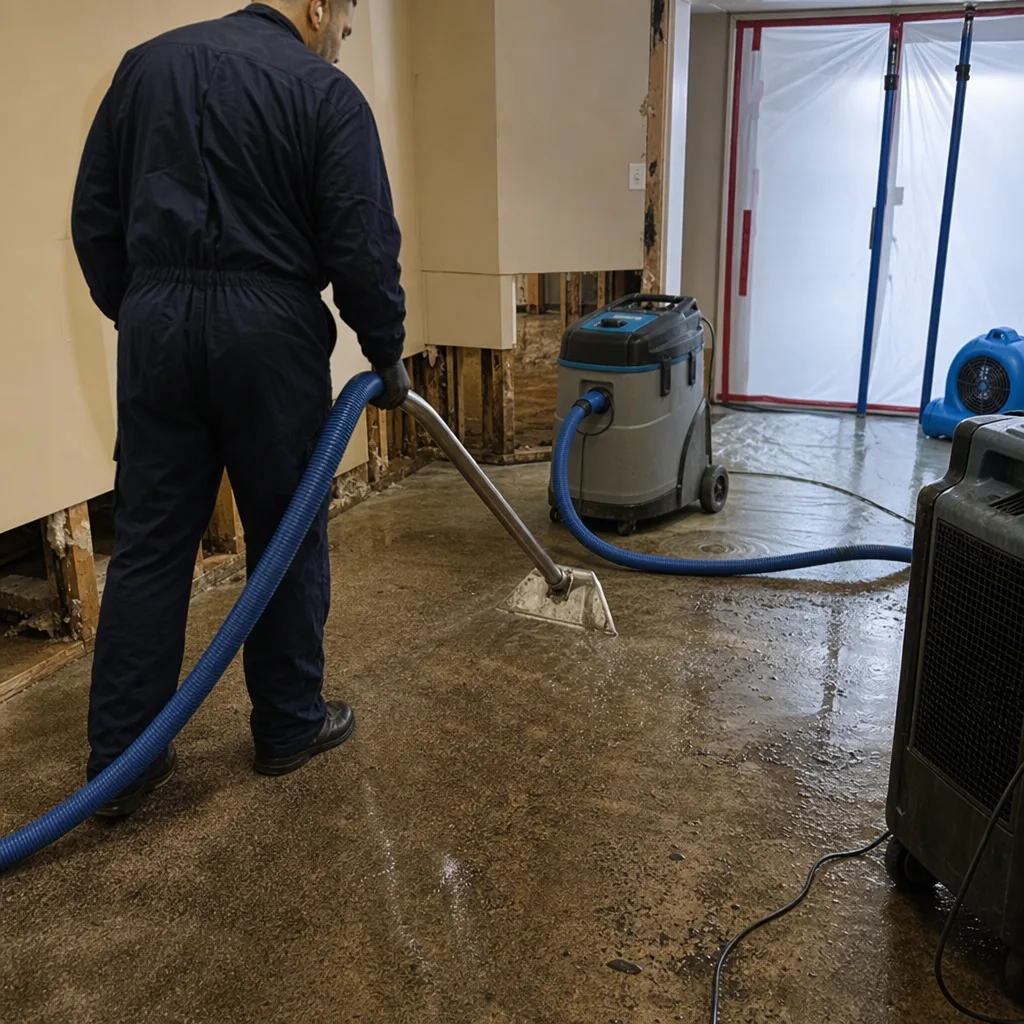
Professional-grade Phoenix dehumidifiers and Dri-Eaz air movers drop humidity low enough to dry lathe-and-plaster, concrete slab subfloors, and unreinforced masonry. Daily moisture readings are logged until the dry standard is met, not estimated.
Cleaning & Sanitization
We clean, disinfect, and deodorize affected surfaces. Antimicrobial treatments are applied where Category 2 or 3 water was present, and HEPA vacuuming follows any particulate residue.
Specialty Treatment for Williamsburg Construction
This is where the building stock matters. Converted lofts get Injectidry floor-drying mats on concrete slabs. Brick party walls get cavity drying where lateral migration is suspected. Pre-war tenements get behind-wall drying where cast-iron waste lines hide slow leaks.
Repairs & Restoration
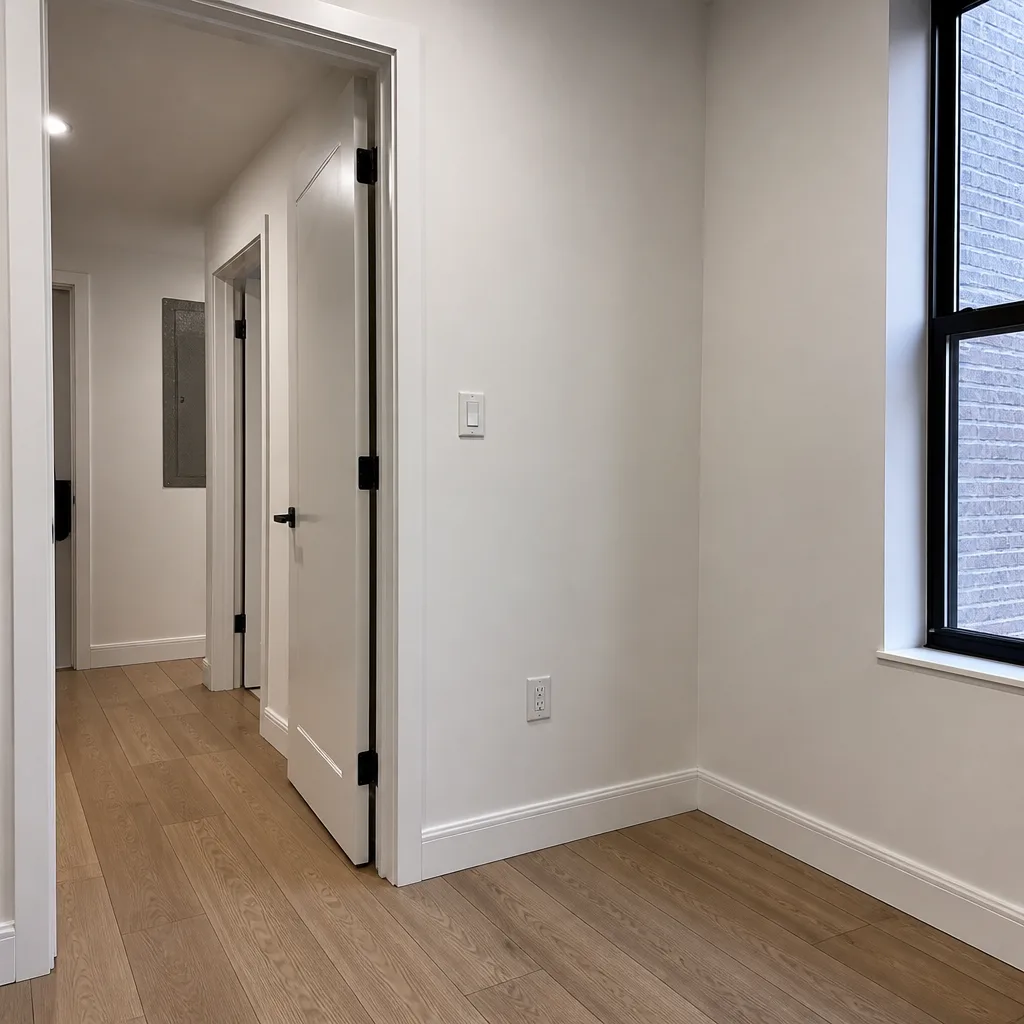
Once the structure reads dry, we rebuild. Plaster repair, trim, flooring, cabinet replacement, paint. Done by the same crew that ran the drying. Then you get the 90-Day Done Right Promise in writing.
Need Emergency Water Damage Restoration in Williamsburg Now?
Crews minutes away, answering live 24 hours a day. The sooner we start, the less it costs.
Working With Your Insurance Company
Most Williamsburg water damage claims are covered, but the documentation makes or breaks the payout. We photograph everything in the first hour, log moisture readings daily, and itemize every line of work. If your adjuster pushes back, we talk to them directly. You don’t translate between us and the carrier, and you don’t wait on hold.
What We Provide Your Insurer
- Thorough documentation of the loss
- Photos of all damage, room by room
- Moisture readings and drying logs
- A detailed, line-item scope of work
- Direct coordination with your carrier
Built for Williamsburg’s Loss Calendar
January and February bring deep freezes that burst supply lines in unheated lofts and tenement risers. We get those calls at 3 a.m. from Northside high-rises and South Williamsburg walk-ups alike. Spring thaw seeps through rubble-stone foundations on side streets off Bedford Avenue, where no waterproofing membrane exists and basements were never meant to be finished. Summer thunderstorms overwhelm the old street drainage system and push water into below-grade units near the waterfront and along Metropolitan Avenue. Nor’easters push the East River up against Zone AE blocks, and converted factory buildings near the BQE take water through their roofs and old skylight frames. Each season has a signature loss pattern here, and after 42 years in the trade, we know which one is at your door before we arrive.
Water Damage Restoration Across Williamsburg’s Neighborhoods
Northside waterfront high-rises on Kent Avenue and Berry Street deal with storm surge and window flashing failures, but their real vulnerability is overworked sump pumps and basement parking garages that sit below the flood line. South Williamsburg‘s brick tenements, especially along Lee Avenue and side streets, have century-old plumbing stacks and cast-iron waste lines that rot slowly and leak behind walls for months before anyone notices. East Williamsburg industrial-to-residential conversions near the BQE and Flushing Avenue retain concrete slab floors and open drain trenches never meant for residential occupancy. Central Williamsburg, along Grand Street and North 6th, mixes pre-war walk-ups with newer construction, and the transitions between old and new structure, where a new stairwell meets an original brick party wall, are exactly where water finds its way down. Each neighborhood has its own failure mode, and our crews know them by street name.
Specialized Water Damage Restoration Services We Offer in Williamsburg
Emergency Water Extraction
Standing water in a Williamsburg loft is an emergency because the concrete slab below traps it, and the brick party wall beside it soaks it up. We arrive within 45 minutes, extract the same visit, and map the spread before the masonry wicks it into your neighbor’s unit. Speed here is not convenience; it’s containment.
Structural Drying & Dehumidification
The drying standard in Williamsburg is not the same as a suburban drywall house. Lathe-and-plaster holds moisture for weeks without professional Phoenix and Dri-Eaz equipment. Unreinforced brick party walls dry from both faces only if you know to check both. We run daily readings until pre-loss moisture levels are reached, and we hand you and your carrier the log to prove it.
Flood Cleanup
Storm surge from the East River is Category 3 water, and Zone AE blocks from North 1st to North 9th know it. We contain, extract, disinfect, and dry. Then we document everything for FEMA or your carrier. The water goes back out; the building stays dry.
Burst Pipe Restoration
January freezes split supply lines in unheated lofts and old tenement risers. The pipe bursts, and water runs through concrete floors, behind brick walls, down stairwells. We stop the source, extract, dry the structure, and rebuild what the water destroyed, including patching plaster and refinishing floors where needed.
Basement Water Removal
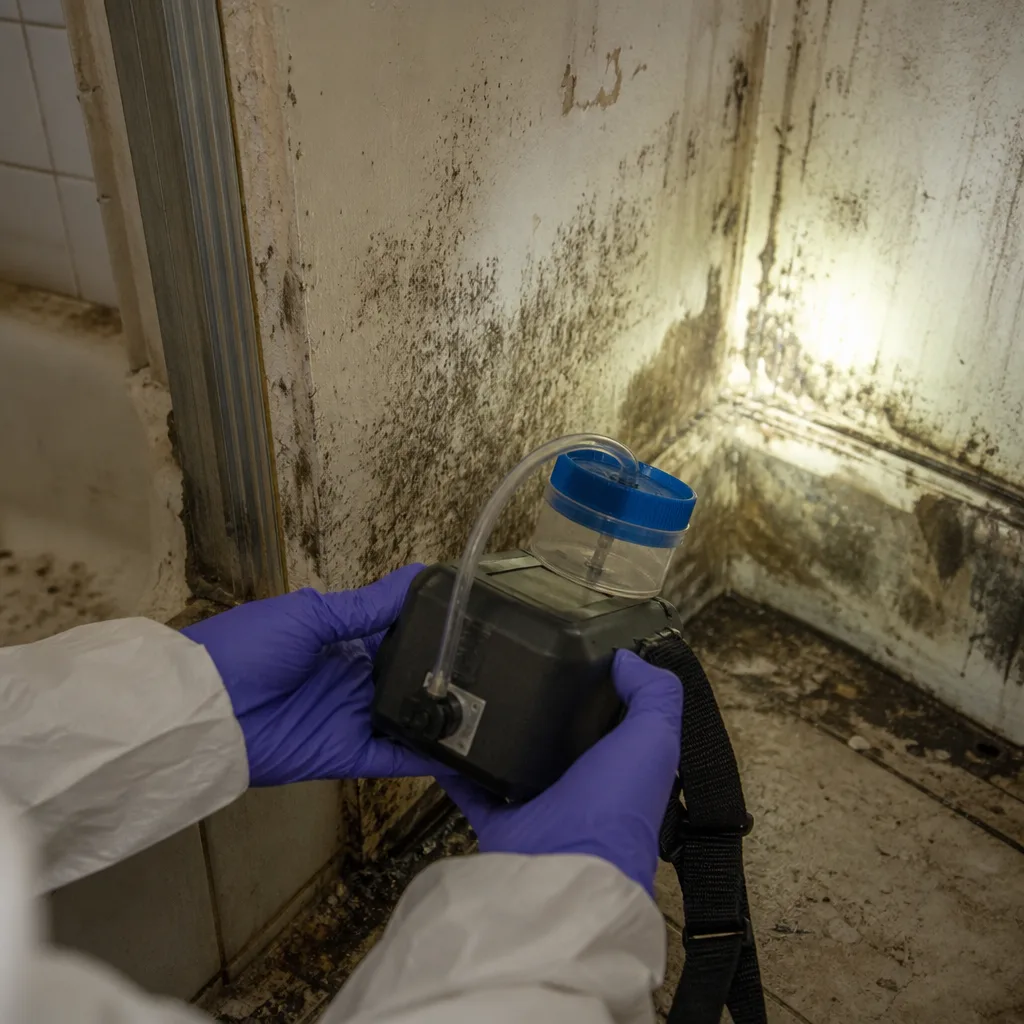
Rubble-stone foundations in Williamsburg basements were never waterproofed. Spring thaw and heavy rain push water through them. We remove it, dry the space, and where you want it, rebuild with materials that handle the moisture reality of a 120-year-old foundation.
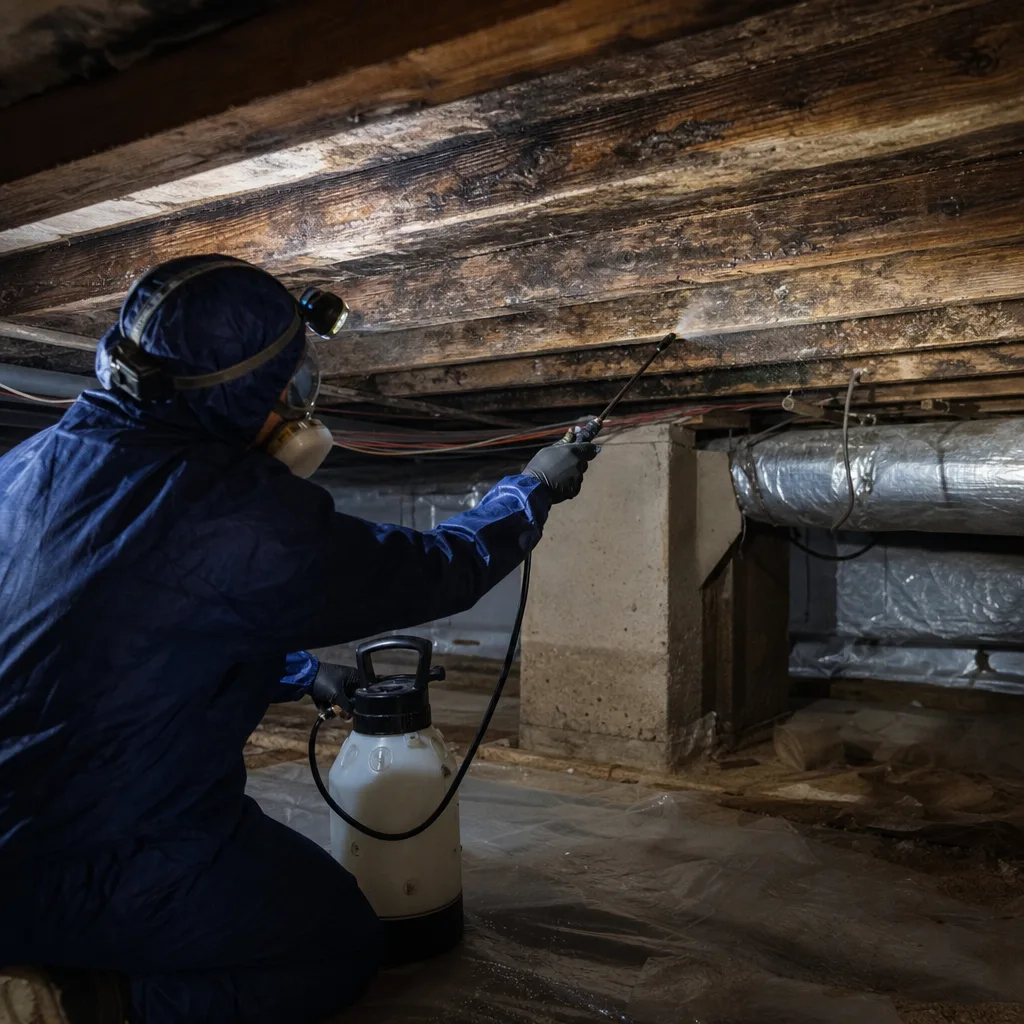
Ceiling & Roof Leak Water Damage
In converted lofts along North 4th, North 5th, and North 6th, a damp ceiling is often not a roof leak. Water from an adjacent unit travels laterally through unreinforced brick party walls and shows up on your ceiling while the source is in someone else’s kitchen. We trace the actual path before any repair, because patching the stain without finding the source guarantees the stain returns, and now the warranty is gone.
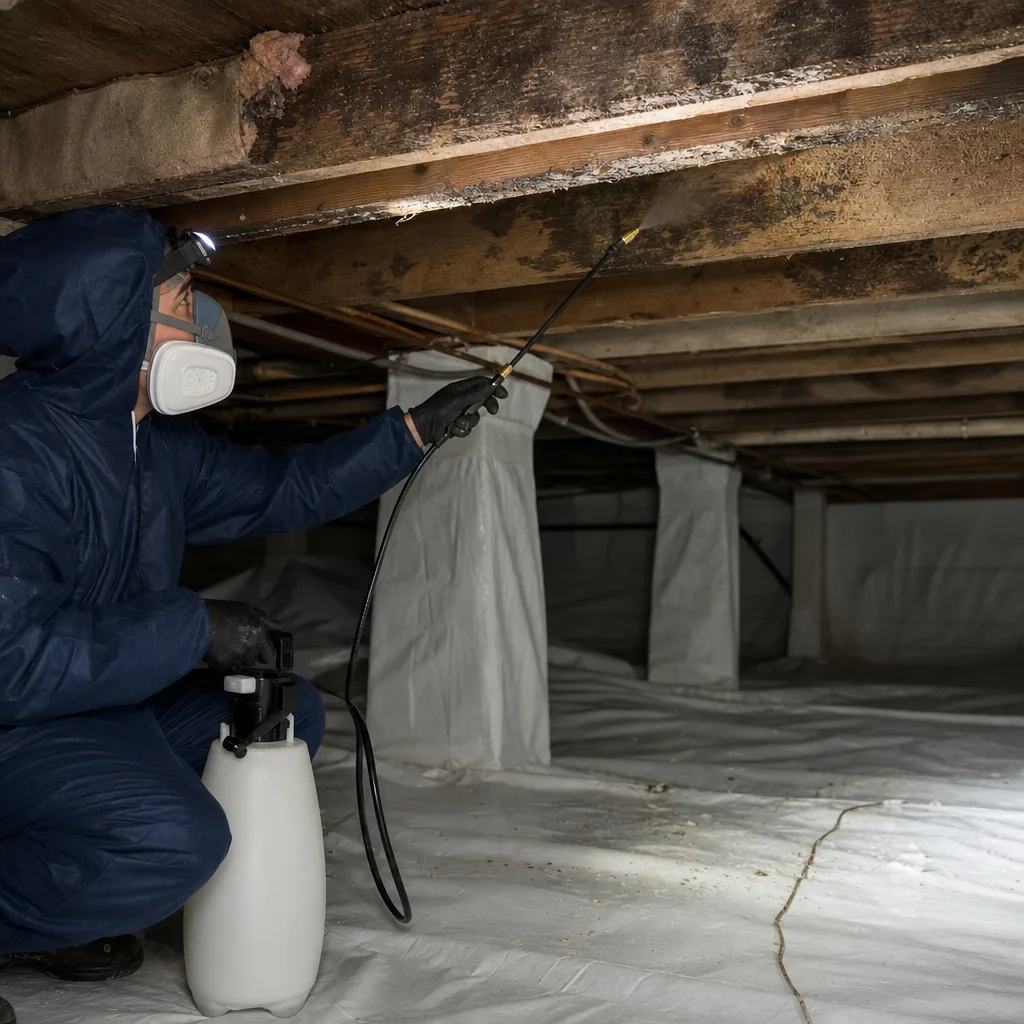
What happens when you call
- 1
A real person answersNo phone trees - you reach a local pro.
- 2
You get an upfront price rangeHonest numbers before anyone is dispatched.
- 3
A background-checked tech heads outLicensed & insured, dispatched right away.
- 4
You approve before work beginsNothing starts until you say go.
Water Damage Restoration Costs in Williamsburg, NY
A typical Emergency Water Extraction in Williamsburg runs $600-$1,400 depending on square footage and water category. Structural Drying & Dehumidification adds $1,200-$3,800 for equipment, daily monitoring, and moisture logging over 3-7 days. Burst Pipe Restoration including source repair, extraction, drying, and basic rebuild lands between $3,000-$8,500 in most Williamsburg units. Basement Water Removal with Category 2 or 3 water runs $2,500-$6,000 for the mitigation alone. Ceiling and roof leak repairs, once the source is found, typically settle between $900-$2,800 depending on whether plaster ceiling repair or drywall replacement is needed. Insurance covers most sudden-and-accidental losses; neglect and slow leaks usually do not. The free visual inspection gives you a firm written scope before you approve anything, so there are no surprises on the bill.
We Also Serve Cities Near Williamsburg
Our crews regularly work across the water and up the island. We serve Water Damage Restoration in Williamsburg plus the Financial District, Lower Manhattan, Washington Square, and Brooklyn Heights. Same 45-minute response, same direct insurance billing, same Water Damage Restoration team from extraction to rebuild.
Serving Williamsburg, NY - Our Local Coverage Area
We’re based in the Williamsburg area and know this community well. Use the map below to see our service coverage - if you’re nearby, we can almost certainly help.
Williamsburg Water Damage Restoration Questions, Answered
Why does water damage in a Williamsburg loft often show up in my neighbor’s unit, not mine?
Unreinforced brick party walls in converted lofts north of the BQE let water travel laterally from one unit into the next, especially between North 1st and North 7th Streets. Your pipe may burst, but the water follows the mortar joints and shows up on your neighbor’s ceiling. Standard moisture mapping that stays within your four walls misses this completely. We map both units and document the spread so the source is identified correctly and your liability is clear. Call (518) 663-6491 if you suspect lateral movement.
How long will structural drying take in a pre-war Williamsburg tenement?
Three to seven days is typical, and sometimes longer behind cast-iron waste lines and lathe-and-plaster. The materials in a pre-war tenement hold moisture far longer than modern drywall, and residential dehumidifiers can’t drop humidity low enough to dry them out. We use Phoenix desiccant and low-grain refrigerant dehumidifiers and run daily readings until the dry standard is met, not until the clock runs out. You get the moisture log in writing.
Are below-grade units on Williamsburg’s waterfront covered by standard water damage restoration?
Most standard policies cover sudden storm surge damage only if you have a flood policy in force. However, many below-grade losses on the Northside waterfront are from sump pump failure or ground seepage, which are often covered under standard homeowners policies with a water backup endorsement. Every policy differs. We document the actual source and provide your adjuster with photos and moisture readings that clarify the cause, because the wording of the policy rides on it.
Do I need to move out during water mitigation in a Williamsburg loft?
Usually not for a single-room Category 1 loss. For Category 2 or 3 water, or when drywall and plaster are open and air scrubbers are running, we recommend staying elsewhere for the first 48 to 72 hours of drying. In small loft layouts where the only bedroom sits adjacent to the affected wall, we’ll tell you honestly if you need temporary housing. Your health comes before the schedule.
Why did my previous restoration in Williamsburg keep failing after six months?
In our experience, repeat failures here trace to one of three causes: the crew never mapped lateral moisture through brick party walls, they dried the surface but not the subfloor between concrete slab and wood, or they missed a slow leak behind cast-iron waste lines in a pre-war tenement. If the true source is not identified and the structure is not dried to pre-loss readings on every substrate layer, the stain, the odor, and eventually the mold return. We dry to pre-loss moisture levels and give you the 90-Day Done Right Promise in writing, so if something does come back, you hold us to it.
How fast can someone actually get to my Williamsburg building?
Our commitment is 45 minutes from your call to our crew at your door in most of Williamsburg, day or night. The dispatcher who answers is in our New York City office, and the crew is dispatched the same call. Call (518) 663-6491, not a recording.
What certifications do your Williamsburg water damage crews hold?
Our technicians are background-checked, uniformed, and trained to IICRC, RIA, and IFA standards. The water damage team holds IICRC WRT, ASD, and AMRT certifications. We use Dri-Eaz, Phoenix, XPOWER, and Injectidry equipment, and every job is led by a certified lead technician who signs the drying log.
What should I do in the first 30 minutes after water damage in Williamsburg?
Turn off the water source if you can do so safely. Kill power to the affected area at the breaker if the water is above outlets or appliance cords. Move what you can lift to a dry area. Then call (518) 663-6491. Do not run a shop vac on Category 2 or 3 water, do not open walls to air them out without knowing what’s behind them, and do not wait until morning. The first hour determines how much drying and demolition is needed, and in Williamsburg’s older buildings, the structure starts absorbing water immediately.
Written by Curt Bowman, Owner at Floodline Restoration Co., serving Williamsburg and the surrounding New York City area since 2010. Done right, and backed in writing.