
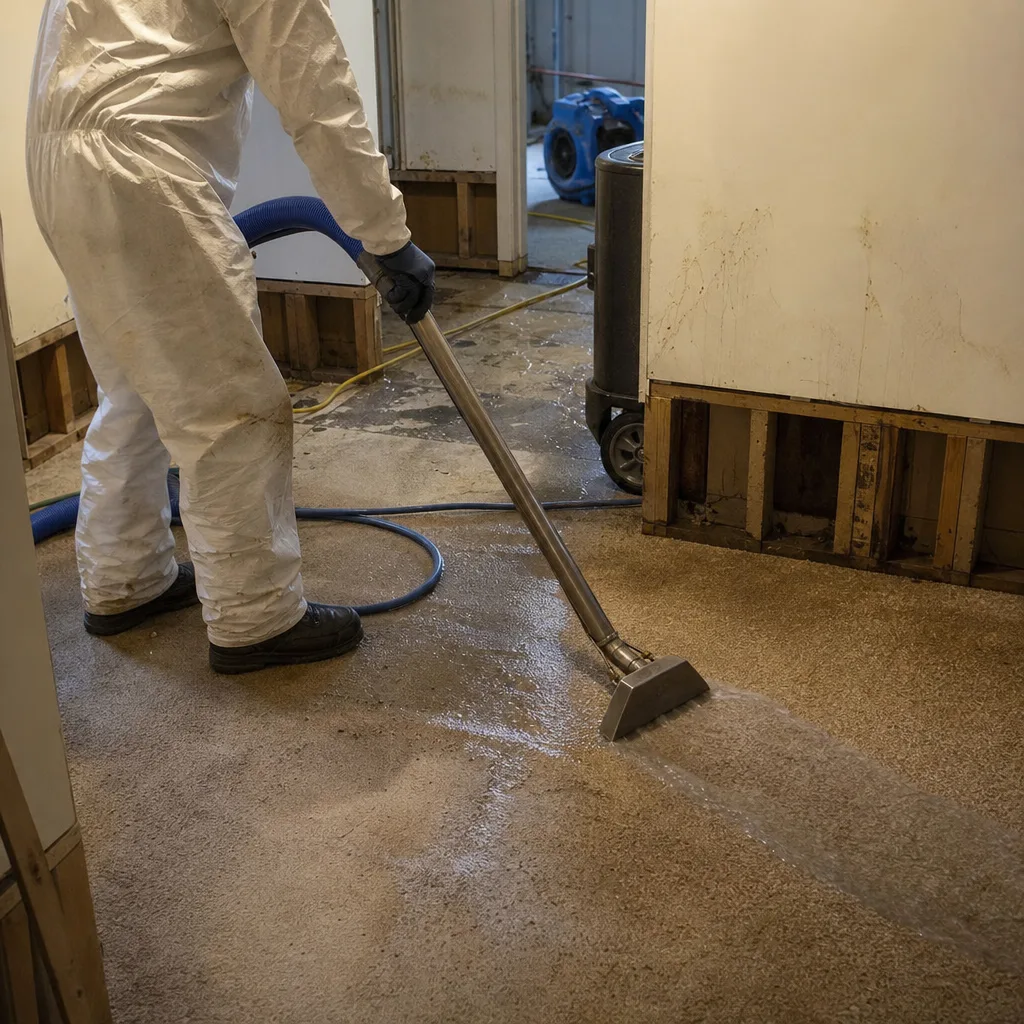
Free visual inspection and a written scope of work before any mitigation begins - photos, moisture readings, and drying logs go in your claim file
The scope we write is the scope we bill. Anything new gets shown to you, in writing, before we touch it.
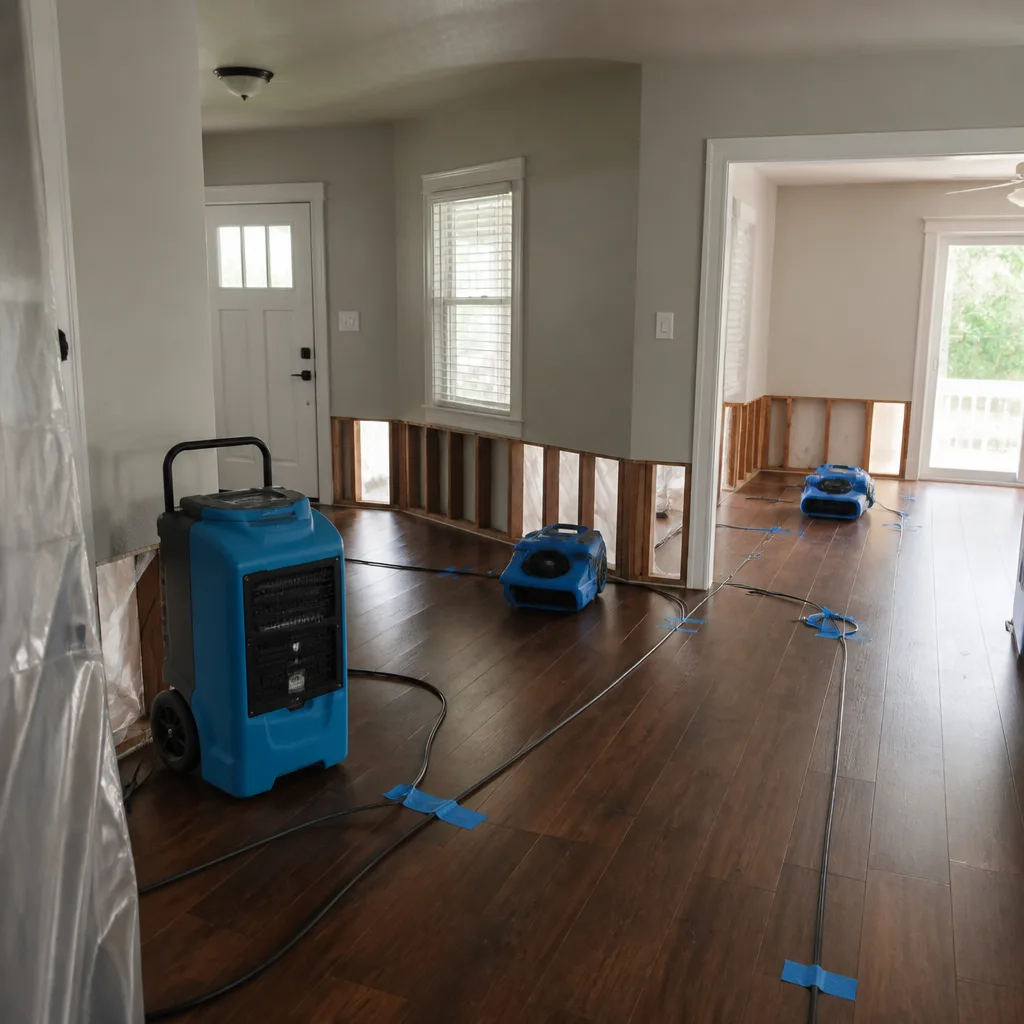



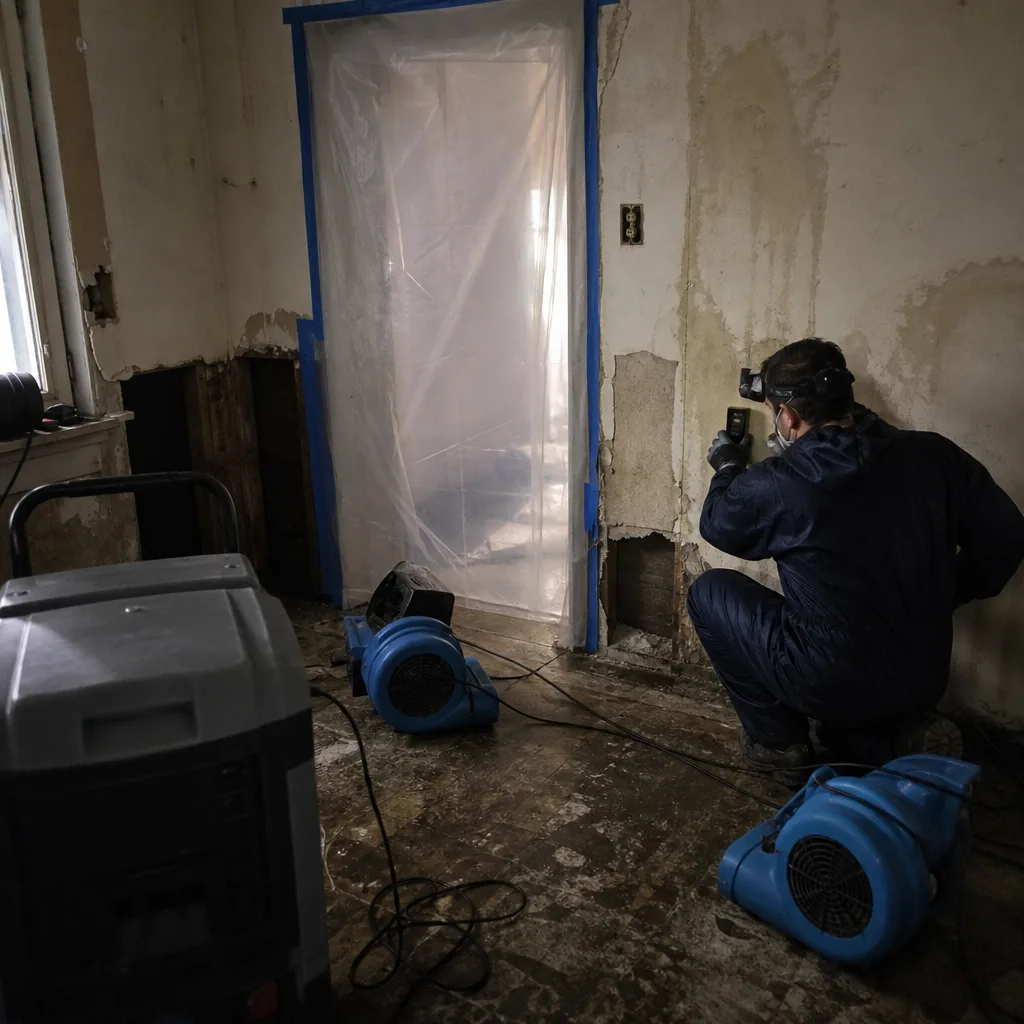 Before
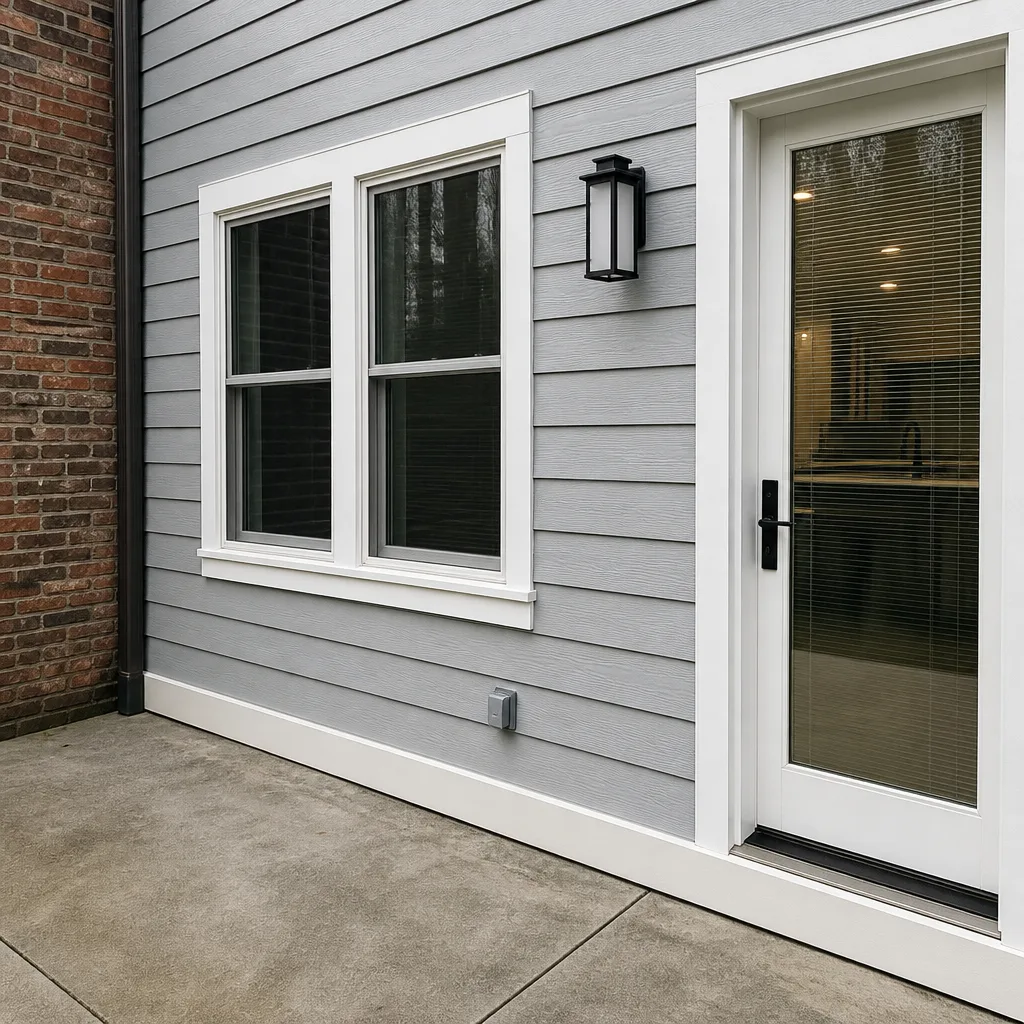 After
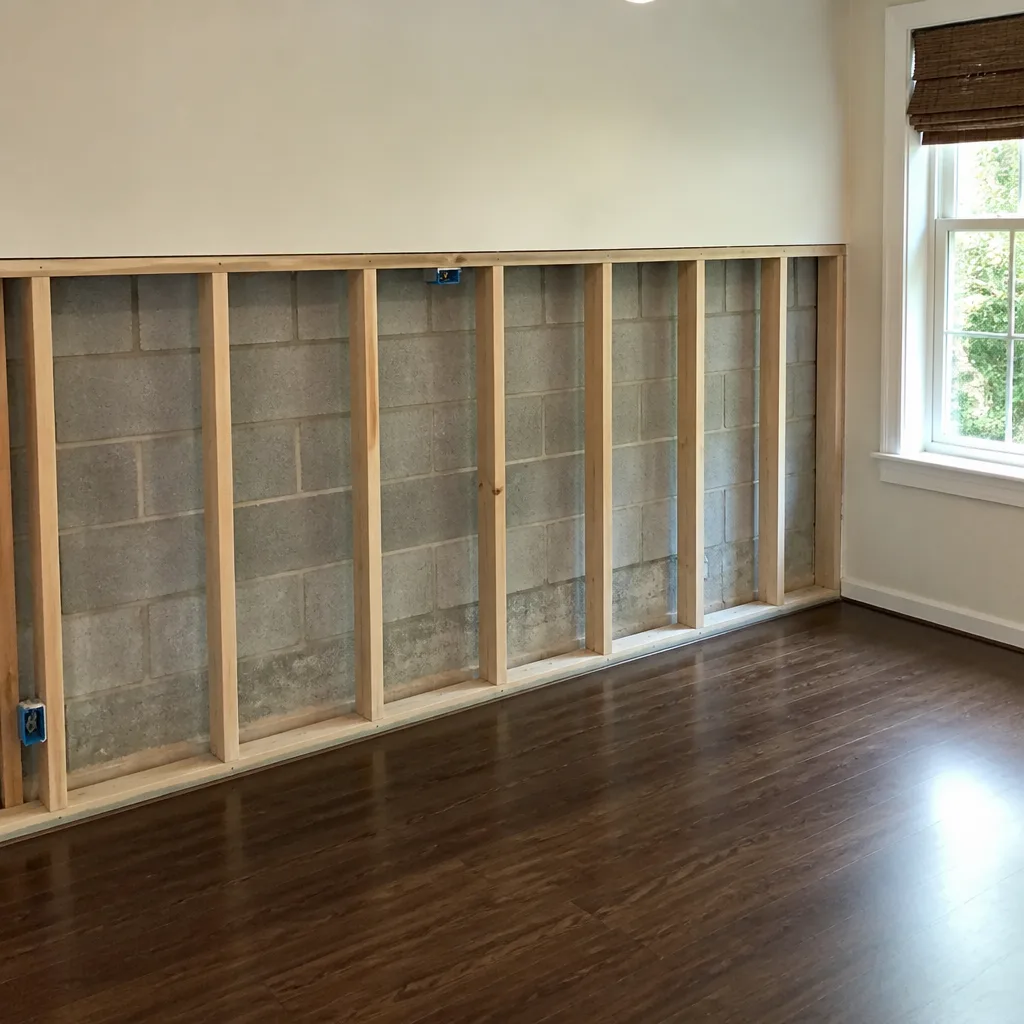
After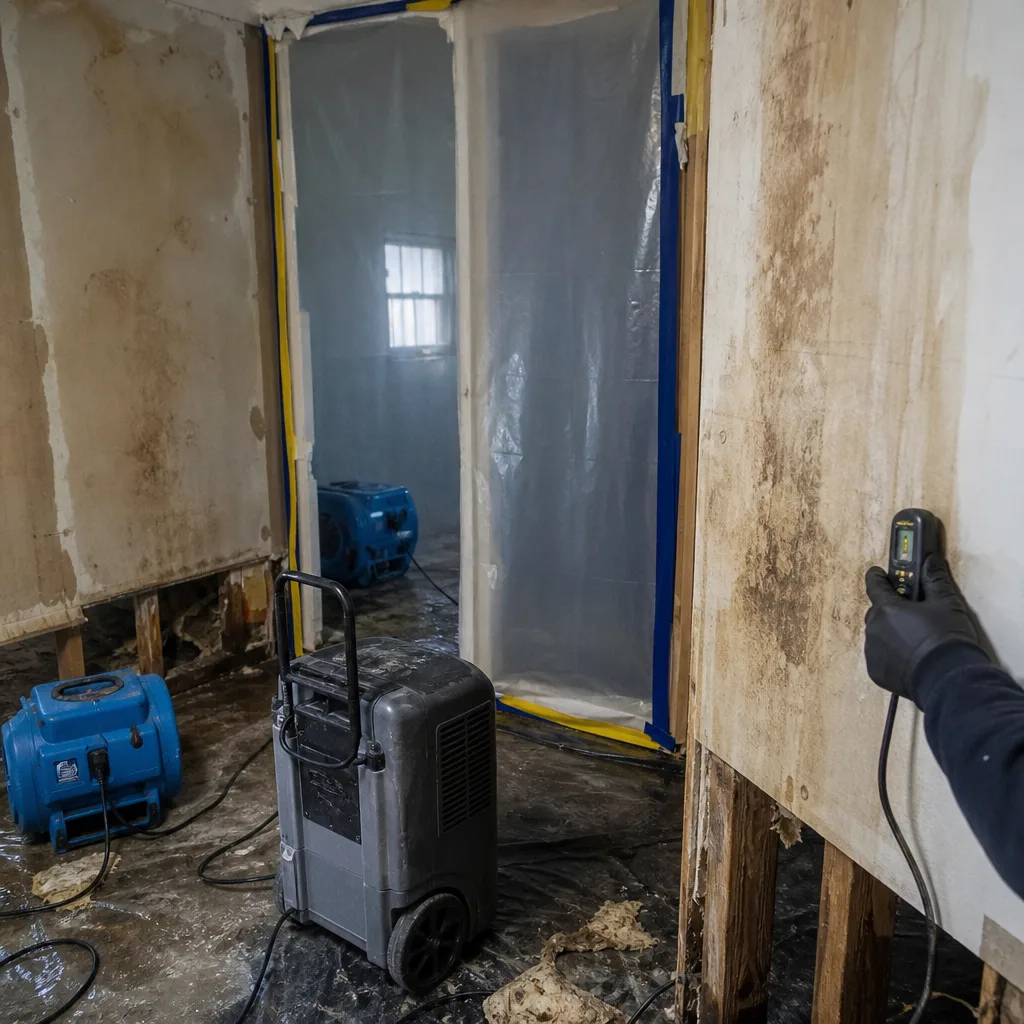 Before
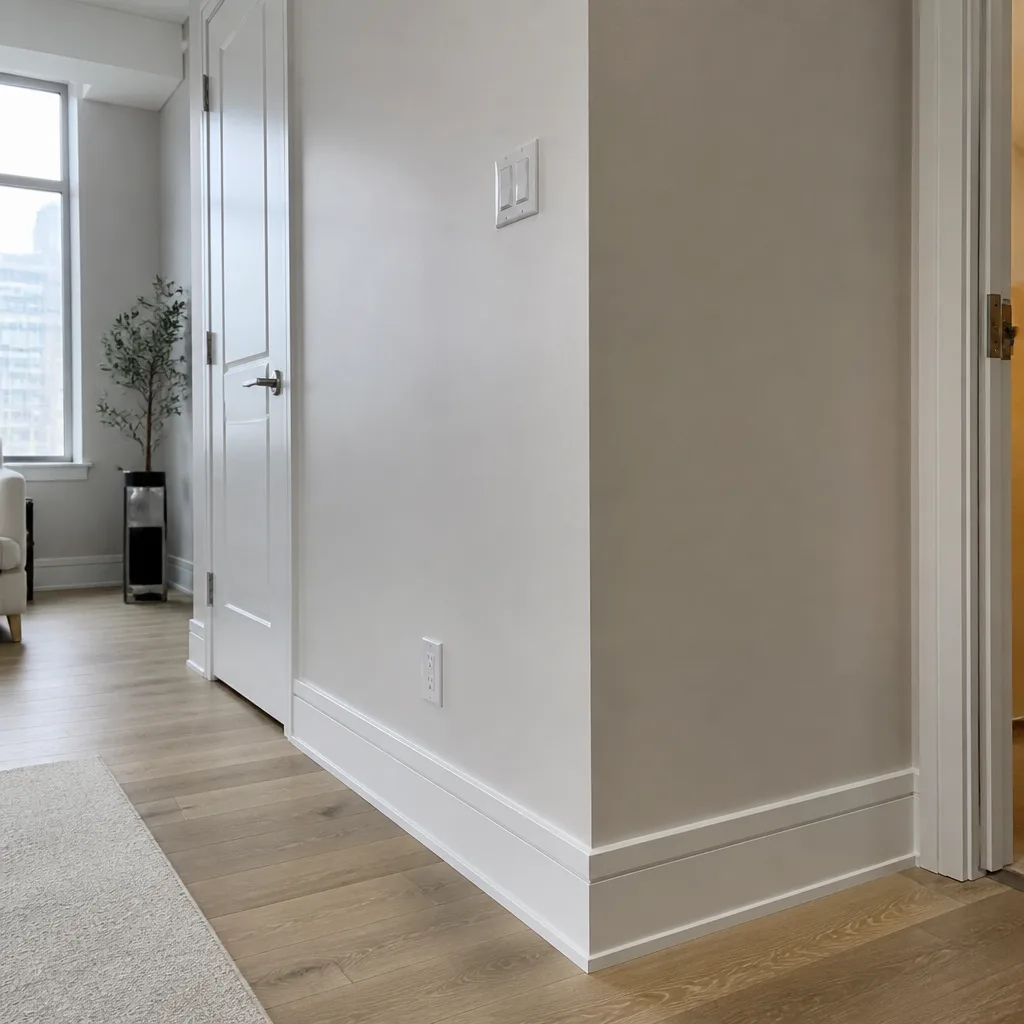 After
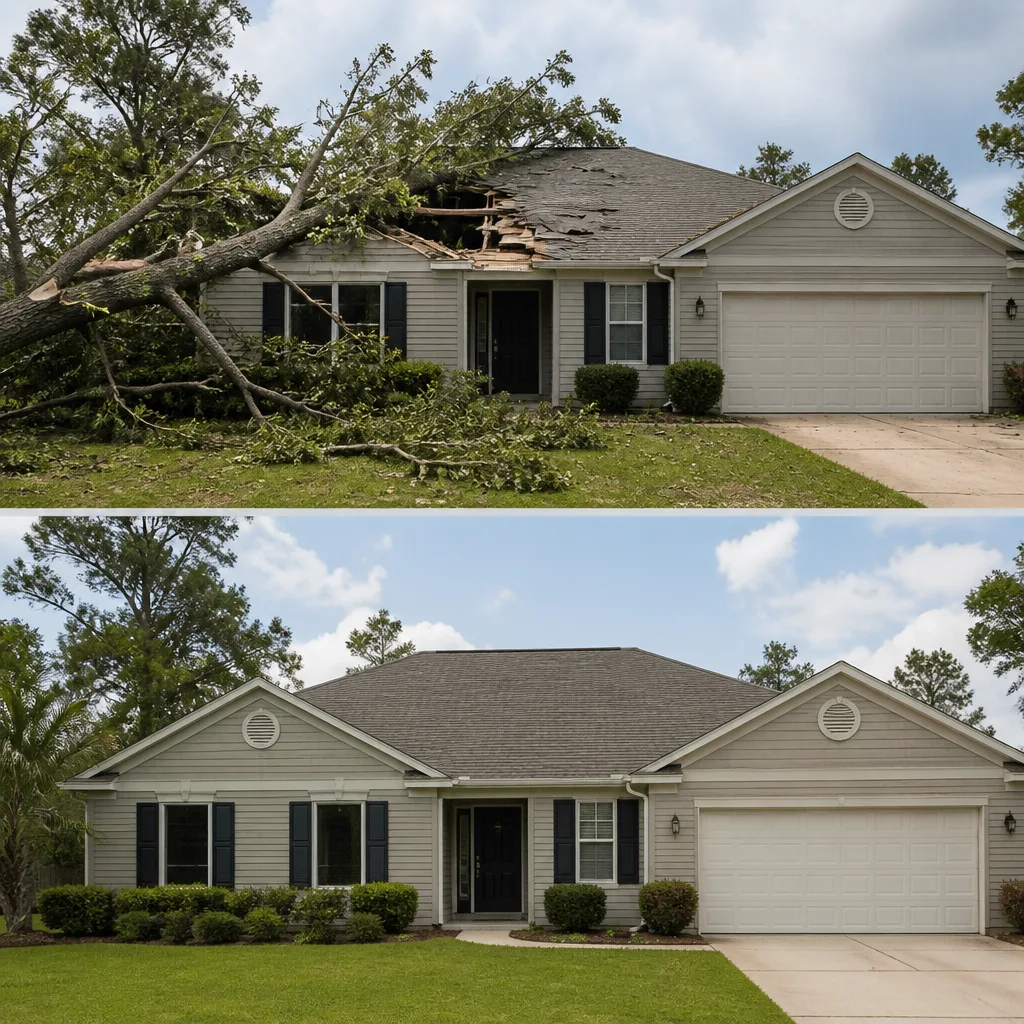
After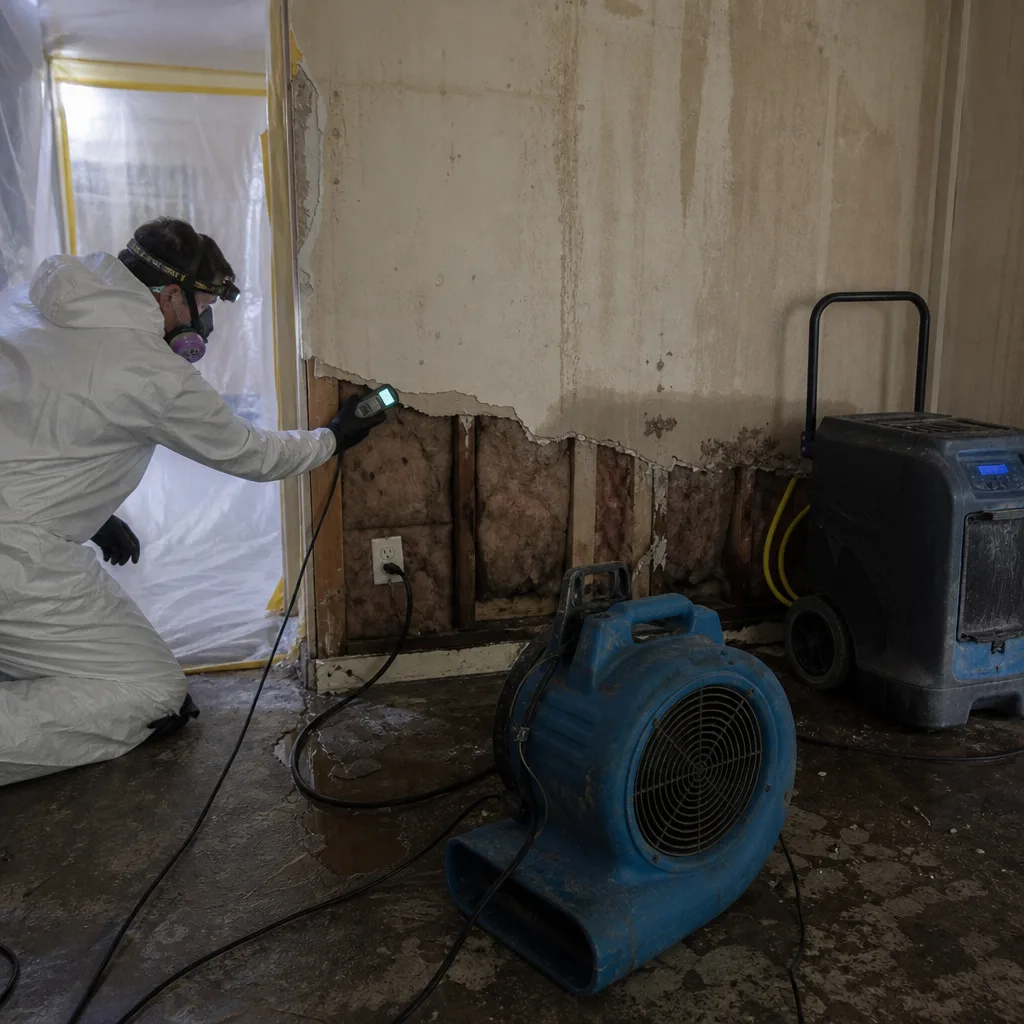 Before
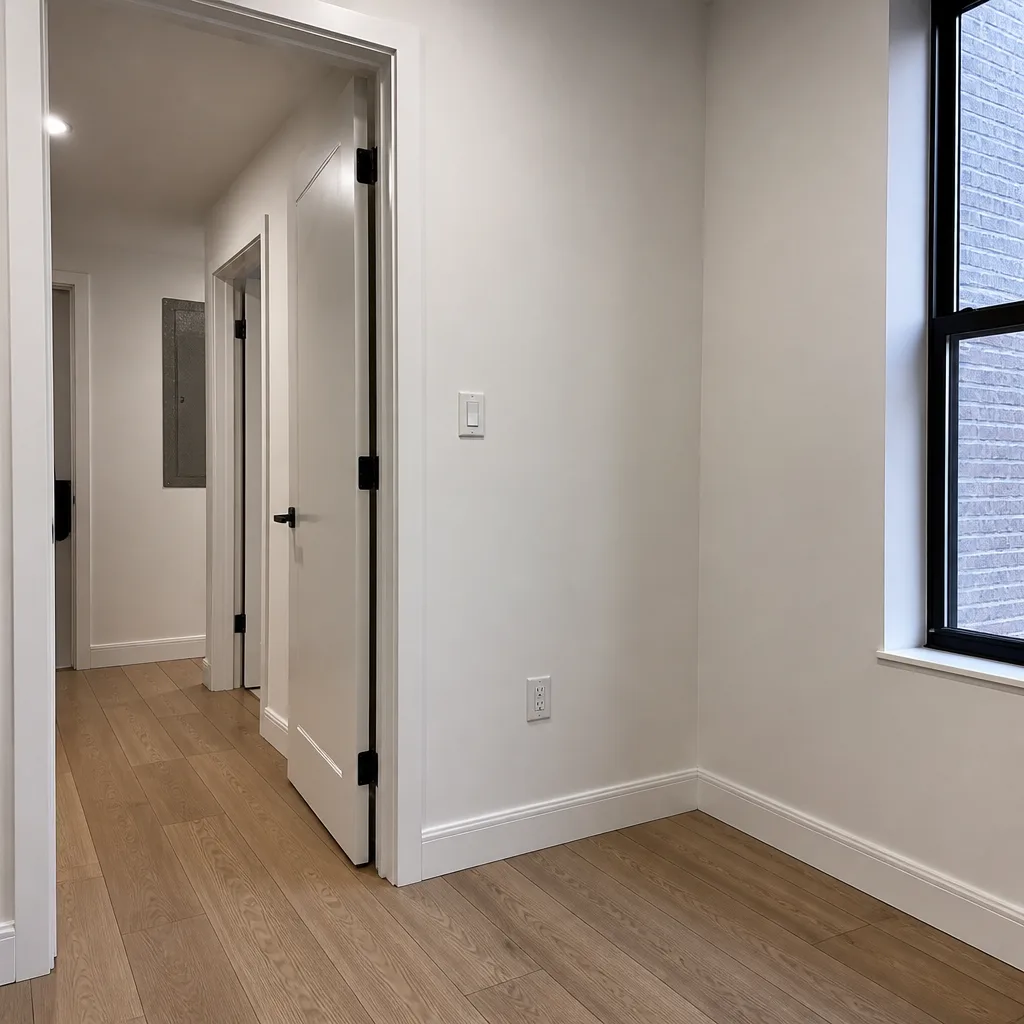 After
After24/7 Emergency Water Damage Restoration in Long Island City
Water damage restoration in Long Island City typically runs $1,800-$6,500 for a standard Category 1 or 2 loss, and we answer the phone at two in the morning. Call (518) 663-6491 and a live dispatcher picks up, not a recording. Crews reach most LIC addresses within 45 minutes, and extraction is running the same visit.
That first hour matters more than most people realize. Water moves horizontally through gypsum and vertically through subflooring fast, and in Long Island City’s older brick conversions, it also moves through shared masonry walls into the neighbor’s unit. The sooner we set up containment and start pulling water, the less demolition and replacement you’re paying for. A free visual inspection tells you exactly what you’re facing before any work begins. Done right, and backed in writing.
Understanding Water Damage Restoration Severity in Long Island City Properties
Water damage is categorized by what was in the water, not just how much of it there is. Category 1 is clean supply water, Category 2 carries some contamination, and Category 3 is what we call “grossly contaminated,” which includes sewage and storm surge. Each level changes the restoration sequence, and in Long Island City, the building itself often determines severity more than the water does.
LIC’s housing stock splits sharply. In pre-war brick factory conversions around Hunters Point, exposed concrete slabs and aging cast-iron drain stacks mean water finds paths through decades of layered materials. Moisture mapping almost always reveals damage beyond what was visible on the surface. In post-2000s high-rises along the East River, a single sprinkler activation or burst supply line can cascade through a dozen units before the building can isolate the zone. We’ve worked both. The line the water left is where we start.
Why Long Island City Property Owners Choose Floodline Restoration Co.
- 45-minute response commitment - A crew is dispatched the moment you call, not after a call-back. For water damage in LIC, that speed is the difference between drying and demolition.
- 24/7 live answer, every time - A real dispatcher picks up at any hour. We’re a restoration company built around a dispatch board, not a sales desk, and that’s been true since Curt Bowman founded Floodline in 2010.
- IICRC-certified crews - Our technicians carry WRT, FSRT, and AMRT certifications and train to IICRC, RIA, and IFA standards. Background-checked and uniformed on every job.
- Free visual inspection - We assess the damage, map the moisture, and give you a written scope before any work starts. No surprises on the bill.
- Direct insurance billing - We document everything from hour one, send the estimate to your carrier, and talk to the adjuster directly. You’re not the messenger.
- One team from extraction to reconstruction - Floodline does not hand the job off after the water is out. The same certified crew that reads the moisture map on day one rebuilds what needs rebuilding.
Our Water Damage Restoration Process
Inspection & Assessment
We map the moisture with thermal imaging and hygrometers, identify the water category, and check for what LIC’s older buildings hide behind the walls. In Hunters Point conversions, that includes an asbestos screening question on pre-1980 materials before any demo planning.
Extraction & Stabilization
Dri-Eaz pumps and XPOWER air movers pull standing water and start moving air immediately. The goal is stopping migration before it reaches structural framing or the unit below.
Drying & Dehumidification
Professional-grade dehumidifiers run until the dry standard is met, not until the surface feels dry. We log readings daily and hand the moisture log to you and your carrier.
Cleaning & Sanitization
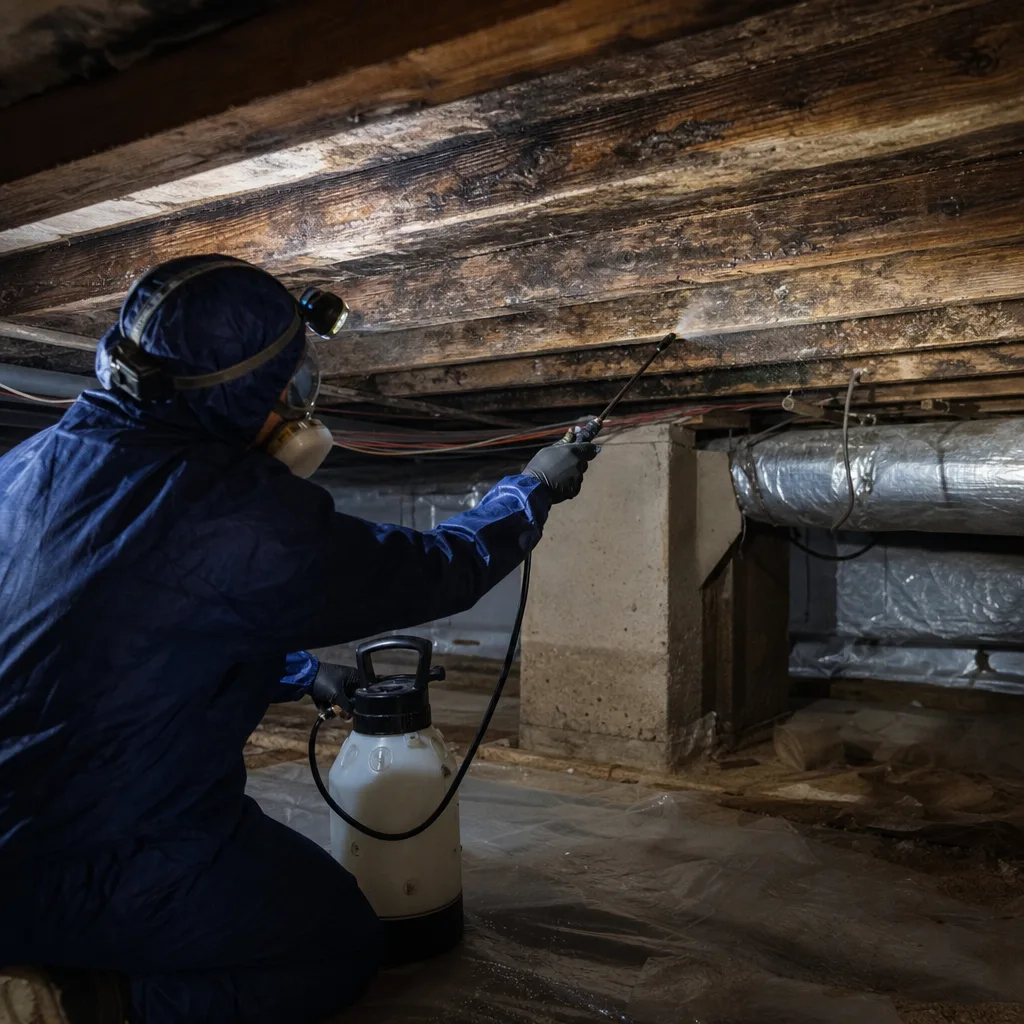
Antimicrobial treatment prevents mold from taking hold in materials we can save. HEPA filtration clears the air while we work, especially in tight loft spaces.
Specialty Treatment for LIC Properties
In pre-war conversions, we coordinate with licensed asbestos surveyors before demo proceeds. In high-rise towers, we isolate HVAC zones so drying one unit doesn’t push moisture into adjacent ones.
Repairs & Restoration
From drywall and flooring to full build-back, the same crew finishes what extraction started. The 90-Day Done Right Promise covers it in writing.
Need Emergency Water Damage Restoration in Long Island City Now?
Crews minutes away, answering live 24 hours a day. The sooner we start, the less it costs.
Working With Your Insurance Company
We’ve spent years handling claims in Long Island City, and we know what carriers require here. Documentation starts the moment we arrive: room-by-room photos, moisture readings, a line-item scope with current local pricing. Our direct insurance billing means we talk to the adjuster, not you. In multi-unit high-rise losses near the East River, we coordinate with building management and individual unit owners so the claim doesn’t stall on a paperwork gap. A square deal: no surprises on the bill, and a written scope before any work begins.
What We Provide Your Insurer
- Thorough documentation of the loss
- Photos of all damage, room by room
- Moisture readings and drying logs
- A detailed, line-item scope of work
- Direct coordination with your carrier
Built for Long Island City’s Loss Calendar
Long Island City’s damage pattern follows its geography. January deep freezes burst copper supply lines in the uninsulated mechanical rooms of pre-war factory conversions. Spring thaw pushes groundwater up through the Hunters Point peninsula’s high water table and into below-grade spaces. Summer thunderstorms overwhelm the combined sewer outflow near Newtown Creek, sending Category 3 water into ground-floor commercial and residential spaces. And nor’easter season puts the low-lying waterfront at direct surge risk.
What does that mean for your property? In a converted loft on 47th Avenue, a winter freeze on an original cast-iron line is not a plumbing repair, it’s a restoration event that can involve plaster, flooring, and the tenant below. In a new tower near Center Boulevard, a summer cloudburst that overtaxes roof drains can cascade through the stack and damage units from the penthouse down. Knowing the season tells us what to check first. It also tells us where to look for hidden damage after the obvious extraction is done.
Water Damage Restoration Across Long Island City’s Neighborhoods
Long Island City is not one neighborhood from a restoration standpoint; it’s three distinct property profiles stitched together. In the Hunters Point manufacturing district, converted pre-war lofts hold exposed concrete, original timber, and drain stacks that predate modern codes. Water events here often trigger the asbestos question: pre-1980 pipe insulation, floor tile mastics, and roofing materials can legally halt demo until a survey clears the site. We plan for that from the first call.
Along the East River waterfront, the post-2000s tower corridor from Gantry Plaza State Park north through 11101 and 11109 presents a different challenge. Vertical drain stacks and centralized mechanical systems mean a single burst pipe on one floor can damage units above, below, and adjacent. Coordination with building management and multiple unit owners is part of the job. Over near Queens Plaza and the 11120 corridor, mixed-use buildings with ground-floor retail create a third pattern: a second-floor residential leak becomes a commercial space’s ceiling problem within hours, and both parties need documentation for their own carriers. Our Water Damage Restoration team reads the building type before we ever touch a hose.
Specialized Water Damage Restoration Services We Offer in Long Island City
Emergency Water Extraction
Standing water in a LIC loft or tower unit needs to come out immediately. We run Dri-Eaz extraction pumps and XPOWER air movers the same visit, pulling water before it saturates concrete slabs or reaches the unit below.
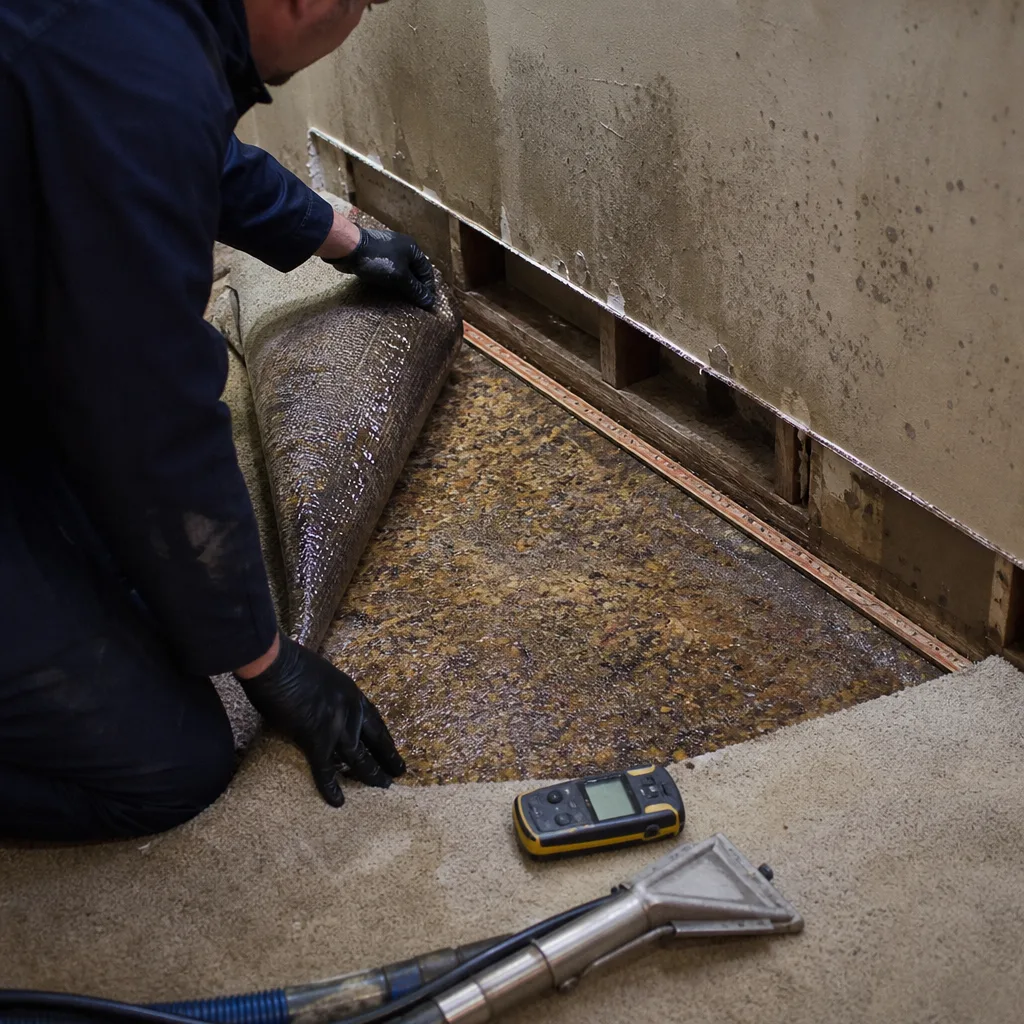
Structural Drying & Dehumidification
Drying in Long Island City’s dense high-rises is different from drying a house. Centralized HVAC systems move moist air between units, so we isolate the affected zone and run Phoenix dehumidifiers until moisture readings hit the dry standard. Daily logs go to you and the carrier.
Flood Cleanup
Waterfront ground-floor spaces in LIC face true flood risk from storm surge and creek overflow, which is why we offer Long Island City Storm & Disaster Restoration. That’s Category 3 water, which means full containment, antimicrobial treatment, and removal of porous materials before drying begins.
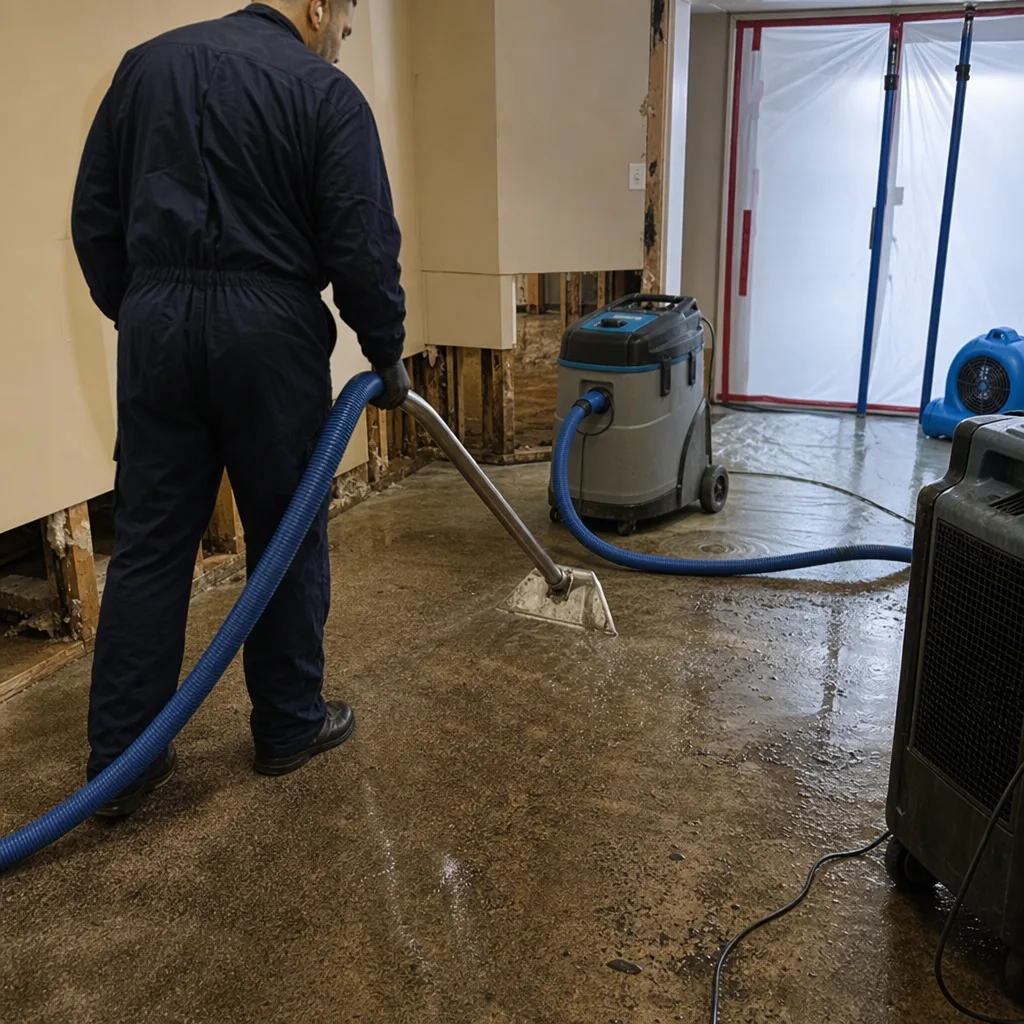
Burst Pipe Restoration
Winter freezes in uninsulated factory-era mechanical rooms are a Long Island City signature loss. We repair the line, extract, dry, and rebuild the affected space, including coordination with any tenant or neighboring unit that got wet.
Basement Water Removal
Below-grade spaces near Newtown Creek genuinely re-wet if groundwater pressure isn’t addressed. Our Long Island City crews check for that during extraction and set up the right drying protocol so you’re not watching puddles return three days later.
What happens when you call
- 1
A real person answersNo phone trees - you reach a local pro.
- 2
You get an upfront price rangeHonest numbers before anyone is dispatched.
- 3
A background-checked tech heads outLicensed & insured, dispatched right away.
- 4
You approve before work beginsNothing starts until you say go.
Water Damage Restoration Costs in Long Island City, NY
A typical Category 1 or 2 water loss in Long Island City runs $1,800-$6,500 for extraction, drying, and basic repair. Flood cleanup from Category 3 water typically lands between $4,000 and $12,000 because porous materials usually come out and containment is mandatory. A burst pipe in a converted Hunters Point loft may climb higher if asbestos abatement enters the sequence, which it often does in pre-1980 factory buildings.
What moves the price most is how long the water sat before we arrived and whether the structure is concrete or wood-frame. Insurance covers the majority of sudden and accidental losses in LIC; out-of-pocket scenarios are usually limited to maintenance failures or the deductible. The free visual inspection gives you a firm, line-item scope before any work starts, not an estimate that grows later. Call (518) 663-6491 and you’ll know exactly what you’re dealing with.
We Also Serve Cities Near Long Island City
Based in the New York City metro area, Floodline Restoration Co. also serves Maspeth and the surrounding Queens communities with the same 24/7 live dispatch and 90-Day Done Right Promise. If water is moving through your building, call (518) 663-6491.
Serving Long Island City, NY - Our Local Coverage Area
We’re based in the Long Island City area and know this community well. Use the map below to see our service coverage - if you’re nearby, we can almost certainly help.
Long Island City Water Damage Restoration Questions, Answered
Why does water damage restoration in Hunters Point loft conversions often stop after the initial extraction?
Because many converted pre-war factory buildings contain asbestos in original pipe insulation, floor tile mastics, or roofing materials, and New York regulations require a licensed survey and any necessary abatement before demolition or structural drying can legally continue. We flag this risk on the first inspection and coordinate with an asbestos professional so the job doesn’t hit a stop-work order.
How does LIC’s high water table affect basement water removal in the Hunters Point peninsula?
The Hunters Point peninsula sits on a high urban water table near the East River and Newtown Creek, so below-grade spaces can re-wet within days if groundwater pressure isn’t addressed during drying. Our crews check for that condition during extraction and set up dehumidification that holds the dry standard, not just a surface fix.
What happens when a sprinkler pipe bursts in a new high-rise tower near the East River, and how do you coordinate with building management?
A single sprinkler activation in a tower’s vertical stack can cascade Category 2 water through multiple units, and the building’s fire suppression system usually triggers automatic notification to management. We also handle Fire & Smoke Damage Restoration in Long Island City when suppression systems cause secondary damage. We coordinate directly with building management and each affected unit owner, isolate the HVAC zone so drying doesn’t push moisture into adjacent units, and document separately for each party’s carrier.
Are there special flood cleanup considerations for ground-floor spaces near the LIC waterfront after a storm surge?
Yes. Storm surge is Category 3 water, which means containment, removal of porous materials, and antimicrobial treatment are mandatory before drying can proceed. For severe contamination, we also provide Sewage Cleanup - Long Island City. Spaces along the East River waterfront below the FEMA flood zone line face recurrence risk, so we also document elevation and moisture conditions for your carrier.
What types of water damage are most common in Long Island City’s older brick factory conversions?
The two most common are winter freeze bursts on original cast-iron supply lines in uninsulated mechanical rooms, and slow leaks from aging drain stacks that have wicked behind factory-era plaster walls for weeks before anyone noticed. Both usually require more than extraction; they require opening the wall cavity, assessing hidden moisture, and often a licensed asbestos survey.
How fast can someone actually get to my Long Island City property?
Our commitment is 45 minutes from your call to a crew on site in LIC. The sooner extraction starts, the more of your structure we can dry rather than replace. A live dispatcher answers 24/7 at (518) 663-6491.
Will my insurance cover water damage restoration in Long Island City?
Most sudden and accidental losses, such as a burst supply line or storm-related intrusion, are covered by standard homeowners or condo policies. Gradual leaks from lack of maintenance may not be. We provide the documentation carriers need, direct-bill the claim, and talk to your adjuster so you don’t have to play messenger.
What should I do in the first 30 minutes after discovering water damage?
Call us at (518) 663-6491, then shut off the water source if you can do so safely, and avoid walking through standing water if there’s any chance electrical systems are wet. Do not attempt to open walls or flooring yourself in older LIC buildings; pre-1980 materials may require testing before disturbance. We’ll guide you through the next steps on the phone.
Written by Curt Bowman, Owner at Floodline Restoration Co., providing Water Damage Restoration in Long Island City and the surrounding Queens area since 2010.