
Free visual inspection and a written scope of work before any mitigation begins - photos, moisture readings, and drying logs go in your claim file
The scope we write is the scope we bill. Anything new gets shown to you, in writing, before we touch it.

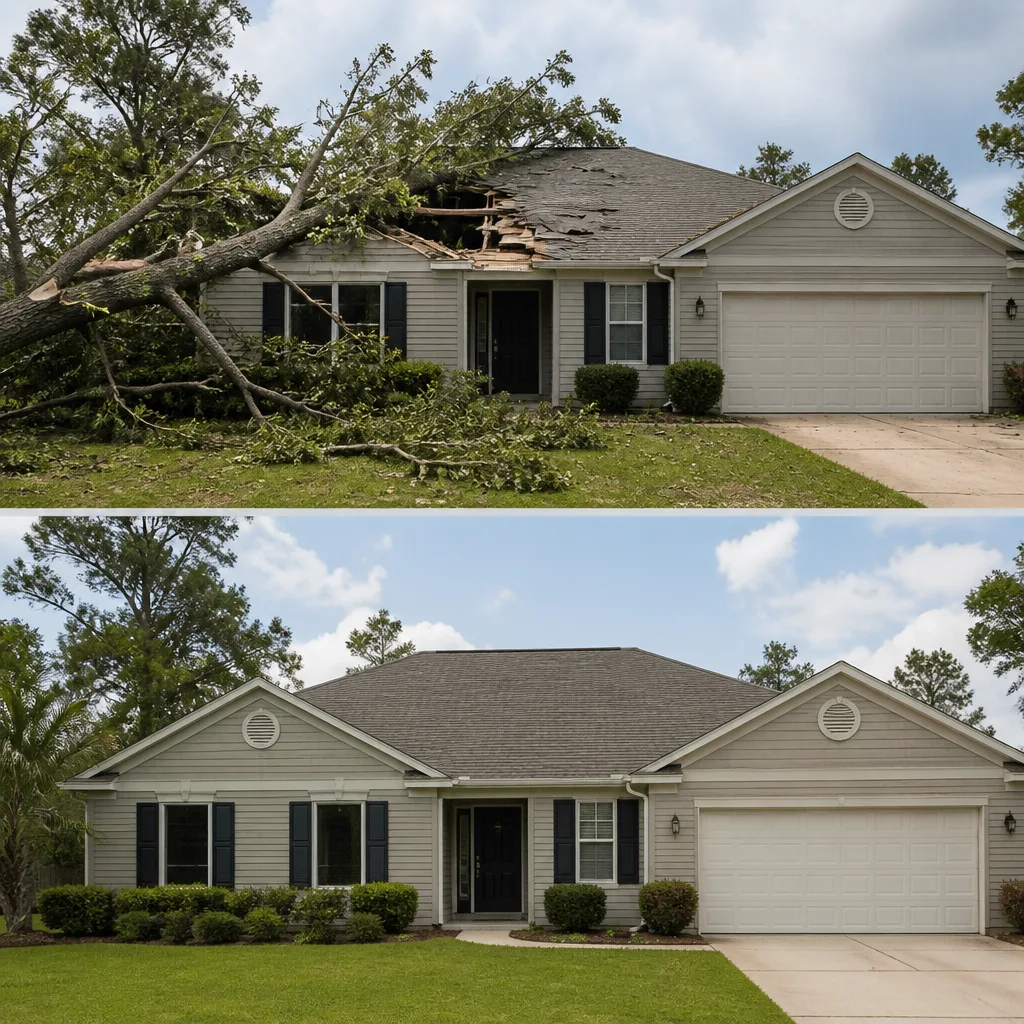


 Before
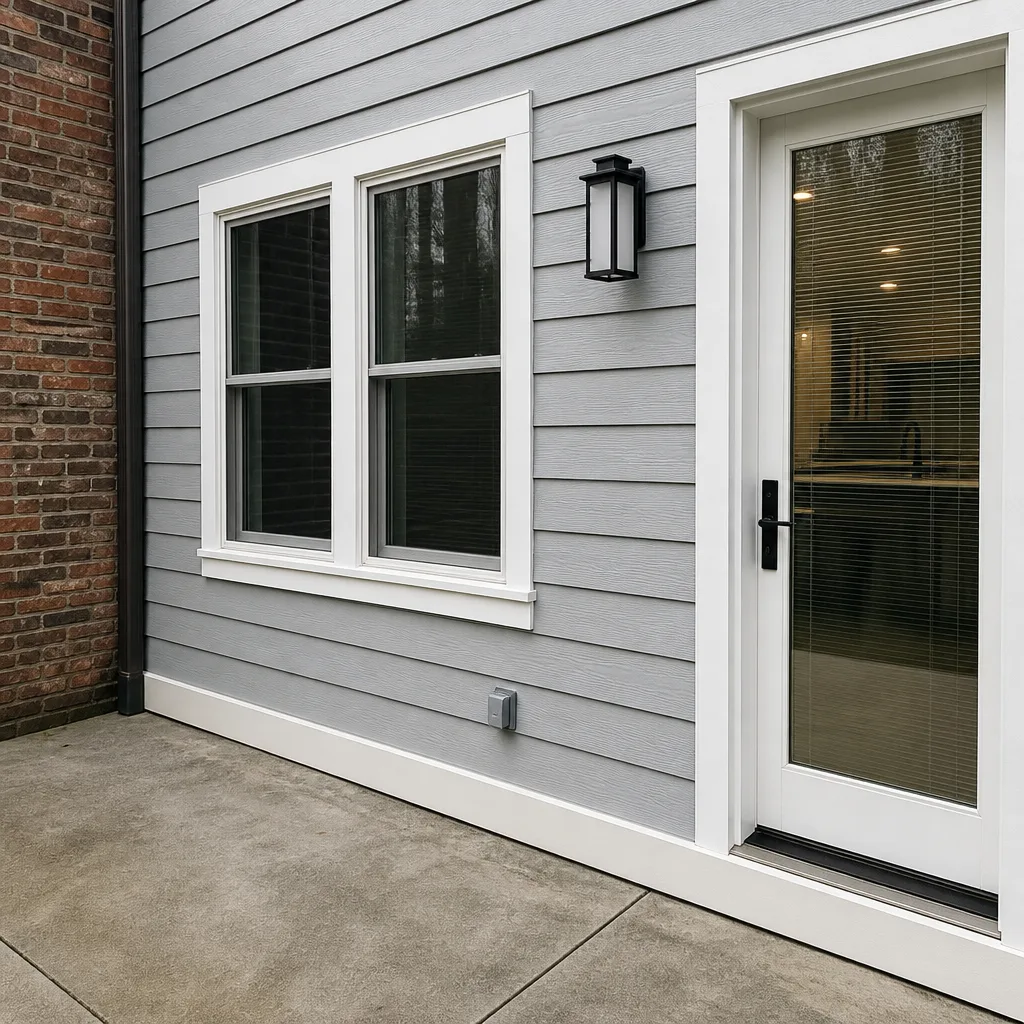 After
After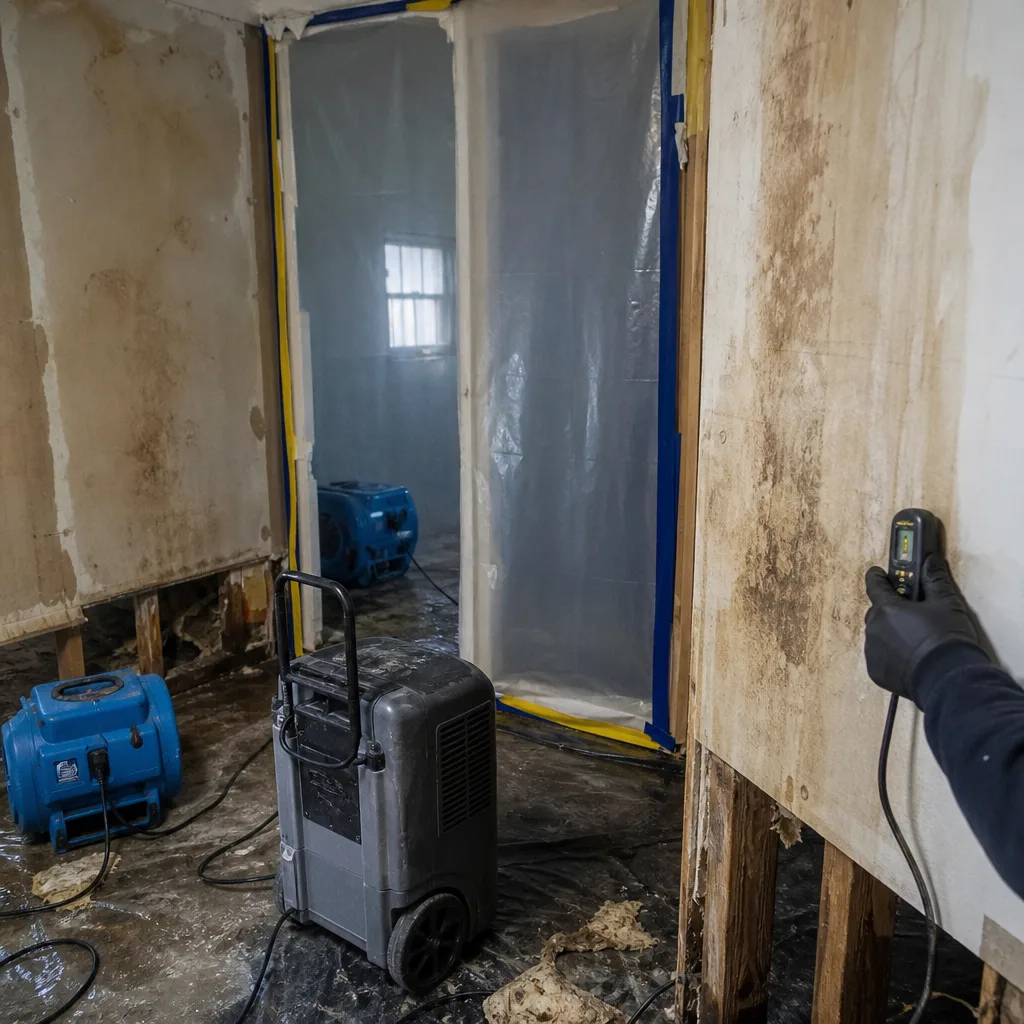 Before
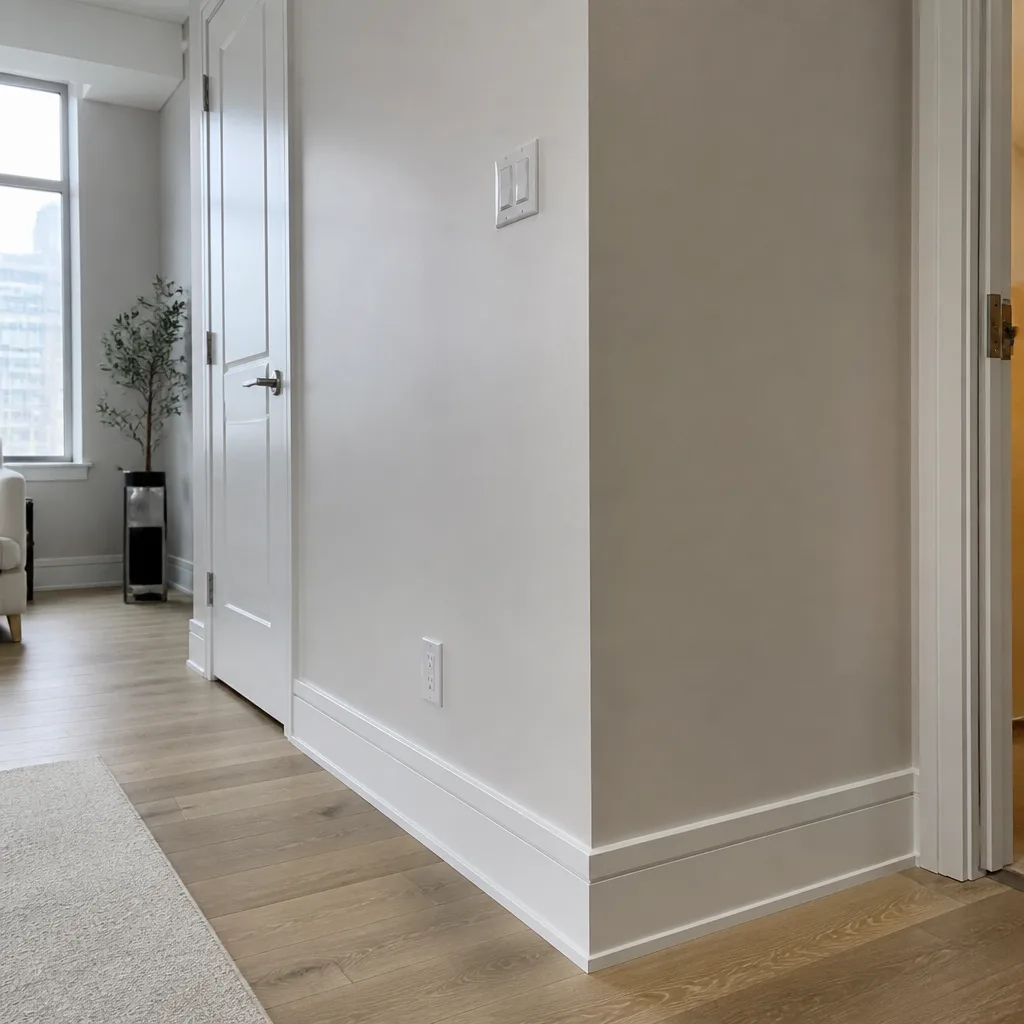 After
After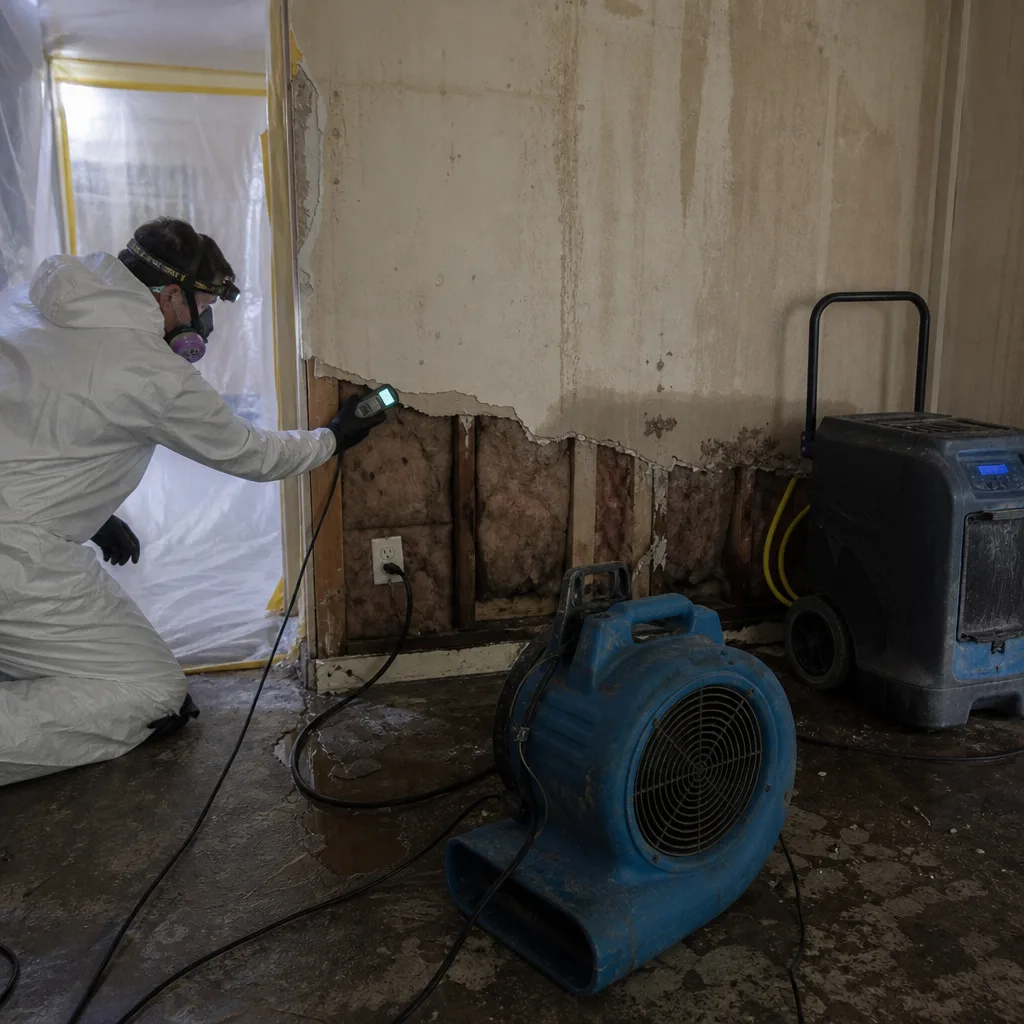 Before
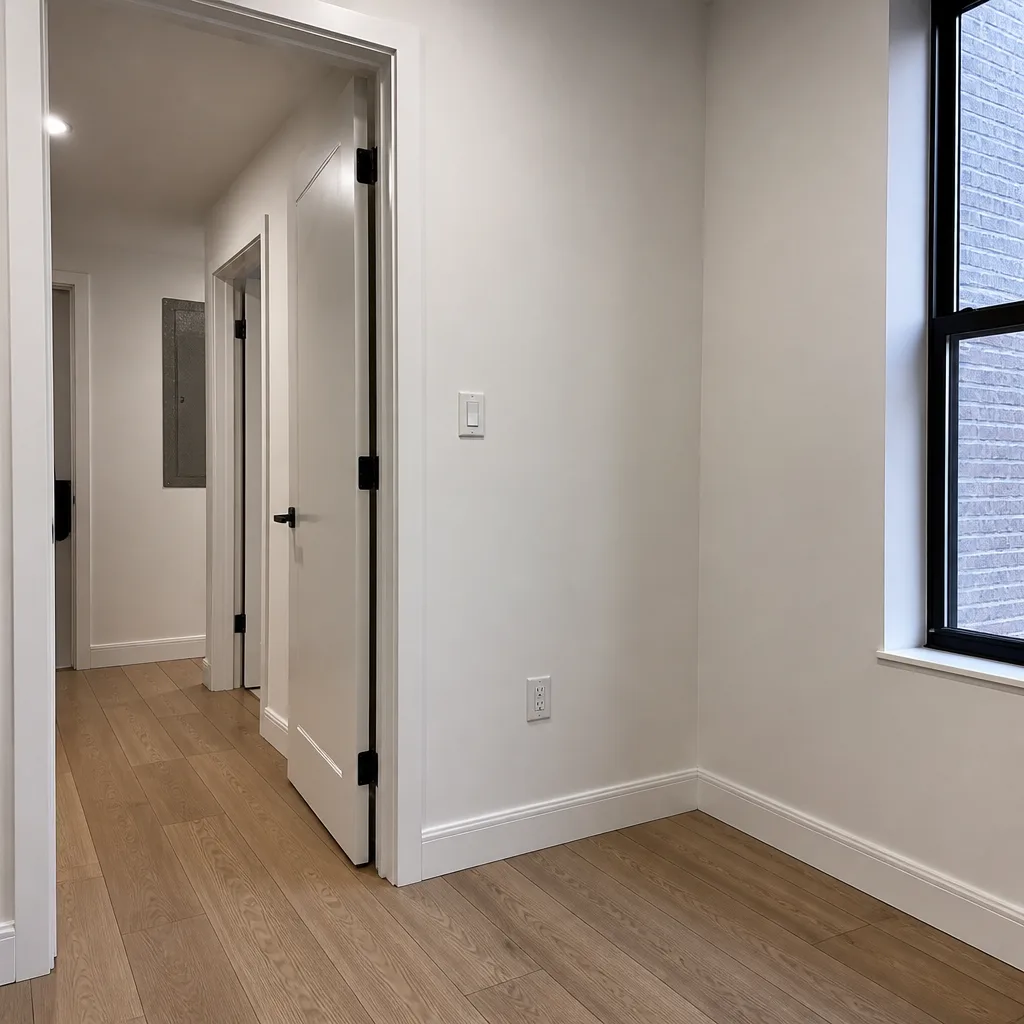 After
After24/7 Emergency Storm & Disaster Restoration in Midtown Manhattan
When a nor’easter tears through Midtown Manhattan or a steam riser lets go inside a pre-war tower, you need a crew that answers the phone at 3 a.m. and gets moving. Floodline Restoration Co. runs live dispatch around the clock, every day of the year, and our certified technicians reach Midtown addresses fast, from the Garment District over to Tudor City. Call (518) 663-6491 now and you’ll talk to a real person who can put a crew on the road, not a recording. The first hour after water enters a Midtown building is when secondary damage starts, plaster wicks moisture upward, and contents begin to swell. Our team arrives for a free visual inspection, sets containment where it’s needed, and gets extraction running the same visit.
Understanding Storm & Disaster Restoration Severity in Midtown Manhattan Properties
Storm and flood damage in Midtown Manhattan follows patterns you won’t see in most of the country, because the building stock is older, taller, and far more interconnected. We classify water by category: Category 1 is clean supply water from a burst pipe or failed steam condensate line; Category 2 carries contaminants from equipment runoff or HVAC overflow; Category 3 is grossly contaminated, typically sewer surcharge or street floodwater that backflows through the combined system. Nor’easters and stalled coastal storms routinely push Category 3 water into basement mechanical rooms and elevator pits across Midtown. In pre-war buildings with original 1920s plaster-and-lath assemblies, a single Category 1 leak left unaddressed for 48 hours can grow mold behind the wall cavity, because the substrate holds moisture far longer than modern drywall. We run moisture mapping with penetrating and non-penetrating meters, log daily readings against a drying standard, and use Injectidry to dry wall cavities in place when the assembly is worth saving. Soot from a failed steam line is its own animal: it carries scale and pipe residue that a residential-only crew will bag as ordinary debris and mist as clean. That mistake leaves contaminated contents in place, and the smell returns months later. Midtown’s mix of cast iron, galvanized, and undocumented plumbing runs means the severity is rarely obvious on first look. A visual inspection without moisture instrumentation is a guess.
Why Midtown Manhattan Property Owners Choose Floodline Restoration Co.
- 45-minute response commitment. When you call, a dispatcher alerts the nearest Midtown crew immediately. We commit to a 45-minute callback and movement toward your address, because delays in a tower cascade through floors.
- 24/7 live answer, never an automated system. A real person picks up at two in the morning, every day. That’s not a promise we make lightly; our dispatch board is staffed around the clock.
- IICRC-certified crews. Our technicians carry WRT, FSRT, and AMRT certifications and train to IICRC, RIA, and IFA standards. You get background-checked, uniformed professionals, not day labor.
- Free visual inspection. We walk the damage, map the moisture, and hand you a plain-language assessment before any work begins. No charge, no obligation.
- Direct insurance billing. We bill your carrier directly, document everything from the first hour, and coordinate with adjusters so you are not the messenger between us and the insurance company.
- One team from extraction to reconstruction. Floodline Restoration Co. does not hand the job off after drying. The same Storm & Disaster Restoration crew that extracts the water rebuilds what was torn out, so nothing gets lost between trades.
Our Storm & Disaster Restoration Process
Inspection & Assessment
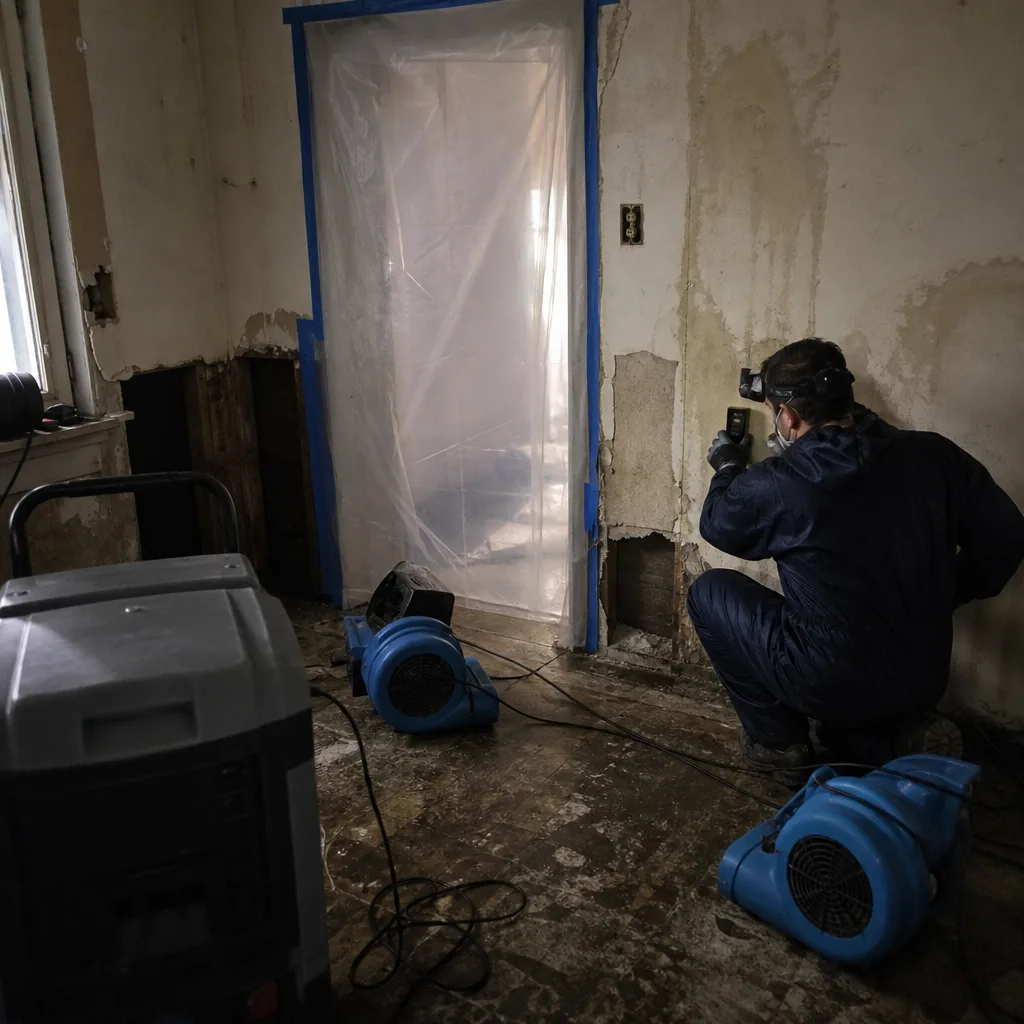
We arrive, walk every affected floor with you, and run thermal imaging plus moisture meters to find water that has migrated behind walls and under flooring. We also check the age of the building and whether a DEP asbestos survey applies, because that determination governs the entire schedule.
Extraction & Stabilization
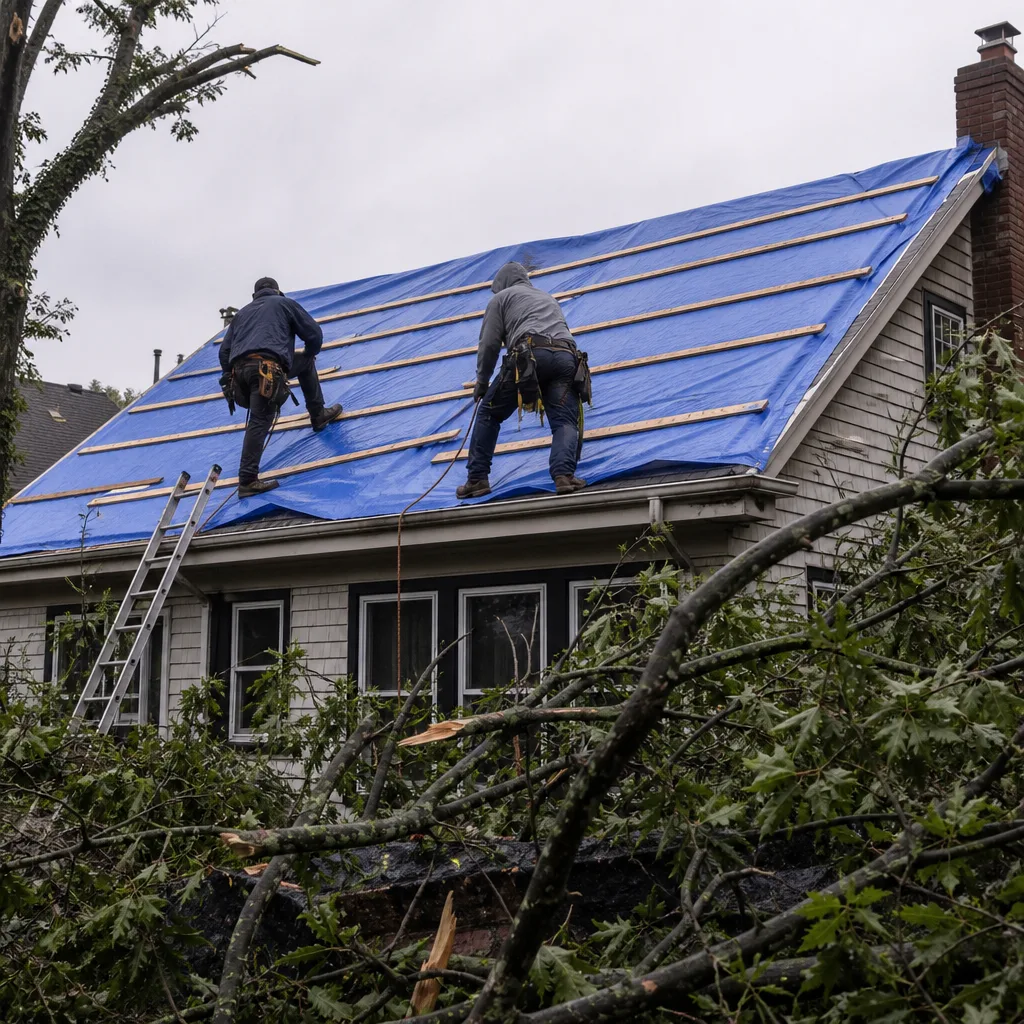
Professional-grade truck-mounted and portable extraction units pull standing water from floors, carpet, and elevator pits. We set containment barriers and, for storm damage, start emergency board-up and roof tarping to stop new water entering the building.
Drying & Dehumidification
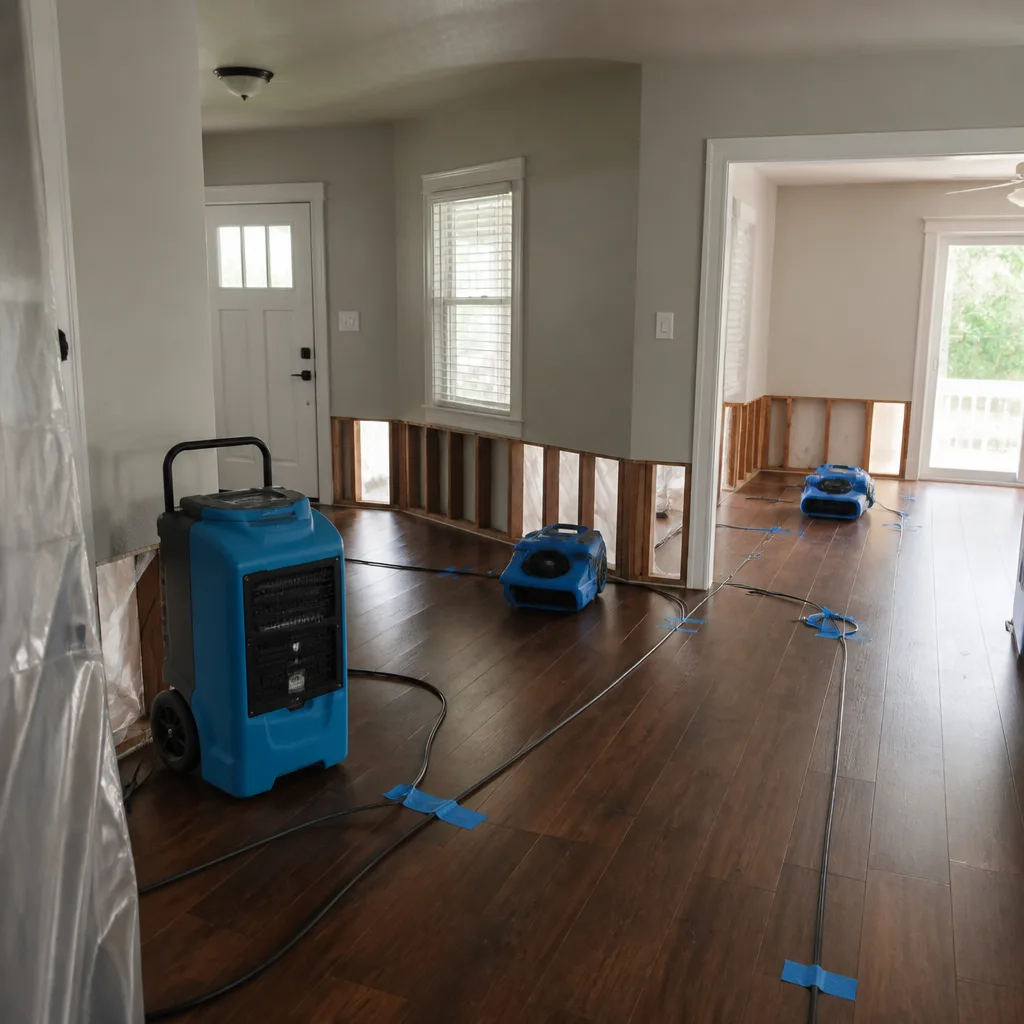
We position Dri-Eaz and Phoenix air movers and dehumidifiers according to the moisture map, not a per-room guess. In pre-war plaster walls, we add Injectidry injection drying to pull moisture from the cavity. Daily readings get logged until the dry standard is met.
Cleaning & Sanitization
We clean Category 1 and Category 2 affected surfaces with appropriate antimicrobial treatments. For Category 3 contact, we remove and dispose of contaminated materials, then sanitize what remains. HEPA air scrubbers run where airborne particulate or mold is present.
Specialty Treatment for Storm Damage
Steam line failures leave soot and scale that needs specific cleaning chemistry, not generic wipe-down. Roof drain backups carry sewer-borne contaminants. We treat each Midtown failure mode according to what actually happened, not a one-size checklist.
Repairs & Restoration
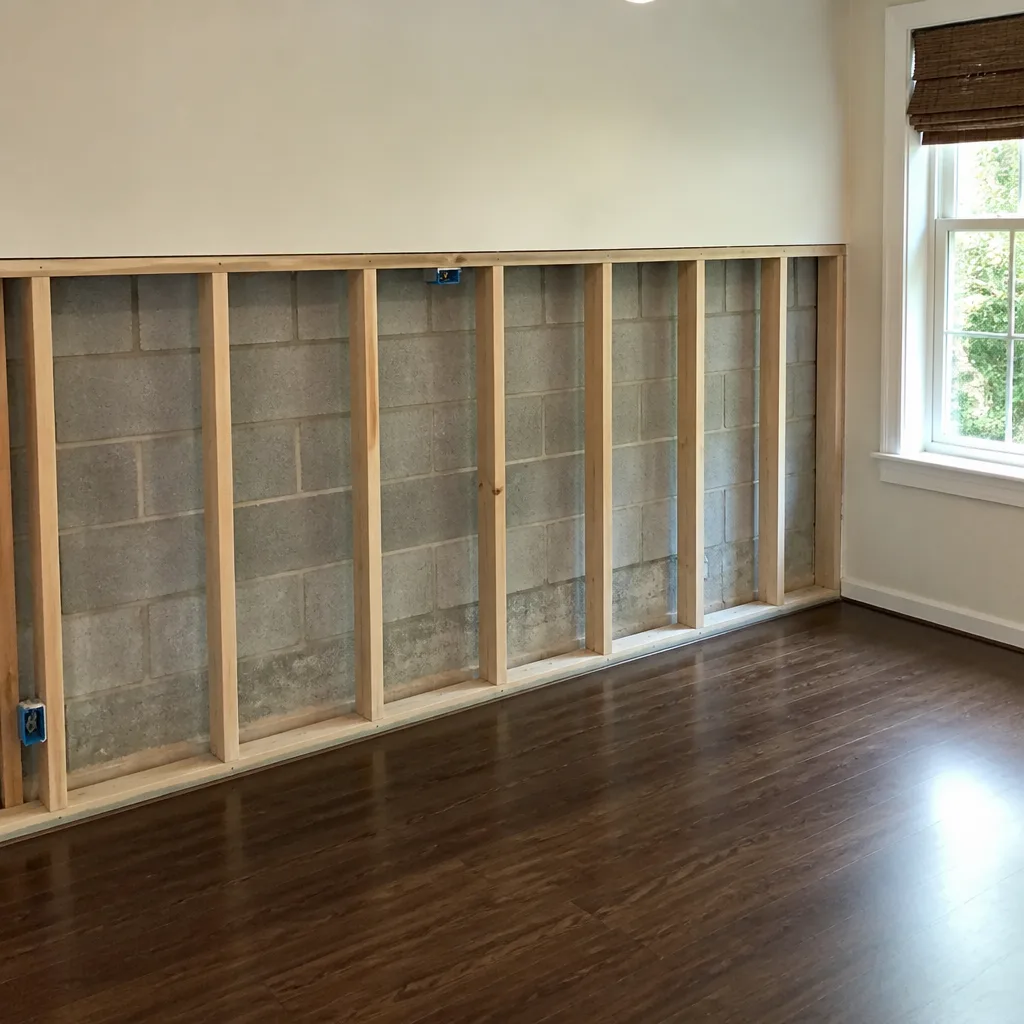
Once the structure is dry and clean, our crew handles reconstruction and cleanup: drywall, plaster, flooring, paint, trim. Because we do not hand the job off, the person who dried your wall is accountable for the finished wall. The 90-Day Done Right Promise applies to everything we touch.
Need Emergency Storm & Disaster Restoration in Midtown Manhattan Now?
Crews minutes away, answering live 24 hours a day. The sooner we start, the less it costs.
Working With Your Insurance Company
Storm and flood claims in Midtown Manhattan move faster when documentation starts in the first hour and stays consistent through the final scope. We photograph every affected room before demolition, log moisture readings daily, and provide your adjuster with a line-item scope that uses industry-standard pricing. Our team communicates directly with carriers, answers their questions, and schedules reinspections without you having to relay messages. Building management companies and condo boards often require their own paperwork trail, and we handle that coordinate as well. From the first extraction through the finished rebuild, your carrier gets what it needs to process the claim, and you get a copy of everything, including the moisture log and the written 90-Day Done Right Promise.
What We Provide Your Insurer
- Thorough documentation of the loss
- Photos of all damage, room by room
- Moisture readings and drying logs
- A detailed, line-item scope of work
- Direct coordination with your carrier
Built for Midtown Manhattan’s Loss Calendar
Midtown Manhattan’s storm losses follow a rhythm that anyone who has spent a few winters here recognizes. January and February bring the deep freezes that crack exposed rooftop mechanical rooms and uninsulated pipe chases in pre-war buildings. Freeze-thaw cycles stress original cast-iron risers until a 15 PSI steam line finally lets go, and the call comes in as a combined water-and-soot event across multiple floors. We see that every winter, particularly in older hotel and office stock clustered around Penn Station and Grand Central. Spring thaw seeps through aging parapet walls and roof drains that have not been maintained since the original build. Summer thunderstorms dump rain faster than the combined sewer system can carry it, sending street water and sewer surcharge into basements and sub-grade mechanical rooms. And nor’easters, the ones that stall over the coast, force water through flat roofs and down elevator shafts. If you live or work in Midtown Manhattan, the question is not whether storm water will find a way in. It is whether the crew on the other end of the phone knows what to do when it does.
Storm & Disaster Restoration Across Midtown Manhattan’s Neighborhoods
Midtown stretches from the Hudson River east to the East River, and the failure modes shift block by block. Around the Garment District and Penn Station, we respond mostly to pre-war loft and hotel buildings with original steam loops and freight elevator limitations that dictate when crews can stage equipment. Over by Grand Central and Park Avenue, the calls come from mid-century curtain-wall office buildings where pipe chases hide decades of undocumented plumbing runs above suspended ceilings, and a leak travels horizontally before anyone notices. Around Times Square and the theater district, mixed-use towers combine hotel rooms, condos, and commercial tenants above active storefronts, so one failed line affects multiple ownership entities and carriers at once. Hudson Yards and the far West Side bring modern glass high-rises with complex chilled-water and VAV systems, where condensation leaks and roof drain backups are the more common storm-related failures. In the residential pockets north of 34th Street and along the East Side, we are often working in older co-op buildings with original plaster walls and cast-iron risers that have been patched for generations. Each corridor has its own building types, access constraints, and inspection requirements, and our crews are dispatched with that local knowledge already in hand.
Specialized Storm & Disaster Restoration Services We Offer in Midtown Manhattan
Emergency Board-Up
A broken window from wind-blown debris or a failed storefront after a storm leaves a building open to weather, water, and intrusion. We board up openings with heavy plywood, secure entry points, and document everything for your carrier. In Midtown’s mixed-use towers, board-up also protects lower-floor retail and lobby spaces while upper floors dry.
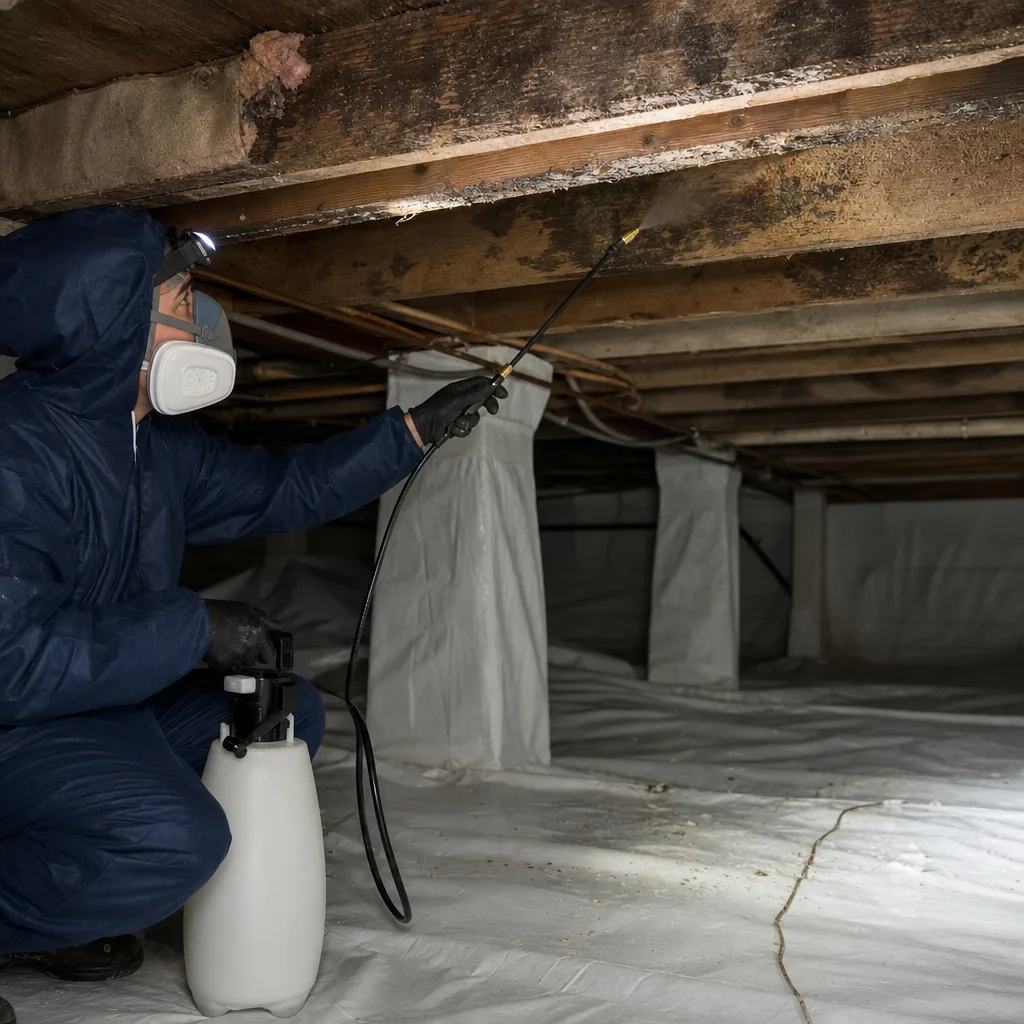
Roof Tarping
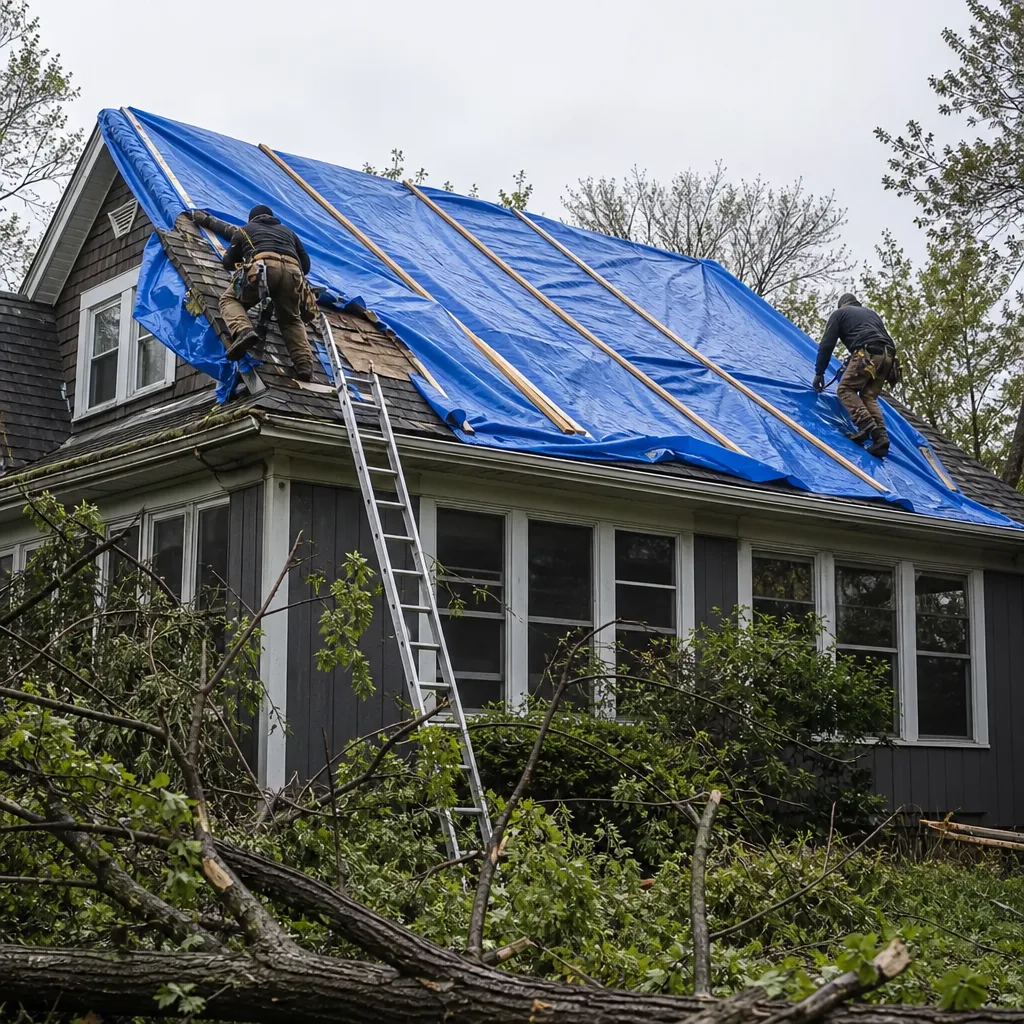
Nor’easters and summer thunderstorms punch holes in Midtown’s flat roofs and aging drain systems. We deploy heavy-duty tarps anchored against wind, stopping new water entering parapet walls and elevator shafts. Roof tarping is temporary by design, but done right it buys the time needed to dry the building and schedule permanent repairs without ongoing water intrusion.
Water Extraction
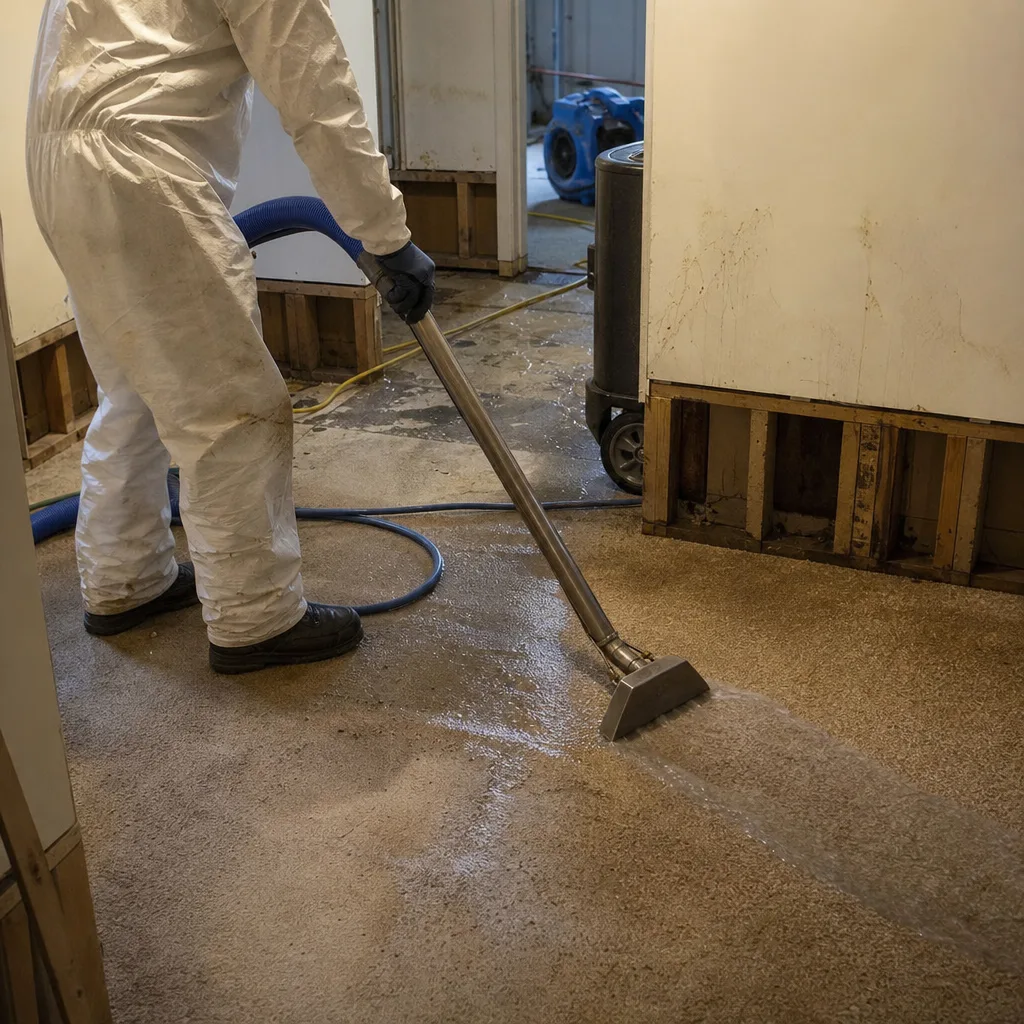
Standing water in a Midtown basement, mechanical room, or residential floor needs extraction before drying can begin. We run professional-grade extraction units, including Phoenix and Dri-Eaz equipment, to pull water fast. In high-rise settings, our crews coordinate staging with building management so equipment reaches the affected floors during freight elevator windows. The goal is simple: get the water out, stabilize the structure, and stop the clock on secondary damage.
Storm Damage Cleanup
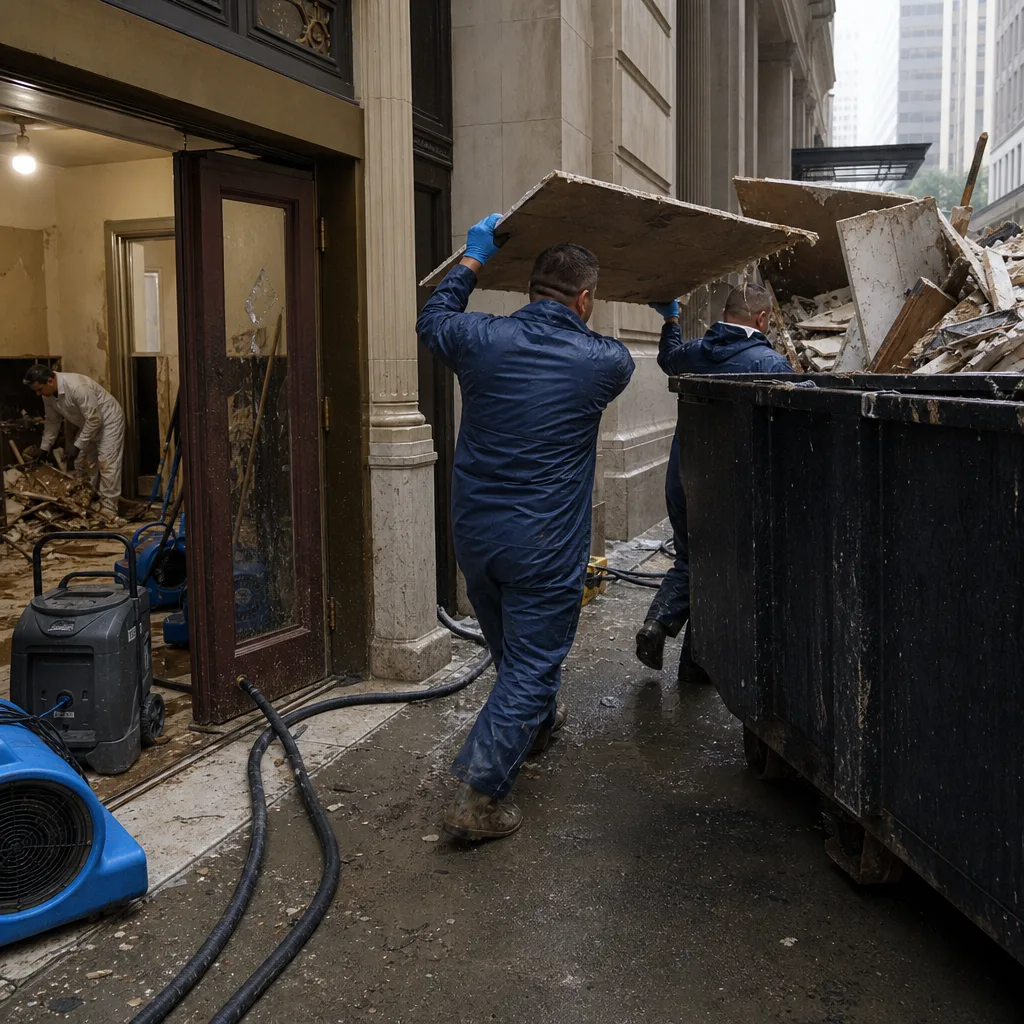
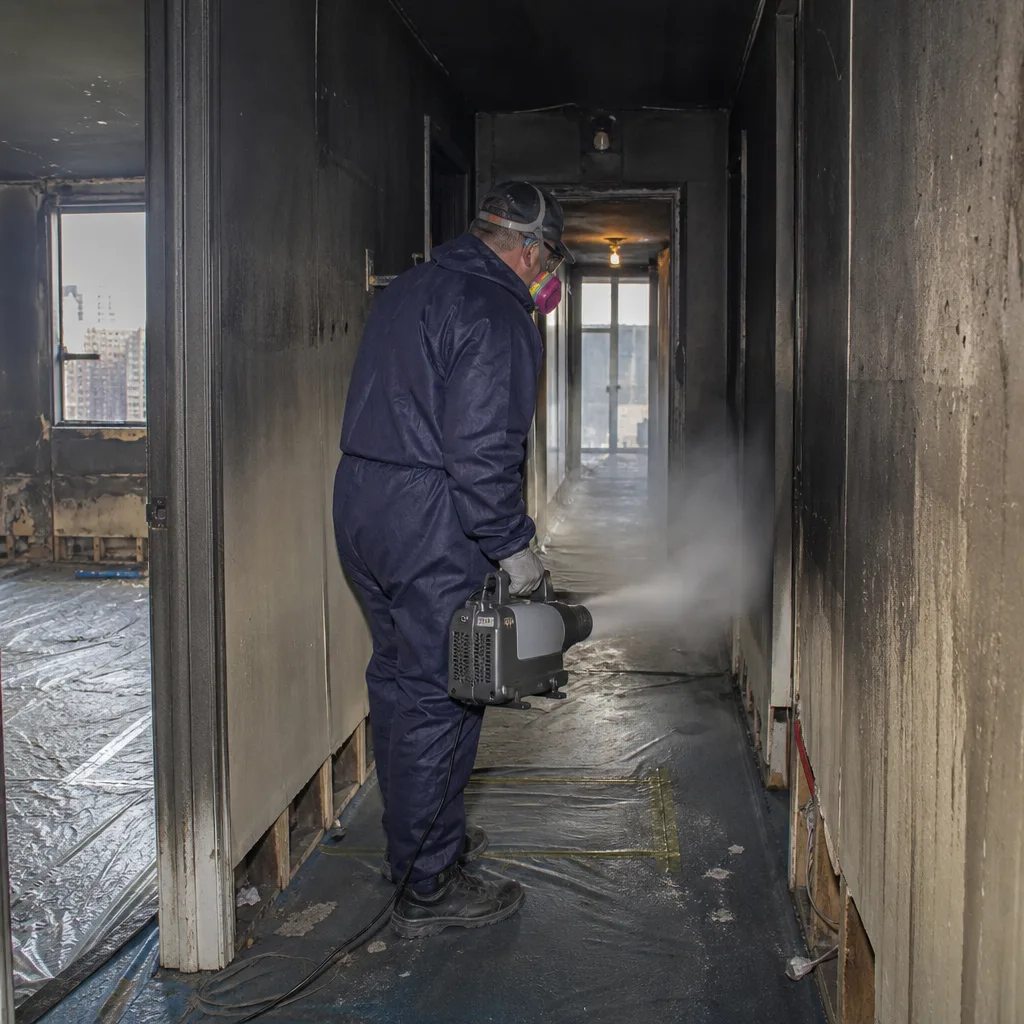
After wind, rain, and sewer surcharge, Midtown buildings are left with contaminated debris, soaked contents, and failing surfaces that require biohazard and crime scene cleanup expertise. We remove debris, pack out salvageable contents, set containment, and begin cleaning and sanitization. We also log moisture readings for the carrier so the cleanup claim is documented from day one.
Debris Removal
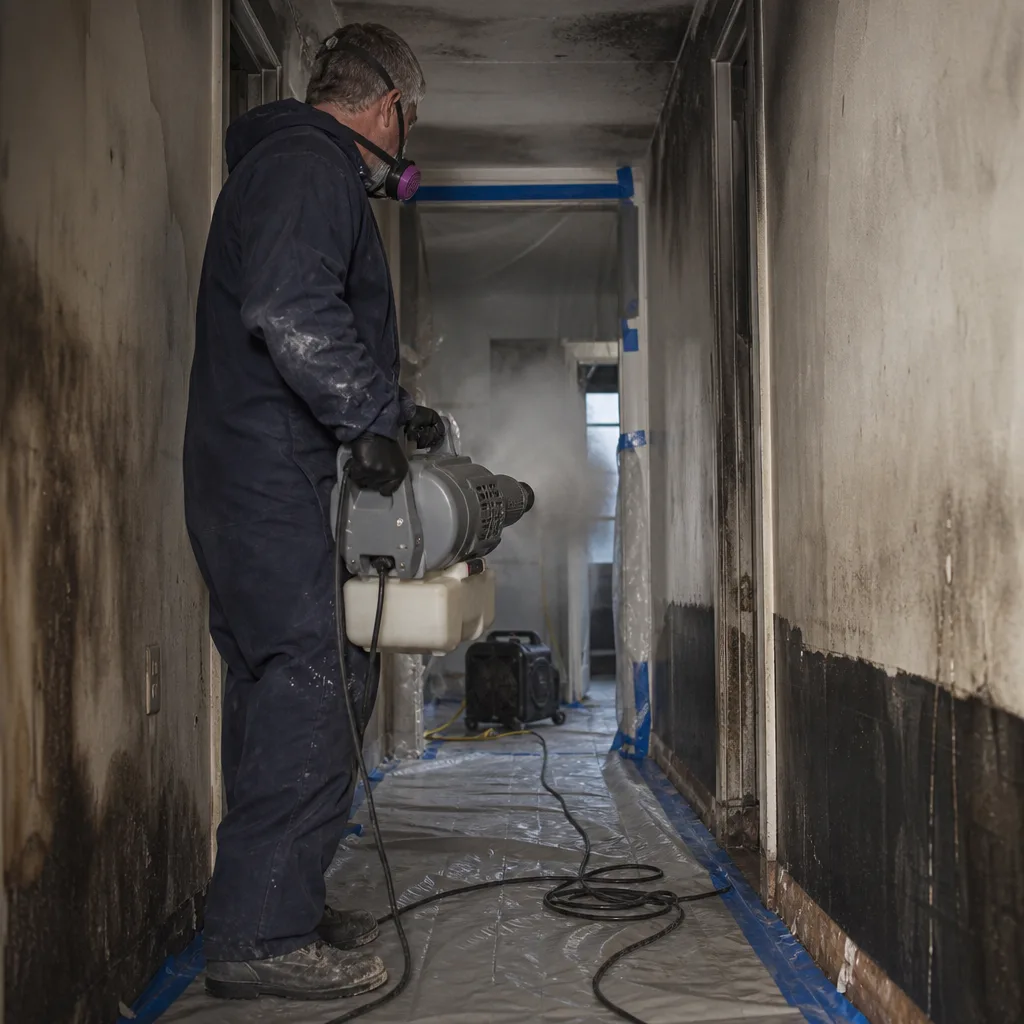
Storm debris in Midtown’s streets and rooftops ranges from fallen glass and signage to saturated drywall and carpet. We haul it out, separate salvageables from waste, and coordinate disposal with building management. In high-rise buildings, debris removal has to be sequenced with freight elevator access, and we manage that schedule instead of leaving it to you.
Flood Damage Restoration
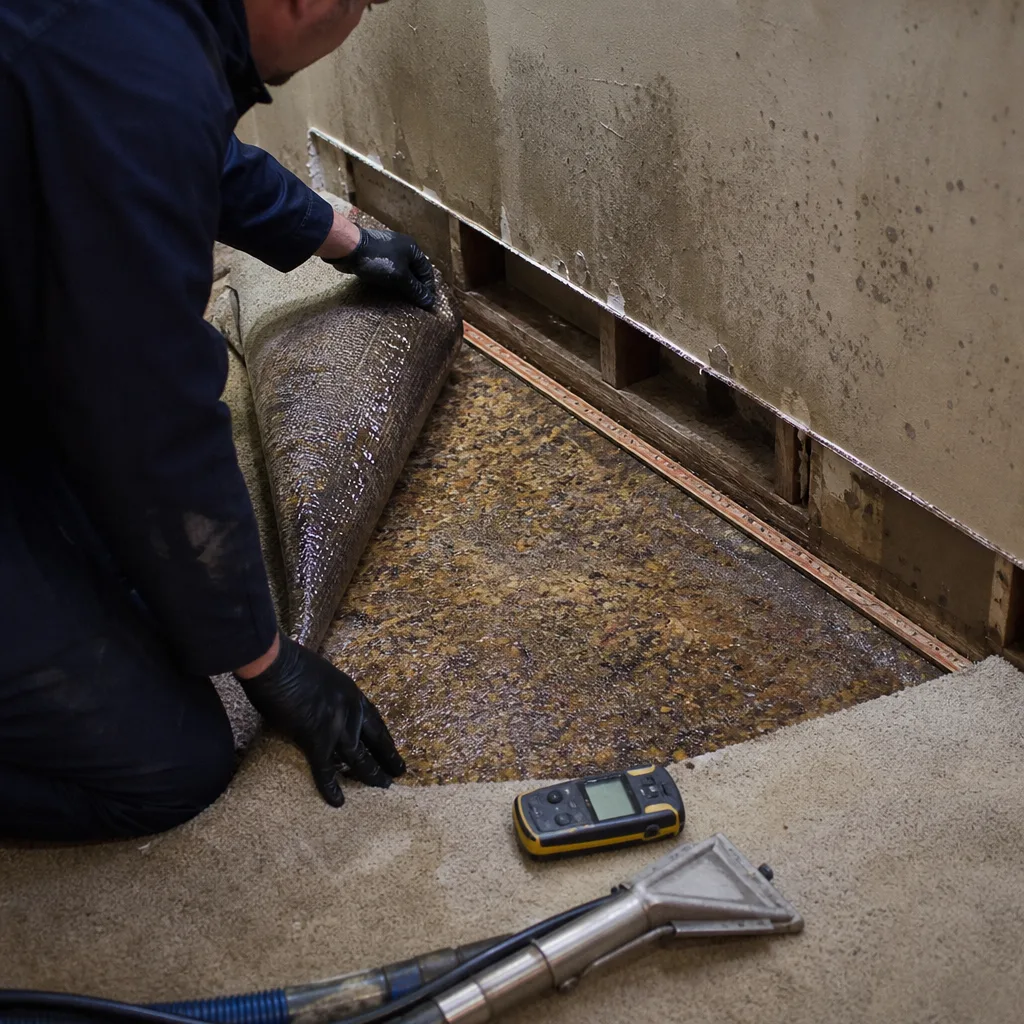
When the combined sewer system surcharges during heavy rain, Category 3 water pushes into sub-grade spaces across Midtown. We extract, remove contaminated materials, sanitize, and dry. Then we rebuild. One crew, one scope, one written guarantee.
What happens when you call
- 1
A real person answersNo phone trees - you reach a local pro.
- 2
You get an upfront price rangeHonest numbers before anyone is dispatched.
- 3
A background-checked tech heads outLicensed & insured, dispatched right away.
- 4
You approve before work beginsNothing starts until you say go.
Storm & Disaster Restoration Costs in Midtown Manhattan, NY
Storm damage restoration in Midtown Manhattan runs higher than surrounding boroughs and suburbs, and the reasons are structural: freight elevator scheduling, mandatory asbestos surveys, and building management coordination add hours and paperwork before work begins. A typical water extraction and drying job in a Midtown co-op or condo runs $1,200 to $4,500 depending on the square footage affected and whether plaster walls need injection drying. Emergency board-up for a storefront or window after wind damage typically runs $450 to $1,800. Roof tarping on a flat Midtown roof runs $800 to $2,500, with larger commercial roofs going higher. Full storm cleanup with debris removal, sanitization, and rebuild work in a single multi-floor event can run $15,000 to $80,000 or more, depending on the loss. Insurance covers most storm-related damage when the cause is sudden and accidental; sewer backup and flood coverage depend on the policy. We do not charge for the visual inspection, and you get a written scope with line-item pricing before work starts. Call (518) 663-6491 for an exact quote. Estimates are free, and a real person answers.
We Also Serve Cities Near Midtown Manhattan
Floodline Restoration Co. runs crews across the city, and we regularly respond to storm and flood damage in the Financial District, Lower Manhattan, Washington Square, and Brooklyn Heights. Our service area covers Midtown Manhattan and the surrounding neighborhoods, with the same live dispatch, certified technicians, and direct insurance billing.
Serving Midtown Manhattan, NY - Our Local Coverage Area
We’re based in the Midtown Manhattan area and know this community well. Use the map below to see our service coverage - if you’re nearby, we can almost certainly help.
Midtown Manhattan Storm & Disaster Restoration Questions, Answered
What actually triggers the asbestos survey hold on a Midtown Manhattan storm job, and how long does it really delay drying?
Any material disturbance in a building constructed before 1987 requires a NYC DEP asbestos survey before demolition or drilling begins, and this applies to nearly all of Midtown’s pre-war and mid-century stock. The survey itself typically takes 24 to 72 hours to schedule and complete, and if asbestos-containing materials are found, abatement adds days more before drying work can start. Skilled crews plan around this from hour one by bringing a DEP-certified inspector in early and sequencing containment and water extraction so those steps run while the survey processes. Skipping the survey is not an option; DOB inspectors will red-tag the site and stop work after walls are open. Call (518) 663-6491 and we will walk you through what your building requires.
In the mixed-use Midtown tower, who actually approves the scope of work when water affects both hotel rooms and condos?
Approval typically runs through the building’s management company, the board or ownership entity for residential portions, and each affected commercial tenant’s carrier. A restoration company that has done this before will assemble a single scope that addresses all affected parties, then submit it for sign-off in the order the building requires. We handle that coordination, including freight elevator scheduling and insurance documentation, so the project does not stall while parties sort out responsibility. In practice, that means one clear written plan instead of three crews and three arguments.
Why is a Midtown steam pipe burst treated differently from a supply line break in a suburban house?
Because a failed steam riser at 15 PSI carries both water and soot scale through multiple floors at once, contaminating contents in a way a clean water supply break never does. The water in a steam line failure is usually Category 1 or Category 2, but the soot and pipe scale require specialized cleaning chemistry, and the building itself often has original cast-iron risers and plaster assemblies that hold moisture far longer than modern drywall. Suburban crews rarely see this failure mode. We see it every winter in Midtown, and we treat it as a combined water-and-contents restoration from the first hour.
Can you really dry a pre-war plaster and lath wall in place after a nor’easter leak, or does it all have to come out?
Often yes, if the wall is treated with injection drying and the moisture is caught before mold develops. We use Injectidry to force dry air into the wall cavity behind original plaster, and we log daily moisture readings to prove the assembly reached the drying standard. Plaster and lath walls that have been wet for days, or that show visible mold growth, usually need partial or full removal. The answer depends on how long the water sat and what the materials look like, not on a generic rule.
Do you coordinate the freight elevator window, or is that our responsibility as building management?
We coordinate it. Our dispatch and project managers work directly with building management to reserve freight elevator windows, schedule staging, and sequence pack-outs so equipment reaches the affected floors without delay. In Midtown buildings where the freight elevator may only be available for a single two-hour morning slot, this coordination determines whether drying starts that day or the next. Building staff have to approve the booking, but we handle the scheduling and follow-through.
How fast can someone actually get here after a burst pipe or storm leak in Midtown Manhattan?
Our commitment is a 45-minute callback and immediate dispatch of the nearest available Midtown crew. Actual arrival depends on street conditions, traffic, and building access, but our Storm & Disaster Restoration teams are positioned across the service area to move fast. Call (518) 663-6491, and a live dispatcher will give you a straight answer on timing.
Will my insurance cover storm damage, including roof leaks and sewer backup?
Most policies cover sudden and accidental storm damage, including roof leaks and wind damage, subject to your deductible. Sewer backup and flood coverage are separate endorsements and depend entirely on your policy language. The fastest way to know is to file the claim with documentation from hour one, and we provide photos, moisture logs, and a line-item scope directly to your carrier. We also bill insurance directly, so you are not fronting the cost and waiting for reimbursement.
What should I do in the first 30 minutes after discovering storm water in my Midtown building?
Call us first, then shut off power to the affected area if you can do so safely, and move valuables out of standing water if it is safe to walk there. Do not enter areas where water may be in contact with electrical panels or outlets. In Midtown’s older buildings, water travels fast through original framing and plaster, so the first 30 minutes decides how much of the wall you save. Call (518) 663-6491 and we will talk you through it while the crew heads your way.
Written by Curt Bowman, Owner at Floodline Restoration Co. Founded in 2010, Floodline Restoration Co. serves Midtown Manhattan and the surrounding neighborhoods with storm damage cleanup, water extraction, and full reconstruction, all backed in writing.