
Free visual inspection and a written scope of work before any mitigation begins - photos, moisture readings, and drying logs go in your claim file
The scope we write is the scope we bill. Anything new gets shown to you, in writing, before we touch it.
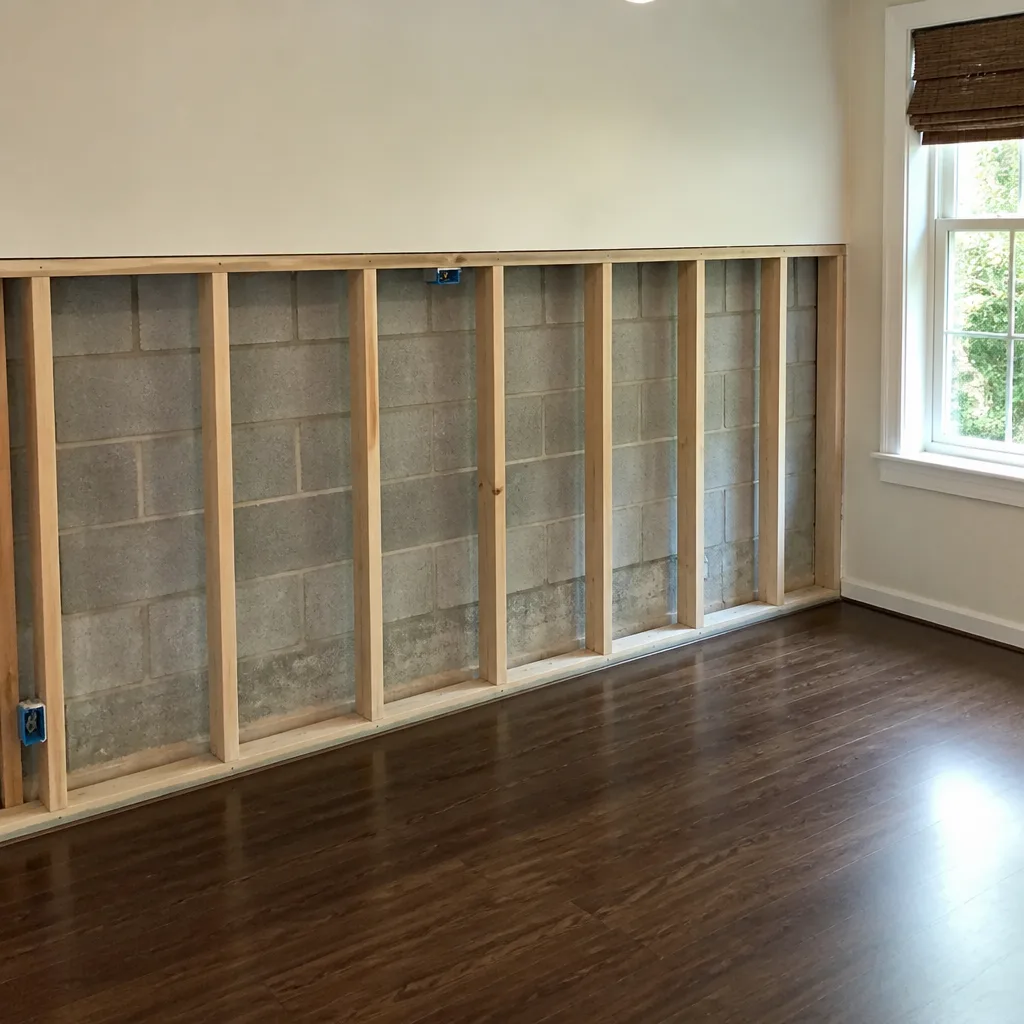
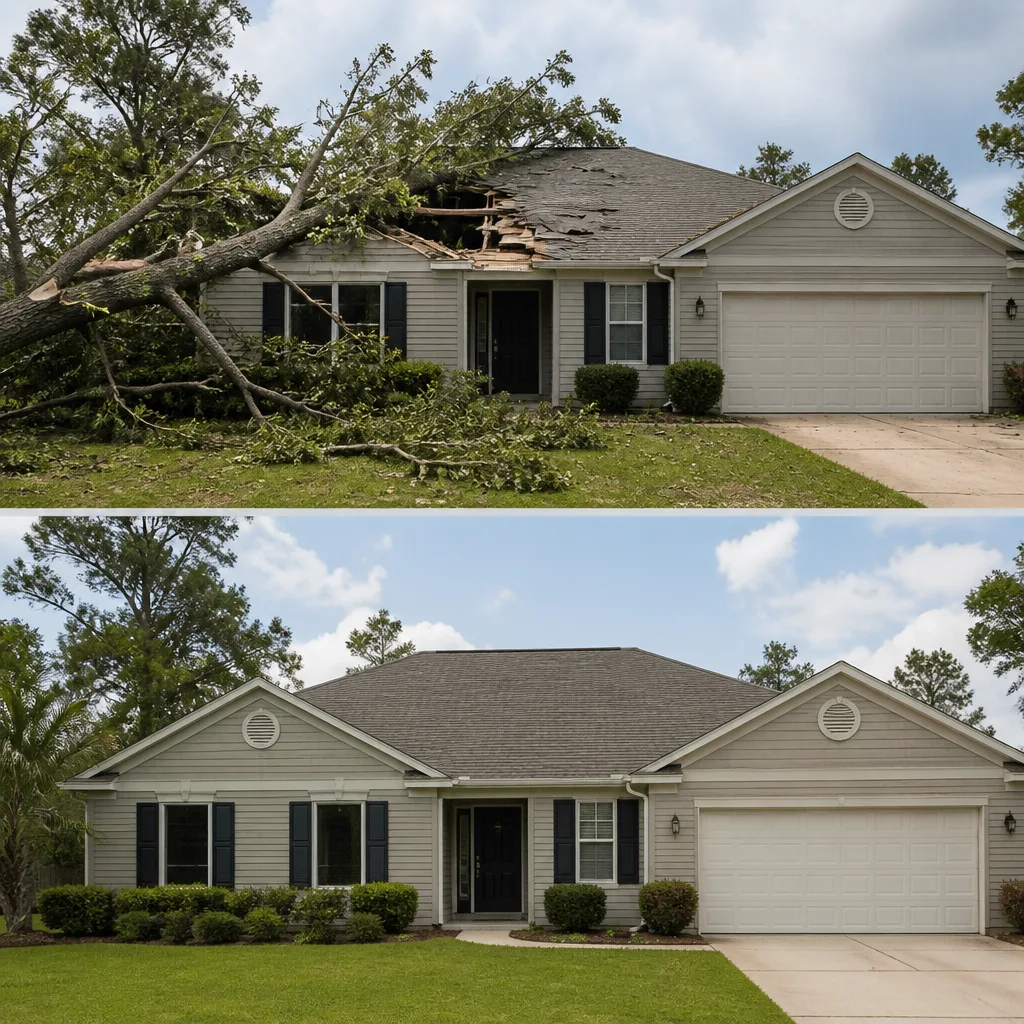
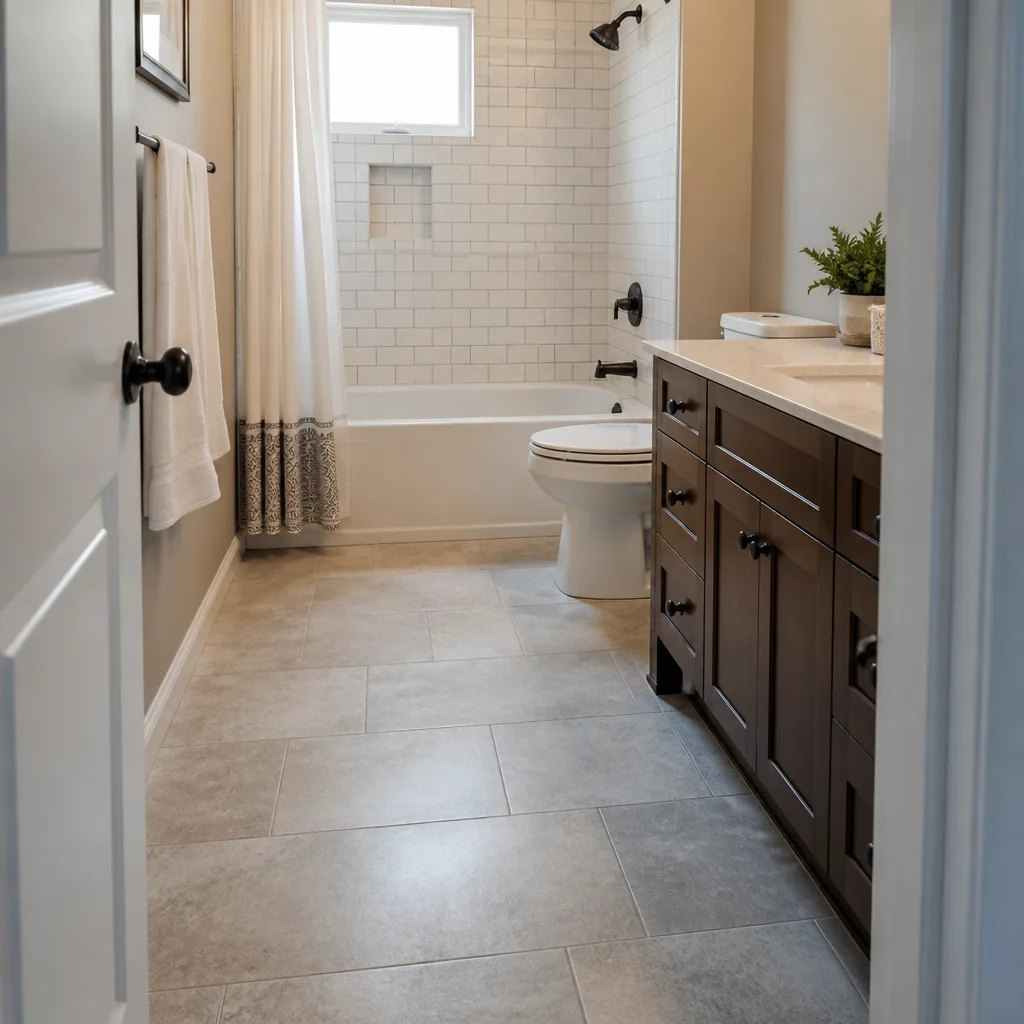
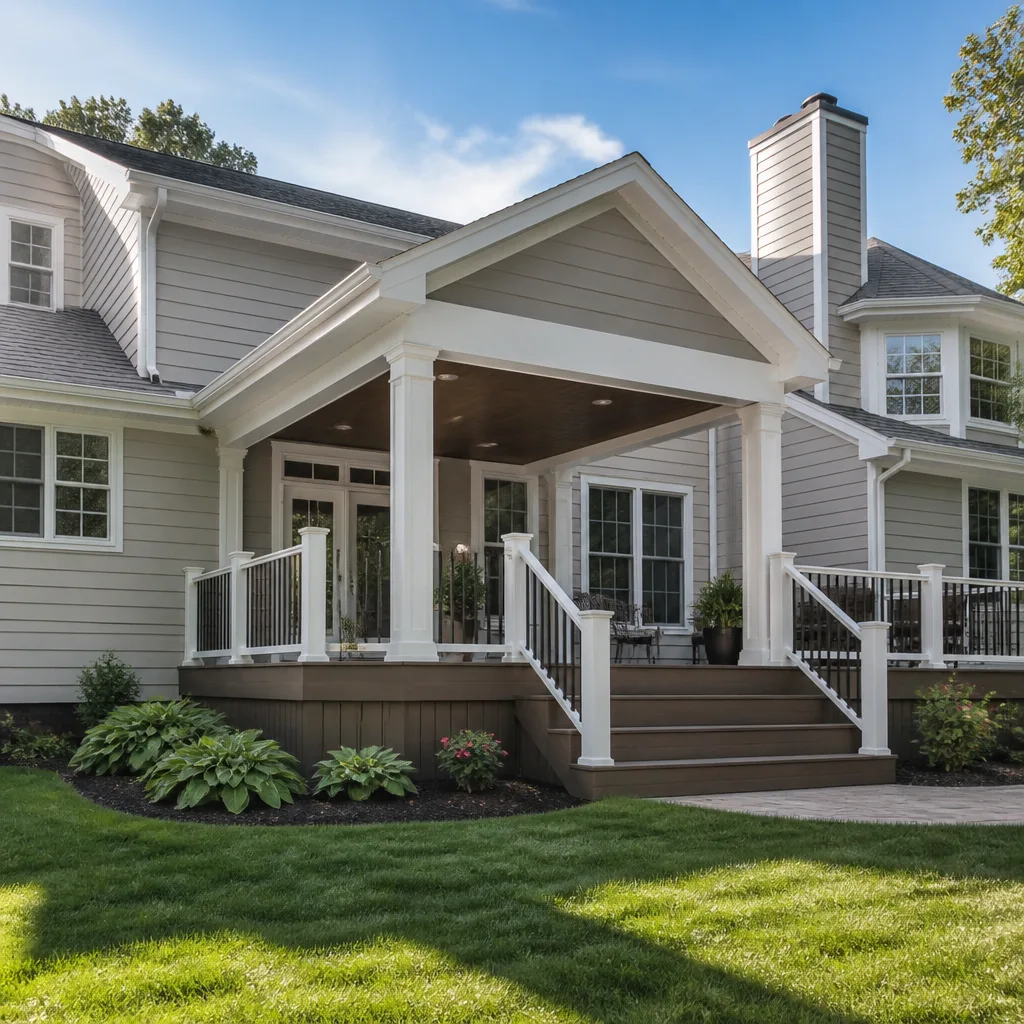
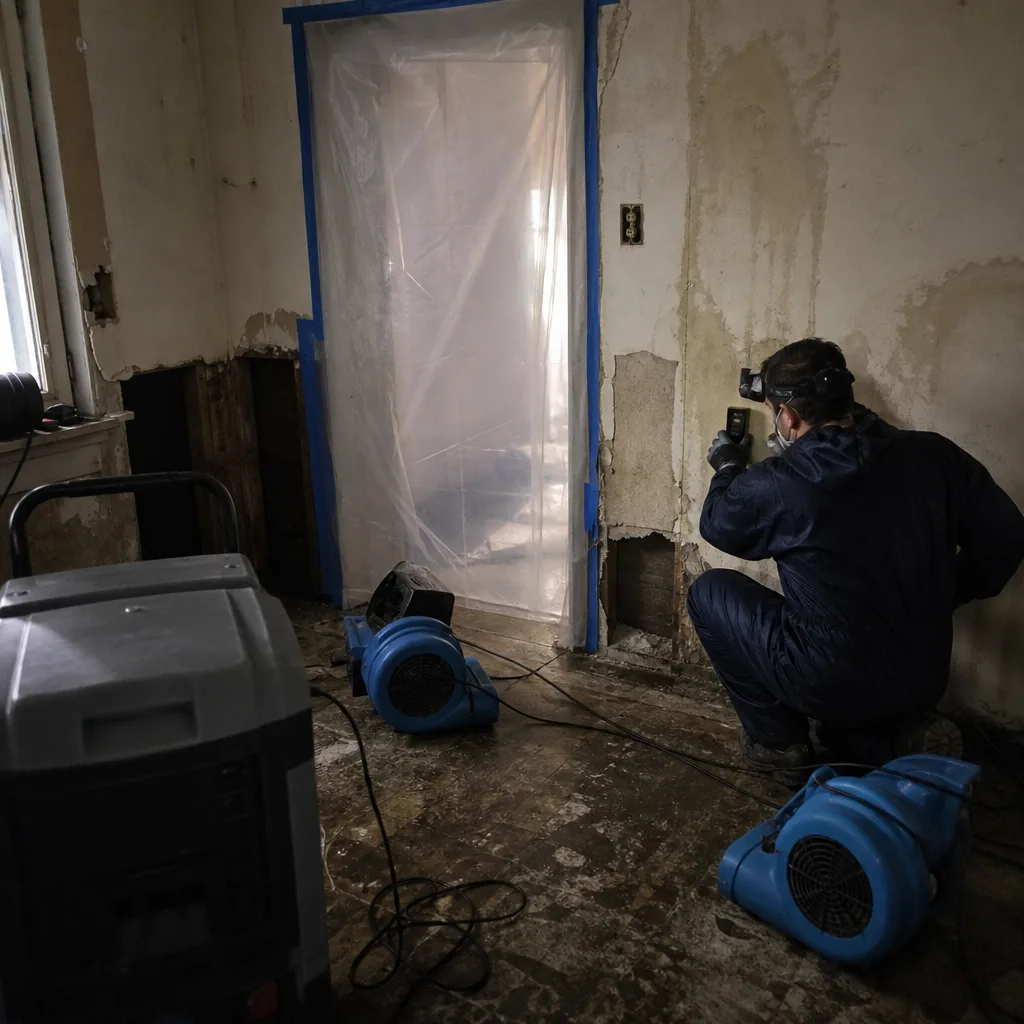 Before
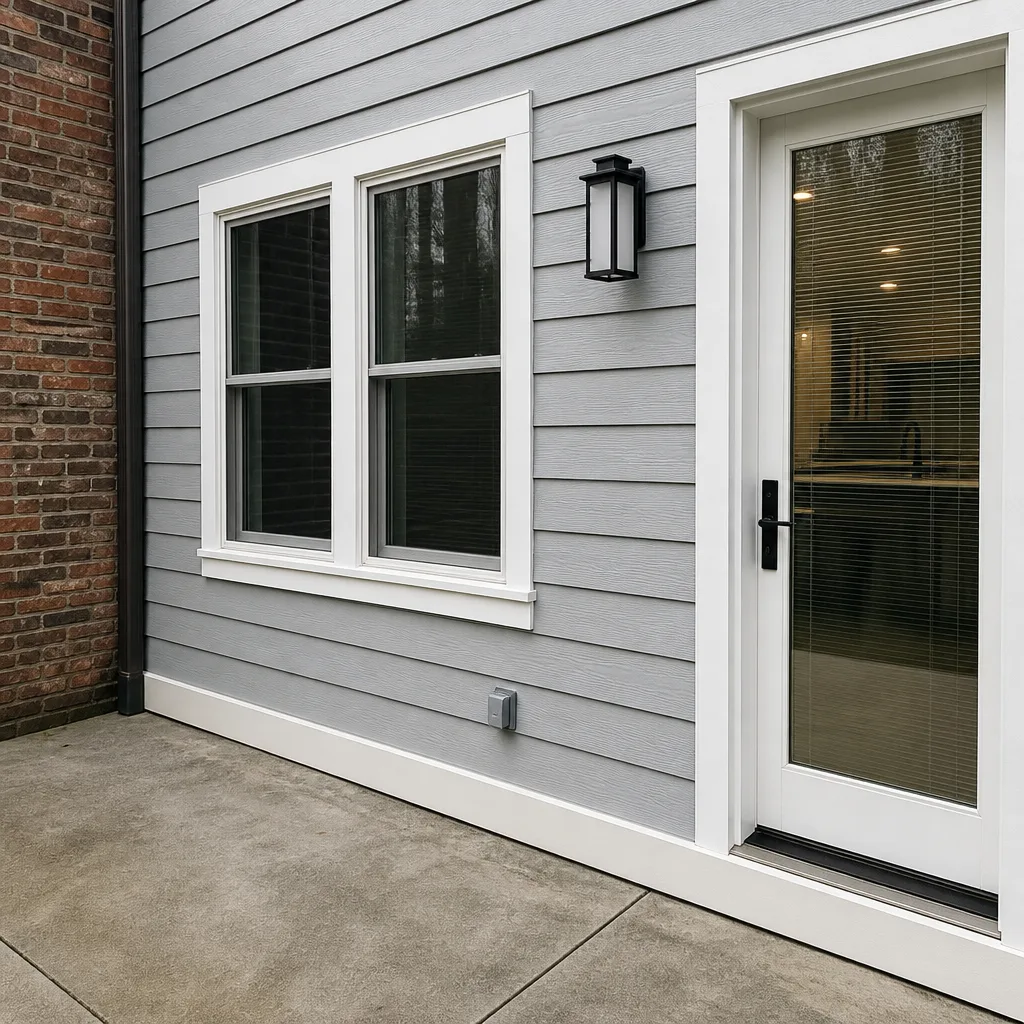 After
After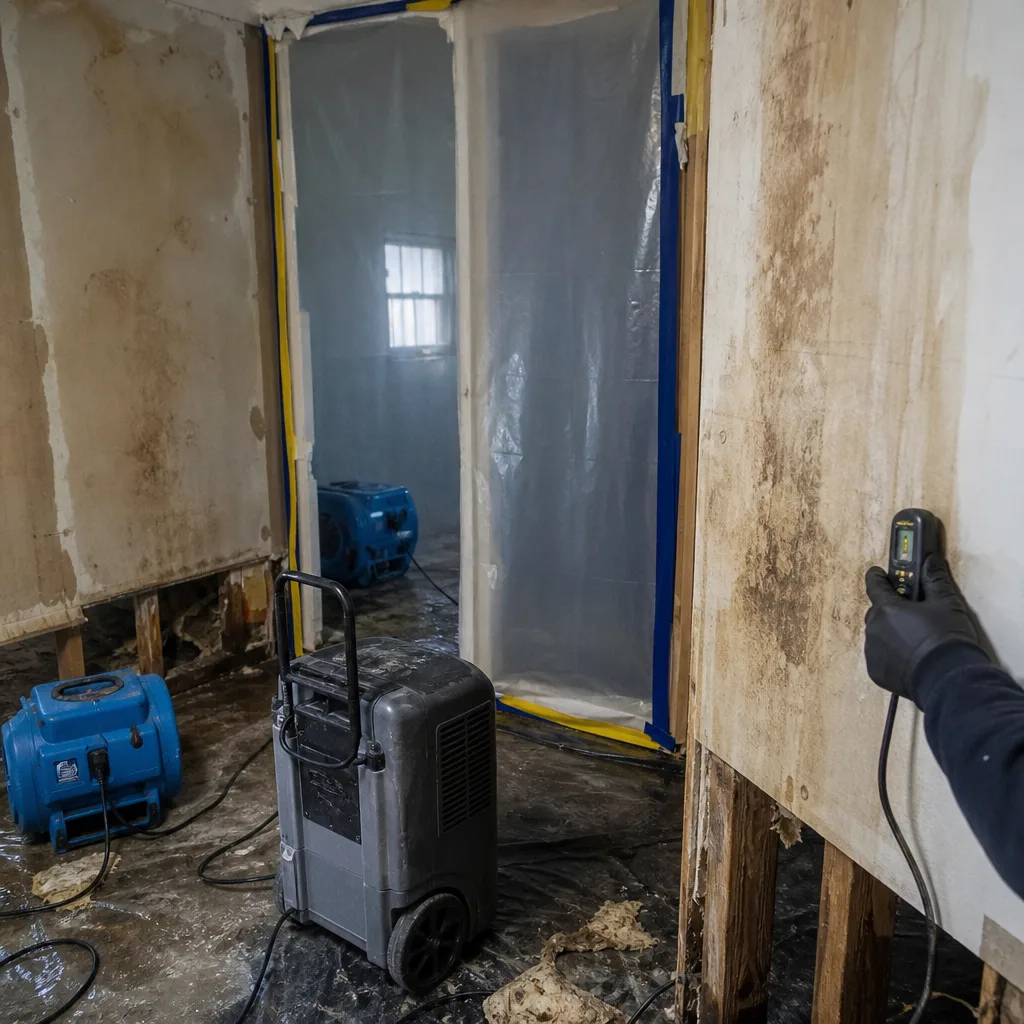 Before
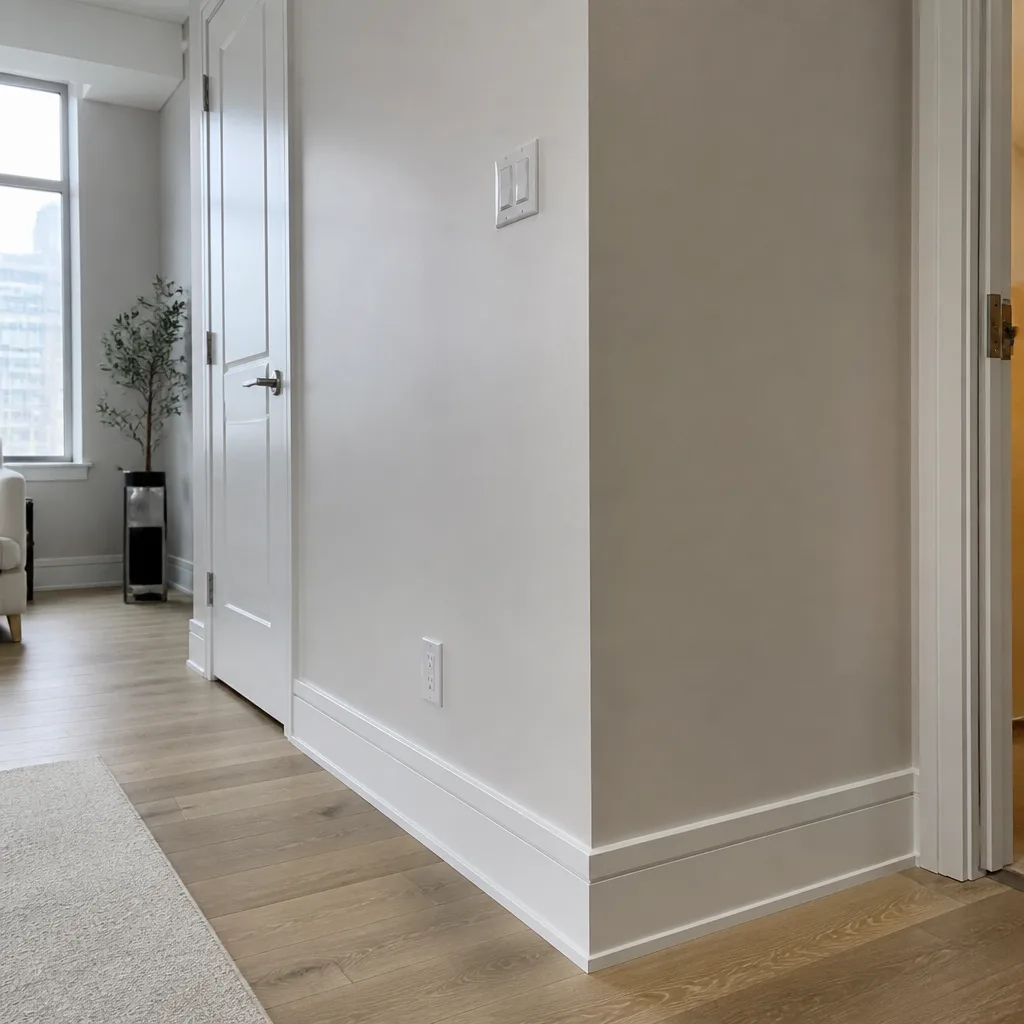 After
After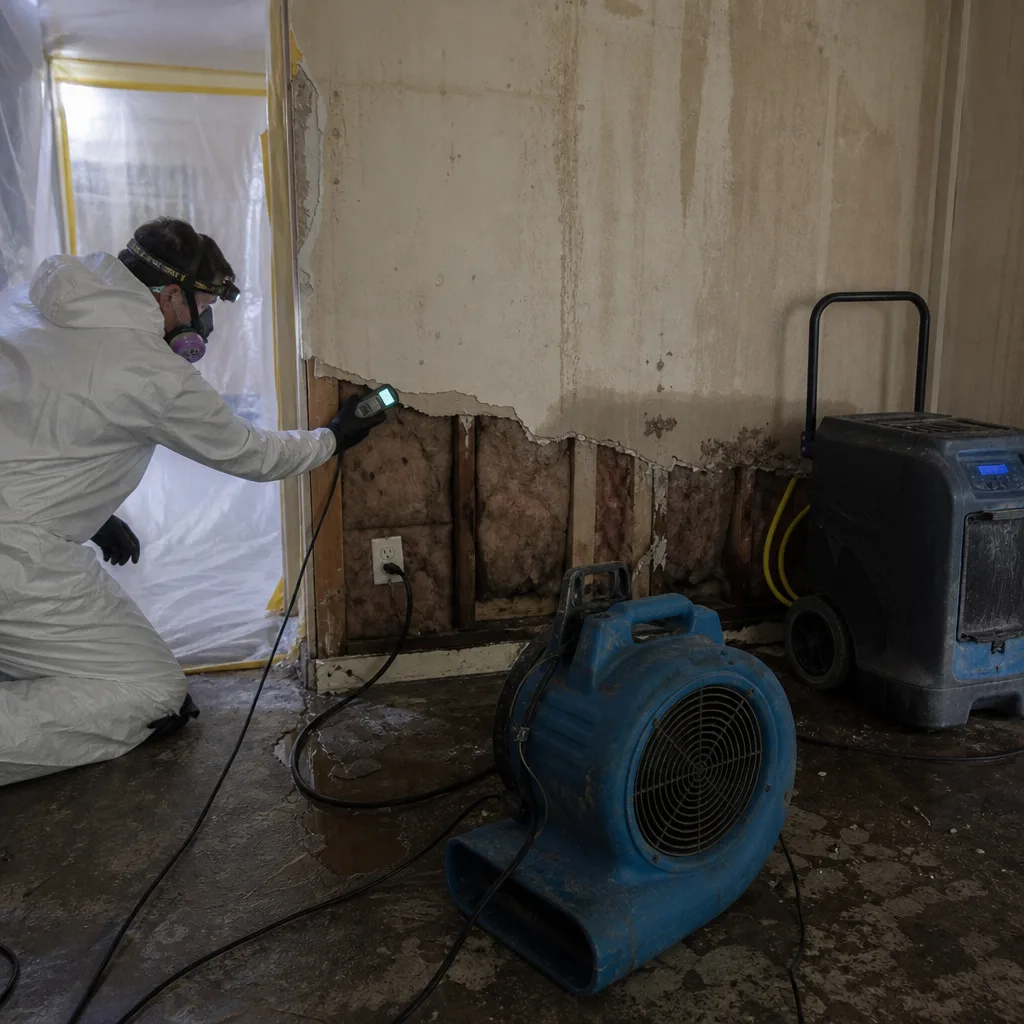 Before
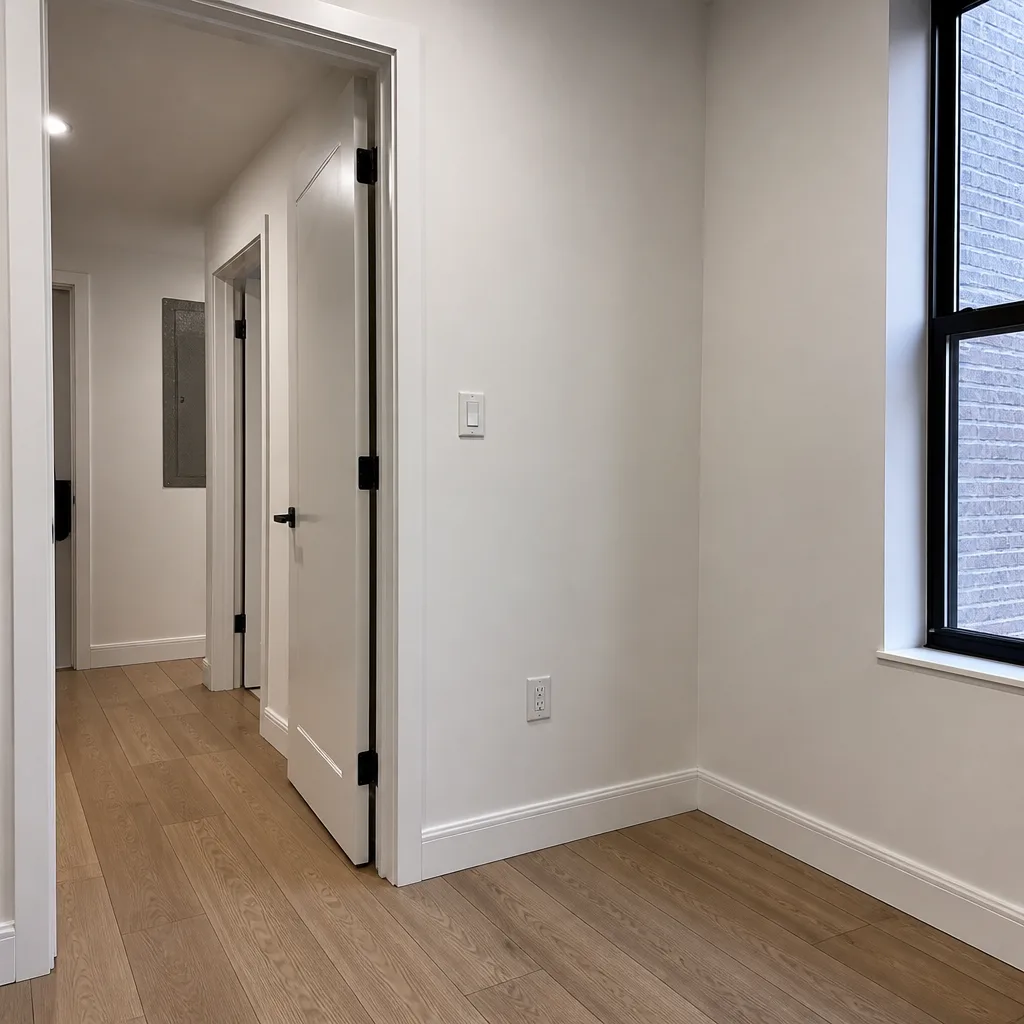 After
After24/7 Emergency Reconstruction & Cleanup in Midtown West
When a steam riser lets go in a Hell’s Kitchen walk-up or a hotel mechanical room floods near Times Square, the first call decides how much of the building you lose. Our Reconstruction & Cleanup team answers live, 24 hours a day, and dispatches crews into Midtown West within 45 minutes. Call (518) 663-6491 the moment you see water, smoke, or structural damage. The first hour matters because water in a 1920s tenement doesn’t stay on one floor. It travels through original lath and plaster, follows cast-iron stacks downward, and saturates units three and four floors below the source. We stop that vertical spread before it becomes a building-wide claim.
Understanding Reconstruction & Cleanup Severity in Midtown West Properties
Midtown West is not a suburb with slab foundations and drywall on studs. The residential core of Hell’s Kitchen and Clinton is dominated by pre-war brick tenements and walk-ups built between 1900 and 1945, with galvanized supply lines, steam-heat risers, and structural materials that hold water differently than modern construction. A Category 2 water loss, the gray water from a burst steam riser or radiator feed, soaks into original plaster, through wood lath, and into subflooring that may have survived a century. Severity is measured by moisture mapping, not visible puddles: thermal imaging on the fourth floor often shows saturated ceiling bays in the third-floor apartment below. Category 3 water, sewage or Hudson River surge, changes the containment protocol entirely because the contamination boundary must be sealed before drying begins. In the hotel corridor west of Times Square, severity also includes operational impact. A Category 1 water event in a guest room is still a revenue emergency if the room sits above a ballroom or restaurant. We classify damage by water category, affected square footage, building construction type, and access constraints. Then we write the scope.
Why Midtown West Property Owners Choose Floodline Restoration Co.
- 45-minute response commitment. We dispatch from the New York City office and crews reach Midtown West addresses fast. You get a live person on the phone immediately, not a callback queue.
- Live answer, 24/7, including 2 a.m. A real dispatcher picks up. Not an answering service that takes a message. Not a chatbot. You describe the emergency, we start coordinating.
- IICRC-certified crews. Our technicians hold WRT, FSRT, and AMRT certifications and are trained to RIA and IFA standards. They read moisture maps, not guesswork.
- Free visual inspection. Before any work begins, we assess the loss and give you a written scope. No charge for the inspection, no obligation to proceed.
- Direct insurance billing. We bill your carrier directly and provide photo documentation, moisture logs, and line-item estimates. You don’t play messenger.
- One team from extraction to rebuild. The same Floodline Restoration Co. crew that sets containment and drying equipment also handles drywall, flooring, and finish work. No mid-job handoff to an unfamiliar subcontractor.
Our Reconstruction & Cleanup Process
Inspection & Assessment
We arrive, walk the affected areas with you, and document everything. Thermal imaging and hygrometers identify hidden moisture in walls and ceiling bays. You receive a written scope and a firm price before work starts.
Extraction & Stabilization
Standing water is extracted with truck-mounted and portable units. We shut down electrical hazards, isolate affected zones with containment, and document the condition of original materials like tin ceilings and plaster moldings.
Drying & Dehumidification
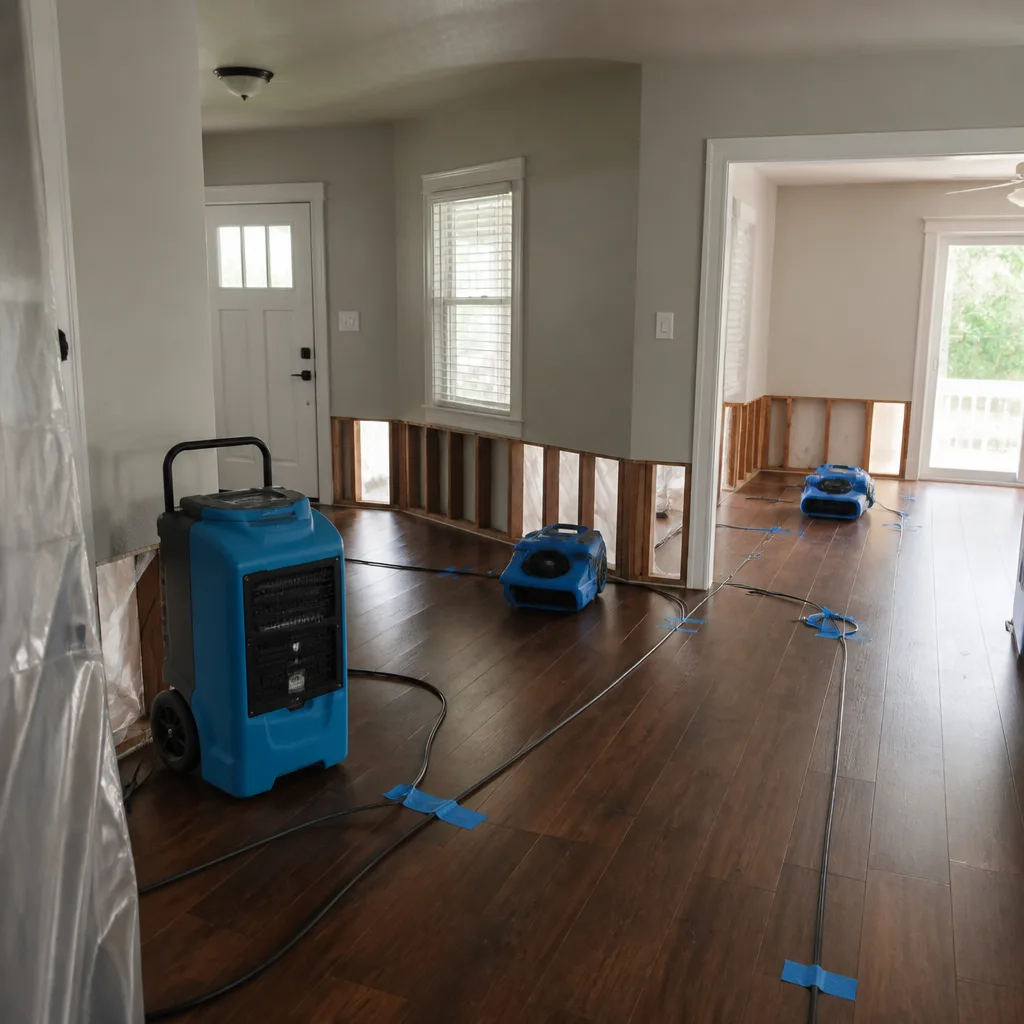
Professional-grade Dri-Eaz dehumidifiers and high-velocity air movers are placed based on a calculated drying plan. Daily moisture readings are logged until the dry standard is met. The log goes to you and your carrier.
Cleaning & Sanitization
HEPA air scrubbers run continuously during drying. Surfaces are cleaned with EPA-registered antimicrobials appropriate to the water category. Contents are documented, cleaned, and packed out only if necessary.
Structural Repair & Material Restoration
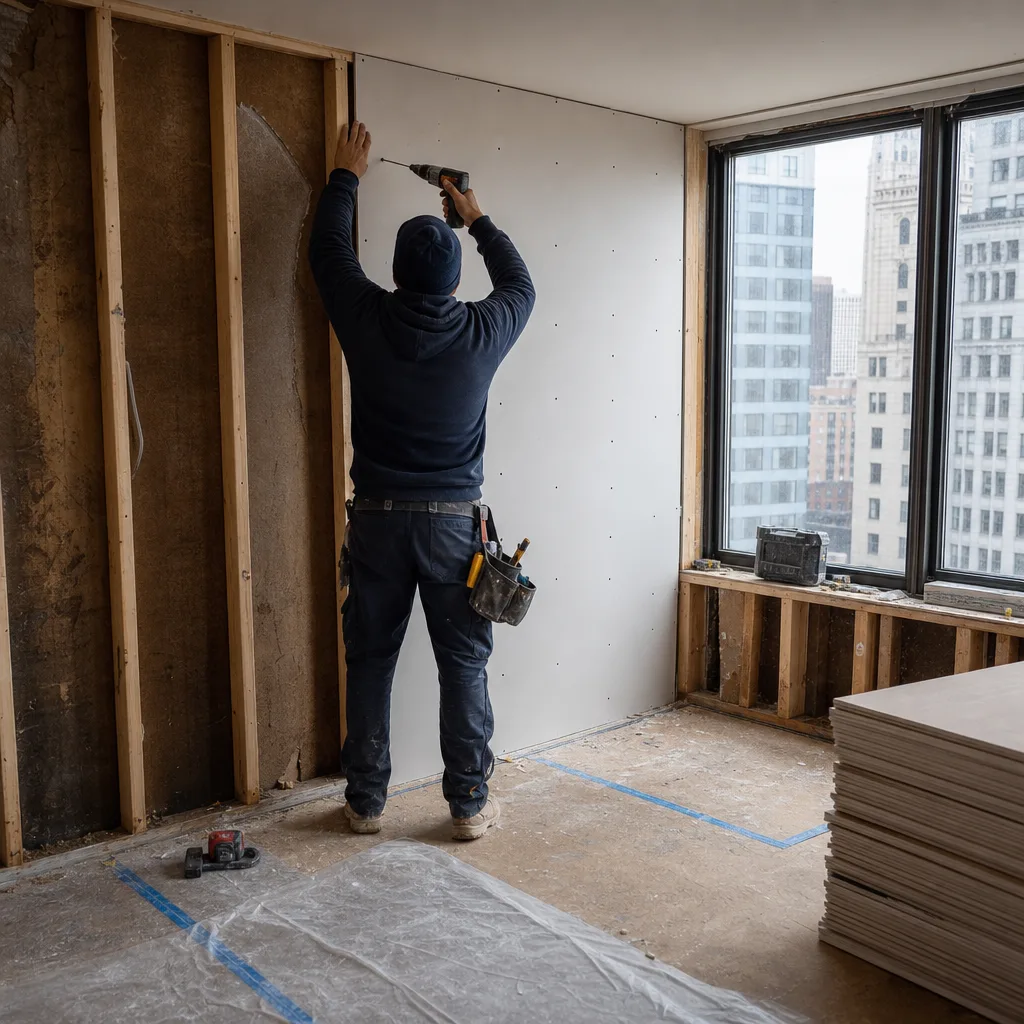
This is where Floodline Restoration Co. differs from mitigation-only firms. We rebuild saturated drywall, replace rotted lath, repair floors, and restore finishes. Original plaster walls are saved where possible using controlled drying before demolition.
Final Walkthrough & Documentation
You walk the finished space with the crew lead. We hand over the moisture log, the scope of work, and the 90-Day Done Right Promise in writing. If something isn’t right, we make it right. No arguing.
Need Emergency Reconstruction & Cleanup in Midtown West Now?
Crews minutes away, answering live 24 hours a day. The sooner we start, the less it costs.
Working With Your Insurance Company
Insurance claims in Midtown West are complicated because a single loss often touches multiple carriers. A burst riser in a Hell’s Kitchen tenement can generate three separate claims from three stacked apartments. A hotel water loss near Times Square involves property insurance, business interruption coverage, and sometimes third-party liability. We handle this daily. Our team documents from the first hour: photos of the source, room-by-room photo logs, moisture readings, and a line-item scope that insurance adjusters recognize. We coordinate directly with your carrier and the building’s carrier. You never play messenger between a hotel’s risk management office and an insurer. We speak their language because we bill them directly, every week, across dozens of Midtown West losses.
What We Provide Your Insurer
- Thorough documentation of the loss
- Photos of all damage, room by room
- Moisture readings and drying logs
- A detailed, line-item scope of work
- Direct coordination with your carrier
Built for Midtown West’s Loss Calendar
Midtown West’s damage calendar is shaped by freeze-thaw cycles, nor’easters, and aging building systems. Late January through early March is peak pipe-burst season. The pre-war steam and supply systems in Hell’s Kitchen buildings, some running on original cast iron from the 1920s, fail under thermal stress. When the temperature swings from 15 degrees to 40 degrees in a week, old galvanized joints separate. The result is a burst feed line on a Wednesday night, water running down through stacked apartments before the super finds the shutoff. Spring brings nor’easter-driven flat-roof drainage failures across the older building stock west of Ninth Avenue. Summer thunderstorms overwhelm rooftop drains and flash through basement mechanical rooms. The Hudson River waterfront blocks from West 30s through West 50s carry the flood-surge vulnerability demonstrated during Hurricane Sandy, when basement mechanical spaces and ground-floor commercial units took on significant water. Every season has a failure mode here. We know them because we’ve worked them all.
Reconstruction & Cleanup Across Midtown West’s Neighborhoods
Midtown West is a patchwork of building types, and each patch fails differently. In the tenement blocks of Hell’s Kitchen between Ninth and Eleventh Avenues, the pattern is vertical water migration through stacked apartments, with original plaster and lath soaking up moisture and mold blooming on lower-floor drywall within 48 hours. Around Clinton, the residential brownstones and pre-war co-ops share the same aging riser problem but often with stricter co-op board rules about contractor access and insurance certificates. The Hudson Yards corridor brings a different challenge: post-2010 luxury high-rises with building management bureaucracies, loading dock scheduling, and six- and seven-figure COI requirements before a technician can carry a dehumidifier through the lobby. And the Times Square hotel district, from roughly West 40th through West 53rd, operates on a different clock entirely. We stage through service corridors, coordinate with hotel engineering staff, and complete drying setup between 11 p.m. and 5 a.m. so guests never see equipment in the hallways. The west side blocks along the Hudson River carry the flood-surge history. Each area needs a different approach, and we’ve worked all of them.
Specialized Reconstruction & Cleanup Services We Offer in Midtown West
Full-Service Reconstruction
When a steam riser burst on West 48th Street soaked three stacked apartments, we didn’t just dry the building and leave. Our crew set containment on each floor, ran thermal imaging, and documented the moisture map with Dri-Eaz equipment. Then we rebuilt what needed rebuilding: saturated drywall, rotted lath, and original tin ceilings restored to pre-loss condition. Full-service reconstruction in Midtown West means handling the finish work that mitigation-only contractors walk away from. Walls, floors, trim, paint. One crew, one guarantee.
Contents Restoration & Pack-Out
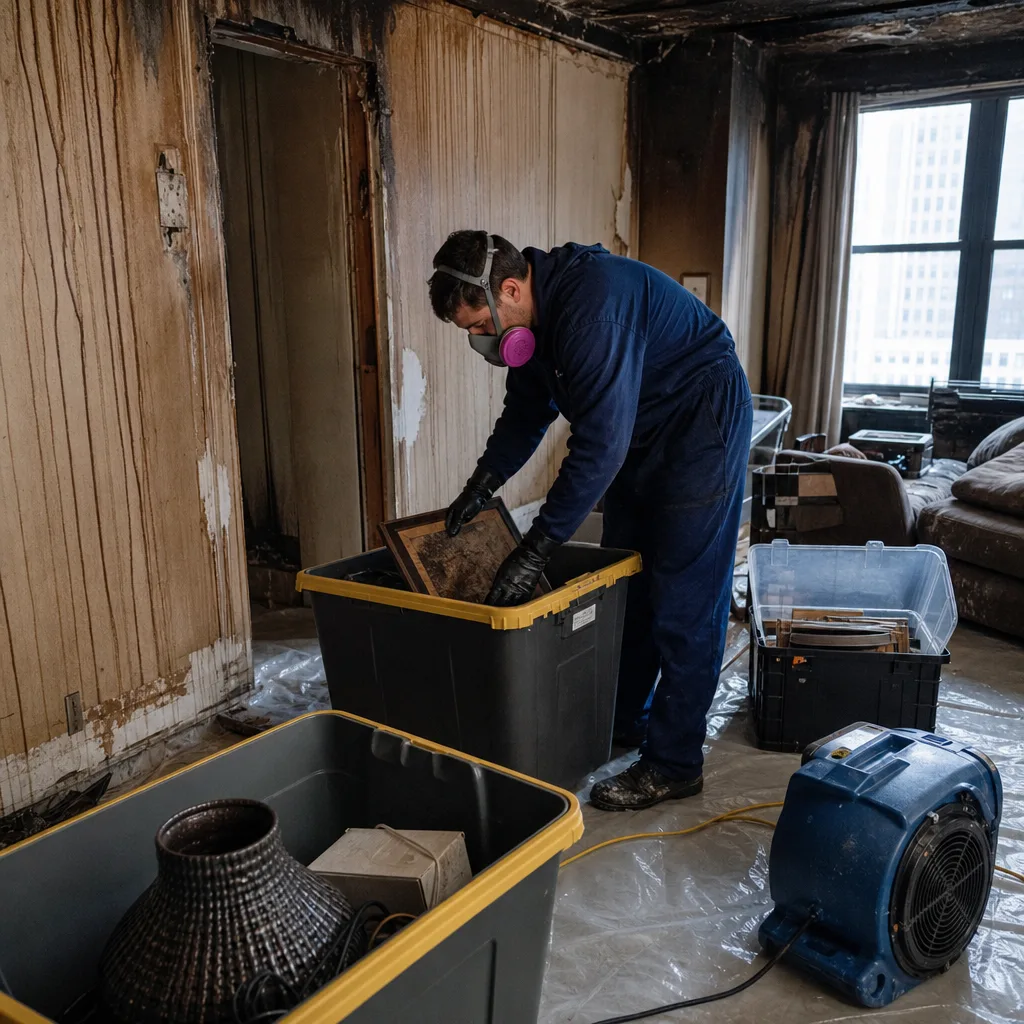
Midtown West apartments hold what their owners spent decades collecting. Contents restoration means cleaning, deodorizing, and restoring those items where possible, and packing them out to a climate-controlled facility where necessary. We document everything with photos before it moves. When a hotel room floods above a Times Square ballroom, we coordinate contents removal through service corridors without disrupting guests. The written inventory goes to you and your carrier.
Drywall & Flooring Repair
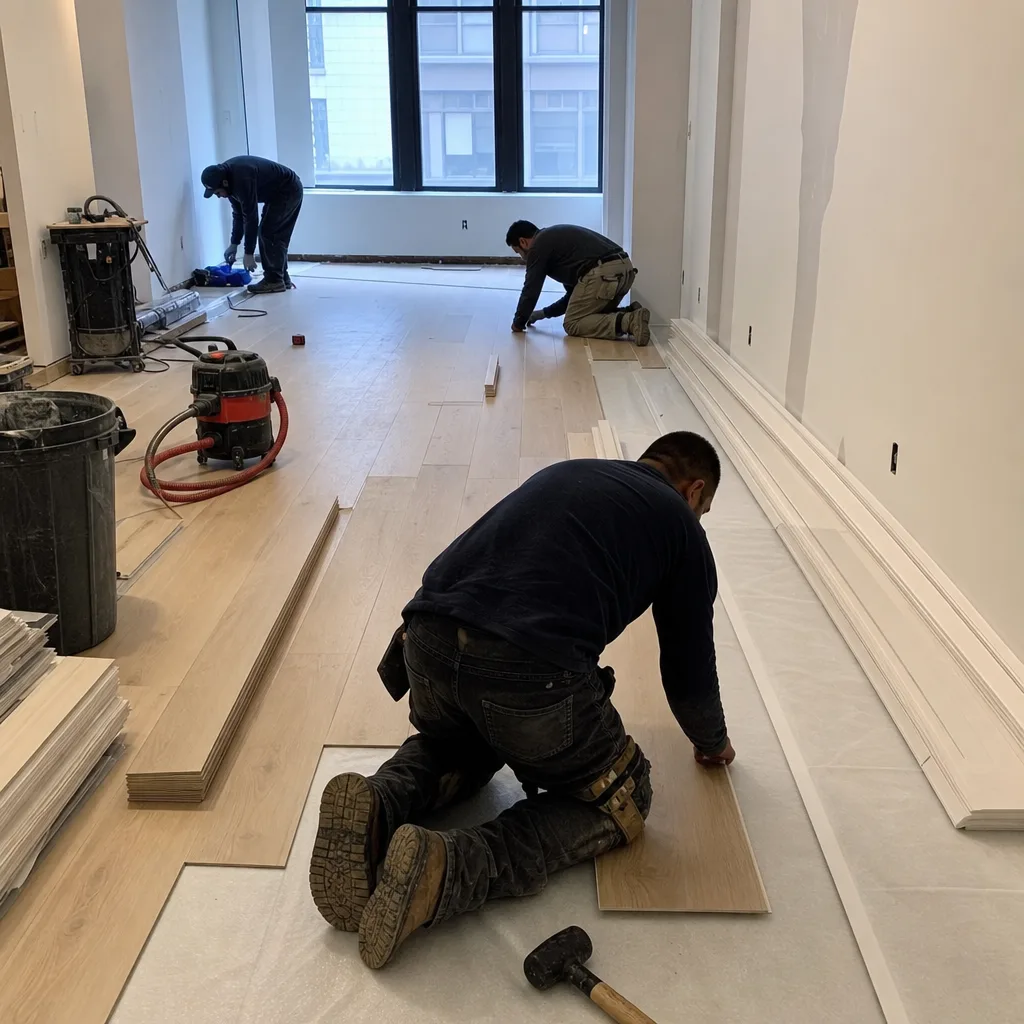
Pre-war buildings in Midtown West were built with materials that respond differently than modern drywall. Original plaster over wood lath can often be dried and saved rather than demolished. We use controlled drying and continuous moisture monitoring to determine what’s salvageable. When replacement is necessary, we match the existing profile and finish. Hardwood floors, subfloors, and underlayment get the same treatment: dry first, repair second, replace only when structural integrity demands it.
Post-Construction Cleanup
After reconstruction in a Midtown West residence or hotel property, the space needs to be returned to occupancy condition. Post-construction cleanup removes drywall dust, construction debris, and residual soot from the air and surfaces. In hotel environments near Times Square, this work happens overnight so rooms return to revenue by morning. HEPA vacuuming, surface sanitization, and final air filtration are standard.
Insurance Claim Documentation
Midtown West losses are documentation-heavy because the stakes are high and the carriers are multiple. We provide the full packet: source documentation, room-by-room photos, thermal imaging captures, daily moisture logs, and line-item scopes. Our team handles direct adjuster communication and direct billing. For a Times Square hotel claim, that documentation has to satisfy a risk management office with legal review behind it. We write it to that standard.
What happens when you call
- 1
A real person answersNo phone trees - you reach a local pro.
- 2
You get an upfront price rangeHonest numbers before anyone is dispatched.
- 3
A background-checked tech heads outLicensed & insured, dispatched right away.
- 4
You approve before work beginsNothing starts until you say go.
Reconstruction & Cleanup Costs in Midtown West, NY
Reconstruction and cleanup in Midtown West runs higher than suburban rates, and the reasons are structural. Access costs money. Staging equipment through a Times Square hotel service corridor between 11 p.m. and 5 a.m. requires coordination with hotel engineering and security. Working in a Hell’s Kitchen walk-up without an elevator means carrying every dehumidifier up four flights of stairs. Typical pricing:
- Water extraction and emergency response: $1,200-$4,500 depending on affected square footage and water category.
- Structural drying with daily monitoring: $2,500-$8,000 for a multi-room residential loss; hotel losses run higher due to after-hours labor.
- Full reconstruction after water damage: $8,000-$45,000 for a typical Midtown West apartment, depending on materials and access.
- Contents restoration and pack-out: $1,500-$12,000 based on inventory volume and item complexity.
- Post-construction cleanup: $800-$3,500 for residential; commercial hotel spaces vary widely.
Most of this is insurance-covered when the loss is sudden and accidental. The path to a firm number starts with a free visual inspection. We document the damage, write the line-item scope, and you see the price before we start. No surprises on the bill.
We Also Serve Cities Near Midtown West
Our crews cover the surrounding areas including Midtown West, Financial District, Lower Manhattan, Washington Square, and Brooklyn Heights. Same live-answer dispatch, same certified crews, same written guarantee. If you’re near Midtown West and dealing with water, fire, or structural damage, call and we’ll get a crew moving.
Midtown West Reconstruction & Cleanup Questions, Answered
How fast can you set up drying equipment in a Midtown West hotel without guests noticing?
We set up drying equipment overnight, between 11 p.m. and 5 a.m., using service corridors and freight elevators. Guests never see the equipment in hallways or common areas. We coordinate with hotel engineering staff, stage everything in advance, and complete the initial drying setup during the window when guest disruption is zero. For Times Square hotels, this overnight capability is non-negotiable. We’ve built our Midtown West response around it. Call (518) 663-6491 for a hotel water loss and we’ll have a crew coordinating with your property’s management before morning.
Do you handle multi-floor water damage when a pipe bursts in an old Hell’s Kitchen walk-up?
Yes, and this is the most common loss we see in Midtown West. A failed riser in a pre-war tenement sends water down through stacked apartments, often saturating 10-15 units before the shutoff. We set containment on every affected floor, use thermal imaging to map the moisture migration, and run drying equipment continuously on each level. The vertical spread in these buildings is the critical variable. Most contractors underestimate it because they treat each apartment as a separate loss. We treat it as one building-wide event. That’s how you avoid mold blooming on lower-floor drywall 48 hours later.
What does Reconstruction & Cleanup include for a basement mechanical room flooded from Hudson River surge?
A Hudson River surge into a basement mechanical room is a Category 3 water loss. The protocol is different from a clean-water pipe break. We set full containment with negative air pressure, extract the contaminated water, remove saturated building materials, and run HEPA air scrubbing throughout the drying process. The mechanical systems, boilers, electrical panels, and pumps get a complete inspection before anything is restarted. Then we rebuild: framing, drywall, insulation, flooring, and any finish work. The western blocks from West 30s through West 50s carry this flood-surge vulnerability, and we’ve worked through it since the damage patterns of Hurricane Sandy first showed us what a west side basement looks like after the river comes in.
Can you get insurance claim documentation right for a Times Square hotel water loss?
Yes. A Times Square hotel claim involves property insurance, business interruption coverage, and often third-party liability. The documentation has to satisfy a risk management office that will put it under legal review. We provide source documentation, room-by-room photo logs, thermal imaging captures, daily moisture readings, and line-item scopes written to the standard these claims require. We communicate directly with adjusters and hotel management. You get the full packet in your hands, and your carrier bills through us directly. No messenger role, no gaps in the record.
Is it possible to dry a pre-war apartment’s original plaster walls after a steam radiator leak instead of tearing them out?
Often, yes. Original plaster over wood lath, common in Midtown West buildings from the 1900s-1940s, can frequently be saved with controlled drying and continuous moisture monitoring. We use thermal imaging to identify the full moisture profile, place drying equipment to target the affected wall cavities, and take daily readings until the dry standard is met. Demolition is a last resort, not a first move. The same applies to hardwood floors and subfloors. We dry first, repair second, and replace only when structural integrity demands it. This approach preserves the original character of pre-war Midtown West apartments and usually lowers the reconstruction cost.
How fast can someone actually get to my Midtown West building?
We commit to a 45-minute response to Midtown West addresses. Our dispatch is live around the clock, and our crews are staged for this area. A real person answers the phone at 2 a.m., not a recording. The sooner we arrive, the sooner extraction and containment begin. In a stacked tenement, every hour of delay means more water traveling downward through the building. In a hotel, every hour means more rooms out of revenue. Call (518) 663-6491 and we’ll be moving.
Will insurance cover reconstruction and cleanup for my Midtown West property?
For sudden and accidental losses, like a burst riser or a radiator feed failure, yes, most Midtown West policies cover the extraction, drying, and reconstruction. The specifics depend on your policy and your carrier. We document from the first hour so the claim has a solid foundation: source photos, room-by-room documentation, moisture logs, and a line-item scope. We bill your carrier directly and communicate with your adjuster. If there’s a coverage question, we’ll tell you before work begins. You get a written scope and a firm price before anything moves forward.
What should I do in the first 30 minutes after water damage in my Midtown West apartment?
Call (518) 663-6491 first. Then shut off the water source if you can do so safely. Do not enter standing water if electrical systems are involved. Do not attempt to dry the space with household fans, which will spread moisture deeper into walls and ceiling bays. Keep people out of the affected areas. Document what you can with photos from a safe distance. The first 30 minutes determine how much water migrates downward through the building. In a pre-war Midtown West tenement, that migration is the difference between a contained loss and a building-wide claim.
Serving Midtown West, NY - Our Local Coverage Area
We’re based in the Midtown West area and know this community well. Use the map below to see our service coverage - if you’re nearby, we can almost certainly help.
Reconstruction & Cleanup in Midtown West: The Management Rules Matter
Here’s what a national template doesn’t tell you about Reconstruction & Cleanup in this part of Manhattan. Every step, from the first truck arrival to the final drywall patch, is governed by Midtown West’s management rules and stacked-apartment risk. A Hell’s Kitchen tenement requires coordination with a building super who may not know where the riser shutoff is. A Clinton co-op requires board approval for contractor access and insurance certificates. A Times Square hotel requires coordination with engineering, security, and front-of-house staff so guests never see equipment. A Hudson Yards high-rise requires loading dock scheduling and COI paperwork that can run to seven figures. Contractors who can’t navigate these layers don’t get called back. We built our Midtown West operation around them. The line the water left is where we start, and we don’t hand the job off until the last coat of paint is dry.
Written by Curt Bowman, Owner at Floodline Restoration Co., providing Reconstruction & Cleanup in Midtown West with the 90-Day Done Right Promise in writing on every job.