
Free visual inspection and a written scope of work before any mitigation begins - photos, moisture readings, and drying logs go in your claim file
The scope we write is the scope we bill. Anything new gets shown to you, in writing, before we touch it.
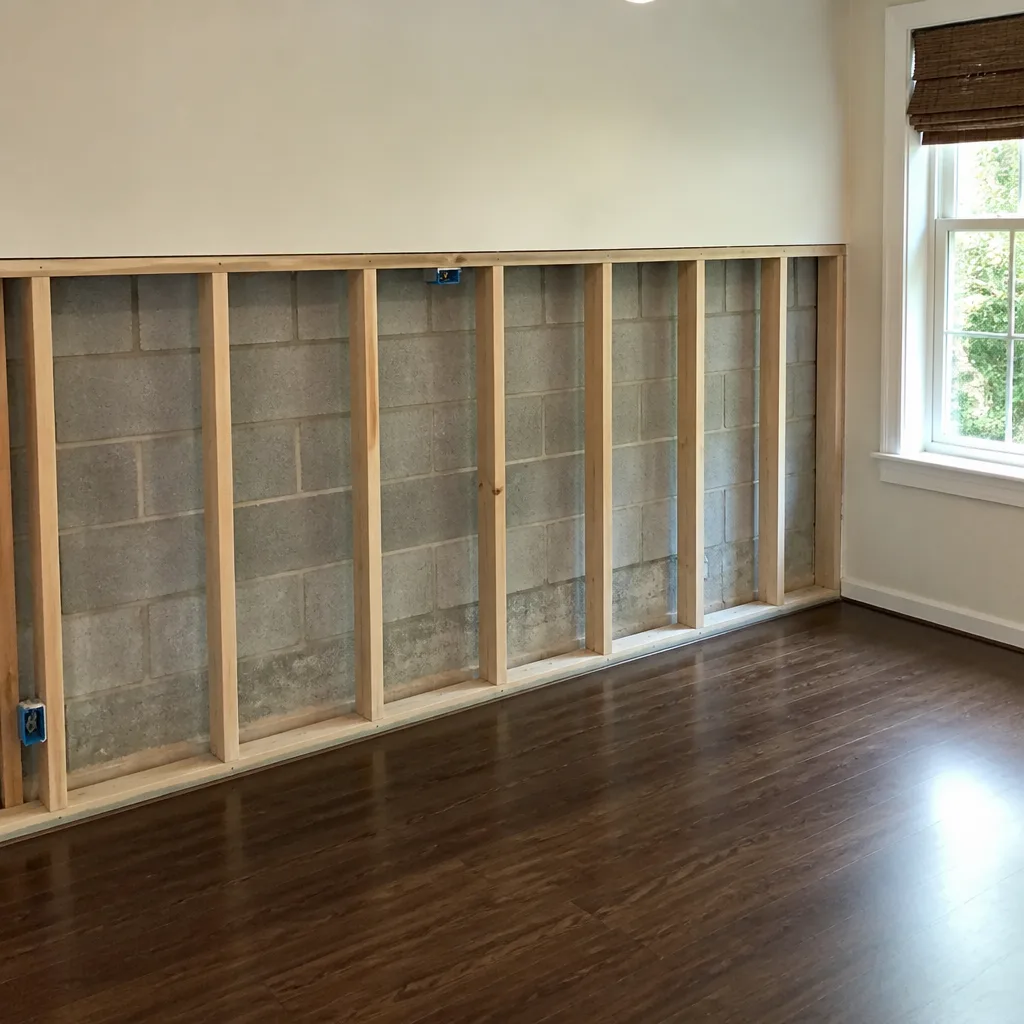
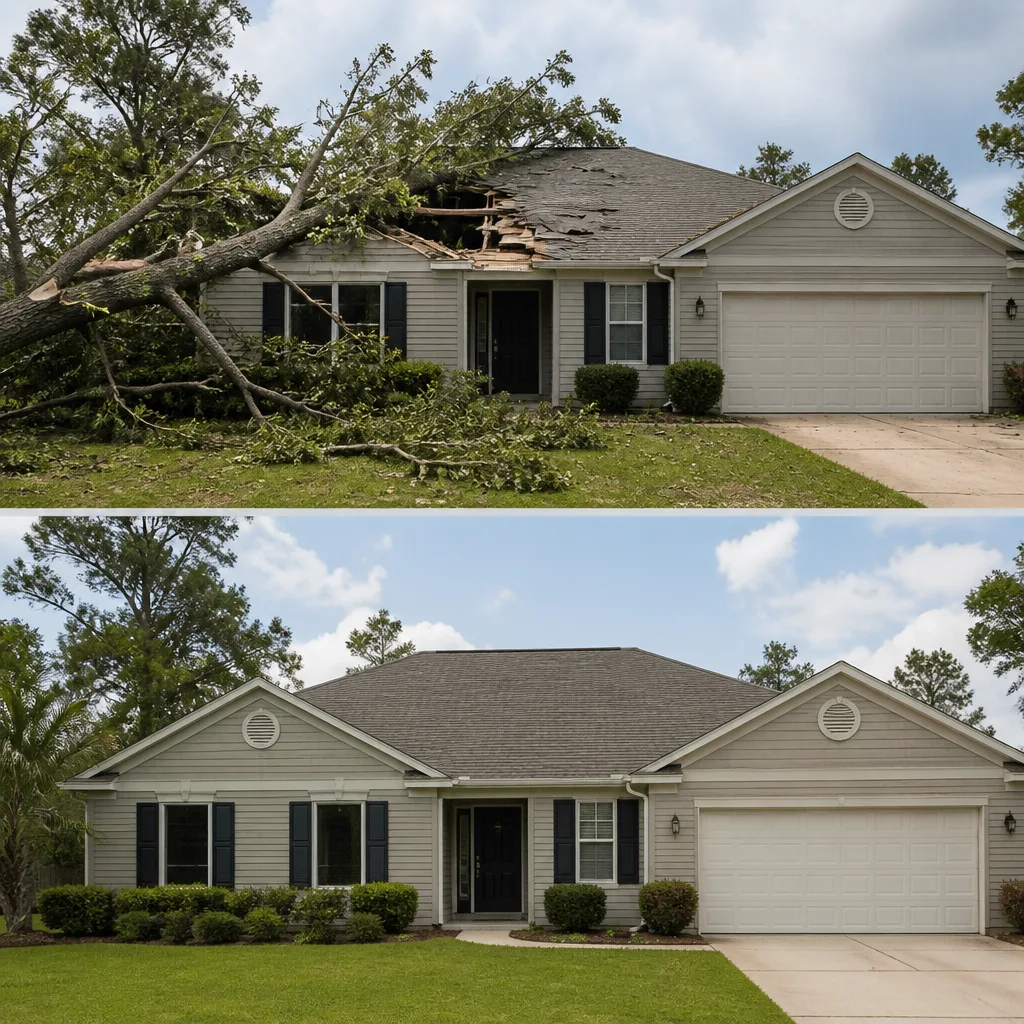
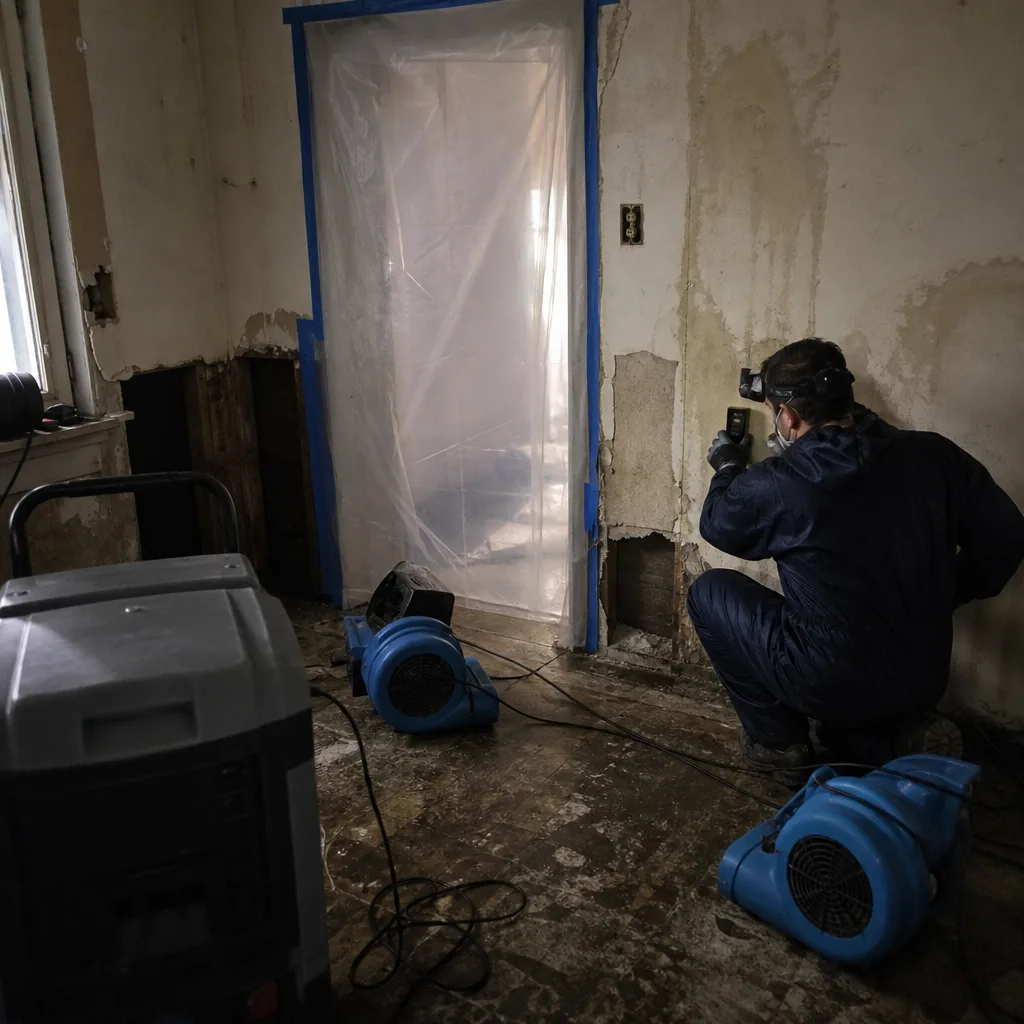 Before
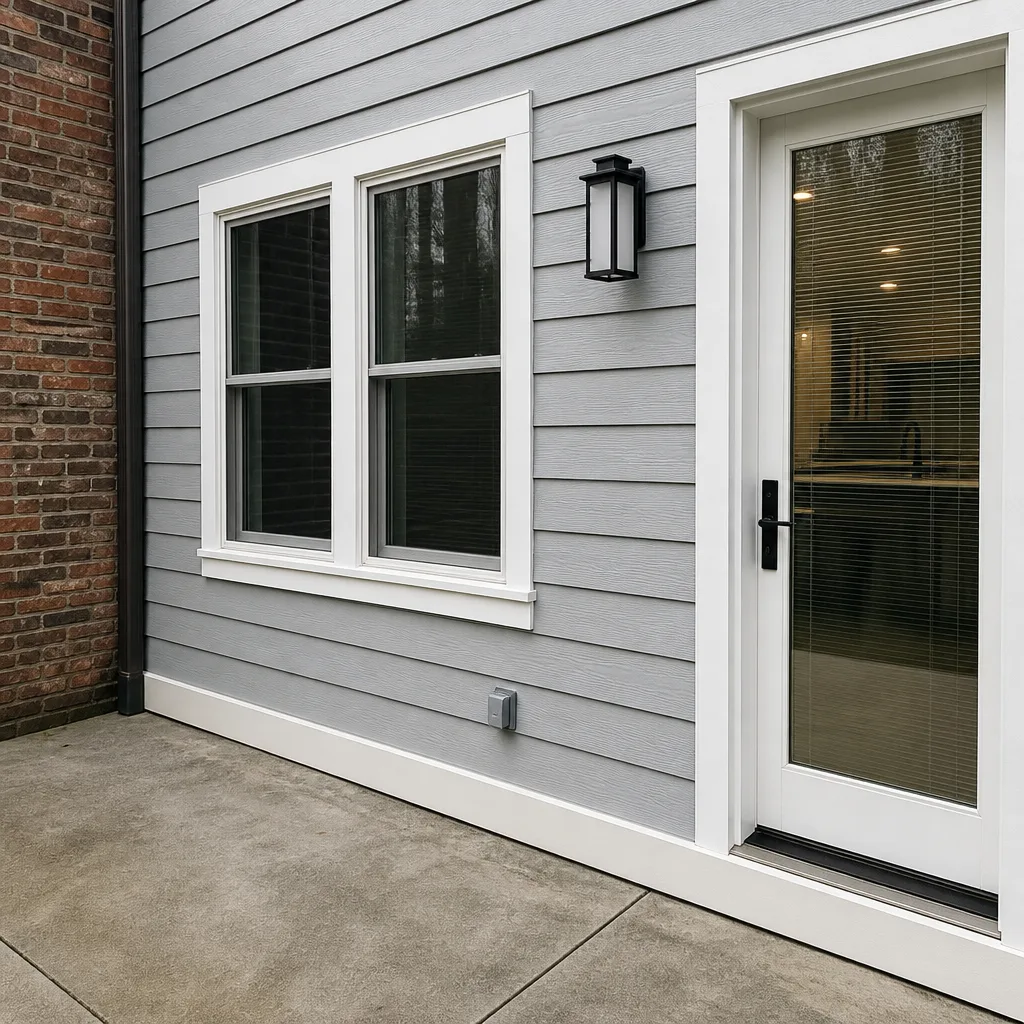 After
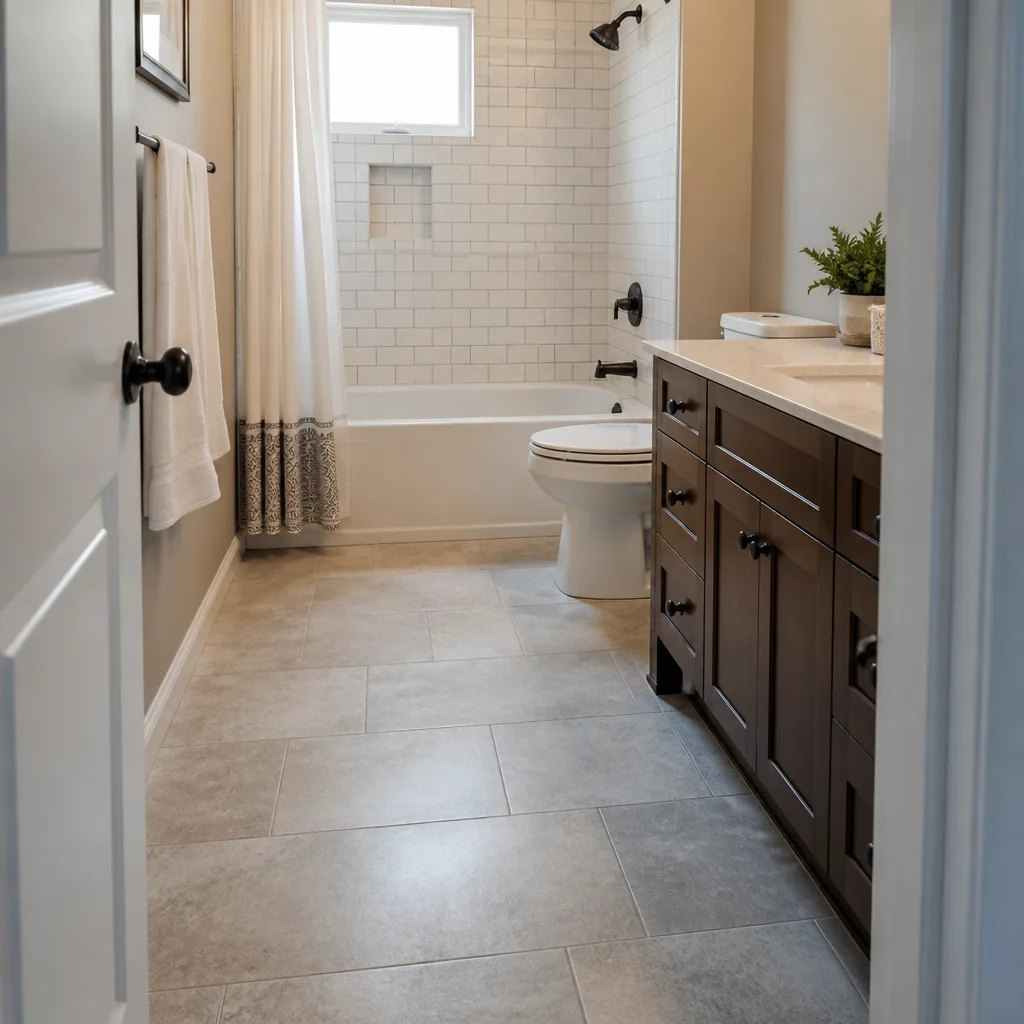
After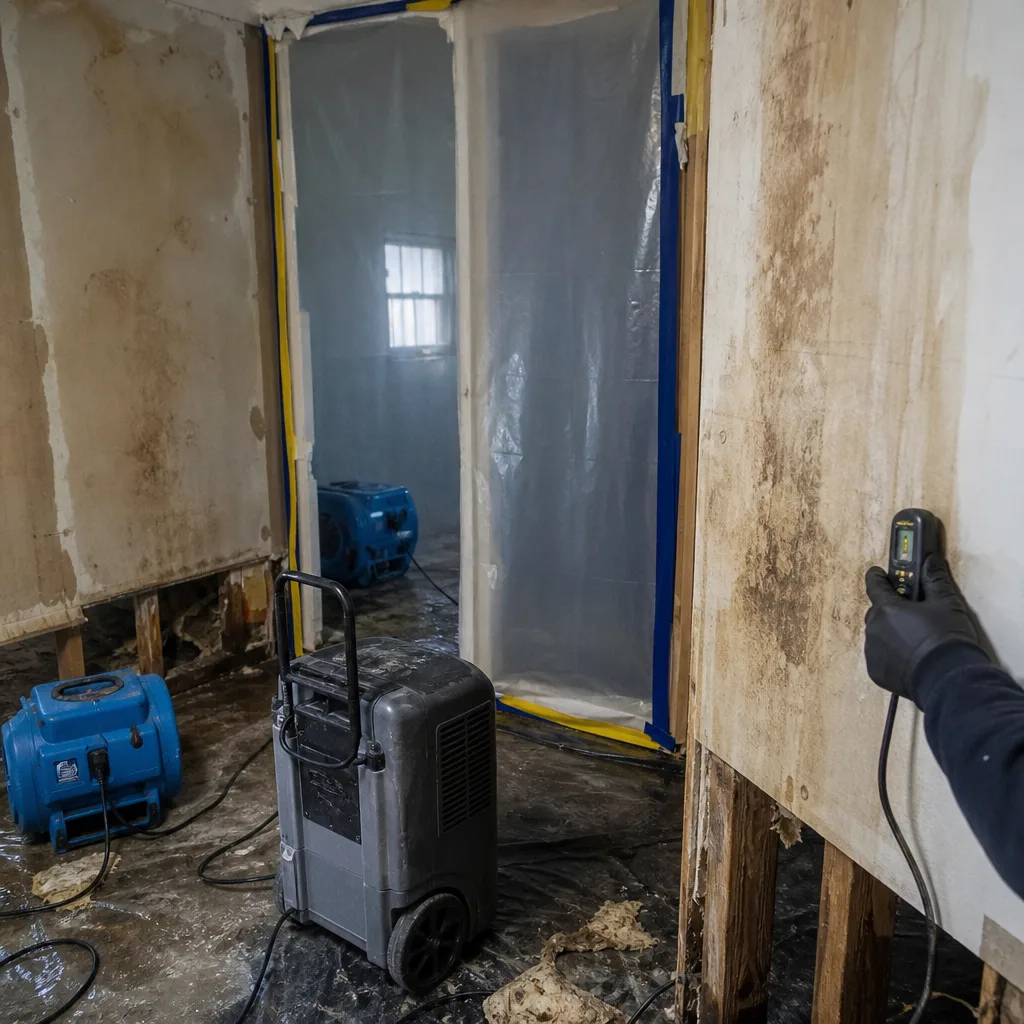 Before
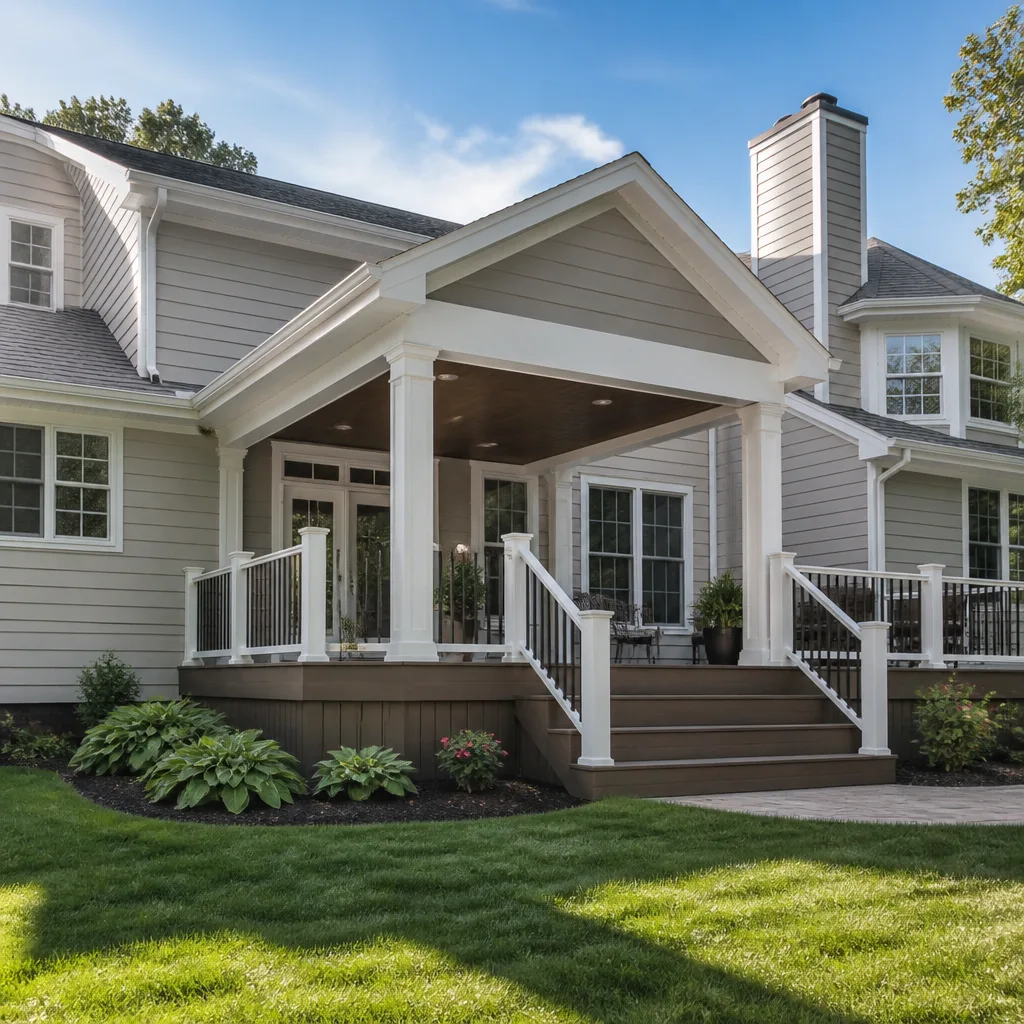
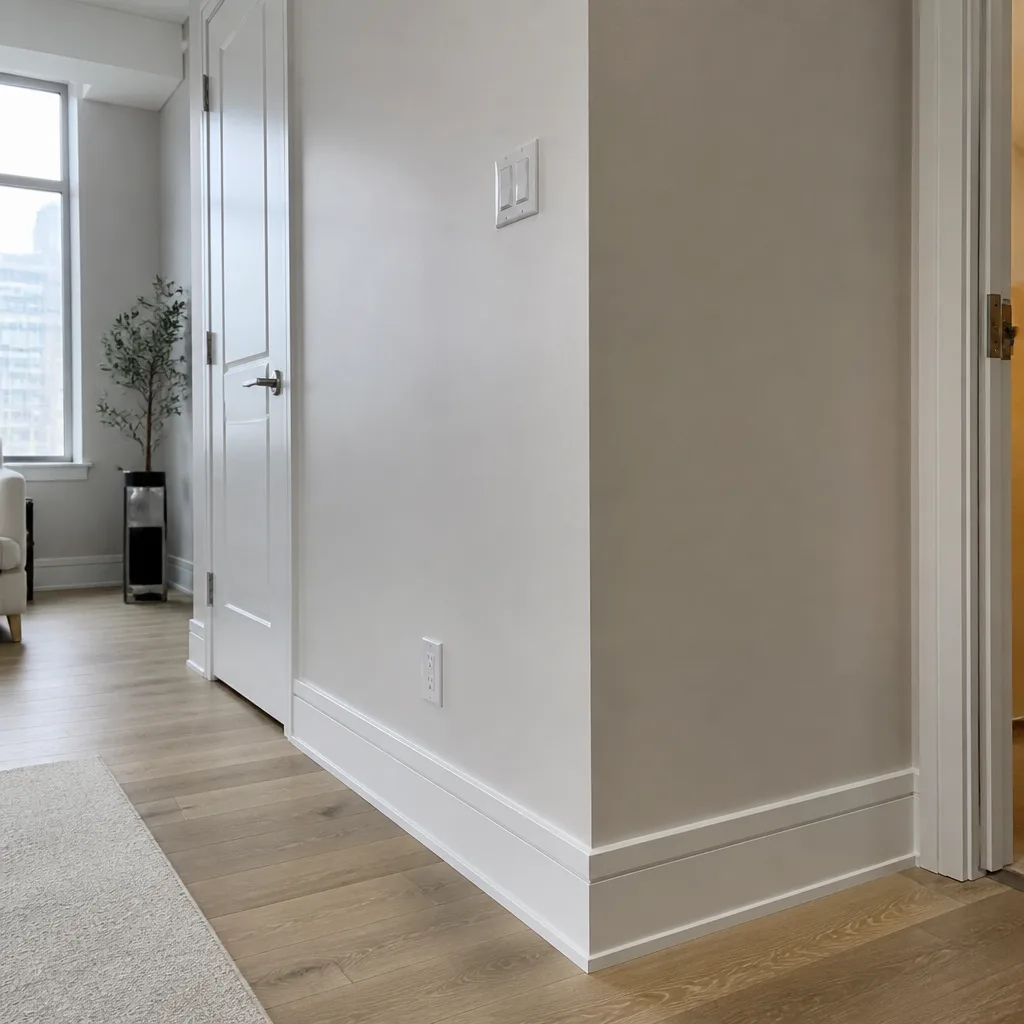 After
After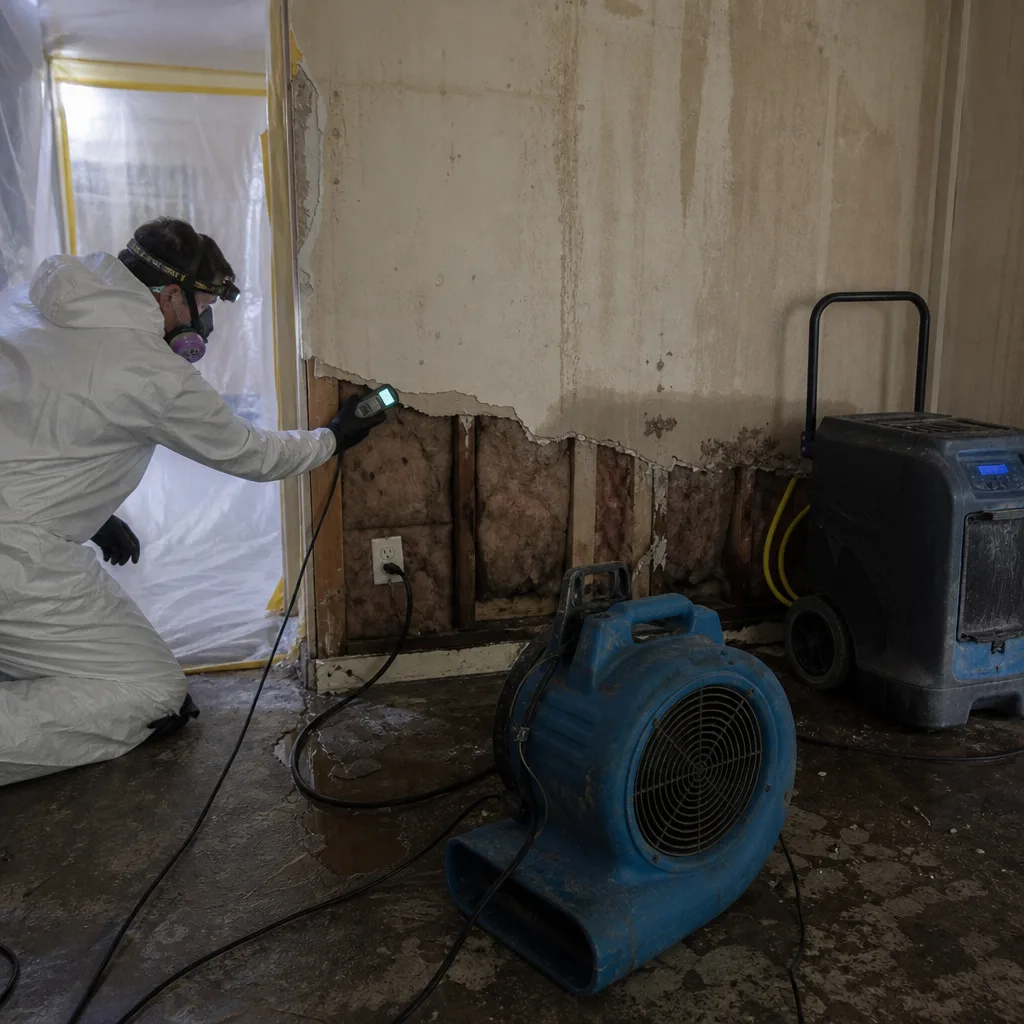 Before
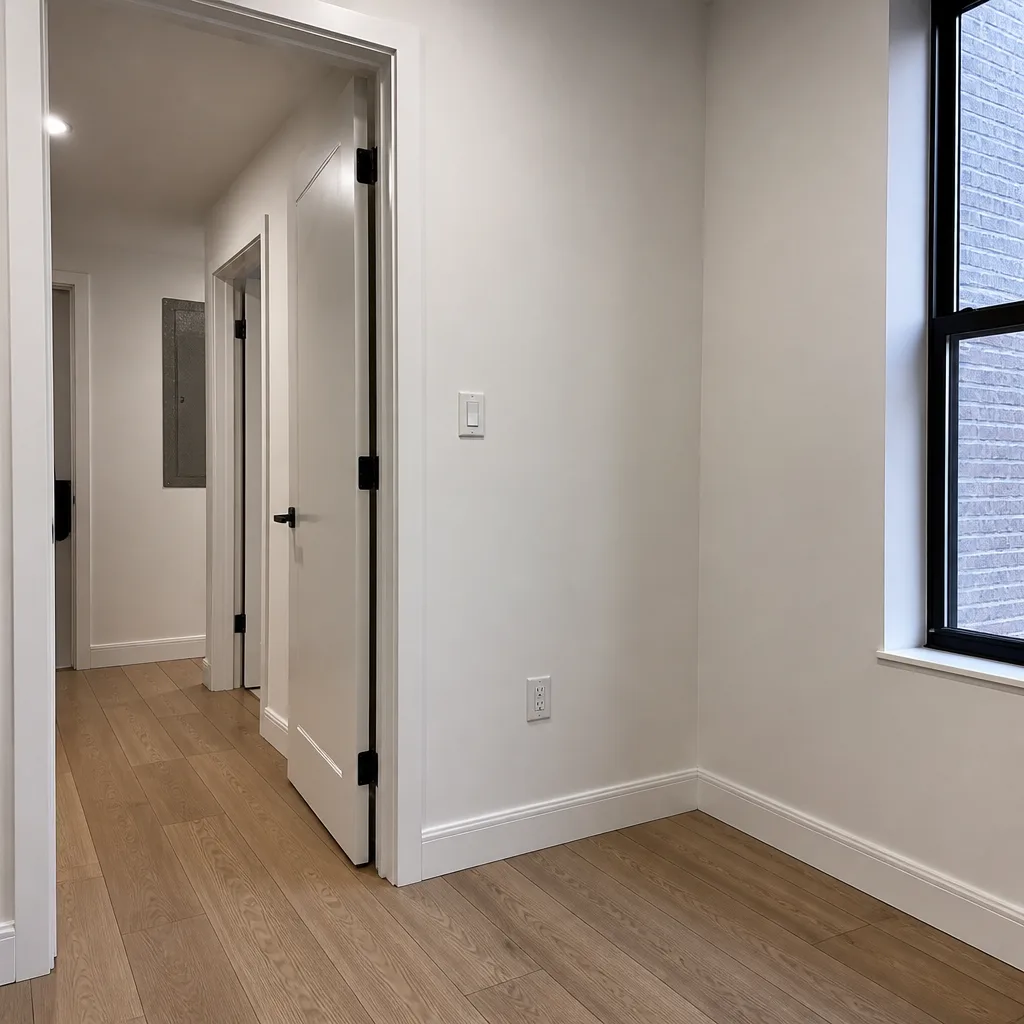 After
After24/7 Emergency Mold Remediation in Williamsburg
Mold remediation in Williamsburg, NY typically costs $1,800-$6,500 depending on square footage and how far the growth has spread, and the work usually runs two to five days. If you’re seeing dark patches on walls, catching a musty smell near baseboards, or feeling unexplained respiratory irritation at home, call (518) 663-6491. Floodline Restoration Co. answers live around the clock and dispatches certified crews into Williamsburg neighborhoods the same visit.
Mold does not pause while you weigh options. In Williamsburg’s older building stock, a small patch behind a kitchen cabinet can trace back to water that’s been moving through a brick party wall for weeks. The first hour matters because containment keeps spores out of clean rooms. Our team arrives with HEPA air scrubbers running before we lift trim or open walls. Every assessment starts free.
Understanding Mold Remediation Severity in Williamsburg Properties
Mold remediation severity depends on three things: the water source, the material it fed on, and how long it sat. Williamsburg’s housing stock makes those questions more complicated than in a suburban development. A late-1800s tenement off Bedford Avenue has lathe-and-plaster over rubble-stone foundation walls. Those materials wick moisture upward and hold it for weeks after the visible leak stops, creating conditions where Stachybotrys and other toxigenic species persist far longer than modern drywall allows. A converted loft on North 6th Street sits behind an unreinforced brick party wall shared with an adjacent unit. Water enters one apartment and migrates laterally through masonry to the next one, colonizing wood furring strips, plaster keys, and insulation you cannot see without a moisture meter and thermal imaging.
Testing confirms what you’re dealing with. Air samples and surface swabs identify spore types and concentrations. Containment zones, negative air pressure, and HEPA scrubbing isolate the affected area. Clearance testing confirms the space is safe to reoccupy. In Williamsburg, severity grades are not just about visible square footage. They’re about what the building itself is doing inside walls and under floors.
Why Williamsburg Property Owners Choose Floodline Restoration Co.
- 45-minute response commitment in Williamsburg - our dispatch board tracks crews by location, and a certified team starts toward your block as soon as you’re off the phone.
- Live answer, 24/7 - you speak to a real dispatcher at two in the morning, never a queue or a callback promise.
- IICRC-certified mold remediation crews - our technicians hold AMRT and WRT certifications, plus RIA training, so containment protocols get applied correctly from the first hour.
- Free visual inspection and moisture mapping - we locate the water source before pricing anything, because mold removal without source correction is a temporary fix.
- Direct insurance billing - we invoice your carrier on covered losses and handle adjuster communication, so you’re not playing messenger.
- One team from first cut to final coat - Floodline Restoration Co. does not hand off mold remediation to a different company when reconstruction starts. The same certified crew runs the job to completion.
Our Mold Remediation Process
Inspection & Assessment
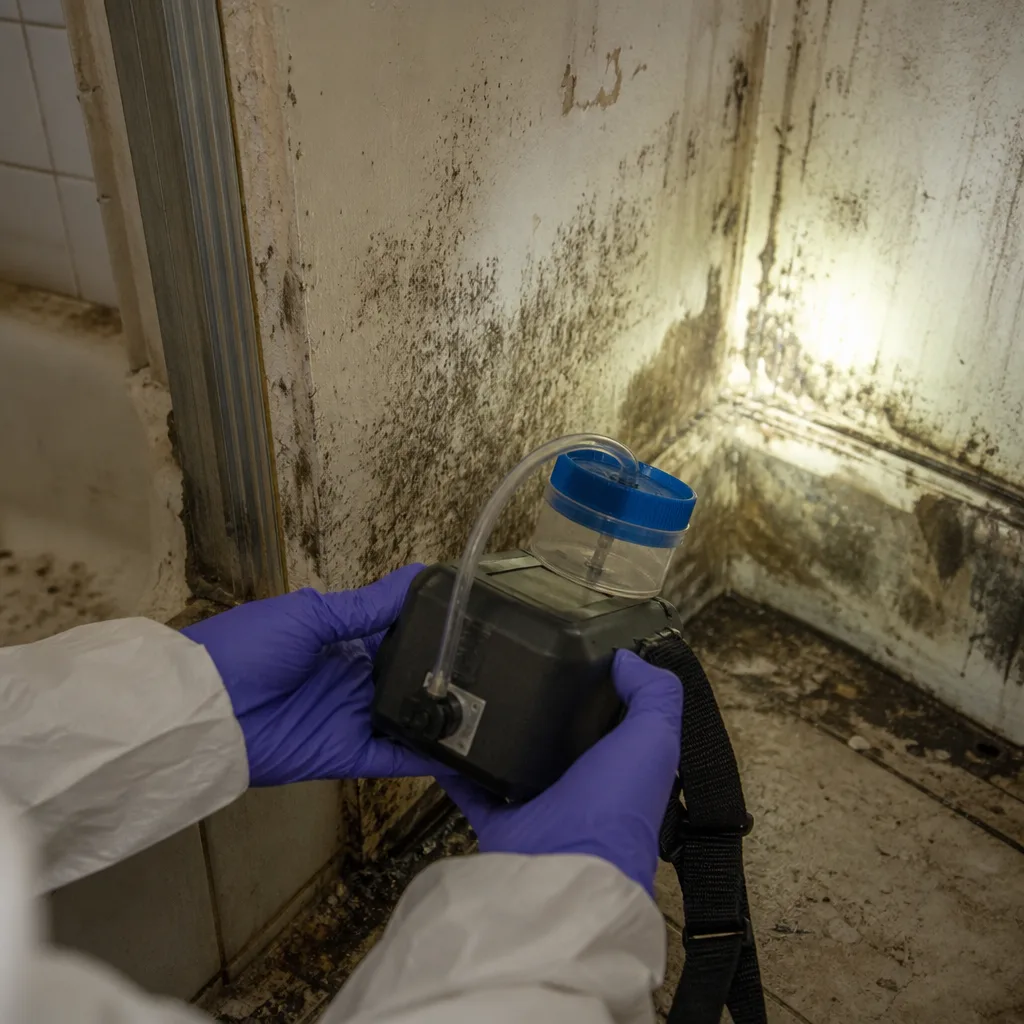
We start with a visual inspection and moisture mapping across walls, ceilings, and floors. Thermal imaging and hygrometers locate pockets of trapped humidity that skin tests never show, especially in Williamsburg’s brick party walls and slab floors.
Containment & Stabilization
Before opening any surface, we seal the affected area with polyethylene barriers and establish negative air pressure. HEPA scrubbers run continuously so spores cannot migrate into clean rooms, hallways, or neighboring units.
Drying & Dehumidification
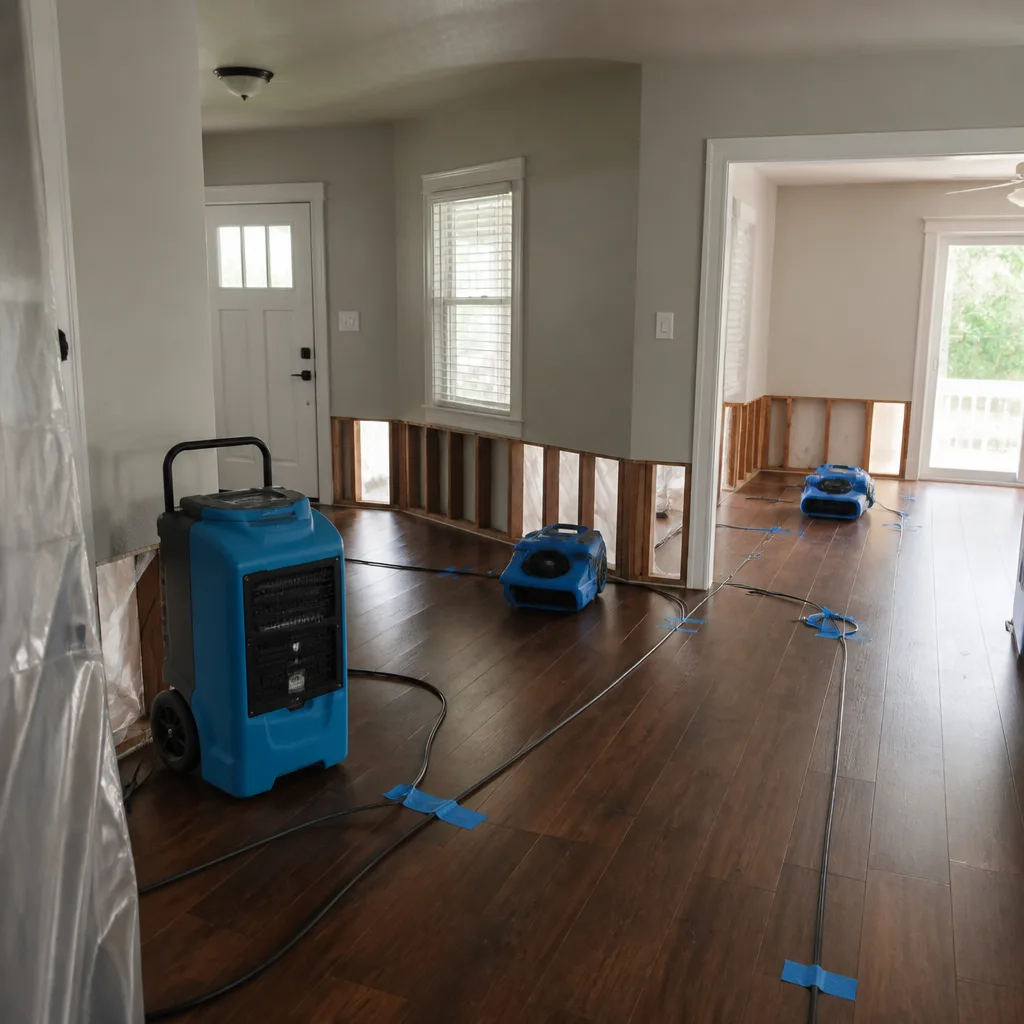
Dri-Eaz dehumidifiers and Phoenix air movers pull moisture from materials until they meet the dry standard. In Williamsburg buildings with masonry walls and old plaster, this phase runs longer than standard residential drying times demand. We log readings daily.
Cleaning & Antimicrobial Treatment
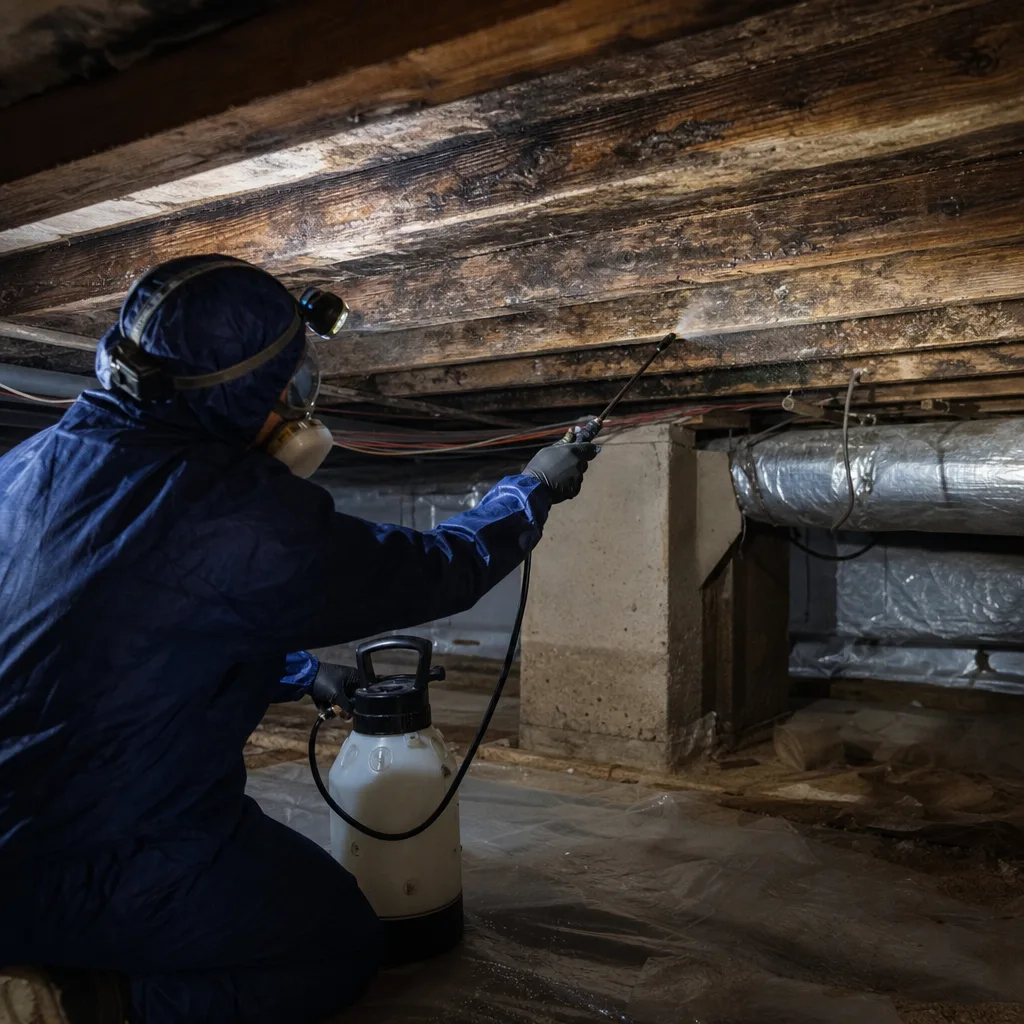
We remove contaminated materials under containment, HEPA-vacuum all surfaces, and apply registered antimicrobial treatments to affected framing, masonry, and floor assemblies. Every removed section gets documented for insurance.
Source Correction & Clearance Testing
This is the step that stops most repeat calls from happening. We correct the water source, verify with moisture readings that walls are dry, and run post-remediation air sampling with a third-party lab to confirm clearance.
Repairs & Restoration
We rebuild what we removed. New drywall, plaster patches, insulation, paint, trim. Or a full reconstruction if the loss calls for it. The same crew does it, and the job falls under the 90-Day Done Right Promise.
Need Emergency Mold Remediation in Williamsburg Now?
Crews minutes away, answering live 24 hours a day. The sooner we start, the less it costs.
Working With Your Insurance Company
We bill carriers directly on covered mold losses and our team speaks adjuster. It saves Williamsburg homeowners from the worst part of a remediation claim: becoming the middleman between an insurance desk skeptical of the scope and a contractor who won’t pick up the phone. Documentation starts in the first hour on site. Photos, moisture logs, air sample results, a line-item scope of work that reflects exactly what we found and what we did.
We also provide photo-documented assessments so your adjuster sees the condition before demolition. That detail matters in Williamsburg when mold sits behind an original tin ceiling or inside a plaster crown molding that gets removed during remediation. The documentation tells the whole story.
What We Provide Your Insurer
- Thorough documentation of the loss
- Photos of all damage, room by room
- Moisture readings and drying logs
- A detailed, line-item scope of work
- Direct coordination with your carrier
Built for Williamsburg’s Loss Calendar
Mold in Williamsburg does not follow a clean seasonal rhythm the way frozen pipes or storm flooding do. The trigger window opens in late spring, when the East River warms and humid air meets cold masonry. Below-grade units along Kent Avenue and Wythe Avenue absorb groundwater through old foundation walls every time heavy rain saturates soil. Through July and August, when humidity in New York sits high for weeks, any slow plumbing leak behind a kitchen cabinet or under a bathroom tile becomes a mold source faster than it would in drier months.
January brings its own problems. Deep freezes crack cast-iron waste lines in tenement buildings that were piped in ninety years ago. The leak runs inside a wall cavity, feeds wood lath and plaster, and shows itself in March or April as a musty smell near the baseboards. Converted lofts face roof drainage failures during winter ice events, and water tracks down through floor plates until it reaches a unit two stories below. By the time you see staining on your ceiling, the moisture has already been working. We see the same pattern every winter: the mold call that starts as a “small stain” from a neighbor upstairs.
Mold Remediation Across Williamsburg’s Neighborhoods
South Williamsburg’s old walk-ups have the classic tenement problem: an aging bathroom above a kitchen below and a plumbing leak in the wall between them. The mold follows the wet path down through old pine framing and plaster, and by the time a homeowner sees it, the affected band can run floor to ceiling inside the wall cavity. Those jobs need full containment, not a spray-and-paint approach.
North of the BQE, between North 1st and North 7th Streets, the buildings change as you walk toward the waterfront. Converted factories and warehouse lofts share brick party walls that predate modern fire codes. When an adjacent unit has a slow leak, moisture migrates laterally through the masonry and into your stud furring strips. Our moisture maps in those lofts routinely show a damage pattern that has nothing to do with the ceiling. Over on the Northside waterfront, the newer high-rises built after Sandy have their own challenges: mechanical rooms and common corridors with dehumidification systems that shut down during building maintenance windows, leaving units to absorb humidity through shared walls and HVAC chases. Along Bedford Avenue, our crews navigate narrow entryways, stairwell clearances, and COI requirements from co-op boards and management companies. None of that slows response. It just means the job gets scoped to how the building actually behaves.
Specialized Mold Remediation Services We Offer in Williamsburg
Mold Inspection & Testing
We test before we cut. Air samples, surface swabs, and a written lab report tell you exactly what you’re dealing with, which matters in Williamsburg where spore types vary by building age and water source. Moisture mapping is included. Testing gives the adjuster something real to work with.
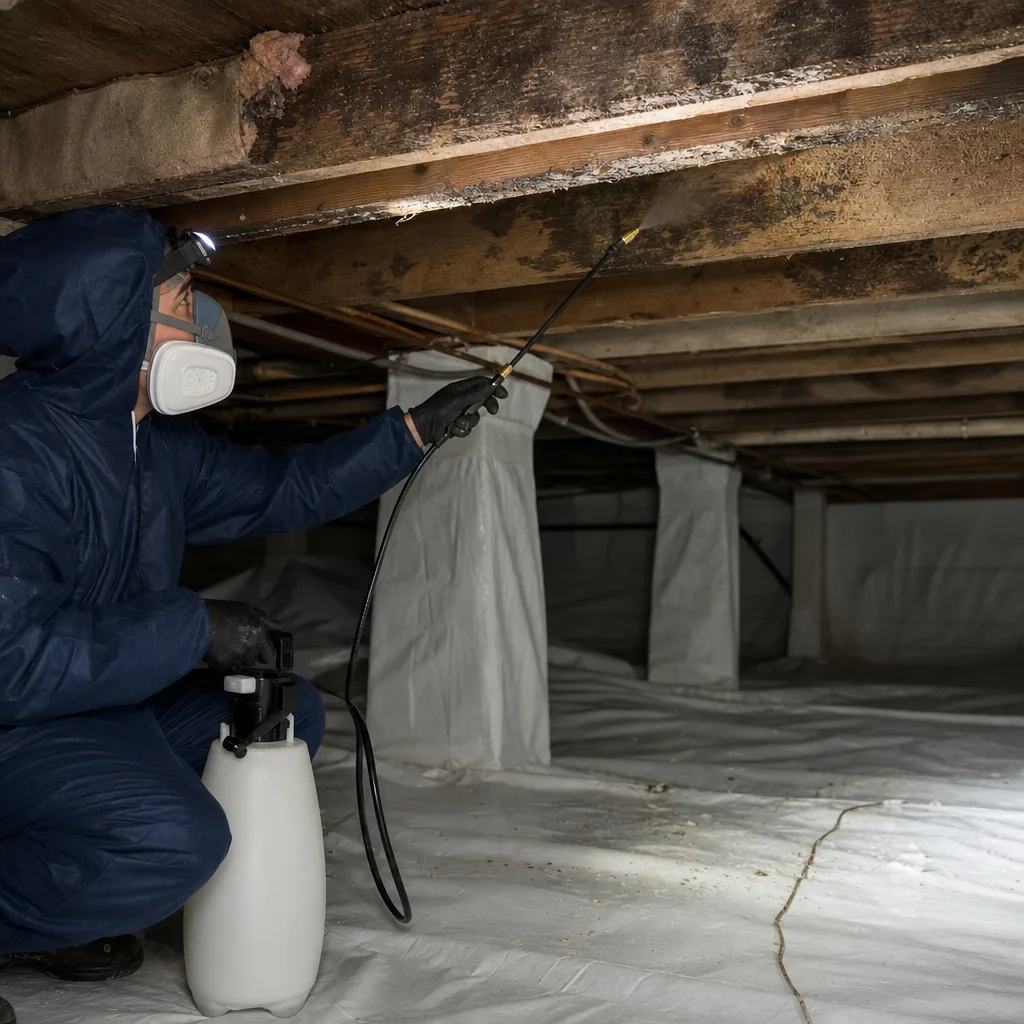
Mold Removal
Removal means removing mold, not just killing it. Colonized drywall, plaster, insulation, and trim get bagged and discarded under containment. We run HEPA scrubbers and negative air throughout so the spores stay in the containment zone, not your living room.
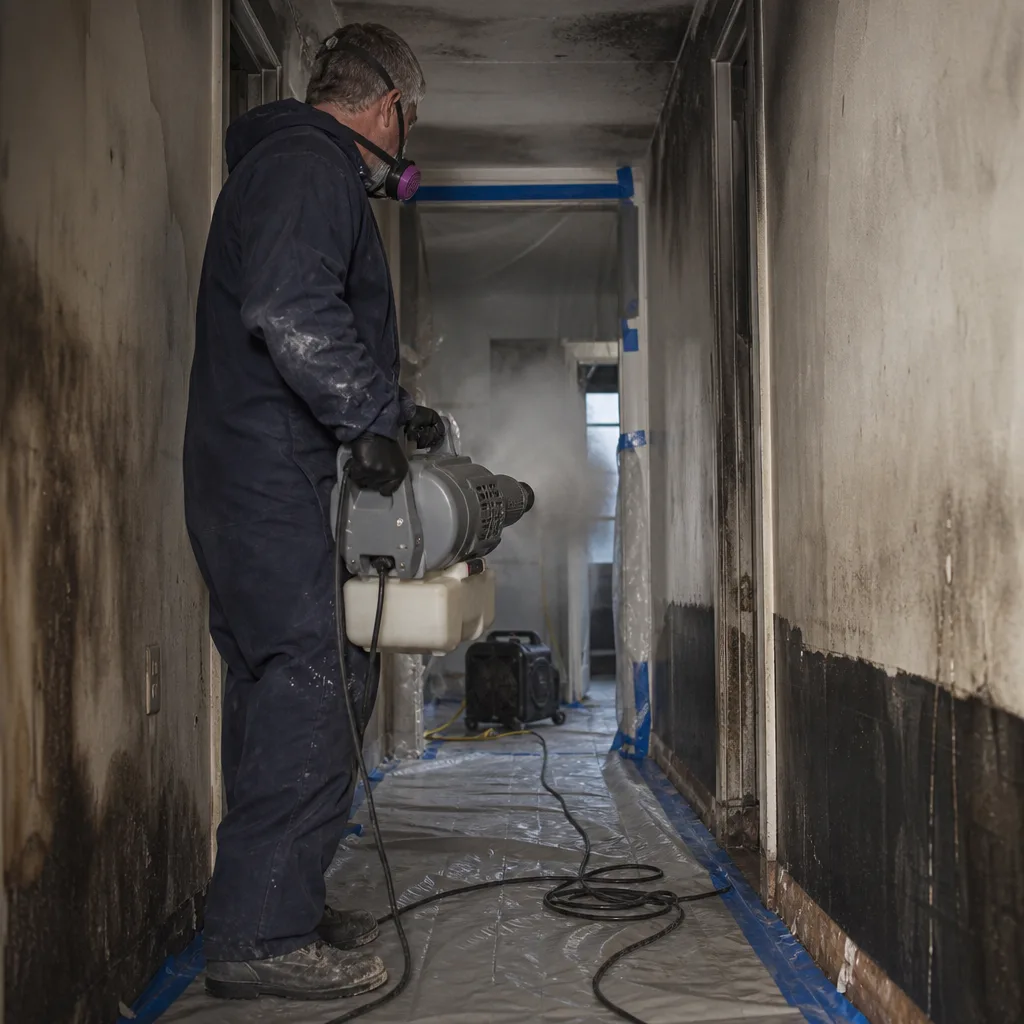
Black Mold Remediation
Toxigenic mold gets full containment and full PPE, no exceptions. In Williamsburg tenements where black mold has colonized behind lathe-and-plaster, the contaminated section often runs far larger than the visible patch. We find the edges with moisture meters and cut to clean material, then run clearance testing to prove the space is safe.
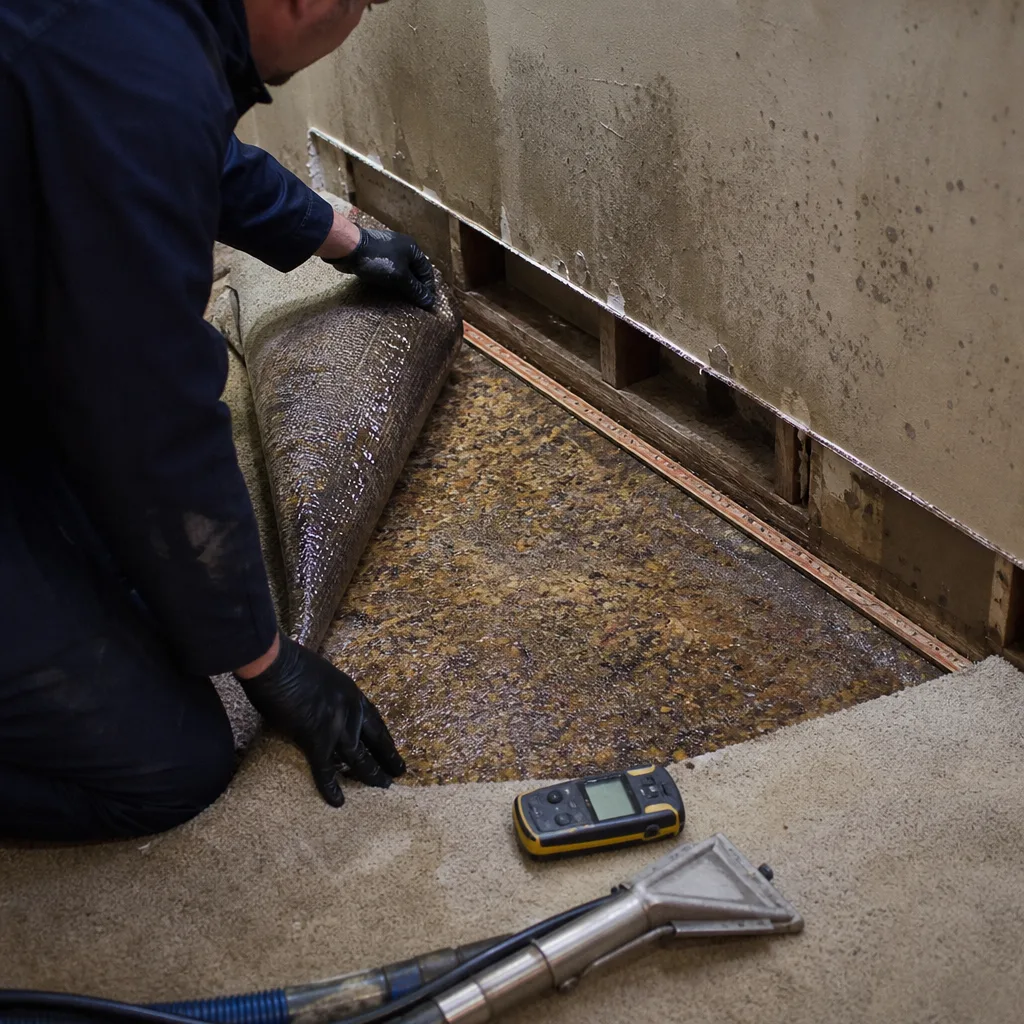
Air Quality Restoration
Post-remediation air in Williamsburg lofts can still carry elevated spore counts from HVAC systems and duct runs that were never treated. We clean and disinfect ductwork, replace filters, and run final air sampling with a third-party lab so you’re not breathing problems someone else left behind.
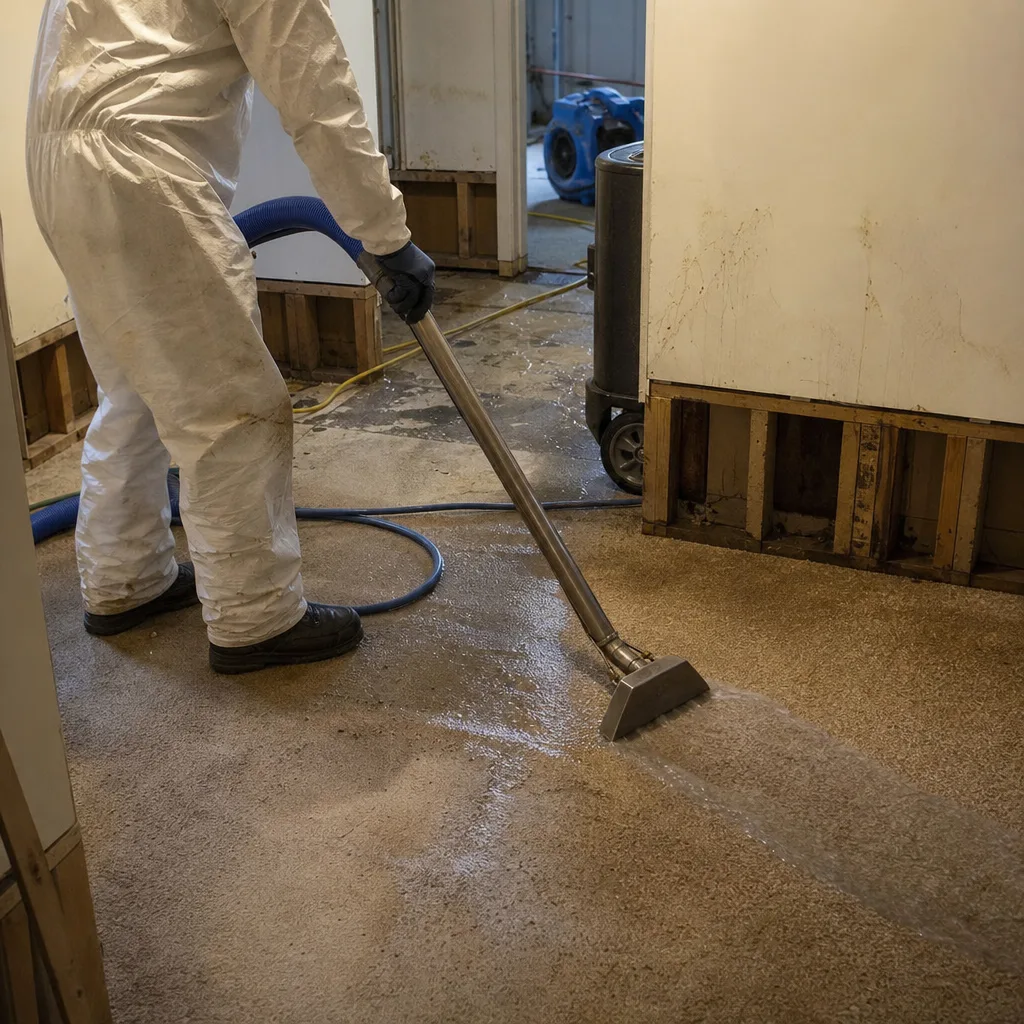
Crawl Space Treatment
Many Williamsburg ground-floor units sit over shallow crawl spaces with bare earth and rubble-stone walls. Those cavities pump humidity upward into your flooring every summer. We seal, insulate, and install vapor barriers where the building allows, then dry the space to standard with XPOWER and B-Air equipment.
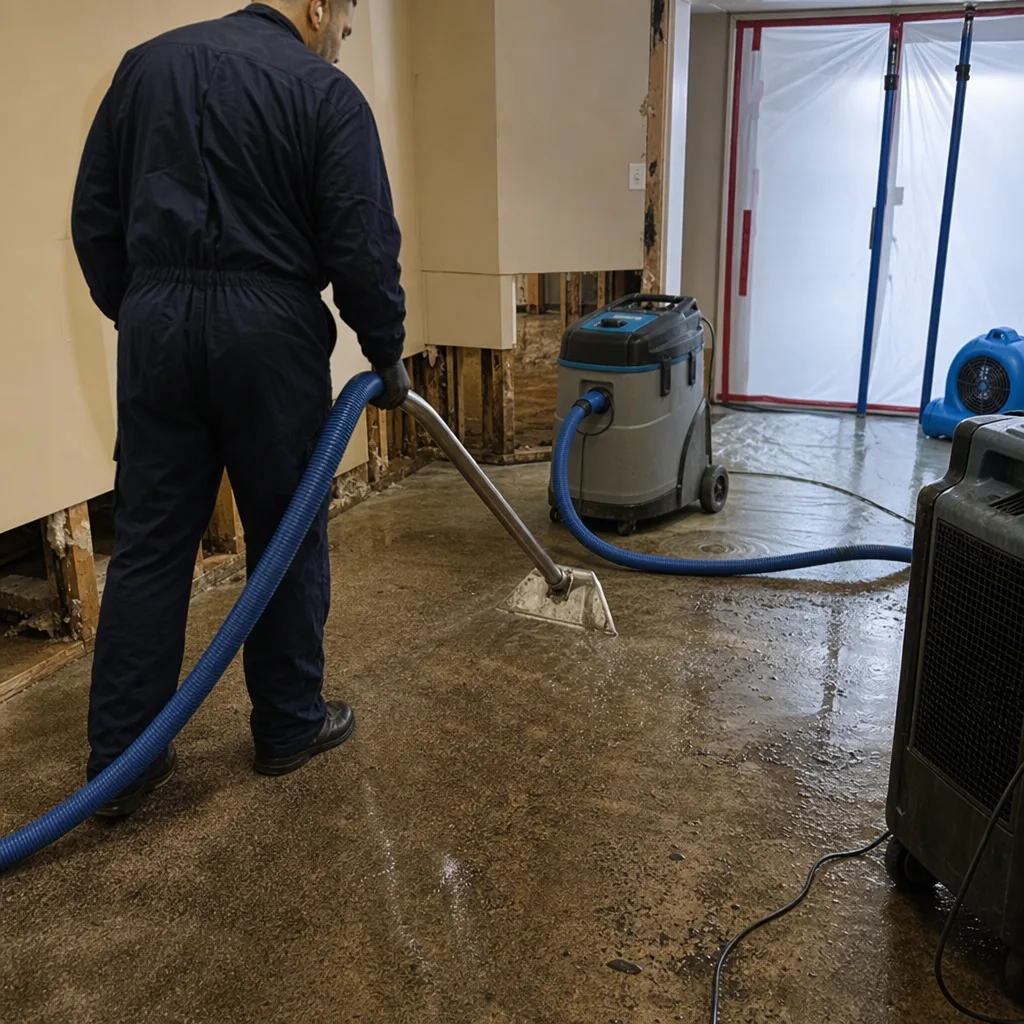
What happens when you call
- 1
A real person answersNo phone trees - you reach a local pro.
- 2
You get an upfront price rangeHonest numbers before anyone is dispatched.
- 3
A background-checked tech heads outLicensed & insured, dispatched right away.
- 4
You approve before work beginsNothing starts until you say go.
Mold Remediation Costs in Williamsburg, NY
A straightforward bathroom mold removal in Williamsburg with full containment runs $1,800-$3,200. A whole-room remediation in a converted loft, with lateral moisture migration through brick and multiple wall cavities involved, typically lands between $4,000 and $8,500. Crawl space treatment and vapor barrier installation adds $2,000-$5,000 depending on access and square footage. Air sampling and lab testing run $400-$800 as a separate line item.
What moves the price: how much material has to come out, whether masonry drying is required, and how long the drying phase runs. Old tenement walls dry slower than modern drywall, and that time is real cost. Insurance coverage depends on the source of water. Sudden pipe bursts and storm damage usually trigger coverage. Slow leaks and neglected maintenance often don’t. Either way, the free visual inspection gives you a firm scope in writing before anyone swings a hammer. No surprises in the bill, and the $50 off any repair over $250 applies to our mold work in Williamsburg too.
We Also Serve Cities Near Williamsburg
Our Williamsburg crews also cover Mold Remediation in Williamsburg along with nearby neighborhoods, including the Financial District, Lower Manhattan, Washington Square, and Brooklyn Heights. Response times stay tight because our dispatch board tracks live crew locations across the whole area.
Williamsburg Mold Remediation Questions, Answered
How does Williamsburg’s mix of old brick tenements and converted lofts change mold remediation timelines?
Masonry construction lengthens the drying phase significantly. Lathe-and-plaster holds moisture far longer than drywall, and brick party walls wick water laterally. A Williamsburg tenement remediation often runs one to two days longer than the same square footage in a modern wood-frame building.
Is mold remediation in Williamsburg waterfront buildings different after Hurricane Sandy?
Yes. FEMA’s post-Sandy flood maps place much of the waterfront in Zone AE, and many below-grade units were rebuilt with flood-resistant materials but still have drainage systems that trap humidity. Mold remediation in these buildings requires structural drying of concrete slabs and masonry, not just surface cleaning.
What should we expect when mold spreads through brick party walls in Williamsburg lofts?
Expect the affected area to be bigger than the visible patch. Lateral moisture moves through unreinforced masonry and shows up far from the original leak. We map the full migration path with moisture meters before cutting anything, and we document everything for your adjuster.
Why do old Williamsburg tenements often need more than just mold removal?
Because the water source usually sits inside a wall cavity or below grade, in cast-iron waste lines or rubble-stone foundations that have been absorbing moisture for years. Removing mold without fixing the source means the mold comes back. Source correction is part of every remediation we do.
Can you restore indoor air quality after mold removal in Williamsburg converted factories?
Yes. We run negative air and HEPA scrubbing during remediation, then clean HVAC duct runs and replace filters, and finish with third-party air sampling. In converted factory lofts with long duct runs and shared shafts, that final step is the difference between passing clearance and leaving spore loads in the system.
How fast can you get to a Williamsburg address?
Our 45-minute response commitment covers Williamsburg neighborhoods. A dispatcher answers live 24/7 and crews are staged across the area. For active water with visible mold, we typically have containment started the same visit.
Will my insurance cover mold remediation in Williamsburg?
Coverage hinges on the water source. Sudden and accidental discharge, like a burst pipe or storm-driven flooding, usually triggers coverage. Long-standing leaks and maintenance issues are often excluded. We bill carriers directly and walk you through what your policy covers. Call (518) 663-6491 and we’ll review it with you.
What should we do right now while we wait for your crew?
Shut off the water source if you can reach it safely. Don’t disturb visible mold by scrubbing or vacuuming. Keep doors closed to the affected room, and don’t run central air. That limits spore spread. Then call us. We’ll walk you through the rest over the phone.
Serving Williamsburg, NY - Our Local Coverage Area
We’re based in the Williamsburg area and know this community well. Use the map below to see our service coverage - if you’re nearby, we can almost certainly help.
A Field Story From Williamsburg
In a prewar brick tenement off Bedford Avenue, our crew found moisture readings spiking behind lathe-and-plaster walls even though the visible leak was two floors up. Using XPOWER air movers, Dri-Eaz dehumidifiers, and Injectidry mat drying with full containment, we traced category 2 water wicking through the rubble-stone foundation, removed the contaminated plaster back to clean masonry, and ran antimicrobial treatment until daily drying logs showed the wall assembly back to pre-loss condition. That job was not a leak in the ceiling. It was a building that moves water sideways, the way hundreds of Williamsburg buildings do. Our Mold Remediation team has been mapping those migration paths since Curt Bowman founded the company in 2010, and this work walks that same Keystone standard.
If you’re seeing mold in a Williamsburg loft, tenement, or new-build high-rise, call (518) 663-6491 for a free estimate. We answer live, we come fast, and we stand behind the work in writing. The 90-Day Done Right Promise covers every Williamsburg mold job we do, no arguing, no fine print. Done right, or we make it right.
Written by Curt Bowman, Owner at Floodline Restoration Co., serving Williamsburg and the New York metro area since 2010.