
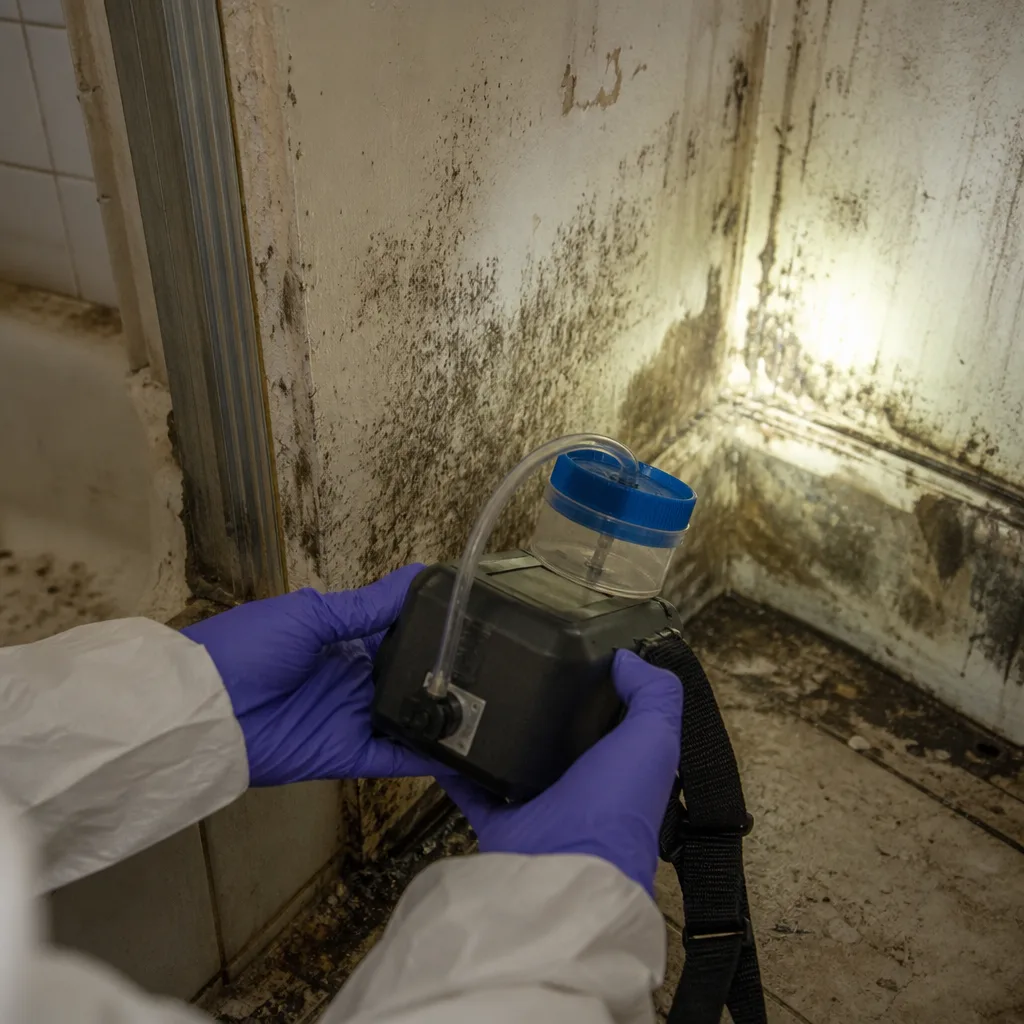
Free visual inspection and a written scope of work before any mitigation begins - photos, moisture readings, and drying logs go in your claim file
The scope we write is the scope we bill. Anything new gets shown to you, in writing, before we touch it.
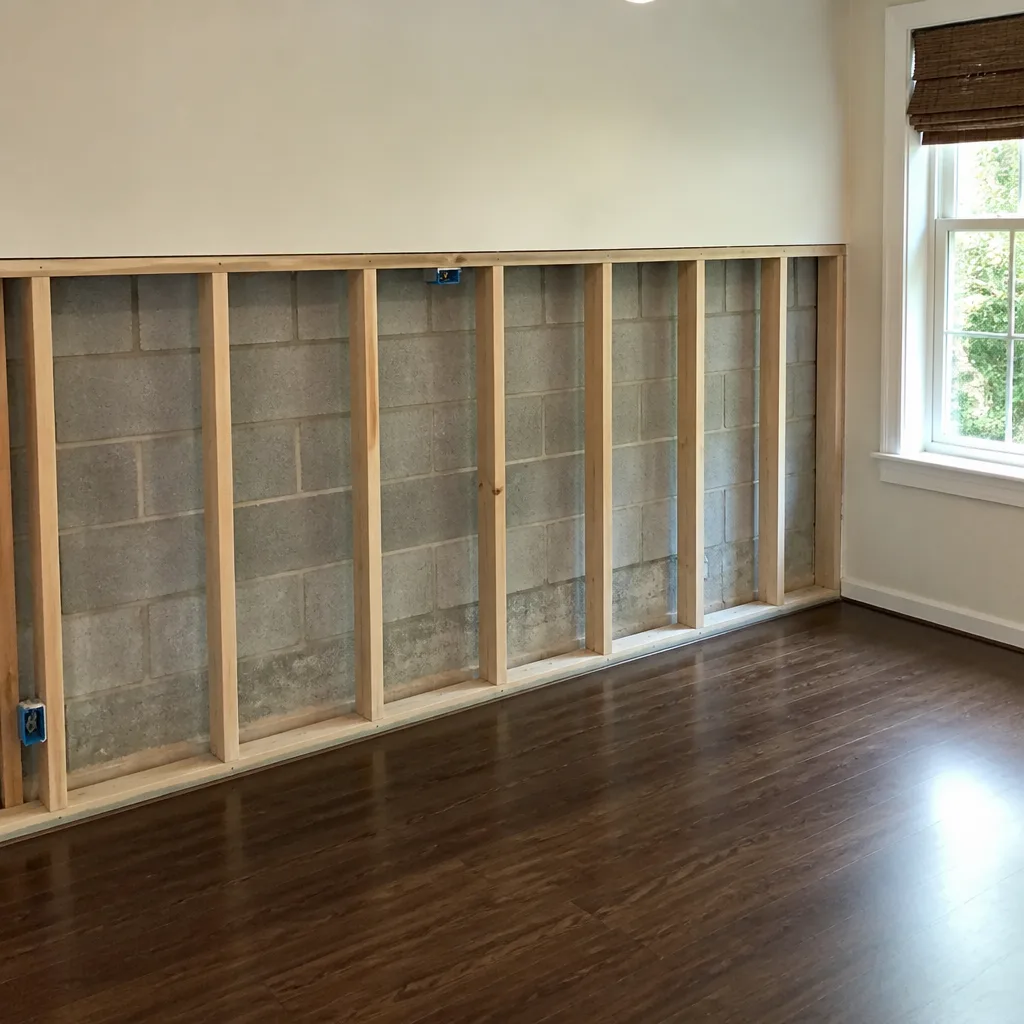
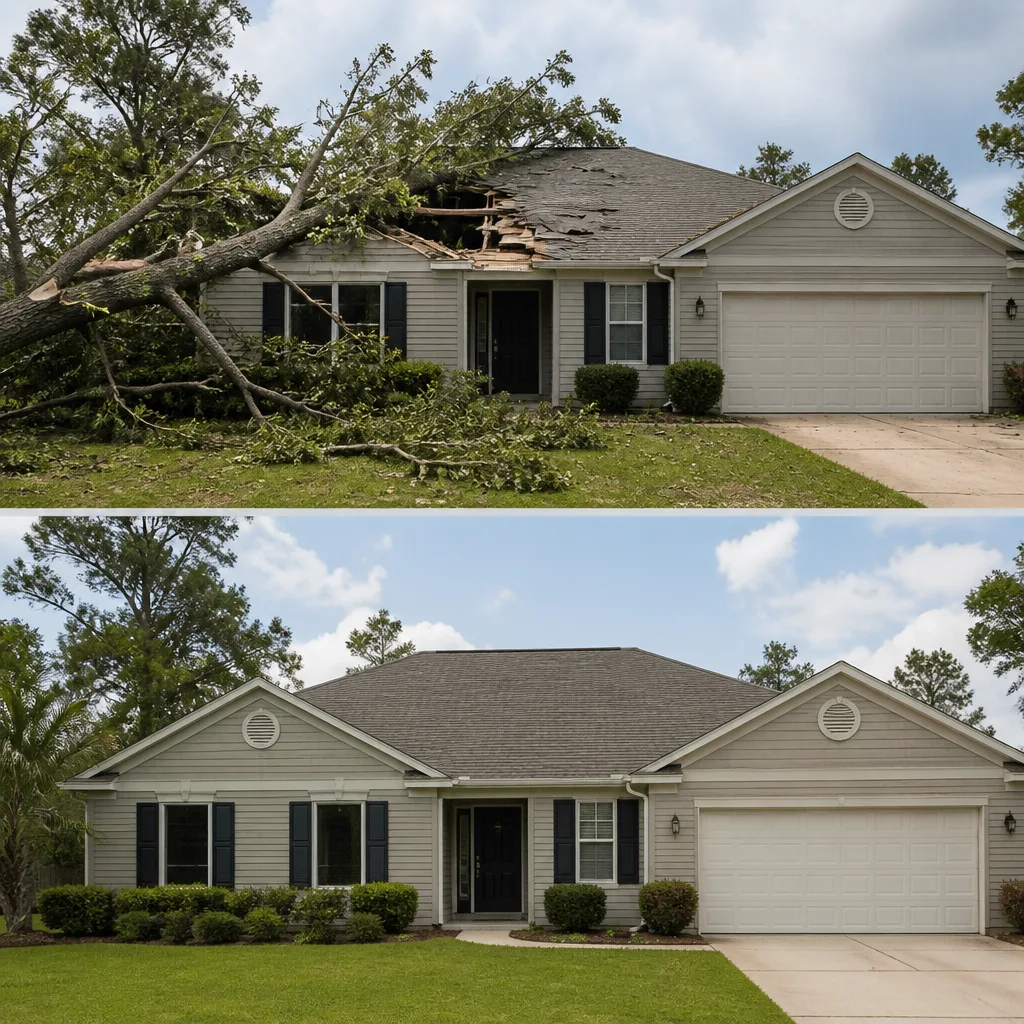
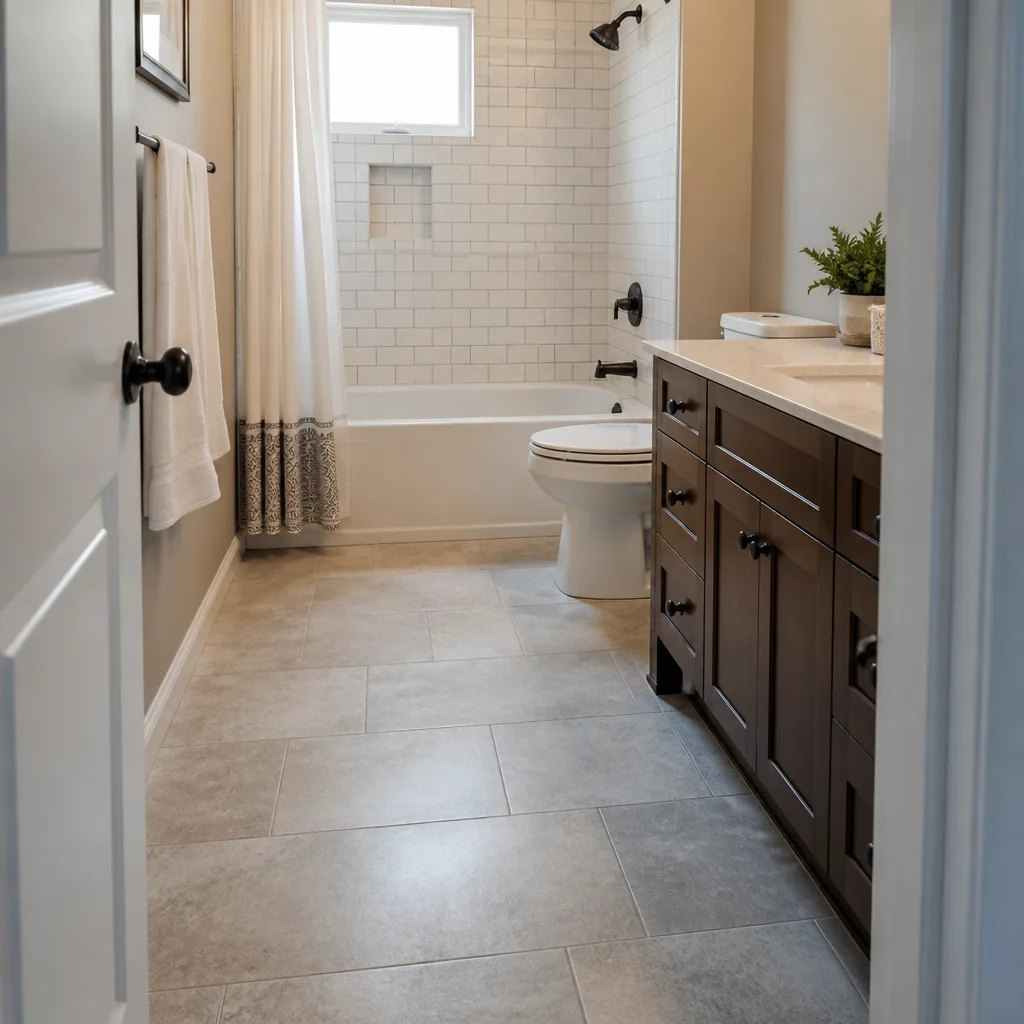
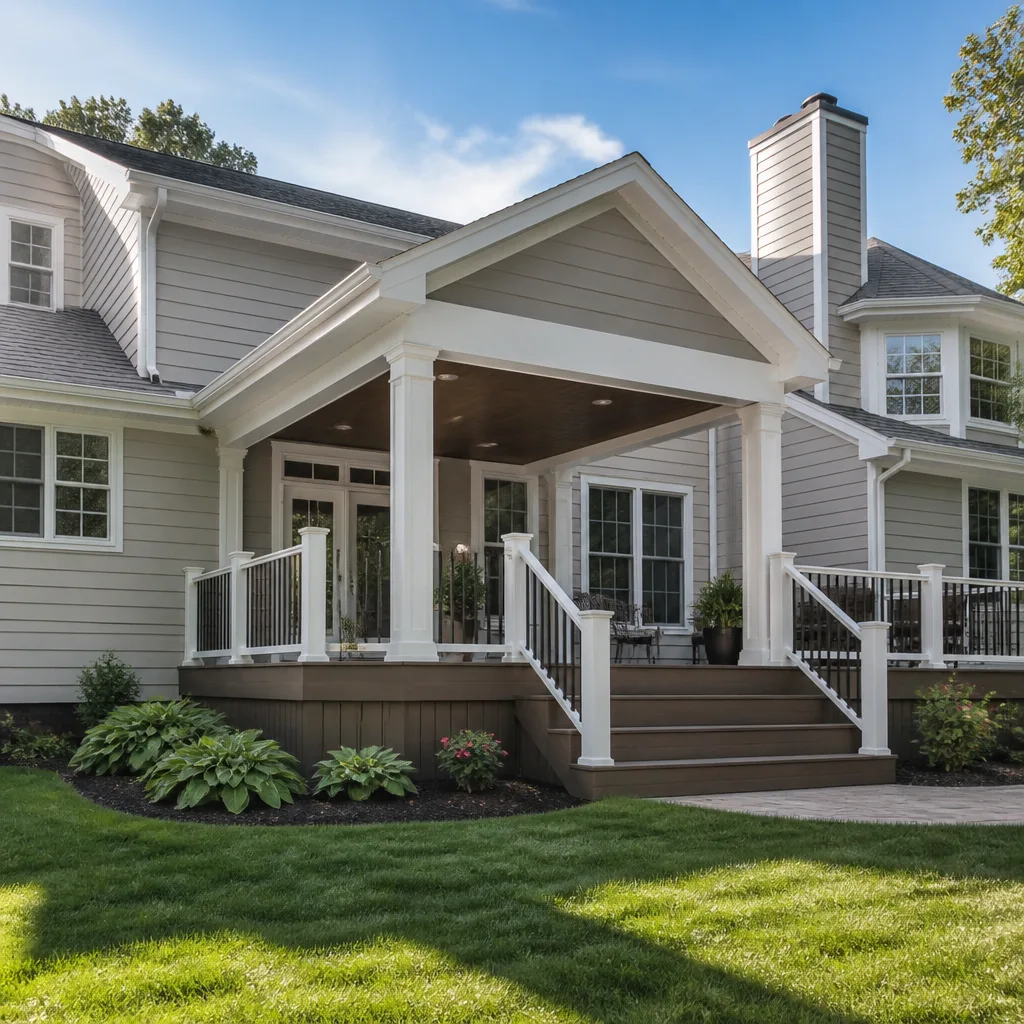
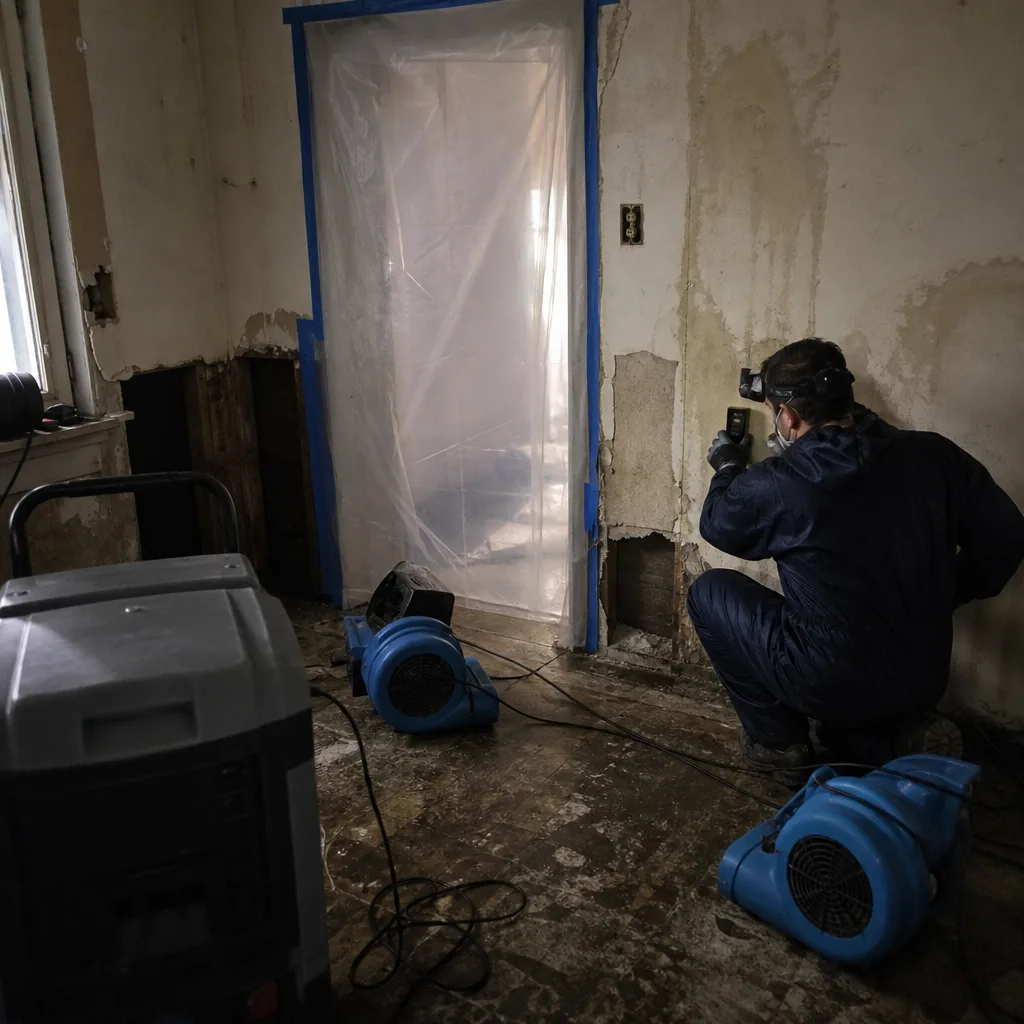 Before
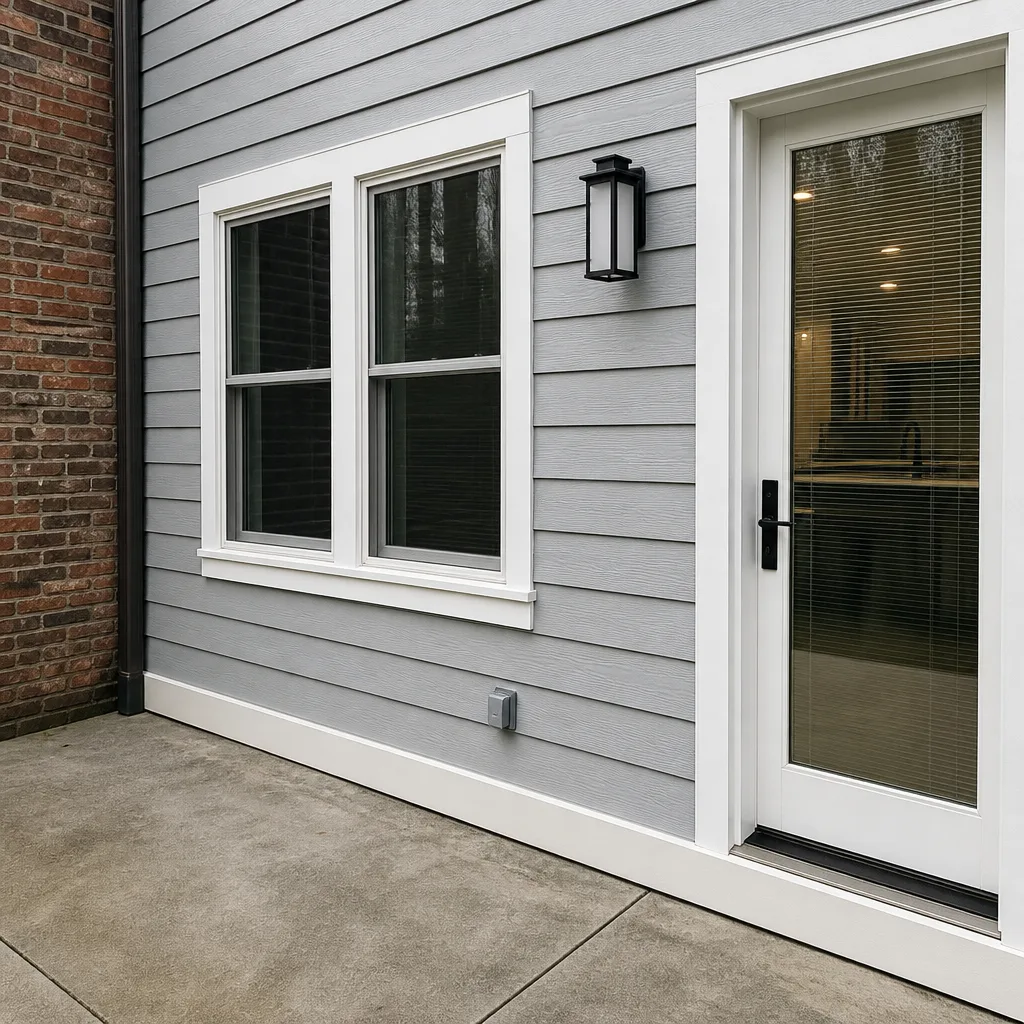 After
After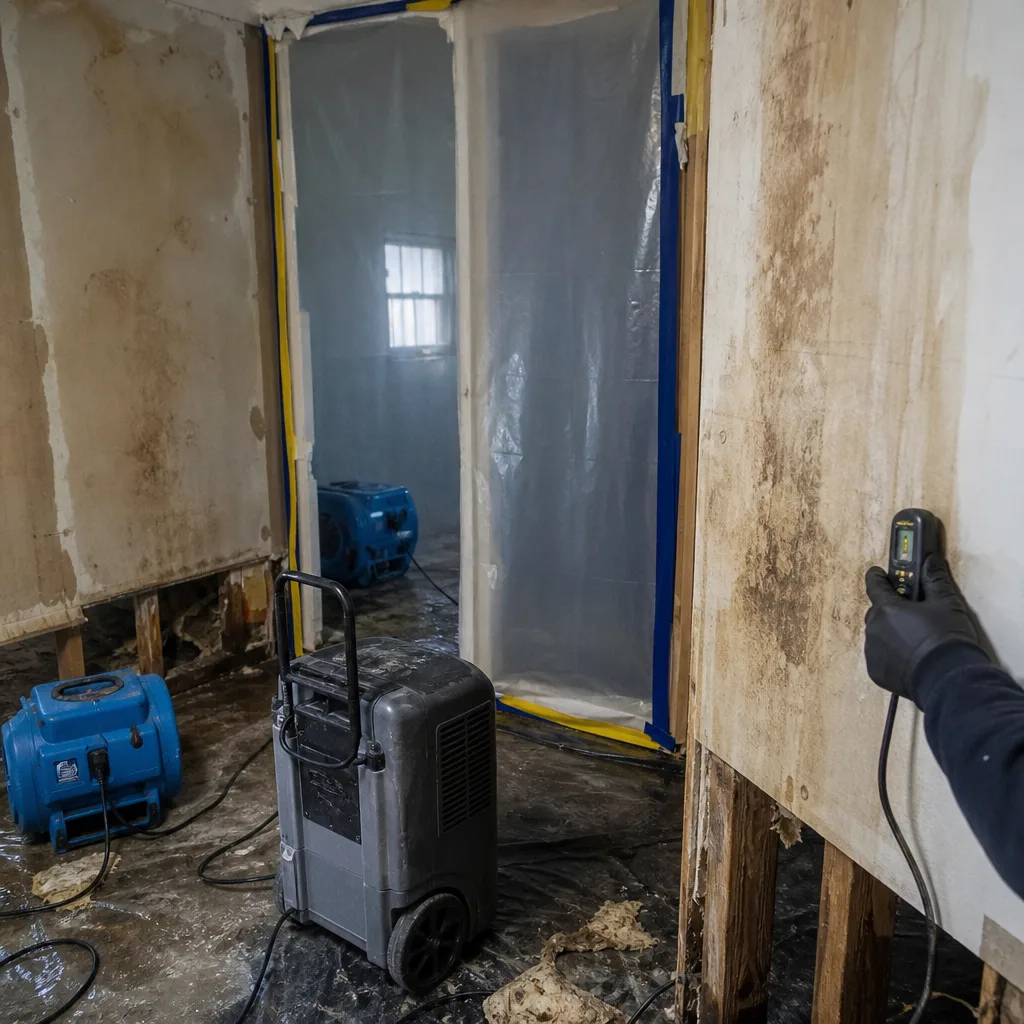 Before
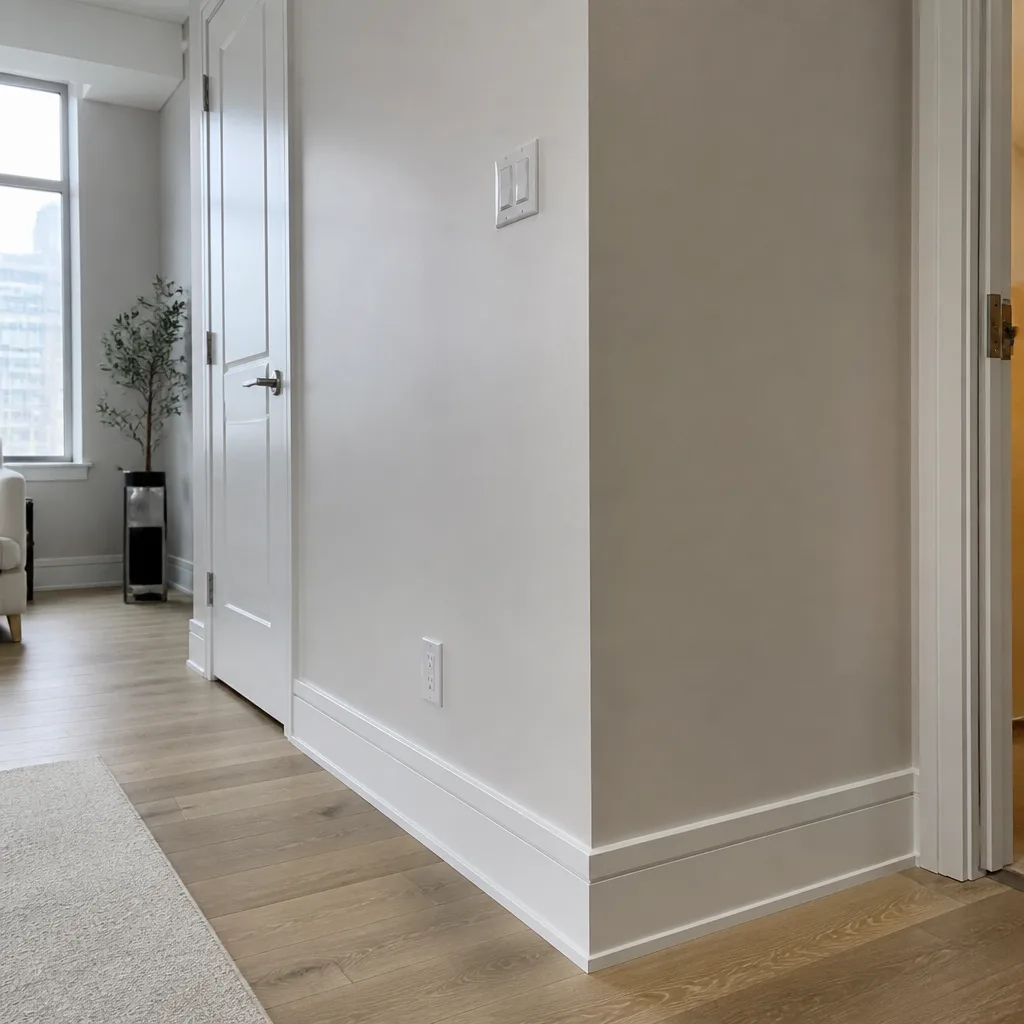 After
After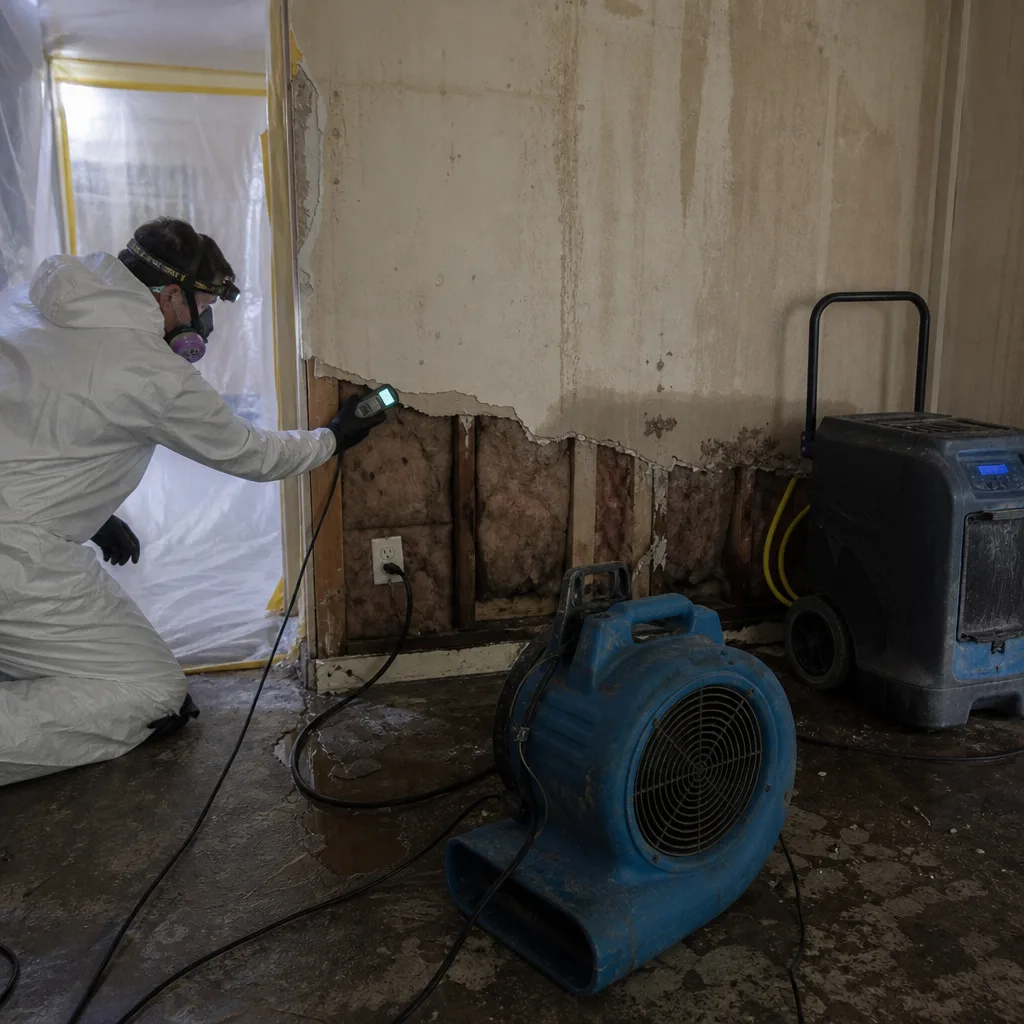 Before
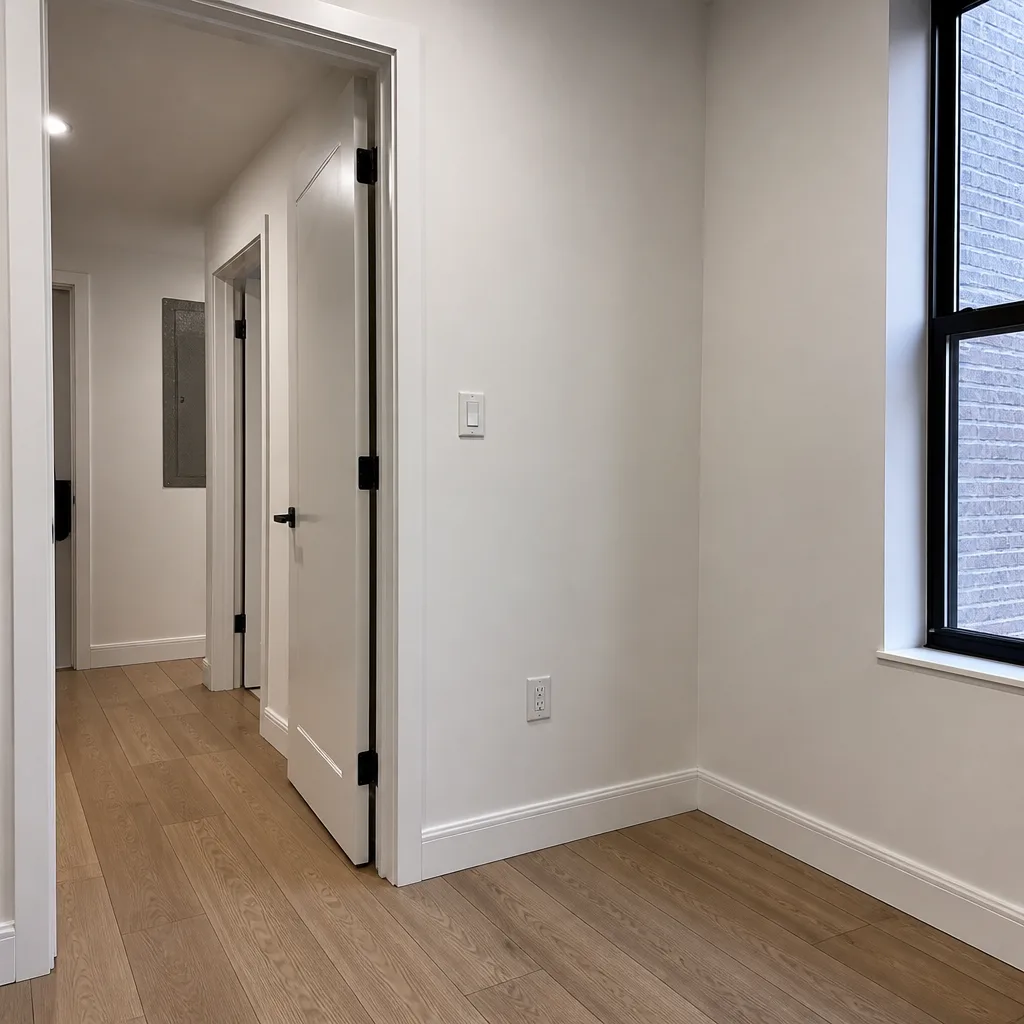 After
After24/7 Emergency Mold Remediation in Midtown West
Mold remediation in Midtown West typically costs $1,800-$6,500 depending on the square footage affected, whether containment is required, and whether the source is a slow steam-riser leak or a sudden pipe burst. Most jobs in Hell’s Kitchen walk-ups and the high-rises near Hudson Yards are completed within 2-5 days, with the first containment setup happening the same day you call. If you’re seeing black spots spreading along a baseboard or smelling a musty odor that won’t clear, call (518) 663-6491 right now. A live dispatcher answers at any hour, and a certified crew can be inside your Midtown West building with moisture meters running within 45 minutes.
We don’t ask you to leave a message or wait for a callback. When mold is moving through lath-and-plaster walls in a pre-war tenement, every hour gives it more time to colonize the framing behind the plaster. The first call starts the clock, and in Midtown West that means coordinating with your building super, your management company, and sometimes the FDNY before equipment even rolls through the door. We handle all of that.
Understanding Mold Remediation Severity in Midtown West Properties
Mold severity in Midtown West breaks into three practical levels, and the building stock here makes each one behave differently than it would in a suburban house. Level one is surface colonization: a bathroom ceiling above a failed grout joint, a closet wall behind a leaking radiator valve. This usually covers under 10 square feet and can often be cleaned and sealed without full containment. Level two is hidden spread: mold that has moved behind original lath-and-plaster or through the air cavities between floor joists in a pre-war walk-up. This is where moisture mapping earns its keep. We use thermal imaging and pin-type meters to trace the moisture footprint behind walls that were built in the 1920s, and the footprint almost always extends further than the visible staining. Level three is full-scale colonization requiring negative air pressure containment, HEPA air scrubbing, and clearance testing before anyone reoccupies the space. A failed steam riser on West 49th Street with category 2 water soaking two stacked apartments is level three the moment we open the walls.
Midtown West’s older tenements share riser cavities and joist bays between apartments. Mold doesn’t respect the property line between 4B and 5B. Neither do we. When we set containment, we map the whole cavity, not just the unit where the complaint started.
Why Midtown West Property Owners Choose Floodline Restoration Co.
- 45-minute response commitment. A crew leaves the dispatch point the moment you hang up, and we’re on site in Midtown West within 45 minutes, not within a four-hour window.
- 24/7 live answer. A real person picks up at 2 a.m. Not an answering service, not a bot. You talk to someone who can dispatch a truck.
- IICRC-certified crews, including AMRT. Our techs hold Applied Microbial Remediation Technician certification. They’ve trained for the exact conditions in pre-war Manhattan buildings.
- Free visual inspection. We look before we quote. You get a written scope and a firm price before any work begins, never a vague hourly rate.
- Direct insurance billing. We send photos, moisture logs, and the line-item scope to your carrier ourselves. You never play messenger between Floodline and the adjuster.
- One team from first cut to final coat. The crew that sets containment is the same crew that removes the mold and rebuilds the wall. No mid-job handoff to a subcontractor you’ve never met.
Our Mold Remediation Process
Inspection & Assessment
We walk the unit with a thermal camera and moisture meter, mapping the full spread behind walls and under floors. In a Midtown West walk-up, that means tracing the riser cavity vertically, not just the visible patch. You get a written scope that same visit.
Containment & Source Repair
We set up negative air pressure containment with HEPA filtration before opening any wall. If the source is a leaking riser or supply line, we stop the water first. Mold work on a wet cavity is wasted motion.
Drying & Dehumidification
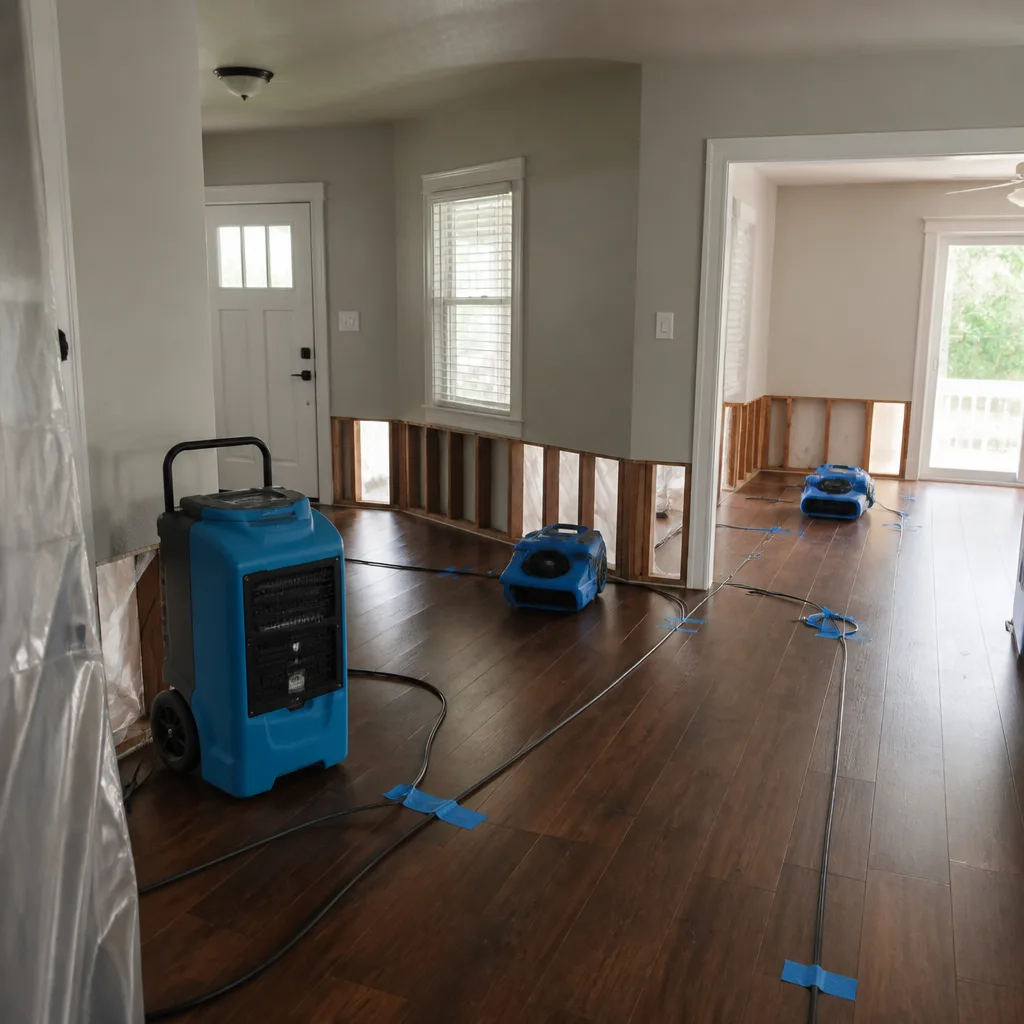
We use Phoenix and Dri-Eaz dehumidifiers sized for the affected square footage, even when that square footage is a 9-foot-wide tenement stairwell. Daily moisture readings get logged until the dry standard is met.
Cleaning & Sanitization
Affected framing gets wire-brushed and HEPA-vacuumed, then treated with an EPA-registered antimicrobial. Porous materials that can’t be cleaned, like soaked lath or compromised felt paper, get cut out and bagged for disposal.
Air Quality Restoration
HEPA air scrubbers run throughout the containment period and for a final air exchange before clearance. We take post-remediation air samples when the scope requires it, using an independent lab for analysis.
Repairs & Restoration
We rebuild what we removed: drywall, plaster patch, baseboard, paint. The goal is pre-loss condition, not a patch job with a mismatched texture that your building super will flag at the next inspection.
Need Emergency Mold Remediation in Midtown West Now?
Crews minutes away, answering live 24 hours a day. The sooner we start, the less it costs.
Working With Your Insurance Company
Mold claims in Midtown West get complicated fast, especially when a steam riser leak in a pre-war building means three apartments, two insurance carriers, and a building policy are all in the same room. We’ve done this since 2010, and we’ve learned that adjusters respond to documentation, not phone calls. From the first hour on site, we’re photographing the source, the spread, the containment setup, and the daily moisture readings. Every drying log, every air sample result, every line item on the scope of work goes to your carrier in the format they need. For building owners, we write scopes that separate common-area damage from unit-level damage, which matters when a co-op board and two unit owners are all filing.
What We Provide Your Insurer
- Thorough documentation of the loss
- Photos of all damage, room by room
- Moisture readings and drying logs
- A detailed, line-item scope of work
- Direct coordination with your carrier
Built for Midtown West’s Loss Calendar
Mold in Midtown West follows the building systems, and the building systems follow the weather. Late January through early March is the peak season, because freeze-thaw cycles stress the already-aging galvanized and cast-iron supply lines in Hell’s Kitchen’s pre-war tenements. A pipe that’s held since 1928 finally fractures on a 9-degree night, and by the time the super shuts the riser, water has run through three ceilings and the mold clock has started. Spring brings a different problem: nor’easter rains finding flat-roof drainage failures on the older walk-ups west of Ninth Avenue. Water that pools on a roof finds the path of least resistance, which is usually through a rotted scuttle or a cracked parapet and down into the top-floor units. Summer thunderstorm flash flooding hits the far west blocks along the Hudson River waterfront, where basement mechanical rooms and ground-floor commercial spaces took on significant water during Sandy and remain vulnerable. Every season has a signature in this district, and Mold Remediation work follows that calendar closely.
Mold Remediation Across Midtown West’s Neighborhoods
The operational reality changes block by block here, and a crew that knows the district doesn’t waste time learning it on your dime. In Hell’s Kitchen and Clinton, we’re working in pre-war brick tenements and walk-ups built between 1900 and 1945, with narrow stairwells, original cast-iron stacks, and steam-radiator systems that are a chronic source of water damage. Equipment staging means compact Phoenix units, not full-size air movers, and pack-out scheduled around the building’s quiet hours. Over by Times Square and the West 40s and 50s, the hotel corridor demands a different playbook entirely. Those properties run some of the highest revenue per room in the country, and management will not tolerate a visible remediation project in a guest hallway. We stage through service corridors, coordinate with hotel engineering staff, and do initial drying setup between roughly 11 p.m. and 5 a.m. Contractors who can’t hit that window don’t get called back. In Hudson Yards and the newer high-rises along the West 30s, the challenge is the freight elevator schedule and the certificate of insurance requirements that building management imposes before we’re even allowed to unload. We carry coverage that meets those COI thresholds, and we know how to book the freight car so the job doesn’t stall in the loading dock.
We handled a mold outbreak in a Hell’s Kitchen walk-up on West 49th Street where a steam riser leak had saturated two stacked apartments with category 2 water. Our techs set up containment with negative air pressure and used moisture mapping to trace the spread behind original lath-and-plaster walls. Because the building’s narrow sidewalk prevented staging multiple air movers, we used compact Phoenix units and scheduled pack-out during non-peak hours, completing remediation in one trip before the mold could compromise the pre-loss condition of the original wood floors.
Specialized Mold Remediation Services We Offer in Midtown West
Mold Inspection & Testing
When a tenant reports a musty smell but there’s no visible growth, the mold is almost always behind a steam riser chase or inside a ceiling cavity in one of Midtown West’s older buildings. We use thermal imaging to find the moisture that’s feeding it, then take air and surface samples if the scope calls for lab confirmation. You get a written report that tells you exactly what’s growing, where it’s coming from, and what it’ll take to remove it.
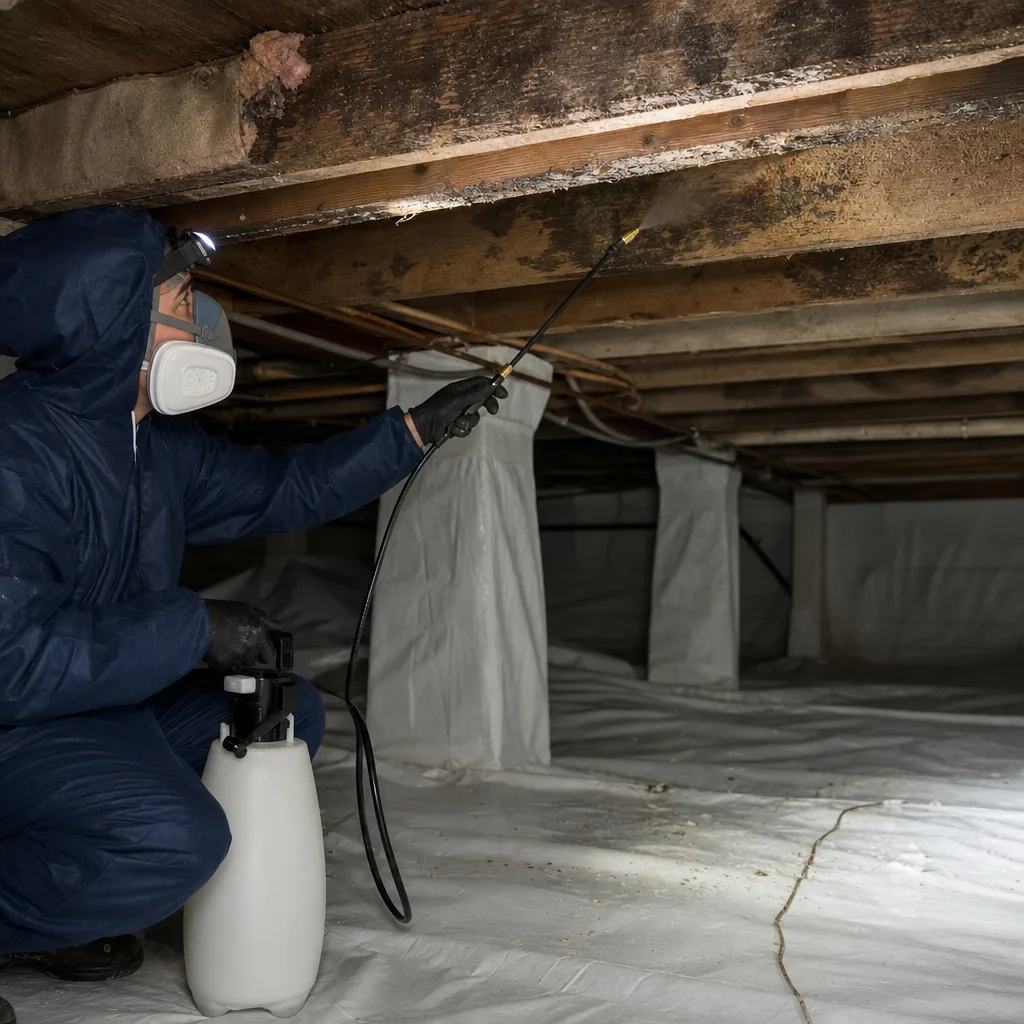
Mold Removal
Mold removal in a Midtown West walk-up means cutting out the contaminated lath, plaster, or drywall, bagging it under containment, and treating the framing behind it. It’s not a spray-and-pray coating over the stain. If the source isn’t fixed, the mold comes back, so we always stop the water first.
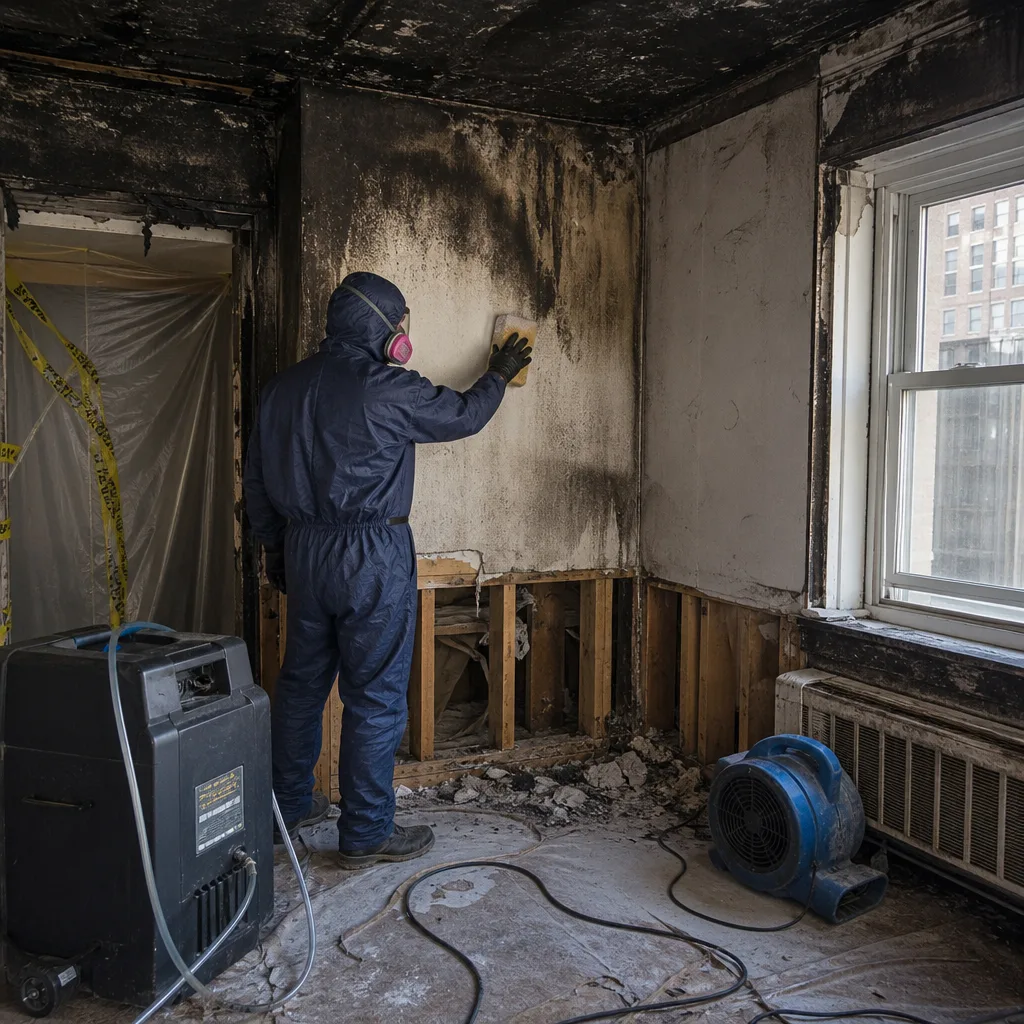
Black Mold Remediation
Stachybotrys, the black mold most people worry about, loves wet cellulose: the paper facing on drywall, the felt behind old plaster, the back side of baseboard trim. Midtown West’s pre-war units have plenty of all three. We treat every black mold job as full-containment work with HEPA air scrubbing, whether it’s 5 square feet or 50.
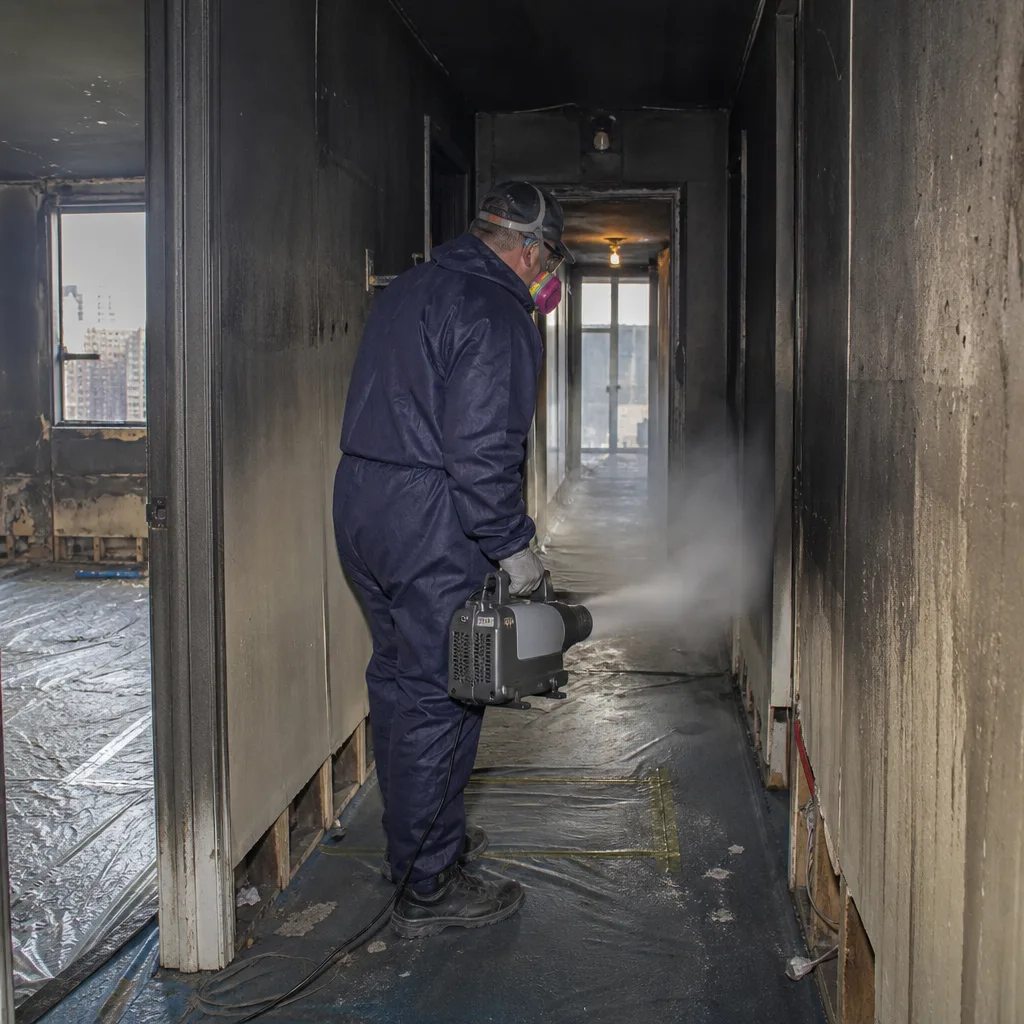
Air Quality Restoration
After the mold is out and the framing is dry, the air in the unit needs to be brought back to baseline. We run HEPA scrubbers through the containment period, then take post-remediation air samples measured against outdoor control samples. In tightly sealed pre-war units with original windows and no mechanical ventilation, this step is what separates a finished job from a lingering musty odor.
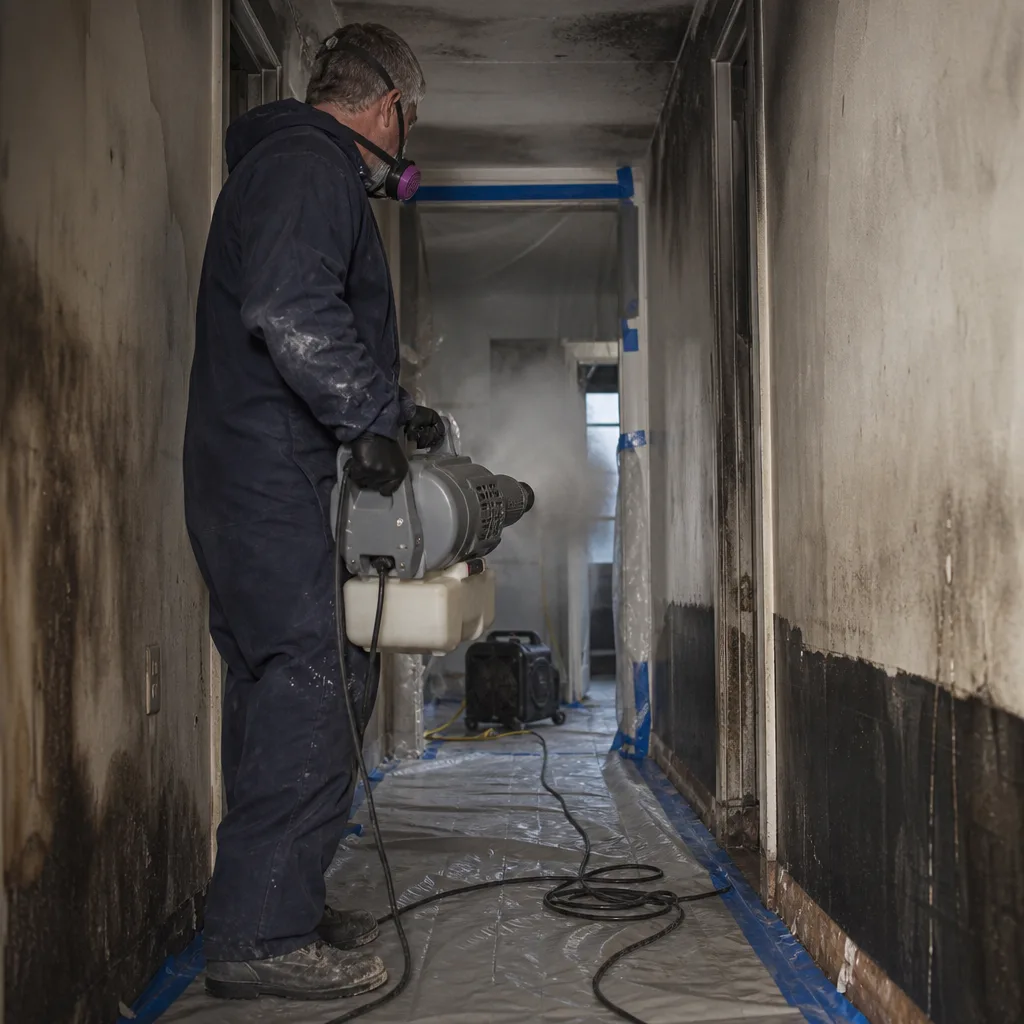
Crawl Space Treatment
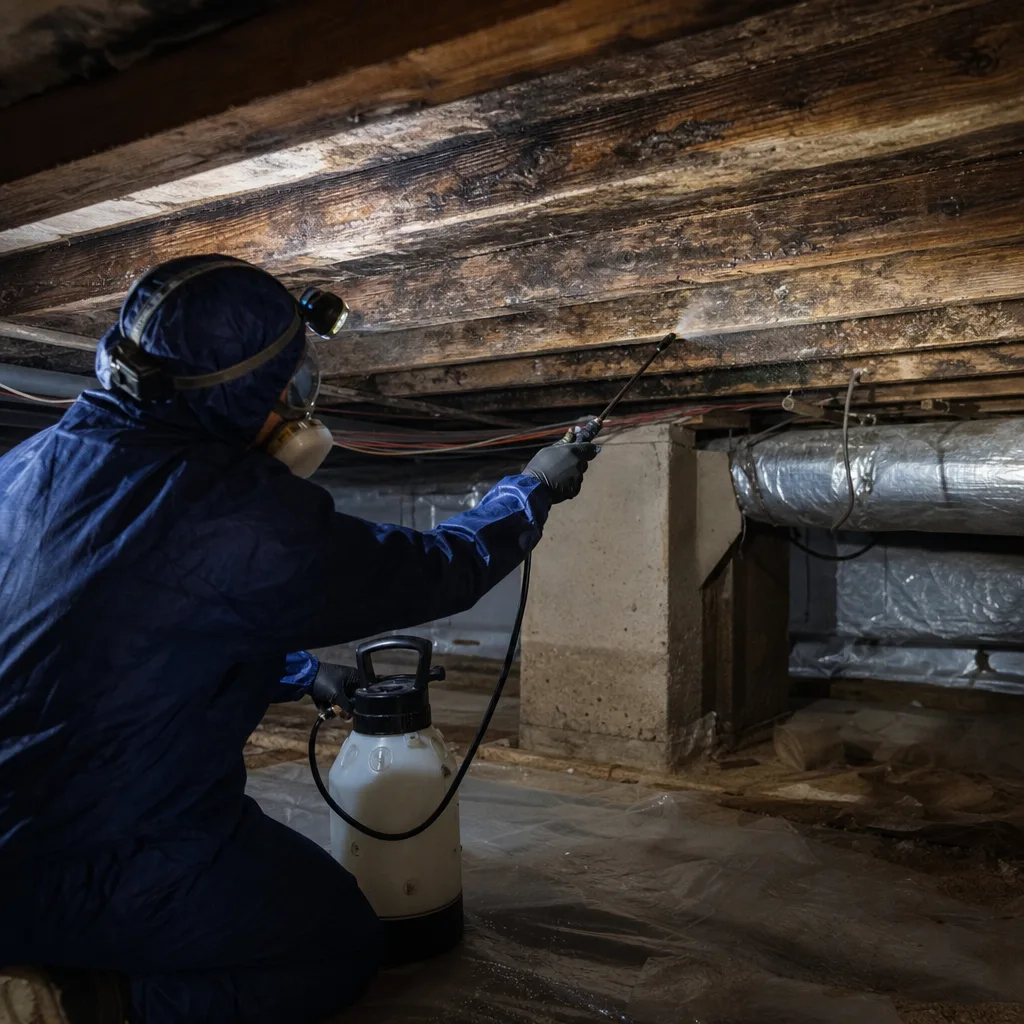
Some older Midtown West buildings have shallow crawl spaces under ground-floor units, and those spaces collect humidity that rises straight into the flooring above. We treat the crawl space with antimicrobials and install moisture barriers where the building configuration allows, always starting with a moisture reading to see what’s actually happening under there.
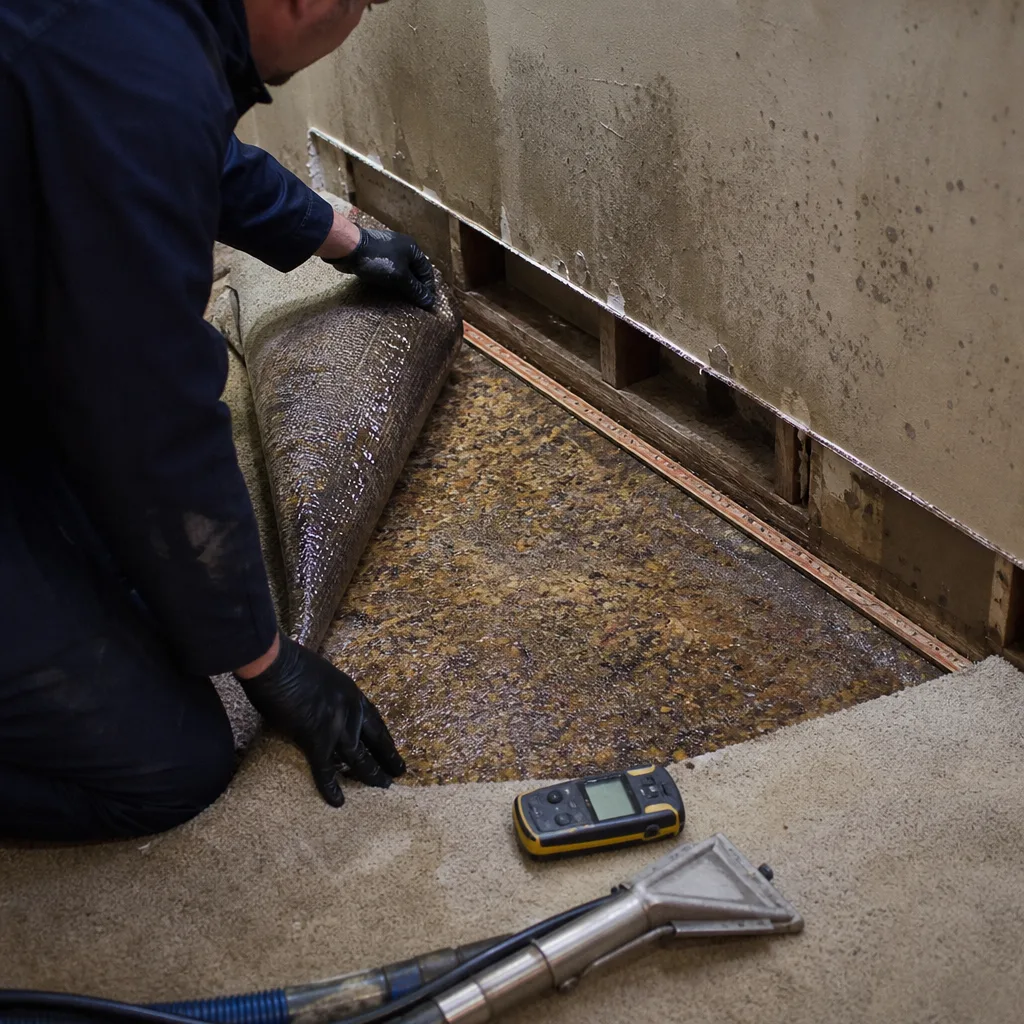
Moisture & Humidity Control
Mold doesn’t need a flood. Chronic humidity above 60% in a bathroom with a failed exhaust fan or a kitchen with a leaky drain line will feed mold behind the walls for years before anyone notices. We assess the moisture sources, correct what we can, and recommend dehumidification or ventilation upgrades specific to your Midtown West unit’s layout.
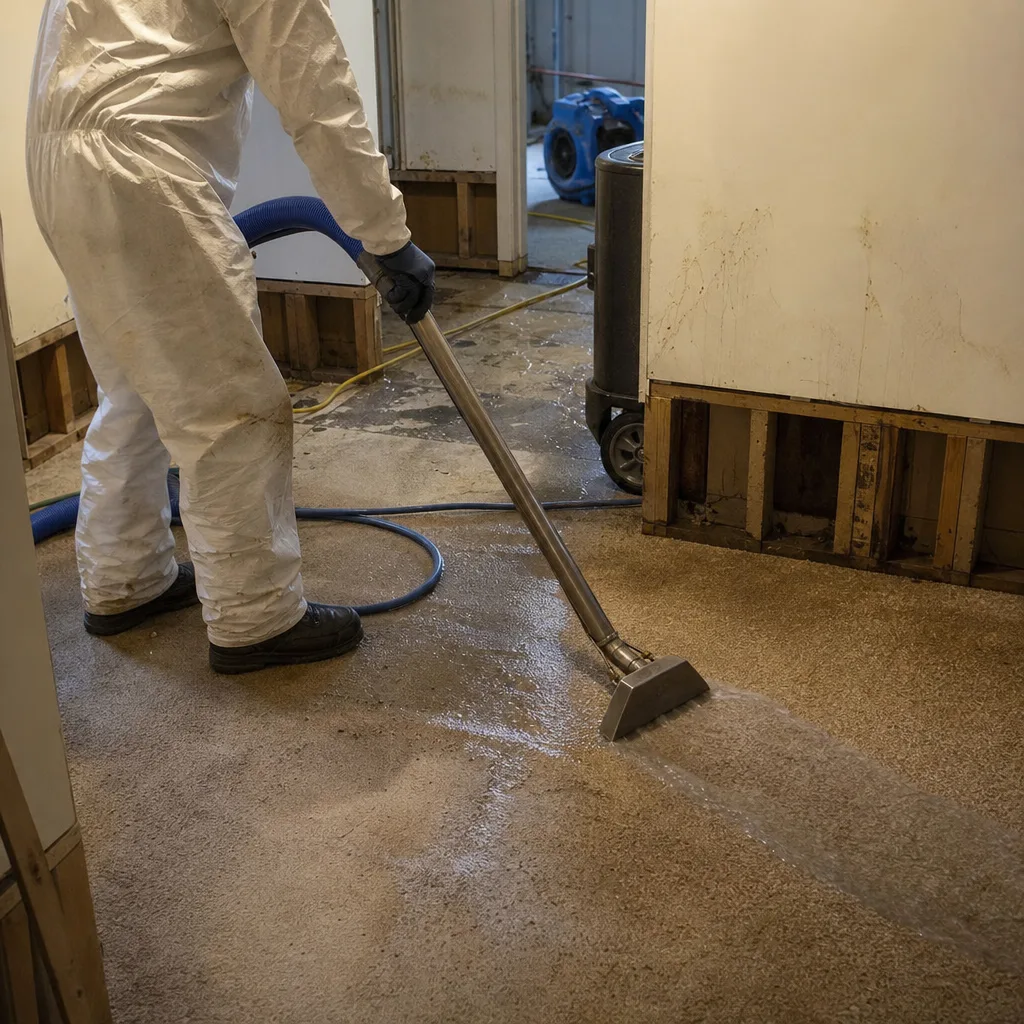
What happens when you call
- 1
A real person answersNo phone trees - you reach a local pro.
- 2
You get an upfront price rangeHonest numbers before anyone is dispatched.
- 3
A background-checked tech heads outLicensed & insured, dispatched right away.
- 4
You approve before work beginsNothing starts until you say go.
Mold Remediation Costs in Midtown West, NY
Mold remediation in Midtown West runs higher than national averages because of access costs, containment requirements, and the labor involved in working inside occupied older buildings. A small bathroom mold job with no hidden spread typically runs $1,800-$3,200. A mid-size job affecting one room with full containment and air scrubbing lands between $3,500 and $5,500. A full apartment remediation following a riser leak, with multiple affected rooms, air sampling, and rebuild work, runs $6,000-$12,000. Building management COI processing, freight elevator scheduling, and after-hours work windows don’t change the price of materials, but they do affect scheduling efficiency, which is why a Hudson Yards high-rise job may carry a small access surcharge that a Hell’s Kitchen walk-up doesn’t. Insurance coverage depends on your policy language around mold, which varies carrier to carrier. The free inspection is how you get a firm number: we look, we map, we write the scope, and the price is on paper before any work starts. Call (518) 663-6491 to schedule yours.
We Also Serve Cities Near Midtown West
Our crews work throughout the surrounding boroughs and downtown Manhattan. We regularly handle mold remediation in Midtown West‘s neighboring districts including the Financial District, Lower Manhattan, Washington Square, and Brooklyn Heights. The building types change, the access rules change, but the 90-Day Done Right Promise stays the same.
Midtown West Mold Remediation Questions, Answered
How quickly can you respond to a mold complaint in a Midtown West walk-up where the super suspects a hidden leak behind a steam riser?
We’re on site within 45 minutes of your call, any hour, any day. Riser leaks in Hell’s Kitchen walk-ups are urgent because the water has usually been traveling inside the wall cavity for days or weeks before anyone notices. We bring thermal imaging and moisture meters on the first visit, map the full footprint, and set containment the same day if the scope warrants it. Call (518) 663-6491 and a live dispatcher will get a crew moving.
Do you need building management approval to set up drying equipment in a Midtown West tenement stairwell?
Usually yes. Most Midtown West tenement buildings require management sign-off before equipment is staged in common areas, and some require certificate of insurance documents before any vendor works on site. We carry coverage that meets the COI thresholds these buildings demand, and we handle the approval process ourselves so remediation doesn’t stall in the lobby. If your building has specific after-hours access rules, we work within them.
Can you remediate mold in a Hudson Yards high-rise without disrupting office tenants or hotel guests on adjacent floors?
Yes. We stage equipment through service corridors and freight elevators, coordinate with building engineering staff, and schedule the noisy setup work for overnight windows, typically between 11 p.m. and 5 a.m. Containment with negative air pressure means no mold spores escape into adjacent spaces during the work itself, which matters when a hotel guest room or Class A office is on the floor directly above.
How do you handle mold caused by a city service line break versus a private riser leak in Midtown West?
The remediation work is the same, but the insurance path is different. A private riser leak is a building claim, usually covered by the building policy or the unit owner’s policy depending on the co-op or condo bylaws. A city service line break falls under a different liability picture, and we document everything from the first hour so your carrier has what it needs regardless of which policy responds. We write scopes that distinguish common-area damage from unit-level damage, which keeps multi-party claims moving.
Do I need to vacate my Midtown West apartment during mold remediation of a small bathroom?
Usually not. For a small contained job under 10 square feet, we seal off the affected bathroom, run a HEPA scrubber inside the containment, and you can stay in the unit. For larger jobs where the containment zone blocks the unit’s only bathroom or the affected area includes sleeping spaces, we’ll tell you straight whether vacating is the right call or whether you can stay comfortably. We never recommend displacement unless it’s actually necessary.
Will my insurance cover mold remediation in Midtown West?
It depends on your policy language. Many policies cover mold remediation when it results from a covered water event, like a sudden pipe burst. Slow leaks that happened over months are sometimes excluded or capped. We’ve worked with every major carrier on Midtown West mold claims, and we send the adjuster everything they need: photos, moisture logs, the line-item scope, and the drying records. Direct carrier billing means you’re not fronting the full amount while the claim settles. Call (518) 663-6491 and we’ll walk you through what your policy likely covers.
What certifications do your mold remediation technicians hold?
Our crews are IICRC-certified, including Applied Microbial Remediation Technician (AMRT) and Water Restoration Technician (WRT) designations. They’re also trained to RIA and IFA standards. Mold work on pre-war Midtown West buildings requires knowledge of old building systems, and our techs have been doing this in Manhattan since 2010. Every technician on your job is background-checked and uniformed.
What should I do in the first 30 minutes after finding mold in my Midtown West apartment?
Don’t disturb it. Don’t wipe it with bleach, don’t run a fan on it, don’t open the wall to see how far it goes. Every one of those actions releases spores into the air and spreads the contamination. Close the door to the affected room if you can, shut off any HVAC or window units running in that space, and call (518) 663-6491. We’ll have a certified crew at your Midtown West address within 45 minutes, and we’ll bring the moisture meters that tell us what’s actually happening behind the wall.
Serving Midtown West, NY - Our Local Coverage Area
We’re based in the Midtown West area and know this community well. Use the map below to see our service coverage - if you’re nearby, we can almost certainly help.
Call Floodline Restoration Co. for Mold Remediation in Midtown West
Mold doesn’t cure itself, and in Midtown West’s pre-war buildings it very rarely stays where you found it. We’ve been doing mold remediation here since 2010, and we’ve learned that the job goes right when the source is stopped first, the containment is set properly, and the drying records are kept honest. That’s the standard we hold on every job, from a 6-square-foot bathroom patch in a Clinton walk-up to a full floor of a Hudson Yards tower. Every job is backed by the 90-Day Done Right Promise, in writing, no arguments. Senior and veteran discounts always apply. $50 off any repair over $250, and the $89 seasonal tune-up if you need your HVAC system checked for the humidity problem that’s feeding the mold. Call (518) 663-6491 now for a free visual inspection and a firm written scope. A live person answers, day or night.
Written by Curt Bowman, Owner at Floodline Restoration Co., serving Midtown West and the surrounding New York City area since 2010.