
Free visual inspection and a written scope of work before any mitigation begins - photos, moisture readings, and drying logs go in your claim file
The scope we write is the scope we bill. Anything new gets shown to you, in writing, before we touch it.

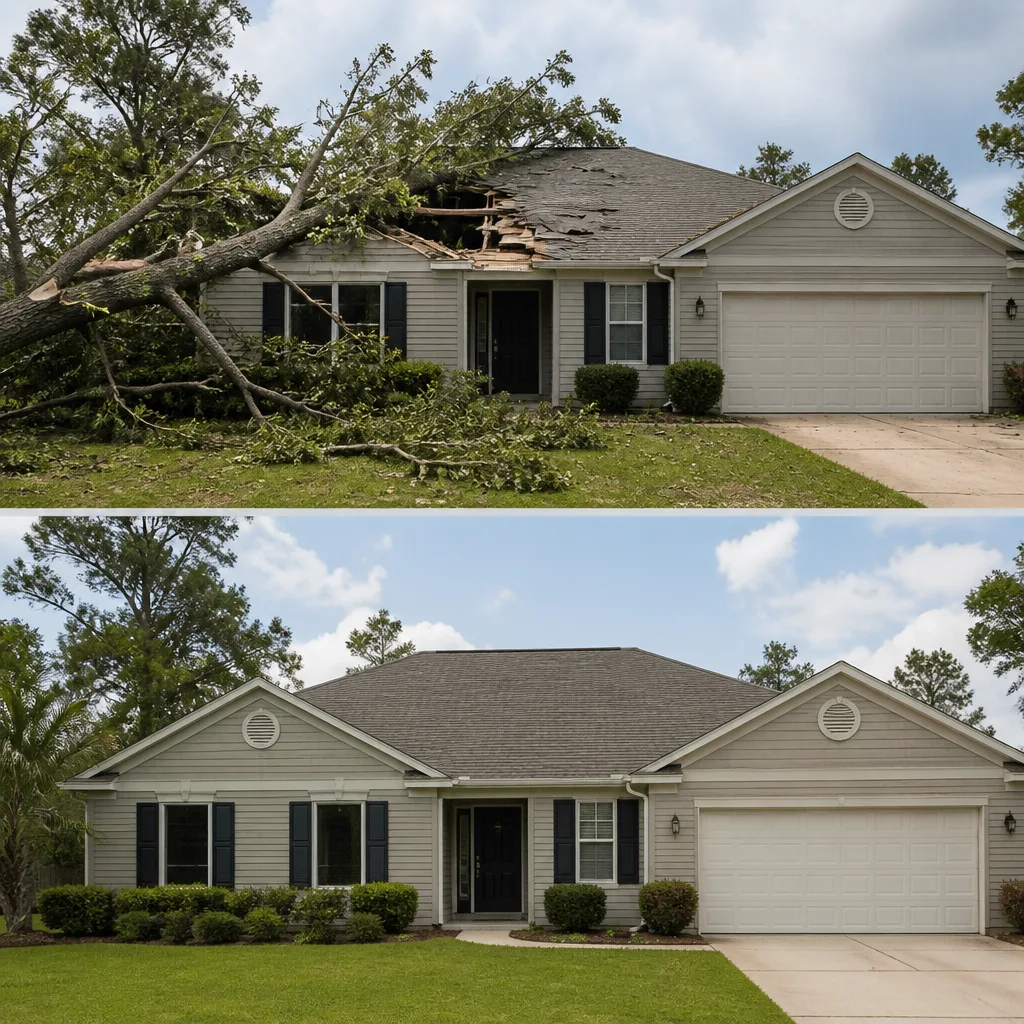


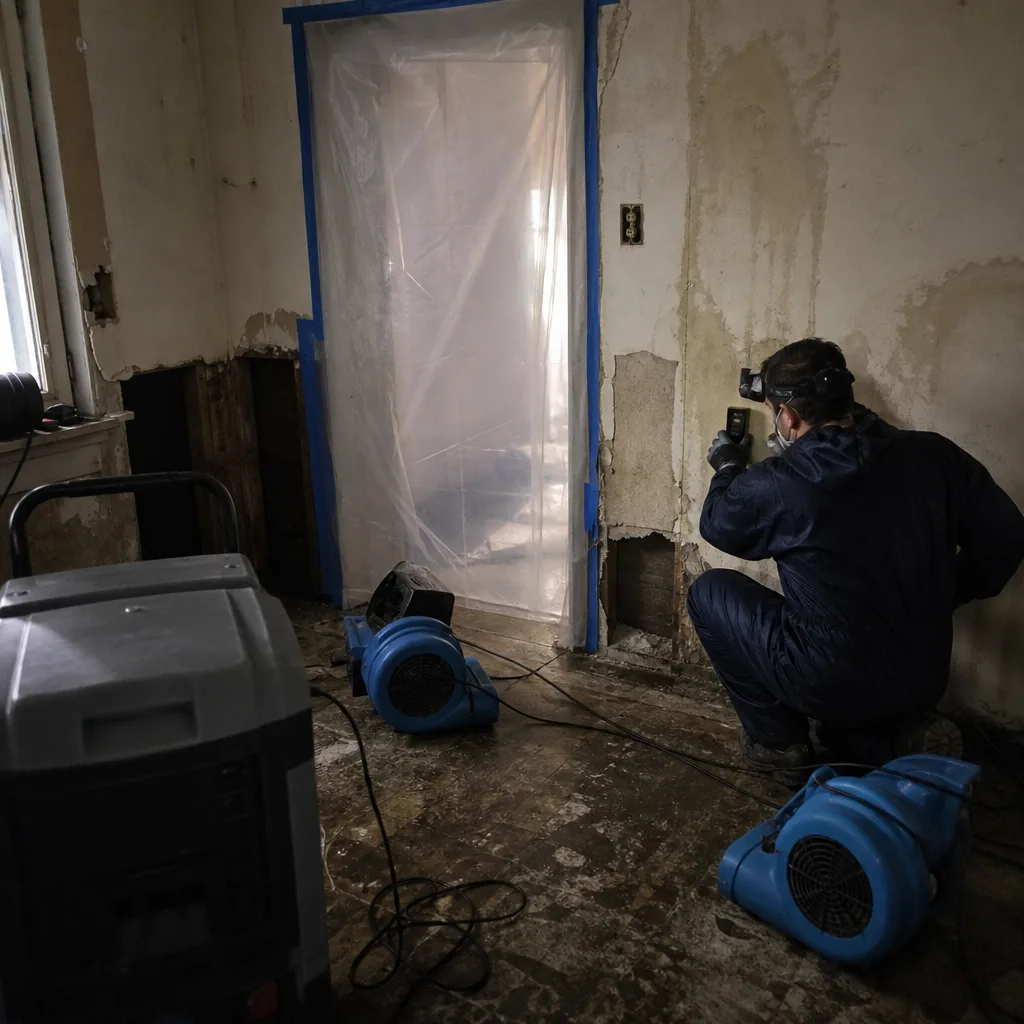 Before
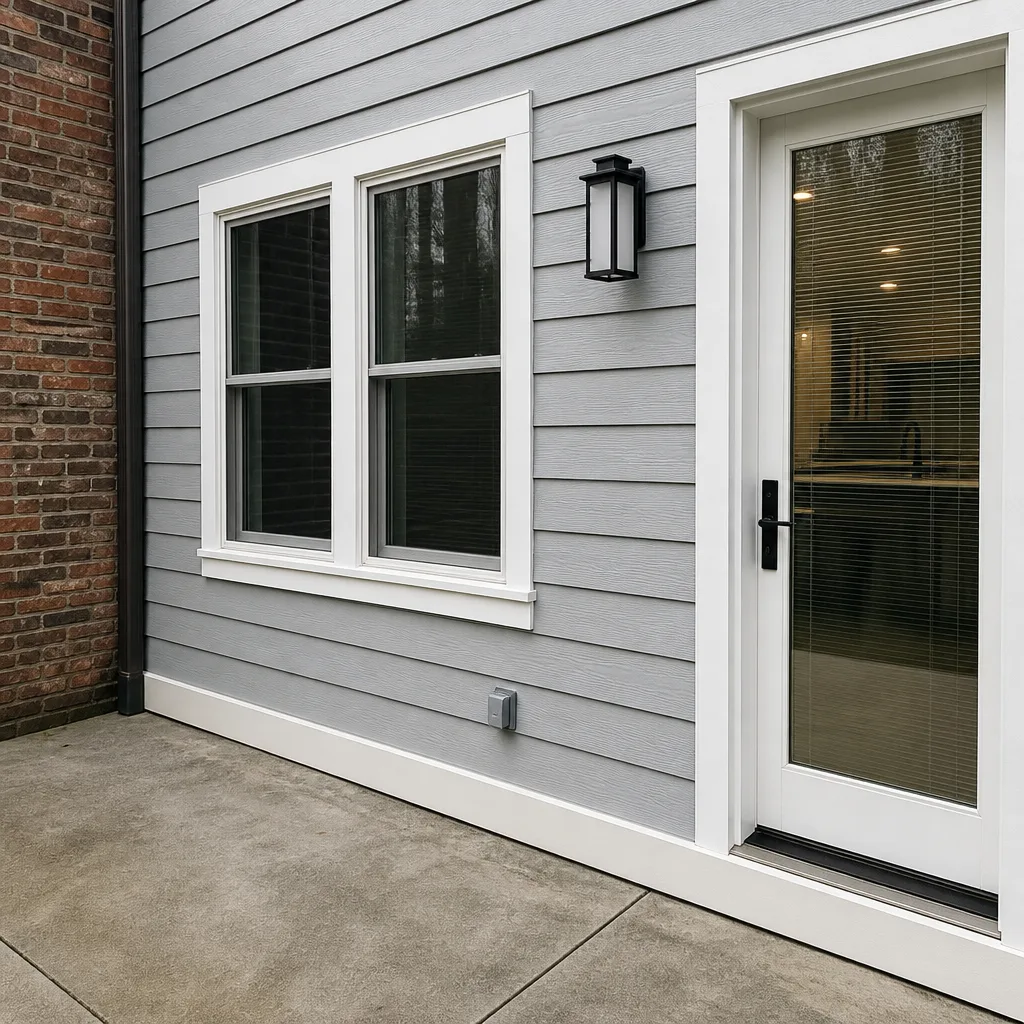 After
After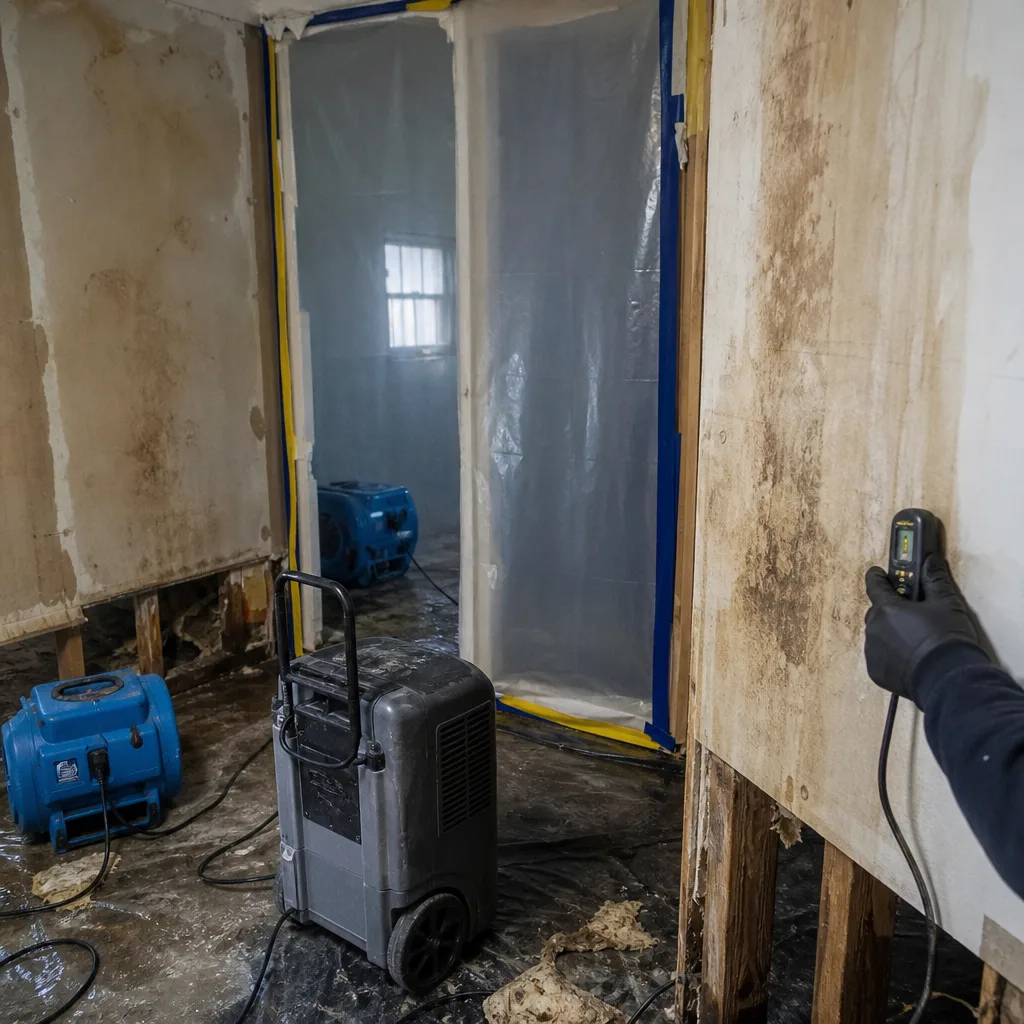 Before
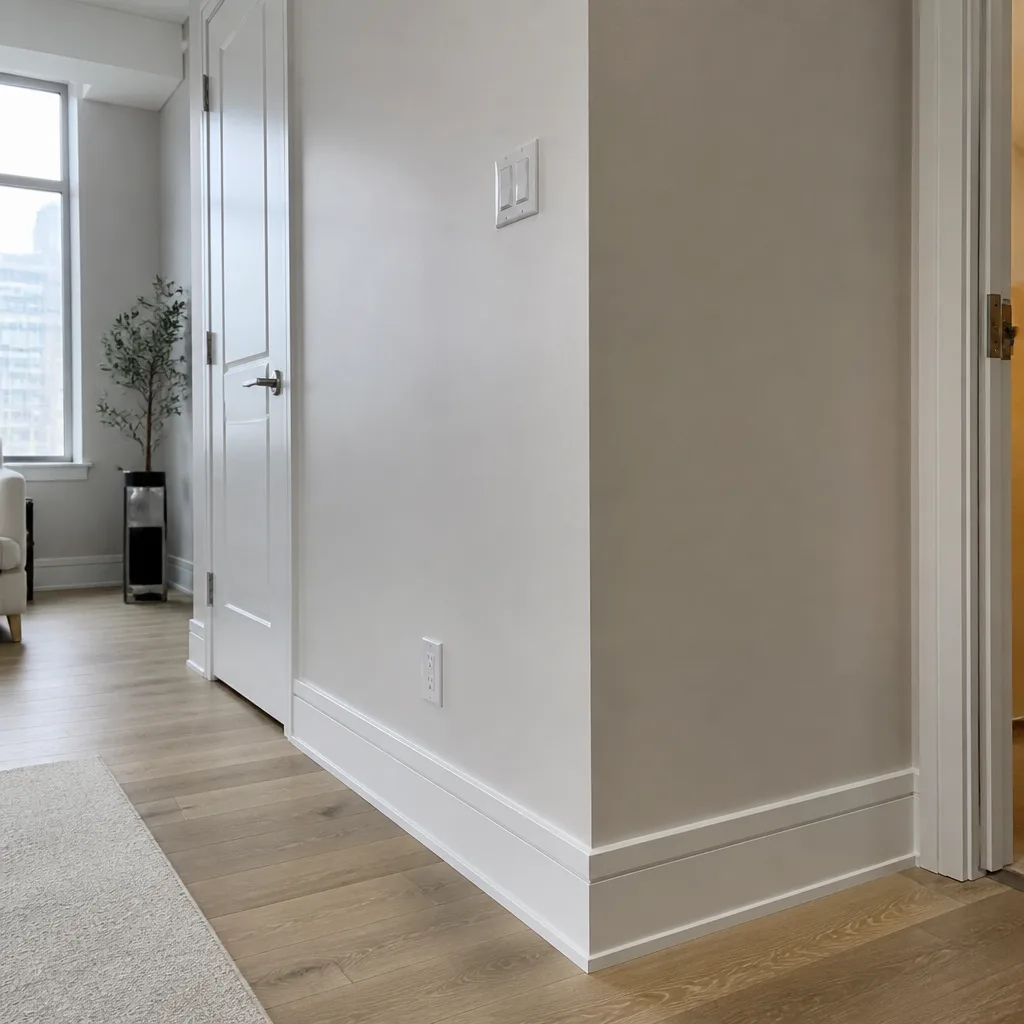 After
After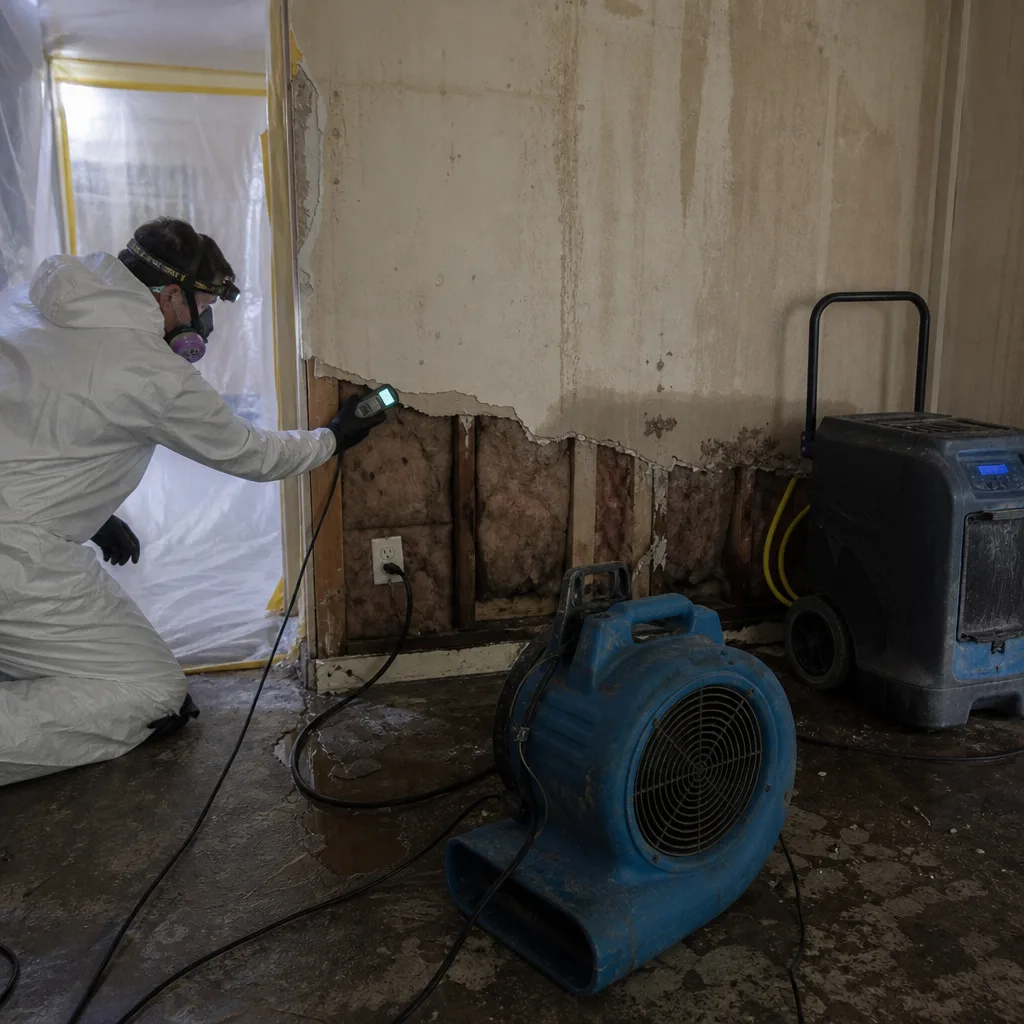 Before
 After
After24/7 Emergency Fire & Smoke Damage Restoration in Midtown Manhattan
Fire damage in Midtown Manhattan rarely stays contained to one room. Smoke travels through shared ductwork, hallways, and old riser chases, and water from the fire department follows gravity through multiple floors. We answer live at (518) 663-6491 any hour, and a background-checked, uniformed crew can be at your building while the fire trucks are still rolling away. The first hour determines whether your contents can be saved or whether soot sets permanently into drywall, fabrics, and finishes. We dispatch from a New York City office into Midtown Manhattan daily, so you’re not waiting on someone driving in from a suburb. A free visual inspection starts within about 45 minutes of your call, and our team begins emergency board-up or tarping the same visit. Speed here isn’t convenience. It’s the difference between cleanable residue and a gut renovation.
Understanding Fire & Smoke Damage Restoration Severity in Midtown Manhattan Properties
Fire damage in Midtown Manhattan splits into distinct severity levels, and the building stock dictates which one you’re facing. A small kitchen fire in a pre-war residential hotel near Grand Central might produce wet smoke residue with strong odor but minimal structural compromise. A hotter, faster-burning fire in a mid-century curtain-wall office building produces dry smoke soot that migrates into suspended ceilings and HVAC returns hundreds of feet from the source. Protein-based fires from cooking leave a nearly invisible film that clings to every surface and stinks for months if not chemically addressed. Fuel oil soot from a boiler back-puff in a 1920s Garment District loft is caustic enough to etch brass fixtures and permanently stain painted plaster within 72 hours. Each requires different chemistry, different agitation, and different containment. A crew that treats every fire the same will chase odor complaints for weeks across multiple tenant spaces. We map soot deposition patterns room by room before touching a wall, because in mixed-use towers with dozens of occupants, the complaint you don’t hear is the one that drags the project into overtime.
Why Midtown Manhattan Property Owners Choose Floodline Restoration Co.
- 45-minute response commitment. A live dispatcher confirms a crew the moment you hang up, and we’re on site inside Midtown Manhattan within about 45 minutes of the call.
- 24/7 live answer, never an automated system. At 2 a.m. you get a person who can make decisions, not a recording that tells you to leave a message.
- IICRC-certified crews. Our technicians hold Fire & Smoke Restoration Technician (FSRT) and Water Damage Restoration Technician (WRT) certifications through the IICRC, plus training through RIA and IFA standards.
- Free visual inspection. We walk the loss with you, explain what we’re seeing, and hand you a written scope before any work begins. No pressure, no hidden agenda.
- Direct insurance billing. We bill your carrier directly and handle adjuster communication so you don’t play messenger between our crew and your claim.
- One team from board-up to rebuild. The same certified crew that sets containment also runs daily moisture readings, packs out contents, and rebuilds what needs rebuilding. No mid-job handoff to a subcontractor you never met.
Our Fire & Smoke Damage Restoration Process
Inspection & Assessment
We arrive, walk every affected floor, and document soot deposition, water migration, and structural compromise. Thermal imaging and moisture meters from Dri-Eaz map hidden water behind walls and under flooring before we open a single surface.
Extraction & Stabilization
Firefighting water comes out first. Burst pipes get capped, standing water gets extracted with truck-mounted and portable units, and structural elements that can’t support weight get shored or cordoned off. Emergency board-up and tarping happen the same visit if the building envelope is open.
Drying & Dehumidification
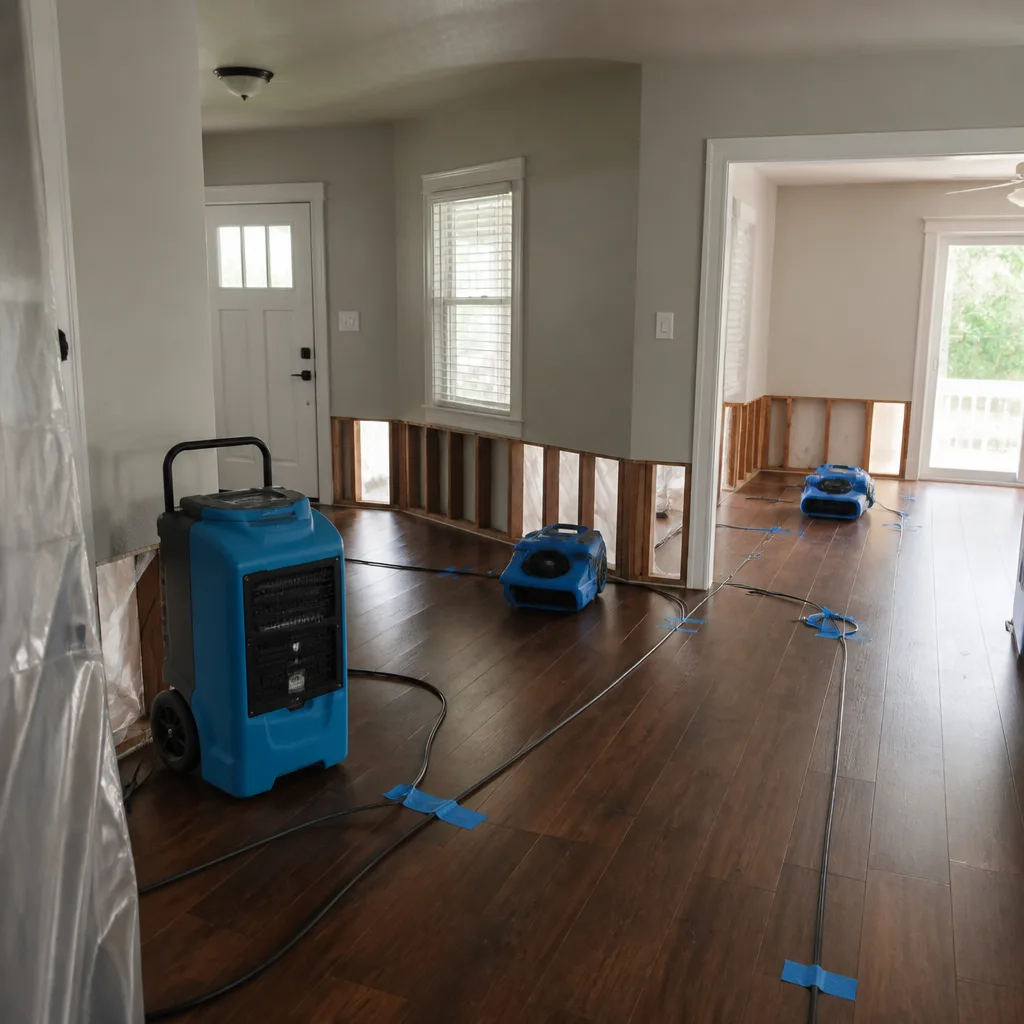
We set Phoenix air movers and commercial dehumidifiers on a moisture map, not a guess. Daily readings get logged until the dry standard is met, and that log is yours and your carrier’s to keep. In pre-war Midtown buildings, we pay special attention to plaster walls and original wood floors that dry unevenly.
Cleaning & Sanitization
Soot removal uses HEPA scrubbers, chemical sponges specific to the soot type, and controlled agitation. HVAC ductwork in older buildings often carries soot far beyond the fire room, so we inspect and clean those runs rather than painting over the problem.
Odor Removal & Deodorization
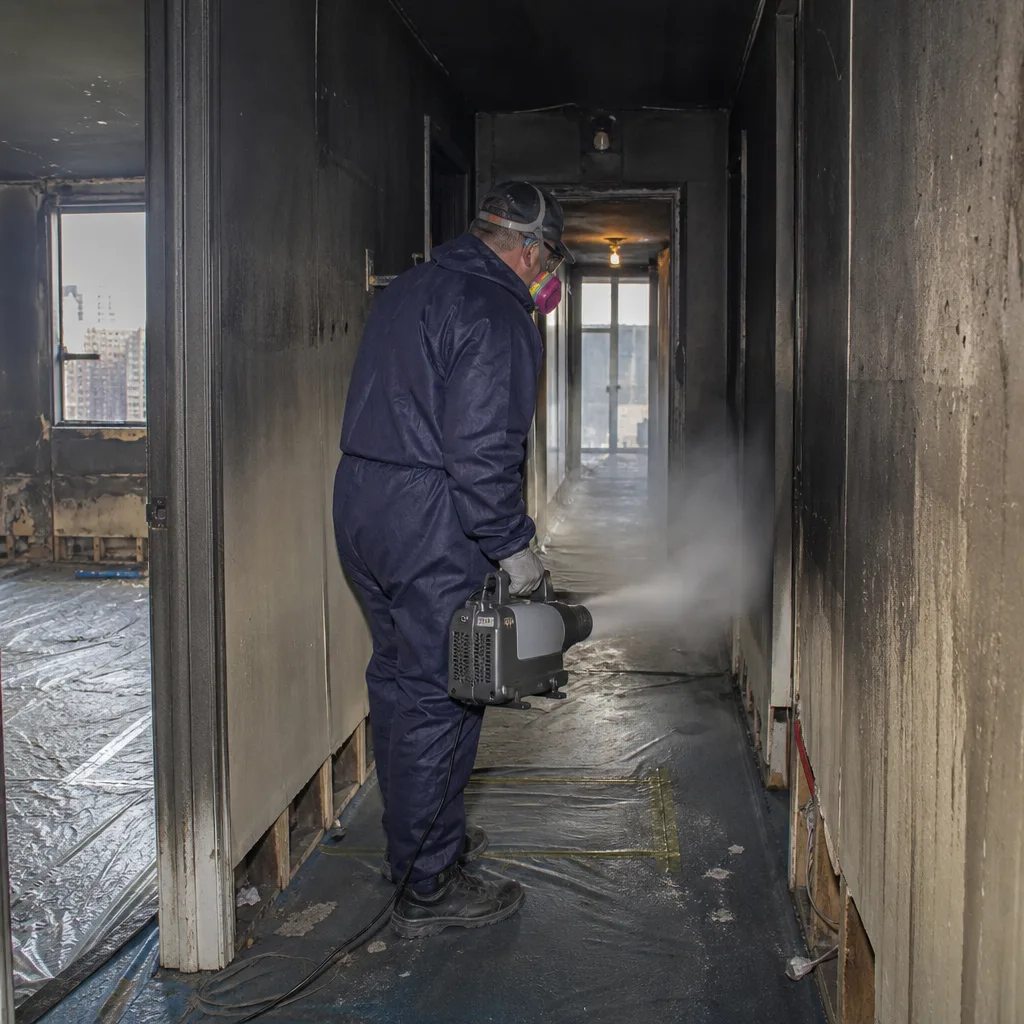
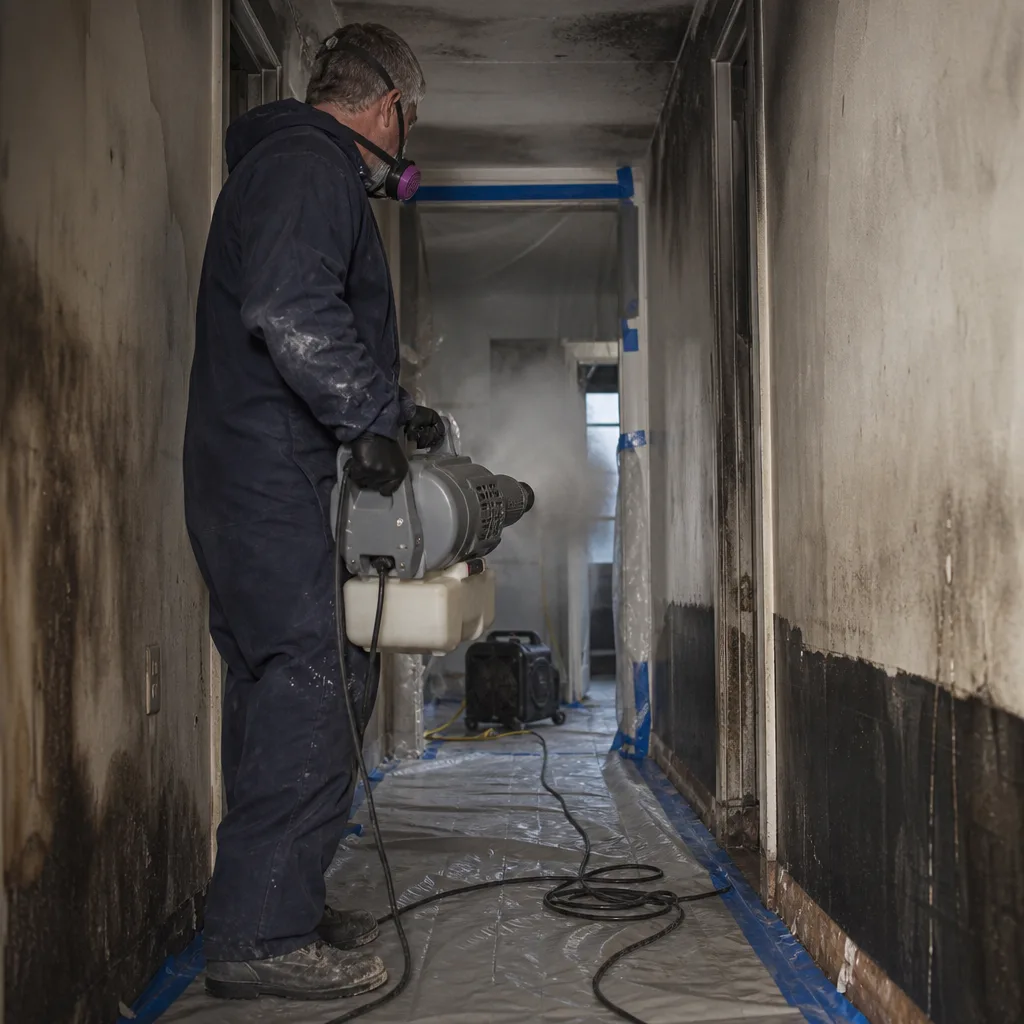
Thermal fogging, hydroxyl generators, and ozone treatment are matched to the chemical signature of the smoke. In occupied mixed-use buildings, we schedule this work around tenant hours and use techniques that don’t force evacuations.
Repairs & Restoration
Structural fire repair means framing, drywall, flooring, and finishes rebuilt by the same crew that started the job. We don’t hand you off to a stranger. The 90-Day Done Right Promise, our Keystone Standard in writing, covers every phase.
Need Emergency Fire & Smoke Damage Restoration in Midtown Manhattan Now?
Crews minutes away, answering live 24 hours a day. The sooner we start, the less it costs.
Working With Your Insurance Company
Fire claims in Midtown Manhattan almost always involve multiple interested parties: the unit owner, the building management company, commercial tenants, and one or more insurance carriers. We’ve handled enough of these to know that claim outcomes turn on documentation. Our crews photograph every surface before work starts, log daily moisture readings, and build a line-item scope that your adjuster can read without asking twenty clarifying questions. We file directly with your carrier and communicate with the adjuster throughout the project. You get copied on everything, but you don’t have to coordinate anything. A square deal means you know what’s being billed, what’s covered, and what happens next.
What We Provide Your Insurer
- Thorough documentation of the loss
- Photos of all damage, room by room
- Moisture readings and drying logs
- A detailed, line-item scope of work
- Direct coordination with your carrier
Built for Midtown Manhattan’s Loss Calendar
Midtown Manhattan’s fire damage calendar has two peaks, and both are predictable. January and February bring freeze-thaw cycles that crack uninsulated pipe chases in pre-war buildings, and when a steam riser fails at 15 PSI, the result is simultaneous water and soot damage across multiple floors. The 2011 and 2021 flooding events proved how quickly street-level mechanical rooms flood when the combined sewer system surcharges, often taking out boilers and electrical gear in the process. Summer brings overloaded circuits in older buildings where decades of undocumented renovations have stacked load on wiring that was never sized for modern demand. Nor’easters and stalled coastal storms dump intense rain on flat roofs that drain poorly when drains clog with decades of debris. Each season produces a different fire signature, and our crews carry equipment for all of them year round. The city doesn’t pause for weather, and neither do we.
Fire & Smoke Damage Restoration Across Midtown Manhattan’s Neighborhoods
Midtown Manhattan is dense enough that response routes matter. From the Garment District to Murray Hill, traffic patterns and freight elevator access windows dictate how many air movers and dehumidifiers a crew can actually place in a day. Around Times Square, we work mostly with hotels and commercial kitchens, where smoke damage must be handled without shutting down guest floors or triggering a health-department review. Along Park Avenue, pre-war co-ops and office towers have original plaster walls that absorb smoke differently than modern drywall, and restoration schedules bend around co-op board rules and managing-agent approval chains. The Hudson Yards edge brings modern high-rises with complex chilled-water and VAV systems, where soot can travel through shared mechanical ductwork far from the original fire room. In the Penn Station corridor, including the 1920s loft buildings near Seventh and Eighth Avenues, fires often involve original cast-iron steam risers that fail catastrophically in January. A crew that doesn’t know these buildings won’t know to look for the second and third floors of hidden damage.
Specialized Fire & Smoke Damage Restoration Services We Offer in Midtown Manhattan
Emergency Board-Up & Tarping
After a fire in Midtown Manhattan, an unsecured building is a liability before it’s a restoration project. We board up damaged windows, doors, and breached walls the same visit we arrive, using materials that meet building management requirements and keep rain, vandalism, and curious tenants out. A properly boarded building also lets insurance documentation begin without additional water or soot intrusion.
Smoke & Soot Removal
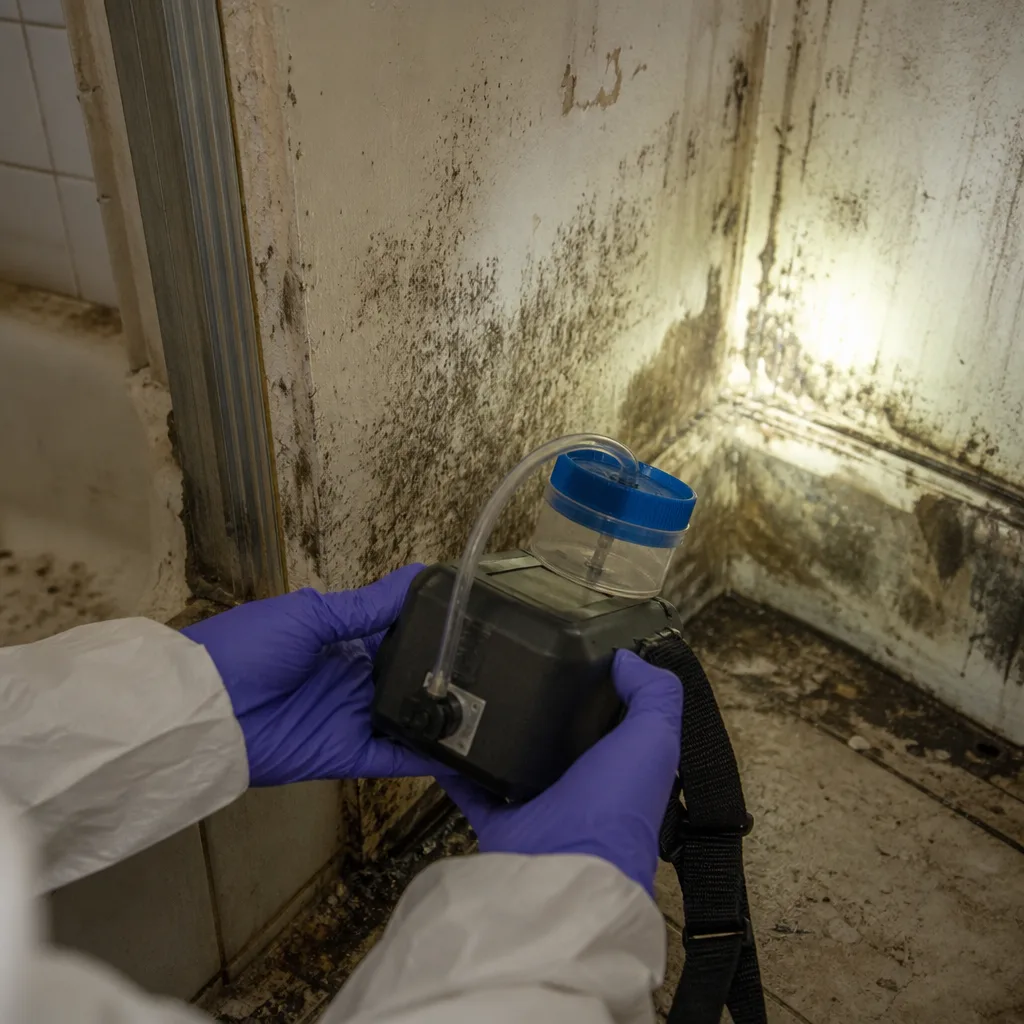
Soot in Midtown’s pre-war buildings is rarely surface-level. Chemical sponges, HEPA scrubbing, and controlled agitation remove residue from plaster, painted trim, and original woodwork that would be damaged by aggressive washing. We identify the soot type first, because wet smoke residue needs different chemistry than dry smoke soot, and applying the wrong one turns cleanable surfaces into replacements.
Contents Cleaning & Pack-Out
When a Garment District loft or Murray Hill co-op loses contents to fire and smoke, we pack out salvageable items, document each piece, and clean them off site at our facility. Textiles, books, electronics, and artwork each need specific handling, and moving them out quickly reduces the odor load in the remaining structure. In mixed-use buildings, pack-out also frees space for structural drying while protecting tenant property from further exposure.
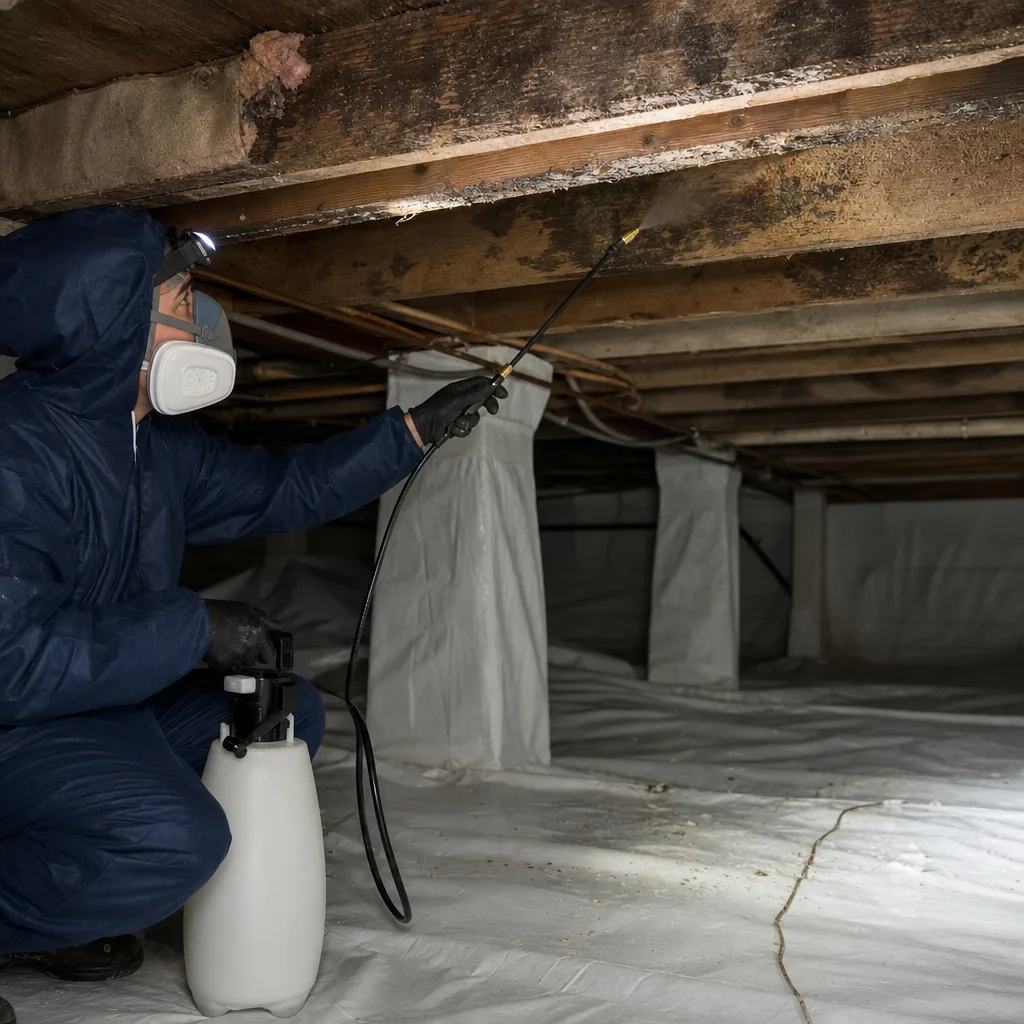
Odor Removal & Deodorization
Smoke odor in a Midtown high-rise migrates through ductwork, chases, and hallways. Thermal fogging and hydroxyl generators neutralize odor molecules rather than masking them, and we match the treatment to the building’s occupancy schedule. In hotels around Times Square, we’ve run odor treatments on single floors without disrupting guests on adjacent floors because containment was set correctly from the first day.
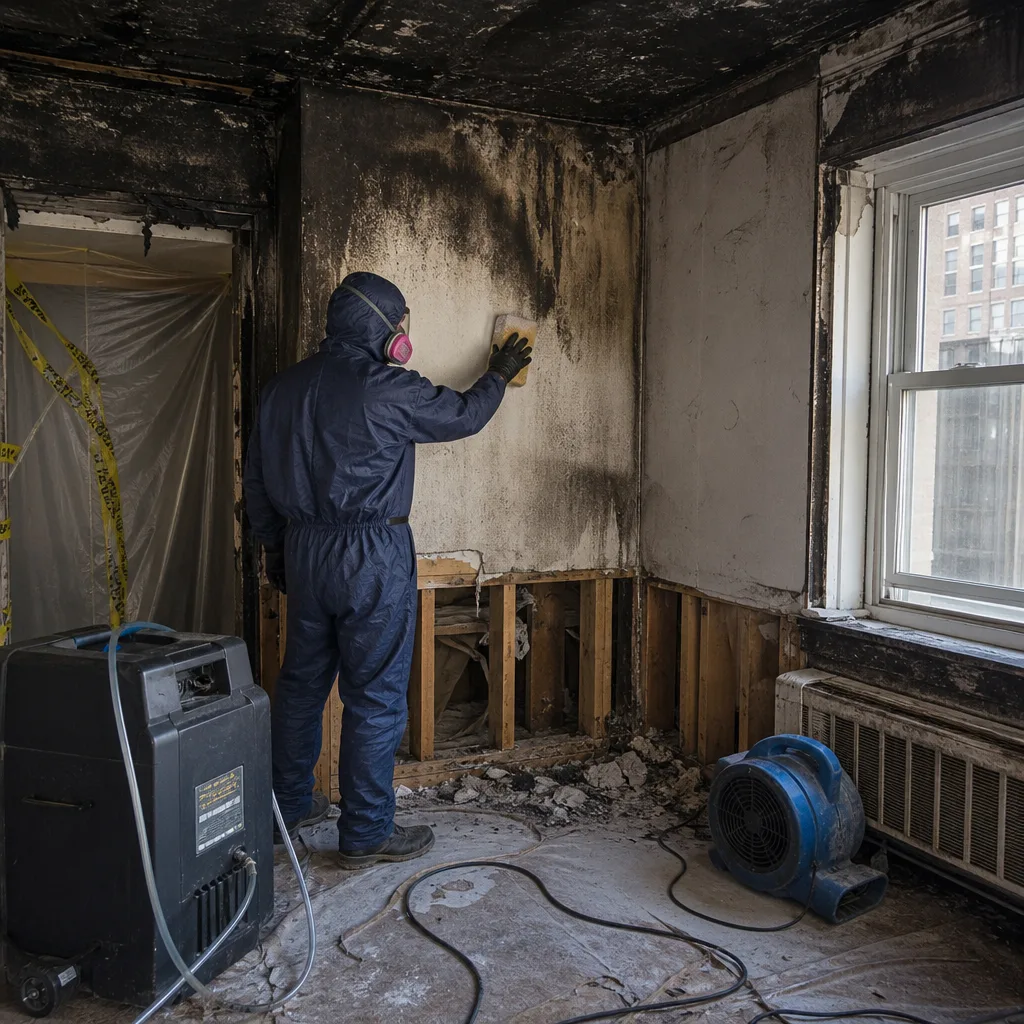
Structural Fire Repair
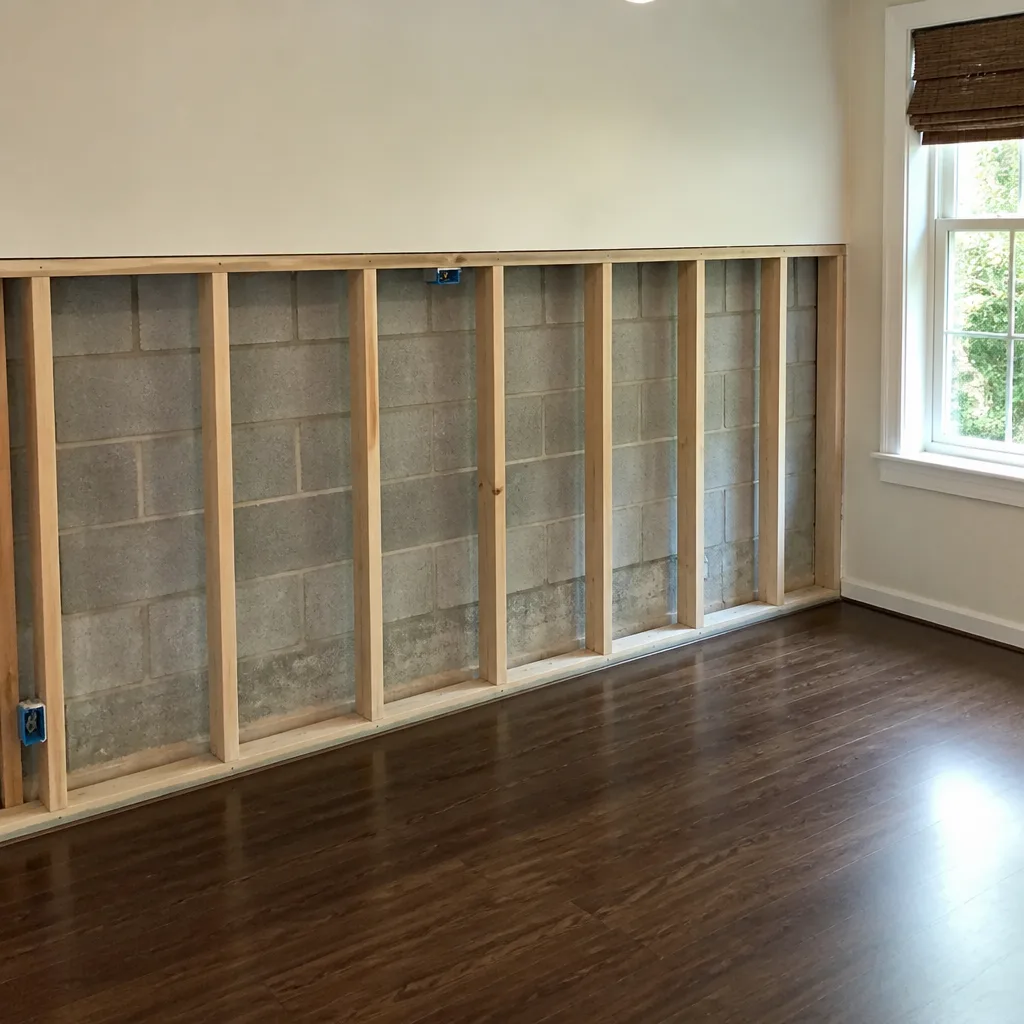
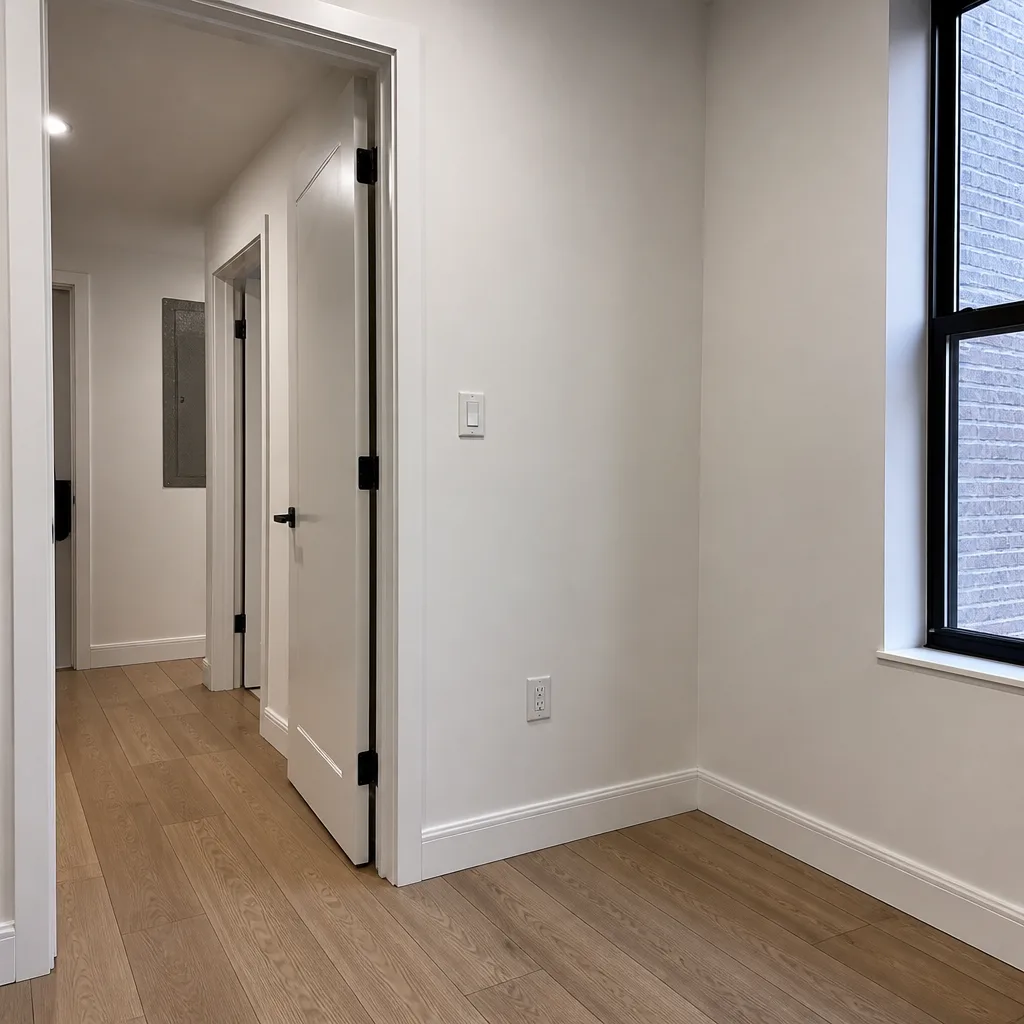
This is where full-cycle restoration matters. After the board-up, extraction, drying, and cleaning, structural repair means framing, drywall, flooring, and finishes rebuilt to code. The same crew that read the moisture map on day one handles the rebuild, so there’s no gap between knowing where the damage started and knowing how to put it back.
What happens when you call
- 1
A real person answersNo phone trees - you reach a local pro.
- 2
You get an upfront price rangeHonest numbers before anyone is dispatched.
- 3
A background-checked tech heads outLicensed & insured, dispatched right away.
- 4
You approve before work beginsNothing starts until you say go.
Fire & Smoke Damage Restoration Costs in Midtown Manhattan, NY
Fire and smoke damage restoration in Midtown Manhattan typically runs $3,200 to $9,800 for a contained kitchen or single-room fire with moderate soot and water damage. A full-floor fire with multiple tenant spaces, structural framing, and extensive contents pack-out lands between $12,000 and $45,000. Freight elevator scheduling and building management coordination rarely add line-item cost, but they absolutely affect duration, which in turn affects daily equipment rental and labor. The largest cost variable in older buildings is asbestos abatement: virtually every pre-1987 structure requires a NYC DEP survey before material disturbance, and if abatement is triggered, that adds days and thousands of dollars before drying work can start. Most fire claims in Midtown Manhattan are insurance-covered, and we bill carriers directly, so your out-of-pocket is typically just the deductible. A free visual inspection leads to a firm written scope, which means no surprises on the bill either way. Call (518) 663-6491 and we’ll walk the loss with you before any work begins.
We Also Serve Cities Near Midtown Manhattan
Floodline Restoration Co. handles fire and smoke damage restoration in Midtown Manhattan and the surrounding area, including the Financial District, Lower Manhattan, Washington Square, and Brooklyn Heights. Response times vary by distance and traffic, but the same certified crews and the same written 90-Day Done Right Promise apply everywhere we work.
Midtown Manhattan Fire & Smoke Damage Restoration Questions, Answered
How does Midtown Manhattan’s freight elevator scheduling affect fire damage restoration timelines?
Freight elevator windows in Midtown towers are often a single two-hour morning slot, which means every piece of equipment, every bag of debris, and every packed-out content box has to move through the building during those hours. Crews that don’t know this will lose entire days sitting idle. We coordinate with building management before we arrive to confirm the freight window, reserve the elevator, and stage equipment in a holding area so the actual moving happens without delay. This is one reason our crew handled a Garment District loft building fire without losing the drying window, despite four floors of contents and a Category 3 water event.
Why do so many Midtown Manhattan fire damage projects hit asbestos abatement holds?
Virtually every pre-1987 building in NYC requires a DEP asbestos survey before any material disturbance, and Midtown’s stock is dominated by pre-war buildings from the 1910s through the 1940s. If the survey flags a material, an abatement hold stops work before drying begins, not after. We schedule the survey as step one, not step five, so the hold doesn’t catch anyone by surprise. In older Midtown buildings, we assume asbestos is present until the survey says otherwise.
What’s the difference between Category 1, 2, and 3 water in a Midtown high-rise after a fire?
Category 1 water is clean water from a supply line or a sprinkler system. Category 2 contains some contamination, like water that has run through building materials or sat for hours. Category 3 is grossly contaminated, the kind you see when a fire department drenches a mixed-use building and the runoff picks up sewage, soot, and whatever else lived in the floor assembly. Midtown fires often produce Category 2 or 3 water because fire suppression water travels through multiple floors and picks up contaminants on the way. We classify the water on site, set containment accordingly, and document the classification for your insurer.
How do you handle smoke odor in a Midtown luxury hotel without disrupting guests?
We set containment on the affected floor with HEPA scrubbing running inside the envelope only, then use hydroxyl generators rather than ozone, because hydroxyl works safely in occupied buildings. The schedule is built around housekeeping and check-in hours, and we coordinate with hotel management on elevator usage so guests never encounter equipment in the corridors. The key is getting containment right on day one, so odor never migrates to guest floors in the first place.
Why do Midtown steam riser failures cause both water and soot damage at once?
The steam heating pipes in Midtown’s 1920s through 1940s buildings run at 15 PSI or higher through original cast-iron risers. When one fails in a January freeze, it releases steam that condenses into Category 3 water while simultaneously blasting decades of rust, scale, and soot from inside the pipe across multiple floors. The result is a combined water and contents restoration scenario that suburban crews almost never see, but any Midtown-experienced crew recognizes immediately. We’ve handled this exact failure pattern in a Garment District loft building near Penn Station, where a single riser burst sent water and soot through four floors in under an hour.
How fast can someone actually get to a fire damage emergency in Midtown Manhattan?
About 45 minutes from your call. A live dispatcher confirms the crew while you’re on the phone, and we route from our New York City office directly into Midtown Manhattan. Board-up and tarping happen the same visit whenever the building envelope is open. Call (518) 663-6491 the moment the fire department clears the scene.
Will my insurance cover fire and smoke damage restoration in Midtown Manhattan?
Most property insurance policies in New York cover fire and smoke damage, including water damage from fire suppression. The coverage depends on your policy type, limits, and deductible. We bill carriers directly for covered work and provide the documentation they need: photos from before work starts, daily moisture logs, and a line-item scope. You pay your deductible, and we handle the carrier communication.
What should I do in the first 30 minutes after a fire in my Midtown building?
Get everyone out, call the fire department, and wait for the all-clear. Once you’re cleared, call us at (518) 663-6491 before you touch anything. Don’t wipe soot with water; that sets protein residue permanently. Don’t turn on HVAC systems; that spreads smoke through the building. Don’t enter damaged floors before a structural assessment. The first 30 minutes are about not making the damage worse.
Serving Midtown Manhattan, NY - Our Local Coverage Area
We’re based in the Midtown Manhattan area and know this community well. Use the map below to see our service coverage - if you’re nearby, we can almost certainly help.
Get Fire & Smoke Damage Restoration in Midtown Manhattan Now
Midtown Manhattan fires don’t respect business hours, and neither do we. Our Fire & Smoke Damage Restoration team answers live at (518) 663-6491 any hour, every day. A background-checked, uniformed crew with IICRC, RIA, and IFA training arrives within about 45 minutes, walks the loss with you, and hands you a written scope before any work starts. The 90-Day Done Right Promise, our Keystone Standard in writing, covers every phase from board-up to structural rebuild. Senior and veteran homeowners receive a 5% discount, and we’re always offering $50 off any repair over $250. Call now for a free estimate, or ask for Curt Bowman’s team and we’ll put someone on the line who can answer your questions directly.
Written by Curt Bowman, Owner at Floodline Restoration Co., serving Midtown Manhattan with full-cycle fire and smoke damage restoration, direct insurance billing, and the 90-Day Done Right Promise.